My Top Wildlife Sites 2

After sharing four of my top wildlife sites in the UK I began to think of more and more, so here are another set of places that everyone should visit. Read on for dwarf pansies, red squirrels, white-tailed eagles and a particularly spectacular murmuration.


  1. Isles of Scilly

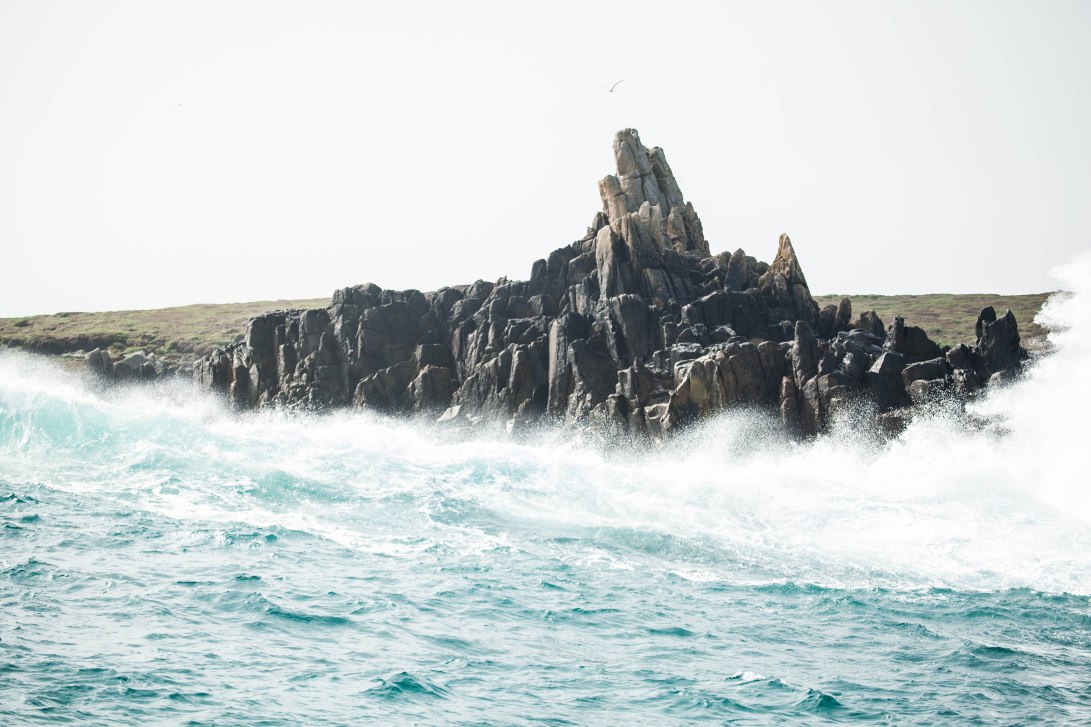
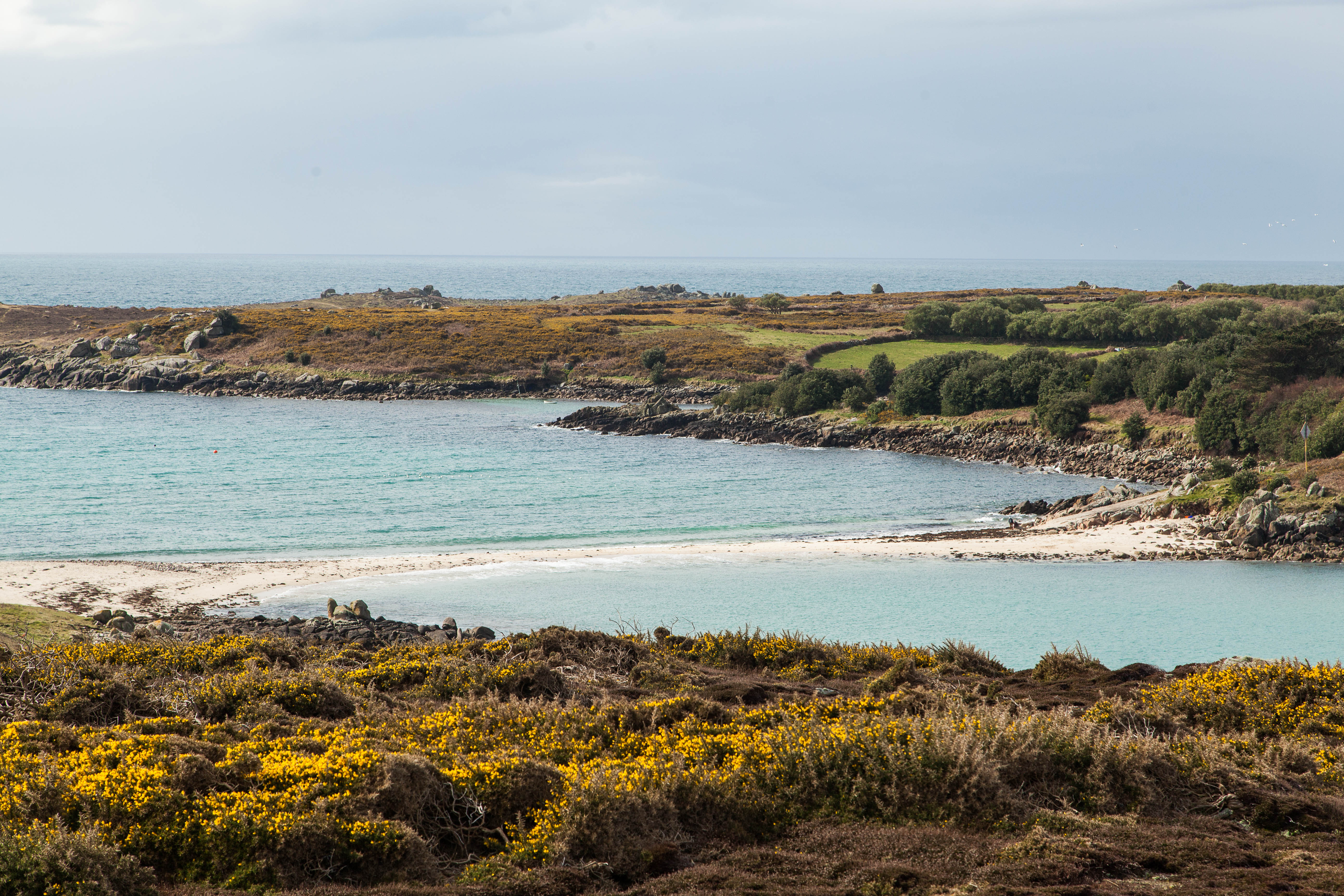
It sounds like an exaggeration but the Isles of Scilly really are incredible. I chose Scilly as the location for my final major project during my undergraduate degree and spent six days wandering through remote and near-tropical landscapes. Despite only being 28 miles from Cornwall, Scilly is so separate from mainland life that many of its species have evolved differently. The blackbirds have blood orange bills instead of their usual tangerine, wrens sing different songs and some plants are found nowhere else in the UK but on those few scattered islands.

I was there to try and find the dwarf pansy, a flower so tiny that the petals barely cover a little fingernail. By some miracle I found it, but Scilly also surprised me with its dramatic geology, impressive bird life and scorching temperatures. I didn’t have time to visit all the islands, but Bryher was by far my favourite. As well as the dwarf pansy, I found the furious waves of Hell Bay (the name is no coincidence), swarms of dog violet blooms and beaches impossible to describe without using clichés. I’ve promised myself I’ll go back to Scilly, not only to tick off the other islands but to just spend time in a place with barely any roads, air so clean that lichens bloom on almost every tree, and plants so special that crazy students travel hundreds of miles to find them.

3
Dwarf pansy


  1. Eskrigg Nature Reserve

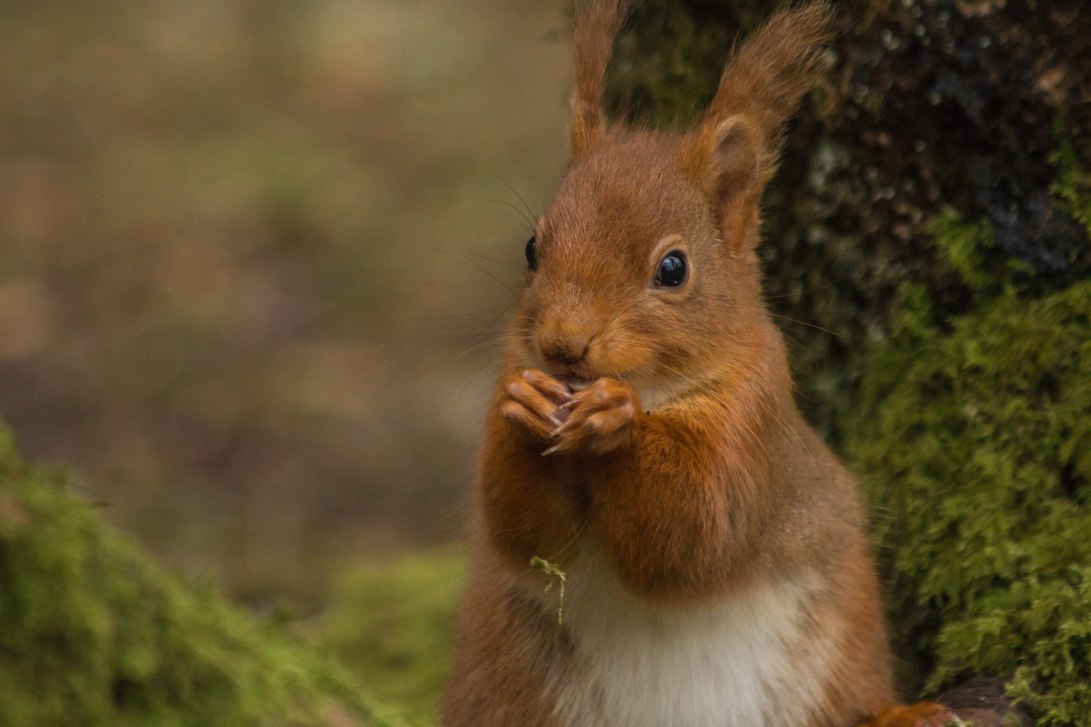
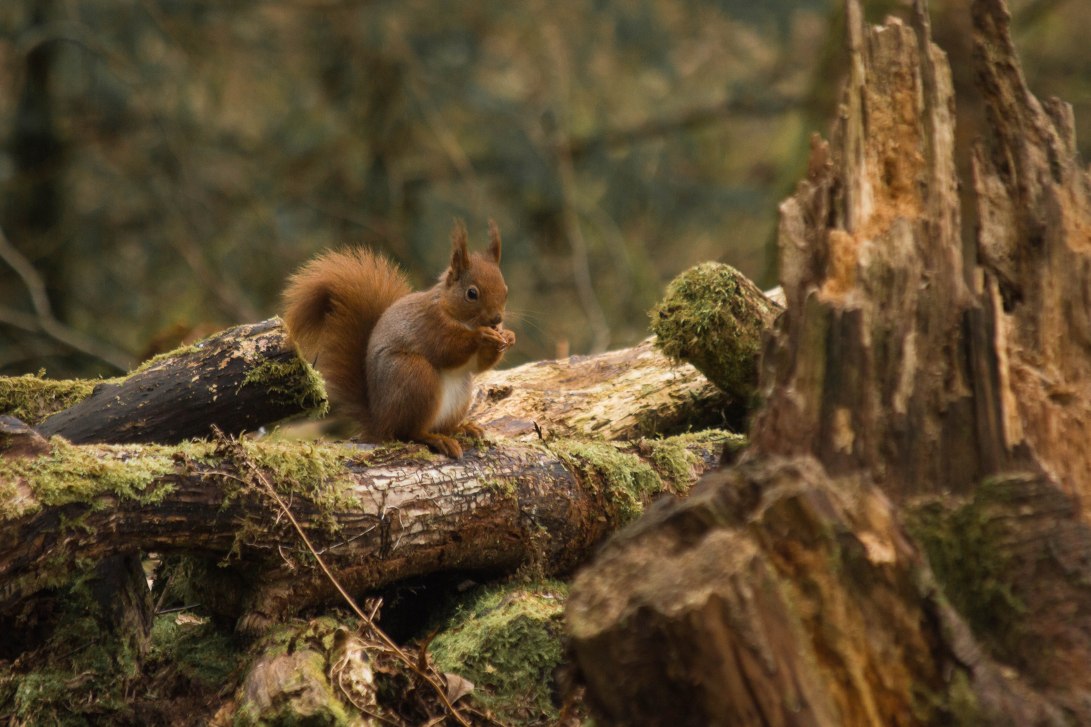
My mum had never seen a red squirrel before I took her to Eskrigg Nature Reserve. I’d been spoilt rotten there; after only two visits I’d seen about ten squirrels foraging six feet in front of me. Eskrigg is an exceptionally special place, managed by an exceptionally special person. I made a short documentary about Jim Rae for a university assignment and learnt just how much he has done not only for the reserve but also the community in Lockerbie.

As well as red squirrels, I have spent hours watching bramblings, great-spotted woodpeckers, siskins and even a female mandarin duck on a rare visit. When my parents came to see me I took them straight to Eskrigg. While Dad occupied the dog, I sat with Mum outside the hide (no need to sit inside with such laid-back wildlife) and waited less than twenty minutes before squirrels were bounding and chasing right under our boots. My mum had the same look of complete adoration on her face that I did the first time I saw them. There are certain animals that make a person’s mouth fall open and demands all their attention. Red squirrels do this effortlessly.
IMG_9304IMG_9213


  1. Isle of Carna

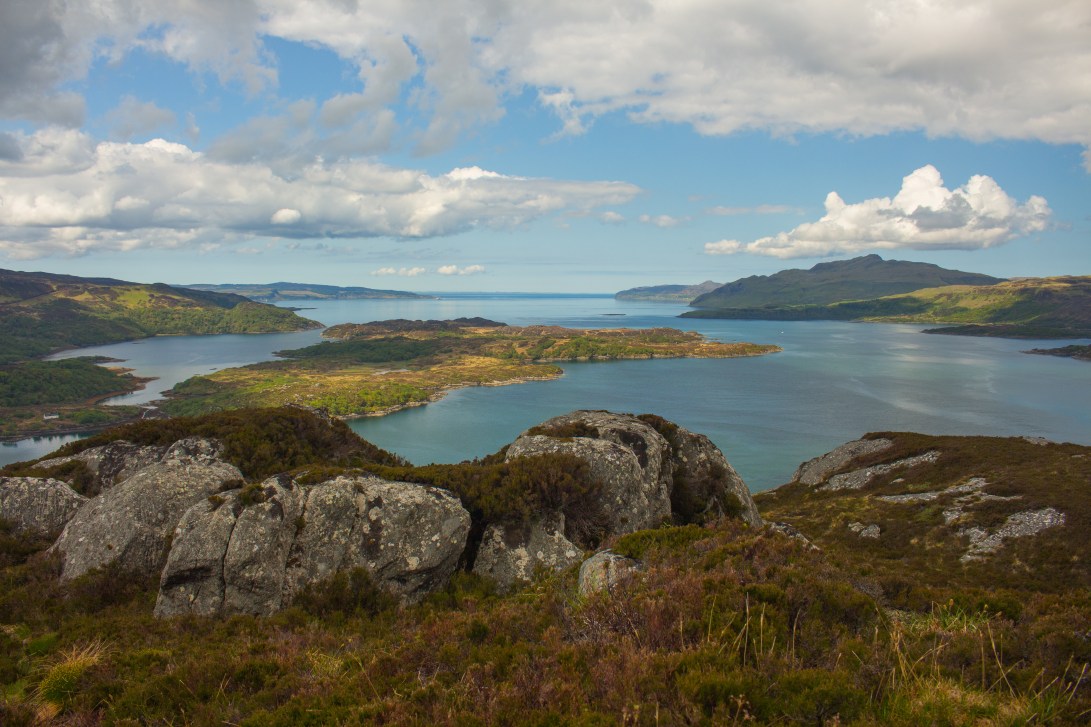
I could write pages about Carna. I went there in 2016 on an expedition with Wild Intrigue to leave technology behind and rewild myself. Carna is situated in Loch Sunart on the west coast of Scotland. We spent five days staying in one of two cottages on the entire island, which is let out to people looking for a break in complete seclusion. Even the deer have to swim to get there, which is certainly an unusual sight.

This was my first real foray into Scottish wilderness, and I couldn’t have asked for better guides. I didn’t know Heather and Cain well then, but they have since become good friends who have not only taught me most of what I know about wildlife, but have given me amazing opportunities, not least a year long internship as their Creative Content Developer.

During my stay on Carna I saw my first otter, cuckoo, golden eagle and white-tailed eagles. You know you’re in a truly wild place when white-tailed eagles become a regular occurrence after the first couple of days. We found common blennies, butterfish and dog whelks in rock pools, caught a female wood mouse in a live-capture Longworth trap and recorded foxes, roe deer and voles on trail cameras. It was a crash course in wildlife fieldcraft that showed me just how diverse Scotland is, and will always be remembered fondly as my first true wildlife trip.
IMG_6170

IMG_6216
Butterfish


  1. Avalon Marshes

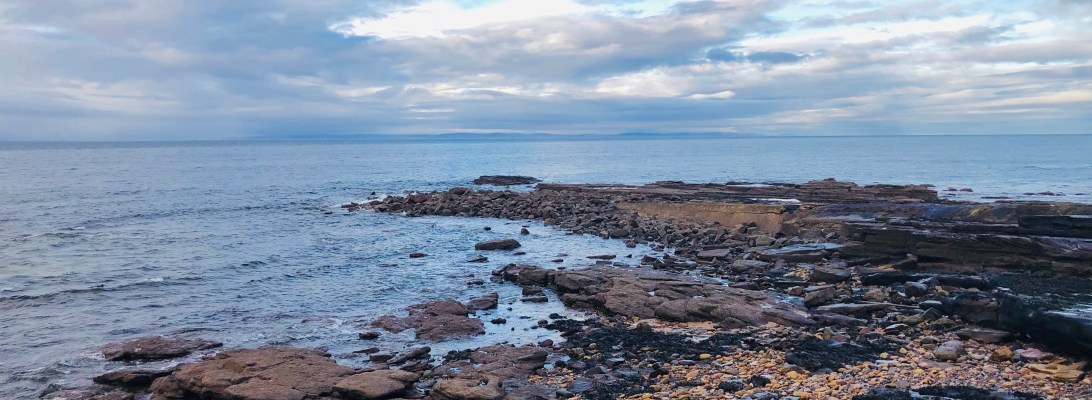
Before our trip to Avalon Marshes, my time in Somerset had been windy, soggy and cold, so I wasn’t feeling particularly inspired when we arrived just as more rain was spotting my face. We headed along the river and took our position looking out over a reed bed. Forty minutes later, I was trying not to fall backwards as I watched 250,000 starlings swirling over my head. I’d never seen a starling murmuration before, and I was being thoroughly spoilt with my first experience. Not only starlings but a merlin, marsh harrier and peregrine falcon trying to snatch a meal, as well as a grey heron that chose the wrong time to take flight and found itself in a starling storm.

As majestic as murmurations look on TV, they are nothing compared to the real thing. The sound of that many starlings flying over your head is like soft rain, which is amplified by cupping a hand around your ear. I had my mouth hanging open like a cartoon character the entire time, scarcely believing the swarming shapes I was seeing. It was like a static screen come alive. Eventually, the starlings swooped down to roost, almost at the same time. The reed bed became a seething frenzy of voices and the sky was empty again.

IMG_0626

Shorewatch

I am now officially trained as a Shorewatcher for Whale and Dolphin Conservation (WDC). I’ve been wanting to learn more about my local wildlife and contribute to marine conservation now I’m living in Scotland, so when I found out about the Shorewatch programme I was keen to get involved. Luckily I managed to complete my training in Inverness earlier this month, only a couple of weeks before the new regulations that now prevent us from going out for anything other than food shopping and exercise. Although I now won’t be able to start Shorewatching for a while, I’m going to use my time to get better at identifying British cetaceans using books in preparation for when I can get started properly.

Shorewatch is a citizen science project that’s all about scanning an area of ocean for ten minutes and recording the presence or absence of cetaceans (whales, dolphins and porpoises). The areas are especially assigned Shorewatch sites, which are found all over northern Scotland. The data collected is sent to WDC and used to monitor populations of cetaceans and flag up potential problems that may be occurring, such as deep-diving species that are straying into the shallows or a noticeable lack of sightings in an area where we might usually expect them.

IMG_4136

Shorewatch is particularly beneficial because it is a completely non-invasive way of surveying. As the volunteers are positioned on the shore instead of in boats, the cetaceans show natural behaviour. WDC also don’t believe in tagging animals, so prominent scars and nicks in dorsal fins are used to identify individuals. For example, the team can recognise Spurtle, a female bottlenose dolphin, from the large area of sunburn on her side.

I haven’t seen any cetaceans in Moray yet, but I’m sure that will change over the coming months. The season will hopefully kick off properly in May, and going by the incredible photography I’ve seen, the bottlenoses really go to town with their acrobatics! However, when all you see is the flick of a tail or the subsequent splash, it can be tricky to figure out what species you’ve seen, so I’m learning how to identify different species in the water. The Moray Firth is famous for its bottlenoses, which are both the largest and most northerly in the world, but many other species have been spotted from Burghead shores including harbour porpoises and even orcas and humpback whales! I would definitely cry if I saw an orca in my local patch, but I shouldn’t get ahead of myself. Hopefully I’ll get to see the resident dolphins soon. We all went to Chanonry Point after our theory training to do a practice Shorewatch, and although there were no dolphins, we saw a common seal and a white-tailed eagle! I haven’t seen one since my trip to Carna in 2016, so to be able to watch the “flying barn door” on the east coast was a real treat and a fabulous introduction to Shorewatching.

IMG_2671

Vitamin Sea

Last week there was a film screening event at the Scottish Dolphin Centre in Spey Bay. I didn’t know anyone there but soon found myself chatting to an elderly couple whose fierce pride of Scotland was immediately clear. We chatted about the Moray dolphins and the house that they planned to build with a view out to sea. It was the sort of life I was looking for myself.

The film was “Vitamin Sea”: an hour long documentary that followed ocean advocate and veterinary surgeon Cal Major as she attempted to be the first person to journey from Land’s End to John O’Groats by Stand Up Paddleboard. Cal was raising money for Samaritans and Vet Life in memory of her best friend who lost her battle with depression. I didn’t realise there is a high suicide rate among vets and not enough is currently being done to support them. Cal was also raising awareness of plastic pollution – scooping up hundreds of plastic bottles along the way – and showing how beneficial nature, and the ocean in particular, can be for our emotional wellbeing. If we spend time in an environment and form a relationship with it, Cal says, then people will want to protect it.

What I love about Cal is her positivity. While topics such as plastic and climate change can often bring doom and gloom, she discusses positive solutions and encourages us all to do little things that bring great benefits. Throughout her 900 mile journey Cal meets countless people who donate to her cause, help out with litter picks and show their support in so many other ways. Even in places like Manchester, where plastic pollution was at its worst along Cal’s route, spirits were high and people clearly showed their passion for protecting their natural environment.

IMG_9506

At times the film was very moving. Cal revisited a place where she spent a holiday with her lost friend, and at times broke down from the combination of finding so much litter and experiencing sheer exhaustion. The constant struggles and exertions only made reaching the finishing line more emotional. After two months on the water with a sole purpose, it seemed almost anti-climactic when Cal touched land at the end of her journey. Overwhelmed with emotion, she debated staying with nature at sea and letting it continue to “heal” and “wow” her.

What resonated with me was the “profound sense of joy” that comes with being on the ocean surrounded by natural beauty. Many of us feel an undeniable pull to the ocean – that beautiful, unpredictable element of nature that compels our love and respect. Seeing so much litter clogging beaches where seals and birds roamed was difficult, but knowing that people like Cal are raising awareness with a positive message is so refreshing.

As we watched a drone’s eye view over mountains and stretching ocean at the end of the film, the man beside me leant over and asked, “Do you think you’ll go back again?”

I really don’t think so.

Arrival

I’ve finally done it. After feeling for the past year that I’ve been in the wrong place, and experiencing a far greater satisfaction every time I visit Scotland, I’ve finally moved there. Last weekend I drove 568 miles and upon arrival collapsed exhausted, filling the house with bags and suitcases. But over the past few days it’s finally started to sink in that I live here now.

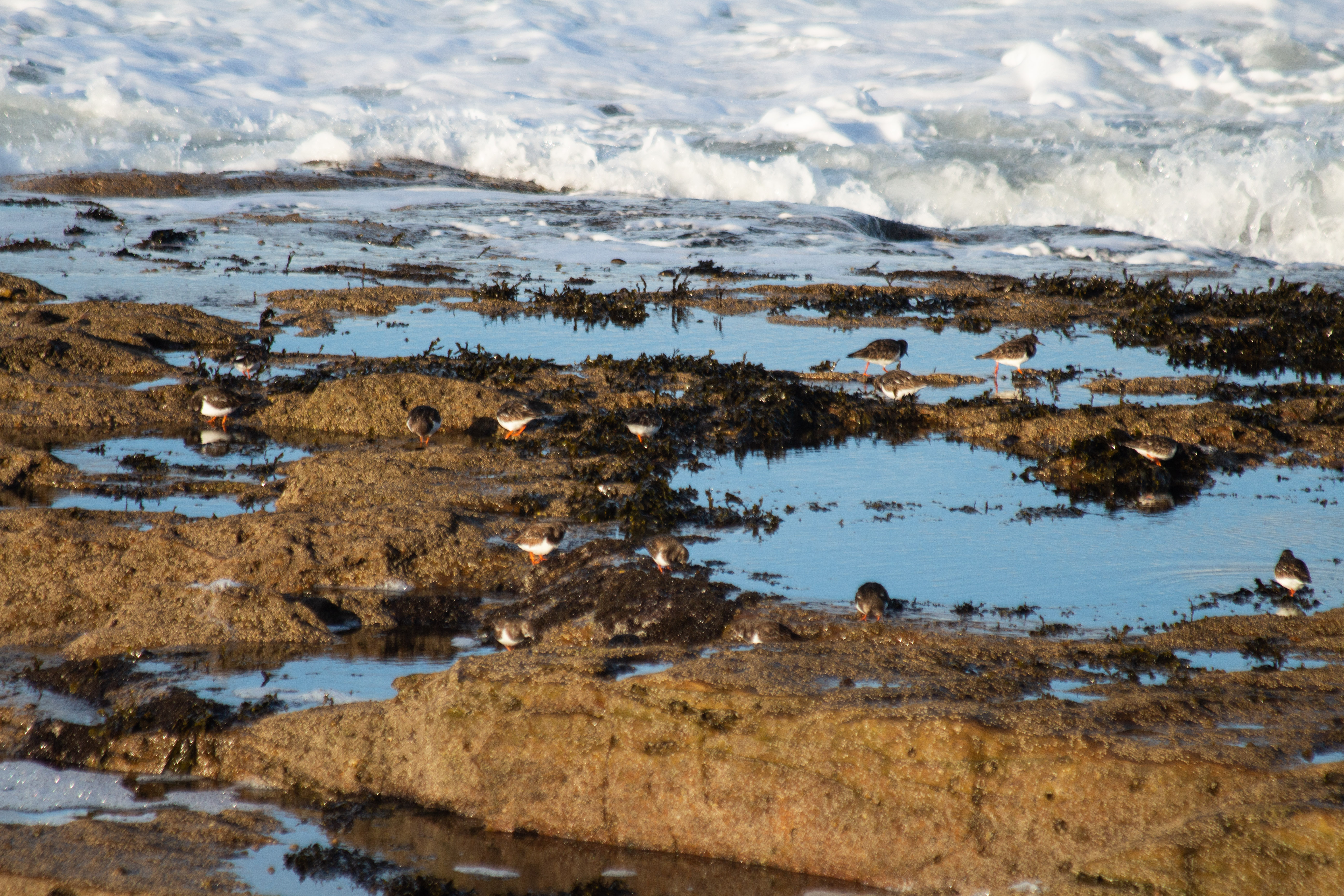
The reason I can tell I’m in a much better place is I already feel a connection to the landscape, so much so that I’ve assigned myself a local patch for the first time. Back in Hertfordshire I never felt closely attached to any wild place, and even if I had there was nothing within walking distance of where I lived. Now I can walk for less than two minutes and reach the sprawling north side of the Burghead peninsula, known by the Brochers (Burghead residents) as the backshore. This is my new patch. Not only is it teeming with birds – attracting twitchers from across the Highlands as a result – but it is home to many species I don’t know, which will make the process of monitoring my patch even more rewarding. Having never been in regular contact with marine and coastal habitats before, my knowledge of gulls, ducks and waders is almost non-existent. I’ve been visiting my patch for three consecutive days now and have already learned to recognise six new birds: turnstone, redshank, rock pipit, goldeneye, curlew and long-tailed duck. When I stand on the bank scanning the waves, I think I see around a thousand dolphins breaking the surface, but the ocean is known for playing tricks. As the old saying goes, the harder you work the luckier you get. There are around 130 resident bottlenoses in the Moray Firth, and I’m determined to see some on my patch soon.

IMG_2547
A well camouflaged curlew

Having a local patch is a great way to get to know an area intimately. By regularly recording not only the species but also the weather conditions, time and date of visits, you begin to detect changes and ultimately learn wild animal behaviours. On Sunday I went at 4pm and watched waders and gulls foraging amongst the rocks. Yesterday I went at 11am and the tide was completely in, so the waders were absent but there were still ducks and cormorants diving in the shallows. A marine patch is particularly intriguing because it changes drastically in a short space of time. In just a few hours the habitat is transformed, and new birds appear to take advantage of the conditions.

IMG_2492
The backshore is full of redshanks

I’ve already met other birders at the backshore, including Steve Reddick from Highland Wildlife and Birdwatch Safaris, who had the added benefit of a scope. He was keen to see purple sandpipers, which are often here during the winter. I learnt most of my six new birds from Steve, and now wish he could help me with a mystery diver I keep spotting. It’s too far away to make out clearly through binoculars, and to my untrained eye the three species of diver seen here – red throated, black throated and great northern diver – all look very similar in winter plumage. Hopefully with a few more sightings I’ll learn the differences and be able to identify them with confidence. I’m particularly looking forward to seeing their summer plumage, which is not only easier to recognise but also stunningly beautiful!

IMG_2542
Turnstones are notorious for fidgeting, but it would be nice if they all looked up every now and then!

It’s fantastic to have my passion for birdwatching renewed. I’ve been in a slump for months, so to finally be in a place that inspires and challenges me is both a relief and a privilege. I can’t wait to discover new species this year, not only on the backshore but all over the Moray coast.

I Need Your Help for Wildlife Blogger of the Year!

If you love wildlife, then I need your help!

I’ve entered the Wildlife Blogger of the Year 2018 competition, organised by Terra Incognita. The theme is “a favourite wildlife moment of 2018”, and I chose my encounter with a wild grey seal in the Farne Islands, which some of you may remember reading about.

I chose this story because it was an incredibly special experience and a reminder to me that we should not be constantly connected to technology. I had a GoPro with me while I was snorkelling but was so surprised by what happened that I completely forgot to film. At first I was disappointed, but on reflection I am so glad that I stayed in the moment and didn’t miss a single second. I interacted with a wild animal with absolutely no distractions, and it has become one of my most precious memories of time spent in nature. I hope my story reinforces the need to connect with wildlife and shows just how rewarding it can be.

As well as the overall winner of Wildlife Blogger of the Year, picked by a panel of judges, there is the Reader’s Choice winner award, which anyone can vote for. If you enjoy my story, I would be thrilled if you could cast me your vote.

You can read my story and vote for me by following this link. Thank you so much!

The Farne Islands – Part 2

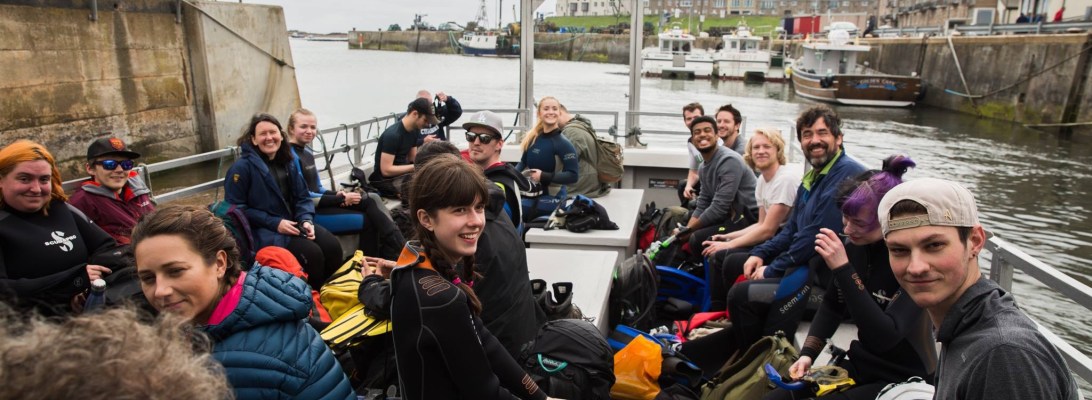
After sharing the waves with a herd of very curious seals, it was now time to get changed on a boat with thirty other people. This was a challenge, especially as getting a wet wetsuit off required the flexibility and strength of a contortionist. I teamed up with another girl to make a temporary changing cubicle, which made it somewhat easier.

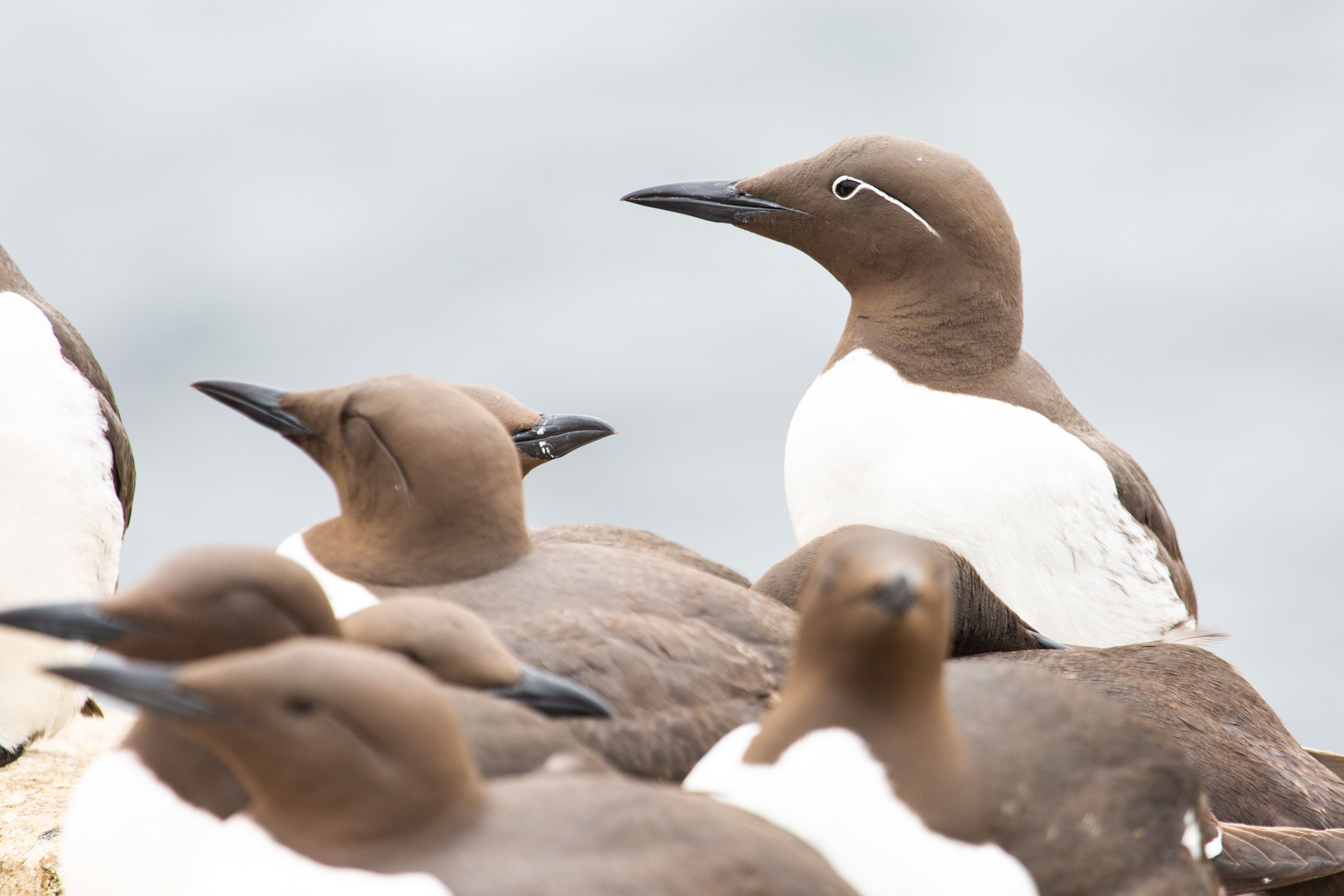
Once everyone was back in dry clothes, the boat headed to Staple Island for a spot of birdwatching. On the approach, all we could see and hear was guillemots, a blanket of birds completely covering the rock. People were dotted amongst them but vastly outnumbered. It was the kind of ratio I liked to see.

O12C4099-2

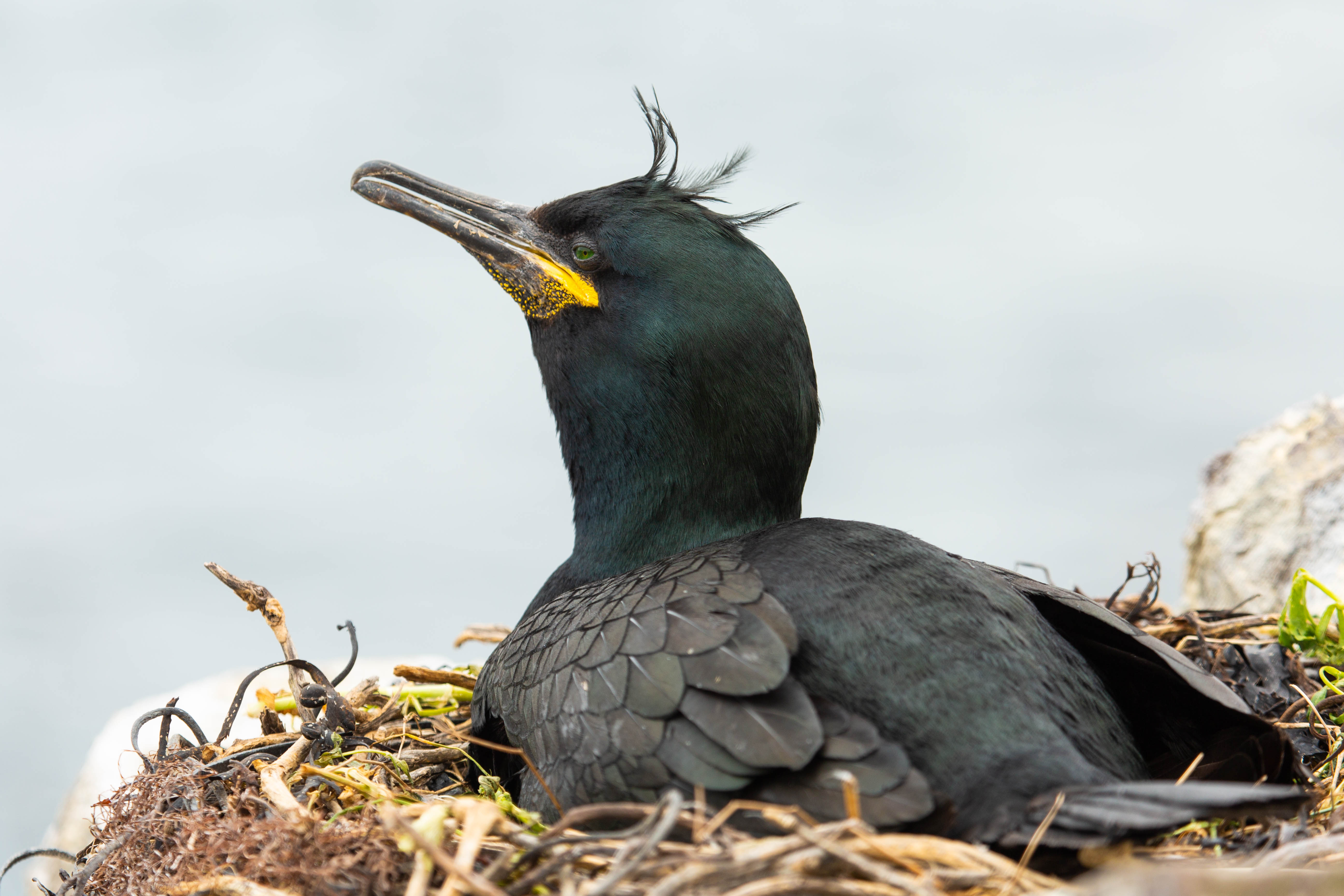
On dry land, it was impossible to decide where to start. I was used to choosing a spot to sit and wait for the wildlife to appear. Here, we had joined a metropolis of seabirds all going about their business without blinking an eye at what we were doing. Red posts were stuck into the ground at places, and as we passed I notice each one signalled the presence of a nest, some situated almost on top of the path that threaded through. Shags watched nonchalantly as we passed, eyes half closed.

O12C4243

Some of the guillemots looked different to others. While most had completely brown heads, a select few had bright white rings around their eyes. I asked Cain, who told me they were bridled guillemots. Back at home I looked them up, and discovered that these individuals are an example of dimorphism. Usually relating to variety in plumage colour, dimorphism is the existence of two distinct forms within a single species. This is different from two subspecies, as both guillemots and bridled guillemots have the same Latin binomial: Uria aalge. Were they subspecies, they would have an additional subspecies name. Furthermore, subspecies tend to be permanently geographically isolated from one another.

O12C4247

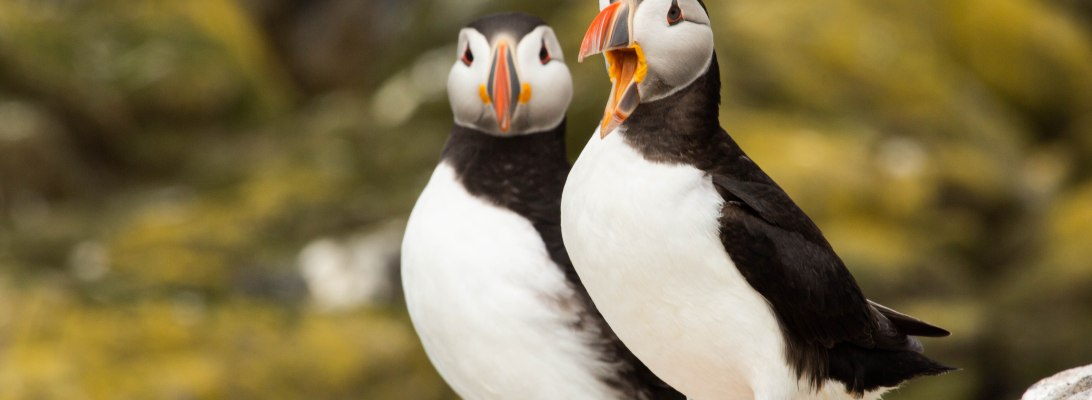
After watching the guillemots for a while, I found where the puffin clique spent their time. Away from the larger birds, there were countless burrows in the grassy banks, and after a while puffins would pop into view or land and duck inside, sometimes carrying large mouthfuls of sandeels in their vibrant bills.

O12C4119

I had been so excited to see my first puffins on the Isles of Scilly, and while I still treasured the memories, those had been distant sightings compared to now. Here on the Farnes, puffins sat twenty feet from two-tiered photographers, lying on the rock or glancing from side to side with their sad clown eyes. They were a joy to watch, and so much smaller than people think!

O12C4204-2O12C4194-2

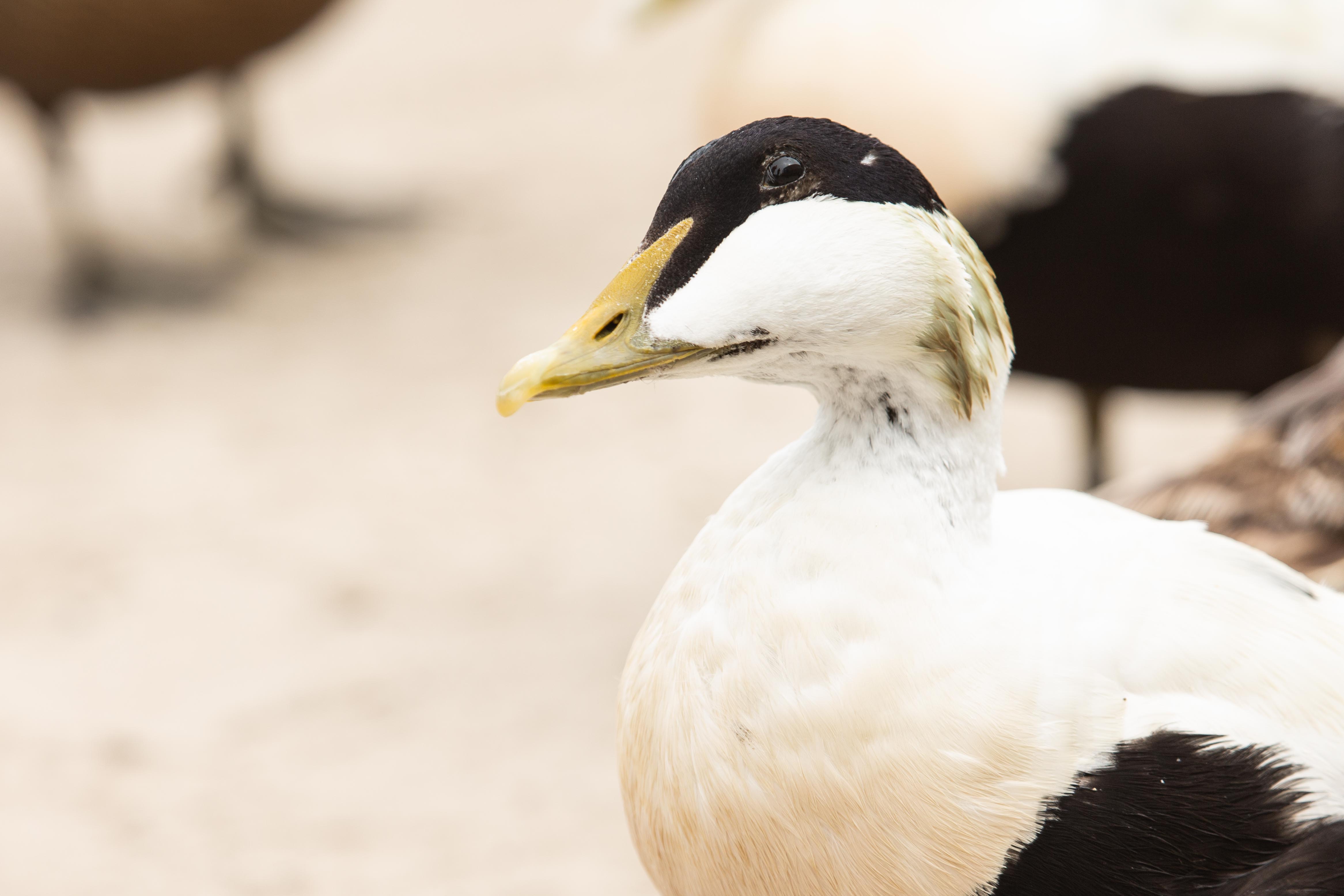
Sadly, the time flew by and before I knew it I was back on the boat and leaving Staple Island behind. When we arrived into Seahouses, I caught the irresistible smell of fresh doughnuts on the breeze. Tired after the swim, I made a beeline for the van and bought a bag to sit and eat on the bay. A group of very tame eider ducks approached, eyeing my bag with enthusiasm. Unfortunately for them, I wasn’t sharing my doughnuts with anyone, but I did make use of the opportunity to photograph the beauties so close.

O12C4286-2

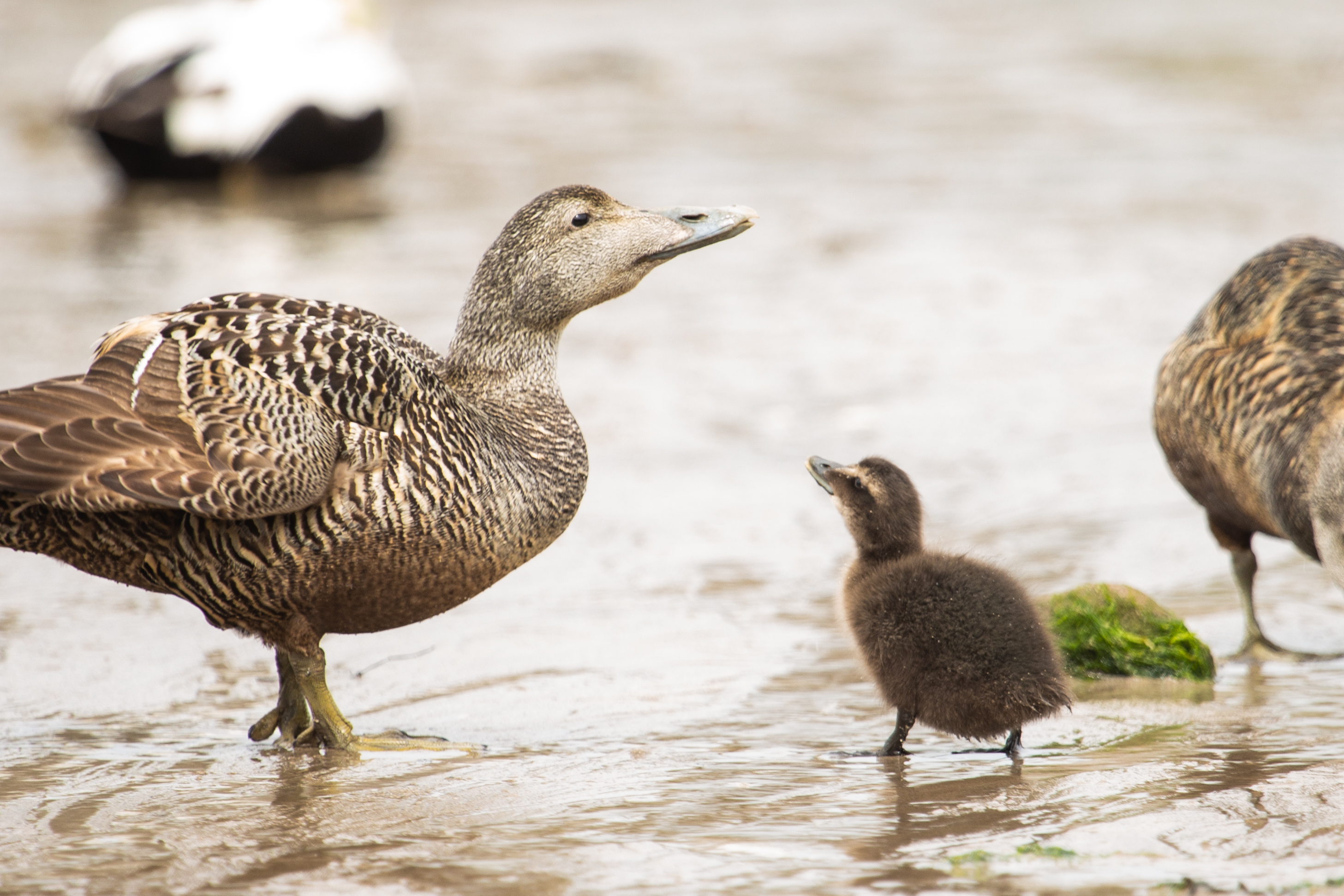
I was thrilled to see ducklings accompanying some of the females, perhaps one of the cutest baby animals there is. As the females lowered their bills into puddles of seawater, the ducklings copied, mirroring the adults’ every move. Watching such intimate family behaviour while I devoured my doughnuts was a perfect way to end such a dramatic and unforgettable day at sea.

O12C4306-2O12C4309

The Farne Islands – Part 1

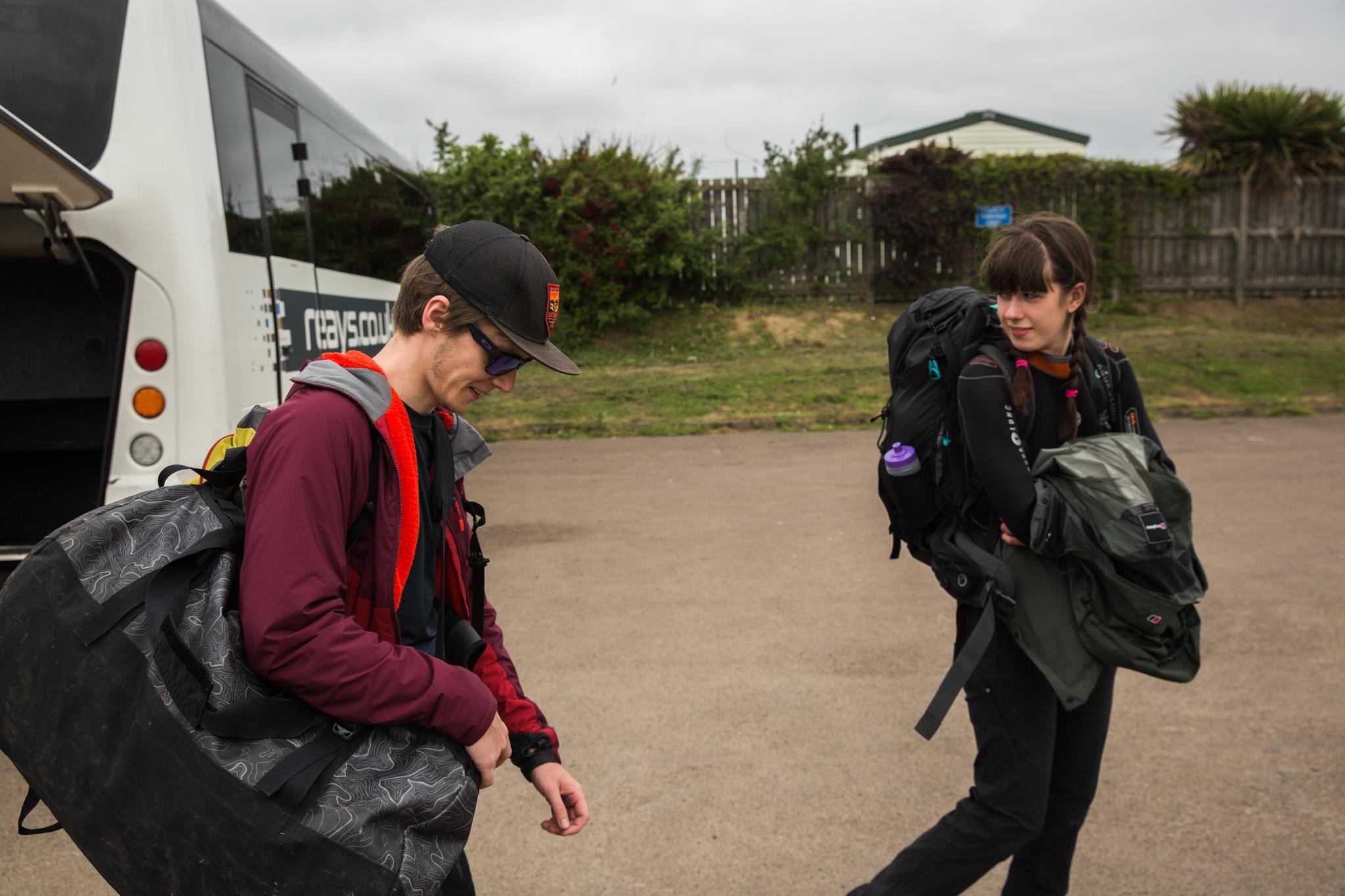
Our trip to the Farne Islands was looking like it would be a day of unforgettable wildlife encounters. We boarded the boat at Seahouses kitted out in wetsuits, boots, hoods and clutching snorkels in gloved hands. The clouds were light in colour and I had faith that the sun would soon break out.

IMG_0816
En route to the boat (Photo: Cain Scrimgeour)

There was a buzz of excited conversation as we moved out into open water, scanning the surface for wildlife. Cain, sharp-eyed as always, spotted the first puffin, as well as razorbill, guillemot, and a Manx shearwater. I twisted in my seat to spot everything he pointed out, but as usual, I was perplexed how Cain could identify such small, distant birds with immediate certainty. I could easily see the gannets though, a group of four that glided low over the water past the boat. I’ve said it many times before, but gannets are one of the best birds out there, and I never tire of watching them.

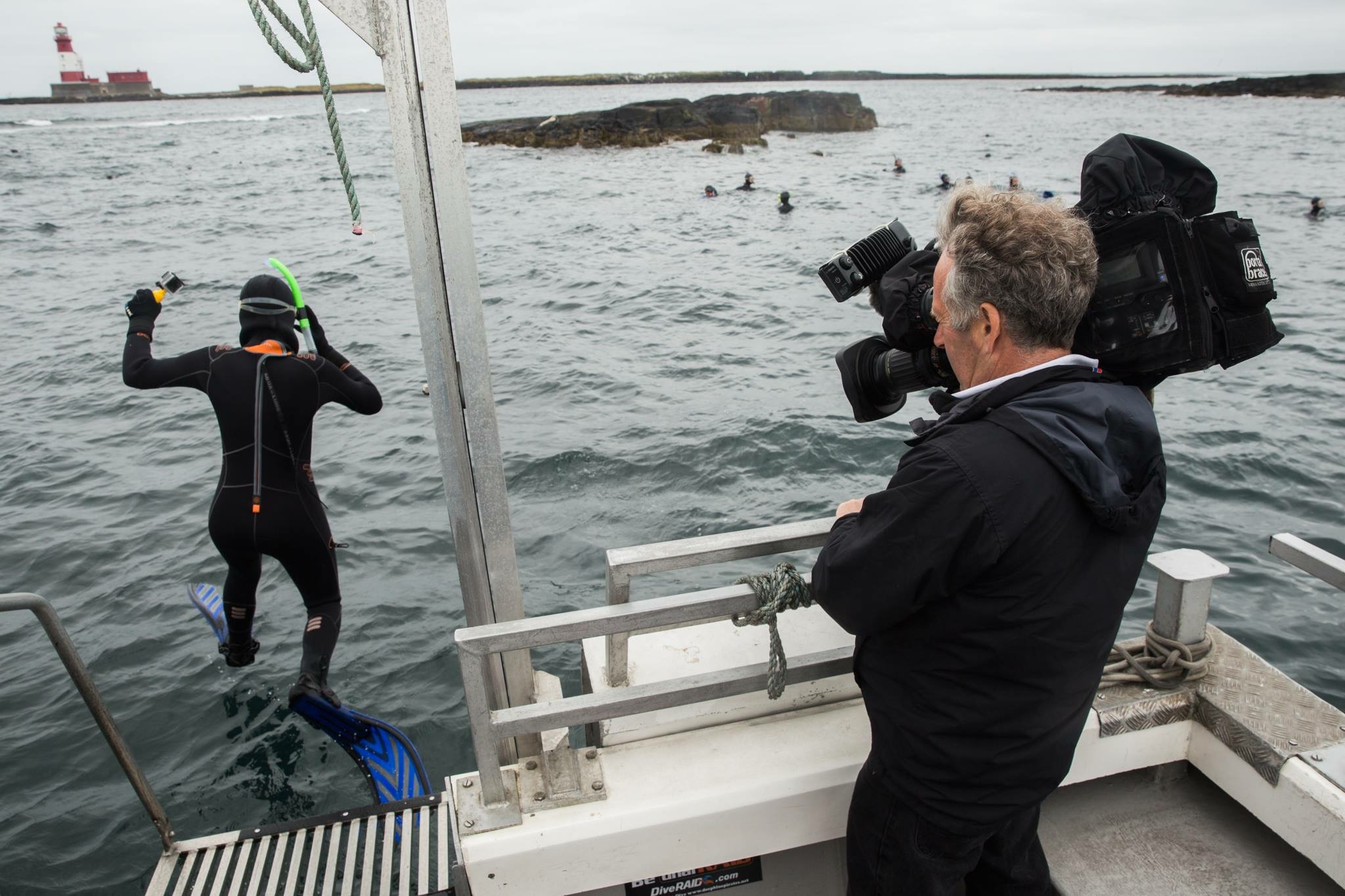
Before long we reached a widespread rocky outcrop where the boat would stop and let us jump out into the sea. One by one, we pulled on fins and adjusted facemasks. When it was my turn, I waddled ungainly to the back of the boat and took a somewhat hesitant jump off.

IMG_0814
Taking the plunge! (Photo: Cain Scrimgeour)

Cold water hit me like a fist and I suddenly couldn’t breathe. I was filled with a very unfamiliar panic that I’d never felt in water before. I was lifted back onto the boat and it was then that the skipper told me my over-sized hood had risen up over my mouth and my mask had filled with water. Feeling very sheepish, I calmed my breathing and tried again. My second attempt was more successful, but I was very unaccustomed to wearing fins when swimming. They were two dead weights on my feet that pulled my legs to the surface and completely threw off my balance. Having only ever worn a swimming costume in the ocean before, it now took real effort to get used to all this additional kit.
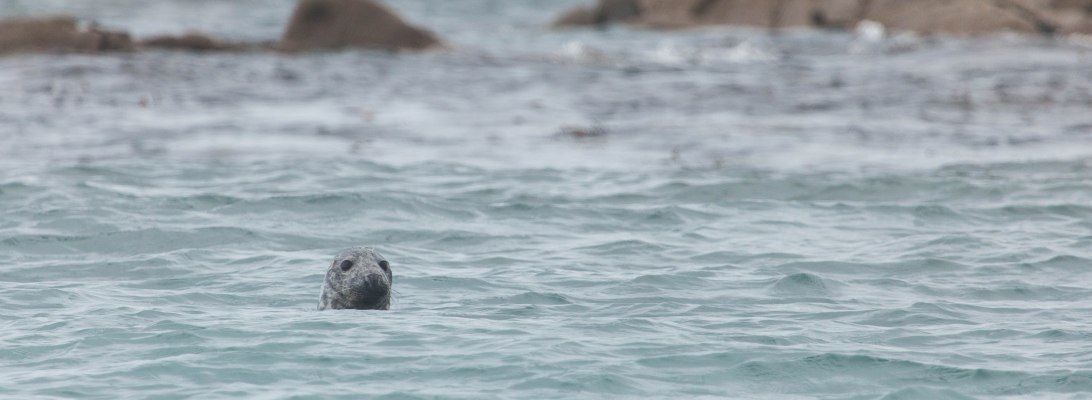
I glanced up and saw another of our group bobbing up and down in the water, but then I looked properly and saw it was in fact a grey seal. I experienced a combination of surprise and elation, and when I looked around I realised I was surrounded. Seals were everywhere, gazing with inquisitive expressions. One ducked under the water so I copied, watching it glide out of the kelp with an astonishing grace that it didn’t bring with it onto land. Water seeped into my mask again, and once I’d tightened it and put my face back under, there was a jellyfish right in front of me. I’d seen dead ones on the beach, but to see a live jellyfish propelling itself effortlessly through the water was truly beautiful.

I reached the rocks and rested for a while, watching the snorkels of other students in every direction. Suddenly another seal appeared, an arm’s length away. It flared its nostrils and snorted, staring directly at me, then ducked underwater. Once again, I followed its direction and watched with amazement as it brushed against me. Then, it held out his flippers and wrapped them around my leg. It was a surreal and incredible experience, feeling a wild grey seal squeeze my leg in what the anthropomorphist in me liked to think was a hug. It was nothing like it of course, but the seal reminded me of an excited puppy, and even nibbled my wetsuit like my dog would do. Before long it swam away and disappeared into the gloom, and I was left feeling ecstatic. Any encounter with a wild animal in its natural habitat was special, but to me it was even more exciting to share a completely new world with one, a world I never normally got the chance to be a part of.
IMG_1517
A curious face

As much as I hated to admit it, my hands were beginning to grow numb, so I waved to the skipper and got back on the boat. As I warmed up, I felt niggles of regret that I hadn’t tried to film my encounter on the GoPro I’d brought with me. But as I reflected on what had happened beneath the surface, I was glad that I hadn’t. In that moment I hadn’t been distracted by technology; I’d simply been there.

A Biotope Weekend

Friday

The trains to Glasgow and Largs and the ferry to the Isle of Cumbrae were all fine. It was when I boarded the bus to the Millport Field Centre that it dawned on me: what on earth had I let myself in for?! I’d booked onto a weekend course run by the Field Studies Council called ‘Marine Species and Habitats: The Biotope Approach’. After volunteering at an aquarium had sparked a new fascination for marine wildlife, I wanted to learn more about what could be found on British shores. I’d done a bit of research using the course’s suggested reading list, and had half an idea what a biotope was, but as I dragged my bags off the bus I wondered if I’d booked myself onto something that would sail completely over my head. I imagined working alongside a team of marine biologists with decades of experience in the field, and here I was with a newborn interest in fish. I was suddenly terrified, and literally marooned on an island for the weekend.

IMG_0596
Blue Mussels (Mytilus edulis)

As I was mulling this over in my head, a girl my age carrying a black hold-all asked me if I was attending the Biotopes course. I was thrilled; fate had brought us together on the same ferry and meant I didn’t have to amble around alone wondering where I needed to be. Our rooms weren’t ready yet so we went for a wander towards the town of Millport. Her name was Abbie, and she was currently part-way through a PhD in non-native seaweeds. This was something I knew literally nothing about, but we chatted about uni and wildlife and all things in between. Meanwhile, it was a chance to see where we’d be spending the weekend, and it was beautiful. Of course, almost everywhere is beautiful in bright sunlight, but even so the Isle of Cumbrae promised a fascinating chance to survey marine wildlife.

IMG_0630
A well camouflaged Sand Goby (Pomatoschistus minutus)

After a loop around the bay we headed back to the Field Centre and took our bags to our rooms. I had feared with some trepidation what the washing facilities would be like, but was very pleasantly surprised to discover a large ensuite shower, not to mention a bed like a cloud. I hastily unpacked then met the rest of the group for our first briefing. Here I met Emily who worked at the Lancashire Wildlife Trust, and before dinner Abbie and I went for a walk with her to the shore to soak up the last sun of the day.

Dinner was macaroni cheese and apple crumble, perhaps one of the most perfect combinations of courses there can be. Then it was time for our first lecture: an introduction to biotopes. My research had prepared me well – a biotope is the combination of a physical habitat and the biological community found living there. Although some of the lecture’s content was lost on me, I left feeling inspired and ready to face new challenges over the weekend. I’d already met lovely people, and all my earlier worries began to feel very insignificant.

IMG_0602
A fragment of broken sea urchin shell

Saturday

Today began early, and by 9am we were down on the beach beginning our first biotope survey. It was a beautiful day for it, and we wasted no time getting stuck in, in my case literally getting my wellies wedged in rock crevices and clinging desperately to my balance. Common species included beadlet anemones, dog whelks and acorn barnacles, but we also found common starfish, hermit crabs, a star ascidian (type of sea squirt) and plenty of seaweed. My knowledge of seaweed species was even smaller than my knowledge of seashore vertebrates, but as Abbie was doing her PhD on them I had a source of very valuable information.

IMG_0570
Star Ascidian (Botryllus schlosseri)

IMG_0621
Common Brittlestar upside down (Ophiothrix fragilis)

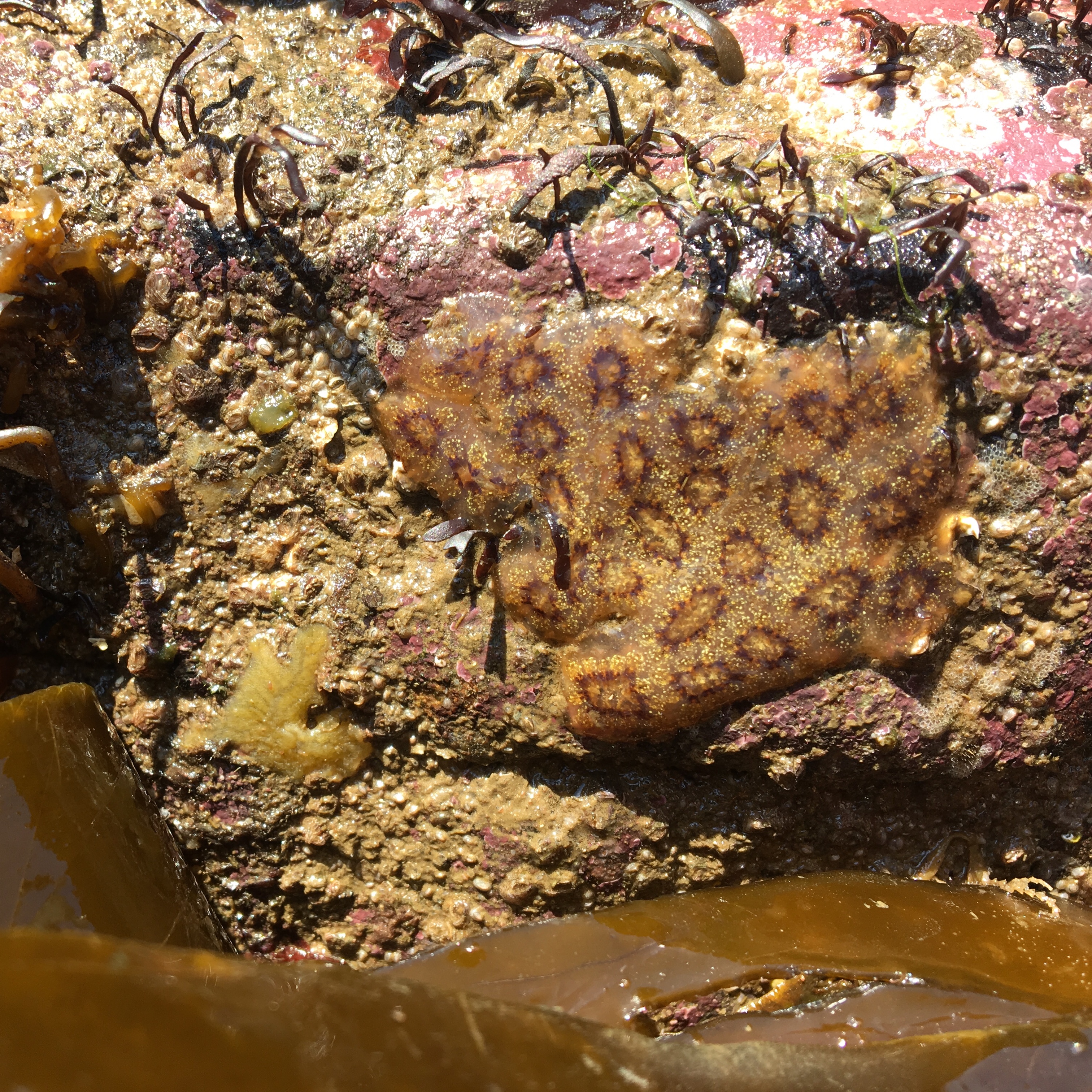
Once we’d covered as much of the bay as we could we ate lunch out in the sun (an excuse for some of the group to catch up with the goings on at the royal wedding) and then headed back to analyse our results and try to determine which biotopes we’d found. This was also an opportunity to play with lab equipment, which I haven’t been able to do since A Level Biology. I had good look at the bryozoa I’d found on a strand of seaweed (below). Bryozoa means “moss animal” and viewed up close reveals an intricate lattice of animals situated closely together. I studied these individuals for a while but couldn’t decide between Sea Mat or Hairy Sea Mat.

IMG_0606
A cluster of bryozoa: either Sea Mat (Membranipora membranacea) or Hairy Sea Mat (Electra pilosa)

After beating the queue and getting served dinner almost first, I went back to my room for much-needed downtime before bed.

Sunday 20th

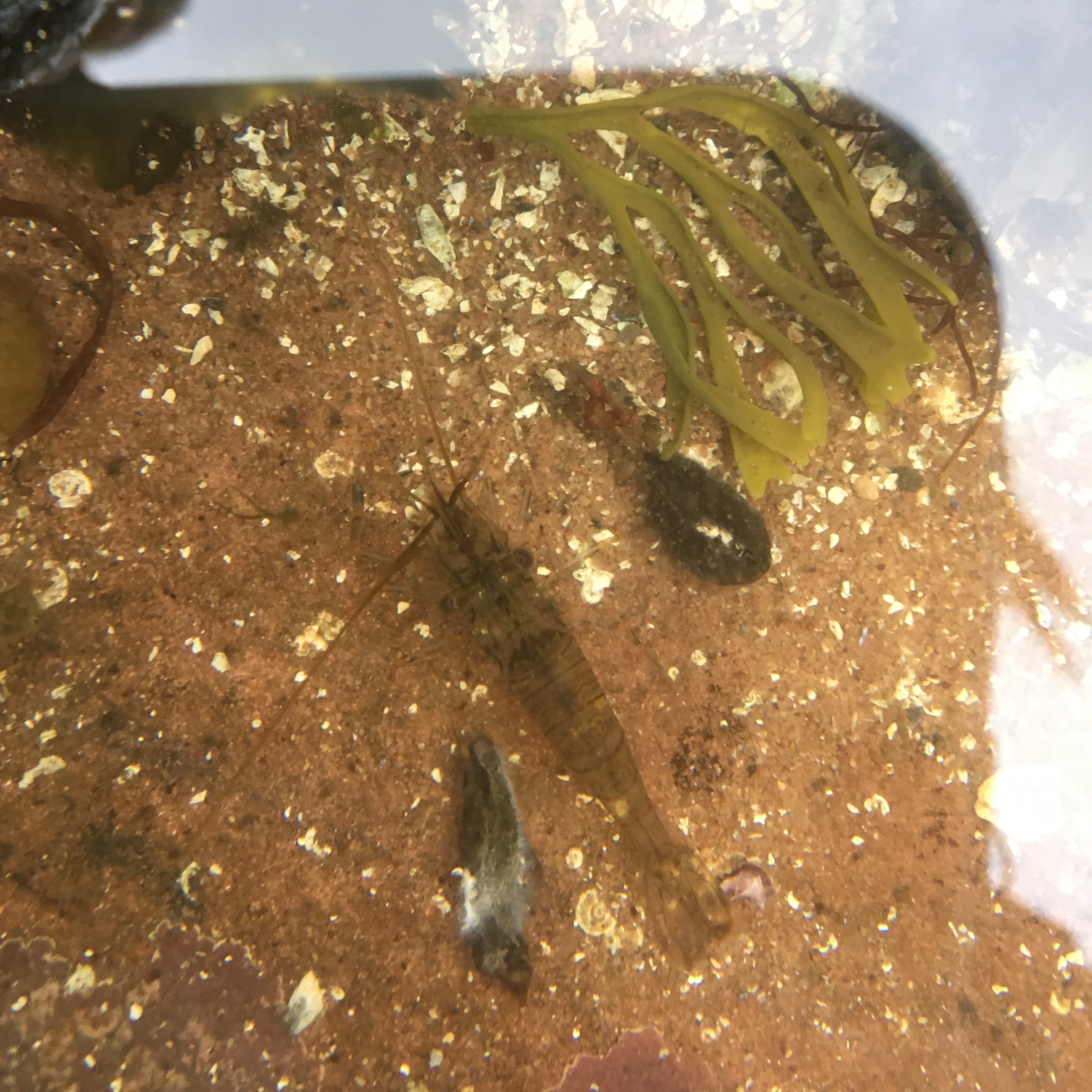
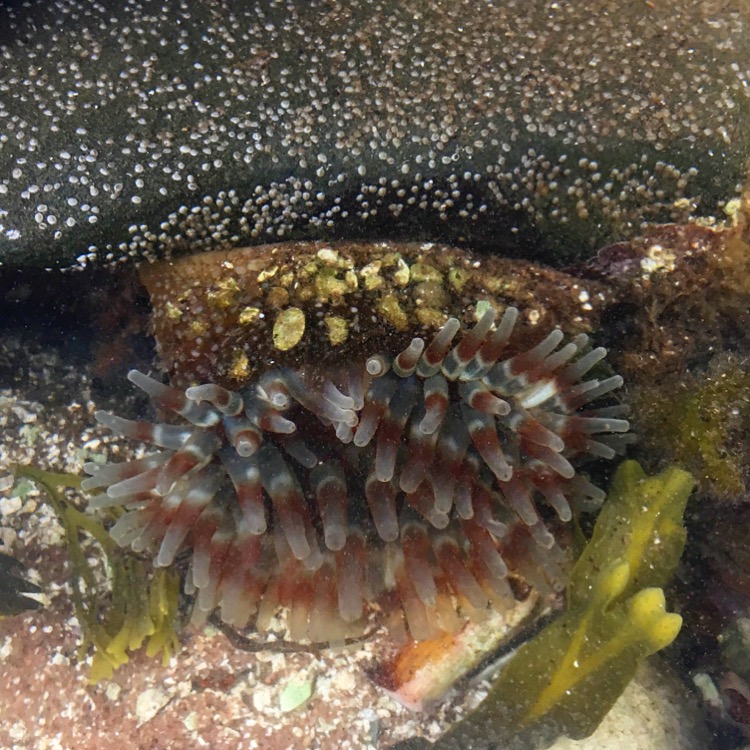
Today was another early start, and this time we drove the short distance to the northern end of Great Cumbrae to a much larger site. The weather was a little dreary but armed with quadrats, transects and clipboards we began to survey the biotopes. Findings started off slowly but once we reached the rock pools things really got exciting. Our course leader Paula found a slug species called a sea lemon – a very pretty blob – and a butterfish. Abbie, Alex and I found a sand goby, sand mason worm, lots of brittlestars, more hermits and beadlets, and my favourite from today: a dahlia anemone. It was the largest anemone I’d seen before, and had beautiful striated and brightly coloured tentacles that slowly emerged again once we’d calmed down to watch it properly. Just as I was squatting to try and get a decent picture, two common prawns appeared underneath a nearby rock. I didn’t know if maybe these were boring sightings but I recognised them from my volunteering at the aquarium so was thrilled to be able to confidently identify something in the field.

IMG_0684
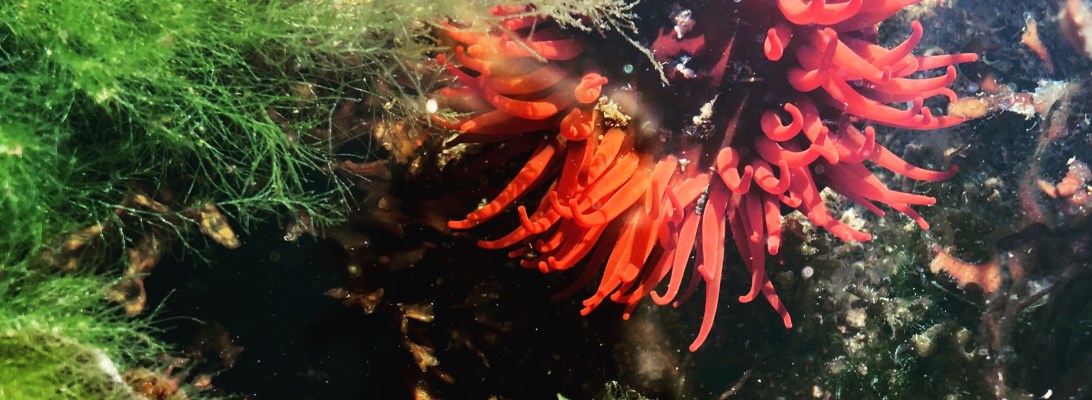
Dahlia Anemone (Urticina felina)

IMG_0648
Common Prawn (Palaemon serratus)

Back at the lab, Abbie got to work identifying her seaweeds and Alex had an ID test to do for his assignment, so I had a bash at identifying today’s biotopes by myself. Once I’d done that, I realised I’d accidentally brought a tiny brittlestar home with my sea urchin shells. With Paula’s help, I identified it as Amphipholis squamata. Later, Paula asked us what we’d found, and Alex and I had got the exact same biotopes! I was so pleased with myself.

Dinner was Sunday roast and sticky toffee pudding. I must have put on about eight stone this weekend – I’ve been fed like a queen and although my brain has been working overtime, my body hasn’t done so much. After dinner we had our last round-up lecture and went to the bar for drinks. I ended up talking to the two guys from Belfast about Father Ted – it was pretty funny talking to Irishmen about it. I would have stayed longer but I was absolutely shattered. So I headed to bed, falling asleep almost instantly.

IMG_0607
Beadlet Anemone (Actinia equina)

Farewell to Scilly

For my last full day on Scilly I was back on St Agnes again, joining a group led by Will Wagstaff on a full day of exploring. Although the weather was still far from bad, today was the murkiest I’d had so far. The sun was well and truly concealed behind thick cloud, and without its warmth the wind blowing off the sea cut through my jacket and made me very grateful I’d decided to bring a jumper this time.

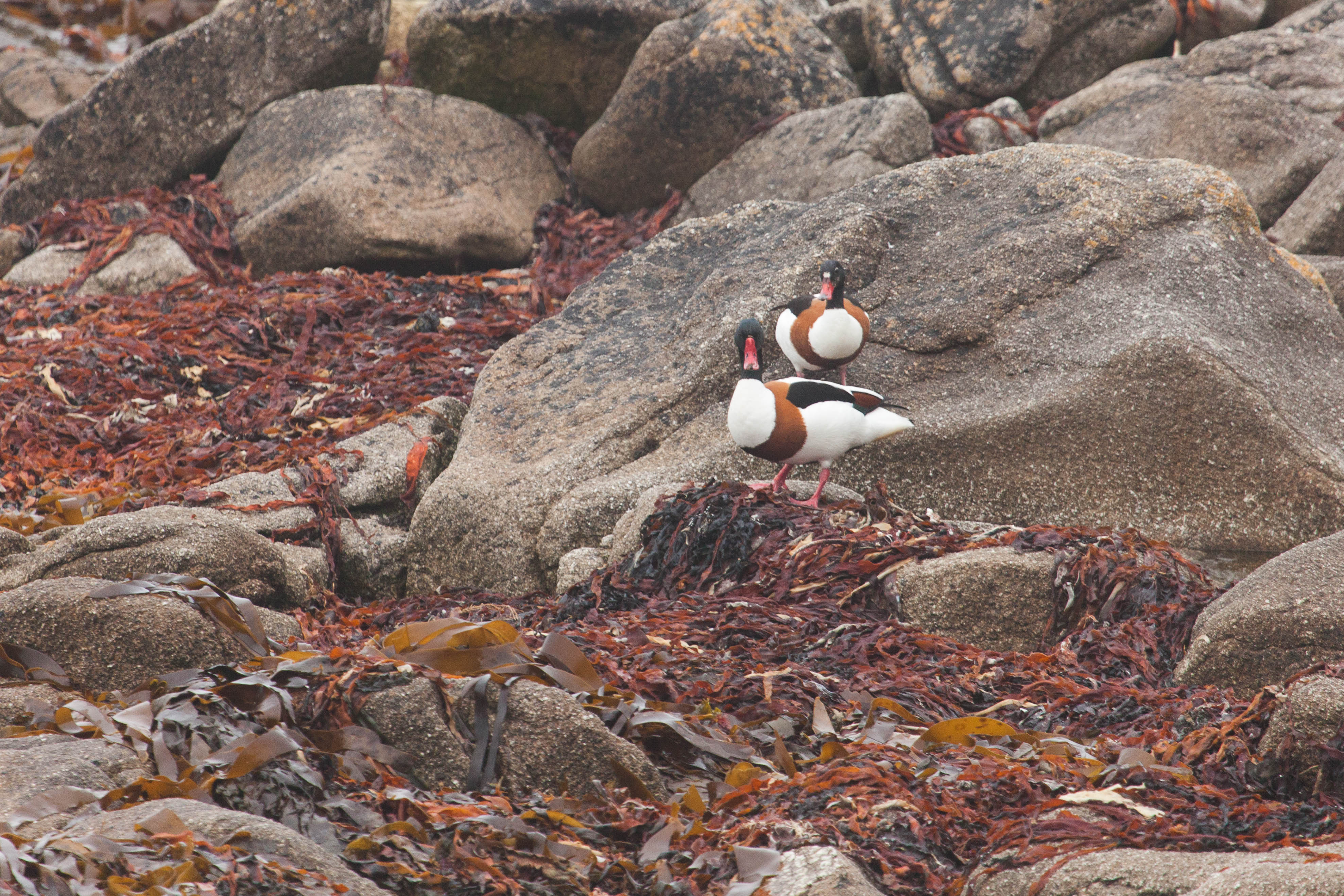
While most of the visitors from the boat headed towards Gugh before the sand bar closed up later in the afternoon, we went the other way, hoping to find more wildlife than people. Before long we heard the sound of a chiffchaff in the bushes, followed by a song thrush and the customary wren. We stopped at Big Pool and watched a pair of shelducks. Both male and female have beautiful and striking plumage, making camouflage on the nest impossible. To counter this, shelducks are often found nesting in burrows out of sight of predators.

IMG_1861

Just as Will was explaining this, one of the visitors interrupted with an exclamation of “redstart!” I’d never seen a redstart, so I was keen to find where the bird was spotted. There, perched proudly on the fence, was a beautiful male; black face, burnt copper breast and a smoky blue back. It was a stunning bird, but as usual didn’t stay still for long.

After a loop of the pool we wandered through Lower Town, a tiny street with a post office and a sprinkling of houses. We passed another grove of elm trees, and I asked Will if the ivy – which was also covering these trees – had a detrimental effect on them. To my surprise he said no, and in fact ivy was an essential part of the ecosystem, providing shelter for birds, insects and small mammals. While ivy should be removed from buildings, its presence on trees was of little concern. I was pleased; having survived Dutch elm disease it would be a shame to then lose Scilly’s elms to the ivy.

IMG_1616

We crossed the beach looking out over Beady Pool and noticed that the sand bar to Gugh was closing fast. At this angle, you could really see how flat the beach was, and Will told us how people had underestimated the tide and had gotten trapped on Gugh in the past. The ocean was a force to be reckoned with, especially out here when the land was so low-lying and water inundation was an ever-present risk.

IMG_0604

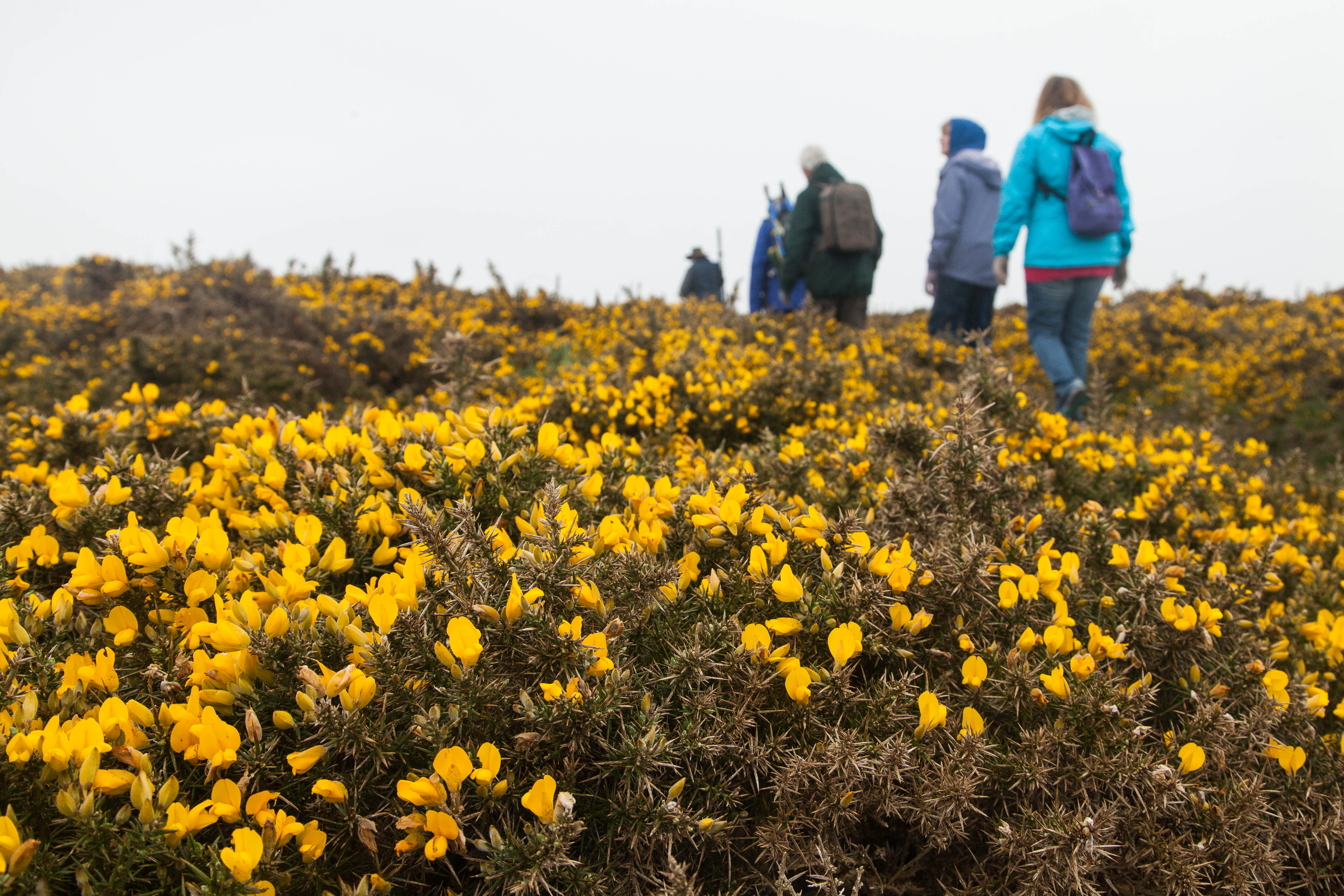
We threaded our way through vast forests of gorse, a bittersweet combination of harsh brambles and delicate yellow blooms. A herd of Ruby Red cattle grazed nearby, mooing into the otherwise silent landscape. The sharp-eyed visitor who’d spotted the redstart alerted our attention to another bird that was perhaps even more special: a woodchat shrike. Admittedly, I’d never heard of the bird before. It was an annual vagrant to Britain from southern Europe, usually seen here from April to October. A bird is considered vagrant if it strays far from its wintering, breeding or migrating grounds. The shrike was perched quite far off, but I could still make out striking black, white and russet plumage. I managed to get some shaky photos of the bird while it remained stationary; although they won’t win any awards, they were proof we saw it.

IMG_1823

The afternoon was racing on. The sun had failed to emerge so up on exposed Wingletang Down we all felt distinctly chilly. Incidentally, there was a café just up the hill, overlooking St Warna’s Cove. While we warmed up with hot chocolate we watched a few fulmars resting on the rocks. Unlike most gulls, fulmars don’t walk well on land, so if not flying the birds are always seen lying on rocks instead of perched on their feet. We all had a look down Will’s telescope, and saw there were distinct pairs set out on the rock. Fulmars, like many other birds, are monogamous and will mate with the same individual throughout their lives.

After we’d warmed up a little it was time to make our way back across St Agnes to the quay. We passed Porth Killier again, which looked vastly different now the tide had swelled. Will spotted a curlew sleeping with its characteristic bill tucked under its wing, and just as we reached the track down to the quay we saw a wheatear posing on the stonewall. We’d amassed quite an extensive bird list during the day, including several I’d never heard of let alone seen. It was always exciting ticking new species off the list, and on my last day in the Isles of Scilly I’d made lots of progress.

IMG_1802