A Manic Few Weeks

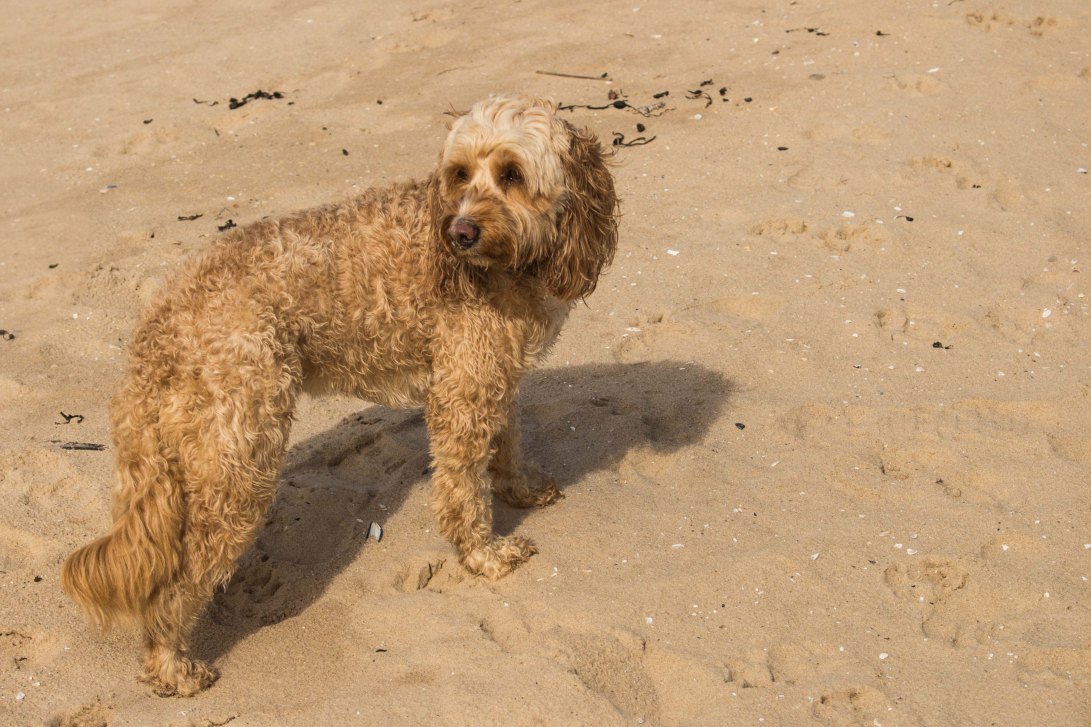
The past few weeks have been a whirlwind! I have now completely moved out of Carlisle and come back home in Hertfordshire to spend time with my family and Cockapoo puppy, who at five years old is finally starting to calm down.

I’ve been back for a fourth visit to the Warner Bros Studio Tour of Harry Potter, and was throughly impressed by the new Forbidden Forest, not to mention the Butterbeer ice cream. I won’t give away too many spoilers as it’s an incredible place that you need to see to truly believe. I’ve been a Harry Potter fanatic for a million years and always get teary-eyed when I go. Even my Uncle Rod who was indifferent to Harry Potter ended up taking dozens of photos.

IMG_1027

I’ve also had my final results from university and was thrilled to discover I achieved first class honours, though I have to wait until November until graduation! It seems as though I shall need the cap and gown to keep me warm after spending the summer in the much hotter south.

IMG_1048

But I barely had time to celebrate my results before I managed to secure an internship at an animal sanctuary in Florida! I will be working for SEZARC (South East Zoo Alliance for Reproduction and Conservation) and I’ll be getting involved with a lot of lab work. One of SEZARC’s main lines of work is carrying out health studies to try and resolve reproductive issues that rare and endangered animals face when breeding.

It’s such an exciting and important area of conservation and something I’ve never had the chance to get involved with. I’m so excited to begin, but I’ll need to wait a little longer yet. I fly out at the start of August and work for two months before returning at the end of September. Just yesterday I booked all my flights as well as an international driving licence. Driving in America is quite a daunting prospect but seeing as there is no public transport in that part of Florida, I don’t have much choice! I’m quite nervous about going so far alone but I know I’ll love it once I get into the swing of things.

Now I have all of July to continue preparations for my extraordinary expedition! I dread to think how long my packing list will be…

The Farne Islands – Part 2

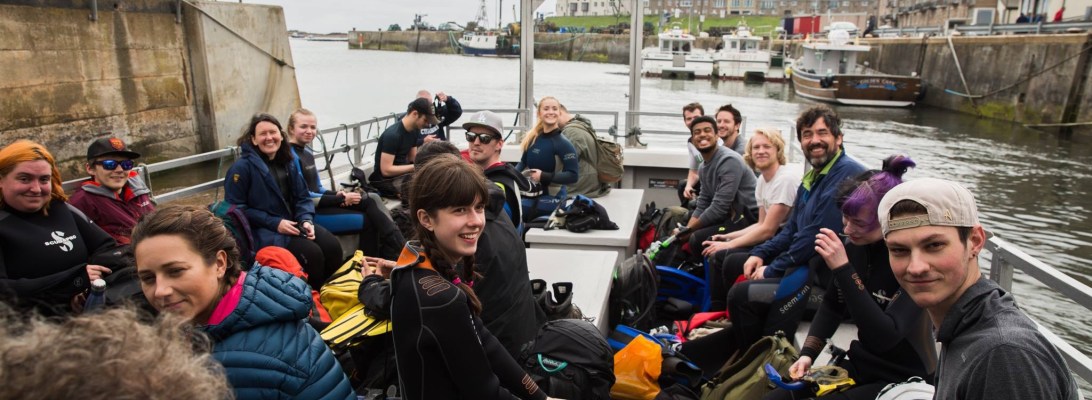
After sharing the waves with a herd of very curious seals, it was now time to get changed on a boat with thirty other people. This was a challenge, especially as getting a wet wetsuit off required the flexibility and strength of a contortionist. I teamed up with another girl to make a temporary changing cubicle, which made it somewhat easier.

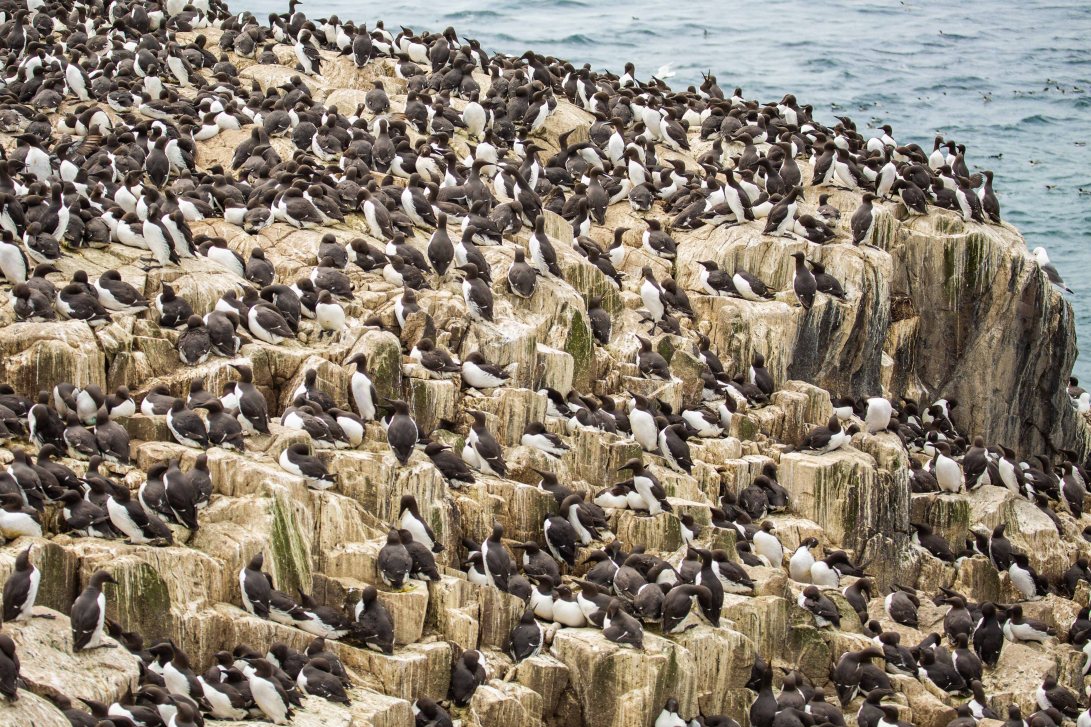
Once everyone was back in dry clothes, the boat headed to Staple Island for a spot of birdwatching. On the approach, all we could see and hear was guillemots, a blanket of birds completely covering the rock. People were dotted amongst them but vastly outnumbered. It was the kind of ratio I liked to see.

O12C4099-2

On dry land, it was impossible to decide where to start. I was used to choosing a spot to sit and wait for the wildlife to appear. Here, we had joined a metropolis of seabirds all going about their business without blinking an eye at what we were doing. Red posts were stuck into the ground at places, and as we passed I notice each one signalled the presence of a nest, some situated almost on top of the path that threaded through. Shags watched nonchalantly as we passed, eyes half closed.

O12C4243

Some of the guillemots looked different to others. While most had completely brown heads, a select few had bright white rings around their eyes. I asked Cain, who told me they were bridled guillemots. Back at home I looked them up, and discovered that these individuals are an example of dimorphism. Usually relating to variety in plumage colour, dimorphism is the existence of two distinct forms within a single species. This is different from two subspecies, as both guillemots and bridled guillemots have the same Latin binomial: Uria aalge. Were they subspecies, they would have an additional subspecies name. Furthermore, subspecies tend to be permanently geographically isolated from one another.

O12C4247

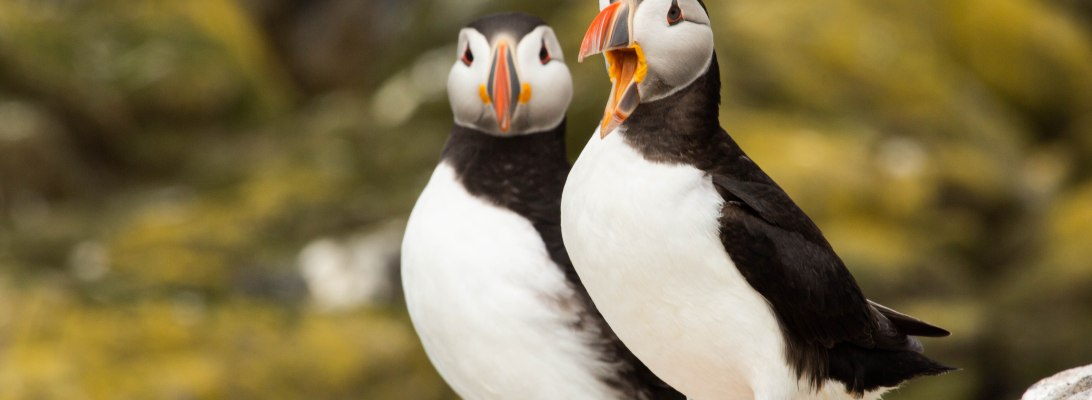
After watching the guillemots for a while, I found where the puffin clique spent their time. Away from the larger birds, there were countless burrows in the grassy banks, and after a while puffins would pop into view or land and duck inside, sometimes carrying large mouthfuls of sandeels in their vibrant bills.

O12C4119

I had been so excited to see my first puffins on the Isles of Scilly, and while I still treasured the memories, those had been distant sightings compared to now. Here on the Farnes, puffins sat twenty feet from two-tiered photographers, lying on the rock or glancing from side to side with their sad clown eyes. They were a joy to watch, and so much smaller than people think!

O12C4204-2O12C4194-2

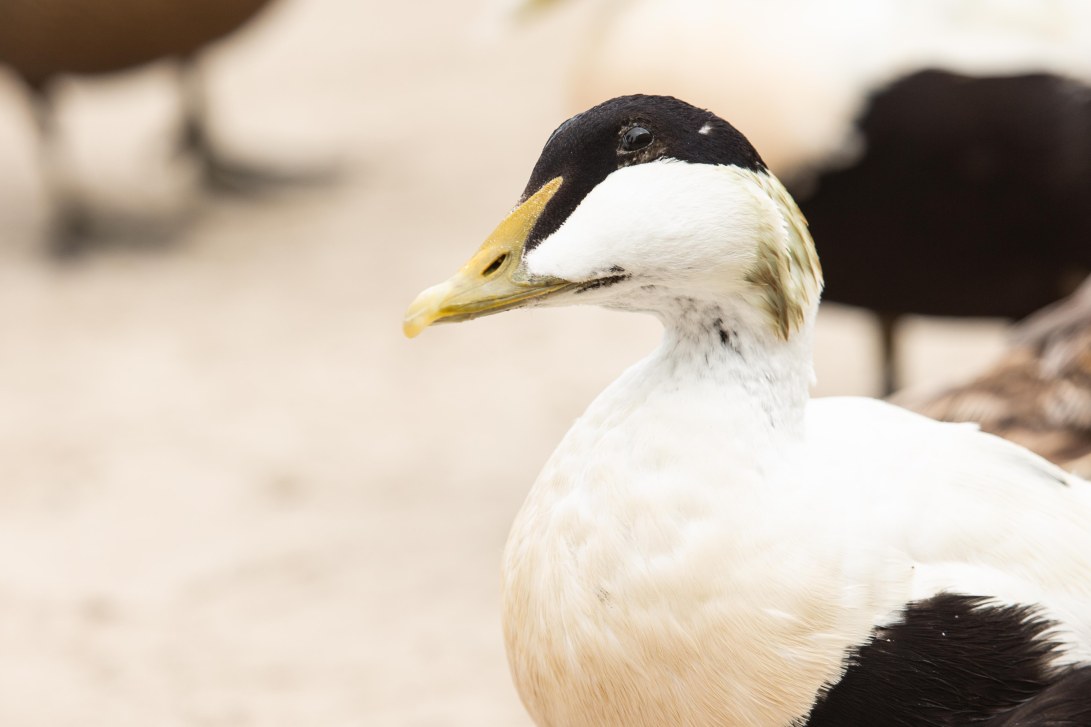
Sadly, the time flew by and before I knew it I was back on the boat and leaving Staple Island behind. When we arrived into Seahouses, I caught the irresistible smell of fresh doughnuts on the breeze. Tired after the swim, I made a beeline for the van and bought a bag to sit and eat on the bay. A group of very tame eider ducks approached, eyeing my bag with enthusiasm. Unfortunately for them, I wasn’t sharing my doughnuts with anyone, but I did make use of the opportunity to photograph the beauties so close.

O12C4286-2

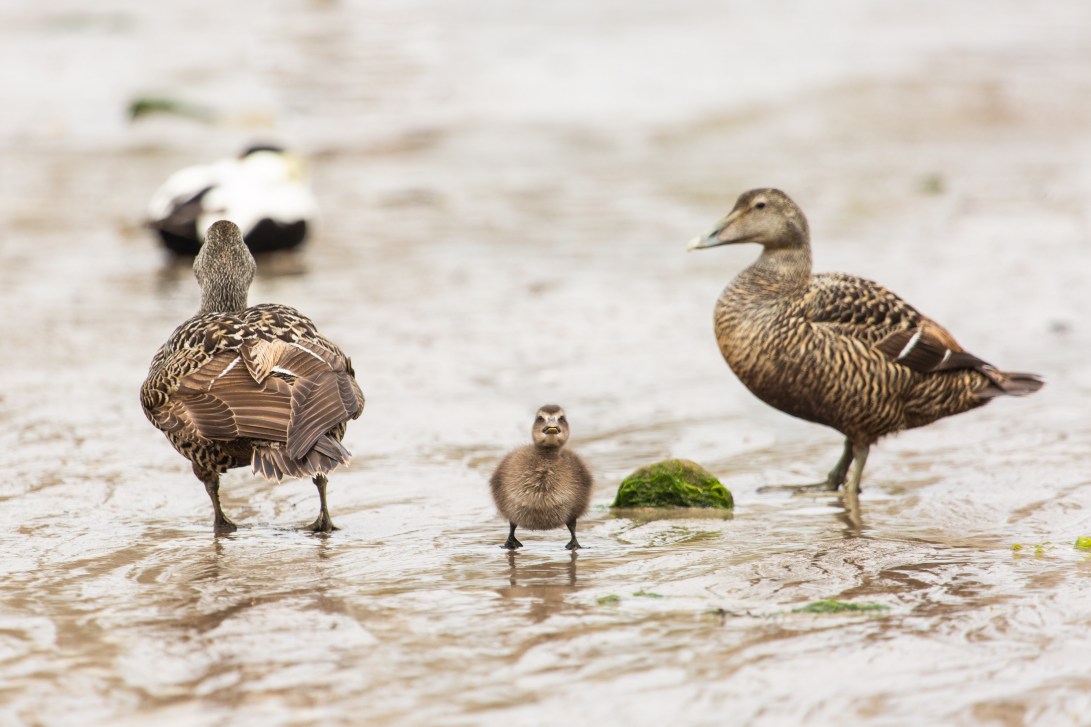
I was thrilled to see ducklings accompanying some of the females, perhaps one of the cutest baby animals there is. As the females lowered their bills into puddles of seawater, the ducklings copied, mirroring the adults’ every move. Watching such intimate family behaviour while I devoured my doughnuts was a perfect way to end such a dramatic and unforgettable day at sea.

O12C4306-2O12C4309

The Farne Islands – Part 1

Our trip to the Farne Islands was looking like it would be a day of unforgettable wildlife encounters. We boarded the boat at Seahouses kitted out in wetsuits, boots, hoods and clutching snorkels in gloved hands. The clouds were light in colour and I had faith that the sun would soon break out.

IMG_0816
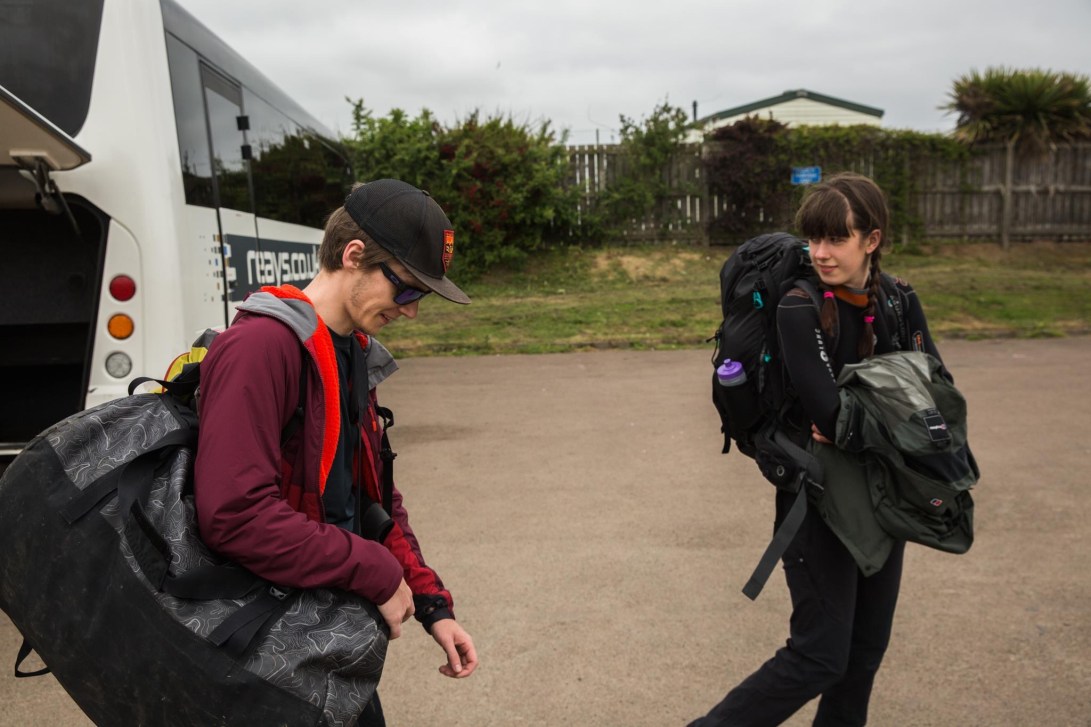
En route to the boat (Photo: Cain Scrimgeour)

There was a buzz of excited conversation as we moved out into open water, scanning the surface for wildlife. Cain, sharp-eyed as always, spotted the first puffin, as well as razorbill, guillemot, and a Manx shearwater. I twisted in my seat to spot everything he pointed out, but as usual, I was perplexed how Cain could identify such small, distant birds with immediate certainty. I could easily see the gannets though, a group of four that glided low over the water past the boat. I’ve said it many times before, but gannets are one of the best birds out there, and I never tire of watching them.

Before long we reached a widespread rocky outcrop where the boat would stop and let us jump out into the sea. One by one, we pulled on fins and adjusted facemasks. When it was my turn, I waddled ungainly to the back of the boat and took a somewhat hesitant jump off.

IMG_0814
Taking the plunge! (Photo: Cain Scrimgeour)

Cold water hit me like a fist and I suddenly couldn’t breathe. I was filled with a very unfamiliar panic that I’d never felt in water before. I was lifted back onto the boat and it was then that the skipper told me my over-sized hood had risen up over my mouth and my mask had filled with water. Feeling very sheepish, I calmed my breathing and tried again. My second attempt was more successful, but I was very unaccustomed to wearing fins when swimming. They were two dead weights on my feet that pulled my legs to the surface and completely threw off my balance. Having only ever worn a swimming costume in the ocean before, it now took real effort to get used to all this additional kit.

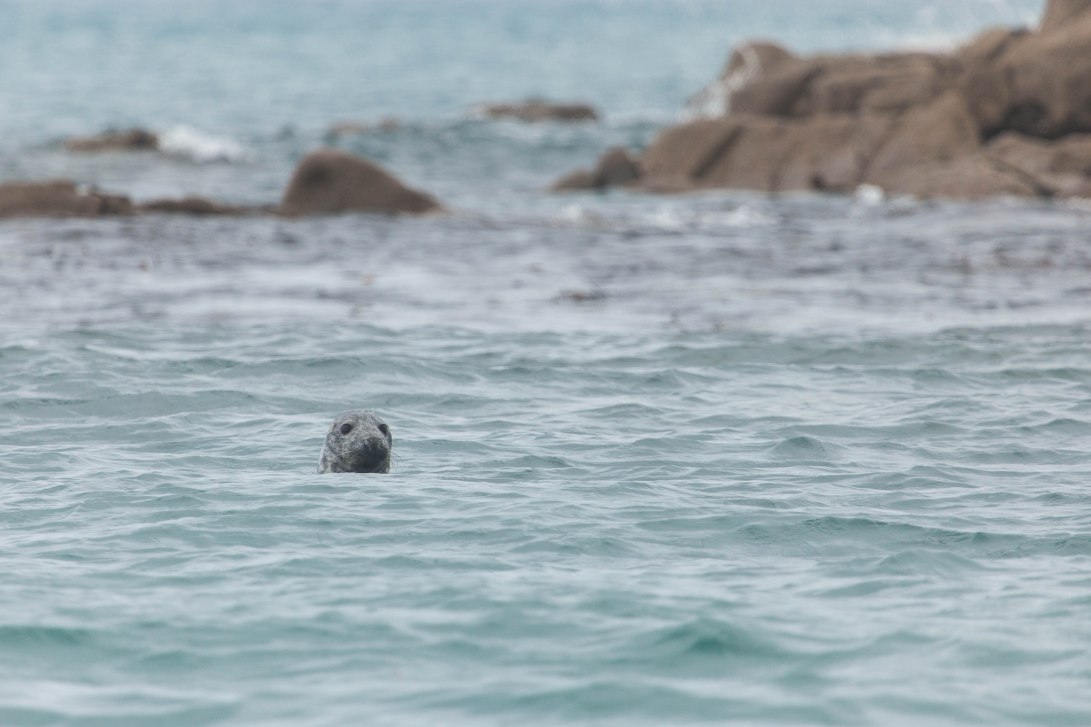
I glanced up and saw another of our group bobbing up and down in the water, but then I looked properly and saw it was in fact a grey seal. I experienced a combination of surprise and elation, and when I looked around I realised I was surrounded. Seals were everywhere, gazing with inquisitive expressions. One ducked under the water so I copied, watching it glide out of the kelp with an astonishing grace that it didn’t bring with it onto land. Water seeped into my mask again, and once I’d tightened it and put my face back under, there was a jellyfish right in front of me. I’d seen dead ones on the beach, but to see a live jellyfish propelling itself effortlessly through the water was truly beautiful.

I reached the rocks and rested for a while, watching the snorkels of other students in every direction. Suddenly another seal appeared, an arm’s length away. It flared its nostrils and snorted, staring directly at me, then ducked underwater. Once again, I followed its direction and watched with amazement as it brushed against me. Then, it held out his flippers and wrapped them around my leg. It was a surreal and incredible experience, feeling a wild grey seal squeeze my leg in what the anthropomorphist in me liked to think was a hug. It was nothing like it of course, but the seal reminded me of an excited puppy, and even nibbled my wetsuit like my dog would do. Before long it swam away and disappeared into the gloom, and I was left feeling ecstatic. Any encounter with a wild animal in its natural habitat was special, but to me it was even more exciting to share a completely new world with one, a world I never normally got the chance to be a part of.

IMG_1517
A curious face

As much as I hated to admit it, my hands were beginning to grow numb, so I waved to the skipper and got back on the boat. As I warmed up, I felt niggles of regret that I hadn’t tried to film my encounter on the GoPro I’d brought with me. But as I reflected on what had happened beneath the surface, I was glad that I hadn’t. In that moment I hadn’t been distracted by technology; I’d simply been there.

Fungi Trail

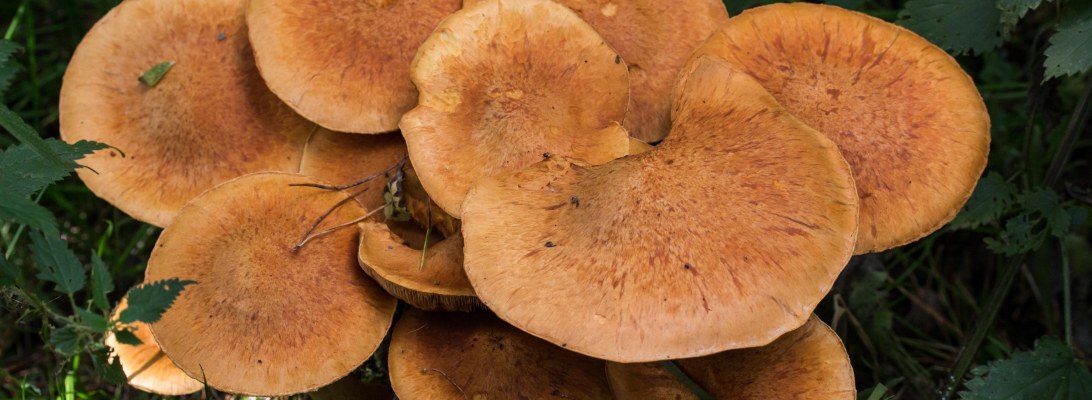
It’s soon to be prime fungi season and I can’t wait to see what will start to emerge over the next few months. I find identifying fungi a real challenge, and recently I’ve mainly been interested in tracking fungi and photographing it. As with all wildlife though, I think every photographer should know exactly what it is they’re pointing the camera at. So, after consulting the “Fungi Bible” – otherwise known as the Collins Fungi Guide – I made my best guesses at what species I’d seen. Then, I consulted with a local fungi expert in my area, and was pleased to discover I’d got most of them right!

Here is a selection of the species I’ve seen so far, some in Carlisle where I’m studying and others at home in Hertfordshire. Hopefully this list will triple in size during the autumn!

Hertfordshire

IMG_5300
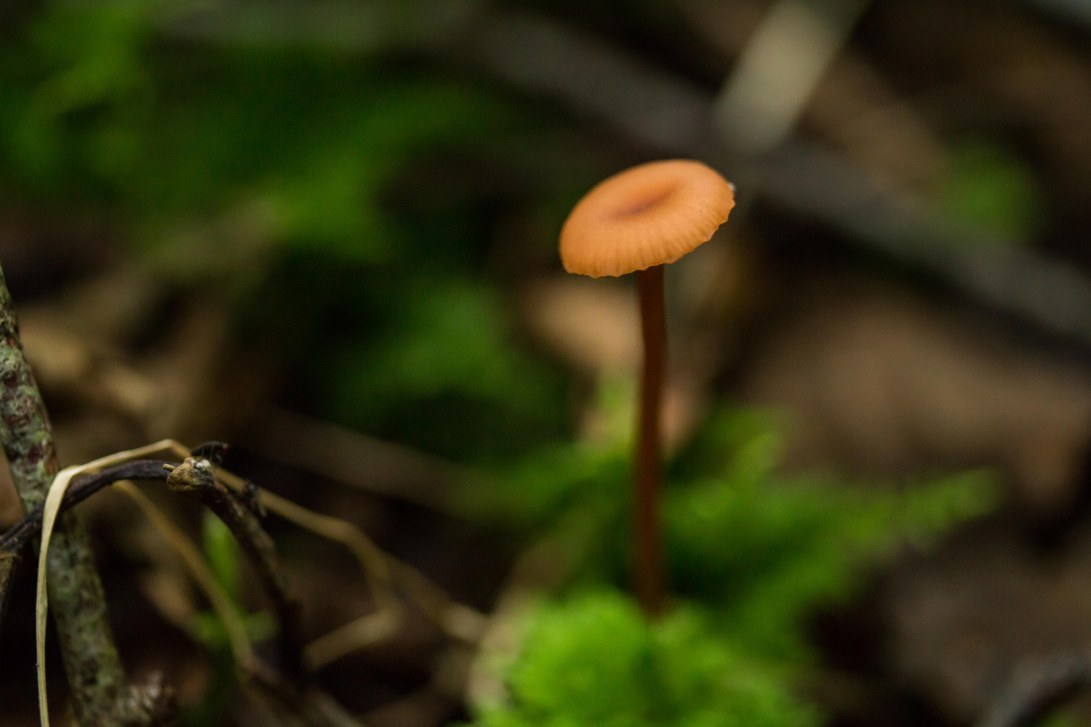
Amethyst Deceiver (Laccaria amethystina)
IMG_5306
Red Cracked Bolete (Xerocomellus chrysenteron)
IMG_5314
Yellow Stagshorn (Calocera viscosa)

Cumbria

IMG_5431
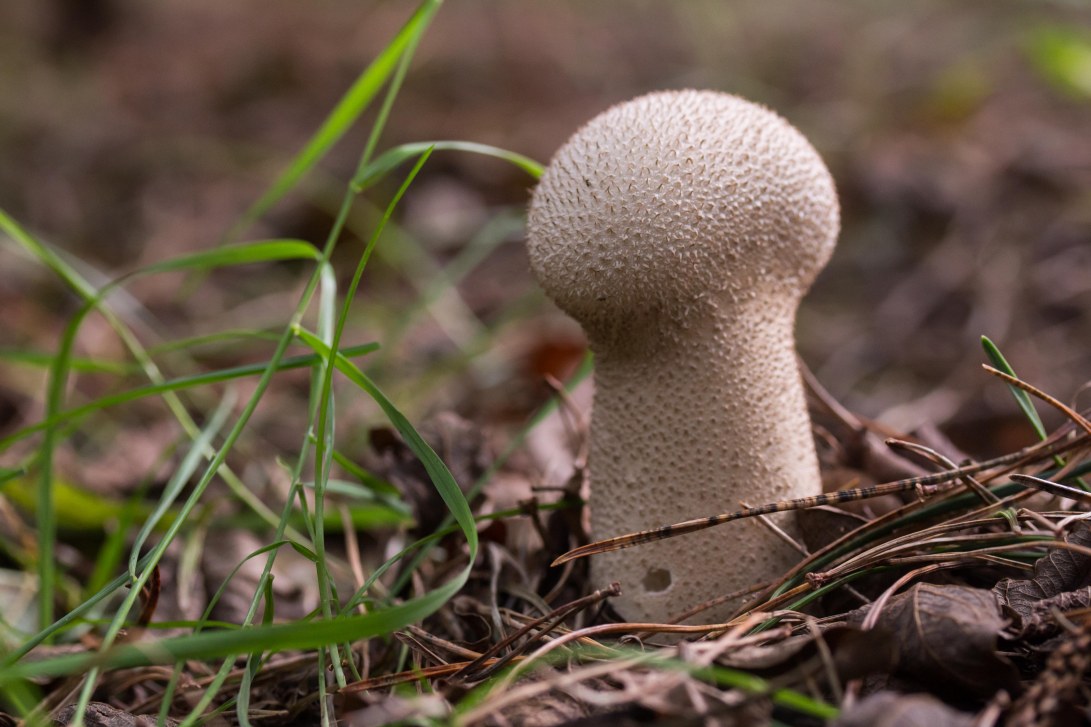
Common Puffball (Lycoperdon perlatum)
IMG_5376
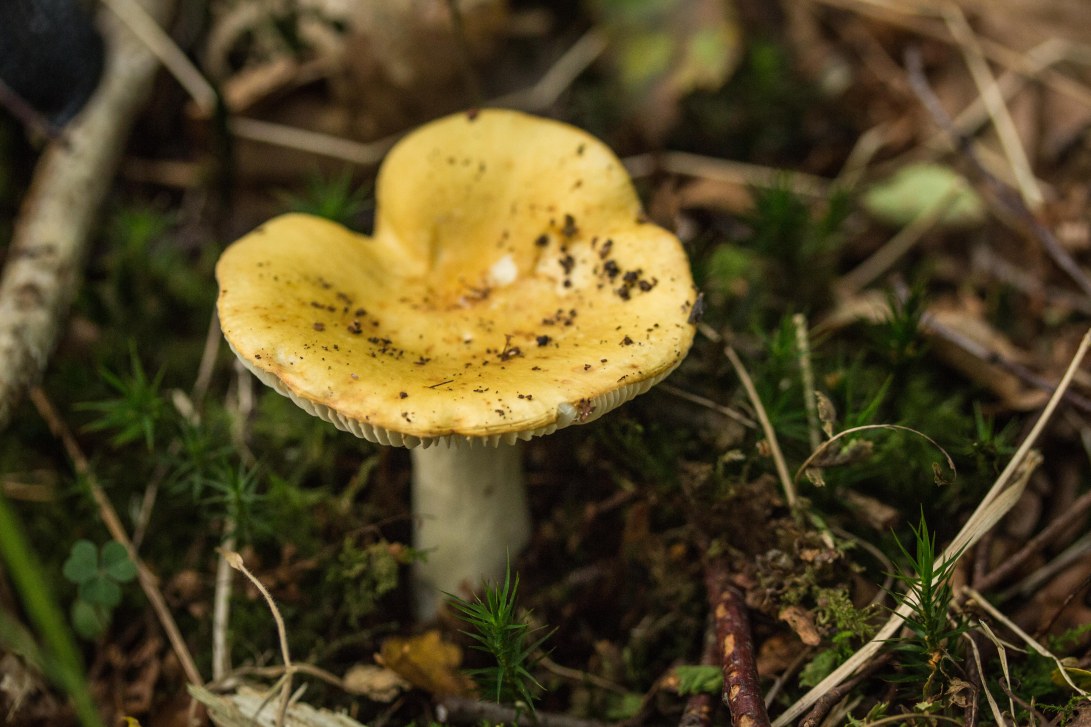
Ochre Brittlegill (Russula ochroleuca)
IMG_5365
Blue Roundhead (Stropharia caerulea)
IMG_5402
The Deceiver (Laccaria laccata)
IMG_5423
Brittlegill (unsure of species – too young)
6) Sheathed Woodtuft
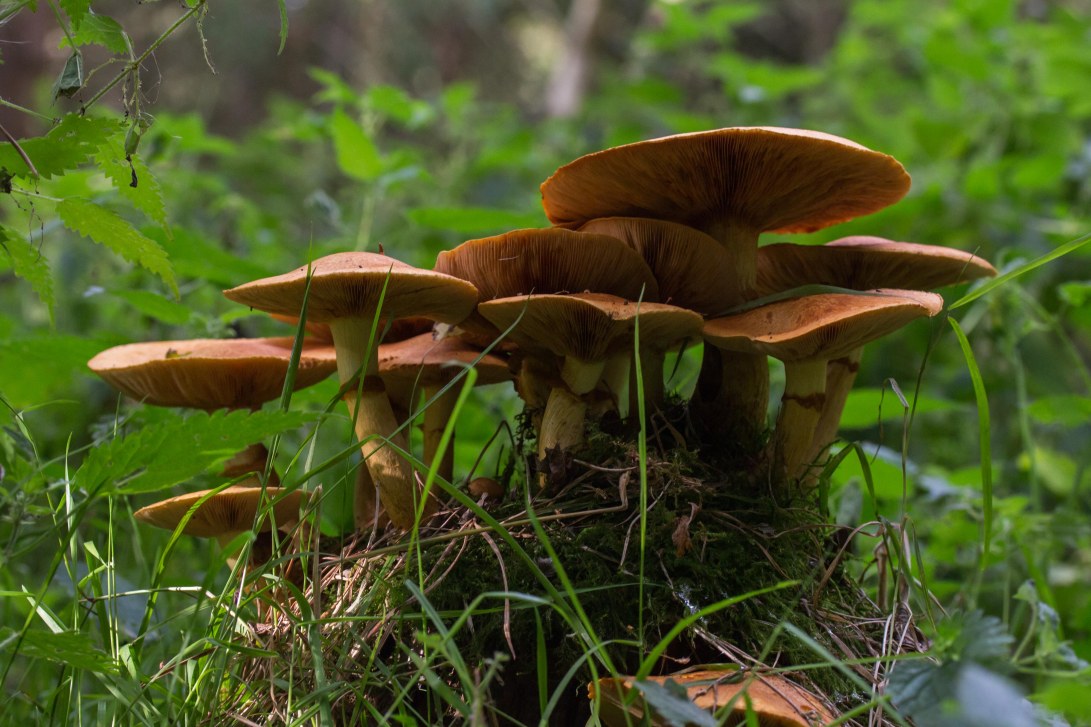
Sheathed Woodtuft (Kuehneromyces mutabilis)
IMG_5443
Sheathed Woodtuft from below

Burghead, Moray

IMG_5654
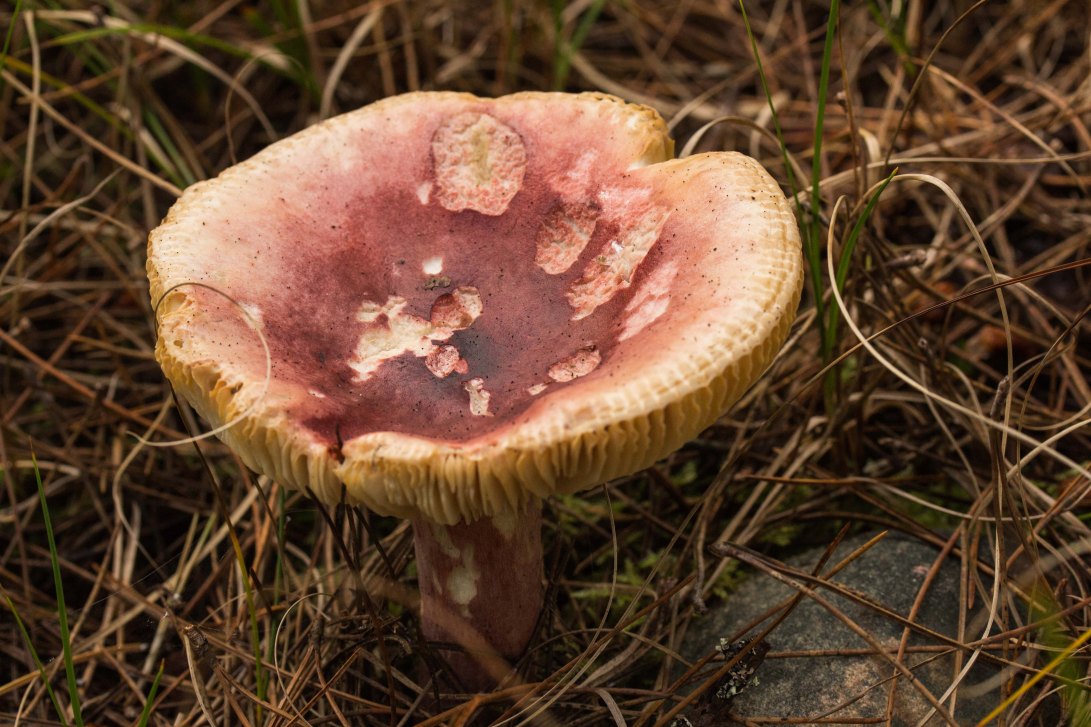
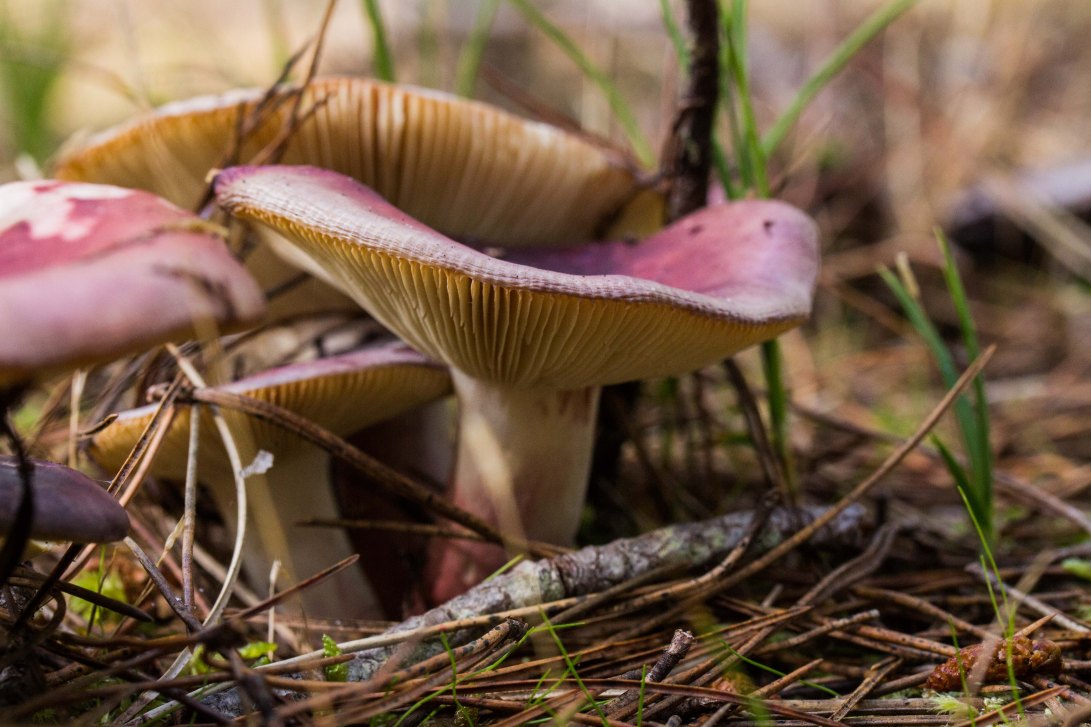
The Sickener (Russula emetica)

Burghead: Day Three

On our last day, we drove out of Burghead into Hopeman, a nearby seaside village. Once again, the sun was shining and the sky was almost cloudless, coating the sand in a shimmering golden glow. Jas couldn’t contain herself, and pulled eagerly on the lead to get down to the seafront.

IMG_5764

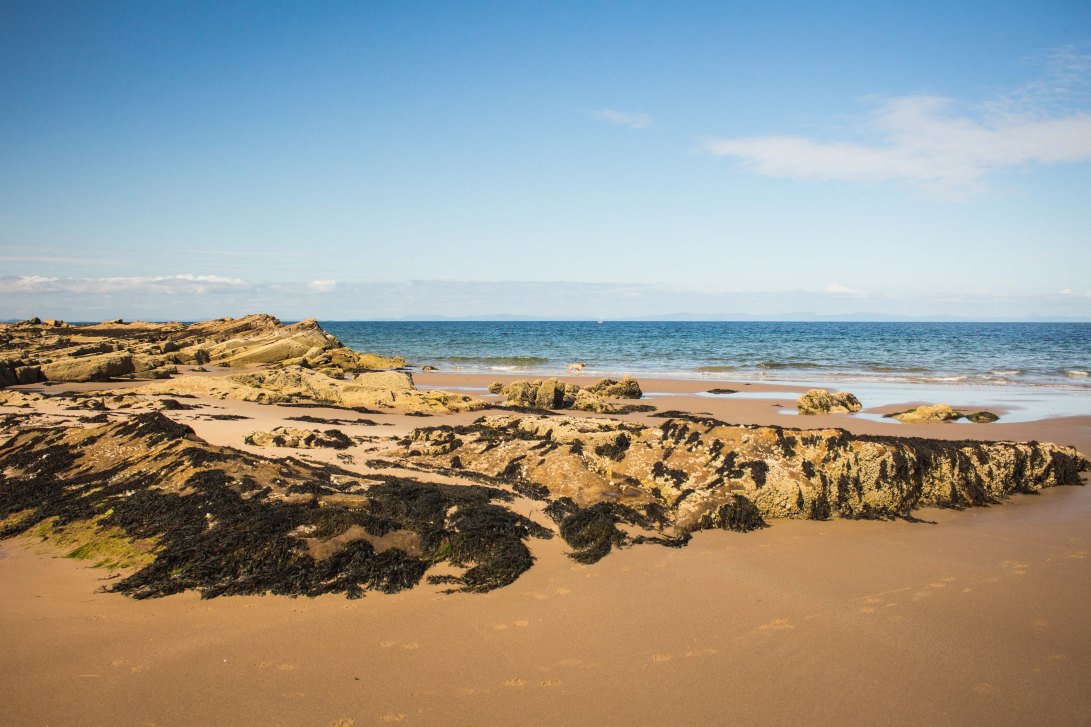
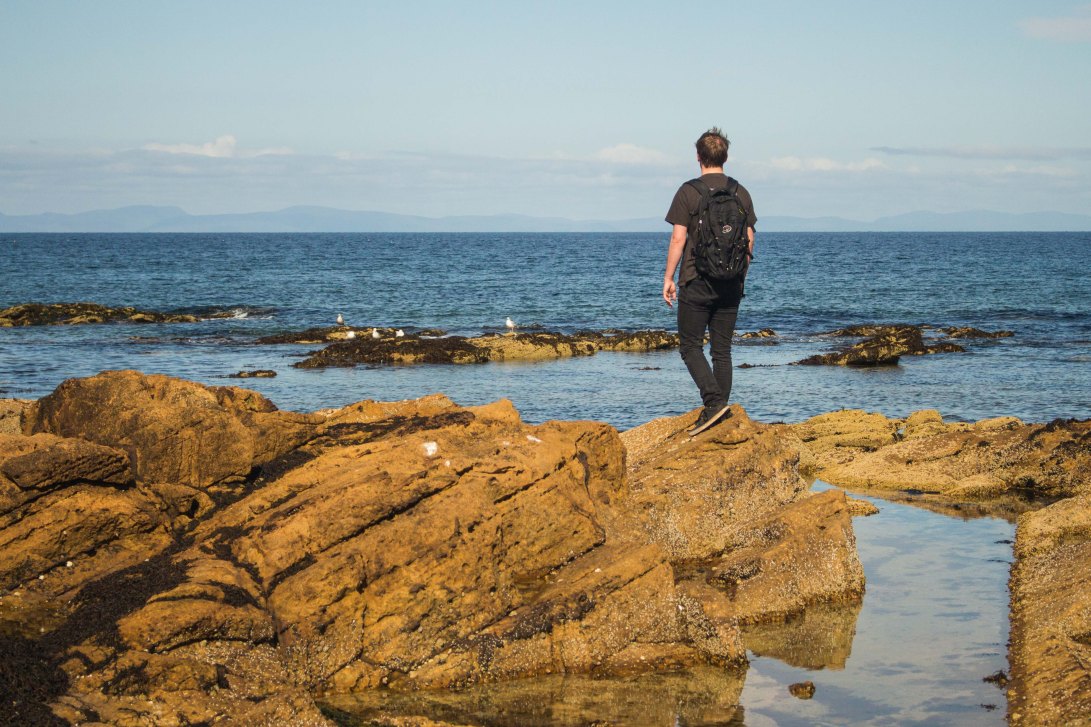
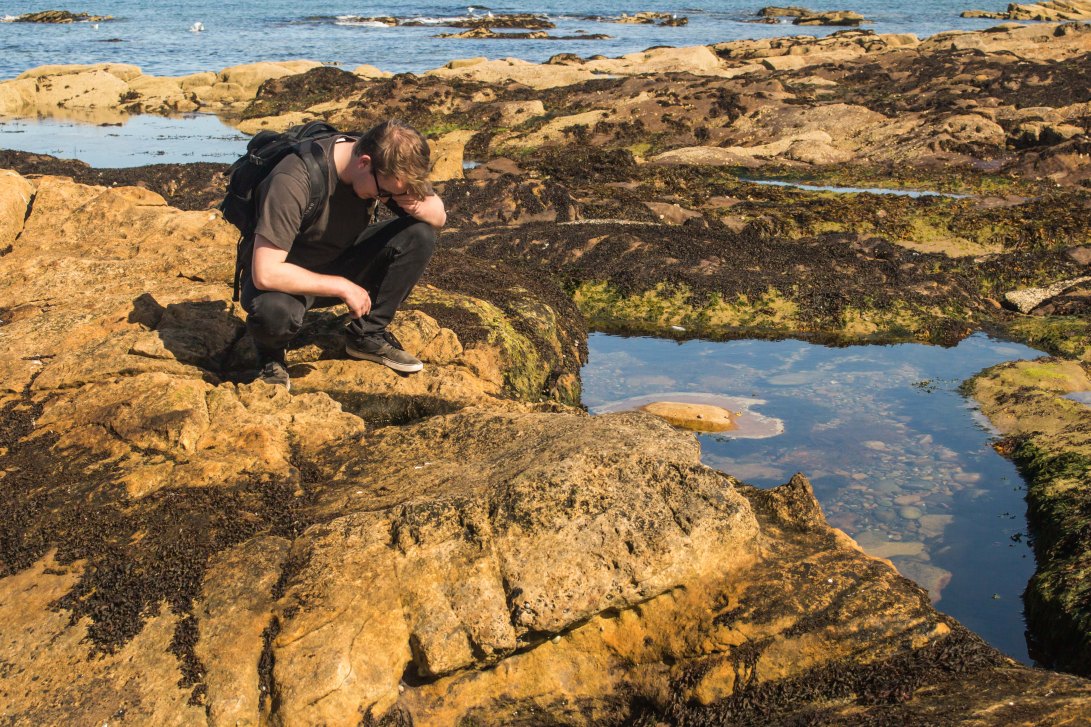
I began snapping immediately. The beach was a patchwork of fine, flat sand and weed-coated rocks where puddles of seawater were trapped from returning to the ocean until the tide swelled again. Kerr and I began to wander – rock pooling is one of those timeless summer activities that nobody is ever too old for. We stepped slowly from one rock to the next. A combination of slick seaweed and soft moss made me take extra care; although it was a beautifully warm day, I feared a dip in this water would still be a chilly one.

IMG_5757

Another reason to watch your feet was the abundance of common limpets (Patella vulgata) clamped firmly to the rocks. We kept an eye out for any crabs lurking in the shadows, but perhaps the day was too hot for them. However, there were plenty of hollowed-out crab shells and discarded legs; remains of somebody’s breakfast no doubt.

IMG_5746-2

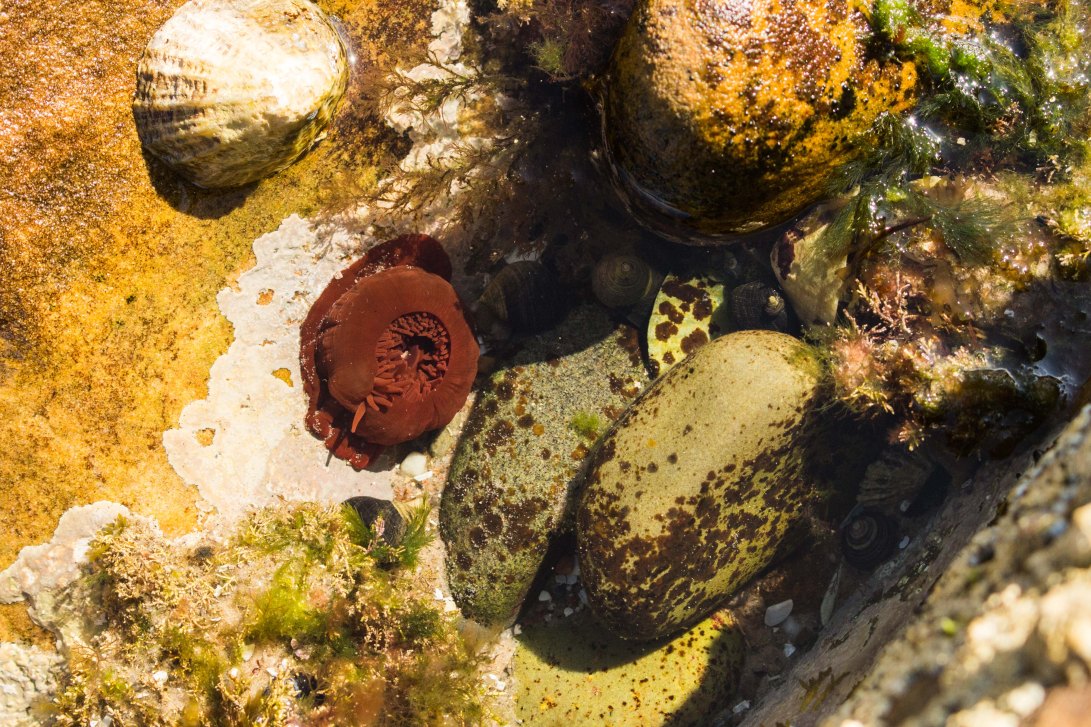
There were also several rusty red spherical bodies with tiny tentacles tucked up tight. After a little research I discovered that they were beadlet anemones (Actinia equina), an extremely territorial anemone that nudges and attacks rivals with stinging cells that act like harpoons, injecting the unfortunate neighbour with venom to clear them off their patch. Baby beadlet anemones are kept in the parents’ body cavity – which conveniently serves as both mouth and anus – and when they are ready to be born, the parents eject them through the water, where they find a rock to make their home.

IMG_5752

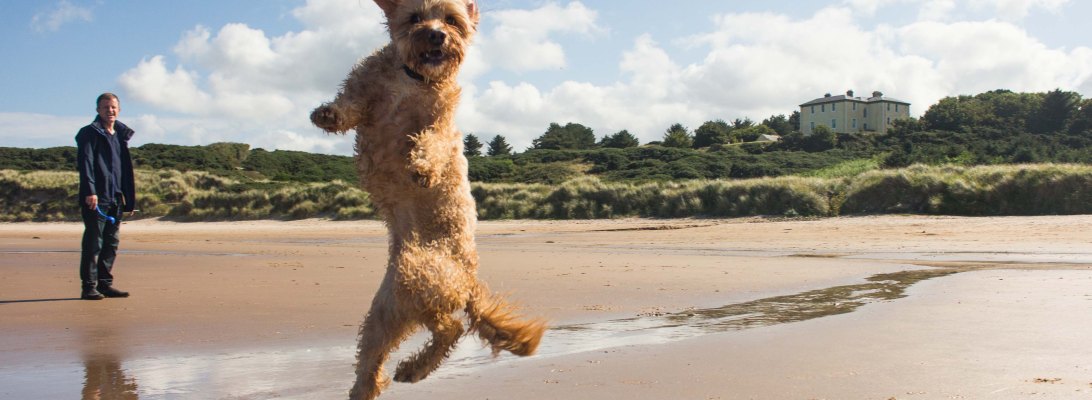
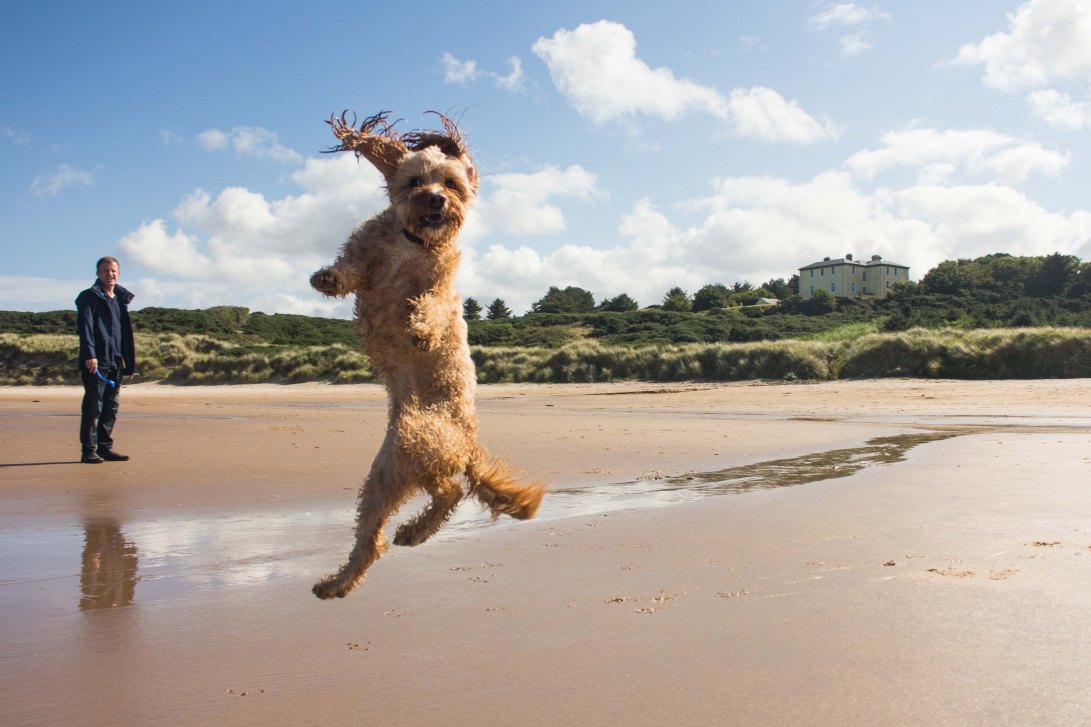
After a long time spent gazing into the pools and wondering what else could be lurking just out of sight, we joined the frantic game of fetch that was in full swing back on the beach. I couldn’t resist an opportunity to test my reflexes and see if I could photograph the fluffy torpedo in any mighty poses. I captured some absolute corkers but this was by far the best. Never has a dog loved the beach more than at this moment.

IMG_5773-3

Burghead: Day Two

It was looking like another gorgeous day. As we walked along the harbour yesterday, I couldn’t help noticing how inviting the forest running alongside the beach looked. Stretching for over seven hundred hectares, Roseisle Forest was a stunningly beautiful pinewood. As we made our way up the slope between the first row of trees, sand dunes transformed to mounds of fallen pine needles and the sound of the ocean soon faded into silence.

IMG_5588

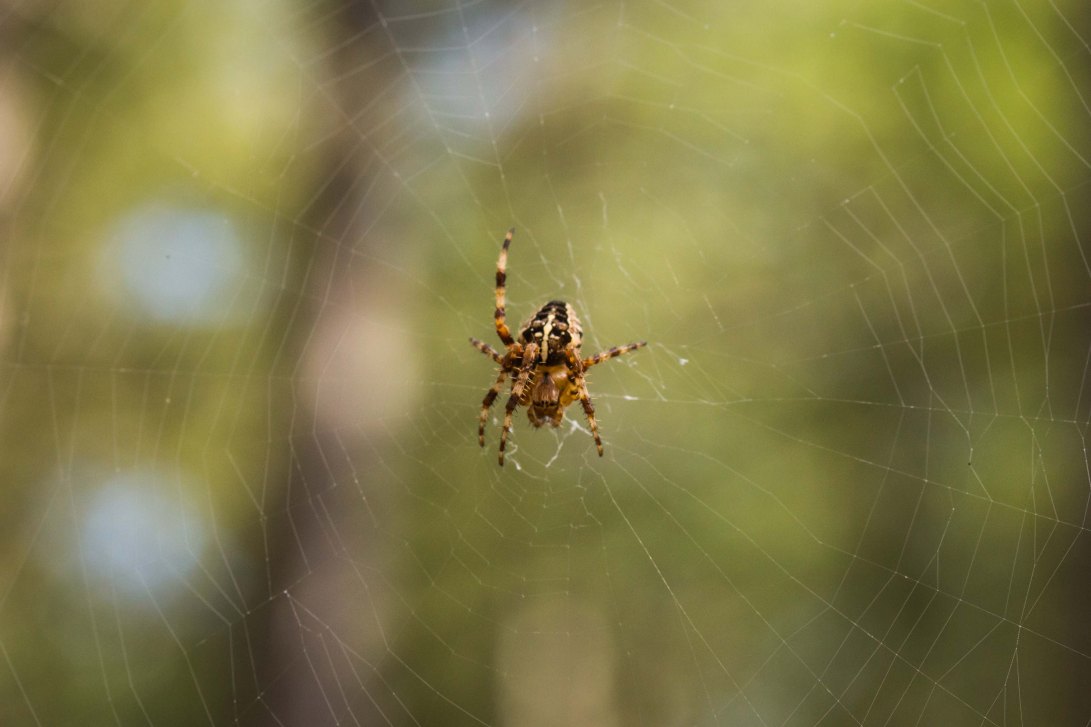
A wide trodden path snaked between the trees. I was on the lookout for fungi, so we headed off-road and ventured up the hills, giving us a great vantage point over the forest below. Before long, a sudden sparkle caught my eye, and I was amazed to discover that a spider had strung its web between two trees several metres apart. Luckily the sunlight had caught the web; otherwise we may have walked straight through it. We spent the next twenty minutes photographing our spider – it was a real challenge trying to get him in focus as the web swayed to and fro in the breeze, which must have felt like a gale to the spider. If you zoom in on the photo of Kerr, you can see a brown dot a few inches in front of his camera, showing just how tiny the little hunter was.

IMG_5614-2IMG_5632


Soon, it became clear that Roseisle Forest was abundant with a medium-sized, red-capped mushroom that had faded to pink with age. After consulting the Burghead guide back at the cottage, I discovered that mushrooms in the Russula group, otherwise known as Brittlegills, were common here. After checking out the various species I identified this fungus as Sickener (Russula emetica), a poisonous species associated with pine woodland. This mushroom is found in groups and is most common in late summer to early autumn, perhaps explaining why the ones we saw weren’t the bright red colour of their prime.

IMG_5654IMG_5620

After finding dozens more Sickener mushrooms and spending a long time crawling on the forest floor photographing them, we headed back out onto the beach. We met up with my parents and Jasmine, who was whipping up a small sandstorm in her excitement. By this point my stomach was rumbling after the walk in Roseisle, so we headed to lunch and ate outside in the stunning sunshine.

IMG_5677IMG_5689

Burghead: Day One

The drive to Burghead was beautiful. As the town is situated on the edge of a peninsula protruding into the Moray Firth, it is surrounded by open ocean on three sides. As we drove up the high street it felt like we were at the edge of the world, and in a way we were. Northern Scotland could just be seen in the distance, but the space between still seemed vast. When we couldn’t drive any further, we found the cottage my parents were staying in and were greeted by a very happy Cockapoo who’d missed us both.

IMG_5495-2

I woke the next morning to see that the orange blinds were framed by a border of bright white light, and when I peeked behind them there lay the ocean, twinkling enticingly. After a hasty shower and breakfast we were off, keen to explore.

We made a beeline for the coast, climbing up to the highest point to take in the views. Down below, oystercatchers zoomed past, their alarmed cries cutting through the wind. A pair of cormorants glided effortlessly by, slender necks held parallel to the choppy waves below. I kept my binoculars trained on the horizon for a sign of dorsal fins breaking the surface. The Moray Firth is home to a resident population of more than 140 bottlenose dolphins, but we didn’t spot any stood up on the crag today.

IMG_5492-2IMG_5509-2

Once the wind had completely numbed our ears, we made our way back down and walked along the harbour, where a mix of tattered old and shining new boats stood resting in the docks. Down on the shingle bank, a pied wagtail hopped from rock to rock, waving his tail in the typical fashion of his species. We stumbled across a collection of crab claws and shells sprinkled across the concrete – perhaps a favoured feeding station for gulls and other seabirds.

IMG_5552IMG_5564

At the far end of the harbour I had another look for dolphins, with no luck. Every time a wave broke and a plume of froth shot upwards my heart leapt, but it was just the ocean playing tricks. The water was a stunning colour; azure blue and bottle green blending like marbled ink. Together with the rough rocks spotted with white barnacles, the sight was a feast for the eyes.

IMG_5522-2

A combination of the walk and the sea air had brought on an appetite, so we headed back to Main Street for some lunch. A beautifully fresh crab linguine filled the spot, but I still had room for a raspberry ripple waffle cone to lick on the walk back. We’d planned to wander down to the sand to find crabs or maybe starfish, but just at that moment the clouds grumbled and it began to pour, so we hurried back to the cottage instead. Shut inside, all there was to do was have a look at the photos from today and plan where to go tomorrow.

IMG_5539

Birdfair 2017

Zahrah and I only managed to attend the third and final day of Birdfair 2016. This year, we were set on squeezing everything we could out of this incredible event. Kerr decided to join us too, so last Thursday the three of us set off for Rutland Water Nature Reserve.

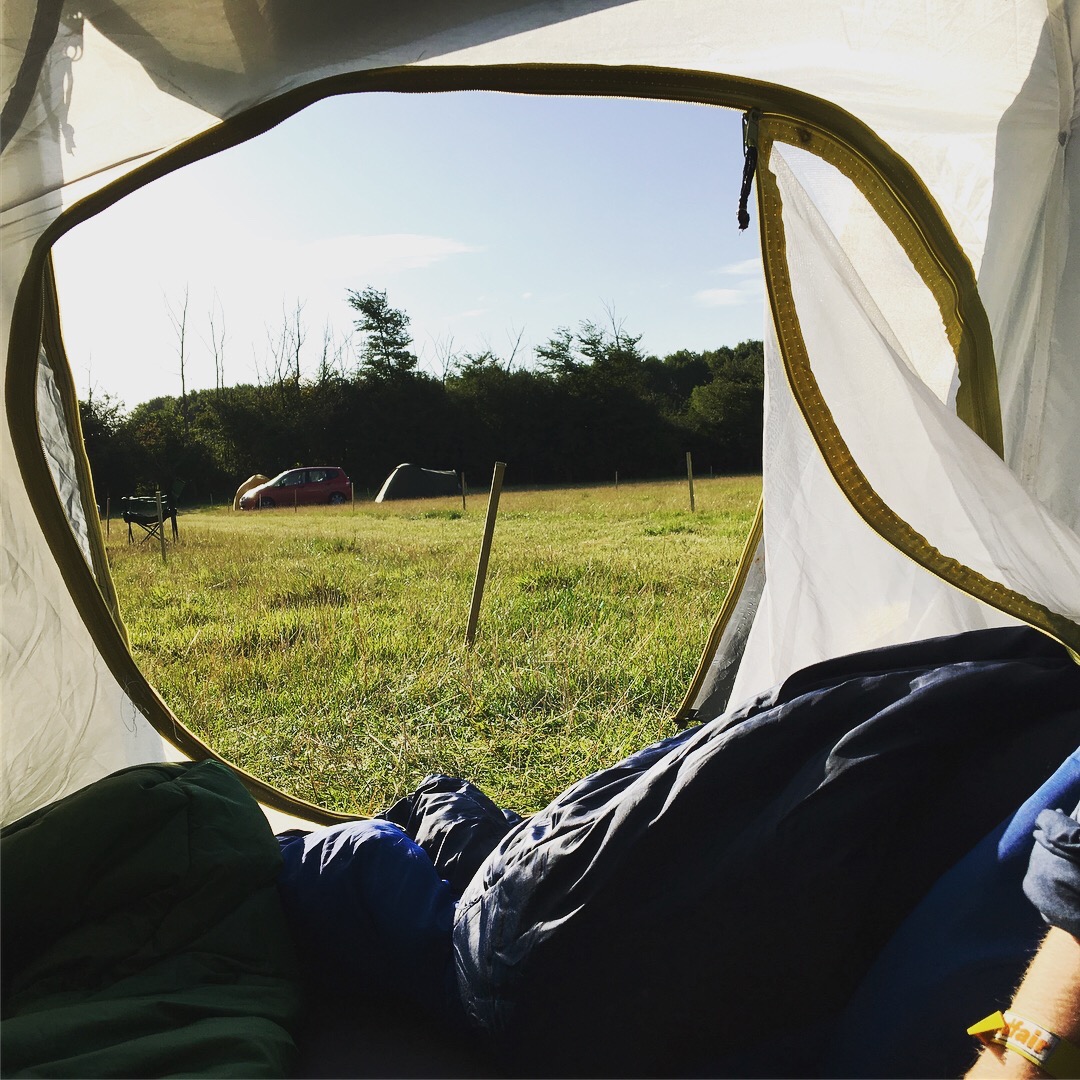
Due to a slight train mishap from Zahrah, it was nearly dark by the time we arrived at the campsite. We met the very charismatic steward and his wife, who cruised around the site on a rather fetching golf buggy and led us to our pitch. Perhaps ashamedly, I’d only been camping twice before, once ten years ago and once last month, so I was excited to get the tent up and spend our first night in the reserve.
IMG_8516

In the morning I woke from a genuinely good tent’s sleep. After eating pots of porridge around the stove we headed over to the fair. As usual, I was overwhelmed by just how much there was to see: eight long marquees, three lecture theatres, the main events marquee and a large cluster of food stalls, merchandise stands and of course, the reserve itself.

After a scan of the programme, we threaded our way through the first marquee. We met a lovely lady from the West Cumbria Swift Group, and I soon realised how little I knew about swifts. Due to house renovations, swifts are losing their nesting sites and should now be red-listed. The fastest bird in level flight, swifts shut down half their brain at a time to enable them to sleep on the wing and endure such long journeys overseas.

In the afternoon I attended a talk on the successes and challenges of conservation. As I listened to comeback stories of black-winged stilts, spoonbills and Manx shearwaters, it struck me how much we all dwell on the ‘doom and gloom’ of wildlife. Of course, it’s appalling how many of our planet’s species are now threatened, but invaluable work is being carried out all over the world and it should be celebrated. The talk inspired me to concentrate on conservation success, not failure, and it’s something I reckon I’ll be turning into a third year project.

IMG_8517

Day two of Birdfair began with some more networking in the marquees. I chatted to lots of lovely people, from the BBC Wildlife team to photographers to those offering amazing wildlife holidays (I lost count how many competitions I entered – bring on the promotional emails). After a delicious pulled pork roll with applesauce, my ultimate favourite, Zahrah and I caught Simon King’s talk. He really is a great speaker. Although it’s often the case at these events that the speakers are merely preaching to the choir, it’s always so good to be reminded just how important nature is. He included a quote from Anaïs Nin that drove his message home: “We don’t see things as they are, we see them as we are.” Mankind has done extraordinary things, some of them terrible, and it’s important not to lose focus on what really matters: preserving this planet. It’s a message I really hope can endure the test of time.

IMG_8518

I was a little sad to wake up on Sunday and realise Birdfair was nearly over. Zahrah and I anticipated long queues for Steve Backshall so we hurried to the fair earlier than usual. The marquee was filled to capacity, with people lining the walls and stuffing themselves into every space. I suppose it’s the nostalgia talking, but I think Steve Backshall is an inspiration. Deadly 60 was perfect, combining boisterous adventure with important messages about wildlife to capture every child’s imagination. In his talk, Steve showed various images of shark species, to which the children sat cross-legged at the front shouted out the names of without a moment’s hesitation. It gave me a fuzzy feeling: these kids absolutely loved wildlife. It’s true that engaging younger generations is undoubtedly the long-term solution for the natural world, and Steve Backshall was doing just that. I couldn’t help but put my hand up for a question. I asked him what species was next on his wish list, to which he replied the snow leopard.
IMG_8515

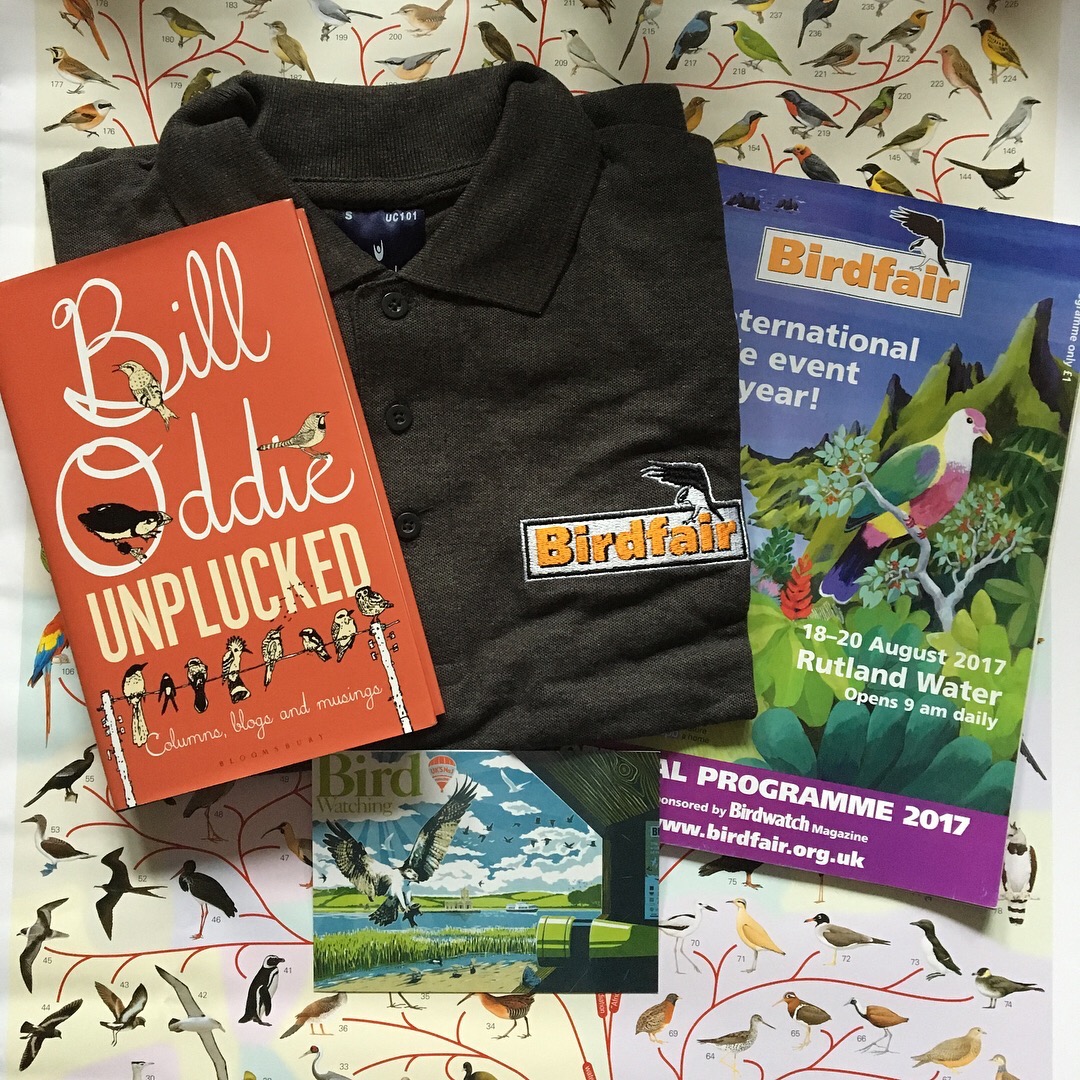
Before long it was time to go. Kerr had bought the Sony camera he’d been eyeing up for months and at a considerably lower price, so he was happy as Larry. I treated myself to a poster of the ‘Orders and Families of Birds of the World’, which is now hanging proudly alongside my others. Birdfair is one of those rare events where us wildies gather in our thousands to celebrate not only birds, but all wildlife. I know from previous experience that an interest in nature is not a common one, so to meet people from all over the world with the same passions as me is something really quite special. I’m already looking forward to next year.
Things to Do in the Lakes

For the past two weeks I’ve been on an internship at Student and Graduate Publishing. I’ve been writing non-stop for their three online magazines. This article on the Lake District was written for Study International. 

In July 2017, the Lake District officially became a UNESCO World Heritage Site, making it part of a group of iconic locations across the world alongside the Taj Mahal, Machu Picchu and the Grand Canyon. There are sixteen official lakes in the Lake District, each surrounded by stunning scenery and with plenty of things to see and do. Whatever your interest, the Lake District has so much to offer. So if you’re studying in the North West of England, take a look at what you could be planning for your next weekend trip.
Coniston Boating

For the adventurous, there is lots of sporting fun to be had on Coniston Water. Stretching five miles long and watched over by a mountain called the Old Man of Coniston, the lake boasts a wide range of possibilities for boating. Enjoy the sights on a motor boat, or perhaps try a more hands-on approach with rowing boats, paddle boards or canoes. Take a look at the Coniston Boating Service to book online and find out more. There are also bikes available for hire, for those who’d rather stay on dry land.

All that time on the water is bound to build up an appetite. Situated right on the shore is the Bluebird Cafe, where you can enjoy freshly-made cakes, ice cream or hot drinks, depending on the weather.

Derwentwater and the Theatre by the Lake

Another of the beautiful Lakes is Derwentwater, a site that has been named a SSSI (Site of Special Scientific Interest) due to the wide range of flora and fauna that inhabit the water and surrounding shores. One species that resides in the lake is the Vendace fish, Britain’s rarest freshwater fish.

In addition to being able to walk the entire circumference of Derwentwater, there is also the Theatre by the Lake, situated right on the shore. A wide range of events are shown here, whether your interest is theatre, film or music. The annual Words by the Water literary festival takes place here too, where famous authors gather to discuss and sell their works. A brochure of upcoming events can be found on the Theatre by the Lake website.

Visit Beatrix Potter

Relive a classic from your childhood and visit the quaint 17th century farmhouse of Beatrix Potter, nestled in idyllic Ambleside. Beatrix Potter bought Hill Top after the success of her first few books, and her visits to the Lake District were spent sketching the house and garden for new stories. Infamous characters such as Jemima Puddleduck and Tom Kitten were created in this picturesque cottage, along with many landscapes that featured in her books.

Anyone who enjoys a bit of British history will love exploring the cottage, with its quaint interior and surrounding garden exploding with flowers, as well as fruit and vegetable patches where Peter Rabbit could be hiding.

Upon her death in 1943, Beatrix Potter left Hill Top to the National Trust, insisting that the site remained completely untouched. So as you wander through the entrance hall with a pot of tea waiting on the table, it almost seems as if Miss Potter is still living there. Read more information from the National Trust about this beautiful cottage and what there is to discover there.