Living off the Scilly Land

For my final major project at university, I am journeying to the Isles of Scilly for a photography project on this wildly diverse archipelago. My focus is currently the unique wildflowers of the islands, some of which are not found anywhere else in the UK such as the dwarf pansy. However, to broaden my understanding of Scilly (and also because it recently snowed there which has made me question my chances of seeing wildflowers next month), I have been researching how the first human residents used the land and its resources, which in some cases are vastly different ways to today.

  • During the Neolithic period, tribes were known to mark their presence on the islands using large stone monuments known as megaliths. These were for ritual or territorial purposes.
megalith
A megalith at Castle Down, Tresco (Source: The Megalithic Portal)
  • Wars and disputes subjected the inhabitants of Scilly to poverty and famine. One method of surviving such lean times was to forage seaweed. In 1684, production of soda ash from seaweed began, a material used to make soap, bleach and glass for the mainland. This practice lasted well over a century, and must have had disastrous impacts on wildlife.
  • The Bronze Age saw the first permanent populations arrive from west Cornwall. They fished, farmed, hunted and scavenged all sorts of foods to make their living. Birds such as razorbill, guillemot and even ravens and swans were hunted for their meat. Seals and the occasional whale were hunted to supply oil used for lighting.

IMG_9258

  • Fishing was a vital source of food all year round, and once caught the animals were dried by the wind or salted for preservation. A vast amount of limpet shells suggests they may have been used as bait, and scallop shells to hold lighting lamp oil.

IMG_0979

  • By the time of the Roman invasion of Britain in AD 43, red deer had disappeared and dogs and rabbits were introduced. The birdlife grew in variety, suggesting the environment was changing. New bodies of water attracted fowl such as bittern, heron, snipe and more excitingly, evidence of chough. Remains of what are believed to be these birds and dating back to the 2nd century AD were discovered on St Martin’s.

IMG_9145

  • The Duchy of Cornwall was established in 1337, when the title of Duke was granted to the Black Prince. Payment for a ledger dating from that year was 300 puffin, giving the impression that these coastal birds were a lot more abundant than in modern day. The puffin was highly valued, considered a fish instead of fowl, which allowed it to be eaten during Lent. Five hundred years later, although the monetary value of Scilly hadn’t been altered, the exchange rate for puffin had surged by 600% to fifty birds.

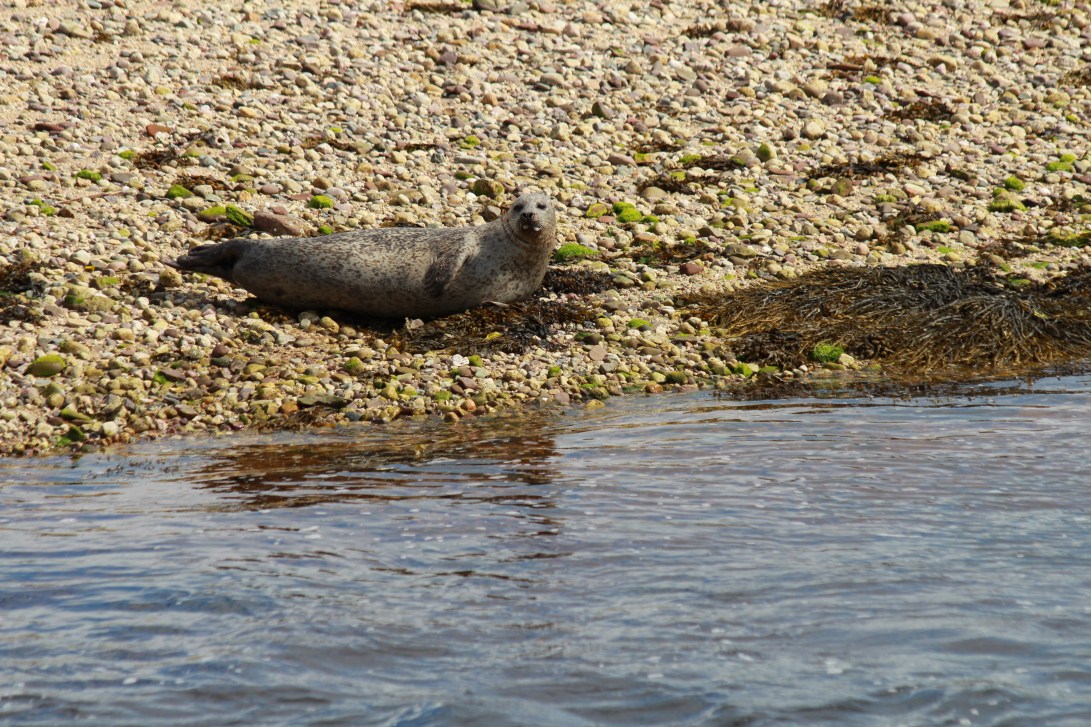
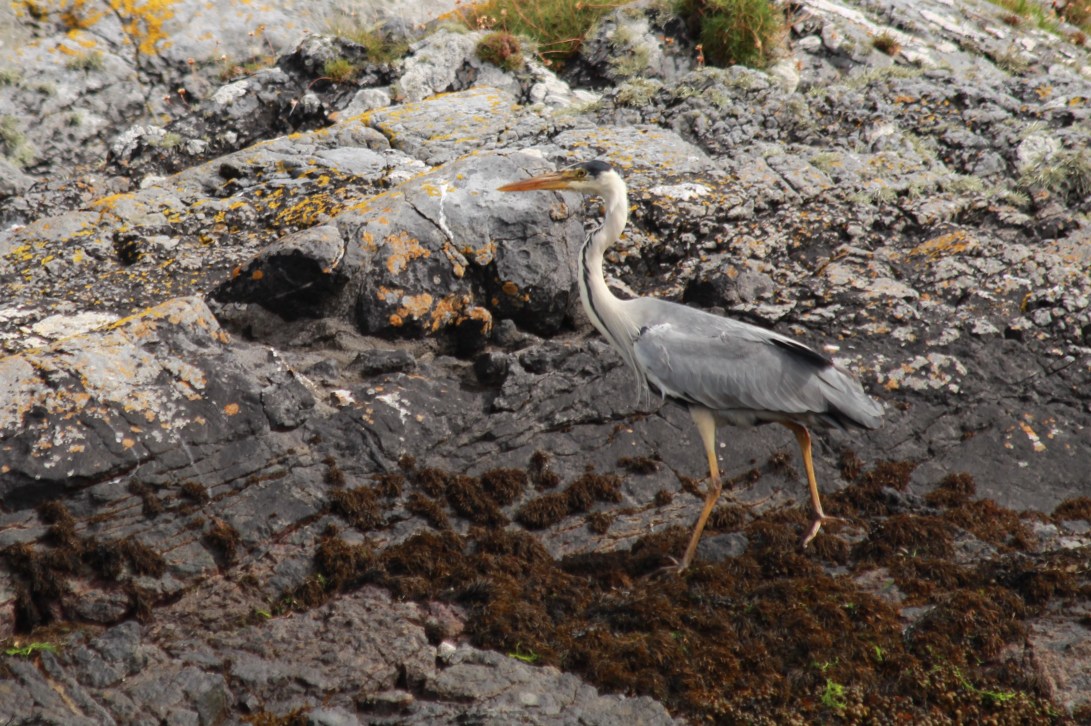
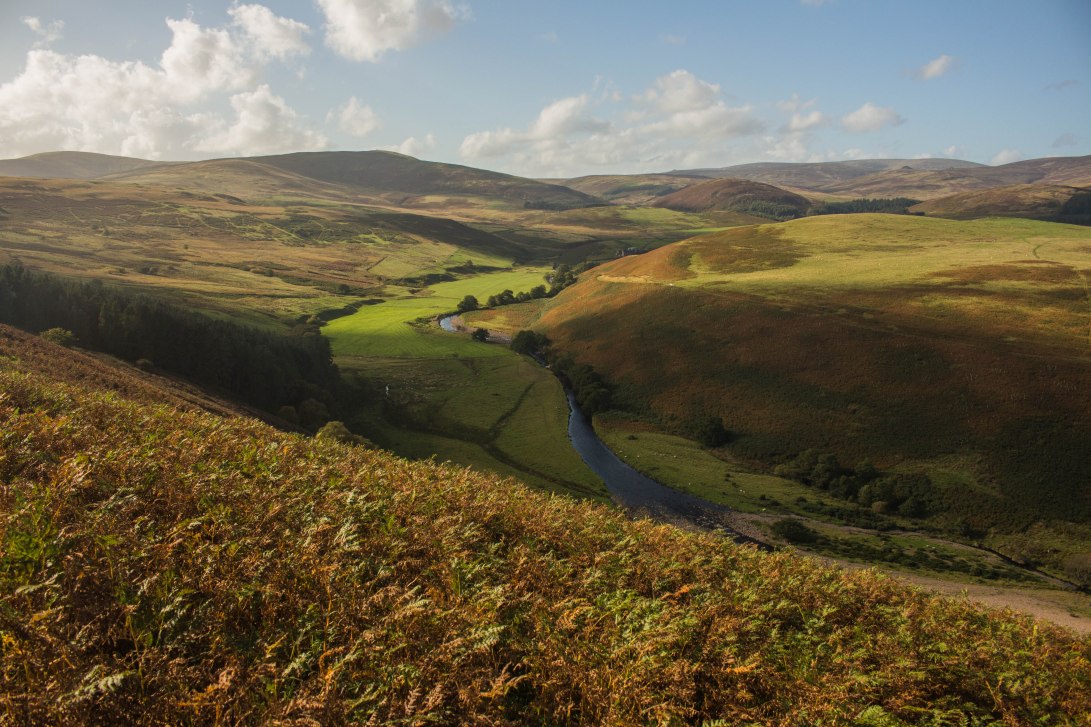
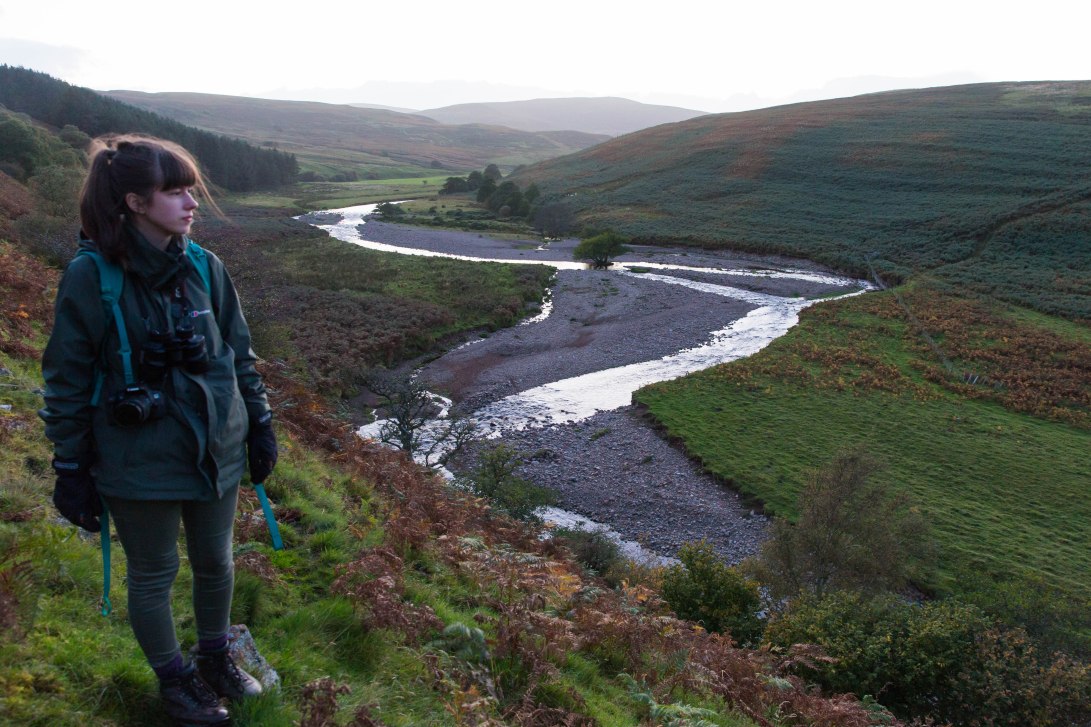
Incidentally, all of my photos in this post were taken in Scotland, but here’s hoping next month I’ll be capturing some Scillonian versions!

Learning to Birdlisten

Today marks the beginning of a new project: learning to birdlisten. It’s a much-used cliché but I have been an avid birdwatcher since I was a child. I’d sit out in the garden, hold as still as I possibly could, and after a while birds would begin to show, hopping out from under bushes and descending slowly from the treetops. This gradual emergence, the steady drip-drop of birds, was so exciting to me. The species would usually be very common – robin, dunnock, blackbird – but occasionally a blue tit or great tit would appear, and to my amateur eye these were very special indeed.

As my knowledge gradually improved, I began to notice more species and although the trusty robin and dunnock never grew boring, they lost their shine among more colourful or charismatic varieties. One by one I added birds to my repertoire, and although I didn’t notice my mental list growing, soon I could identify a wide range of species. Although waterfowl and waders had their charm, my favourites were always the passerines, or “perching birds”.

Passerines include a subgroup of species we call songbirds but are more accurately named oscines – birds that establish their territories by means of musical vocalisations. It never occurred to me why the singing birds attracted me most, until I turned my attention to listening for birds instead of looking for them, and then it became abundantly clear.

Birdsong is the soundtrack of nature. Even for me, a keen bird enthusiast, birdsong had blurred into the background of my time spent outdoors, nothing more than a pleasant backing track that accompanied my attempts to birdwatch. Why on earth did I let birdsong become such an unimportant feature of the landscape, no more significant than hold music? It was high time that I paid more attention to it, instead of letting it wash over my ears without acknowledgment. It is so true that we see but don’t observe, but it is also the case that many of us hear but don’t listen.

IMG_8860

Author of “Birdwatching With Your Eyes Closed” Simon Barnes points out that understanding birdsong allows us to see around corners. There’s a bird hidden up in the canopy somewhere, but unless you know its song you’ll never know what it is. I’ve had this frustration many times, when I see the distorted outline of a bird but no characteristic features that give it away. If I hadn’t neglected my auditory senses, I wouldn’t have been disappointed when the bird hopped further out of view.

And so begins my journey to learn the language of birdsong. It seemed a daunting prospect at first; to my untrained ear all chirrups and whistles sounded identical. However, like any problem, it is imperative to break it down, and that makes it far less intimidating.

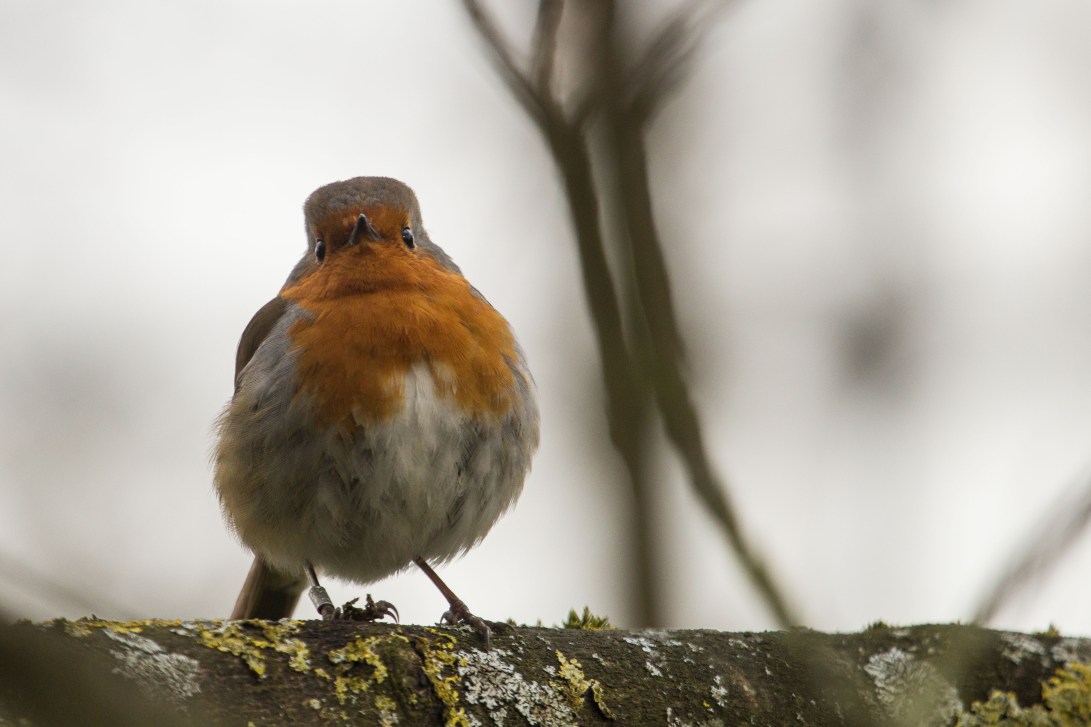
I have already made progress. First was the robin: an unmistakable bird in appearance, and a good place to start when learning birdsong because of its presence all year round. During the usually hushed winter months, the robin still sings, an isolated soloist filling cold air with thin, gentle melodies. Spring is by far the most frustrating time to begin birdlistening, so to hear the robin on a chilly February morning with no other avian distractions allows us to begin to tune into this new world I for one took for granted.

IMG_8893

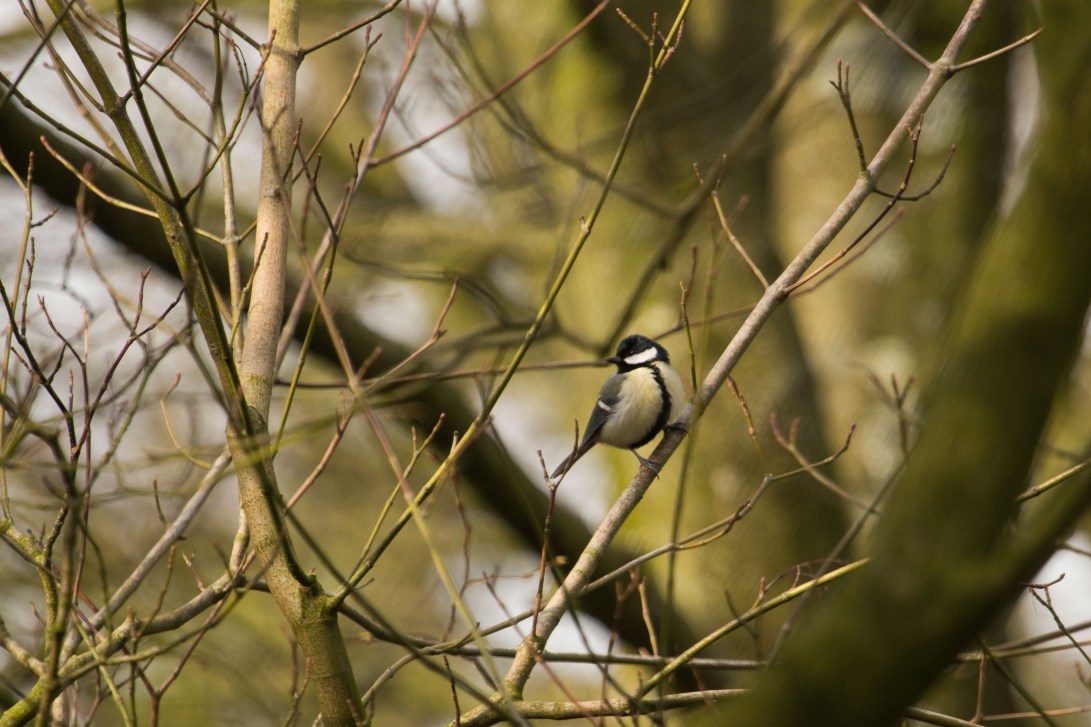
The wren also sings in winter, but has a far louder song bordering on rowdy. For such a small bird, the song bursts out of hedgerows, with a telltale trill at the end of some phrases, like a twirl of icing atop a cake. Then there is the two-note song of the great tit, like the squeak of a saw being pulled back and forth.

And so on. Already my ears are filling with birdsong and I’m really listening this time. Acquiring the skill of understanding this rich and varied language will not only help me become a better birdwatcher, but it will pave the way to a clearer understanding of nature as a whole – appreciating nature’s vibrant soundtrack.

IMG_8853


Chesters: Day Two

As I peeked out the window this morning, the sun was just beginning to shine. It looked like a promising day and I was glad, as we would be walking ten miles around the Breamish Valley.

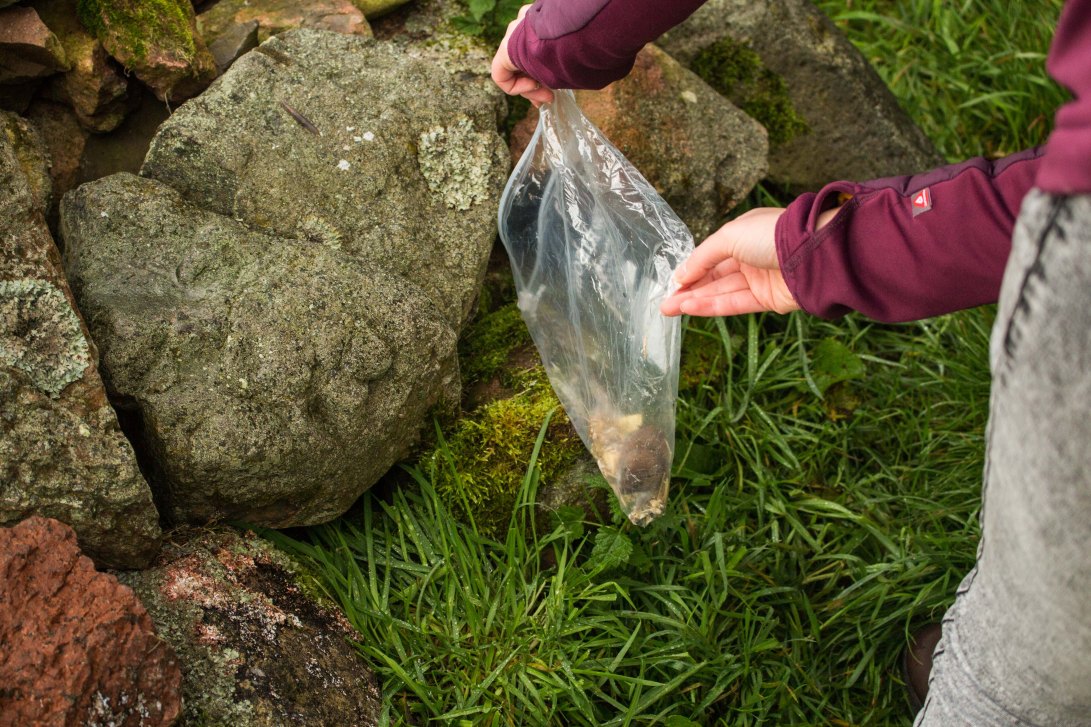
First things first though: check the Longworth trap for any visitors. Heather retrieved the trap and carefully emptied it into a paper bag. Along with the hay and leftover oats and apple chunks was a bank vole, gazing up at us with its beady black eyes.

If we were carrying out a proper small mammal survey we would attempt to sex the vole and perhaps snip a small section of fur from its back. The purpose of this is for re-trapping, so we’d know if the same vole came back. However, we were just trapping to see what mammals were in the area, so these procedures weren’t necessary. We observed the vole for a little while longer before Heather released it back into the dry stone wall alongside the bothy, where it slipped out of sight in seconds. We also left the remaining food for the vole to feast on – it was only polite.
IMG_6236

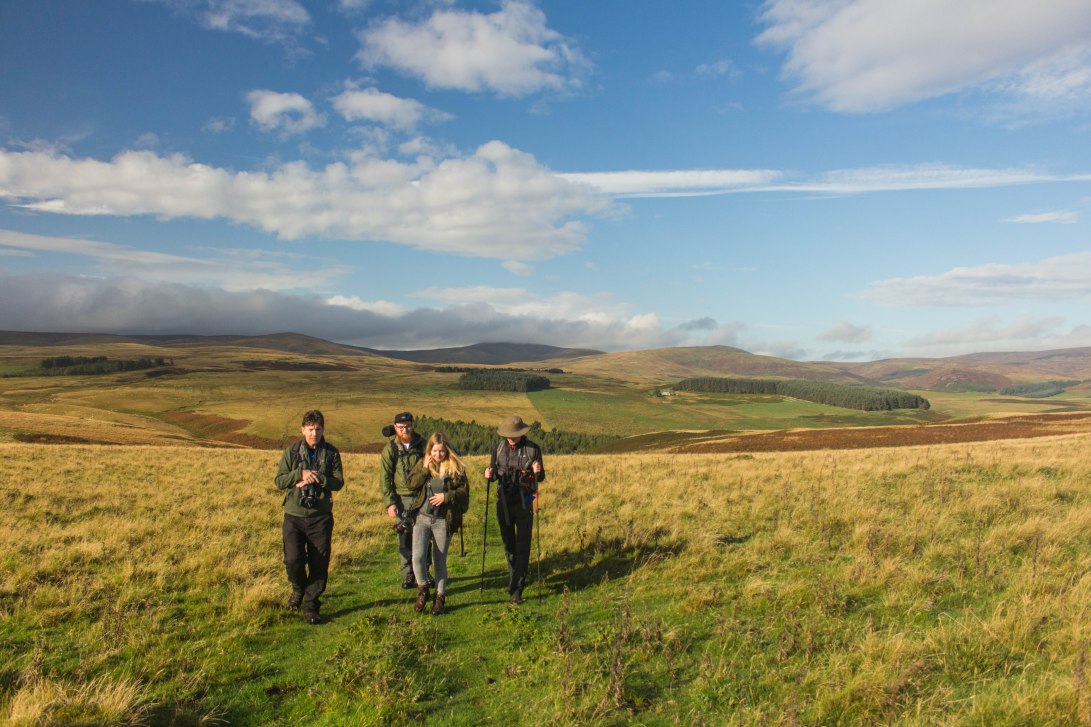
After eating a hearty bowl of porridge and making sure we had everything packed for the day ahead, we set off across the fields and down to the first plantation. Heather told us the habitat had been classed as “felled”, but there was nothing felled about it now. Trees loomed above us, and with foliage on all sides it felt like we’d wandered into an enclosure at Jurassic Park. My overactive imagination thought the grating screeches we heard were those of Velociraptors, but sadly were just squabbling jays.
IMG_6341

I led the group down the hill, taking care over crooked roots and dislodged rocks. I was just negotiating a particularly steep section when Cain called us back. I knew he’d seen something so I rummaged for my telephoto lens while scrambling back up to where the others had binoculars trained at the very top of a large conifer. There was a loud chirruping, and among siskins and chaffinches was a larger finch with a forked tail and an unmistakable bill that had the upper mandible overlapping the lower: common crossbills. There were several up in the tree, and as I zoomed in I saw that a male was being pestered by a begging juvenile, its pale wings flapping ten to the dozen in an attempt to catch its parent’s attention. The male, and another a few branches away, were plucking cones from the tree and holding them aloft like they weren’t quite sure where to put them. It was fascinating to watch such a strangely designed bird negotiate its food.

IMG_6292

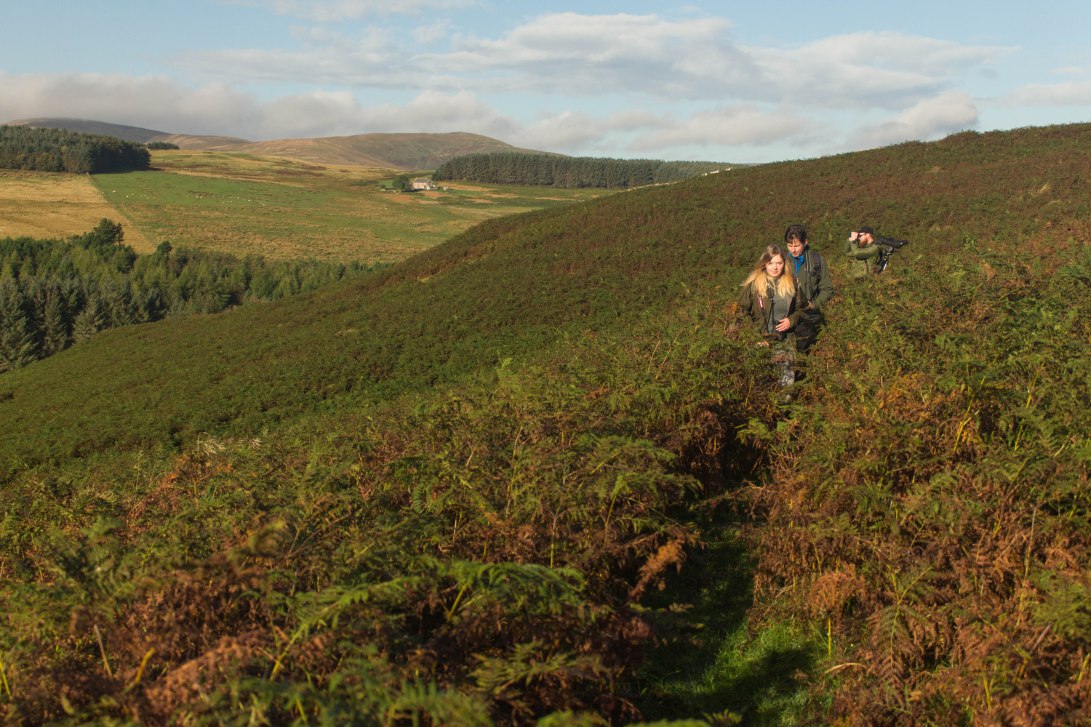
We wandered on, breaking out of the trees and beginning the first ascent of the day. The trail wound through an ocean of bracken, and I soon found myself chest-deep. When I glanced behind me I could only see everyone’s heads and shoulders as they waded through. The resident skylarks joined us, as well as a distant buzzard that I’m sure the skylarks were keeping a close eye on.
IMG_6327

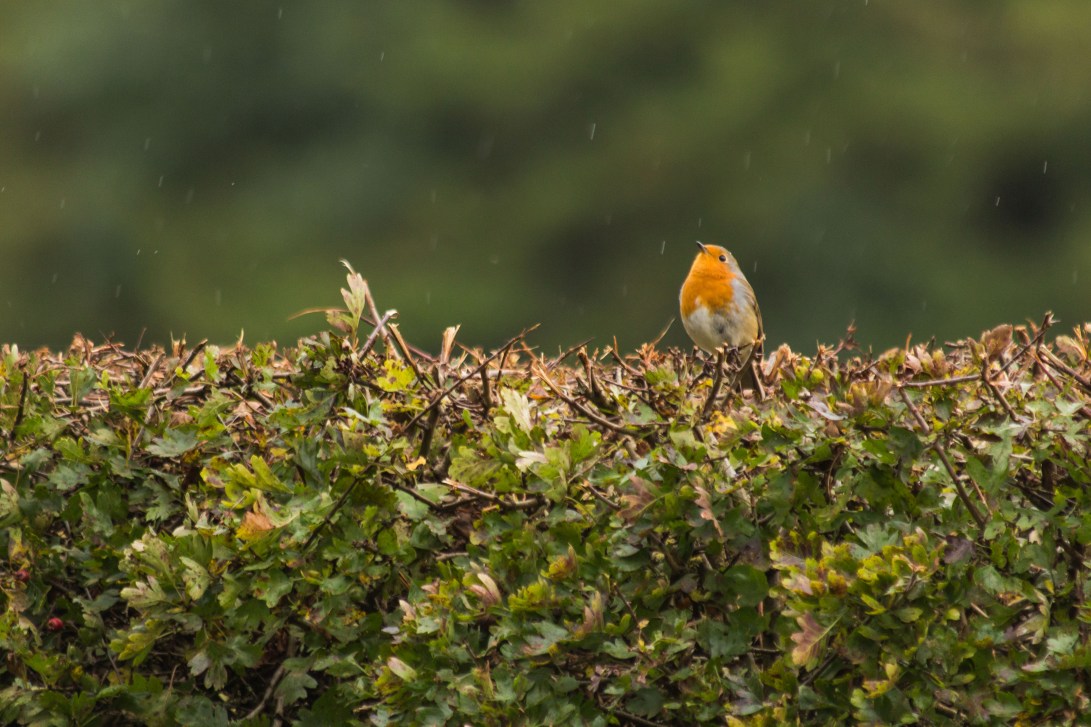
The sun sunk in and out of the clouds as we made our way through the valley, stopping every once in a while to photograph a mysterious fungus or watch a bird through binoculars. By lunchtime, just as my stomach was rumbling for my sandwiches, we arrived at Branton Nature Reserve. The first sound that greeted us was the noisy gabble of greylag geese as they fought for space to sit down on the crowded island. There were dozens of birds here; groups of lapwing, snipe, goosander and moorhen. There was minimal mingling between the species, reminding me of a school canteen full of cliques. Suddenly there was a commotion and many birds took to the air. The source of the panic was a heron, gliding in with broad wings and a curled neck. As he landed with spindly legs dangling, the geese gabbled uncertainly and gave him plenty of space.

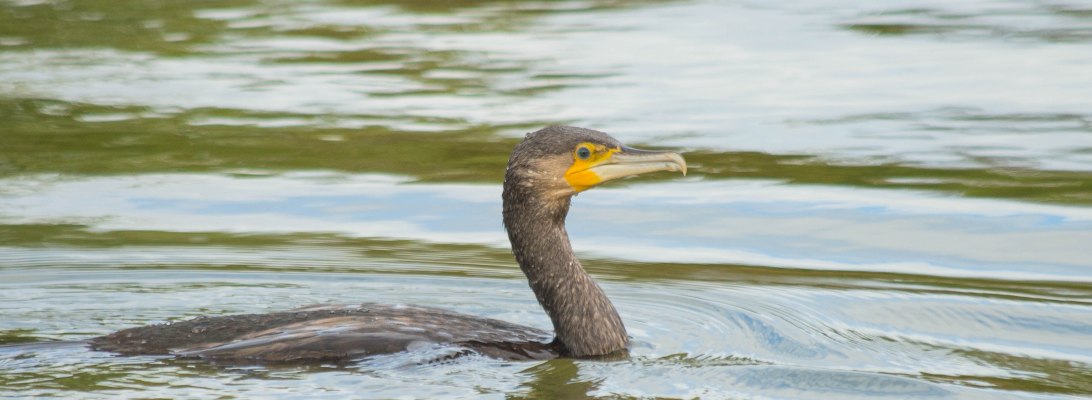
We slunk as inconspicuously as we could into the hide and tucked into lunch while keeping one eye on the lake’s activity. A cormorant surfaced a few feet from the window, and paused long enough for a few breaths before diving back down, emerging moments later in a completely different place and with a wriggling fish in its bill, which was swallowed up in the blink of an eye.

IMG_6381-2IMG_6417

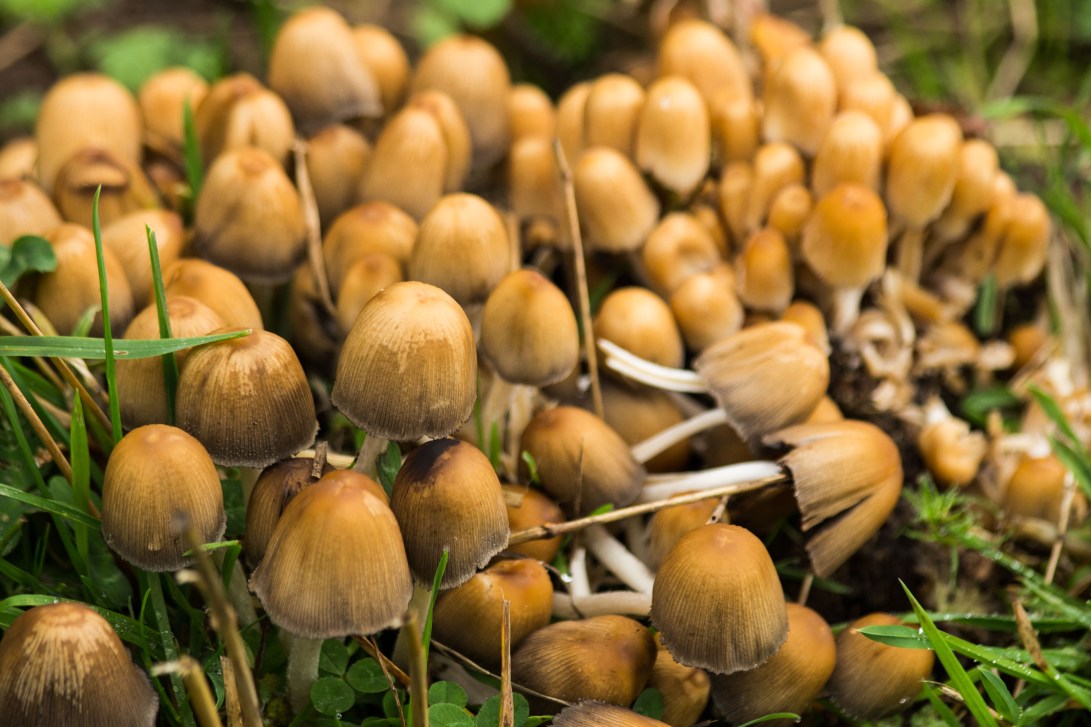
Soon it was time to start heading back. It was trying to rain, and as we were making our way back past the village of Ingram it succeeded, so I hastily packed away my camera and bins. Later, once Cain had got a fire going, we’d rested our aching feet and eaten dinner, we pottered into the garden with the bat detector, to see if any bats were passing through. Before we heard any clicks though, there was a flash of white wings and a barn owl swooped out into the open. Shortly after, a second owl appeared some distance from the first, which was even more exciting. We ventured a little further up the hill and the detector started clicking. That evening we heard both common and soprano pipistrelles, and although we were leaving the wilderness behind and heading back home tomorrow, just these two days have been enough to remind me once again how important it is to spend time in nature.
IMG_6452

Species Seen: Adder (Vipera berus) Bank Vole (Myodes glareolus) Black-Headed Gull (Chroicocephalus ridibundusBuzzard (Buteo buteo) Chaffinch (Fringilla coelebs) Common Crossbill (Loxia curvirostra) Cormorant (Phalacrocorax carbo) Coot (Fulica atra) Eurasian Rabbit (Oryctolagus cuniculusEurasian Siskin (Spinus spinus) Goldcrest (Regulus regulus) Goosander (Mergus merganser) Greylag Goose (Anser anser) House Sparrow (Passer domesticus) Jackdaw (Corvus monedula) Jay (Garrulus glandarius) Kestrel (Falco tinnunculus) Lapwing (Vanellus vanellus) Lesser Black-Backed Gull (Larus fuscus) Lesser Redpoll (Acanthis cabaret) Little Grebe (Tachybaptus ruficollisMagpie (Pica pica) Moorhen (Gallinula chloropus) Mute Swan (Cygnus olor) Pheasant (Phasianus colchicus) Red-Legged Partridge (Alectoris rufa) Reed Bunting (Emberiza schoeniclus) Robin (Erithacus rubecula) Rook (Corvus frugilegus) Skylark (Alauda arvensis) Snipe (Gallinago gallinago) Sparrowhawk (Accipiter nisus) Starling (Sturnus vulgaris) Teal (Anas crecca) Tufted Duck (Aythya fuligula) Wigeon (Anas penelope)
Chesters: Day One

The rain was lashing on the windscreen as we made our bumpy way up the hill to Chesters. Sheep shook their sodden wool and watched the car with quizzical expressions as it grumbled over rocky grass. Before long the bothy came into view, nestled amongst the rolling bracken hills. I was just scanning the ground for darting pheasants when a pair of beady brown eyes made me call out for Cain to stop the car. Slowly reversing, we just caught a glimpse of the hare’s face before it turned tail and scarpered back through the bracken. I saw this as a very good wildlife omen for the rest of the weekend.

After settling in and enjoying some lunch, we headed through the Breamish Valley to meet the expeditioneers. I had a scan with the binoculars and spotted a kestrel hovering, drifting and hovering again. Heather told me she’d seen a pair of ravens swooping around yesterday, so it would be fantastic to hear some ‘kronking’ this weekend.

The weather couldn’t seem to make up its mind. Rain drummed on our heads one minute, then the sun was shining and turning the hills gold. Skylarks zoomed above, filling the air with their high-pitched chirruping, while pheasants screamed down in the valley, darting in and out of view like a Scooby Doo villain chase.

IMG_6120

Once the expeditioneers had unpacked, we headed out for a wander. A breeze whistled in the grass but the sun still fought with the clouds for a good view. We ducked into the nearest conifer plantation to see if there were any good spots to set a camera trap. After following a trodden track that trailed through the trees – a sure sign that there were creatures using this route, perhaps a group of roe deer or even a badger – we positioned the trap with a good vantage point down the trail.

Further on through the plantation was a Scots pine peppered with deep, spherical holes. The tree was dead, and had become the perfect sculpting project for great-spotted woodpeckers, who had transformed it into a wooden honeycomb. It was extraordinary to see tough, dead bark being carved and moulded so easily by blackbird-sized creatures. Although we did hear their sharp ‘kik’ call somewhere in the plantation, we didn’t meet any possible culprits, so couldn’t be sure if it was the work of a single bird or perhaps multiple competing for such a valuable pecking post.

IMG_6215

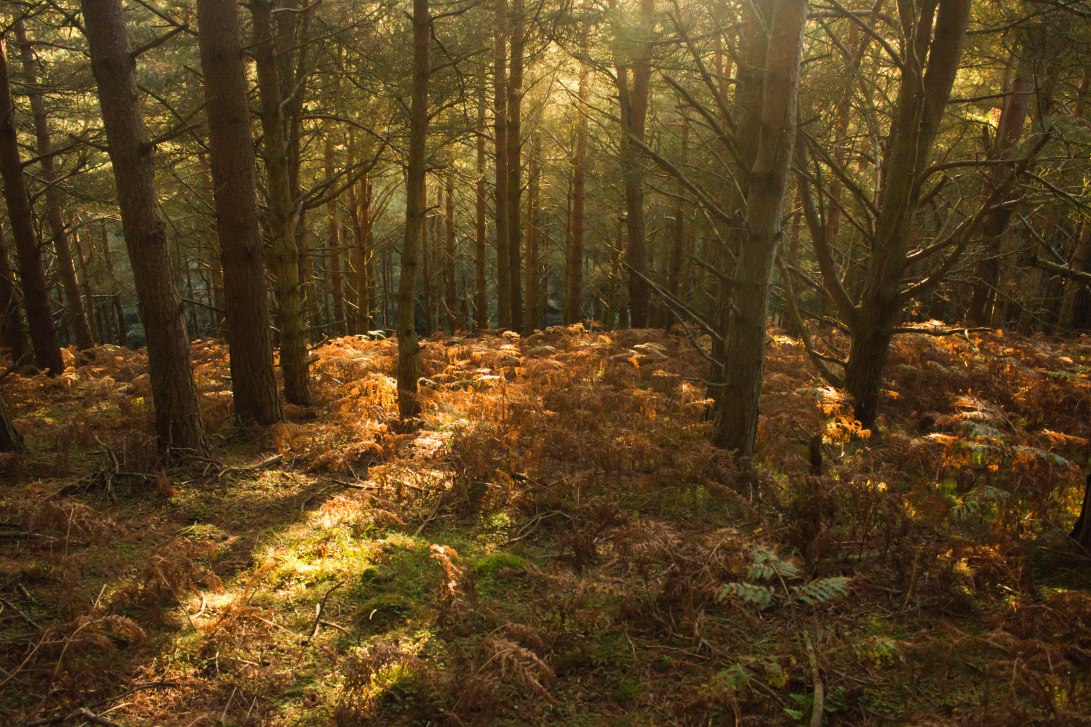
The sun was slowly setting. As the light faded, a hazy glow settled over the Cheviot Hills, illuminating the uppermost branches. Every colour was intensified; russet orange, army green, lime green, all blending together and criss-crossed with conifer needles. Spots of bright light broke through gaps in the canopy, playing tricks on my eyes when I thought a hyper-lit brown leaf was a luminous orange mushroom.

IMG_6190IMG_6160

After a while we broke out of the plantation and wandered along the Chesters Burn as it bubbled downstream. The water was a vivid blue, frothing white as it crashed over rocks. A piercing ‘zrik!’ cut through the rush of the river and we all turned to spot the white-breasted bullet speeding down the watercourse. Sure enough, a dipper zoomed into view, wings a frantic blur. Perhaps less regally dressed than its neighbour the kingfisher, but still a charismatic and highly specialised little fisherman.

By now the sun had sunk out of view and the landscape dulled in colour, the familiar dusky haze settling over our surroundings. Heather told us about an expression that perfectly described this time of day: entre chien et loup, meaning “between dog and wolf”. In dim twilight, our eyes have to work harder to distinguish shapes, perhaps mistaking a harmless dog for a slightly more intimidating canine! Up in the Cheviots though, there were no monsters hiding, so it was enlightening to see what was venturing out at this time of day.

7V8A5395

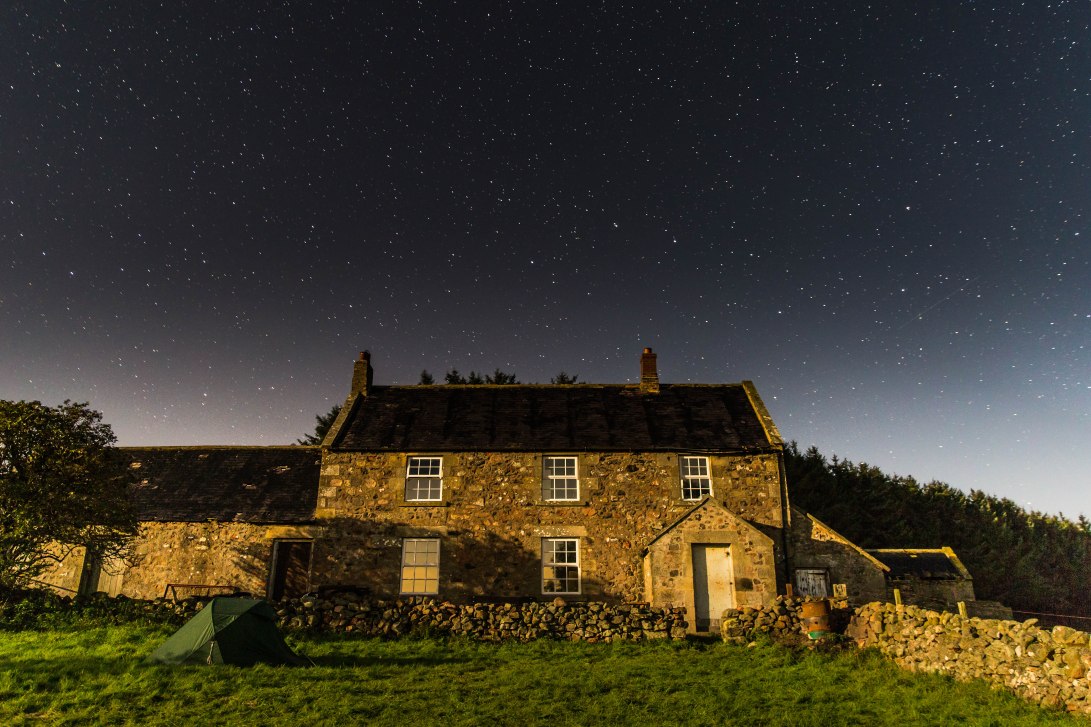
Once we’d made the ascent back up the hill to the bothy, the moon and stars had dominance of the sky. There were a few wispy clouds, but mostly the horizon was clear, so we all retrieved hats and gloves and set up tripods in the garden for some star photography. I hadn’t had a lot of practice shooting at night, so was pleased to capture some shots of the bothy backed by the entire night sky. Getting such good views of stars was a breathtaking end to our first day in the wilderness.

7V8A5401-2

Species Seen:

Brown Hare (Lepus europaeus) Buzzard (Buteo buteo) Carrion Crow (Corvus corone) Dipper (Cinclus cinclus) Coal Tit (Periparus ater) European Rabbit (Oryctolagus cuniculus) Goldcrest (Regulus regulus) Great Spotted Woodpecker (Dendrocopos major) Great Tit (Parus major) Grey Heron (Ardea cinerea) Kestrel (Falco tinnunculus) Long-Tailed Tit (Aegithalos caudatus)  Mallard (Anas platyrhynchos) Meadow Pipit (Anthus pratensis) Pheasant (Phasianus colchicus) Skylark (Alauda arvensis) Woodpigeon (Columba palumbus)
Birdfair 2017

Zahrah and I only managed to attend the third and final day of Birdfair 2016. This year, we were set on squeezing everything we could out of this incredible event. Kerr decided to join us too, so last Thursday the three of us set off for Rutland Water Nature Reserve.

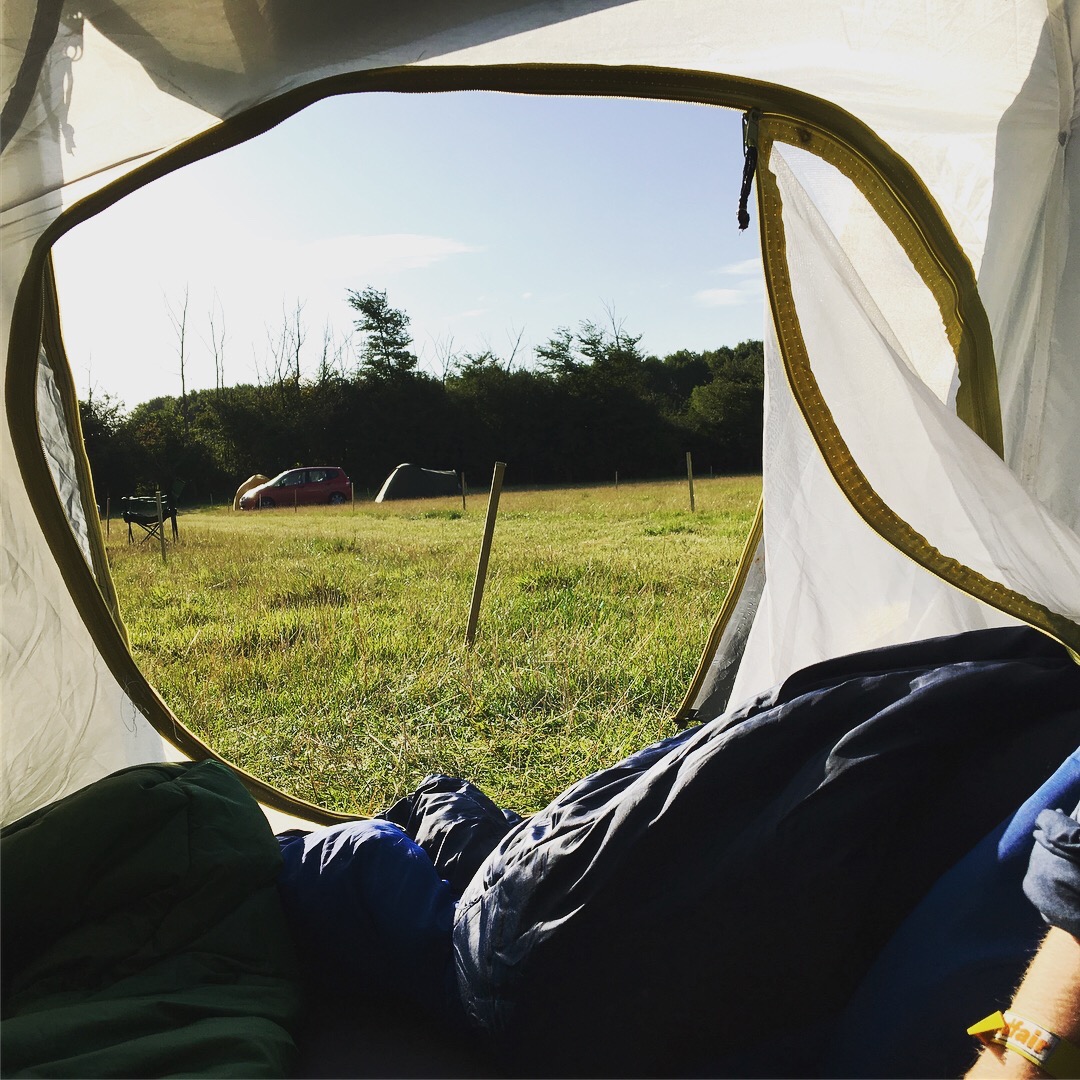
Due to a slight train mishap from Zahrah, it was nearly dark by the time we arrived at the campsite. We met the very charismatic steward and his wife, who cruised around the site on a rather fetching golf buggy and led us to our pitch. Perhaps ashamedly, I’d only been camping twice before, once ten years ago and once last month, so I was excited to get the tent up and spend our first night in the reserve.

IMG_8516

In the morning I woke from a genuinely good tent’s sleep. After eating pots of porridge around the stove we headed over to the fair. As usual, I was overwhelmed by just how much there was to see: eight long marquees, three lecture theatres, the main events marquee and a large cluster of food stalls, merchandise stands and of course, the reserve itself.

After a scan of the programme, we threaded our way through the first marquee. We met a lovely lady from the West Cumbria Swift Group, and I soon realised how little I knew about swifts. Due to house renovations, swifts are losing their nesting sites and should now be red-listed. The fastest bird in level flight, swifts shut down half their brain at a time to enable them to sleep on the wing and endure such long journeys overseas.

In the afternoon I attended a talk on the successes and challenges of conservation. As I listened to comeback stories of black-winged stilts, spoonbills and Manx shearwaters, it struck me how much we all dwell on the ‘doom and gloom’ of wildlife. Of course, it’s appalling how many of our planet’s species are now threatened, but invaluable work is being carried out all over the world and it should be celebrated. The talk inspired me to concentrate on conservation success, not failure, and it’s something I reckon I’ll be turning into a third year project.

IMG_8517

Day two of Birdfair began with some more networking in the marquees. I chatted to lots of lovely people, from the BBC Wildlife team to photographers to those offering amazing wildlife holidays (I lost count how many competitions I entered – bring on the promotional emails). After a delicious pulled pork roll with applesauce, my ultimate favourite, Zahrah and I caught Simon King’s talk. He really is a great speaker. Although it’s often the case at these events that the speakers are merely preaching to the choir, it’s always so good to be reminded just how important nature is. He included a quote from Anaïs Nin that drove his message home: “We don’t see things as they are, we see them as we are.” Mankind has done extraordinary things, some of them terrible, and it’s important not to lose focus on what really matters: preserving this planet. It’s a message I really hope can endure the test of time.

IMG_8518

I was a little sad to wake up on Sunday and realise Birdfair was nearly over. Zahrah and I anticipated long queues for Steve Backshall so we hurried to the fair earlier than usual. The marquee was filled to capacity, with people lining the walls and stuffing themselves into every space. I suppose it’s the nostalgia talking, but I think Steve Backshall is an inspiration. Deadly 60 was perfect, combining boisterous adventure with important messages about wildlife to capture every child’s imagination. In his talk, Steve showed various images of shark species, to which the children sat cross-legged at the front shouted out the names of without a moment’s hesitation. It gave me a fuzzy feeling: these kids absolutely loved wildlife. It’s true that engaging younger generations is undoubtedly the long-term solution for the natural world, and Steve Backshall was doing just that. I couldn’t help but put my hand up for a question. I asked him what species was next on his wish list, to which he replied the snow leopard.

IMG_8515

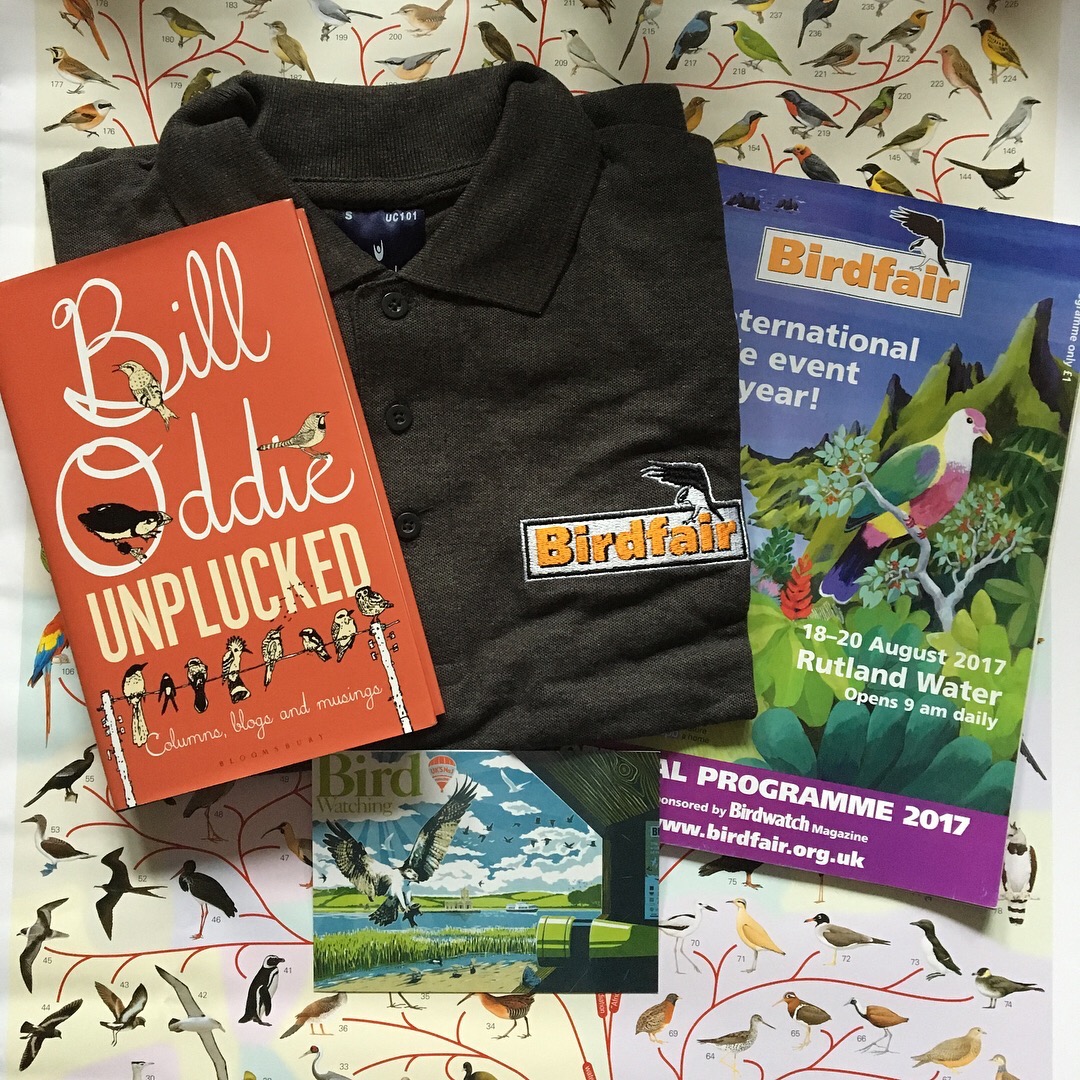
Before long it was time to go. Kerr had bought the Sony camera he’d been eyeing up for months and at a considerably lower price, so he was happy as Larry. I treated myself to a poster of the ‘Orders and Families of Birds of the World’, which is now hanging proudly alongside my others. Birdfair is one of those rare events where us wildies gather in our thousands to celebrate not only birds, but all wildlife. I know from previous experience that an interest in nature is not a common one, so to meet people from all over the world with the same passions as me is something really quite special. I’m already looking forward to next year.

Summer Back Home

Blogging has been slow recently – I’ve taken time out to relax now I’m home from university. I have an infuriating habit of constantly looking for work to do, and often forget that it’s okay to do nothing for a little while.

So here I am at home, and after being busy for so long I’m secretly wondering how to fill up all my time, because sitting idly and enjoying the summer just wouldn’t do. I brought home my troupe of cacti in an attempt to revive them; they all looked a little sad so I sought help from my nanny in the form of good compost and bigger pots. I’m so scared of killing them – alas I’m not a very good Mother of Plants – so now they’re repotted I’m hoping they can recover and I can be one of those women I find incredibly suave with houseplants flourishing on her windowsills.

As summer projects go (because I must have some form of work to get stuck into) I’m on the lookout for third year themes for my photography and writing. I’d love to have a concrete idea by September so I can jump right in when lectures start up again.

I’m also using the summer to refresh my Spanish. After seven years of tuition at school, I’m a little rusty since A levels. And seeing as I spent so long slaving over dictionaries and gazing quizzically at Spanish news coverage, it’d be a real shame to let it slip. So before I came home I got a novel from the library written entirely in Spanish on a motivated whim. It may be ridiculously complicated, but there’s no harm in tackling it.

And of course, I have my internship at Student and Graduate Publishing to look forward to, starting on Monday, so that’ll be something to keep me busy.


Beaver Expedition: Day 3

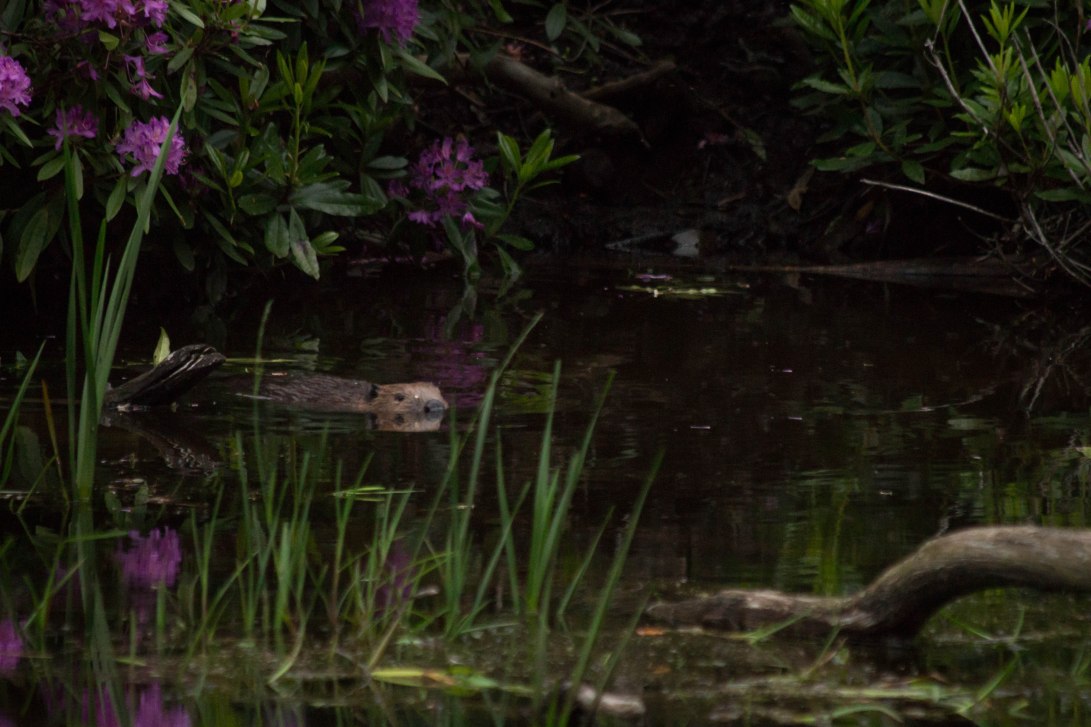
This morning we were up before the sun at a bleary-eyed 3:30am. Once again we headed towards the river, confident that this time we’d get more than a fleeting glimpse of a face in the shadows. The sky was cloudy, so the morning grew slowly brighter without direct sunlight. The water beneath the rhododendrons was shrouded in darkness, so we needed sharp eyes to spot any faces emerging from the lodge.

IMG_5021

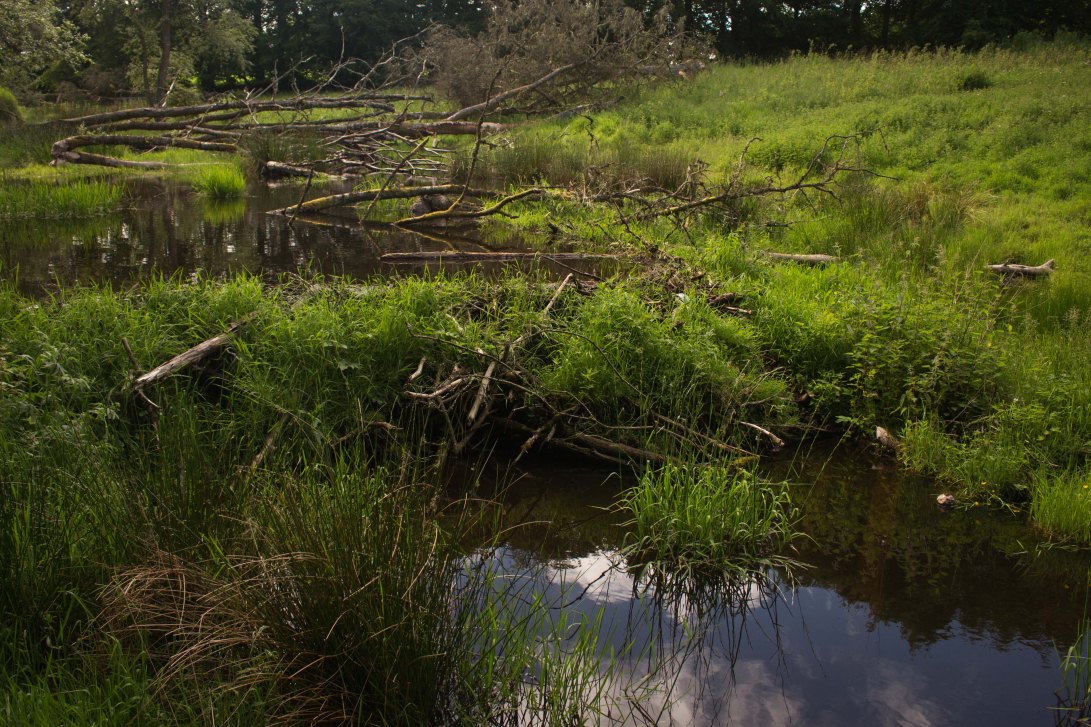
(Above) A beaver dam on the river, showing the significant difference between the water levels.

Sharp sheep bleats and whistling thrush song burst through the empty air, as well as the splashes of fish leaping from the water. A chilly breeze swept the reeds from side to side, making it a real challenge telling apart the normal water ripples and those made by the beavers. We waited a little while longer, then a slim flat shape made its way out from under the dead wood. Our beaver soon dived under again, but slowly and surely other individuals emerged. One of the rustles was tiny, and as two leaves parted a different face appeared: a kit. Far smaller than the adults, the kit swam in a small circle then dived down, showing a tail that would be more at home on an otter’s rump than a beaver’s; skinny and ending in a point.

IMG_4819-2

At this time of year, the kit may only be weeks old, having only just begun to venture out of the safety of the lodge. Similar to the precocious development of many other species of rodents, beaver kits are born at a very advanced stage of growth. Their eyes are fully open within a few days of birth and begin to eat solid food at just a week old.

The kit didn’t stay out for long, but the adults kept reappearing over the next two hours. At one point the male and a larger female met in a nose nuzzle, which was a great moment to capture brief footage of. At nearly 6am, the river grew quiet and still again, and after a while of inactivity we made our way back to the cottage.

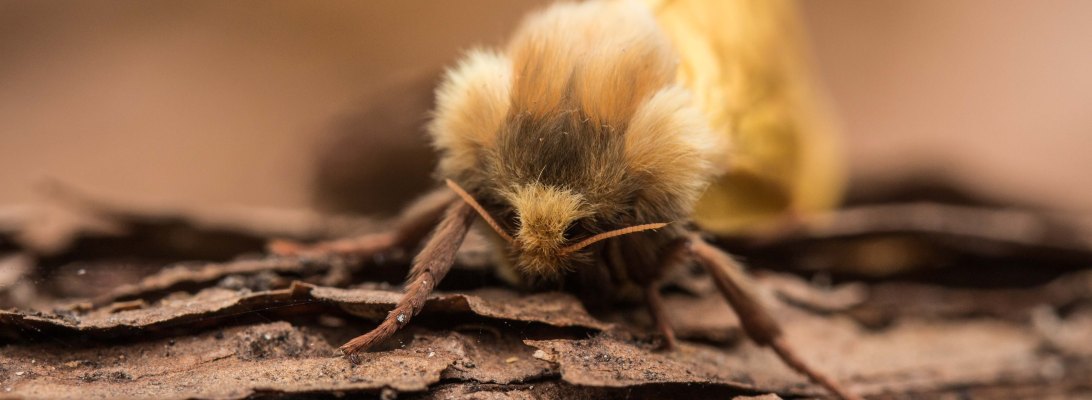
The next job of the day was checking the moth trap, and we got a much more successful haul than yesterday; Peach Blossom, Latticed Heath and Pale-Shouldered Brocade, as well as some we had yesterday like the Beautiful Golden Y, White Ermine and the formidable, spaceship-esque Poplar Hawkmoth. I really have fallen in love with moths this weekend; after only previously having seen them flapping around my face in the bath, it was great being able to see them properly and appreciate just how beautiful they can be.

IMG_4872

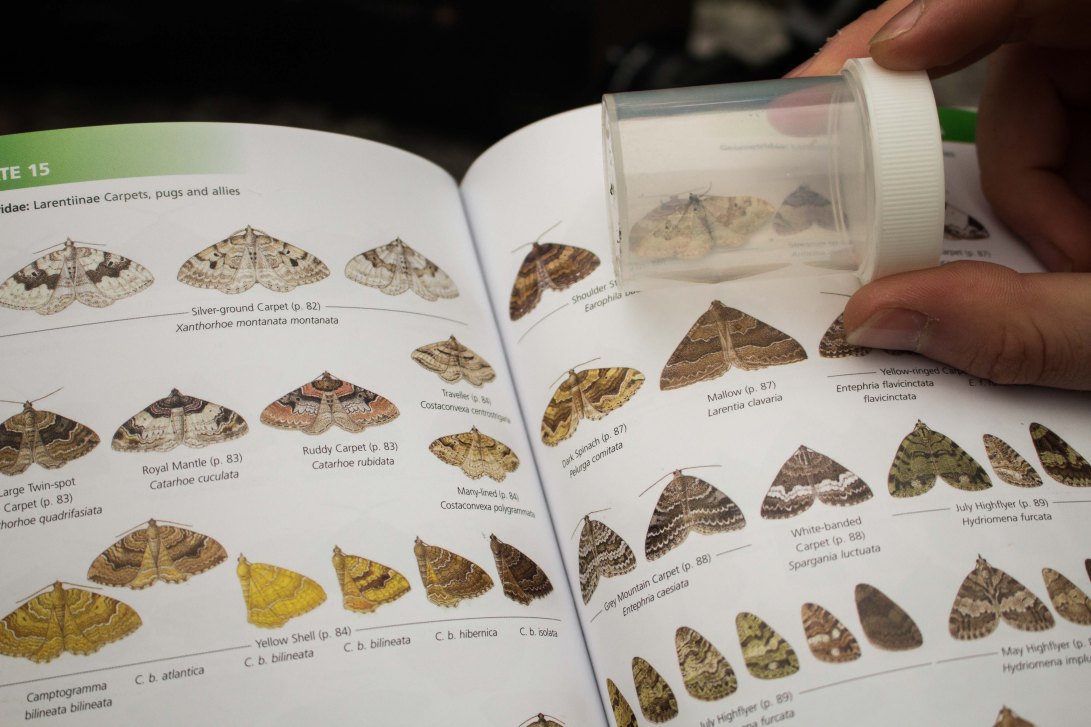
Identifying a Silver Ground Carpet moth

IMG_4901

Ghost moth

IMG_4938

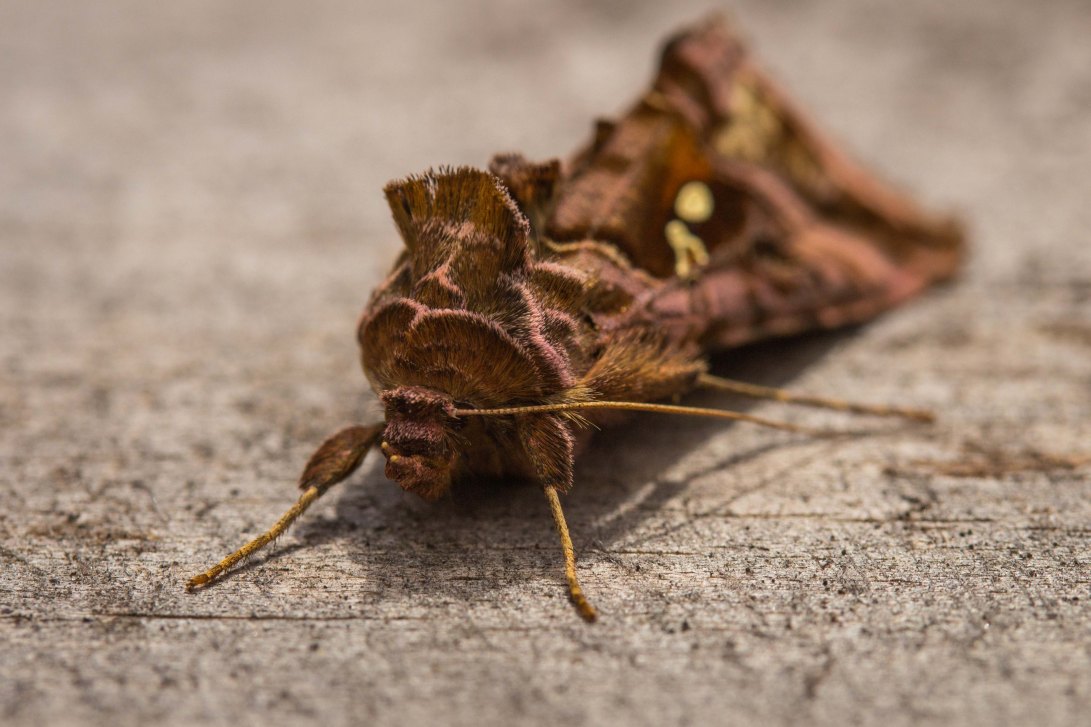
Beautiful Golden Y

After releasing the moths, it was time for lunch, then we went back out for a potter down the river. The clouds had long gone and now the sun was beating down, turning the grass and tree neon-green. Blue damselflies zipped about and bees buzzed, weaving in and out of the foxgloves. I took cover from the direct sun and sat by the water’s edge, where I was joined by a tiny, copper-coloured froglet, and then two aphids. It’s only at a time like this, when all my senses are tuned to nature, do I truly stop to study invertebrates. The aphids had pale spots on their backs and tiny black tips on their feet. I ended up walking them from hand to hand for ages.

IMG_5043

Before long the heat made the day just a little too sticky, so I took refuge in the shade of the cottage, where I spent the rest of the afternoon transferring my notes and backing up the photos from the day.

Species seen: Blackbird (Turdus merula) Chaffinch (Fringilla coelebs) European beaver (Castor fiber) European rabbit (Oryctolagus cuniculus) Great tit (Parus major) Grey wagtail (Motacilla cinerea) House martin (Delichon urbicum) Jackdaw (Corvus monedula) Peregrine falcon (Falco peregrinus) Pied wagtail (Motacilla alba) Roe deer (Capreolus capreolus) Song thrush (Turdus philomelos)

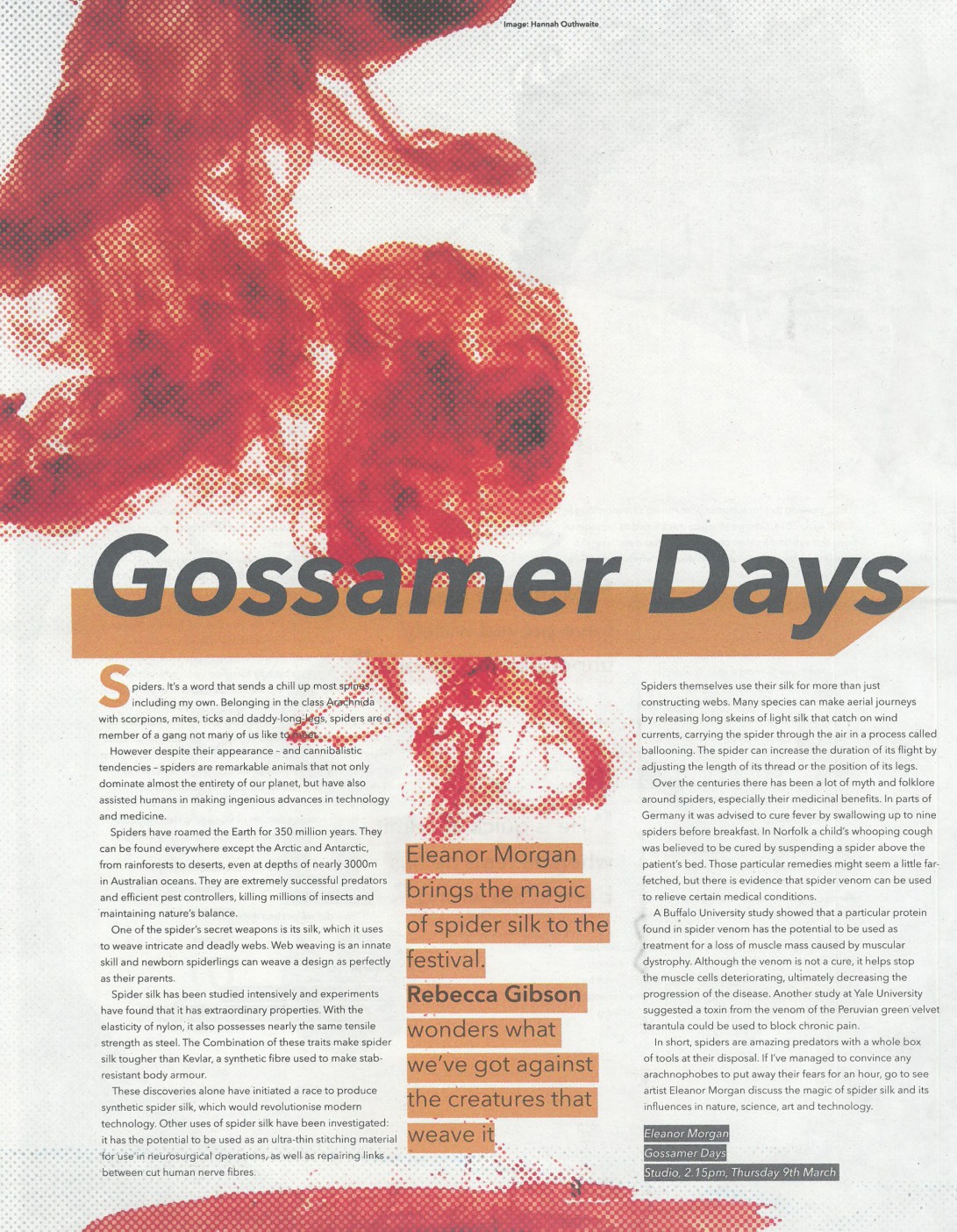
‘Gossamer Days’ Article in Watermark Magazine

Every year, the Theatre by the Lake in Keswick, Cumbria, hosts the literary festival Words by the Water, which is a wonderful celebration of words and ideas from a variety of topics including science, art, politics and history.

In parallel to the festival, students from the University of Cumbria produce a magazine publication with pieces inspired by the speakers and their topics. This year, I was asked to be the student editor of the magazine, which was a fantastic experience. Part of the job involved writing articles, so here is one inspired by Eleanor Morgan’s talk on spiders, a subject that fascinates and horrifies me in equal measures. I decided to shun my shivers and find out more about these unfortunate-looking invertebrates. To my surprise, I discovered some truly astonishing things.

KM_C224e-20170530111227


Here For Your Entertainment

On Friday we went on a field trip to The Lake District Wildlife Park. In Alex’s lectures we’ve been studying the behaviour of animals in captivity, so visited the park to see if we could see any of the same signs in the animals they kept there.

img_9729

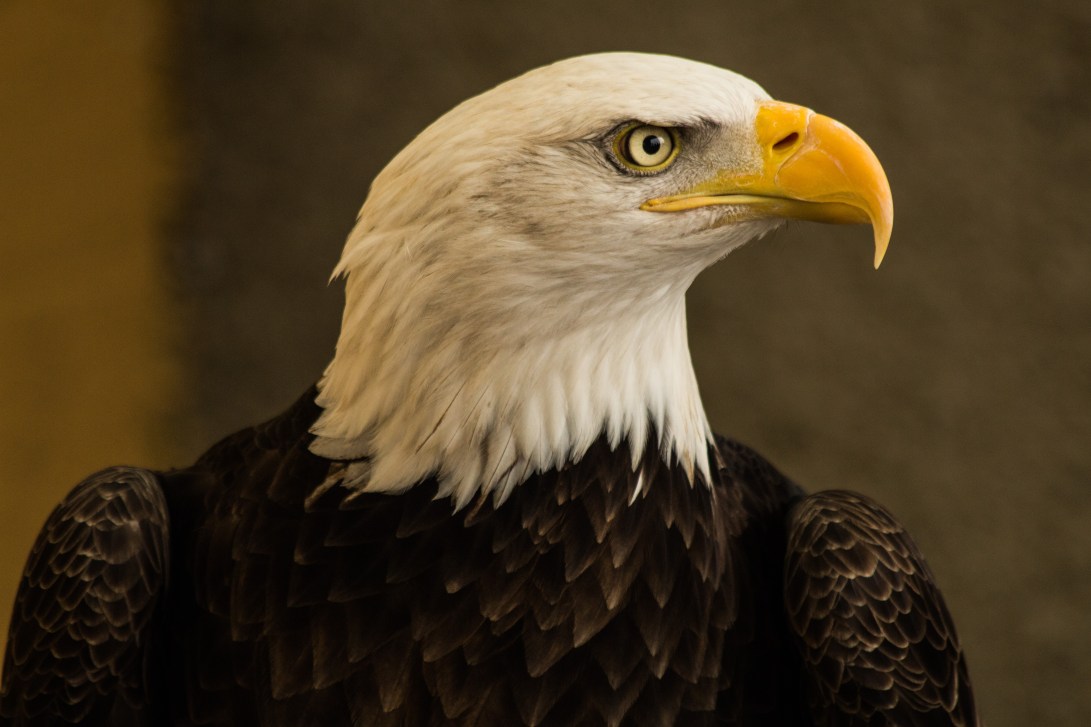
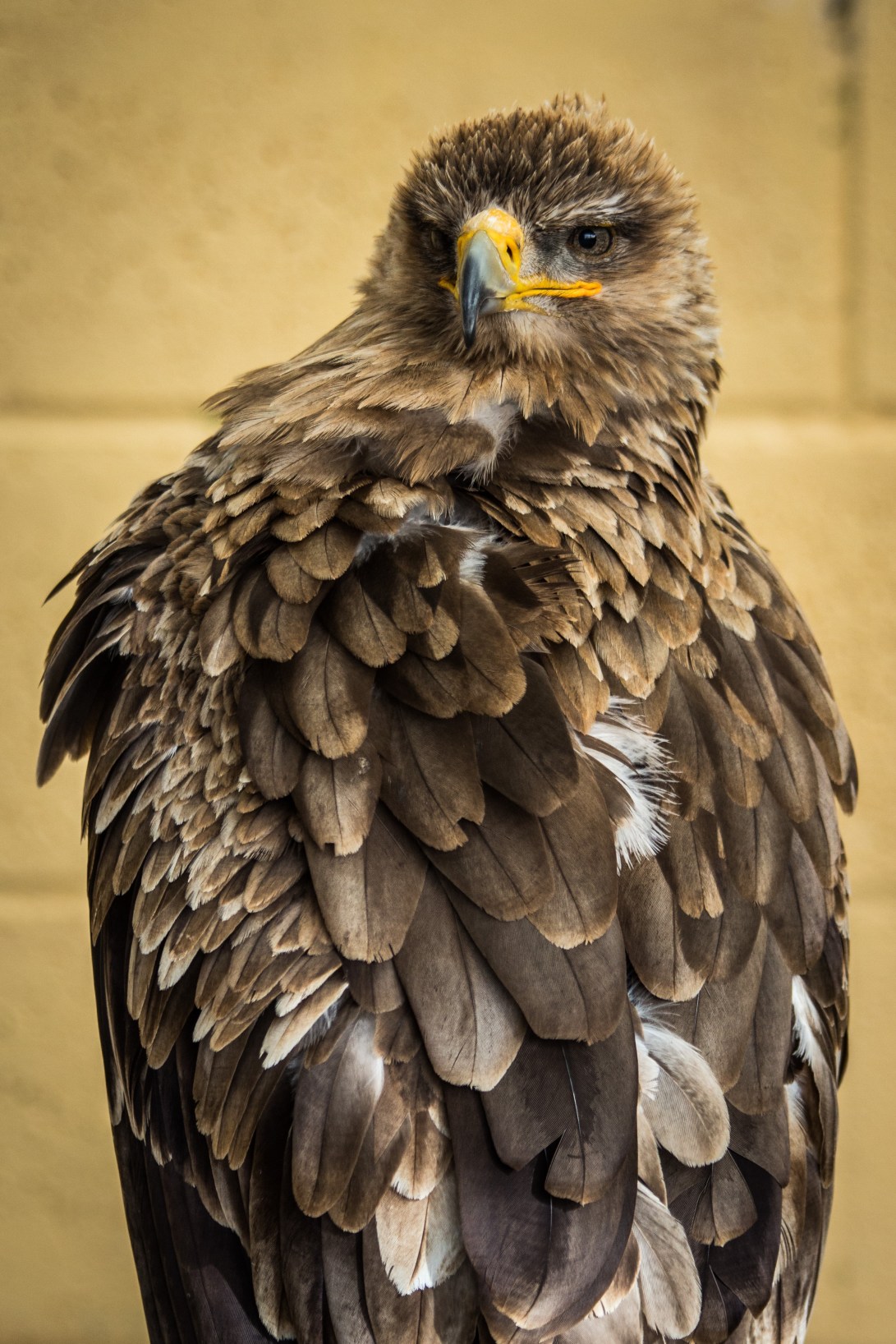
It hadn’t been too long since my last visit to a zoo, but maybe it was the presence of four other wildlife students that instilled different feelings in me this time. The small size of the enclosures seemed more obvious and I couldn’t help feeling uneasy as I watched the lynx pace up and down and the raptors attempt to fly off the metal perches they were tied down to. I could photograph the bald, golden and tawny eagles in vivid detail, but I knew deep down it was cheating and the photos I was taking were no different to those of hundreds of other visitors.

img_9778

The reason I love photography is it captures a moment in time that cannot be exactly replicated ever again. It freezes a memory and provides a very intimate insight into the photographer’s mind. So as I stood in front of a tethered bird that couldn’t escape my camera or my gaze, I soon realised this was not how children should experience wildlife.

Ticking off birds from my wish list was part of the charm that got me interested in wildlife. It was going out, tracking a bird and watching it live its life that gave me a sense of pride. Not only had I had an adventure in the great outdoors, but I’d discovered a species I’d never seen and sometimes got photos to show for it. During my time on the Isle of Carna we attempted to track down golden eagles on a boat trip on Loch Sunart. We were extremely lucky to get a glimpse of the magnificent bird as it perched high up in the tree canopy.

Anyone with £8.95 in their pocket can go to the Lakes Wildlife Park and see a golden eagle, but where’s the fun in that? If the same children who see a captive golden eagle were to see one in the wild, I’m certain that experience would last a lot longer in their memory.

img_9780

Of course, I’m just talking about British wildlife. None of us in the UK are going to see a wild red panda or lar gibbon no matter how impressive our tracking skills, so in that respect zoos offer children the chance to see what wonderful animals roam our planet. While this is all well and good – and with the rate of extinction as rapid as it is, this may soon be the only way that the next generation can see certain species in the flesh – it’s just not “wild” life. And isn’t that the point? What next, we round up indigenous tribes and keep them in pens for people to stare at? Although some zoos have done wonderful work for conservation and provide a safe place for endangered animals to live unharmed, should it be up to us to decide whether a long, captive life is better than a short, free one?

img_9876