Foraging Foray

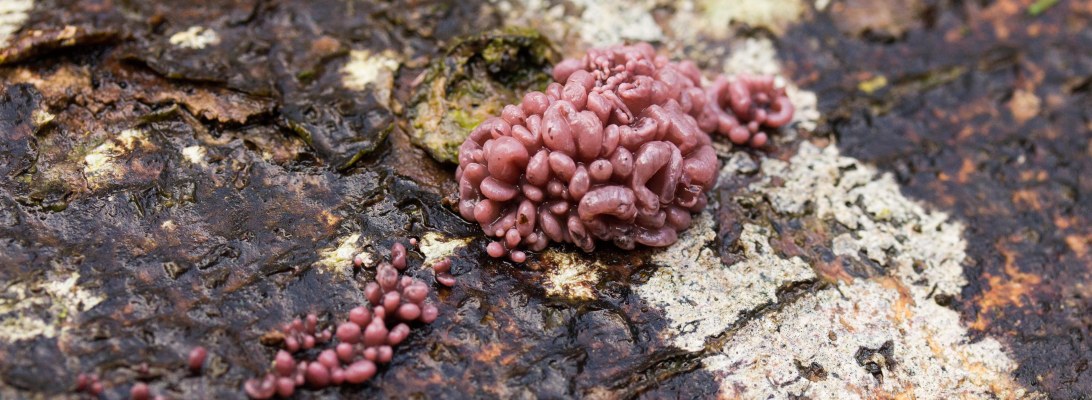
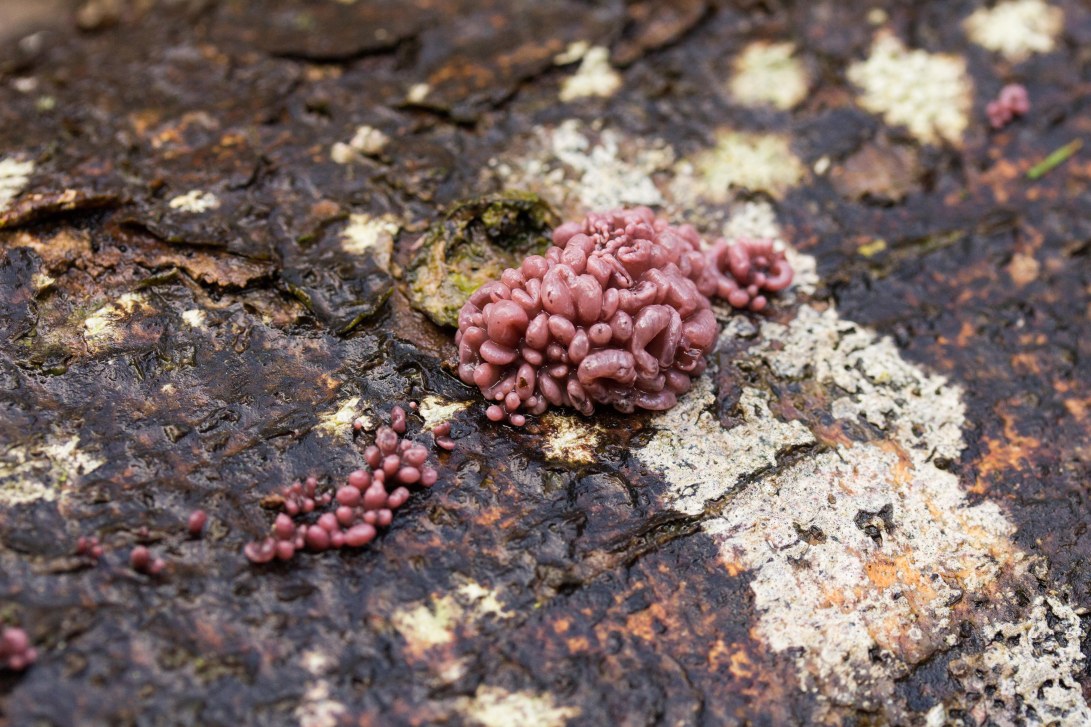
Almost all of the natural habitats that can support life are inhabited by fungi. While some species are only found in particular habitats, such as Black Bulgar (Bulgaria inquinans) on oak wood and Purple Jellydisc (Ascocoryne sarcoides) on beech, other species can thrive in many different types of habitats – coniferous woodland, broad-leafed woodland and heathland to name a few.

Autumn is one of the best times to see fungi in its prime. September rains bring the varied and often vibrant fruiting bodies out of the leaf litter and into the open. With a broad range of habitats and often wet weather, Cumbria is a fantastic location for finding fungi. I set out to several different locations to record the species that were in fruit at this time of year. Identifying them can be a challenge, so I enlisted the help of Paul Nichol from the Cumbria Fungi Group to help me with the trickier varieties. After just a few walks I’d seen dozens of species of different colours, shapes and sizes. Of these, there were four that stood out: the Common Puffball, Ochre Brittlegill, Sheathed Woodtuft and Artist’s Palette.
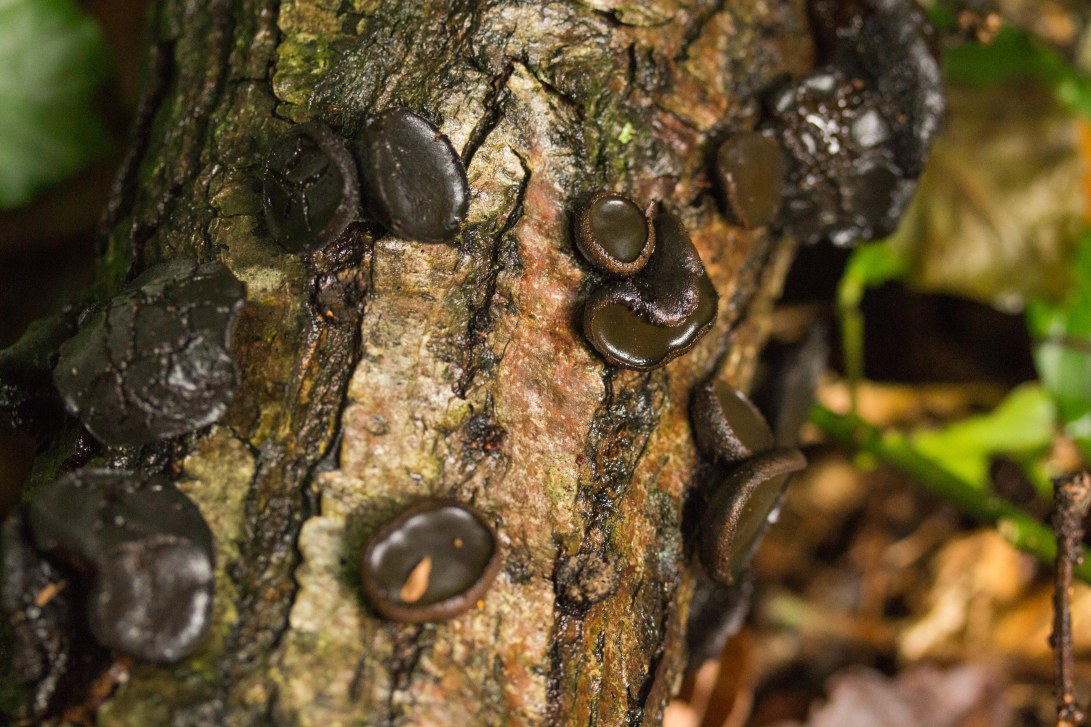
 

1) Black Bulgar
Black Bulgar (Bulgaria inquinans)
2) Purple Jellydisc
Purple Jellydisc (Ascocoryne sarcoides)

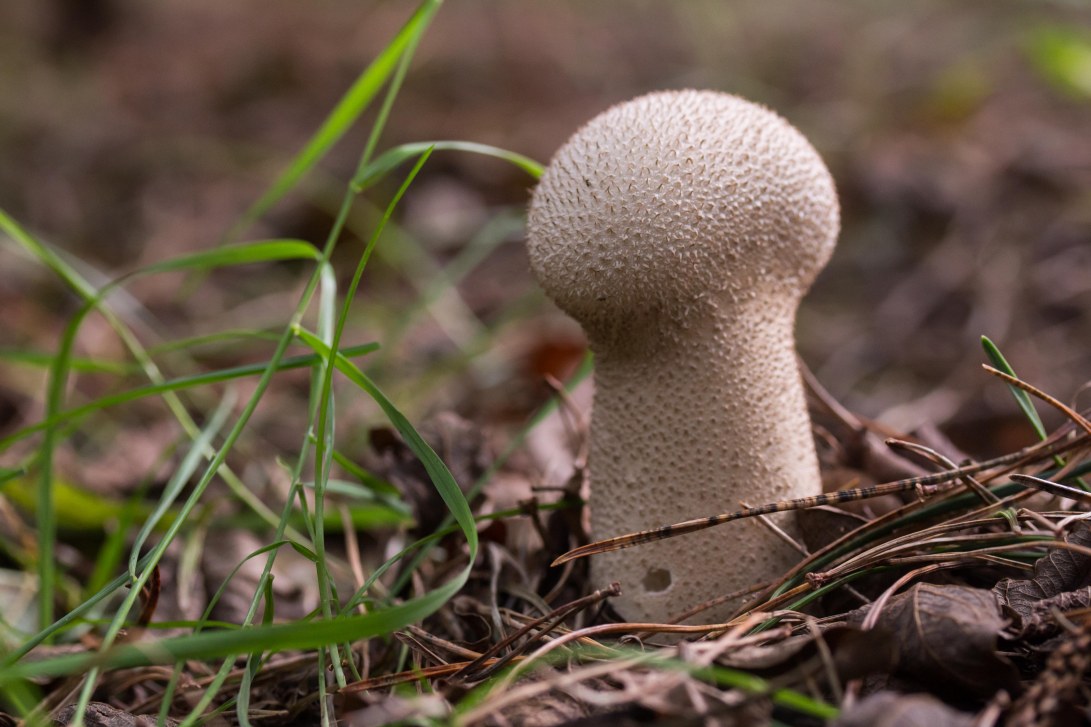
Common Puffball (Lycoperdon perlatum)

With a season spanning from July to November, the Common Puffball can be seen regularly in a broad range of habitats, from the leaf litter of broad-leafed, coniferous or mixed woodland to pastures and heathland. Although these Puffballs can be seen growing individually, they are frequently found in groups.

Young specimens are white and covered with tiny, pyramid like spikes all over the spherical cap. As the Puffball ages, its flesh begins to turn brown, and mature specimens have a circular hole on the top, which is used to release the spores in a ‘puff’ of brown powder.

Common Puffballs range in size and shape; while some are small with a stem that is barely visible beneath its low-lying cap, others grow larger with a thick stem sometimes reaching 9cm high.
I’d seen puffballs before, but never one this size; the stem was around 7cm long so the fungus protruded high up out of the ground. There were other Puffballs close by, though the stems of these were barely visible and hidden beneath the cap.
IMG_5431

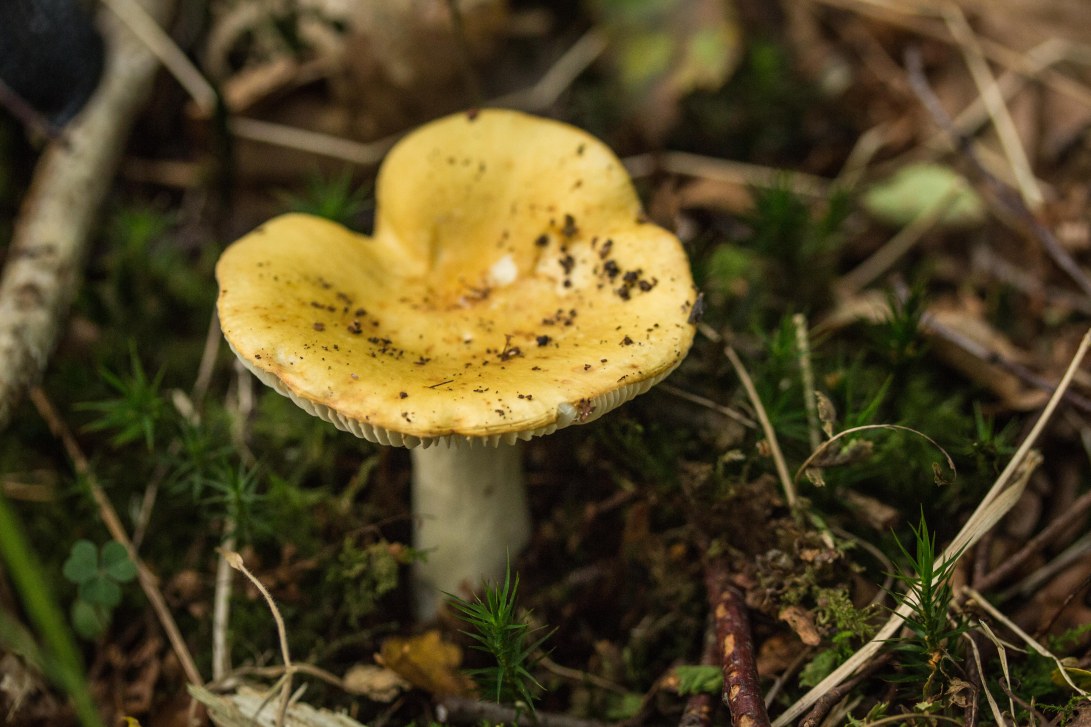
Ochre Brittlegill (Russula ochroleuca)

The Brittlegill family is an extensive one – there are over a hundred species in the UK alone. Of these, almost all have white gills and stems. The gills of this group are particularly interesting because they’re not varied in size with some small and some long, as is common in a lot of mushrooms, but all stretching from the stem to the edge of the cap in a uniform arrangement. While some are edible, others can make you very ill indeed, the Geranium Scented Russula (Russula fellea) being the nastiest of these.

Every tree you see will have a fungus growing on it somewhere. While some species are parasitic, there is often a very heart-warming relationship between the two. When a fungus grows on the root tips of its tree host, it is nourished by the tree’s photosynthesis. In response, the fungus absorbs the minerals produced, and passes on the excess back to the tree via its roots. This is an example of symbiosis between the tree and the fungus, where both species are benefitting from the interaction.

I’ve seen quite a few Brittlegill now. This one is Russula ochroleuca, the Ochre or Yellow Brittlegill. With a bright yellow cap and snow-white stem, it’s an extremely pretty mushroom, but with a distinct peppery taste so is not usually eaten. This chilli taste is typical of several varieties of Brittlegill, and can be used as an indicator of its species.
IMG_5376

Sheathed Woodtuft (Kuehneromyces mutabilis)

This impressive-looking mushroom is one of the largest I’ve seen, and stood proudly with its troop amongst the nettles. After first consulting my fungi guides, I thought I’d found Velvet Shank (Flammulina velutipes). The bright orange, two-toned colour was consistent, along with the trooping. However, this mushroom was a lot waxier than the specimen I’d found, not to mention the size difference. While Velvet Shank stems can reach 10cm in length, these mushrooms were nearly double that. Stumped, I showed my photos to Paul, who informed me that in fact I’d found the tufted toadstool named Sheathed Woodtuft (Kuehneromyces mutabilis). Halfway down the stem was a clearly visible ring, which is present on a lot of mushroom stems, and is a mark of its development. When the fungus first emerges above ground, the cap is ball-shaped and attached to the stem. As it grows, the attachment breaks and the cap stretches into its mature umbrella shape, leaving the ring mark behind.

Artist’s Palette/Bracket (Ganoderma applanatum)

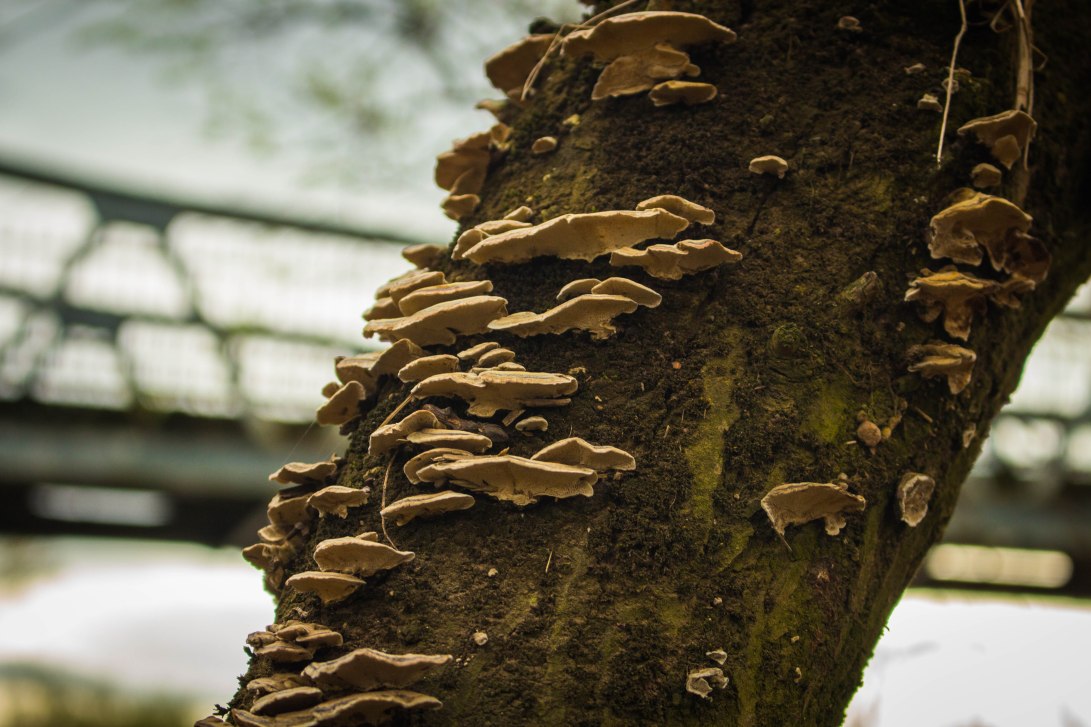
The Bracket family of mushrooms is a peculiar one, and quite often seen climbing trees in a ladder-like fashion. This particular troop of Ganoderma applanatum, or Artist’s Palette, was very impressive. A parasitic species with a creamy white pore surface and a red-brown upper surface, the fungus takes a host tree and slowly depletes it of nutrients, until it eventually grows on the deadwood alone. The vast slabs were longer than my hand and extremely tough. The fruit body grows perennially – producing new spores from the same fruiting structure over multiple years, as opposed to one (annual) – and the spores fall as a fine, rusty brown powder. This means it is essential for the Artist’s Palette to grow horizontally, to ensure maximum spore dispersal. Some of the individuals we saw lower down the tree were covered in a brown snow of spores from the brackets above them.
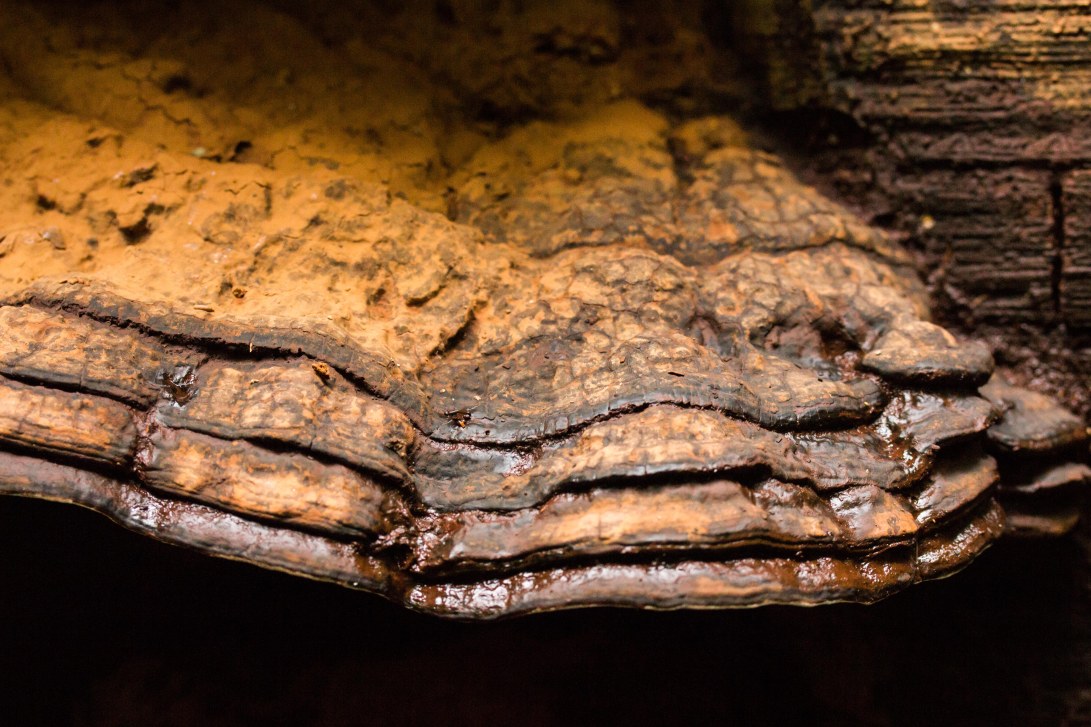
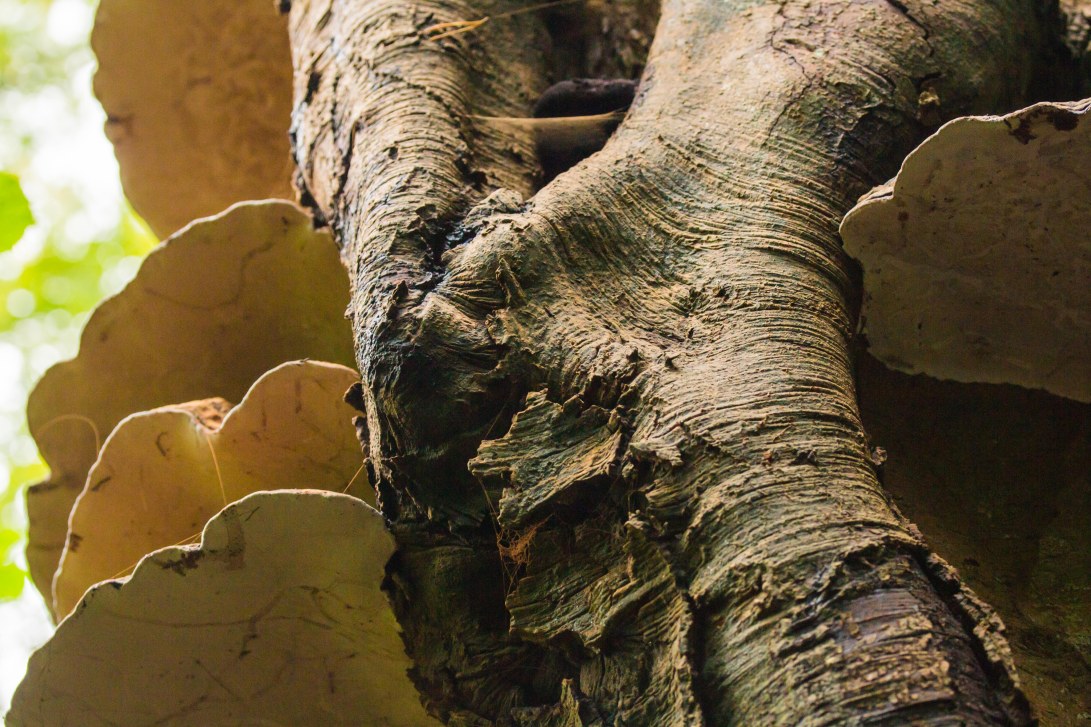
8) Artists Palette9) Artists Palette

After just a few weeks studying fungi in Cumbria, I’ve seen just how many species there are to see, from vast, hard Brackets to tiny, squishy Puffballs. With plenty more chilly autumn days to come, I can’t wait to see what else begins to emerge.

Birdfair 2017

Zahrah and I only managed to attend the third and final day of Birdfair 2016. This year, we were set on squeezing everything we could out of this incredible event. Kerr decided to join us too, so last Thursday the three of us set off for Rutland Water Nature Reserve.

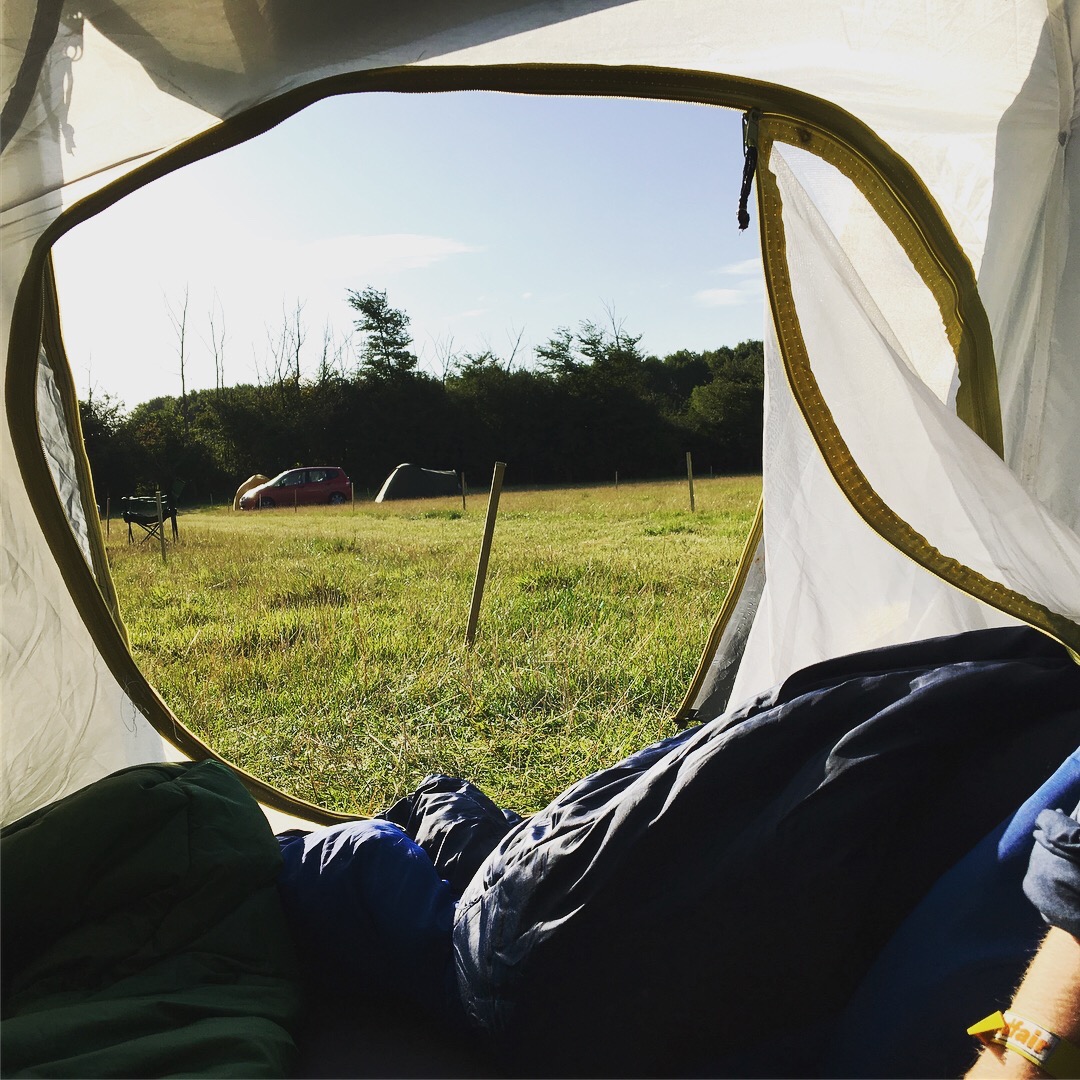
Due to a slight train mishap from Zahrah, it was nearly dark by the time we arrived at the campsite. We met the very charismatic steward and his wife, who cruised around the site on a rather fetching golf buggy and led us to our pitch. Perhaps ashamedly, I’d only been camping twice before, once ten years ago and once last month, so I was excited to get the tent up and spend our first night in the reserve.

IMG_8516

In the morning I woke from a genuinely good tent’s sleep. After eating pots of porridge around the stove we headed over to the fair. As usual, I was overwhelmed by just how much there was to see: eight long marquees, three lecture theatres, the main events marquee and a large cluster of food stalls, merchandise stands and of course, the reserve itself.

After a scan of the programme, we threaded our way through the first marquee. We met a lovely lady from the West Cumbria Swift Group, and I soon realised how little I knew about swifts. Due to house renovations, swifts are losing their nesting sites and should now be red-listed. The fastest bird in level flight, swifts shut down half their brain at a time to enable them to sleep on the wing and endure such long journeys overseas.

In the afternoon I attended a talk on the successes and challenges of conservation. As I listened to comeback stories of black-winged stilts, spoonbills and Manx shearwaters, it struck me how much we all dwell on the ‘doom and gloom’ of wildlife. Of course, it’s appalling how many of our planet’s species are now threatened, but invaluable work is being carried out all over the world and it should be celebrated. The talk inspired me to concentrate on conservation success, not failure, and it’s something I reckon I’ll be turning into a third year project.

IMG_8517

Day two of Birdfair began with some more networking in the marquees. I chatted to lots of lovely people, from the BBC Wildlife team to photographers to those offering amazing wildlife holidays (I lost count how many competitions I entered – bring on the promotional emails). After a delicious pulled pork roll with applesauce, my ultimate favourite, Zahrah and I caught Simon King’s talk. He really is a great speaker. Although it’s often the case at these events that the speakers are merely preaching to the choir, it’s always so good to be reminded just how important nature is. He included a quote from Anaïs Nin that drove his message home: “We don’t see things as they are, we see them as we are.” Mankind has done extraordinary things, some of them terrible, and it’s important not to lose focus on what really matters: preserving this planet. It’s a message I really hope can endure the test of time.

IMG_8518

I was a little sad to wake up on Sunday and realise Birdfair was nearly over. Zahrah and I anticipated long queues for Steve Backshall so we hurried to the fair earlier than usual. The marquee was filled to capacity, with people lining the walls and stuffing themselves into every space. I suppose it’s the nostalgia talking, but I think Steve Backshall is an inspiration. Deadly 60 was perfect, combining boisterous adventure with important messages about wildlife to capture every child’s imagination. In his talk, Steve showed various images of shark species, to which the children sat cross-legged at the front shouted out the names of without a moment’s hesitation. It gave me a fuzzy feeling: these kids absolutely loved wildlife. It’s true that engaging younger generations is undoubtedly the long-term solution for the natural world, and Steve Backshall was doing just that. I couldn’t help but put my hand up for a question. I asked him what species was next on his wish list, to which he replied the snow leopard.

IMG_8515

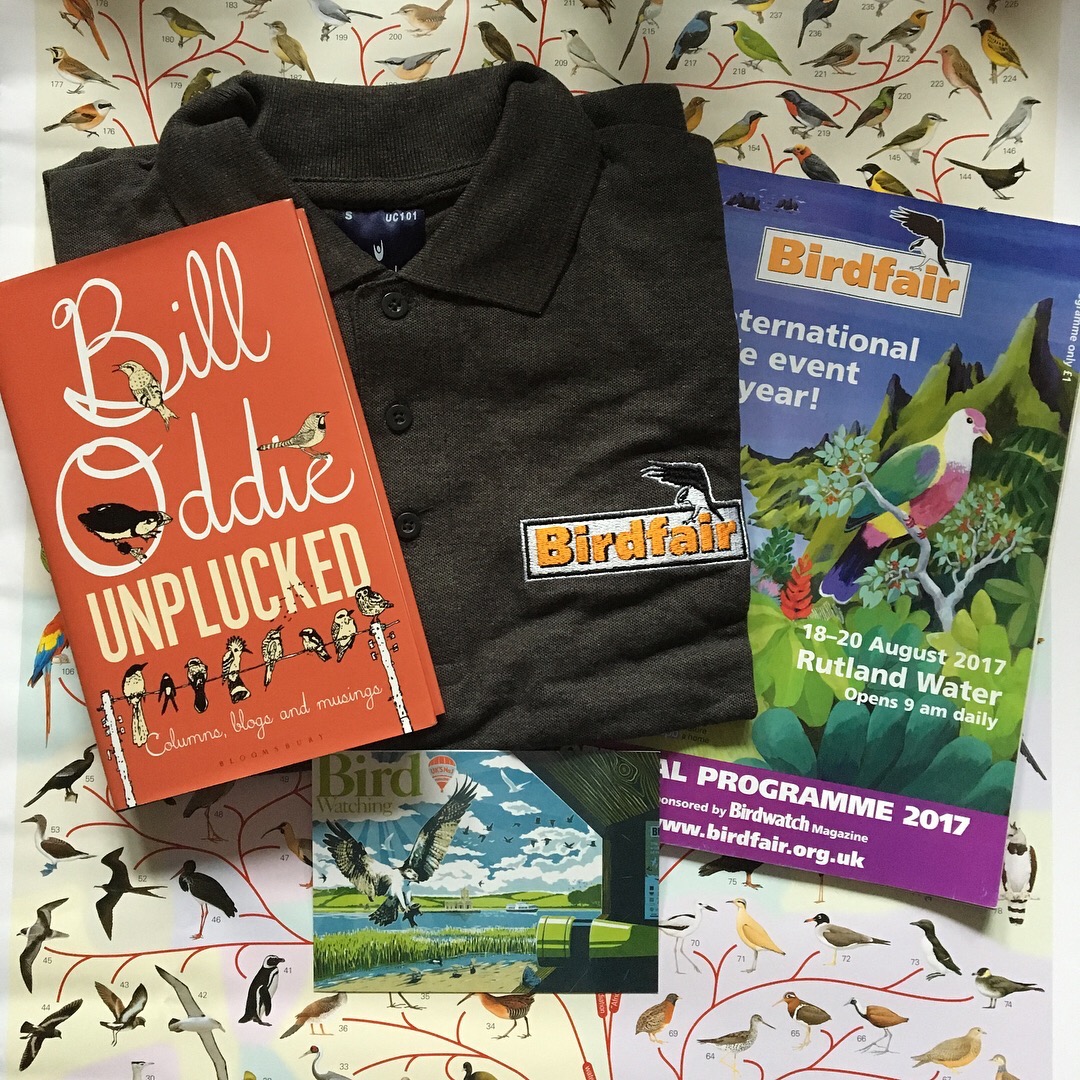
Before long it was time to go. Kerr had bought the Sony camera he’d been eyeing up for months and at a considerably lower price, so he was happy as Larry. I treated myself to a poster of the ‘Orders and Families of Birds of the World’, which is now hanging proudly alongside my others. Birdfair is one of those rare events where us wildies gather in our thousands to celebrate not only birds, but all wildlife. I know from previous experience that an interest in nature is not a common one, so to meet people from all over the world with the same passions as me is something really quite special. I’m already looking forward to next year.

Beaver Expedition: Day 4

Another sunrise start for our final chance of watching the beavers. This morning the sun was visible, and when we set out it was a pale orange splotch hovering over the river, sending orange lines criss-crossing over the water as the wind stirred it. We made a beeline for our usual spot, slowing down as we approached the patch of rhododendrons in case the beavers had already emerged. Settling down and standing up tripods, the waiting game began. Infuriatingly, my hay fever chose this moment to launch its morning attack, and as my eyes streamed I fought the overwhelming impulse to sneeze and startle everything within a twelve-mile radius half to death. Not today hay fever.

IMG_5087

The morning continued on with no visitors. Slowly but surely the sun climbed higher, bleaching the blue water with white highlights. The usual breeze whistled under the overhang of the trees and made them wave and rustle; the only movement in sight. A pied wagtail landed on the dead wood, tail bobbing as it turned on the spot. Deep in the woodland thicket a thrush sang, while the jackdaws chattered noisily in the distance.

Suddenly a beaver appeared, cruising silently from under the bushes and into the light. It made its way upstream, to where the river weaved between clumps of reeds and grasses. There it disappeared, but soon we heard quiet chomping noises and knew it was breakfast time.

IMG_4455

In contrast to yesterday morning, the lone beaver wasn’t joined by any companions. It was possible that they had fed well late last night and did not need to venture out. Before long Heather and Cain headed off to get started on assembling the expedition vlog. As they made their slow way back over the water, Cain stopped and gestured into the reeds. I suddenly realised we hadn’t seen the beaver swim back, and while he could have easily dived under and passed by unnoticed, he could also still be feeding. Sure enough, Heather set the scope up to film again. Not wanting to miss the action, I treaded up the grass path nearly doubled over, until I saw what they’d spotted.

Just at the water’s edge, behind a layer of long grass like a bead curtain, was our beaver. Hunched up, the grass trembled as he chewed, shifted his body and chewed again. Squatting down, I got as close as I dared and peeked between the blades of grass to try and get a clear shot. The beaver paused, looked right at me – so much for my attempts at stealth – and carried on chewing. He stayed for a while longer until eventually stepping forward out of the grass and slipping back into the water, gliding down and out of sight.

IMG_5065IMG_5078

Once I’d got a few more hours’ sleep and eaten a hearty breakfast, it was time to check the camera traps. After the efforts of finding the right spot, setting them up and waiting for any visitors, retrieving the trap was the best bit. I retrieved my laptop and we all huddled around the table, eager to see if we’d got any beaver footage. After the first trap only showed clips of grass blowing in the wind, we were a little disappointed. However, on the trap that we’d set on a post in the river, pointing towards a mud slope, there were multiple clips of beavers waddling in and out of the water! First a male coming and going, dragging his paddle of a tail behind him. Then another clip showed a much wider animal – the female – following the same route. It was so great to see, especially since we’d only seen the tops of the beavers’ heads as they swam on our morning stakeouts. To see their whole body and capture moving footage was a fantastic end to the expedition.

IMG_5043

All too soon it was time to leave the site, and as we drove back down the gravel track the sun continued to shine. We decided to go back down south via the Loch of the Lowes, a Scottish Wildlife Trust site, to try and see some ospreys that were nesting there.

The loch was the largest I’d ever seen, looking more like an alcove that led into the ocean. The water was sparkling blue under the still beaming sun, surrounded by trees of every shade of green. We set up in the hide and the reserve guide pointed the nest out to us. On the far side of the loch, high up in one of the trees, was a clustered pile of branches and twigs, inside of which perched an adult osprey and two scruffy chicks. I’d never seen an osprey before so was thrilled to see such a fabulous raptor on the nest. As I watched them down the scope, the adult tended to her chicks, which were peering over the edge of the nest at the world around them.

IMG_5143IMG_5155

Before long it was time to hit the road again, and after such a packed weekend I couldn’t stop myself dozing off in the car. I arrived home with my pockets filled with beaver chippings, woodpecker feathers and endless pages of notes – sure signs of a good expedition.

Species seen: Buzzard (Buteo buteo) European beaver (Castor fiber) Great tit (Parus major) House martin (Delichon urbicum) Jackdaw (Corvus monedula) Osprey (Pandion haliaetusPied wagtail (Motacilla alba) Song thrush (Turdus philomelosSwallow (Hirundo rustica)

Beaver Expedition: Day 2

The day began with waking up from a heavenly night’s sleep – my bed was like a marshmallow. After breakfast and a dip into what Heather calls THE Beaver book, by Andrew Kitchener, we headed back along the river to find some spots to set up camera traps.

IMG_4699

The sun came and went, bringing its heat with it so I couldn’t make up my mind whether I wanted my coat or not. Every so often we’d see a different coloured spot in the sea of green grass, and I spent a lot of the afternoon squatting in the grass training my macro lens on day moths, flies and beetles. Before long we reached a clearly trodden corridor in the grass that snaked down to the river. We followed it down and saw a defined mud slope leading into the water; this was a sure route for beavers. One camera trap set and ready.

IMG_4512

We set the other two on the other side of the river, to hopefully catch any beavers coming down from the adjacent field like the one we spotted last night. Beaver footage would be incredibly exciting, especially during the day.

Back at the cottage, we retrieved the moths that Heather and Cain had caught in the traps during the night. Taking them outside, we had a little macro photo shoot. White Ermine, Poplar Hawkmoth, Large Yellow Underwing, all beautiful, delicate creatures with easily the same beauty as butterflies. Seeing them up close instead of zooming around my head in the shower made a world of difference; stood still they were stunning, covered in shimmering dust of every colour imaginable.

IMG_4575IMG_4633

After some lunch at the cottage we headed back out, this time with nets and white trays ready for some pond dipping. I hadn’t pond dipped since I was tiny, so it brought back a lot of memories for me.

IMG_4682

Finding the perfect dipping spot was difficult. The first place we tried was too steep, and knowing my balance I’d have fallen straight in. The next spot we found was good for dipping but we only managed to find a few blood worms, miniscule grains of wiggly sand that catapulted themselves around the tray with curled convulsions of their tiny bodies. Finally we headed away from the cottage towards the lake – made entirely by the beavers I hasten to add – where we had much better luck. In a single tray I got a good look at caddis fly larvae, damselfly nymphs, backswimmers (which performed their rather comedic backstroke around the tray), water beetles and lots of microscopic creatures. Using my macro lens I could capture the beautiful detail that make these pond aliens so extraordinary. They honestly looked like visitors from another planet.

IMG_4743IMG_4761

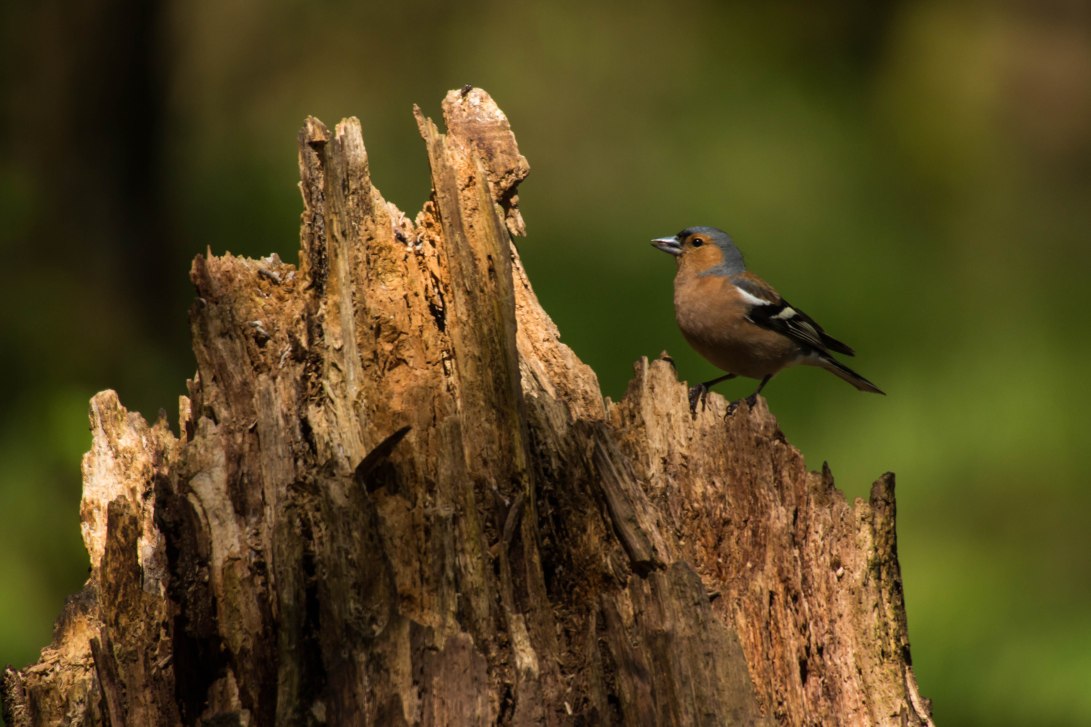
There were even more treats on the journey back. Just as I was ducking under a low fern I saw a flash of chestnut red and my arm rose of its own accord in a rapid point. “Squirrel!” I whispered as urgently but quietly as I could. The squirrel darted along a felled tree then up a living one, skirting up the bark just as easy horizontally as vertically. A group of chaffinches began to mob it, clearly too close to a nest. Bounding from one tree to the next, the squirrel speedily made its way away from the ruffled birds, and paused to peer down at us as we gawped. A tail twitch later and he was down on the forest floor again, disappearing into the forest.

We continued on, making our way back to the cottage. Dinner was stir-fry, and after finishing up we headed to the river, in the hope of seeing our beavers again. We took cover under the overhang of a tree, nestling in amongst the roots that divided us like the arms of cinema seats. Then we lay in wait. And once again, after only a short wait there was a rustling beneath the rhododendrons and a dark shape emerged. It was too dark for photos, but just to see the beavers only a short distance away was yet another treat. Now all we had to do was return at sunrise.

IMG_4730

Species seen: Blue tit (Cyanistes caeruleus) Chaffinch (Fringilla coelebs) European beaver (Castor fiber) European rabbit (Oryctolagus cuniculus) Great tit (Parus major) Heron (Ardea cinerea) House martin (Delichon urbicum) Jackdaw (Corvus monedula) Moorhen (Gallinula chloropus) Pied wagtail (Motacilla alba) Red squirrel (Sciurus vulgaris) Song Thrush (Turdus philomelos) Starling (Sturnus vulgaris) Swallow (Hirundo rustica) Woodpigeon (Columba palumbus)

Beaver Expedition: Day 1

The drive to the cottage was as picturesque as I imagined it would be. As we bumped down a winding gravel path I peered out the window into the dense woodland on either side. As trees whipped past I squinted to see between them, in the hope of spotting a squirrel or perhaps a deer, or maybe even the star of our expedition, the European beaver.

IMG_4450

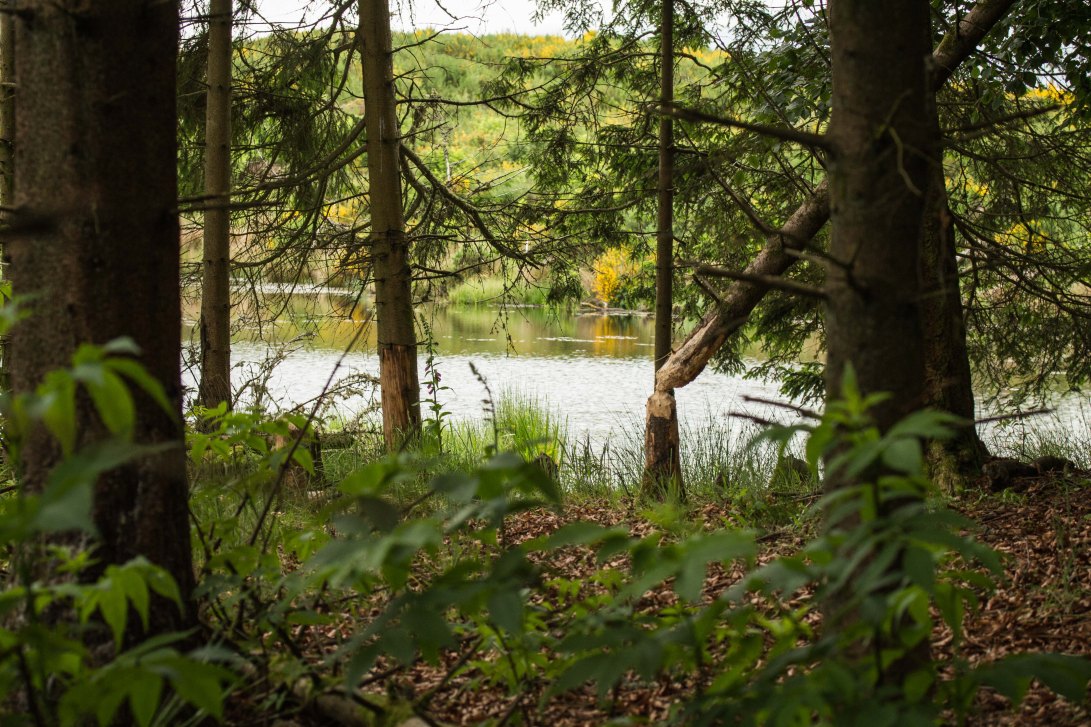
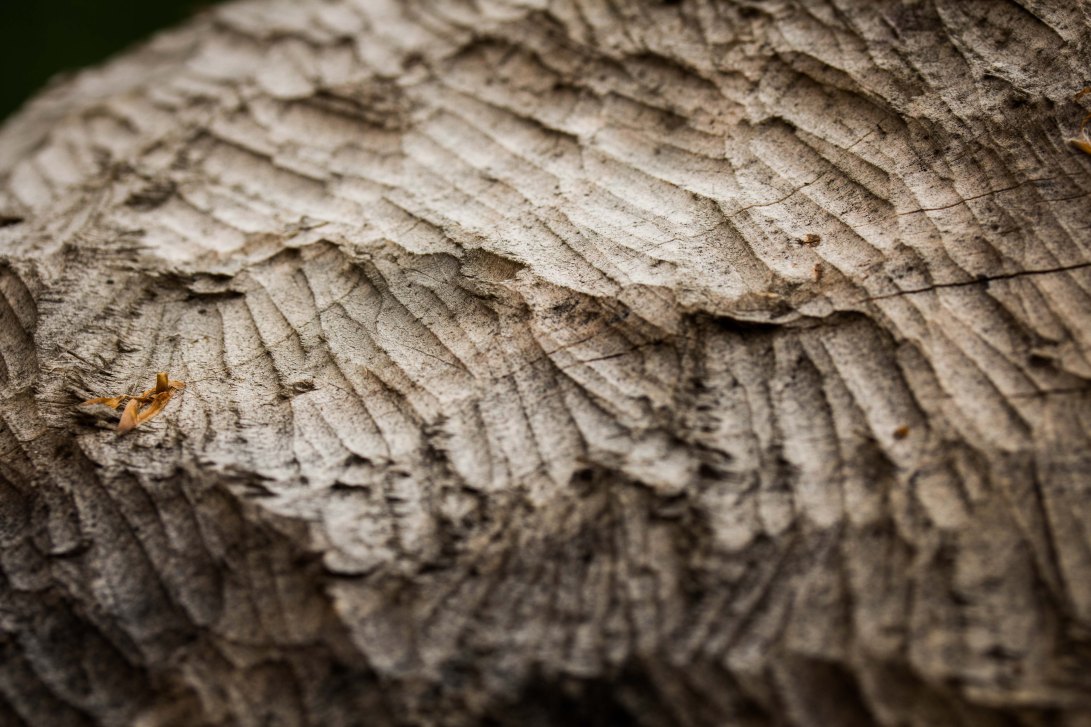
Woodland gave way to open fields, and amongst the sheep was a river that cut across the road. What was once a trickling stream was now several metres wide, all thanks to the handiwork of the beavers. Every once in a while a tree stump chiselled to a sharp point came into view, with a bed of wood clippings littered all around; countryside statues designed by the very large incisors of our beavers. Like all rodents, their incisors grow continuously, and have both a hard enamel outer layer and a softer dentine layer. Over time, wear of these two layers creates a very sharp edge, allowing the beavers to make short work of hard bark.

IMG_4708IMG_4537

After settling into our quaint accommodation, it was back into the wild for a wander while we still had the sunlight. We headed back down the path and began to follow the river away from the cottages. It was clear this was prime beaver habitat. Branches of all different sizes lay strewn across the river, and every so often we’d come across a dam. Beaver dams are extremely important for preventing floods, stemming the flow of the river with packed mud and wood to force the water to flow at a much slower pace. Fascinatingly, the beavers here used to be captive, but after felling trees in their enclosure during the time of a flood, they managed to make their escape, and have since made this beautiful part of Perthshire their home. Now the fact remains whether they are feral, having escaped captivity, or wild, as they have had kits.

IMG_4507

A sudden ripple on the water and we all crouched down, scanning the reeds and waiting silently. Perhaps a fish, perhaps something furrier. The tricky thing with beavers is, they can move through water almost without disturbing it, so while we were watching where the ripple was, the animal could now be metres downstream. We walked on, keeping an eye out for beaver prints in the mud. More gnawed trees, and I was astonished to see a smooth chunk out of the bark several feet off the ground, meaning beavers were perfectly capable of climbing.

The forest was one of the greenest and richest I’d been in. It felt like the setting of Jurassic Park, with moist, bouncy grass and dense thicket. Beavers really are skilled decorators, adapting their habitat and changing the land and water use. Right now in late evening, the only sound I could hear were the bleats of sheep from the farms, but I knew hidden in these trees were hundreds of birds, mammals and invertebrates all taking advantage of the idyllic conditions here.

IMG_4463

We made our way off the beaten track and wound through the long grass. Suddenly, a sharp “WO” sound echoed through the air, signalling the presence of roe deer. A short time later and a female appeared, eying us cautiously with ears pricked up. She barked again, and in the distance the lower sound of the male echoed back. She foraged for a while before turning away, white tail flashing as she hopped athletically over the tussocks of grass.

She was doing a more graceful job than I was. Not blessed with great balance, I was staggering over logs and wading inelegantly through the grass that the deer negotiated so easily. As I stopped to find my next step, there was a speeding black bullet overheard and I looked up to see a bat zooming around in rapid circles. Heather turned on her bat detector and the alien-like clicks of the bats’ echolocation broke the silence. The calls were clearest at around 40-45Hz, suggesting that the bats were common pipistrelles, though the range of soprano pipistrelles also reaches 45Hz, so we couldn’t be entirely sure. Whichever species it was, they were abundant here; wherever I looked there were bats.

After a quick glance at the time, we realised it was nearly 11pm, despite there still being enough light to see clearly. We made our way back through the grass and towards the river, glancing at the water to see if there was any activity. A flash of white caught my eye and I felt a buzz of excitement as a barn owl swooped by in complete silence, looping ahead of us and disappearing into the trees.

Suddenly Cain froze and we ducked again. There in the field over the river was a brown blob that looked suspiciously beaver-shaped. Sure enough, the blob moved, and our first beaver made its way back towards the water, sliding down a trail and diving below the surface. The excitement was palpable, and we crept as quietly as possible along the path in an attempt to catch a second look.

The beaver didn’t seem to resurface, but then a line of ripples leading back the way we’d come made us freeze again, and a beaver raised its head above the water. As we hadn’t seen ripples coming the other way, we assumed it must be a second individual, which was even more exciting.

Sitting in complete silence, our eyes and ears were trained for any sign. Then we heard a chewing noise, and I realised I was listening to a beaver feed, which was a fantastic thing to hear.

We saw another, slightly smaller beaver floating at the edge of the river, and watched until it swam out of sight, then decided we must get back to the cottage and have some dinner. After such a successful first night, I couldn’t wait to see what we could find over the rest of this weekend.

IMG_4455

Species seen: Barn owl (Tyto alba) Common Pipistrelle (Pipistrellus pipistrellus) Cuckoo (Cuculus canorus) European beaver (Castor fiber) Moorhen (Gallinula chloropus) Roe deer (Capreolus capreolus) Swallow (Hirundo rustica) Tawny owl (Strix aluco) Wren (Troglodytes troglodytes)


Sun in the Woods

After discovering Eskrigg and how fantastic a reserve it is, I really wanted to take Zahrah as she’d never seen a red squirrel before. After my success last time, I was sure we’d have some luck. I also wanted to give the Manager, Jim Rae, a copy of the film I made on the reserve for my assignment.

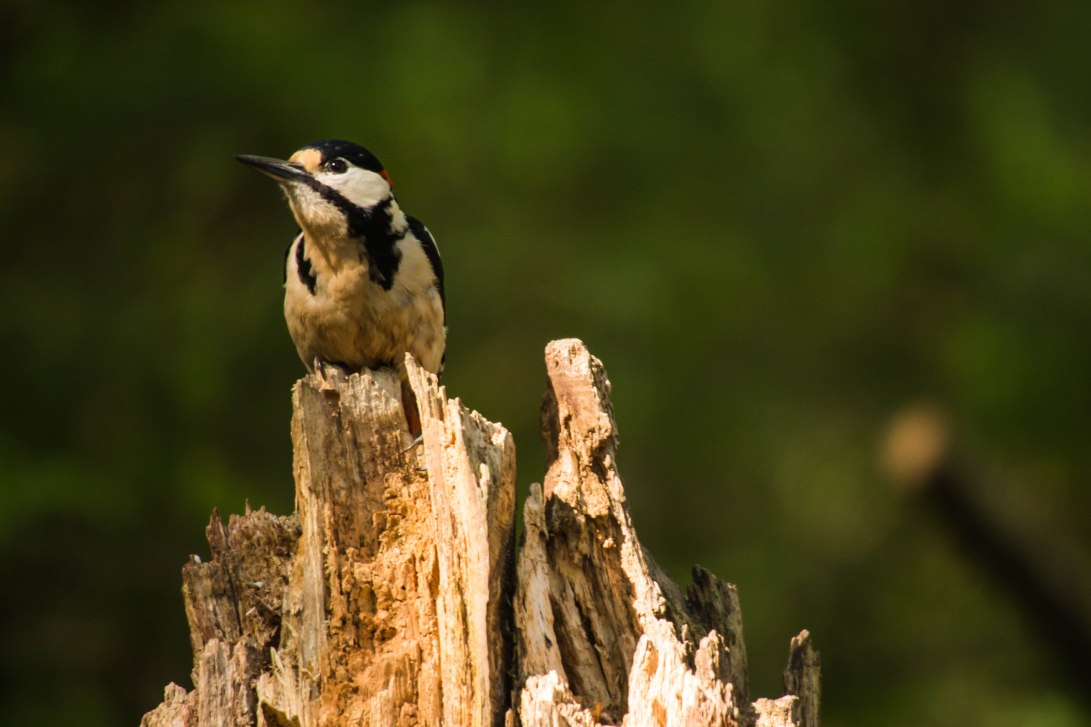
We arrived at lunchtime, so headed straight for the Eskrigg Centre to set up tripods and tuck into our Sainsbury’s meal deals. The feeders were busy as usual. I kept an eye out for reds, but in the meantime we watched siskins, a nuthatch, a woodpecker and plenty of chaffinches snatching a quick snack before zooming back into the trees. It looked like the visiting female mandarin had moved on – it was a shame not to see a male, but still exciting to be able to tick off a new species.

IMG_3721IMG_3742

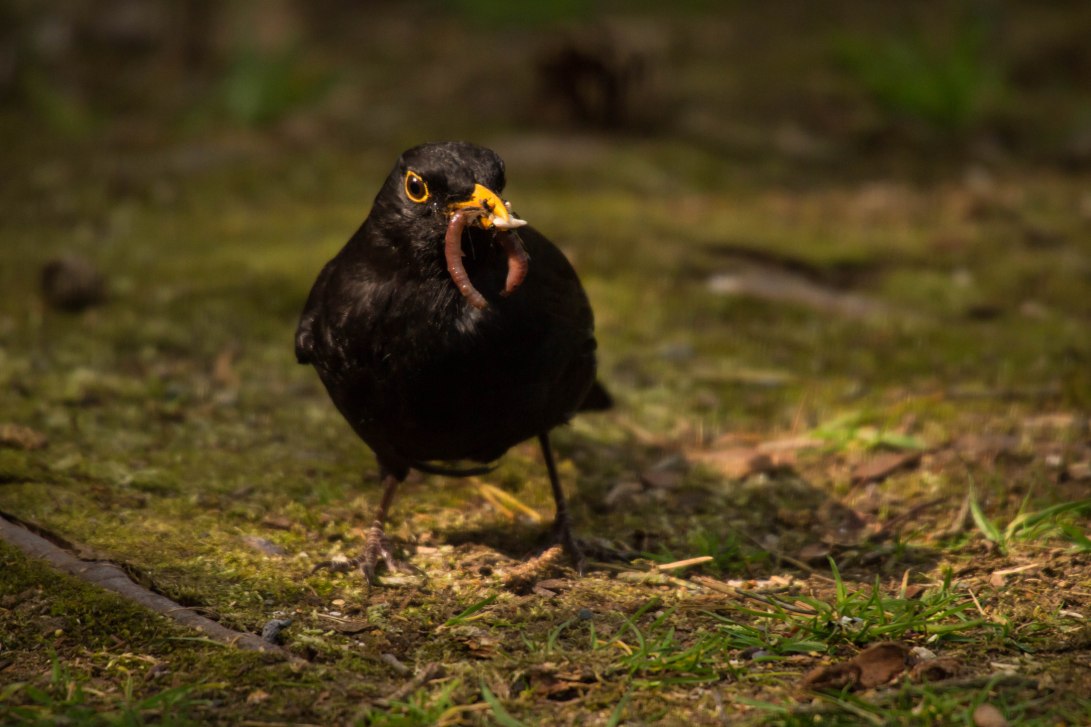
On my last visit, prime squirrel time was about 3pm, so after finishing up lunch and having our fill of the birds on the pond, we headed to the squirrel hide, joining a group of fellow photographers and twitchers. Coal tits swept across the clearing while robins hopped about on the ground. A lone male blackbird darted about with the species’ usual uncoordinated urgency, clutching a feast of flies and worms in his beak for a lucky brood.

IMG_3761

An hour and a half passed with no fluffy red visitors. I was a little embarrassed, having shown Zahrah my photos from last time and taken her with me today with perhaps blasé confidence that we’d be overrun with squirrels again today.

The heat of the day was fading and under the cover of the trees it was getting cool quickly. The group of photographers shouldered their cameras and left, and soon we began to consider abandoning ship and coming back next week. Zahrah suggested we stay half an hour longer, and in the next ten minutes my eye caught on a bright orange tuft twitching behind a nearby tree. As I hurried to focus I breathed an enormous but hushed sigh of relief.

IMG_3819

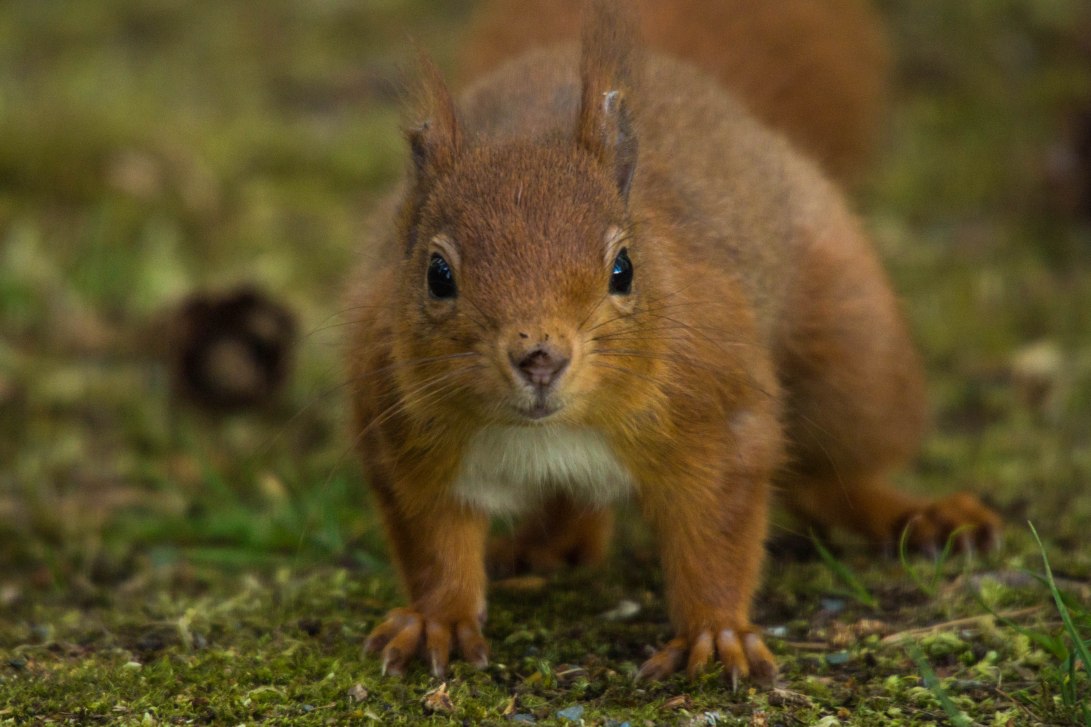
The squirrel approached slowly, sniffing the ground but pausing every so often to stand on its hind legs to look at us. I tried with all my might to catch these meerkat moments, but these animals are unbelievably nippy.

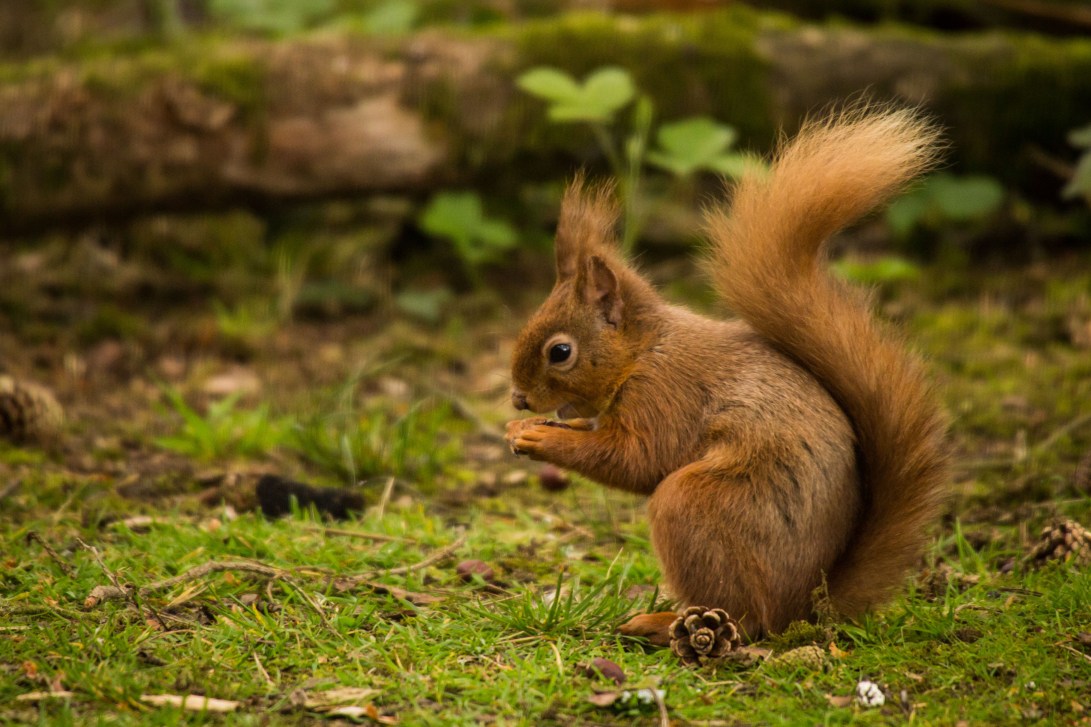
Soon, the squirrel was out in the open, collecting the hazelnuts that Jim had cracked and I’d sprinkled about. Pauses to eat were the best times to snatch some photos, when the animal’s only movement was a twitch of the tail. The way it clutched the nut in almost human hands and strategically nibbled was enough to make the coldest heart melt. As our cameras clicked I couldn’t help but gasp and squeal with excitement. Despite my interruptions the squirrel carried on feasting, scooping up all the nuts I’d left one by one.

IMG_4068-2IMG_4143

Before long, a second squirrel joined the first, skirting down a tree to find any nuts that the first had left, a third soon joining them. One of these individuals had somehow lost an ear tuft, looking adorably wonky as it paused to nibble, tail curled over its back in the iconic position.

My memory card was filling up fast – I couldn’t help but keep snapping as the squirrels explored and foraged. For me it was a combination of their distinct personalities, lovable curiosity and cute outfits that had me obsessed. They ventured close, peering up at us with beady eyes and tiny parted lips.

IMG_4147

I forgot to notice the growing chill but the slowly setting sun was beginning to make photography a challenge, especially when the squirrels’ rapid movement made a slow shutter speed impossible. We were about to finally pack up and leave when three more arrived, this time of the darker variety. So we stayed a little longer and kept taking photos. I had a sudden thought – if photography was still dominated by medium format film, I would have spent my entire student loan. The habit of only pressing the shutter for the perfect moment was admirable, but I don’t think everyone’s had the opportunity to photograph red squirrels.

When we eventually did get home, I uploaded the shots and assessed the damage. Six hundred and sixty photos, not bad at all.

IMG_4271IMG_4181

Filming Red Squirrels

It’s been a mad couple of weeks, with my second year at uni finishing this week: three deadlines in four days. The last – and for me the most challenging – is a five minute documentary on anything we can think of. The vagueness could seem like a blessing, but when you have the whole world as your subject matter, it seems impossible to think of anything to fill five short minutes.

After the racking of brains and chewing of fingernails, I decided to combine my project with my first visit to Eskrigg Reserve in Lockerbie. It was infamously known among Wildlife Media students for its resident red squirrels; I’d been meaning to go for the whole two years I’ve been living in Cumbria, and only now with a deadline looming did I decide to visit. I headed up the road mid morning and by late afternoon I was perched in front of the hide, sharing a small open clearing with four foraging red squirrels!

IMG_3621

Jim Rae, the Reserve Manager, is one of the nicest people I’ve met, and incredibly passionate about wildlife. Upon arrival he welcomed me like an old friend, giving me the tour of the reserve before settling down in the hide for the interview. He had prepared four typed pages of notes, and when I sat outside later to film the squirrels he brought me a nutcracker and a box of hazelnuts for me to feed them. I couldn’t believe, after only just seeing a wild red squirrel for the first time in Chesters two months ago, I was now spoilt for choice of animals to film.

IMG_3593

It is not difficult to see why people get so attached to these creatures. A lot smaller than the greys and with delightful little ear tufts, they bound across the grass like furry chestnut bullets – trying to keep them in frame was a nightmare. I’d get one in perfect focus as it paused to claim a nut, then it was off and I was filming empty grass again. I’d never been so challenged as a photographer, but their nippiness provided an excellent opportunity to test my reflexes.

IMG_3559

I could have stayed for hours, but I had a film to edit and countless clips to go through, 90% of which were squirrels. As of today I’m just making the finishing touches ready for the deadline on Friday. Eskrigg is a gem of a reserve, and somewhere I will definitely be revisiting over summer!

IMG_3611

Have a watch of the finished documentary here:


Exped in Miniature

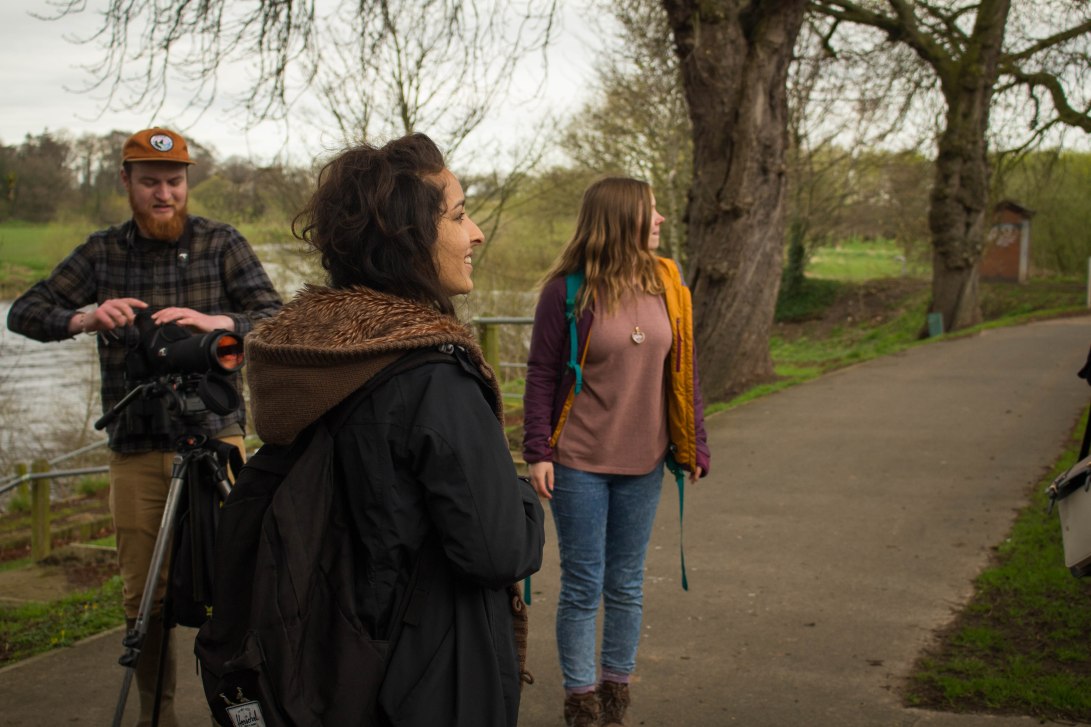
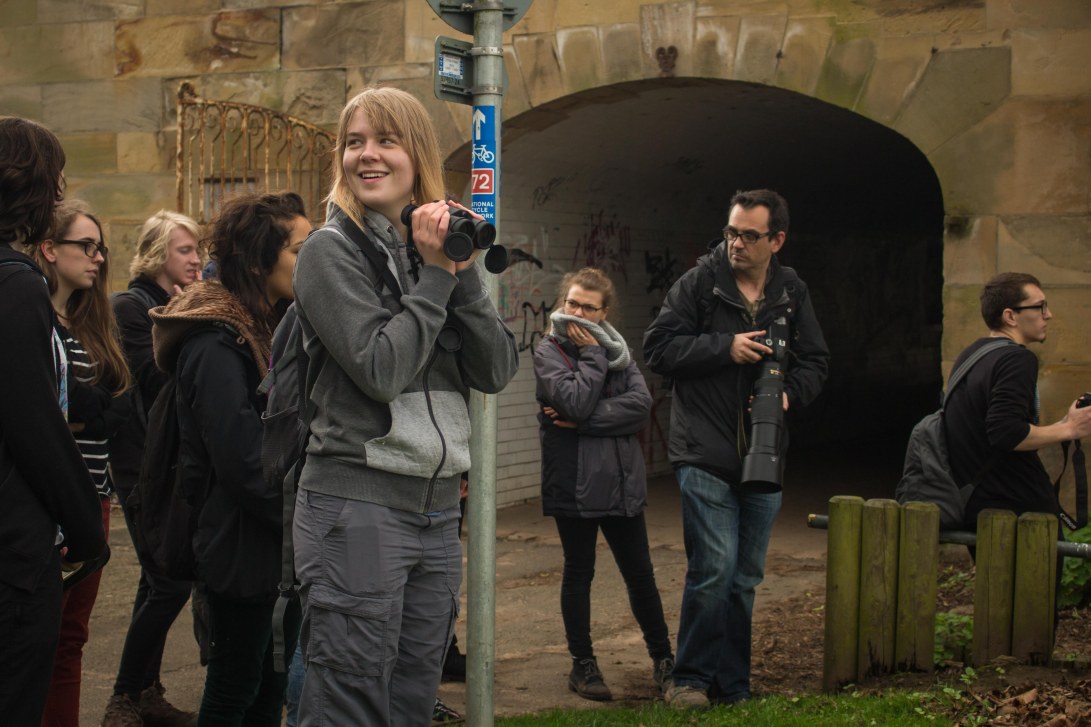
Last week Heather and Cain dropped into uni for a mini exped around the local area. I welcomed any chance to learn more fieldcraft from them and it was also good to spend time with Zoology and other Wildlife Media students – there are fewer and fewer of us wildlies out there so it’s great to meet up every once in a while!

IMG_1587

We began following the river through the park, spotting the first sand martins of the year swooping over the water. A jay darted into the small wooded copse in front of us and cormorants zoomed up the river, wings flapping furiously.

IMG_1579

As cities go, Carlisle is one of the few that still has many pockets of wilderness nestled amongst the urban landscape features. It’s that combination of having everything I need close by but still being able to escape to a new wild place is what attracted me to studying here. I never thought I could see roe deer with a Virgin train zooming past in the background, but I’ve been proved wrong by wildlife encounters like these all year.

IMG_1620IMG_1570

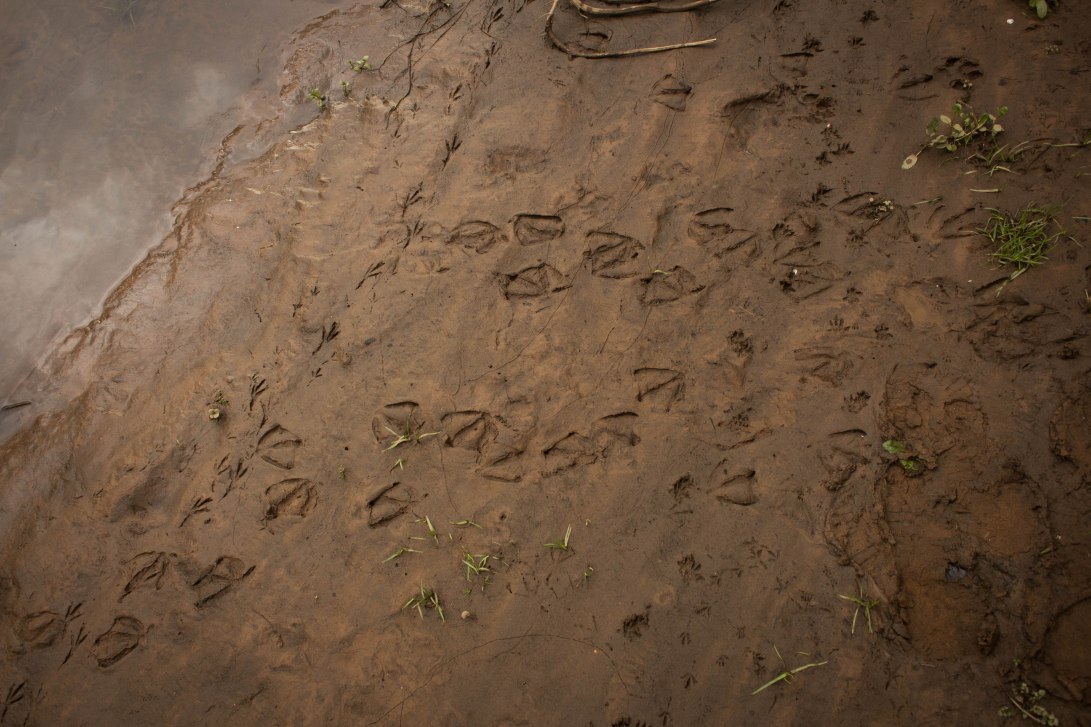
We carried on, walking along the Eden as it snaked through the golf course and reached the suspension bridge. Here we went off-road and found some truly amazing discoveries. On a sand bank tucked away from the heavy footfalls of regular dogs and their owners, we found a wildlife metropolis. There in the sand, perfectly imprinted, were dozens of tracks, bird and mammal alike. There were the broad irregular squares of mallards, tiny pin lines of grey wagtails, even tinier fingers of brown rats and the very dog-ish prints of otters! I practically jumped down into the sand to photograph them – not only were there prints but also a lonely otter spraint, deposited in full display of every visitor as an indication that this territory was claimed. It was fascinating to see just how many species had paid this relatively small sand bank a visit. I vowed to return very soon with a camera trap and see if I could get better acquainted with them!

IMG_1633IMG_1622

Wild Film Fest Scotland

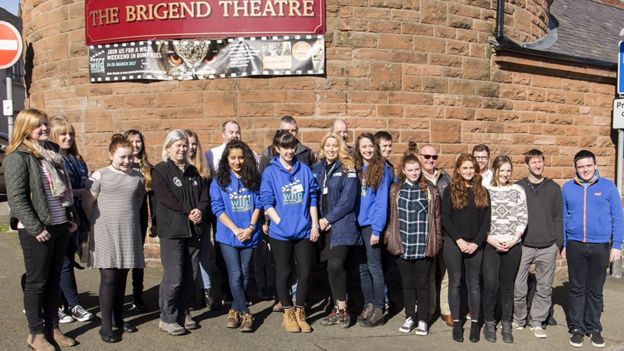
Last weekend was the first Wild Film Festival Scotland, which took place in beautiful Dumfries and Galloway. Myself and a few other Wildlife Media students were lucky enough to volunteer during the event, which involved some amazing talks and a rather fetching cobalt blue volunteer hoodie.

I headed up to Dumfries on the train and arrived mid afternoon. As I stepped onto the platform I realised what the niggling feeling I’d had was about: no pyjamas. To prevent severe embarrassment at the studio flat I was sharing with Zahrah later on, I made a quick dash up the high street then wandered down to the Theatre Royal to catch a talk from photographer Gordon Rae about his work. He told us about a trip to Churchill in the Canadian Arctic, where there were more polar bears than people, something I found incredible.

Later on was one of the festival headliners: Simon King. Excitedly, Zahrah and I joined the other volunteers and spent the next two hours hearing some extraordinary bird noises. Simon King is a real impressionist; I’d heard some of the animals he impersonated in the wild, and his versions were truly uncanny.

The next morning I headed down to the theatre for my induction, donning my hoodie and making my way to the Robert Burns Centre for my first shift. I welcomed visitors and clocked them in with the clicker, something I found more entertaining than perhaps I should. In between shifts I managed to catch a lot of films and talks, learning some amazing things about the natural world. Being at an event like Wild Film Fest with some professional naturalists made me realise just how much I still have to learn. It’s a blessing and a curse; of course I’d love to be a wildlife connoisseur overnight, but at the same time it’s exciting know how much there is still to find out.

The weather this weekend was stunning. During my lunch breaks I sat by the river and watched the goosanders dive and the mallards struggle against the current. I bumped into Cain, who told me there were otters on the river, but not while I was looking for them. The only wild otters I’ve seen were on the Isle of Carna – by the time I graduate I want to at least see them in Carlisle, where apparently the world and his mother have seen them.

Sunday night was Iolo Williams. The theatre was packed – after checking tickets and doing the headcount, I nipped up to the balcony and watched the talk with a bird’s eye view. Iolo is a great naturalist and a real entertainer. I asked him what he thought about the re-introduction of wolves in the UK, and he replied that the best place to release a pack would be the Houses of Parliament. Like all good naturalists, it was clear he had passion.

In seemingly no time the weekend and the festival were over. After a very nice bolognese at Hugo’s restaurant, we headed to the train station and made our way back to Carlisle, leaving behind a beautiful crimson sunset. It was a brief but really great weekend. Volunteering at the first ever Wild Film Fest Scotland is something I’m proud of, and hopefully next year’s will be an even bigger success.

_95329269_wffsyoungfilmakers26.03.17
Standing centre stage in front of one of the festival’s venues!