Over the Loch

The gloom that had settled over the Cairngorms earlier in the week was long gone. As we pulled into the car park I leant forward and saw sunlight pouring through the coniferous canopy in diagonal slants, turning green needles shimmering gold. Another forest to explore! I couldn’t wait.

Once all members of the convoy had arrived, we gathered around the notice board. Abernethy was the second largest nature reserve owned by the RSPB, spanning 140 square kilometres. It was home to around 5000 species – a list that grows every year. Our guide, Simon Pawsey from the Bird Watching Wildlife Club, looked up the crested tit on his Collins Bird app – something I definitely need to get at some point – and quietly played us the bird’s call: a rapid trilling that I was sure I would be able to distinguish above the chaffinch’s constant rambling, as lovely as that was.

As Simon continued to tell us all about cresties, a small bird caught my eye a few dozen feet away. Lifting my binoculars, I focussed in and nearly disregarded the bird as a coal tit, which was exceptionally common in the local area. But then I noticed a peculiar tuft of feathers on the bird’s head. Surely not… A halo of light fringed the bird’s body and I squinted to make sure, keen not to make a fool of myself in front of all the other birders. But it was! It really was a crested tit! I exclaimed this to the group, embarrassed about interrupting Simon but deciding it was well worth it.

IMG_1596
Not a great photograph, but an amazing sighting!

There was a flurry of excitement as we all pinpointed the crestie for those who hadn’t spotted it. The bird was perched on an obvious branch in a relatively open clearing, sitting at eye level in a car park full of human voices and slamming doors. It was such a good view of a species that I thought I’d only get a snatching glimpse of at the very top of a huge Scots pine, if that. The crestie stayed for a few minutes, allowing us all to admire him before he took off and disappeared. Our guide had been talking about crested tits and a crested tit appeared for us all to see, almost like a “Here’s one I prepared earlier” moment. What an extraordinary start to the day!

Buzzing after our first sighting, we set off into the forest, keeping an eye out for crossbills or red squirrels that might be foraging above. Several times a pair of dark wings high above had us briefly excited that we’d spotted an eagle, but each time it was a buzzard, or “tourist eagle” as it was often referred to in the Highlands.

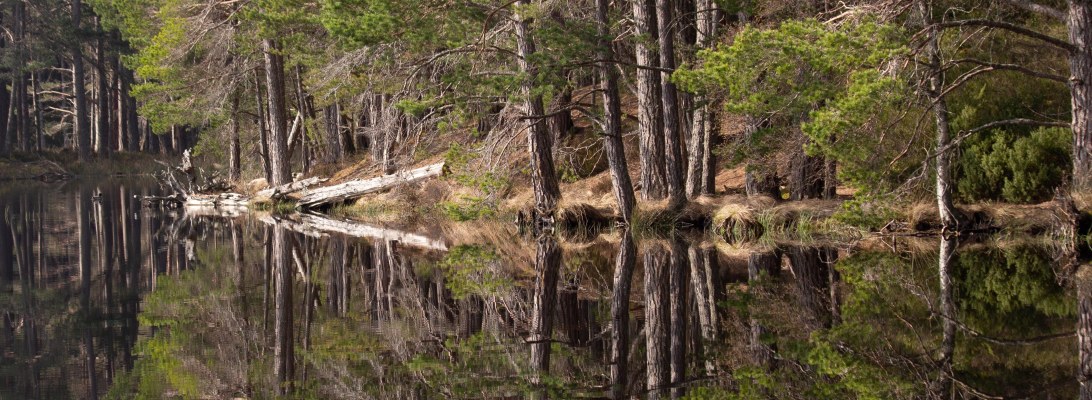
Before long Loch Garten came into view, and even with just a glimpse through the trees I knew it was going to be impressive. There was no breeze to stir the water so the loch lay as flat and still as a mirror, casting a perfect reflection of the trees along the margins and the blue hills in the distance. The only disturbance to the glassy surface was a lone mallard swimming far out in the loch, scratching a line across the water. Not a sound could be heard. As I stood on the bank absorbing the view, I thought how Loch Garten could be the perfect setting for an elaborate fantasy story. It was such a wild, beautiful place: seemingly tranquil and calm but with the power to turn at a moment’s notice.

IMG_1603IMG_1616

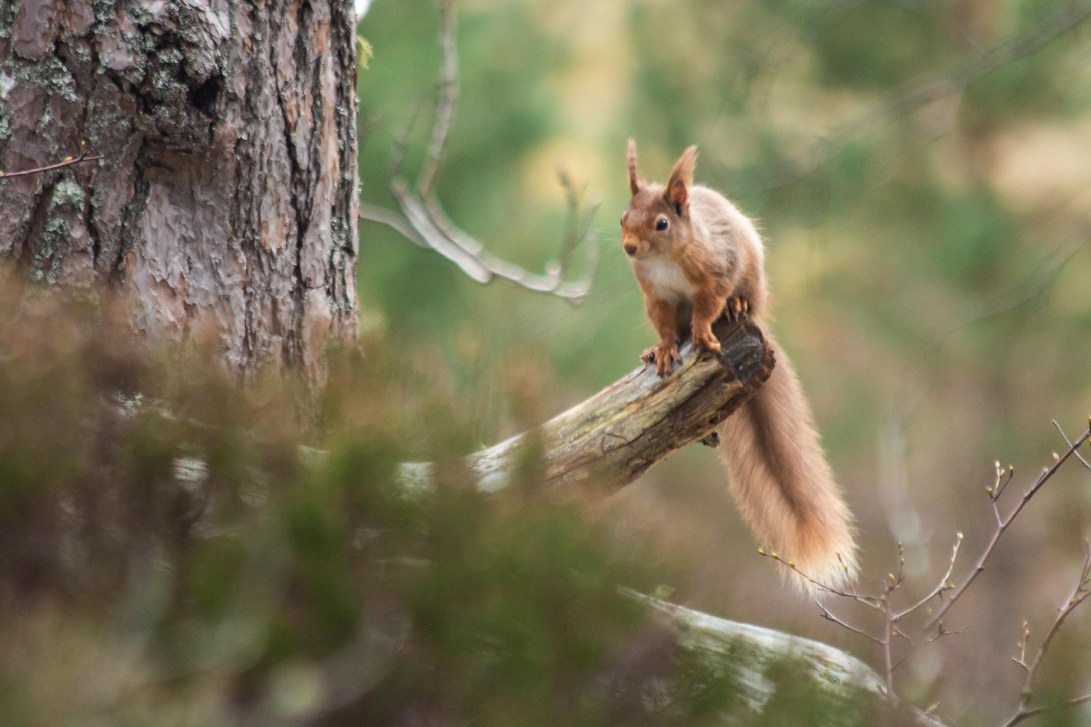
If I’d been alone, I would have sat by the loch all day, but I was here for birding with the group so reluctantly took my last few photos and followed them further along the trail, skirting the edge of the water. Sure enough, we found a red squirrel, although the animal was trickier to see than on the feeders in Anagach Woods back at the hotel. A bright orange mammal is surprisingly difficult to spot in dense green foliage, and it was only its sudden movements that gave it away.
IMG_1498

After a while another loch came into view: Loch Mallachie. Here we were met by a gaggle of greylag geese as they glided across the water. This part of the reserve was marshier, and not far from the land we were stood on was a smaller island with far shorter trees. Simon explained that they were the exact same type as the giants that surrounded us on dry land, but because of the variation in soil quality and nutrients, the same species was half the size only a few metres away.

IMG_1539

Suddenly one member of the group pointed out two dark specks on the horizon. I prepared myself for the inevitability of more buzzards, but once Simon had set up his scope I heard some very satisfying words: “Those are eagles”.

Everyone rushed towards the bank for a better view. The birds were very far off – tiny pinpricks on a white horizon – but sharp-eyed Simon could make out white patches on one of the eagles, suggesting it was a juvenile. After a while scanning empty sky I managed to locate them in my binoculars. They glided seemingly effortlessly at a dizzying height, barely moving their wings as they soared through the thermal currents. It was such composed flight: the movement of a creature that dominated its landscape. Fortunately, the eagles were flying closer, so one by one we had a peek through Simon’s scope. When it was my turn, I was thrilled to make out the bird’s head and beak even from such a distance. I’d seen a golden eagle once before on the west coast, but this was by far the clearer sighting. Eagles were the true celebrities of Scottish wildlife, and to see two at once was so special.

The eagles soared in large circles for a while before gliding further out of reach of our scopes and binoculars. Once again the group was buzzing. I couldn’t believe how lucky I’d been this week. After only four days in the Highlands I’d seen crested tits, crossbills, red squirrels, a pine marten and now two golden eagles. It reminded me of the importance of patience but also of luck; how being in the right spot at the right moment can bring unforgettable experiences. Being from the southeast where wildlife is far less abundant, I would treasure the sightings I’d had this week for a long time.

IMG_1626

A Lensball Study

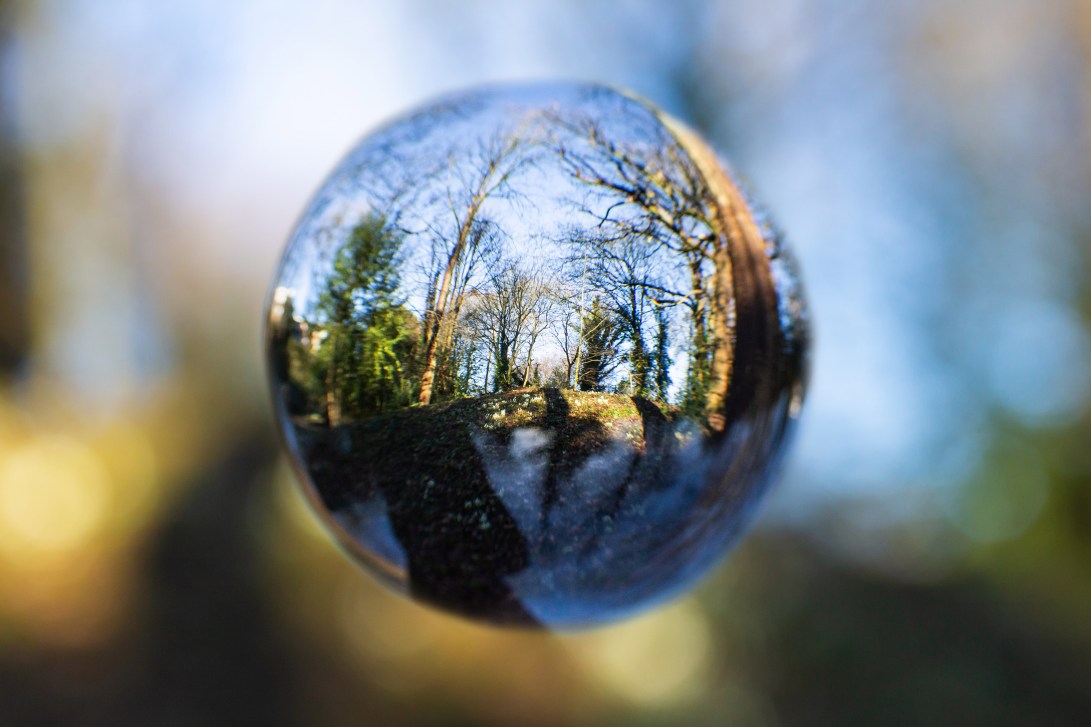
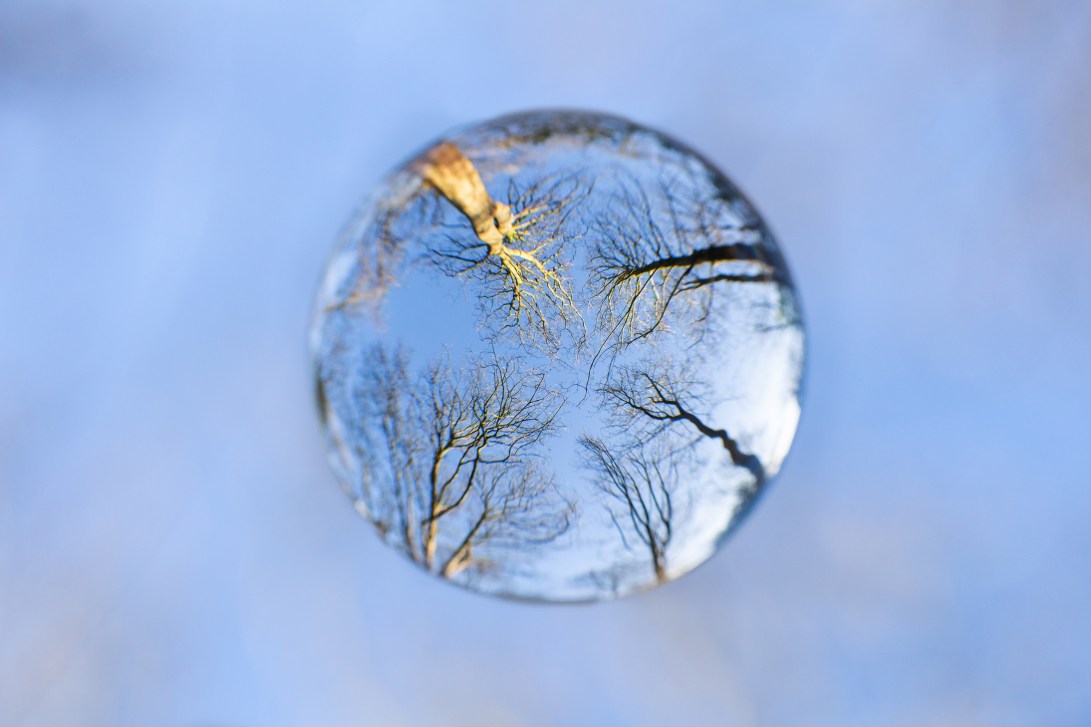
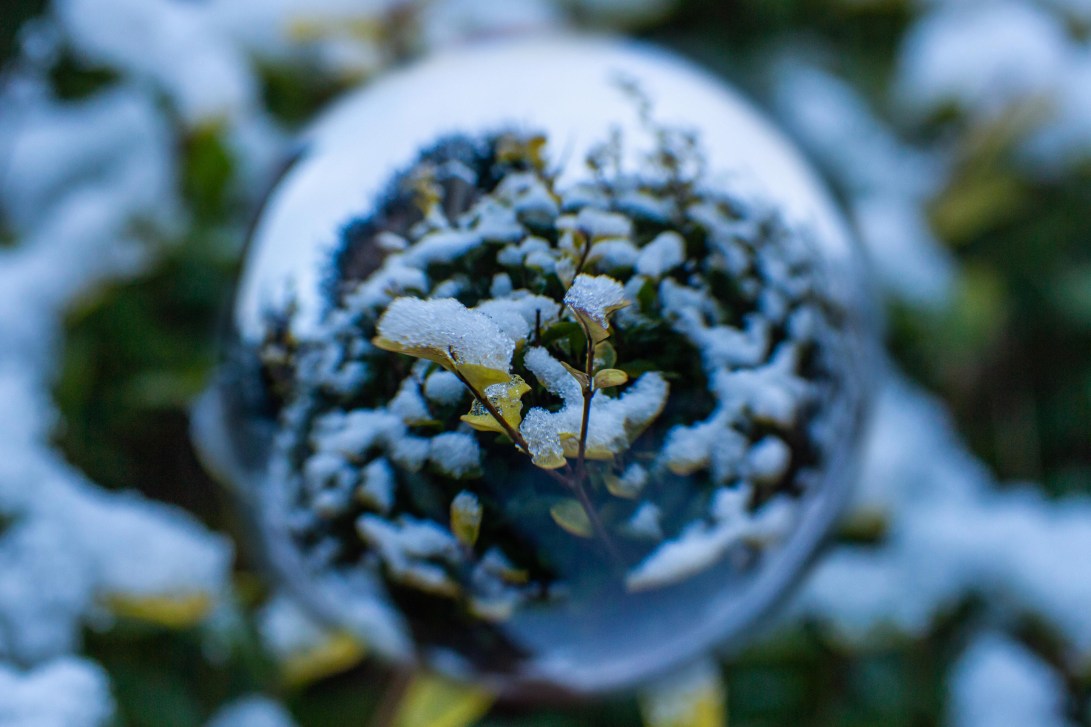
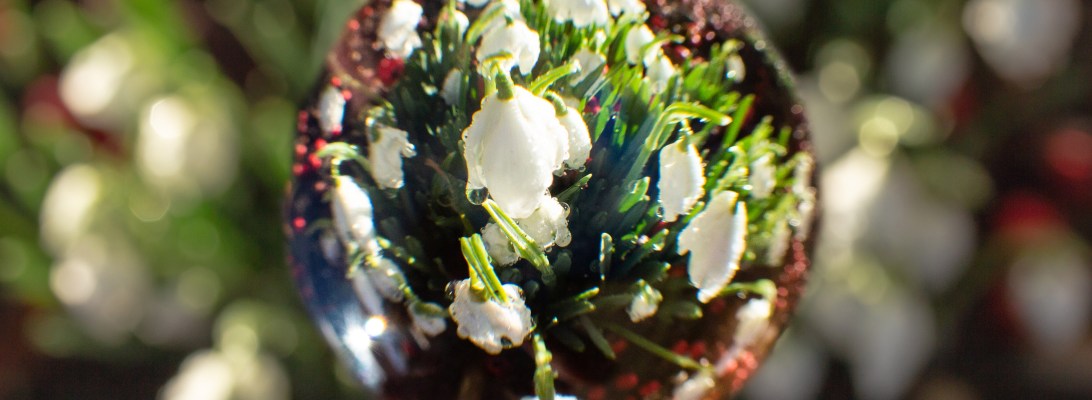
As I briefly mentioned in my last post, I’ve recently been experimenting with the lensball, which is a simple and effective tool to give photos a new perspective. I tried it out in the garden first with mixed results, but once I ventured further from home and found more intriguing subjects to capture, I began to really see the appeal with lensballs. The following shots are my latest creations.

img_1125 2img_1127 2

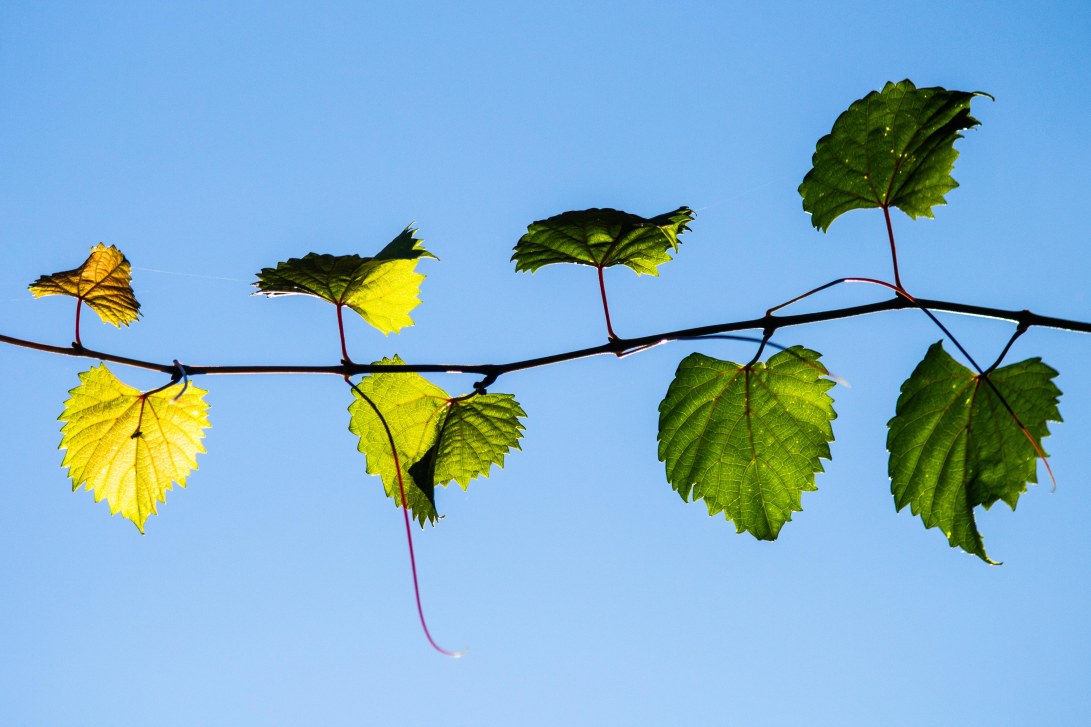
After spending far too much time on Photoshop – I never like to over-edit my wildlife photos as I think they look far better natural – I decided that a quick and easy way to remove my hand from the image was to take an additional photo of the scene out of focus, which provided the background to the final shot. Then I placed one image over the other and erased my hand. I think the pieces with slightly more complex backgrounds are more effective than those with a plain one such as the blue sky, which make the already obscure subject look perhaps a little too surreal.

img_1133 3img_1167 2

I love seeing a whole new perspective through the lensball, and I can’t wait to continue exploring my natural surroundings with this additional piece of kit!


Up in the Air

The plane roared to life and I experienced the age-old feeling of excitement whenever I fly. As we chased the runway and the plane slowly lifted, I pressed my face to the window to see the ground fall away. I will never tire of that feeling of utter weightlessness – the peculiar thought of something so bulky taking to the air.

I’d been invited onto my boss’s plane for a morning trip to Naples, a city in southwest Florida looking out onto the Gulf of Mexico. We were flying to break in a new engine, and planned to refuel in Naples before returning to Yulee. It was a whistle-stop state tour, a four hour round trip that would take twelve in a car.

Within moments of take-off we were over the beach – long piers stretched out into the sea like the teeth of a comb. At 9am on a Saturday the beach was almost deserted. It was a treat to see so much uninterrupted sand before the tourist tide came rushing in.

We curved back inland and passed over a maze of river and marshland that I had already explored by boat, but this time we were too high to look for egrets. The only movement was the white streak of a lonely boat as it navigated the watery trails. I wondered how many alligators were down there, then decided not to think about that.

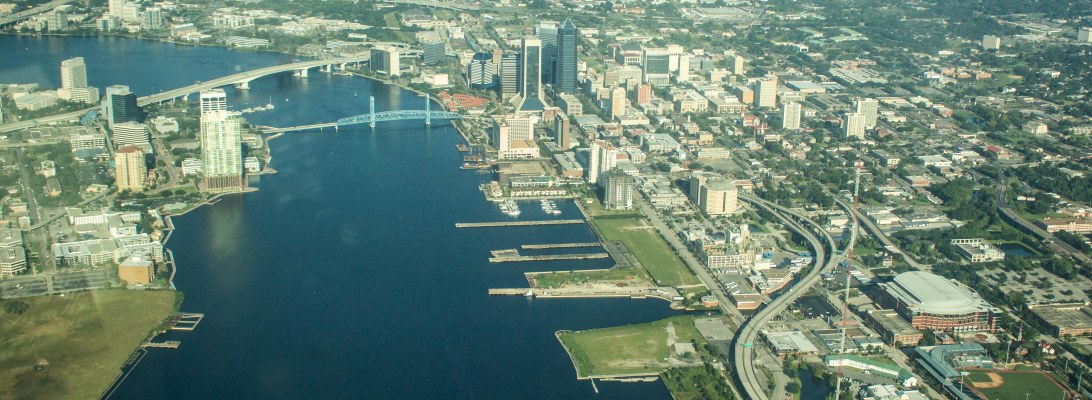
The marshy solitude of Amelia Island dissolved into towering office blocks, and I soon recognised downtown Jacksonville. There was the Landing, where I’d been just a week before the shooting. It had been enough to dissuade me from visiting downtown again, but I still had fond memories of the river walk, the MOSH museum and the topaz blue water of Friendship Fountain.

Leaving vast, sprawling Jacksonville behind, the landscape was soon dominated by trees again. Green was undoubtedly a primary colour in Florida – a patchwork quilt of field and forest stretched as far as the eye could see. In some places the trees were confined in tightly packed cubic parameters. In others, they were sprinkled sporadically. Criss-crossed over it all were the highways, dead straight lines in parallel and perpendicular.

Fluffy cumulus clouds were gathering, and a rather ominous feeling began to grow in my stomach as we bumped over them. Sunlight poured into the stuffy cabin, which did nothing to suppress my queasiness. Because of the new engine, we had no choice but to fly low. While the views were still stunning, I was somewhat distracted by the turbulent ride, and as Naples came into view I couldn’t help feeling slightly relieved that we’d be getting out of the clouds.

Once down on the ground, we stopped just long enough to stock up on drinks – fuel for the plane, a Gatorade for me – before taking off again, back through the spectrum of concrete jungles and green wildernesses.

The Greenway

The Egan’s Greenway is an unexpected jungle in the middle of smoke-belching industry and deckchair tourism. The mundane sounds of traffic are deafened by the furious chatter of cicadas – enormous insects that seem prehistoric. Their strange call is like the sound of angry water sprinklers, growing louder and faster until it reaches an alarming tempo, then abruptly stops.

IMG_0497

At first light the Greenway is sharply divided into light and dark. The dense, impenetrable forests are still cool – the trees in muted greens – but out on the marsh the grass is alight with fiery golds and oranges. Naked trees poke the sky with sharp limbs white as bone, while beside them sway lush evergreens. It is a land of stark contrast, a spectrum of vitality and decay. Time passes here with the tick of the cicadas.

IMG_0560

The day warms up, throwing a shimmer onto the surface of the creek. Here there be dragons, some cruising between reeds on transparent wings, others scrambling up trees with long claws. A flash of movement and then a disappearing act, they blend seamlessly into their surroundings. Just a flick of the beady eye will give them away, and then they will shoot off into the undergrowth.

IMG_0638

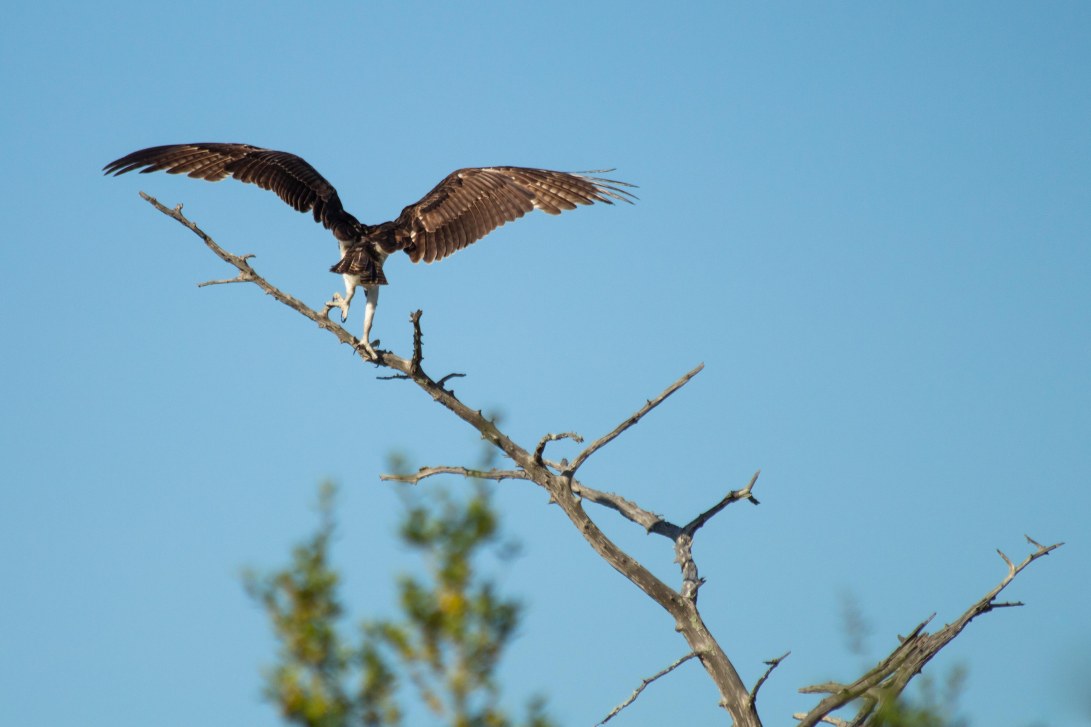
Other beasts can be found higher up. Perched on the skeleton fingers are ospreys, scanning the creek in every direction. One takes to the air and its mate follows. Together they wheel in deep circles, overlapping in smooth figures of eight. A wood stork, large enough to be unfazed by the raptors, joins their sky with dark wings barely flapping.

IMG_0582

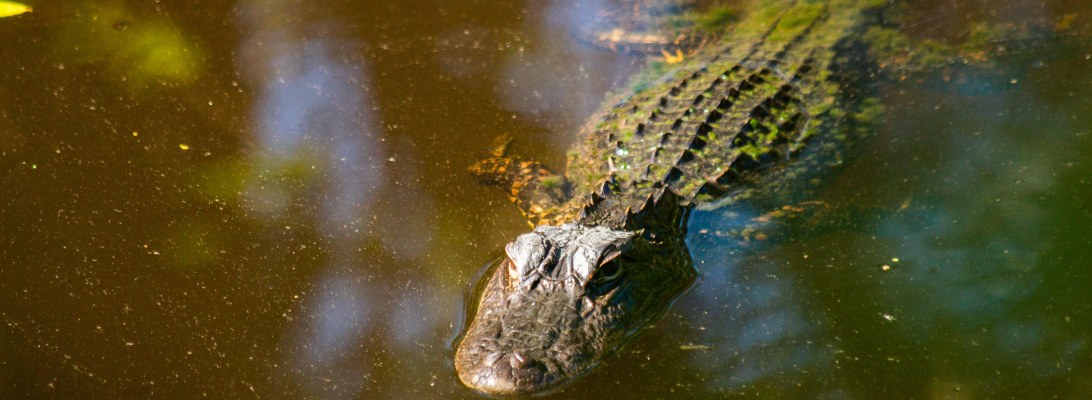
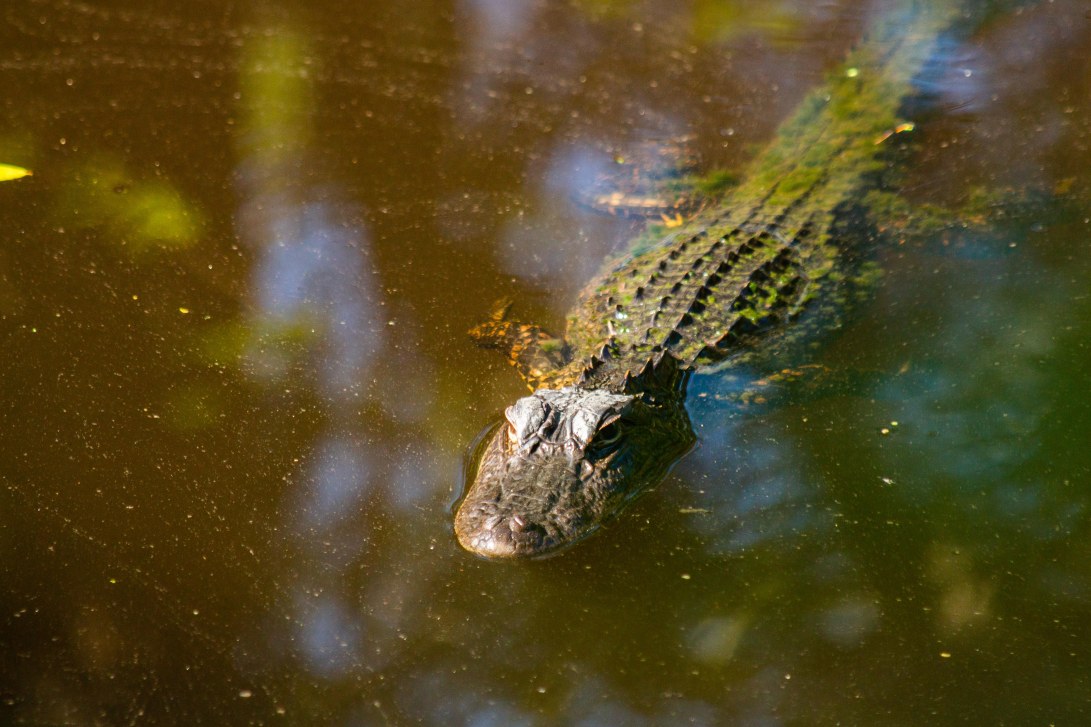
Then, a real dinosaur. A creature that survived what forty-metre sauropods could not, almost unchanged for millions of years. This one is only small, an arm’s length perhaps, but even so it floats beneath the water’s surface with the stealth of an adult, startling green eyes always watching. A glance away and back again and it has disappeared, moving across the creek without a sound.

Where is mum? Perhaps it is best not to stay and find out.

IMG_0656