Waiting In Anticipation

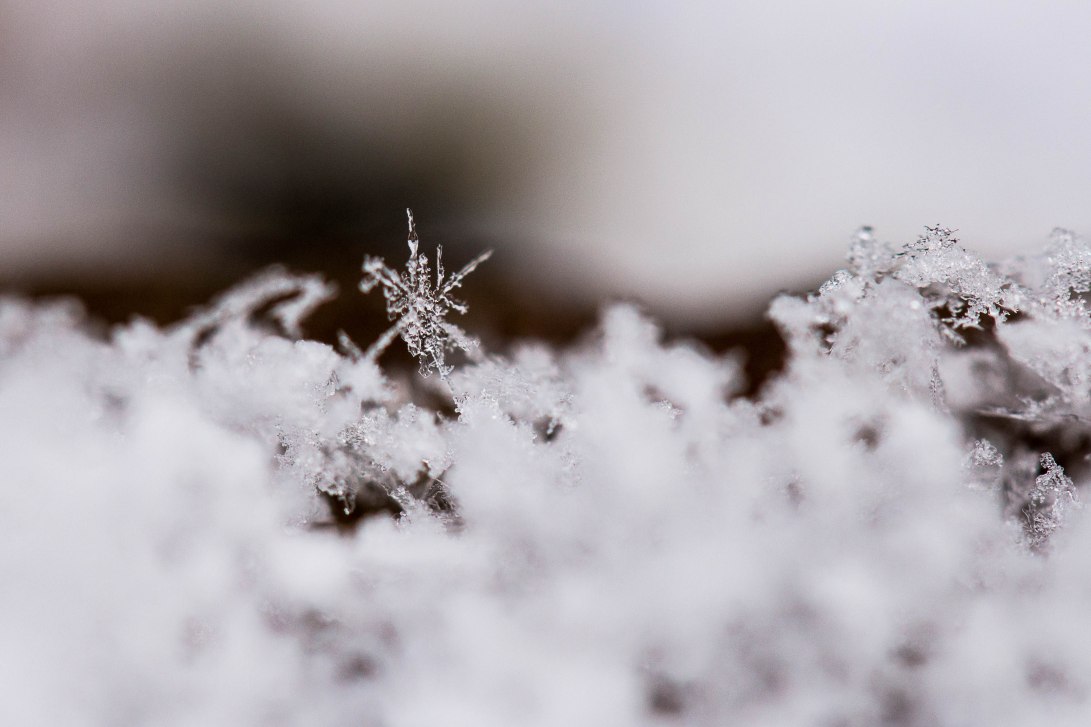
Winter is one of my favourite times of year. Not only is there the excitement of Christmas (which at 21 years old is still very important to me) and my birthday, but also the stunning beauty of nature. Frosts, snow, diluted sunshine – it’s a photographer’s dream. I cannot wait for the first real frost to arrive, when once again I’ll be rummaging around in the garden on my hands and knees clutching my trusty macro lens.

As winter approaches, there is always a rush of social media posts about visiting migrant birds. Stunning images of waxwings, redwings and fieldfare dominate the birdwatching online groups. While I love to see rare visitors in the UK, there are more common species coming to the fore during the colder seasons too.

The long-tailed tit is easily recognisable, with a tiny body and unnaturally long tail. These charismatic birds are nearly always seen in groups, and with a weight of less than 10 grams, sticking together can be a lifesaver in the winter months. As temperatures fall during the night, long-tailed tits roost together in large groups of related birds, lining up on branches and huddling for warmth. Long-tailed tits are particularly known for their altruistic behaviours. If one pair loses their eggs, they will help a relative raise theirs. This behaviour is known as cooperative breeding.

Another bird that is more prominent in winter, but far less endearing than the long-tailed tit, is the great black-backed gull. This formidable animal is bigger than a buzzard, and bad habits including stealing food from some birds and eating others has given this gull a bad reputation. Nonetheless, great black-backs are impressive to watch, and during the winter months they are drawn inland by swelling migrant populations. This means now is a good chance to see this amazing species up close.

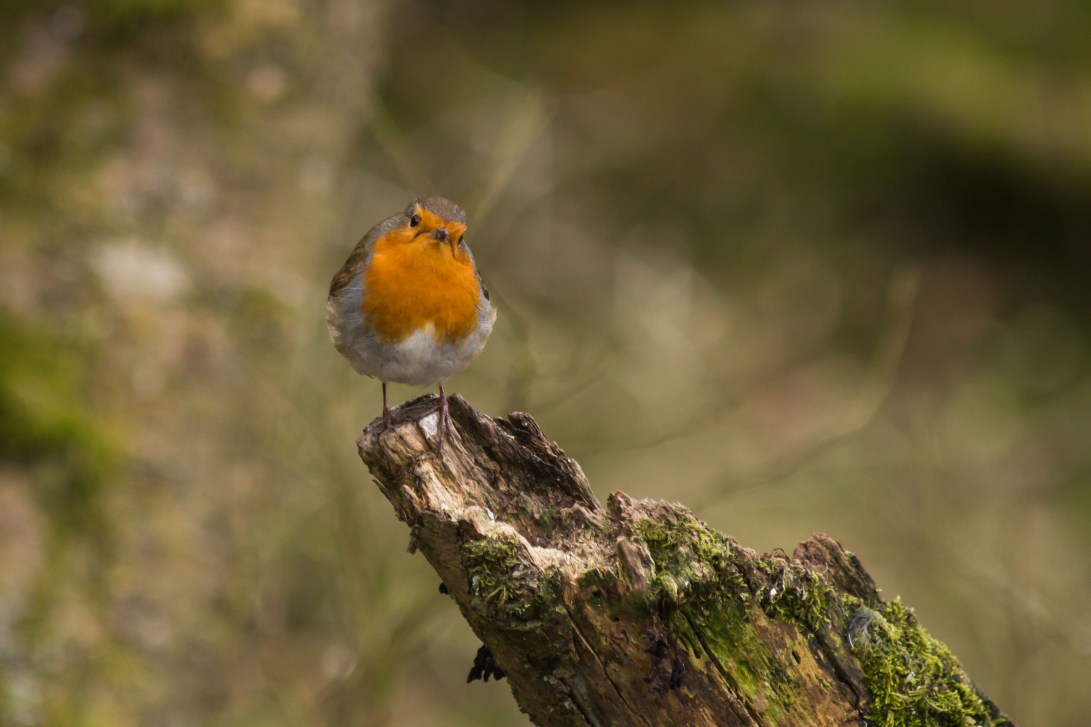
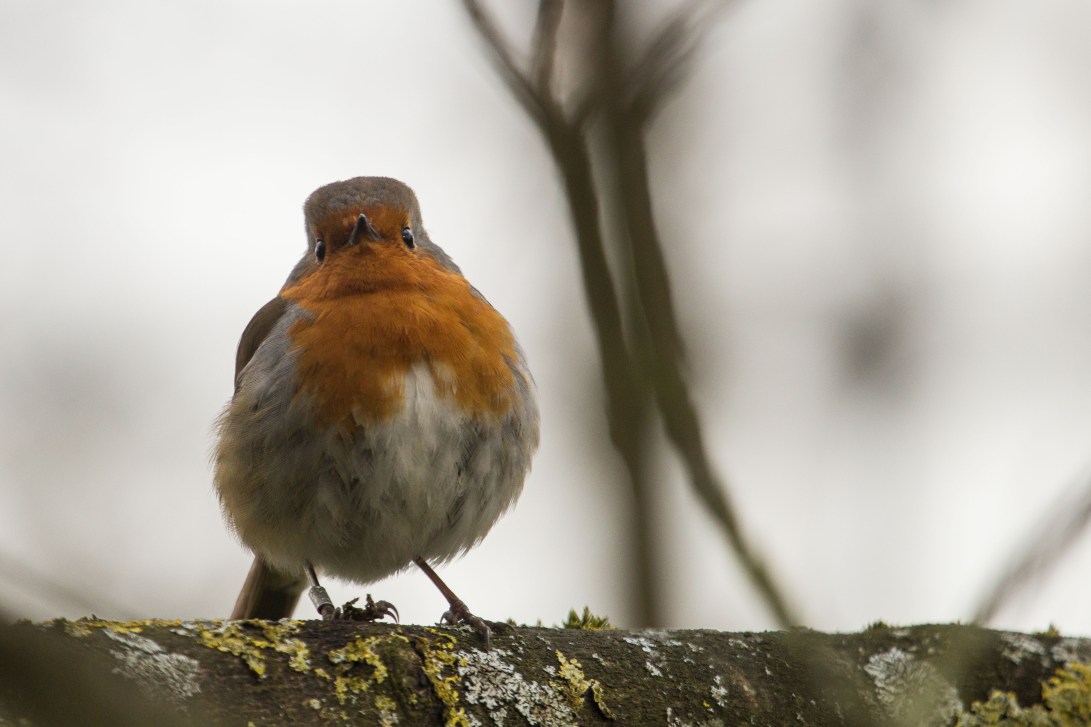
One voice that sings long into winter is that of the robin. This plucky redbreast is often thought of as a winter bird, when it is found all year round but simply stays put when other birds migrate during the colder months. Despite their beautiful song, robins are fiercely territorial. Who can blame them, when food and shelter is so scarce during the winter? Perhaps the epitome of Christmas is seeing a plump robin perched on a berry- and snow-strewn branch. It may be a controversial opinion, but I can’t wait for the snow to come. Seeing how bitterly cold it’s been recently, hopefully the wait won’t be too long.
 

The Farne Islands – Part 2

After sharing the waves with a herd of very curious seals, it was now time to get changed on a boat with thirty other people. This was a challenge, especially as getting a wet wetsuit off required the flexibility and strength of a contortionist. I teamed up with another girl to make a temporary changing cubicle, which made it somewhat easier.

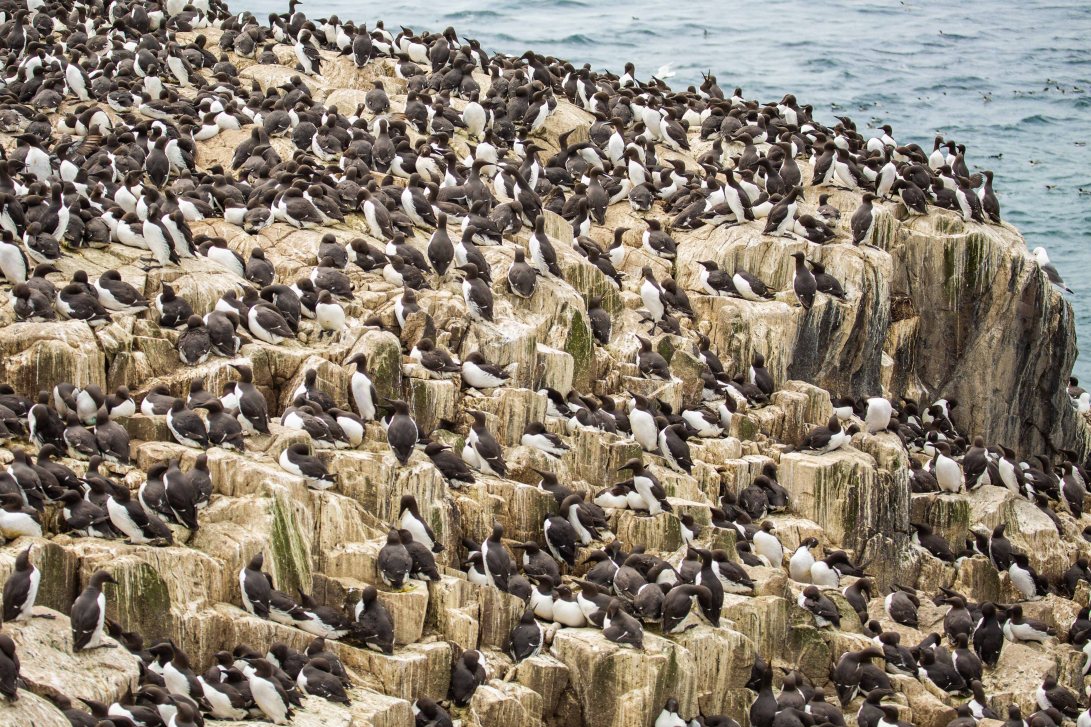
Once everyone was back in dry clothes, the boat headed to Staple Island for a spot of birdwatching. On the approach, all we could see and hear was guillemots, a blanket of birds completely covering the rock. People were dotted amongst them but vastly outnumbered. It was the kind of ratio I liked to see.

O12C4099-2

On dry land, it was impossible to decide where to start. I was used to choosing a spot to sit and wait for the wildlife to appear. Here, we had joined a metropolis of seabirds all going about their business without blinking an eye at what we were doing. Red posts were stuck into the ground at places, and as we passed I notice each one signalled the presence of a nest, some situated almost on top of the path that threaded through. Shags watched nonchalantly as we passed, eyes half closed.

O12C4243

Some of the guillemots looked different to others. While most had completely brown heads, a select few had bright white rings around their eyes. I asked Cain, who told me they were bridled guillemots. Back at home I looked them up, and discovered that these individuals are an example of dimorphism. Usually relating to variety in plumage colour, dimorphism is the existence of two distinct forms within a single species. This is different from two subspecies, as both guillemots and bridled guillemots have the same Latin binomial: Uria aalge. Were they subspecies, they would have an additional subspecies name. Furthermore, subspecies tend to be permanently geographically isolated from one another.

O12C4247

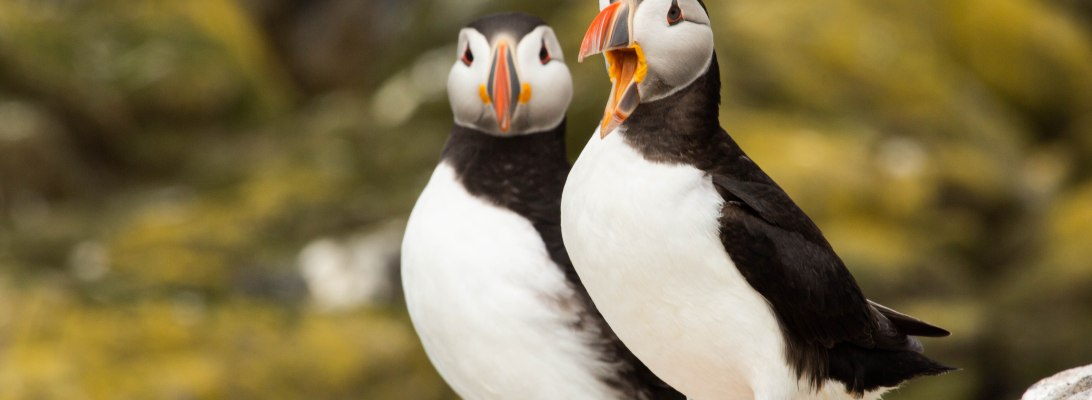
After watching the guillemots for a while, I found where the puffin clique spent their time. Away from the larger birds, there were countless burrows in the grassy banks, and after a while puffins would pop into view or land and duck inside, sometimes carrying large mouthfuls of sandeels in their vibrant bills.

O12C4119

I had been so excited to see my first puffins on the Isles of Scilly, and while I still treasured the memories, those had been distant sightings compared to now. Here on the Farnes, puffins sat twenty feet from two-tiered photographers, lying on the rock or glancing from side to side with their sad clown eyes. They were a joy to watch, and so much smaller than people think!

O12C4204-2O12C4194-2

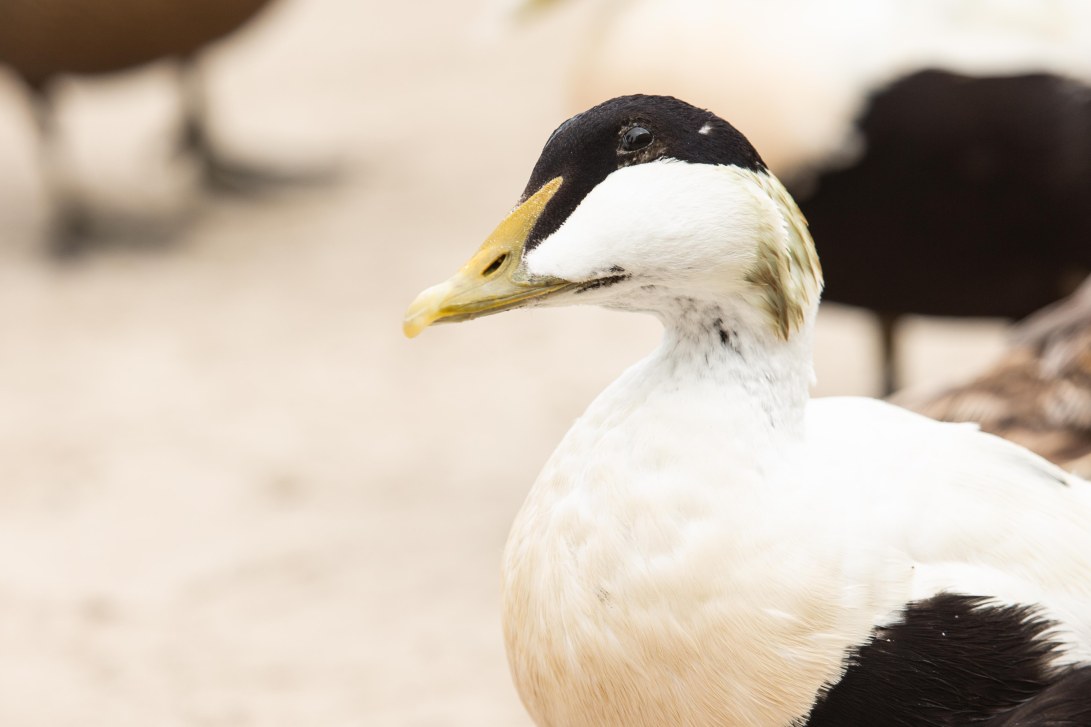
Sadly, the time flew by and before I knew it I was back on the boat and leaving Staple Island behind. When we arrived into Seahouses, I caught the irresistible smell of fresh doughnuts on the breeze. Tired after the swim, I made a beeline for the van and bought a bag to sit and eat on the bay. A group of very tame eider ducks approached, eyeing my bag with enthusiasm. Unfortunately for them, I wasn’t sharing my doughnuts with anyone, but I did make use of the opportunity to photograph the beauties so close.

O12C4286-2

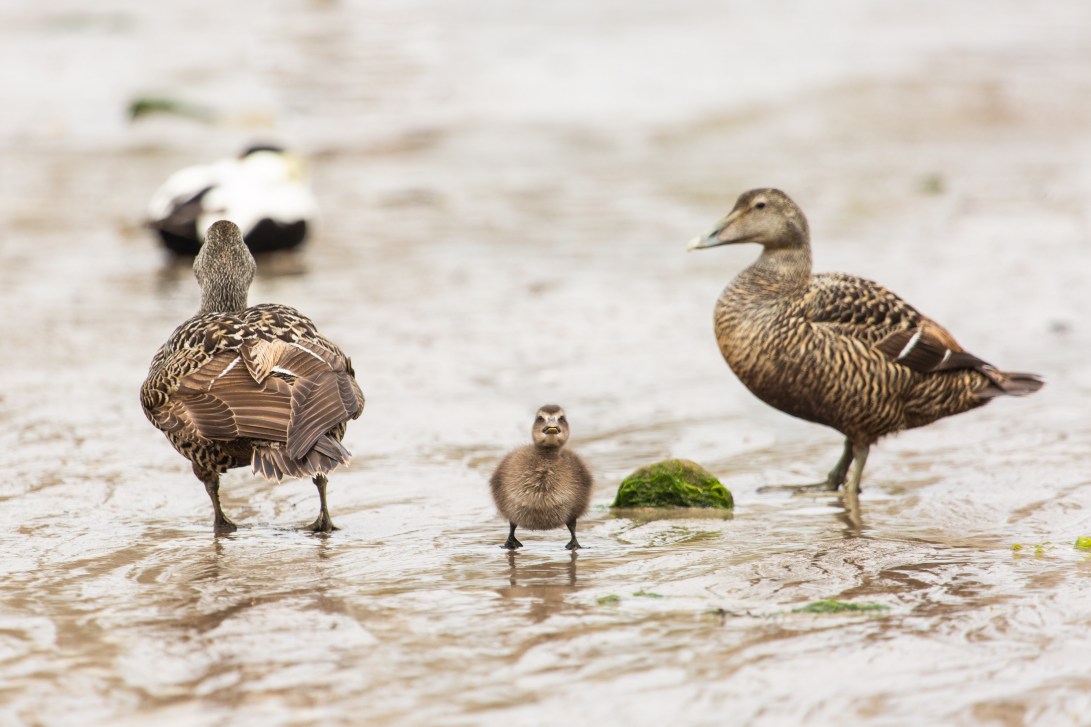
I was thrilled to see ducklings accompanying some of the females, perhaps one of the cutest baby animals there is. As the females lowered their bills into puddles of seawater, the ducklings copied, mirroring the adults’ every move. Watching such intimate family behaviour while I devoured my doughnuts was a perfect way to end such a dramatic and unforgettable day at sea.

O12C4306-2O12C4309

Farewell to Scilly

For my last full day on Scilly I was back on St Agnes again, joining a group led by Will Wagstaff on a full day of exploring. Although the weather was still far from bad, today was the murkiest I’d had so far. The sun was well and truly concealed behind thick cloud, and without its warmth the wind blowing off the sea cut through my jacket and made me very grateful I’d decided to bring a jumper this time.

While most of the visitors from the boat headed towards Gugh before the sand bar closed up later in the afternoon, we went the other way, hoping to find more wildlife than people. Before long we heard the sound of a chiffchaff in the bushes, followed by a song thrush and the customary wren. We stopped at Big Pool and watched a pair of shelducks. Both male and female have beautiful and striking plumage, making camouflage on the nest impossible. To counter this, shelducks are often found nesting in burrows out of sight of predators.

IMG_1861

Just as Will was explaining this, one of the visitors interrupted with an exclamation of “redstart!” I’d never seen a redstart, so I was keen to find where the bird was spotted. There, perched proudly on the fence, was a beautiful male; black face, burnt copper breast and a smoky blue back. It was a stunning bird, but as usual didn’t stay still for long.
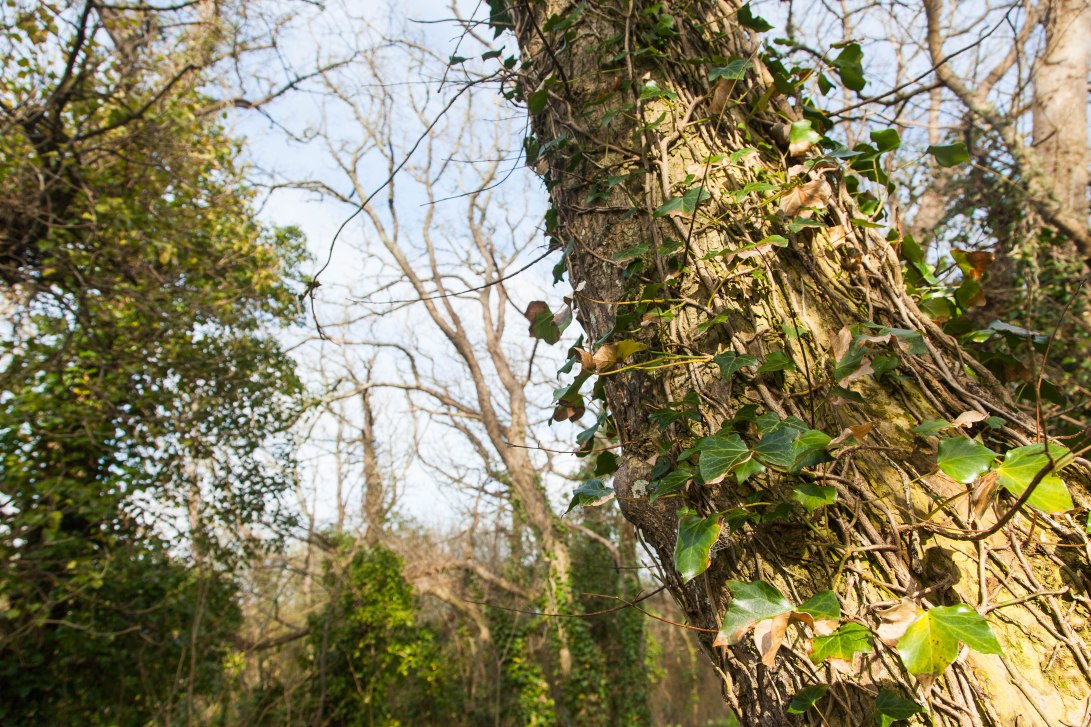
After a loop of the pool we wandered through Lower Town, a tiny street with a post office and a sprinkling of houses. We passed another grove of elm trees, and I asked Will if the ivy – which was also covering these trees – had a detrimental effect on them. To my surprise he said no, and in fact ivy was an essential part of the ecosystem, providing shelter for birds, insects and small mammals. While ivy should be removed from buildings, its presence on trees was of little concern. I was pleased; having survived Dutch elm disease it would be a shame to then lose Scilly’s elms to the ivy.

IMG_1616

We crossed the beach looking out over Beady Pool and noticed that the sand bar to Gugh was closing fast. At this angle, you could really see how flat the beach was, and Will told us how people had underestimated the tide and had gotten trapped on Gugh in the past. The ocean was a force to be reckoned with, especially out here when the land was so low-lying and water inundation was an ever-present risk.

IMG_0604

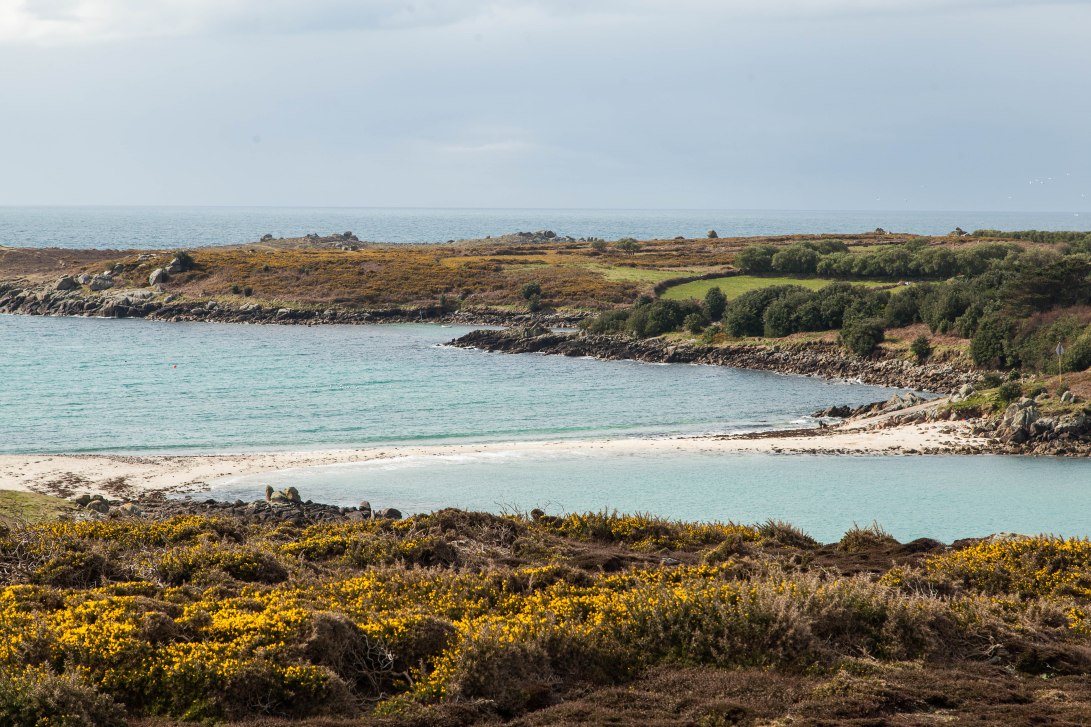
We threaded our way through vast forests of gorse, a bittersweet combination of harsh brambles and delicate yellow blooms. A herd of Ruby Red cattle grazed nearby, mooing into the otherwise silent landscape. The sharp-eyed visitor who’d spotted the redstart alerted our attention to another bird that was perhaps even more special: a woodchat shrike. Admittedly, I’d never heard of the bird before. It was an annual vagrant to Britain from southern Europe, usually seen here from April to October. A bird is considered vagrant if it strays far from its wintering, breeding or migrating grounds. The shrike was perched quite far off, but I could still make out striking black, white and russet plumage. I managed to get some shaky photos of the bird while it remained stationary; although they won’t win any awards, they were proof we saw it.

IMG_1823

The afternoon was racing on. The sun had failed to emerge so up on exposed Wingletang Down we all felt distinctly chilly. Incidentally, there was a café just up the hill, overlooking St Warna’s Cove. While we warmed up with hot chocolate we watched a few fulmars resting on the rocks. Unlike most gulls, fulmars don’t walk well on land, so if not flying the birds are always seen lying on rocks instead of perched on their feet. We all had a look down Will’s telescope, and saw there were distinct pairs set out on the rock. Fulmars, like many other birds, are monogamous and will mate with the same individual throughout their lives.

After we’d warmed up a little it was time to make our way back across St Agnes to the quay. We passed Porth Killier again, which looked vastly different now the tide had swelled. Will spotted a curlew sleeping with its characteristic bill tucked under its wing, and just as we reached the track down to the quay we saw a wheatear posing on the stonewall. We’d amassed quite an extensive bird list during the day, including several I’d never heard of let alone seen. It was always exciting ticking new species off the list, and on my last day in the Isles of Scilly I’d made lots of progress.

IMG_1802

Exploring Bryher

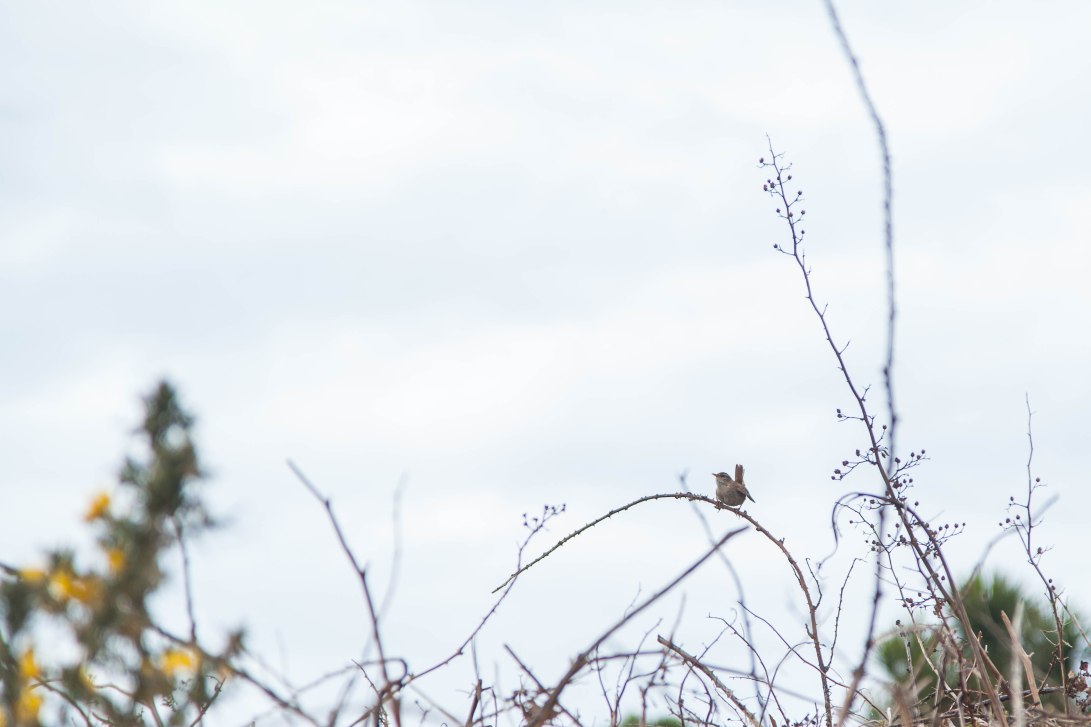
When I arrived on Bryher I was reminded of how scarcely populated the 1½-mile long island was. After an initial buzz of human activity at the quay, tourists and locals dispersed and I suddenly found myself completely alone, except for the ever-present wrens of course. One was perched high against the skyline only a few feet away, trilling with all its might. According to some Scillonians, wrens here are slightly different to those on the mainland. Their songs are different, and their mottled body markings are brighter. Perhaps this is a little Scillonian pride, but the shrews, bee and blackbirds are all unique here so I liked to entertain the possibility that Scilly wrens were just as special.

IMG_0244

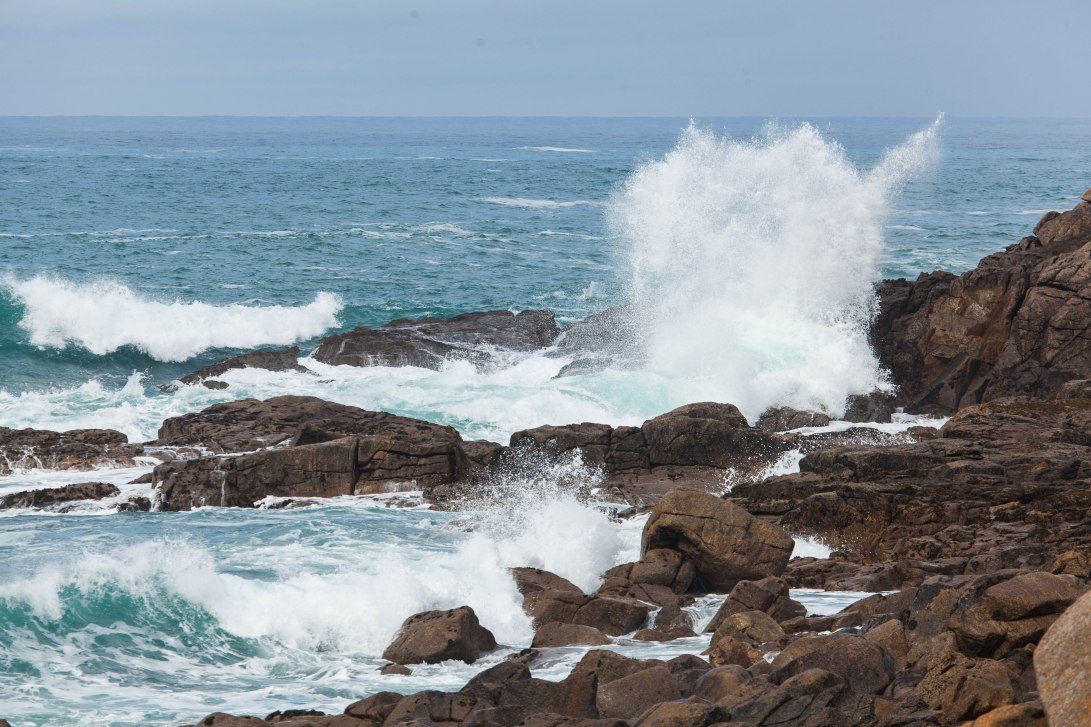
Bolstered by the wren’s enthusiasm, I made my way towards the northern side of the island, where the infamous Hell Bay laid waiting. So called because of its treacherous and unforgiving nature that had caused many a shipwreck in years past, it was hellish and beautiful in equal parts. I perched on a plump cushion of downy grass and watched the show – a dramatic display of rumbling waves, churning currents and seething white froth that surged up as each wave receded. Although each collision was intense, every so often a particularly furious wave thumped the rocks, sending vast plumes of water skywards. Backed as always by the wailing gulls and squealing oystercatchers, it was a feast for all the senses.

IMG_0293

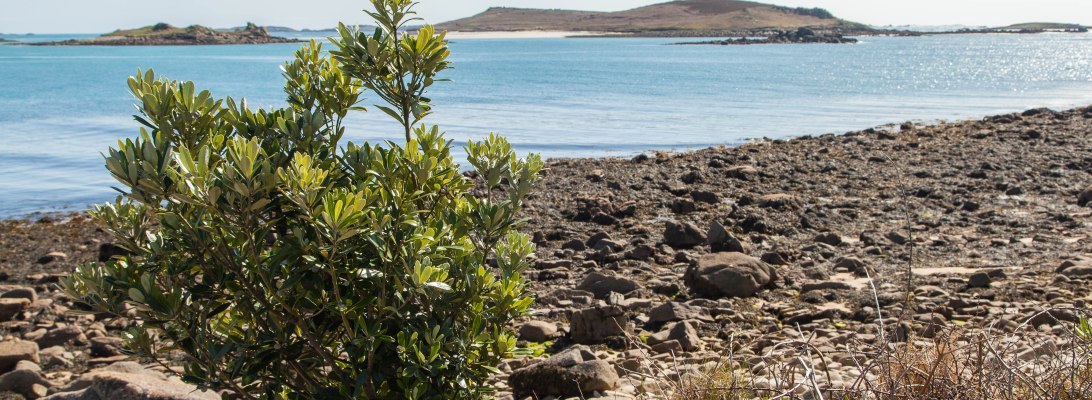
Time was pressing on. Conscious that I didn’t want to miss the only boat back to St Mary’s, I hugged the coast and followed the beaten track down the western stretch of Bryher. Red Ruby Devon cattle watched me cautiously, blinking with big bottomless eyes. Before long I reached Rushy Bay, and the sun was shining beautifully. I ate my lunch on the sand, which as always on Scilly was golden and impeccably clean.

IMG_0587

Replenished, I began the search for what I’d come here to find: the dwarf pansy. With flowers 4-8mm long, I braced myself for a challenge. During my research I’d learned that a good spot on Bryher was “the sandy turf behind Rushy Bay”, which at the time had seemed a doddle. How much sandy turf could there be? I thought, quite deluded. True, the area wasn’t vast, but when you were looking for a flower that could fit several times on your fingernail, the sandy turf seemed to expand tenfold. I’d found the true meaning of “needle in a haystack”.

IMG_0557

Wondering why I’d chosen to torture myself, I began to scour the ground, peering between thick grasses for a glimpse of violet. I found plenty of insects; sandy brown spiders that skittered in and out of sight (small enough not to trigger my panic response luckily), black beetles I couldn’t hope to identify and plenty of ladybirds sitting prettily. No such luck with pansies, though. Soon my knees and back began to ache so I tried my luck on Heathy Hill, another good spot for dwarf pansies and orange birdsfoot, a rare member of the pea family I was also hoping to find.

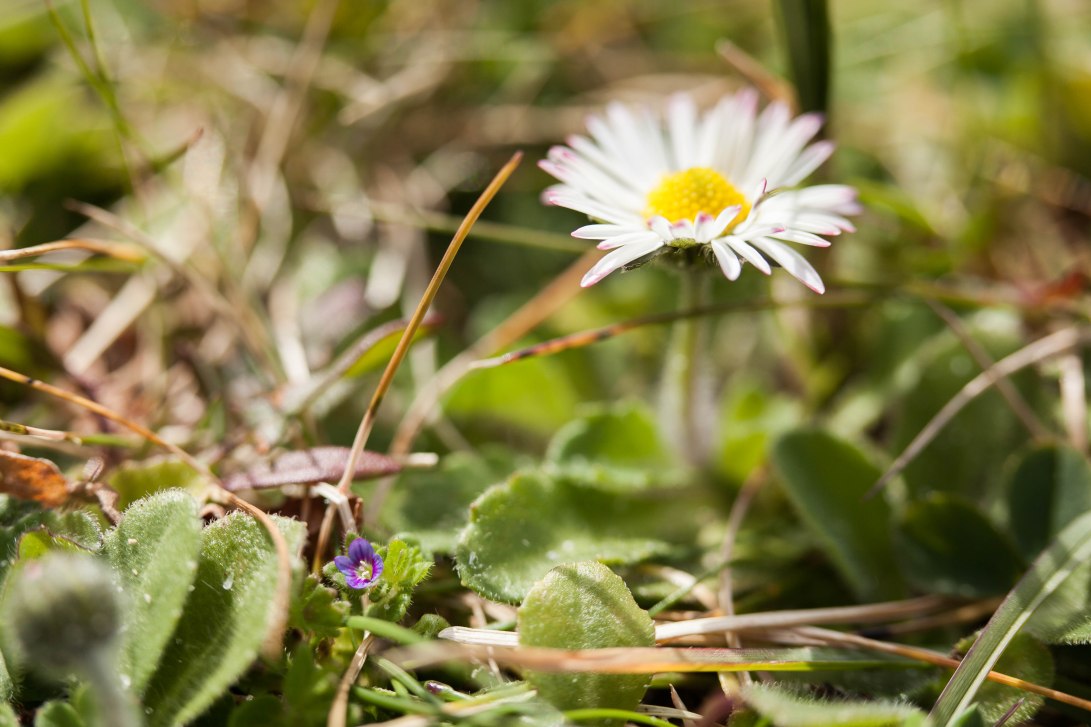
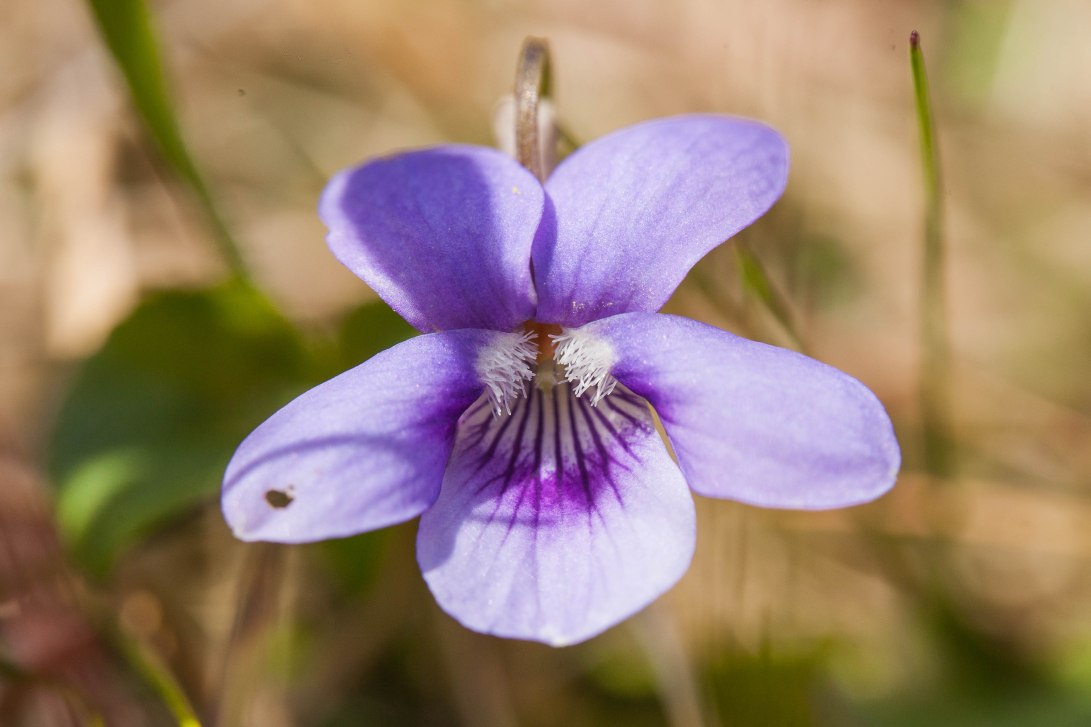
On the way, I stopped to admire the daisies. Interestingly, these common white flowers used to be known as “day’s eye” because they opened during the sunlight hours and closed at night like blinking eyes, but this soon morphed into daisies. By chance, my gaze wandered to a minuscule flower with purple petals that I could barely make out with the naked eye. In a slightly embarrassing lapse of composure I felt tears of joy prick the backs of my eyes, but I remembered that there were a lot of tiny flowers on Scilly. Due to the poor, acidic soil, often only small species could survive here. I knew I shouldn’t get my hopes up. It may not be my prized pansy, but I still lay sprawled on the floor photographing it for a good long while. Just in case.

IMG_0408

I headed further west towards Heathy Hill. Here I found a rather large cluster of blue-violet blooms and once again I was stumped. What if these were dwarf pansies and I hadn’t made full use of the opportunity? So, even though the petals looked a little large, I spent another twenty minutes rolling around in the grass getting very atmospheric photos of what could have been Scilly’s most common wildflower.

Back on St Mary’s that evening, at a wildlife talk at the village hall, I consulted Scilly naturalist Will Wagstaff about my finds. The second species I had found was dog violet, so not even a pansy sadly, but he couldn’t identify the first flower I found, which was quite intriguing.

IMG_0478

Arriving on Scilly

IMG_0143

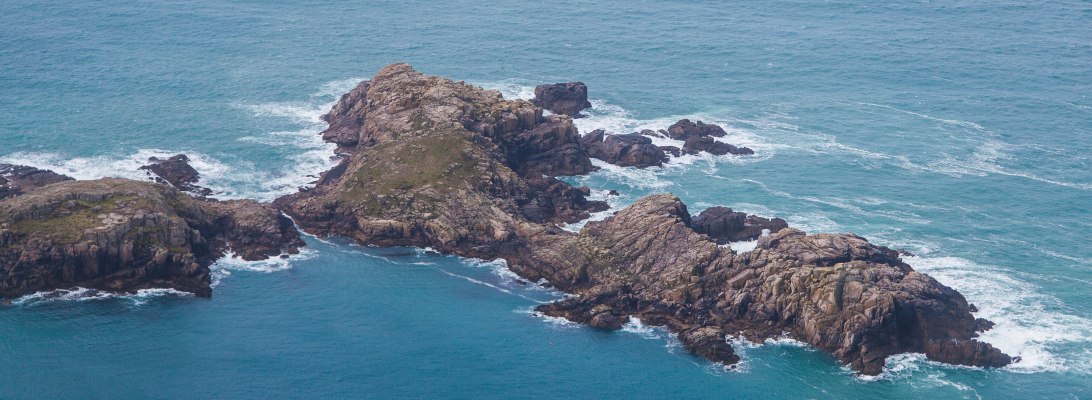
To truly comprehend how isolated and tucked away the Isles of Scilly are, you have to get there. My travelling began at 4:30am, and after using four modes of transport I arrived on St Mary’s at 1pm. It was a complicated and fiddly excursion but when I finally arrived, eating chips overlooking a vast expanse of ocean, I knew I was really at the edge of Britain.

IMG_0174

Passionate gusts of wind blew the smells of salt and seaweed off the coast. The air was alive with birds. If I closed my eyes it was the same as home – wrens belting out their embellished trills, blackbirds speeding underfoot with shrieks of alarm – but as I was watching a dunnock I heard something that I thought at first to be a great tit, but the two syllables were the same pitch. Then, confirming my suspicions, a tiny brown, featureless bird appeared. My first chiffchaff in the flesh.

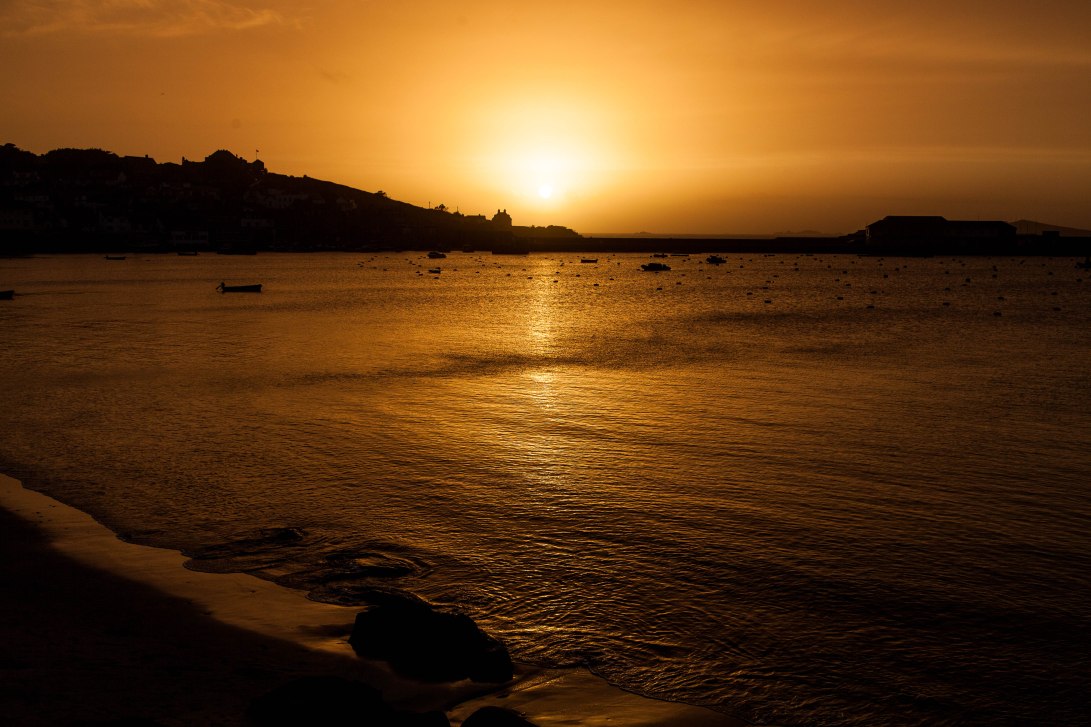
Later in the day I was struck with another bout of stress and worry. What if the flowers I wanted to photograph weren’t there? What if it rained every day this week? And as I stewed in paranoia I got a sign. I normally pulled faces at signs but this had to be something of an existential signal. As the sun went down the sky was alight with rich colour so I took my camera and headed down to the beach – only about twenty paces from the flat – and started taking photos of the foliage silhouetted against the sky. The sun sank so quickly that in minutes it had completely disappeared, but it was one of the most stunning sunsets I’d seen in months. There were other people taking photos too, and I heard one woman say “This is the best I’ve seen so far this year.” I arrived on Scilly this afternoon, and the day ended with a sky like that. I still felt apprehensive about this week, but my worry was also mixed with a little more optimism than before.

IMG_0200

The Avian Orchestra

There is an overwhelming quiet that comes with winter; a hush descends over the landscape that only adds to the bracing chill. As the season turns, the first few tentative voices break the spell of silence and before long there is an overpowering variety of diverse voices filling the air. While in the height of spring there can be hundreds of songs reverberating through the trees, there are a select few who can be heard again and again, reliable as the seasons. I took it upon myself to begin to tune in to this soundscape, a treat for the ears. Learning to birdlisten not only unlocks the ability to distinguish birds by song, but is also very useful as advanced warning for the reveal of the bird itself.

Robin (Erithacus rubecula)

Perhaps the most significant voice is that of the robin, mainly because he never left the scene when other, less hardy birds took off for warmer climes. Even through the dark, bitter winter the robin endures, his lone song often the only consistent sound during the colder months. In spring males and females pair up and defend their breeding territory, often the first to start singing and the last to finish.

The robin’s song is a delightful melody; a high, twittering burble heard from all around. Although varied in its range and tempo, the robin’s voice is almost unmistakable – high, thin and soft but still richly diverse. Hear the robin and he won’t be far away, perching in plain sight and puffing up his red breast as he fills it with air. He is a proud bird, often chasing other robins from his patch, but with a voice as pretty as his, who can blame him?

IMG_9114

Wren (Troglodytes troglodytes)

Another commonly heard voice belongs to a rowdy bird that makes up for small size by belting out a piercing song for everyone to hear. The wren can often be seen speeding bullet-like through knee-high bushes. The wren sings like it’s scolding somebody; a furious round of high, loud chirrups with a distinctive trill at the end of some phrases that sounds like a miniscule machine gun. If you hear a very loud song wait for the trill, as it will inevitably come sooner or later and you’ll know you have your wren. Scan the lower branches and before long a stout brown bird holding its tail up like a stiff flag will appear, giving you a fierce reprimanding for something or other.

Great Tit (Parus major)

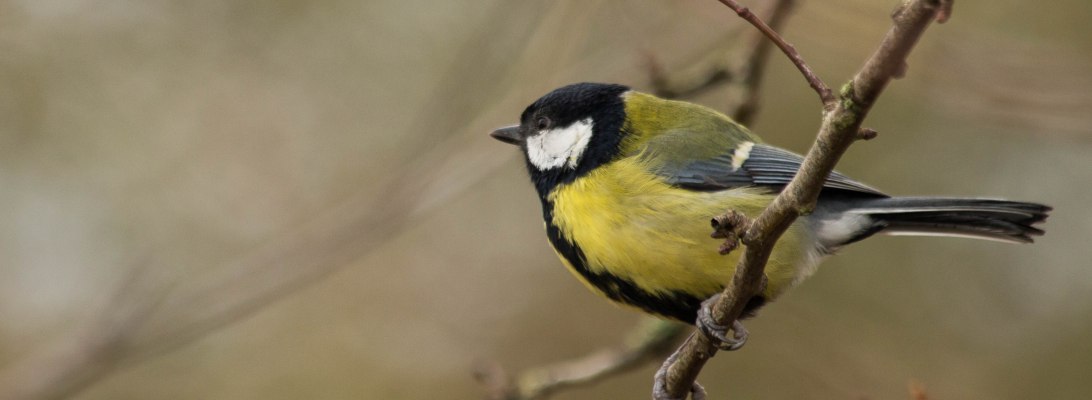
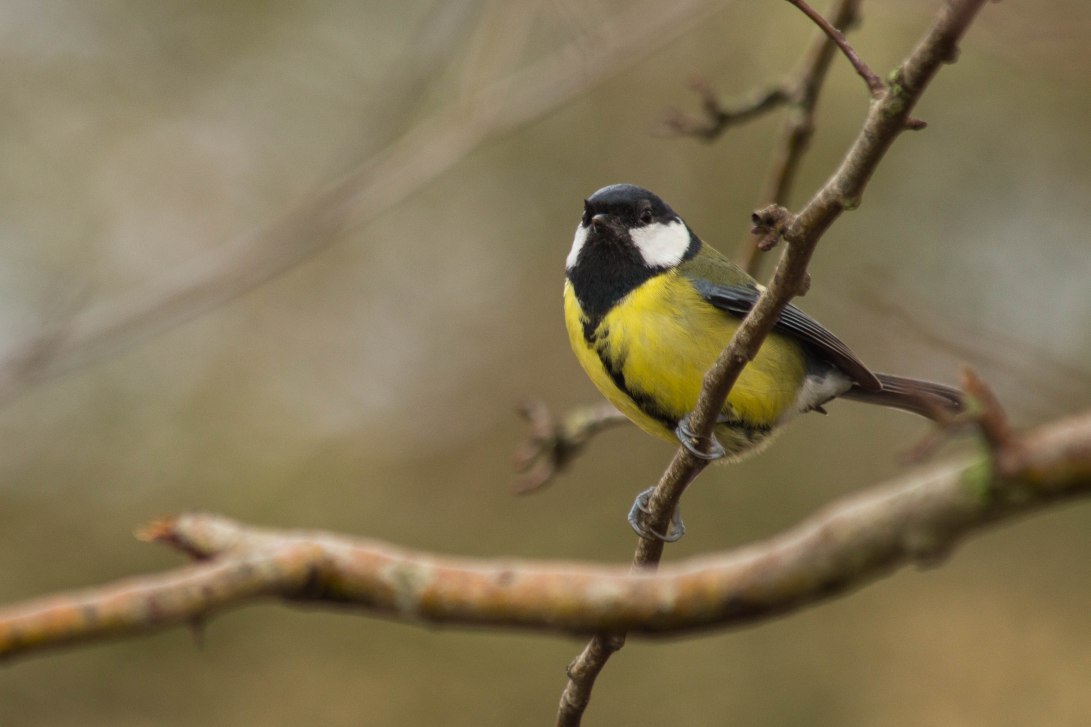
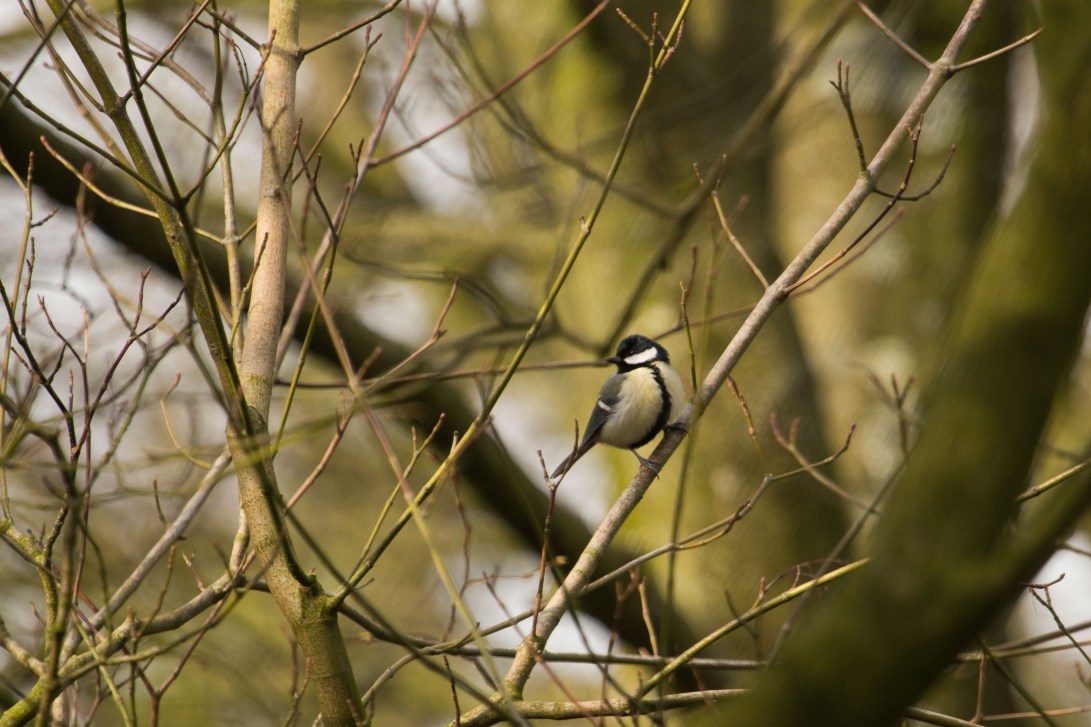
If robins and wrens are violins in the avian orchestra, the great tit is percussion; not quite as dazzling but just as important. In early spring, a two-toned call can be heard among the other singers, with emphasis on the first syllable. I like to think of it as the sound of a saw – effort on the forward stroke, then quieter on the draw back. After a few strokes of the squeaky saw there is a pause, and then the great tit sings it again, very resiliently as if rousing the troops to join in.

The great tit has other songs in its repertoire, including a “churr” call that reminds me of the chatter of a magpie, but a little faster and far gentler. This is the great tit’s alarm call, a sign of agitation that indicates something has disturbed it.

IMG_8751

Blue Tit (Cyanistes caeruleus)

With a lot of birdsong, it can help to adopt a Morse code approach when it comes to deciphering the rhythms of some particular species. Take the blue tit. A common little bird with splashes of blue, green, yellow and white with a fetching black goatee. The blue tit’s song is similar in tone to the great tit but gentler. Among its quite varied repertoire is a particularly distinctive melody, consisting of two clearly separated notes followed by two or three much faster ones. In dots and dashes it would look something like this:

– – . . .

Imagine, perhaps, that the bird is saying “I’m. A. Pretty Bird”, putting particular emphasis on the first two words.


If you like this, have a read of this post and find out where my inspiration to start birdlistening began.

Spring Beginnings

For many wildlife enthusiasts, spring is perhaps the most eagerly anticipated season of the year, especially for birdwatchers. Migrants arrive from their wintering areas and settle back into their breeding grounds. After the cold of winter there is suddenly a buzz of activity, especially for males hoping to attract a female.

While some bird displays leave something to be desired, other individuals put in great effort. As we move into March, birdsong is elevated both in volume and intensity. Greenfinches have a particularly impressive display that involves large bursts of activity. The male, dressed in his finest vivid green plumage, circles in wide loops with emphasised slow wing beats, looking more like a butterfly or a bat than a bird. During these theatrical acrobatics, the males constantly call out to the females with twittering phrases that finish with a long, nasal “dzweee”. If the female is won over, the new pair often perch high in the trees, with the male always in the open to ward off any other potential new suitors.

The arrival of March also brings in the sand martins, one of the UK’s earliest arriving migrants. The smallest of the European hirundines (swallows and martins), sand martins have arrived from Africa, crossing the Sahara desert to reach their nesting colonies and excavate tunnels in sandy vertical banks. Over the past fifty years, populations of sand martins have crashed twice because of drought in their African wintering grounds, which makes protecting their breeding sites in Britain even more important.

Elsewhere in the arrivals gate are chiffchaffs, and from late March to April these plain-looking birds can be heard calling their name in woodland copses and shrubby undergrowth. A tiny warbler no larger than a blue tit, chiffchaffs have spent the winter in the Mediterranean and western Africa. Breeding begins in April to May, when the female builds a domed nest that lies very close to the ground. Incubating eggs and rearing the chicks are solely the female’s responsibility. Chiffchaffs usually leave the UK in September, heading south towards France and occasionally on to West Africa.

Despite the recent snowfall that has smothered the emerging snowdrops and crocuses, keep an eye and ear out for the arrival of spring migrants who will hopefully find some warmth as they prepare to settle in for the breeding season.

Learning to Birdlisten

Today marks the beginning of a new project: learning to birdlisten. It’s a much-used cliché but I have been an avid birdwatcher since I was a child. I’d sit out in the garden, hold as still as I possibly could, and after a while birds would begin to show, hopping out from under bushes and descending slowly from the treetops. This gradual emergence, the steady drip-drop of birds, was so exciting to me. The species would usually be very common – robin, dunnock, blackbird – but occasionally a blue tit or great tit would appear, and to my amateur eye these were very special indeed.

As my knowledge gradually improved, I began to notice more species and although the trusty robin and dunnock never grew boring, they lost their shine among more colourful or charismatic varieties. One by one I added birds to my repertoire, and although I didn’t notice my mental list growing, soon I could identify a wide range of species. Although waterfowl and waders had their charm, my favourites were always the passerines, or “perching birds”.

Passerines include a subgroup of species we call songbirds but are more accurately named oscines – birds that establish their territories by means of musical vocalisations. It never occurred to me why the singing birds attracted me most, until I turned my attention to listening for birds instead of looking for them, and then it became abundantly clear.

Birdsong is the soundtrack of nature. Even for me, a keen bird enthusiast, birdsong had blurred into the background of my time spent outdoors, nothing more than a pleasant backing track that accompanied my attempts to birdwatch. Why on earth did I let birdsong become such an unimportant feature of the landscape, no more significant than hold music? It was high time that I paid more attention to it, instead of letting it wash over my ears without acknowledgment. It is so true that we see but don’t observe, but it is also the case that many of us hear but don’t listen.

IMG_8860

Author of “Birdwatching With Your Eyes Closed” Simon Barnes points out that understanding birdsong allows us to see around corners. There’s a bird hidden up in the canopy somewhere, but unless you know its song you’ll never know what it is. I’ve had this frustration many times, when I see the distorted outline of a bird but no characteristic features that give it away. If I hadn’t neglected my auditory senses, I wouldn’t have been disappointed when the bird hopped further out of view.

And so begins my journey to learn the language of birdsong. It seemed a daunting prospect at first; to my untrained ear all chirrups and whistles sounded identical. However, like any problem, it is imperative to break it down, and that makes it far less intimidating.
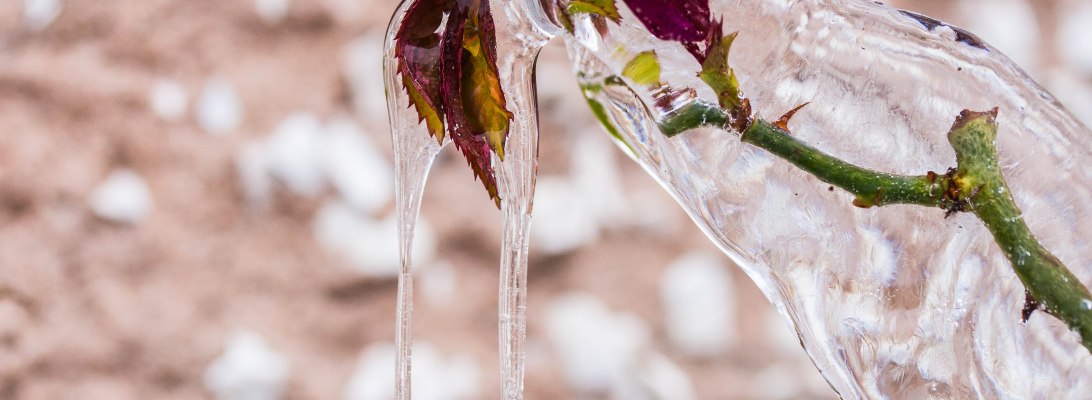
I have already made progress. First was the robin: an unmistakable bird in appearance, and a good place to start when learning birdsong because of its presence all year round. During the usually hushed winter months, the robin still sings, an isolated soloist filling cold air with thin, gentle melodies. Spring is by far the most frustrating time to begin birdlistening, so to hear the robin on a chilly February morning with no other avian distractions allows us to begin to tune into this new world I for one took for granted.

IMG_8893

The wren also sings in winter, but has a far louder song bordering on rowdy. For such a small bird, the song bursts out of hedgerows, with a telltale trill at the end of some phrases, like a twirl of icing atop a cake. Then there is the two-note song of the great tit, like the squeak of a saw being pulled back and forth.

And so on. Already my ears are filling with birdsong and I’m really listening this time. Acquiring the skill of understanding this rich and varied language will not only help me become a better birdwatcher, but it will pave the way to a clearer understanding of nature as a whole – appreciating nature’s vibrant soundtrack.

IMG_8853


The Freeze

The snow was here again. It descended from the skies in heavy drifts, flakes swirling as they came to rest. All through the night the snow fell, dramatically silent, and when morning came everything was smothered in pristine white icing: irresistible.

IMG_9050

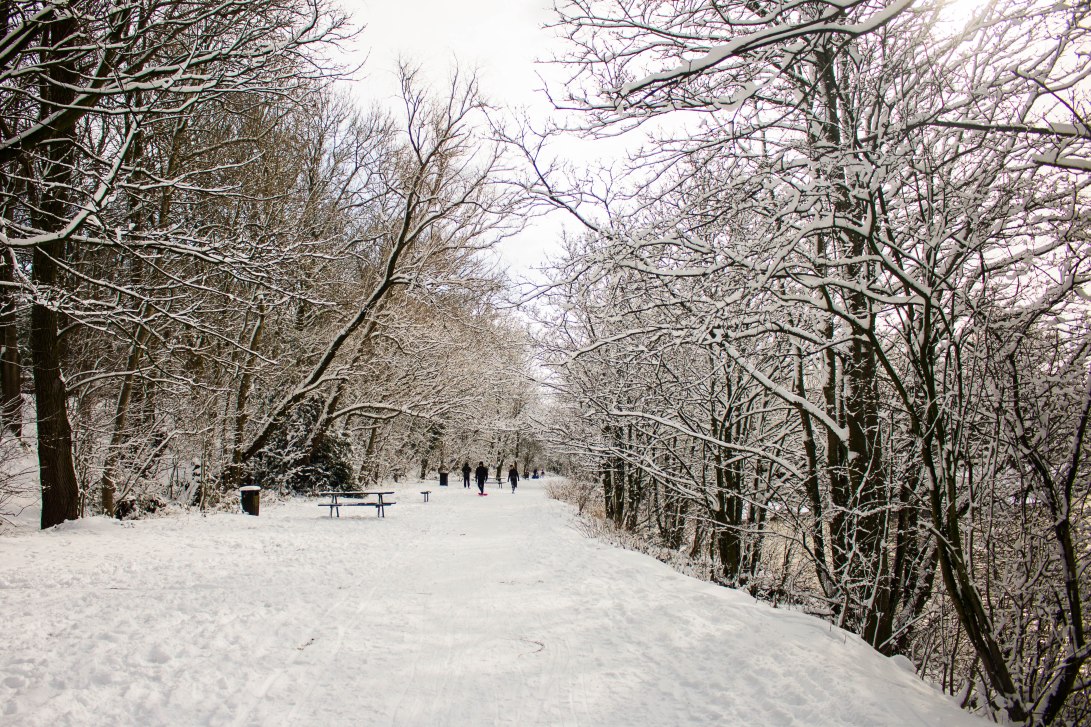
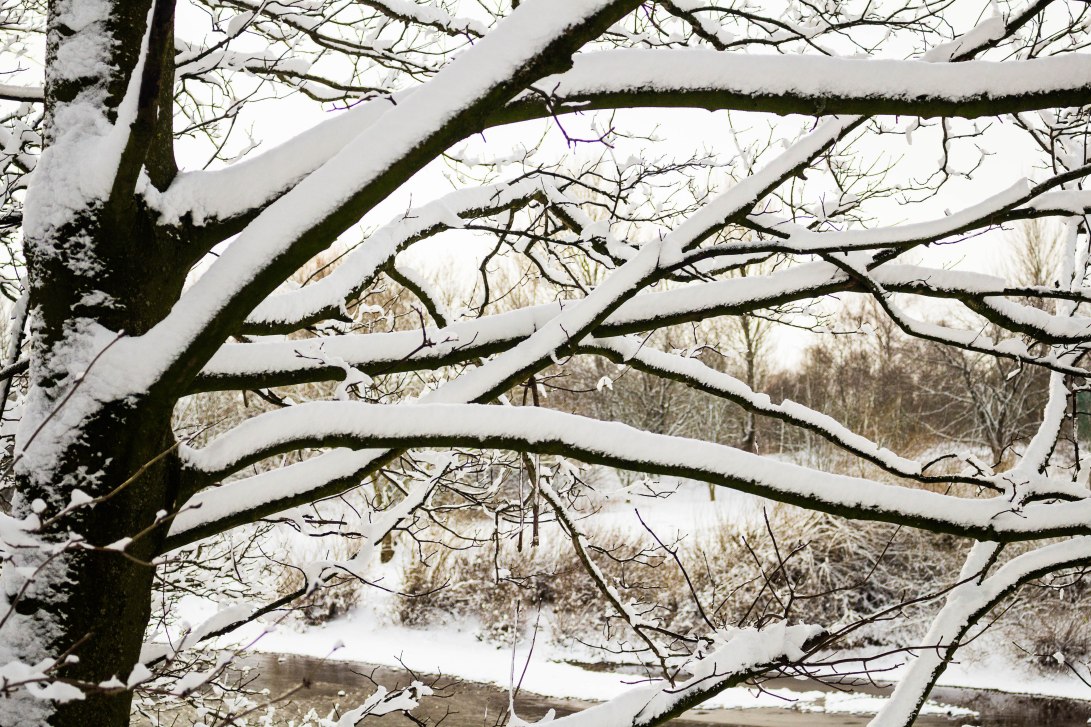
Outside there was a chill that tightened the lungs, so cold was the air that even breathing in felt like getting smothered in snow. Each branch was cloaked, giving the impression of an overly enthusiastic artist splashing every bough with thick white highlights. Undisturbed snow on the sides of the track glistened, catching the light and sparkling with wintery luminescence. On the cusp of March, it was more of a spring wonderland than a winter one, and yet it could have easily been Christmas morning.
IMG_9046

Up in the trees, a whisper of falling snow betrayed the presence of a blackbird, sending tremors up the branch that dislodged loose flakes. A male, black feathers stark against his festive background, spotted with rich red berries and the undersides of dark leaves. He chirruped softly, his song more melancholy than it should be.
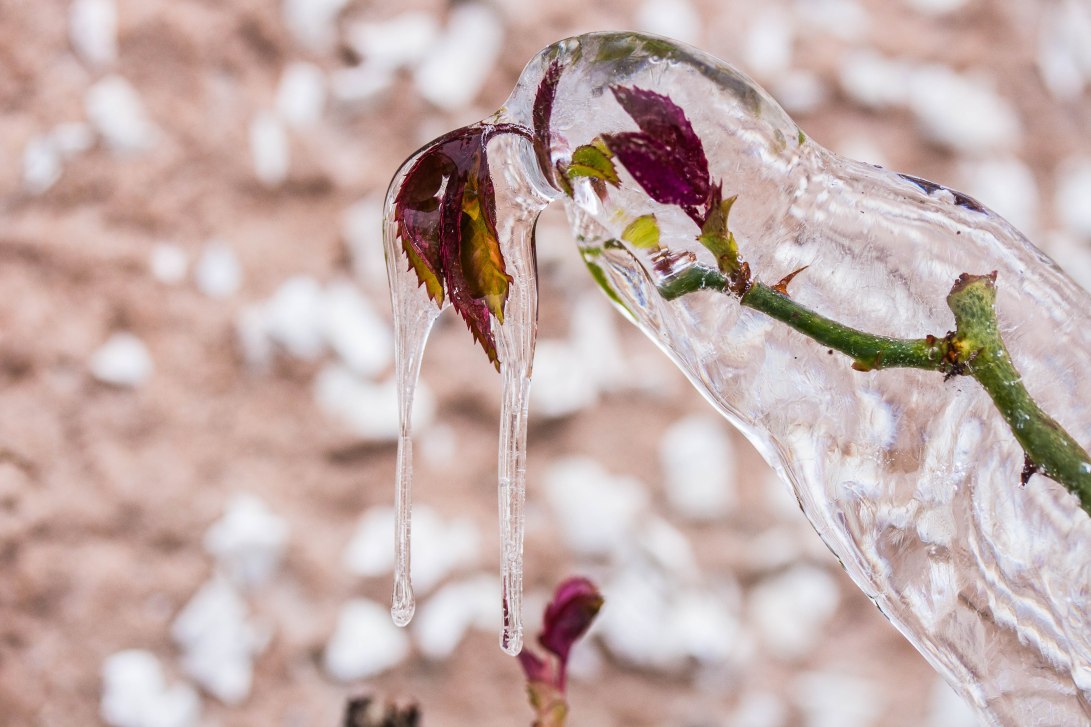
A man passed me on his bicycle, his tyres crackling like static feedback that faded as he disappeared. The landscape quietened again, a deafening silence only found with snow, when the world stops and waits with baited breath for this unexpected phenomenon to pass. It is a time when even nature stands still. Water is stopped in its tracks, defiant of gravity’s pull.

IMG_9063-2

Sloping down the bank to the river was a series of deep tracks, dogs mingled with hopping birds. The ever-falling snow began to repair the damage, forming undulations of half-hidden footsteps with softened edges. A wren sped past, trilling its bold song that seemed too big for its tiny lungs. What must the birds think? Have they anticipated this, read some sign in the climate to help soften the blow? The already challenging task of finding food in winter just became more trying, a test of strength and endurance in such temperatures.

IMG_9012

After a while my feet began to grow numb and my stomach rumbled. As I trudged back up the track, curving away from the coursing, white-framed river, I thought how I would snuggle up in my warm house with something to eat. I glanced back over my shoulder and saw a song thrush foraging. It had a snail pinned in its beak, and was cracking the shell hard on a rock. Such work the birds put in, when all I needed to do was open a can of soup and I’d be warm.

Back at the house, I peered outside and saw the feeder swinging empty again. Thinking of the blackbird, wren and diligent thrush, I hurried into the garden and replenished the feeder with rich fatty seeds, sprinkling some on the ground for those too heavy or timid to feed from the plastic perches. The birds needed all the help they could get.