Escape to the Wilds

Recently I travelled up to Northumberland to visit friends from university. They are two of the busiest people I know, so I was pleased to be able to steal a few days in October to catch up and visit their local patch.

The first thing I experienced was severe house envy. Wildlife art adorned every wall; the sort of beautiful paintings and drawings that I planned to splash all over my own home some day. However, it was the bookshelf that really caught my attention. Sprawled across an entire wall and almost reaching the ceiling, it was crammed with every book on natural history you could want. Not just modern paperbacks but antiquarian hardbacks with leather bound covers and swirling gold titles. In front of every row of books was an envious selection of treasures: pinecones, gannet eggshells, roe deer antlers, pin badges, lino prints, Wade Whimsies, fossils, gemstones, lichens, miniature animal wood carvings and a beautifully preserved badger skull with its lower jaw intact. I spent ages studying everything in turn, gravitating first to the roe antlers. I have a roe buck skull of my own – one of my most prized possessions – but I still long to find dropped antlers too. It was an impressive collection of everything nature, framed by dozens of books from my wish list.

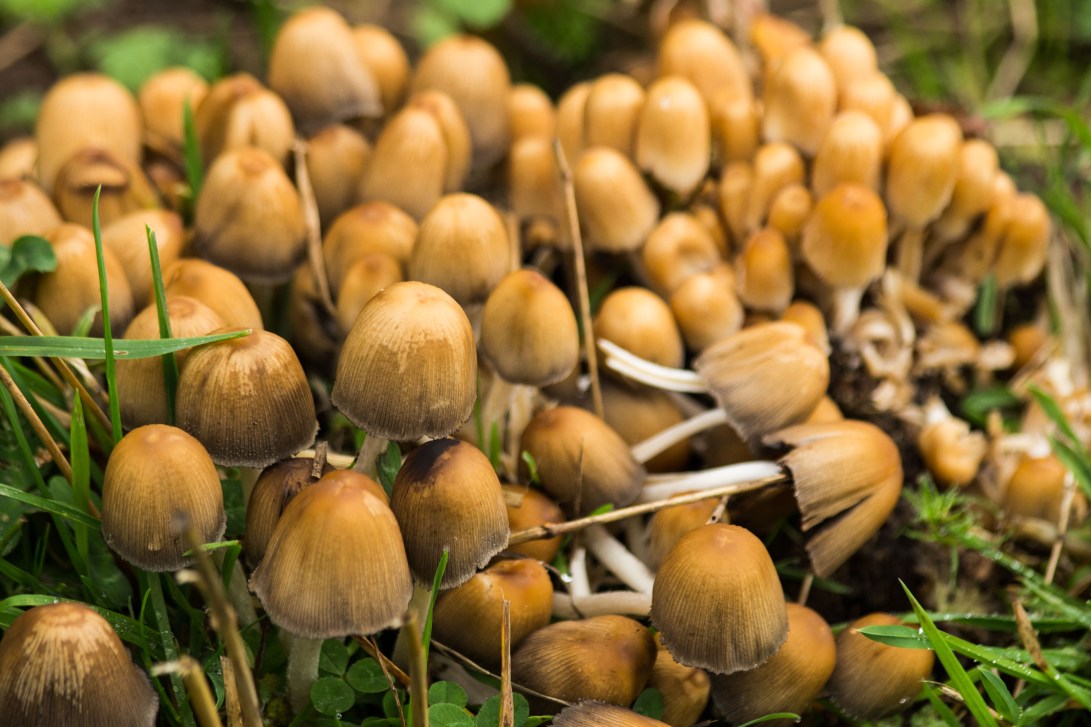
I stayed with my friends for a long weekend and managed to cram quite a lot into those few days. Heather and I visited a fantastic patch of woodland, which was home to not only red squirrels but also pine martens! I knew we probably wouldn’t catch a glimpse of one during the day, but it was still exciting to walk among trees that might be housing a sleeping marten. It was so peaceful and quiet with only faint birdsong punctuating the air. As we searched for fungi to photograph, I found a gorgeous caterpillar making its way along the fence. Later, we discovered it was a buff tip moth caterpillar.

IMG_1888

IMG_4477
Photo by Heather Devey

The next day I helped Heather with a “Mini Wildlife Adventure” that she was running for a child’s birthday party. The boy was intrigued by nature and so he and his friends spent the morning pond dipping, searching for bugs, finding badger prints and birdwatching in a hide. It was such a fantastic idea for a birthday party, and it was particularly refreshing to see that the boys had good wildlife knowledge and were genuinely excited by what they saw. Educating children about nature at a young age is the key to ensuring they continue to care about it when they grow up. Those boys would have spent hours pond dipping if we’d had the time, and it was so lovely to see.

IMG_4449
Here there be badgers

That evening Heather, Cain and I spent a peaceful last evening watching Sherlock with the fire cracking and snapping in the grate. It had been a pretty jam-packed weekend but as always, I felt inspired with a rejuvenated love for nature that always comes after a trip to northern England or Scotland. I sometimes struggle to feel that same passion at home in the south, where there are more people and noise and far fewer pine martens. I love escaping to the wilder parts of the UK and look forward to another wildlife adventure very soon.

IMG_4478
Photo by Heather Devey

A Prickly Afternoon

I arrived at the Hornbeam Wood Hedgehog Sanctuary half an hour early just in case I got lost. They purposely don’t advertise their exact location online, as is often the way with small wildlife charities. Luckily, just as I was cruising along a rather featureless country lane and beginning to think I was in completely the wrong place, I saw a man in a van with “Hornbeam Wood Hedgehog Sanctuary” plastered on the side.

Hedgehogs are one of those creatures that have slipped through my radar for some reason. I’ve only seen a handful of live ones my whole life, and as they’re nocturnal and not particularly attention seeking, I didn’t know a great deal about them. So, when I saw an advert on the Hertfordshire Wildlife Trust website about learning more about hedgehogs at a sanctuary only a few miles from where I lived, I was keen for the opportunity.

Martin, the man in the van, is the only permanent person working at the sanctuary, and all as a volunteer. At peak times during the year, there can be as many as 80 hedgehogs at the site with six new patients a day, but usually there are around 40 animals, which is still a huge commitment. In the intensive care barn, where the hoglets and “pinkies” (hogs only a few days old) are kept, there are feedings every two hours. The majority of hedgehogs that arrive are dehydrated or injured by foxes, dogs or traps. If a back leg is injured, or even amputated, the animal can still be released. Equally, a hog that is blind in one eye can also return to the wild, but a completely blind animal requires an enclosed garden to keep them safe from predation.

Temperature is vitally important for hedgehogs. Hoglets cannot generate their own heat so will die if abandoned by or separated from their mother. Hibernation among adults is dependent on temperature and so the timing can vary year on year. Usually if the temperature falls to around 5°C they will find a secluded space, slow their breathing right down and curl up into their signature ball. A hedgehog’s quills, sometimes reaching as many as 7000 in number, are primarily used as defence, but they also provide a helping hand in ensnaring tangled leaves and wild materials around the hog as added insulation.

P1000552
Martin showing us around “Hog Hotel”

Sadly, hedgehog numbers have declined rapidly in recent years, down 50% in rural areas and a third in towns and cities. There are now thought to be fewer than one million hedgehogs left in the UK. That may sound like a lot, but in the 1950s there were rough estimates of around 30 million individuals. The reasons for such a drastic drop are numerous, ranging from intensive farming methods that rotate fields more often, reduced hedgerows, pesticides and fewer water sources. That’s just in the countryside. In urban environments, hedgehogs are threatened by the use of slug pellets, abandoned plastic and an increase in impregnable fences and walls that prevent wandering hogs from passing through.

Of course, there are ways we can help. Providing jelly-based cat and dog food or dried food specifically for hedgehogs provides much-needed nutrition. Contrary to the once popular belief, hedgehogs should never be fed bread or milk as they are lactose intolerant and this would seriously harm them. Another important garden addition is access to water, especially as most of the rescue hogs Martin receives are dehydrated.

For more indirect help, make your garden a haven for insects by planting wildflowers and fruit trees, and the insectivorous hogs will have a more plentiful food supply. To prevent any casualties, install ramps in ponds to help a soggy hog clamber out – although they can float and swim well, they sometimes drown from exhaustion after getting stuck in the water. And finally, make sure to always check for hedgehogs in compost heaps and bonfires before using them. A simple nudge with a broomstick will stir a hedgehog and give them sufficient warning to leave, although with bonfires it is always best to rebuild them elsewhere before lighting.

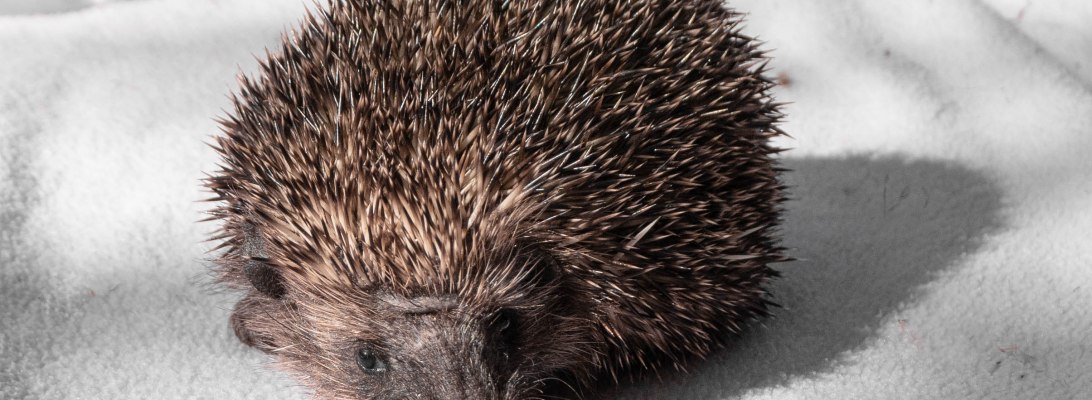
As a wonderful end to a thoroughly informative talk, Martin showed us Hog Hotel where a lot of his patients were kept. We were allowed to meet one, Rock, up close and personal. Not quite adult size, Rock fit snugly in the cup of Martin’s gloved hand and pointed his twitching nose up at us.

P1000547

As hedgehogs are naturally wary of exposing their vulnerable undersides, it’s difficult to sex them. Martin explained that the best way was to find a small dimple amongst their fur. If it is around halfway up the stomach, it is a male. If it is further back towards the rear, it is a female.

Rock explored his surroundings for a while, while Martin stood poised ready in case the hog made a mad dash across the table. Getting to see a live hedgehog so closely was such a privilege. As I watched Rock, I realised I couldn’t remember the last time I had seen one in the wild. Like many of our native British species, hedgehogs are in trouble and it’s so important that we help them in any way we can. People like Martin give up full days of their time. I know I can definitely give up five minutes to put trays of water and cat food in the garden.

If you find a sick or injured hedgehog, the first thing to do before intervening is to contact the British Hedgehog Preservation Society to get expert advice. 

This fantastic event was hosted by the Herts and Middlesex Wildlife Trust. To find out about future events, visit their website.

P1000551

The Red Rut

As the mornings grow gradually colder, signs of autumn such as emerging fungi, clusters of conkers and grass crunchy with frost can now be seen. A seasonal highlight among wildlife during this colourful season is the deer rut, where red stags and roe bucks compete with each other for the right to breed with hinds and does respectively.

The deer rut is regarded as one of British wildlife’s most impressive spectacles, especially that of the red deer – the UK’s largest land mammal, reaching over one metre at the shoulder. From late September to early November, testosterone-charged stags spend many weeks bellowing at dawn and dusk in an attempt to ward off rivals and also to bring hinds into heat (oestrus). They will often thrash in vegetation, gathering foliage into their antlers to increase their size. A slightly less glamorous habit is wallowing in their own urine. This olfactory stimulus also triggers oestrus among the females.

If two stags are equally matched, they will parallel walk alongside each other to assess size and strength. Stags will also clash antlers and shove each other – the victor of these battles will claim his harem of females and win mating rights. Due to its high risk of injury, physical contact is often only a last resort, carried out towards the end of the rut when the dominant male is near exhaustion. The rut is a huge physical drain for stags and they can lose up to 20% of their body weight as a result of being on constant guard of their harem and therefore not eating or resting.

IMG_1827
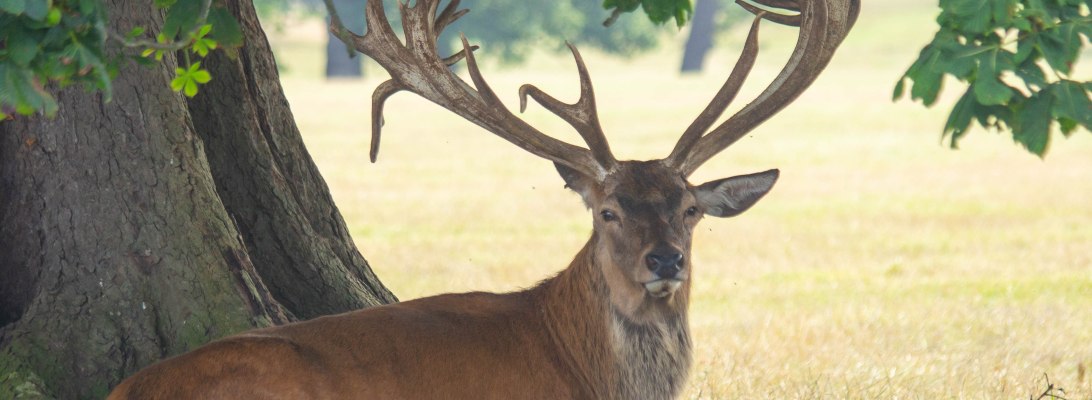
A red stag grazing in Woburn Abbey Deer Park earlier this month – in a few weeks’ time his strength and endurance will be put to the test to win a harem of females

If watching red deer during the rutting season, it’s important to take care and keep a respectable distance. Stags can be aggressive and unpredictable, so it is essential not to get too close when watching the event. This autumn I would love to witness my first red deer rut. After my incredible encounter with a roe deer at Tring Park recently, I’m keen to continue learning about these often under-appreciated animals and witness more of their natural behaviour out in the field. While many good spots for deer rutting are in the wilds of Scotland, more accessible locations include Richmond Park, where over six hundred deer can be found.

The usual suspect, work, has meant that I’ve only managed to snatch the occasional walk outside in nature over the past few weeks.  It’s been a while since I’ve been up with the dawn for a wildlife watch and it’s high time I got back into it. For the deer rut especially, it’s the early bird that gets the reward. 

To Catch A Fly

Fly agaric, or Amanita muscaria, is perhaps one of the most recognised mushrooms in the UK. It is often used as perching posts for pixies and gnomes in storybooks, and can regularly be seen bringing a spot of colour to the forest landscape. With its blood red cap and white spots, it’s almost unmistakable. Fly agaric can be found from late summer throughout winter, dotted around birch, spruce and pine trees.

As is often the case in the natural world, pretty means dangerous. With a name derived from its ability to kill flies, fly agaric has been widely used as an insecticide. It is a poisonous mushroom known for its hallucinogenic properties but, despite this, it has been a part of religious tradition for thousands of years. In Hindu practice, fly agaric was supposedly used to produce a psychedelic drink called soma, taken as part of religious ceremonies to increase one’s awareness and evoke sensations of bliss, poetic inspiration and even immortality. However, there has been disagreement among modern scholars over the exact ingredients in this psychoactive beverage. Soma has been described as containing a plant with leaves and flowers, contrast to fly agaric.

Elsewhere in ancient history, fly agaric was consumed in potion-form by Vikings in the 8th century, allowing them to fight in battles with increased frenzy. And of course, Alice used the mushroom to change her size in Wonderland, after being instructed to do so by a smoking caterpillar with a ‘languid, sleepy voice’.

Though perhaps this wouldn’t be the recommended theme in modern children’s literature, it shows that the mysterious fly agaric has woven a complex and intriguing story through the ages. Now, as autumn descends, the fungi season is in full swing. Fly agaric sits radiantly among more drab varieties of mushroom, its vibrant colour a dangerous lure. It is a specimen that has fascinated us for centuries, and will continue to intrigue long into the future.

IMG_1026-2

Life in the Forest

For my latest university project, I explored the concept of forests and what people have to say about them. By creating a survey, I gathered a range of intimate stories that reveal just how important the forest habitat is to us all, for many different reasons.


Peaceful. Majestic. Timeless. Forests are a vast and highly diverse habitat with a different meaning for everyone, and provide the perfect opportunity to get time and space away from regular life. To find out just how significant forests can be, a recent survey was conducted, uncovering some varied and intimate stories.

“Forests remind me of home. While standing in any other habitat you surround yourself with nature, but the forest is the only one that swallows you.”

Despite our love for woodland, Britain and Ireland are some of the least wooded countries in Europe, even with the presence of approximately 13,000 ancient trees. Some of these have been standing for over a millennium. This, when compared to the human lifespan, seems an eternity.

“Woodland is a much-loved feature of the landscape,” writes Sophie Lake, author of ‘A Guide to the Wildlife Habitats of Britain and Ireland’, “Stepping inside an ancient wood can be a welcome escape from the monotony of the abrasive, urban environment.” For lots of us, forests are holders of secrets and memories, paving the way for personal reflection and relaxation that cannot always be achieved in the bustle and noise of our everyday existence. Forests enable us to lose ourselves, literally and figuratively.

We admire forests for their natural beauty. Most noticeable of all the seasons is undoubtedly autumn, when frost, crunching leaves and a flurry of excitement in preparation for winter really brings them alive. The forest is not just important for the survival of hundreds of forest-dwelling species but also for ourselves. We are nemophilists – that is, we have a deep fondness for forests and woodland – and have childhood stories to tell of long days spent climbing trees, collecting conkers or watching birds.
7W1A8426-2

“I went on aimless walks as a child – my mum and I used to collect pretty sticks and stones. I’ve always been surrounded by forests and even if I wasn’t in them physically, their presence was always there.”

Forests are a place of play, where children dream up kingdoms and magical lands. There is an undeniable magic to forests that we first discover during childhood, but this stays long into adulthood whether or not we care to admit it. We ask ourselves what exactly it is about a forest that makes us shed our deep-set cynicism and embrace childlike wonder again. Perhaps it is the seclusion that the trees provide that prompts a split from the real world and allows our minds to wander, creating a barricade that shields us from reality. There is also the enchanting way that many wild, forested places muffle our connection to technology, rendering our phones useless. We are cut off from the outside world so we must embrace wilderness, and that is when we realise what we’ve been missing.

“I was convinced I was Mowgli and went running off – ducking to make sure I wasn’t seen by any creatures that might be lurking in the woods. I wanted to stay there forever.”

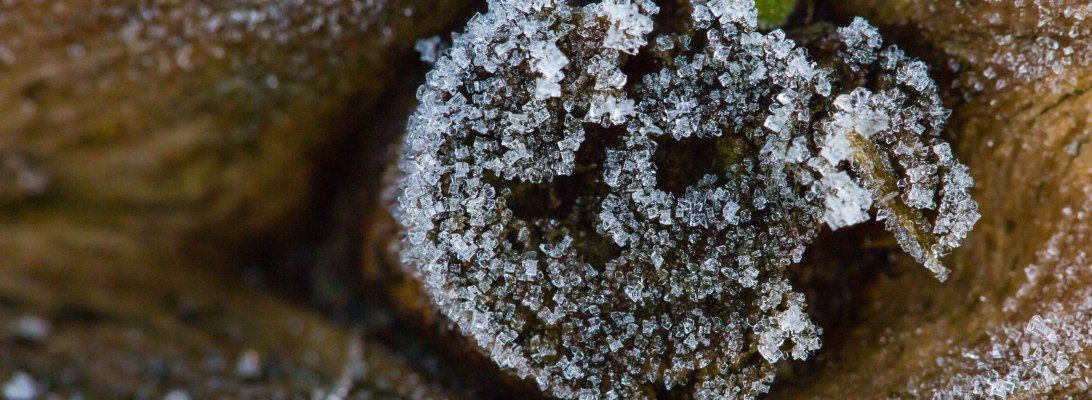
As children we see and savour so much more, with no limits to our imagination. The rumble in the bushes is a prowling tiger, so we pick up a stick and have a sword. By spending time in the forest as adults, we see nature with fresh eyes. Senses that have been dulled by noise and brightness are now reinvigorated to appreciate new marvels – the sound of birdsong, the smell of conifers, the sight of leaves coated in frozen, silver crystals. It is not until we return to a forest that we remember what a surreal place it is, full to bursting with secrets.

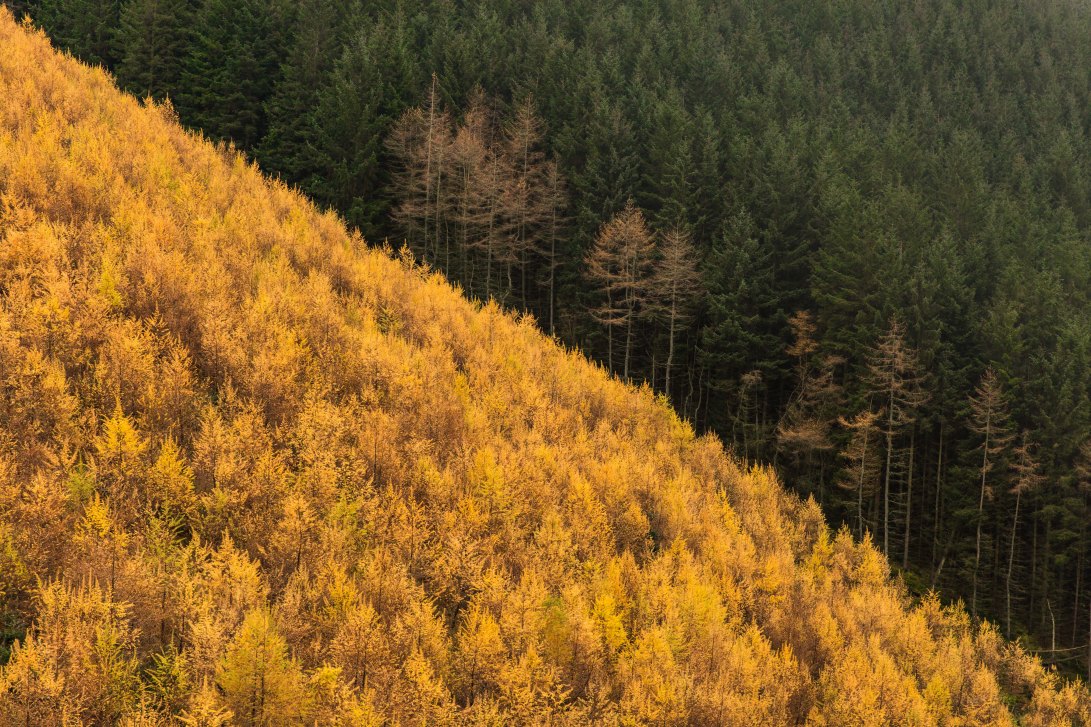
After a recent trip to Kidland Forest in the Northumberland National Park, with over five thousand acres to explore, all these feelings came flooding back to me. The forest was silent; listening while others threw sounds into the air. An abandoned tyre swing creaked, a tawny owl called, but the trees stayed hushed. Each one has survived bleak winters, dry summers and overseen a thousand births and deaths. Seeing such colossal larch trees stretching into the sky put into perspective how powerful and significant the forest landscape is.

“A favourite memory of mine is an enormous old oak that I used to play on. Its limbs went on forever – the sheer size was incredible and it’s amazing to think of the memories it might have held.”

Our love for forests must surely be from the respect we hold for these vast, natural structures that have been standing for centuries while generations have come and gone. These unmoving, unspeaking elephants with trunks of bark and thick, deep-set roots have a majesty that is easy to overlook. They begin life as a seed we can hide in our hands, but will eventually, and inevitably, dwarf adults and children alike.

“Spring is fresh and green, summer is full of birdsong, autumn brings the golden colours and in winter it is a stark place, with all the tree branches exposed scratching lines across the sky.”

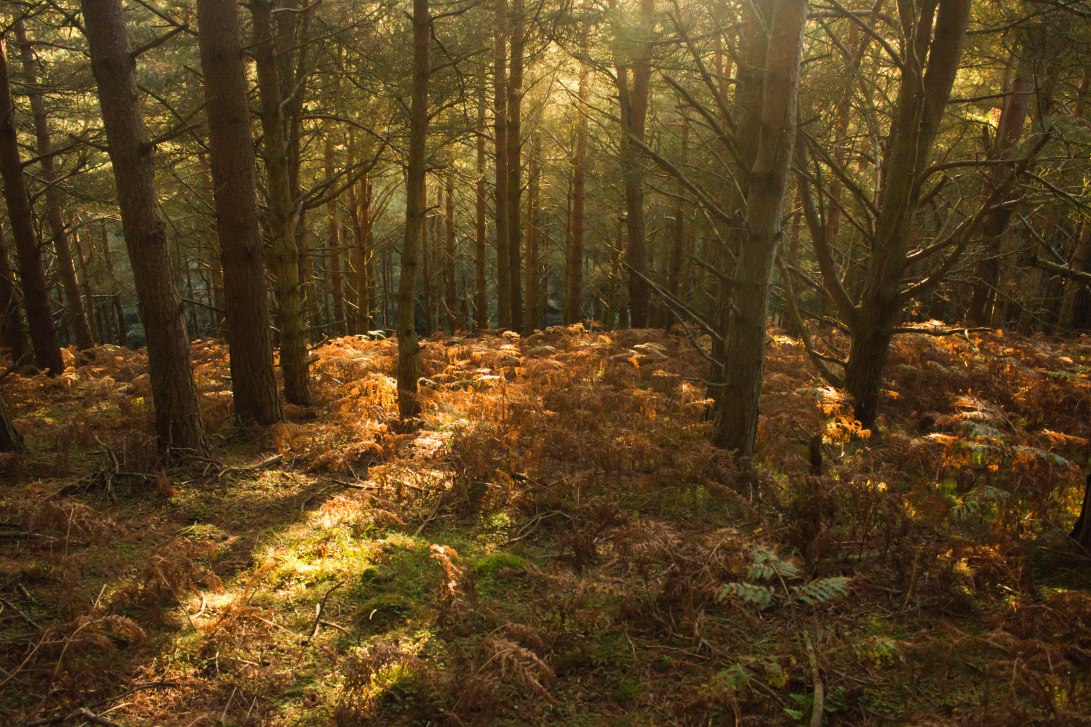
Forests in November are patchwork blankets of green, orange and brown, where the trees shine like fiery beacons. It is autumn at its finest: an explosion of colour with just the right amount of chill in the air. Arranged in rows like ornately dressed soldiers, trees stand in silence, the sort of hush that comes just before something long-anticipated. The sun shines in slanted shards, illuminating certain branches and leaving others in chilled shadows. The forest is a drug – beautifully addictive. Its costumes are always changing throughout the year. This season: orange is well and truly in.

The forest is particularly wonderful because it never dies. Whatever the season, there is something happening. Come September, the temperatures drop and the rain persists, but new life is always arriving. Leaves fall and curl up into dry husks, but from amongst them sprout fungi, mushrooms of every colour that decorate and cloak the tree roots like nature’s Persian rug. Soon the nights will be cold enough to freeze, and come morning when the weak sunlight breaks through, millions of miniscule ice sculptures cling to every surface, each one unique. The forest is a menagerie of sights, smells and sounds; even with the wind and rain, the last few months of the year bring breathtaking beauty.

“Every Christmas morning my mum and I have breakfast in the forest. The whole place is frozen and beautiful. I remember how big it was and that I’d never see all of it. That just made what I did see more special.”

Christmas is undoubtedly a time of magic, and forests can be the perfect place for festive celebrations. Businesses are using this to their advantage and hosting holidays in wood cabins and yurts deep in picturesque forest locations; with ever advancing technology it is becoming even easier to find the perfect wild spot. If done sustainably, encouraging a greater participation in the forest can only be beneficial. Being surrounded by the winter chill with perhaps a sprinkling of snow is idyllic – the presence of such an enchanted habitat accentuates the beauty of winter.

7W1A8328

“It is the ability to put to one side the complexities of modern life and modern living and to escape into a world seemingly untouched by the industrial intervention of man.”

Forests are vast, varied and can accommodate everyone. They offer the freedom to forget the modern world for a while and spend time in true wilderness. Walking through a forest feels like stepping back in time, where nothing is artificial. The forest is vast, yet its size and range never seem ominous. Barren and haunting depictions of woodland always resurface around Halloween, painting a rather commercial picture of a scary place, but a forest in autumn and winter is as enchanting as one in midsummer, perhaps with even more wonder.

“I think forests are irreplaceable and I need to go there regularly to remind myself of what’s important.” 

Many people surveyed for this feature revealed that they spend time in forests for meditation, thinking and to enhance creativity. The fact that being surrounded by trees encourages this self-care is truly humbling. In our otherwise hectic existence, minds preoccupied with material wealth, a brief moment spent surrounded by peaceful, green silence allows us to step back and put all of these worries into perspective. And that is worth more than anything money can buy.
Northumberland: Day Three

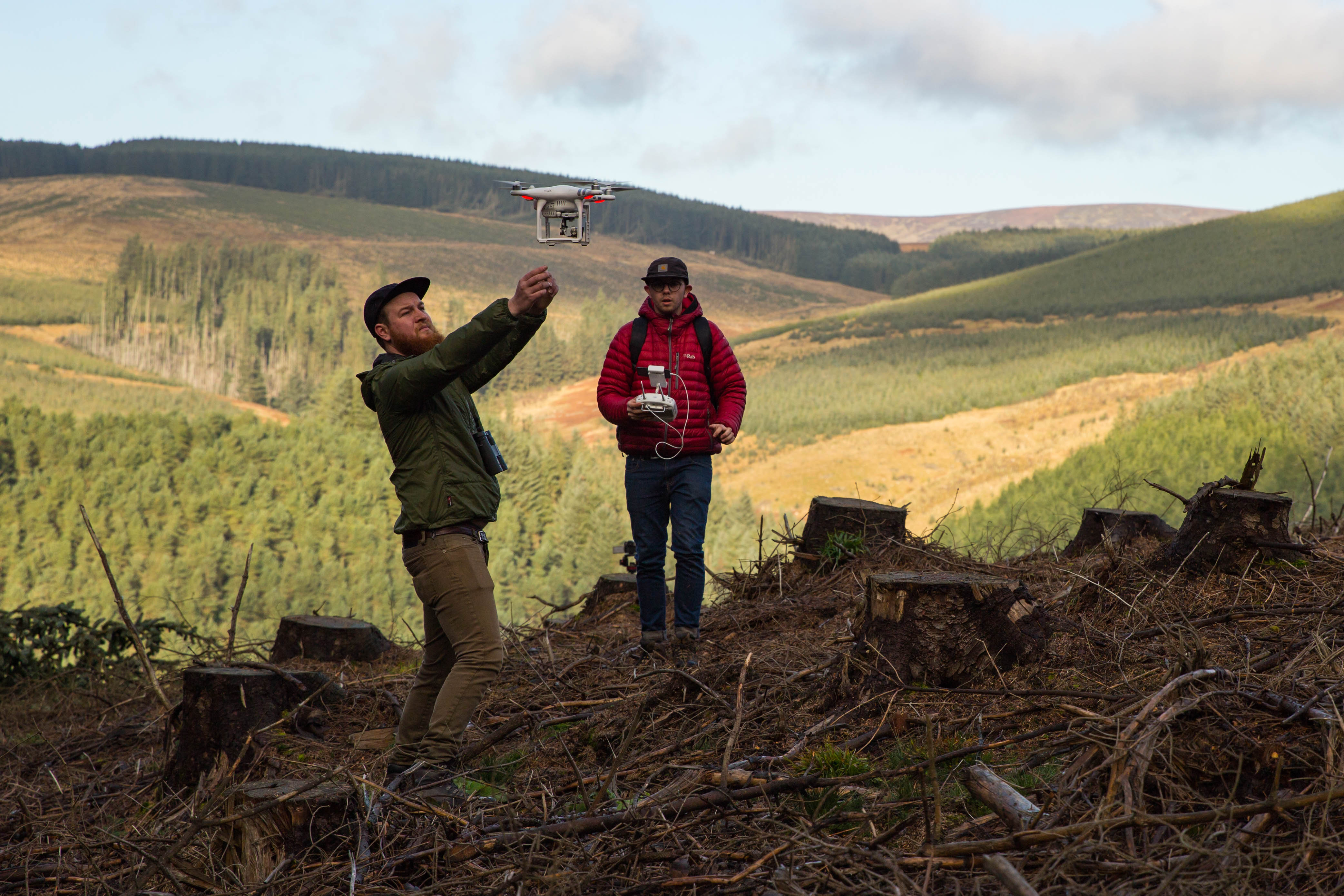
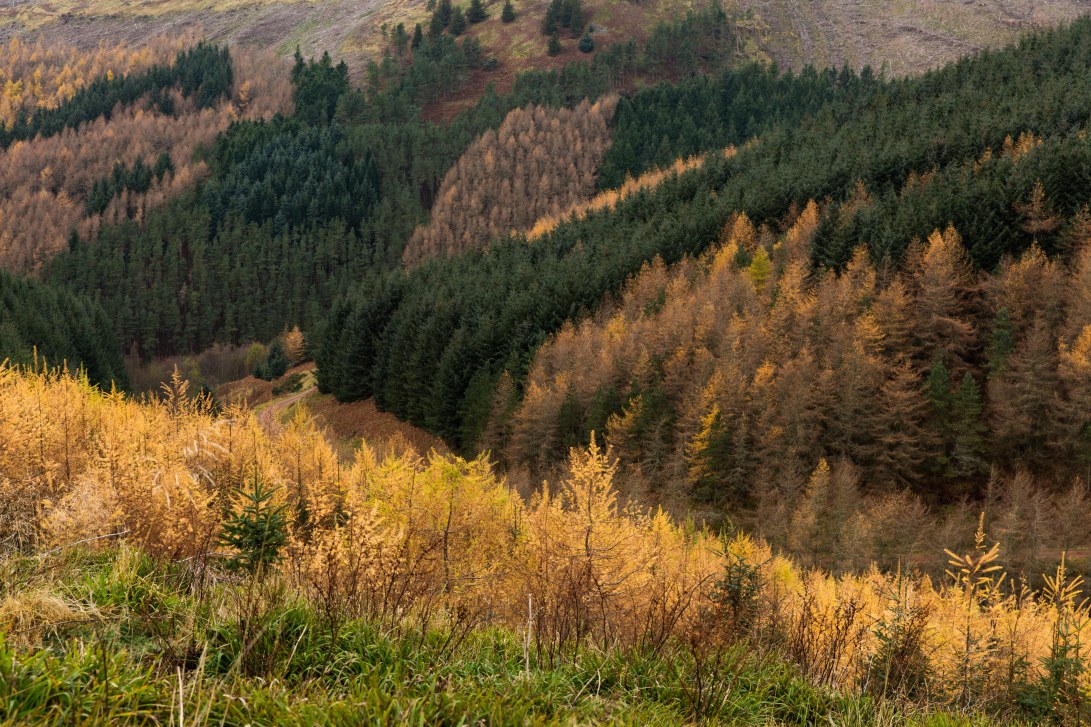
There was no frost today, but the sun was shining brightly and I knew the larches on the hills would be lit up like fiery beacons. We only had the morning, as we were leaving the bothy just after lunch, so first I headed out with Cain to pick up the camera traps. I was wrapped up in my fleece but was soon peeling layers off – the weather was surprisingly warm today with such bright sunshine and little wind.

7W1A8462

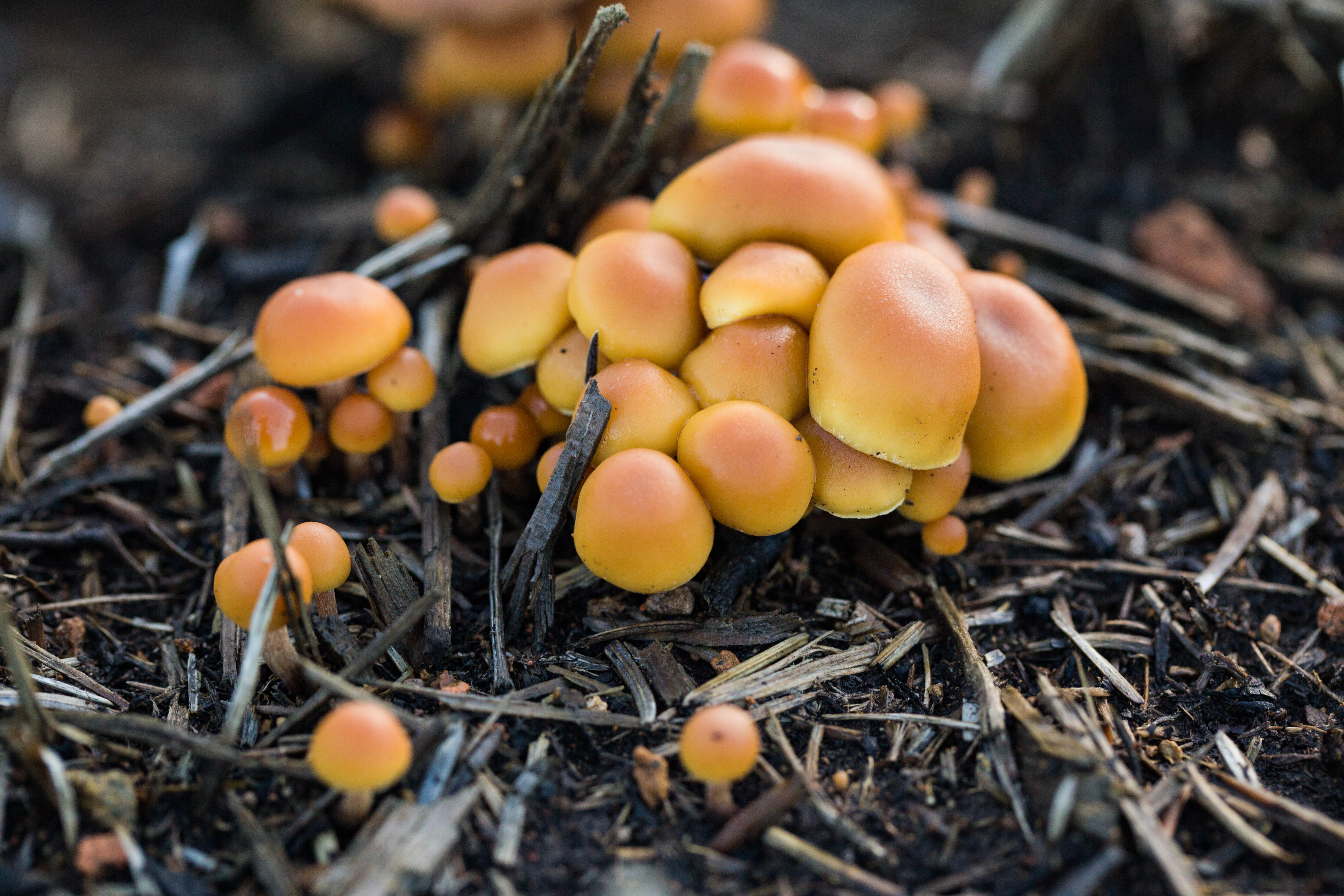
Just before we returned to the bothy to check the footage, Cain took me to see the huge troops of orange fungi up the hill by the clearing. I’d just been saying how little fungi I’d seen, but I was soon proved wrong when I saw how many there were up here. Sprinkled all the way along the track were small orange bulbs of every shape and size. Some were illuminated in patches of sunlight, which made their colours shine even brighter.

7W1A8528

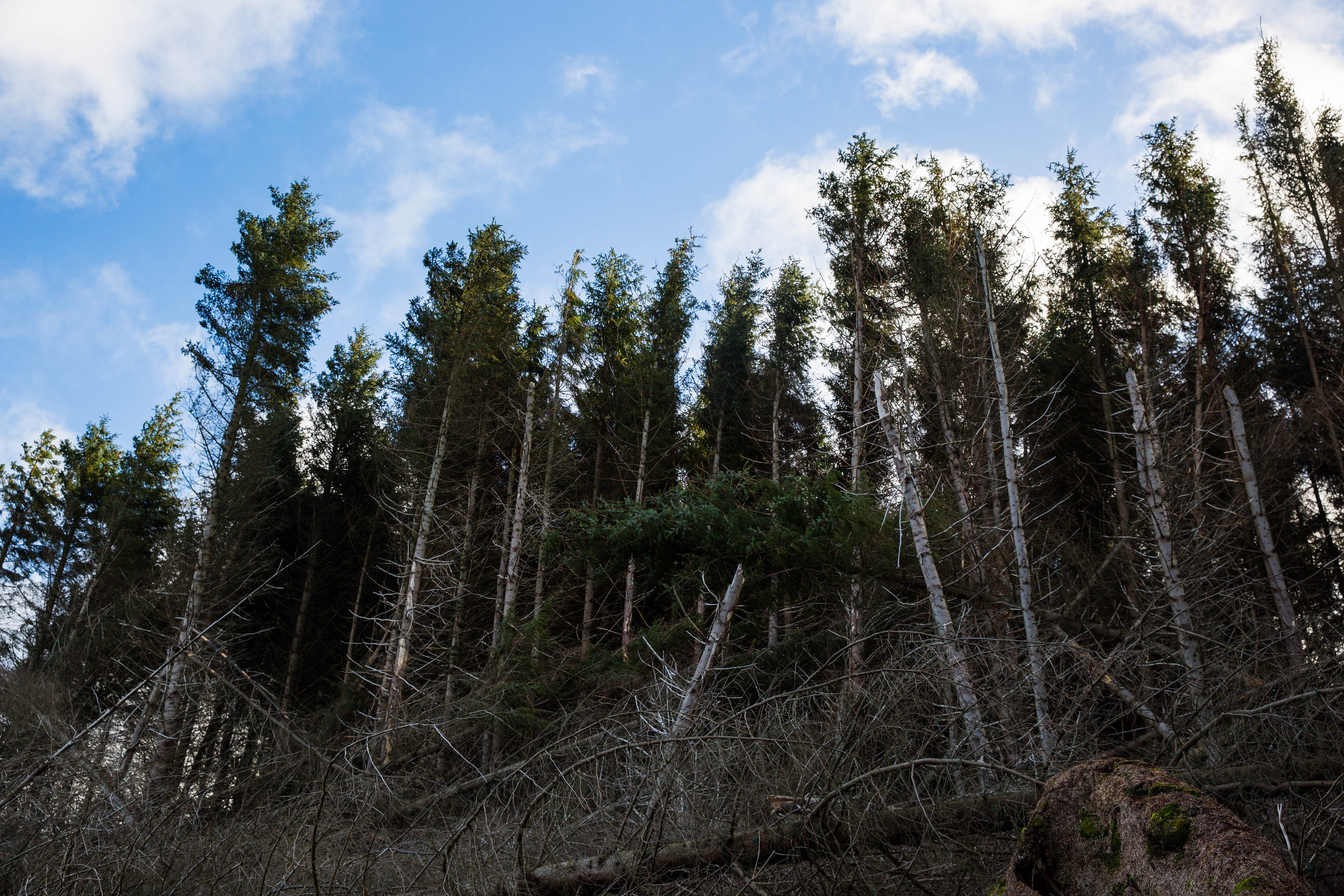
As I was stooped on the ground photographing the fungi, I heard a bizarre sound that reminded me of an angry cat. I turned and saw the outer layer of trees swaying in the growing wind, releasing the most peculiar creaking noises. Cain explained how these trees would usually grow on the inside of the forest, but due to felling they were now on the outer layer and were struggling to cope with the battering elements. Some had already succumbed, and we passed gigantic trees lying flat on the forest floor, their roots larger than tractor wheels.

7W1A8512

Out in the open, the wind was a lot stronger, so we ducked back down and sought the shelter of the forest. We gathered everyone in the bothy and had a look to see if the traps had been successful. Sadly, the two I had put out only had footage of my bobble hat as I attached and detached the trap from its post. However, Cain had put one in the garden and this had filmed several clips of a bank vole darting in and out of the rock pile. Later in the night, a wood mouse joined the scene, distinguishable by its longer tail and much larger Mickey Mouse ears. So, the traps weren’t a complete disaster, but certainly no pine marten footage.

7W1A8510

Sightings

  • Bank vole – on camera trap (Myodes glareolus)
  • Chaffinch(Fringilla coelebs)
  • Kestrel(Falco tinnunculus)
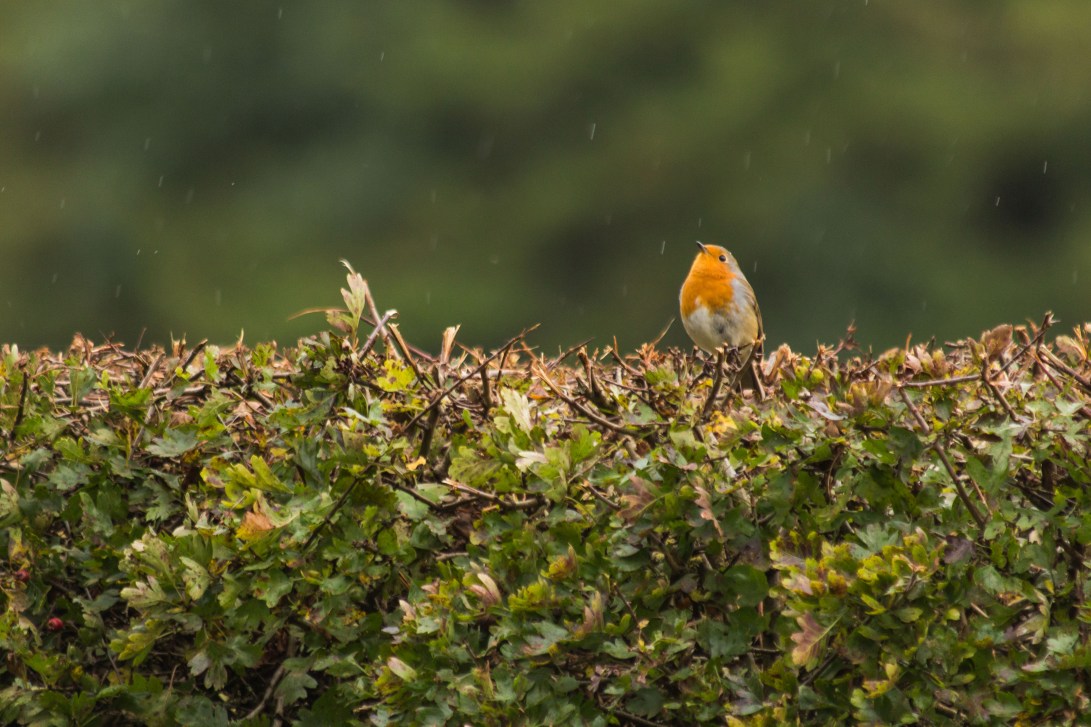
  • Robin(Erithacus rubecula)
  • Wood mouse – on camera trap (Apodemus sylvaticus)

Northumberland: Day Two


When I woke up the blinds were bright. I had a peek outside and was thrilled to see there was a frost clinging to the grass. I hurried into clothes and headed out into the garden. It had been a full year since my last frost and I was eager to capture some macro photos again. Leaves, twigs and thistles were all coated in a fine layer of silver crystals that, when hit by the sun, twinkled and shone like last night’s stars. Soon I had wet knees from crouching in the grass and the beginnings of a crick in my neck from getting as close as possible. My plan was to crop the photos in to create a repeating abstract texture. As usual, I took far more than I probably needed.

7W1A83007W1A8313-2

After relaxing for a while in the bothy I headed out again, down one hill and up the next. I passed the tyre swing, but the lack of decent light meant the shots weren’t quite what I imagined. I knew I had to photograph the bright yellow and orange larches that had taken my breath away on the drive in yesterday. Unfortunately the sun that I’d wanted to shine was well and truly concealed behind thick clouds; the light was so diluted I could gaze in its direction without difficulty. However, when I began to shoot, the rusty warm hues still popped. I began to experiment with positioning individual subjects like stray grasses in front of the camera, so the trees bled together and created a vibrant background.
7W1A83817W1A8426-27W1A8397

The rest of the day was spent writing beside the fire and recording what I’d seen during the day. I had a sneaky look at my photos so far and was pleased with some of the outcomes. Hopefully there’d be more opportunities on our last day tomorrow.

7W1A8440

Sightings

  • Chaffinch (Fringilla coelebs)
  • Goldcrest (Regulus regulus)
  • Goldfinch (Carduelis carduelis)
  • Robin (Erithacus rubecula)

Chesters: Day Two

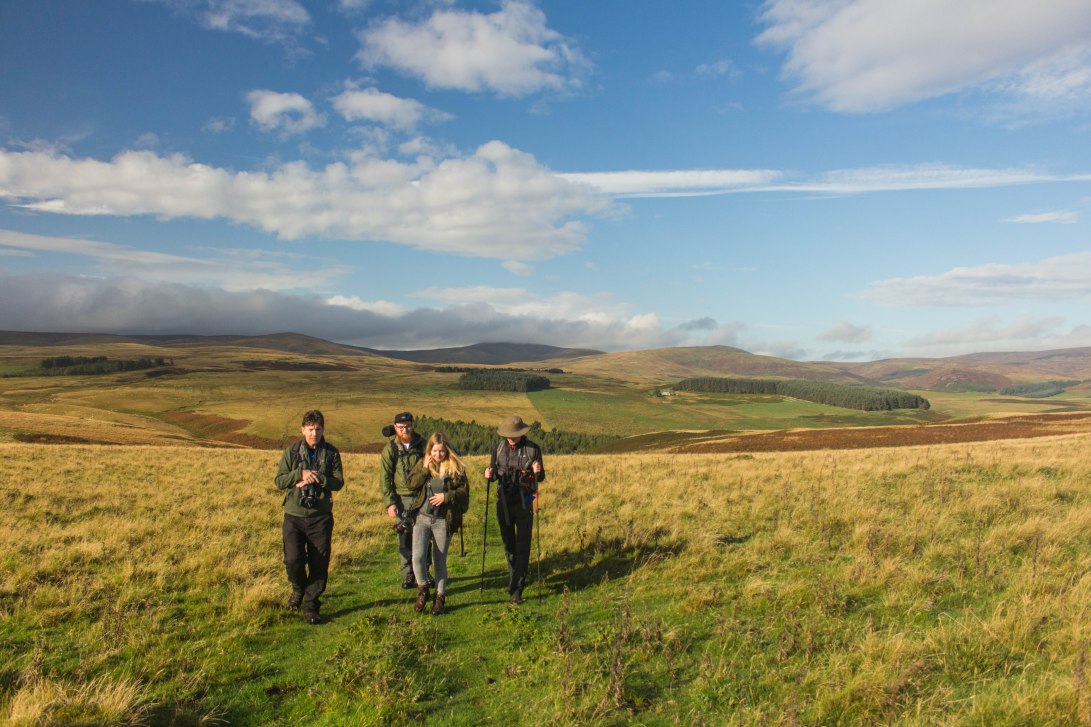
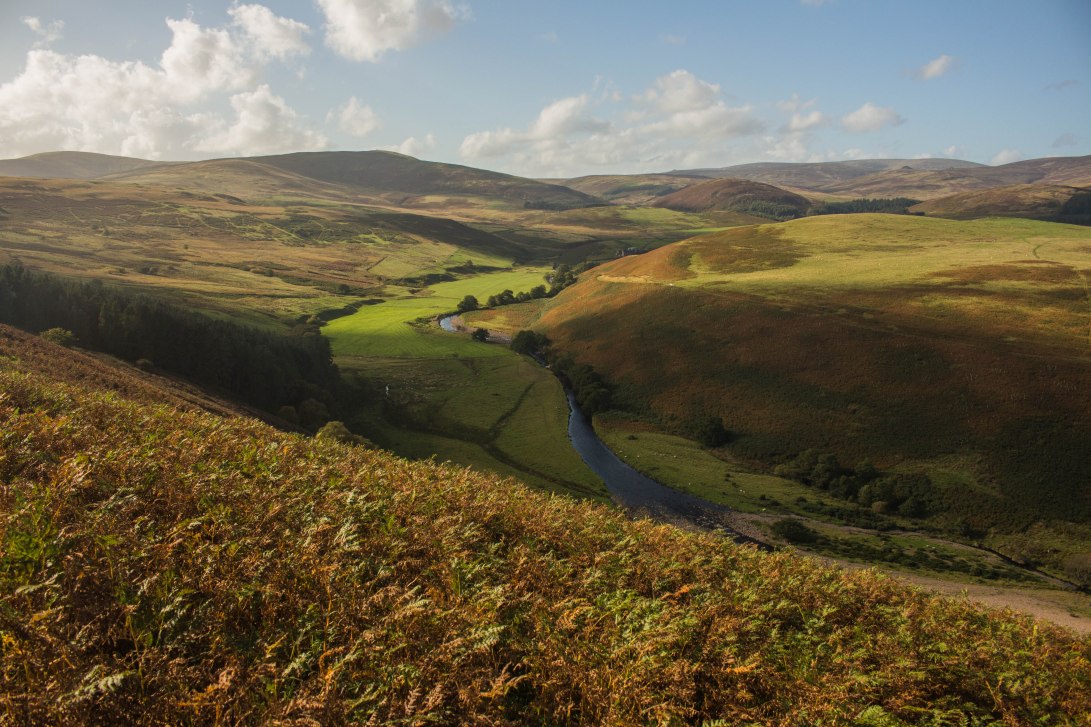
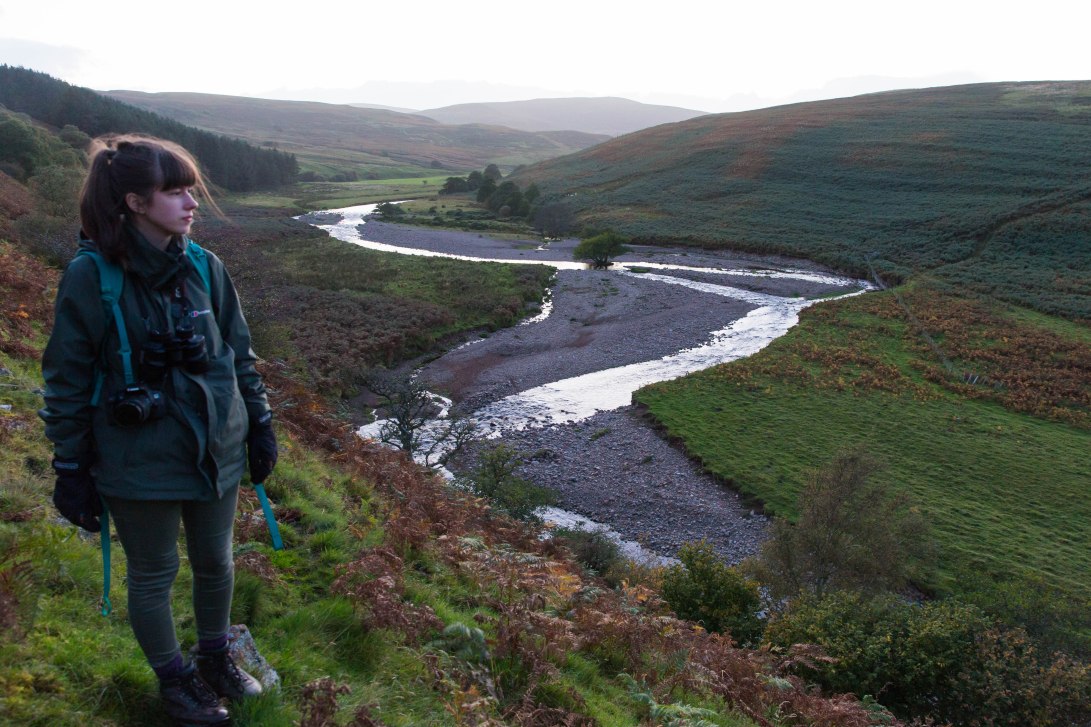
As I peeked out the window this morning, the sun was just beginning to shine. It looked like a promising day and I was glad, as we would be walking ten miles around the Breamish Valley.

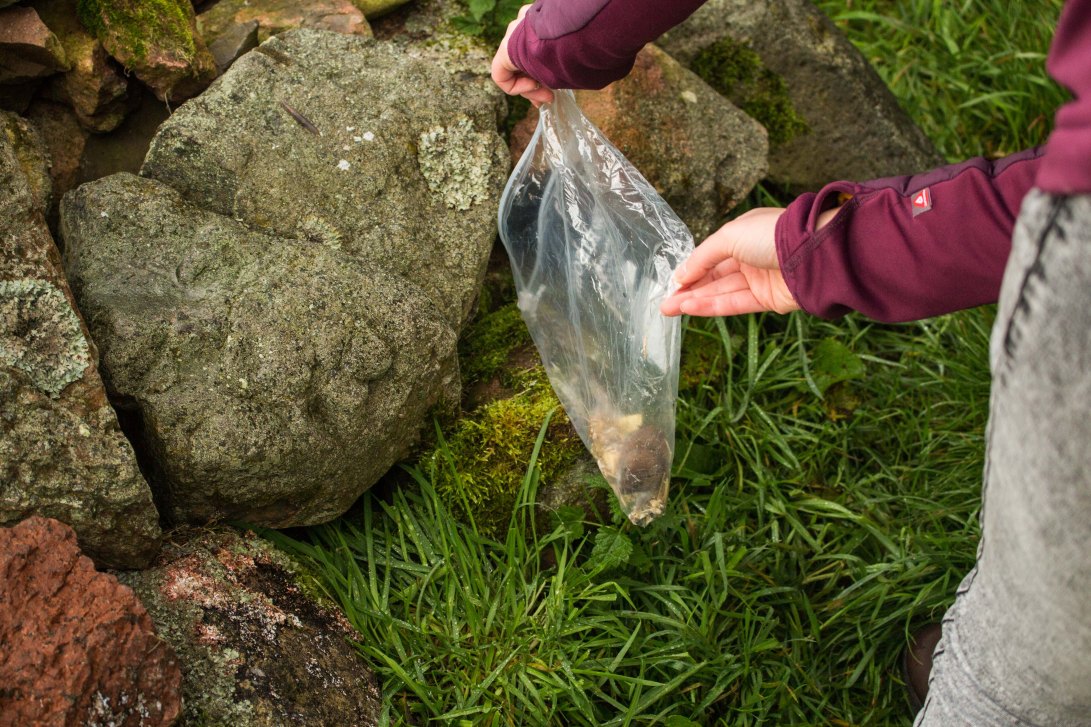
First things first though: check the Longworth trap for any visitors. Heather retrieved the trap and carefully emptied it into a paper bag. Along with the hay and leftover oats and apple chunks was a bank vole, gazing up at us with its beady black eyes.

If we were carrying out a proper small mammal survey we would attempt to sex the vole and perhaps snip a small section of fur from its back. The purpose of this is for re-trapping, so we’d know if the same vole came back. However, we were just trapping to see what mammals were in the area, so these procedures weren’t necessary. We observed the vole for a little while longer before Heather released it back into the dry stone wall alongside the bothy, where it slipped out of sight in seconds. We also left the remaining food for the vole to feast on – it was only polite.

IMG_6236

After eating a hearty bowl of porridge and making sure we had everything packed for the day ahead, we set off across the fields and down to the first plantation. Heather told us the habitat had been classed as “felled”, but there was nothing felled about it now. Trees loomed above us, and with foliage on all sides it felt like we’d wandered into an enclosure at Jurassic Park. My overactive imagination thought the grating screeches we heard were those of Velociraptors, but sadly were just squabbling jays.

IMG_6341

I led the group down the hill, taking care over crooked roots and dislodged rocks. I was just negotiating a particularly steep section when Cain called us back. I knew he’d seen something so I rummaged for my telephoto lens while scrambling back up to where the others had binoculars trained at the very top of a large conifer. There was a loud chirruping, and among siskins and chaffinches was a larger finch with a forked tail and an unmistakable bill that had the upper mandible overlapping the lower: common crossbills. There were several up in the tree, and as I zoomed in I saw that a male was being pestered by a begging juvenile, its pale wings flapping ten to the dozen in an attempt to catch its parent’s attention. The male, and another a few branches away, were plucking cones from the tree and holding them aloft like they weren’t quite sure where to put them. It was fascinating to watch such a strangely designed bird negotiate its food.

IMG_6292

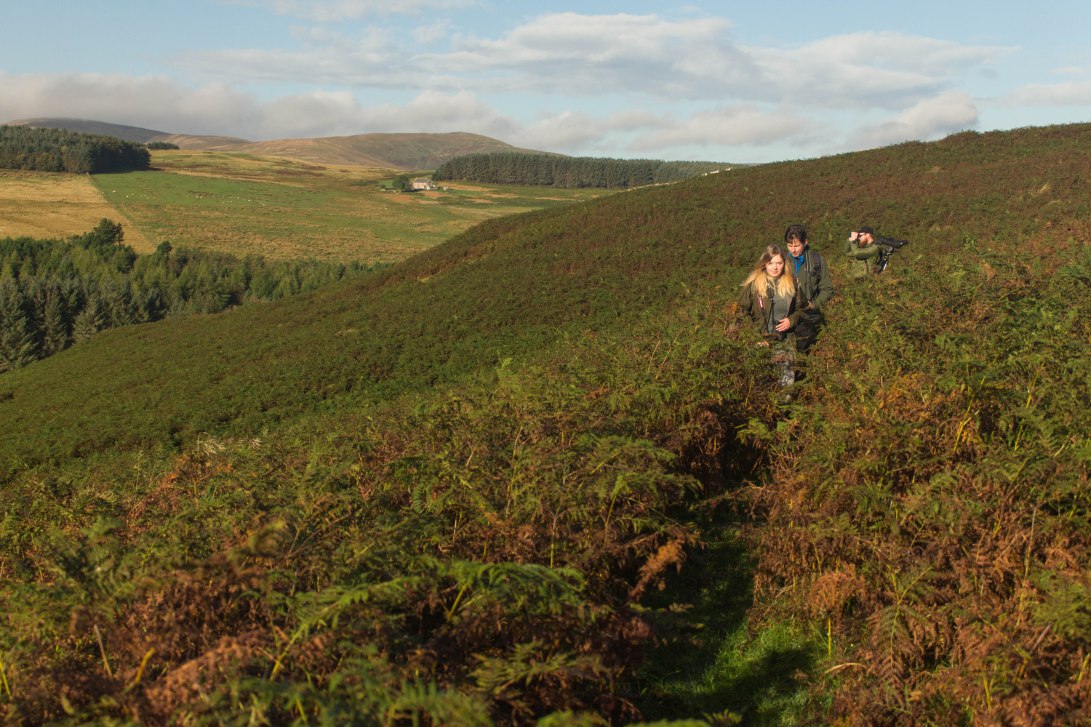
We wandered on, breaking out of the trees and beginning the first ascent of the day. The trail wound through an ocean of bracken, and I soon found myself chest-deep. When I glanced behind me I could only see everyone’s heads and shoulders as they waded through. The resident skylarks joined us, as well as a distant buzzard that I’m sure the skylarks were keeping a close eye on.

IMG_6327

The sun sunk in and out of the clouds as we made our way through the valley, stopping every once in a while to photograph a mysterious fungus or watch a bird through binoculars. By lunchtime, just as my stomach was rumbling for my sandwiches, we arrived at Branton Nature Reserve. The first sound that greeted us was the noisy gabble of greylag geese as they fought for space to sit down on the crowded island. There were dozens of birds here; groups of lapwing, snipe, goosander and moorhen. There was minimal mingling between the species, reminding me of a school canteen full of cliques. Suddenly there was a commotion and many birds took to the air. The source of the panic was a heron, gliding in with broad wings and a curled neck. As he landed with spindly legs dangling, the geese gabbled uncertainly and gave him plenty of space.

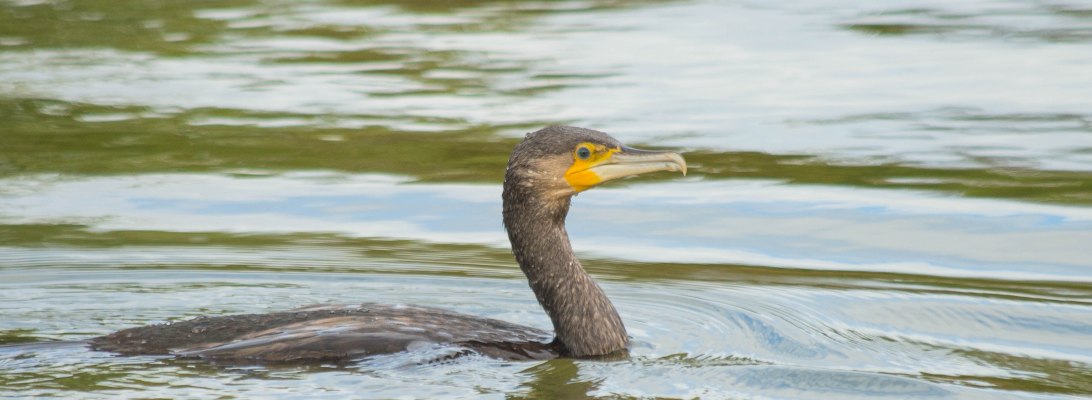
We slunk as inconspicuously as we could into the hide and tucked into lunch while keeping one eye on the lake’s activity. A cormorant surfaced a few feet from the window, and paused long enough for a few breaths before diving back down, emerging moments later in a completely different place and with a wriggling fish in its bill, which was swallowed up in the blink of an eye.

IMG_6381-2IMG_6417

Soon it was time to start heading back. It was trying to rain, and as we were making our way back past the village of Ingram it succeeded, so I hastily packed away my camera and bins. Later, once Cain had got a fire going, we’d rested our aching feet and eaten dinner, we pottered into the garden with the bat detector, to see if any bats were passing through. Before we heard any clicks though, there was a flash of white wings and a barn owl swooped out into the open. Shortly after, a second owl appeared some distance from the first, which was even more exciting. We ventured a little further up the hill and the detector started clicking. That evening we heard both common and soprano pipistrelles, and although we were leaving the wilderness behind and heading back home tomorrow, just these two days have been enough to remind me once again how important it is to spend time in nature.

IMG_6452

Species Seen: Adder (Vipera berus) Bank Vole (Myodes glareolus) Black-Headed Gull (Chroicocephalus ridibundusBuzzard (Buteo buteo) Chaffinch (Fringilla coelebs) Common Crossbill (Loxia curvirostra) Cormorant (Phalacrocorax carbo) Coot (Fulica atra) Eurasian Rabbit (Oryctolagus cuniculusEurasian Siskin (Spinus spinus) Goldcrest (Regulus regulus) Goosander (Mergus merganser) Greylag Goose (Anser anser) House Sparrow (Passer domesticus) Jackdaw (Corvus monedula) Jay (Garrulus glandarius) Kestrel (Falco tinnunculus) Lapwing (Vanellus vanellus) Lesser Black-Backed Gull (Larus fuscus) Lesser Redpoll (Acanthis cabaret) Little Grebe (Tachybaptus ruficollisMagpie (Pica pica) Moorhen (Gallinula chloropus) Mute Swan (Cygnus olor) Pheasant (Phasianus colchicus) Red-Legged Partridge (Alectoris rufa) Reed Bunting (Emberiza schoeniclus) Robin (Erithacus rubecula) Rook (Corvus frugilegus) Skylark (Alauda arvensis) Snipe (Gallinago gallinago) Sparrowhawk (Accipiter nisus) Starling (Sturnus vulgaris) Teal (Anas crecca) Tufted Duck (Aythya fuligula) Wigeon (Anas penelope)

Chesters: Day One

The rain was lashing on the windscreen as we made our bumpy way up the hill to Chesters. Sheep shook their sodden wool and watched the car with quizzical expressions as it grumbled over rocky grass. Before long the bothy came into view, nestled amongst the rolling bracken hills. I was just scanning the ground for darting pheasants when a pair of beady brown eyes made me call out for Cain to stop the car. Slowly reversing, we just caught a glimpse of the hare’s face before it turned tail and scarpered back through the bracken. I saw this as a very good wildlife omen for the rest of the weekend.

After settling in and enjoying some lunch, we headed through the Breamish Valley to meet the expeditioneers. I had a scan with the binoculars and spotted a kestrel hovering, drifting and hovering again. Heather told me she’d seen a pair of ravens swooping around yesterday, so it would be fantastic to hear some ‘kronking’ this weekend.

The weather couldn’t seem to make up its mind. Rain drummed on our heads one minute, then the sun was shining and turning the hills gold. Skylarks zoomed above, filling the air with their high-pitched chirruping, while pheasants screamed down in the valley, darting in and out of view like a Scooby Doo villain chase.

IMG_6120

Once the expeditioneers had unpacked, we headed out for a wander. A breeze whistled in the grass but the sun still fought with the clouds for a good view. We ducked into the nearest conifer plantation to see if there were any good spots to set a camera trap. After following a trodden track that trailed through the trees – a sure sign that there were creatures using this route, perhaps a group of roe deer or even a badger – we positioned the trap with a good vantage point down the trail.

Further on through the plantation was a Scots pine peppered with deep, spherical holes. The tree was dead, and had become the perfect sculpting project for great-spotted woodpeckers, who had transformed it into a wooden honeycomb. It was extraordinary to see tough, dead bark being carved and moulded so easily by blackbird-sized creatures. Although we did hear their sharp ‘kik’ call somewhere in the plantation, we didn’t meet any possible culprits, so couldn’t be sure if it was the work of a single bird or perhaps multiple competing for such a valuable pecking post.

IMG_6215

The sun was slowly setting. As the light faded, a hazy glow settled over the Cheviot Hills, illuminating the uppermost branches. Every colour was intensified; russet orange, army green, lime green, all blending together and criss-crossed with conifer needles. Spots of bright light broke through gaps in the canopy, playing tricks on my eyes when I thought a hyper-lit brown leaf was a luminous orange mushroom.

IMG_6190IMG_6160

After a while we broke out of the plantation and wandered along the Chesters Burn as it bubbled downstream. The water was a vivid blue, frothing white as it crashed over rocks. A piercing ‘zrik!’ cut through the rush of the river and we all turned to spot the white-breasted bullet speeding down the watercourse. Sure enough, a dipper zoomed into view, wings a frantic blur. Perhaps less regally dressed than its neighbour the kingfisher, but still a charismatic and highly specialised little fisherman.

By now the sun had sunk out of view and the landscape dulled in colour, the familiar dusky haze settling over our surroundings. Heather told us about an expression that perfectly described this time of day: entre chien et loup, meaning “between dog and wolf”. In dim twilight, our eyes have to work harder to distinguish shapes, perhaps mistaking a harmless dog for a slightly more intimidating canine! Up in the Cheviots though, there were no monsters hiding, so it was enlightening to see what was venturing out at this time of day.

7V8A5395

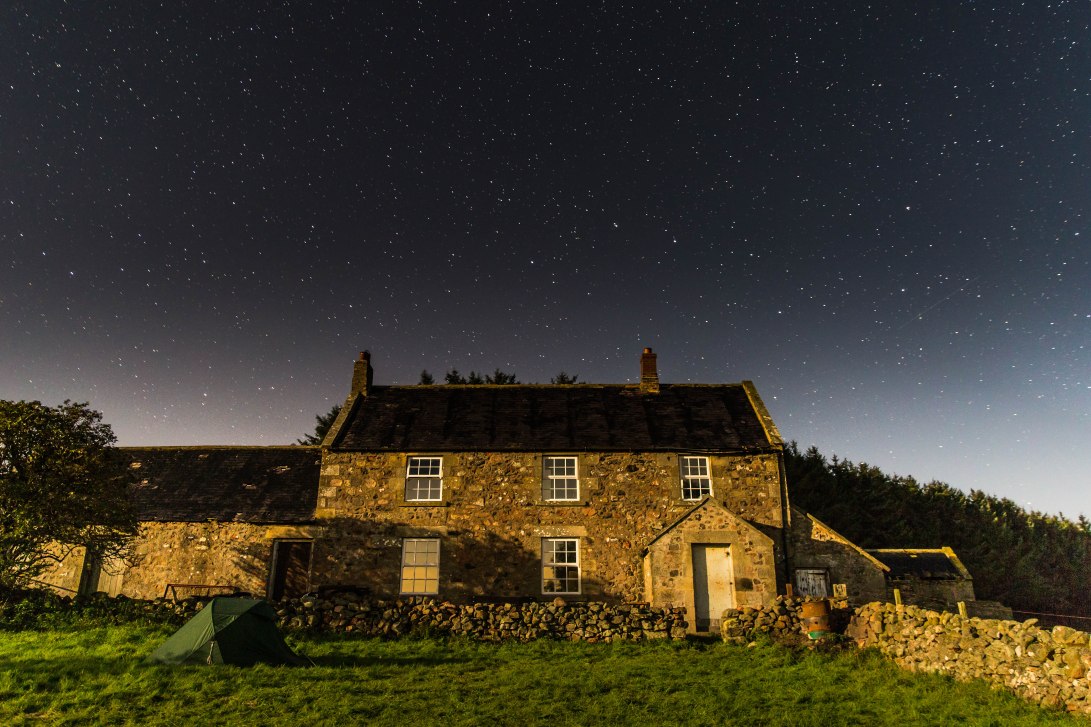
Once we’d made the ascent back up the hill to the bothy, the moon and stars had dominance of the sky. There were a few wispy clouds, but mostly the horizon was clear, so we all retrieved hats and gloves and set up tripods in the garden for some star photography. I hadn’t had a lot of practice shooting at night, so was pleased to capture some shots of the bothy backed by the entire night sky. Getting such good views of stars was a breathtaking end to our first day in the wilderness.

7V8A5401-2

Species Seen:

Brown Hare (Lepus europaeus) Buzzard (Buteo buteo) Carrion Crow (Corvus corone) Dipper (Cinclus cinclus) Coal Tit (Periparus ater) European Rabbit (Oryctolagus cuniculus) Goldcrest (Regulus regulus) Great Spotted Woodpecker (Dendrocopos major) Great Tit (Parus major) Grey Heron (Ardea cinerea) Kestrel (Falco tinnunculus) Long-Tailed Tit (Aegithalos caudatus)  Mallard (Anas platyrhynchos) Meadow Pipit (Anthus pratensis) Pheasant (Phasianus colchicus) Skylark (Alauda arvensis) Woodpigeon (Columba palumbus)