Splash of Sunset


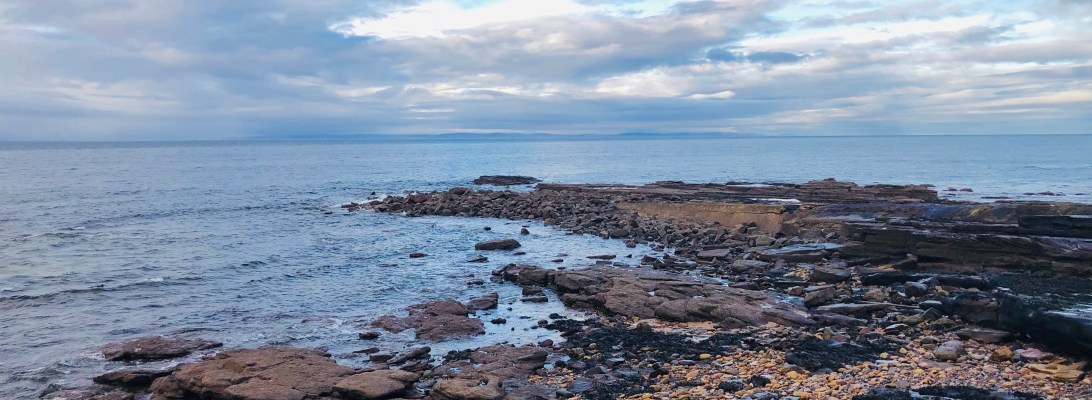
I had just finished dinner after a fairly uneventful day when I received a tip off from Steve – wildlife photographer, skipper and all-round marine mammal wizard – who told me there were bottlenoses on the way. I jumped into a down jacket and grabbed my camera. Luckily my daily walk can include a long stretch of rocky shoreline, which is infamous for its wildlife including the Moray Firth dolphins. Half a minute later I was slammed by an unexpected wind and I regretted not grabbing a hat on my way out. Although, I wasn’t sure how fast the dolphins were going and another half minute could be the make or break.
IMG_3627

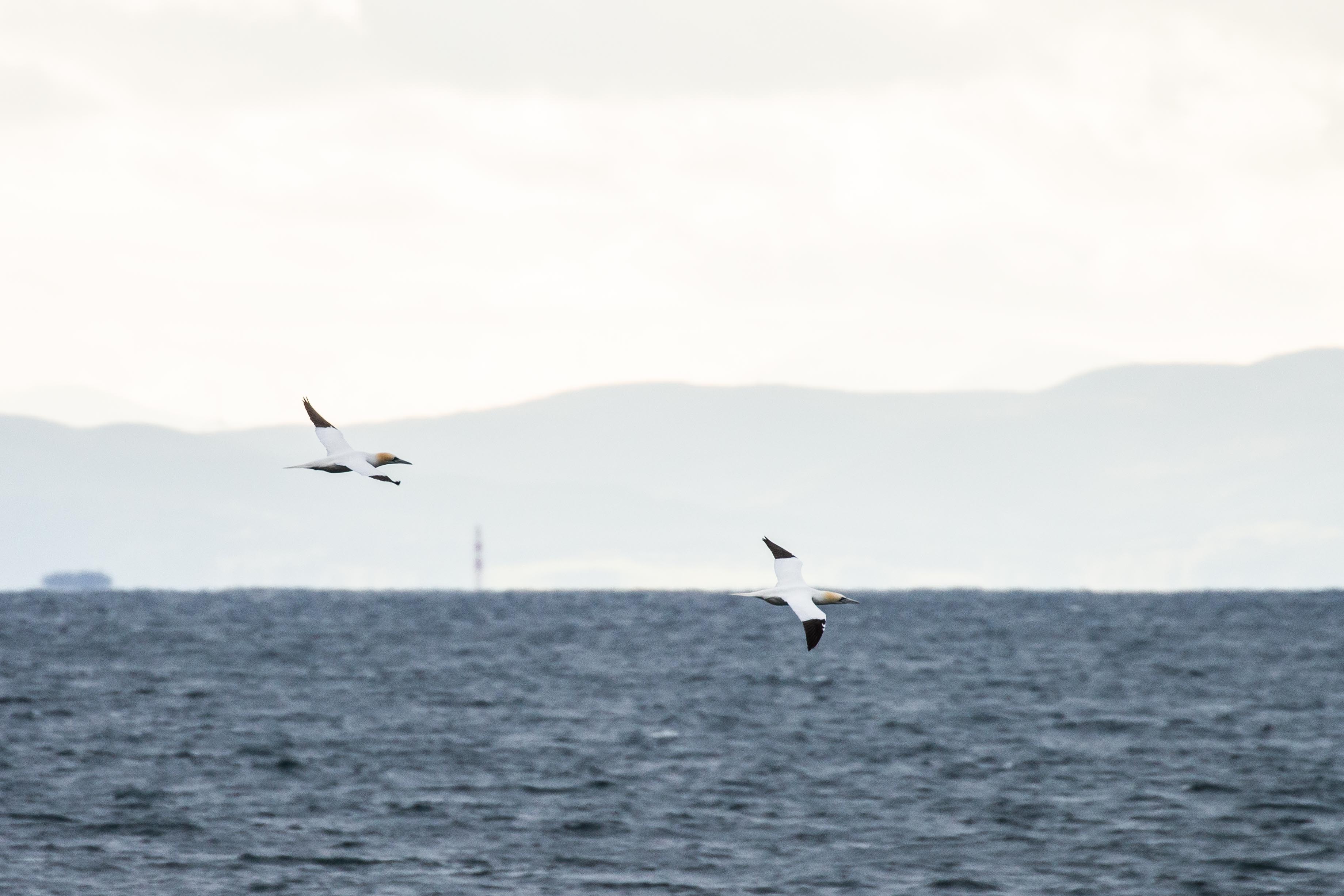
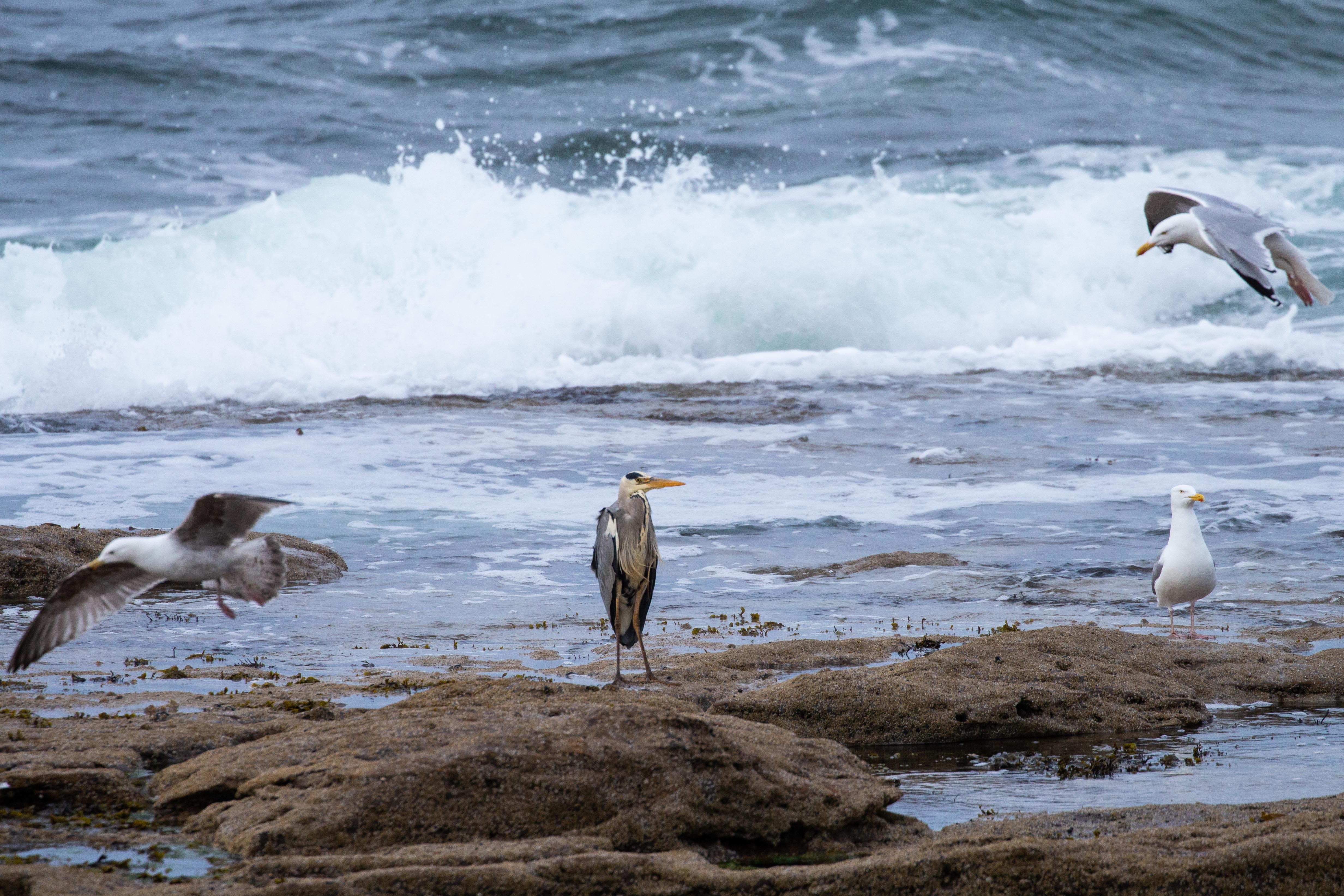
Keeping my two metre distance from Steve, we started scanning the water. He spied them far out, almost level with the next town, but we stayed put. If they didn’t turn north and swim further away, they would follow the coast and come straight past us. There was still lots to photograph while we waited. Groups of gannets – easily one of my favourite birds – were diving just offshore and a grey heron was settled hunch-shouldered on the rocks, surrounded by the usual mob of herring gulls and oystercatchers.
IMG_3632

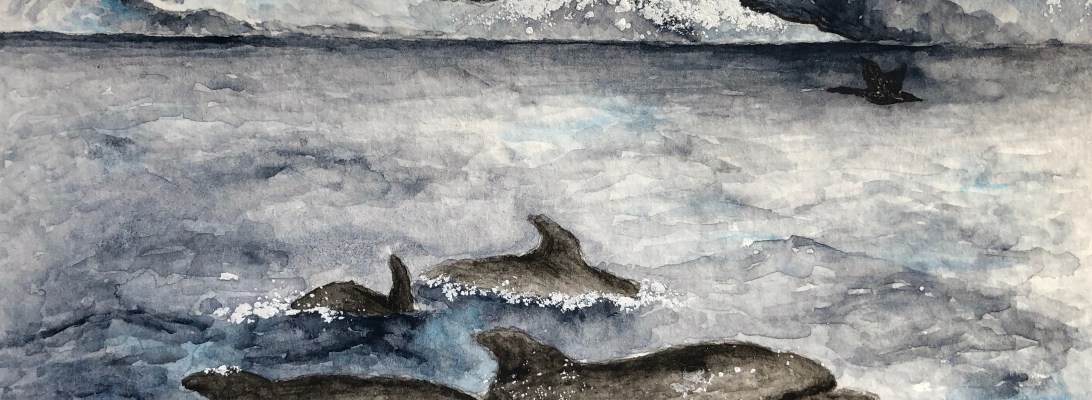
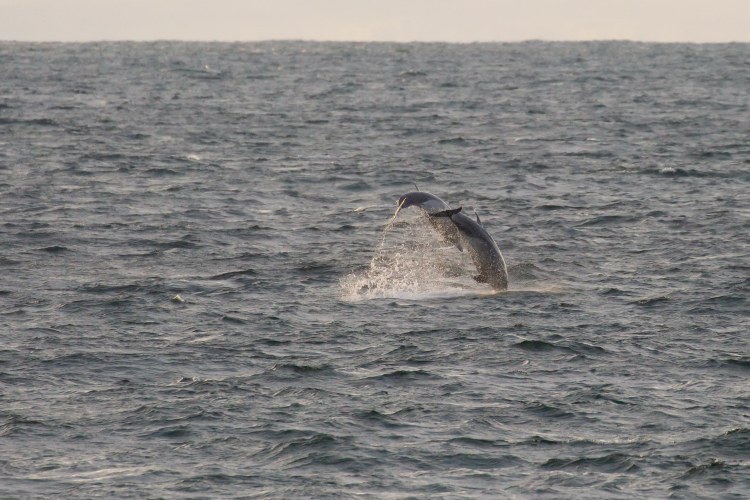
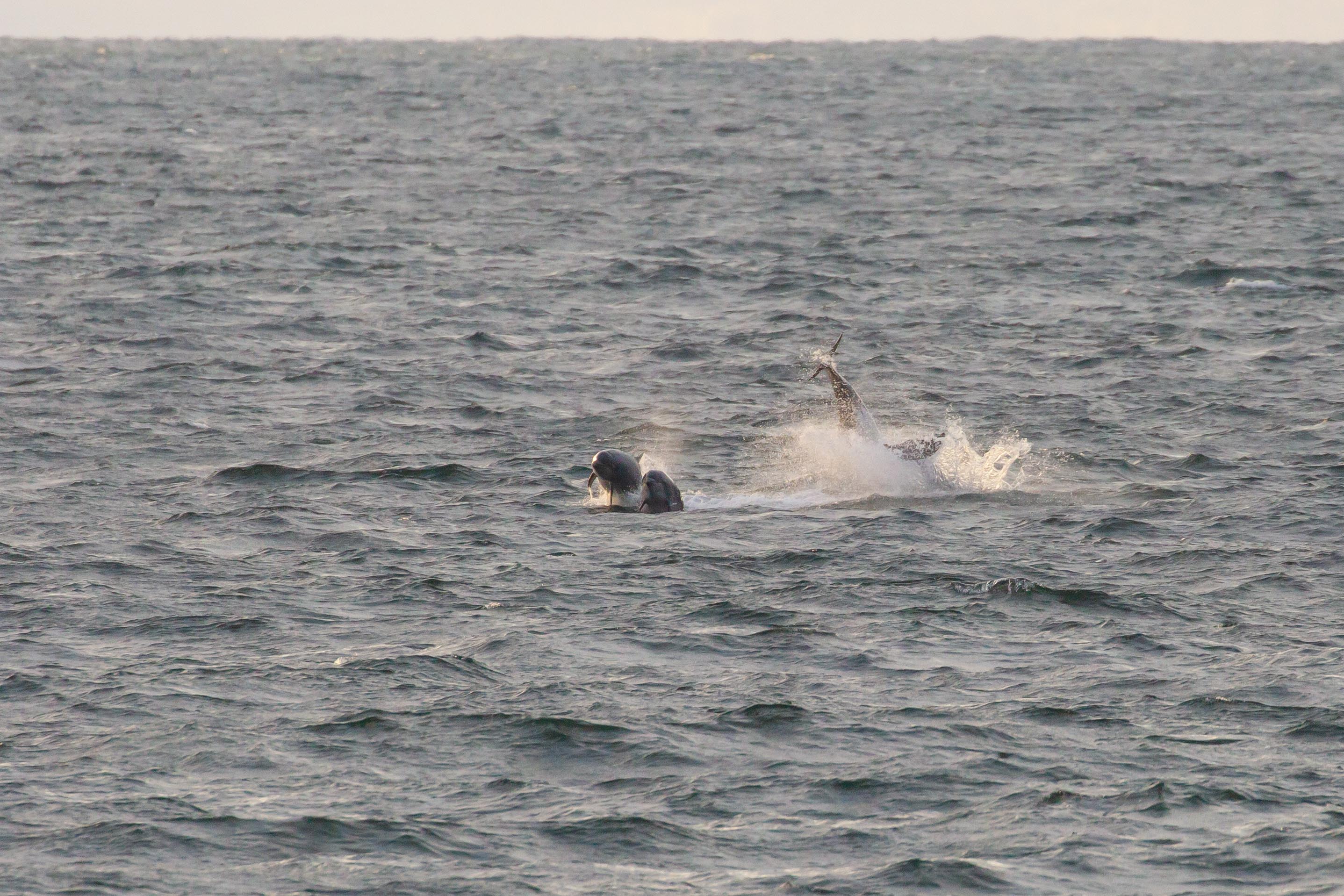
Suddenly the dolphins appeared again, much closer this time. They began to breach, leaping one, two or even three at a time. Photographing them felt a bit like playing Whack-a-mole – just when I thought I’d caught one, it had already landed with a splash and another had sprung up somewhere else. Once, two jumped together in perfect synchronicity, and no sooner had they landed than another pair took their place in the air. As so often happens, I was trying so hard to get the shot that I occasionally missed some of the action. But, when animals bigger than most grown humans are flinging themselves out of the water and performing acrobatic stunts, it’s almost impossible not to lift the camera and watch through the viewfinder. I find there’s nothing more enjoyable about wildlife photography than the unpredictability.
IMG_3685-2

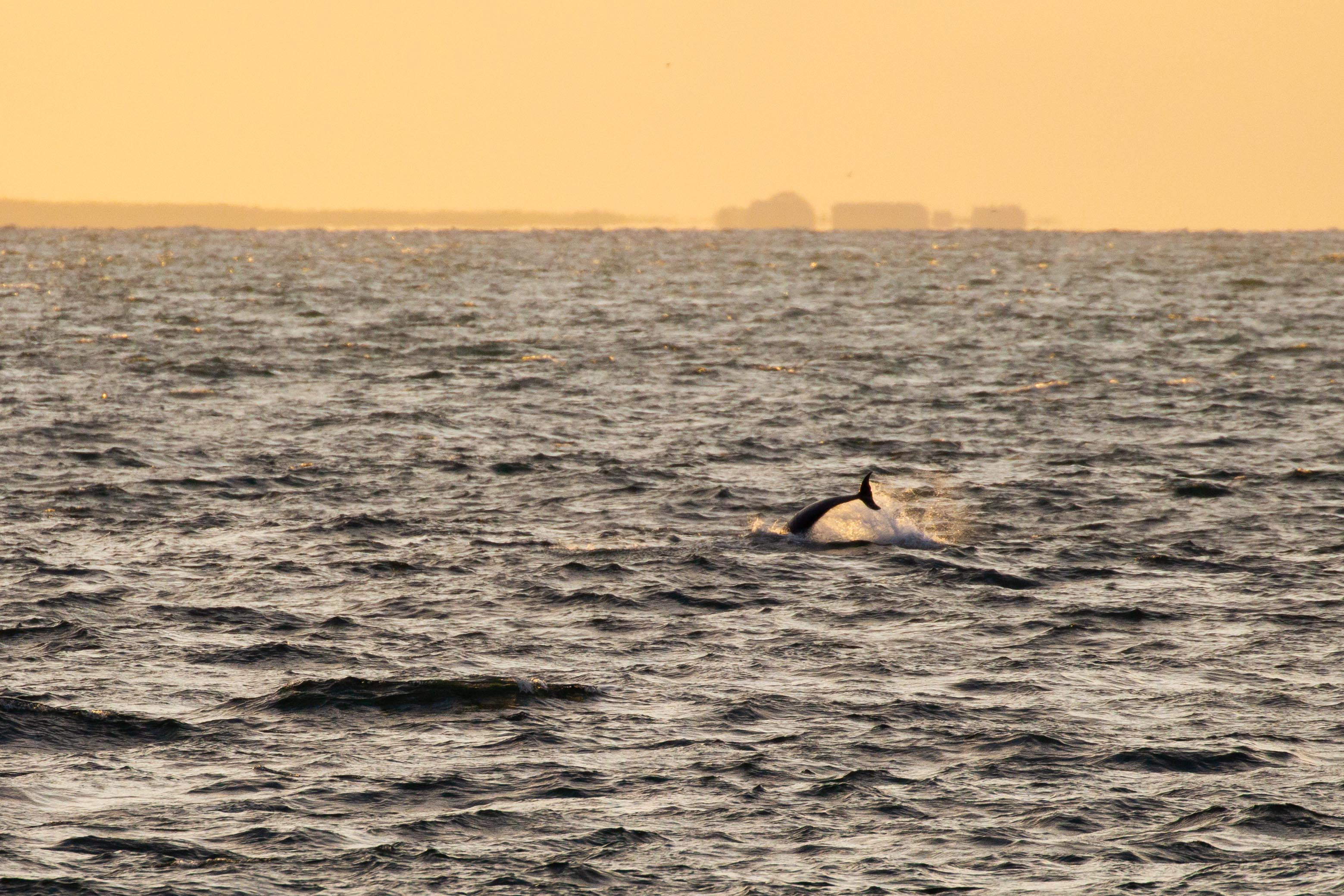
The cold was nibbling my face but there was no way I’d go home for my hat now. Dolphins were jumping in multiple directions, and all of them heading towards the sunset. We hiked up to the headland for a higher vantage point. As the dolphins got closer to the sun, the water streaming from their bellies mid-leap turned golden. Even with the naked eye you could spot them between waves from the clouds of shimmery spray erupting from their blow holes. Every so often there’d be a breach, but they were gradually heading further out. Still, Steve had never known them to linger for so long in one place. I was pleased not just to watch them but to know there was plenty of food to keep them there.
IMG_3700

The sun finally set, casting a bright orange glow over the water. It was moments like that when I knew I’d made the right decision to move to Scotland. Sitting on the grass, shivering in the cold and watching dolphins breaching out at sea.
New Visitors

IMG_2983

Although I’m naturally quite an introverted person and love having time to myself, I’ve still struggled to adapt to the lockdown routine. I like to potter around outside for hours while I write or just watch the world go by, so it goes without saying that I’ve missed wildlife far more than the pub. Alerts have hit my local Facebook groups about ospreys just a few miles away from me and orcas (orcas!) further along the coast, but lockdown measures have kept me stuck in one spot.

Still, it’s a beautiful spot to be stuck in, and there have been some new visitors to my local patch over the past few weeks. Before the clocks went forward, the daily sightings always included goldeneyes, long-tailed ducks and red-breasted mergansers. Now, as the spring wildflowers emerge and the days grow longer, I’m seeing some new faces on the backshore.

IMG_3201
Willow Warbler

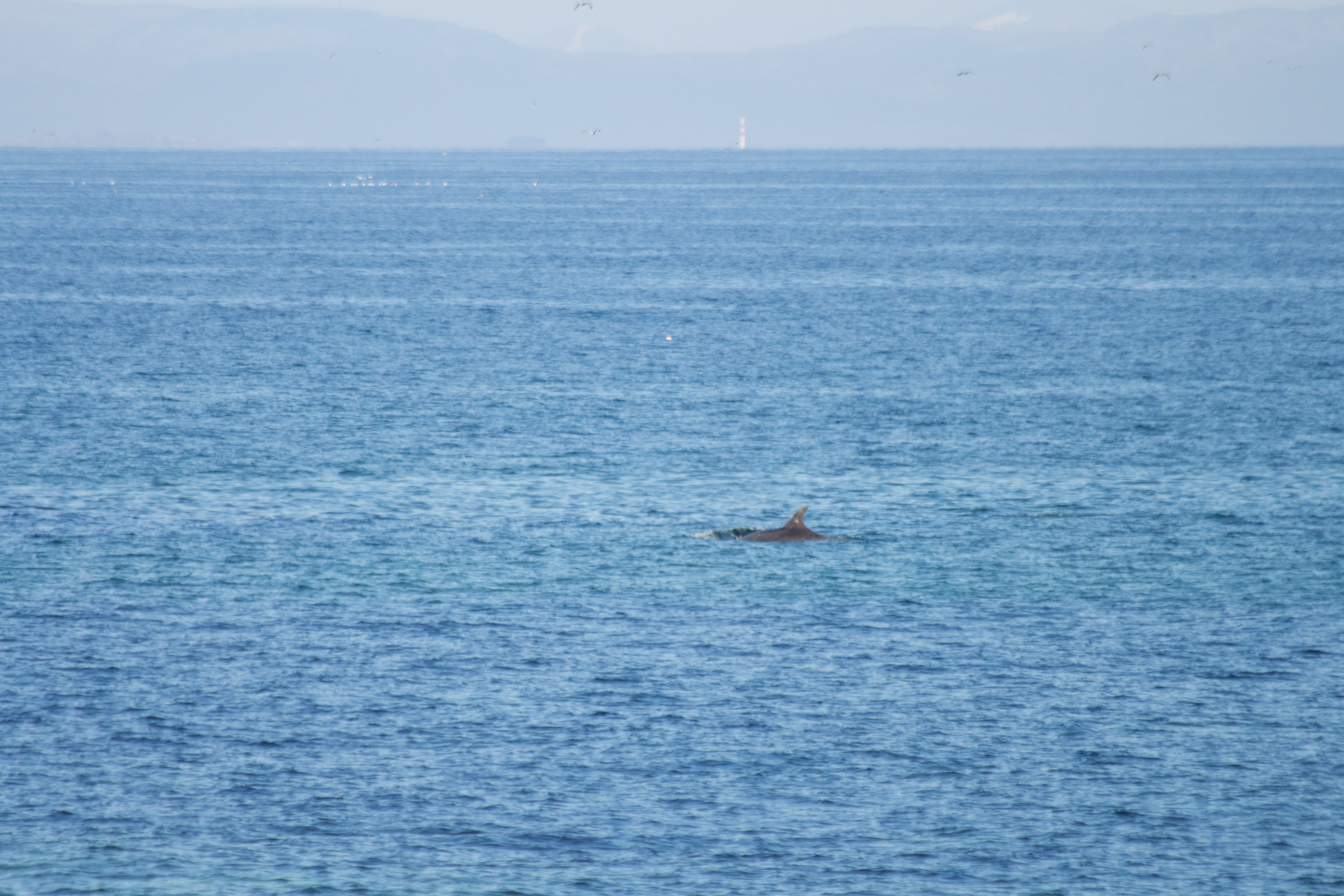
When I arrived in Scotland I was told that May was the true start of the bottlenose dolphin season, but I’ve already been spotting dorsal fins on the water. I’ve had three different sightings so far, and on the second I managed to photograph some for the first time. Even from a distance and with most of their bodies submerged, it’s easy to see just how large these marine mammals are. In fact, the bottlenose dolphins in the Moray Firth are the largest and most northerly in the world.

IMG_3004
Bottlenose Dolphin

As well as cetaceans, there’s been some avian excitement too. My absolute favourite birds have arrived in my patch: gannets! I glimpsed a white wingspan last week but wasn’t sure if it was just another herring gull, but since then I’ve had indisputable views of these vast and beautiful seabirds. As well as flyovers, I had the privilege of watching a dozen gannets diving for fish just offshore – twisting their bodies and tucking in their wings at the last moment before hitting the water like feathered torpedoes. I’ve always been drawn to gannets’ subtle plumage and dramatic facial markings and it’s been such a treat to watch them in my patch.

IMG_3266
Gannet

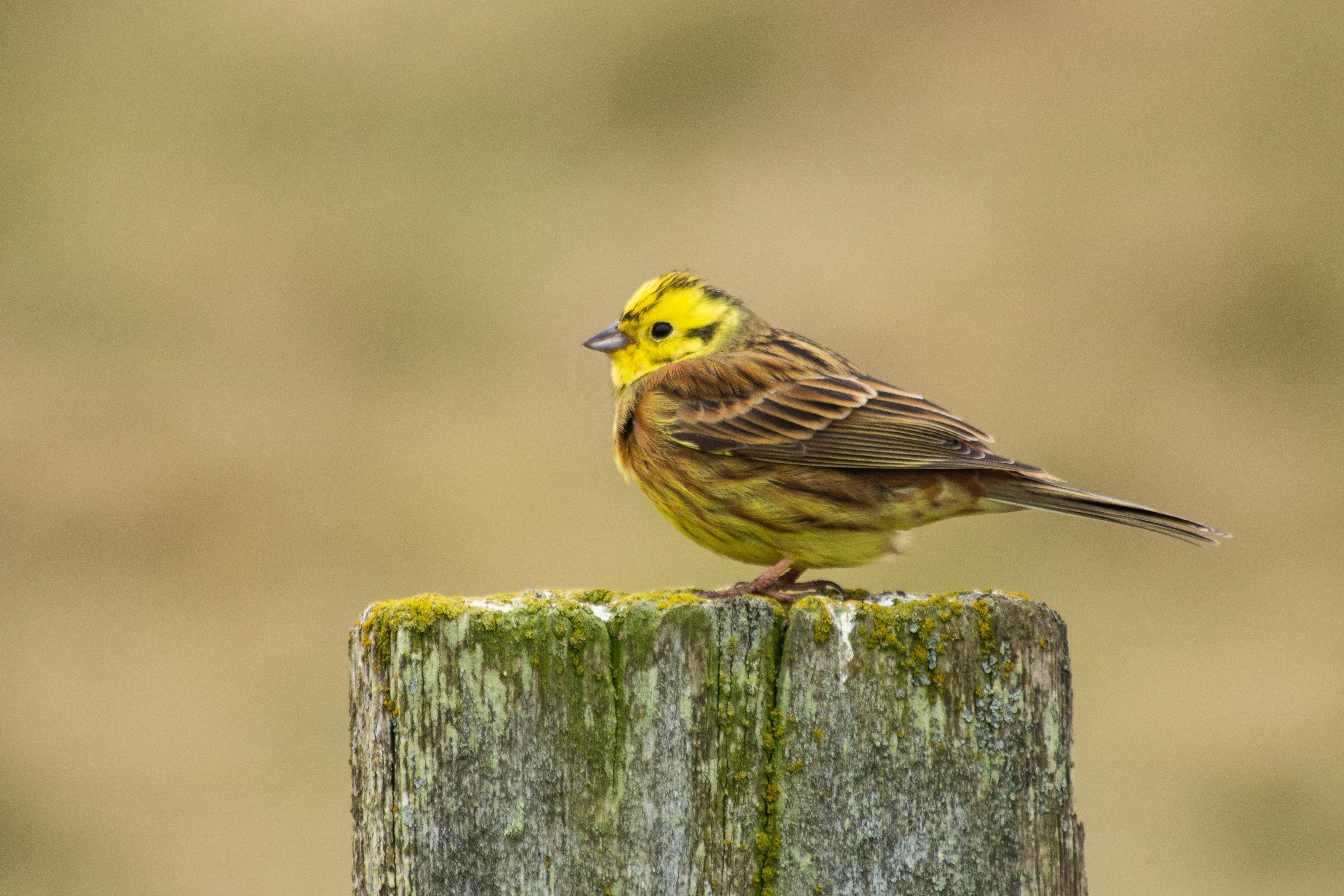
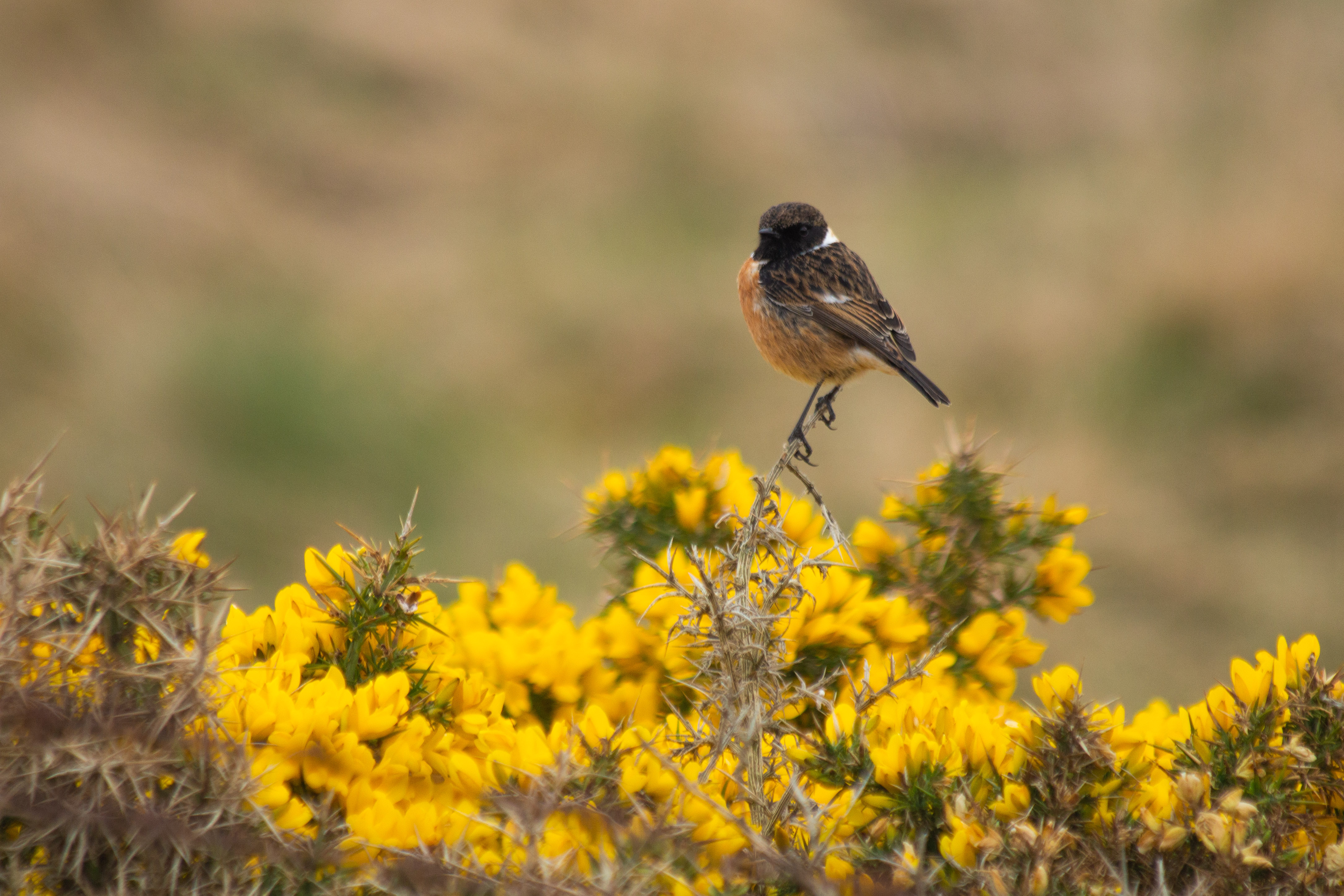
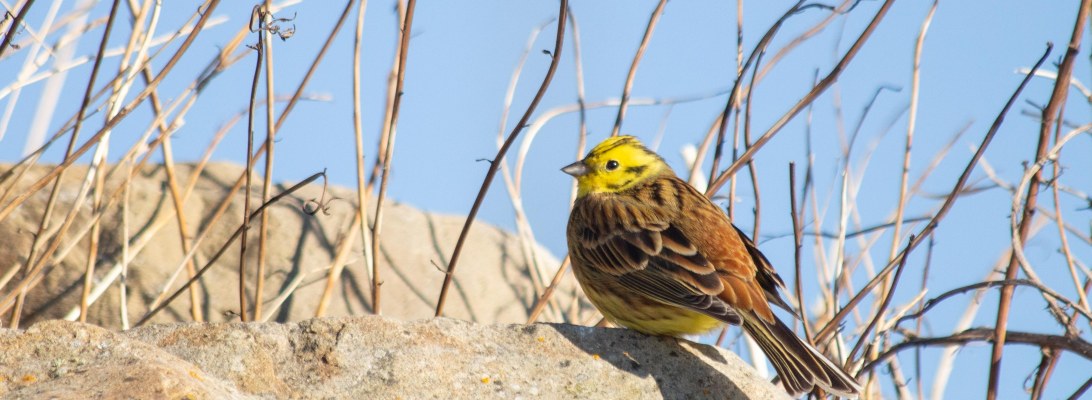
As I walk along the shore, I have the option of looking left to the ocean or right to dense clouds of gorse. As well as infusing the air with a beautiful coconut smell, the gorse provides excellent shelter for lots of different birds. Over the last week I’ve seen willow warblers, stonechats, linnets, skylarks, hooded crows, swallows, swifts and yellowhammers in just a small area. The charm of the gorse forest is that you never know what you’re going to spot and I’m almost always surprised by something.

IMG_3333
Yellowhammer (male)
IMG_3161
Stonechat (male)

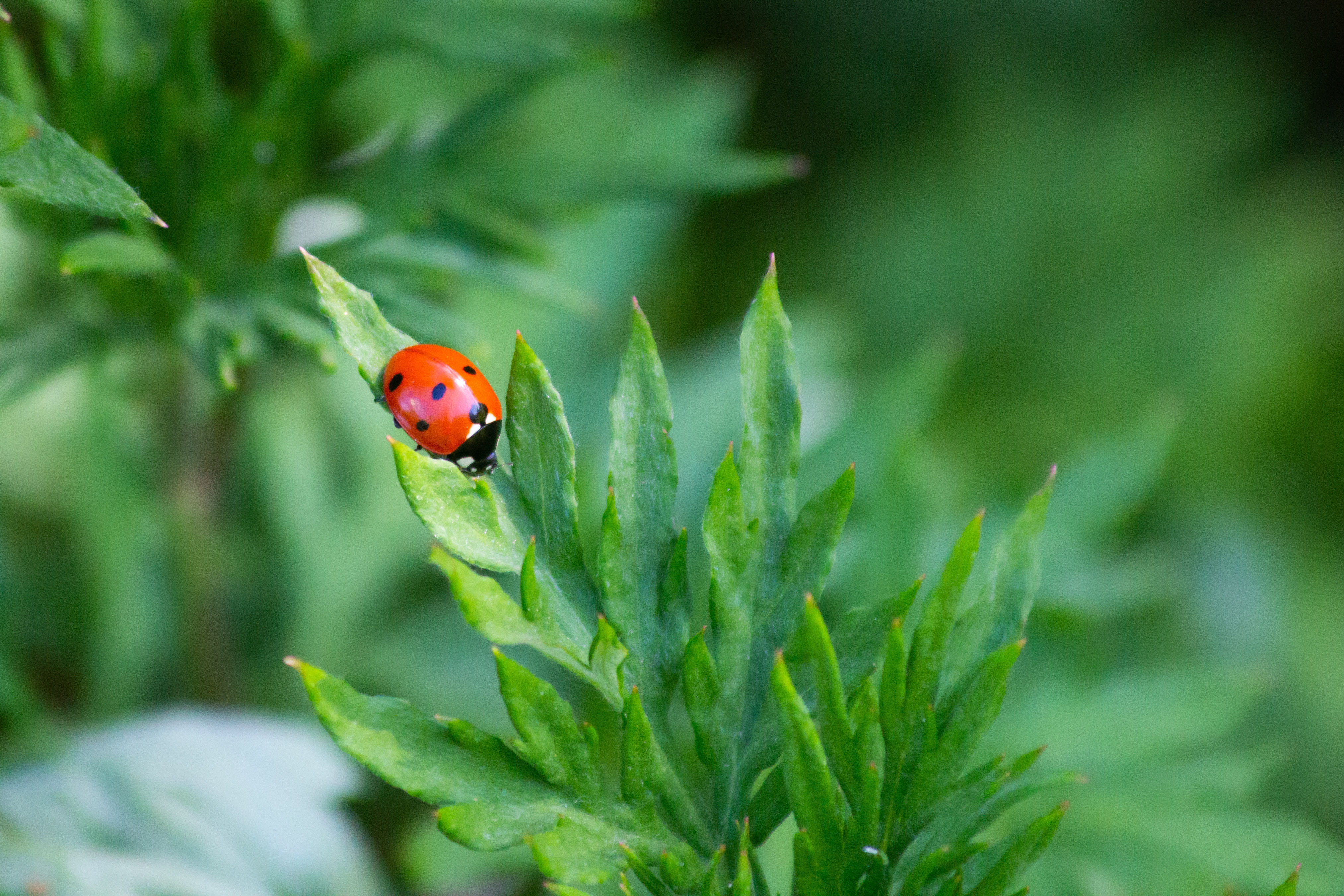
Although I’m usually drawn towards birds and mammals, I can’t help but notice emerging insects as the temperature climbs. Just along from the town allotments I’ve seen bees, peacock and red admiral butterflies and green foliage that’s speckled with ladybirds.

IMG_3036

It’s been difficult for us all to stay connected to the natural world during the lockdown, but seeing snippets of spring visitors on my daily walks has really lifted my mood. Nature never fails to make me feel better, and it’s during these challenging times that our time spent outdoors is the most important. Stay safe and stay wild everyone.

Nature Editor

While carrying out my (perhaps too) regular scroll of Instagram I passed an intriguing post by Bloom in Doom magazine advertising media positions, one of which was an Online Nature Editor.

Bloom in Doom is one of those beautiful journal magazines where the pages look like works of art. A bi-annual publication, it’s all about positive and solution-based ecological journalism. As someone who always has an optimistic slant on their wildlife writing, I was interested in getting involved.

Less than a week later I have started as a new Nature Editor and posted my first web article, which is about how you can help puffins. The second volume of the printed and digital magazine is titled “Sustainability” and will be out in June. I am hoping to be able to contribute to the third volume, but until then I will be sharing lots of positive wildlife stories on the Bloom in Doom website.

To read my debut piece, follow this link.

BinD 2 O12C4148

A Flash of Dorsal Fin

Jasmine brought me the ball again and shook her fur just as I stooped to pick it up, sending a spray of sand up into my face. Since I moved to the coast, sand is now a constant in my life. Every dip in a pocket reveals a new gathering of damp and slightly fishy dust, stuck like glue to every surface. I hurled the ball and Jas pelted after it, her pitter pattering paws the only sound in an otherwise silent evening. I had the beach to myself most days anyway, but recently it had become even more unusual to see another dog walker or jogger. Jas was none the wiser and was soon back at my feet again, tossing the ball up where it splatted against my shin and left a patch of sandy residue.

The evening was gloomy. Clouds were gathering and the little sunlight left was concealed behind the point at the end of the peninsula. My wet dog was getting curlier by the minute so I gave her a treat and put her back on the lead. She picked up her ball and carried it lovingly, ears lolling either side of a sand-clogged beard. I headed up the hill towards the pink splodge that hinted at an impressive sunset and scanned the shore. Herring gulls were gathered together on the rocks while a pair of red breasted mergansers bobbed in the shallows. A cormorant shot over the surface. The usuals.

I struggled with the lead, my soggy gloves and a poo bag as I rummaged in my pocket. The vivid sunset paled instantly as my phone decided not to pick up any of the oranges or pinks that I was seeing. Scowling at the phone and the dog as she began to dig a hole at my feet, I contented myself with just watching the sunset, but a black scratch on the water quickly made my stomach flip over. I lifted the binoculars up and yes! A dorsal fin! I could barely believe what I was seeing. For the last month I’d believed that dolphins were mythical creatures and I was more likely to see Nessie. But no, there were multiple bottlenose dolphins out there. As Jas continued to tug at a particularly stubborn tussock, I buzzed with excitement as the dolphins surfaced again. I counted four fins, although it was difficult when they didn’t all appear together. They were heading around the point so I followed them, hurrying along the thin trail that wound around the sheer edge of the hill. If I tripped the wrong way I’d plummet into the sea but I wasn’t too aware of that at the time. Jas followed reluctantly, no doubt wondering what the fuss was about.

Again! Definitely four fins, dark against the pale water. They were out of the sunset now and trickier to spot. Without the bright light, they were swallowed up by the mist already obscuring most of the horizon. They came up again but I could barely make them out. I began to feel rain, the sort of rain you don’t notice until you’re drenched, so I walked back to the house, scanning sideways the whole time, but my dolphins were gone for now.

A Review of ‘Sky Dance’ by John D. Burns

I discovered ‘Sky Dance’ while looking for non-fiction titles in the Scottish Interest section of my local Waterstones. In the past I have struggled to engage with a lot of rewilding books and often been intimidated by the political conflict. But after reading the blurb I realised that ‘Sky Dance’ was actually a novel. The story follows two hill walkers who get caught up in a row between conservationists and landowners about the reintroduction of lynx into Scotland. There is a fictional island called Morven and a landowner who ticks all the stereotype boxes of a tweed outfit, upper middle-class pomposity and a disregard for any animals besides grouse.

It is a strange book in many ways – especially the surprising ending – but I enjoyed the unorthodox approach. Acknowledging a potentially heavy topic such as rewilding through the medium of fiction was intriguing. ‘Sky Dance’ conveys important messages while remaining full of action. There are a few too many side stories which muddled the plot for me, but the main narrative about the lynx was an engaging one.

It would be fantastic if the reintroduction of a long-lost predator into Scotland could one day be a reality and not a piece of fiction. Burns explains that lynx would pose no danger to humans and only have a very low impact on livestock. If famers were compensated for these small losses then lynx would undoubtedly make a valuable contribution to the restoration of an unbalanced ecosystem that is currently overflowing with deer and damaged trees. Wolves and bears raise more difficult issues, but I believe lynx should definitely be brought back to the UK. John D. Burns paints quite a haunting picture of what the Scottish Highlands could look like if we started to reverse the damage we’ve caused by hunting apex predators to extinction.

Published in 2019, ‘Sky Dance’ is John D. Burns’s third book. He has spent over forty years climbing mountains and fifteen years writing. To hear more from John, visit his website for blogs and podcasts.


Wild Intrigue Blog

Back in 2017, I spent the year as the Creative Content Developer intern for Wild Intrigue. As well as teaching me a huge amount about British wildlife, Wild Intrigue founder Heather gave me my first experience writing for a client. During my year with her and media director Cain, I wrote blog posts, took photographs and was able to attend incredible rewilding expeditions in Northumberland, Cumbria, Perthshire and the stunning Isle of Carna on Scotland’s west coast. I learnt how to use camera traps, bat detectors and Longworth traps, which are used to humanely survey small mammals.

Heather and I have stayed in touch regularly since I graduated. Now the coronavirus lockdown is interfering with small businesses and preventing companies like Wild Intrigue from running face-to-face events, I was keen to help out at a distance with a guest blog post. During these strange times, it’s so important to remember that nature is right outside the window and we don’t need to miss out. In my post I share intriguing insights into some common garden birds: blackbirds, blue tits and robins. I hope readers will learn something unexpected about these often overlooked species and be inspired to discover their local wildlife.

You can read my guest blog post here. To find out more about the amazing work Wild Intrigue does, check out their live video from last week where they share camera trap footage and reflect on their past projects and expeditions.


My Top Wildlife Sites 2

After sharing four of my top wildlife sites in the UK I began to think of more and more, so here are another set of places that everyone should visit. Read on for dwarf pansies, red squirrels, white-tailed eagles and a particularly spectacular murmuration.


  1. Isles of Scilly

It sounds like an exaggeration but the Isles of Scilly really are incredible. I chose Scilly as the location for my final major project during my undergraduate degree and spent six days wandering through remote and near-tropical landscapes. Despite only being 28 miles from Cornwall, Scilly is so separate from mainland life that many of its species have evolved differently. The blackbirds have blood orange bills instead of their usual tangerine, wrens sing different songs and some plants are found nowhere else in the UK but on those few scattered islands.

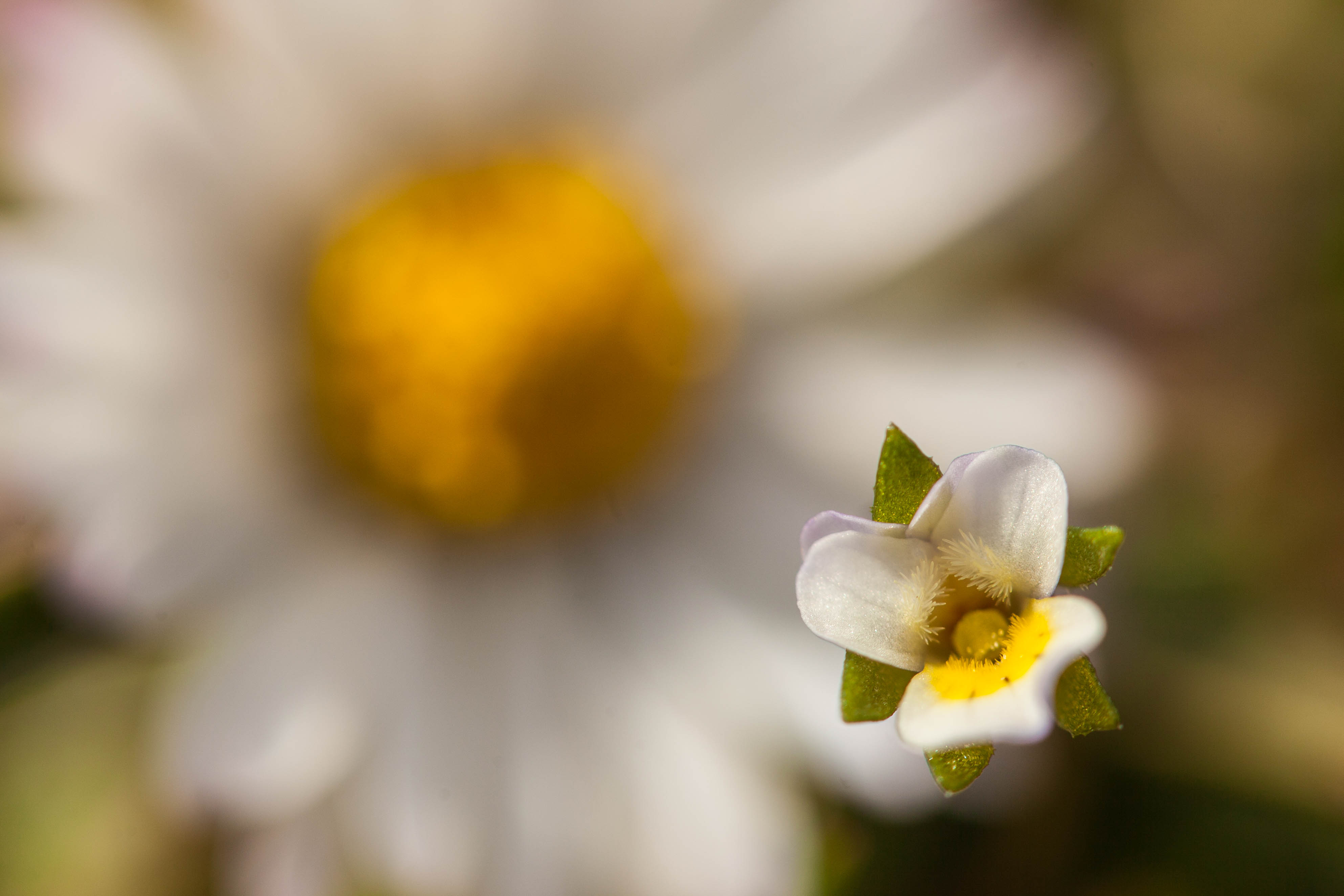
I was there to try and find the dwarf pansy, a flower so tiny that the petals barely cover a little fingernail. By some miracle I found it, but Scilly also surprised me with its dramatic geology, impressive bird life and scorching temperatures. I didn’t have time to visit all the islands, but Bryher was by far my favourite. As well as the dwarf pansy, I found the furious waves of Hell Bay (the name is no coincidence), swarms of dog violet blooms and beaches impossible to describe without using clichés. I’ve promised myself I’ll go back to Scilly, not only to tick off the other islands but to just spend time in a place with barely any roads, air so clean that lichens bloom on almost every tree, and plants so special that crazy students travel hundreds of miles to find them.

3
Dwarf pansy


  1. Eskrigg Nature Reserve

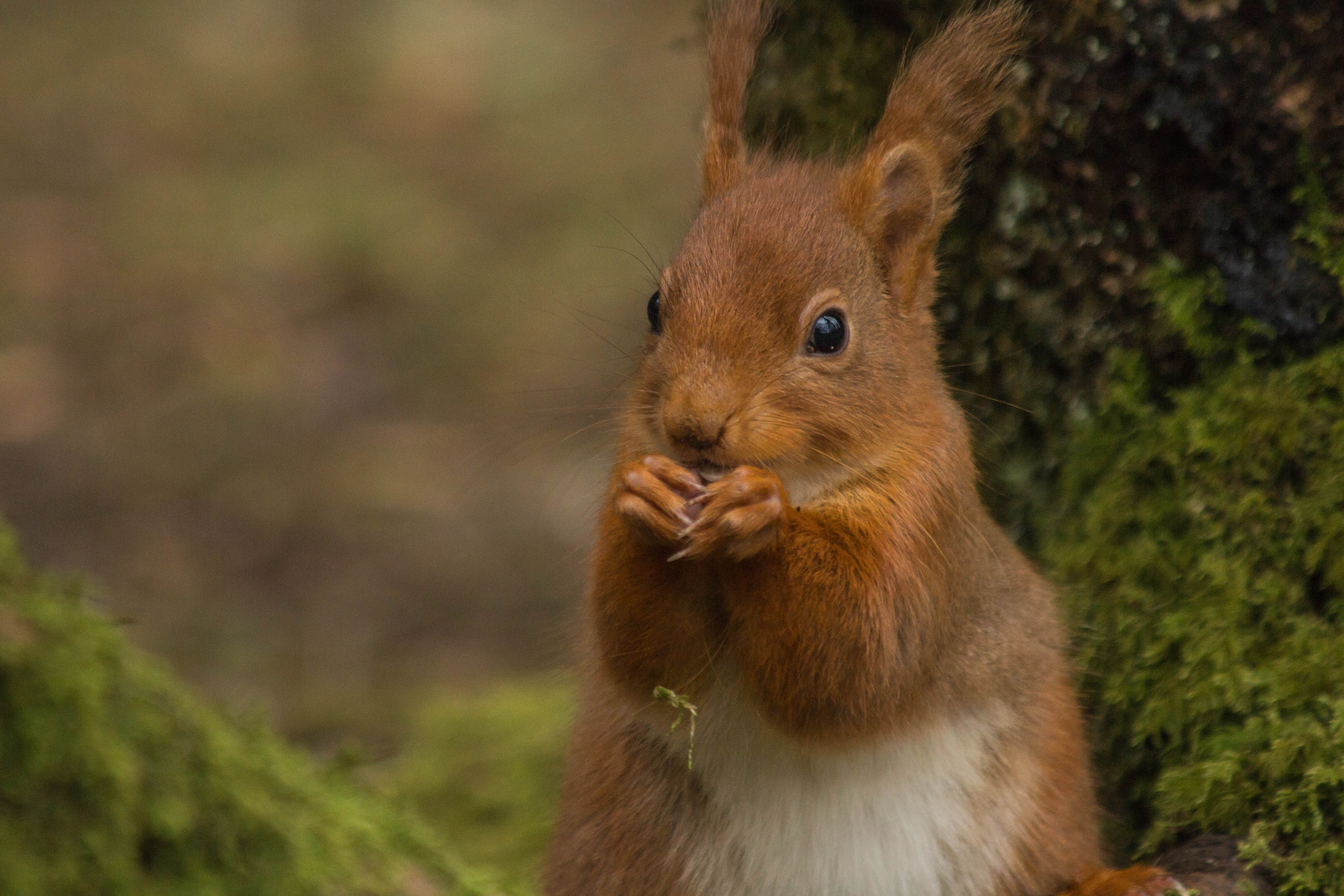
My mum had never seen a red squirrel before I took her to Eskrigg Nature Reserve. I’d been spoilt rotten there; after only two visits I’d seen about ten squirrels foraging six feet in front of me. Eskrigg is an exceptionally special place, managed by an exceptionally special person. I made a short documentary about Jim Rae for a university assignment and learnt just how much he has done not only for the reserve but also the community in Lockerbie.

As well as red squirrels, I have spent hours watching bramblings, great-spotted woodpeckers, siskins and even a female mandarin duck on a rare visit. When my parents came to see me I took them straight to Eskrigg. While Dad occupied the dog, I sat with Mum outside the hide (no need to sit inside with such laid-back wildlife) and waited less than twenty minutes before squirrels were bounding and chasing right under our boots. My mum had the same look of complete adoration on her face that I did the first time I saw them. There are certain animals that make a person’s mouth fall open and demands all their attention. Red squirrels do this effortlessly.

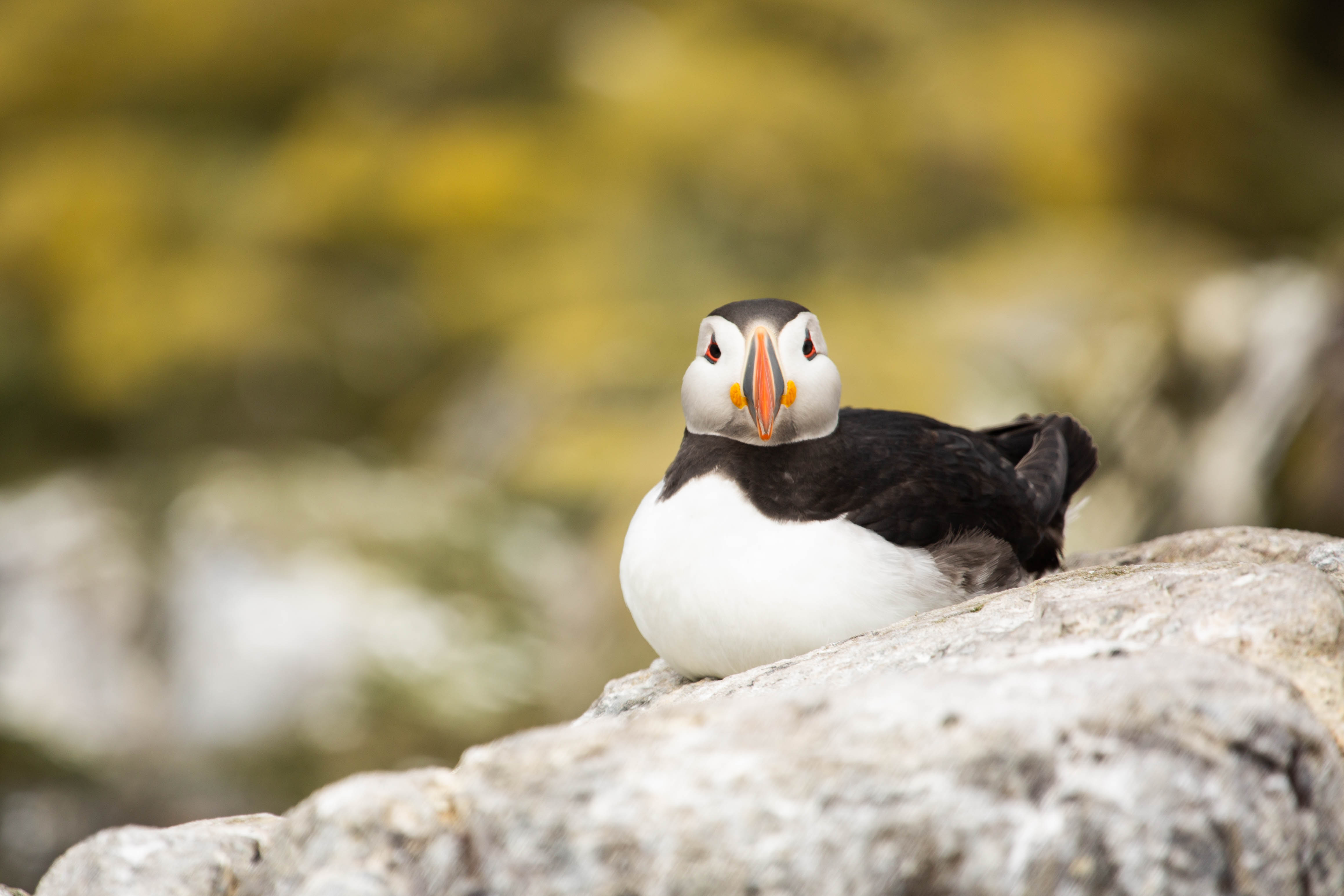
IMG_9304IMG_9213


  1. Isle of Carna

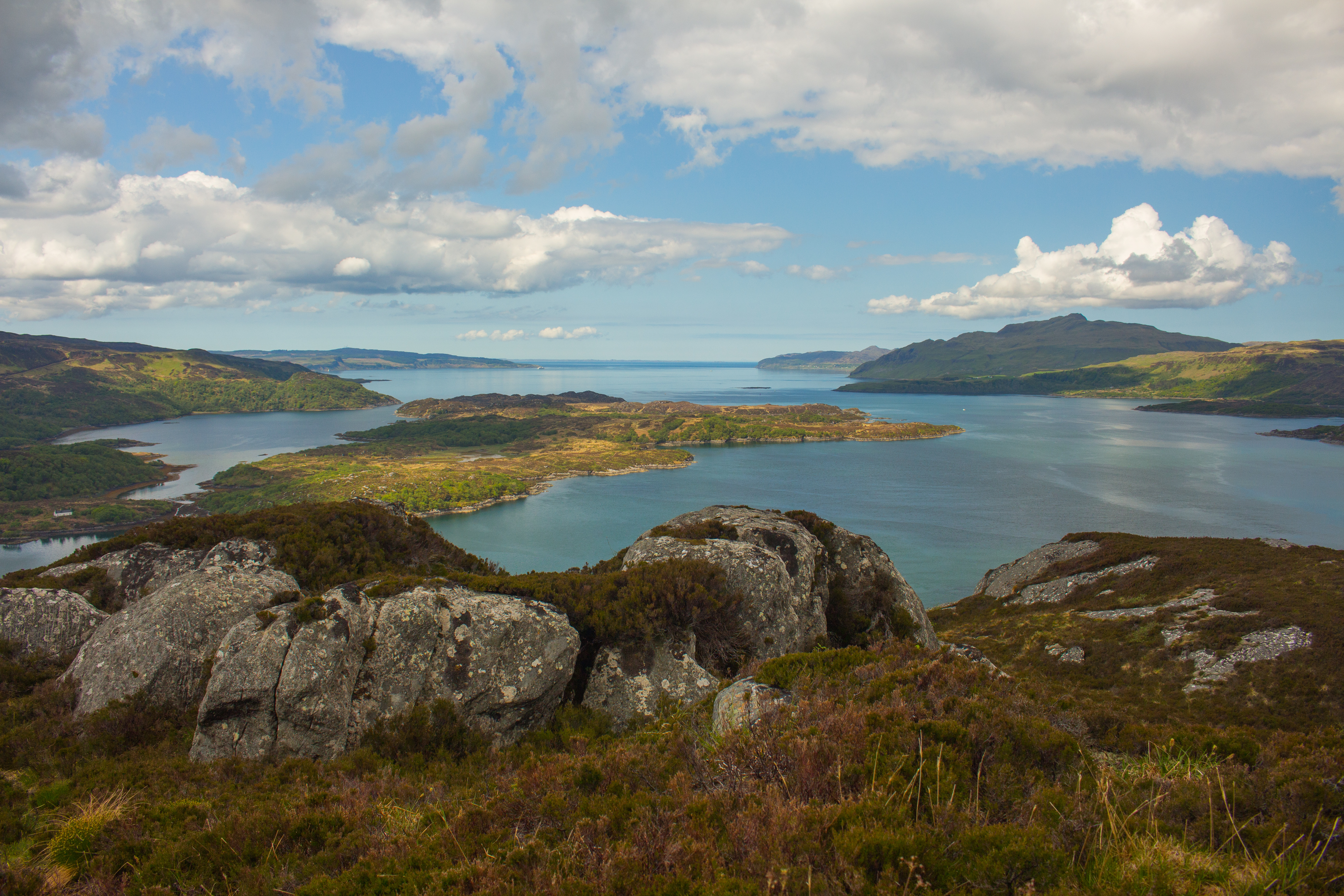
I could write pages about Carna. I went there in 2016 on an expedition with Wild Intrigue to leave technology behind and rewild myself. Carna is situated in Loch Sunart on the west coast of Scotland. We spent five days staying in one of two cottages on the entire island, which is let out to people looking for a break in complete seclusion. Even the deer have to swim to get there, which is certainly an unusual sight.

This was my first real foray into Scottish wilderness, and I couldn’t have asked for better guides. I didn’t know Heather and Cain well then, but they have since become good friends who have not only taught me most of what I know about wildlife, but have given me amazing opportunities, not least a year long internship as their Creative Content Developer.

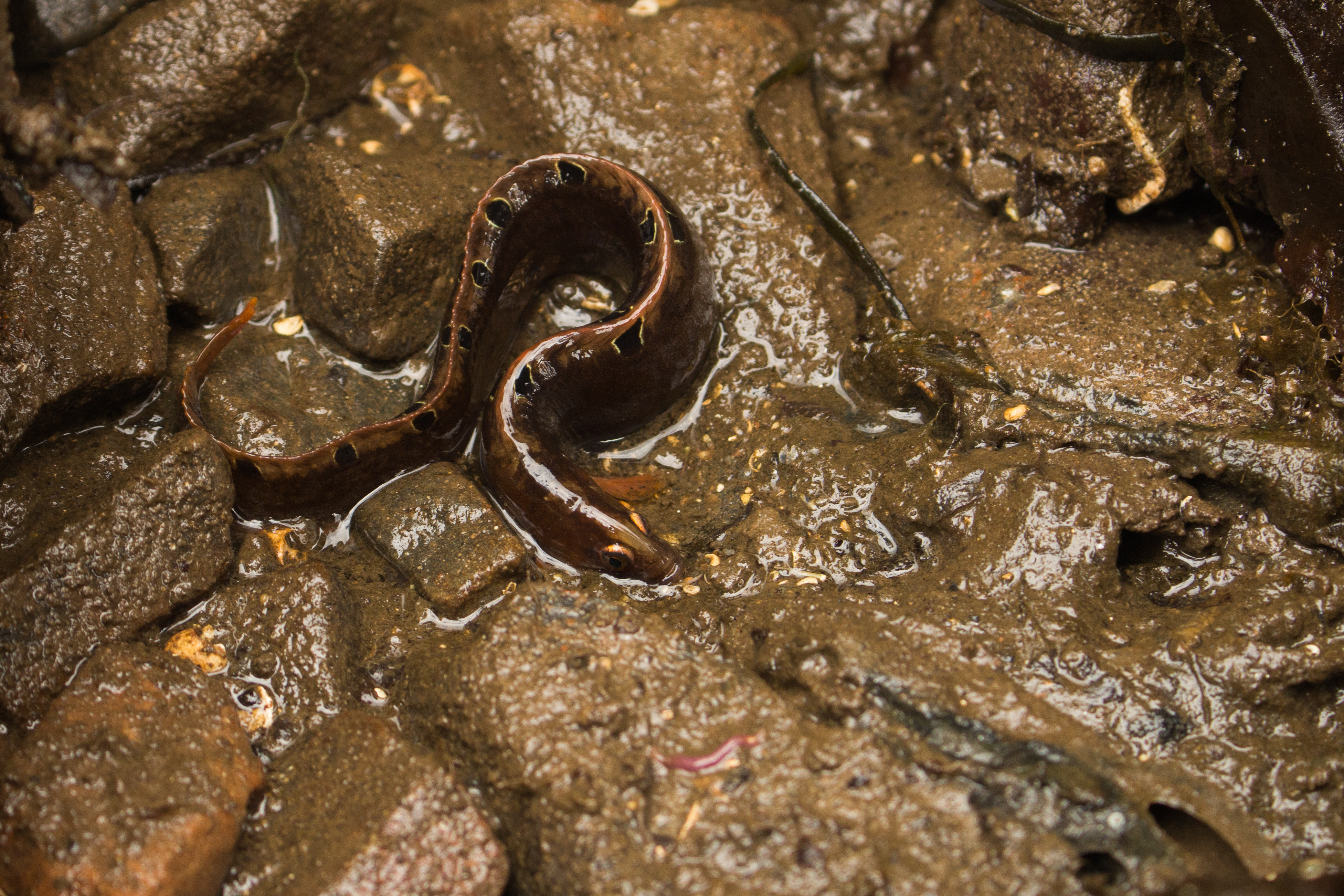
During my stay on Carna I saw my first otter, cuckoo, golden eagle and white-tailed eagles. You know you’re in a truly wild place when white-tailed eagles become a regular occurrence after the first couple of days. We found common blennies, butterfish and dog whelks in rock pools, caught a female wood mouse in a live-capture Longworth trap and recorded foxes, roe deer and voles on trail cameras. It was a crash course in wildlife fieldcraft that showed me just how diverse Scotland is, and will always be remembered fondly as my first true wildlife trip.

IMG_6170

IMG_6216
Butterfish


  1. Avalon Marshes

Before our trip to Avalon Marshes, my time in Somerset had been windy, soggy and cold, so I wasn’t feeling particularly inspired when we arrived just as more rain was spotting my face. We headed along the river and took our position looking out over a reed bed. Forty minutes later, I was trying not to fall backwards as I watched 250,000 starlings swirling over my head. I’d never seen a starling murmuration before, and I was being thoroughly spoilt with my first experience. Not only starlings but a merlin, marsh harrier and peregrine falcon trying to snatch a meal, as well as a grey heron that chose the wrong time to take flight and found itself in a starling storm.

As majestic as murmurations look on TV, they are nothing compared to the real thing. The sound of that many starlings flying over your head is like soft rain, which is amplified by cupping a hand around your ear. I had my mouth hanging open like a cartoon character the entire time, scarcely believing the swarming shapes I was seeing. It was like a static screen come alive. Eventually, the starlings swooped down to roost, almost at the same time. The reed bed became a seething frenzy of voices and the sky was empty again.

IMG_0626

Shorewatch

I am now officially trained as a Shorewatcher for Whale and Dolphin Conservation (WDC). I’ve been wanting to learn more about my local wildlife and contribute to marine conservation now I’m living in Scotland, so when I found out about the Shorewatch programme I was keen to get involved. Luckily I managed to complete my training in Inverness earlier this month, only a couple of weeks before the new regulations that now prevent us from going out for anything other than food shopping and exercise. Although I now won’t be able to start Shorewatching for a while, I’m going to use my time to get better at identifying British cetaceans using books in preparation for when I can get started properly.

Shorewatch is a citizen science project that’s all about scanning an area of ocean for ten minutes and recording the presence or absence of cetaceans (whales, dolphins and porpoises). The areas are especially assigned Shorewatch sites, which are found all over northern Scotland. The data collected is sent to WDC and used to monitor populations of cetaceans and flag up potential problems that may be occurring, such as deep-diving species that are straying into the shallows or a noticeable lack of sightings in an area where we might usually expect them.

IMG_4136

Shorewatch is particularly beneficial because it is a completely non-invasive way of surveying. As the volunteers are positioned on the shore instead of in boats, the cetaceans show natural behaviour. WDC also don’t believe in tagging animals, so prominent scars and nicks in dorsal fins are used to identify individuals. For example, the team can recognise Spurtle, a female bottlenose dolphin, from the large area of sunburn on her side.

I haven’t seen any cetaceans in Moray yet, but I’m sure that will change over the coming months. The season will hopefully kick off properly in May, and going by the incredible photography I’ve seen, the bottlenoses really go to town with their acrobatics! However, when all you see is the flick of a tail or the subsequent splash, it can be tricky to figure out what species you’ve seen, so I’m learning how to identify different species in the water. The Moray Firth is famous for its bottlenoses, which are both the largest and most northerly in the world, but many other species have been spotted from Burghead shores including harbour porpoises and even orcas and humpback whales! I would definitely cry if I saw an orca in my local patch, but I shouldn’t get ahead of myself. Hopefully I’ll get to see the resident dolphins soon. We all went to Chanonry Point after our theory training to do a practice Shorewatch, and although there were no dolphins, we saw a common seal and a white-tailed eagle! I haven’t seen one since my trip to Carna in 2016, so to be able to watch the “flying barn door” on the east coast was a real treat and a fabulous introduction to Shorewatching.

IMG_2671