I Need Your Help!

If you’re from the UK and have stories to tell about forests, I’d love to hear from you!

I’m writing an article about what forests mean to different people, and would love to include some personal stories about wildlife, family memories or anything in between. If you could take a few minutes to complete my survey, I’d be so grateful.

Click here to see the survey!

A Day in the Fells

As we turned into the car park at Honister Pass, the clouds were grumbling. Geoff Cox appeared and shook my hand in greeting, with the same kindliness he might offer to his closest friend. Having roamed the fells since childhood, the bracing chill and spattering rain are all too familiar to him. A gust of wind blew me sideways as I struggled to catch the flyaway sleeve of my coat and hastily zip it up. Pulling a hat firmly down on my head, I gazed up at the fells. The day was bleak, and an ominous mist obscured the tops of the hills, which would provide a dramatic background for filming.

Today marked the penultimate day of shooting for the second documentary about Geoff’s experiences as a fell runner. During his sixtieth year he attempted to run three notorious Lake District endurance-running rounds: in the Joss Naylor Lakeland Challenge and Gerry Charnley he was successful, but the Bob Graham round defeated him. The film we’d be shooting today was a reflection of this unsuccessful round, and how Geoff found redemption to complete the Charnley. Geoff wrote poems about each round to process these challenging ordeals, and approached filmmaker Richard Berry to transform his words into films. Today, I was joining them to see what happened behind the scenes.

We set off, following Geoff and the other endurance runners up the first incline. Before long it became evident just how comfortable they were on this terrain; while I took my time negotiating uneven and slippy rocks, the rest of the group hiked with confidence and admirable swiftness. As we climbed higher, I was told that the views up here were usually breathtaking, but the fog hung over the entire horizon like an impenetrable curtain. We were completely enclosed, walking along a single clear track with white walls on all sides. “Drifting in the Skiddaw mist”, Geoff wrote in his poem; how apt this line was today.

Now 62, Geoff has been fell running for decades, and can’t remember a specific time when this habit became a continuous routine in his life. “Work and family pressures meant I needed a sport I could focus on which didn’t need other people,” Geoff explained, “With running I could drop everything and go anytime, day or night.”

Fell running in the wilderness of the Lake District is a lonely and secluded past time, something Geoff often welcomes. “I needed a place where I could have a bit of ‘me time’. Society seems to look upon somebody who needs these extended periods of time in isolation as strange and even a bit weird. Long days running in the hills gave me what I needed; something about the independence and self-sufficiency was very appealing.”

In a few hours we reached the right place to begin the day’s filming. Director Richard and camera operator Kerr McNicoll set up and before long shooting was in full swing. Agile as mountain goats, the runners cascaded down the rocky slopes with impressive assertiveness. Surrounded by the silent fells, the only sounds were the cracking of the colliding rocks and soft squelch of mud as feet drove through. Puffs of breath spilled into the sky, and as the runners headed further off, the mist soon swallowed them.

“And again!” Richard shouted, the echo of his words bouncing for miles. After a few moments, the group appeared again. From this distance they looked like small dashes of coloured paint on a white page – the only distinguishable features of the landscape. They looped around a small lake, reflections bouncing on the water. After several takes of this shot it was time for cake – a delicious fruitcake made by Jim, one of the runners. This burst of energy was welcomed with open arms, and once Richard had filmed Geoff scaling a large rocky outcrop on his gimbal, we began to snake back through the fells, gathering footage on the way and constantly referring to Geoff’s poems to capture the essence of his experiences and narrative.

Writing poetry has helped Geoff to process the challenges and obstacles associated with endurance running. “I started writing poetry as a way of processing the mental and emotional garbage floating around in my head, or ‘mental detritus’ as I call it. Prose didn’t work because it has the wrong rhythm. Poetry allowed me to talk about what I’m thinking and meant that I could introduce the pace and metre that matched my memories.”

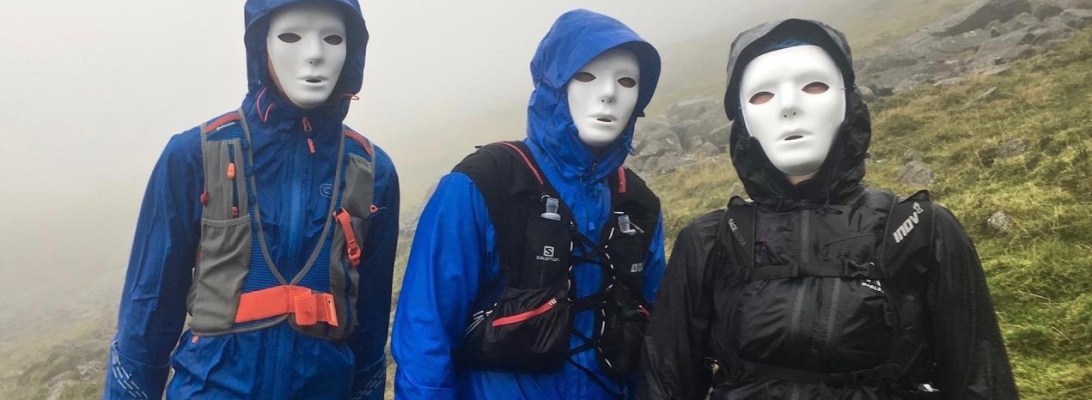
One of these memories took the form of white theatrical masks, worn by three of the runners looking over their shoulders at Geoff while he hung back, exhausted and near defeat. It was an intriguing idea and as we walked back through the fells I asked Geoff why he decided to include masks in the film. “They’re a symbol of how small doubts kick in and grow more insistent as the run goes on” he explained, “So we made them progressively more obvious throughout. ” This feeling of doubt was linked to people coming out to support Geoff while he competes and the pressure of not letting them down, a burden that can hang heavy on a runner under such physical and emotional strain.

I was astonished to hear that the masks were also a representation of hallucinations that Geoff said will be very familiar to long distance fell runners out on the hills for 24 hours or more. This “sleep monster” phenomenon is a result of exhaustion and sleep deprivation. “My particular version seems to be that I find myself running across strips of beautifully patterned Axminster carpet” Geoff told me, “All the time I’m thinking ‘It’s amazing that somebody has been up here and laid this carpet across these mountains!’”

Fell running in the Lake District is not for the faint-hearted. Unpredictable weather, unforgiving terrain, and a vast secluded landscape, and all with a burning in your legs. Even today, after walking seven miles, I returned to the warm café with aching knees. Geoff has proven that age is no match for will and determination, and is continuously training for new rounds to run. For him, fell running is more than exercise but a way of managing stress and even inspiring poetry. Spending time with him and the other runners opened my eyes to a life spent high above the ground, where so few people think to look.
Chesters: Day One

The rain was lashing on the windscreen as we made our bumpy way up the hill to Chesters. Sheep shook their sodden wool and watched the car with quizzical expressions as it grumbled over rocky grass. Before long the bothy came into view, nestled amongst the rolling bracken hills. I was just scanning the ground for darting pheasants when a pair of beady brown eyes made me call out for Cain to stop the car. Slowly reversing, we just caught a glimpse of the hare’s face before it turned tail and scarpered back through the bracken. I saw this as a very good wildlife omen for the rest of the weekend.

After settling in and enjoying some lunch, we headed through the Breamish Valley to meet the expeditioneers. I had a scan with the binoculars and spotted a kestrel hovering, drifting and hovering again. Heather told me she’d seen a pair of ravens swooping around yesterday, so it would be fantastic to hear some ‘kronking’ this weekend.

The weather couldn’t seem to make up its mind. Rain drummed on our heads one minute, then the sun was shining and turning the hills gold. Skylarks zoomed above, filling the air with their high-pitched chirruping, while pheasants screamed down in the valley, darting in and out of view like a Scooby Doo villain chase.

IMG_6120

Once the expeditioneers had unpacked, we headed out for a wander. A breeze whistled in the grass but the sun still fought with the clouds for a good view. We ducked into the nearest conifer plantation to see if there were any good spots to set a camera trap. After following a trodden track that trailed through the trees – a sure sign that there were creatures using this route, perhaps a group of roe deer or even a badger – we positioned the trap with a good vantage point down the trail.

Further on through the plantation was a Scots pine peppered with deep, spherical holes. The tree was dead, and had become the perfect sculpting project for great-spotted woodpeckers, who had transformed it into a wooden honeycomb. It was extraordinary to see tough, dead bark being carved and moulded so easily by blackbird-sized creatures. Although we did hear their sharp ‘kik’ call somewhere in the plantation, we didn’t meet any possible culprits, so couldn’t be sure if it was the work of a single bird or perhaps multiple competing for such a valuable pecking post.

IMG_6215

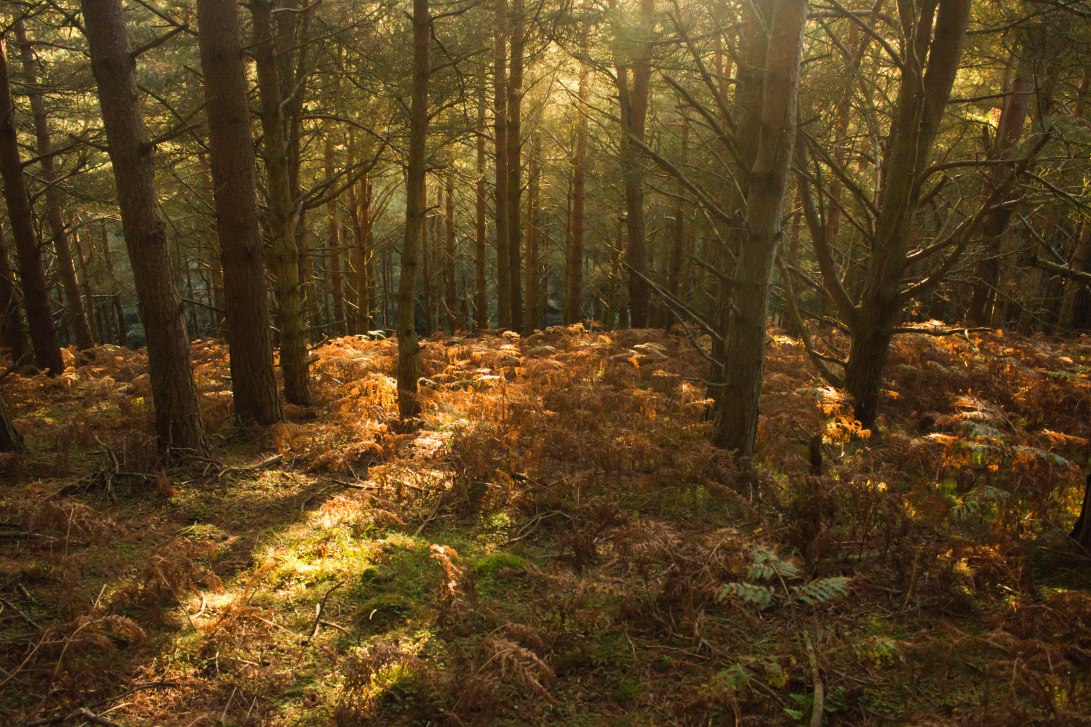
The sun was slowly setting. As the light faded, a hazy glow settled over the Cheviot Hills, illuminating the uppermost branches. Every colour was intensified; russet orange, army green, lime green, all blending together and criss-crossed with conifer needles. Spots of bright light broke through gaps in the canopy, playing tricks on my eyes when I thought a hyper-lit brown leaf was a luminous orange mushroom.

IMG_6190IMG_6160

After a while we broke out of the plantation and wandered along the Chesters Burn as it bubbled downstream. The water was a vivid blue, frothing white as it crashed over rocks. A piercing ‘zrik!’ cut through the rush of the river and we all turned to spot the white-breasted bullet speeding down the watercourse. Sure enough, a dipper zoomed into view, wings a frantic blur. Perhaps less regally dressed than its neighbour the kingfisher, but still a charismatic and highly specialised little fisherman.

By now the sun had sunk out of view and the landscape dulled in colour, the familiar dusky haze settling over our surroundings. Heather told us about an expression that perfectly described this time of day: entre chien et loup, meaning “between dog and wolf”. In dim twilight, our eyes have to work harder to distinguish shapes, perhaps mistaking a harmless dog for a slightly more intimidating canine! Up in the Cheviots though, there were no monsters hiding, so it was enlightening to see what was venturing out at this time of day.

7V8A5395

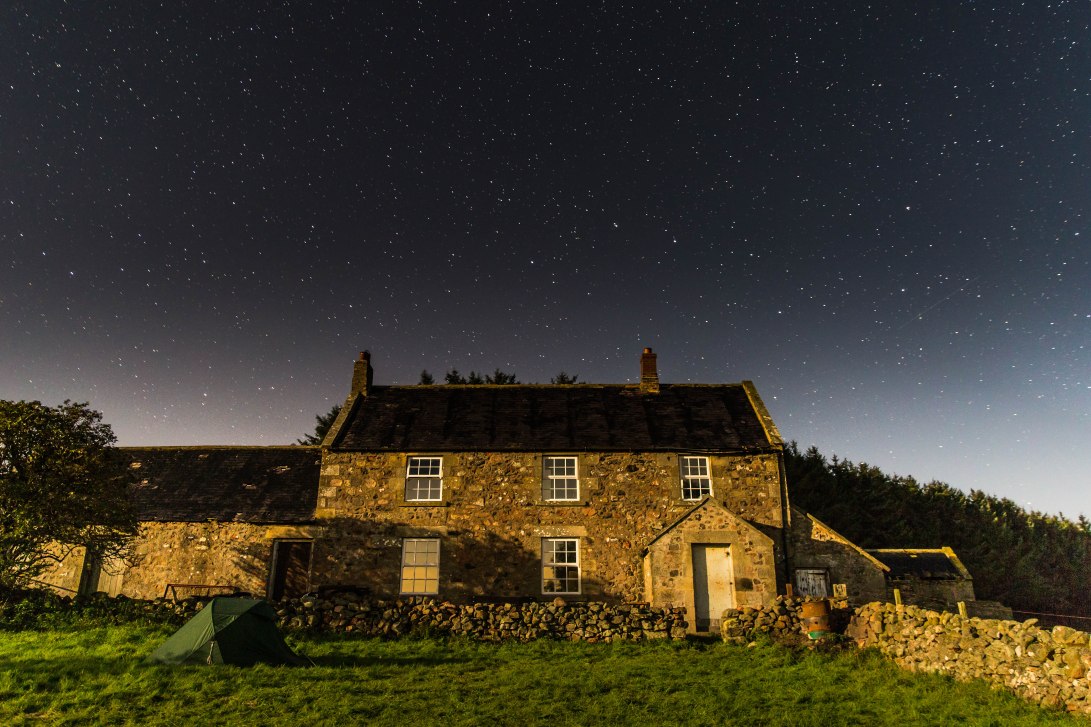
Once we’d made the ascent back up the hill to the bothy, the moon and stars had dominance of the sky. There were a few wispy clouds, but mostly the horizon was clear, so we all retrieved hats and gloves and set up tripods in the garden for some star photography. I hadn’t had a lot of practice shooting at night, so was pleased to capture some shots of the bothy backed by the entire night sky. Getting such good views of stars was a breathtaking end to our first day in the wilderness.

7V8A5401-2

Species Seen:

Brown Hare (Lepus europaeus) Buzzard (Buteo buteo) Carrion Crow (Corvus corone) Dipper (Cinclus cinclus) Coal Tit (Periparus ater) European Rabbit (Oryctolagus cuniculus) Goldcrest (Regulus regulus) Great Spotted Woodpecker (Dendrocopos major) Great Tit (Parus major) Grey Heron (Ardea cinerea) Kestrel (Falco tinnunculus) Long-Tailed Tit (Aegithalos caudatus)  Mallard (Anas platyrhynchos) Meadow Pipit (Anthus pratensis) Pheasant (Phasianus colchicus) Skylark (Alauda arvensis) Woodpigeon (Columba palumbus)

Birdfair 2017

Zahrah and I only managed to attend the third and final day of Birdfair 2016. This year, we were set on squeezing everything we could out of this incredible event. Kerr decided to join us too, so last Thursday the three of us set off for Rutland Water Nature Reserve.

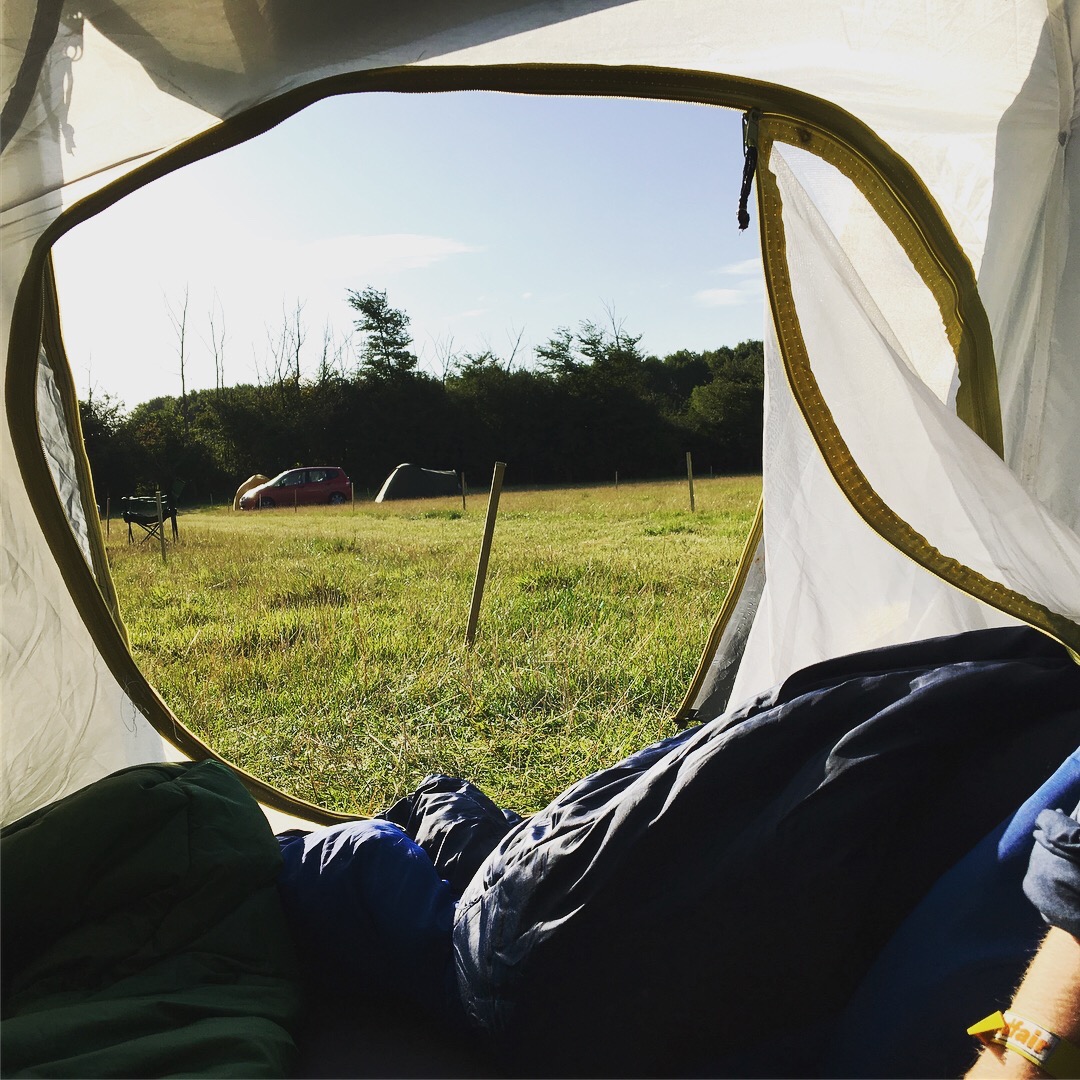
Due to a slight train mishap from Zahrah, it was nearly dark by the time we arrived at the campsite. We met the very charismatic steward and his wife, who cruised around the site on a rather fetching golf buggy and led us to our pitch. Perhaps ashamedly, I’d only been camping twice before, once ten years ago and once last month, so I was excited to get the tent up and spend our first night in the reserve.

IMG_8516

In the morning I woke from a genuinely good tent’s sleep. After eating pots of porridge around the stove we headed over to the fair. As usual, I was overwhelmed by just how much there was to see: eight long marquees, three lecture theatres, the main events marquee and a large cluster of food stalls, merchandise stands and of course, the reserve itself.

After a scan of the programme, we threaded our way through the first marquee. We met a lovely lady from the West Cumbria Swift Group, and I soon realised how little I knew about swifts. Due to house renovations, swifts are losing their nesting sites and should now be red-listed. The fastest bird in level flight, swifts shut down half their brain at a time to enable them to sleep on the wing and endure such long journeys overseas.

In the afternoon I attended a talk on the successes and challenges of conservation. As I listened to comeback stories of black-winged stilts, spoonbills and Manx shearwaters, it struck me how much we all dwell on the ‘doom and gloom’ of wildlife. Of course, it’s appalling how many of our planet’s species are now threatened, but invaluable work is being carried out all over the world and it should be celebrated. The talk inspired me to concentrate on conservation success, not failure, and it’s something I reckon I’ll be turning into a third year project.

IMG_8517

Day two of Birdfair began with some more networking in the marquees. I chatted to lots of lovely people, from the BBC Wildlife team to photographers to those offering amazing wildlife holidays (I lost count how many competitions I entered – bring on the promotional emails). After a delicious pulled pork roll with applesauce, my ultimate favourite, Zahrah and I caught Simon King’s talk. He really is a great speaker. Although it’s often the case at these events that the speakers are merely preaching to the choir, it’s always so good to be reminded just how important nature is. He included a quote from Anaïs Nin that drove his message home: “We don’t see things as they are, we see them as we are.” Mankind has done extraordinary things, some of them terrible, and it’s important not to lose focus on what really matters: preserving this planet. It’s a message I really hope can endure the test of time.

IMG_8518

I was a little sad to wake up on Sunday and realise Birdfair was nearly over. Zahrah and I anticipated long queues for Steve Backshall so we hurried to the fair earlier than usual. The marquee was filled to capacity, with people lining the walls and stuffing themselves into every space. I suppose it’s the nostalgia talking, but I think Steve Backshall is an inspiration. Deadly 60 was perfect, combining boisterous adventure with important messages about wildlife to capture every child’s imagination. In his talk, Steve showed various images of shark species, to which the children sat cross-legged at the front shouted out the names of without a moment’s hesitation. It gave me a fuzzy feeling: these kids absolutely loved wildlife. It’s true that engaging younger generations is undoubtedly the long-term solution for the natural world, and Steve Backshall was doing just that. I couldn’t help but put my hand up for a question. I asked him what species was next on his wish list, to which he replied the snow leopard.

IMG_8515

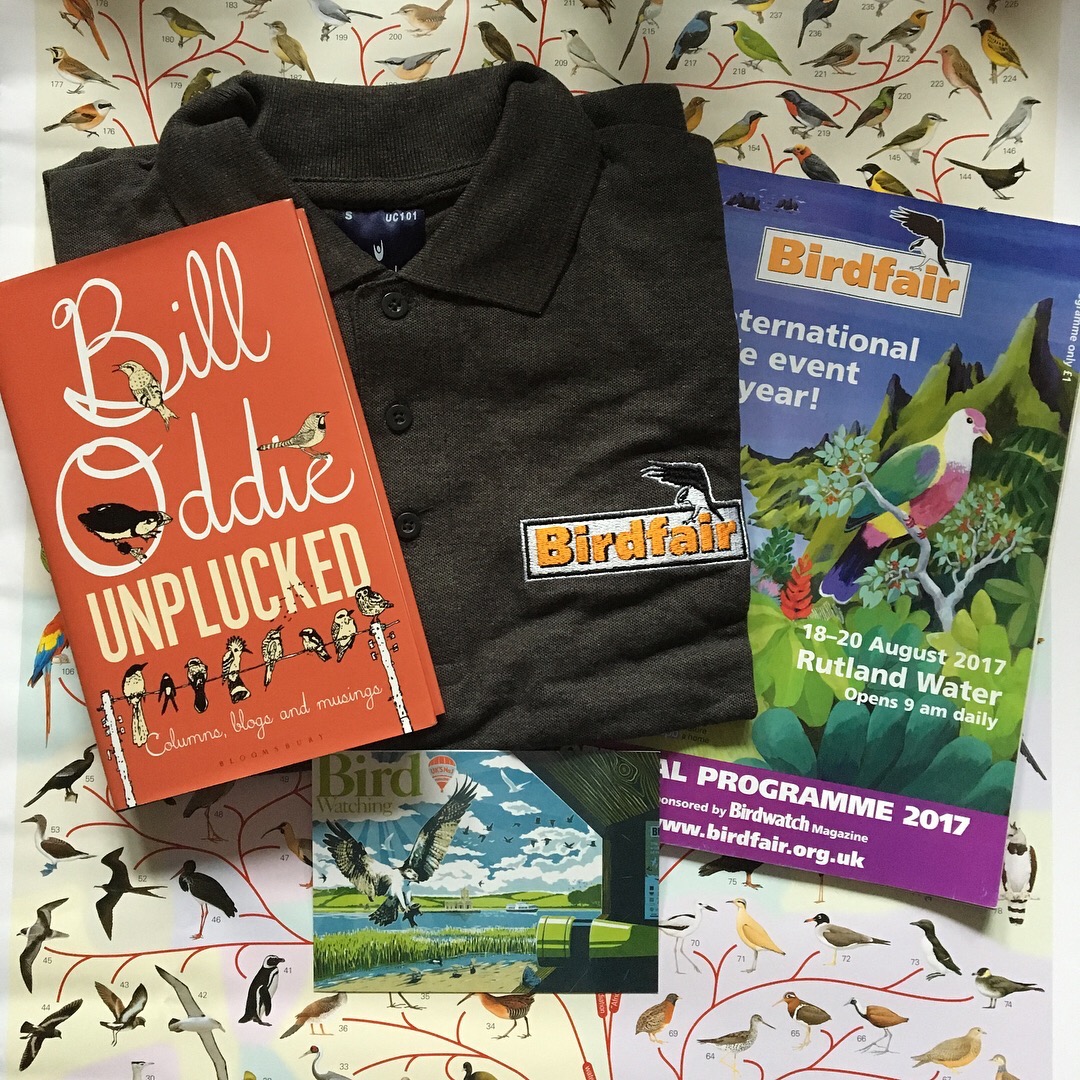
Before long it was time to go. Kerr had bought the Sony camera he’d been eyeing up for months and at a considerably lower price, so he was happy as Larry. I treated myself to a poster of the ‘Orders and Families of Birds of the World’, which is now hanging proudly alongside my others. Birdfair is one of those rare events where us wildies gather in our thousands to celebrate not only birds, but all wildlife. I know from previous experience that an interest in nature is not a common one, so to meet people from all over the world with the same passions as me is something really quite special. I’m already looking forward to next year.

Summer Back Home

Blogging has been slow recently – I’ve taken time out to relax now I’m home from university. I have an infuriating habit of constantly looking for work to do, and often forget that it’s okay to do nothing for a little while.

So here I am at home, and after being busy for so long I’m secretly wondering how to fill up all my time, because sitting idly and enjoying the summer just wouldn’t do. I brought home my troupe of cacti in an attempt to revive them; they all looked a little sad so I sought help from my nanny in the form of good compost and bigger pots. I’m so scared of killing them – alas I’m not a very good Mother of Plants – so now they’re repotted I’m hoping they can recover and I can be one of those women I find incredibly suave with houseplants flourishing on her windowsills.

As summer projects go (because I must have some form of work to get stuck into) I’m on the lookout for third year themes for my photography and writing. I’d love to have a concrete idea by September so I can jump right in when lectures start up again.

I’m also using the summer to refresh my Spanish. After seven years of tuition at school, I’m a little rusty since A levels. And seeing as I spent so long slaving over dictionaries and gazing quizzically at Spanish news coverage, it’d be a real shame to let it slip. So before I came home I got a novel from the library written entirely in Spanish on a motivated whim. It may be ridiculously complicated, but there’s no harm in tackling it.

And of course, I have my internship at Student and Graduate Publishing to look forward to, starting on Monday, so that’ll be something to keep me busy.


Filming Red Squirrels

It’s been a mad couple of weeks, with my second year at uni finishing this week: three deadlines in four days. The last – and for me the most challenging – is a five minute documentary on anything we can think of. The vagueness could seem like a blessing, but when you have the whole world as your subject matter, it seems impossible to think of anything to fill five short minutes.

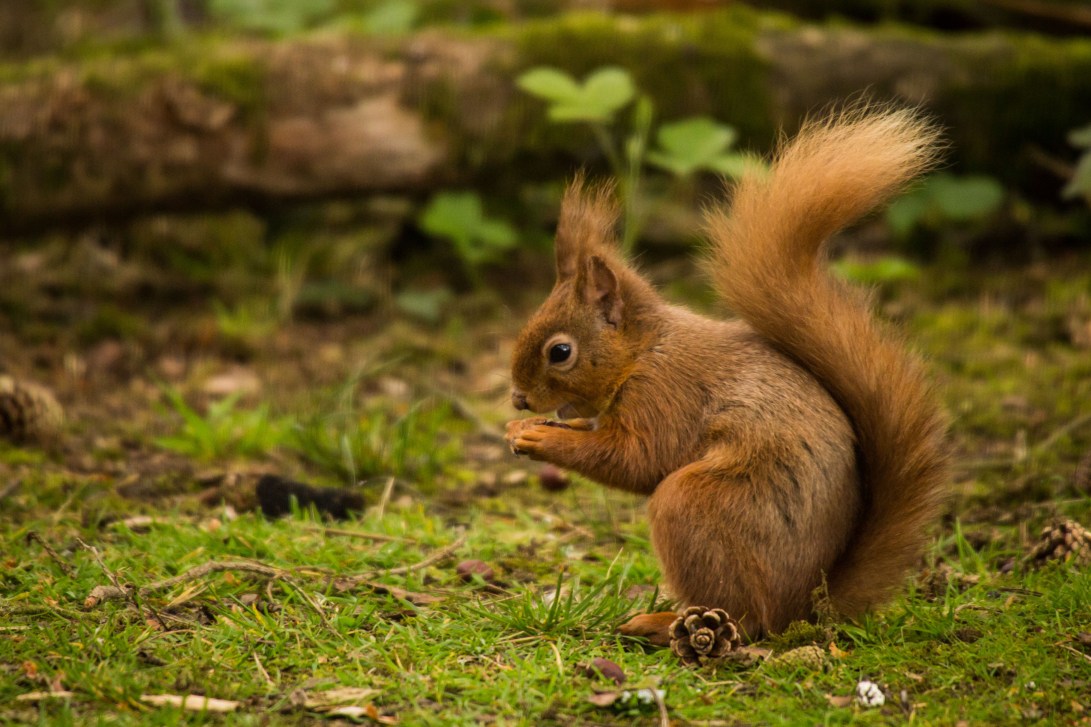
After the racking of brains and chewing of fingernails, I decided to combine my project with my first visit to Eskrigg Reserve in Lockerbie. It was infamously known among Wildlife Media students for its resident red squirrels; I’d been meaning to go for the whole two years I’ve been living in Cumbria, and only now with a deadline looming did I decide to visit. I headed up the road mid morning and by late afternoon I was perched in front of the hide, sharing a small open clearing with four foraging red squirrels!

IMG_3621

Jim Rae, the Reserve Manager, is one of the nicest people I’ve met, and incredibly passionate about wildlife. Upon arrival he welcomed me like an old friend, giving me the tour of the reserve before settling down in the hide for the interview. He had prepared four typed pages of notes, and when I sat outside later to film the squirrels he brought me a nutcracker and a box of hazelnuts for me to feed them. I couldn’t believe, after only just seeing a wild red squirrel for the first time in Chesters two months ago, I was now spoilt for choice of animals to film.

IMG_3593

It is not difficult to see why people get so attached to these creatures. A lot smaller than the greys and with delightful little ear tufts, they bound across the grass like furry chestnut bullets – trying to keep them in frame was a nightmare. I’d get one in perfect focus as it paused to claim a nut, then it was off and I was filming empty grass again. I’d never been so challenged as a photographer, but their nippiness provided an excellent opportunity to test my reflexes.

IMG_3559

I could have stayed for hours, but I had a film to edit and countless clips to go through, 90% of which were squirrels. As of today I’m just making the finishing touches ready for the deadline on Friday. Eskrigg is a gem of a reserve, and somewhere I will definitely be revisiting over summer!

IMG_3611

Have a watch of the finished documentary here:


‘Journeys’ Article in Watermark Magazine

One of my upcoming uni assignments is a portfolio of non-fiction writing. For one of my pieces, I was inspired by the theme of journeys, and how influential they can be. While many people instantly think of physical journeys, I wanted to reflect on the emotional journey I faced when coming to university. This piece was published in a university magazine in association with the literary festival “Words by the Water” in Keswick, Cumbria.

KM_C224e-20170530110948


Wild Film Fest Scotland

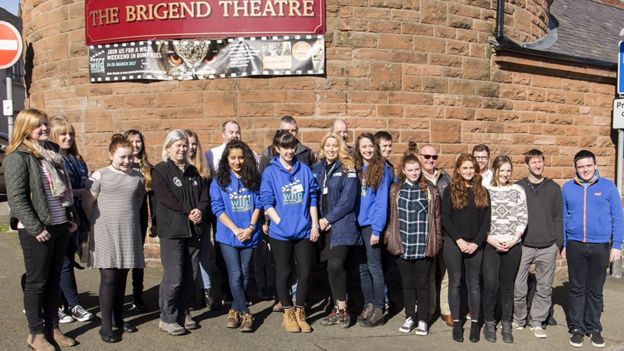
Last weekend was the first Wild Film Festival Scotland, which took place in beautiful Dumfries and Galloway. Myself and a few other Wildlife Media students were lucky enough to volunteer during the event, which involved some amazing talks and a rather fetching cobalt blue volunteer hoodie.

I headed up to Dumfries on the train and arrived mid afternoon. As I stepped onto the platform I realised what the niggling feeling I’d had was about: no pyjamas. To prevent severe embarrassment at the studio flat I was sharing with Zahrah later on, I made a quick dash up the high street then wandered down to the Theatre Royal to catch a talk from photographer Gordon Rae about his work. He told us about a trip to Churchill in the Canadian Arctic, where there were more polar bears than people, something I found incredible.

Later on was one of the festival headliners: Simon King. Excitedly, Zahrah and I joined the other volunteers and spent the next two hours hearing some extraordinary bird noises. Simon King is a real impressionist; I’d heard some of the animals he impersonated in the wild, and his versions were truly uncanny.

The next morning I headed down to the theatre for my induction, donning my hoodie and making my way to the Robert Burns Centre for my first shift. I welcomed visitors and clocked them in with the clicker, something I found more entertaining than perhaps I should. In between shifts I managed to catch a lot of films and talks, learning some amazing things about the natural world. Being at an event like Wild Film Fest with some professional naturalists made me realise just how much I still have to learn. It’s a blessing and a curse; of course I’d love to be a wildlife connoisseur overnight, but at the same time it’s exciting know how much there is still to find out.

The weather this weekend was stunning. During my lunch breaks I sat by the river and watched the goosanders dive and the mallards struggle against the current. I bumped into Cain, who told me there were otters on the river, but not while I was looking for them. The only wild otters I’ve seen were on the Isle of Carna – by the time I graduate I want to at least see them in Carlisle, where apparently the world and his mother have seen them.

Sunday night was Iolo Williams. The theatre was packed – after checking tickets and doing the headcount, I nipped up to the balcony and watched the talk with a bird’s eye view. Iolo is a great naturalist and a real entertainer. I asked him what he thought about the re-introduction of wolves in the UK, and he replied that the best place to release a pack would be the Houses of Parliament. Like all good naturalists, it was clear he had passion.

In seemingly no time the weekend and the festival were over. After a very nice bolognese at Hugo’s restaurant, we headed to the train station and made our way back to Carlisle, leaving behind a beautiful crimson sunset. It was a brief but really great weekend. Volunteering at the first ever Wild Film Fest Scotland is something I’m proud of, and hopefully next year’s will be an even bigger success.

_95329269_wffsyoungfilmakers26.03.17
Standing centre stage in front of one of the festival’s venues!


Taking an Unplanned Timeout

It’s time for a little reflection. Recently my blogging has been slacking and in many ways I’m annoyed with myself that I’ve let it slide slightly. I think a blog is such a good way to show people what you’re about on a regular basis, so it’s something I will not let slide too far.

However, in a way I’m glad I’ve been absent for a few weeks because the reason for it is… I’ve finally been relaxing! The run-up to Christmas was manic; an essay and a 20-minute film in close succession, as well as planning a photography exhibition. So when Christmas finally showed up, I completely switched off and spent the next two and a bit weeks doing very little.

Anyone who knows me well will understand that I am very often incapable of not working, much less relaxing. After being questioned on what it is I do during down time, I realised all I did was do a different kind of work. You know, spice things up a bit.

So I think the fact that I relaxed so much over the Christmas break is something of a miracle. I don’t know why it happened during this particular holiday – normally I give myself a project if there’s nothing to do for uni – but this time the chill was real. And I think it did me good.

Of course, when I drove back up and was faced with the prospect of two assignments due in just over a month, all the familiar stress came flooding back and work began promptly the next morning. Although, during those days at home it felt great just vegging on the sofa. I’ve never watched so many films as I did over Christmas this year. Normally this kind of behaviour would have shocked the diligent student that thrives on hard work, but the temporary chill version of me embraced Christmas and all it had to offer.

There are many people who tell me I stress out too much. I only stress because what I do means a lot to me, and if I know I’ve worked hard on something I can rest easy knowing I’ve done all I can. I’m a worker bee; that’s what I do in this hive of life. But at the same time I know that even worker bees can work too hard. So to spend this time relaxing has probably done me a lot of good. Now I can go back to the hectic lifestyle I obviously love and thrive on. Back to work!