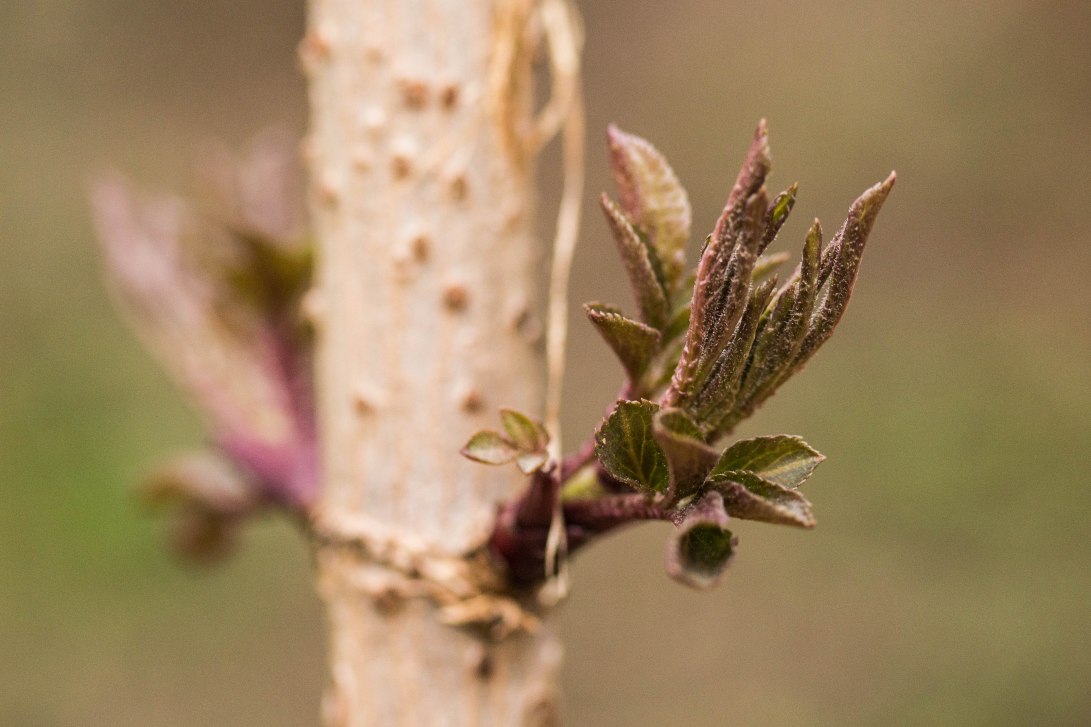
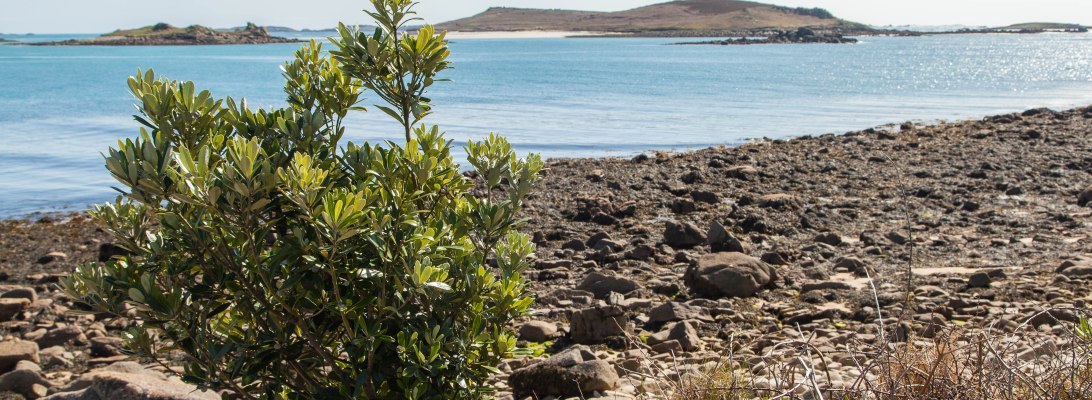
Exploring Bryher

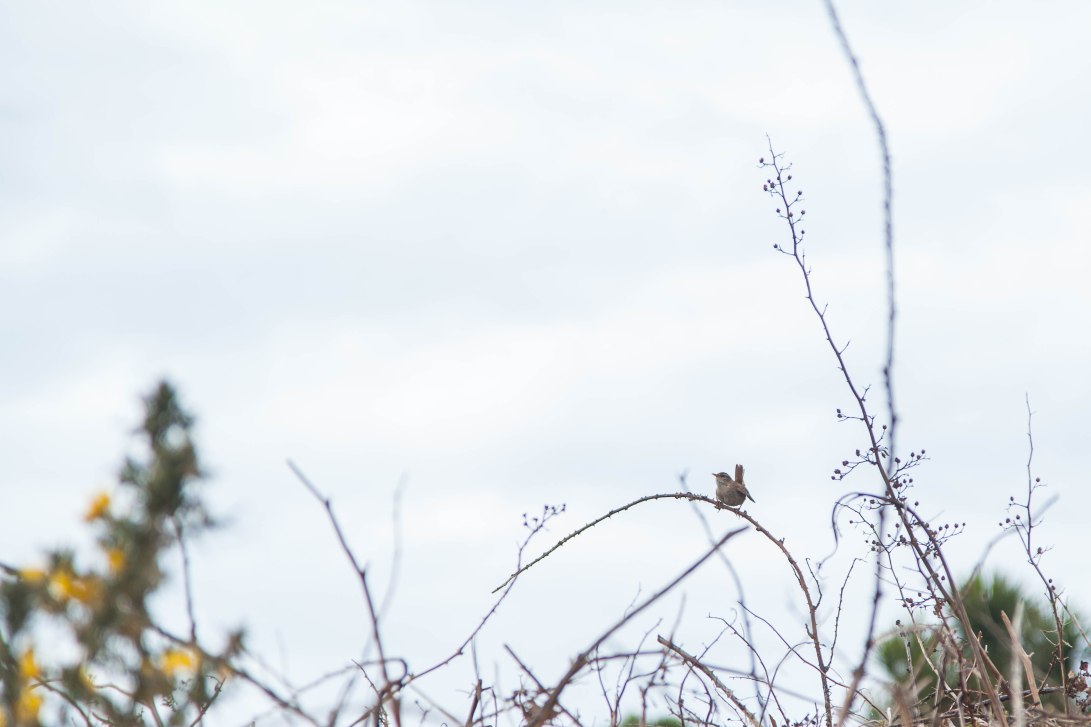
When I arrived on Bryher I was reminded of how scarcely populated the 1½-mile long island was. After an initial buzz of human activity at the quay, tourists and locals dispersed and I suddenly found myself completely alone, except for the ever-present wrens of course. One was perched high against the skyline only a few feet away, trilling with all its might. According to some Scillonians, wrens here are slightly different to those on the mainland. Their songs are different, and their mottled body markings are brighter. Perhaps this is a little Scillonian pride, but the shrews, bee and blackbirds are all unique here so I liked to entertain the possibility that Scilly wrens were just as special.
IMG_0244

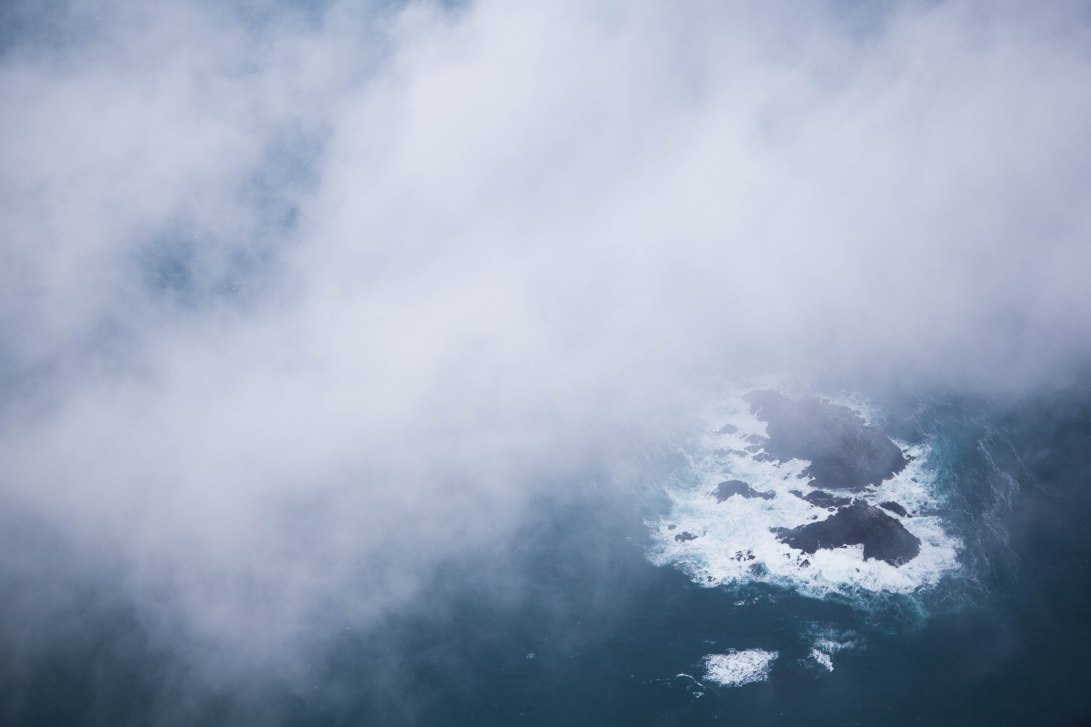
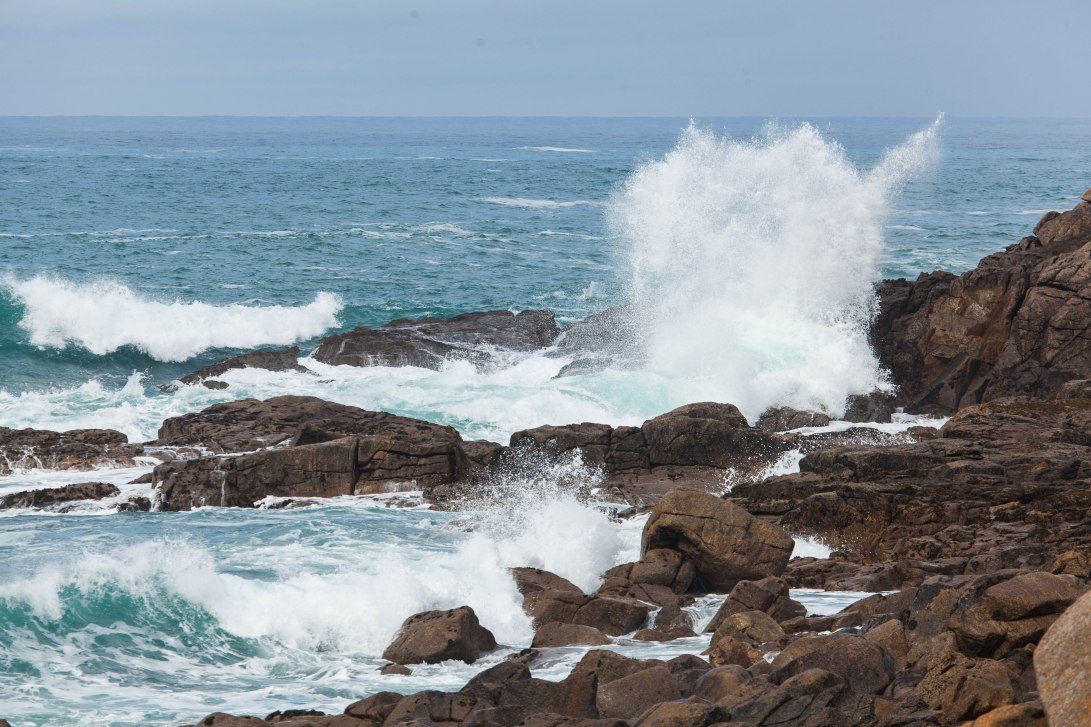
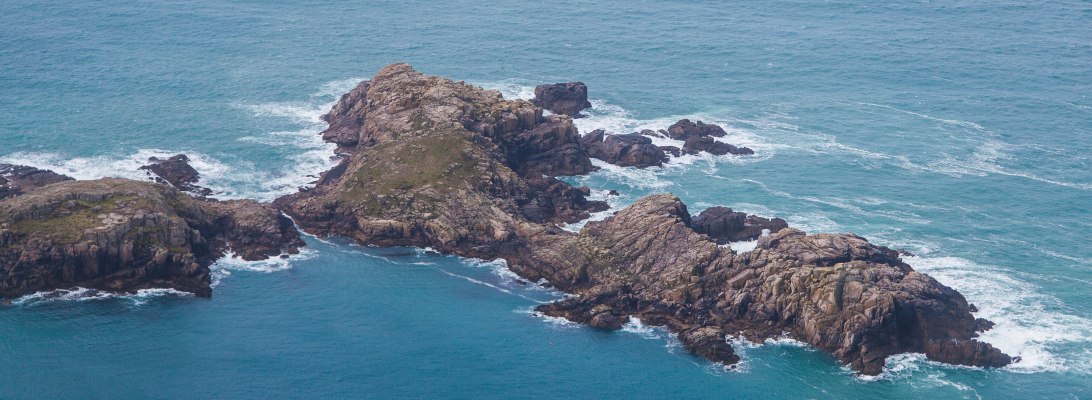
Bolstered by the wren’s enthusiasm, I made my way towards the northern side of the island, where the infamous Hell Bay laid waiting. So called because of its treacherous and unforgiving nature that had caused many a shipwreck in years past, it was hellish and beautiful in equal parts. I perched on a plump cushion of downy grass and watched the show – a dramatic display of rumbling waves, churning currents and seething white froth that surged up as each wave receded. Although each collision was intense, every so often a particularly furious wave thumped the rocks, sending vast plumes of water skywards. Backed as always by the wailing gulls and squealing oystercatchers, it was a feast for all the senses.
IMG_0293

Time was pressing on. Conscious that I didn’t want to miss the only boat back to St Mary’s, I hugged the coast and followed the beaten track down the western stretch of Bryher. Red Ruby Devon cattle watched me cautiously, blinking with big bottomless eyes. Before long I reached Rushy Bay, and the sun was shining beautifully. I ate my lunch on the sand, which as always on Scilly was golden and impeccably clean.

IMG_0587

Replenished, I began the search for what I’d come here to find: the dwarf pansy. With flowers 4-8mm long, I braced myself for a challenge. During my research I’d learned that a good spot on Bryher was “the sandy turf behind Rushy Bay”, which at the time had seemed a doddle. How much sandy turf could there be? I thought, quite deluded. True, the area wasn’t vast, but when you were looking for a flower that could fit several times on your fingernail, the sandy turf seemed to expand tenfold. I’d found the true meaning of “needle in a haystack”.

IMG_0557

Wondering why I’d chosen to torture myself, I began to scour the ground, peering between thick grasses for a glimpse of violet. I found plenty of insects; sandy brown spiders that skittered in and out of sight (small enough not to trigger my panic response luckily), black beetles I couldn’t hope to identify and plenty of ladybirds sitting prettily. No such luck with pansies, though. Soon my knees and back began to ache so I tried my luck on Heathy Hill, another good spot for dwarf pansies and orange birdsfoot, a rare member of the pea family I was also hoping to find.

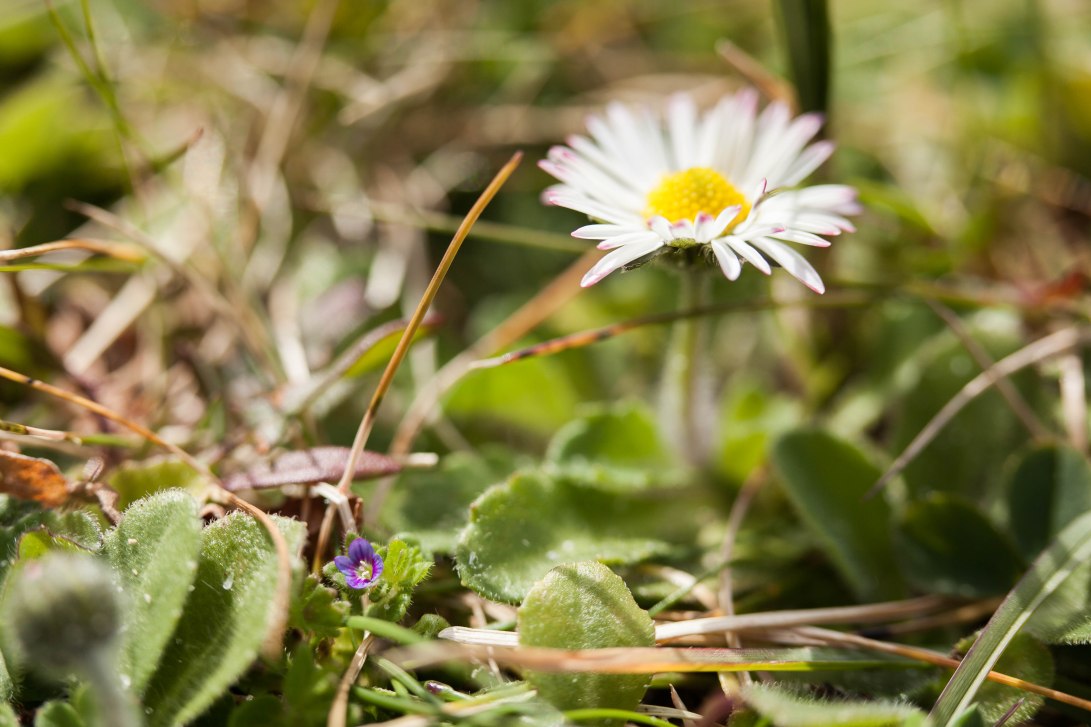
On the way, I stopped to admire the daisies. Interestingly, these common white flowers used to be known as “day’s eye” because they opened during the sunlight hours and closed at night like blinking eyes, but this soon morphed into daisies. By chance, my gaze wandered to a minuscule flower with purple petals that I could barely make out with the naked eye. In a slightly embarrassing lapse of composure I felt tears of joy prick the backs of my eyes, but I remembered that there were a lot of tiny flowers on Scilly. Due to the poor, acidic soil, often only small species could survive here. I knew I shouldn’t get my hopes up. It may not be my prized pansy, but I still lay sprawled on the floor photographing it for a good long while. Just in case.
IMG_0408

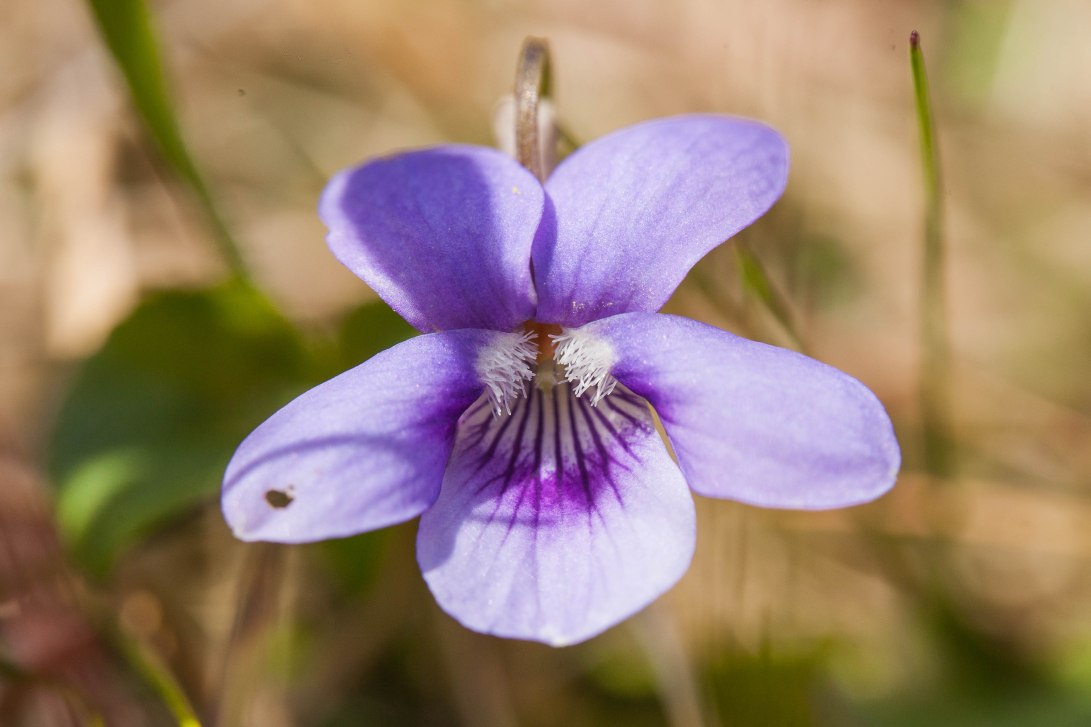
I headed further west towards Heathy Hill. Here I found a rather large cluster of blue-violet blooms and once again I was stumped. What if these were dwarf pansies and I hadn’t made full use of the opportunity? So, even though the petals looked a little large, I spent another twenty minutes rolling around in the grass getting very atmospheric photos of what could have been Scilly’s most common wildflower.

Back on St Mary’s that evening, at a wildlife talk at the village hall, I consulted Scilly naturalist Will Wagstaff about my finds. The second species I had found was dog violet, so not even a pansy sadly, but he couldn’t identify the first flower I found, which was quite intriguing.
IMG_0478

Arriving on Scilly

IMG_0143

To truly comprehend how isolated and tucked away the Isles of Scilly are, you have to get there. My travelling began at 4:30am, and after using four modes of transport I arrived on St Mary’s at 1pm. It was a complicated and fiddly excursion but when I finally arrived, eating chips overlooking a vast expanse of ocean, I knew I was really at the edge of Britain.

IMG_0174

Passionate gusts of wind blew the smells of salt and seaweed off the coast. The air was alive with birds. If I closed my eyes it was the same as home – wrens belting out their embellished trills, blackbirds speeding underfoot with shrieks of alarm – but as I was watching a dunnock I heard something that I thought at first to be a great tit, but the two syllables were the same pitch. Then, confirming my suspicions, a tiny brown, featureless bird appeared. My first chiffchaff in the flesh.

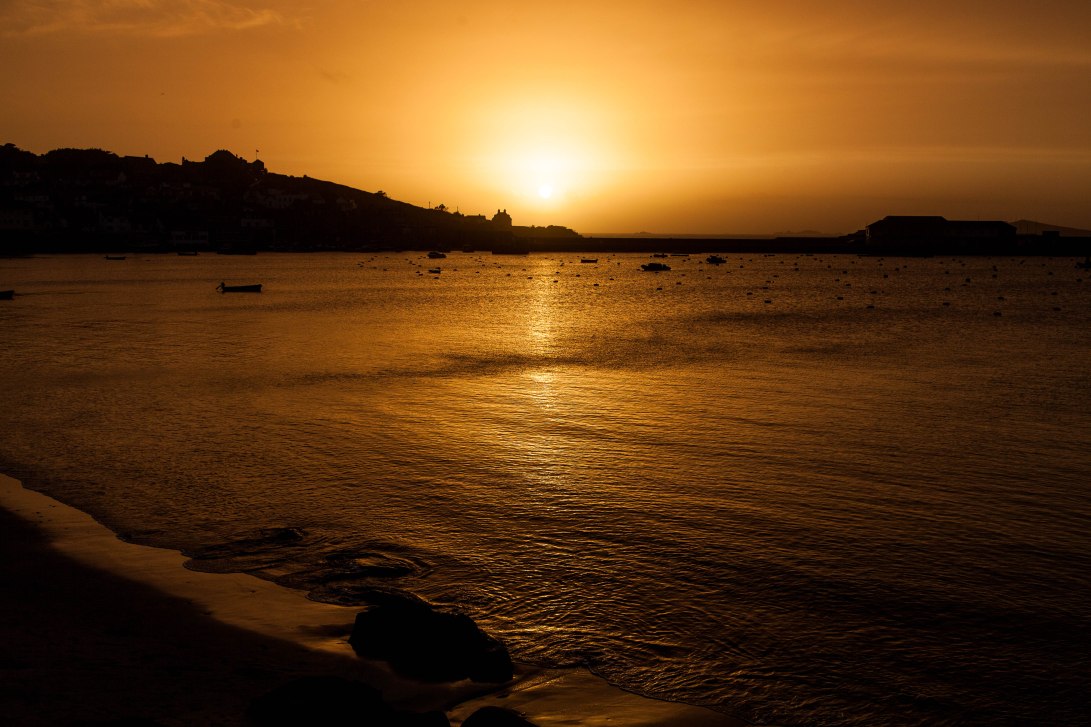
Later in the day I was struck with another bout of stress and worry. What if the flowers I wanted to photograph weren’t there? What if it rained every day this week? And as I stewed in paranoia I got a sign. I normally pulled faces at signs but this had to be something of an existential signal. As the sun went down the sky was alight with rich colour so I took my camera and headed down to the beach – only about twenty paces from the flat – and started taking photos of the foliage silhouetted against the sky. The sun sank so quickly that in minutes it had completely disappeared, but it was one of the most stunning sunsets I’d seen in months. There were other people taking photos too, and I heard one woman say “This is the best I’ve seen so far this year.” I arrived on Scilly this afternoon, and the day ended with a sky like that. I still felt apprehensive about this week, but my worry was also mixed with a little more optimism than before.

IMG_0200

Minimalism in Photography

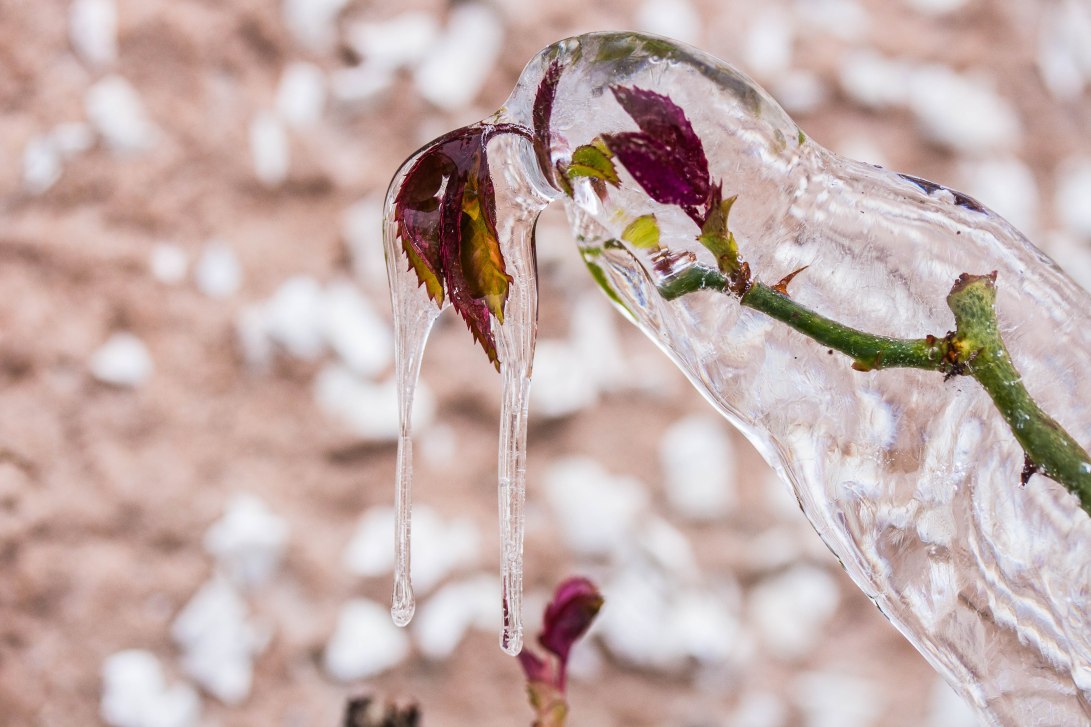
Recently I discovered a photographer called Petros Koublis during research for my photography project. In preparation for my upcoming trip to the Isles of Scilly, I was exploring the theme of isolation, as on Scilly geographical isolation has resulted in extraordinary diversity of both flora and fauna. So, I want my images to convey this seclusion without the subjects looking barren. When I found Koublis’s work I thought how beautifully minimalist the images were, and yet still varied and intriguing. The beauty was its simplicity.
Petros Koublis 11

So I set out and tried to capture my own images where the subject looked isolated but was still thriving. Inspired by Koublis’s minimalistic approach, I concentrated on simple colours, repeating shapes and uncluttered compositions. Using my 60mm macro lens, I de-cluttered the frame even more and filled it with my subject while washing out any detail in the background.

IMG_9365IMG_9390IMG_9384

I almost always zoom in as tight as I can, especially when doing macro photography. There is a great urge to make your subject as large and detailed as possible, but often I’ve found that this removes all context from the image and it loses some impact. While it’s always nice to have a little mystery in photography, revealing a few secrets can bring even more magic to an image. For example, the lichen on the twig below was only a few centimetres in diameter, but with nothing to compare it to, all scale is lost. Now the image has been taken, the lichen could be any size and the challenge of getting such a tiny plane of detail in focus doesn’t seem as significant. Although the texture is still intriguing, the presence of something more familiar could only have added to the effect.

IMG_9401

So on another trip out I began to step back. Although I couldn’t achieve the same crisp detail with more distance between myself and the subject, I could begin to introduce context and place the subject into a scene. An isolated section of this terracotta brick could have been taken in a garden or even at a construction site, but with the border of dry pebbles and the blurred suggestion of ocean, the subject is put in a time and place. As all photography is subjective, those with a fine art approach might say context isn’t necessary, but I like the way this image is clearly of the coast but it isn’t conventional in its composition or choice of focus. It suggests the theme more subtly. Also, the absence of any other noticeable features conveys the isolation I’m interested in showing, and shallow depth of field draws the eye immediately to the subject.

IMG_9438

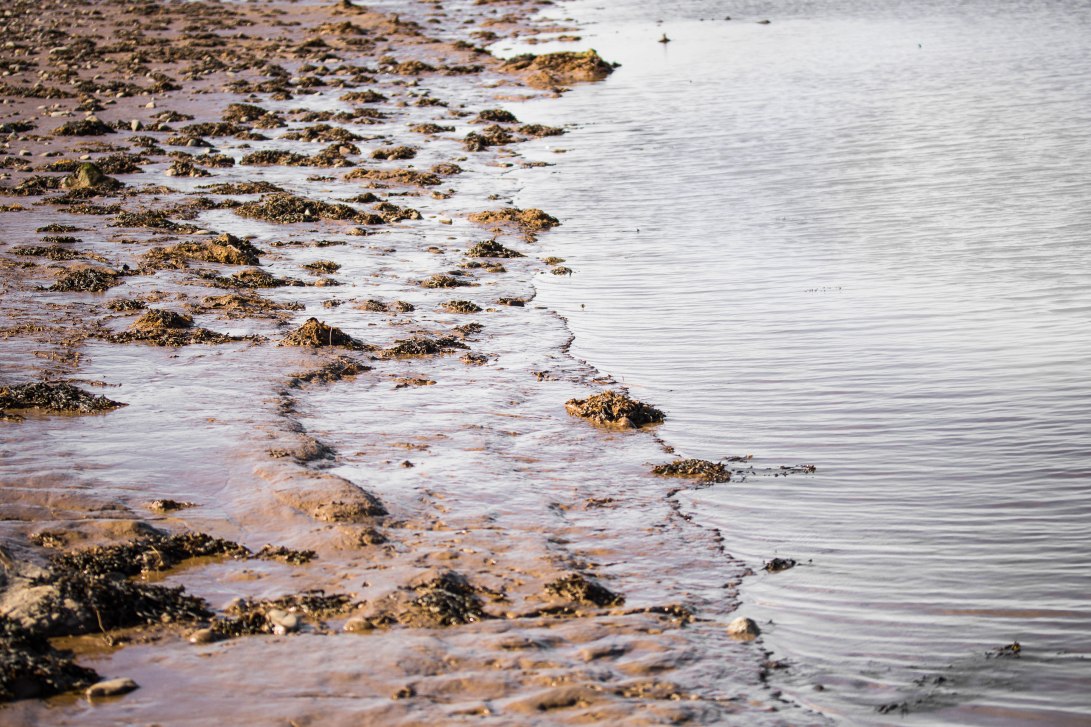
I’ve always been interested in shapes and lines in photography. Although perhaps a beginner’s cliche, a leading line is undeniably pleasing to look at. Here, the point of focus is the very centre of the image, with the tide line leading the viewer directly to it. It is loosely symmetrical, a technique I like to use to show balance and calmness in a scene. Here, there are two clear halves; one is almost completely lacking in detail except thin lines of movement from the tide, and the other has extensive detail. To emphasise this contrast even further, I desaturated the right half so even colour was absent from the water. I never excessively manipulate my photos as I like to replicate the true scene as much as I can, but subtle changes like this (when the colour of the water was almost grey anyway) can draw attention away from certain aspects in the frame to others.

IMG_9468

My Scilly expedition is fast approaching. I can’t wait to see what opportunities arise during my week’s stay on such a diverse archipelago. I think practice shoots like these will help broaden my creativity in preparation for a whole new environment.

Living off the Scilly Land

For my final major project at university, I am journeying to the Isles of Scilly for a photography project on this wildly diverse archipelago. My focus is currently the unique wildflowers of the islands, some of which are not found anywhere else in the UK such as the dwarf pansy. However, to broaden my understanding of Scilly (and also because it recently snowed there which has made me question my chances of seeing wildflowers next month), I have been researching how the first human residents used the land and its resources, which in some cases are vastly different ways to today.

  • During the Neolithic period, tribes were known to mark their presence on the islands using large stone monuments known as megaliths. These were for ritual or territorial purposes.
megalith
A megalith at Castle Down, Tresco (Source: The Megalithic Portal)
  • Wars and disputes subjected the inhabitants of Scilly to poverty and famine. One method of surviving such lean times was to forage seaweed. In 1684, production of soda ash from seaweed began, a material used to make soap, bleach and glass for the mainland. This practice lasted well over a century, and must have had disastrous impacts on wildlife.
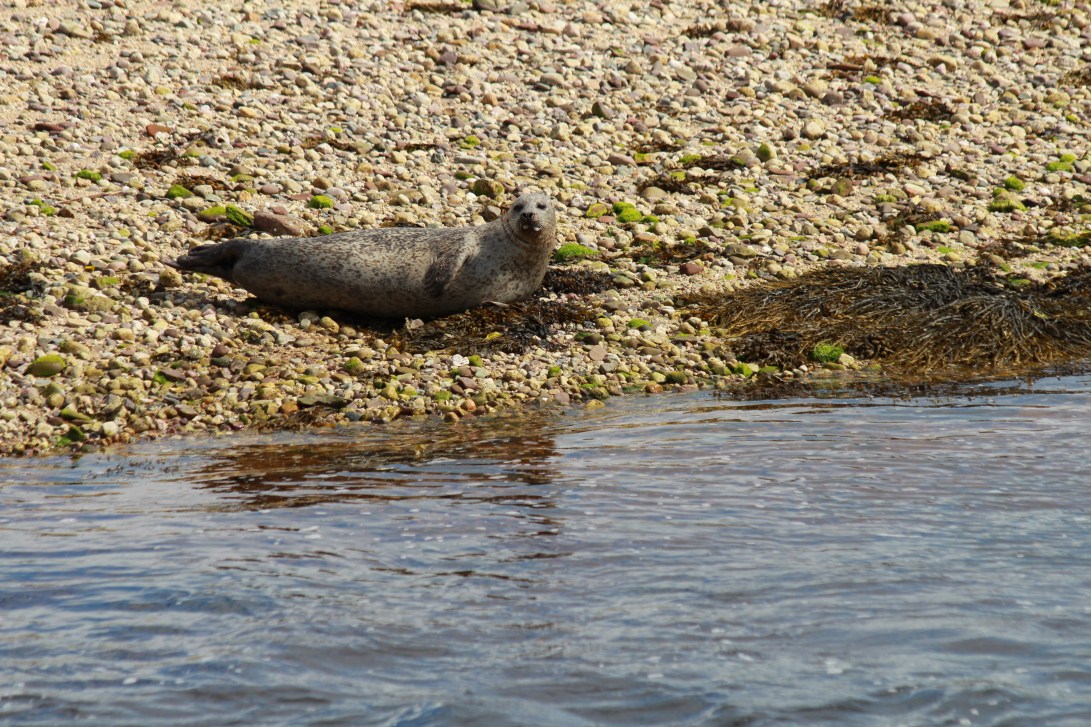
  • The Bronze Age saw the first permanent populations arrive from west Cornwall. They fished, farmed, hunted and scavenged all sorts of foods to make their living. Birds such as razorbill, guillemot and even ravens and swans were hunted for their meat. Seals and the occasional whale were hunted to supply oil used for lighting.
IMG_9258

  • Fishing was a vital source of food all year round, and once caught the animals were dried by the wind or salted for preservation. A vast amount of limpet shells suggests they may have been used as bait, and scallop shells to hold lighting lamp oil.

IMG_0979

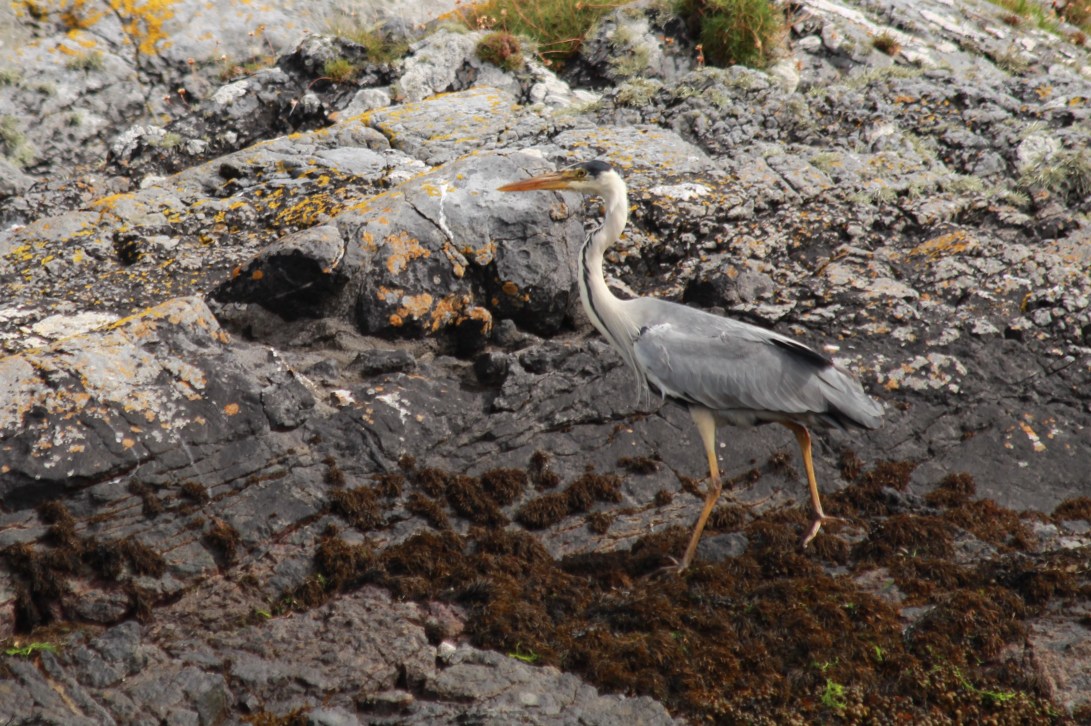
  • By the time of the Roman invasion of Britain in AD 43, red deer had disappeared and dogs and rabbits were introduced. The birdlife grew in variety, suggesting the environment was changing. New bodies of water attracted fowl such as bittern, heron, snipe and more excitingly, evidence of chough. Remains of what are believed to be these birds and dating back to the 2nd century AD were discovered on St Martin’s.

IMG_9145

  • The Duchy of Cornwall was established in 1337, when the title of Duke was granted to the Black Prince. Payment for a ledger dating from that year was 300 puffin, giving the impression that these coastal birds were a lot more abundant than in modern day. The puffin was highly valued, considered a fish instead of fowl, which allowed it to be eaten during Lent. Five hundred years later, although the monetary value of Scilly hadn’t been altered, the exchange rate for puffin had surged by 600% to fifty birds.

Incidentally, all of my photos in this post were taken in Scotland, but here’s hoping next month I’ll be capturing some Scillonian versions!

Learning to Birdlisten

Today marks the beginning of a new project: learning to birdlisten. It’s a much-used cliché but I have been an avid birdwatcher since I was a child. I’d sit out in the garden, hold as still as I possibly could, and after a while birds would begin to show, hopping out from under bushes and descending slowly from the treetops. This gradual emergence, the steady drip-drop of birds, was so exciting to me. The species would usually be very common – robin, dunnock, blackbird – but occasionally a blue tit or great tit would appear, and to my amateur eye these were very special indeed.

As my knowledge gradually improved, I began to notice more species and although the trusty robin and dunnock never grew boring, they lost their shine among more colourful or charismatic varieties. One by one I added birds to my repertoire, and although I didn’t notice my mental list growing, soon I could identify a wide range of species. Although waterfowl and waders had their charm, my favourites were always the passerines, or “perching birds”.

Passerines include a subgroup of species we call songbirds but are more accurately named oscines – birds that establish their territories by means of musical vocalisations. It never occurred to me why the singing birds attracted me most, until I turned my attention to listening for birds instead of looking for them, and then it became abundantly clear.

Birdsong is the soundtrack of nature. Even for me, a keen bird enthusiast, birdsong had blurred into the background of my time spent outdoors, nothing more than a pleasant backing track that accompanied my attempts to birdwatch. Why on earth did I let birdsong become such an unimportant feature of the landscape, no more significant than hold music? It was high time that I paid more attention to it, instead of letting it wash over my ears without acknowledgment. It is so true that we see but don’t observe, but it is also the case that many of us hear but don’t listen.

IMG_8860

Author of “Birdwatching With Your Eyes Closed” Simon Barnes points out that understanding birdsong allows us to see around corners. There’s a bird hidden up in the canopy somewhere, but unless you know its song you’ll never know what it is. I’ve had this frustration many times, when I see the distorted outline of a bird but no characteristic features that give it away. If I hadn’t neglected my auditory senses, I wouldn’t have been disappointed when the bird hopped further out of view.

And so begins my journey to learn the language of birdsong. It seemed a daunting prospect at first; to my untrained ear all chirrups and whistles sounded identical. However, like any problem, it is imperative to break it down, and that makes it far less intimidating.

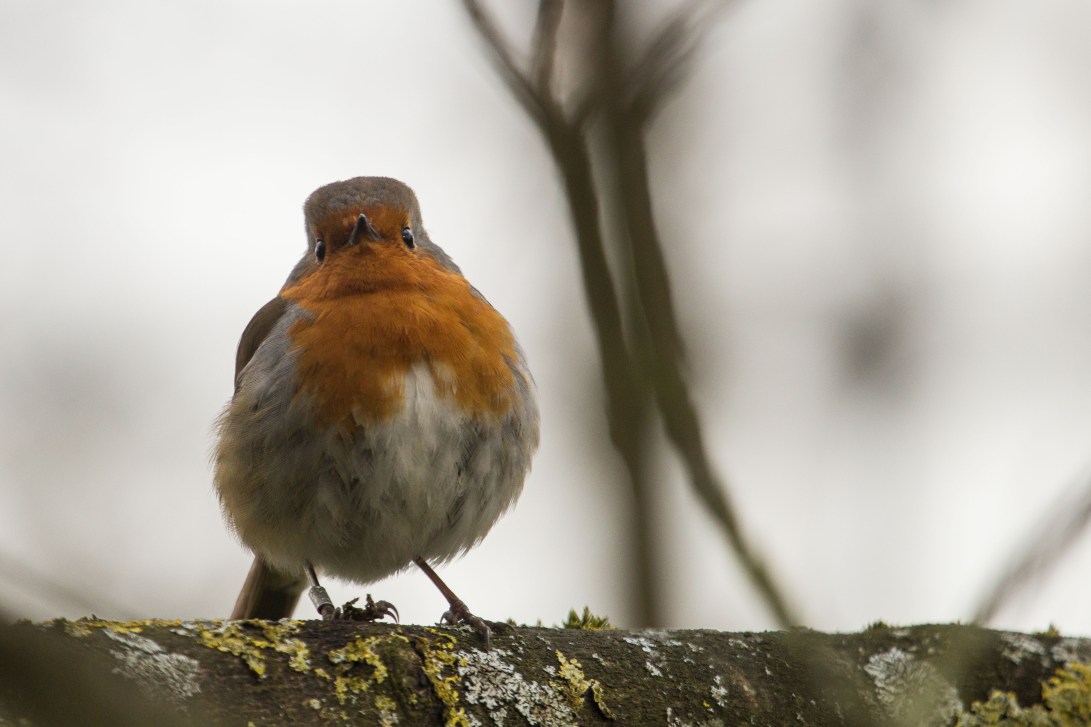
I have already made progress. First was the robin: an unmistakable bird in appearance, and a good place to start when learning birdsong because of its presence all year round. During the usually hushed winter months, the robin still sings, an isolated soloist filling cold air with thin, gentle melodies. Spring is by far the most frustrating time to begin birdlistening, so to hear the robin on a chilly February morning with no other avian distractions allows us to begin to tune into this new world I for one took for granted.

IMG_8893

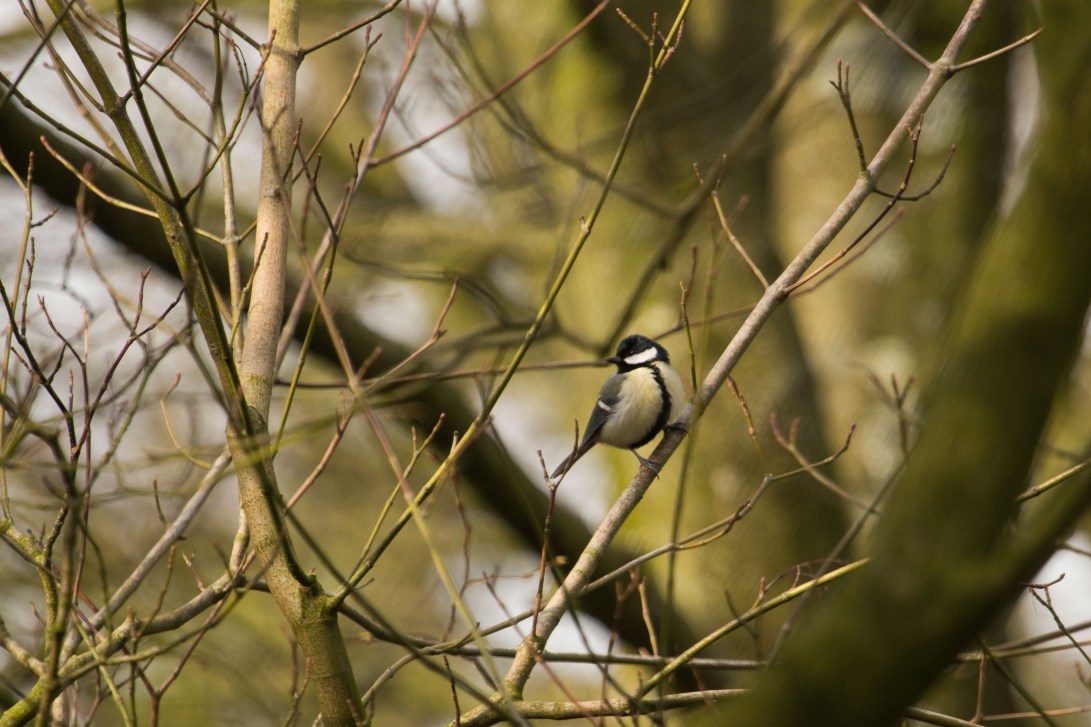
The wren also sings in winter, but has a far louder song bordering on rowdy. For such a small bird, the song bursts out of hedgerows, with a telltale trill at the end of some phrases, like a twirl of icing atop a cake. Then there is the two-note song of the great tit, like the squeak of a saw being pulled back and forth.

And so on. Already my ears are filling with birdsong and I’m really listening this time. Acquiring the skill of understanding this rich and varied language will not only help me become a better birdwatcher, but it will pave the way to a clearer understanding of nature as a whole – appreciating nature’s vibrant soundtrack.

IMG_8853


The Freeze

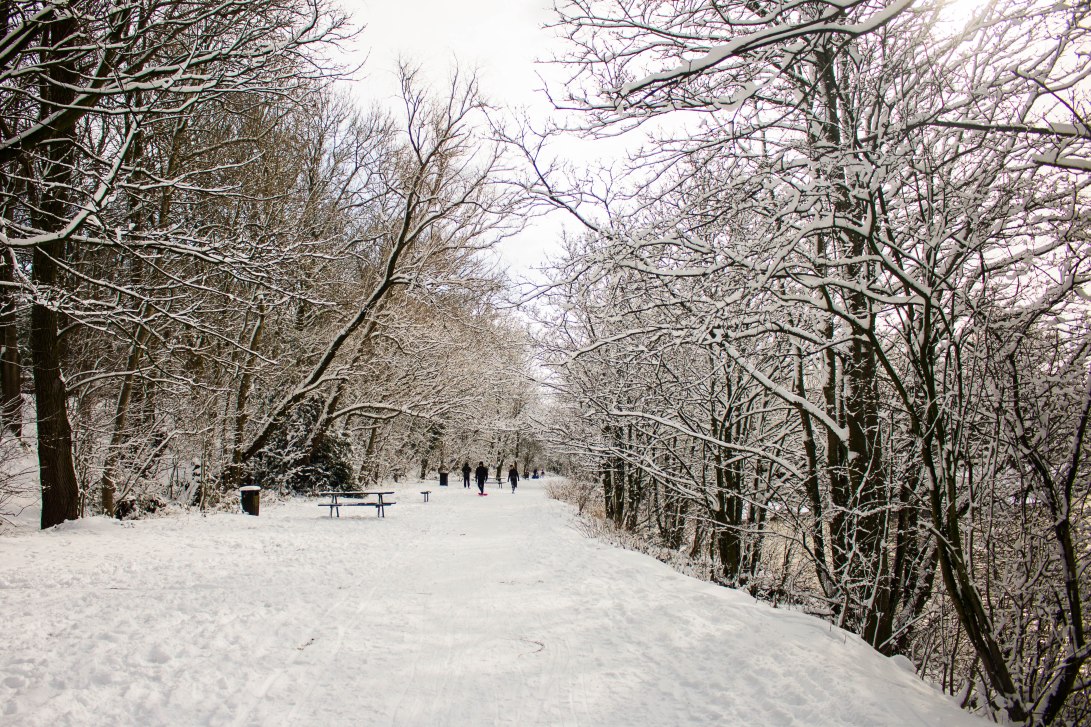
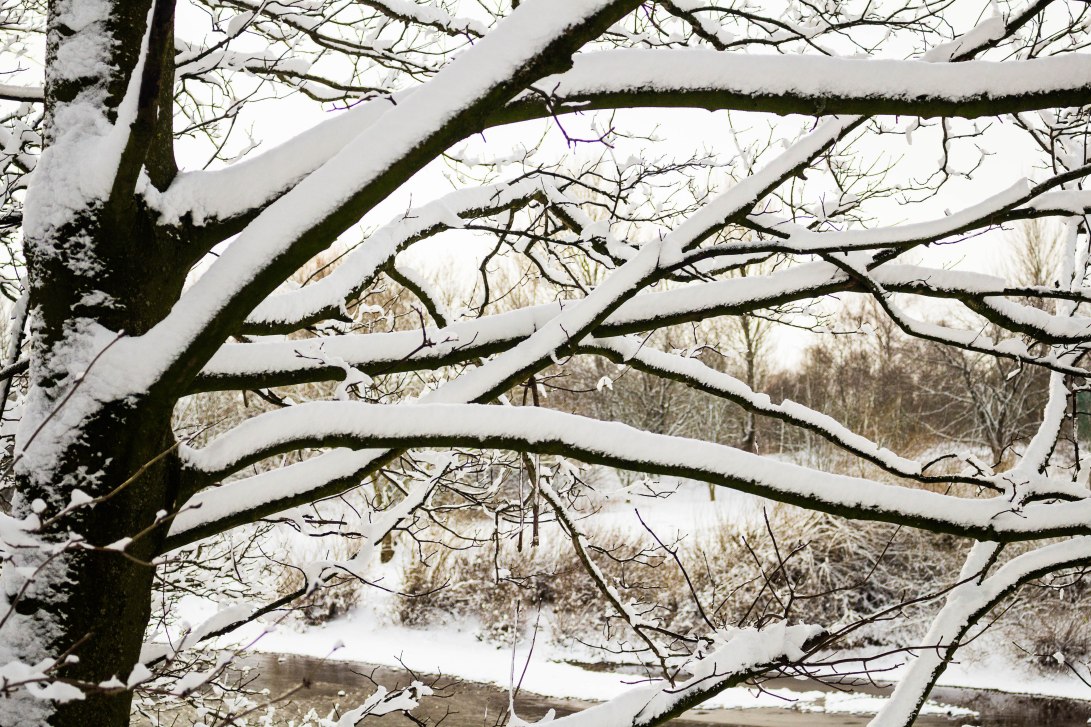
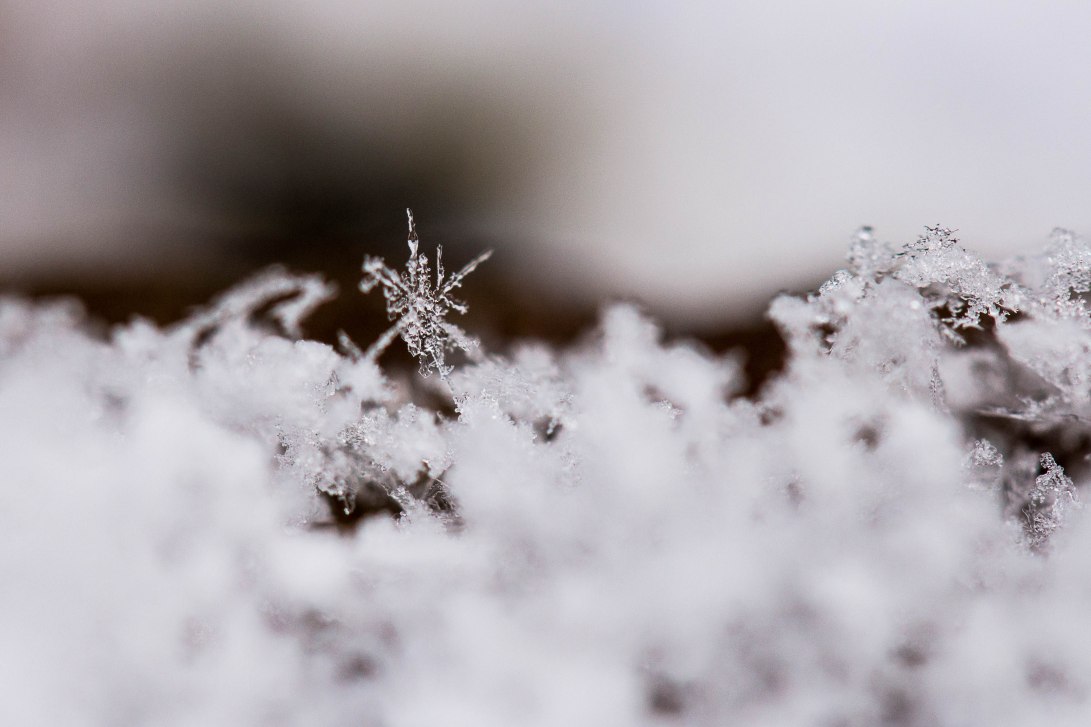
The snow was here again. It descended from the skies in heavy drifts, flakes swirling as they came to rest. All through the night the snow fell, dramatically silent, and when morning came everything was smothered in pristine white icing: irresistible.

IMG_9050

Outside there was a chill that tightened the lungs, so cold was the air that even breathing in felt like getting smothered in snow. Each branch was cloaked, giving the impression of an overly enthusiastic artist splashing every bough with thick white highlights. Undisturbed snow on the sides of the track glistened, catching the light and sparkling with wintery luminescence. On the cusp of March, it was more of a spring wonderland than a winter one, and yet it could have easily been Christmas morning.

IMG_9046

Up in the trees, a whisper of falling snow betrayed the presence of a blackbird, sending tremors up the branch that dislodged loose flakes. A male, black feathers stark against his festive background, spotted with rich red berries and the undersides of dark leaves. He chirruped softly, his song more melancholy than it should be.

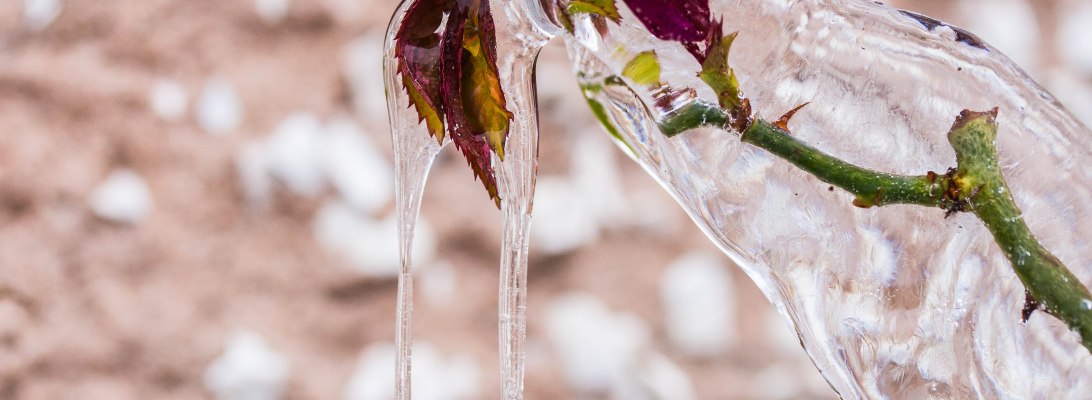
A man passed me on his bicycle, his tyres crackling like static feedback that faded as he disappeared. The landscape quietened again, a deafening silence only found with snow, when the world stops and waits with baited breath for this unexpected phenomenon to pass. It is a time when even nature stands still. Water is stopped in its tracks, defiant of gravity’s pull.

IMG_9063-2

Sloping down the bank to the river was a series of deep tracks, dogs mingled with hopping birds. The ever-falling snow began to repair the damage, forming undulations of half-hidden footsteps with softened edges. A wren sped past, trilling its bold song that seemed too big for its tiny lungs. What must the birds think? Have they anticipated this, read some sign in the climate to help soften the blow? The already challenging task of finding food in winter just became more trying, a test of strength and endurance in such temperatures.

IMG_9012

After a while my feet began to grow numb and my stomach rumbled. As I trudged back up the track, curving away from the coursing, white-framed river, I thought how I would snuggle up in my warm house with something to eat. I glanced back over my shoulder and saw a song thrush foraging. It had a snail pinned in its beak, and was cracking the shell hard on a rock. Such work the birds put in, when all I needed to do was open a can of soup and I’d be warm.

Back at the house, I peered outside and saw the feeder swinging empty again. Thinking of the blackbird, wren and diligent thrush, I hurried into the garden and replenished the feeder with rich fatty seeds, sprinkling some on the ground for those too heavy or timid to feed from the plastic perches. The birds needed all the help they could get.

To Spy a Hawfinch

After our great grey shrike stood us up last week, I was determined to tick a bird off my wishlist. I did some digging and found there were a few good spots for hawfinches down in Kendal. Zahrah and I picked the best day of the week and headed down, this time with Kacper. As usual, when the alarm sounded I was struck by an overwhelming urge to leave the hawfinches to their business and dive back under the covers, but when I snuck a glimpse out the window and saw the bright promise of a beautiful day, I knew we had to go for it.

Despite the rather vibrant sun, a sharp chill met us as we left the warmth of the car, reminding us it was still February. Clutching my fists together in my Sealskinz gloves, we made our way up the track, away from people and towards wilderness. The path wound through a small wood, dappled by sunlight filtering through overhead. What had been squelchy mud was now frozen hard as concrete, and crunched under our footsteps. We were initially prevented from entering the open field due to a very restrictive swing gate. My bulging rucksack got wedged and I had to hold my tripod flush to my chest and reverse through – far from a sophisticated entrance.

The frozen ground stretched further, blades of grass as solid as real blades, and it was strange not to feel the gentle give of soft earth. The sun was trying to warm the landscape, taking every opportunity the clouds allowed it to reach us. Once back in the woods, it was shadier. Muffled conversations sounded in every direction; the proud song of a robin and the chatterings of crows all mingling together. We tried to ignore all of these and listen solely for a piercing whistle. This was the call of our target: the hawfinch.

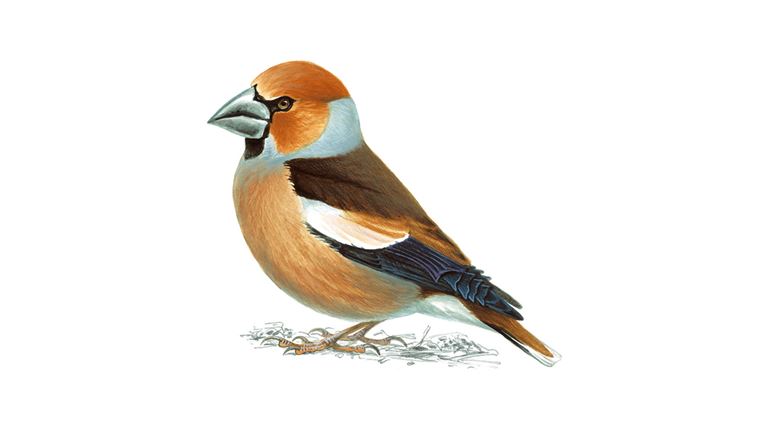
Hawfinches are beautiful and unmistakable birds with striking colouring and formidable conical bills. Usually secretive and shy, they spend most of their time in the topmost branches, making the UK’s largest finch difficult to spot. Typically found in mature deciduous and mixed woodland, hawfinches regularly frequent hornbeam trees. The bill of a hawfinch is highly specialised to cope with the hard seeds and cherry stones that form much of its diet. Once a bird reaches maturity, its skull ossifies and two hard knobs form within each mandible, which are essential for holding a seed still while it is cracked. Findings from an experiment showed that hawfinches can exert a pressure of 60-90 pounds of force, which isn’t bad for a bird smaller than a blackbird.

hawfinch_male_breedingplumage_1200x675
Hawfinch (RSPB)

As hawfinches frequent the tops of trees, spotting them can be a challenge, not to mention their timid calls are often lost among those of the more plucky birds. Although I never want to criticise the sun, it was shining at a rather inconvenient angle, so gazing up meant we could barely see the treetops, let alone brown birds. So, we tried to climb as high as possible to get a better vantage point. Soon we found a large clearing that gave us a 360° perspective of the forest. Seeming like a good place to set up shop for a while, we perched on a fallen tree and scanned with our binoculars.

There’s nothing quite like sitting in silence, listening to wildlife. Upon arrival you think the forest is a quiet and secluded place, and it would be to a person used to the thrum of cities and traffic. But to sit still and listen in a wild place is to hear a whole new language. I don’t understand it yet – something I’m hoping to soon rectify – but I could listen to its lyrical beats and rhythms all day. Understanding birdsong brings a whole new dimension to bird watching. Cain Scrimgeour, someone I consider a bird connoisseur, can hear the slightest chirrup up in the trees and tell you who made the sound. Sure enough, moments later that bird emerges. To me it’s magic. I consider my knowledge of British birds to be competent, but to know their sounds as well as their appearances is a truly incredible skill.

I heard a soft crunching of leaves as Kacper made his way towards me.

“What’s this?” He whispered, holding his camera up for me to look at the image on the screen.

My eyes popped and I bit back a loud gasp, “That’s a hawfinch! Where is it?”

He led me back to where he’d been standing and pointed up. Now began the near-impossible task of explaining to a person which tree in a hundred trees you are looking at. After a painfully long-winded ordeal I found where he was pointing, and with binoculars trained I saw my first hawfinch. Females are only slightly less brightly coloured than males, so to my eye I couldn’t tell which this one was. The bird was perched looking straight towards us, feathers hunched up. It was foraging, and I saw it pick a seed from its branch and arrange it in its bill to crunch down with that extraordinary force. The bill almost seemed too big for the bird’s body. It was like a person with a party hat positioned over their nose and mouth, almost comical.

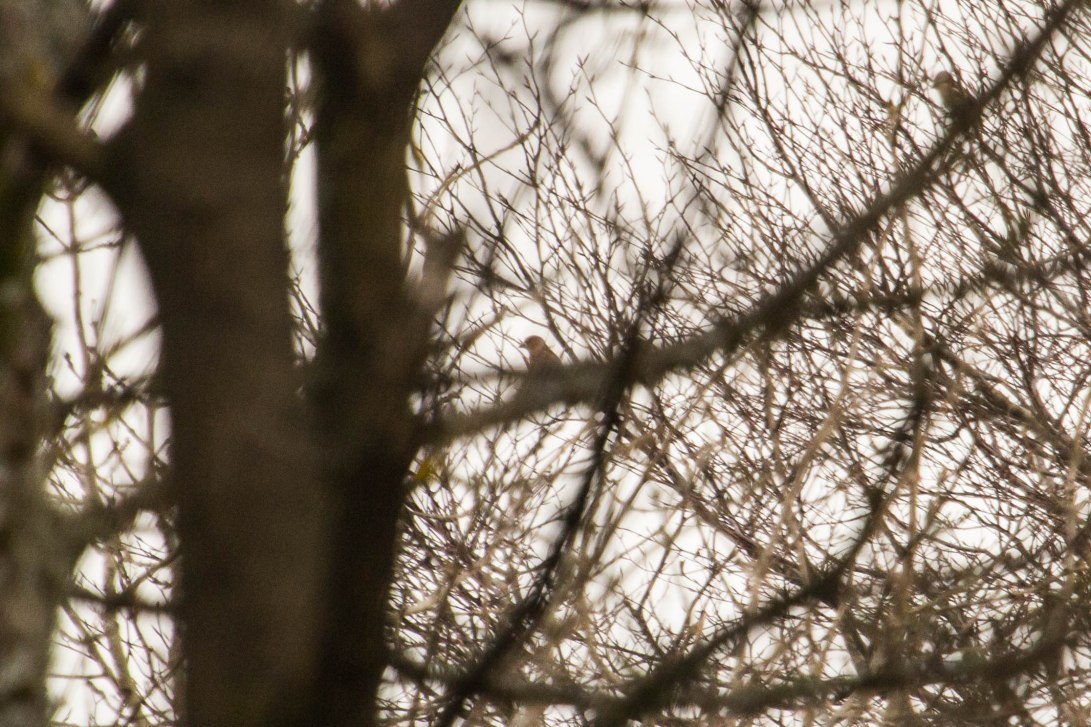
Zahrah was a way off, so I was incredibly patronising (though I believed it was necessary in this occasion) and made several hasty finger clicks to get her attention. Once she’d arrived Kacper explained the bird’s location again and we all watched. I made the mistake of retrieving my camera from its resting place by the log, and when I returned the bird had retreated to a tree further off. It was joined by three more, and although I tried they were too far off to photograph. This, to my shame, was the result.

IMG_8794
Not exactly Bird Photographer of the Year

There was another rustling of leaves and we turned to see an elderly man making his way down the bank.

“Seen any?” He asked, knowing exactly why we were gathered there.

“A few!” I replied excitedly, and once again Kacper directed the man’s view to the right tree.

“There were 43 here yesterday, so I’m told,” the man said, “The reserve ranger and volunteers saw them, couldn’t believe their eyes.”

Forty-three hawfinches. For a moment I cursed myself for not thinking to come a day earlier, but as I watched a pair perched way up in the topmost branches I was grateful we’d seen any at all, even if the photos were incredibly dodgy.

After a while the finches flew off. I glanced up in our immediate surroundings, wondering if the elusive birds had gathered directly over our heads – it’s something I would do to birdwatchers if I were a pretty finch – but the branches were bare.

“There’s another good spot back the way you came,” the man told us, “In the clearing. I’m walking back home that way I’ll show you.”

So we headed up the track, which by now had begun to thaw, the mud regaining its sticking power. Back in the open field, we were reminded again of the chilly February breeze, and willed the sun to make a reappearance.

We thanked the man as he went on his way, then we settled down to eat our lunch overlooking the open fields. Every time one of us spotted a dark patch in the treetops, we hastily studied it through the bins. But the hawfinches had headed off, submerged once again in their woodland domain.

On the Hunt

After watching Chris and Michaela hunt for great grey shrikes on Winterwatch, I realised what stunning birds they were and that I’d quite like to find one for myself. I asked Cain if he knew of any recent sightings and of course, he did. There was one of these beautiful shrikes in a patch of rural Newcastle that had remained in the area all winter. So, early on Friday morning, Zahrah and I set off to try and track the bird down.

As we made our way east towards Newcastle, the combination of pouring rain and sleet filled me with dread. As usual, the weather forecast had gone awry, and I hoped the grisly sleet would clear up by the time we arrived. Luckily it did, and once parked and heading down the track with eyes peeled, we stayed dry. We were looking for a patch of stark white at the tops of the bare trees. Every so often we would stop and peer across the field, binoculars meticulously scanning each tree. Unfortunately, great grey shrikes are not vocal birds, so there was no telltale call we could listen out for. This would be a case of sharp eyes.

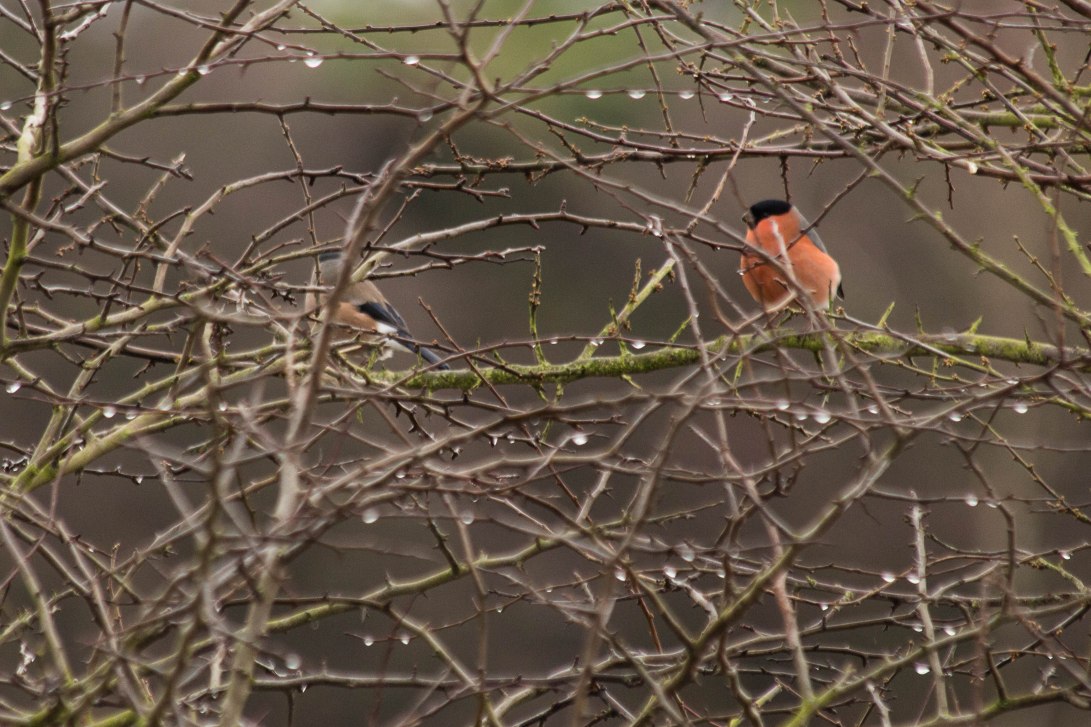
We came across a group of bullfinches – a handsome male and two females – as they foraged in the bushes. I have a soft spot for these vibrantly coloured birds, so stopped to take photos, trying to manoeuvre myself to sneak a clear glimpse of the male through a break in the tangle of twigs. This was only partially successful.

IMG_8729
Bullfinch pair

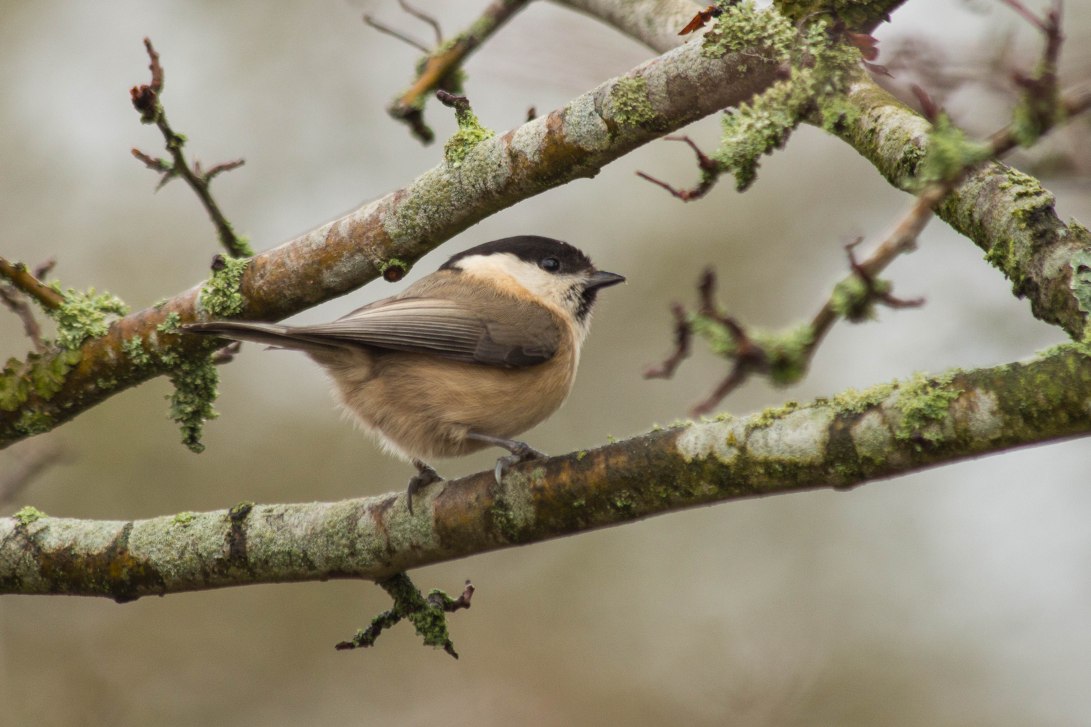
As we trudged up the track, the only sound to be heard was the mud as it sucked on our boots. I found it a challenge to survey the trees for signs of movement while keeping an eye on where my feet were landing. After no sign of the shrike, we decided to try the other stretch of track that hugged the same field. At the crossroads we encountered a vast flooded patch of grass. At first glance it seemed empty, but a look through the binoculars revealed a large gathering of lapwing and golden plover huddled together. Further up the track, a hubbub of activity surrounded the bird feeders hanging from a tree. Great tits, blue tits, robins, a ground-foraging blackbird and a special sighting: a willow tit. I’d never seen one so close – a bird that I find indistinguishable from the marsh tit. According to the BTO, the most reliable way of telling these two species apart is by listening to them, as the birds’ most common calls are quite distinctive from each other. While marsh tits make a sneeze-like “pitchu” call, willow tits have a nasal “chay chay” sound.

IMG_8743
Willow tit
IMG_8753
Great tit

We had come to the joint decision that our shrike would sadly not be making an appearance today. The needle was well hidden in the haystack, and we made our way back to the car. A little way further out was another reserve that we decided to visit. By this time, unexpected sunlight was filtering through the dissolving clouds, and gleamed on the pond, illuminating a flock of wigeon. They chatted to each other but were otherwise motionless. High up in the trees was a buzz of excitement, and yet more beautiful bullfinches! These ones were silhouetted against the sky, so their smart plumage was diluted in the sun. Accompanying them were great tits, siskin and a few goldfinches. A magpie was perched in the topmost branches, feathers ruffling as the wind caught him.

IMG_8760
Magpie

Before long it was golden hour, where the sun began to vanish behind the pond. The trees took on a shimmering glow, every hue heightened. A group of blue tits fluttered around, barely perching for a moment before swooping in another direction. I thought I saw the fluffy brush of a red squirrel’s tail disappearing between two boughs, but after waiting stock-still for it to emerge, I thought perhaps it was just a trick of the golden light.

IMG_8781
Golden hour

Species seen

Blackbird (Turdus merula) Black-headed gull (Larus ridibundus) Blue tit (Cyanistes caeruleus) Bullfinch (Pyrrhula pyrrhula) Buzzard (Buteo buteo) Carrion crow (Corvus corone) Cormorant (Phalacrocorax carbo) Goldcrest (Regulus regulus) Golden plover (Pluvialis apricaria) Goldfinch (Carduelis carduelis) Great tit (Parus major) Grey heron (Ardea cinerea) Lapwing (Vanellus vanellus) Magpie (Pica pica) Mallard (Anas platyrhynchos) Pheasant (Phasianus colchicus) Pied wagtail (Motacilla alba) Reed bunting (Emberiza schoeniclus) Robin (Erithacus rubecula) Siskin (Carduelis spinus) Song thrush (Turdus philomelos) Starling (Sturnus vulgaris) Treecreeper (Certhia familiaris) Wigeon (Anas penelope) Willow tit (Parus montanus) Woodpigeon (Columba palumbus) Wren (Troglodytes troglodytes)

Calm After the Storm

The past few months have been fairly hectic. University assignments have ranged from writing an article and designing its magazine layout, a 3500 word report discussing a client project and an exhibition designed from scratch.

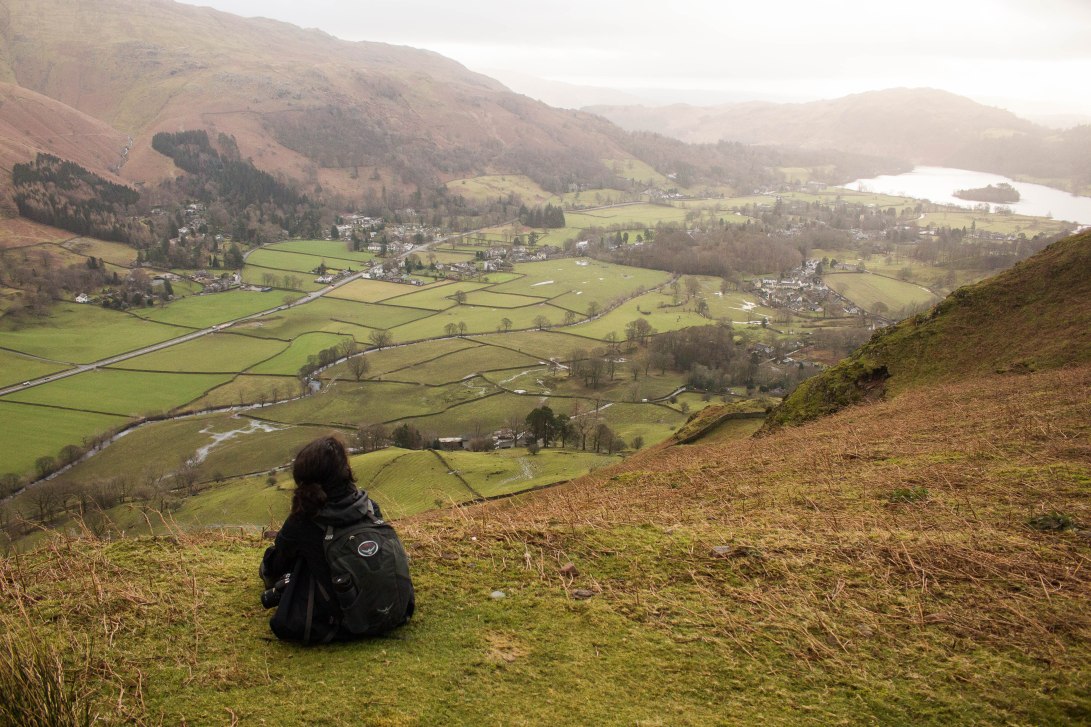
There was a week or so once these were all submitted, then lectures started again. The blessing (or curse, as far as I’m concerned) of third year is we only have lectures on one day, leaving the rest of the week disconcertingly empty. This has made my need to stay busy ever greater, so this week we chose the driest day to go for a hill walk in the Lakes. I’m ashamed to say I haven’t taken my camera out for a long time, so it was time to dust it off.

The wildlife highlight came before we’d even left Grasmere. Zahrah’s keen eyes spotted a red squirrel hopping around not far from the road – obviously this one was accustomed to the comings and goings of Grasmere’s inhabitants. While Kerr and Conor fussed over the map, Zahrah and I watched the squirrel forage at the foot of a tree. Inevitably, I didn’t have my telephoto lens so I just enjoyed the view. Once the boys had figured out our route, we set off into the hills, blowing off the cobwebs that had gathered from being cooped up working.

IMG_8702