Beaver Expedition: Day 1

The drive to the cottage was as picturesque as I imagined it would be. As we bumped down a winding gravel path I peered out the window into the dense woodland on either side. As trees whipped past I squinted to see between them, in the hope of spotting a squirrel or perhaps a deer, or maybe even the star of our expedition, the European beaver.

IMG_4450

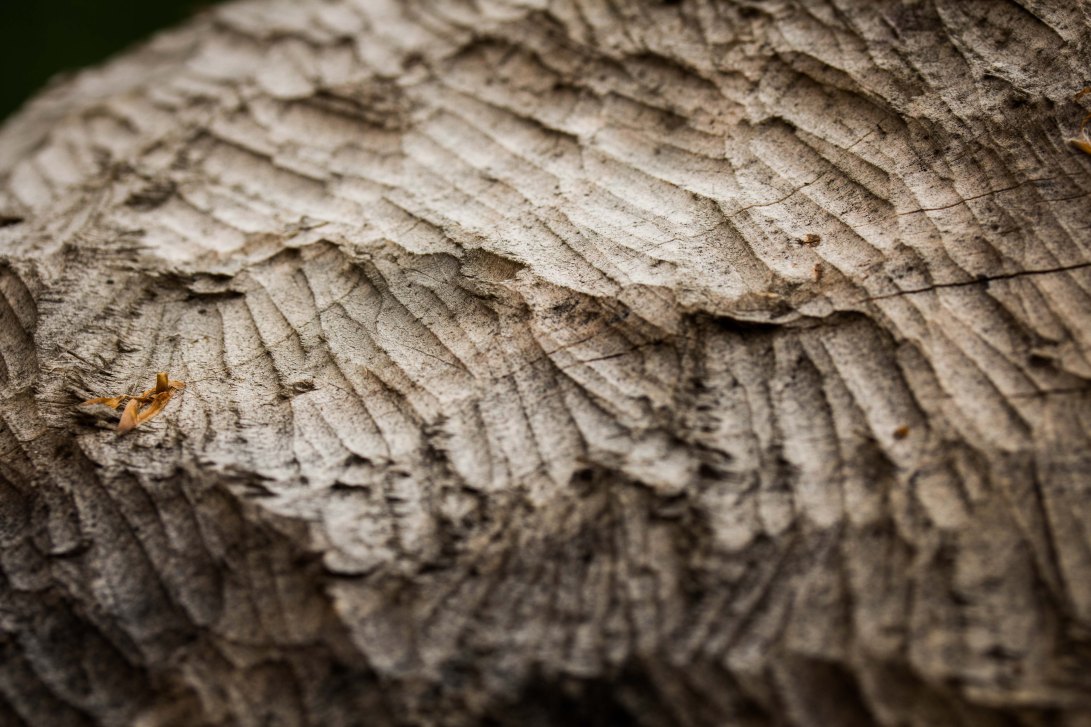
Woodland gave way to open fields, and amongst the sheep was a river that cut across the road. What was once a trickling stream was now several metres wide, all thanks to the handiwork of the beavers. Every once in a while a tree stump chiselled to a sharp point came into view, with a bed of wood clippings littered all around; countryside statues designed by the very large incisors of our beavers. Like all rodents, their incisors grow continuously, and have both a hard enamel outer layer and a softer dentine layer. Over time, wear of these two layers creates a very sharp edge, allowing the beavers to make short work of hard bark.

IMG_4708IMG_4537

After settling into our quaint accommodation, it was back into the wild for a wander while we still had the sunlight. We headed back down the path and began to follow the river away from the cottages. It was clear this was prime beaver habitat. Branches of all different sizes lay strewn across the river, and every so often we’d come across a dam. Beaver dams are extremely important for preventing floods, stemming the flow of the river with packed mud and wood to force the water to flow at a much slower pace. Fascinatingly, the beavers here used to be captive, but after felling trees in their enclosure during the time of a flood, they managed to make their escape, and have since made this beautiful part of Perthshire their home. Now the fact remains whether they are feral, having escaped captivity, or wild, as they have had kits.

IMG_4507

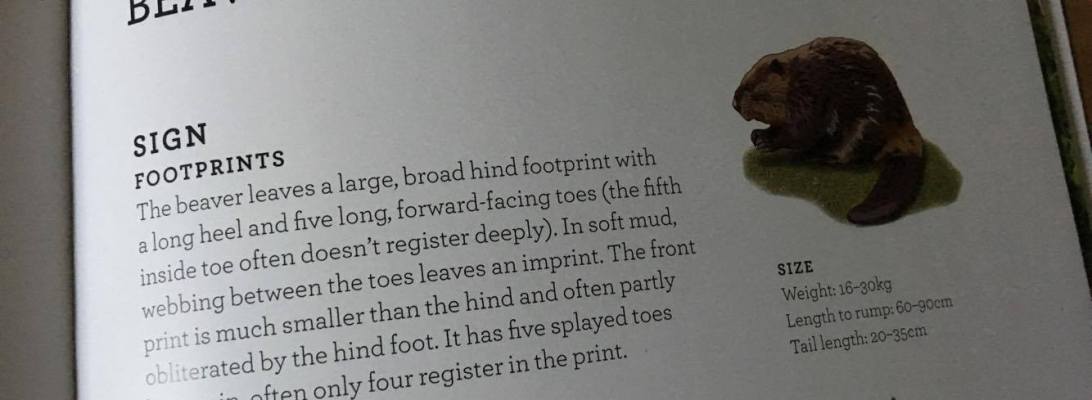
A sudden ripple on the water and we all crouched down, scanning the reeds and waiting silently. Perhaps a fish, perhaps something furrier. The tricky thing with beavers is, they can move through water almost without disturbing it, so while we were watching where the ripple was, the animal could now be metres downstream. We walked on, keeping an eye out for beaver prints in the mud. More gnawed trees, and I was astonished to see a smooth chunk out of the bark several feet off the ground, meaning beavers were perfectly capable of climbing.

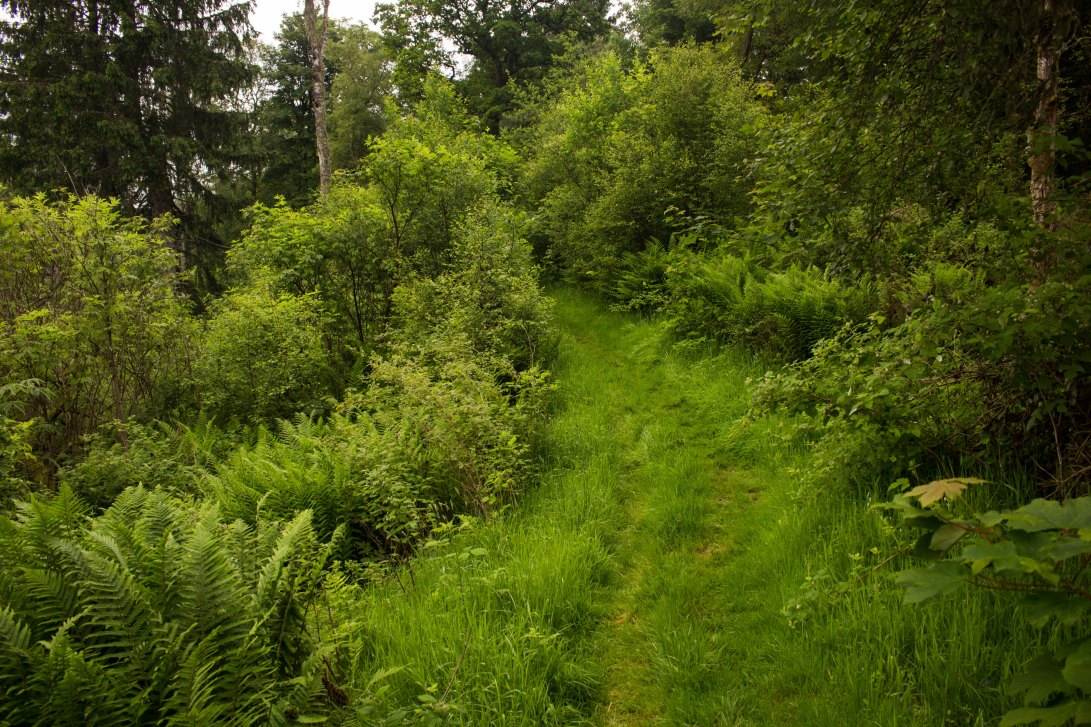
The forest was one of the greenest and richest I’d been in. It felt like the setting of Jurassic Park, with moist, bouncy grass and dense thicket. Beavers really are skilled decorators, adapting their habitat and changing the land and water use. Right now in late evening, the only sound I could hear were the bleats of sheep from the farms, but I knew hidden in these trees were hundreds of birds, mammals and invertebrates all taking advantage of the idyllic conditions here.
IMG_4463

We made our way off the beaten track and wound through the long grass. Suddenly, a sharp “WO” sound echoed through the air, signalling the presence of roe deer. A short time later and a female appeared, eying us cautiously with ears pricked up. She barked again, and in the distance the lower sound of the male echoed back. She foraged for a while before turning away, white tail flashing as she hopped athletically over the tussocks of grass.

She was doing a more graceful job than I was. Not blessed with great balance, I was staggering over logs and wading inelegantly through the grass that the deer negotiated so easily. As I stopped to find my next step, there was a speeding black bullet overheard and I looked up to see a bat zooming around in rapid circles. Heather turned on her bat detector and the alien-like clicks of the bats’ echolocation broke the silence. The calls were clearest at around 40-45Hz, suggesting that the bats were common pipistrelles, though the range of soprano pipistrelles also reaches 45Hz, so we couldn’t be entirely sure. Whichever species it was, they were abundant here; wherever I looked there were bats.

After a quick glance at the time, we realised it was nearly 11pm, despite there still being enough light to see clearly. We made our way back through the grass and towards the river, glancing at the water to see if there was any activity. A flash of white caught my eye and I felt a buzz of excitement as a barn owl swooped by in complete silence, looping ahead of us and disappearing into the trees.

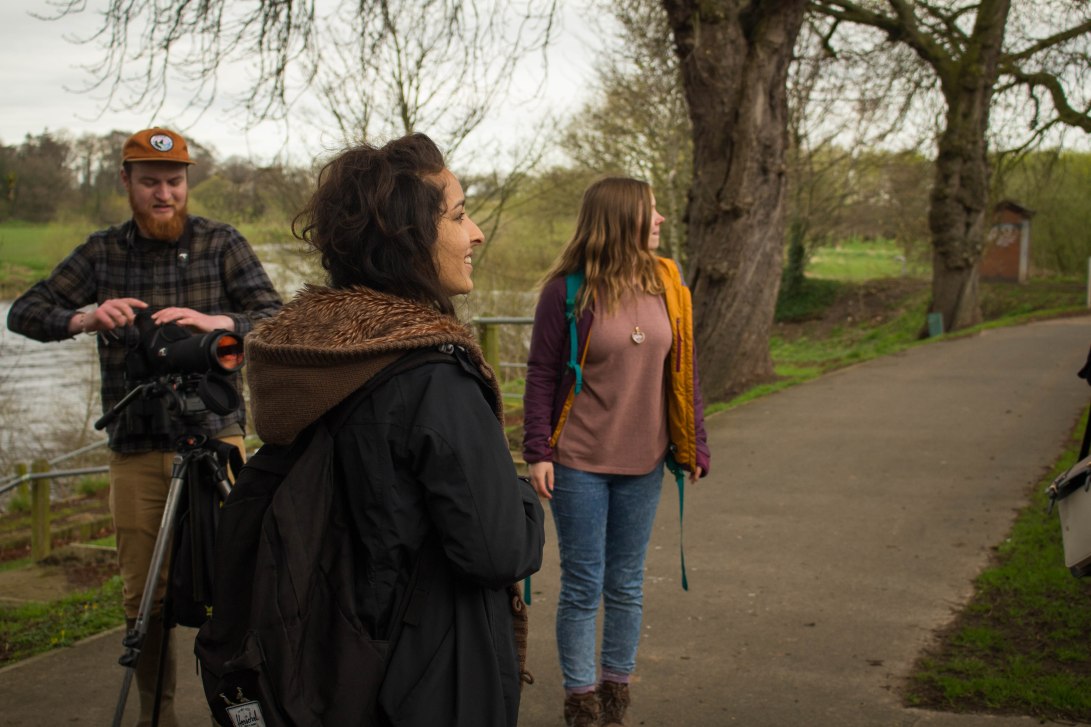
Suddenly Cain froze and we ducked again. There in the field over the river was a brown blob that looked suspiciously beaver-shaped. Sure enough, the blob moved, and our first beaver made its way back towards the water, sliding down a trail and diving below the surface. The excitement was palpable, and we crept as quietly as possible along the path in an attempt to catch a second look.

The beaver didn’t seem to resurface, but then a line of ripples leading back the way we’d come made us freeze again, and a beaver raised its head above the water. As we hadn’t seen ripples coming the other way, we assumed it must be a second individual, which was even more exciting.

Sitting in complete silence, our eyes and ears were trained for any sign. Then we heard a chewing noise, and I realised I was listening to a beaver feed, which was a fantastic thing to hear.

We saw another, slightly smaller beaver floating at the edge of the river, and watched until it swam out of sight, then decided we must get back to the cottage and have some dinner. After such a successful first night, I couldn’t wait to see what we could find over the rest of this weekend.

IMG_4455

Species seen: Barn owl (Tyto alba) Common Pipistrelle (Pipistrellus pipistrellus) Cuckoo (Cuculus canorus) European beaver (Castor fiber) Moorhen (Gallinula chloropus) Roe deer (Capreolus capreolus) Swallow (Hirundo rustica) Tawny owl (Strix aluco) Wren (Troglodytes troglodytes)
 

European Beavers

This week, I will be going on an expedition recce with Wild Intrigue to a Perthshire site, in the hope of studying European beavers. We’ve got loads of blogs to write and vlogs to film and I can’t wait to get back in the wild. I’ve loved my second year at uni and it’s been great to be so busy, but due to assignments and increasingly bad weather I’ve hardly been able to go on any walks to take photos.

So in preparation for my next exped, I wanted to find out a little more about the largest rodent in Europe, which I’m really hoping to photograph while we’re there. I didn’t know hardly anything about beavers, and due to their elusiveness it seems their lifestyle is largely a mystery.

Living by still or slow-flowing water with adjacent woodland, beavers are known as ‘ecosystem engineers’ for their river handiwork. By building their dams, they regulate the water level and alter its flow pattern, which ultimately reduces erosion, as well as providing an important store of water for plants and animals during droughts. By felling trees, beavers open up their forest habitat and create new, small-scale landscapes such as ponds and swamps.

Beavers were driven to extinction in Britain in the 16th century. For many years they were hunted for their valuable fur, but also for the secretions from a pair of musk glands beneath their tail, which the beavers use for marking their territories. The secretion (castorium), was sought after for traditional medicine and the manufacture of perfumes. Despite this persecution, beavers have since been successfully reintroduced to parts of Scotland and southern England.

Beavers have two layers of dense fur, a courser outer layer and a woolier under layer. Their hind feet are webbed and used to propel the body through water, while the front feet have opposable digits for gripping branches. Similar to crocodiles and hippopotami, the beaver’s sense organs are aligned in a row so that they can swim with their nostrils, eyes and ears raised above the water while keeping the rest of their body submerged.

A beaver’s tail is a multipurpose tool. Broad and covered with overlapping keratin scales, it’s used as a prop for balance when cutting trees, as a rudder during dives and an alarm signal when in distress, where the animal slaps it against the water. Fat reserves are stored in the tail and a counter-current arrangement of blood vessels enables an efficient heat exchange system, that can result in a 25% heat loss through the tail in summer and 2% in winter.

Entirely vegetarian, beavers are crepuscular, meaning they are mostly active at twilight. They can use their chisel-like incisors to gnaw through an 8cm wide tree in five minutes. In fact, they can carry on gnawing while submerged underwater by sealing the backs of their mouths with folds of skin. On dives they can close their nostrils and ears and cover their eyes with a nictitating (transparent) membrane.

So it turns out that beavers are fascinating creatures. Now that I’ve got myself acquainted with these industrious rodents, now I can only hope that I’ll get a glimpse of some this weekend.


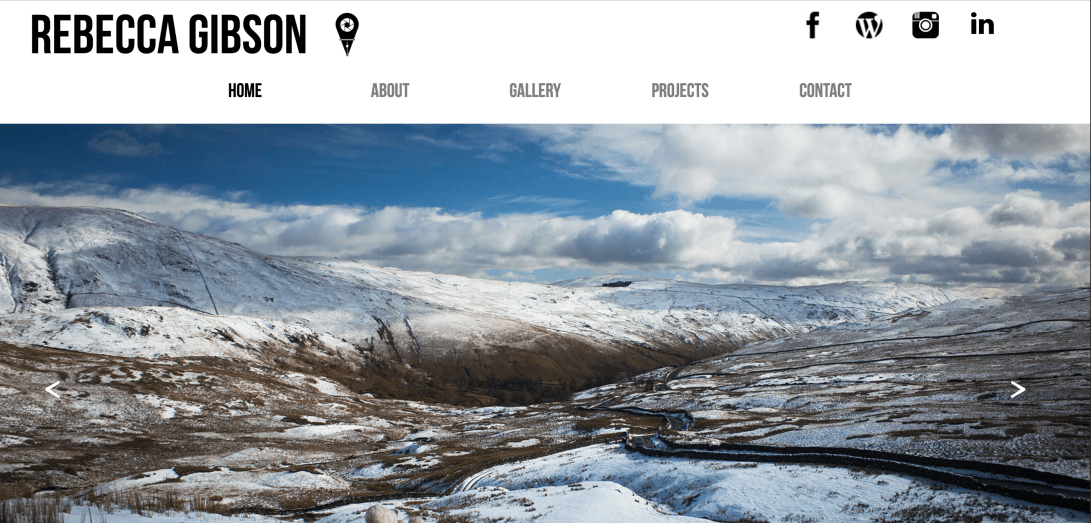
Website in Progress!

I’m sorry things have been a little quiet on the blog recently. While 90% of my course mates have finished for the summer, Emily and I still have one module left: web design. Designing a website from scratch is a gruelling task for most people, but when you’re also a painful perfectionist the job gets even more challenging.

This website has been my life these past few days, and will continue to take over my life until June 7th. And what a beautiful website it will be, or so I tell myself.

So, due to a combined effect of the website keeping me under house arrest and the appalling British weather, I haven’t had the chance to go for any adventures, hence the lack of posts. For now, I leave you with a sneak peek of the Headache, and I can’t wait to unveil the final product when it’s all finished!

Screen Shot 2017-05-22 at 12.12.20

Screen Shot 2017-05-22 at 12.29.25

Sun in the Woods

After discovering Eskrigg and how fantastic a reserve it is, I really wanted to take Zahrah as she’d never seen a red squirrel before. After my success last time, I was sure we’d have some luck. I also wanted to give the Manager, Jim Rae, a copy of the film I made on the reserve for my assignment.

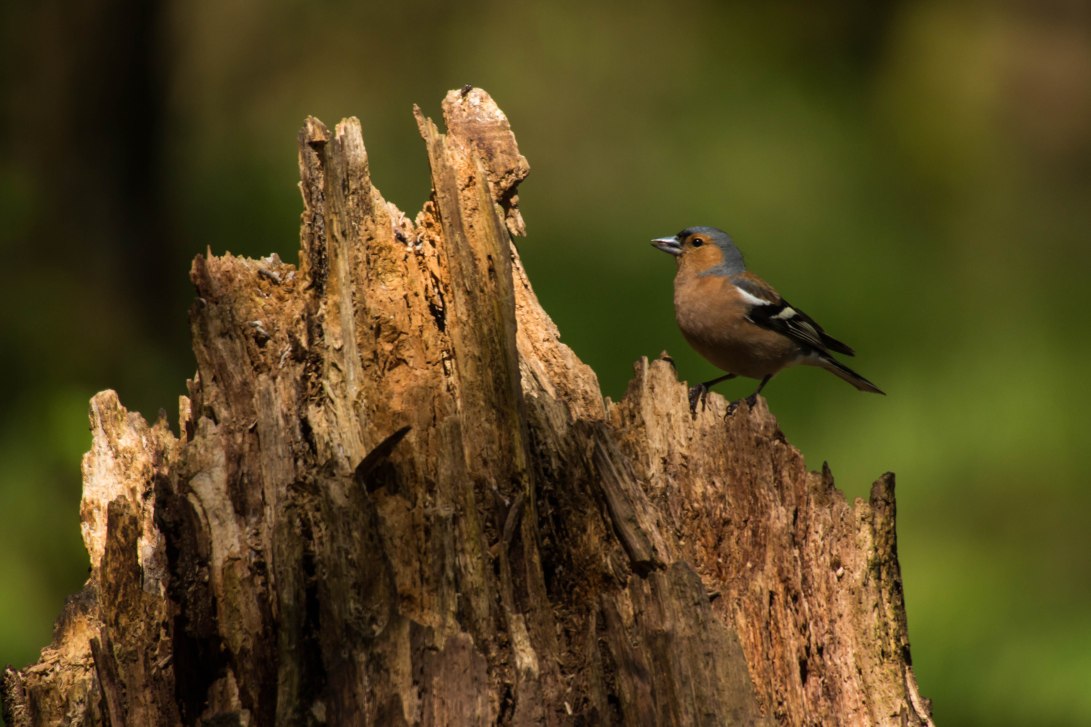
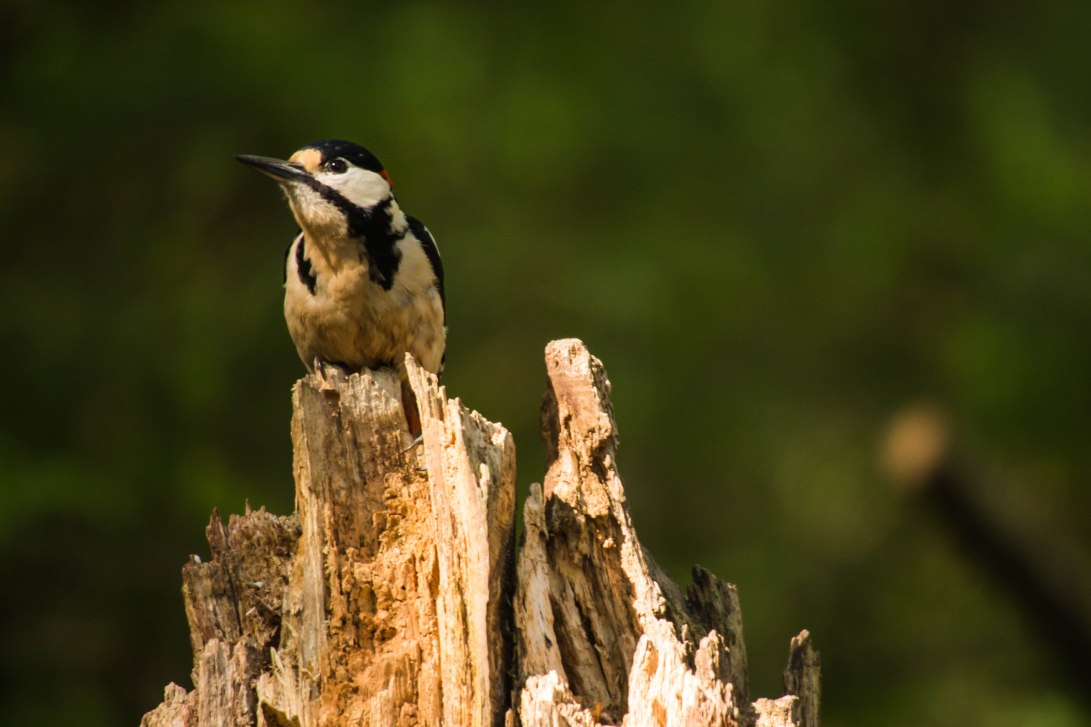
We arrived at lunchtime, so headed straight for the Eskrigg Centre to set up tripods and tuck into our Sainsbury’s meal deals. The feeders were busy as usual. I kept an eye out for reds, but in the meantime we watched siskins, a nuthatch, a woodpecker and plenty of chaffinches snatching a quick snack before zooming back into the trees. It looked like the visiting female mandarin had moved on – it was a shame not to see a male, but still exciting to be able to tick off a new species.

IMG_3721IMG_3742

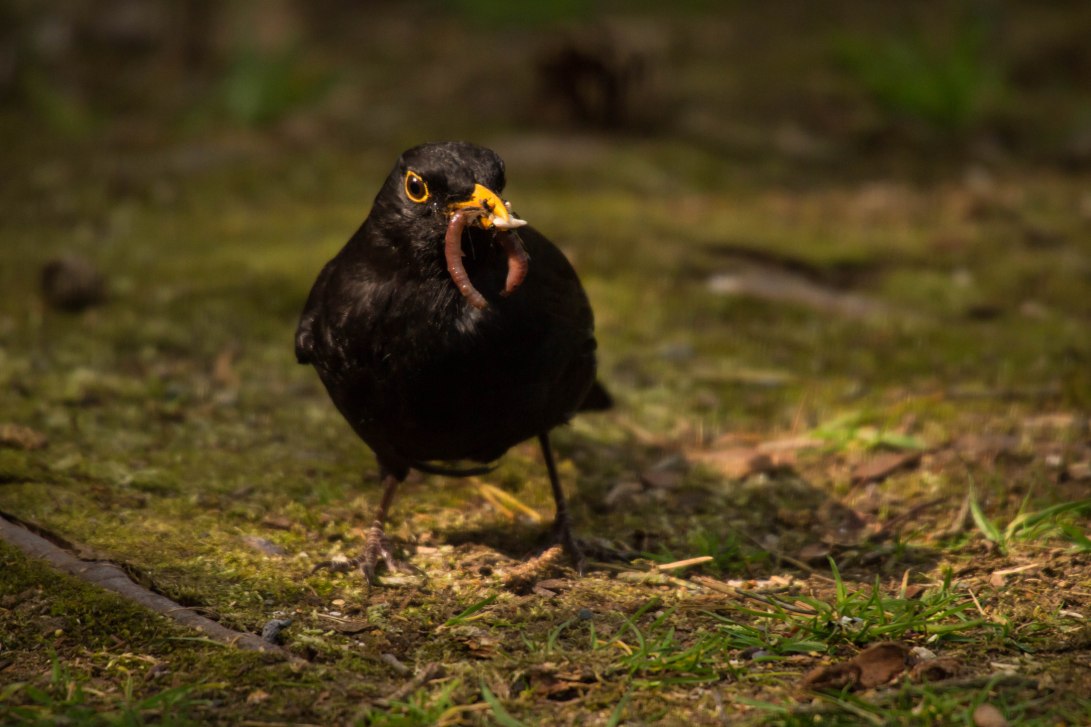
On my last visit, prime squirrel time was about 3pm, so after finishing up lunch and having our fill of the birds on the pond, we headed to the squirrel hide, joining a group of fellow photographers and twitchers. Coal tits swept across the clearing while robins hopped about on the ground. A lone male blackbird darted about with the species’ usual uncoordinated urgency, clutching a feast of flies and worms in his beak for a lucky brood.

IMG_3761

An hour and a half passed with no fluffy red visitors. I was a little embarrassed, having shown Zahrah my photos from last time and taken her with me today with perhaps blasé confidence that we’d be overrun with squirrels again today.

The heat of the day was fading and under the cover of the trees it was getting cool quickly. The group of photographers shouldered their cameras and left, and soon we began to consider abandoning ship and coming back next week. Zahrah suggested we stay half an hour longer, and in the next ten minutes my eye caught on a bright orange tuft twitching behind a nearby tree. As I hurried to focus I breathed an enormous but hushed sigh of relief.

IMG_3819

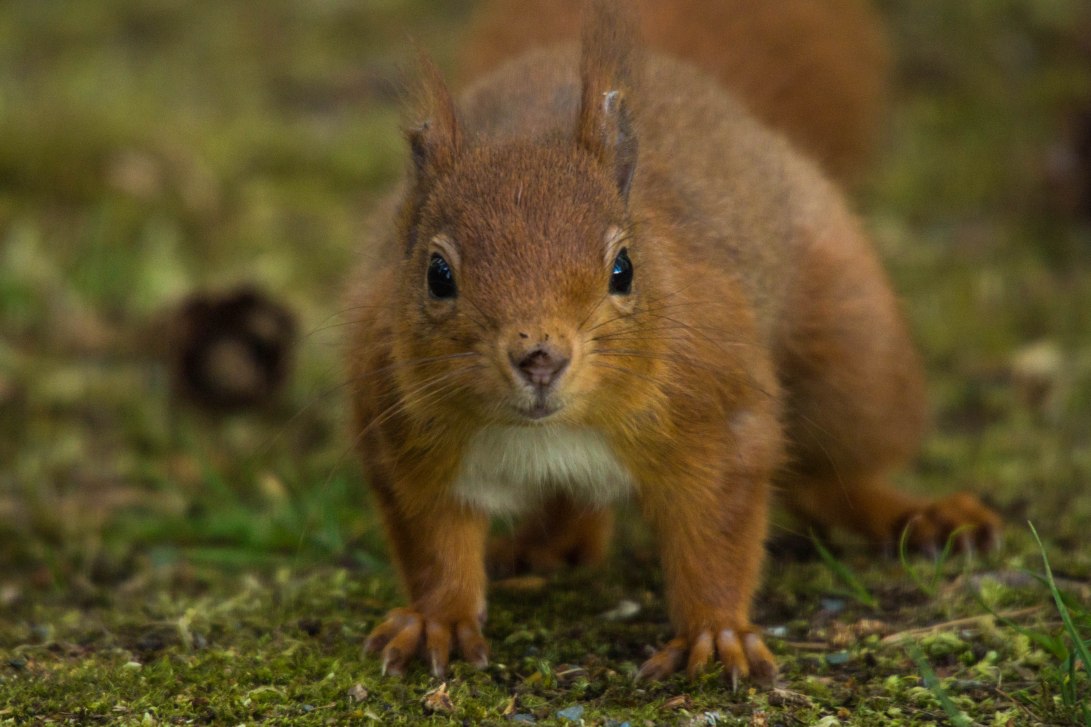
The squirrel approached slowly, sniffing the ground but pausing every so often to stand on its hind legs to look at us. I tried with all my might to catch these meerkat moments, but these animals are unbelievably nippy.

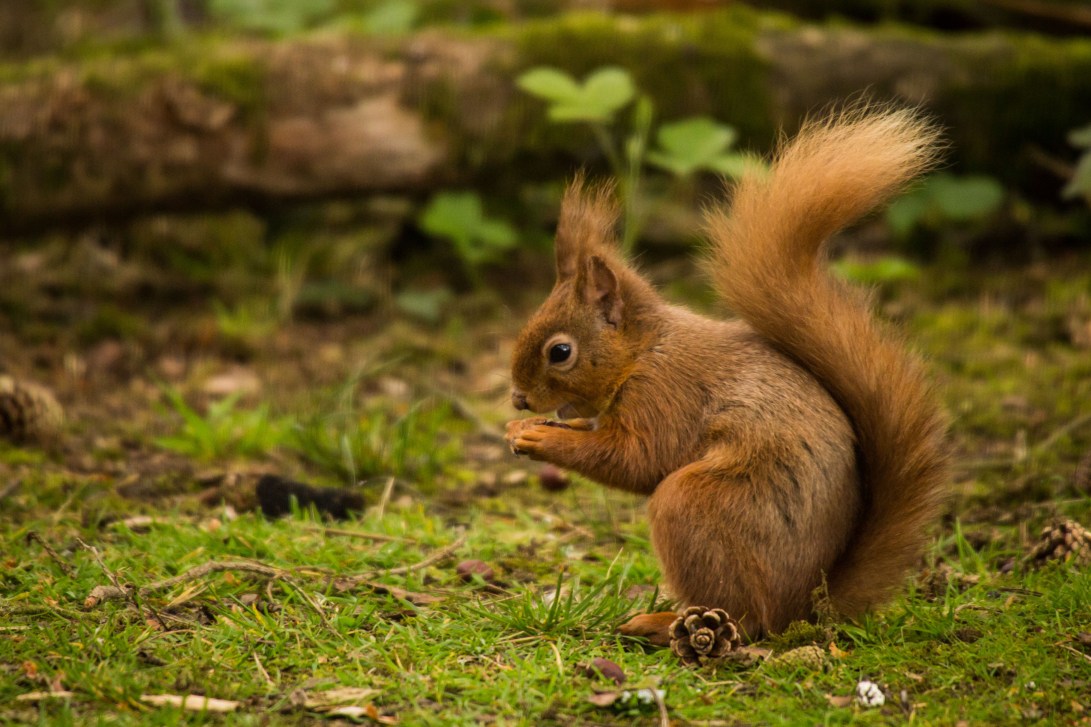
Soon, the squirrel was out in the open, collecting the hazelnuts that Jim had cracked and I’d sprinkled about. Pauses to eat were the best times to snatch some photos, when the animal’s only movement was a twitch of the tail. The way it clutched the nut in almost human hands and strategically nibbled was enough to make the coldest heart melt. As our cameras clicked I couldn’t help but gasp and squeal with excitement. Despite my interruptions the squirrel carried on feasting, scooping up all the nuts I’d left one by one.

IMG_4068-2IMG_4143

Before long, a second squirrel joined the first, skirting down a tree to find any nuts that the first had left, a third soon joining them. One of these individuals had somehow lost an ear tuft, looking adorably wonky as it paused to nibble, tail curled over its back in the iconic position.

My memory card was filling up fast – I couldn’t help but keep snapping as the squirrels explored and foraged. For me it was a combination of their distinct personalities, lovable curiosity and cute outfits that had me obsessed. They ventured close, peering up at us with beady eyes and tiny parted lips.

IMG_4147

I forgot to notice the growing chill but the slowly setting sun was beginning to make photography a challenge, especially when the squirrels’ rapid movement made a slow shutter speed impossible. We were about to finally pack up and leave when three more arrived, this time of the darker variety. So we stayed a little longer and kept taking photos. I had a sudden thought – if photography was still dominated by medium format film, I would have spent my entire student loan. The habit of only pressing the shutter for the perfect moment was admirable, but I don’t think everyone’s had the opportunity to photograph red squirrels.

When we eventually did get home, I uploaded the shots and assessed the damage. Six hundred and sixty photos, not bad at all.

IMG_4271IMG_4181

Filming Red Squirrels

It’s been a mad couple of weeks, with my second year at uni finishing this week: three deadlines in four days. The last – and for me the most challenging – is a five minute documentary on anything we can think of. The vagueness could seem like a blessing, but when you have the whole world as your subject matter, it seems impossible to think of anything to fill five short minutes.

After the racking of brains and chewing of fingernails, I decided to combine my project with my first visit to Eskrigg Reserve in Lockerbie. It was infamously known among Wildlife Media students for its resident red squirrels; I’d been meaning to go for the whole two years I’ve been living in Cumbria, and only now with a deadline looming did I decide to visit. I headed up the road mid morning and by late afternoon I was perched in front of the hide, sharing a small open clearing with four foraging red squirrels!

IMG_3621

Jim Rae, the Reserve Manager, is one of the nicest people I’ve met, and incredibly passionate about wildlife. Upon arrival he welcomed me like an old friend, giving me the tour of the reserve before settling down in the hide for the interview. He had prepared four typed pages of notes, and when I sat outside later to film the squirrels he brought me a nutcracker and a box of hazelnuts for me to feed them. I couldn’t believe, after only just seeing a wild red squirrel for the first time in Chesters two months ago, I was now spoilt for choice of animals to film.

IMG_3593

It is not difficult to see why people get so attached to these creatures. A lot smaller than the greys and with delightful little ear tufts, they bound across the grass like furry chestnut bullets – trying to keep them in frame was a nightmare. I’d get one in perfect focus as it paused to claim a nut, then it was off and I was filming empty grass again. I’d never been so challenged as a photographer, but their nippiness provided an excellent opportunity to test my reflexes.

IMG_3559

I could have stayed for hours, but I had a film to edit and countless clips to go through, 90% of which were squirrels. As of today I’m just making the finishing touches ready for the deadline on Friday. Eskrigg is a gem of a reserve, and somewhere I will definitely be revisiting over summer!

IMG_3611

Have a watch of the finished documentary here:


Exped in Miniature

Last week Heather and Cain dropped into uni for a mini exped around the local area. I welcomed any chance to learn more fieldcraft from them and it was also good to spend time with Zoology and other Wildlife Media students – there are fewer and fewer of us wildlies out there so it’s great to meet up every once in a while!

IMG_1587

We began following the river through the park, spotting the first sand martins of the year swooping over the water. A jay darted into the small wooded copse in front of us and cormorants zoomed up the river, wings flapping furiously.

IMG_1579

As cities go, Carlisle is one of the few that still has many pockets of wilderness nestled amongst the urban landscape features. It’s that combination of having everything I need close by but still being able to escape to a new wild place is what attracted me to studying here. I never thought I could see roe deer with a Virgin train zooming past in the background, but I’ve been proved wrong by wildlife encounters like these all year.

IMG_1620IMG_1570

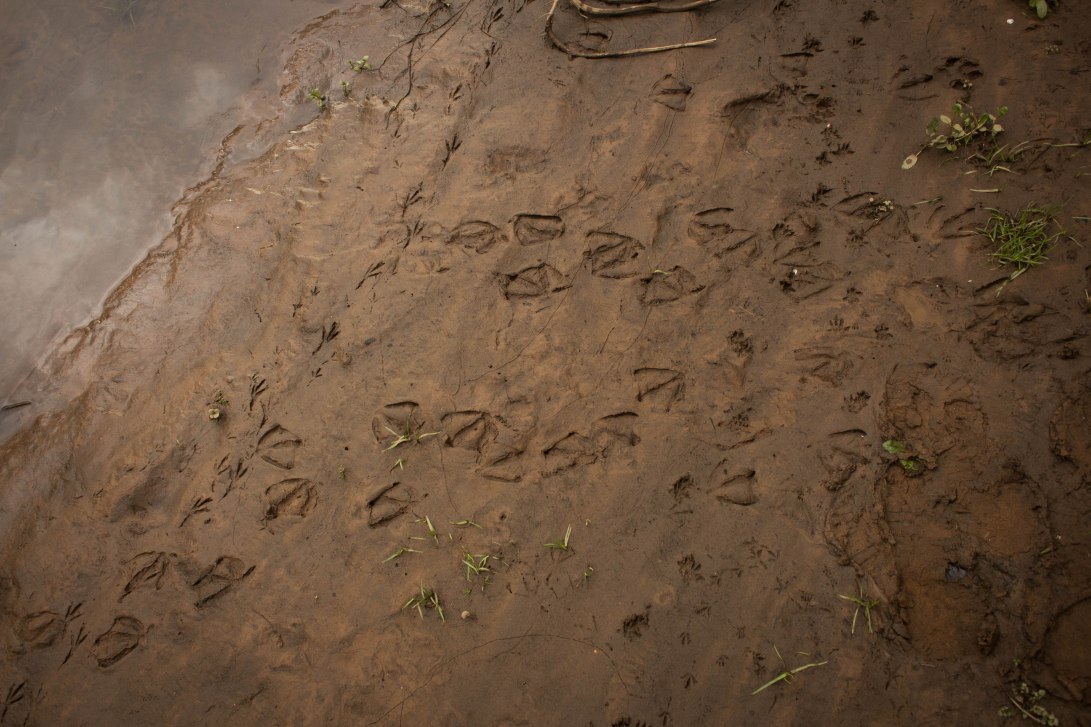
We carried on, walking along the Eden as it snaked through the golf course and reached the suspension bridge. Here we went off-road and found some truly amazing discoveries. On a sand bank tucked away from the heavy footfalls of regular dogs and their owners, we found a wildlife metropolis. There in the sand, perfectly imprinted, were dozens of tracks, bird and mammal alike. There were the broad irregular squares of mallards, tiny pin lines of grey wagtails, even tinier fingers of brown rats and the very dog-ish prints of otters! I practically jumped down into the sand to photograph them – not only were there prints but also a lonely otter spraint, deposited in full display of every visitor as an indication that this territory was claimed. It was fascinating to see just how many species had paid this relatively small sand bank a visit. I vowed to return very soon with a camera trap and see if I could get better acquainted with them!

IMG_1633IMG_1622

Wild Film Fest Scotland

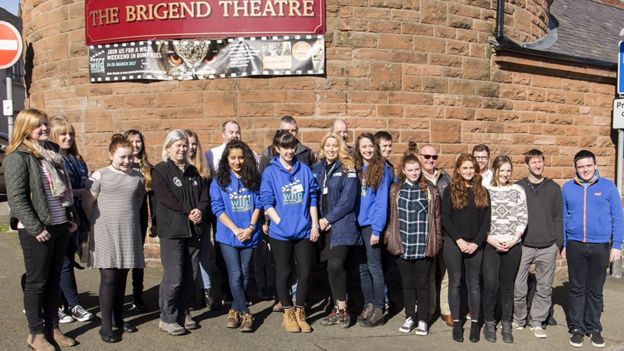
Last weekend was the first Wild Film Festival Scotland, which took place in beautiful Dumfries and Galloway. Myself and a few other Wildlife Media students were lucky enough to volunteer during the event, which involved some amazing talks and a rather fetching cobalt blue volunteer hoodie.

I headed up to Dumfries on the train and arrived mid afternoon. As I stepped onto the platform I realised what the niggling feeling I’d had was about: no pyjamas. To prevent severe embarrassment at the studio flat I was sharing with Zahrah later on, I made a quick dash up the high street then wandered down to the Theatre Royal to catch a talk from photographer Gordon Rae about his work. He told us about a trip to Churchill in the Canadian Arctic, where there were more polar bears than people, something I found incredible.

Later on was one of the festival headliners: Simon King. Excitedly, Zahrah and I joined the other volunteers and spent the next two hours hearing some extraordinary bird noises. Simon King is a real impressionist; I’d heard some of the animals he impersonated in the wild, and his versions were truly uncanny.

The next morning I headed down to the theatre for my induction, donning my hoodie and making my way to the Robert Burns Centre for my first shift. I welcomed visitors and clocked them in with the clicker, something I found more entertaining than perhaps I should. In between shifts I managed to catch a lot of films and talks, learning some amazing things about the natural world. Being at an event like Wild Film Fest with some professional naturalists made me realise just how much I still have to learn. It’s a blessing and a curse; of course I’d love to be a wildlife connoisseur overnight, but at the same time it’s exciting know how much there is still to find out.

The weather this weekend was stunning. During my lunch breaks I sat by the river and watched the goosanders dive and the mallards struggle against the current. I bumped into Cain, who told me there were otters on the river, but not while I was looking for them. The only wild otters I’ve seen were on the Isle of Carna – by the time I graduate I want to at least see them in Carlisle, where apparently the world and his mother have seen them.

Sunday night was Iolo Williams. The theatre was packed – after checking tickets and doing the headcount, I nipped up to the balcony and watched the talk with a bird’s eye view. Iolo is a great naturalist and a real entertainer. I asked him what he thought about the re-introduction of wolves in the UK, and he replied that the best place to release a pack would be the Houses of Parliament. Like all good naturalists, it was clear he had passion.

In seemingly no time the weekend and the festival were over. After a very nice bolognese at Hugo’s restaurant, we headed to the train station and made our way back to Carlisle, leaving behind a beautiful crimson sunset. It was a brief but really great weekend. Volunteering at the first ever Wild Film Fest Scotland is something I’m proud of, and hopefully next year’s will be an even bigger success.

_95329269_wffsyoungfilmakers26.03.17
Standing centre stage in front of one of the festival’s venues!


Chesters – Day Four

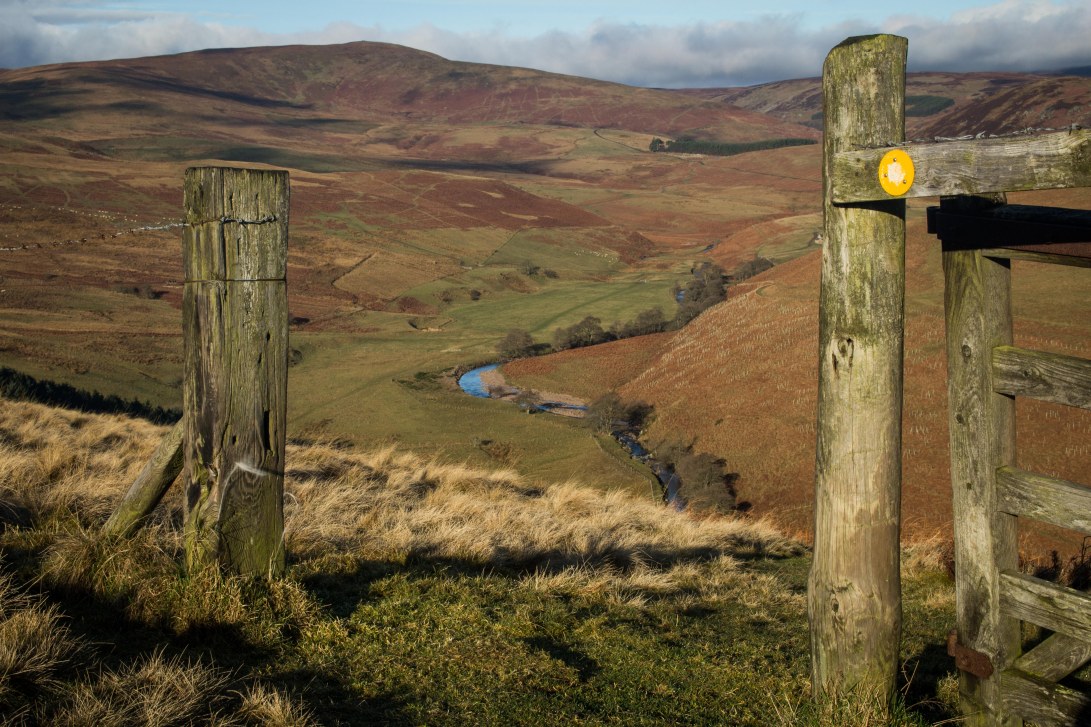
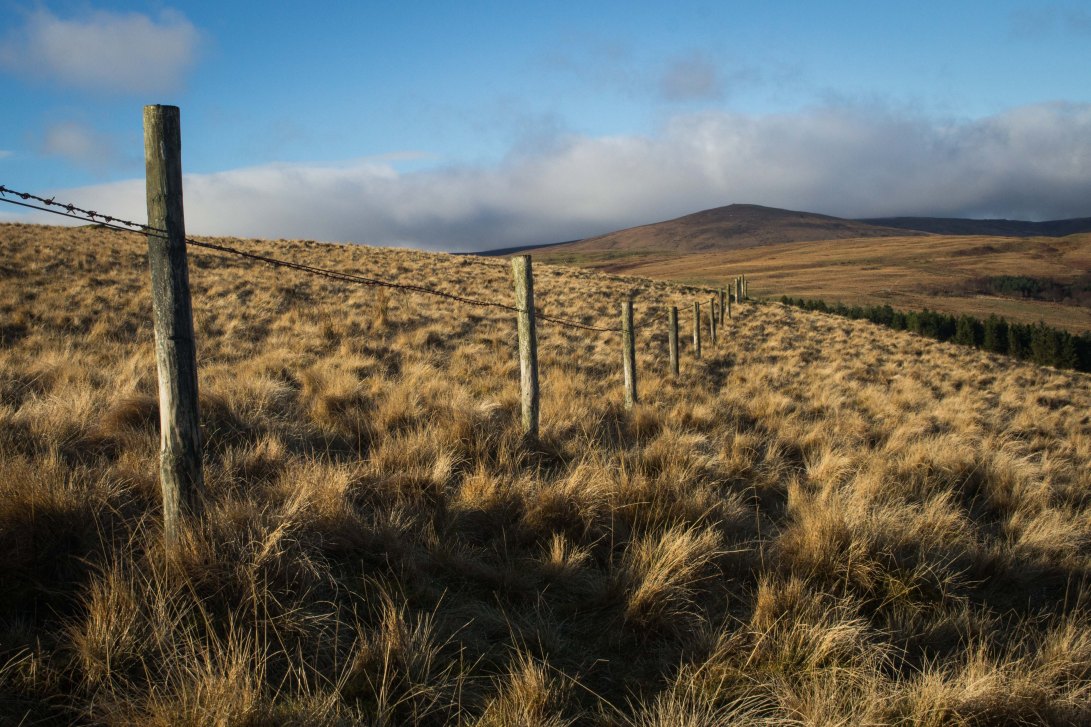
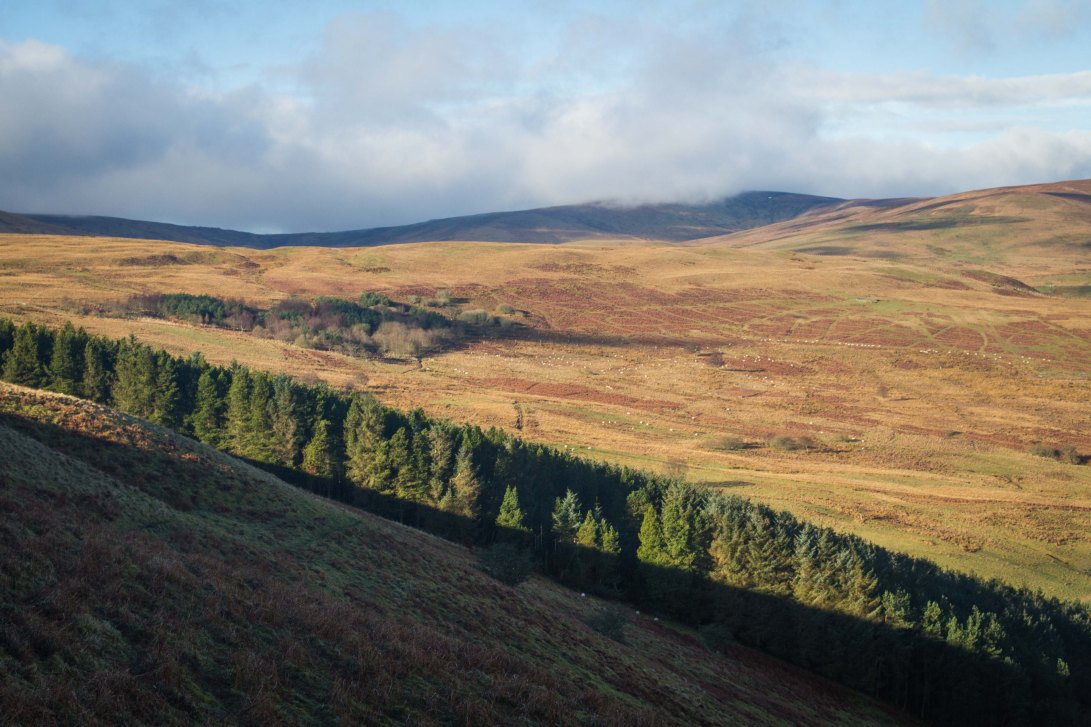
Sadly the day began with no visitors to the Longworth trap we’d set out, but on a positive note the Cheviots were shining under the sun again. I walked up towards the conifer plantation where we saw the red squirrels and drank in the views. Northumberland National Park was beautiful even on a grey day, but when the sun was bright and the clouds’ shadows were drifting across the hills, it was truly stunning. Despite the river gurgling many metres below, I could hear it as clear as if I was standing on the shingle bank. With no disturbance and very few voices on the air, sounds sliced straight through the landscape. It was one of the most tranquil places I’d ever been to.

IMG_0498-2IMG_0504-2IMG_0510-2

After gathering our bags together ready to leave Chesters, we went on a final walk to a new plantation close to the bothy. As we scanned the horizon, we spotted three buzzards circling. Heather told us it was a courtship display, where the males soared high into the sky then dropped down in a dramatic feat of bravery to impress would-be partners. It was fascinating to watch – I only hope the watching females were as impressed as I was!

The plantation we visited was dominated by larch trees, and despite fragmentation of woodland in the Cheviots it was a very old habitat. We could tell this by the presence of tummocks; moss growing over the rocks. This kind of succession would take many years to take place, meaning the habitat had become established a long time ago.

Throughout the plantation, there were many holes in the grassy bank of many different shapes and sizes. Commonly, a fox hole will be oval-shaped, while the sett of a badger will have a sideways oval opening. Meanwhile, a rabbit warren will be made up of many holes of similar size. There were also a lot of droppings, including the dimpled pellets of roe deer, fox and what Heather suspected to be pine marten, which was a really exciting find with a pine marten never having been seen at Chesters. Both of the scats belonging to predators had been deposited right outside the opening of a rabbit warren; a sign to other predators that the poor rabbits within were claimed prey. It was a sinister sign, especially for emerging rabbits!

In fact, the plantation had a likeness to a graveyard. Mammal and bird bones littered the forest floor, from woodpigeon and pheasant to ram skulls. I found a pheasant’s pelvis, which was beautifully intricate and incredibly fragile. However, bones weren’t the only treasure. After nearly stubbing my toe on it, I found an open orb of white quartz within an ordinary rock. The crystals in the crevice were tiny, but reflected the sun in dazzling fragments.

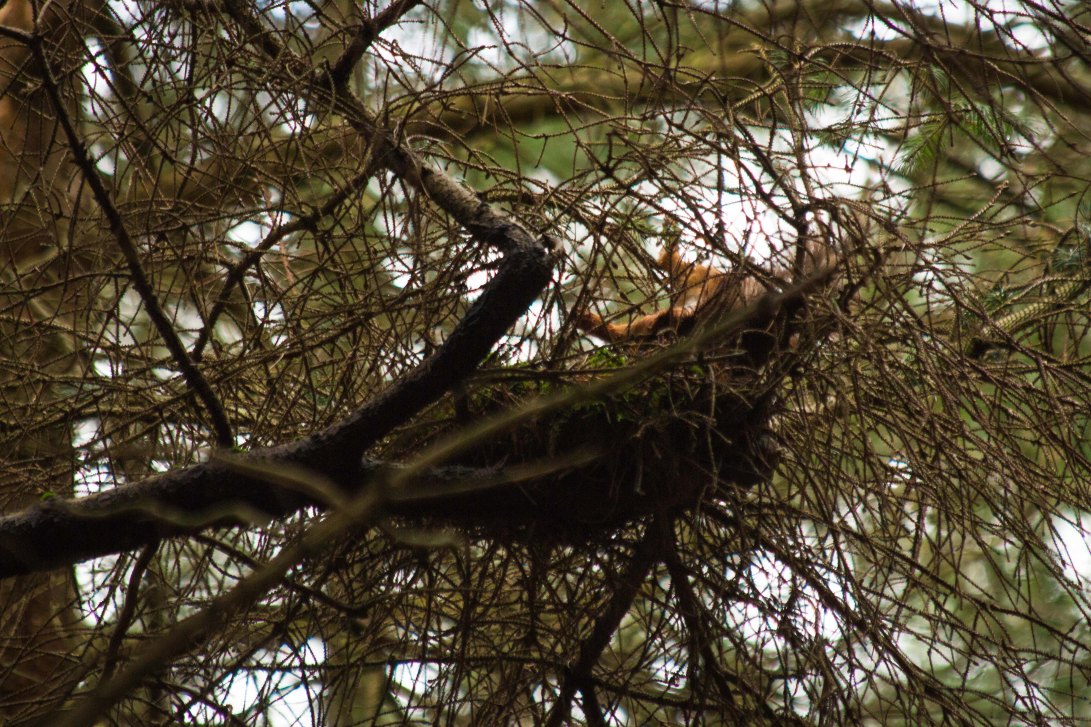
Shortly after, we found an even more peculiar discovery. Hawk-eyed Heather spotted a patch of bright red up in the tree canopy. There, lying in a nest on the end of a bough was a dead red squirrel. Although it was a sad sight, it was also a fascinating one, certainly something I’d never seen before. We debated whether the nest belonged to the predator, or perhaps the squirrel had simply been stored there, or the nest was being used as a plucking post, as is often the case with birds of prey. We walked around the tree looking for feathers or pellets that would tell us the culprit, but there were no tell-tale signs. It was a real mystery that we unfortunately never got to uncover!

IMG_0597-2

Soon we returned to the bothy, carefully carrying the treasures we’d found including the quartz and animal bones, as well as an array of feathers and owl pellets. We spent the rest of the day packing to leave and reflecting on the experiences we’d had over the weekend. As a final send-off, we had a rabbit visit the garden and put extensive time and effort into digging perhaps the beginning of a warren not two metres from the front door. I tested my luck and crept outside to watch him, and was amazed to find him so calm in my presence. Every few seconds he would stop and peer at me, dry earth sprinkled on his head like brownie crumbs, but each time he was convinced I was no threat and continued his work. It was the closest I’d ever been to a wild rabbit and a real privilege to be able to film it digging and moving twigs aside with its long lagomorph teeth. It was perhaps my favourite wildlife encounter of my time at Chesters, and happened right on the bothy doorstep.

IMG_0699-2

Species seen/heard:

Buzzard Buteo buteo Chaffinch Fringilla coelebs European rabbit Oryctolagus cuniculus Fieldfare Turdus pilaris Great tit Parus major Grey wagtail Motacilla cinerea Mistle thrush Turdus viscivorus Oystercatcher Haematopus ostralegus Pheasant Phasianus colchicus Pied wagtail Motacilla alba Skylark Alauda arvensis

Chesters – Day Three

Today was the toughest day for my feet, but also the most rewarding. We set off east away from Chesters on a ten-mile hike to the gravel pits of Branton Nature Reserve, though the journey was just as fulfilling as the destination.

IMG_0266-2

After the trials of crossing the Chesters Burn without getting wet, we ascended towards Ewe Hill, where lapwings zoomed with seemingly erratic coordination, and skylarks serenaded us from overhead, in a hovering flight they can maintain for the approximate equivalent of running five marathons back to back.

On the way down Turf Knowe, we spotted two hares dashing across a field, accompanied by the frustrated squawking of a distant rookery. We also stumbled across a common frog in a puddle, keeping its numerous frogspawn company.

IMG_0358-2

Soon, we reached the village of Ingram, situated on the edge of Northumberland National Park. Here the birdlife transformed to an orchestra of finches, tits and some special guests, including two male yellowhammers, a bustling group of siskins and some striking chaffinches in their immaculate breeding plumage. As we left Ingram behind, we followed the River Breamish to the gravel pits to do a spot of bird watching in the hide overlooking the lake.

Since the 1920s, the Breamish Valley was used for sand and gravel extraction, including gravel from the riverbed, which was used to surface roads. After the area was restored to agricultural land, concrete company CEMEX asked for permission to extract and was denied, as it was thought the extraction would be taking place too near to the National Park. However, in 1993, CEMEX was granted permission to extract, on the one condition that the company also converted the area to a nature reserve that would “complement and enhance the rural landscape”, ultimately creating a landscape that would improve the area’s biodiversity and provide a stable aquatic environment for many species.

As we sat and watched the lake from the bird hide, we spotted a broad variety of waders, geese and passerines, or songbirds. Greylag geese, goldeneye, wigeon, tufted duck and many more were bobbing about on the still water. Interestingly, instead of the usual drab colouring used for camouflage when on the nest, female shelducks have the same striking green head and bright red bill as the male. The reason for this is the bird’s choice of nest, which is often in rabbit warrens instead of out in the open. This makes female camouflage unnecessary.

Another highlight of our time in the hide was hearing the first chiffchaffs of the year, which arrive from their wintering ground in sub-Saharan Africa in mid March, staying until around October.

Once the drizzling rain had subsided, we did a spot more tracking around the lake. There was an otter spraint by the stream, a sign of territory marking, the square pad of a badger print and several roe deer tracks. While sheep prints – which were abundant virtually everywhere – are rounded, deer prints meet at a point.

By then the best of the daylight had passed, so we made our way back to Chesters, pockets laden with treasures collected during the day. Along the way we tried our luck spotting some adders. As it was still drizzling and the sun had gone in, chances of a sight of basking adders was slim. However, we managed to find two that were catching the last rays before returning to cover. After such a long walk to find them, I’m glad a few stayed out just a little longer.

IMG_0582-2IMG_0238-2

Species seen/heard:

Adder Vipera berus Bank vole Myodes glareolus Black-headed gull Chroicocephalus ridibundus Blue tit Cyanistes caeruleus Canada goose Branta canadensis Carrion crow Corvus corone Chaffinch Fringilla coelebs Common chiffchaff Phylloscopus collybita Common frog Rana temporaria Common toad Bufo bufo Curlew Numenius arquata Eurasian siskin Spinus spinus European mole Talpa europaea European hare Lepus europaeus Fieldfare Turdus pilaris Goldcrest Regulus regulus Goldeneye Bucephala clangula Goldfinch Carduelis carduelis Grey heron Ardea cinerea Greylag goose Anser anser Lapwing Vanellus vanellus Lesser black-backed gull Larus fuscus Long-tailed tit Aegithalos caudatus Mallard Anas platyrhynchos Meadow pipit Anthus pratensis Moorhen Gallinula chloropus Oystercatcher Haematopus ostralegus Pheasant Phasianus colchicus Pied wagtail Motacilla alba Red-legged partridge Alectoris rufa Reed bunting Emberiza schoeniclus Robin Erithacus rubecula Rook Corvus frugilegus Shelduck Tadorna tadorna Skylark Alauda arvensis Snipe Gallinago gallinago Song thrush Turdus philomelos Treecreeper Certhia familiaris Wigeon Anas penelope Woodpigeon Columba palumbus Wren Troglodytes troglodytes Yellowhammer Emberiza citrinella