Minimalism in Photography

Recently I discovered a photographer called Petros Koublis during research for my photography project. In preparation for my upcoming trip to the Isles of Scilly, I was exploring the theme of isolation, as on Scilly geographical isolation has resulted in extraordinary diversity of both flora and fauna. So, I want my images to convey this seclusion without the subjects looking barren. When I found Koublis’s work I thought how beautifully minimalist the images were, and yet still varied and intriguing. The beauty was its simplicity.

Petros Koublis 11

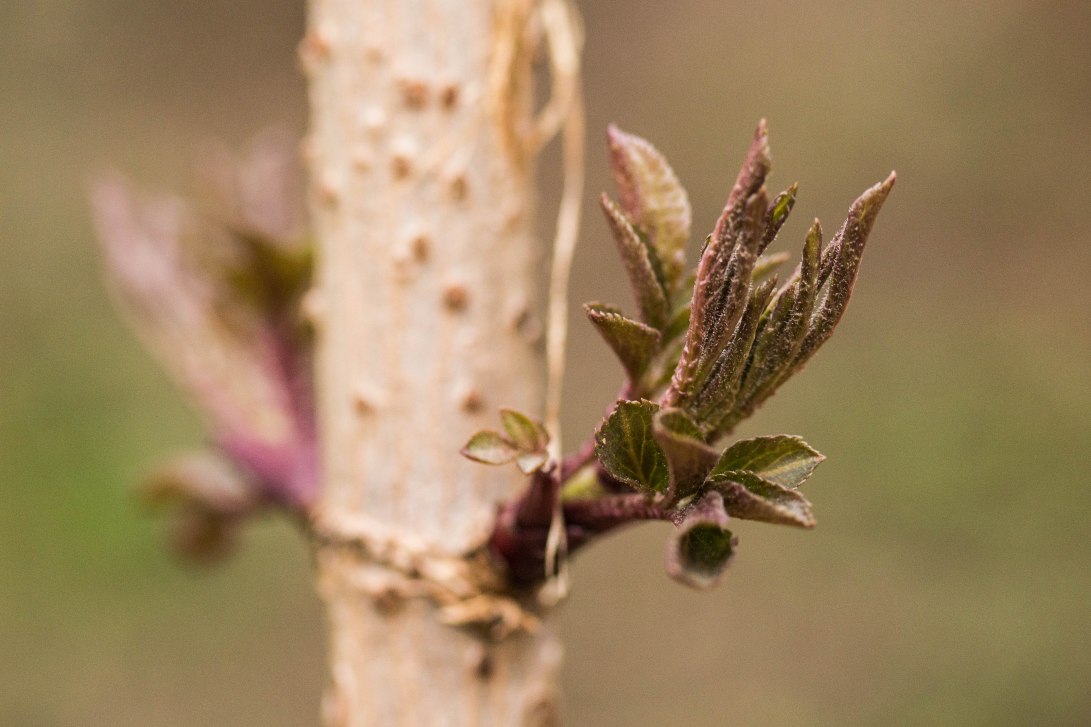
So I set out and tried to capture my own images where the subject looked isolated but was still thriving. Inspired by Koublis’s minimalistic approach, I concentrated on simple colours, repeating shapes and uncluttered compositions. Using my 60mm macro lens, I de-cluttered the frame even more and filled it with my subject while washing out any detail in the background.
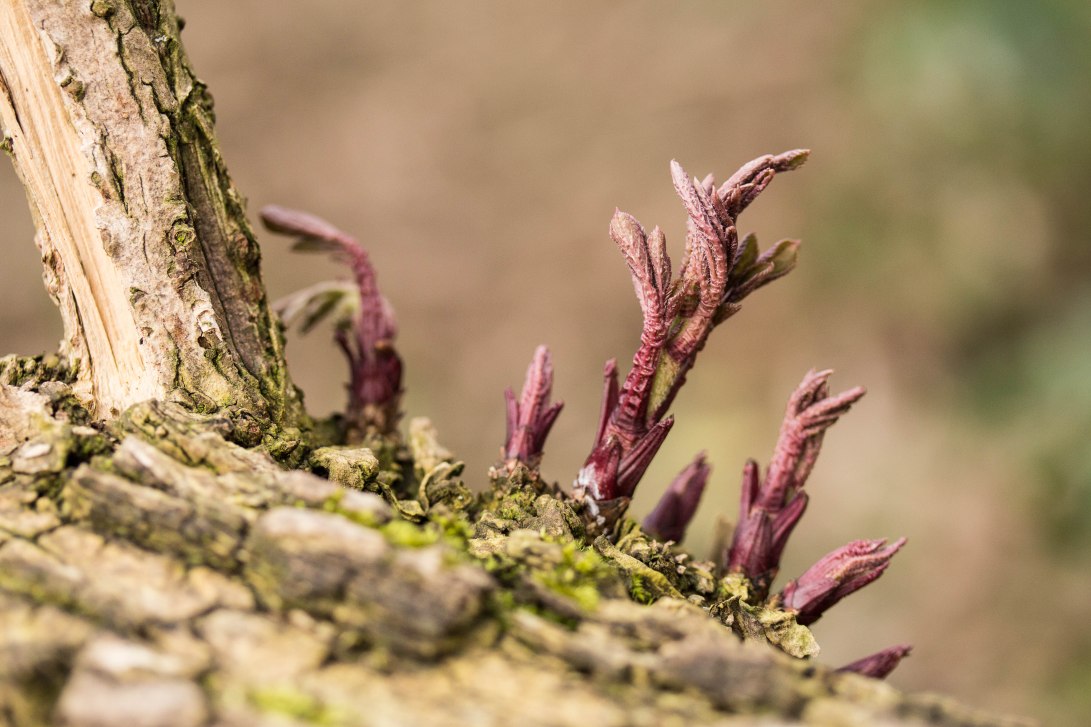
IMG_9365IMG_9390IMG_9384

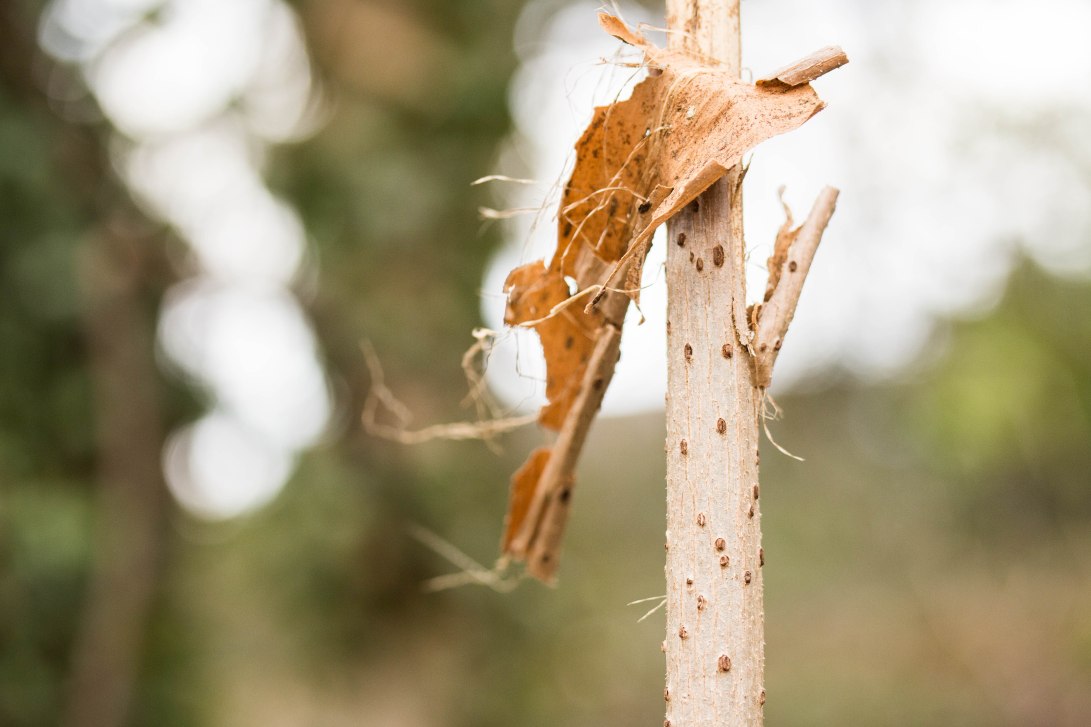
I almost always zoom in as tight as I can, especially when doing macro photography. There is a great urge to make your subject as large and detailed as possible, but often I’ve found that this removes all context from the image and it loses some impact. While it’s always nice to have a little mystery in photography, revealing a few secrets can bring even more magic to an image. For example, the lichen on the twig below was only a few centimetres in diameter, but with nothing to compare it to, all scale is lost. Now the image has been taken, the lichen could be any size and the challenge of getting such a tiny plane of detail in focus doesn’t seem as significant. Although the texture is still intriguing, the presence of something more familiar could only have added to the effect.

IMG_9401

So on another trip out I began to step back. Although I couldn’t achieve the same crisp detail with more distance between myself and the subject, I could begin to introduce context and place the subject into a scene. An isolated section of this terracotta brick could have been taken in a garden or even at a construction site, but with the border of dry pebbles and the blurred suggestion of ocean, the subject is put in a time and place. As all photography is subjective, those with a fine art approach might say context isn’t necessary, but I like the way this image is clearly of the coast but it isn’t conventional in its composition or choice of focus. It suggests the theme more subtly. Also, the absence of any other noticeable features conveys the isolation I’m interested in showing, and shallow depth of field draws the eye immediately to the subject.

IMG_9438

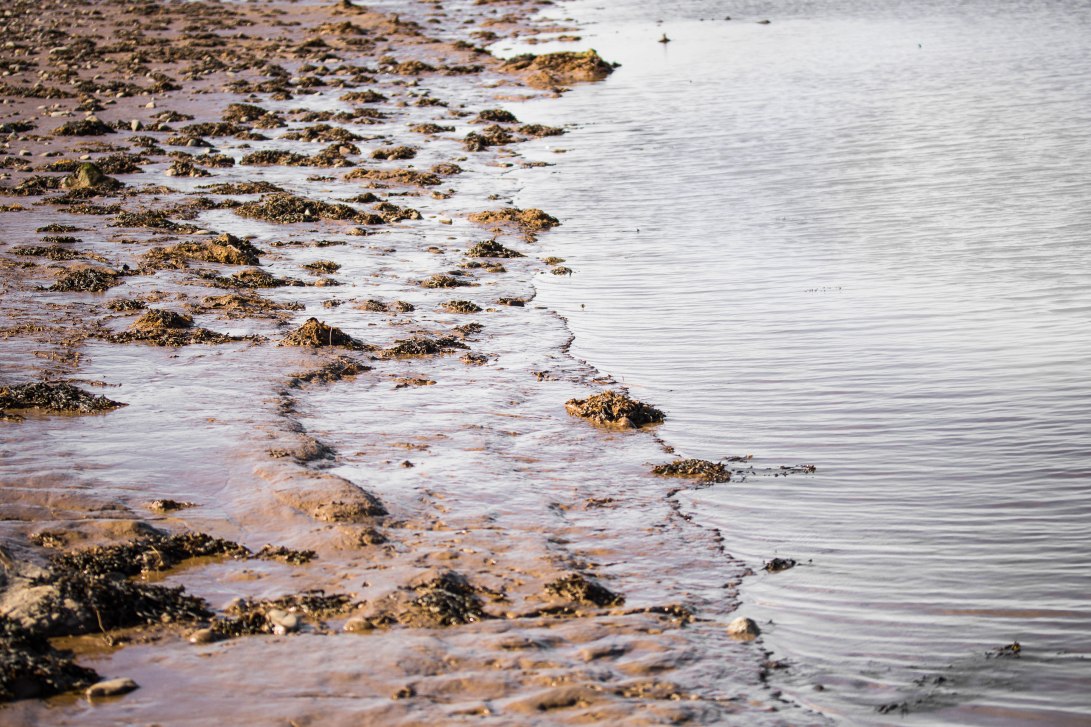
I’ve always been interested in shapes and lines in photography. Although perhaps a beginner’s cliche, a leading line is undeniably pleasing to look at. Here, the point of focus is the very centre of the image, with the tide line leading the viewer directly to it. It is loosely symmetrical, a technique I like to use to show balance and calmness in a scene. Here, there are two clear halves; one is almost completely lacking in detail except thin lines of movement from the tide, and the other has extensive detail. To emphasise this contrast even further, I desaturated the right half so even colour was absent from the water. I never excessively manipulate my photos as I like to replicate the true scene as much as I can, but subtle changes like this (when the colour of the water was almost grey anyway) can draw attention away from certain aspects in the frame to others.
IMG_9468

My Scilly expedition is fast approaching. I can’t wait to see what opportunities arise during my week’s stay on such a diverse archipelago. I think practice shoots like these will help broaden my creativity in preparation for a whole new environment.
Photography in Cumbria

During my internship at Student and Graduate Publishing, I was asked to write a piece for Study International magazine. I thought it would make a nice story to reflect on my favourite photography spots in Cumbria, to show international students studying in the North West just how beautiful it is. 

Studying at the University of Cumbria, I get the best of everything. Carlisle is a bustling city with all the facilities and resources a student needs, but nestled amongst the city are pockets of forest, river and grassland. Drive just a few miles out and you have access to the coast, vast expanses of woodland and beautiful nature reserves.

So for a student like me who is passionate about wildlife photography and writing, Cumbria in the North West of England is the perfect place. If you’re an avid photographer or just enjoy a walk outdoors, have a read of my favourite spots to enjoy in this beautiful area. For more inspiration see VisitCumbria.

The Ennerdale Valley boasts some of the most vibrant natural environments in England, and has been part of one of the longest ecological restoration projects in the UK. The Wild Ennerdale Partnership is determined to minimise human impact on the landscape and ensure the valley stays as wild as possible, while still being enjoyed by responsible visitors. The restorative work in the valley makes it one of those few naturally wild places, and is breathtaking to see.

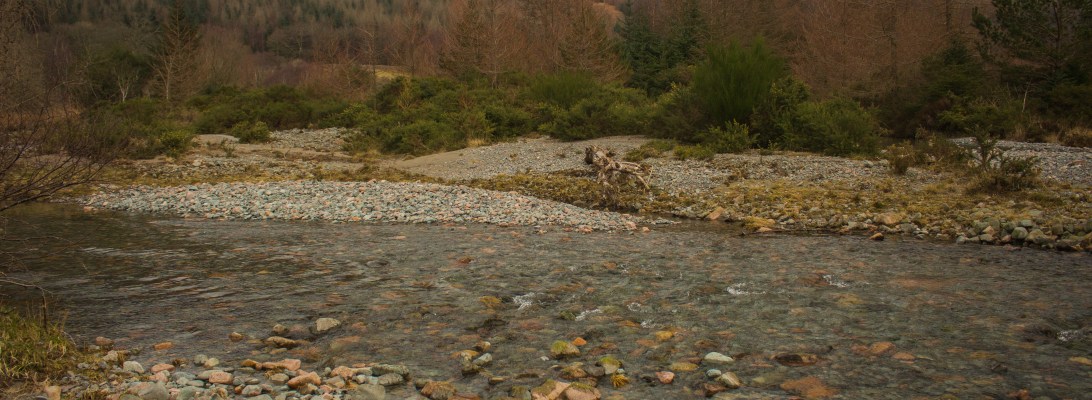
One of our first year trips was to Ennerdale Valley, and I couldn’t believe how untouched the landscape looked. The hills were a patchwork of different shades of green dusted with snow at the very top, and luckily we’d visited on a beautiful day so the sky was a vivid blue. Down at the water’s edge, we could see straight through to the rocks below, indicating just how clean and pure the water was. There were so many photo opportunities that day, and definitely a location I’d recommend for landscape shots! For more information on the work Wild Ennerdale is doing in the valley, check out their website.

With the Lake District attracting 15.8 million tourists every year, it’s easy to forget that, although the Lakes are beautiful and well worth a visit, there are other parts of Cumbria with just as much wildlife, stunning scenery and photographic opportunities.

Carlisle is the county town of Cumbria and amongst its high streets and residential areas, a lot of wild places can be found. The rivers Eden, Caldew and Petteril wind through the city, breaking up the drab grey and giving wildlife space to thrive. Otters frequent the River Eden, and although I’ve yet to see one out and about I’ve been lucky enough to capture photos using remote camera traps and see their footprints in the sand just metres from a busy pedestrian bridge.

Just outside the heart of the city is Watchtree Nature Reserve, where a diverse variety of mammals, birds and invertebrates can be seen. Roe deer stalk the forests, while brown hares bound at astonishing speeds across the fields. If you’re lucky you’ll see a glimpse of red foxes between the trees when the sun sets, perhaps accompanied by scruffy cubs during spring time. For a list of things to do at the reserve – from attending guided walks to hiring bicycles and enjoying the reserve at a faster pace – see Watchtree’s website.

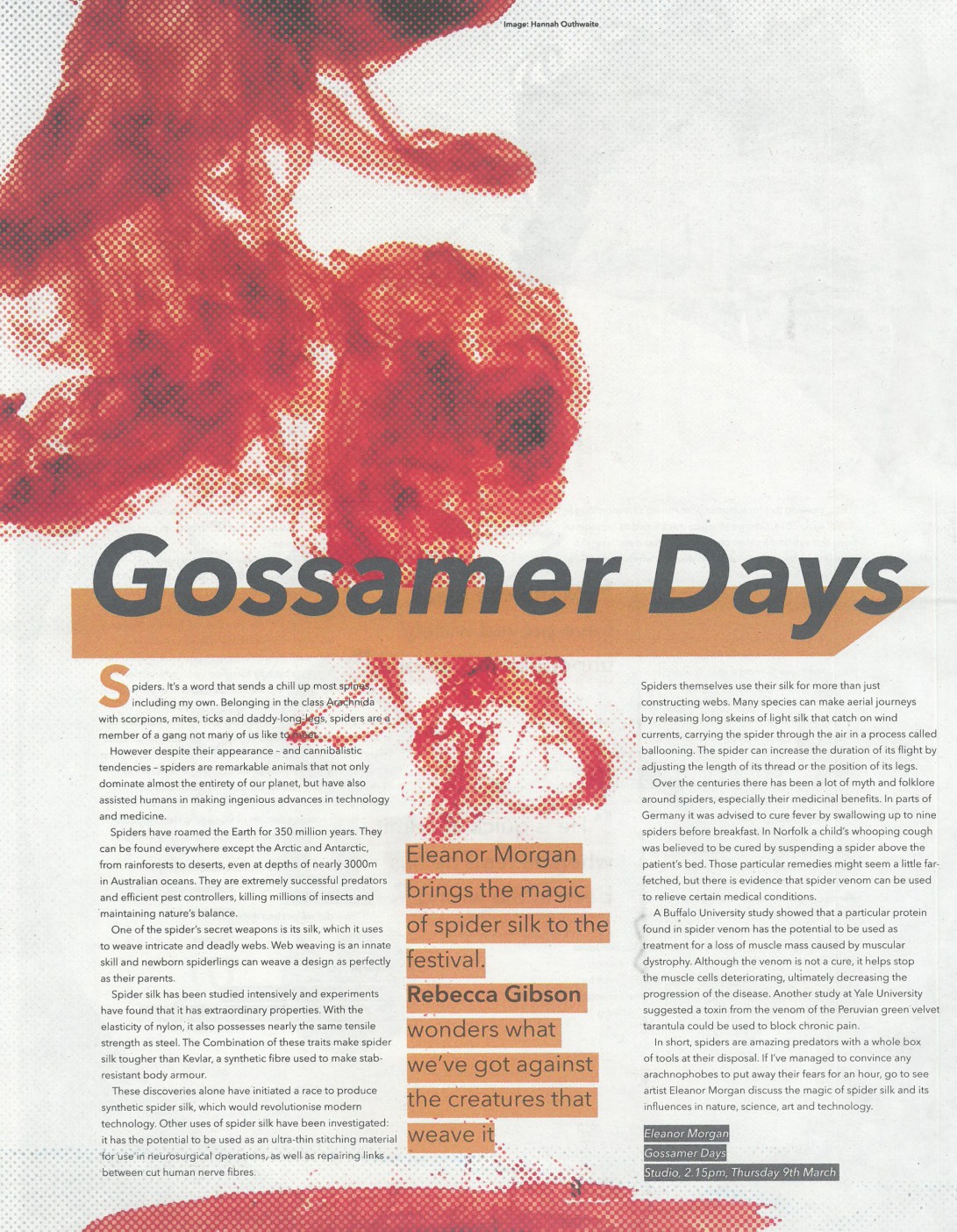
‘Gossamer Days’ Article in Watermark Magazine

Every year, the Theatre by the Lake in Keswick, Cumbria, hosts the literary festival Words by the Water, which is a wonderful celebration of words and ideas from a variety of topics including science, art, politics and history.

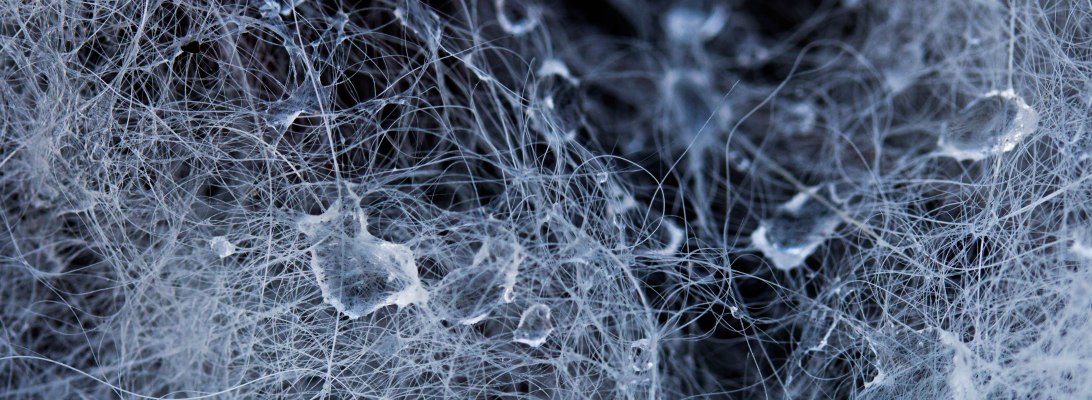
In parallel to the festival, students from the University of Cumbria produce a magazine publication with pieces inspired by the speakers and their topics. This year, I was asked to be the student editor of the magazine, which was a fantastic experience. Part of the job involved writing articles, so here is one inspired by Eleanor Morgan’s talk on spiders, a subject that fascinates and horrifies me in equal measures. I decided to shun my shivers and find out more about these unfortunate-looking invertebrates. To my surprise, I discovered some truly astonishing things.

KM_C224e-20170530111227