Filming Red Squirrels

It’s been a mad couple of weeks, with my second year at uni finishing this week: three deadlines in four days. The last – and for me the most challenging – is a five minute documentary on anything we can think of. The vagueness could seem like a blessing, but when you have the whole world as your subject matter, it seems impossible to think of anything to fill five short minutes.

After the racking of brains and chewing of fingernails, I decided to combine my project with my first visit to Eskrigg Reserve in Lockerbie. It was infamously known among Wildlife Media students for its resident red squirrels; I’d been meaning to go for the whole two years I’ve been living in Cumbria, and only now with a deadline looming did I decide to visit. I headed up the road mid morning and by late afternoon I was perched in front of the hide, sharing a small open clearing with four foraging red squirrels!

IMG_3621

Jim Rae, the Reserve Manager, is one of the nicest people I’ve met, and incredibly passionate about wildlife. Upon arrival he welcomed me like an old friend, giving me the tour of the reserve before settling down in the hide for the interview. He had prepared four typed pages of notes, and when I sat outside later to film the squirrels he brought me a nutcracker and a box of hazelnuts for me to feed them. I couldn’t believe, after only just seeing a wild red squirrel for the first time in Chesters two months ago, I was now spoilt for choice of animals to film.

IMG_3593

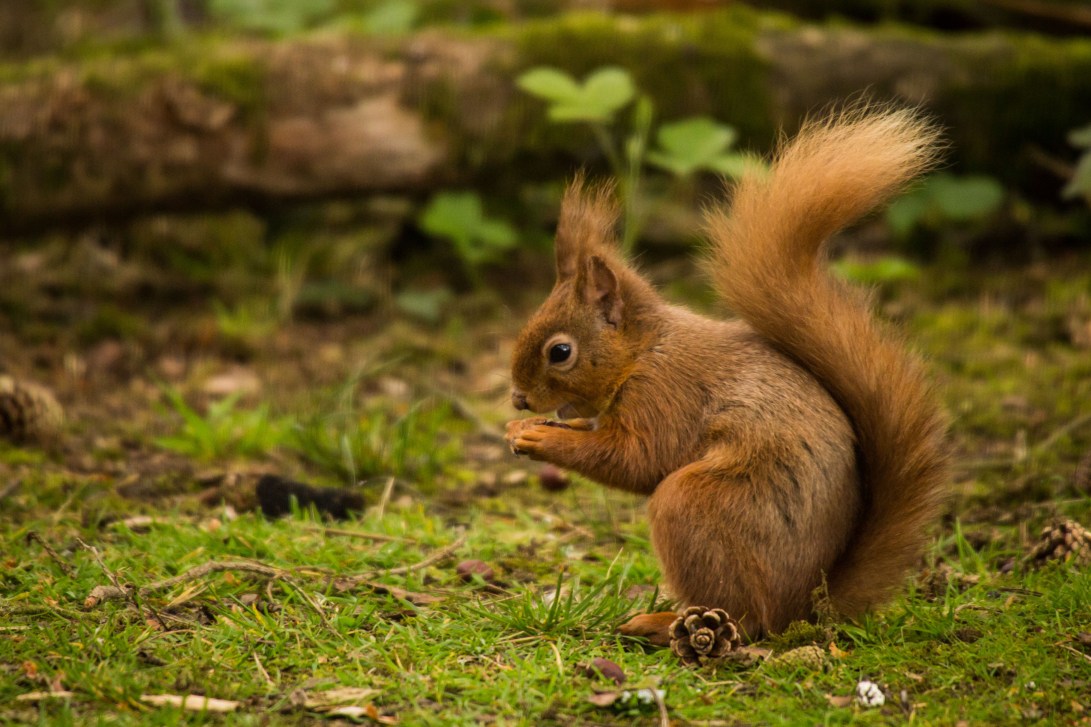
It is not difficult to see why people get so attached to these creatures. A lot smaller than the greys and with delightful little ear tufts, they bound across the grass like furry chestnut bullets – trying to keep them in frame was a nightmare. I’d get one in perfect focus as it paused to claim a nut, then it was off and I was filming empty grass again. I’d never been so challenged as a photographer, but their nippiness provided an excellent opportunity to test my reflexes.

IMG_3559

I could have stayed for hours, but I had a film to edit and countless clips to go through, 90% of which were squirrels. As of today I’m just making the finishing touches ready for the deadline on Friday. Eskrigg is a gem of a reserve, and somewhere I will definitely be revisiting over summer!

IMG_3611

Have a watch of the finished documentary here:


Exped in Miniature

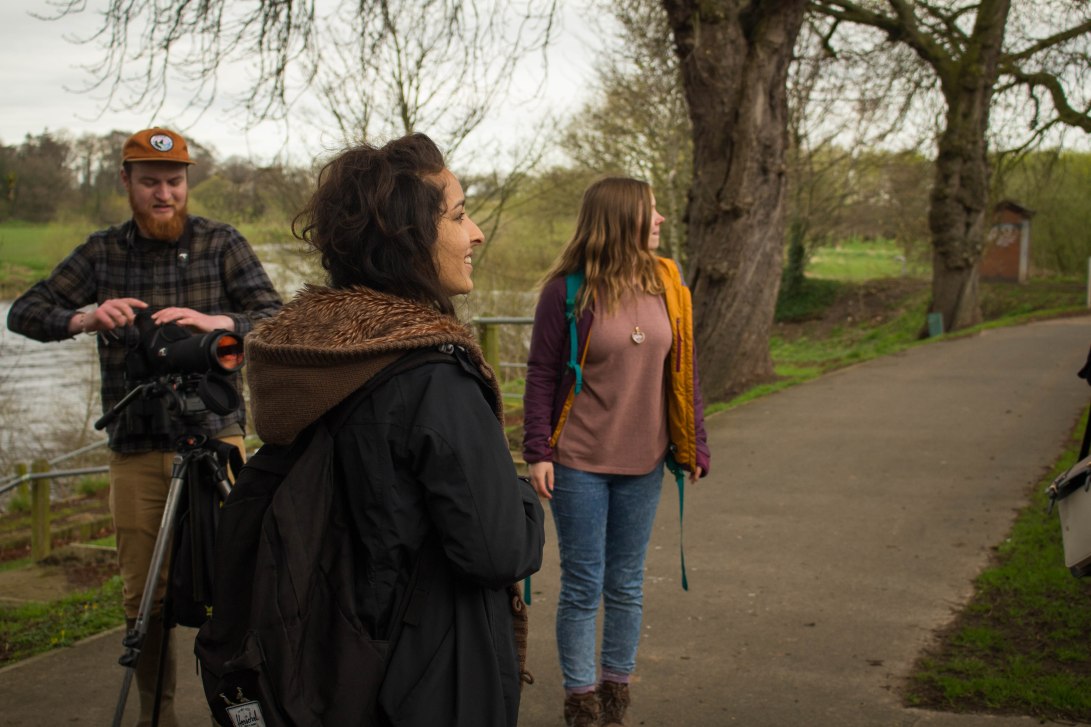
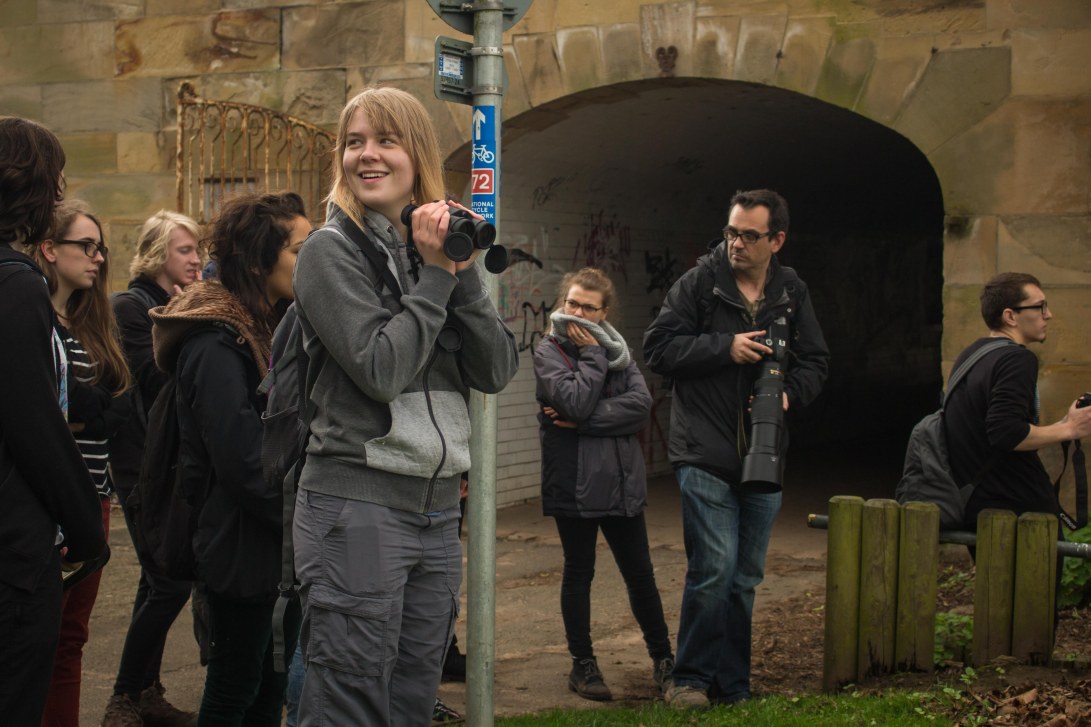
Last week Heather and Cain dropped into uni for a mini exped around the local area. I welcomed any chance to learn more fieldcraft from them and it was also good to spend time with Zoology and other Wildlife Media students – there are fewer and fewer of us wildlies out there so it’s great to meet up every once in a while!

IMG_1587

We began following the river through the park, spotting the first sand martins of the year swooping over the water. A jay darted into the small wooded copse in front of us and cormorants zoomed up the river, wings flapping furiously.

IMG_1579

As cities go, Carlisle is one of the few that still has many pockets of wilderness nestled amongst the urban landscape features. It’s that combination of having everything I need close by but still being able to escape to a new wild place is what attracted me to studying here. I never thought I could see roe deer with a Virgin train zooming past in the background, but I’ve been proved wrong by wildlife encounters like these all year.

IMG_1620IMG_1570

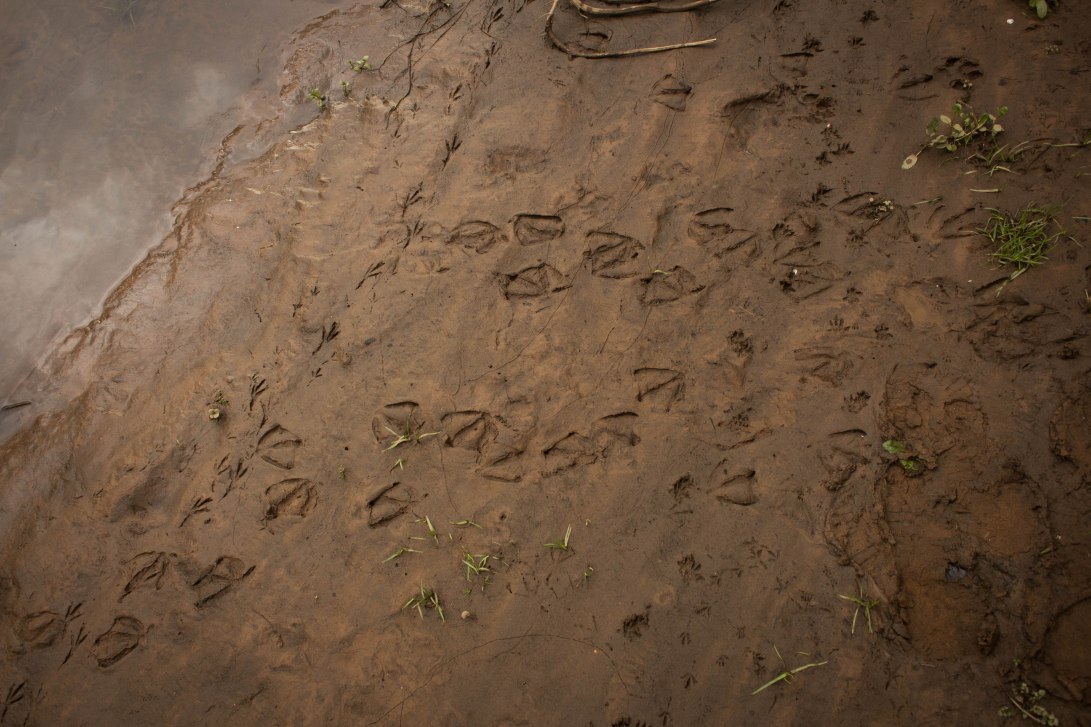
We carried on, walking along the Eden as it snaked through the golf course and reached the suspension bridge. Here we went off-road and found some truly amazing discoveries. On a sand bank tucked away from the heavy footfalls of regular dogs and their owners, we found a wildlife metropolis. There in the sand, perfectly imprinted, were dozens of tracks, bird and mammal alike. There were the broad irregular squares of mallards, tiny pin lines of grey wagtails, even tinier fingers of brown rats and the very dog-ish prints of otters! I practically jumped down into the sand to photograph them – not only were there prints but also a lonely otter spraint, deposited in full display of every visitor as an indication that this territory was claimed. It was fascinating to see just how many species had paid this relatively small sand bank a visit. I vowed to return very soon with a camera trap and see if I could get better acquainted with them!

IMG_1633IMG_1622

Chesters – Day Four

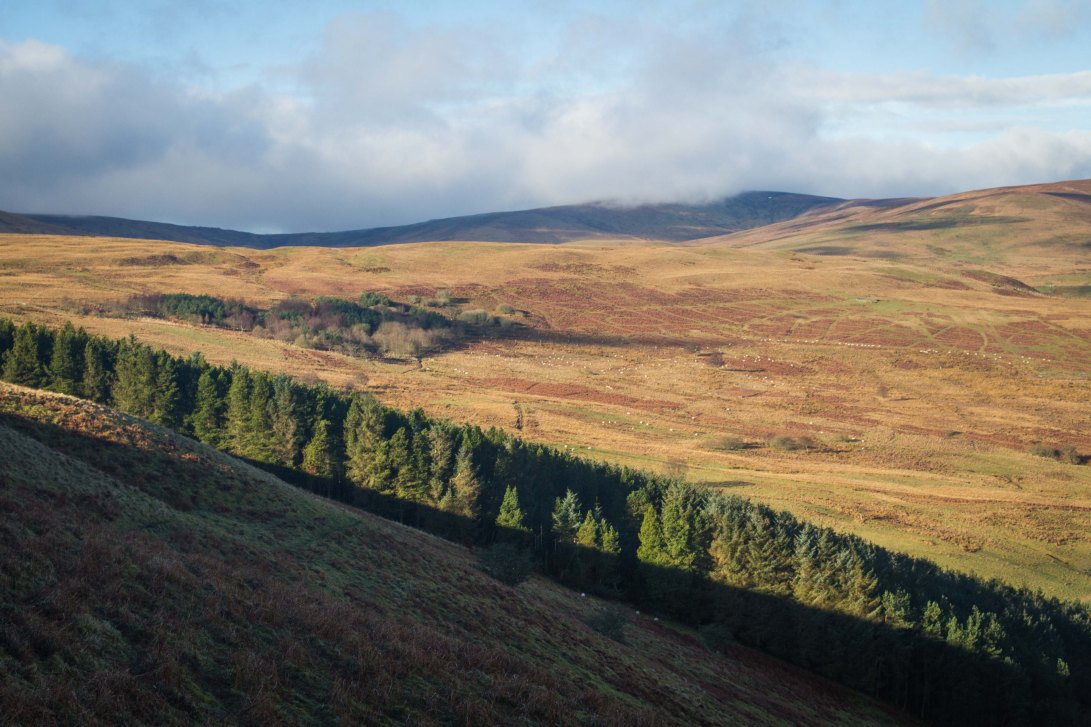
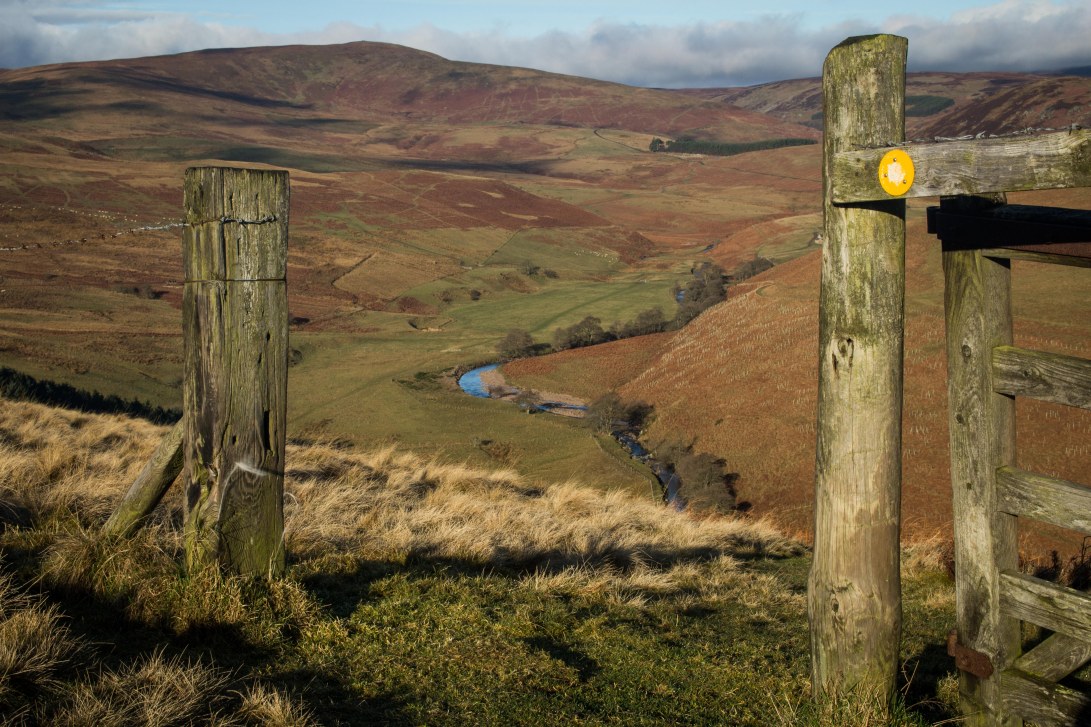
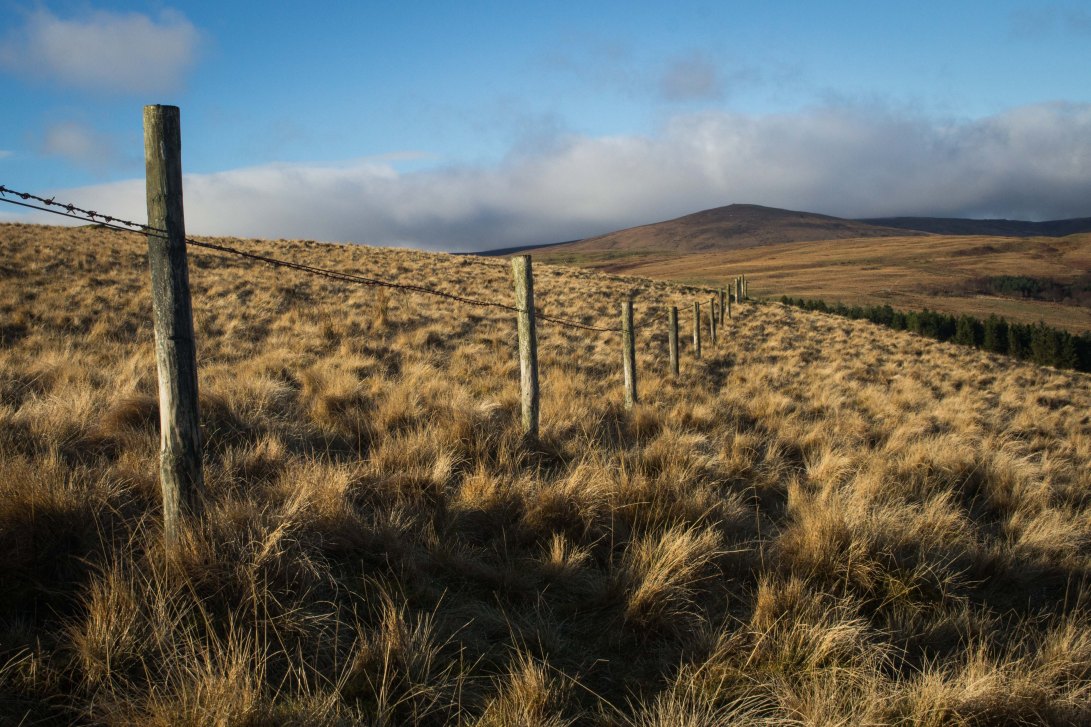
Sadly the day began with no visitors to the Longworth trap we’d set out, but on a positive note the Cheviots were shining under the sun again. I walked up towards the conifer plantation where we saw the red squirrels and drank in the views. Northumberland National Park was beautiful even on a grey day, but when the sun was bright and the clouds’ shadows were drifting across the hills, it was truly stunning. Despite the river gurgling many metres below, I could hear it as clear as if I was standing on the shingle bank. With no disturbance and very few voices on the air, sounds sliced straight through the landscape. It was one of the most tranquil places I’d ever been to.
IMG_0498-2IMG_0504-2IMG_0510-2

After gathering our bags together ready to leave Chesters, we went on a final walk to a new plantation close to the bothy. As we scanned the horizon, we spotted three buzzards circling. Heather told us it was a courtship display, where the males soared high into the sky then dropped down in a dramatic feat of bravery to impress would-be partners. It was fascinating to watch – I only hope the watching females were as impressed as I was!

The plantation we visited was dominated by larch trees, and despite fragmentation of woodland in the Cheviots it was a very old habitat. We could tell this by the presence of tummocks; moss growing over the rocks. This kind of succession would take many years to take place, meaning the habitat had become established a long time ago.

Throughout the plantation, there were many holes in the grassy bank of many different shapes and sizes. Commonly, a fox hole will be oval-shaped, while the sett of a badger will have a sideways oval opening. Meanwhile, a rabbit warren will be made up of many holes of similar size. There were also a lot of droppings, including the dimpled pellets of roe deer, fox and what Heather suspected to be pine marten, which was a really exciting find with a pine marten never having been seen at Chesters. Both of the scats belonging to predators had been deposited right outside the opening of a rabbit warren; a sign to other predators that the poor rabbits within were claimed prey. It was a sinister sign, especially for emerging rabbits!

In fact, the plantation had a likeness to a graveyard. Mammal and bird bones littered the forest floor, from woodpigeon and pheasant to ram skulls. I found a pheasant’s pelvis, which was beautifully intricate and incredibly fragile. However, bones weren’t the only treasure. After nearly stubbing my toe on it, I found an open orb of white quartz within an ordinary rock. The crystals in the crevice were tiny, but reflected the sun in dazzling fragments.

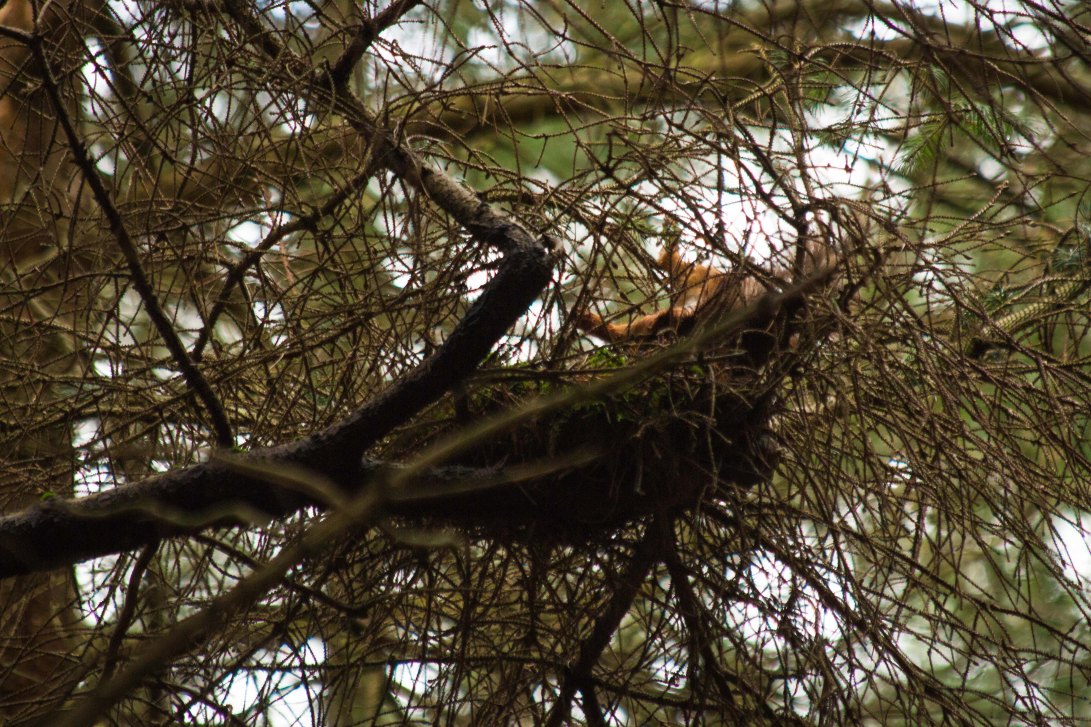
Shortly after, we found an even more peculiar discovery. Hawk-eyed Heather spotted a patch of bright red up in the tree canopy. There, lying in a nest on the end of a bough was a dead red squirrel. Although it was a sad sight, it was also a fascinating one, certainly something I’d never seen before. We debated whether the nest belonged to the predator, or perhaps the squirrel had simply been stored there, or the nest was being used as a plucking post, as is often the case with birds of prey. We walked around the tree looking for feathers or pellets that would tell us the culprit, but there were no tell-tale signs. It was a real mystery that we unfortunately never got to uncover!
IMG_0597-2

Soon we returned to the bothy, carefully carrying the treasures we’d found including the quartz and animal bones, as well as an array of feathers and owl pellets. We spent the rest of the day packing to leave and reflecting on the experiences we’d had over the weekend. As a final send-off, we had a rabbit visit the garden and put extensive time and effort into digging perhaps the beginning of a warren not two metres from the front door. I tested my luck and crept outside to watch him, and was amazed to find him so calm in my presence. Every few seconds he would stop and peer at me, dry earth sprinkled on his head like brownie crumbs, but each time he was convinced I was no threat and continued his work. It was the closest I’d ever been to a wild rabbit and a real privilege to be able to film it digging and moving twigs aside with its long lagomorph teeth. It was perhaps my favourite wildlife encounter of my time at Chesters, and happened right on the bothy doorstep.

IMG_0699-2

Species seen/heard:

Buzzard Buteo buteo Chaffinch Fringilla coelebs European rabbit Oryctolagus cuniculus Fieldfare Turdus pilaris Great tit Parus major Grey wagtail Motacilla cinerea Mistle thrush Turdus viscivorus Oystercatcher Haematopus ostralegus Pheasant Phasianus colchicus Pied wagtail Motacilla alba Skylark Alauda arvensis
Nature’s Fisherman

It was time once again for a wander in the wild. Kacper had told us about a kingfisher he’d seen on the River Caldew, so Zahrah and I met him in town and we set off. I’ve had two kingfisher sightings both in Cumbria, one with my camera one without. I managed to get the speedy bird in frame for one of my shots, but I wanted to slightly improve on an indistinct electric blue blur this time.

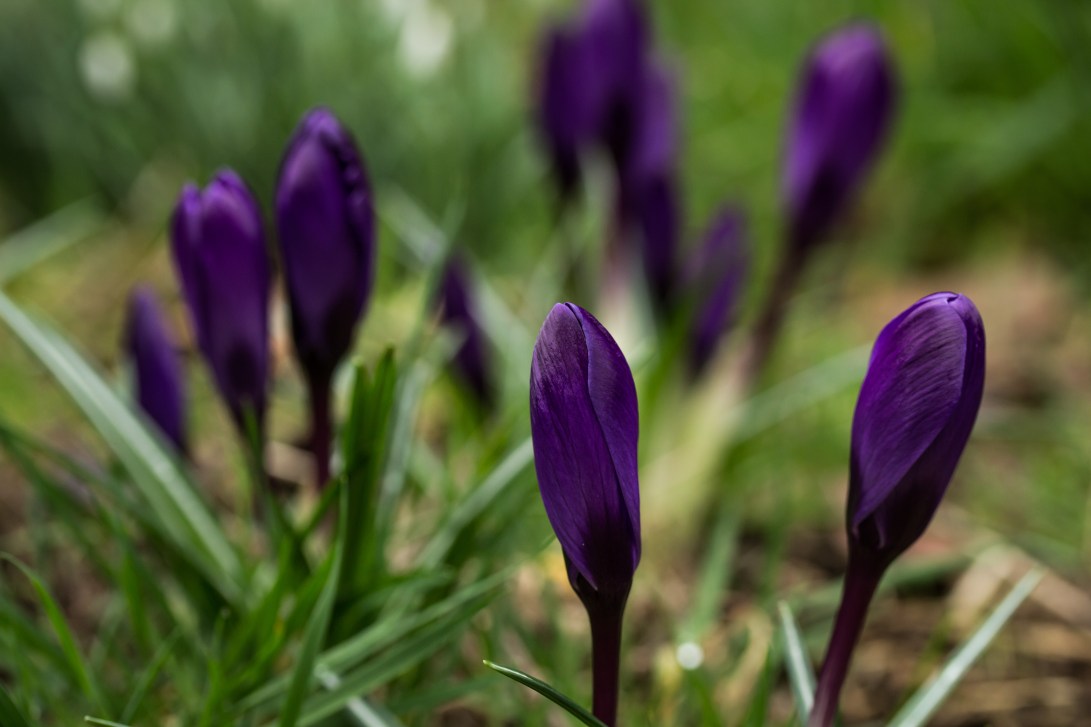
It was so refreshing seeing the first signs of spring. Little pops of colour speckled the green grass as snowdrops and crocuses stretched out of the cold, hard ground – dainty little warriors taking on the end of winter.

img_9572img_9580

We were met at the river by a smoky grey guardian – a feathered old man that stood hunkered up at the top of a tree. The heron surveyed his river with grumpy indifference. Zahrah is under the impression that these birds are beautiful. While I can’t quite agree on that, they are a spectacular looking species that always draw my attention, whether they’re sat slouched on a branch or flapping through the air with spindly dangling legs.

img_9644

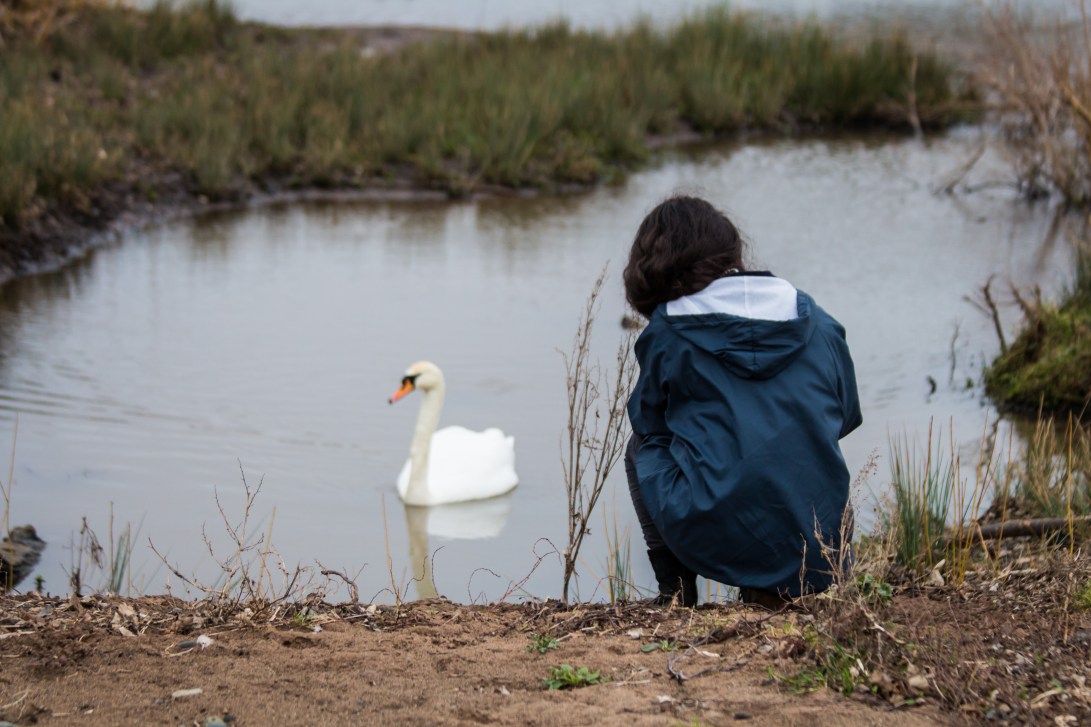
After leaving the heron behind I spotted the elusive kingfisher, so we followed it along the river bank as best we could. In the meantime, Zahrah had a play with medium format film, and attracted a couple of inquisitive mute swans.

img_9684

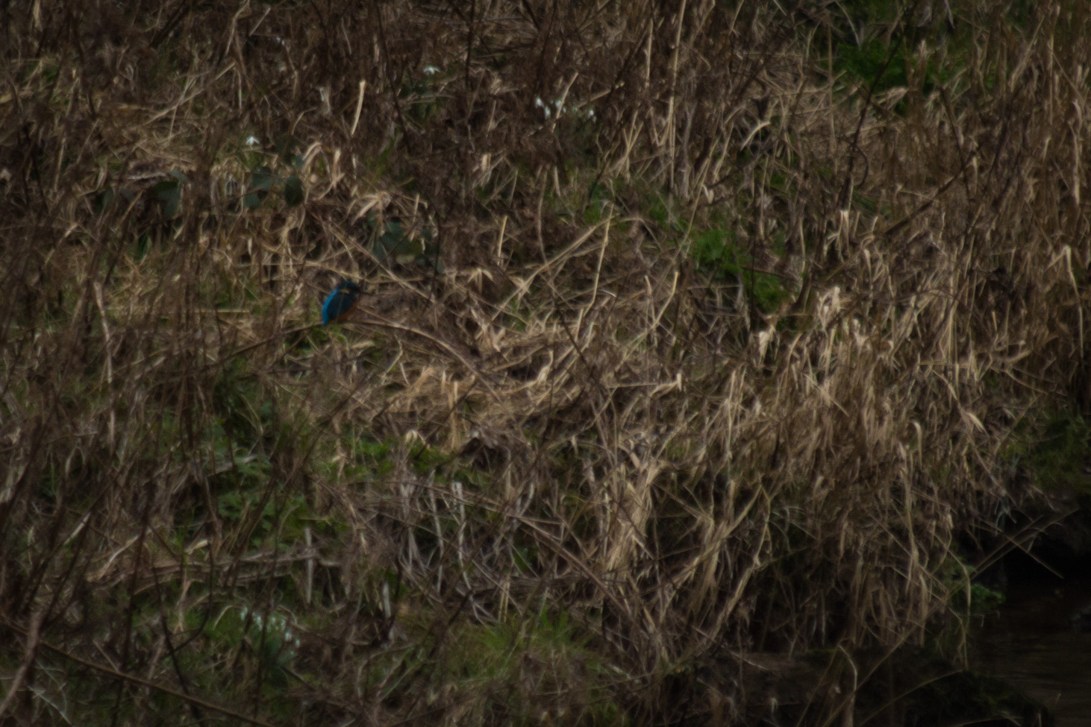
Despite the slow emergence of spring, it still got bitterly cold and before long the light began to fade. We were just about to head for home when another flash of blue shot across the water. Hurrying across the bridge, we staked out the riverbank and managed to spot the kingfisher resting amongst the scrub. It’s still not the best kingfisher photo ever taken, but it’s a vast improvement on my last – you can even see it’s an animal this time!

img_9668