
August is an intriguing time for wildlife. Although birds are relatively quiet at this time of year, insects are out in force. This month sees summer and autumn blending together and there is plenty to discover out in the countryside. So, here are some of my favourite British wildlife highlights during August.
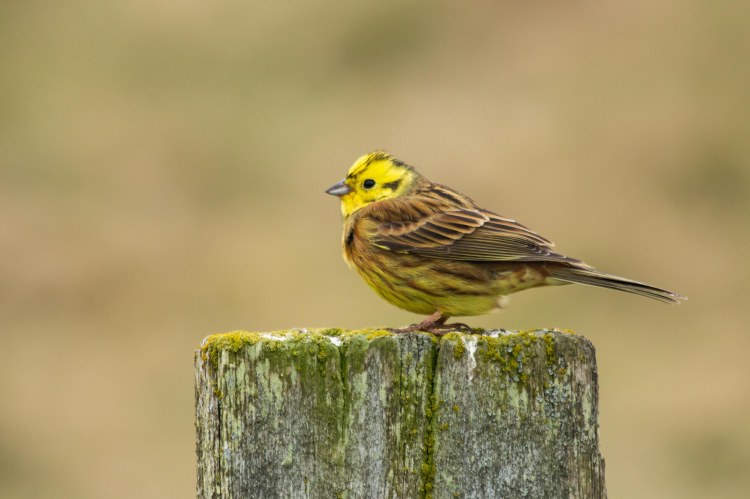
This month, yellowhammers are one of the few birds still singing. They can be seen perching high up on gorse bushes as they fill the air with a charismatic phrase that many birders say sounds like “a little bit of bread and no cheese”.
Migratory British birds such as swifts and blackcaps start to make their way back south this month – swifts are particularly noisy flyers and soon the skies will be much quieter in their absence. Other migrants including swallows and house martins will stay around a little longer and usually depart around September.
Tawny owls may start calling in August, but this usually picks up in autumn and then throughout winter. It is during this time that young birds leave their parents and attempt to establish their own territories, using their calls to announce their presence. The well-known “twit twoo” call of a tawny owl is a combination of voices – the female calls “ke-wick” and the male answers “hoo-hoo-ooo”.
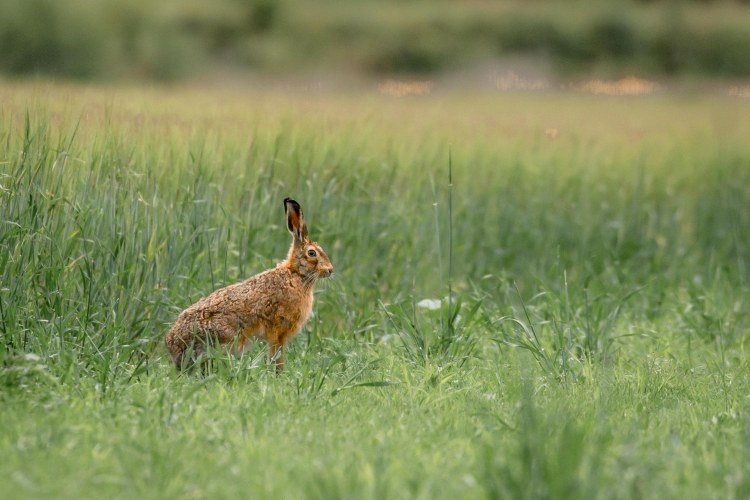
August is a good time to spot hares because farmland is starting to be harvested and crops are cut low to the ground. Keep an eye out for them darting along hedgerows or crouching low to the ground, looking remarkably like rusty stones.
Bats are actively feeding on the explosion of flying insects and badgers are starting to collect their bedding. Dry, warm weather can often mean there are fewer worms available and badgers may be drawn to gardens to drink from ponds.
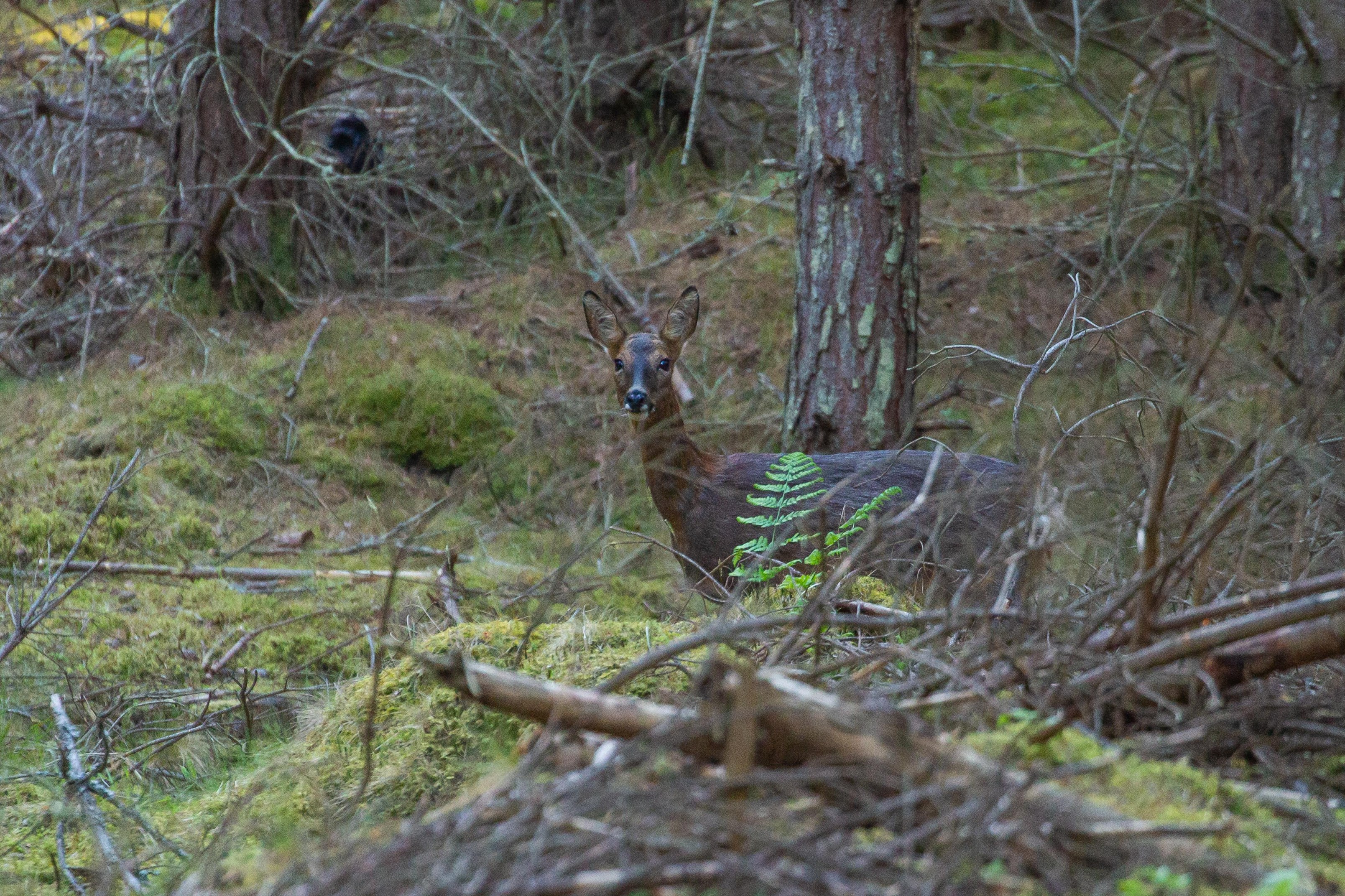
Unlike red deer which rut in the autumn, roe deer have their breeding season from mid-July to mid-August. During this time a male – which is called a buck, not a stag – follows a female (doe) around and chases her in tight and continuous circles. This behaviour is known as ring-running, and when a ring is stamped into a permanent trail it may be used for future ruts.
August is also good for spotting insects. Dragonflies such as the common darter can be seen flying around ponds and other still bodies of water. They are also found far away from water as they rest on plants in patches of woodland.
This month, the second generation of many butterfly species are on the wing including comma, red admiral and painted lady. For those interested in butterflies, now is the time to contribute to The Big Butterfly Count. Launched in 2010, this UK-wide citizen science survey is running from the 17th July to the 9th August. It’s easy to take part – just choose a place to sit and record the butterfly species you see for fifteen minutes. As pollinators, butterflies are extremely beneficial for the health of the ecosystem but are currently facing severe declines, so the records collected during the count will provide valuable data for conservation projects and research.

This article was originally published on Bloom in Doom as part of my role as Nature Editor. It is the first of a monthly column of the best British wildlife highlights throughout the year.





 rebeccaonthewing.com