Bringing Nature Indoors


As someone who likes to potter around outside for hours while I write and watch the world go by, I’ve had to adjust drastically to my new lockdown routine. I describe my writing style as “immersive storytelling” – I go out and write about what I see to inspire other people to connect with their local wildlife. Over the past few weeks, it’s safe to say that I’ve struggled to stay creative. Although the restrictions are starting to ease in various locations, it is still difficult to get the access to nature that we all want and need.

It has been proven that being in green space benefits all aspects of our wellbeing. In 2018, a team from the University of East Anglia studied how the health of people living in urban areas compared to those who had more access to green spaces. They found that spending more time in nature “reduces the risk of type II diabetes, cardiovascular disease, stress and high blood pressure”.

BinD 1 IMG_3518-2

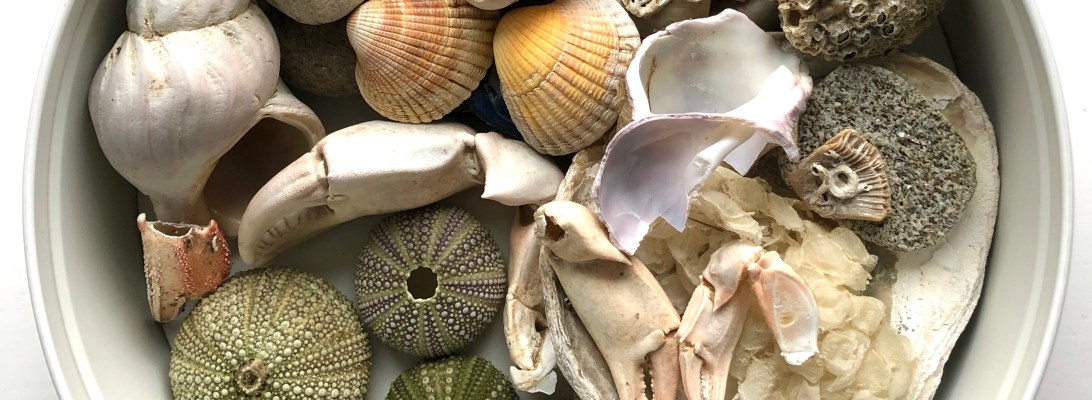
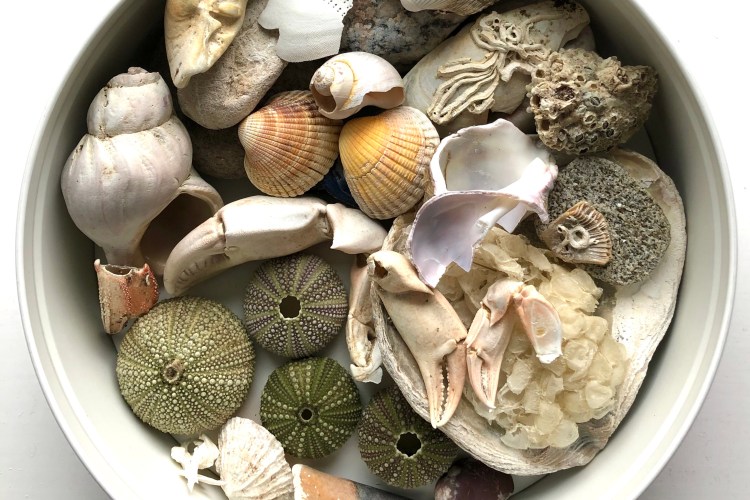
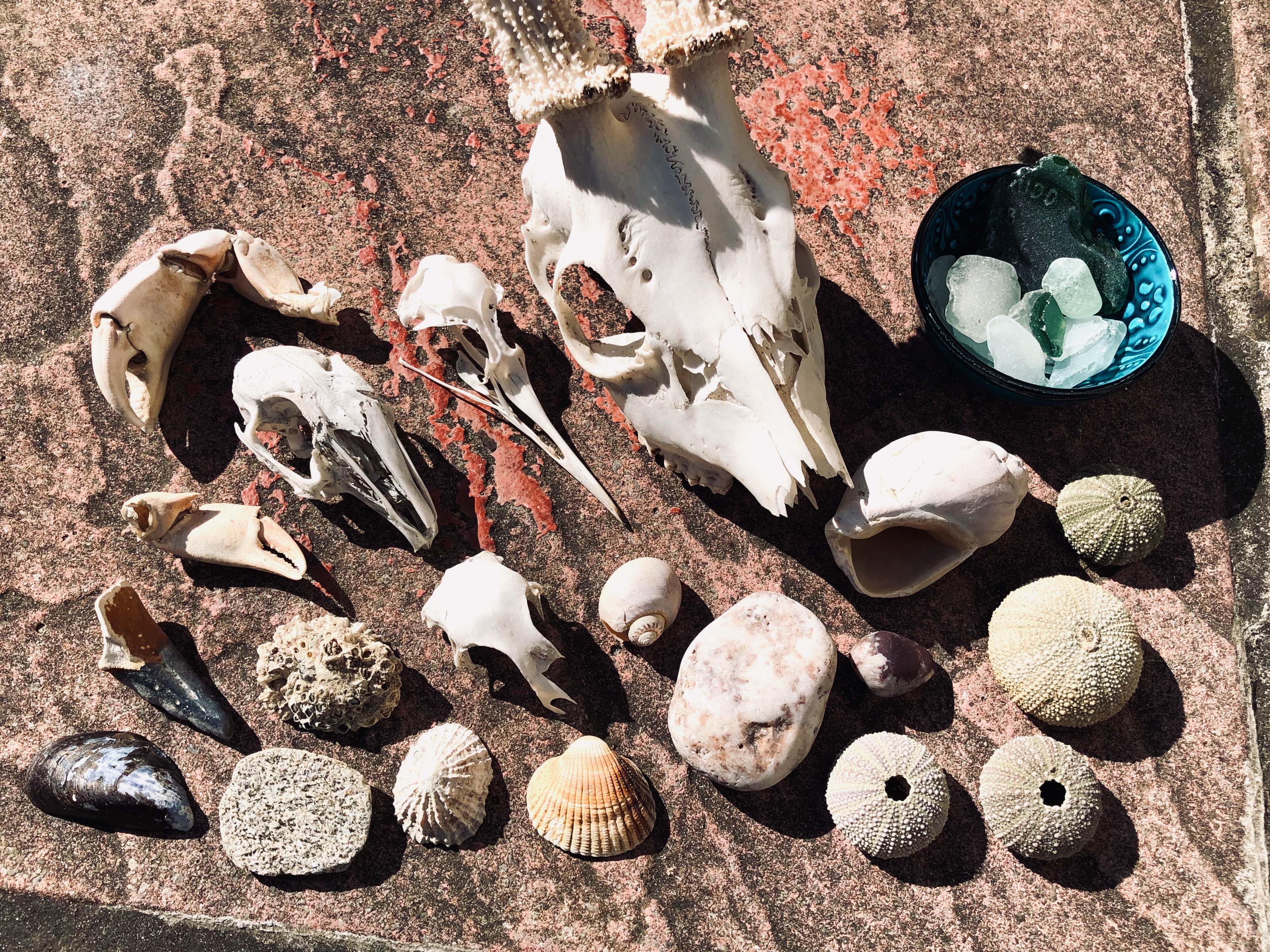
While cooped up indoors, I began to think of ways to stay connected to nature despite having to spend the majority of my time away from it. I’ve found that one of the best ways to do this is by bringing it indoors. I don’t mean catching birds or dragging in trees, but gathering small mementos. I’m lucky enough to live by the coast and I make a habit of collecting natural objects that I find on my daily walks. Together with other bits and pieces that I’ve collected from different habitats over time, I’ve made a nature table in my home that brightens up a room and provides a bit of wildness while I’m indoors.

Whatever habitats you have access to, there will be something that would make a good addition to a nature table. The great thing about wildlife is that everyone has a different relationship with it. My favourite things to collect are animal skulls – a male roe deer skull is pride of place on my nature table. Every item jogs a different memory in my mind. As well as being pretty to look at, a nature table is great for other senses too. I enjoy the tactile textures of frosted sea glass and rough sea urchin shells. Simply picking up these objects lifts my mood.
BinD 1 IMG_9202-2

Author and illustrator of “The Wild Remedy” Emma Mitchell has struggled with anxiety and depression for most of her life, but insists that nature plays a huge part in helping her feel better. In a recent Instagram TV upload she shared the surprising healing power of plants for improving mental health. Plants produce oils called phytoncides which help the plant fight pathogens, but these same oils can benefit us too. When we inhale or touch these oils, our blood pressure, pulse rate and levels of cortisol (a stress hormone) go down. These small reductions can help us feel more relaxed and lift our mood. As well as house plants and garden flora, this also works with pots of supermarket herbs on the windowsill!

While plants appeal to our senses of smell and touch, one of the best senses for exploring nature is sound. A study at King’s College London found that listening to natural sounds such as birdsong improves mental wellbeing for over four hours. Recording snippets of audio on a phone during a daily walk is a great way to bring nature inside. Whether it’s woodland birdsong or crashing waves, natural sounds provide a relaxing background soundscape and, in my case, inspire creative thinking. For writers, it’s also useful to record any thoughts and observations you have while outside, so the details are fresh when you come to write them down later.

BinD 1 Rebecca Blue Tit-2

For those who can’t leave the house but have access to a garden, setting up some feeders will encourage more birds to visit and fill the air with their songs and calls. Another option is the brilliant Birdsong Radio app from the RSPB. This was launched after the huge success of the single “Let Nature Sing”, which for those who haven’t heard is a musical arrangement of some of Britain’s most loved but also threatened birds. As well as providing peaceful background noise, it’s a great tool for learning different bird calls. To listen to what specific species sound like, the RSPB website has small recordings on each bird’s profile.

The lockdown has forced us to change our usual routines and this has certainly brought its challenges. However, there is great enjoyment to be found in aligning ourselves to nature’s slower pace and exploring our local surroundings more closely. Despite the uncertainty, nature provides an opportunity to look after ourselves.

This article was originally published on Bloom in Doom magazine as part of my role as Nature Editor. 
Over the Loch

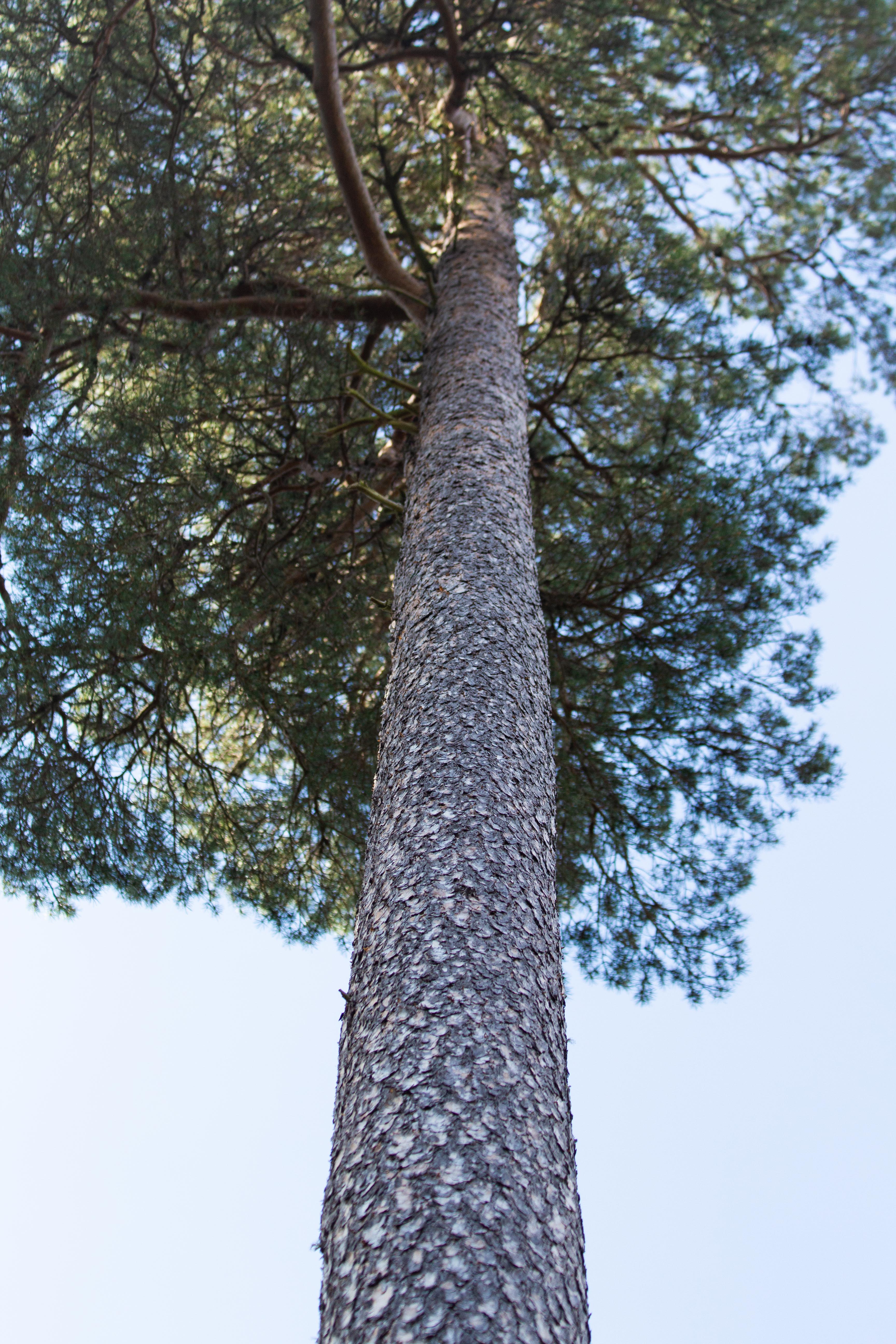
The gloom that had settled over the Cairngorms earlier in the week was long gone. As we pulled into the car park I leant forward and saw sunlight pouring through the coniferous canopy in diagonal slants, turning green needles shimmering gold. Another forest to explore! I couldn’t wait.

Once all members of the convoy had arrived, we gathered around the notice board. Abernethy was the second largest nature reserve owned by the RSPB, spanning 140 square kilometres. It was home to around 5000 species – a list that grows every year. Our guide, Simon Pawsey from the Bird Watching Wildlife Club, looked up the crested tit on his Collins Bird app – something I definitely need to get at some point – and quietly played us the bird’s call: a rapid trilling that I was sure I would be able to distinguish above the chaffinch’s constant rambling, as lovely as that was.

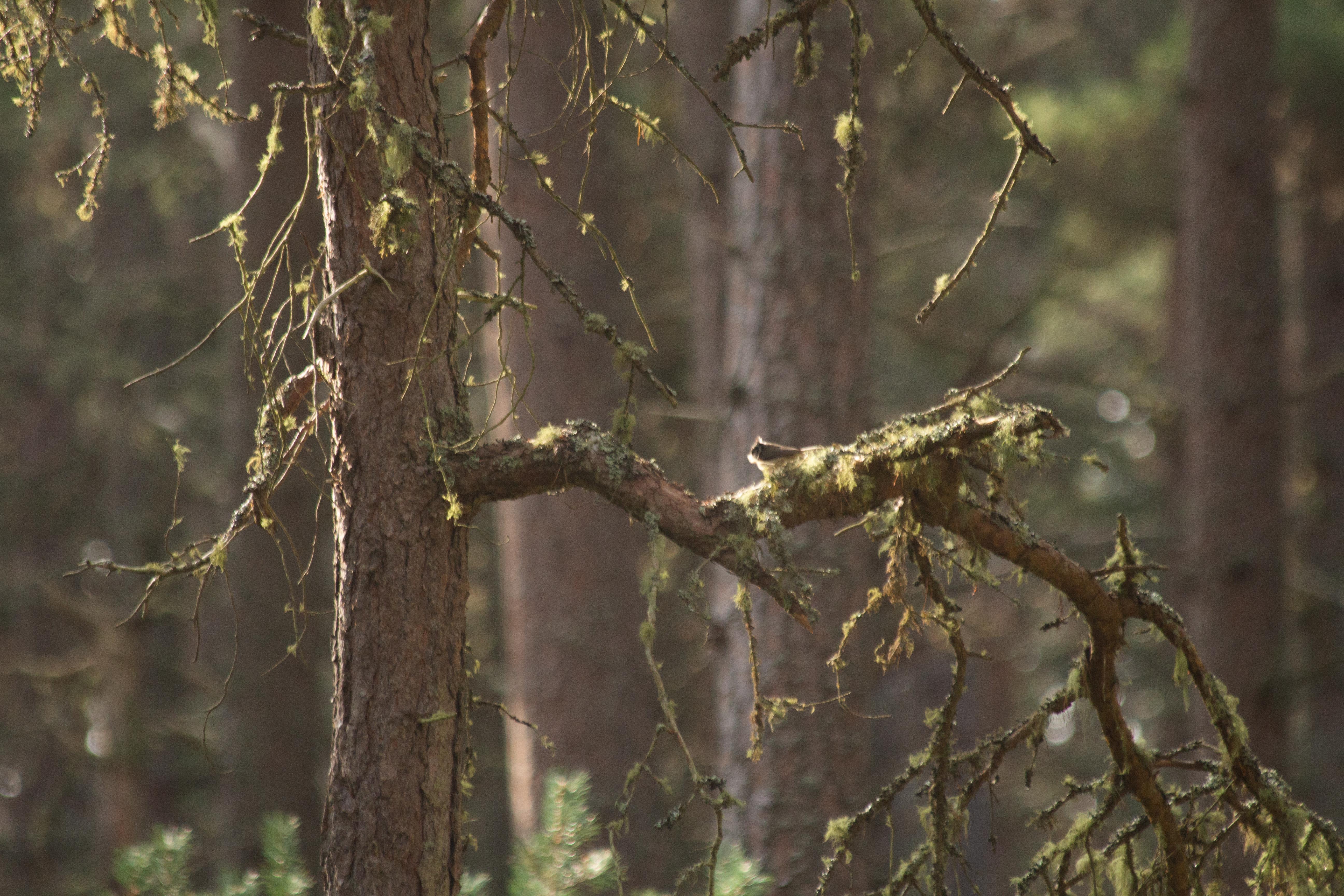
As Simon continued to tell us all about cresties, a small bird caught my eye a few dozen feet away. Lifting my binoculars, I focussed in and nearly disregarded the bird as a coal tit, which was exceptionally common in the local area. But then I noticed a peculiar tuft of feathers on the bird’s head. Surely not… A halo of light fringed the bird’s body and I squinted to make sure, keen not to make a fool of myself in front of all the other birders. But it was! It really was a crested tit! I exclaimed this to the group, embarrassed about interrupting Simon but deciding it was well worth it.

IMG_1596
Not a great photograph, but an amazing sighting!

There was a flurry of excitement as we all pinpointed the crestie for those who hadn’t spotted it. The bird was perched on an obvious branch in a relatively open clearing, sitting at eye level in a car park full of human voices and slamming doors. It was such a good view of a species that I thought I’d only get a snatching glimpse of at the very top of a huge Scots pine, if that. The crestie stayed for a few minutes, allowing us all to admire him before he took off and disappeared. Our guide had been talking about crested tits and a crested tit appeared for us all to see, almost like a “Here’s one I prepared earlier” moment. What an extraordinary start to the day!

Buzzing after our first sighting, we set off into the forest, keeping an eye out for crossbills or red squirrels that might be foraging above. Several times a pair of dark wings high above had us briefly excited that we’d spotted an eagle, but each time it was a buzzard, or “tourist eagle” as it was often referred to in the Highlands.

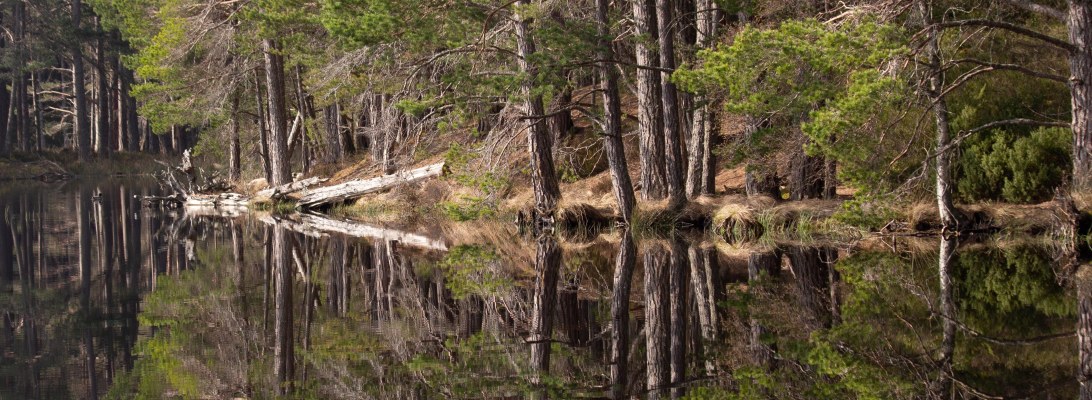
Before long Loch Garten came into view, and even with just a glimpse through the trees I knew it was going to be impressive. There was no breeze to stir the water so the loch lay as flat and still as a mirror, casting a perfect reflection of the trees along the margins and the blue hills in the distance. The only disturbance to the glassy surface was a lone mallard swimming far out in the loch, scratching a line across the water. Not a sound could be heard. As I stood on the bank absorbing the view, I thought how Loch Garten could be the perfect setting for an elaborate fantasy story. It was such a wild, beautiful place: seemingly tranquil and calm but with the power to turn at a moment’s notice.

IMG_1603IMG_1616

If I’d been alone, I would have sat by the loch all day, but I was here for birding with the group so reluctantly took my last few photos and followed them further along the trail, skirting the edge of the water. Sure enough, we found a red squirrel, although the animal was trickier to see than on the feeders in Anagach Woods back at the hotel. A bright orange mammal is surprisingly difficult to spot in dense green foliage, and it was only its sudden movements that gave it away.

IMG_1498

After a while another loch came into view: Loch Mallachie. Here we were met by a gaggle of greylag geese as they glided across the water. This part of the reserve was marshier, and not far from the land we were stood on was a smaller island with far shorter trees. Simon explained that they were the exact same type as the giants that surrounded us on dry land, but because of the variation in soil quality and nutrients, the same species was half the size only a few metres away.

IMG_1539

Suddenly one member of the group pointed out two dark specks on the horizon. I prepared myself for the inevitability of more buzzards, but once Simon had set up his scope I heard some very satisfying words: “Those are eagles”.

Everyone rushed towards the bank for a better view. The birds were very far off – tiny pinpricks on a white horizon – but sharp-eyed Simon could make out white patches on one of the eagles, suggesting it was a juvenile. After a while scanning empty sky I managed to locate them in my binoculars. They glided seemingly effortlessly at a dizzying height, barely moving their wings as they soared through the thermal currents. It was such composed flight: the movement of a creature that dominated its landscape. Fortunately, the eagles were flying closer, so one by one we had a peek through Simon’s scope. When it was my turn, I was thrilled to make out the bird’s head and beak even from such a distance. I’d seen a golden eagle once before on the west coast, but this was by far the clearer sighting. Eagles were the true celebrities of Scottish wildlife, and to see two at once was so special.

The eagles soared in large circles for a while before gliding further out of reach of our scopes and binoculars. Once again the group was buzzing. I couldn’t believe how lucky I’d been this week. After only four days in the Highlands I’d seen crested tits, crossbills, red squirrels, a pine marten and now two golden eagles. It reminded me of the importance of patience but also of luck; how being in the right spot at the right moment can bring unforgettable experiences. Being from the southeast where wildlife is far less abundant, I would treasure the sightings I’d had this week for a long time.

IMG_1626