New Visitors

IMG_2983

Although I’m naturally quite an introverted person and love having time to myself, I’ve still struggled to adapt to the lockdown routine. I like to potter around outside for hours while I write or just watch the world go by, so it goes without saying that I’ve missed wildlife far more than the pub. Alerts have hit my local Facebook groups about ospreys just a few miles away from me and orcas (orcas!) further along the coast, but lockdown measures have kept me stuck in one spot.

Still, it’s a beautiful spot to be stuck in, and there have been some new visitors to my local patch over the past few weeks. Before the clocks went forward, the daily sightings always included goldeneyes, long-tailed ducks and red-breasted mergansers. Now, as the spring wildflowers emerge and the days grow longer, I’m seeing some new faces on the backshore.

IMG_3201
Willow Warbler

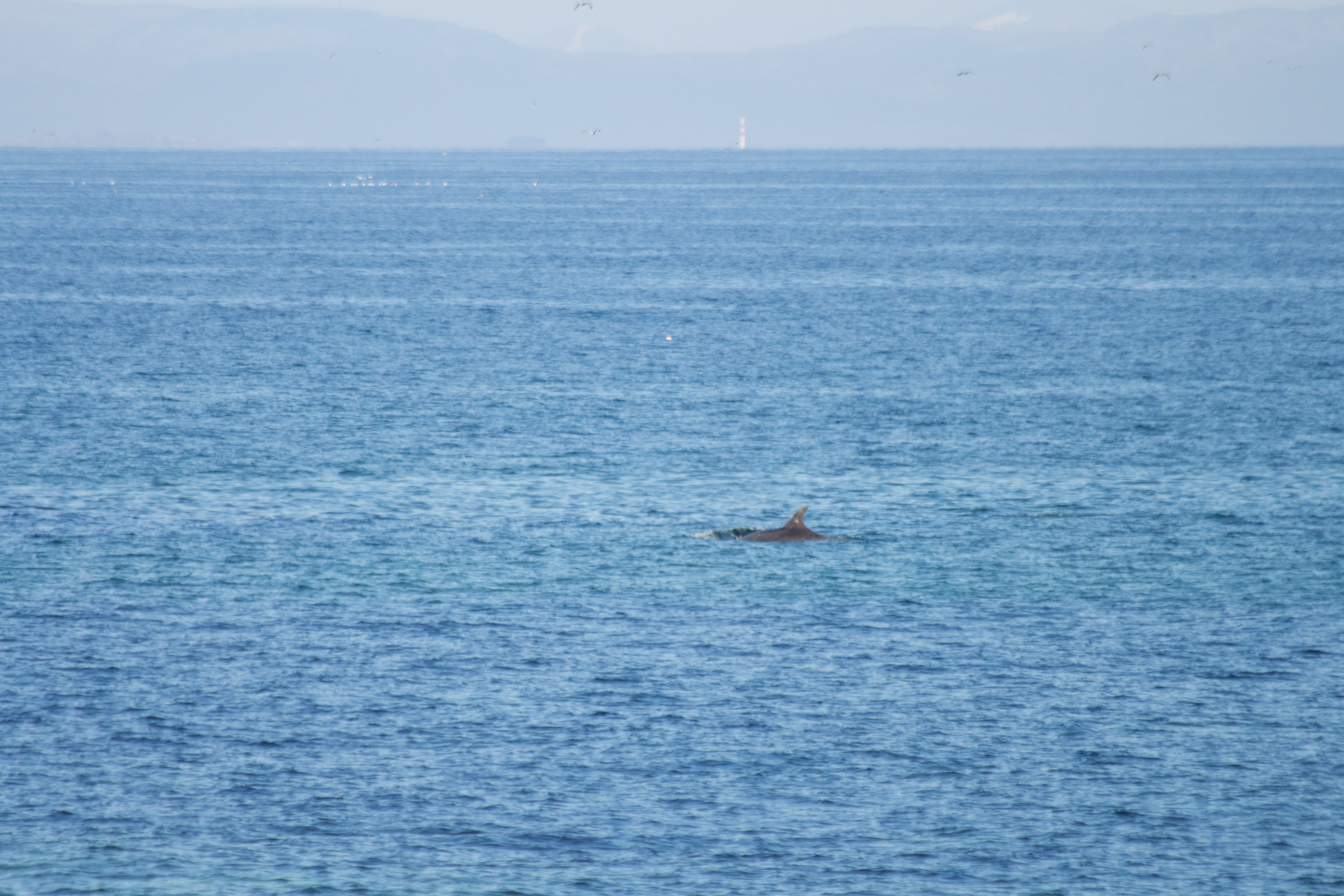
When I arrived in Scotland I was told that May was the true start of the bottlenose dolphin season, but I’ve already been spotting dorsal fins on the water. I’ve had three different sightings so far, and on the second I managed to photograph some for the first time. Even from a distance and with most of their bodies submerged, it’s easy to see just how large these marine mammals are. In fact, the bottlenose dolphins in the Moray Firth are the largest and most northerly in the world.

IMG_3004
Bottlenose Dolphin

As well as cetaceans, there’s been some avian excitement too. My absolute favourite birds have arrived in my patch: gannets! I glimpsed a white wingspan last week but wasn’t sure if it was just another herring gull, but since then I’ve had indisputable views of these vast and beautiful seabirds. As well as flyovers, I had the privilege of watching a dozen gannets diving for fish just offshore – twisting their bodies and tucking in their wings at the last moment before hitting the water like feathered torpedoes. I’ve always been drawn to gannets’ subtle plumage and dramatic facial markings and it’s been such a treat to watch them in my patch.

IMG_3266
Gannet

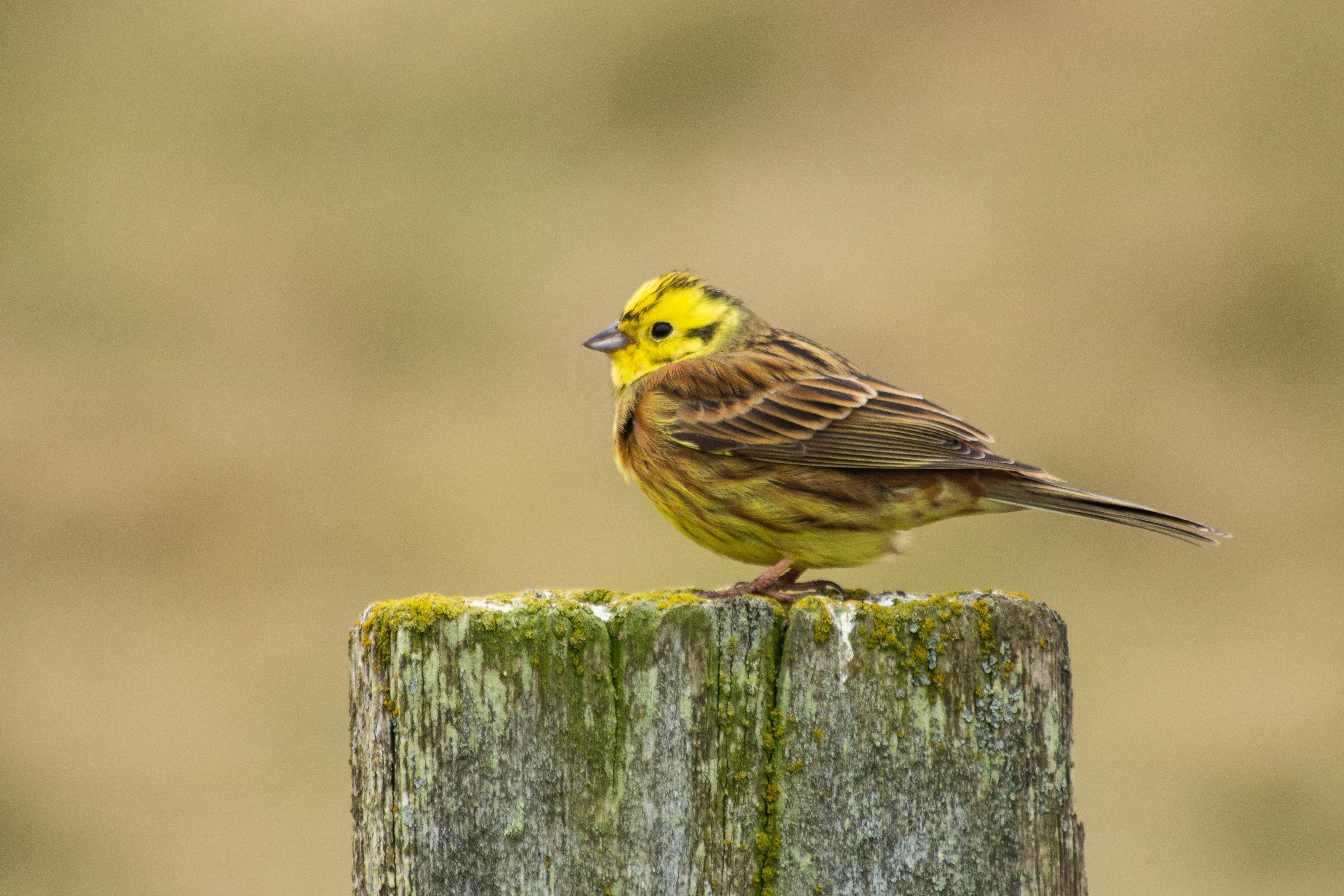
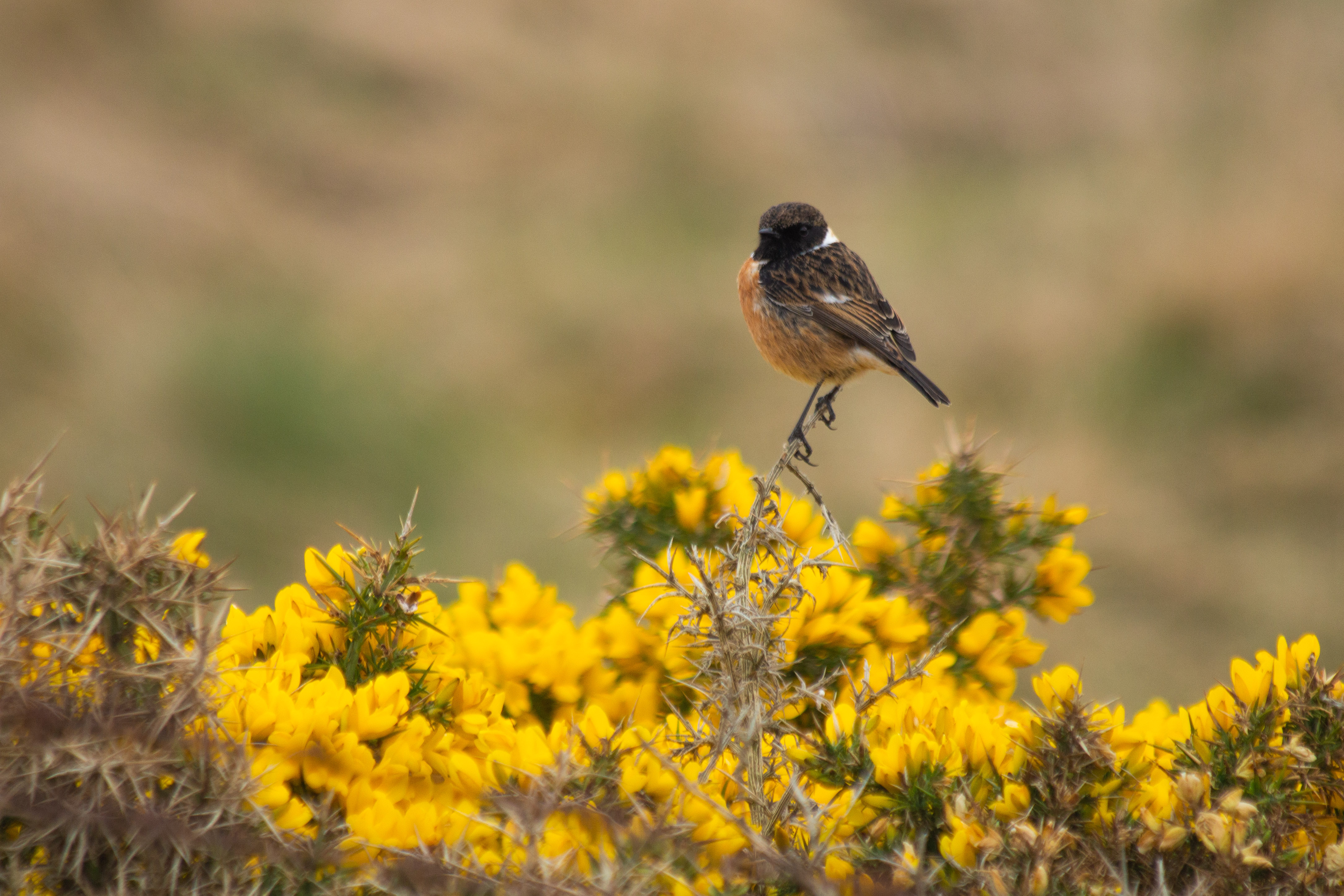
As I walk along the shore, I have the option of looking left to the ocean or right to dense clouds of gorse. As well as infusing the air with a beautiful coconut smell, the gorse provides excellent shelter for lots of different birds. Over the last week I’ve seen willow warblers, stonechats, linnets, skylarks, hooded crows, swallows, swifts and yellowhammers in just a small area. The charm of the gorse forest is that you never know what you’re going to spot and I’m almost always surprised by something.

IMG_3333
Yellowhammer (male)
IMG_3161
Stonechat (male)

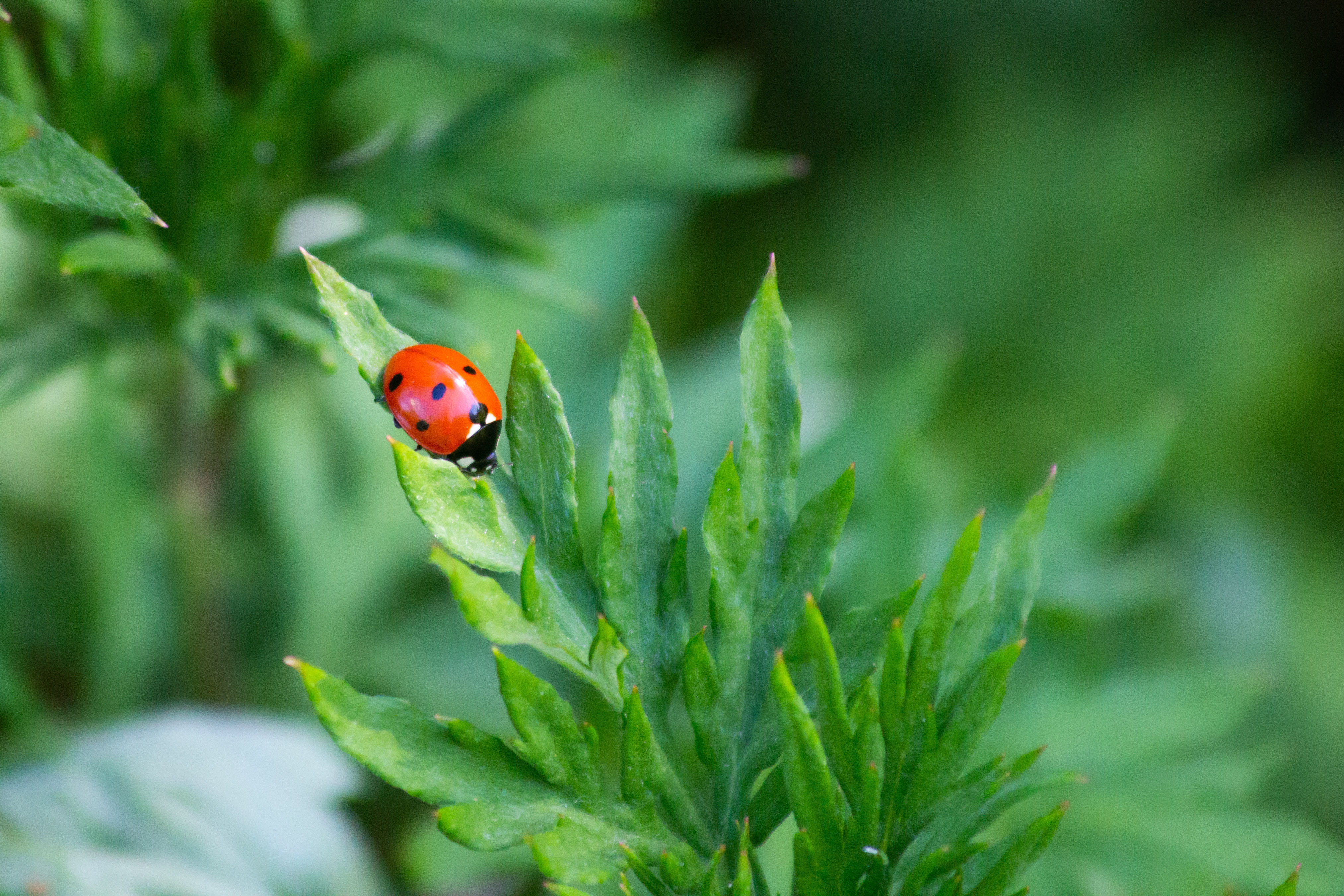
Although I’m usually drawn towards birds and mammals, I can’t help but notice emerging insects as the temperature climbs. Just along from the town allotments I’ve seen bees, peacock and red admiral butterflies and green foliage that’s speckled with ladybirds.

IMG_3036

It’s been difficult for us all to stay connected to the natural world during the lockdown, but seeing snippets of spring visitors on my daily walks has really lifted my mood. Nature never fails to make me feel better, and it’s during these challenging times that our time spent outdoors is the most important. Stay safe and stay wild everyone.

My Top Wildlife Sites 2

After sharing four of my top wildlife sites in the UK I began to think of more and more, so here are another set of places that everyone should visit. Read on for dwarf pansies, red squirrels, white-tailed eagles and a particularly spectacular murmuration.


  1. Isles of Scilly

It sounds like an exaggeration but the Isles of Scilly really are incredible. I chose Scilly as the location for my final major project during my undergraduate degree and spent six days wandering through remote and near-tropical landscapes. Despite only being 28 miles from Cornwall, Scilly is so separate from mainland life that many of its species have evolved differently. The blackbirds have blood orange bills instead of their usual tangerine, wrens sing different songs and some plants are found nowhere else in the UK but on those few scattered islands.

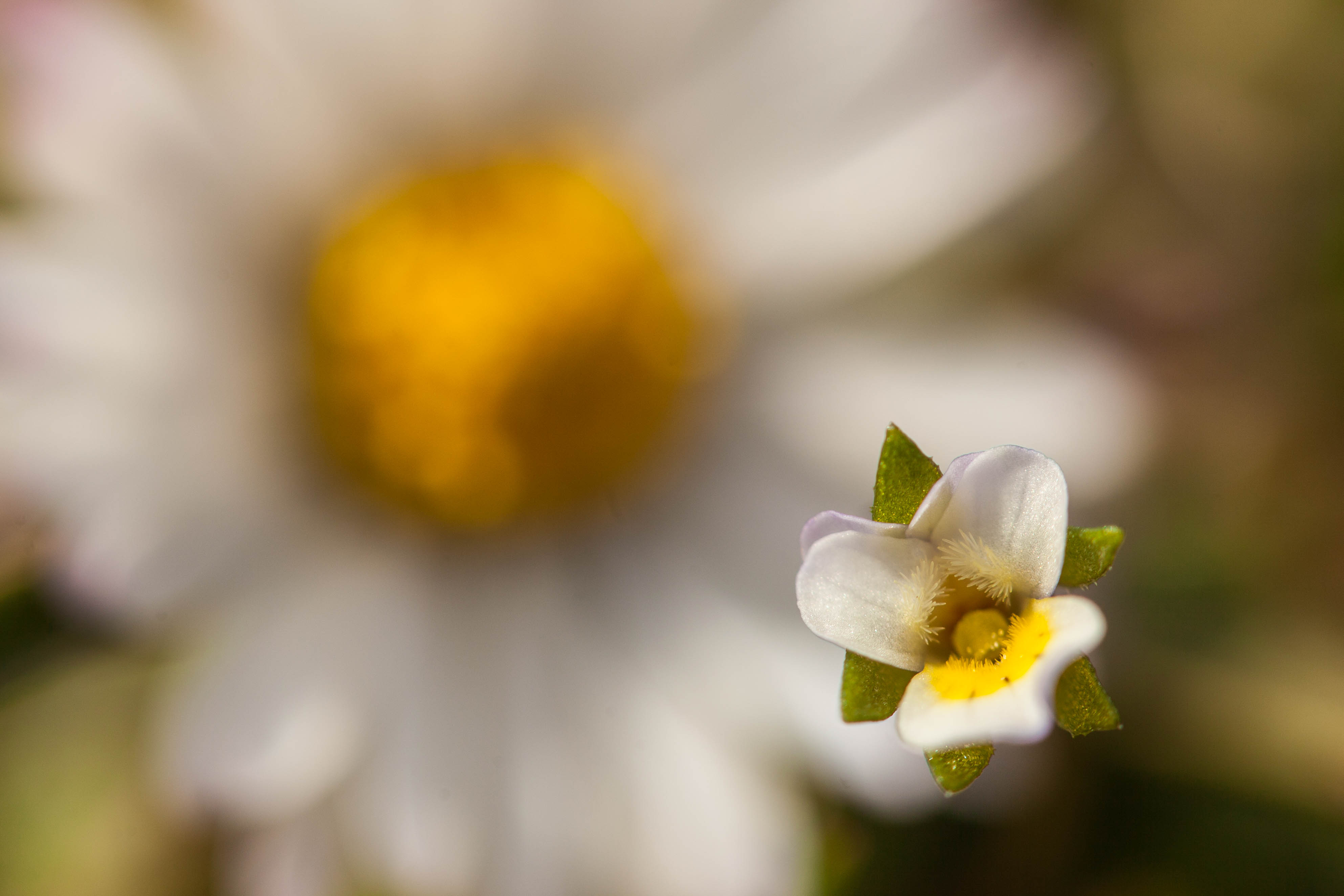
I was there to try and find the dwarf pansy, a flower so tiny that the petals barely cover a little fingernail. By some miracle I found it, but Scilly also surprised me with its dramatic geology, impressive bird life and scorching temperatures. I didn’t have time to visit all the islands, but Bryher was by far my favourite. As well as the dwarf pansy, I found the furious waves of Hell Bay (the name is no coincidence), swarms of dog violet blooms and beaches impossible to describe without using clichés. I’ve promised myself I’ll go back to Scilly, not only to tick off the other islands but to just spend time in a place with barely any roads, air so clean that lichens bloom on almost every tree, and plants so special that crazy students travel hundreds of miles to find them.

3
Dwarf pansy


  1. Eskrigg Nature Reserve

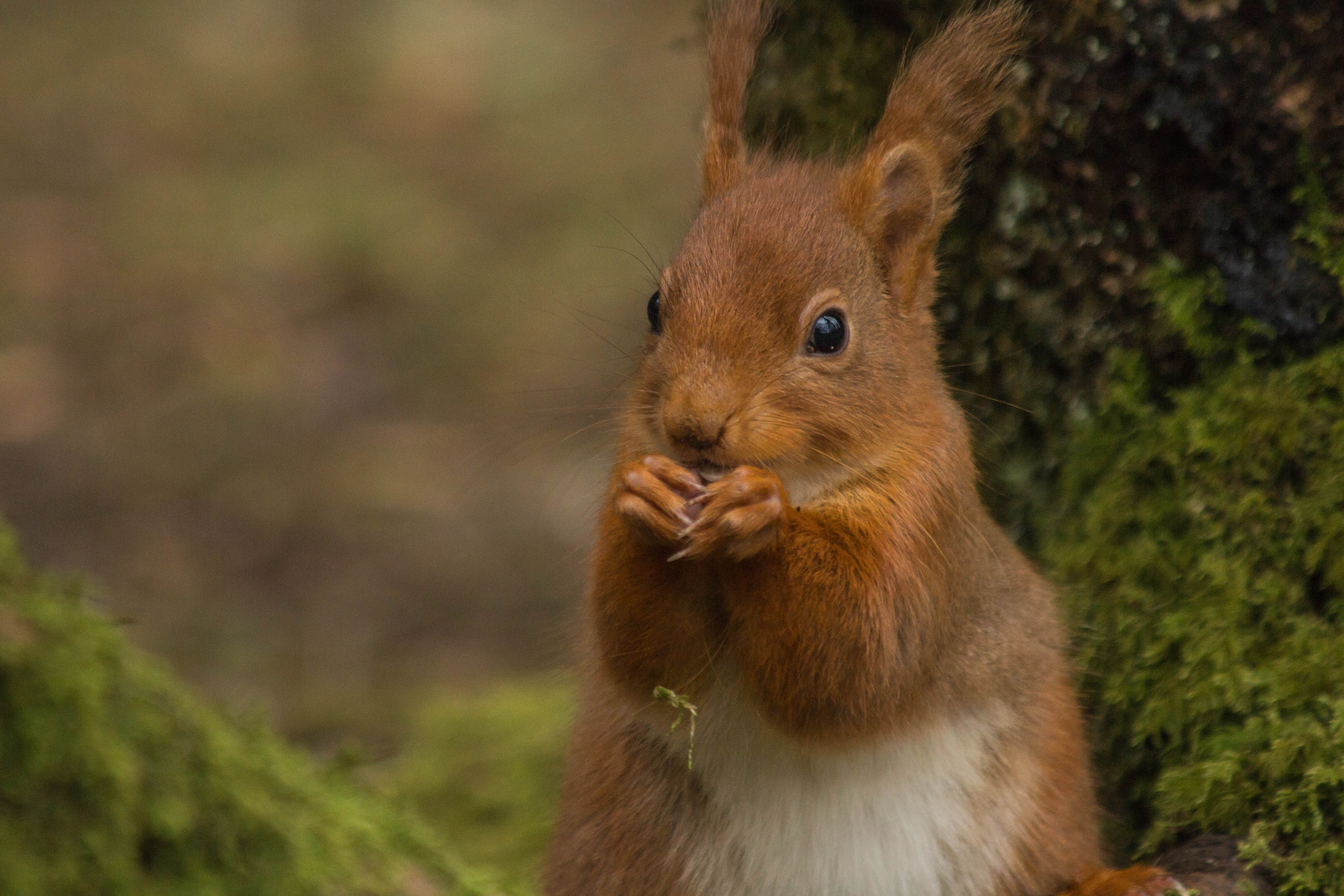
My mum had never seen a red squirrel before I took her to Eskrigg Nature Reserve. I’d been spoilt rotten there; after only two visits I’d seen about ten squirrels foraging six feet in front of me. Eskrigg is an exceptionally special place, managed by an exceptionally special person. I made a short documentary about Jim Rae for a university assignment and learnt just how much he has done not only for the reserve but also the community in Lockerbie.

As well as red squirrels, I have spent hours watching bramblings, great-spotted woodpeckers, siskins and even a female mandarin duck on a rare visit. When my parents came to see me I took them straight to Eskrigg. While Dad occupied the dog, I sat with Mum outside the hide (no need to sit inside with such laid-back wildlife) and waited less than twenty minutes before squirrels were bounding and chasing right under our boots. My mum had the same look of complete adoration on her face that I did the first time I saw them. There are certain animals that make a person’s mouth fall open and demands all their attention. Red squirrels do this effortlessly.

IMG_9304IMG_9213


  1. Isle of Carna

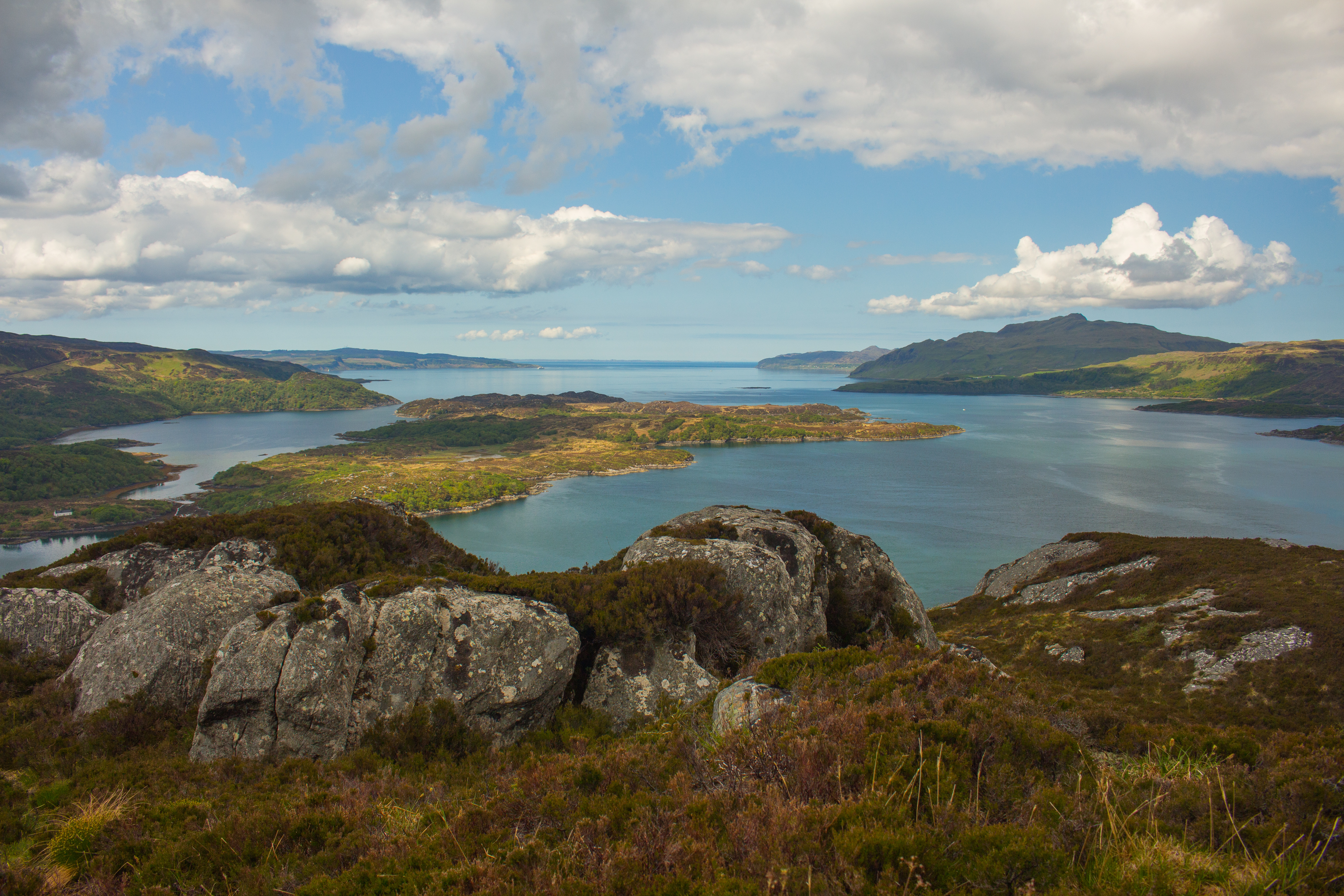
I could write pages about Carna. I went there in 2016 on an expedition with Wild Intrigue to leave technology behind and rewild myself. Carna is situated in Loch Sunart on the west coast of Scotland. We spent five days staying in one of two cottages on the entire island, which is let out to people looking for a break in complete seclusion. Even the deer have to swim to get there, which is certainly an unusual sight.

This was my first real foray into Scottish wilderness, and I couldn’t have asked for better guides. I didn’t know Heather and Cain well then, but they have since become good friends who have not only taught me most of what I know about wildlife, but have given me amazing opportunities, not least a year long internship as their Creative Content Developer.

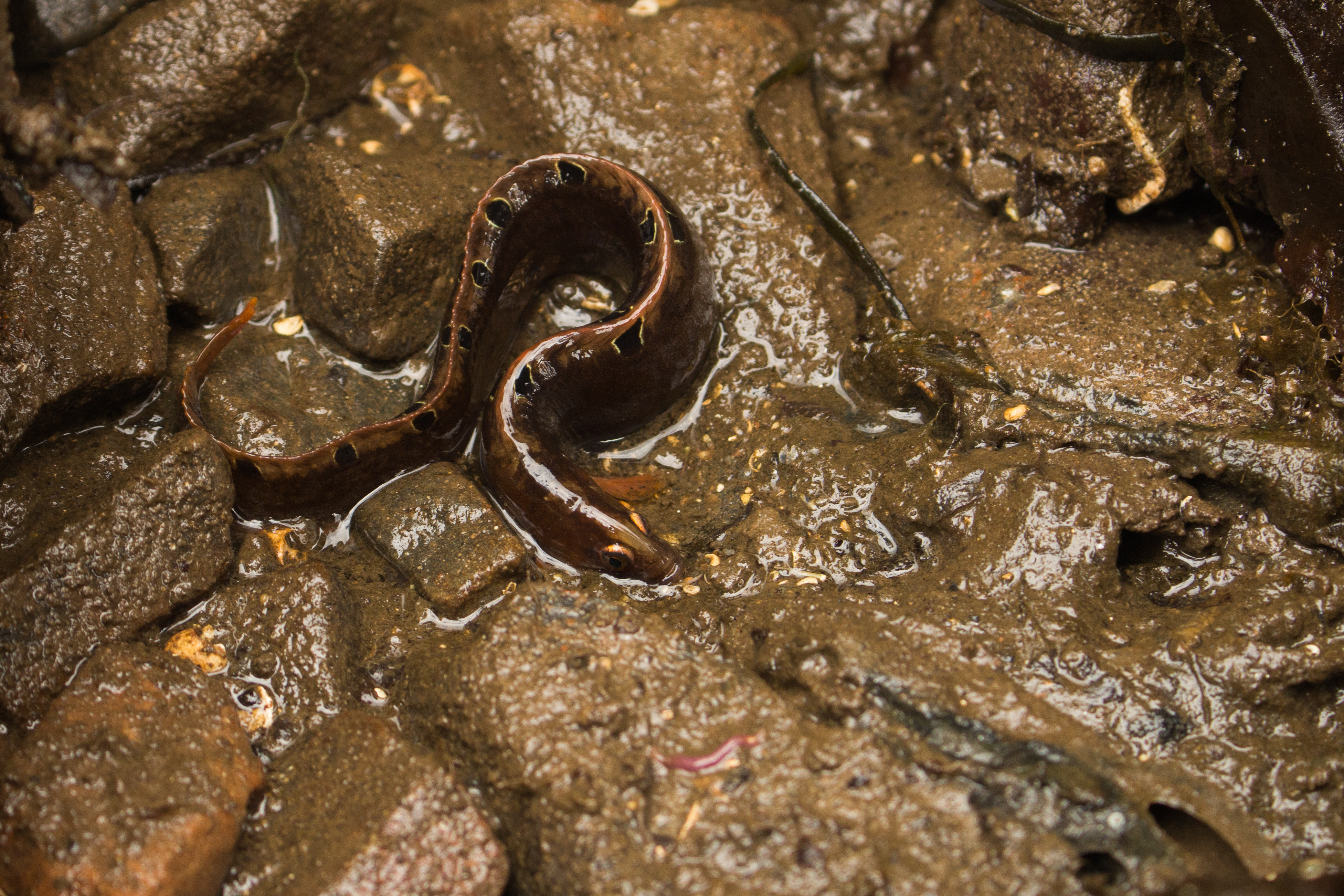
During my stay on Carna I saw my first otter, cuckoo, golden eagle and white-tailed eagles. You know you’re in a truly wild place when white-tailed eagles become a regular occurrence after the first couple of days. We found common blennies, butterfish and dog whelks in rock pools, caught a female wood mouse in a live-capture Longworth trap and recorded foxes, roe deer and voles on trail cameras. It was a crash course in wildlife fieldcraft that showed me just how diverse Scotland is, and will always be remembered fondly as my first true wildlife trip.

IMG_6170

IMG_6216
Butterfish


  1. Avalon Marshes

Before our trip to Avalon Marshes, my time in Somerset had been windy, soggy and cold, so I wasn’t feeling particularly inspired when we arrived just as more rain was spotting my face. We headed along the river and took our position looking out over a reed bed. Forty minutes later, I was trying not to fall backwards as I watched 250,000 starlings swirling over my head. I’d never seen a starling murmuration before, and I was being thoroughly spoilt with my first experience. Not only starlings but a merlin, marsh harrier and peregrine falcon trying to snatch a meal, as well as a grey heron that chose the wrong time to take flight and found itself in a starling storm.

As majestic as murmurations look on TV, they are nothing compared to the real thing. The sound of that many starlings flying over your head is like soft rain, which is amplified by cupping a hand around your ear. I had my mouth hanging open like a cartoon character the entire time, scarcely believing the swarming shapes I was seeing. It was like a static screen come alive. Eventually, the starlings swooped down to roost, almost at the same time. The reed bed became a seething frenzy of voices and the sky was empty again.

IMG_0626

Onwards and Upwards

My last post was all about reflecting on 2019. This one is about looking forward to 2020. It’s easy to write a long list of New Year’s resolutions but a little trickier to stick to them. So, this year I want to develop habits that I already have, starting with my art.

Last year saw a surge in my artistic activity. I can’t remember quite how it happened, but I know that starting a nature journal certainly helped. As well as nature I use my journal for tickets, feathers, pretty page borders and scribblings. One of my new evening past times is sketching whilst curled up on the sofa in my favourite spot. It’s a one-stop shop for all my creative energy and seeing the book get fatter only encourages me more. The journal is particularly useful for making notes on walks, although I still need to kick the bad habit of wanting every page to look Pinterest-worthy. I make title pages each month and have bought a dinky old-fashioned library stamp to date each entry. It’s by no means perfect, but so far it has proven to be a useful tool for getting me drawing and painting again.

Linked to this is a new art challenge: Inktober 52. The original version was a drawing prompt for every day in October, but that sadly didn’t quite happen. Luckily for me there’s a weekly version starting in 2020 – 52 new drawings that I can add to my portfolio. The first prompt was FLIGHT so I drew a dragon with my new Faber-Castell pens I got for Christmas. I really want to stick to Inktober 52 and I can’t wait to get next week’s prompt!

C34767BE-2C12-4BF8-A468-B925793D3D36

Alas, where there’s play there has to be work. I’m feeling really optimistic about my writing moving forwards. The MA has already provided a structure for developing my work and, perhaps most importantly, trying to get paid for it. The self-led trip in April will be an important test of my ability to pitch to publications. Today I spent many hours poring over Scottish magazines and I was pleased to see that a lot of my ideas hadn’t been featured. There’s still a lot to organise, but I’m so excited to see what happens over the next few months.

Another thing I would like to do this year is establish a better work structure. I have quite a few different types of work including MA assignments, freelance pieces and personal writing, and my long to-do list was getting a little daunting. This year I’d like to try assigning a certain type of work to a specific day, so on that day I only have a few tasks to concern myself with. Blocking out time will hopefully mean I get jobs done more efficiently and make time for the things that get neglected, such as my fiction projects.

Something I certainly need to make more time for in 2020 is exercise. After a fairly consistent feast of mince pies, Yorkshire puddings and apple sauce over Christmas and the uninspiring rainy weather, my fitness has undoubtedly suffered. What’s more insulting is that my monthly gym membership still zips out of my account even when I don’t actually go… Although the idea of jogging makes me want to crawl into a ball and play possum, I want to embrace power walking and forest walking more this year.

IMG_1489
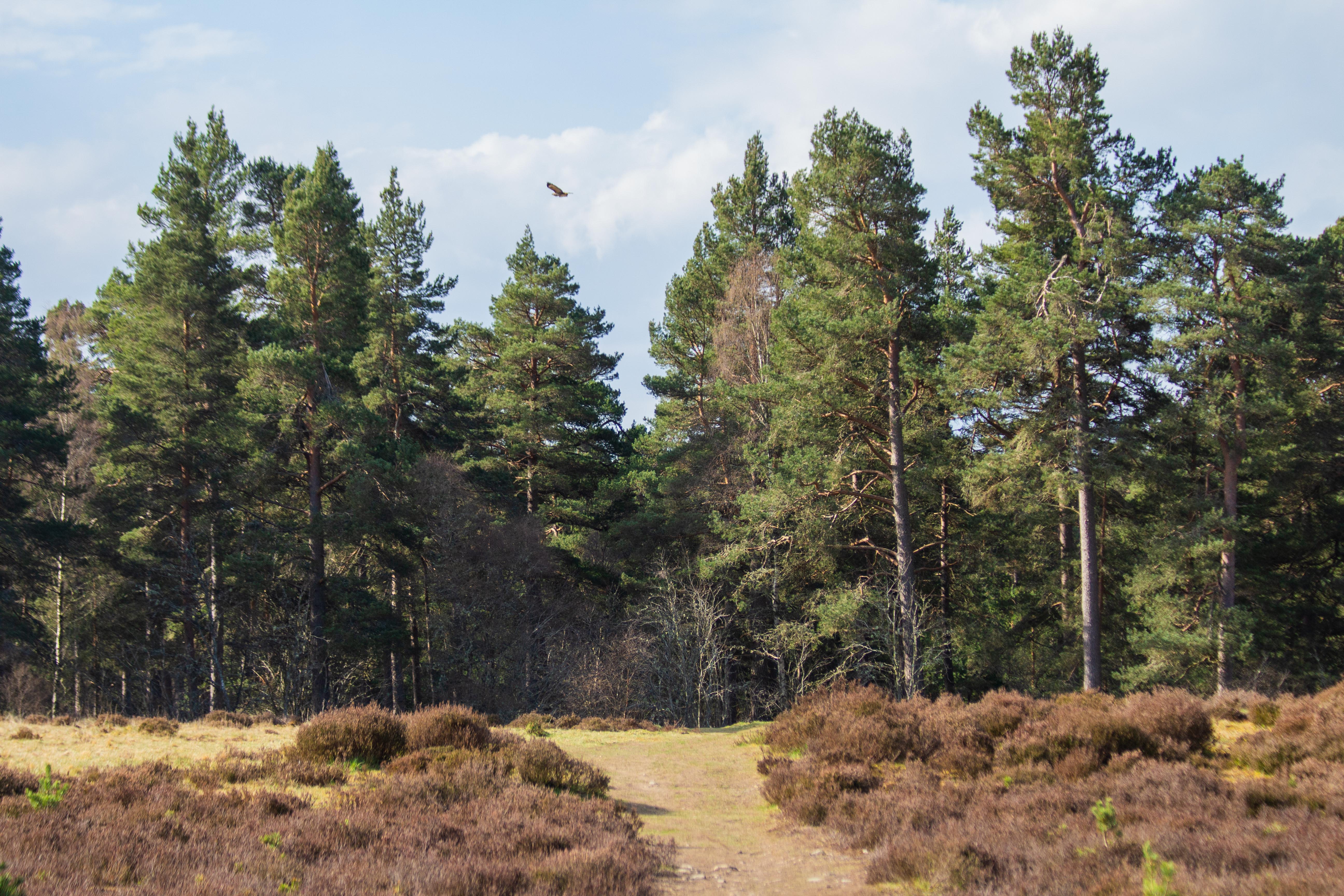
Buzzard gliding over Anagach Woods, Grantown-on-Spey

Lots to be getting on with! I’ve seen a few people choosing one word to summarise the coming year so I’ve decided that mine will be “improve”. It may sound simple but it’s what I want to do every year, whether that’s learn something new, develop a skill I’ve already been working on or change something for the better. Basically any small victory that brings me closer to my goals. I hope 2020 will bring lots of improvements!


The British Wildlife Centre

The British Wildlife Centre (BWC) is a little pocket of countryside that combines wetland, woodland and marsh to create the ideal natural environment for around forty species native to the UK. The centre is home to birds, mammals and reptiles, some of which have been rehabilitated because of permanent injury or too much contact with humans. They range in size from harvest mice to red deer with all sorts in between. It’s a particular treat to be able to see animals native to Scotland such as the pine marten and the Scottish wildcat, the latter of which is now critically endangered.

IMG_2172
Pine marten

Five years ago, I attended one of the BWC’s photography days, which was a fantastic opportunity to practise using my new telephoto lens and get to grips with wildlife photography. Taking part in the photography day enables guests to visit the centre out of hours and get even closer to the animals. Recently I decided to return to the BWC and see what I could capture.

A lot of wildlife writers I know don’t post about captive wildlife. I can understand why – regardless of the facility it is the concept of animals in cages that they don’t agree with. However, the BWC isn’t cramming elephants into its enclosures. Conservation of British wildlife is at the forefront of their objectives and this is done primarily through education. When the centre is closed to the public, the BWC welcomes school groups and those in higher education to provide “a real natural history experience”. What I love most about the BWC is that it aims to promote greater involvement in British wildlife by giving children and students an opportunity to study native wildlife in a natural setting.


IMG_2077
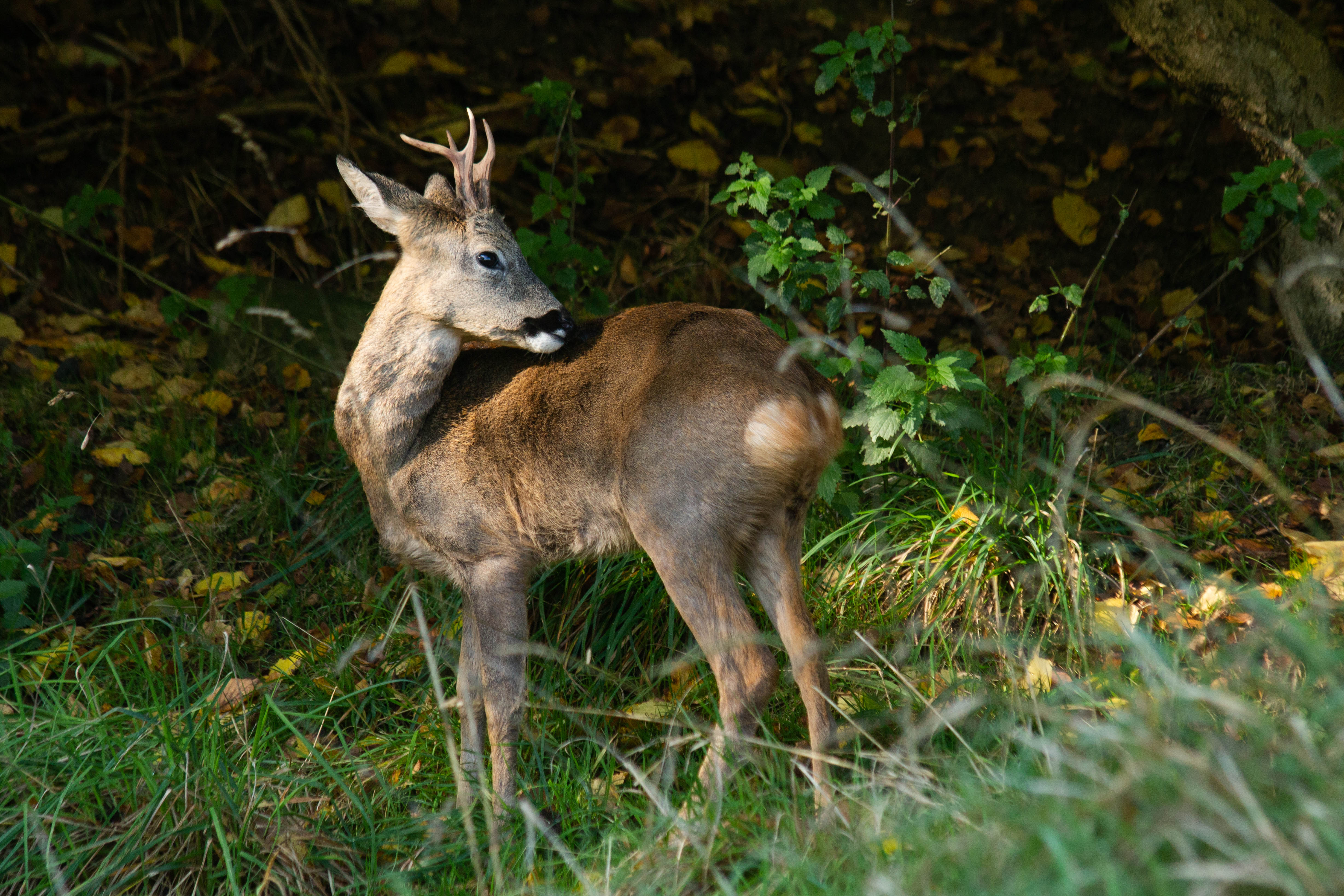
Roe buck

A particular favourite of mine was Flo the red fox. She rested with her eyelids drooping, her fur glistening fiery orange in the bright sun. She is one of the animals that has become too habituated with humans to be released, so she enjoys unlimited cuddles from the keepers. I sat down beside the fence and she got to her feet, stepping through the grass to lie down close to me. I took the chance to admire the stunning brush tail that swept around her back legs, her wet black nose and long whiskers. It was impossible to see how anyone could hate such a stunning animal. I sat with Flo for a while, the two of us basking in unnaturally hot November weather until a family with children approached and she trotted over to say hello.

IMG_2121

Art, Music and Dance

I began my last full day in Madrid with a bit of vintage shopping in the district Malasaña, just north of the downtown area. I’d gotten quite badly overheated from walking yesterday so I used the metro for the first time, journeying from Sol to Tribunal. Although the platforms were a little stuffy, the trains themselves were air-conditioned (unlike the ghastly London tube) and the time saved was more than worth it. As long as you knew the station at the end of the line and the direction, the metro was very easy to use and I would definitely recommend it to avoid getting hot and bothered before you even arrived anywhere!

P1000363
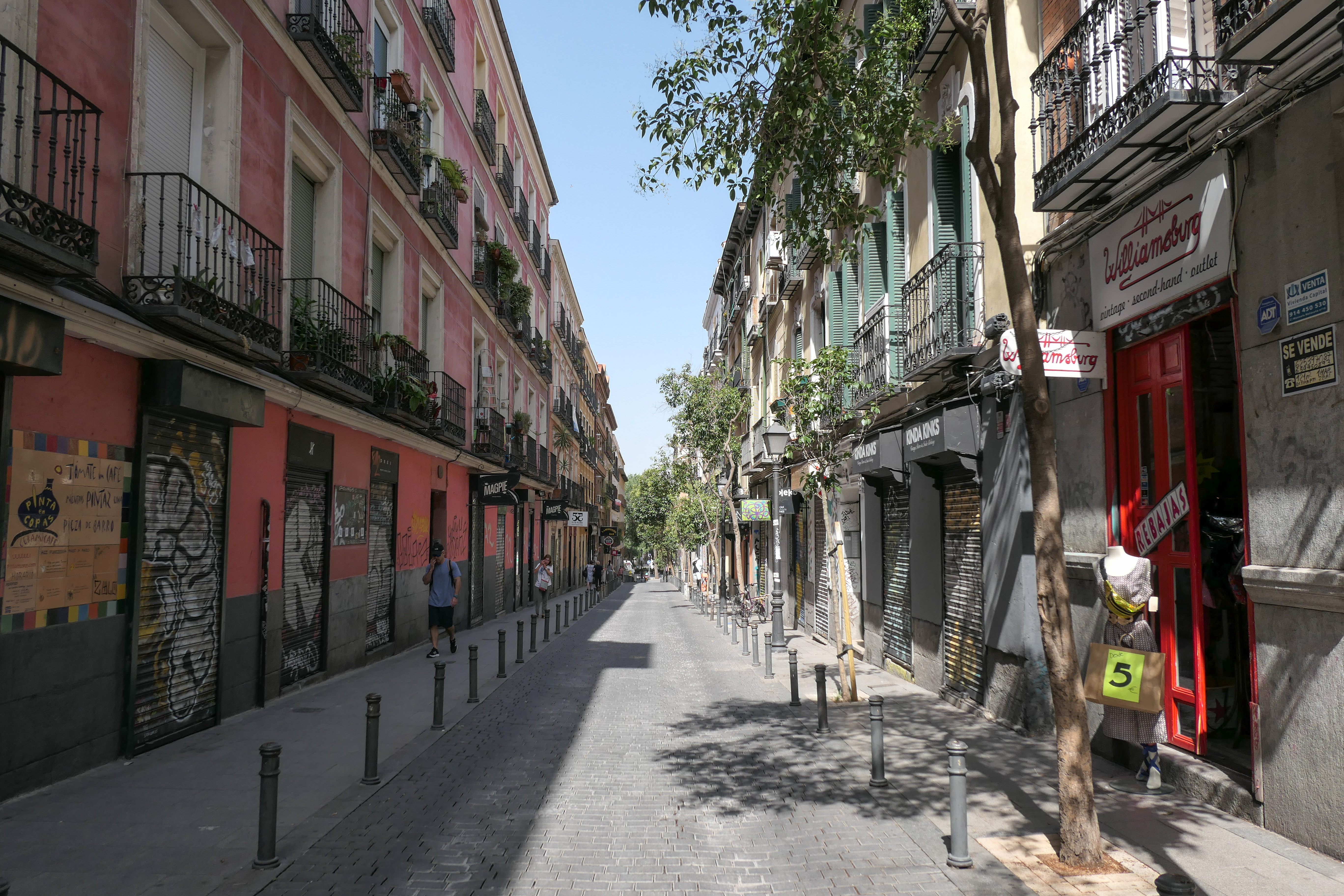
Malasaña

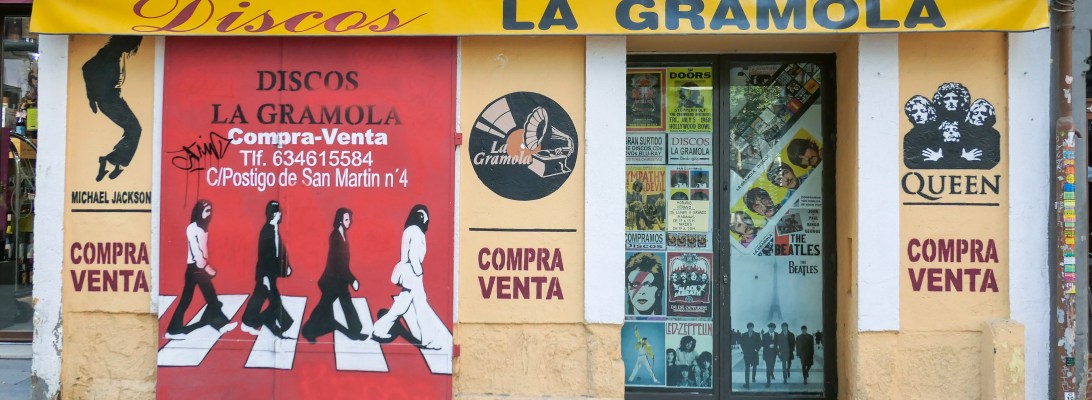
The street to be for vintage shopping was Calle de Velarde, with second-hand shops lining both sides of the street. I pinballed out of one directly into another: Magpie Vintage, Biba Vintage and La Mona Checa to name a few. The clothes were very affordable and I bought a lovely maxi skirt from Retro City for 20€. I could have also bought about a dozen denim jackets, but after remembering my extensive existing collection back home I managed to refrain.

I stopped for a drink and a slice of carrot cake at a dinky little place by Plaza del Dos de Mayo called El 2D and wrote for a while in the shade of an outdoor table. Aside from an unfortunate amount of graffiti (and not the skilled kind) it was a perfectly nice place to sit, but lacked the striking appearance of the frescoed walls of Plaza Mayor.

I hopped back on the metro and tried my luck getting into the Prado Museum, the main Spanish national art museum. Luckily I’d timed it right and sailed straight in. When faced with such a colossal museum such as the Prado and lacking any professional art knowledge, I decided to wander into the first room that took my fancy. It was filled with vast paintings of stunning natural landscapes with one stretching across an entire wall: “Landscape at El Pardo, Mist Rising” by Antonio Muñoz Degrain (1866). I’m always most drawn to realist paintings and get a little sceptical with the more modern, interpretive types. The colours in this oil painting were beautiful; it captured the perfect moment when the sun was at its most golden, casting a soft light over the tops of the trees and the clouds. There was so much depth in the scene; you could really believe that the rider letting his horse drink in the river was many miles from the distant mountains. I loved everything about it, from the glassy reflection in the water to the fluffy clouds.

Mist Rising
Photo: Museo del Prado

Once I’d had my fill of the Prado I faced the peak of the day’s heat, which would remain at 37°C until 6pm. I’d planned on reading in El Retiro Park, but there wasn’t enough granizado de limón in the world to keep me cool enough. In addition, my sandal promptly broke, and I took that as affirmation that I should get out of the sun.

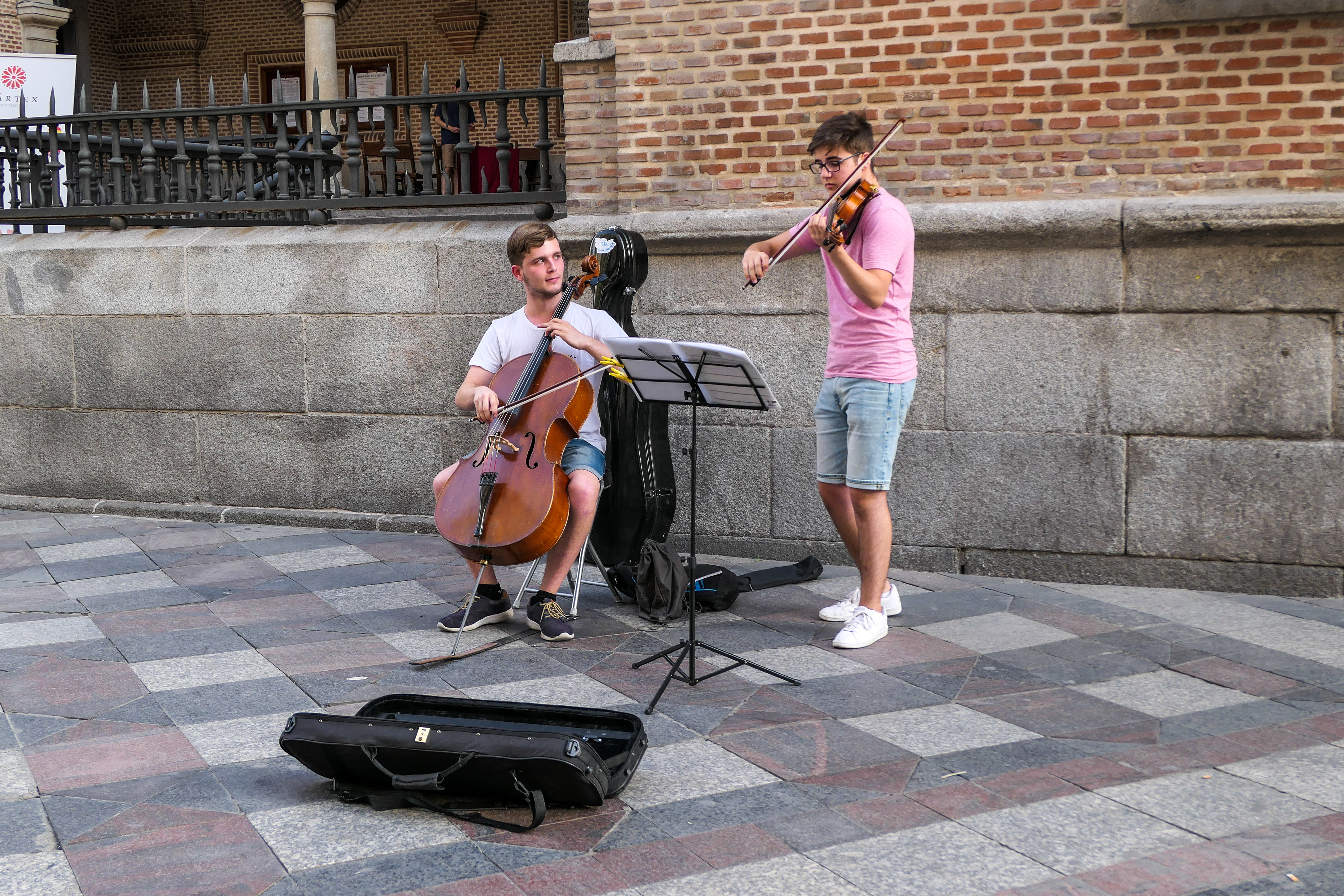
After a brief cooling off period, I ventured back out in the early evening when the temperature was far friendlier. I bought a strawberry slush this time, just to mix things up a little, and took a leisurely stroll up Calle de los Bordadores and then Calle del Arenal, where two school-age boys were busking. One was playing violin, the other cello. As well as classical pieces I also recognised Dancing Queen, Viva La Vida and Smooth Criminal, which all sounded fantastic played on strings. A little further up the street another busker was strumming Spanish guitar: the epitome of a balmy evening in Madrid.

P1000367

To make my last night even more Spanish, I went to see a flamenco show. Of the many tablaos (flamenco venues) around, I chose Las Carboneras, which was just around the corner from Mercado de San Miguel. As I sipped my complimentary drink, I had to suppress a sob when one tourist asked for the Wi-Fi password. I was delighted when the waiter denied it, and instead told them to enjoy the show.

Unfortunately I had waiters marching to and fro in front of me for the duration of the performance, as well as several tourists who couldn’t sit still. It was a shame that photography without flash was permitted so there were dozens of distracting phone screens blaring. After testing my patience too far, I had to tell one man to stop because he had begun to lean into my view. It wasn’t the cheapest flamenco show in town and I wasn’t about to watch it on someone else’s screen.

Nonetheless, the show itself was electrifying, which may sound melodramatic and cliché but it genuinely was. The atmosphere created by the seven performers – four dancers, two singers and a guitarist – was nothing short of incredible. The sound of the dancers’ shoes hitting the floor was like the crack of fireworks. One minute they were spinning in a frenzy, long skirts swirling, and the next they were frozen with just their fingers clicking or their wrists twisting in slow circles.

At times I didn’t know where to look. While the dancers obviously caught the eye in their elaborate and brightly coloured dresses, I found the guitarist fascinating too. His fingers moved almost in a blur but his actions looked effortless and he barely watched what he was playing. As mesmerising as he was, I most enjoyed the parts where the only sound was the lead dancer’s feet and the other dancers’ – who took it in turns to take the stage – clapping. They watched the lead dancer’s movements like a hawk and increased or decreased the rhythm of their clapping in response. There was such dramatic contrast between the gunshot stomps and moments of utter silence. As each dance built to a dizzying climax I felt my chest tighten. The tension in the room was overwhelming.

I would be interested to see how other shows compare to Las Carboneras. It was cabaret-style seating with tables dotted haphazardly and waiters weaving between with trays of drinks. While this suited the environment and lent itself well to such an intimate and emotional performance, for the sake of being fully immersed in the whole ambience, I would have preferred more traditional theatre-style seating. The constant interruptions of drinks coming and going was irritating, not to mention inconsiderate tourists. Venues more catered towards locals may be less tolerant of taking photos, or perhaps locals don’t feel the need to take any in the first place. Even considering that, I would recommend flamenco to anyone visiting Madrid, purely to hear that explosion of sound with their own ears.

P1000372

When I left the show I didn’t feel like turning in. It was a beautiful evening so I strolled to Plaza Mayor for some night photography. At 11pm the square was buzzing with activity. A saxophone was serenading diners with “Sway” and a tour group was in full swing, assembled by Felipe’s statue in the middle of the plaza. A woman walked by with her dog. Life continued just the same after dark as it did during the day. Perched on a bench, I felt perfectly safe in the bustling square. There are, without a doubt, things that a girl shouldn’t do alone at night, but in a place like downtown Madrid I felt perfectly at ease. When I got peckish I tried another portion of churros from a café and still found them hard as nails. If there was one disappointment from my trip, it was the let-down of the churros.

As I people-watched and scribbled in my journal, I reflected on the past five days. My time in Madrid had been both diverse and enlightening – my first trip alone to a non-English speaking country. While the language barrier had sometimes felt like quite the hurdle, I’d muddled through and had some incredible experiences. I’d watched terrapins up close and personal, sampled the buzz of El Rastro flea market and had been truly moved by the passion of flamenco. With a little more Spanish under my belt, I could really see myself living like a true madrileña.

P1000181

Reptiles in the Park

I bought a ticket for the Madrid City Bus Tour from hotel reception and hopped on at Plaza Mayor. With such intense heat, I thought it would be a good idea to explore the city in the comfort of an open-top bus, where I could jump on and off wherever I pleased. First stop was Puerta del Sol with the bear and strawberry tree statue, and then we headed east into the Retiro district, which was probably best known for its trio of world-famous museums. As I’d anticipated, the queues to get inside were eye-watering even at late morning, so once again I was content just admiring the exterior. As much as I quite liked wandering through art galleries, I wasn’t willing to spend an hour waiting to get in. Besides, on a weekend day you wouldn’t have seen the art for the tourists anyway.

P1000388

I was far more interested in what lay beside the museums and I hopped off the bus. El Parque de Buen Retiro was a vast and beautiful park spanning 350 acres. I began at the north end and made my way leisurely past elaborate fountains and sprawling trees. One of the trees was the oldest in Madrid, but there was no shortage of vast leaved giants, which provided much-needed shade for tourists and locals alike. While some people were lolling on the grass with food or books, others were jogging and walking dogs. It was a hive of activity and yet seemed extremely tranquil, similar to how I felt in Plaza Mayor. Despite a population of several million, the city didn’t feel cramped or overcrowded the way London does. The pace of life in Madrid was far more relaxed and I was keen to savour it. The only signs of congestion were from the parakeets perched in every treetop, whose disgruntled calls sounded like trainers on a squeaky floor.

P1000241

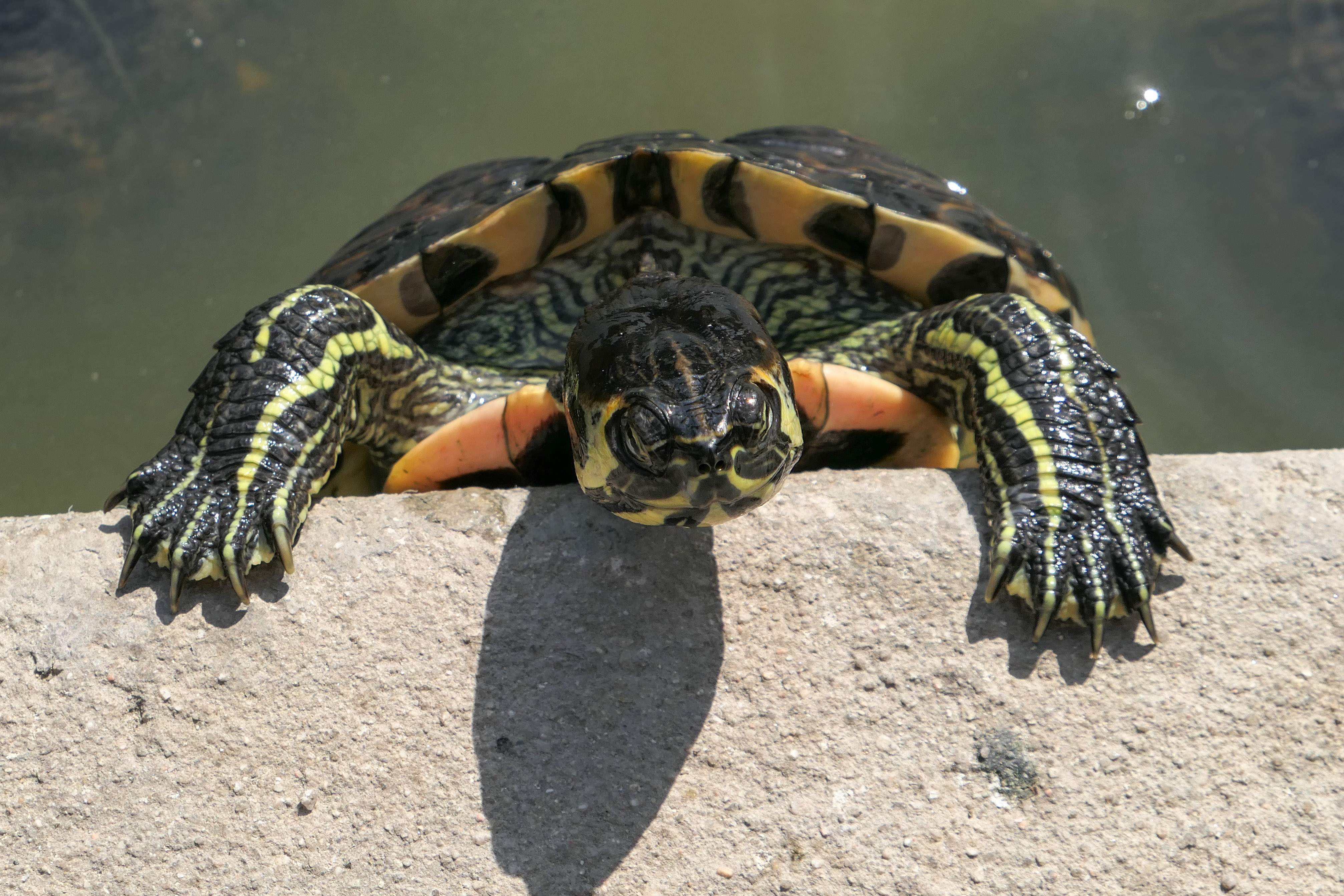
In almost the very centre of the park was El Palacio Cristal – a beautiful glass building overlooking a lake where ducks and a lone black swan were swimming in lazy circles. Surrounding the water were dramatic sprays of white blooms, rosebushes as tall as trees and a miniature waterfall cascading over a rocky outcrop into the lake below. I sat down on the stone steps of the palace to see the ducks a little closer and was surprised to find the water full of tiny terrapins. While their shells remained submerged, their black and yellow-striped heads poked out of the water, eyes blinking up at the child beside me who was throwing popcorn. On the steps, feral pigeons and sparrows tussled for the prizes, while in the water the terrapins were joined by ducks and the occasional gaping lips of a fish. The black swan came gliding over for a look too.

P1000282

One terrapin made the monumental effort of grasping the side with its broad claws and heaving itself up. For a few surreal moments we gazed at each other before it realised I wasn’t the one with food and plopped back underwater. Meanwhile, a pigeon strolled nonchalantly across my foot in pursuit of an unclaimed kernel, while others exploded into flight around my head, their wing beats sending a welcome burst of fresh air.

P1000293
P1000278
Terrapin v pigeon face-off!

Beside me on the step I could hear the child with the popcorn munching. “One for you, one for me” was obviously in play. When the bag was empty, birds and reptiles slowly dissipated until the next snack arrived.

I wanted to sit and watch the terrapins a bit longer, but the steps were in direct sunlight and I was beginning to fry. I left the diverse gaggle of creatures behind and headed out of the park, but not before passing through La Rosaleda (rose garden) for a few photos. A dozen other young female tourists were posing for shots, no doubt gathering new ammunition for Instagram.

P1000325
La Rosaleda

All along the downward slope leading back to the museums were small wooden huts overflowing with books, which I made a beeline for. It was La Cuesta de Claudio Moyano bookstalls. Nearly all were in Spanish but there were a couple of titles I recognised. I couldn’t help buying “Harry Potter y la piedra filosofal”, which would probably be challenging enough for my rusty Spanish.

For lunch I had a bocadillo de calamari (squid ring sandwich) from El Brillante – another Lonely Planet recommendation that fell short of the mark for me. The calamari itself was good, with just a thin layer of batter, but when sandwiched in a dry baguette it had me gasping for a drink. It seemed that the Spanish didn’t use sauces much in their cooking. The bacon bits and bare bread at Casa Revuelta had been the same. Perhaps the locals just washed it all down with a few cervezas, but I was left wanting after El Brillante.

P1000342
Gran Vía

Later in the evening, after a full circuit on the bus and hopping off on Gran Vía, the hub of central Madrid, I walked back towards Plaza Mayor and a sign for “Tapa Tapa” caught my eye. I ignored the guidebooks and had dinner in a place I knew nothing about, which was an excellent decision. I chose four cheese croquettes, mini portions of Iberian ham and mozzarella toasted sandwiches and langoustine skewers, which were all absolutely delicious. To drink I had a mocktail called San Francisco, which was bursting with the flavours of orange, peach, pineapple and blackcurrant juices. It was an extremely satisfying end to a long day exploring the park. Tomorrow I had a real Madrid tradition to look forward to: the infamous El Rastro flea market.

Paella and the Palace

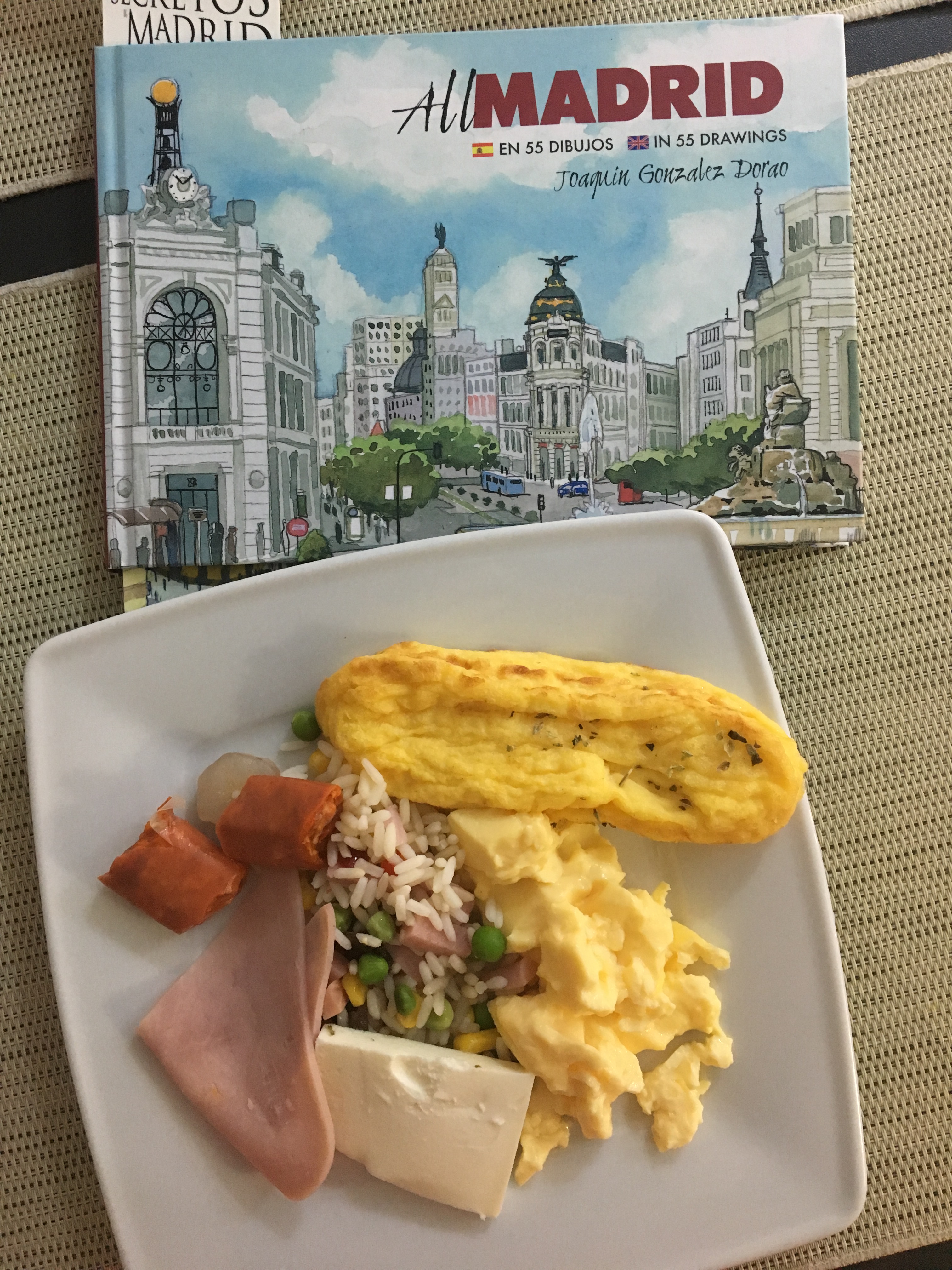
Breakfast was an undeniably Spanish affair. There were potato omelettes, sausages the size of grapes, large fans of hams and cheeses as well as a broad assortment of condiments in small glass jars: sesame seeds, cashew nuts, dates and some things I didn’t even recognise. There were fruit and vegetable smoothies in slim shot glasses as well as long plates filled with pineapple, kiwi, orange, grapefruit and pizza slices of watermelon. There was also cake, and when the opportunity arose to eat cake at breakfast I took it without hesitation. In addition to maple pastries, croissants, mini muffins and wafer-thin slices of marble cake, there was Tarta de Santiago; a delicious almond cake dusted in icing sugar and cut into narrow wedges.

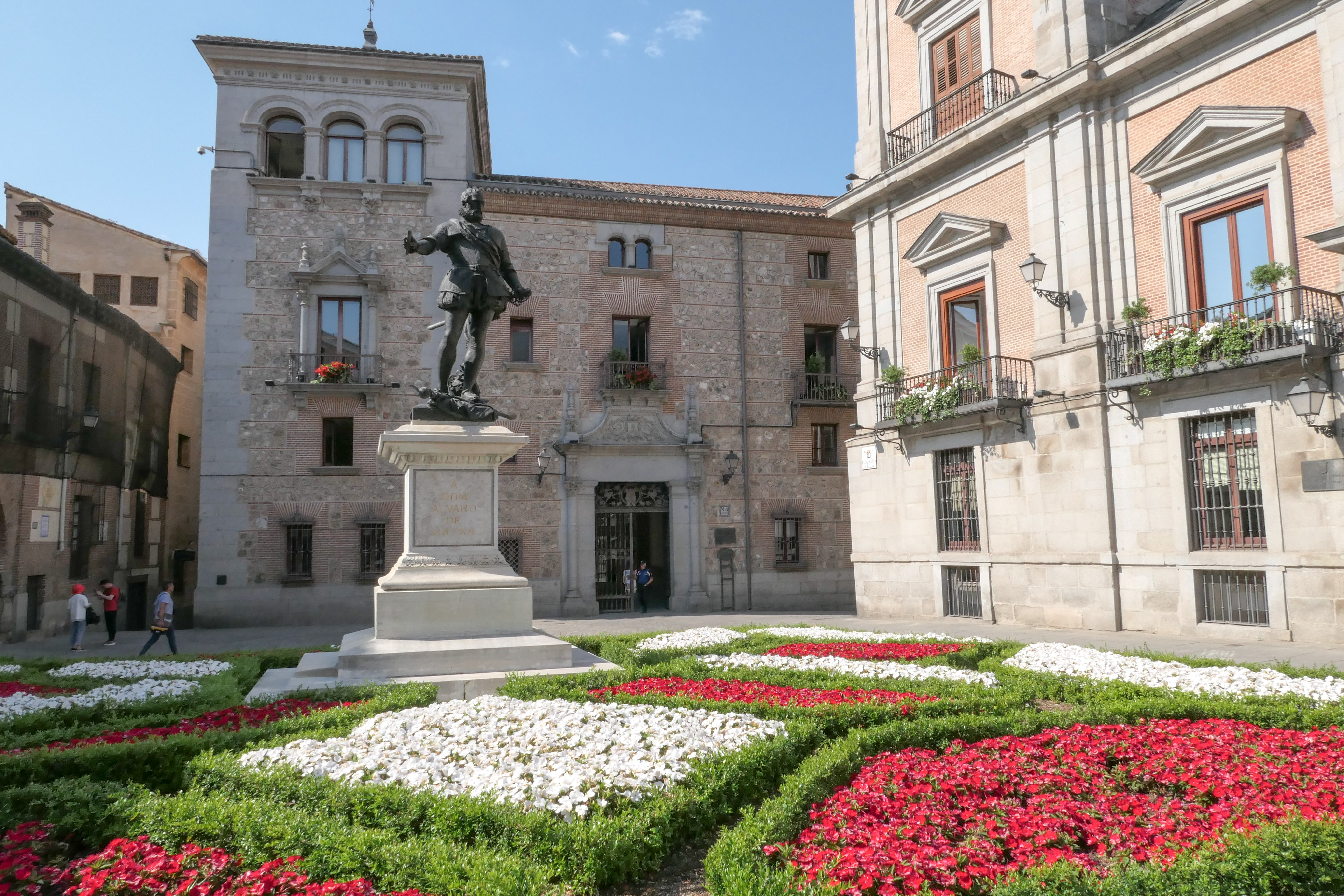
After all that, I was definitely fuelled to start the day. I began by walking west to my second plaza of the week: Plaza de la Villa. Although a fraction of the size of Plaza Mayor, this quaint little square was just as pretty. The architecture was 17th century Madrid style baroque: a picturesque combination of stone, brick and the same wrought-iron balconies I’ve seen on many other buildings in Madrid so far. The statue in the centre of the square was Don Álvaro de Bazán – a famous Spanish admiral who was never defeated in battle. The Madrid City Council chose to commemorate his memory by constructing the monument on the three hundredth anniversary of his death in 1888. The statue is surrounded by a richly coloured flower garden.

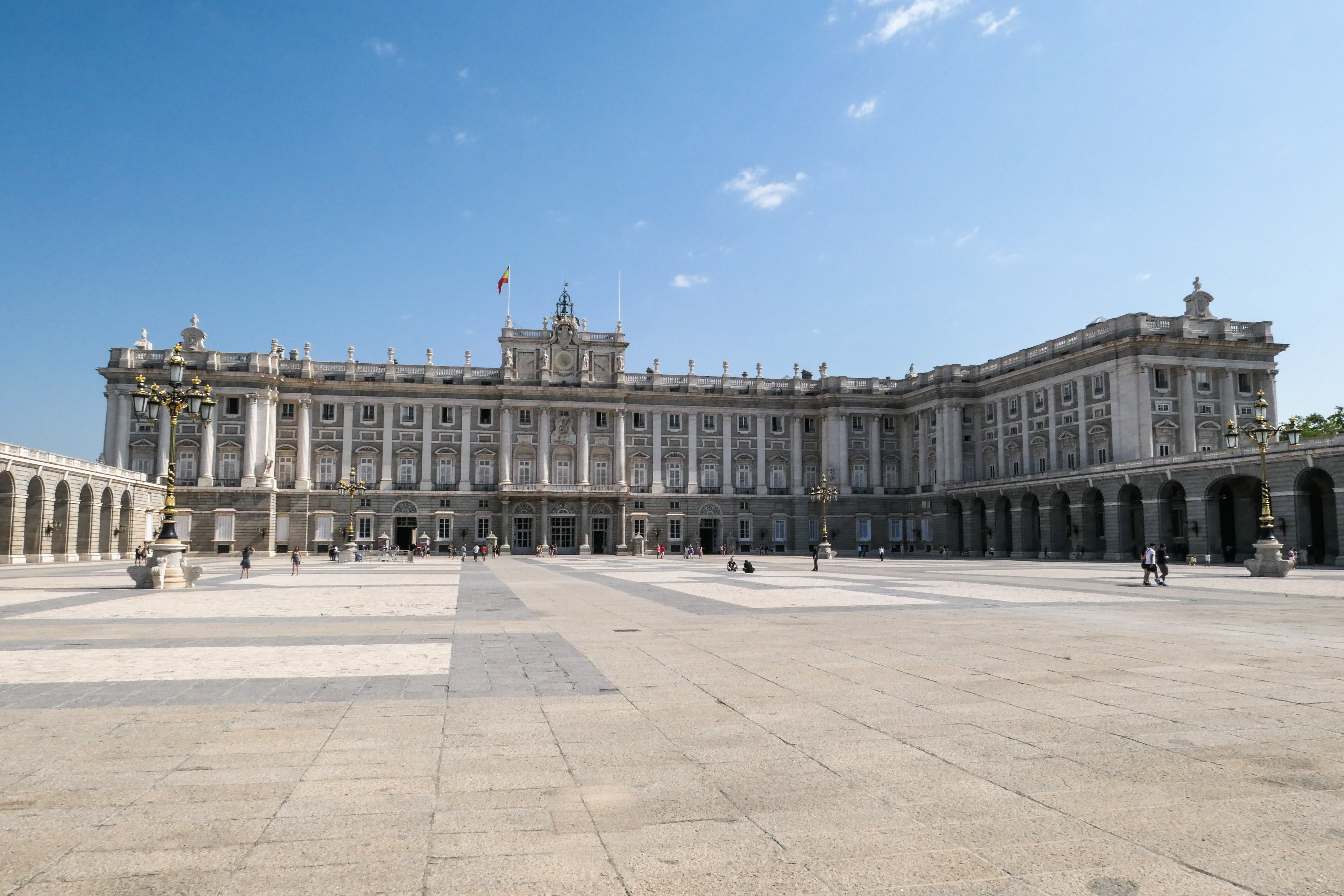
Next I paid El Palacio Real a visit. Although still used for state ceremonies, the palace is not the king’s official residence. He and his family live in the smaller Palacio de la Zarzuela just outside the city. I’d toyed with the idea of going into the palace, but when I saw the queues waiting in the baking sun I decided against it. After all, the line for those with tickets was nearly as long as the line for those without. I could still admire the palace through the gates, though.

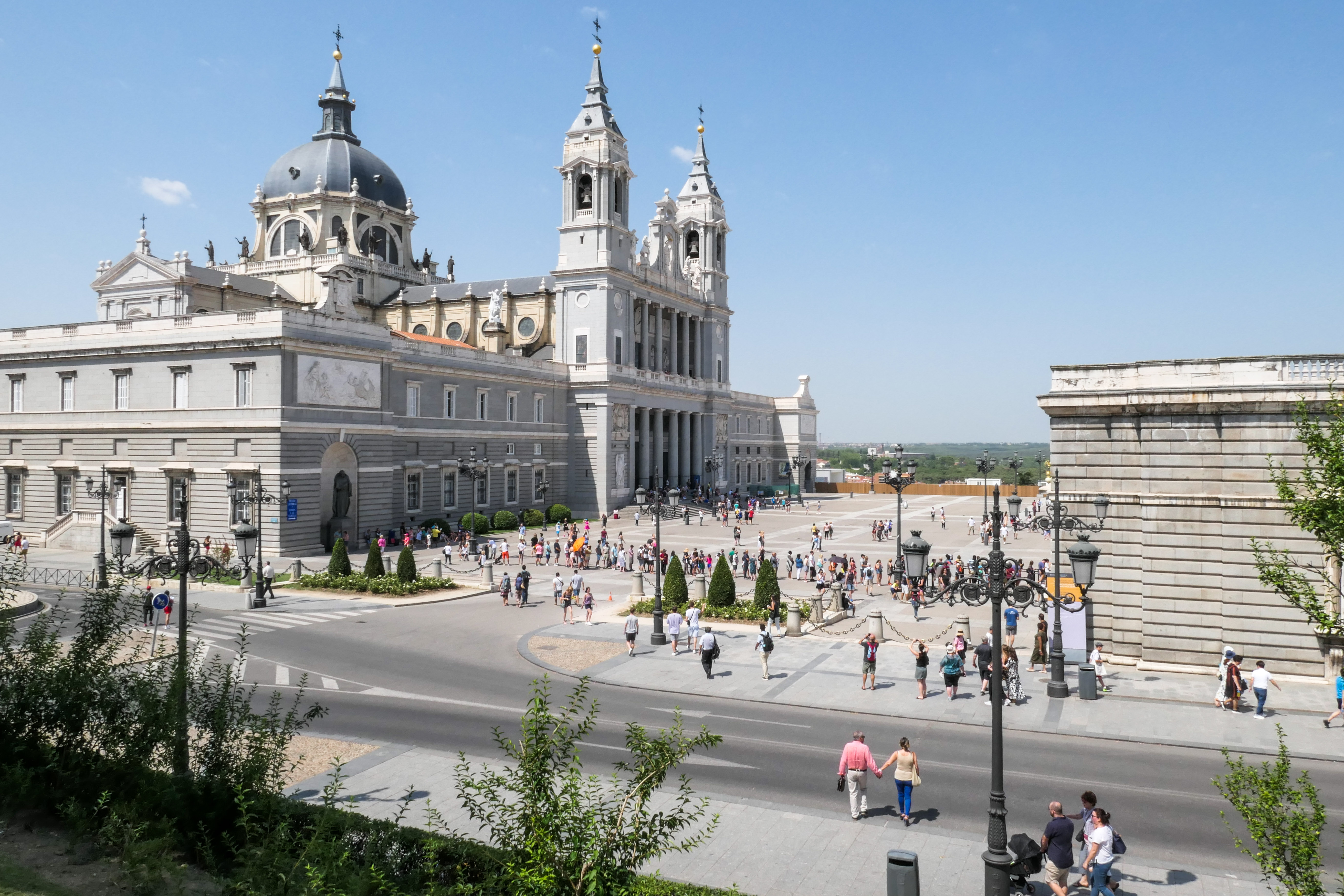
Opposite was La Catedral de Nuestra Señora de la Almudena: a Madrid landmark that could easily rival other cities’ grand cathedrals. In many churches in the city there was a strong religious presence among those who attended. There were no touristy parts to these buildings – while they were all intricately decorated the style was very subdued. The few I visited were full of praying madrileños and I often saw nuns strolling down the corridors. Although I didn’t feel unwelcome, I didn’t stay long out of respect for those using the cathedral for worship. Visitors should never go to cathedrals in Spain during mass, but even between these times it seemed that tourists were tolerated more than welcomed, and I respected that.

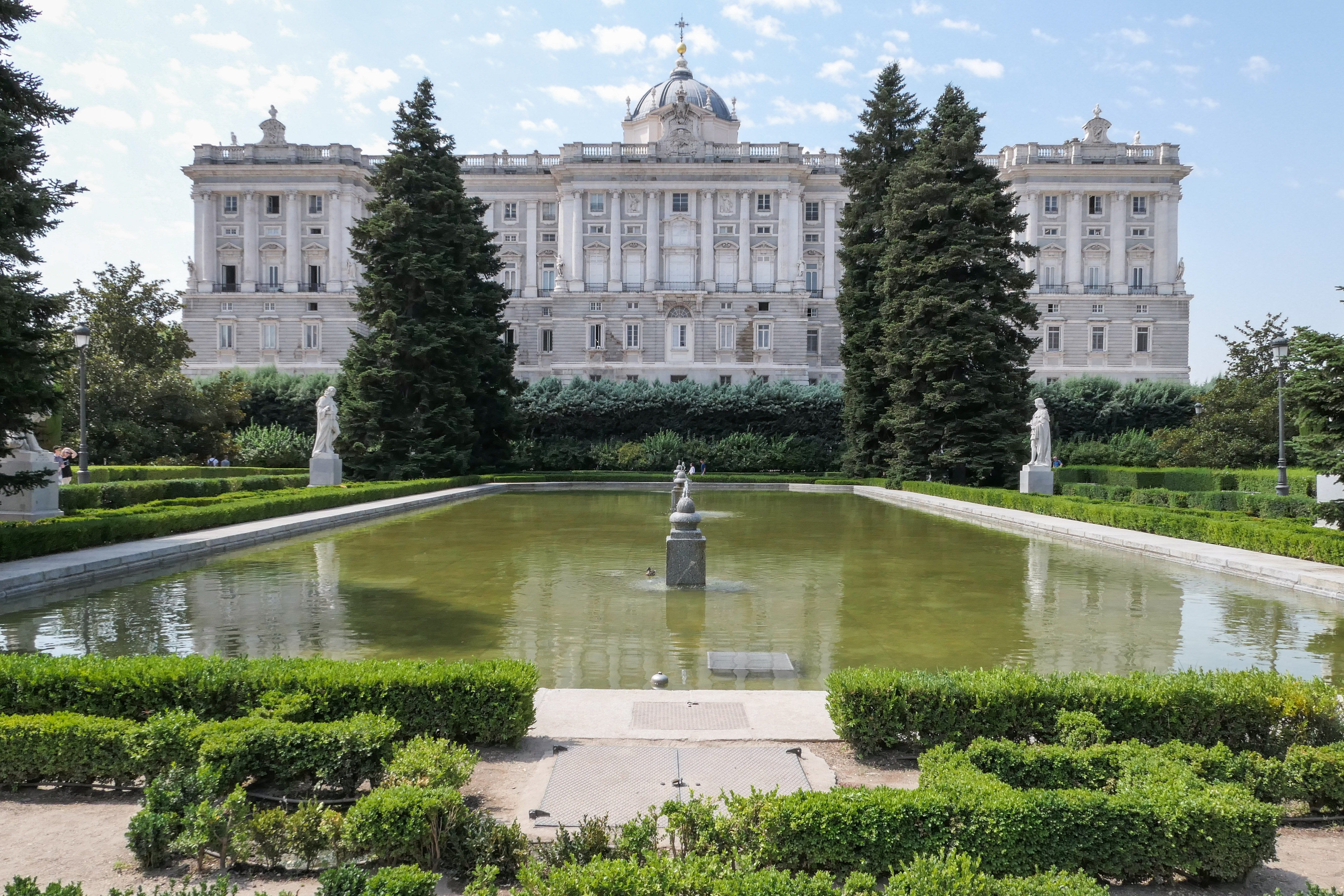
Soon I turned my attention to finding a shady spot to rest. The Jardines de Sabatini were just what I needed. Take away the denim-clad tourists and it wasn’t difficult to imagine ladies in Elizabethan dress wafting fans as they strolled past pruned hedges and thick-limbed trees with bunches of waxy leaves hanging from their boughs. The area was established as a garden in the 1930s as a replacement of the royal stables that were once found there. Now, instead of braying horses, all that could be heard was the crunch of gravel, the chirrup of birds and the lilt of an accordion.

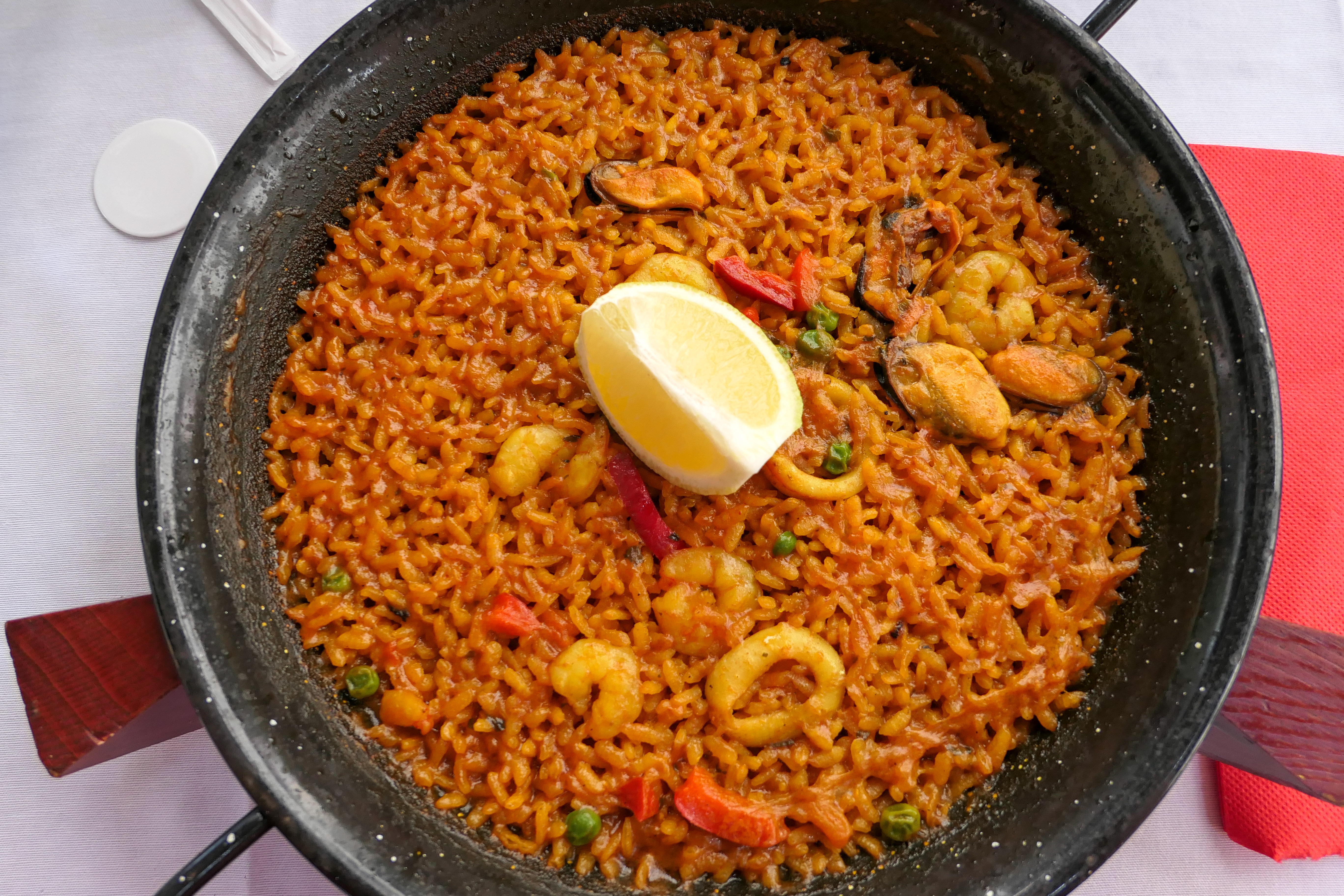
I had lunch at Toro Tapas and ordered a cuttlefish paella. The word “paella” derives from the Latin patella for pan, so the infamous dish is actually named for the black, handled pan that it is served in. When in Spain, you should always eat paella and this one was delicious, popping with juicy prawns, mussels and squid. To drink I chose granizado de limón, which is the Spanish answer to a slush puppy. It was wonderful after the heat of the afternoon and just as refreshing as it sounds.

On my way back from the palace I dropped into La Chocolatería de San Gines, which I’d been told was the place to go for churros – a timeless unravelled doughnut that has planted itself firmly into British culture as well as Spanish. I couldn’t wait to sample what I hoped would be the best and most authentic churros I’d had, but sadly I came away disappointed. The churros were hard and dry, as if they’d already gone stale. I’m not sure if adding cinnamon sugar was a British twist, but I really missed that extra sweetness here. Perhaps I’d been unlucky with a bad batch, but I’d had far nicer churros back home!

I cheered myself up by visiting a few librerias (bookshops) and found some lovely items. In “Desperate Literature” in Calle de Campomanes there was a copy of “Alicia y El País de las Maravillas”, although this classic by Lewis Carroll is confusing enough in English let alone Spanish.

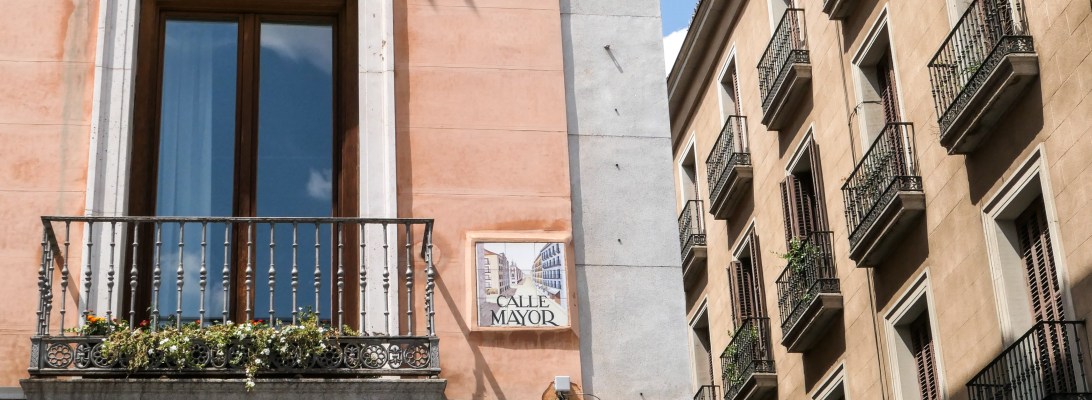
In pride of place on busy Calle Mayor was a shop named La Librería, which had every book on Madrid you could ever want. I bought “Madrid en 55 Dibujos”, which was a gorgeous little hardback full of paintings of Madrid scenes, a lot of which I’d already seen.

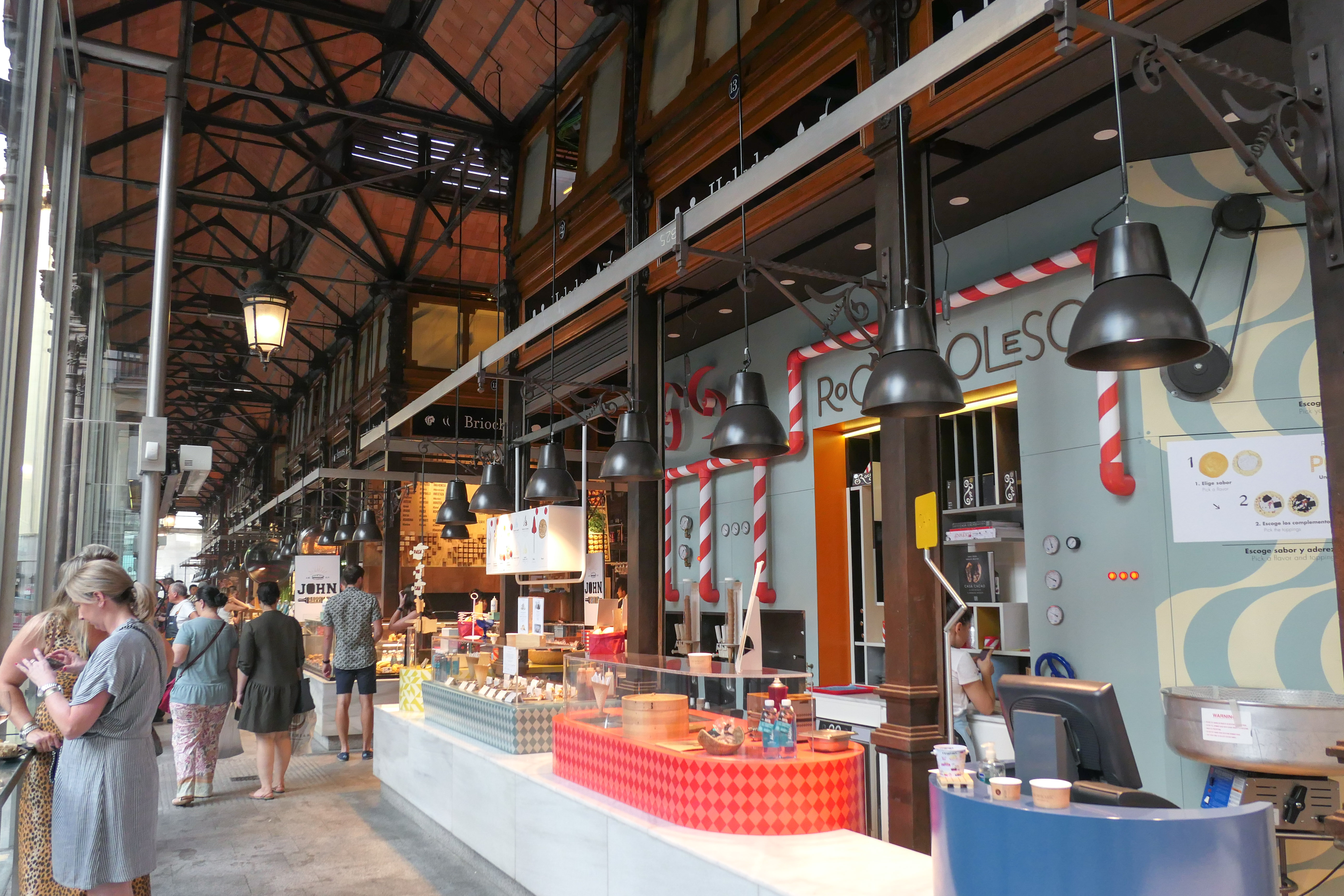
By then I was truly exhausted, so I retreated back to the far more tolerable temperature of my hotel room and wrote for a while before heading out for dinner. I sampled the broad range of tapas available at El Mercado de San Miguel, one of Madrid’s oldest and most popular food markets. I forced myself to browse before choosing anything, and I eventually plumped for two crab tapas. In one, the crabmeat was sandwiched between a neon pink burger that had a similar consistency and appearance to a macaroon but was doughier and less crumbly. The other was a miniature pot of crab, which was a slight disillusion as underneath the first inch the pot was filled the rest of the way with straw fries, but the crab itself was delicious. I was also very happy to find a stall laden with sweet treats, so I bought the largest marshmallow pastry I’ve ever seen.

After a good night’s sleep, I planned to explore a part of Madrid that I’d been excited about for weeks: a park stretching across 350 acres that I could just see myself getting wonderfully lost in.

Arriving in Madrid

I thought I was reasonably calm about staying in Madrid by myself, but on the train to Gatwick I felt sick to my stomach. After the stressful ordeal of flying to Florida I thought this would be a doddle, but then again I always panic when I travel. I lost count of how times I checked my camera, purse and passport were still in my bag. I knew I wouldn’t be truly relaxed until I checked into the hotel.

I wanted to make this trip the best it could be. Initially I had designed an elaborate agenda for each of the four full days I was in Madrid, pretty much hour by hour, but on reflection I decided just to list a few things in each district that I wanted to see and keep the rest of the time free for happy accidents. Ultimately it was supposed to be a holiday and if I dashed around cramming everything in I would come back needing to book another. There was also the heat. It was over 30°C all week, day and night, and the last thing I wanted to be doing was frogmarching around Madrid ticking off my wish list. I was embracing a little spontaneous.

The flight was delayed by nearly an hour. While we were sat in our seats, the pilot announced that another plane had been parked in their spot and Gatwick’s announcements had been “a mess”. It was nice to hear he was frustrated too. At least I didn’t have a connecting flight, but it meant I had to gaze outside at muggy drizzle for a while longer.

Eventually we took off and it soon became too bright to look out the window. When the clouds parted, the landscape stretched out in a never-ending blanket of blue; ocean blended seamlessly into sky with the horizon nowhere to be seen. A plane passed us, which was a bizarre sight that I’d never experienced before. It looked minuscule and quite surreal as it zoomed back the way we’d come, soon disappearing out of sight. It seemed as small as a bird flying alongside a car.

P1000116

Soon we left the ocean behind and land took its place: a spectrum of browns and pinks swirled in patterns like a gigantic marbled ink painting. Pockets of civilisation sat amongst a jumbled jigsaw of fields, their winding roads linking them in a complex web.

We sank lower and my ears popped. The sandy browns transformed into the greens of a vast expanse of forest, split into dead straight and uniform blocks by white boundary lines. All the while, bulging cumulus clouds slid slowly by. At times they covered the ground completely, puffing up like a worldwide bath full of soapy suds, their dark shadows blooming below them.

After so much open countryside, Madrid sprang up unexpectedly. Large tower blocks loomed over car parks and long bustling streets. I only managed to snatch a quick glimpse before the plane reached the runway and touched down. Once we’d disembarked, we crossed the bridge into the entirety of Madrid–Barajas Airport. Departures and Arrivals were all combined into one chaotic space. Passengers were amassing by the passport check kiosks so I followed, but when it was my turn my passport wasn’t recognised. I was sent to another queue, this one about two hundred-strong. By then I was getting anxious about my case arriving without me, not to mention my poor taxi driver who’d already suffered as a result of my flight’s delay.

The queue inched forwards. A woman in uniform asked to see my passport and told me I needed the other queue. I explained I’d already been rejected there, despite another attendant saying it was for European passports. The woman took me out of the queue and bumped me right to the front. Apparently I’d been in the right place but the machine didn’t recognise a passport if you pressed it down on the sensor, despite the natural instinct to do so.

Eventually I was through and hurried to Baggage Reclaim where I was quite alarmed to see that I shared a luggage belt with two other flights. Luckily my case appeared after only a minute’s wait so I dashed off to meet my driver Santiago, who was all smiles when I spotted him. He took my case, gave me a bottle of water and once we’d reached his car, pointed out the best shopping and tapas on a map. I was pleased to find out that I’d read about most of them during my research, so it was reassuring that a man born in the city recommended the same places.

We left the stress of the airport behind and I finally began to relax. Santiago showed me several landmarks on the way. There was the Wanda Metropolitano Stadium where Madrid-based football team Atlético Madrid play, and the Cuatro Torres Business Area – a business district with the tallest skyscrapers in Spain.

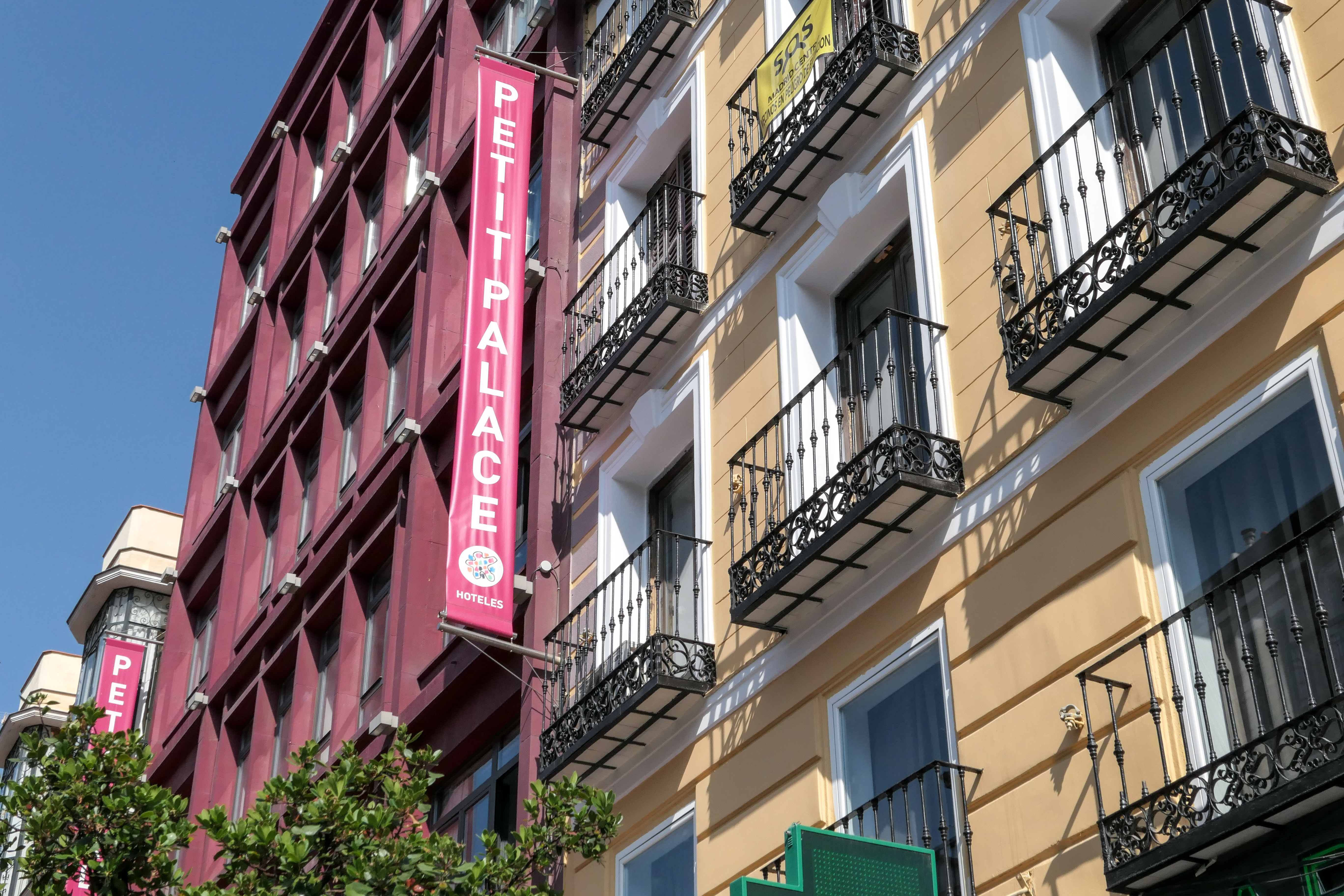
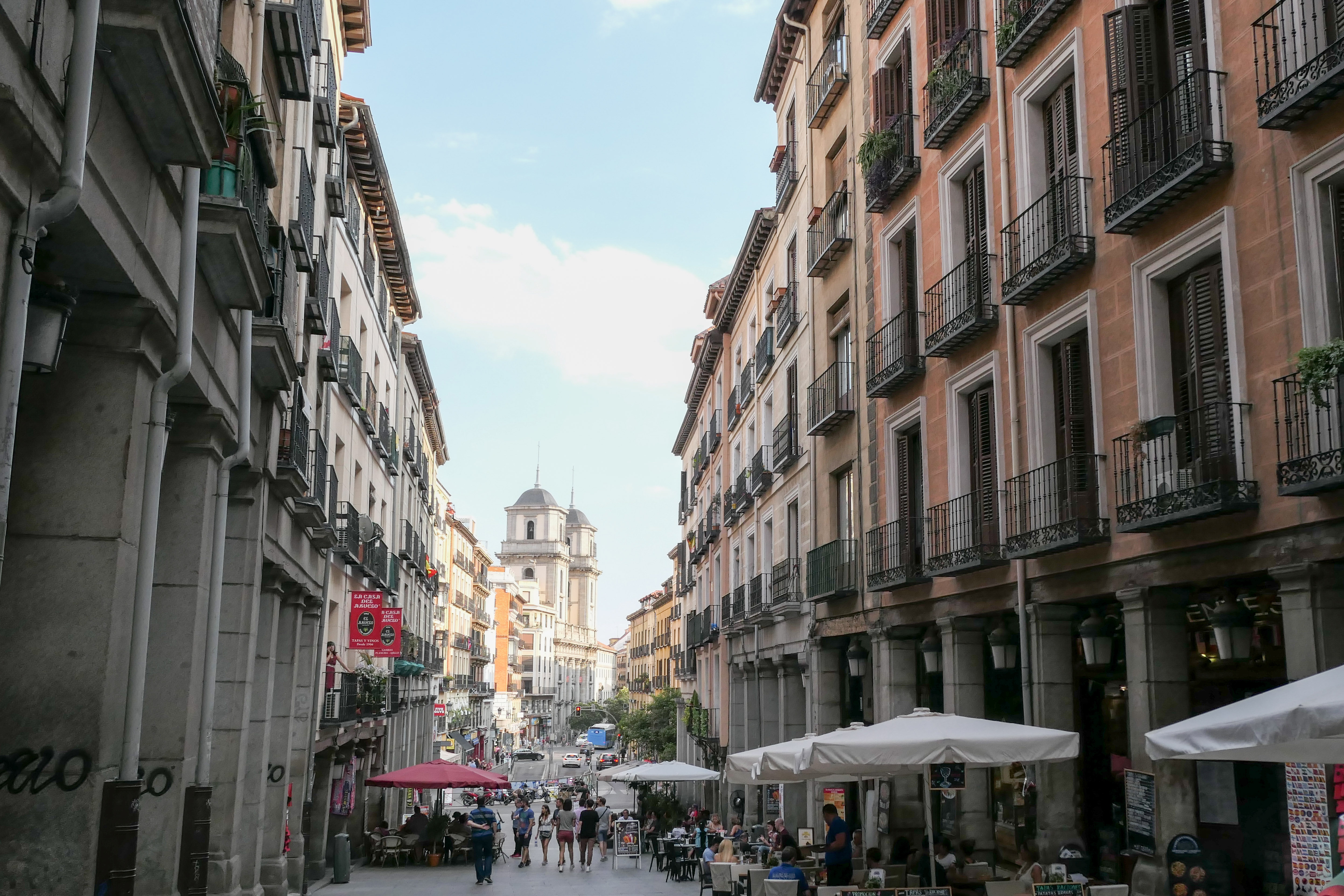
As we drove further into Madrid, the buildings closed in and soon the city had a similar feel to bustling London. I glimpsed zapaterias (shoe shops), panaderias (bakeries) and lots of tapas bars. We dipped down into an underground tunnel and Santiago told me that we were right beneath Plaza Mayor, arguably the heart of Madrid and where I would be staying. When we emerged back into daylight, the architecture changed drastically. In place of the drab, sombre buildings I’d seen on the approach were quaint apartment blocks in pastel shades with tiny wrought-iron balconies and pinstriped awnings. We had suddenly arrived at my hotel: the Petit Palace Plaza Mayor, one of a chain of Petit Palaces found in six other cities across Spain: Barcelona, Bilbao, Valencia, Mallorca, Málaga and Seville.
P1000156

In stark contrast to the bright and gracefully aged Plaza Mayor, the boutique-style hotel’s interior was subdued in colour with a significantly futuristic feel. I told the receptionist in Spanish that I had a reservation in the name of Rebecca Gibson and he proceeded to reply solely in English, which was a shame. One of the main reasons I had chosen Madrid for my destination was to brush up on my rusty Spanish. I knew a lot of tourists weren’t too keen to attempt the language, but I was very eager to talk in Spanish and I hoped that the locals would give me that chance.

P1000125

My first trip out was to Plaza Mayor itself, which was only a minute’s walk from the hotel. There were numerous people milling around but the square was spacious and tranquil in the early evening. The plaza was built in the sixteenth century when Madrid became Spain’s capital. It was used for state occasions including executions and bullfights, where the spectators would be crammed into the square and royalty would watch from the balconies. Luckily, the plaza is now filled with restaurants and cafes instead, and hosts a stamp and coin market on Sunday mornings.

On three sides the buildings were terracotta in colour with prim white balconies and shutters. On the fourth side – a building called La Casa de la Panadería (Bakery House) – the bricks were covered with intensely detailed frescoes dating back to only 1988, when the Madrid City Council launched a competition for the design covering the wall. The winner was Carlos Franco, whose artwork incorporating mythological characters was completed in 1992. Each part of the fresco was rich in colour with shocks of marigold yellow, rose pink and dusky orange.

P1000120

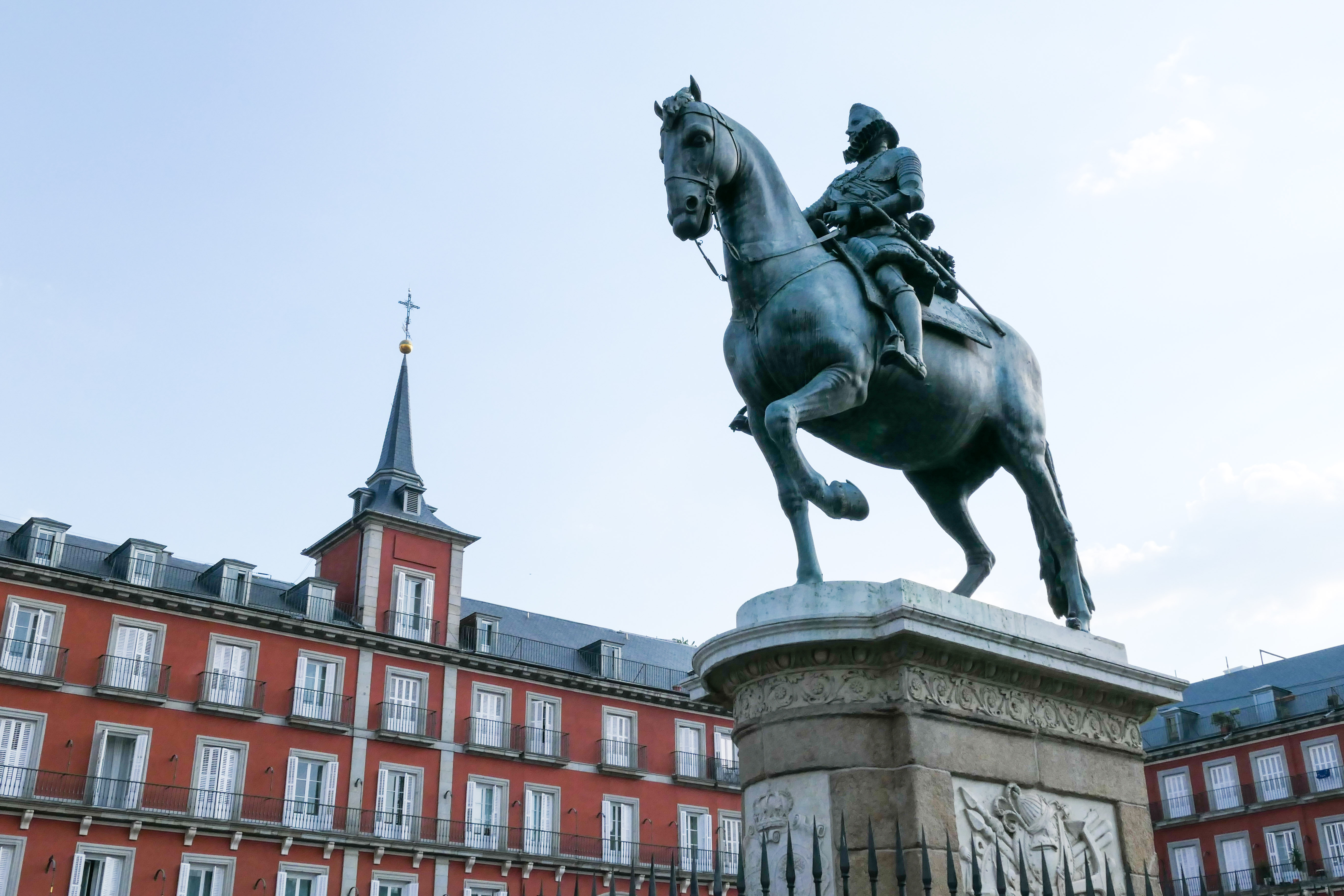
Standing pride of place in the centre of the plaza was King Felipe III on horseback – the subject of hundreds of photos found in Madrid guidebooks. I’d seen him at most angles before I even arrived, but I couldn’t resist taking my own version.
P1000122

It really was as hot in Madrid as I’d been told. At nearly 8pm, the temperature easily reached the most blistering of summer days in England. I perched on a stone seat to write and had to move to the shady side almost immediately to avoid burnt thighs. I vowed to definitely look into using the metro during my stay, as it was far too hot to walk any considerable distance.

Along with the glamorous architecture were splashes of kitsch, as with any city location that tourists have access to. Headless mannequins donning flamenco dresses stood in lines while people peered from behind them in Madrid’s answer to the Brighton beach scenes you could stick your face through. Mickey Mouse and Pikachu stood idly for no obvious reason, and several traders ambled around selling light-up toys and novelty whistles. All that aside, Plaza Mayor had undeniable charm. Restaurants and cafes lined the entire square’s border, but I’d been warned against their extortionate prices. I’d read that if I ventured only a few streets further afield I would find high-quality and authentic tapas at a fraction of the price.

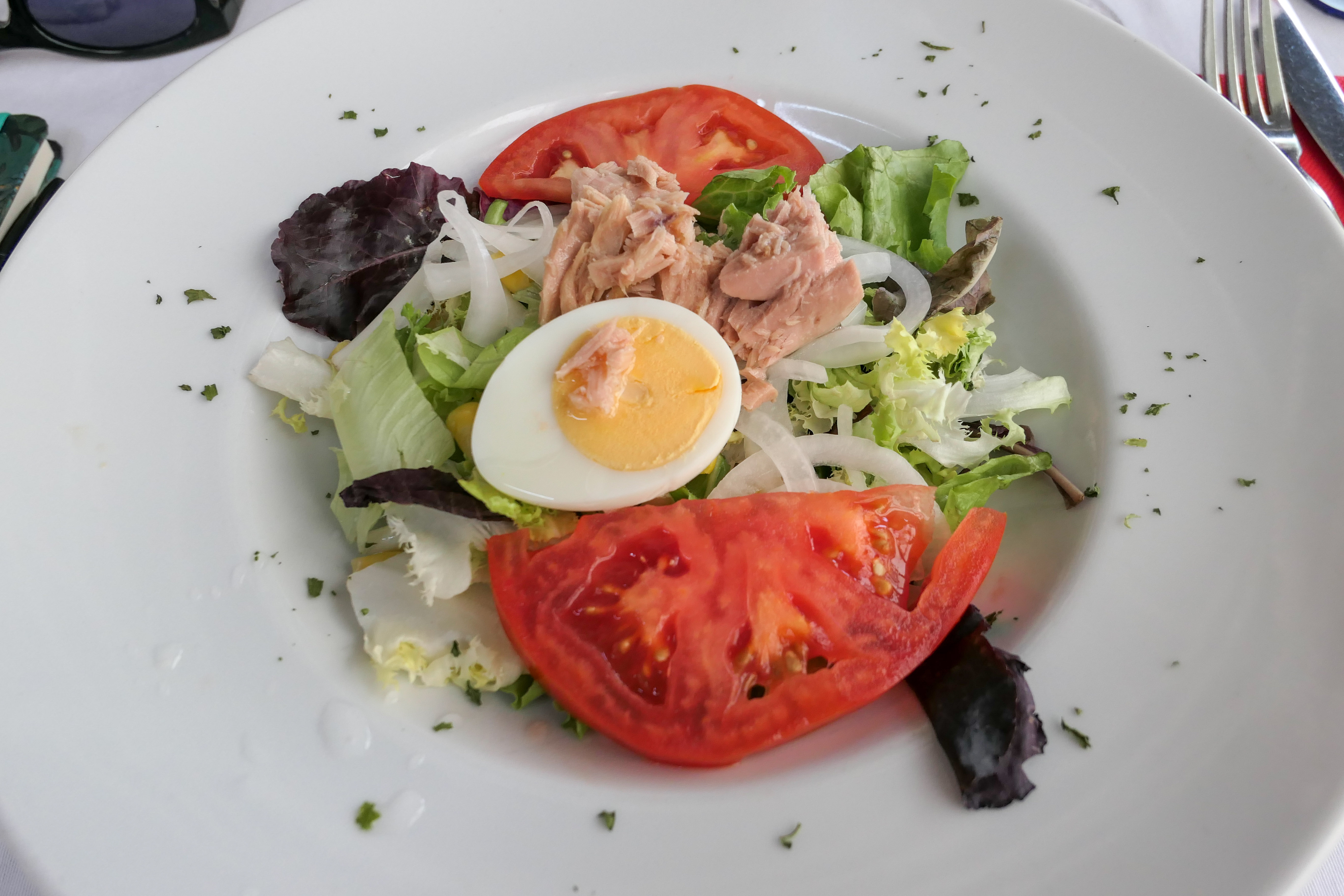
I unintentionally threw myself in at the deep end by going to Casa Revuelta for dinner. It had come highly recommended for its bacalao (cod) tapas, but I soon realised it wasn’t your typical restaurant. There weren’t any menus – a waiter came over and you told him what you wanted. Every bit of food vocabulary flew out of my head and all I could utter was pescado (fish). Luckily, I was brought some of the bacalao, which really was delicious. With no bones, the meat was beautifully smooth and with only a thin covering of batter. I ordered something I saw on my neighbour’s table, which turned out to be bite-sized pieces of pork crackling, which I wasn’t a fan of. It was my fault for not brushing up on my vocab beforehand, but by happy accident (the first of many I hoped!) I had tried my first Spanish delicacy in the bacalao.

After settling up at Casa Revuelta, which was already swelling with hungry customers including many native Spanish speakers – I strolled back through Plaza Mayor. Street entertainers were in full swing and Pikachu now had a throng of children around him. I passed El Restaurante Sobrino de Botín, the oldest restaurant in the world, which already had a queue out the door. The dramatic soundtrack of a flamenco show drifted out of a dimly lit doorway.
P1000129

I wandered further on and found myself in Puerta del Sol, which was buzzing with activity. One of the busiest places in Madrid, Puerta del Sol (Gate of the Sun) is home to the clock that chimes during the traditional eating of the twelve grapes and signals the start of the New Year. At the far end was a fun little statue that many people had flocked to for photographs: El Oso y el Madroño (the Bear and the Strawberry Tree). Although reasonably small in size, this intriguing bronze statue weighs twenty tonnes and replicates the similar emblem shown on the Madrid coat of arms. The determined bear stretching for the fruit symbolises the resilience and tenacity of madrileños (people from Madrid). Bears used to be found in many of Madrid’s forests, as well as trees bearing fruit that closely resembled strawberries. Madrid was thought to have once been named Ursa, Latin for bear. You wouldn’t find many foraging bears in Madrid nowadays, but Antonio Navarro Santafé’s sculpture in Puerta del Sol was lively enough.

P1000137

I decided to get an early night after a long day of travelling so as most madrileños were heading out for the night, I made my way back to the hotel. Casa Revuelta was a bit of a shaky start, but as time went on I knew I would start to find my feet.
Salty Paws

As diluted sunlight comes streaming through the window I’m awoken by the squalling of gulls – a tangled symphony of disgruntled burbles, high-pitched cheeps and open-throated cackles from chimney top perches.

The weather in the Scottish Highlands is always a lucky dip. Some days I wake up to driving rain and moody skies. Today the sky is bright, streaked only by wispy cirrus clouds. Despite the sunshine, there’s a bracing wind skirting up over the waves and whipping them up into frothy white peaks.

A gaggle has assembled on the beach while the tide is far back. Common sandpipers hurry across the sand, weaving their way between bunches of seaweed strewn around like abandoned clothes. A handsome oystercatcher kicks up a fuss, its shrill piping call spreading far along the beach. House martins swoop like missiles over puddles left behind by the tide, their inky blue plumage gleaming in the sun.

There isn’t a soul here. On a warm, sunny day like this in the south, the beach would be clogged with sun-bathers and a garish patchwork of multi-coloured towels. Here, the beach is my solitary refuge. The water may be icy, but the views are stunning.

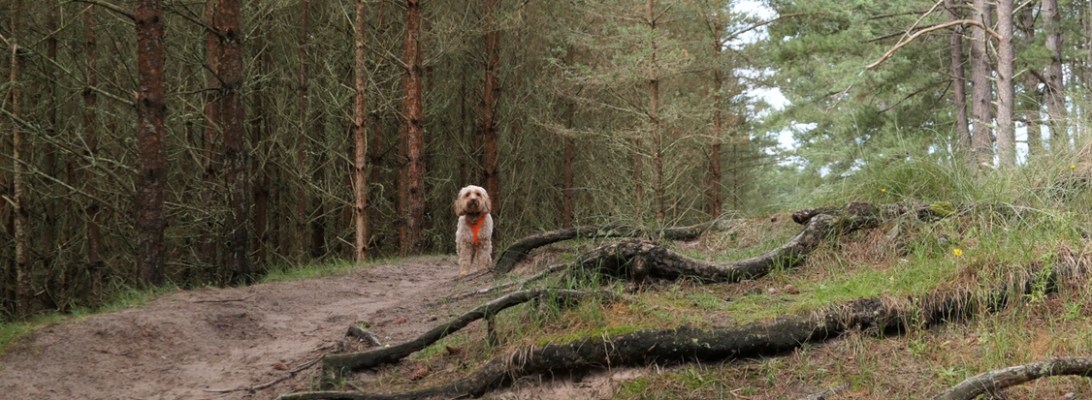
After weaving my way through assorted rocks worn smooth by the ocean and abandoned shells lying chipped and half-buried, I clamber up the steep dune running the length of the beach. My boots sink and sharp grass brushes my legs but I finally reach the summit and slide down the other side. The coastal wind instantly dies like a door has been slammed against it. The forest is sheltered and muffled against outside noise. Seclusion is one of the habitat’s best qualities. There is a feeling of anticipation upon entering a forest. It’s full of surprises.

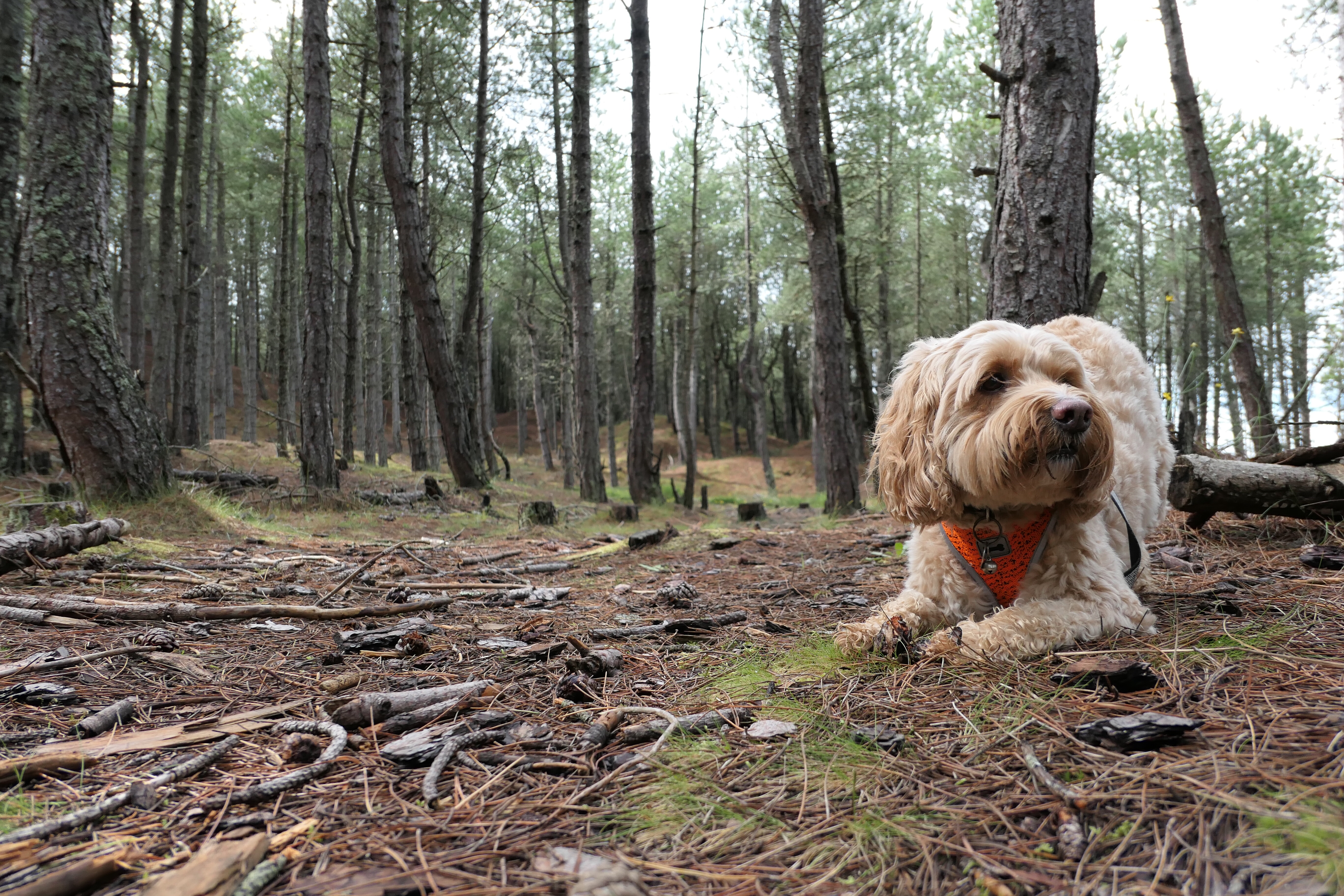
The dog wanders off by herself, true to form. The forest fragrance is too hard to resist. Her light fur flashes in and out of view behind the trees, their trunks as straight as the lines on a barcode.

I know there must be red squirrels in this forest, perhaps even pine martens. So far I haven’t seen either, but that is no guarantee of absence. It’s what I love about wildlife: it can never be rushed.

We pass another dog walker and for a while the only movement in the forest is the flurry of fur in a rambunctious chase. There will be no wild sightings this morning – martens are sleeping and squirrels are out of sight in the enclosed canopy. The dogs dash around blissfully, but eventually we pull them apart and I loop back towards town. Sounds of civilisation begin to permeate through the trees; car doors slamming, human voices, a distant bus. It’s like the sensation of ears popping and I’m back in the open, leaving the forest behind me. Until tomorrow morning.