Minimalism in Photography

Recently I discovered a photographer called Petros Koublis during research for my photography project. In preparation for my upcoming trip to the Isles of Scilly, I was exploring the theme of isolation, as on Scilly geographical isolation has resulted in extraordinary diversity of both flora and fauna. So, I want my images to convey this seclusion without the subjects looking barren. When I found Koublis’s work I thought how beautifully minimalist the images were, and yet still varied and intriguing. The beauty was its simplicity.

Petros Koublis 11

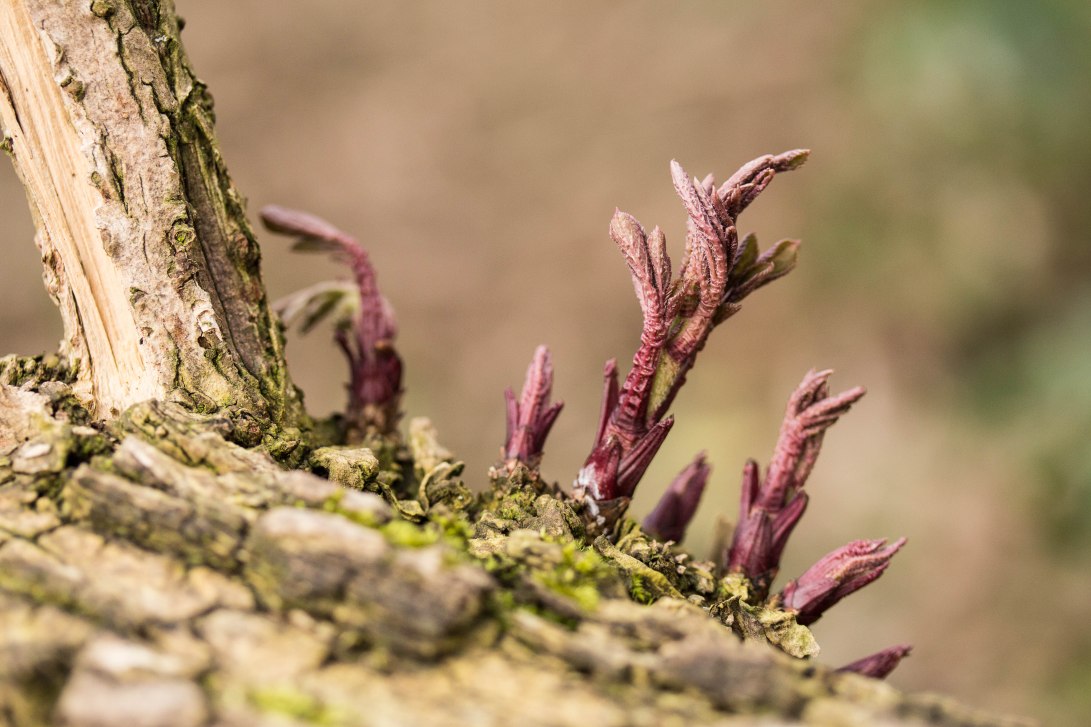
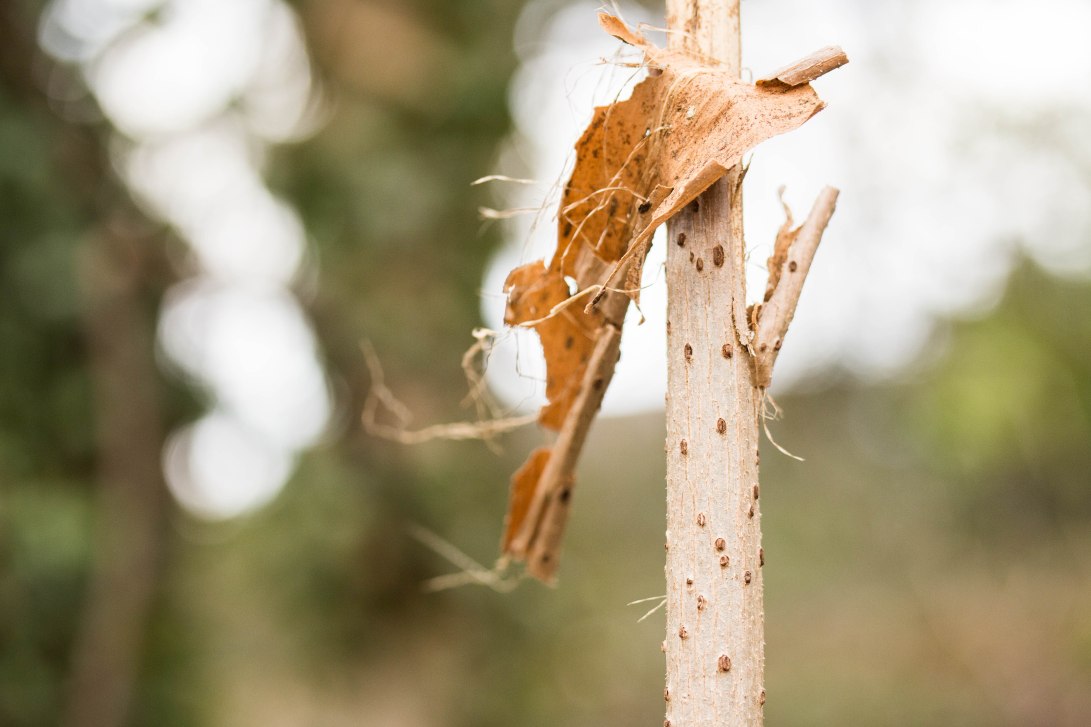
So I set out and tried to capture my own images where the subject looked isolated but was still thriving. Inspired by Koublis’s minimalistic approach, I concentrated on simple colours, repeating shapes and uncluttered compositions. Using my 60mm macro lens, I de-cluttered the frame even more and filled it with my subject while washing out any detail in the background.
IMG_9365IMG_9390IMG_9384

I almost always zoom in as tight as I can, especially when doing macro photography. There is a great urge to make your subject as large and detailed as possible, but often I’ve found that this removes all context from the image and it loses some impact. While it’s always nice to have a little mystery in photography, revealing a few secrets can bring even more magic to an image. For example, the lichen on the twig below was only a few centimetres in diameter, but with nothing to compare it to, all scale is lost. Now the image has been taken, the lichen could be any size and the challenge of getting such a tiny plane of detail in focus doesn’t seem as significant. Although the texture is still intriguing, the presence of something more familiar could only have added to the effect.

IMG_9401

So on another trip out I began to step back. Although I couldn’t achieve the same crisp detail with more distance between myself and the subject, I could begin to introduce context and place the subject into a scene. An isolated section of this terracotta brick could have been taken in a garden or even at a construction site, but with the border of dry pebbles and the blurred suggestion of ocean, the subject is put in a time and place. As all photography is subjective, those with a fine art approach might say context isn’t necessary, but I like the way this image is clearly of the coast but it isn’t conventional in its composition or choice of focus. It suggests the theme more subtly. Also, the absence of any other noticeable features conveys the isolation I’m interested in showing, and shallow depth of field draws the eye immediately to the subject.

IMG_9438

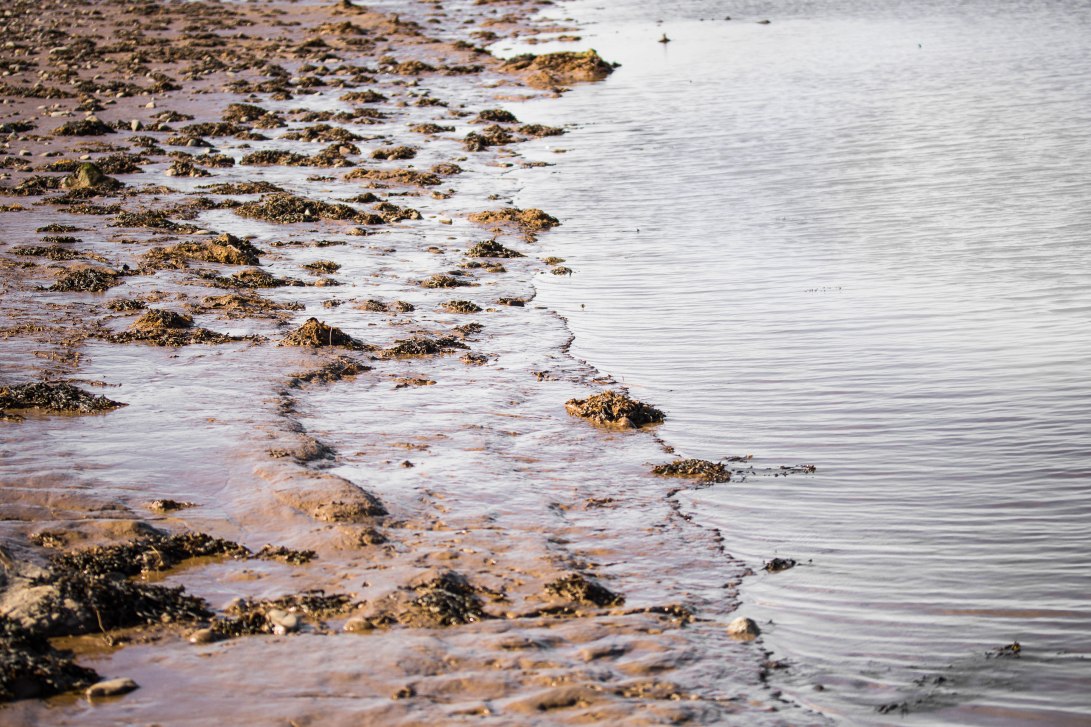
I’ve always been interested in shapes and lines in photography. Although perhaps a beginner’s cliche, a leading line is undeniably pleasing to look at. Here, the point of focus is the very centre of the image, with the tide line leading the viewer directly to it. It is loosely symmetrical, a technique I like to use to show balance and calmness in a scene. Here, there are two clear halves; one is almost completely lacking in detail except thin lines of movement from the tide, and the other has extensive detail. To emphasise this contrast even further, I desaturated the right half so even colour was absent from the water. I never excessively manipulate my photos as I like to replicate the true scene as much as I can, but subtle changes like this (when the colour of the water was almost grey anyway) can draw attention away from certain aspects in the frame to others.
IMG_9468

My Scilly expedition is fast approaching. I can’t wait to see what opportunities arise during my week’s stay on such a diverse archipelago. I think practice shoots like these will help broaden my creativity in preparation for a whole new environment.
The Freeze

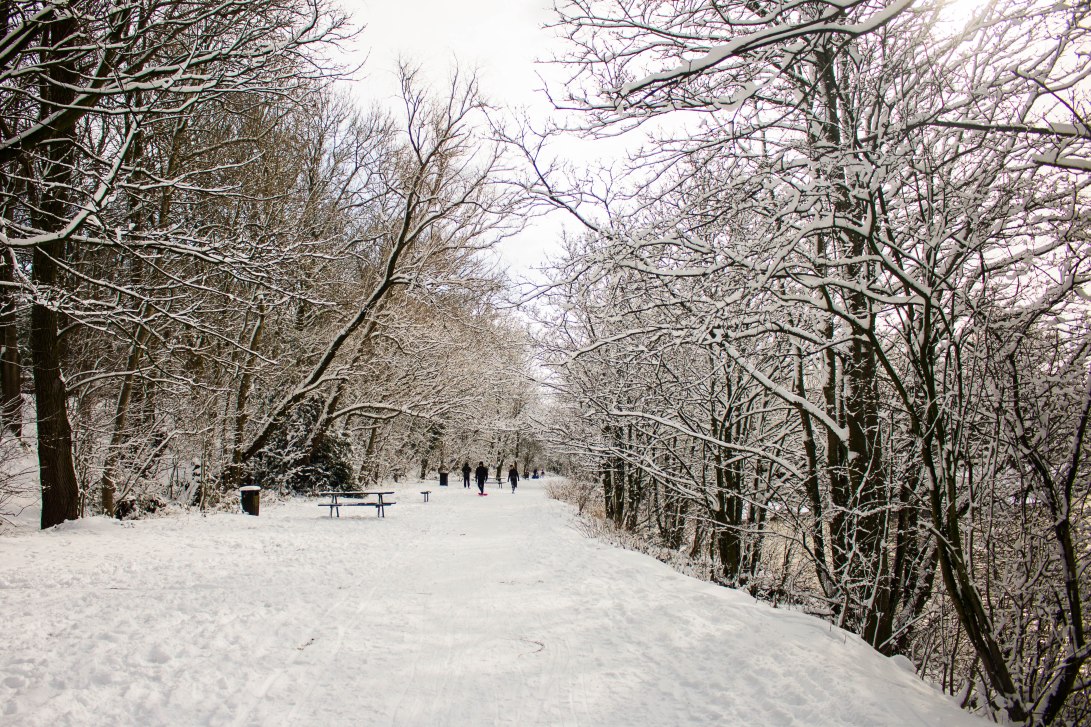
The snow was here again. It descended from the skies in heavy drifts, flakes swirling as they came to rest. All through the night the snow fell, dramatically silent, and when morning came everything was smothered in pristine white icing: irresistible.

IMG_9050

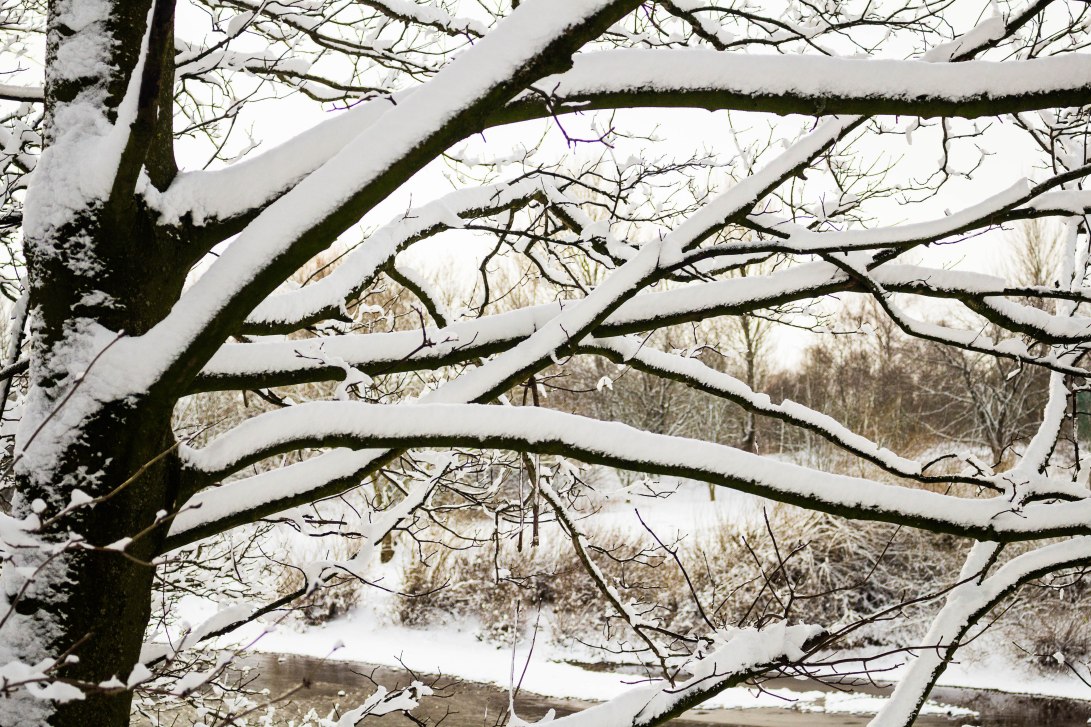
Outside there was a chill that tightened the lungs, so cold was the air that even breathing in felt like getting smothered in snow. Each branch was cloaked, giving the impression of an overly enthusiastic artist splashing every bough with thick white highlights. Undisturbed snow on the sides of the track glistened, catching the light and sparkling with wintery luminescence. On the cusp of March, it was more of a spring wonderland than a winter one, and yet it could have easily been Christmas morning.

IMG_9046

Up in the trees, a whisper of falling snow betrayed the presence of a blackbird, sending tremors up the branch that dislodged loose flakes. A male, black feathers stark against his festive background, spotted with rich red berries and the undersides of dark leaves. He chirruped softly, his song more melancholy than it should be.

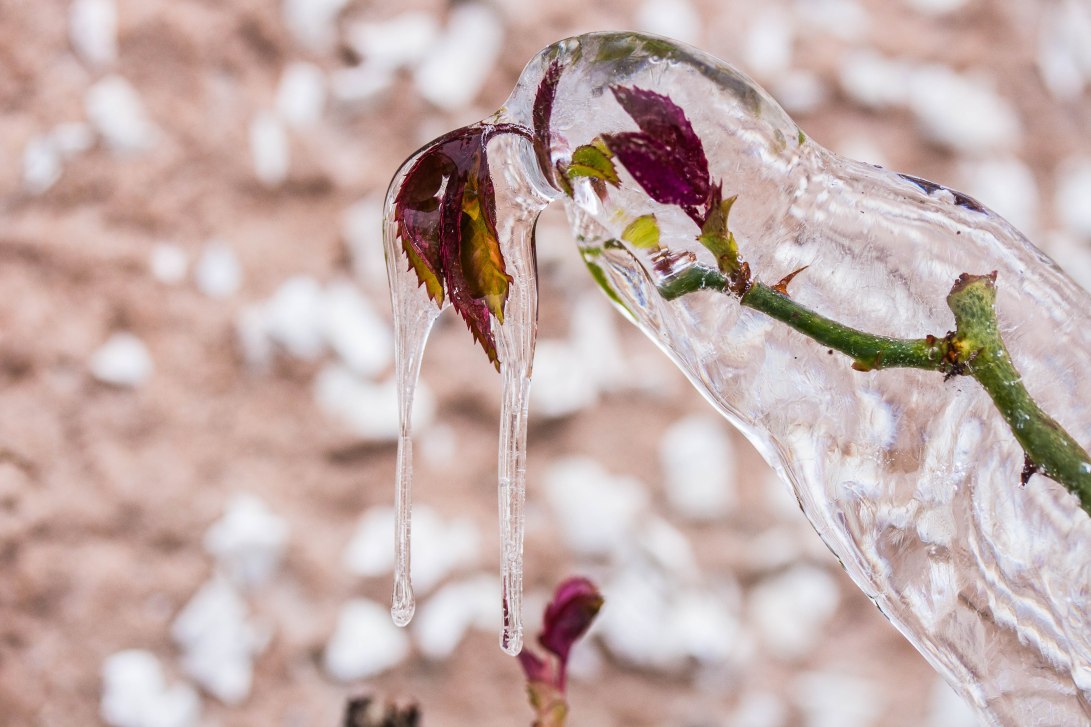
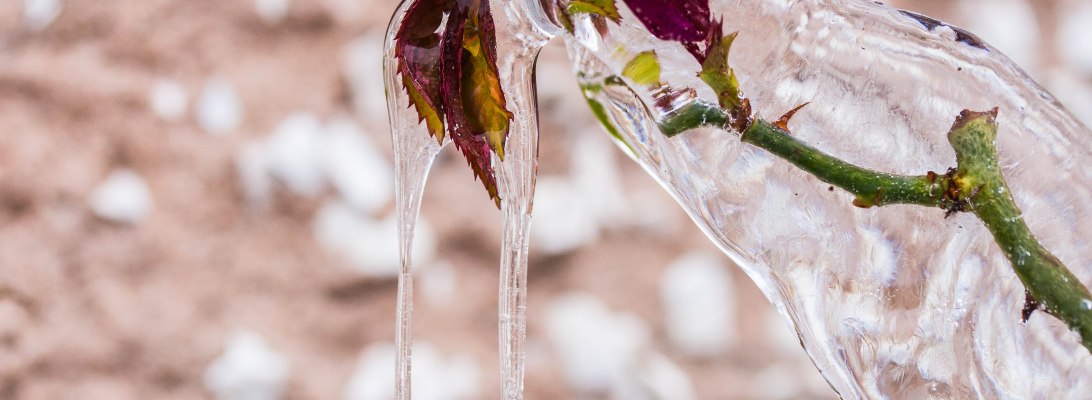
A man passed me on his bicycle, his tyres crackling like static feedback that faded as he disappeared. The landscape quietened again, a deafening silence only found with snow, when the world stops and waits with baited breath for this unexpected phenomenon to pass. It is a time when even nature stands still. Water is stopped in its tracks, defiant of gravity’s pull.

IMG_9063-2

Sloping down the bank to the river was a series of deep tracks, dogs mingled with hopping birds. The ever-falling snow began to repair the damage, forming undulations of half-hidden footsteps with softened edges. A wren sped past, trilling its bold song that seemed too big for its tiny lungs. What must the birds think? Have they anticipated this, read some sign in the climate to help soften the blow? The already challenging task of finding food in winter just became more trying, a test of strength and endurance in such temperatures.

IMG_9012

After a while my feet began to grow numb and my stomach rumbled. As I trudged back up the track, curving away from the coursing, white-framed river, I thought how I would snuggle up in my warm house with something to eat. I glanced back over my shoulder and saw a song thrush foraging. It had a snail pinned in its beak, and was cracking the shell hard on a rock. Such work the birds put in, when all I needed to do was open a can of soup and I’d be warm.

Back at the house, I peered outside and saw the feeder swinging empty again. Thinking of the blackbird, wren and diligent thrush, I hurried into the garden and replenished the feeder with rich fatty seeds, sprinkling some on the ground for those too heavy or timid to feed from the plastic perches. The birds needed all the help they could get.

Northumberland: Day Two


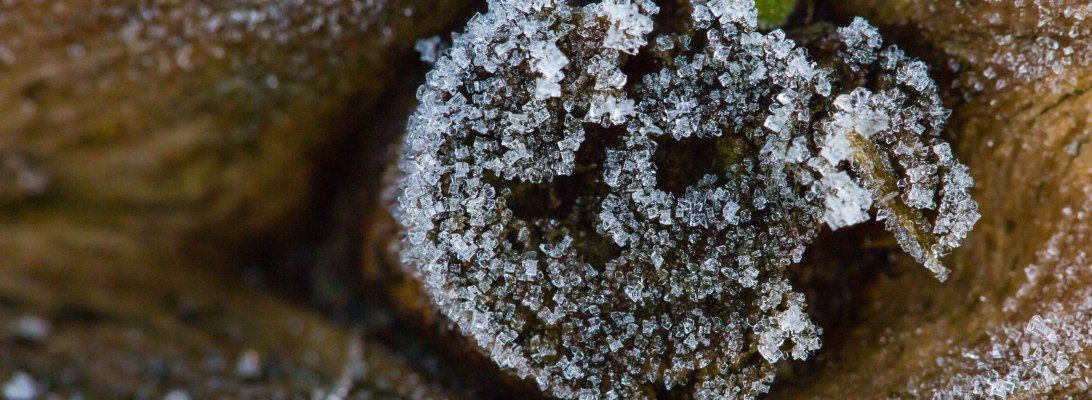
When I woke up the blinds were bright. I had a peek outside and was thrilled to see there was a frost clinging to the grass. I hurried into clothes and headed out into the garden. It had been a full year since my last frost and I was eager to capture some macro photos again. Leaves, twigs and thistles were all coated in a fine layer of silver crystals that, when hit by the sun, twinkled and shone like last night’s stars. Soon I had wet knees from crouching in the grass and the beginnings of a crick in my neck from getting as close as possible. My plan was to crop the photos in to create a repeating abstract texture. As usual, I took far more than I probably needed.

7W1A83007W1A8313-2

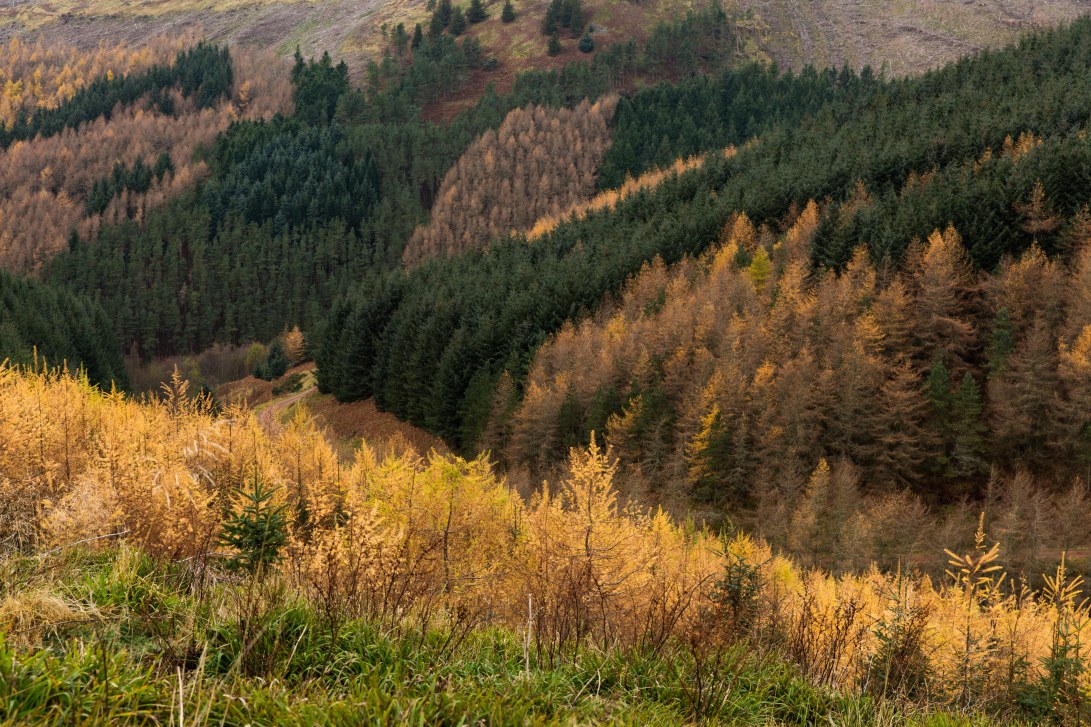
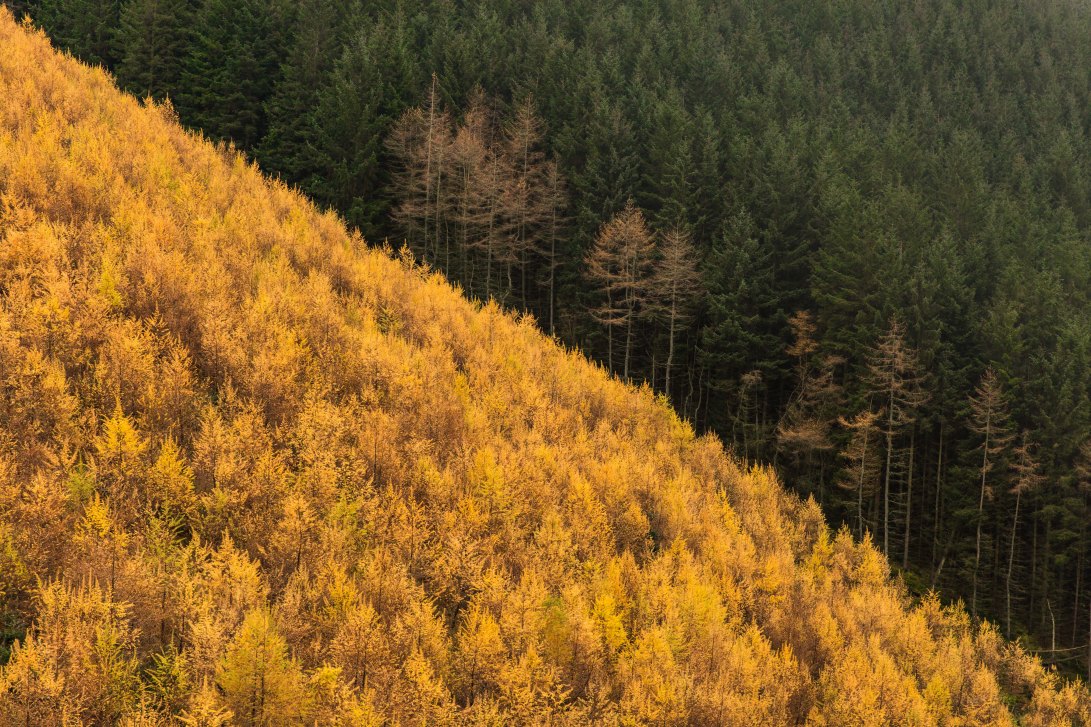
After relaxing for a while in the bothy I headed out again, down one hill and up the next. I passed the tyre swing, but the lack of decent light meant the shots weren’t quite what I imagined. I knew I had to photograph the bright yellow and orange larches that had taken my breath away on the drive in yesterday. Unfortunately the sun that I’d wanted to shine was well and truly concealed behind thick clouds; the light was so diluted I could gaze in its direction without difficulty. However, when I began to shoot, the rusty warm hues still popped. I began to experiment with positioning individual subjects like stray grasses in front of the camera, so the trees bled together and created a vibrant background.

7W1A83817W1A8426-27W1A8397

The rest of the day was spent writing beside the fire and recording what I’d seen during the day. I had a sneaky look at my photos so far and was pleased with some of the outcomes. Hopefully there’d be more opportunities on our last day tomorrow.

7W1A8440

Sightings

  • Chaffinch (Fringilla coelebs)
  • Goldcrest (Regulus regulus)
  • Goldfinch (Carduelis carduelis)
  • Robin (Erithacus rubecula)

Fungi Trail

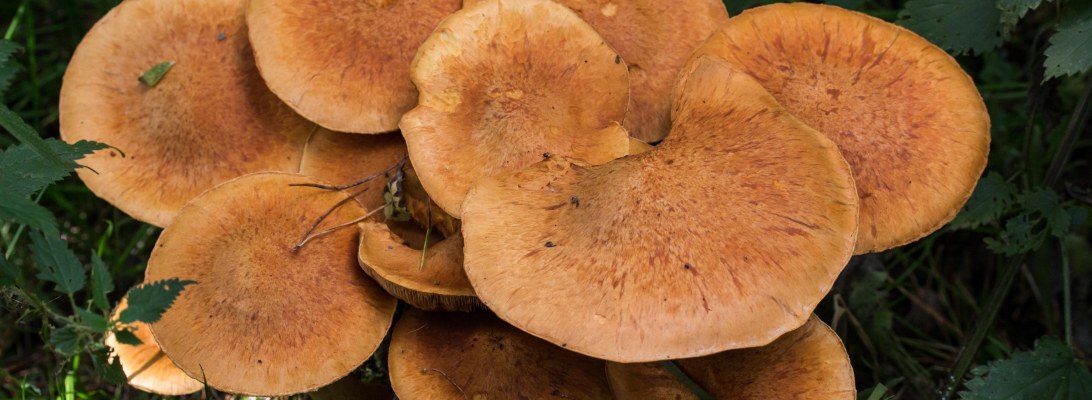
It’s soon to be prime fungi season and I can’t wait to see what will start to emerge over the next few months. I find identifying fungi a real challenge, and recently I’ve mainly been interested in tracking fungi and photographing it. As with all wildlife though, I think every photographer should know exactly what it is they’re pointing the camera at. So, after consulting the “Fungi Bible” – otherwise known as the Collins Fungi Guide – I made my best guesses at what species I’d seen. Then, I consulted with a local fungi expert in my area, and was pleased to discover I’d got most of them right!

Here is a selection of the species I’ve seen so far, some in Carlisle where I’m studying and others at home in Hertfordshire. Hopefully this list will triple in size during the autumn!

Hertfordshire

IMG_5300
Amethyst Deceiver (Laccaria amethystina)
IMG_5306
Red Cracked Bolete (Xerocomellus chrysenteron)
IMG_5314
Yellow Stagshorn (Calocera viscosa)

Cumbria

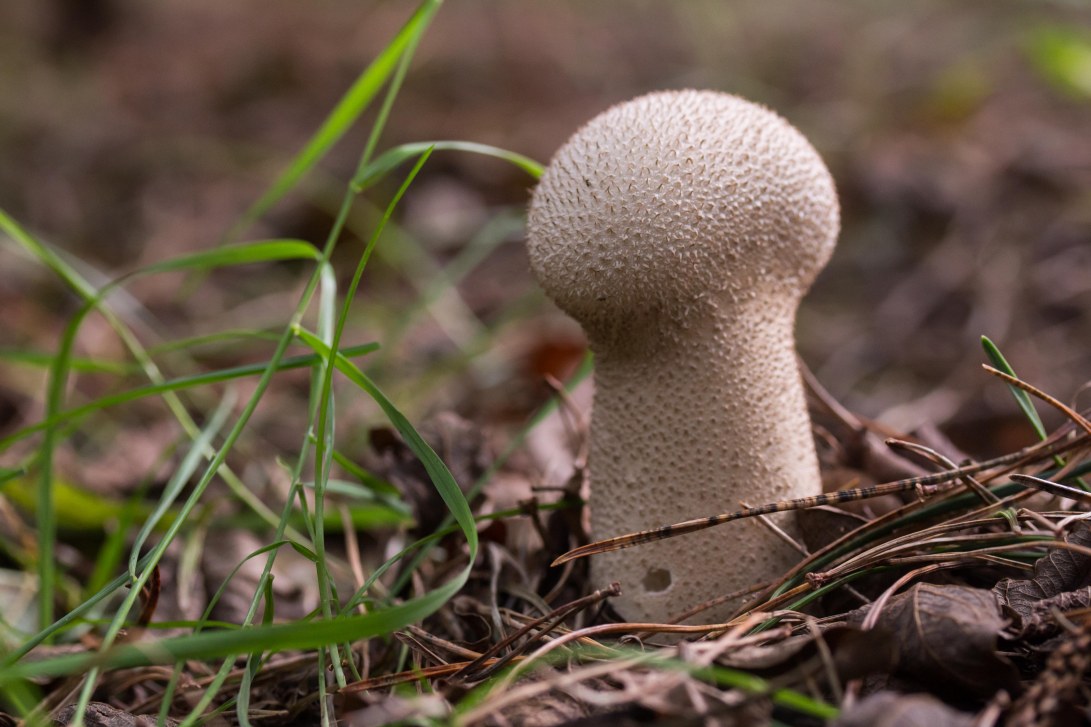
IMG_5431
Common Puffball (Lycoperdon perlatum)
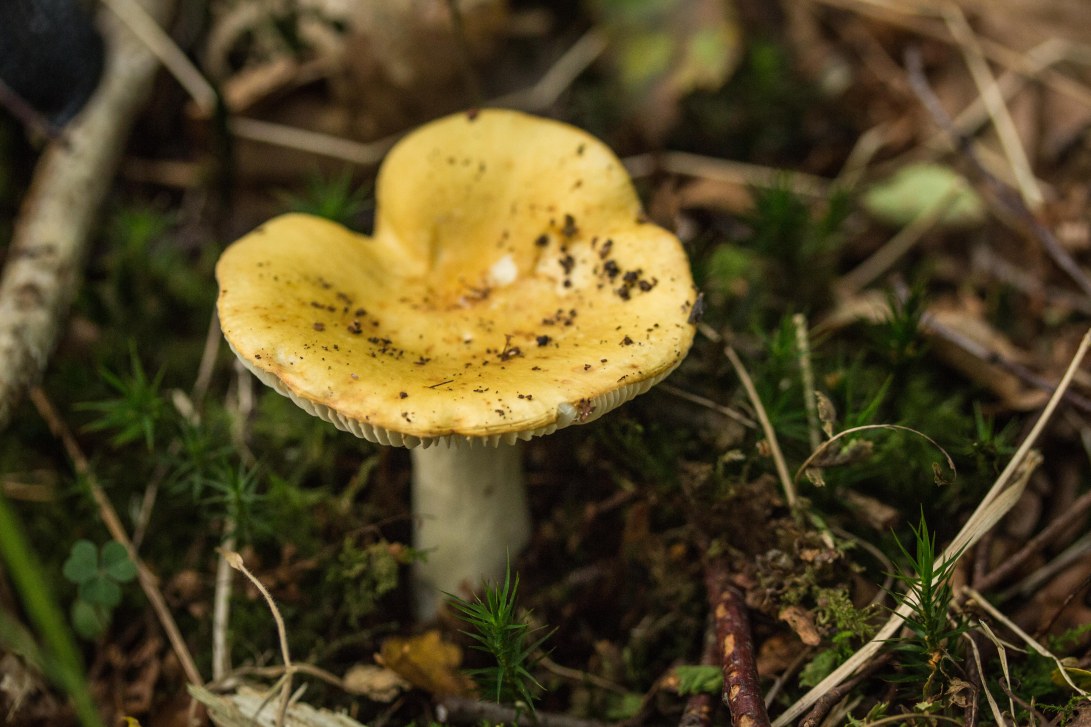
IMG_5376
Ochre Brittlegill (Russula ochroleuca)
IMG_5365
Blue Roundhead (Stropharia caerulea)
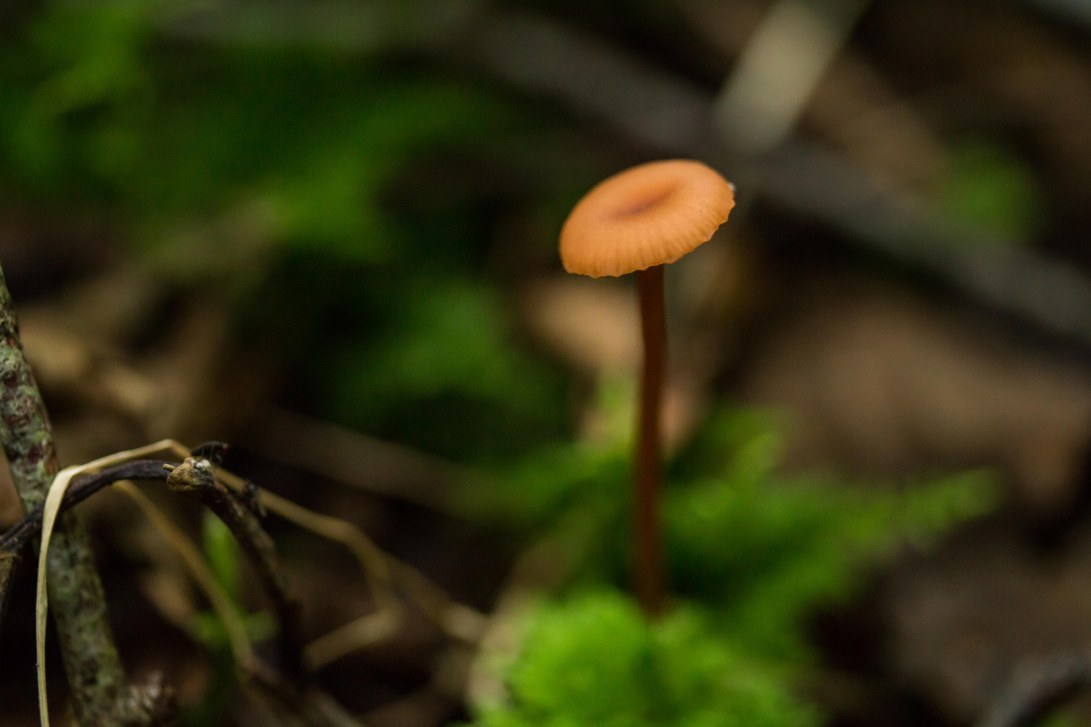
IMG_5402
The Deceiver (Laccaria laccata)
IMG_5423
Brittlegill (unsure of species – too young)
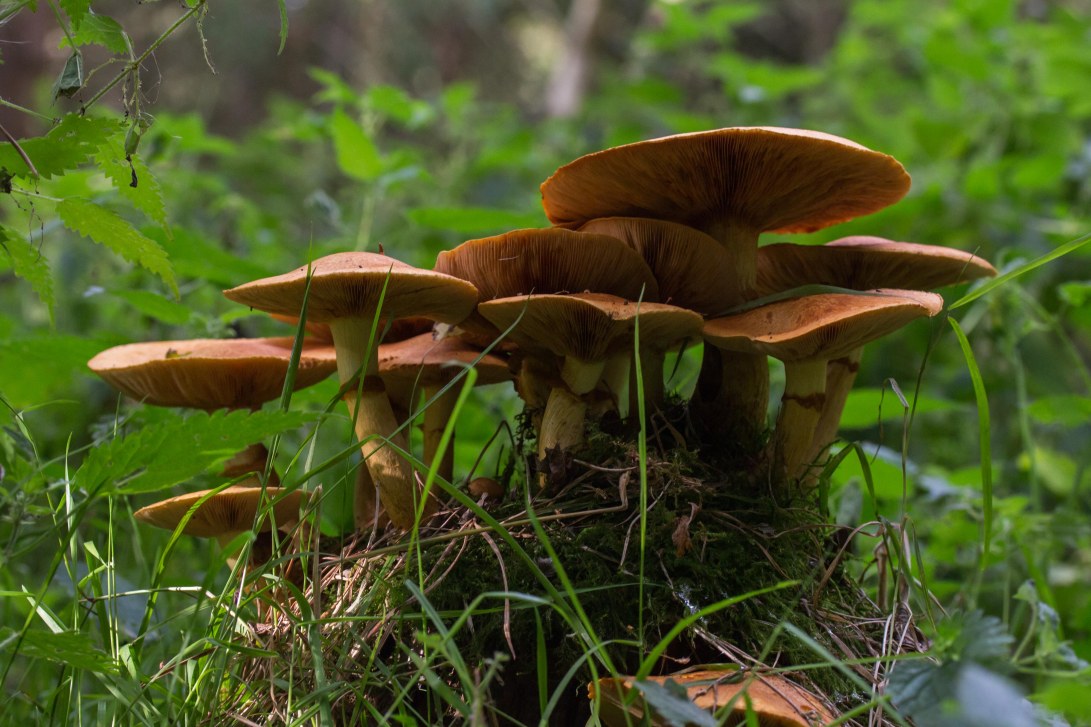
6) Sheathed Woodtuft
Sheathed Woodtuft (Kuehneromyces mutabilis)
IMG_5443
Sheathed Woodtuft from below

Burghead, Moray

IMG_5654
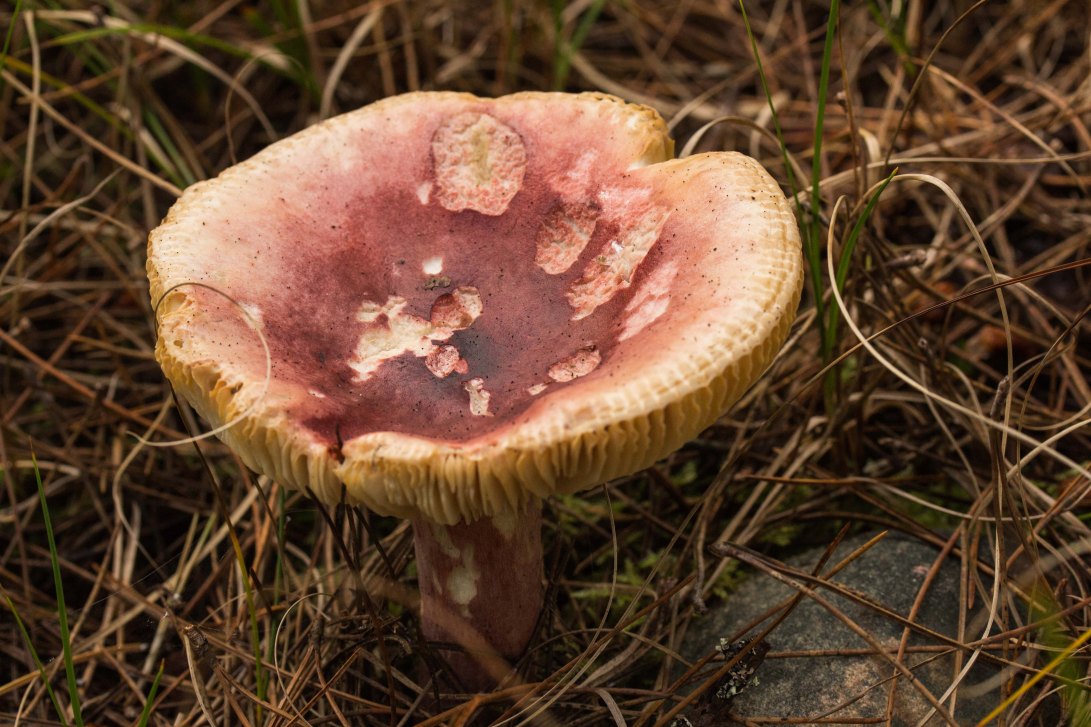
The Sickener (Russula emetica)

Burghead: Day Two

It was looking like another gorgeous day. As we walked along the harbour yesterday, I couldn’t help noticing how inviting the forest running alongside the beach looked. Stretching for over seven hundred hectares, Roseisle Forest was a stunningly beautiful pinewood. As we made our way up the slope between the first row of trees, sand dunes transformed to mounds of fallen pine needles and the sound of the ocean soon faded into silence.

IMG_5588

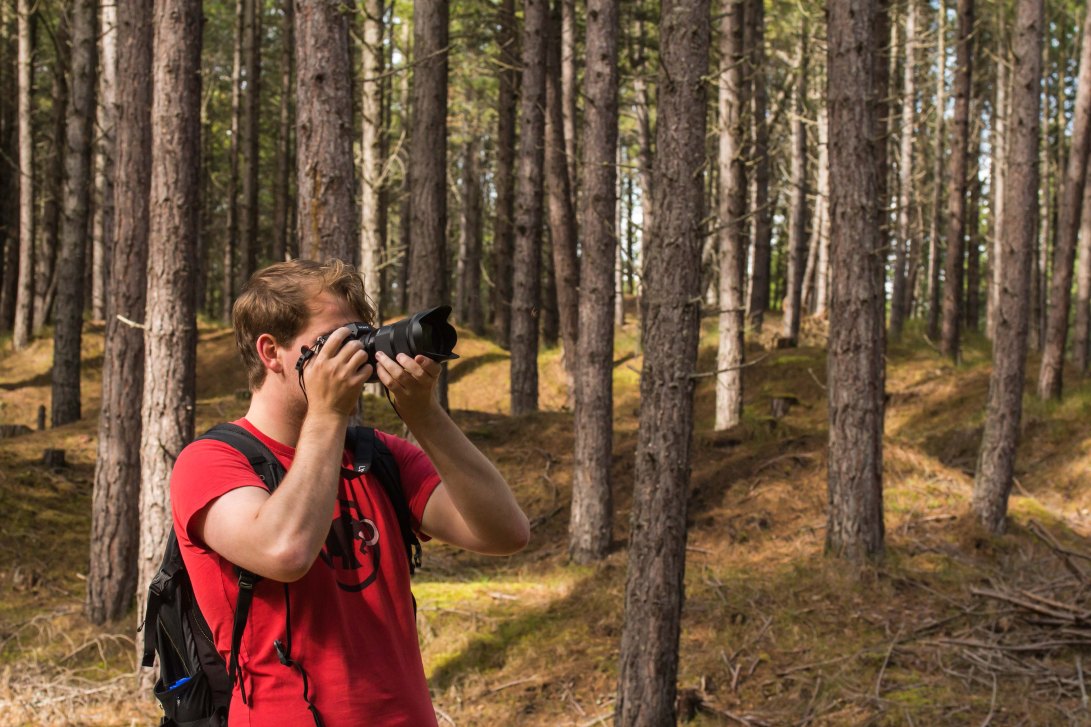
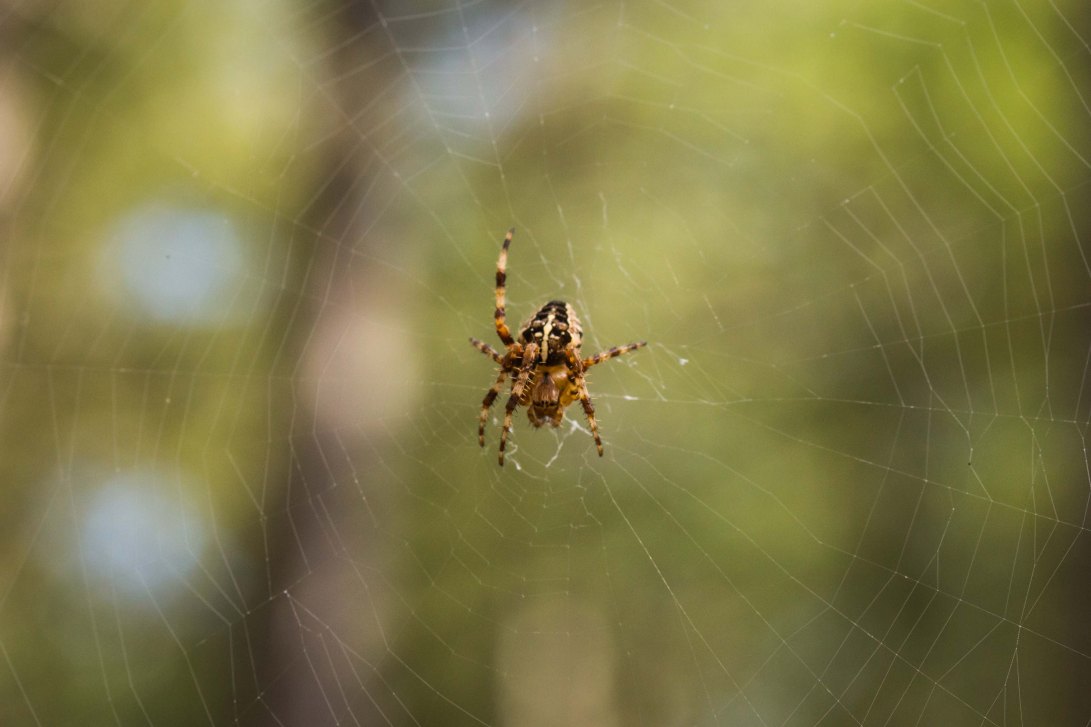
A wide trodden path snaked between the trees. I was on the lookout for fungi, so we headed off-road and ventured up the hills, giving us a great vantage point over the forest below. Before long, a sudden sparkle caught my eye, and I was amazed to discover that a spider had strung its web between two trees several metres apart. Luckily the sunlight had caught the web; otherwise we may have walked straight through it. We spent the next twenty minutes photographing our spider – it was a real challenge trying to get him in focus as the web swayed to and fro in the breeze, which must have felt like a gale to the spider. If you zoom in on the photo of Kerr, you can see a brown dot a few inches in front of his camera, showing just how tiny the little hunter was.

IMG_5614-2IMG_5632


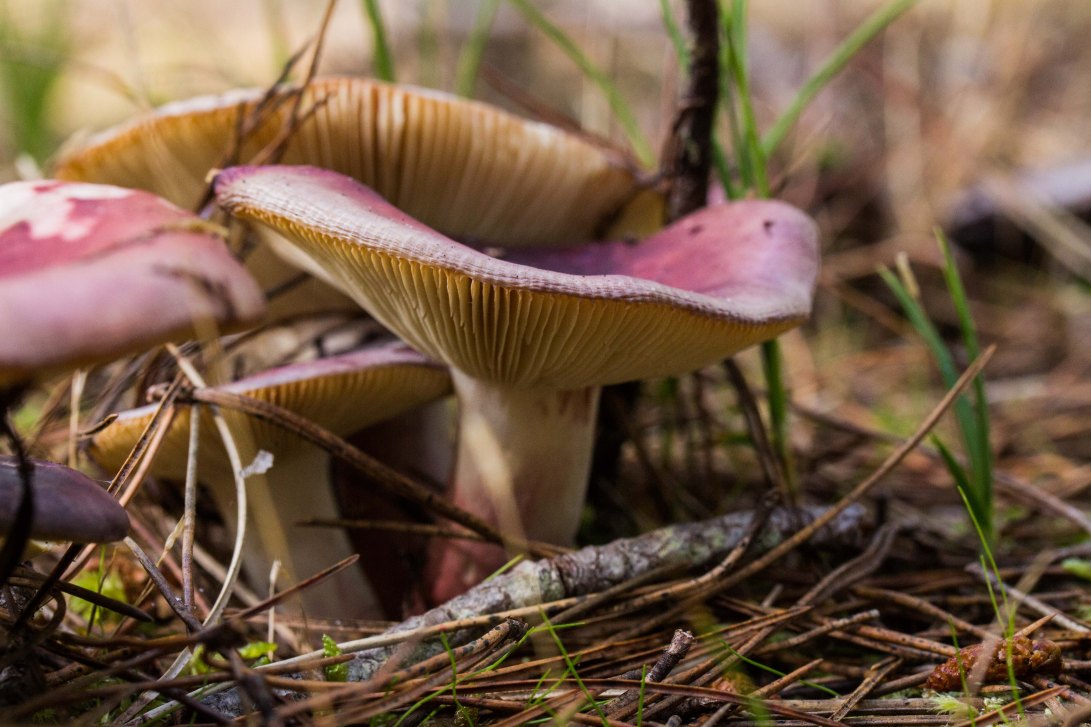
Soon, it became clear that Roseisle Forest was abundant with a medium-sized, red-capped mushroom that had faded to pink with age. After consulting the Burghead guide back at the cottage, I discovered that mushrooms in the Russula group, otherwise known as Brittlegills, were common here. After checking out the various species I identified this fungus as Sickener (Russula emetica), a poisonous species associated with pine woodland. This mushroom is found in groups and is most common in late summer to early autumn, perhaps explaining why the ones we saw weren’t the bright red colour of their prime.

IMG_5654IMG_5620

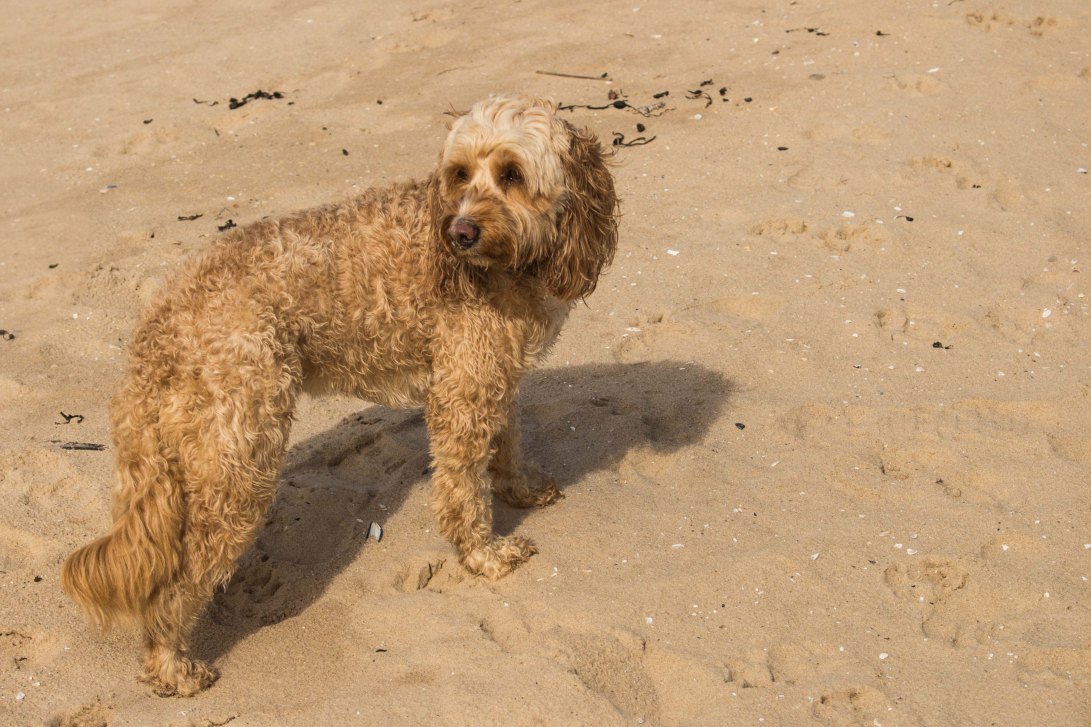
After finding dozens more Sickener mushrooms and spending a long time crawling on the forest floor photographing them, we headed back out onto the beach. We met up with my parents and Jasmine, who was whipping up a small sandstorm in her excitement. By this point my stomach was rumbling after the walk in Roseisle, so we headed to lunch and ate outside in the stunning sunshine.

IMG_5677IMG_5689