Salty Paws

As diluted sunlight comes streaming through the window I’m awoken by the squalling of gulls – a tangled symphony of disgruntled burbles, high-pitched cheeps and open-throated cackles from chimney top perches.

The weather in the Scottish Highlands is always a lucky dip. Some days I wake up to driving rain and moody skies. Today the sky is bright, streaked only by wispy cirrus clouds. Despite the sunshine, there’s a bracing wind skirting up over the waves and whipping them up into frothy white peaks.

A gaggle has assembled on the beach while the tide is far back. Common sandpipers hurry across the sand, weaving their way between bunches of seaweed strewn around like abandoned clothes. A handsome oystercatcher kicks up a fuss, its shrill piping call spreading far along the beach. House martins swoop like missiles over puddles left behind by the tide, their inky blue plumage gleaming in the sun.

There isn’t a soul here. On a warm, sunny day like this in the south, the beach would be clogged with sun-bathers and a garish patchwork of multi-coloured towels. Here, the beach is my solitary refuge. The water may be icy, but the views are stunning.

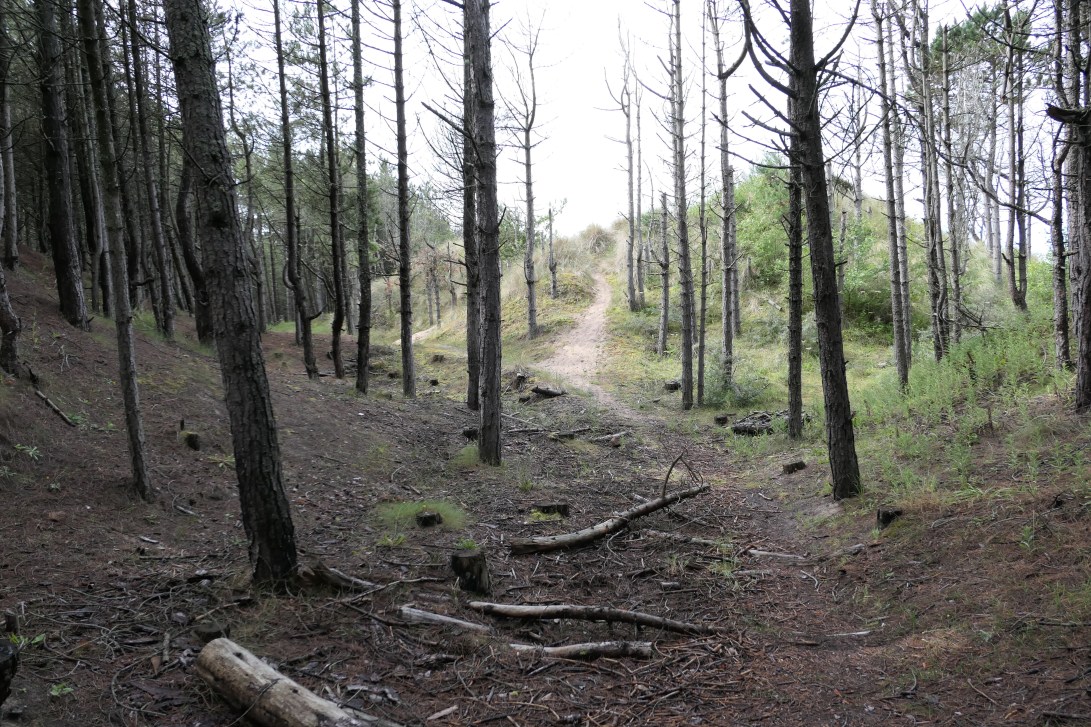
After weaving my way through assorted rocks worn smooth by the ocean and abandoned shells lying chipped and half-buried, I clamber up the steep dune running the length of the beach. My boots sink and sharp grass brushes my legs but I finally reach the summit and slide down the other side. The coastal wind instantly dies like a door has been slammed against it. The forest is sheltered and muffled against outside noise. Seclusion is one of the habitat’s best qualities. There is a feeling of anticipation upon entering a forest. It’s full of surprises.

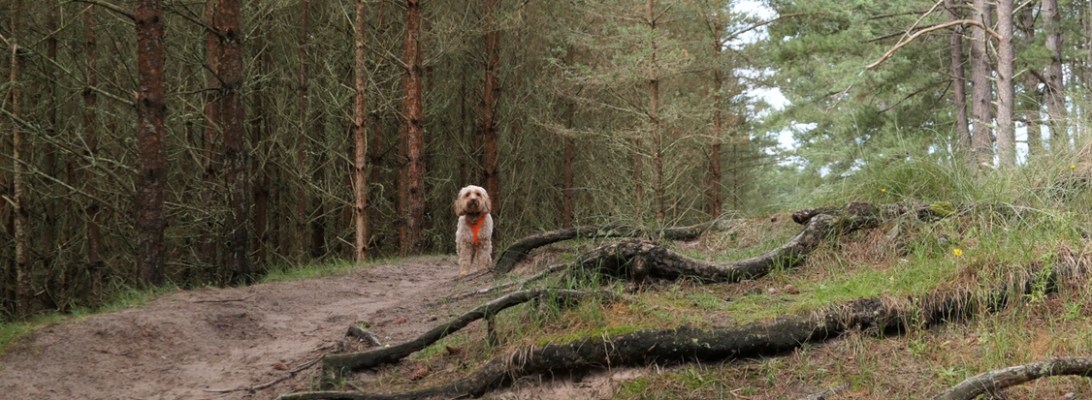
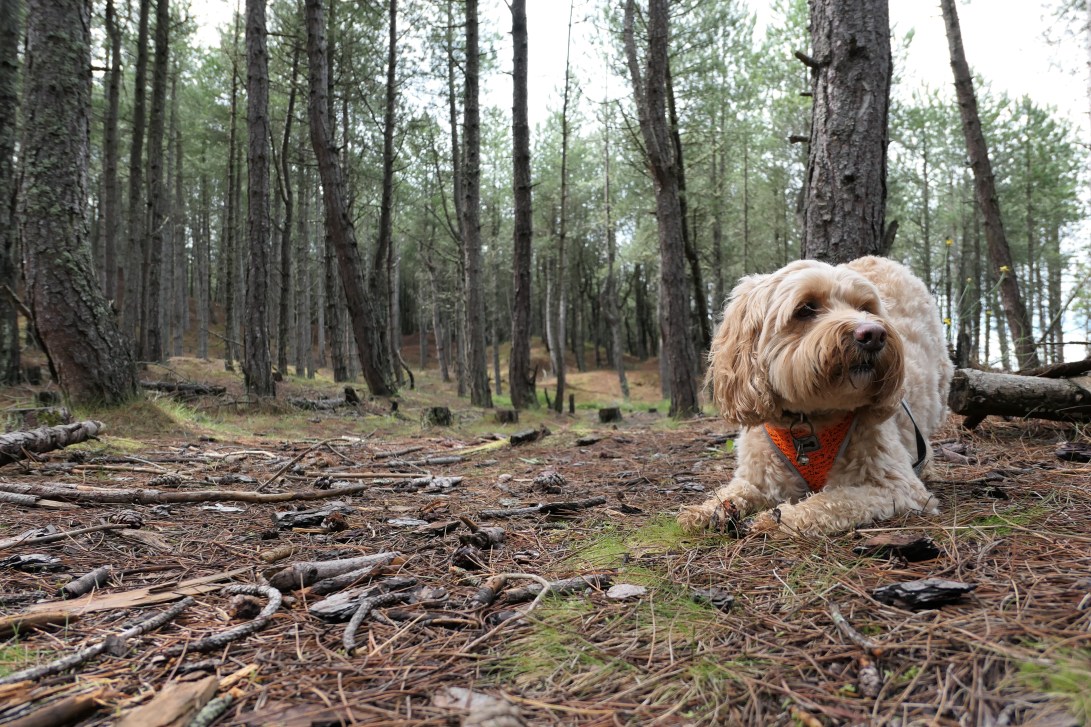
The dog wanders off by herself, true to form. The forest fragrance is too hard to resist. Her light fur flashes in and out of view behind the trees, their trunks as straight as the lines on a barcode.

I know there must be red squirrels in this forest, perhaps even pine martens. So far I haven’t seen either, but that is no guarantee of absence. It’s what I love about wildlife: it can never be rushed.

We pass another dog walker and for a while the only movement in the forest is the flurry of fur in a rambunctious chase. There will be no wild sightings this morning – martens are sleeping and squirrels are out of sight in the enclosed canopy. The dogs dash around blissfully, but eventually we pull them apart and I loop back towards town. Sounds of civilisation begin to permeate through the trees; car doors slamming, human voices, a distant bus. It’s like the sensation of ears popping and I’m back in the open, leaving the forest behind me. Until tomorrow morning.

Anagach Woods

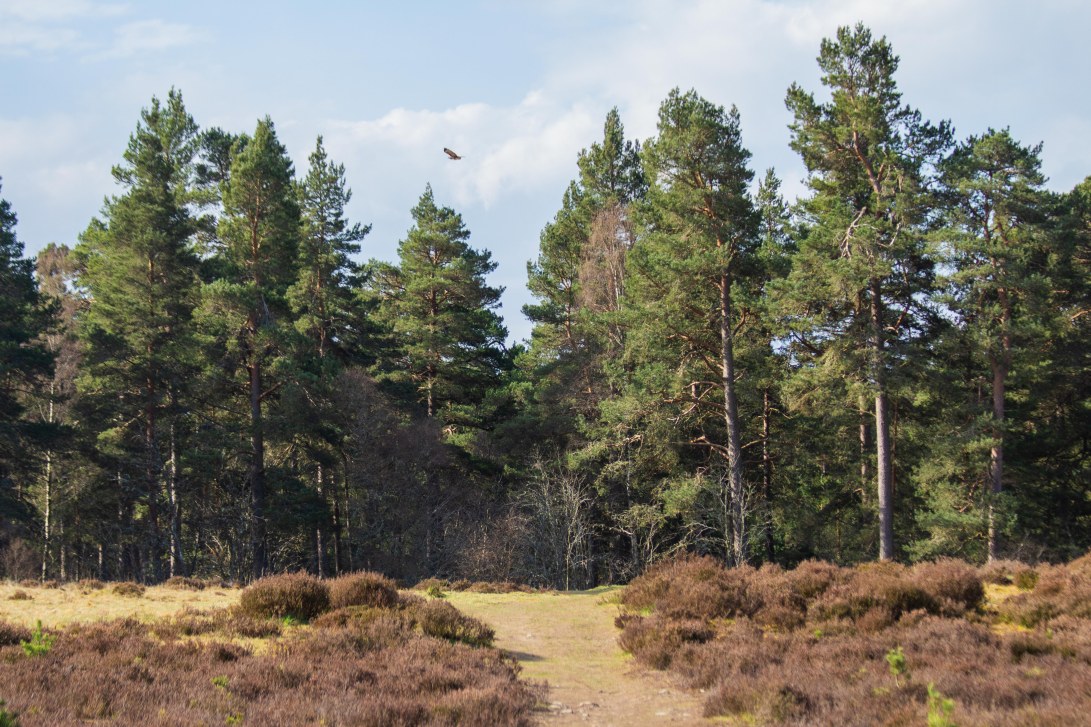
After one day of the Grant Arms Wildlife Book Festival, I had already ticked off 27 species. The morning started off gloomy so I wrapped up knowing that the Highland air would bite without a little sunshine. After a delicious breakfast I met my guide Sue and we set off. Our destination was Anagach Woods, only a five minute walk from the hotel. I knew it was my kind of place from the first glimpse: dense evergreen trees, a winding trail and the lyrical murmuring of birdsong. The harsh, icy breeze that made the eyes squint and the neck shorten completely disappeared once we strolled past the first few trees.

IMG_1493

Anagach Woods were planted in 1766 using young pine trees dug up and transported from the old Caledonian pine forest of Abernethy. A few of these original trees are still standing today; wizened goliaths surrounded by waxy saplings. Throughout Anagach are deposits in the form of fluvio-glacial ridges, raised beach sands and gravel deposits dating back 10,000 years to the Ice Age. “Fluvio-glacial” refers to the meltwater created when a glacier melts.

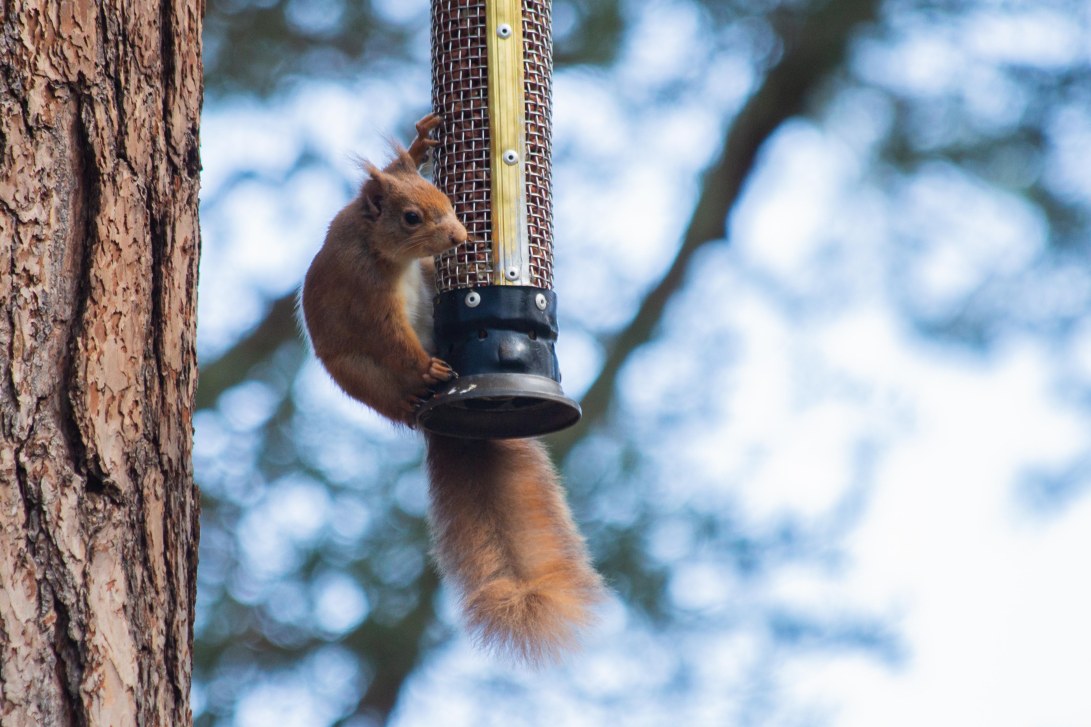
Within ten minutes of entering the woods, I had my binoculars trained on a red squirrel -tail and hands poised in the classic pose as it nibbled on a peanut. A completely peanut-based diet causes a deficiency in red squirrels, so the rangers fill their feeders with a special mix to keep the squirrels’ diet balanced. Whether the animals follow the regime is another thing entirely, and they don’t. They prefer to pick out the peanuts with the steely determination of a child eating around their vegetables.

IMG_1484

It’s impossible to dislike red squirrels. (Personally, I have no quibbles with greys either – they’re not inflicting reds with the pox with any malicious intent, nor did they ask to be brought here.) Reds have the eye-watering cuteness of babies their entire lives, coupled with boundless energy. We watched two up in the tree, neither tolerating the other’s presence. After a brief, silent stare-down, a ferocious squabble broke out. In the blink of an eye, two orange flashes flew up the tree, twirling around the trunk with scrabbling claws. The victor was soon perched proudly on the feeder shelf – stuffing head, front legs and one back leg inside to grasp the prize.

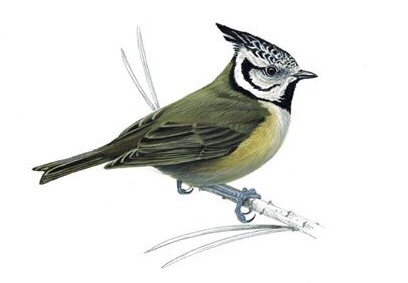
We ventured further into the forest. Each time a branch quivered or a chirrup sounded, I scoured the canopy for a particular little bird with a very impressive Latin name. Lophophanes cristatus is mostly confined to ancient Caledonian pine forests and Scots pine plantations. On the RSPB map of the UK, this bird’s presence is indicated by only a small patch in the Highlands of Scotland. A member of the tit family, it sports a magnificent punk hairdo.

Photo: RSPB

I had my sights set on the crested tit. As small as the far more common blue tit, the “crestie” is a firm favourite among Grant Arms guests and features on many wish lists including my own. My main objective during my time in the Cairngorms was to see a pine marten (dream big, I say). Or, if that dream turns out to be a little too big, I will happily settle for any new species.  I kept my eyes peeled for cresties but sadly they eluded us that morning. Sue said that at this time of year they would be right at the top of the trees gathering nest material. When those trees stretch to dizzying heights of around twenty metres, spotting a tiny bird in the dense canopy would certainly be a challenge.

IMG_1486

Despite the crested tit playing coy, we were treated to a lovely showing of a buzzard. Buzzards are one of those species that I sometimes underestimate. They don’t tend to get me too excited – especially for that one split second when you think you may have found an eagle – but that morning in Anagach I saw a buzzard land for the first time. Up in the air and bleached out by the sun, it can be hard to make out specific detail, but as the raptor perched in the pines, I could admire its snowy white chest – as soft as an owl’s – with speckled markings that gave it the air of a regal monarch’s gown. The buzzard preened its feathers for a while before taking to the air and melting into the trees. It was a fitting way to summarise the forest habitat: a creature can be there one moment, and vanish the next. Forests are irresistible to me, and Anagach easily became my new favourite.

IMG_1489


The Wildlife Hotel

On The Wing has been quiet recently, not for lack of inspiration but for lack of time. Over the past few months I’ve been busy with a few different projects. I’m close to finishing an annual report for SEZARC, outlining the highlights of their work in 2018. I’ve also moved part-time into the library where I’m filling notebooks with scribblings about Siberia, Russian megafauna, native tribes and the mysteries of shamanism. All this is for my book idea and the more I read, the more I need to read. It’s a constant cycle of finding a book, reading something fascinating and looking up similar books to find out more. I’d love to eventually start the actual writing process, but so far I’m waist-deep in other people’s books and loving every minute.

All of this work has meant that I’ve neglected my camera and seen most of my local wildlife from behind glass recently. However, this week brought the perfect opportunity to get back outside and into nature. It’s the Wildlife Book Festival at the Grant Arms in the Cairngorms. Also called the Wildlife Hotel, the Grant Arms is a beautiful Victorian building within easy reach of dense pine forests, boulder-studded rivers and sweeping mountain valleys. In other words, the perfect place to celebrate British wildlife.

It feels fantastic to be back out there with binoculars around my neck and a crumpled notebook in my hand. It also helps to be in such a stunning location. St Albans is nice, but when you’re woken to the sound of squealing oystercatchers and only need to walk for five minutes before hitting a thousand acre wood (check mate Winnie the Pooh), there is simply no contest.

It’s so easy for me to get caught up in work. I get so engrossed that I forget to ever switch off, which makes this week a very important break. It’s a little telling that I need to travel five hundred miles from home to take that break, but when the scenery is this pretty, I’ve figured it’s alright.

New Leaves

This year I am dedicating a lot of my time to something I have wanted to do for many years: write a novel. I often write fictional scenes and enjoy creating characters and I wanted to set myself the enormous challenge of extending those elements into a book. I’ve read that while many authors swear by detailed outlines and believe that spontaneity is recipe for disaster, others encourage new writers to see where their imagination takes them. I’m trying the latter technique. I have a protagonist and several themes I would like to focus on, but so far my plot is far from finalised. The following is a passage I’ve written as a scene-setter that introduces both the location and my leading lady. 

  ____________________

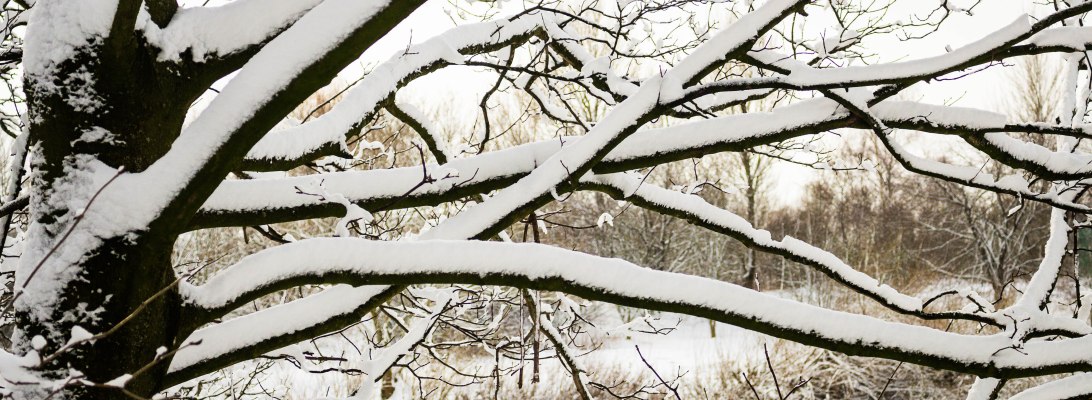
The snow fell heavier than it had in a hundred years. There was no wind – the land lay still, muffled under six inches of brilliant white. Evergreens buckled beneath the weight of their silvery coats. Even the river had succumbed to winter; it lay motionless beneath a slab of ice, arranged in a winding, serpentine fashion between hills and mountains. It was late February – there was just over a month left of the winter that spanned half the year, but the coldest season still had a firm grip over the land. In March, the climbing temperatures would start to melt the snow into large freshwater pools and reawaken sleeping giants eager for the salmon run in July.

Halfway up a sprawling larch tree perched a teenage girl. She was small for her age, but agile and nimble. With her back pressed against the trunk, she had the perfect vantage point over the land. Before her the forest sprawled as far as the eye could see. Thousands of trees stood beneath snow and ice, their skeletal branches brittle in the cold.

Vanya’s breath rose from her lungs in icy shards, tumbling from her mouth in clouds of grey mist that swirled upwards into the sky. An eagle cried far away, her voice transported many miles over the sleeping land. Vanya had lived in the taiga forest her entire life, but gazed upon its sweeping scenery with the same wonder as the first time she saw it. It was a paradise of silver beauty. The silence was so thick she could feel it, heavy and palpable in the air. It was an anticipative silence that made the hairs on her neck stand on end. There was change in that silence – something new just beyond the horizon.

Despite her thick furs, Vanya soon began to feel the cold as the sun weakened. While she still had the light to see, she descended from her tree, scrabbling down the trunk with impressive confidence before dropping the last six feet to the soft ground. She padded down the hill, sinking into the snow with each step. Behind her lay a long trail of boot prints, already softened at the edges by fresh flakes. Frost clung to her eyelashes, brushing her cheeks with cold strokes and fringing her vision with a white vignette. Snow rustled in the folds of her coat and crunched beneath her feet. If undisturbed, the snow would fall and rest in utter silence. Only when it was touched did it begin to whisper and crackle. In the heavy air, the sounds were deafening.

When she reached a dense thicket of pine trees, Vanya slowed her pace and gazed skywards, scouring the canopy for birds. Snow clogged the gaps in the branches, concealing all manner of wild creatures. A sudden commotion cut through the silence like a knife. Vanya’s eyes flicked to the sound, freezing on the spot as a flurry of fine powder drifted down. The branch trembled, sending more snow to tumble from within its stiff needles. In moments the raid was over and the culprit emerged at the trunk. It was a young male sable, perhaps from last year’s litter, with dark brown fur and a splash of dusky orange on his neck. A small, carnivorous mammal, the sable belonged to the marten family. The animal cascaded deftly down the tree with agile limbs and keen claws.

Landing with a soft thud on the forest floor, he immediately looked up at Vanya, who had sunk down onto her knees to watch. The sable was clutching a stolen egg in his mouth, razor sharp teeth sunk into the shell for a better grip. Confidently, he trotted over to Vanya, dropped the egg and began sniffing her coat. Vanya extended a hand to the animal, noting the way his sleek fur rippled with each movement. The sable studied the girl’s face briefly before clambering onto the open hand, his nose twitching furiously. Vanya ran the backs of her fingers along his fur, delighting in its buttery softness. After a few more moments in her hands, she set the animal back down onto the snow, where he snatched up his egg. With a brief backward glance, the sable lolloped away to cache his prize.

To anyone else, this behaviour was unheard of. Sables, like many mustelids, could be notoriously aggressive towards humans, especially when food or kits were involved. Vanya was an exception to the rule. Since birth, she had truly understood animals. They were not stupid or cruel, like humans, but sensitive and respectful. Vanya saw no reason not to behave equally, and in response any animal she interacted with was fascinated by her. They sensed goodness in her; a quality that they had learned was absent in most humans. Instead of fearing her, they immediately trusted her.

Vanya studied the sable’s prints in the snow. In less than a minute, the snow obscured the impressions the tiny pads had made. In five minutes, they had disappeared completely. Her interaction with a wild sable might never have happened. Vanya was alone, and yet surrounded with life.

Golden Hour

The light was still faint as I drove through fields of green. Cars tore past in a work-fuelled rush, while I cruised leisurely in the opposite direction. My focus was on the forest today – my only objective to walk through trees and listen to wild sounds.

A flash of copper caught my eye and a stunning red kite appeared in the sky, wheeling over the rolling hill as it hunted for unsuspecting mice. I pulled over in a layby – the mud sticky before the sun reached it – and spotted three more circling in large, overlapping loops. Occasionally there was a squabble, and two birds would tussle in the air, cascading downwards and surging back up. It was easy to forget that bounty hunters and egg collectors almost pushed the red kite to extinction only a few decades ago. Now, you could drive down most country roads in Hertfordshire and see at least one. I had never seen four so closely together, and savoured the opportunity to watch such an inspiring conservation success story in the flesh.

Soon the kites drifted further off, reduced to dark flecks in the sky. I left them to their hunt and drove on, arriving at the edge of the forest before anyone else that day. As lovely as dogs were, I didn’t need their boisterous presence this morning. I pulled on hat and gloves and slung camera and binoculars around my neck, then crossed the road towards the woods.

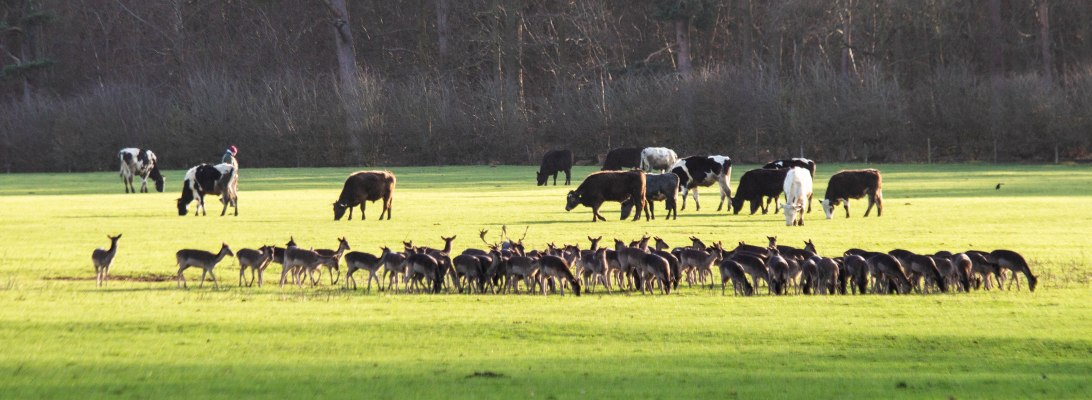
To my delight, the species I’d come to see was already here in abundance. Grazing in a field beside the cows was a herd of fallow deer around seventy-strong. I have always been fascinated by the variation in fallow deer pelts. When I first saw deer at this site, having previously seen photos of white-spotted Bambis, I had thought they were a different species altogether. These fallows were two-tone; dark brown on the top half and a lighter brown on the bottom half, as if they had waded flank-deep in mud. I hastily took to the cover of the trees, creeping as quietly as I could along the fence to get a closer look.

However, these deer were no fools. The next time I stopped and snuck a look through the binoculars, there were several faces turned my way, ears pricked upwards and eyes gazing down the lenses. My cover was blown. I decided to carry on with my approach, heading diagonally and pausing behind each tree. Ears twitched, and after a few more moments of studying me, the herd moved off, first at a trot then at a gentle canter. Among so many deer, there were only two males; as the herd bounded in loose procession across the field I watched two sets of antlers bobbing among dozens of ears.

I continued deeper into the forest, dulling the sound of passing cars with birdsong and wind-rustled leaves. The trees were gently swaying, creaking eerily like squeaky doors. The breeze played tricks on me, sending leaves skittering across my path in a perfect imitation of birds. The thrum of a woodpecker echoed through the cold air. A buzzard called faintly in the distance.

Suddenly there was an invasion of grey squirrels, bounding over the leaf litter and across fallen logs. Two of them darted in a reverse helter-skelter up a thick trunk, their claws scratching wildly in the chase. Another was saving his energy, choosing instead to perch and chew on a shrivelled leaf, twisting and turning it in his tiny hands.

I left the squirrels to their play and headed further along the fence, glancing between the trees to see if the deer might have come back. They hadn’t, but there was a sprinkling of brown birds foraging in the grass, dotted among the cows. For a few moments I couldn’t figure out what they were. Speckled like thrushes, but I’d never seen a large group of thrushes before. Just then the sun appeared, illuminating bright red patches on the birds’ sides. Redwings! My first this winter, and what a show. There were around forty of them, hopping around in the grass. They were too far away for a decent photo, but close enough to watch through the binoculars.

After a while, a startling screech made me jump. The only culprit I could think of was a barn owl, but I was sure they would have finished their night’s hunt by now. I followed the voice further down the trail. It was an ungainly, dinosaur-like squawk that sounded deafening in the tranquil forest. Suddenly, as I was scanning the canopy overhead, a crow-sized bird with white, brown and grey feathers shot out of the leafy cover. I hadn’t seen a jay once when I’d lived in Cumbria, so it had been about four years since my last sighting. I was desperate for a good photo of a jay but this one wouldn’t be cooperating. It darted from tree to tree, pausing only for a few hoarse shrieks before taking to the air again, soon disappearing completely from view. Undoubtedly the prettiest of the corvids, but not the sweetest singer.

Soon the forest was nearly silent again, with just the gusts of wind disturbing the trees. The morning was rolling on, and golden hour had arrived. Between breaks in the cloud, rich yellow light illuminated the trunks, throwing their gnarled, twisted bark into stark relief. It was a glimpse of magic that only lasted until a cloud muffled the sunlight and the forest fell back into shadow.

The cold was beginning to bite my fingertips, and I could already hear the first dog walkers. It was a good time to turn back. I made my way slowly through the woods, past the field and the squirrel tree, looking forward to warming up back home. I was just scanning the trees one last time for any small birds when my eye caught on two more pairs of ears sticking up. The deer were perfectly camouflaged, and after we stood watching each other for a few more moments, the doe stepped out from her hiding place and began picking her way through the foliage. The buck took one more look at me before following her, just as the sun emerged again and made their brown fur shine gold.

There was something undeniably magical about watching deer in a forest. They were elegant and beautiful animals, their habitat just as serene. As I stood watching them stride away out of sight, I felt a strong connection to the forest and the creatures that lived within it. Although I didn’t truly belong here, for just a few short hours I felt at home.

A Lensball Study

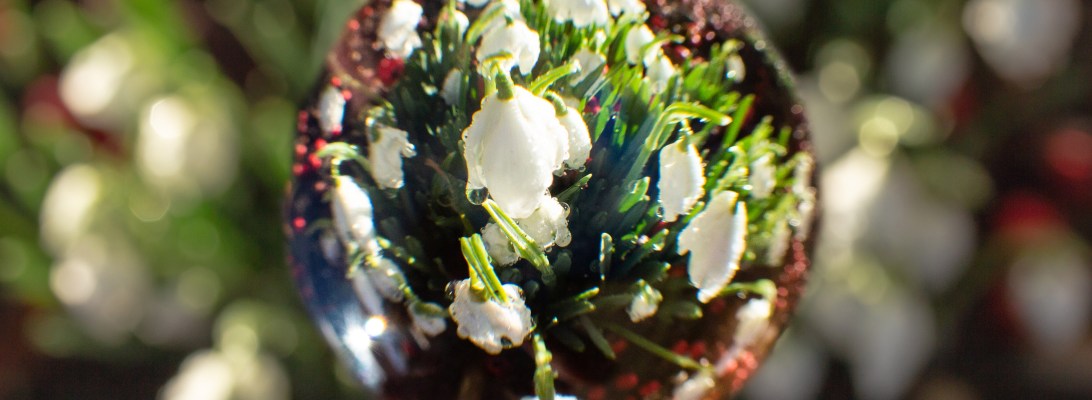
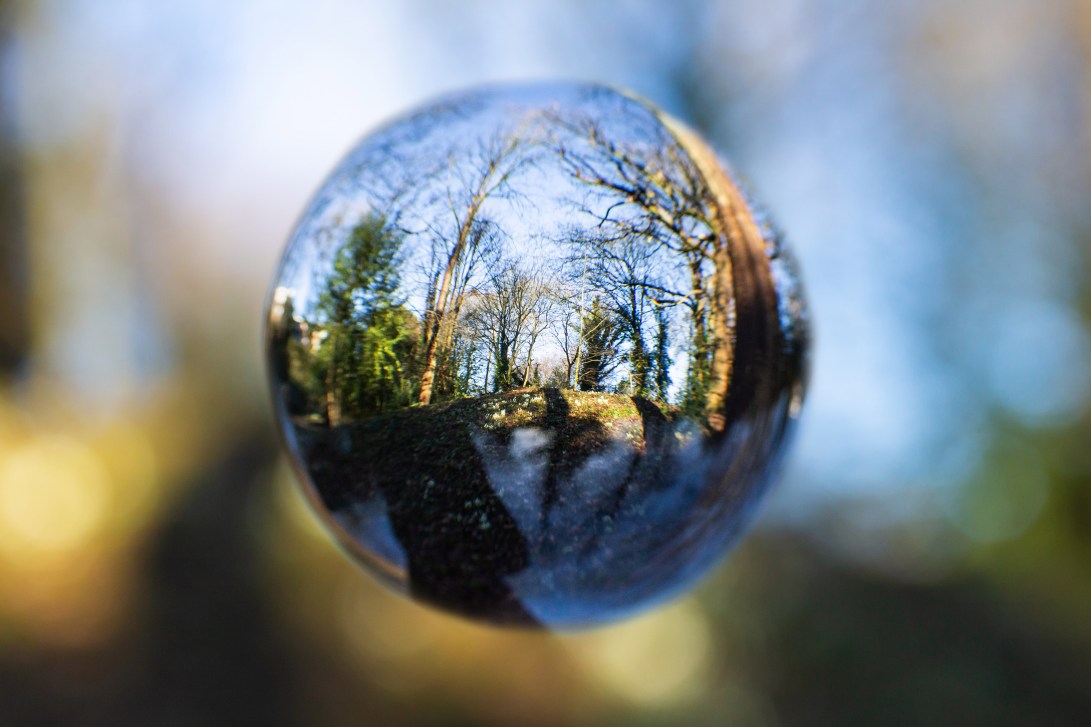
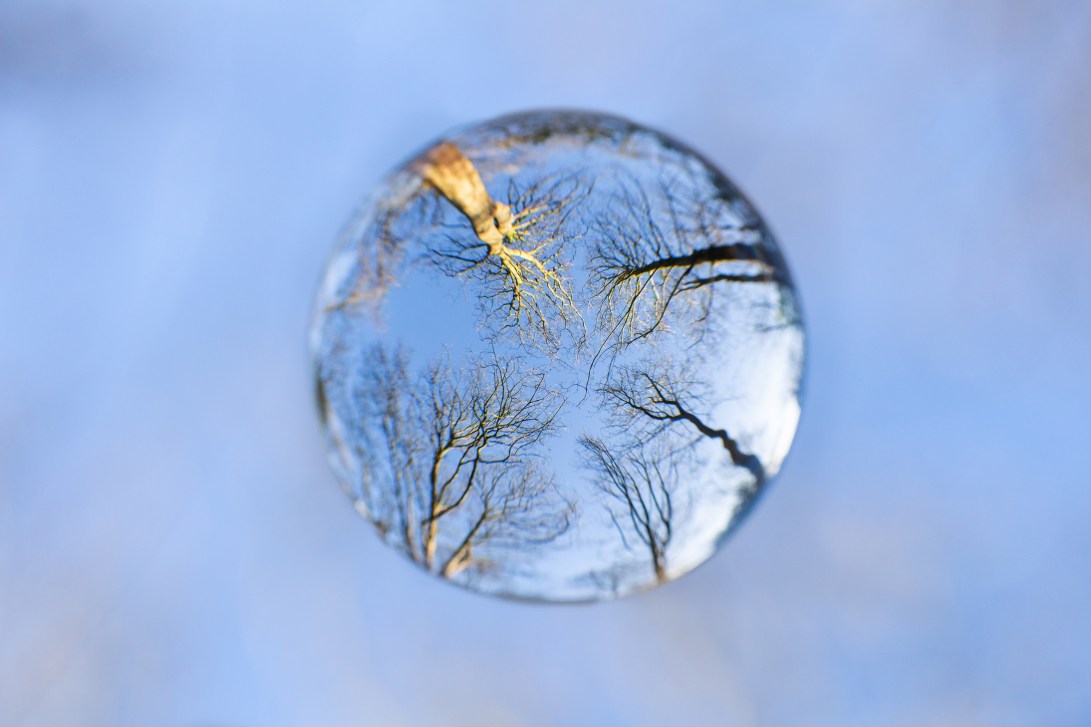
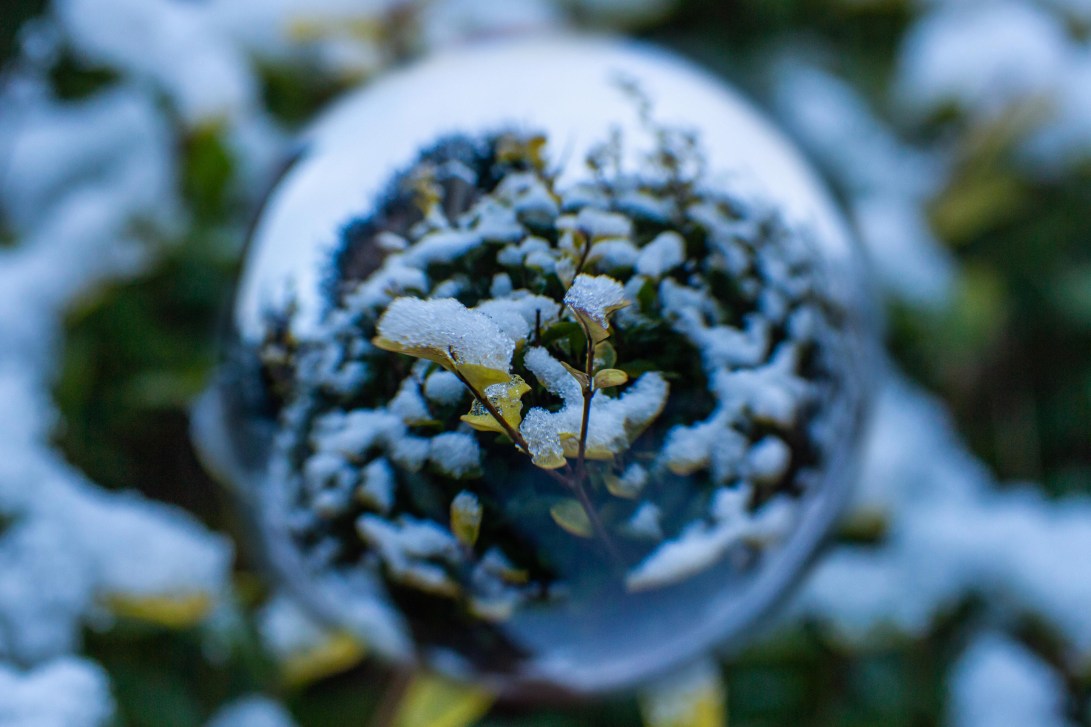
As I briefly mentioned in my last post, I’ve recently been experimenting with the lensball, which is a simple and effective tool to give photos a new perspective. I tried it out in the garden first with mixed results, but once I ventured further from home and found more intriguing subjects to capture, I began to really see the appeal with lensballs. The following shots are my latest creations.

img_1125 2img_1127 2

After spending far too much time on Photoshop – I never like to over-edit my wildlife photos as I think they look far better natural – I decided that a quick and easy way to remove my hand from the image was to take an additional photo of the scene out of focus, which provided the background to the final shot. Then I placed one image over the other and erased my hand. I think the pieces with slightly more complex backgrounds are more effective than those with a plain one such as the blue sky, which make the already obscure subject look perhaps a little too surreal.

img_1133 3img_1167 2

I love seeing a whole new perspective through the lensball, and I can’t wait to continue exploring my natural surroundings with this additional piece of kit!


To Catch A Fly

Fly agaric, or Amanita muscaria, is perhaps one of the most recognised mushrooms in the UK. It is often used as perching posts for pixies and gnomes in storybooks, and can regularly be seen bringing a spot of colour to the forest landscape. With its blood red cap and white spots, it’s almost unmistakable. Fly agaric can be found from late summer throughout winter, dotted around birch, spruce and pine trees.

As is often the case in the natural world, pretty means dangerous. With a name derived from its ability to kill flies, fly agaric has been widely used as an insecticide. It is a poisonous mushroom known for its hallucinogenic properties but, despite this, it has been a part of religious tradition for thousands of years. In Hindu practice, fly agaric was supposedly used to produce a psychedelic drink called soma, taken as part of religious ceremonies to increase one’s awareness and evoke sensations of bliss, poetic inspiration and even immortality. However, there has been disagreement among modern scholars over the exact ingredients in this psychoactive beverage. Soma has been described as containing a plant with leaves and flowers, contrast to fly agaric.

Elsewhere in ancient history, fly agaric was consumed in potion-form by Vikings in the 8th century, allowing them to fight in battles with increased frenzy. And of course, Alice used the mushroom to change her size in Wonderland, after being instructed to do so by a smoking caterpillar with a ‘languid, sleepy voice’.

Though perhaps this wouldn’t be the recommended theme in modern children’s literature, it shows that the mysterious fly agaric has woven a complex and intriguing story through the ages. Now, as autumn descends, the fungi season is in full swing. Fly agaric sits radiantly among more drab varieties of mushroom, its vibrant colour a dangerous lure. It is a specimen that has fascinated us for centuries, and will continue to intrigue long into the future.

IMG_1026-2

Farewell to Scilly

For my last full day on Scilly I was back on St Agnes again, joining a group led by Will Wagstaff on a full day of exploring. Although the weather was still far from bad, today was the murkiest I’d had so far. The sun was well and truly concealed behind thick cloud, and without its warmth the wind blowing off the sea cut through my jacket and made me very grateful I’d decided to bring a jumper this time.

While most of the visitors from the boat headed towards Gugh before the sand bar closed up later in the afternoon, we went the other way, hoping to find more wildlife than people. Before long we heard the sound of a chiffchaff in the bushes, followed by a song thrush and the customary wren. We stopped at Big Pool and watched a pair of shelducks. Both male and female have beautiful and striking plumage, making camouflage on the nest impossible. To counter this, shelducks are often found nesting in burrows out of sight of predators.

IMG_1861

Just as Will was explaining this, one of the visitors interrupted with an exclamation of “redstart!” I’d never seen a redstart, so I was keen to find where the bird was spotted. There, perched proudly on the fence, was a beautiful male; black face, burnt copper breast and a smoky blue back. It was a stunning bird, but as usual didn’t stay still for long.

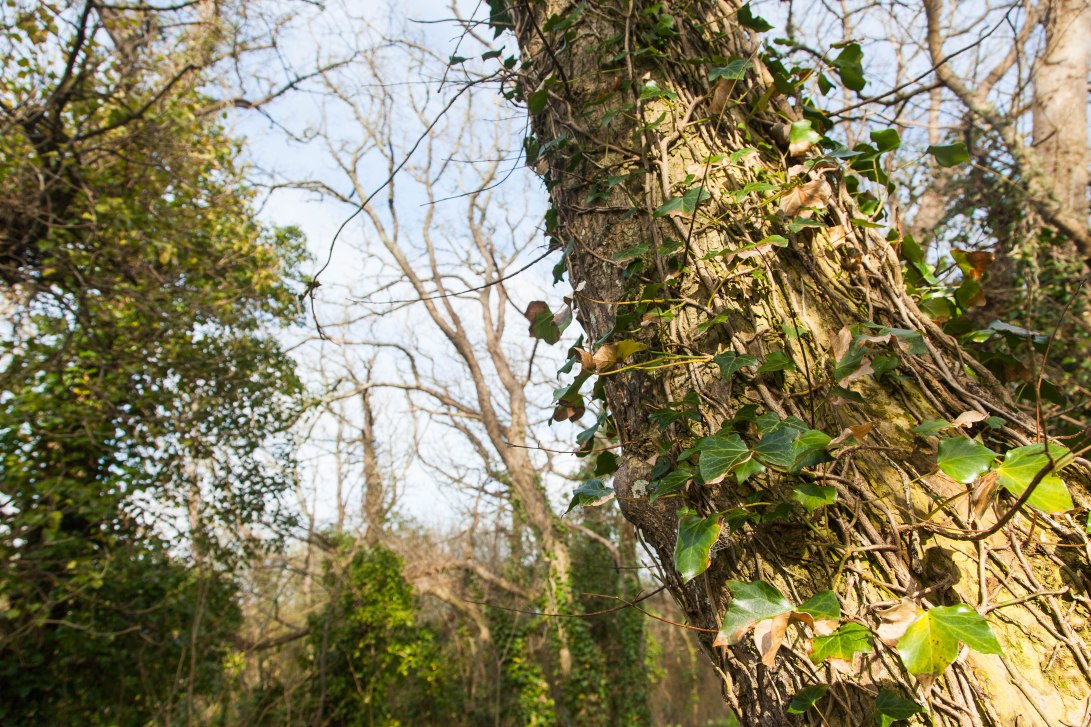
After a loop of the pool we wandered through Lower Town, a tiny street with a post office and a sprinkling of houses. We passed another grove of elm trees, and I asked Will if the ivy – which was also covering these trees – had a detrimental effect on them. To my surprise he said no, and in fact ivy was an essential part of the ecosystem, providing shelter for birds, insects and small mammals. While ivy should be removed from buildings, its presence on trees was of little concern. I was pleased; having survived Dutch elm disease it would be a shame to then lose Scilly’s elms to the ivy.

IMG_1616

We crossed the beach looking out over Beady Pool and noticed that the sand bar to Gugh was closing fast. At this angle, you could really see how flat the beach was, and Will told us how people had underestimated the tide and had gotten trapped on Gugh in the past. The ocean was a force to be reckoned with, especially out here when the land was so low-lying and water inundation was an ever-present risk.

IMG_0604

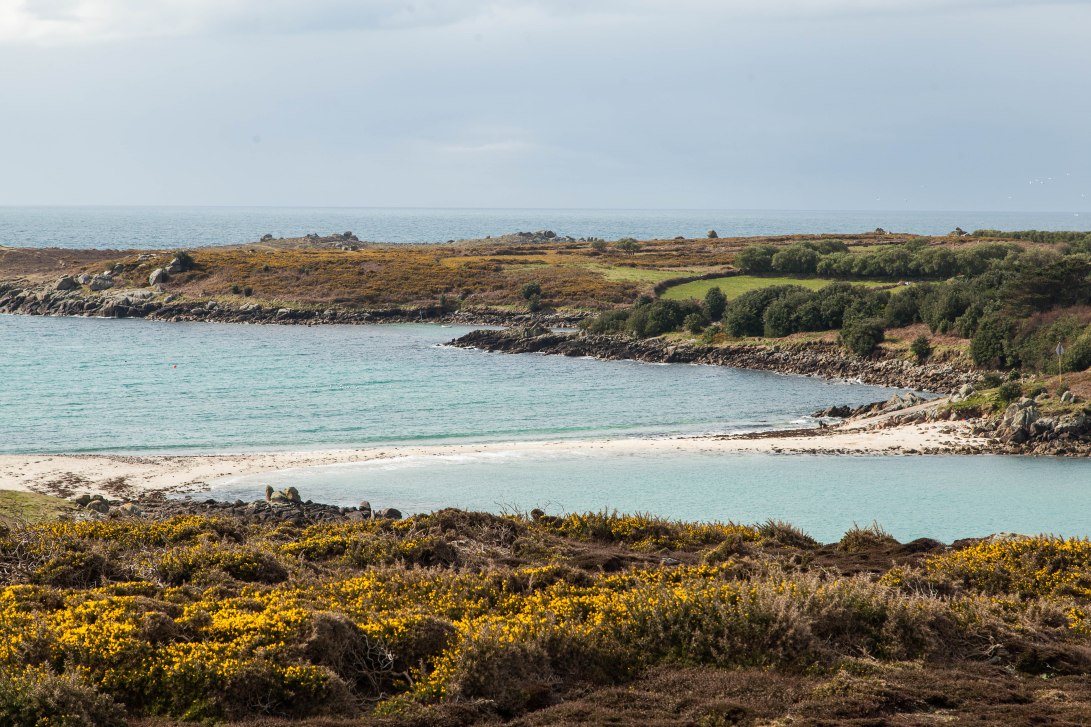
We threaded our way through vast forests of gorse, a bittersweet combination of harsh brambles and delicate yellow blooms. A herd of Ruby Red cattle grazed nearby, mooing into the otherwise silent landscape. The sharp-eyed visitor who’d spotted the redstart alerted our attention to another bird that was perhaps even more special: a woodchat shrike. Admittedly, I’d never heard of the bird before. It was an annual vagrant to Britain from southern Europe, usually seen here from April to October. A bird is considered vagrant if it strays far from its wintering, breeding or migrating grounds. The shrike was perched quite far off, but I could still make out striking black, white and russet plumage. I managed to get some shaky photos of the bird while it remained stationary; although they won’t win any awards, they were proof we saw it.

IMG_1823

The afternoon was racing on. The sun had failed to emerge so up on exposed Wingletang Down we all felt distinctly chilly. Incidentally, there was a café just up the hill, overlooking St Warna’s Cove. While we warmed up with hot chocolate we watched a few fulmars resting on the rocks. Unlike most gulls, fulmars don’t walk well on land, so if not flying the birds are always seen lying on rocks instead of perched on their feet. We all had a look down Will’s telescope, and saw there were distinct pairs set out on the rock. Fulmars, like many other birds, are monogamous and will mate with the same individual throughout their lives.

After we’d warmed up a little it was time to make our way back across St Agnes to the quay. We passed Porth Killier again, which looked vastly different now the tide had swelled. Will spotted a curlew sleeping with its characteristic bill tucked under its wing, and just as we reached the track down to the quay we saw a wheatear posing on the stonewall. We’d amassed quite an extensive bird list during the day, including several I’d never heard of let alone seen. It was always exciting ticking new species off the list, and on my last day in the Isles of Scilly I’d made lots of progress.

IMG_1802

Life in the Forest

For my latest university project, I explored the concept of forests and what people have to say about them. By creating a survey, I gathered a range of intimate stories that reveal just how important the forest habitat is to us all, for many different reasons.


Peaceful. Majestic. Timeless. Forests are a vast and highly diverse habitat with a different meaning for everyone, and provide the perfect opportunity to get time and space away from regular life. To find out just how significant forests can be, a recent survey was conducted, uncovering some varied and intimate stories.

“Forests remind me of home. While standing in any other habitat you surround yourself with nature, but the forest is the only one that swallows you.”

Despite our love for woodland, Britain and Ireland are some of the least wooded countries in Europe, even with the presence of approximately 13,000 ancient trees. Some of these have been standing for over a millennium. This, when compared to the human lifespan, seems an eternity.

“Woodland is a much-loved feature of the landscape,” writes Sophie Lake, author of ‘A Guide to the Wildlife Habitats of Britain and Ireland’, “Stepping inside an ancient wood can be a welcome escape from the monotony of the abrasive, urban environment.” For lots of us, forests are holders of secrets and memories, paving the way for personal reflection and relaxation that cannot always be achieved in the bustle and noise of our everyday existence. Forests enable us to lose ourselves, literally and figuratively.

We admire forests for their natural beauty. Most noticeable of all the seasons is undoubtedly autumn, when frost, crunching leaves and a flurry of excitement in preparation for winter really brings them alive. The forest is not just important for the survival of hundreds of forest-dwelling species but also for ourselves. We are nemophilists – that is, we have a deep fondness for forests and woodland – and have childhood stories to tell of long days spent climbing trees, collecting conkers or watching birds.
7W1A8426-2

“I went on aimless walks as a child – my mum and I used to collect pretty sticks and stones. I’ve always been surrounded by forests and even if I wasn’t in them physically, their presence was always there.”

Forests are a place of play, where children dream up kingdoms and magical lands. There is an undeniable magic to forests that we first discover during childhood, but this stays long into adulthood whether or not we care to admit it. We ask ourselves what exactly it is about a forest that makes us shed our deep-set cynicism and embrace childlike wonder again. Perhaps it is the seclusion that the trees provide that prompts a split from the real world and allows our minds to wander, creating a barricade that shields us from reality. There is also the enchanting way that many wild, forested places muffle our connection to technology, rendering our phones useless. We are cut off from the outside world so we must embrace wilderness, and that is when we realise what we’ve been missing.

“I was convinced I was Mowgli and went running off – ducking to make sure I wasn’t seen by any creatures that might be lurking in the woods. I wanted to stay there forever.”

As children we see and savour so much more, with no limits to our imagination. The rumble in the bushes is a prowling tiger, so we pick up a stick and have a sword. By spending time in the forest as adults, we see nature with fresh eyes. Senses that have been dulled by noise and brightness are now reinvigorated to appreciate new marvels – the sound of birdsong, the smell of conifers, the sight of leaves coated in frozen, silver crystals. It is not until we return to a forest that we remember what a surreal place it is, full to bursting with secrets.

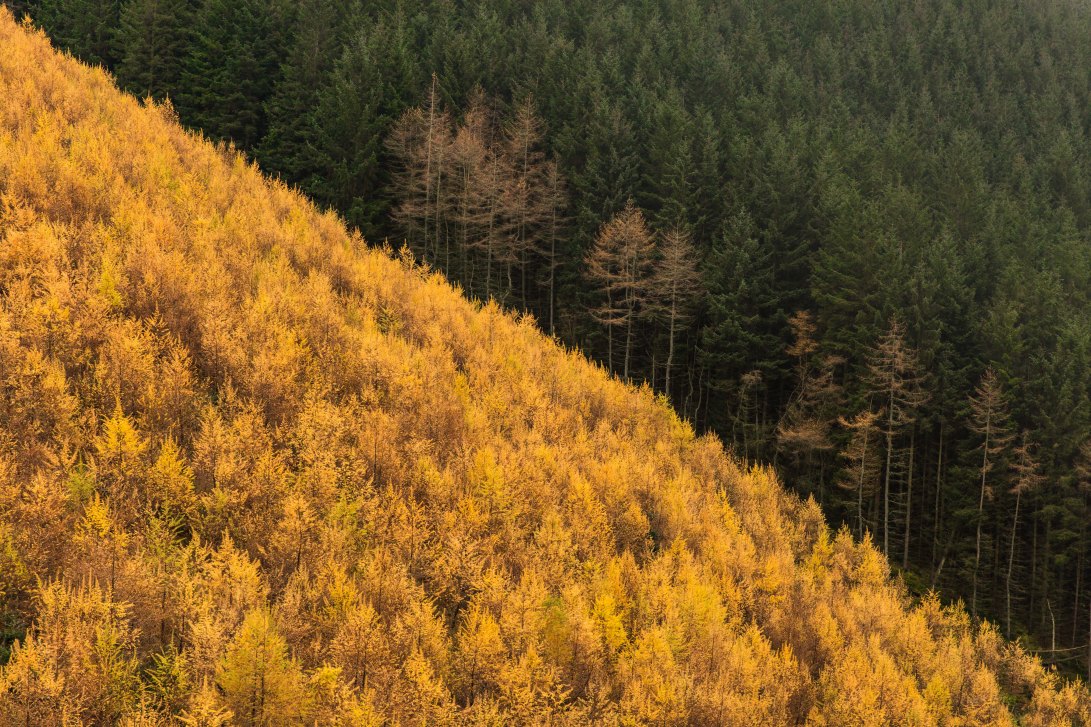
After a recent trip to Kidland Forest in the Northumberland National Park, with over five thousand acres to explore, all these feelings came flooding back to me. The forest was silent; listening while others threw sounds into the air. An abandoned tyre swing creaked, a tawny owl called, but the trees stayed hushed. Each one has survived bleak winters, dry summers and overseen a thousand births and deaths. Seeing such colossal larch trees stretching into the sky put into perspective how powerful and significant the forest landscape is.

“A favourite memory of mine is an enormous old oak that I used to play on. Its limbs went on forever – the sheer size was incredible and it’s amazing to think of the memories it might have held.”

Our love for forests must surely be from the respect we hold for these vast, natural structures that have been standing for centuries while generations have come and gone. These unmoving, unspeaking elephants with trunks of bark and thick, deep-set roots have a majesty that is easy to overlook. They begin life as a seed we can hide in our hands, but will eventually, and inevitably, dwarf adults and children alike.

“Spring is fresh and green, summer is full of birdsong, autumn brings the golden colours and in winter it is a stark place, with all the tree branches exposed scratching lines across the sky.”

Forests in November are patchwork blankets of green, orange and brown, where the trees shine like fiery beacons. It is autumn at its finest: an explosion of colour with just the right amount of chill in the air. Arranged in rows like ornately dressed soldiers, trees stand in silence, the sort of hush that comes just before something long-anticipated. The sun shines in slanted shards, illuminating certain branches and leaving others in chilled shadows. The forest is a drug – beautifully addictive. Its costumes are always changing throughout the year. This season: orange is well and truly in.

The forest is particularly wonderful because it never dies. Whatever the season, there is something happening. Come September, the temperatures drop and the rain persists, but new life is always arriving. Leaves fall and curl up into dry husks, but from amongst them sprout fungi, mushrooms of every colour that decorate and cloak the tree roots like nature’s Persian rug. Soon the nights will be cold enough to freeze, and come morning when the weak sunlight breaks through, millions of miniscule ice sculptures cling to every surface, each one unique. The forest is a menagerie of sights, smells and sounds; even with the wind and rain, the last few months of the year bring breathtaking beauty.

“Every Christmas morning my mum and I have breakfast in the forest. The whole place is frozen and beautiful. I remember how big it was and that I’d never see all of it. That just made what I did see more special.”

Christmas is undoubtedly a time of magic, and forests can be the perfect place for festive celebrations. Businesses are using this to their advantage and hosting holidays in wood cabins and yurts deep in picturesque forest locations; with ever advancing technology it is becoming even easier to find the perfect wild spot. If done sustainably, encouraging a greater participation in the forest can only be beneficial. Being surrounded by the winter chill with perhaps a sprinkling of snow is idyllic – the presence of such an enchanted habitat accentuates the beauty of winter.

7W1A8328

“It is the ability to put to one side the complexities of modern life and modern living and to escape into a world seemingly untouched by the industrial intervention of man.”

Forests are vast, varied and can accommodate everyone. They offer the freedom to forget the modern world for a while and spend time in true wilderness. Walking through a forest feels like stepping back in time, where nothing is artificial. The forest is vast, yet its size and range never seem ominous. Barren and haunting depictions of woodland always resurface around Halloween, painting a rather commercial picture of a scary place, but a forest in autumn and winter is as enchanting as one in midsummer, perhaps with even more wonder.

“I think forests are irreplaceable and I need to go there regularly to remind myself of what’s important.” 

Many people surveyed for this feature revealed that they spend time in forests for meditation, thinking and to enhance creativity. The fact that being surrounded by trees encourages this self-care is truly humbling. In our otherwise hectic existence, minds preoccupied with material wealth, a brief moment spent surrounded by peaceful, green silence allows us to step back and put all of these worries into perspective. And that is worth more than anything money can buy.