New Leaves

This year I am dedicating a lot of my time to something I have wanted to do for many years: write a novel. I often write fictional scenes and enjoy creating characters and I wanted to set myself the enormous challenge of extending those elements into a book. I’ve read that while many authors swear by detailed outlines and believe that spontaneity is recipe for disaster, others encourage new writers to see where their imagination takes them. I’m trying the latter technique. I have a protagonist and several themes I would like to focus on, but so far my plot is far from finalised. The following is a passage I’ve written as a scene-setter that introduces both the location and my leading lady. 

  ____________________

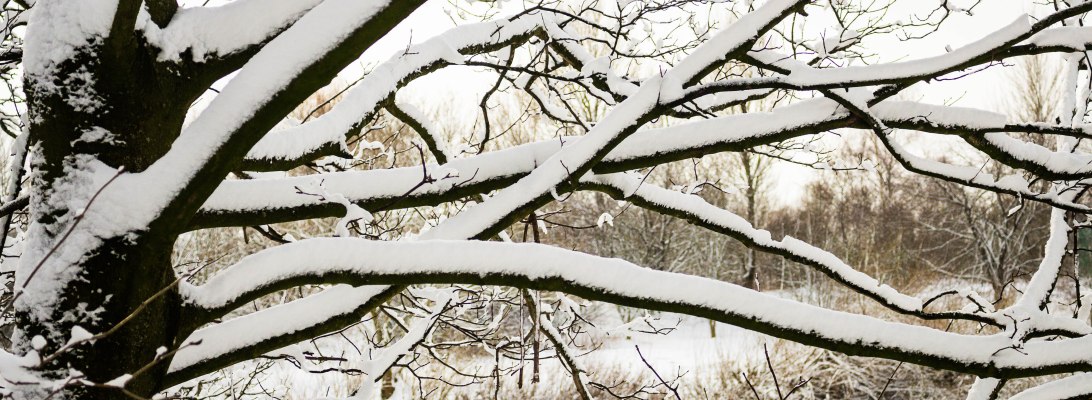
The snow fell heavier than it had in a hundred years. There was no wind – the land lay still, muffled under six inches of brilliant white. Evergreens buckled beneath the weight of their silvery coats. Even the river had succumbed to winter; it lay motionless beneath a slab of ice, arranged in a winding, serpentine fashion between hills and mountains. It was late February – there was just over a month left of the winter that spanned half the year, but the coldest season still had a firm grip over the land. In March, the climbing temperatures would start to melt the snow into large freshwater pools and reawaken sleeping giants eager for the salmon run in July.

Halfway up a sprawling larch tree perched a teenage girl. She was small for her age, but agile and nimble. With her back pressed against the trunk, she had the perfect vantage point over the land. Before her the forest sprawled as far as the eye could see. Thousands of trees stood beneath snow and ice, their skeletal branches brittle in the cold.

Vanya’s breath rose from her lungs in icy shards, tumbling from her mouth in clouds of grey mist that swirled upwards into the sky. An eagle cried far away, her voice transported many miles over the sleeping land. Vanya had lived in the taiga forest her entire life, but gazed upon its sweeping scenery with the same wonder as the first time she saw it. It was a paradise of silver beauty. The silence was so thick she could feel it, heavy and palpable in the air. It was an anticipative silence that made the hairs on her neck stand on end. There was change in that silence – something new just beyond the horizon.

Despite her thick furs, Vanya soon began to feel the cold as the sun weakened. While she still had the light to see, she descended from her tree, scrabbling down the trunk with impressive confidence before dropping the last six feet to the soft ground. She padded down the hill, sinking into the snow with each step. Behind her lay a long trail of boot prints, already softened at the edges by fresh flakes. Frost clung to her eyelashes, brushing her cheeks with cold strokes and fringing her vision with a white vignette. Snow rustled in the folds of her coat and crunched beneath her feet. If undisturbed, the snow would fall and rest in utter silence. Only when it was touched did it begin to whisper and crackle. In the heavy air, the sounds were deafening.

When she reached a dense thicket of pine trees, Vanya slowed her pace and gazed skywards, scouring the canopy for birds. Snow clogged the gaps in the branches, concealing all manner of wild creatures. A sudden commotion cut through the silence like a knife. Vanya’s eyes flicked to the sound, freezing on the spot as a flurry of fine powder drifted down. The branch trembled, sending more snow to tumble from within its stiff needles. In moments the raid was over and the culprit emerged at the trunk. It was a young male sable, perhaps from last year’s litter, with dark brown fur and a splash of dusky orange on his neck. A small, carnivorous mammal, the sable belonged to the marten family. The animal cascaded deftly down the tree with agile limbs and keen claws.

Landing with a soft thud on the forest floor, he immediately looked up at Vanya, who had sunk down onto her knees to watch. The sable was clutching a stolen egg in his mouth, razor sharp teeth sunk into the shell for a better grip. Confidently, he trotted over to Vanya, dropped the egg and began sniffing her coat. Vanya extended a hand to the animal, noting the way his sleek fur rippled with each movement. The sable studied the girl’s face briefly before clambering onto the open hand, his nose twitching furiously. Vanya ran the backs of her fingers along his fur, delighting in its buttery softness. After a few more moments in her hands, she set the animal back down onto the snow, where he snatched up his egg. With a brief backward glance, the sable lolloped away to cache his prize.

To anyone else, this behaviour was unheard of. Sables, like many mustelids, could be notoriously aggressive towards humans, especially when food or kits were involved. Vanya was an exception to the rule. Since birth, she had truly understood animals. They were not stupid or cruel, like humans, but sensitive and respectful. Vanya saw no reason not to behave equally, and in response any animal she interacted with was fascinated by her. They sensed goodness in her; a quality that they had learned was absent in most humans. Instead of fearing her, they immediately trusted her.

Vanya studied the sable’s prints in the snow. In less than a minute, the snow obscured the impressions the tiny pads had made. In five minutes, they had disappeared completely. Her interaction with a wild sable might never have happened. Vanya was alone, and yet surrounded with life.

An Unscheduled Spring

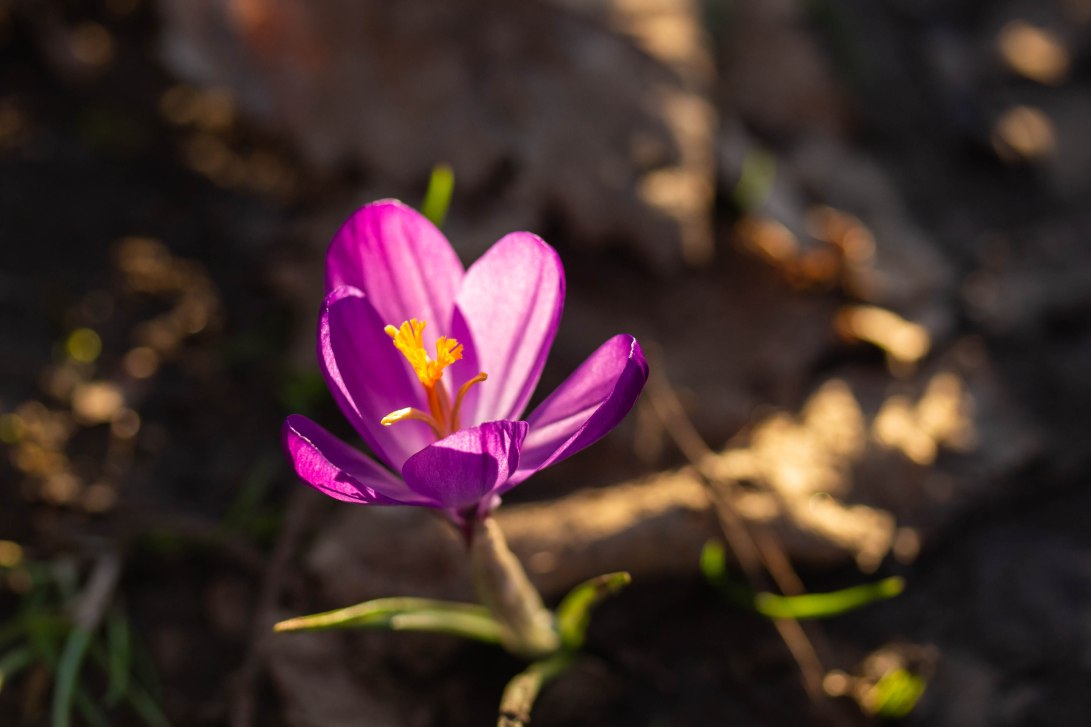
It seems as if spring has come early, and I’m certainly not complaining. For the past few days I’ve been stuck indoors trying (and mostly failing) to write through an infuriating case of The Block. Multiple times I’ve caught myself gazing outside at the gorgeous sunshine, listening to the spring sounds of birds and bees that come drifting through the open window. I decided that it was time for a break, so I arranged to meet my friend Chloé for a walk. Chloé is an artist and writer with a deep love for wildlife like me. She recommended a local patch of woodland that I hadn’t even heard of before. I love discovering new wild places, especially ones I’ve driven or walked past without realising they’re there!

IMG_1395

Heading away from the noise of the road and nearby school, we set off into the park. Chloé pointed out the numerous trees that could be found here, and I was surprised to see such a variety of species in a relatively small area. I’ve always struggled to identify trees, especially during winter when there are no leaves to study, but Chloé said that leaves can actually be a distraction. She showed me the large clumps of hanging seeds that can be found on ash trees, the dark bobbles along the boughs of larches and the vivid red branches of dogwood. There is another delightful clue with dogwood – the buds have two tiny prongs that look a little like Viking helmets. I had no idea that looking at the buds of a tree could help so much when trying to identify it. Hopefully I’ll start to notice these clues more often when I’m out and finally begin to recognise some British trees.

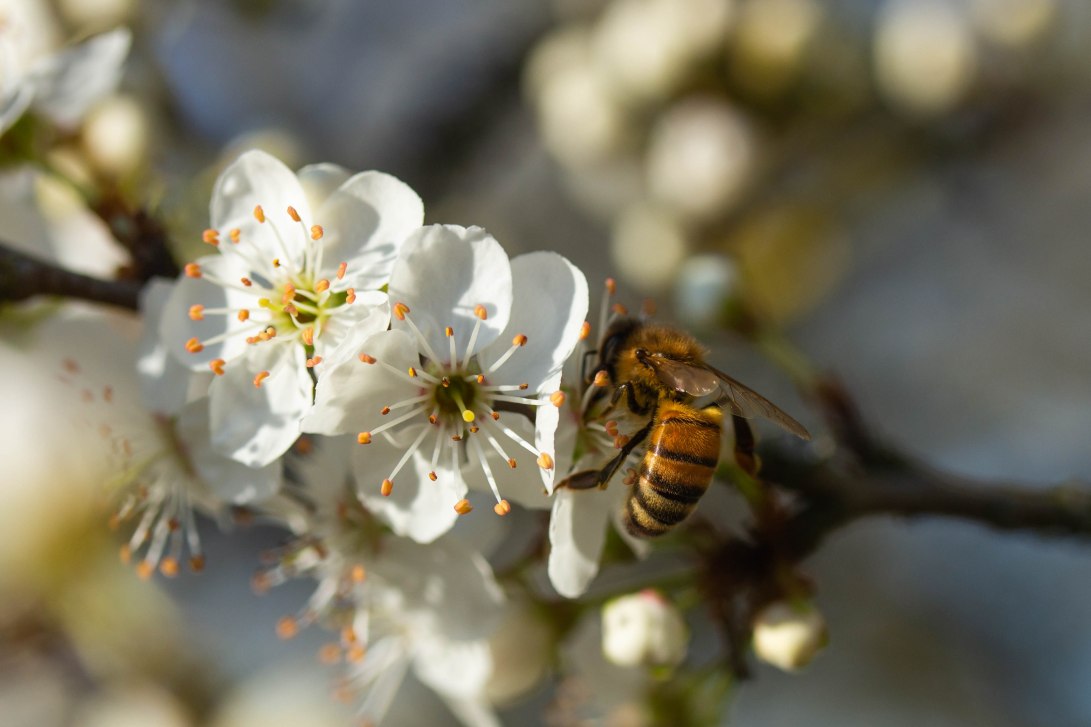
We headed into the open and followed a path that threaded up a hill, giving us a great vantage point over the countryside. A skylark swept across the sky, flying in large undulating dips before settling on the grass. I saw my first cherry blossom of the year: a stunning spray of white blooms that had attracted the attention of dozens of bees. We stood quietly and listened to the steady, buzzing drone as the bees threaded their way between the flowers in search for pollen – an indisputable sound of spring.

IMG_1376

Further down the hill we were just inspecting what we thought was a beech tree when I glanced up and saw a red kite wheeling overhead. We took it in turns watching through the binoculars. It was fascinating to observe the bird’s flight pattern – it moved across the sky in gentle loop-the-loops, following the shape of a tightly coiled telephone cord, all while barely flapping its wings. Its red feathers looked magnificent in the sun, its forked tail silhouetted against the sky.

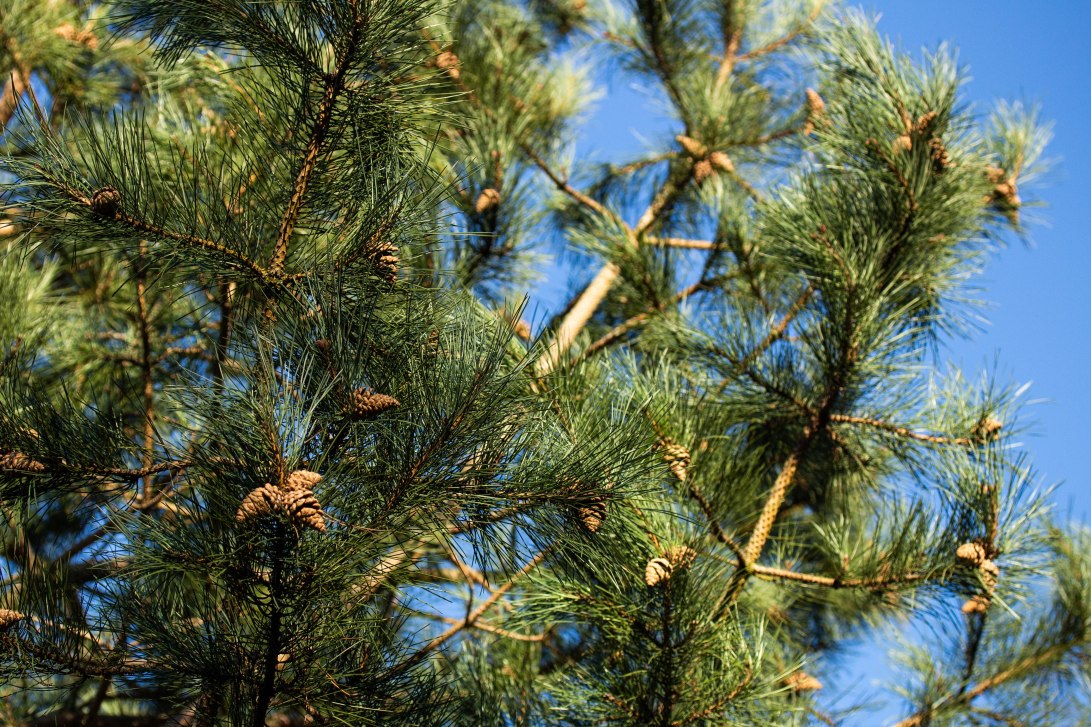
After the kite had drifted out of sight, we heard a soft clicking noise coming from a nearby evergreen. I started scanning the branches for birds, but Chloé told me that the noise was in fact the pinecones cracking open. It was a surreal sound that I couldn’t quite believe at first. Having always assumed that pinecones opened gradually like flower petals, it was incredible to actually hear them popping as they dispersed their seeds. Apparently, the scales of seed-bearing pinecones flex in response to changes in humidity. When it is warm and dry like it was yesterday, they pop open. In cool, damp conditions, they close up. I found this absolutely fascinating.

IMG_1381

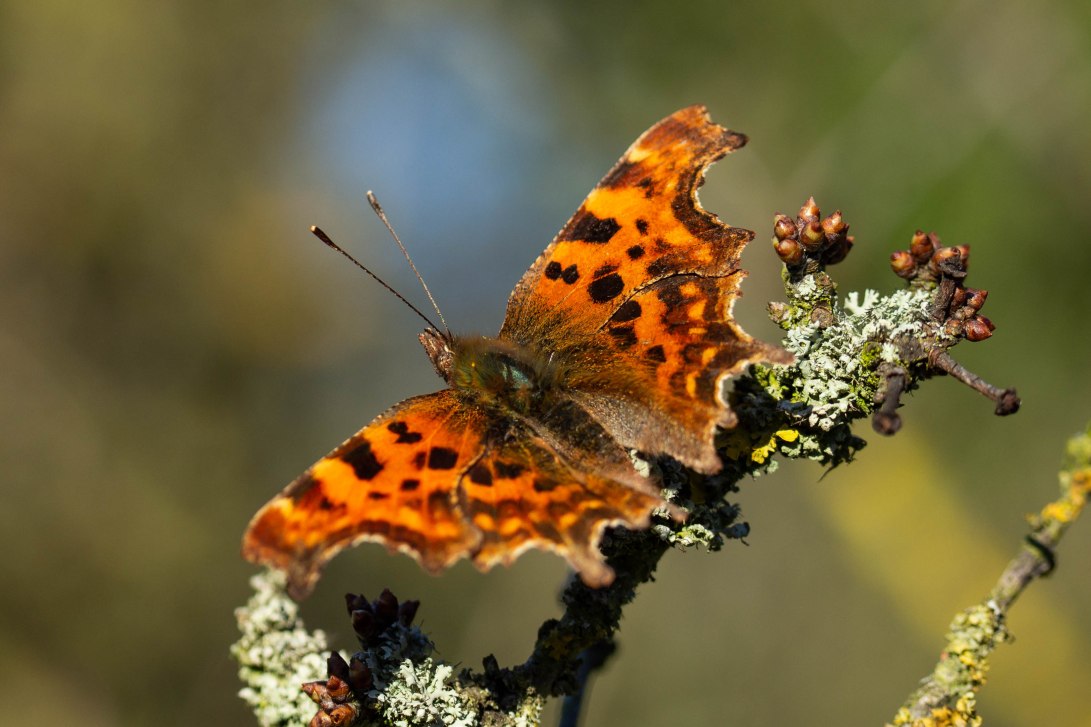
Further on through the park we came across my first butterfly of the year: a stunning comma basking in the sun. With unusual, scalloped edges to its wings, the comma is a master of camouflage, using its mottled colouring to blend seamlessly into dead leaf litter. Its larvae are equally well disguised, with brown and white flecked markings that give them the appearance of bird droppings. This individual was lounging on a leaf with barely a twitch of its wings, allowing us to get lots of photos and observe its beautiful markings up close. Its furry body almost looked iridescent in the sun. After a while it turned round, positioned its rear end over the edge of its perch and released a small black blob before settling again. This was another first, not just of the year but also of my life: watching a butterfly poo!

IMG_1386

Eventually the comma took to the air and fluttered up into the sky. The shadows were lengthening and the warmth was slowly ebbing from the afternoon, so we began to loop back through the park towards Chloé’s house. It was so refreshing to be able to exchange wildlife knowledge with someone. I pointed out birdsong while Chloé helped me with trees. It really is true that walking outside is a form of natural therapy. When I returned home I was inspired to write and reflect on the day. I’ve also been motivated to start up painting again, after seeing some of Chloé’s work. I dug out my watercolours and acrylics and can’t wait to get back outside while spring is here in full force.

Looking Forward

I am very enthusiastic about 2019, mostly because I’m not quite sure what it will bring. All I know for sure is that it will feature lots of writing. For quite a few years now, writing has been predominantly a side-project for me. I’ve always loved it, but unfortunately it hasn’t been my sole focus because of school, work and other commitments.

I began writing stories at a very young age. My mum would give me a title and leave the rest to me. She was always keen for me to be creative – providing inspiration and encouragement in the form of spelling rhymes, handwriting exercises and story prompts. Writing stories always featured heavily in my childhood and adolescence, but when I became an adult it didn’t occur to me to pursue it professionally. I have no idea why I thought this – perhaps I was distracted by other things or was always keen to keep learning new skills, but the idea of writing stories stayed at the back of my mind until the end of last year when it finally clicked. After weeks of refreshing job site pages and filling out application forms, I realised what I’d probably known subconsciously for years: that I want to be an author.

Probably the thing holding me back from pursuing a career as an author was my lack of technical knowledge. I had the drive to write – a constantly growing stack of full notebooks was proof of that – but I hadn’t learnt the techniques of story structure or character development yet. At the time of picking my A Levels, I wanted to study Biology because of its connection to wildlife and the natural world, and Photography and Spanish were my definitive other choices. As a result, I didn’t have space for English, so a lot of my writing is self-taught, from books I read and prompts I found for myself.

To learn more about the mechanics of writing – in particular writing novels – I recently enrolled in Masterclass: a series of online courses taught by experts in their fields. Gordon Ramsay teaches cooking, Serena Williams teaches tennis, and groundbreaking authors such as Margaret Attwood and James Patterson teach creative writing. It seemed like the perfect solution for me – learning and making notes at my own pace. I already had the passion to be an author, and now I’m using Masterclass to learn the tools that will help me develop my abilities further.

img_1095img_1099

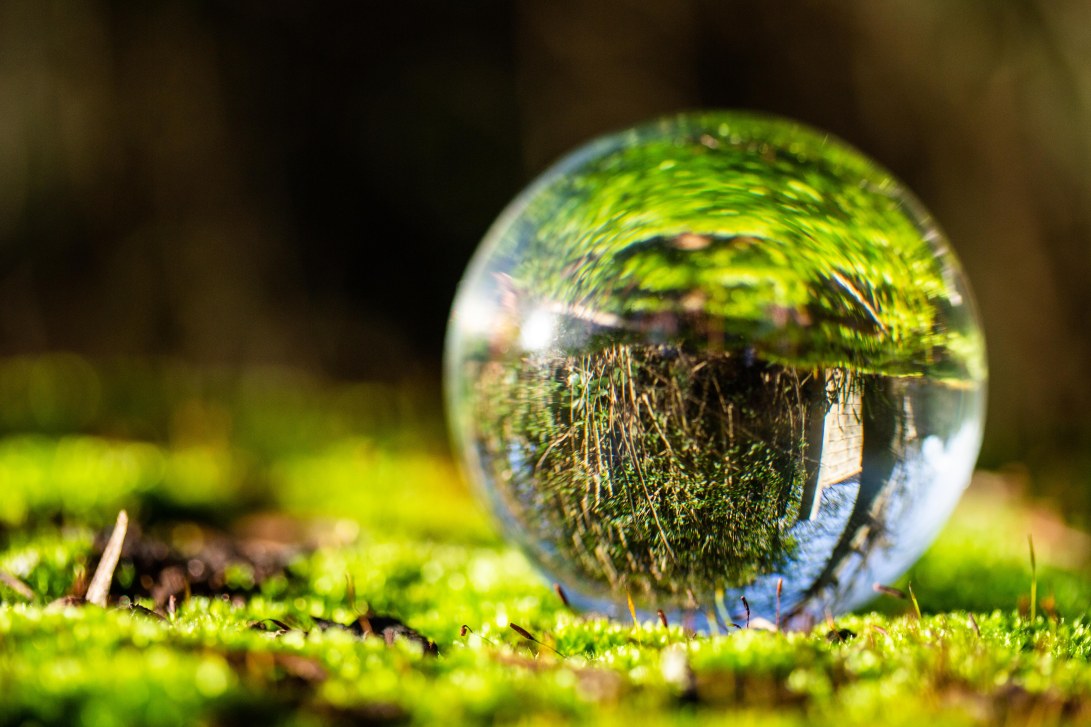
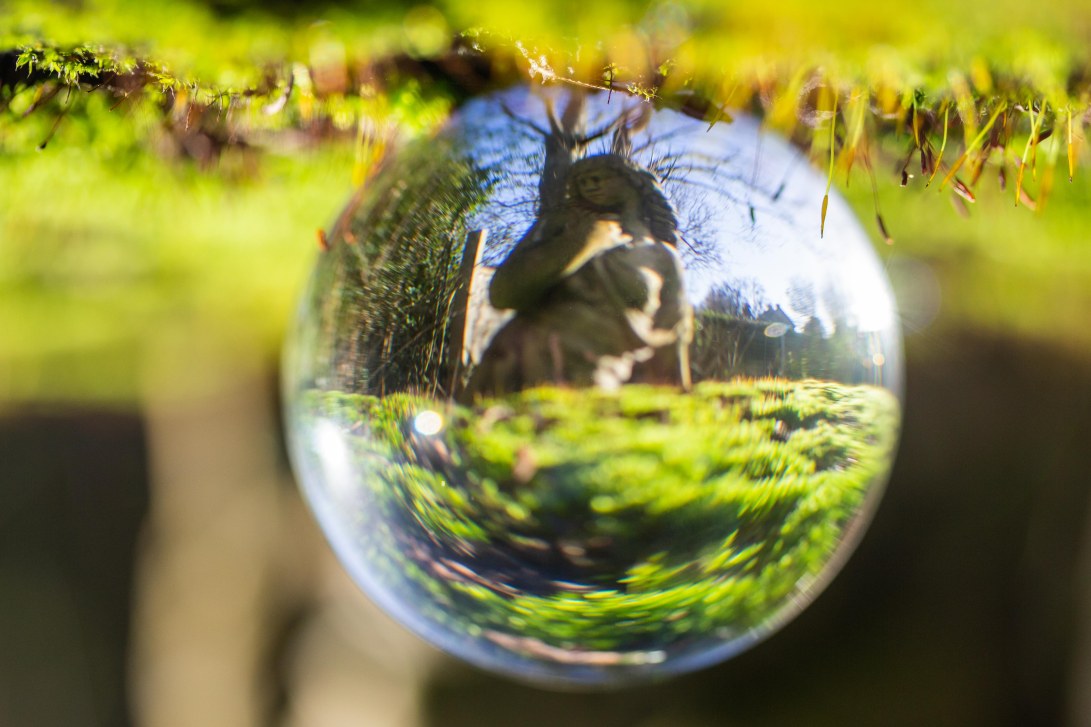
Alongside Masterclass, I’m making sure to continue my photography. For Christmas, I was given a “lensball”. For anyone who hasn’t seen these before, they are clear glass balls that can be used in photography to add a little refraction to the scene. I’m no expert yet, but if you align your camera so it’s level with the lensball, you can photograph the background within the ball, which brings some nifty new perspectives.

I tried out some shots in the garden earlier this week and discovered that it’s not as easy as it looks. You need to get the angle just right and – as always with macro photography – the focal point is key. These initial shots need a lot of improvement, but I already love what effects I can achieve with the lensball. Gardens don’t usually have the most groundbreaking scenery, so I’m looking forward to getting out in the wild to see what I can capture.

img_1103

So, the aftermath of university didn’t quite go as I may have planned, but I feel so optimistic about where this year will take me. I want to give myself the time I need to throw myself into writing and stretch my skills further. I can’t wait to see where I will be this time next year.

2018 Wrapped Up

December was quite a dry month for me in terms of inspiration, so I apologise for the distinct lack of posts over the past few weeks. It is high time for some fresh writing, but before beginning anything new in 2019, I wanted to reflect on the progress I made in 2018.

IMG_9823

Last year began with my first breakup. After having seen and spent time with a person almost every day and now suddenly being faced with the possibility of never seeing them again, I suffered quite a knock. My inspiration took a significant slump at a time when I needed it most: the launch of my final major assignment at university.

Determined not to let a relationship affect my work, I applied for a grant to help fund an expedition. I had a whacky idea about going to the Isles of Scilly, which at the time seemed a very far-off venture and logistically challenging to say the least. However, after presenting to a panel of judges I was granted enough money to completely cover travel and accommodation. It took a while to come to terms with the fact that the Scilly expedition was really happening.

IMG_0655

It was just the solution I needed for my slump. Spending six days in near-complete wilderness with a list of images to take was a perfect and rewarding distraction. I was filled with exciting ideas for my project – a study on the rare and unique flora of Scilly, including the dwarf pansy which is the size of a baby fingernail and found nowhere else in the UK. I was so fascinated by Scilly’s diverse wildlife and intriguing ecosystems, and I never wanted the trip to end. It is a place I will now treasure, as it helped me through a very difficult time, not to mention providing a huge boost to my confidence. I had funded, planned and carried out a full expedition single-handedly, and returned with a great story to tell. Following the trip was my last exhibition at university, and my project was received well. I even made some money from my photographs, which was an unexpected bonus.

IMG_1482-2

Before I knew it, it was time to finish my degree. I picked up my life in Cumbria and brought it back home to Hertfordshire, where I (foolishly) thought that I would land a job straight away. This wasn’t to be the case, but what followed instead was a truly life-changing experience: an internship in Florida.

I didn’t really know what to expect when I was invited for a two-month internship in America to work with SEZARC. I knew they worked with zoos to monitor their animals and help facilitate breeding, but I didn’t know where I would fit in with a media background. I went simply with the aim of learning as much as I could about a completely new field and enjoying the opportunity to contribute to wildlife conservation.

IMG_9548

I’d never been abroad on my own before, nor had I been outside of Europe before. Upon arrival, I was hit by extreme panic triggered by a strange new place, having to drive a car in a strange new place, and the fear that this had all been a terrible mistake. However, after a very careful car journey from the airport and arriving unscathed at my accommodation, I was filled with perhaps a disproportionately large sense of achievement. My small victory spurred me on, and after a few more shaky days, I found my rhythm.

IMG_1404

Two months later, I was torn between wanting to see my family and friends back home, and wanting to stay a little longer with my new friends in Florida. I had loved the work I did with SEZARC, which was varied and fascinating. I also fulfilled a dream of mine, even if just for a little while: I’d learned to ballroom dance, and met the most kind and welcoming people. Back home in England, I truly realised what an incredible time I’d had in America.

And it wasn’t over. Later in the autumn, I caught up with my friends at SEZARC and was asked to produce their annual report of their progress this year. It is work that I thoroughly enjoy, and I’m so pleased that SEZARC want to keep me involved.

IMG_0051

So, moving forwards. The past year has taught me so much, not just about work but also about myself. In all honesty I have no idea what 2019 will bring. I’m hoping a job, but in the meantime I want to continue writing and learning new things (next up is the guitar!) I have the tendency of being anxious without a strategic plan, but after this year I’ve discovered that you just can’t know where twelve months will take you. A year ago today, I had no idea I would soon be journeying to America by myself, nor was I remotely aware that my relationship was about to end. All through school it’s easy to know what’s next: the following year up. There is no mystery, not even after you finish school. For me, the choice was easy and I was going to university. Now that’s over too, and I’m trying not to be daunted by the unknown because as I’ve found out this last year, the unknown can be incredible.

I Need Your Help for Wildlife Blogger of the Year!

If you love wildlife, then I need your help!

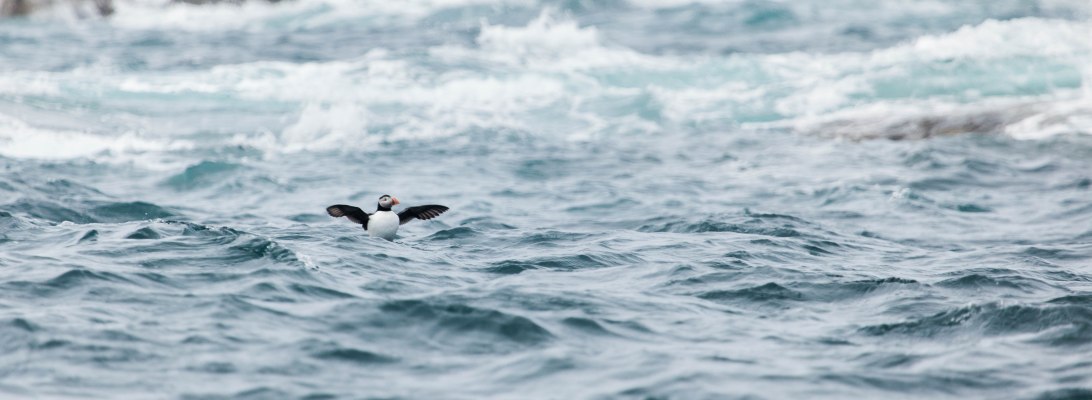
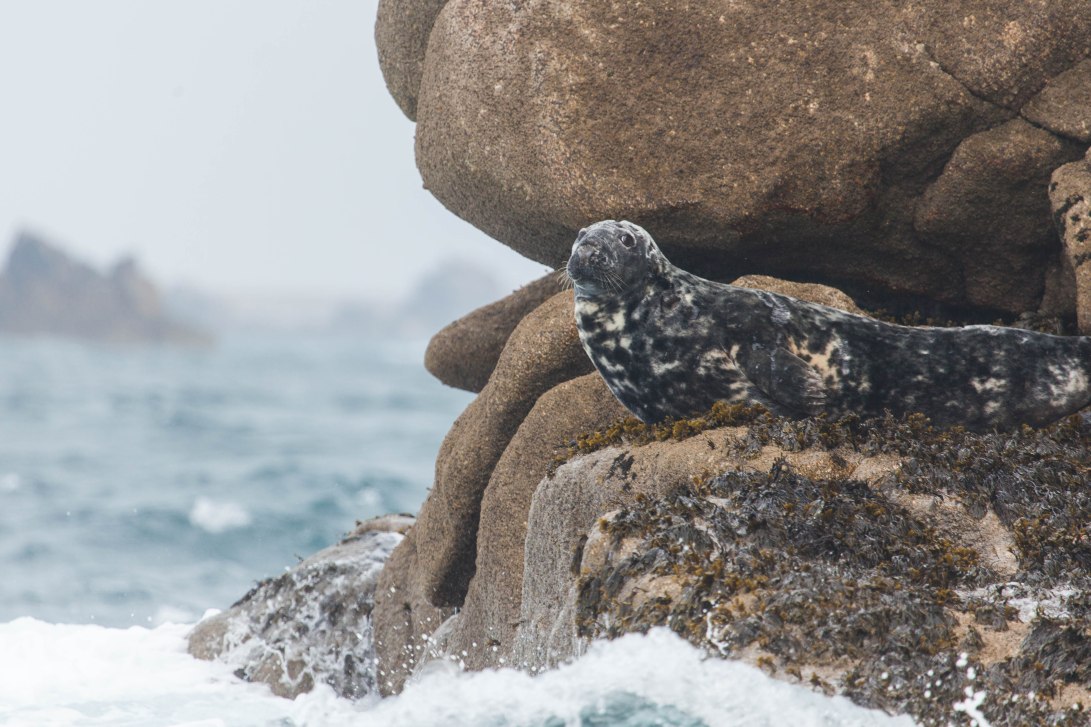
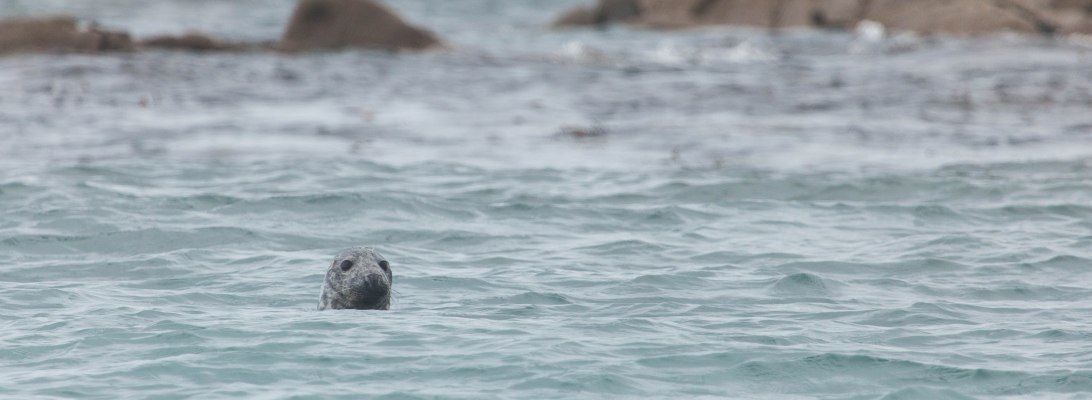
I’ve entered the Wildlife Blogger of the Year 2018 competition, organised by Terra Incognita. The theme is “a favourite wildlife moment of 2018”, and I chose my encounter with a wild grey seal in the Farne Islands, which some of you may remember reading about.

I chose this story because it was an incredibly special experience and a reminder to me that we should not be constantly connected to technology. I had a GoPro with me while I was snorkelling but was so surprised by what happened that I completely forgot to film. At first I was disappointed, but on reflection I am so glad that I stayed in the moment and didn’t miss a single second. I interacted with a wild animal with absolutely no distractions, and it has become one of my most precious memories of time spent in nature. I hope my story reinforces the need to connect with wildlife and shows just how rewarding it can be.

As well as the overall winner of Wildlife Blogger of the Year, picked by a panel of judges, there is the Reader’s Choice winner award, which anyone can vote for. If you enjoy my story, I would be thrilled if you could cast me your vote.

You can read my story and vote for me by following this link. Thank you so much!

Up in the Air

The plane roared to life and I experienced the age-old feeling of excitement whenever I fly. As we chased the runway and the plane slowly lifted, I pressed my face to the window to see the ground fall away. I will never tire of that feeling of utter weightlessness – the peculiar thought of something so bulky taking to the air.

I’d been invited onto my boss’s plane for a morning trip to Naples, a city in southwest Florida looking out onto the Gulf of Mexico. We were flying to break in a new engine, and planned to refuel in Naples before returning to Yulee. It was a whistle-stop state tour, a four hour round trip that would take twelve in a car.

Within moments of take-off we were over the beach – long piers stretched out into the sea like the teeth of a comb. At 9am on a Saturday the beach was almost deserted. It was a treat to see so much uninterrupted sand before the tourist tide came rushing in.

We curved back inland and passed over a maze of river and marshland that I had already explored by boat, but this time we were too high to look for egrets. The only movement was the white streak of a lonely boat as it navigated the watery trails. I wondered how many alligators were down there, then decided not to think about that.

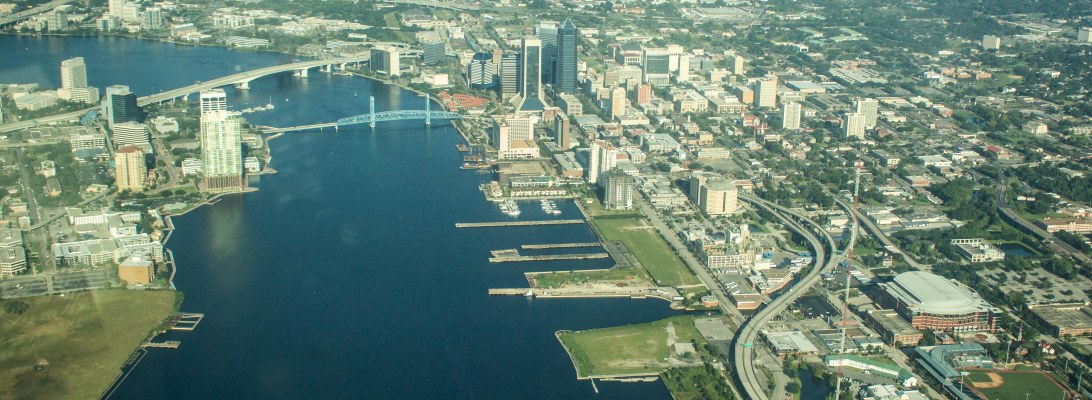
The marshy solitude of Amelia Island dissolved into towering office blocks, and I soon recognised downtown Jacksonville. There was the Landing, where I’d been just a week before the shooting. It had been enough to dissuade me from visiting downtown again, but I still had fond memories of the river walk, the MOSH museum and the topaz blue water of Friendship Fountain.

Leaving vast, sprawling Jacksonville behind, the landscape was soon dominated by trees again. Green was undoubtedly a primary colour in Florida – a patchwork quilt of field and forest stretched as far as the eye could see. In some places the trees were confined in tightly packed cubic parameters. In others, they were sprinkled sporadically. Criss-crossed over it all were the highways, dead straight lines in parallel and perpendicular.

Fluffy cumulus clouds were gathering, and a rather ominous feeling began to grow in my stomach as we bumped over them. Sunlight poured into the stuffy cabin, which did nothing to suppress my queasiness. Because of the new engine, we had no choice but to fly low. While the views were still stunning, I was somewhat distracted by the turbulent ride, and as Naples came into view I couldn’t help feeling slightly relieved that we’d be getting out of the clouds.

Once down on the ground, we stopped just long enough to stock up on drinks – fuel for the plane, a Gatorade for me – before taking off again, back through the spectrum of concrete jungles and green wildernesses.

Fresh Inspiration

Recently I’ve become a writer who doesn’t write much. I have ideas, many a day, of what to write, but somehow I never get round to making them a reality. I’m blaming this latest case of writer’s block on my new occupation, so I’ve decided to write about that. I have been accepted as a volunteer at Paradise Wildlife Park in Broxbourne, Hertfordshire. It was the longest application process for a voluntary position I’d ever experienced, but after interview, induction and trail day I was successful.

Volunteering in a small aquarium in Cumbria could not have prepared me for work in a zoo. Although far from large with only around 400 animals (in comparison with Chester Zoo’s 20,000), Paradise Park still requires plenty of hard work and for me it’s a physically demanding and challenging role. I anticipated this beforehand and should have been ready, and yet I still came home from my first day with aches in every limb, rashes on my arms from the hay and mysterious scratches from the day’s manual labour. As is expected of all volunteers, I spent most of my time with what the animals left behind (you cannot believe how heavy camel poo is) and in the July heat I worked up a significant sweat.

And the funny thing? I loved it. Three years of university has been a mental workout but not so much a physical one. My arms are little more than jointed matchsticks, and just as strong. Volunteering at a zoo will be such a great opportunity to build up some strength. There is also something immensely satisfying about scrubbing a paddock clean, even though the moment the animals are let back in they completely rearrange the fresh bedding and christen it with droppings.

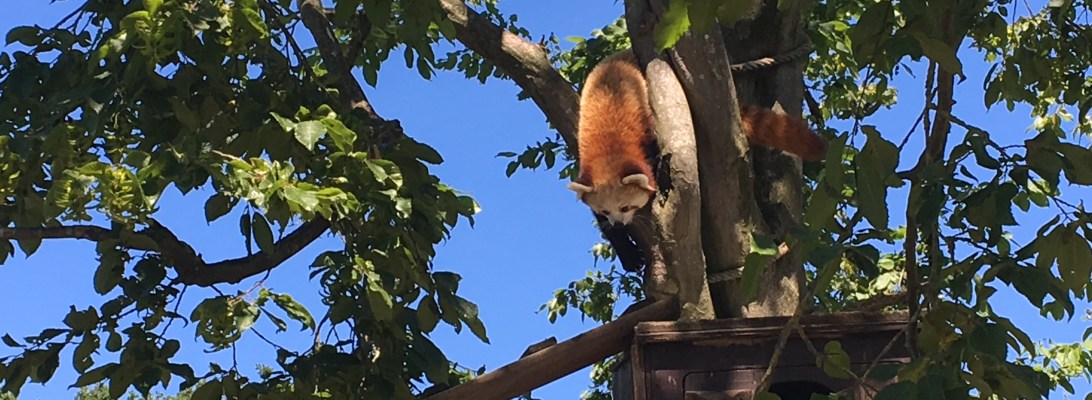
If I had a pound for every time I’ve been asked “So what’s next?” since I came back from university, I could retire without having started a career. I still don’t know what I want to do or where I want to be. While I still love writing and photography, I feel a pull in a new direction – the daily grind of contributing towards a successful and high quality zoo. There is something very appealing to me about caring for wild animals in a place that values them (that’s the important bit) and sharing my passion with other people. I watched the Small Mammals keeper giving a talk as she fed the red pandas and I had an urge to join her, but my knowledge of red pandas is really quite limited. I want to study them, I want to know everything there is to know about these animals, and share that with people. And I believe I can do that by writing but also by being there among them.

I’m fully aware that becoming a zookeeper is an incredibly gruelling and challenging process. I’m also aware that my current academic background will not help me in that mission. Every keeper I’ve spoken to so far has begun by volunteering, and worked their way up the ladder. So I have joined Paradise at the very bottom, and the only way to go is up. I’m inspired by this, and know that I have to pursue it.

Eleanor Oliphant Is What We Need

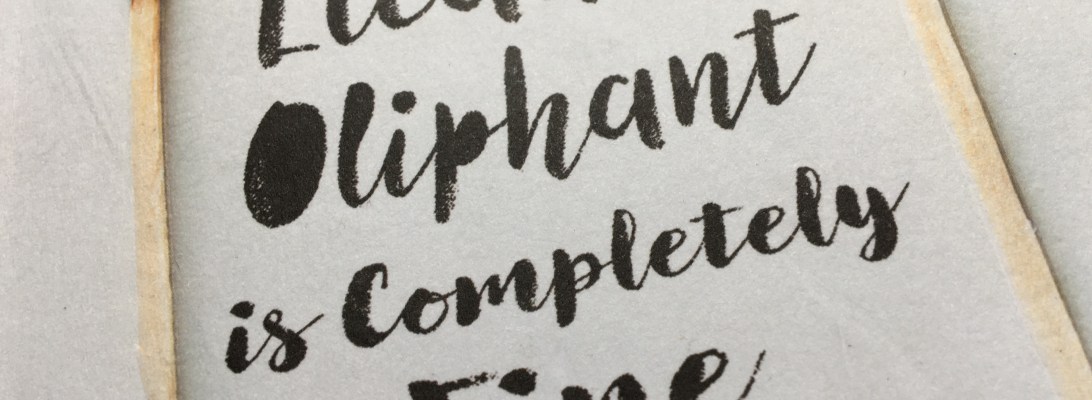
In 2017, 40-year-old author Gail Honeyman entered a story about a lonely and damaged young girl into a writing competition. Now winner of the Costa First Novel Award and scheduled to become Reese Witherspoon’s next film project, Eleanor Oliphant is Completely Fine has become a triumph for modern literature.

Our heroine, Eleanor, is evidently not at all fine. She often goes home from work on Friday and doesn’t speak to another person until she arrives at work on Monday morning. She is a source of amusement amongst her colleagues, and many modern advances are completely lost on her. “D’you like a smoky eye?” The makeup assistant at Bobbi Brown asks, to which Eleanor replies, “I don’t like anything to do with smoking.”

At the background of it all, her manipulative mother is an ominous presence looming at the end of the phone, hinting at a darkness in Eleanor’s past that may be the explanation for her isolation and uniqueness.

When Eleanor and Raymond, an IT consultant in her office, witness an elderly man falling unconscious in the street, an unlikely friendship begins to form between them. Somewhat hesitantly, Eleanor opens up to the possibility that people genuinely want to spend time with her, and with Raymond’s friendship comes a growing sense of self-assurance.

As we are introduced to Eleanor’s quirky persona, she initially appears very hostile to strangers and speaks her mind with seemingly no understanding of the consequences: “You’ll die years earlier than you would have otherwise, probably from cancer…you’ve already got the smoker’s characteristically dull, prematurely lined skin.” However, as we spend more time with Eleanor it becomes very clear that she has had nobody to help her align with societal norms – she was a confused child passed from carer to carer until university at seventeen. How can anybody blame her for reacting how many of us would were it not for our awareness of social politeness? Not only that, but being surrounded by unkindness and ridicule, it must be a natural reaction to close up and use that barrier of separation as a form of protection.

While Eleanor’s confidently naïve observations of the world can be enormously funny, the humour is threaded with heartbreak. At seeing her reflection after a new haircut she thanks the stylist for “making her shiny”. Having been surrounded by damaging and neglectful people all her life, becoming introduced to kind individuals is a foreign but welcomed concept for her.

Honeyman has created a character that is somehow completely fresh and new among literary heroines, and yet can be related to in countless ways. It has been commented that chronic loneliness is a very real problem for elderly people, but it never seems to be addressed among younger generations. Why must age be a contributing factor to a feeling of isolation? Eleanor has had a very troubled childhood and adolescence, but even those of us with caring families are capable of feeling lonely. In fact, according to a 2018 report by the Office for National Statistics, almost 10% of people aged 16-24 said they “always or often” felt lonely. This statistic was over three times higher than for those aged 65 or more.

This novel undoubtedly speaks to many young people, including myself. I have struggled with loneliness in the past – a desire for new friends coupled with fierce insecurity in social situations has made meeting new people a real challenge, and it is something I continue to struggle with. Loneliness can be incredibly upsetting, and is often hard to recognise in someone experiencing it. Honeyman has succeeded in raising awareness of the issue with her original and deeply moving novel, outlining the importance of kindness and compassion.

The Avian Orchestra

There is an overwhelming quiet that comes with winter; a hush descends over the landscape that only adds to the bracing chill. As the season turns, the first few tentative voices break the spell of silence and before long there is an overpowering variety of diverse voices filling the air. While in the height of spring there can be hundreds of songs reverberating through the trees, there are a select few who can be heard again and again, reliable as the seasons. I took it upon myself to begin to tune in to this soundscape, a treat for the ears. Learning to birdlisten not only unlocks the ability to distinguish birds by song, but is also very useful as advanced warning for the reveal of the bird itself.

Robin (Erithacus rubecula)

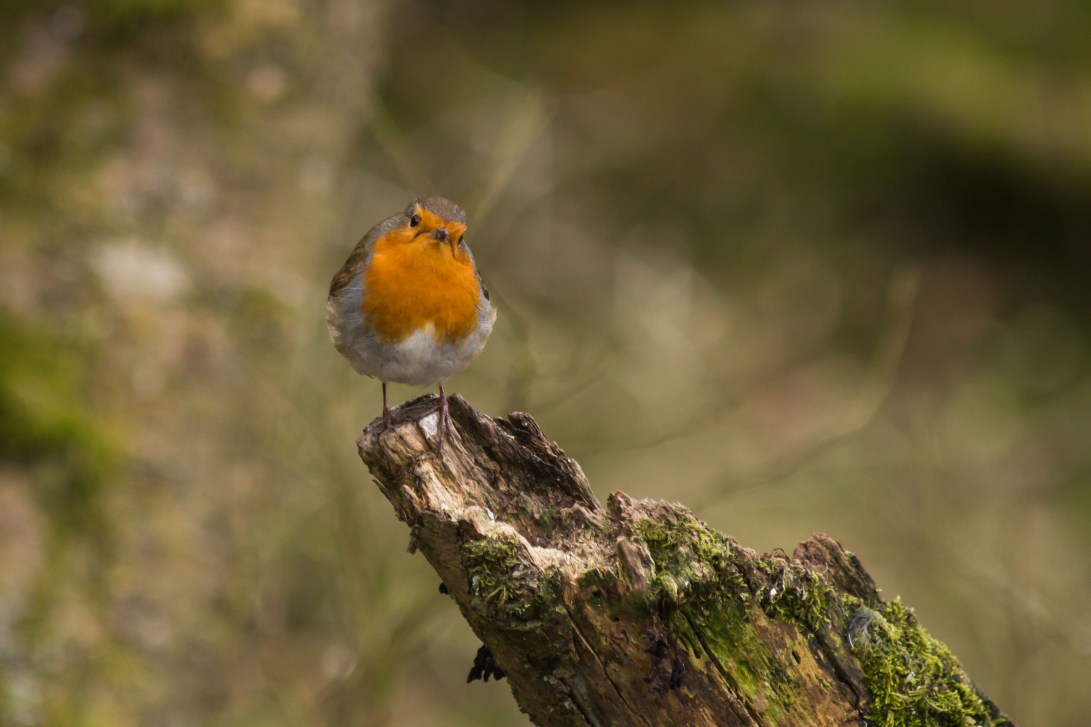
Perhaps the most significant voice is that of the robin, mainly because he never left the scene when other, less hardy birds took off for warmer climes. Even through the dark, bitter winter the robin endures, his lone song often the only consistent sound during the colder months. In spring males and females pair up and defend their breeding territory, often the first to start singing and the last to finish.

The robin’s song is a delightful melody; a high, twittering burble heard from all around. Although varied in its range and tempo, the robin’s voice is almost unmistakable – high, thin and soft but still richly diverse. Hear the robin and he won’t be far away, perching in plain sight and puffing up his red breast as he fills it with air. He is a proud bird, often chasing other robins from his patch, but with a voice as pretty as his, who can blame him?

IMG_9114

Wren (Troglodytes troglodytes)

Another commonly heard voice belongs to a rowdy bird that makes up for small size by belting out a piercing song for everyone to hear. The wren can often be seen speeding bullet-like through knee-high bushes. The wren sings like it’s scolding somebody; a furious round of high, loud chirrups with a distinctive trill at the end of some phrases that sounds like a miniscule machine gun. If you hear a very loud song wait for the trill, as it will inevitably come sooner or later and you’ll know you have your wren. Scan the lower branches and before long a stout brown bird holding its tail up like a stiff flag will appear, giving you a fierce reprimanding for something or other.

Great Tit (Parus major)

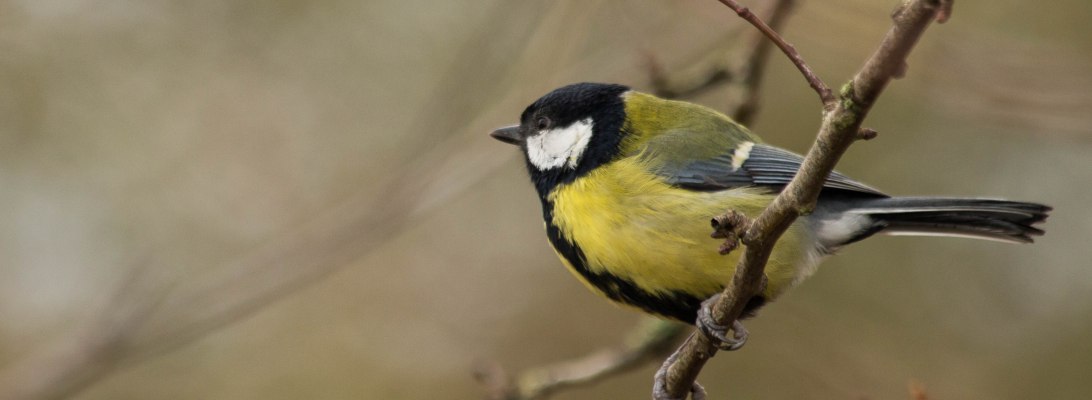
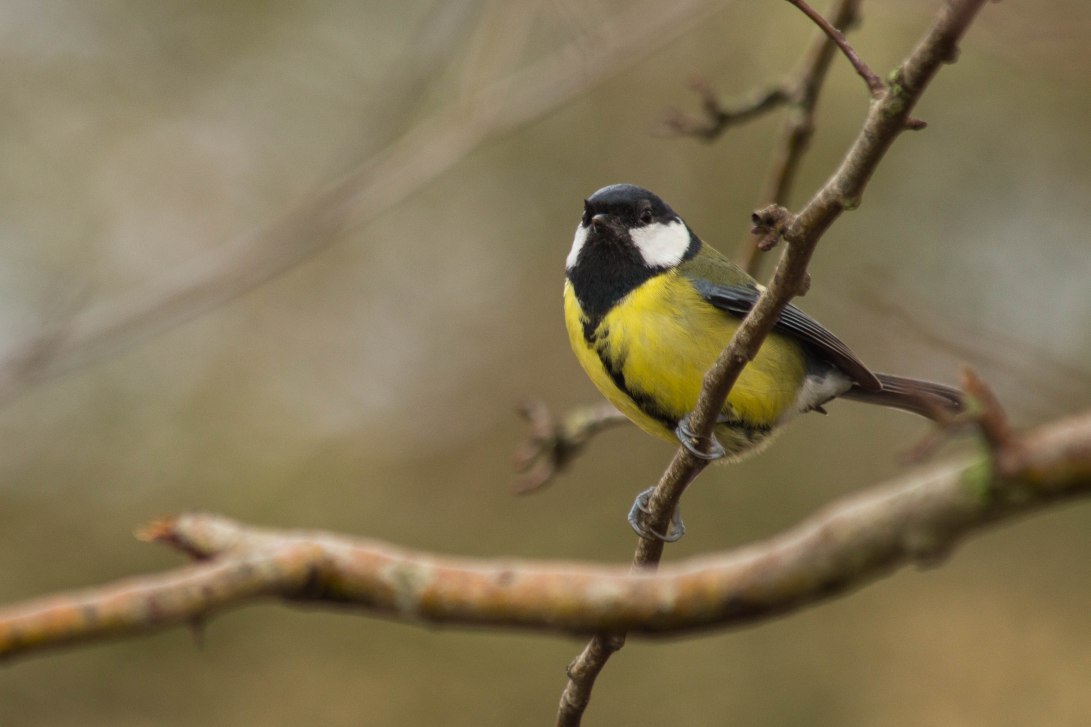
If robins and wrens are violins in the avian orchestra, the great tit is percussion; not quite as dazzling but just as important. In early spring, a two-toned call can be heard among the other singers, with emphasis on the first syllable. I like to think of it as the sound of a saw – effort on the forward stroke, then quieter on the draw back. After a few strokes of the squeaky saw there is a pause, and then the great tit sings it again, very resiliently as if rousing the troops to join in.

The great tit has other songs in its repertoire, including a “churr” call that reminds me of the chatter of a magpie, but a little faster and far gentler. This is the great tit’s alarm call, a sign of agitation that indicates something has disturbed it.

IMG_8751

Blue Tit (Cyanistes caeruleus)

With a lot of birdsong, it can help to adopt a Morse code approach when it comes to deciphering the rhythms of some particular species. Take the blue tit. A common little bird with splashes of blue, green, yellow and white with a fetching black goatee. The blue tit’s song is similar in tone to the great tit but gentler. Among its quite varied repertoire is a particularly distinctive melody, consisting of two clearly separated notes followed by two or three much faster ones. In dots and dashes it would look something like this:

– – . . .

Imagine, perhaps, that the bird is saying “I’m. A. Pretty Bird”, putting particular emphasis on the first two words.


If you like this, have a read of this post and find out where my inspiration to start birdlistening began.