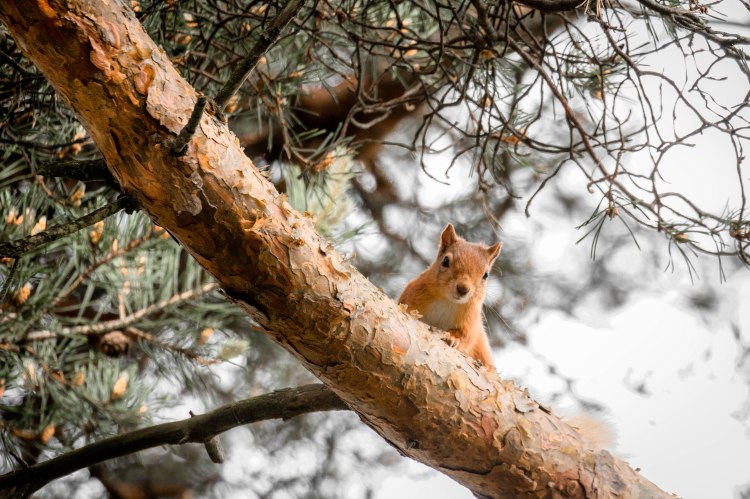
Recently I was very pleasantly surprised to see an email in my inbox from the editor of Pay Our Planet magazine asking me to write a feature for them. I hadn’t heard of them because it was going to be the very first issue. I leapt at the chance and decided to write about red squirrels, which are an animal very close to my heart. During my time at university I was lucky enough to have some very up-close encounters with red squirrels in Lockerbie, and can now spot them quite regularly in the forests near where I live.
I was particularly taken by how environmentally aware Pay Our Planet is. Studies have shown that mangrove trees store carbon at a rate of four times that of mature tropical forests, so Pay Our Planet have partnered with the Eden Reforestation Project to plant mangrove trees in Madagascar. For every subscriber of the digital magazine, Pay Our Planet plants 15 trees each month. This makes that subscriber carbon positive, meaning their actions remove more carbon from the atmosphere than they put into it.
It’s been such a privilege to share the story of one of Britain’s most well-loved species to an international audience. I’m so grateful to Pay Our Planet for giving me the opportunity to not only write a feature for the magazine but also for putting my photo on the front cover!
While carrying out my (perhaps too) regular scroll of Instagram I passed an intriguing post by Bloom in Doom magazine advertising media positions, one of which was an Online Nature Editor.
Bloom in Doom is one of those beautiful journal magazines where the pages look like works of art. A bi-annual publication, it’s all about positive and solution-based ecological journalism. As someone who always has an optimistic slant on their wildlife writing, I was interested in getting involved.
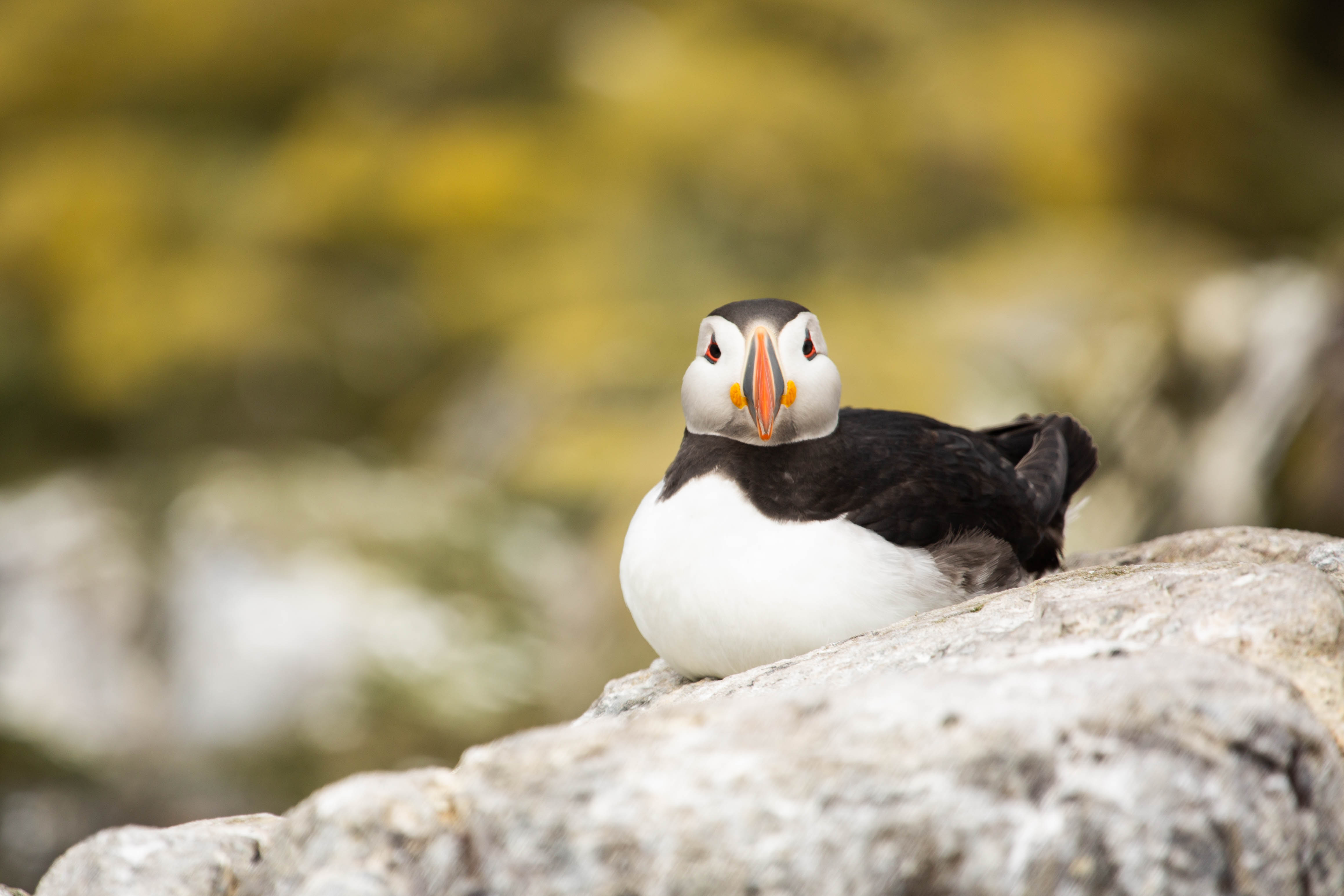
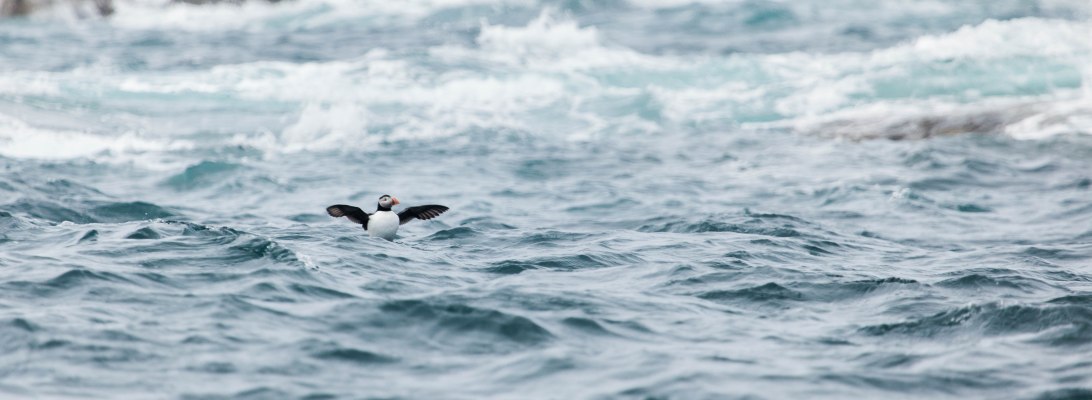
Less than a week later I have started as a new Nature Editor and posted my first web article, which is about how you can help puffins. The second volume of the printed and digital magazine is titled “Sustainability” and will be out in June. I am hoping to be able to contribute to the third volume, but until then I will be sharing lots of positive wildlife stories on the Bloom in Doom website.
I am now officially trained as a Shorewatcher for Whale and Dolphin Conservation (WDC). I’ve been wanting to learn more about my local wildlife and contribute to marine conservation now I’m living in Scotland, so when I found out about the Shorewatch programme I was keen to get involved. Luckily I managed to complete my training in Inverness earlier this month, only a couple of weeks before the new regulations that now prevent us from going out for anything other than food shopping and exercise. Although I now won’t be able to start Shorewatching for a while, I’m going to use my time to get better at identifying British cetaceans using books in preparation for when I can get started properly.
Shorewatch is a citizen science project that’s all about scanning an area of ocean for ten minutes and recording the presence or absence of cetaceans (whales, dolphins and porpoises). The areas are especially assigned Shorewatch sites, which are found all over northern Scotland. The data collected is sent to WDC and used to monitor populations of cetaceans and flag up potential problems that may be occurring, such as deep-diving species that are straying into the shallows or a noticeable lack of sightings in an area where we might usually expect them.
Shorewatch is particularly beneficial because it is a completely non-invasive way of surveying. As the volunteers are positioned on the shore instead of in boats, the cetaceans show natural behaviour. WDC also don’t believe in tagging animals, so prominent scars and nicks in dorsal fins are used to identify individuals. For example, the team can recognise Spurtle, a female bottlenose dolphin, from the large area of sunburn on her side.
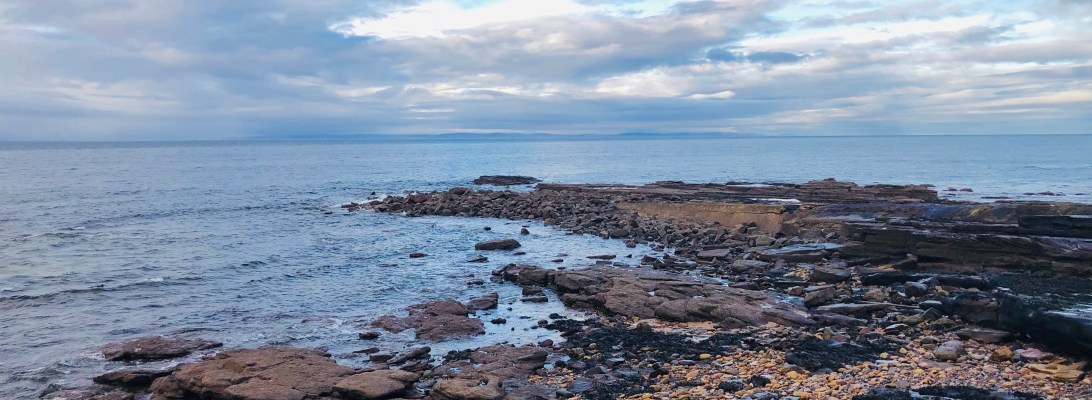
I haven’t seen any cetaceans in Moray yet, but I’m sure that will change over the coming months. The season will hopefully kick off properly in May, and going by the incredible photography I’ve seen, the bottlenoses really go to town with their acrobatics! However, when all you see is the flick of a tail or the subsequent splash, it can be tricky to figure out what species you’ve seen, so I’m learning how to identify different species in the water. The Moray Firth is famous for its bottlenoses, which are both the largest and most northerly in the world, but many other species have been spotted from Burghead shores including harbour porpoises and even orcas and humpback whales! I would definitely cry if I saw an orca in my local patch, but I shouldn’t get ahead of myself. Hopefully I’ll get to see the resident dolphins soon. We all went to Chanonry Point after our theory training to do a practice Shorewatch, and although there were no dolphins, we saw a common seal and a white-tailed eagle! I haven’t seen one since my trip to Carna in 2016, so to be able to watch the “flying barn door” on the east coast was a real treat and a fabulous introduction to Shorewatching.
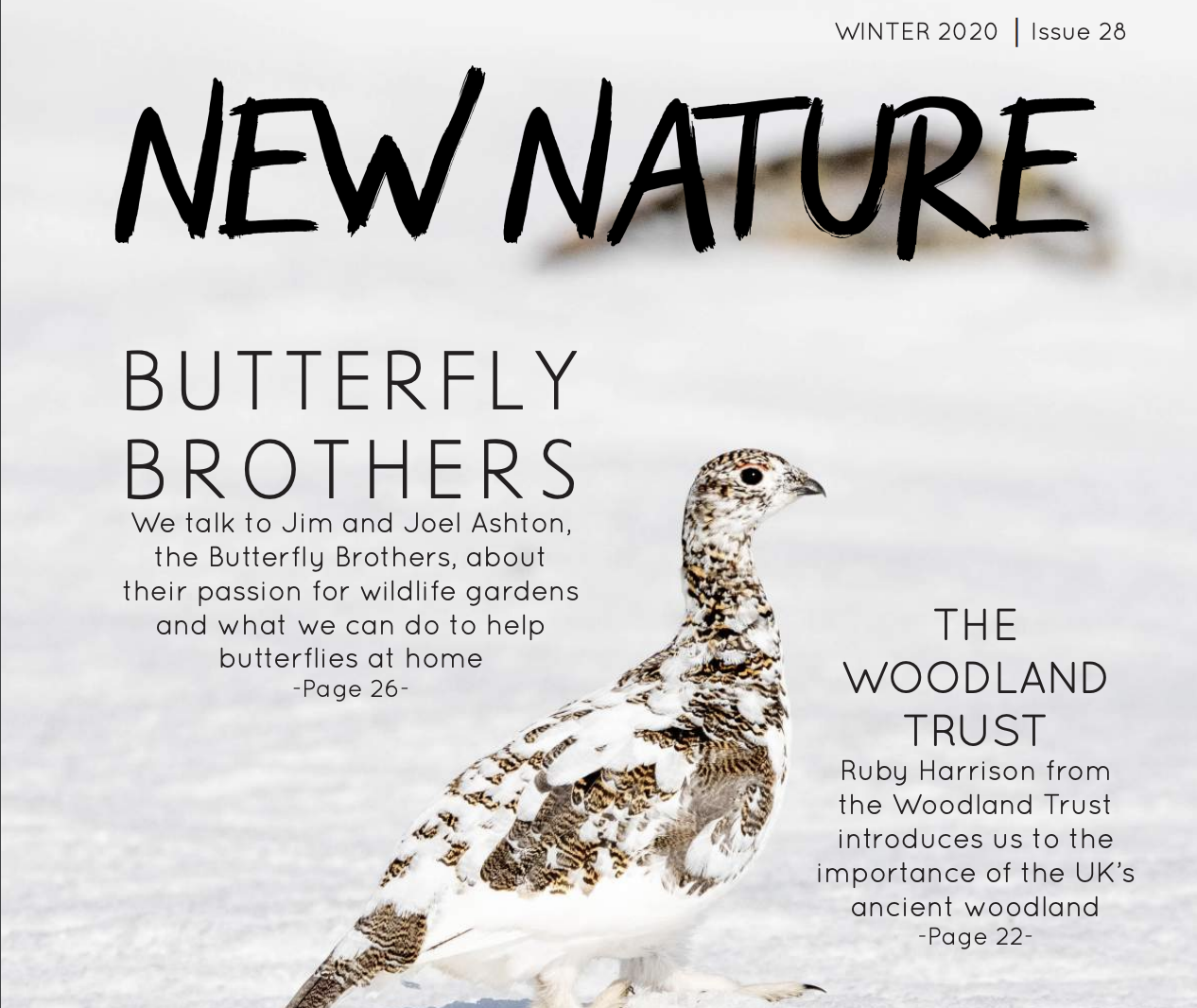
A few years ago I had an article published in New Nature magazine about my time in the Cheviot Hills in Northumberland. In autumn last year I pitched another article, this time about my visit to Anagach Woods in Grantown-on-Spey, my all time favourite area of woodland. There was no room in the autumn issue but it has just been published in the first issue of 2020.
New Nature is written, designed and produced entirely by young people. It features the work of ecologists, photographers, ecologists and writers. Its purpose is primarily to entertain, but with an underlying mission to celebrate wildlife and encourage its protection. I feel proud to be part of a project run by the younger generation and know that I have contributed alongside a team of talented and passionate individuals.
To read the latest issue of the magazine, click here.
I arrived at the Hornbeam Wood Hedgehog Sanctuary half an hour early just in case I got lost. They purposely don’t advertise their exact location online, as is often the way with small wildlife charities. Luckily, just as I was cruising along a rather featureless country lane and beginning to think I was in completely the wrong place, I saw a man in a van with “Hornbeam Wood Hedgehog Sanctuary” plastered on the side.
Hedgehogs are one of those creatures that have slipped through my radar for some reason. I’ve only seen a handful of live ones my whole life, and as they’re nocturnal and not particularly attention seeking, I didn’t know a great deal about them. So, when I saw an advert on the Hertfordshire Wildlife Trust website about learning more about hedgehogs at a sanctuary only a few miles from where I lived, I was keen for the opportunity.
Martin, the man in the van, is the only permanent person working at the sanctuary, and all as a volunteer. At peak times during the year, there can be as many as 80 hedgehogs at the site with six new patients a day, but usually there are around 40 animals, which is still a huge commitment. In the intensive care barn, where the hoglets and “pinkies” (hogs only a few days old) are kept, there are feedings every two hours. The majority of hedgehogs that arrive are dehydrated or injured by foxes, dogs or traps. If a back leg is injured, or even amputated, the animal can still be released. Equally, a hog that is blind in one eye can also return to the wild, but a completely blind animal requires an enclosed garden to keep them safe from predation.
Temperature is vitally important for hedgehogs. Hoglets cannot generate their own heat so will die if abandoned by or separated from their mother. Hibernation among adults is dependent on temperature and so the timing can vary year on year. Usually if the temperature falls to around 5°C they will find a secluded space, slow their breathing right down and curl up into their signature ball. A hedgehog’s quills, sometimes reaching as many as 7000 in number, are primarily used as defence, but they also provide a helping hand in ensnaring tangled leaves and wild materials around the hog as added insulation.
Martin showing us around “Hog Hotel”
Sadly, hedgehog numbers have declined rapidly in recent years, down 50% in rural areas and a third in towns and cities. There are now thought to be fewer than one million hedgehogs left in the UK. That may sound like a lot, but in the 1950s there were rough estimates of around 30 million individuals. The reasons for such a drastic drop are numerous, ranging from intensive farming methods that rotate fields more often, reduced hedgerows, pesticides and fewer water sources. That’s just in the countryside. In urban environments, hedgehogs are threatened by the use of slug pellets, abandoned plastic and an increase in impregnable fences and walls that prevent wandering hogs from passing through.
Of course, there are ways we can help. Providing jelly-based cat and dog food or dried food specifically for hedgehogs provides much-needed nutrition. Contrary to the once popular belief, hedgehogs should never be fed bread or milk as they are lactose intolerant and this would seriously harm them. Another important garden addition is access to water, especially as most of the rescue hogs Martin receives are dehydrated.
For more indirect help, make your garden a haven for insects by planting wildflowers and fruit trees, and the insectivorous hogs will have a more plentiful food supply. To prevent any casualties, install ramps in ponds to help a soggy hog clamber out – although they can float and swim well, they sometimes drown from exhaustion after getting stuck in the water. And finally, make sure to always check for hedgehogs in compost heaps and bonfires before using them. A simple nudge with a broomstick will stir a hedgehog and give them sufficient warning to leave, although with bonfires it is always best to rebuild them elsewhere before lighting.
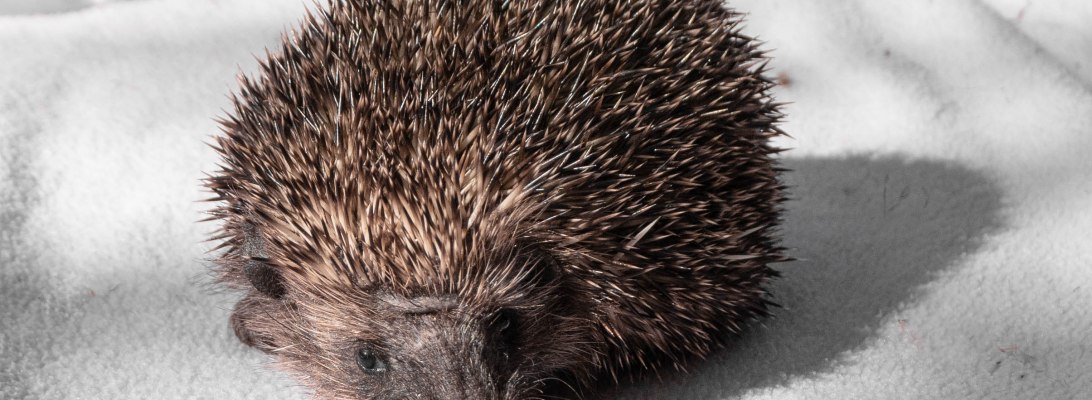
As a wonderful end to a thoroughly informative talk, Martin showed us Hog Hotel where a lot of his patients were kept. We were allowed to meet one, Rock, up close and personal. Not quite adult size, Rock fit snugly in the cup of Martin’s gloved hand and pointed his twitching nose up at us.
As hedgehogs are naturally wary of exposing their vulnerable undersides, it’s difficult to sex them. Martin explained that the best way was to find a small dimple amongst their fur. If it is around halfway up the stomach, it is a male. If it is further back towards the rear, it is a female.
Rock explored his surroundings for a while, while Martin stood poised ready in case the hog made a mad dash across the table. Getting to see a live hedgehog so closely was such a privilege. As I watched Rock, I realised I couldn’t remember the last time I had seen one in the wild. Like many of our native British species, hedgehogs are in trouble and it’s so important that we help them in any way we can. People like Martin give up full days of their time. I know I can definitely give up five minutes to put trays of water and cat food in the garden.
If you find a sick or injured hedgehog, the first thing to do before intervening is to contact the British Hedgehog Preservation Society to get expert advice.
This fantastic event was hosted by the Herts and Middlesex Wildlife Trust. To find out about future events, visit their website.
On The Wing has been quiet recently, not for lack of inspiration but for lack of time. Over the past few months I’ve been busy with a few different projects. I’m close to finishing an annual report for SEZARC, outlining the highlights of their work in 2018. I’ve also moved part-time into the library where I’m filling notebooks with scribblings about Siberia, Russian megafauna, native tribes and the mysteries of shamanism. All this is for my book idea and the more I read, the more I need to read. It’s a constant cycle of finding a book, reading something fascinating and looking up similar books to find out more. I’d love to eventually start the actual writing process, but so far I’m waist-deep in other people’s books and loving every minute.
All of this work has meant that I’ve neglected my camera and seen most of my local wildlife from behind glass recently. However, this week brought the perfect opportunity to get back outside and into nature. It’s the Wildlife Book Festival at the Grant Arms in the Cairngorms. Also called the Wildlife Hotel, the Grant Arms is a beautiful Victorian building within easy reach of dense pine forests, boulder-studded rivers and sweeping mountain valleys. In other words, the perfect place to celebrate British wildlife.
It feels fantastic to be back out there with binoculars around my neck and a crumpled notebook in my hand. It also helps to be in such a stunning location. St Albans is nice, but when you’re woken to the sound of squealing oystercatchers and only need to walk for five minutes before hitting a thousand acre wood (check mate Winnie the Pooh), there is simply no contest.
It’s so easy for me to get caught up in work. I get so engrossed that I forget to ever switch off, which makes this week a very important break. It’s a little telling that I need to travel five hundred miles from home to take that break, but when the scenery is this pretty, I’ve figured it’s alright.
December was quite a dry month for me in terms of inspiration, so I apologise for the distinct lack of posts over the past few weeks. It is high time for some fresh writing, but before beginning anything new in 2019, I wanted to reflect on the progress I made in 2018.
Last year began with my first breakup. After having seen and spent time with a person almost every day and now suddenly being faced with the possibility of never seeing them again, I suffered quite a knock. My inspiration took a significant slump at a time when I needed it most: the launch of my final major assignment at university.
Determined not to let a relationship affect my work, I applied for a grant to help fund an expedition. I had a whacky idea about going to the Isles of Scilly, which at the time seemed a very far-off venture and logistically challenging to say the least. However, after presenting to a panel of judges I was granted enough money to completely cover travel and accommodation. It took a while to come to terms with the fact that the Scilly expedition was really happening.
It was just the solution I needed for my slump. Spending six days in near-complete wilderness with a list of images to take was a perfect and rewarding distraction. I was filled with exciting ideas for my project – a study on the rare and unique flora of Scilly, including the dwarf pansy which is the size of a baby fingernail and found nowhere else in the UK. I was so fascinated by Scilly’s diverse wildlife and intriguing ecosystems, and I never wanted the trip to end. It is a place I will now treasure, as it helped me through a very difficult time, not to mention providing a huge boost to my confidence. I had funded, planned and carried out a full expedition single-handedly, and returned with a great story to tell. Following the trip was my last exhibition at university, and my project was received well. I even made some money from my photographs, which was an unexpected bonus.
Before I knew it, it was time to finish my degree. I picked up my life in Cumbria and brought it back home to Hertfordshire, where I (foolishly) thought that I would land a job straight away. This wasn’t to be the case, but what followed instead was a truly life-changing experience: an internship in Florida.
I didn’t really know what to expect when I was invited for a two-month internship in America to work with SEZARC. I knew they worked with zoos to monitor their animals and help facilitate breeding, but I didn’t know where I would fit in with a media background. I went simply with the aim of learning as much as I could about a completely new field and enjoying the opportunity to contribute to wildlife conservation.
I’d never been abroad on my own before, nor had I been outside of Europe before. Upon arrival, I was hit by extreme panic triggered by a strange new place, having to drive a car in a strange new place, and the fear that this had all been a terrible mistake. However, after a very careful car journey from the airport and arriving unscathed at my accommodation, I was filled with perhaps a disproportionately large sense of achievement. My small victory spurred me on, and after a few more shaky days, I found my rhythm.
Two months later, I was torn between wanting to see my family and friends back home, and wanting to stay a little longer with my new friends in Florida. I had loved the work I did with SEZARC, which was varied and fascinating. I also fulfilled a dream of mine, even if just for a little while: I’d learned to ballroom dance, and met the most kind and welcoming people. Back home in England, I truly realised what an incredible time I’d had in America.
And it wasn’t over. Later in the autumn, I caught up with my friends at SEZARC and was asked to produce their annual report of their progress this year. It is work that I thoroughly enjoy, and I’m so pleased that SEZARC want to keep me involved.
So, moving forwards. The past year has taught me so much, not just about work but also about myself. In all honesty I have no idea what 2019 will bring. I’m hoping a job, but in the meantime I want to continue writing and learning new things (next up is the guitar!) I have the tendency of being anxious without a strategic plan, but after this year I’ve discovered that you just can’t know where twelve months will take you. A year ago today, I had no idea I would soon be journeying to America by myself, nor was I remotely aware that my relationship was about to end. All through school it’s easy to know what’s next: the following year up. There is no mystery, not even after you finish school. For me, the choice was easy and I was going to university. Now that’s over too, and I’m trying not to be daunted by the unknown because as I’ve found out this last year, the unknown can be incredible.
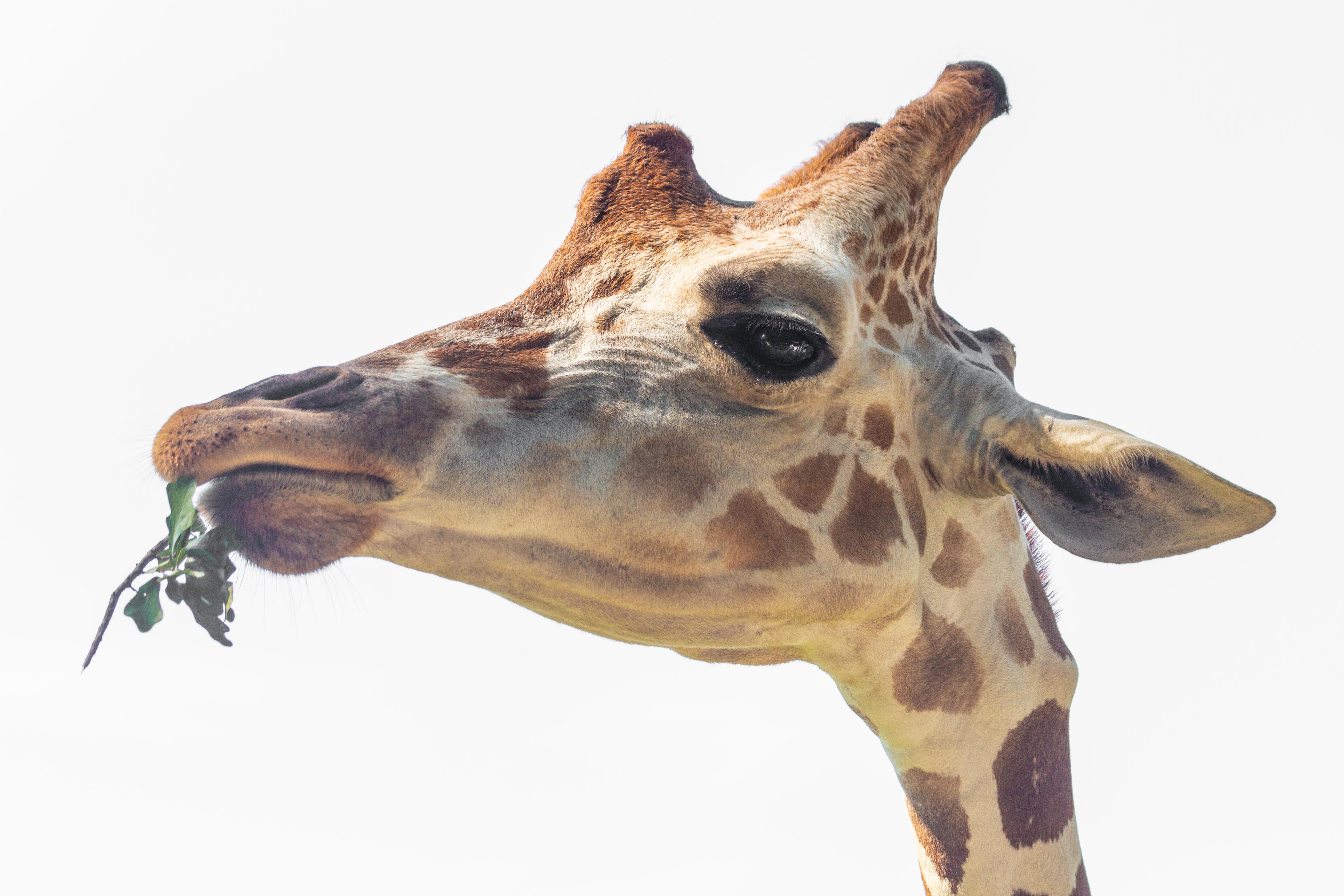
Giraffe have always been special to me. Even with long, gangly limbs, they move with unhurried poise and confidence, but still look endearing with their huge eyes and long eyelashes.
On TV this week there was a repeat of an episode in Attenborough’s Natural World series: Africa’s Gentle Giants. The story centred on Dr Julian Fennessy, Co-Founder and Co-Director of Giraffe Conservation Foundation. Fennessy has been working to conserve giraffe for more than 20 years, and is a true pioneer in research on this secretive and surprisingly little-known animal.
Many people, including myself until very recently, are naïve to the true situation that wild giraffe currently face. Among other African species such as elephants, gorillas and leopards, for some reason giraffe have taken a backseat in the public eye. While words like “beautiful” and “majestic” always spring to mind when we talk about giraffe, how many of us could confidently say how many there were? I was shocked to discover how wrong I was when giraffe statistics were presented alongside those of another African giant. Currently, there are around 500,000 African elephants left, but only 90,000 giraffe. For the first time ever, I doubted what David Attenborough was telling me. How could that be possible? I began to look online, but of course it was true. There are nearly five times as many African elephants than giraffe left on the planet. It’s a statistic that astounded me.
Source: BBC*
Giraffe are not only unmistakable symbols of Africa and the tallest animal on Earth, but they are important to the ecosystem. Like bees, giraffe are excellent pollinators, and pass pollen from tree to tree as they graze. They also spread seeds in their dung, another vital part of maintaining a diverse and sustainable landscape. Conserving giraffe protects not only the animal but its environment, ultimately affecting so many other species that call Africa home.
In two decades, giraffe numbers have fallen by 40% and they have become extinct in seven countries. They are hunted for meat and their habitats are slowly disappearing. One of the most vulnerable populations – a group of less than a thousand Rothschild’s giraffe – lives in Murchison Falls National Park in Uganda. These animals are walking on a literal time bomb; beneath their feet lies 75% of Uganda’s discovered oil, and Fennessy knew that plans to drill would spell disaster for these endangered animals. His ambitious and dangerous mission was to relocate twenty giraffe from one side of the River Nile to the other, where it was hoped that these pioneering individuals would start a new population in a safer location.
As I watched the team of dedicated vets, rangers and scientists attempt to move one-ton animals whose kick could decapitate a man, I was filled with such admiration and respect. It is all very commendable to donate money to charity, but these people were out in conflict areas risking their lives for giraffe. As the mission progressed, I got quite emotional, not just because the threats these beautiful animals face are so unnecessary and unjust, but because I was completely unaware. What little chance these animals have if even wildlife enthusiasts like me don’t know their situation.
It wasn’t just the numbers of giraffe that I was unaware of; so much of their behaviour remains unseen to even experts like Fennessy who have studied them for a vast proportion of their lives. By the Hoanib River in northwest Namibia, he took a sensitive camera out to film giraffe at night. As he watched, a giraffe curled up on the exposed ground and fell asleep. It was something Fennessy had never witnessed before.
“In zoos they study it,” he explained, “Basically when their neck is down it’s REM sleep, so maybe these giraffe are dreaming. I’ve never seen that in the wild.”
The fact that we don’t know how wild giraffe sleep says a lot about how overlooked they are. It seems there is the assumption that because we don’t hear about a particular animal as much, it must be doing fine. However, in the case of the giraffe this couldn’t be further from the truth. So why do we know so little about these animals? Perhaps it is because they are only listed as “Vulnerable” on the IUCN Red List of Endangered Species. An article published two years ago, at the time that this episode was first released, hopes that the work Fennessy is doing will help change the status of giraffe to “Endangered” or “Critically Endangered” and therefore encourage greater conservation efforts. Unfortunately, as 2018 draws to a close, the giraffe is still listed as “Vulnerable”. I can only hope that this change in status does come into effect to raise awareness of this silent and rapid extinction that is passing so many of us by, or soon it may be too late.
*Natural World “Giraffe: Africa’s Gentle Giants.” (2016) BBC. 23rd June.
Last week I visited Jacksonville Zoo, which boasts “more to see, more to zoo”. And it certainly delivered, with a broad range of exhibits including some very special ones that I’d never seen before. A particularly unique exhibit was Wild Florida, a collection of species native to the state. I discovered just how big alligators are (which only confirmed my decision not to go anywhere near a river during my time here) and caught a glimpse of a manatee as it glided underwater. Manatees are the state marine mammal of Florida but threats such as collisions with boats, habitat loss and the devastating red tide have now made them endangered.
In response to these threats, Jacksonville Zoo is in the process of making the first manatee critical care centre in northeast Florida. This will allow more injured animals to be rescued and cared for, and minimise travel distance to other centres such as the ones in Miami, Tampa and Orlando. To make the experience as natural as possible for the manatees, they have a very large tank, which can only be viewed from one side. They are only seen occasionally when they swim close to the tank’s edge, giving them much needed privacy.
Elsewhere on the site was the Emerald Forest Aviary, where I met my new favourite bird: the roseate spoonbill. Native to Florida, this extraordinary wading bird is candy floss pink in colour and sports a magnificent bill that it waves from side to side underwater to sift through the mud. There was a group of them in the aviary, perched on branches overhanging a deep, dark pond. I positioned myself to put this dark pond behind a particular bird who had stood beside some very photogenic foliage. After just a little editorial tweaking, I was pleased with the dramatic result.
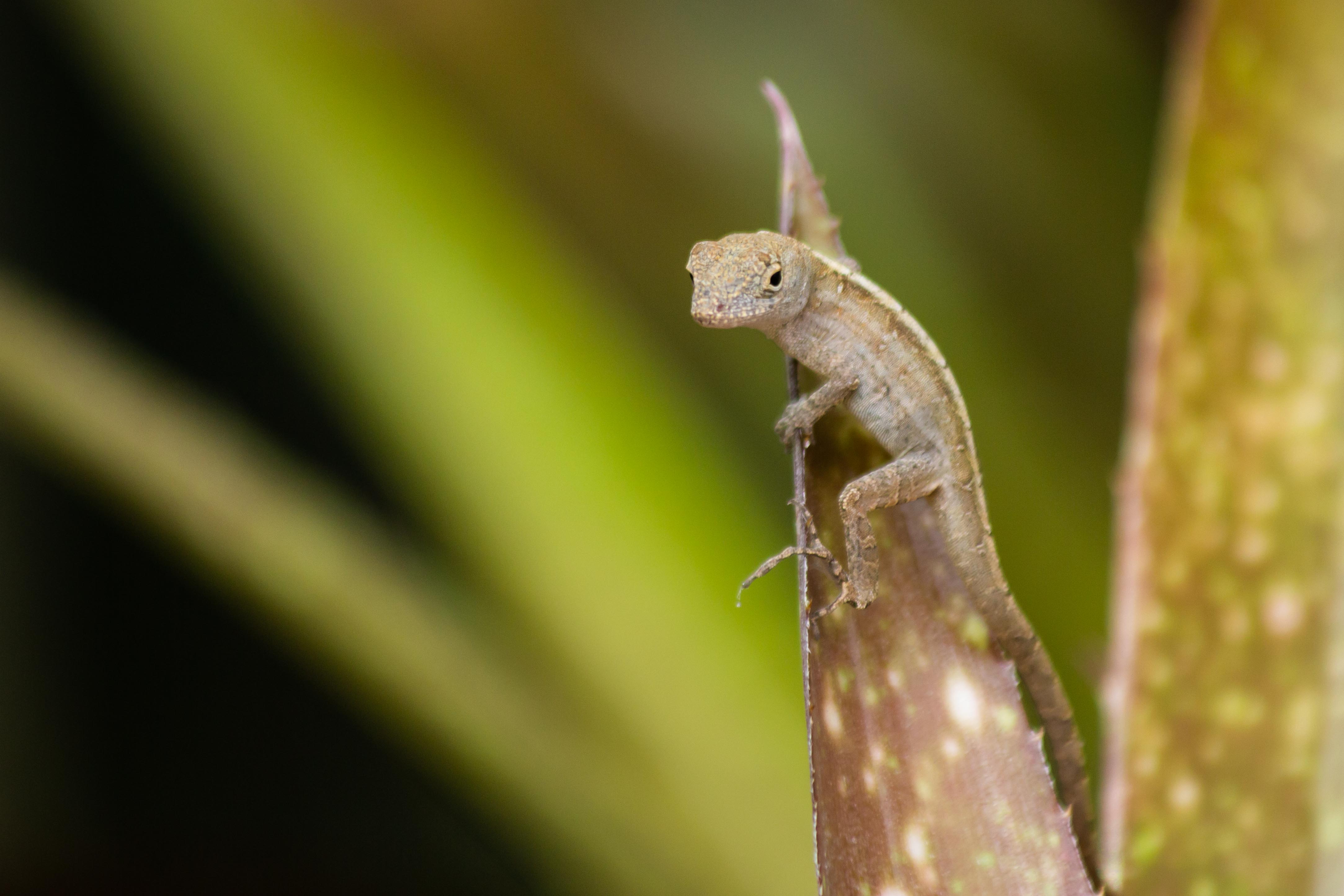
Although I always love seeing the star animals of the zoo, some of my best moments from the day were the wild individuals that had snuck in uninvited. As usual, I fell in love with some new lizards, including one that posed for me with an over-the-shoulder glance.
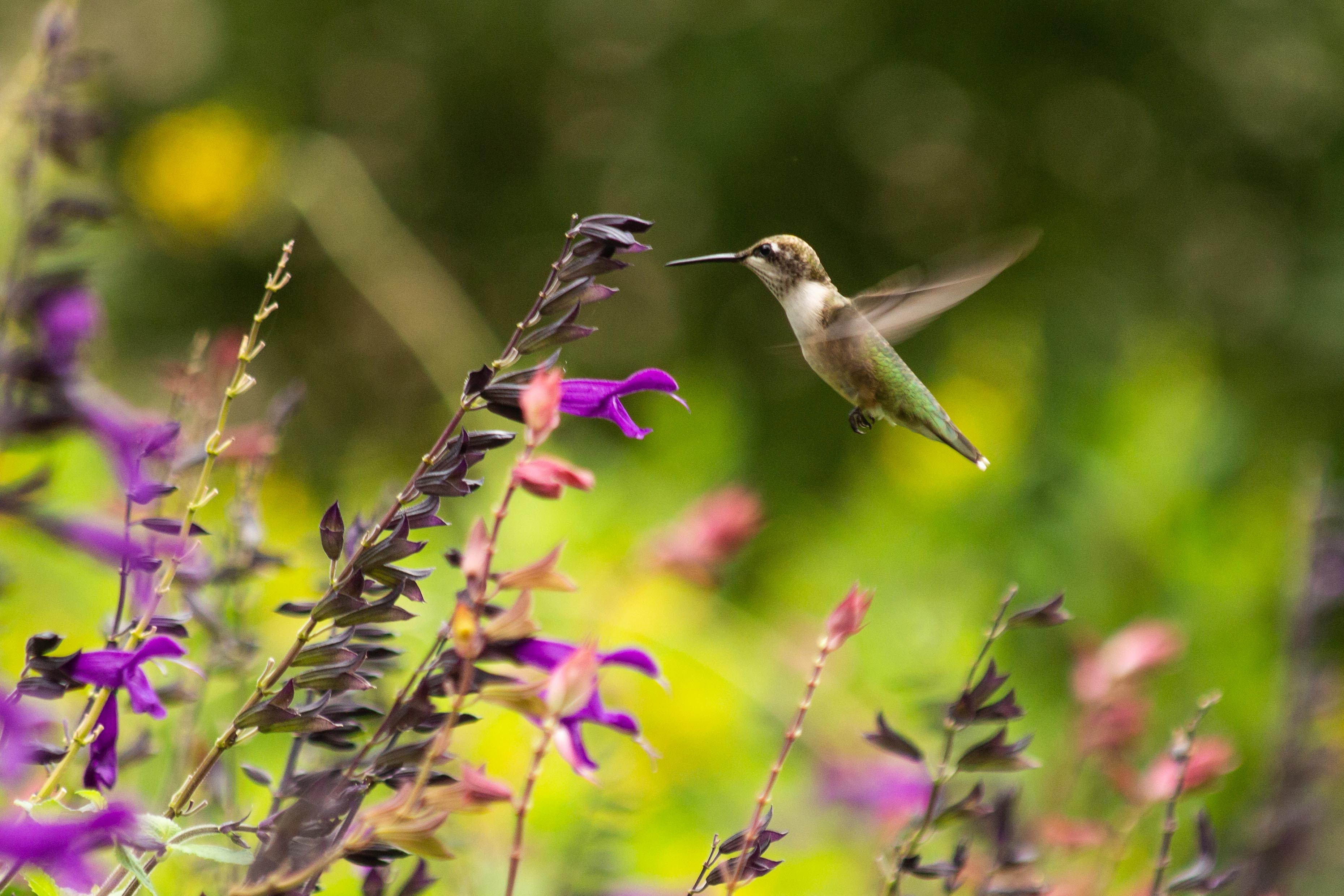
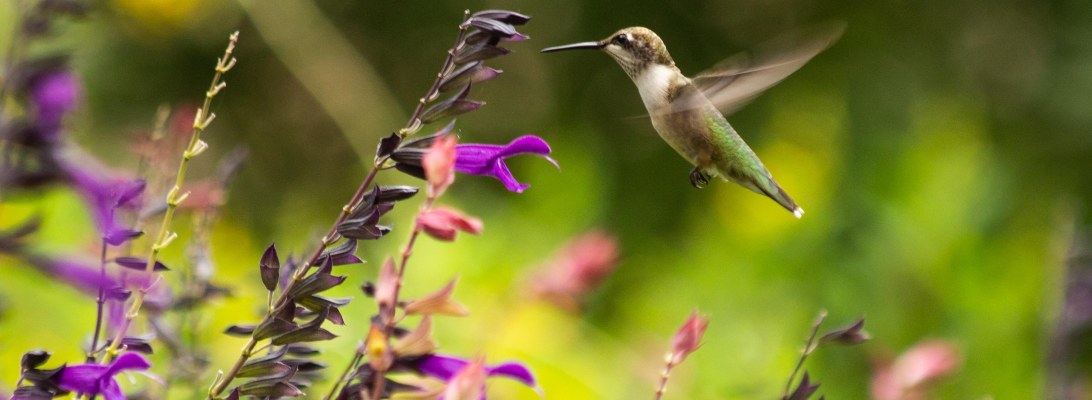
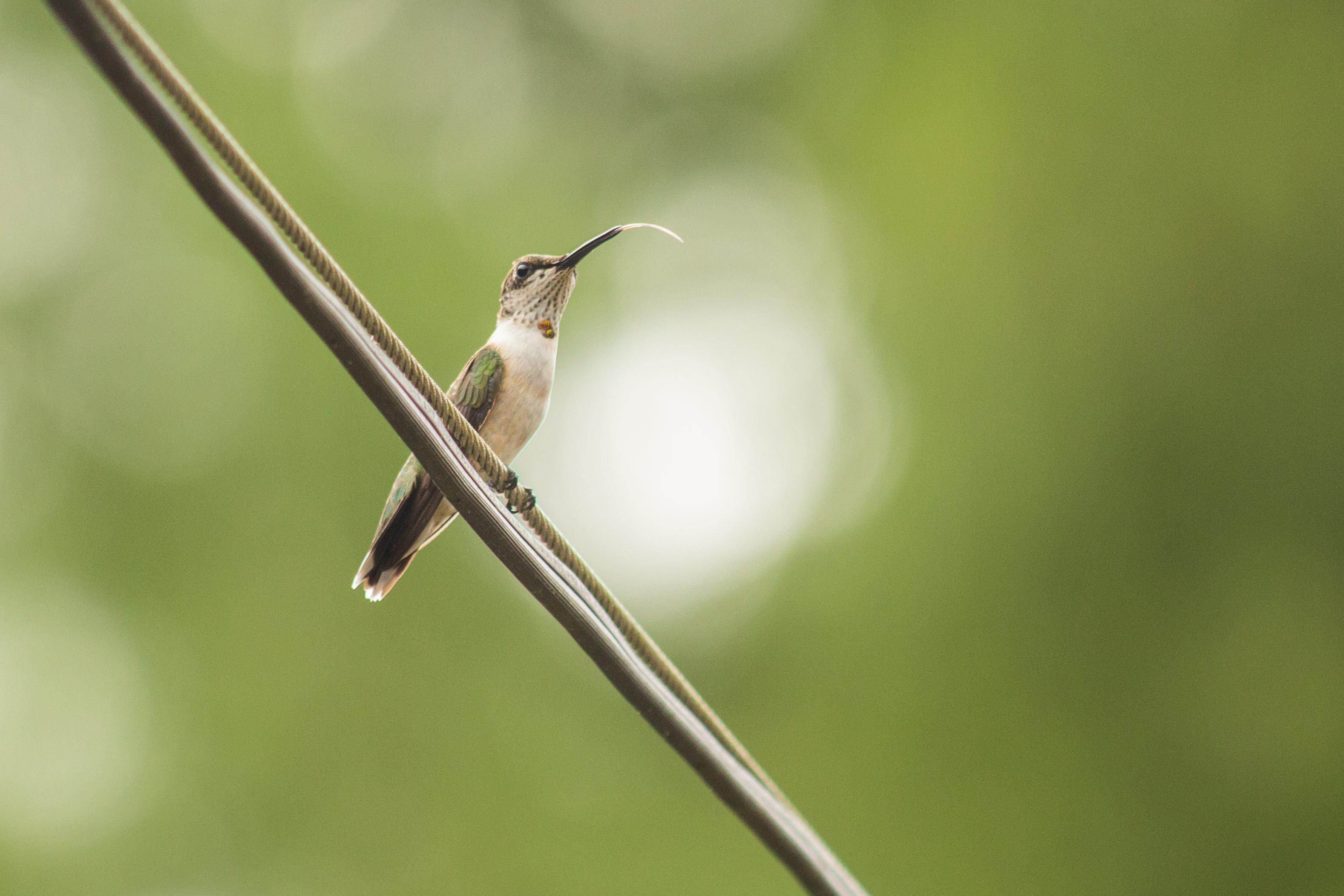
However, the most incredible moment came just before I left. I was wandering past the lions and admiring the wildflowers that were attracting all sorts of butterflies and dragonflies. Then, I saw something larger than an invertebrate zooming around and was thrilled to discover it was a hummingbird!
I fumbled to get my camera ready, and for a while took lots of blurry pictures of flowers. Eventually, I got used to the hummingbird’s pattern of flying and managed to capture the animal in frame. I stood watching it for ages, as usual receiving looks from passers-by wondering what I was so interested in. For me though, it was an amazing sight and one of those perfect surprises.













 rebeccaonthewing.com