The Farne Islands – Part 2

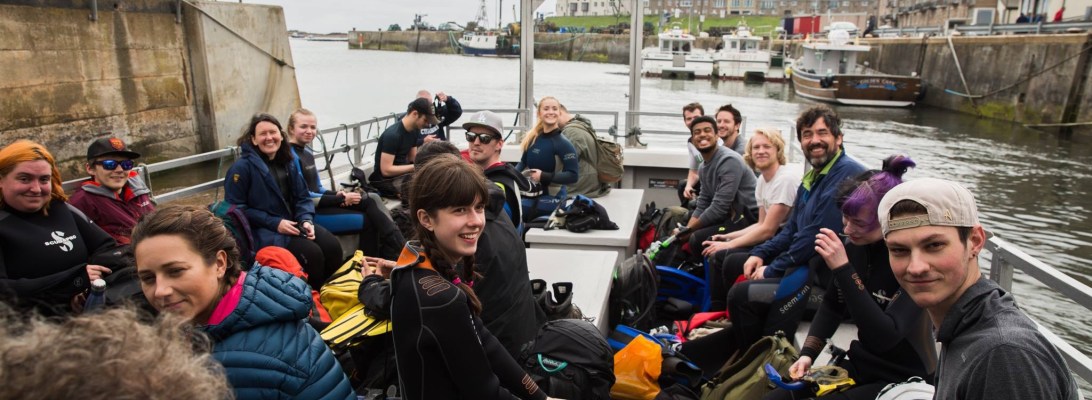
After sharing the waves with a herd of very curious seals, it was now time to get changed on a boat with thirty other people. This was a challenge, especially as getting a wet wetsuit off required the flexibility and strength of a contortionist. I teamed up with another girl to make a temporary changing cubicle, which made it somewhat easier.

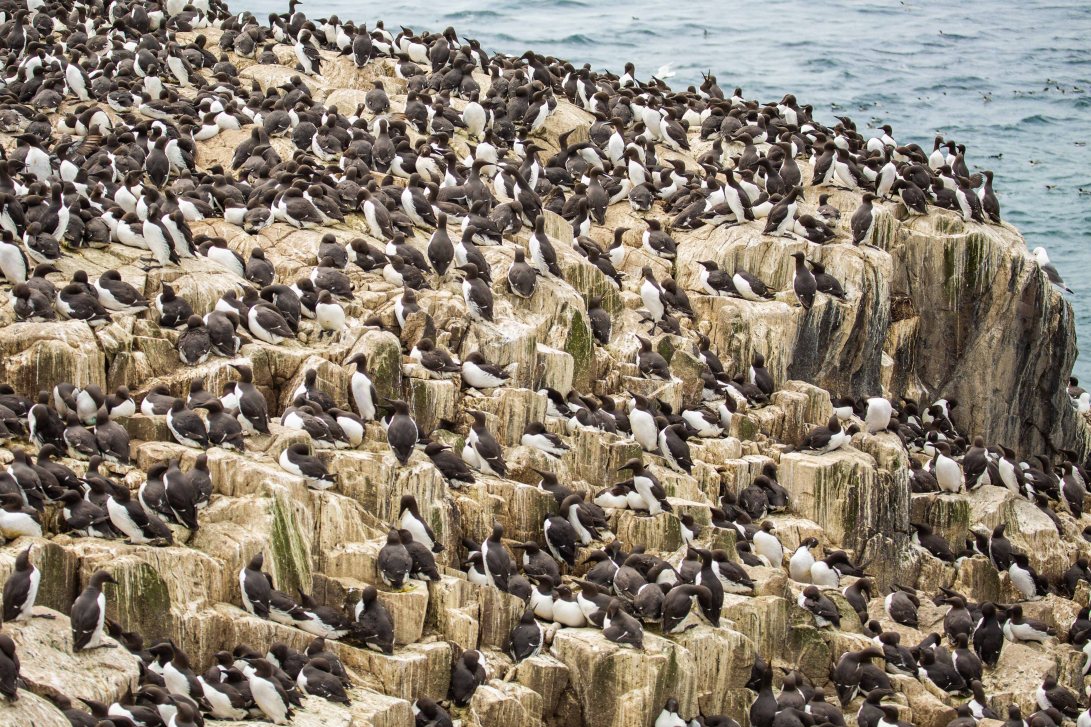
Once everyone was back in dry clothes, the boat headed to Staple Island for a spot of birdwatching. On the approach, all we could see and hear was guillemots, a blanket of birds completely covering the rock. People were dotted amongst them but vastly outnumbered. It was the kind of ratio I liked to see.
O12C4099-2

On dry land, it was impossible to decide where to start. I was used to choosing a spot to sit and wait for the wildlife to appear. Here, we had joined a metropolis of seabirds all going about their business without blinking an eye at what we were doing. Red posts were stuck into the ground at places, and as we passed I notice each one signalled the presence of a nest, some situated almost on top of the path that threaded through. Shags watched nonchalantly as we passed, eyes half closed.

O12C4243

Some of the guillemots looked different to others. While most had completely brown heads, a select few had bright white rings around their eyes. I asked Cain, who told me they were bridled guillemots. Back at home I looked them up, and discovered that these individuals are an example of dimorphism. Usually relating to variety in plumage colour, dimorphism is the existence of two distinct forms within a single species. This is different from two subspecies, as both guillemots and bridled guillemots have the same Latin binomial: Uria aalge. Were they subspecies, they would have an additional subspecies name. Furthermore, subspecies tend to be permanently geographically isolated from one another.

O12C4247

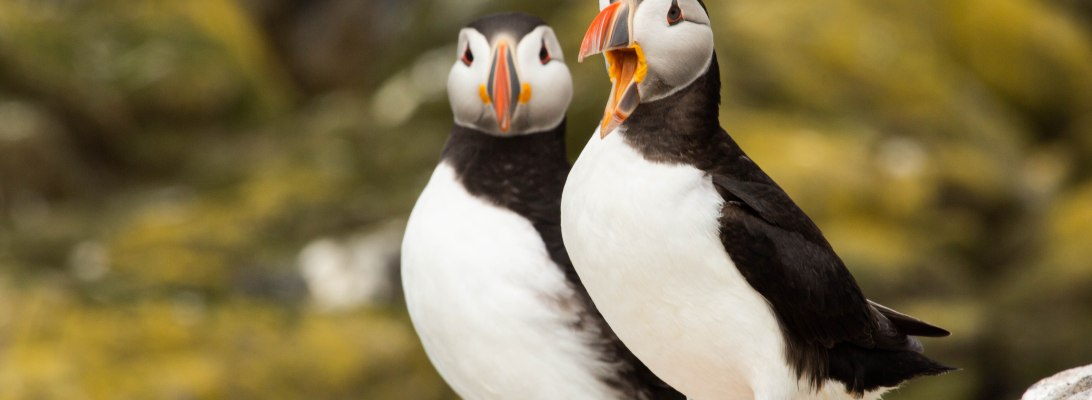
After watching the guillemots for a while, I found where the puffin clique spent their time. Away from the larger birds, there were countless burrows in the grassy banks, and after a while puffins would pop into view or land and duck inside, sometimes carrying large mouthfuls of sandeels in their vibrant bills.

O12C4119

I had been so excited to see my first puffins on the Isles of Scilly, and while I still treasured the memories, those had been distant sightings compared to now. Here on the Farnes, puffins sat twenty feet from two-tiered photographers, lying on the rock or glancing from side to side with their sad clown eyes. They were a joy to watch, and so much smaller than people think!

O12C4204-2O12C4194-2

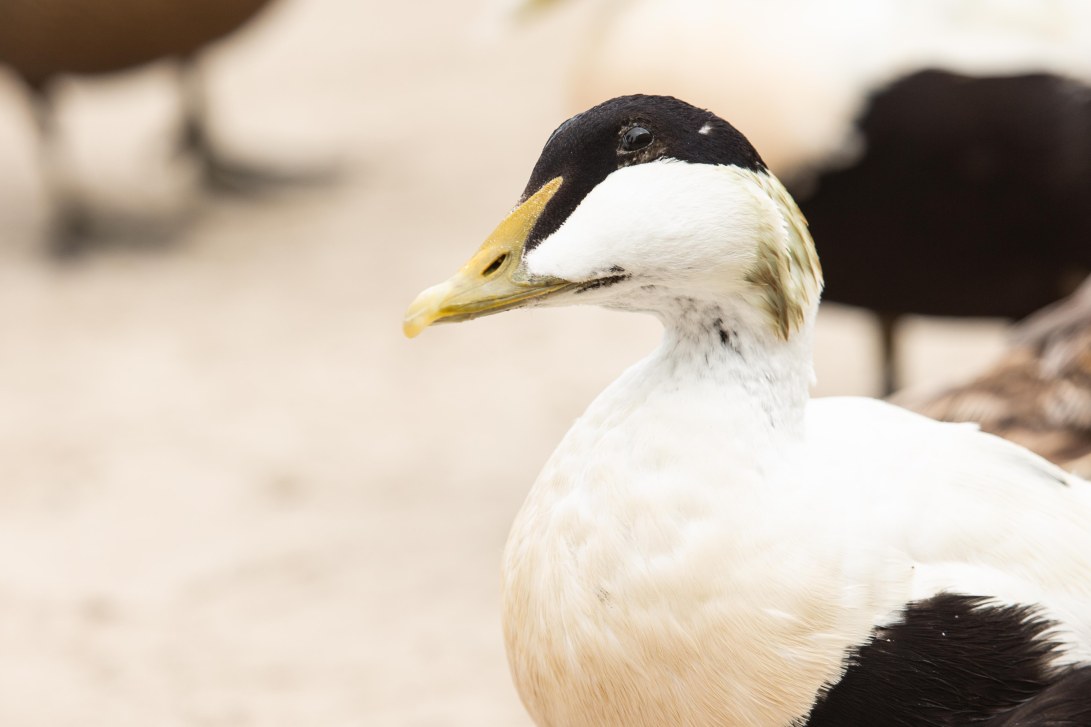
Sadly, the time flew by and before I knew it I was back on the boat and leaving Staple Island behind. When we arrived into Seahouses, I caught the irresistible smell of fresh doughnuts on the breeze. Tired after the swim, I made a beeline for the van and bought a bag to sit and eat on the bay. A group of very tame eider ducks approached, eyeing my bag with enthusiasm. Unfortunately for them, I wasn’t sharing my doughnuts with anyone, but I did make use of the opportunity to photograph the beauties so close.
O12C4286-2

I was thrilled to see ducklings accompanying some of the females, perhaps one of the cutest baby animals there is. As the females lowered their bills into puddles of seawater, the ducklings copied, mirroring the adults’ every move. Watching such intimate family behaviour while I devoured my doughnuts was a perfect way to end such a dramatic and unforgettable day at sea.

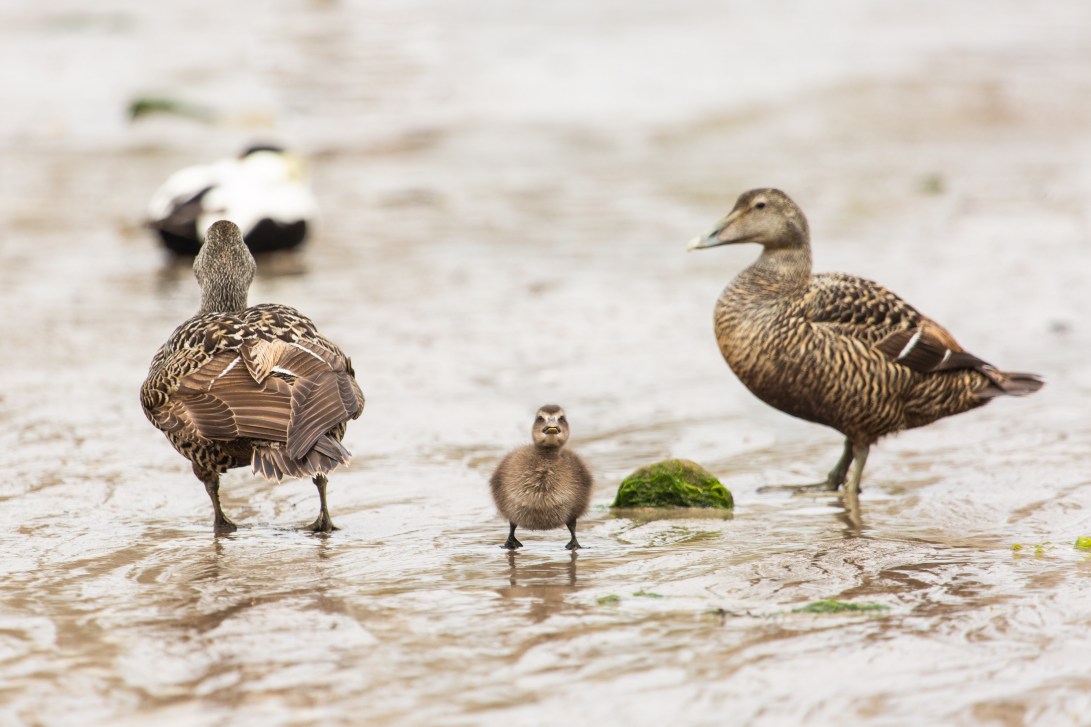
O12C4306-2O12C4309

The Farne Islands – Part 1

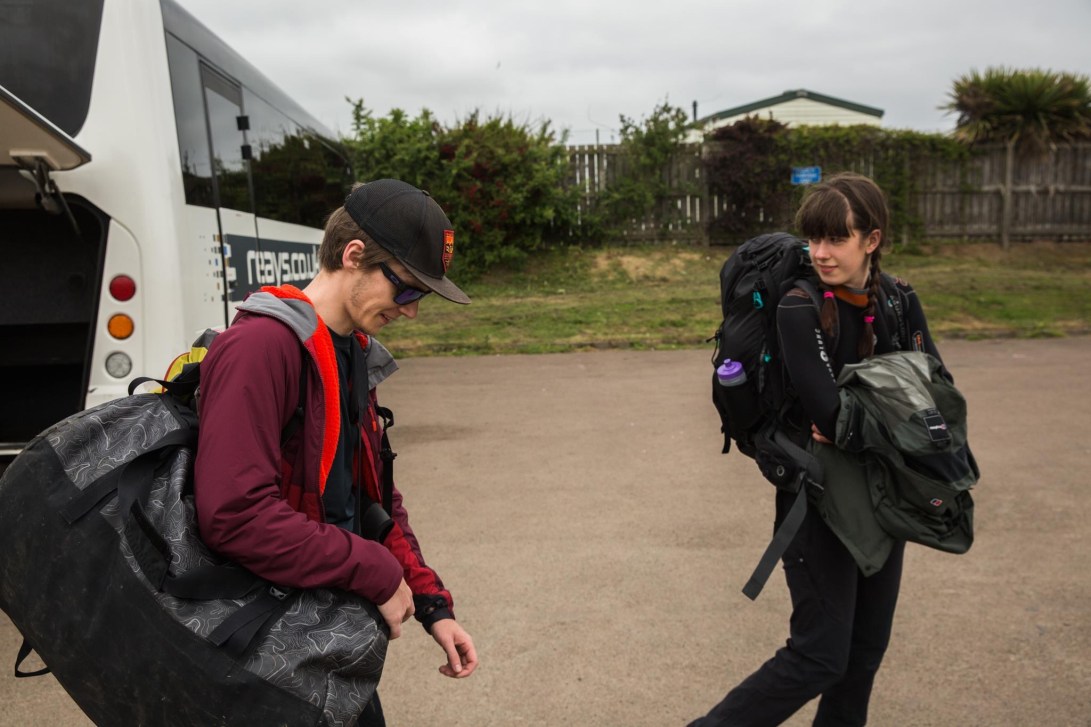
Our trip to the Farne Islands was looking like it would be a day of unforgettable wildlife encounters. We boarded the boat at Seahouses kitted out in wetsuits, boots, hoods and clutching snorkels in gloved hands. The clouds were light in colour and I had faith that the sun would soon break out.

IMG_0816
En route to the boat (Photo: Cain Scrimgeour)

There was a buzz of excited conversation as we moved out into open water, scanning the surface for wildlife. Cain, sharp-eyed as always, spotted the first puffin, as well as razorbill, guillemot, and a Manx shearwater. I twisted in my seat to spot everything he pointed out, but as usual, I was perplexed how Cain could identify such small, distant birds with immediate certainty. I could easily see the gannets though, a group of four that glided low over the water past the boat. I’ve said it many times before, but gannets are one of the best birds out there, and I never tire of watching them.

Before long we reached a widespread rocky outcrop where the boat would stop and let us jump out into the sea. One by one, we pulled on fins and adjusted facemasks. When it was my turn, I waddled ungainly to the back of the boat and took a somewhat hesitant jump off.

IMG_0814
Taking the plunge! (Photo: Cain Scrimgeour)

Cold water hit me like a fist and I suddenly couldn’t breathe. I was filled with a very unfamiliar panic that I’d never felt in water before. I was lifted back onto the boat and it was then that the skipper told me my over-sized hood had risen up over my mouth and my mask had filled with water. Feeling very sheepish, I calmed my breathing and tried again. My second attempt was more successful, but I was very unaccustomed to wearing fins when swimming. They were two dead weights on my feet that pulled my legs to the surface and completely threw off my balance. Having only ever worn a swimming costume in the ocean before, it now took real effort to get used to all this additional kit.

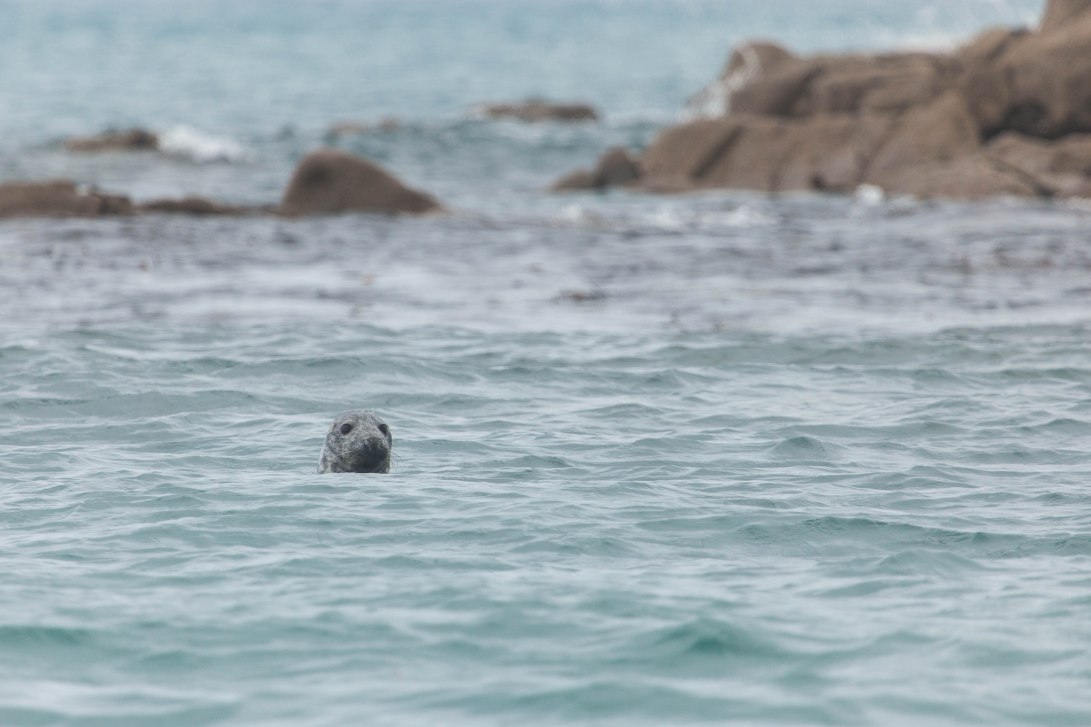
I glanced up and saw another of our group bobbing up and down in the water, but then I looked properly and saw it was in fact a grey seal. I experienced a combination of surprise and elation, and when I looked around I realised I was surrounded. Seals were everywhere, gazing with inquisitive expressions. One ducked under the water so I copied, watching it glide out of the kelp with an astonishing grace that it didn’t bring with it onto land. Water seeped into my mask again, and once I’d tightened it and put my face back under, there was a jellyfish right in front of me. I’d seen dead ones on the beach, but to see a live jellyfish propelling itself effortlessly through the water was truly beautiful.

I reached the rocks and rested for a while, watching the snorkels of other students in every direction. Suddenly another seal appeared, an arm’s length away. It flared its nostrils and snorted, staring directly at me, then ducked underwater. Once again, I followed its direction and watched with amazement as it brushed against me. Then, it held out his flippers and wrapped them around my leg. It was a surreal and incredible experience, feeling a wild grey seal squeeze my leg in what the anthropomorphist in me liked to think was a hug. It was nothing like it of course, but the seal reminded me of an excited puppy, and even nibbled my wetsuit like my dog would do. Before long it swam away and disappeared into the gloom, and I was left feeling ecstatic. Any encounter with a wild animal in its natural habitat was special, but to me it was even more exciting to share a completely new world with one, a world I never normally got the chance to be a part of.

IMG_1517
A curious face

As much as I hated to admit it, my hands were beginning to grow numb, so I waved to the skipper and got back on the boat. As I warmed up, I felt niggles of regret that I hadn’t tried to film my encounter on the GoPro I’d brought with me. But as I reflected on what had happened beneath the surface, I was glad that I hadn’t. In that moment I hadn’t been distracted by technology; I’d simply been there.

Carna – Day Three

Species seen:

  • Bog Myrtle – Myrica gale
  • Chaffinch – Fringilla coelebs
  • Common Frog – Rana temporaria
  • Common Porpoise – Phocoena phocoena
  • Common Shag – Phalacrocorax aristotelis
  • Common Tern – Sterna hirundo
  • Common Wood Sorrel – Oxalis acetosella
  • Cormorant – Phalacrocorax carbo
  • Eurasian Otter – Lutra lutra
  • Green-Veined Butterfly – Pieris napi
  • Grey Heron – Ardea cinerea
  • Hare’s Tail – Lagurus ovatus
  • Hooded Crow – Corvus cornix
  • Oystercatcher – Haematopus ostralegus
  • Pignut – Conopodium majus
  • Red-Breasted Merganser – Mergus serrator
  • Song Thrush – Turdus philomelos
  • Round-leaved Sundew – Drosera rotundifolia
  • White-Tailed Eagle – Haliaeetus albicilla
  • Willow Warbler – Phylloscopus trochilus
  • (Meadow Pipit – Anthus pratensis)

After another great night’s sleep we woke to learn about setting up a Longworth trap, a contraption used to live-capture small mammals. Usually the trap is initially set to pre-bait, meaning the door doesn’t close once the animal triggers the mechanism. This enables the creature to become more accustomed to the trap’s presence in the environment.

We filled the trap with ripped up grass for bedding and seeds for food, then nestled it amongst the rocks underneath a tree behind the cottage. We’re hoping to check the trap in a few days and see if we’ve managed to entice anything in.

IMG_5913

IMG_5901
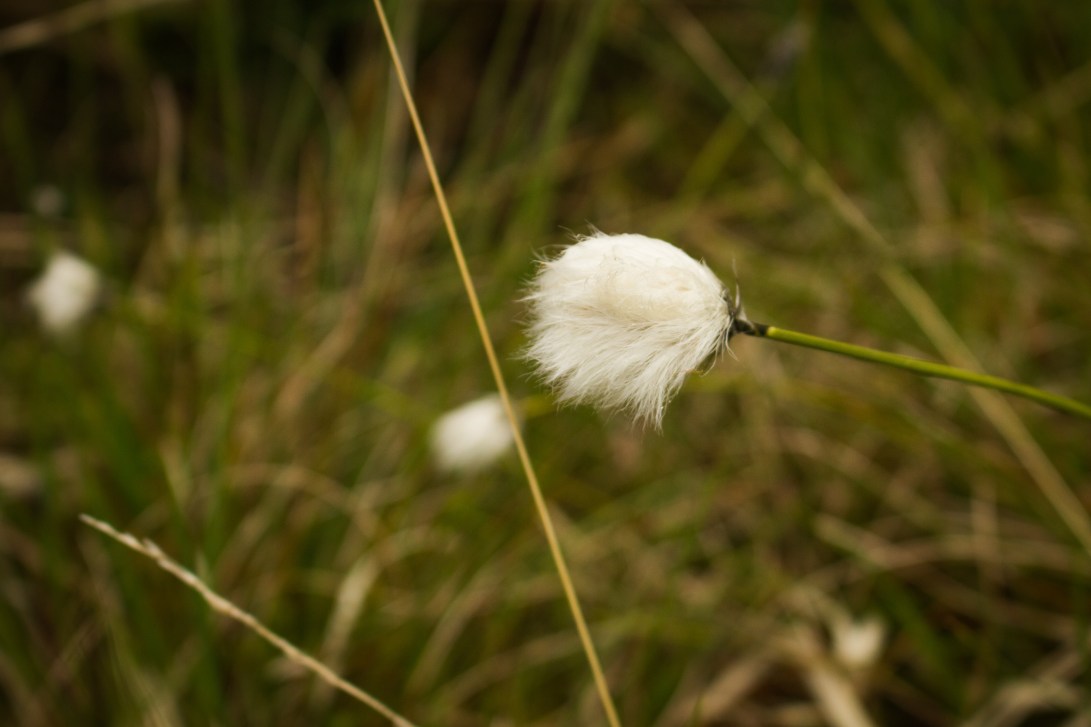
The cotton-like hare’s tail

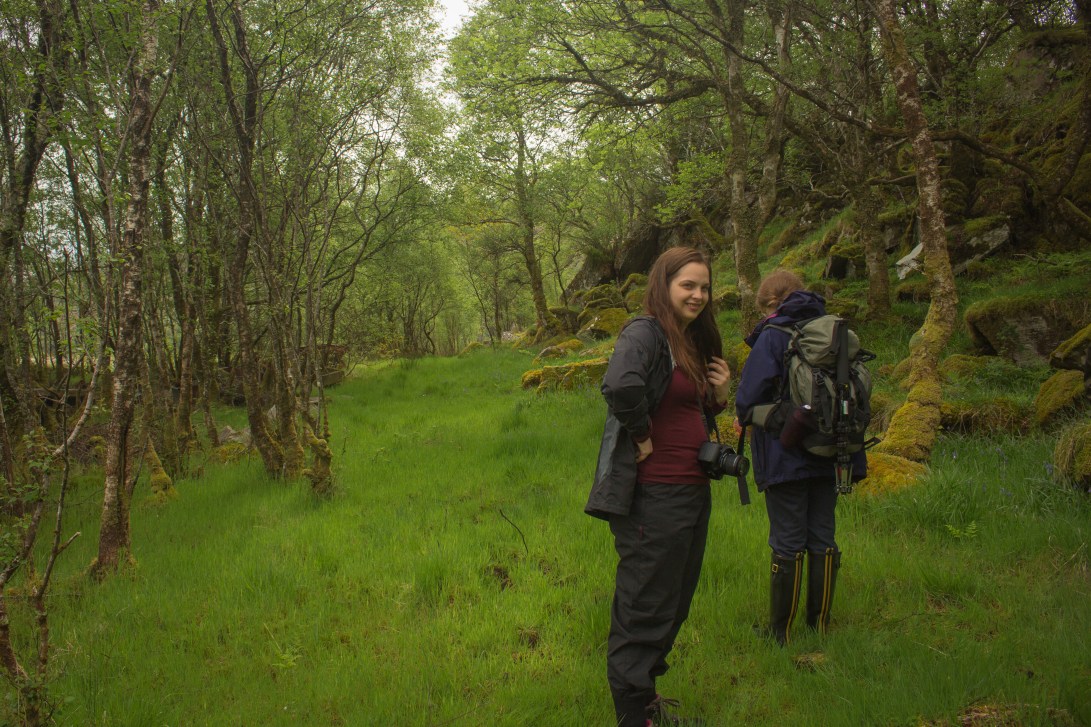
After the trap was set Cain talked us through the hides he’d brought with him; later today we’d split up and spend some time in them. For now though, Heather took us over to a different part of the island and we improved our flora knowledge. We learnt about many different species I’d never seen back home, including hare’s tail, pignut and wood-sorrel – the leaves of the latter tasted like apple!

IMG_5903

IMG_5933

I got round to some sketching of the landscape this afternoon before heading back to the cottage for lunch. Shortly after, we all headed off to the hides. Verity and Zahrah were occupying the site nearer to the house which promised glimpses of otters. Freya, Lequane and I chose to use a hide further on that looked out over the seal colony.

IMG_5926

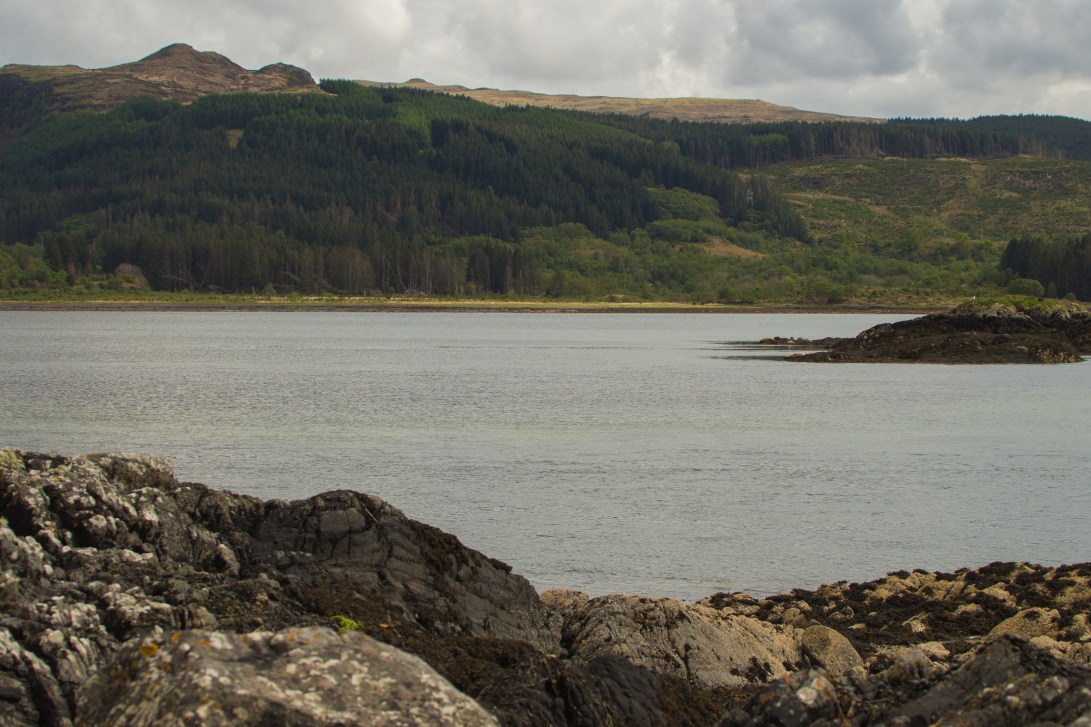
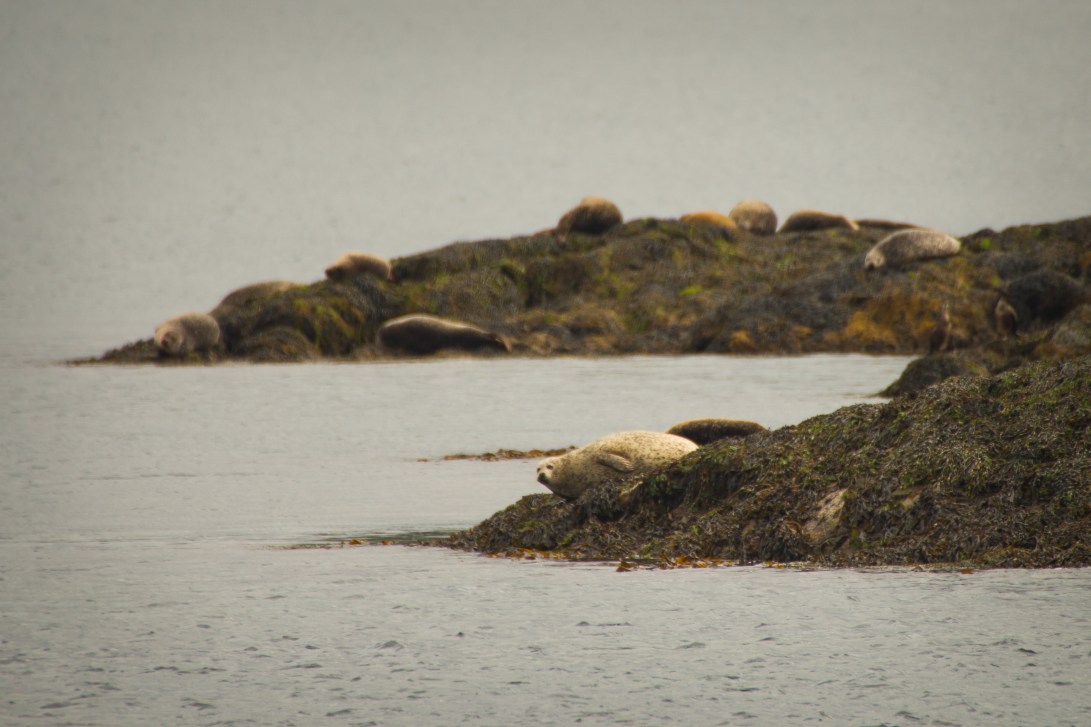
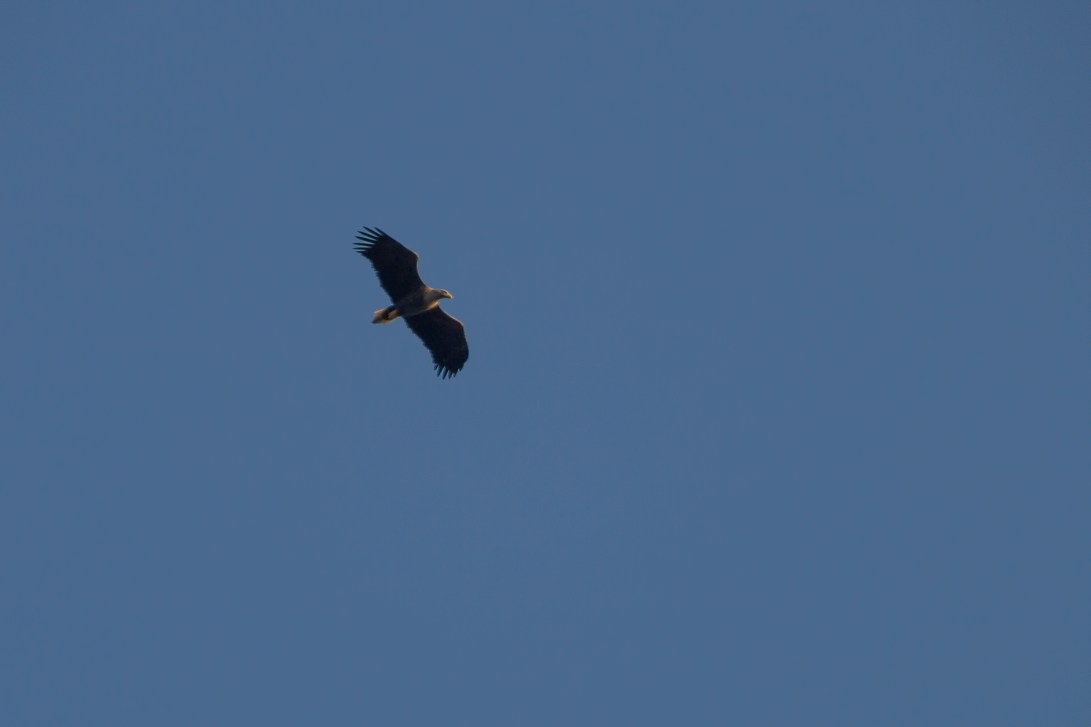
The tide was yet to fully come in so there were only a few seals dotted along the coastline, basking in the sun. Birds fluttered around them; oystercatchers, shags and herons alike. I was just admiring the hills of the mainland when I noticed a black speck in the sky. Binoculars up in an instant, I spied what I hoped and prayed to be an eagle. The three of us gazed up at the mystery visitor and deliberated over eagle or buzzard. A few moments later Cain came running out of the bluebell wood to tell us he’d just seen a white-tailed eagle swooping overhead, so our suspicions were confirmed. Giddy with excitement, we watched the ‘flying barn door’ glide through the sky, barely moving its gigantic wings. This was my first eagle sighting and I was thrilled.

IMG_6002

IMG_5960IMG_5968

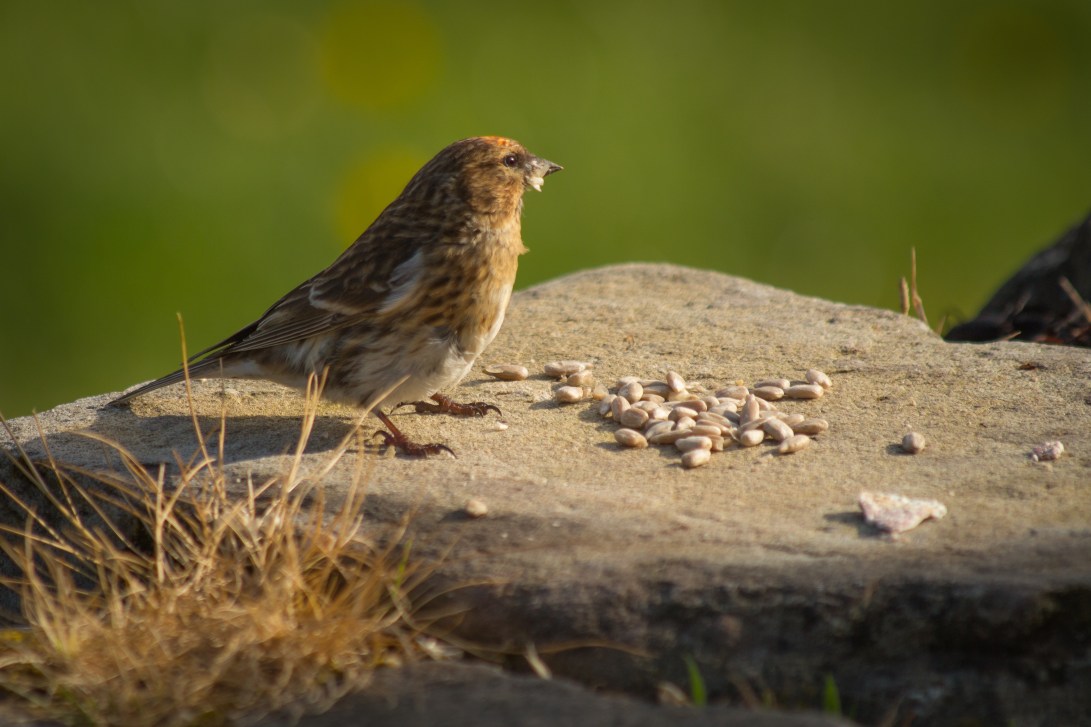
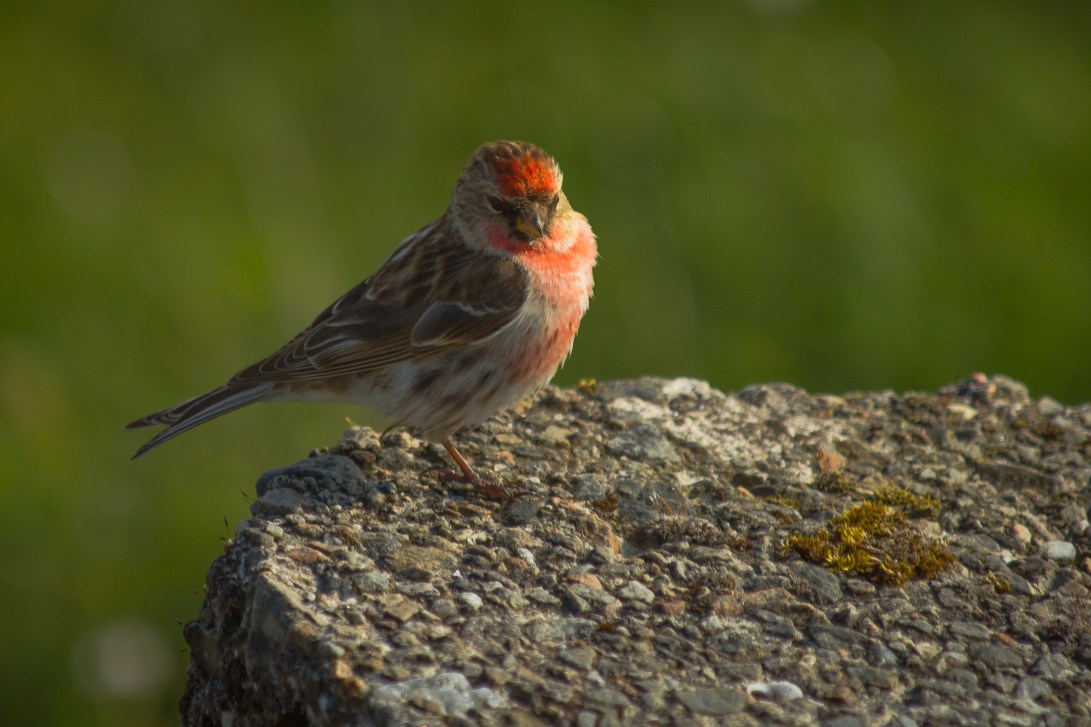
A few hours later, when the eagle was long gone and the seals were still fast asleep, we vacated the hide and wandered back. Just before dinner we were treated to both a male and female lesser redpoll just outside the cottage, the male in his beautiful breeding plumage.

IMG_6013

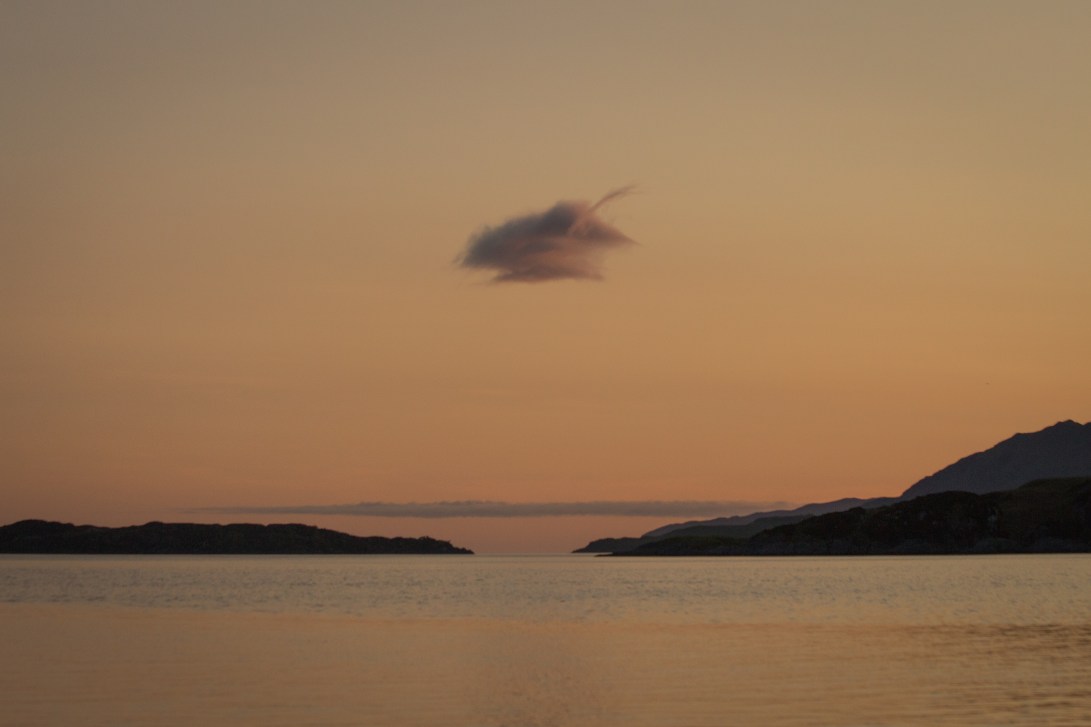
After our meal we set out on the boat with Cain. The sun was sinking low and casting a beautiful orange light across the water; even despite the boat’s engine the loch’s surface was smooth as glass. Our eyes were peeled for otters but we were rewarded with an equally special visitor: a porpoise. A brief flash of black every moment or so, dorsal fin slicing out of the water and back down. Despite the blinding sunset in our eyes we watched the elusive animal meander across the loch until it drifted off. Moments later a lone seal took its place, studying us with big black eyes.

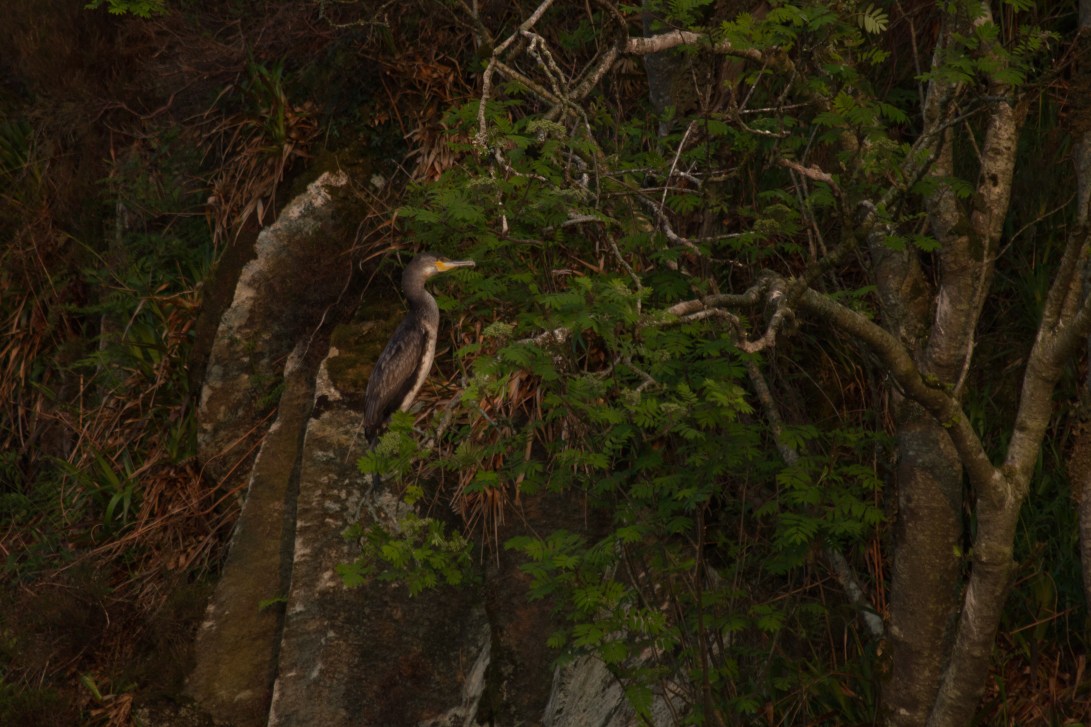
Cain showed us where the shags were nesting amongst the rock face. A year old juvenile perched proudly in the tree, supposedly trying to find a place to roost amongst the expecting parents. Several jet-black adults guarded the nests, squawking to each other.

IMG_6011
Common Sandpiper in flight
IMG_6074
Young shag on the rocks

As the day faded we completed the loop back to the cottage. All was calm until the single word ‘eagle!’ got everyone’s attention. Once again the magnificent bird was above our heads. It was fantastic to see such a formidable bird in the wild; even so high up above us the eagle’s wingspan was vast. I’d never seen anything like it. Sadly the light was too low to get good photos.

IMG_6088

Settling into bed after yet another successful day, I felt so grateful to have seen so much wildlife in two and a half days. So far we’ve covered an array of birds, mammals and insects – all I can hope for is more of the same for the rest of our time here!