In November, many mammals are preparing for hibernation while some new faces are arriving on the scene. In the latest instalment of my monthly series for Bloom in Doom magazine, I’ve shared some of the British wildlife highlights that can be seen during November.
Birds
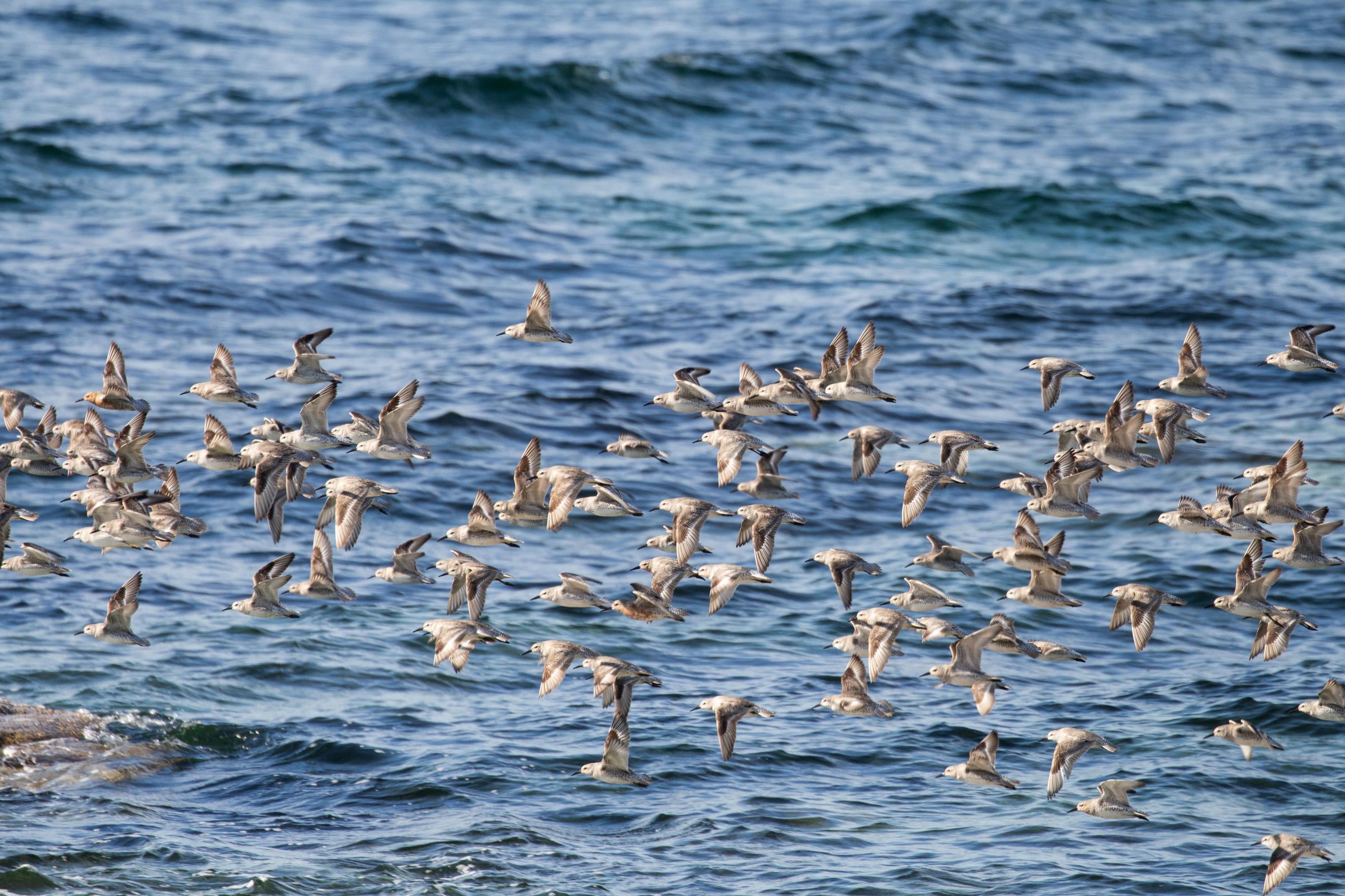
Winter is an excellent time for birders because of all the overwintering geese, ducks and waders that have arrived. It is thought that around 50,000 barnacle geese travel from as far away as Russia to reach our shores, which may seem chilly but are far warmer in comparison!
All those birds attract the attention of raptors, so also keep an eye out for peregrine falcons and harriers which are looking for a possible meal. Short-eared owls also travel south for winter and are often seen near the coast.
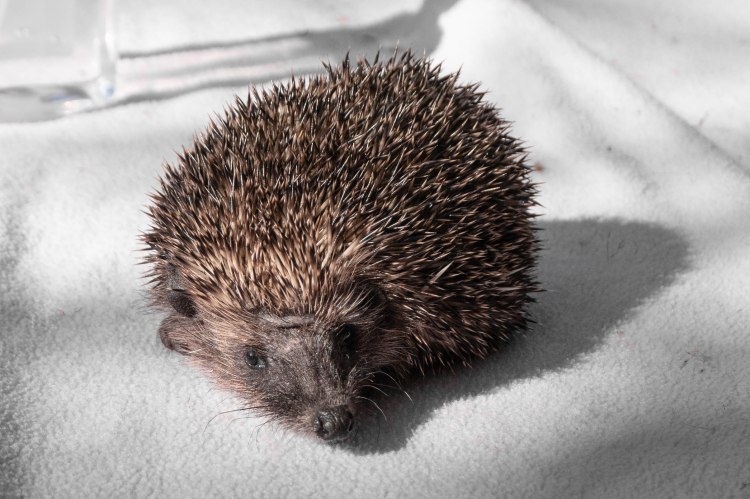
Many mammals are now looking to start their hibernation in November, including our special but now scarce hedgehogs. They search for large piles of branches and leaves, which sadly often include bonfires. Please always check bonfires for hibernating hedgehogs – the best thing to do is build it just before you light it. Also, it’s a good idea to leave fallen leaves on the ground instead of raking them up because they provide important hedgehog nesting material.
In November there are usually lots of baby hedgehogs handed in to wildlife rescue centres because they are born late and therefore too small to survive hibernation. For more information on what to do if you find an injured hedgehog, check out this link.
Fish
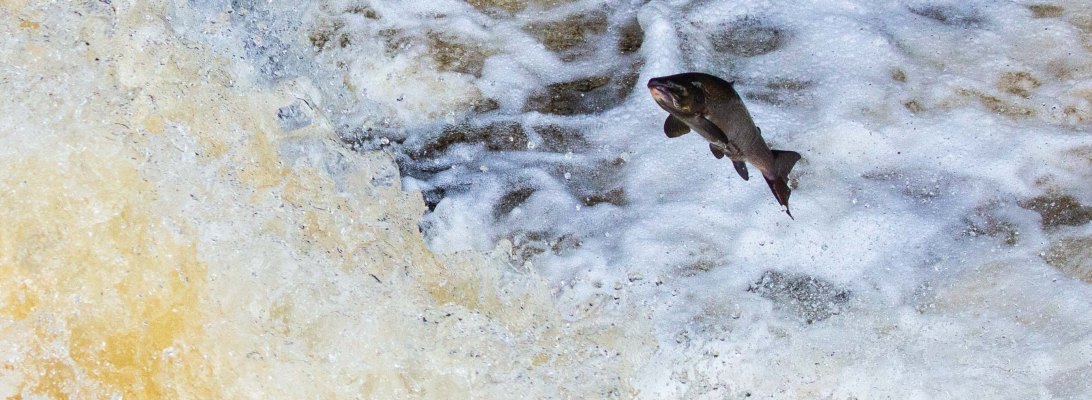
November is usually the peak of the salmon run – a dramatic and impressive feat. Mature fish are swimming upriver from the Atlantic to their spawning grounds, having waited in estuaries for the rains that raised the water levels enough to allow them to travel back to where they were born.
As if leaping several metres into the air to pass thundering water wasn’t impressive enough, during this time the salmon don’t feed at all and concentrate solely on their mission to breed.
With all the dolphin excitement recently, I’ve been sticking closely to the shore on my walks and neglecting the forest. I’ve always been worried that I’ll walk for miles and then get an alert saying there are leaping whales in the complete opposite direction.
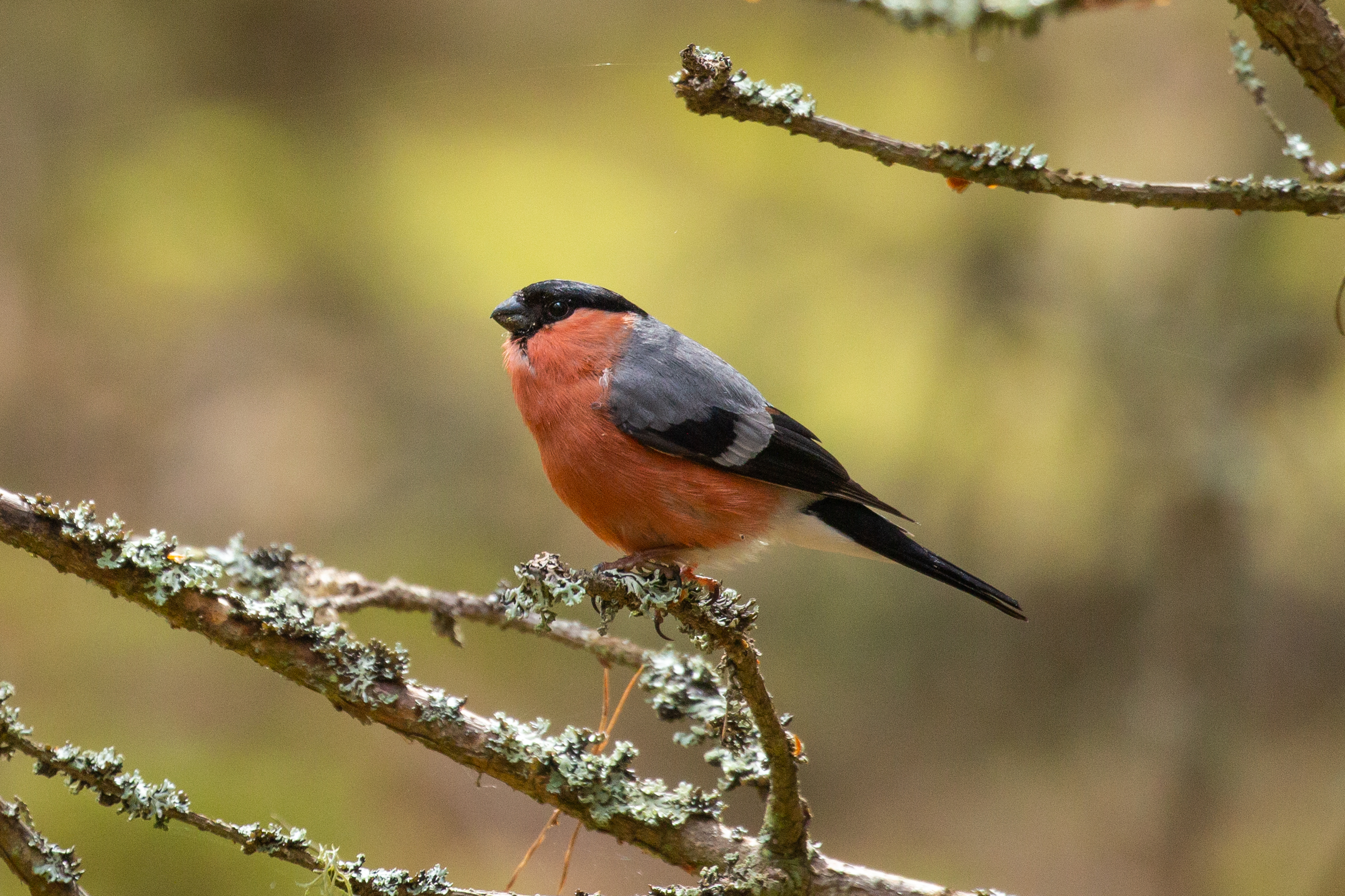
But, the other day I decided to take a chance and walk the dog in the forest for a change. Within five minutes, I saw a flash of rosy red and my heart did the familiar jolt that happens whenever I see something unexpected. And this was certainly unexpected: a pair of bullfinches not twenty feet away from me.
I’ve been trying to get a decent photo of a bullfinch for years. They’re one of my favourite birds but I’ve only seen them a handful of times. On every occasion they’ve either kept their backs to me or been concealed behind branches. I’ve taken a few blurry shots that prove they were there, but they’ve never been good enough to post. Now I was being treated with both male and female. While the male is more conventionally striking, I find the dusty brown plumage of the female just as beautiful. I just love their short, stubby bills, which are perfect for cracking hard seeds.
During the entire encounter my dog was amusing herself elsewhere, completely indifferent to my excitement. I stayed with the bullfinches as they hopped around logs and fluttered up to low branches. I could have sat and watched them for hours, but after a while I left them in peace.
Still buzzing from my sighting later that day, I decided to go back to the forest for an evening walk. There would be fewer humans and hopefully more animals to see. Roe deer were another of my favourites and a few weeks ago I saw a flash of brown fur as a doe pelted past me. I was keen to get a good photo of one – they were another animal that I’d never managed to get a proper glimpse of. So, despite the warm evening I wrapped up and headed out again. The sun wouldn’t be setting until 10pm so I had plenty of daylight left. In fact, it was prime golden hour and the broom – a shrub similar to gorse but without the spines – was glittering.
It seemed I hadn’t run out of good luck. After walking for less five minutes I saw movement through the trees. Four of the skinny saplings weren’t trees at all but slender brown legs. I froze where I was, conscious of every snappable twig by my feet. She was moving slowly, leisurely. I dared myself to tread up a grassy mound for a slightly higher viewpoint. There was so much dense ground foliage that I couldn’t see her very well. She headed to my left, straight towards a clearing between two columns of trees where I’d be able to see her perfectly. I lifted my camera slowly to my face and waited. When the moment came, the click of the first photo caught her attention and she turned to face me. For about ten seconds we stared at one another. Her pricked ears were huge satellite dishes on an otherwise skinny face, punctuated by large eyes and the characteristic roe moustache. The light was fading and I stretched to a slightly higher ISO than I would have liked. I knew the images were going to be a little grainy, but my deer was posing magnificently.
Eventually, human voices cut through my moment (of all the 1700 acres they could have chosen!) and the deer darted back the way she’d come. With such a slow shutter speed I had no hope of capturing her at that pace, so I just watched her springy legs disappear into the trees.
Inspired by such an early sighting, I pressed deeper into the woods, keeping my ears open for any unusual sounds that I wouldn’t hear during the day. The fantastical idea of pine martens popped into my mind but I pushed it away. To see a wild pine marten on my first evening forest walk would something close to miraculous. But a fox or perhaps an owl might be more likely, so I stayed as quiet as I could and did my best to avoid noisy leaf litter, although my stealth skills left a lot to be desired.
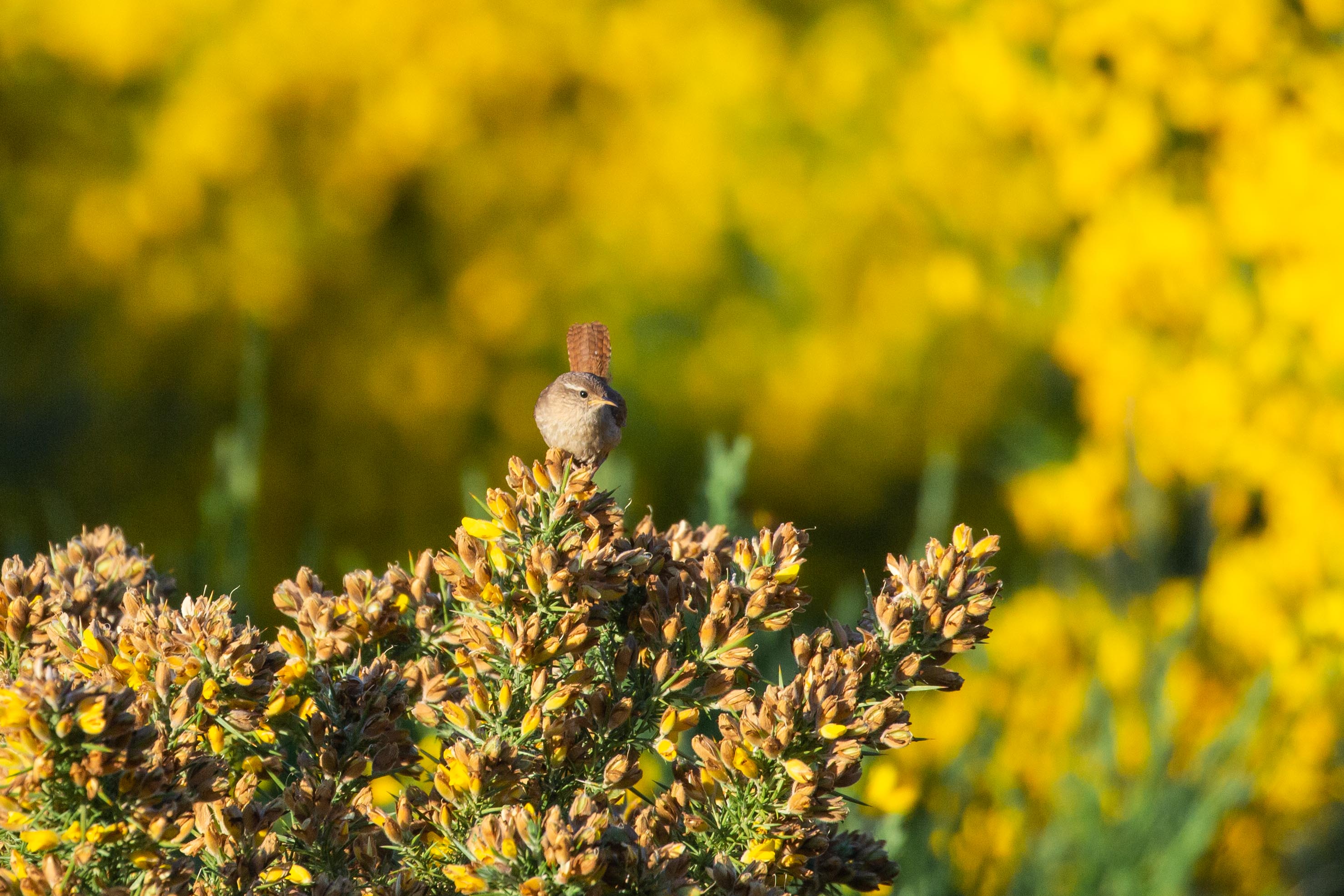
It’s astonishing how soothing a forest can be, if you let yourself align to its peace and quiet. I regularly stopped to listen to the birds, which at 9pm were still going strong. Far off, a blackbird perched on an overhead wire. If I closed my eyes, I could easily have been sat on my garden porch in Hertfordshire. A blackbird used to sing in the holly tree every evening without fail, and the sound became a firm part of my childhood. Elsewhere in the forest tonight was a chaffinch’s downward running tune, a wren’s bolstering trill and a chiffchaff whistling its name. I took recordings on my phone of all the assembled voices.
I walked and sat in the forest for three hours, until eventually at 10:15pm I began to feel the chill. Even so, the light was close to what it had been when I arrived, just without the bright sun – everything was lit with a milky glow that carried on long into the night. Moray is situated on the same latitude line as Gothenburgh in Sweden so during the summer months, the days last much longer and nothing goes completely dark. It’s a phenomenon I haven’t gotten used to yet. Many nights recently I’ve gone to bed and it’s still been light outside.
Taken at 10:17pm
I decided to call it a night. Looping back the way I’d come, I headed down the straight track that was lined on both sides by thick clouds of broom. I glanced briefly through a gap in the foliage and saw a face. Freezing, I stepped slowly back and came eye to eye with a male roe deer. My fingers itched for my camera, but there was no real chance of getting a photo. I could barely make him out with the naked eye. Most of his body was shrouded in shadows cast by the trees, but his face and antlers were dimly lit enough to spot. Again, we stood eyeing each other for a few moments before he took off, bounding down the ditch and up again. Then a sharp, gruff bark broke through the trees, which I realised was the deer! I’d never heard their barks before and couldn’t believe how canine they sounded. I wondered now if perhaps I had heard it and just dismissed it as a dog. It was haunting, especially in an ever darkening forest, but I loved it.
When I broke out of the trees and onto the open field, the spell broke. I felt a physical difference between the forest and civilisation. For hours I’d immersed myself in a place where people weren’t the most abundant presence and it was unbelievably refreshing. I decided, during the summer at least, to make my evening forays a regular thing. Daytime walks are good – I’d seen my bullfinches that morning after all – but there’s something far more mysterious and captivating about the night.
As someone who likes to potter around outside for hours while I write and watch the world go by, I’ve had to adjust drastically to my new lockdown routine. I describe my writing style as “immersive storytelling” – I go out and write about what I see to inspire other people to connect with their local wildlife. Over the past few weeks, it’s safe to say that I’ve struggled to stay creative. Although the restrictions are starting to ease in various locations, it is still difficult to get the access to nature that we all want and need.
It has been proven that being in green space benefits all aspects of our wellbeing. In 2018, a team from the University of East Anglia studied how the health of people living in urban areas compared to those who had more access to green spaces. They found that spending more time in nature “reduces the risk of type II diabetes, cardiovascular disease, stress and high blood pressure”.
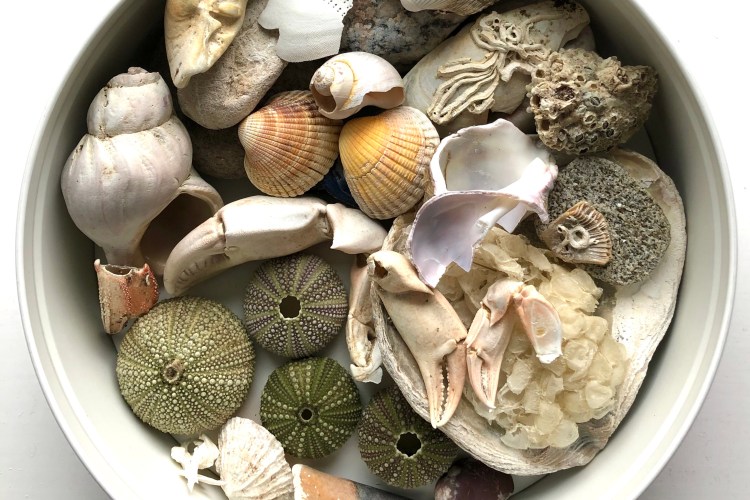
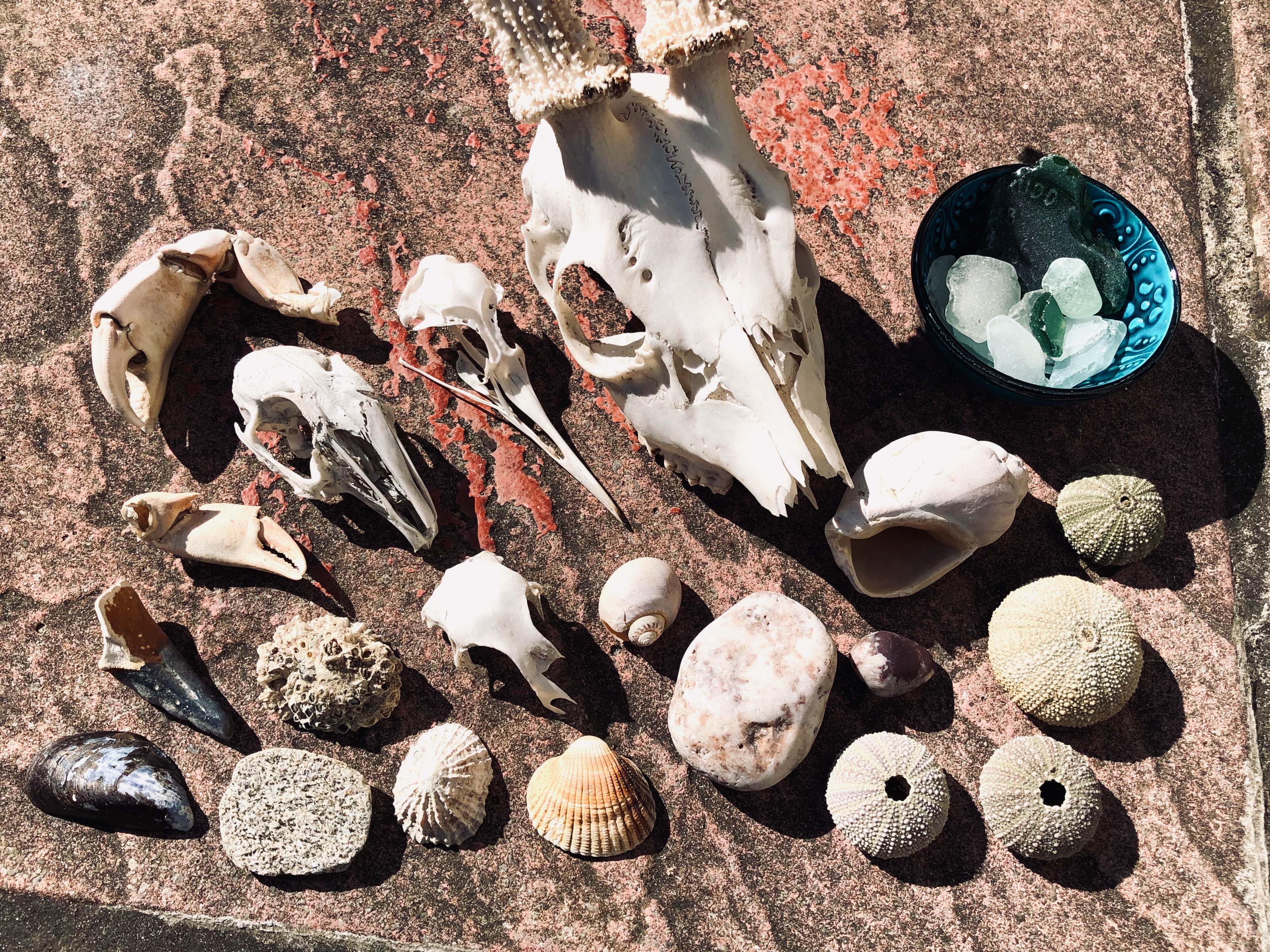
While cooped up indoors, I began to think of ways to stay connected to nature despite having to spend the majority of my time away from it. I’ve found that one of the best ways to do this is by bringing it indoors. I don’t mean catching birds or dragging in trees, but gathering small mementos. I’m lucky enough to live by the coast and I make a habit of collecting natural objects that I find on my daily walks. Together with other bits and pieces that I’ve collected from different habitats over time, I’ve made a nature table in my home that brightens up a room and provides a bit of wildness while I’m indoors.
Whatever habitats you have access to, there will be something that would make a good addition to a nature table. The great thing about wildlife is that everyone has a different relationship with it. My favourite things to collect are animal skulls – a male roe deer skull is pride of place on my nature table. Every item jogs a different memory in my mind. As well as being pretty to look at, a nature table is great for other senses too. I enjoy the tactile textures of frosted sea glass and rough sea urchin shells. Simply picking up these objects lifts my mood.
Author and illustrator of “The Wild Remedy” Emma Mitchell has struggled with anxiety and depression for most of her life, but insists that nature plays a huge part in helping her feel better. In a recent Instagram TV upload she shared the surprising healing power of plants for improving mental health. Plants produce oils called phytoncides which help the plant fight pathogens, but these same oils can benefit us too. When we inhale or touch these oils, our blood pressure, pulse rate and levels of cortisol (a stress hormone) go down. These small reductions can help us feel more relaxed and lift our mood. As well as house plants and garden flora, this also works with pots of supermarket herbs on the windowsill!
While plants appeal to our senses of smell and touch, one of the best senses for exploring nature is sound. A study at King’s College London found that listening to natural sounds such as birdsong improves mental wellbeing for over four hours. Recording snippets of audio on a phone during a daily walk is a great way to bring nature inside. Whether it’s woodland birdsong or crashing waves, natural sounds provide a relaxing background soundscape and, in my case, inspire creative thinking. For writers, it’s also useful to record any thoughts and observations you have while outside, so the details are fresh when you come to write them down later.
For those who can’t leave the house but have access to a garden, setting up some feeders will encourage more birds to visit and fill the air with their songs and calls. Another option is the brilliant Birdsong Radio app from the RSPB. This was launched after the huge success of the single “Let Nature Sing”, which for those who haven’t heard is a musical arrangement of some of Britain’s most loved but also threatened birds. As well as providing peaceful background noise, it’s a great tool for learning different bird calls. To listen to what specific species sound like, the RSPB website has small recordings on each bird’s profile.
The lockdown has forced us to change our usual routines and this has certainly brought its challenges. However, there is great enjoyment to be found in aligning ourselves to nature’s slower pace and exploring our local surroundings more closely. Despite the uncertainty, nature provides an opportunity to look after ourselves.
This article was originally published on Bloom in Doom magazine as part of my role as Nature Editor.
While carrying out my (perhaps too) regular scroll of Instagram I passed an intriguing post by Bloom in Doom magazine advertising media positions, one of which was an Online Nature Editor.
Bloom in Doom is one of those beautiful journal magazines where the pages look like works of art. A bi-annual publication, it’s all about positive and solution-based ecological journalism. As someone who always has an optimistic slant on their wildlife writing, I was interested in getting involved.
Less than a week later I have started as a new Nature Editor and posted my first web article, which is about how you can help puffins. The second volume of the printed and digital magazine is titled “Sustainability” and will be out in June. I am hoping to be able to contribute to the third volume, but until then I will be sharing lots of positive wildlife stories on the Bloom in Doom website.
Last night I had a lovely meal at the Grant Arms Hotel in Grantown-on-Spey before seeing a talk by Iolo Williams. Despite current news and hysteria, the lecture room was full to the rafters and extra chairs had to be squeezed into gaps.
Iolo’s new book is called “The UK’s Top 40 Nature Sites” and highlights natural gems up and down the country from the Lizard Peninsula in Cornwall all the way up to the Shetland Islands. Naturally, Iolo said that every site in England, Scotland and Ireland paled in comparison to those in Wales, “God’s own country”.
Iolo is such an inspiring speaker, sharing his stories with the confidence and laid back attitude of someone chatting in a pub. His passion is palpable and easily transfers to his audience. As well as golden eagles and puffins, Iolo was keen to highlight smaller and lesser known species. I learnt what the lion’s mane fungus looks like, and discovered just how beautiful the marsh fritillary butterfly is.
As I sat listening to Iolo’s favourite wild places, I realised that I’d actually been to quite a few of them myself. It gave me the idea of gathering my own list. Some of them are in Iolo’s book but some are my own additions. I’ve chosen places that offer almost guaranteed sightings of a particular species or the opportunity to get lost in secluded wildness. Either way, I hope people discover and fall in love with them as I have.
Anagach Woods
Iolo included Anagach in his book but I had to as well. I visited a few times when I was staying at the Grant Arms for the Wildlife Book Festival last spring and was absolutely captivated. I’ve never been in such a vast area of woodland. Although you will often see dog walkers at the edge of Anagach, as soon as you press further in and choose one of many winding trails, you quickly forget about cars, roads and people. Anagach is full of wildlife, from common coal tits and relatively easy to spot red squirrels to far rarer Scottish icons such as pine martens. Listen for crossbills flying over and look for the elusive but gorgeous crested tit, which is only found in the Caledonian pine forests of Scotland. One of my favourite sounds is a trickling stream running through a forest and I indulged my love for it in Anagach – perching on a rock watching water bubble past me between the trees. Unsurprisingly, it is easy to get lost in this sprawling forest, but that’s half the fun.
Goldcrest
Treecreeper
Farne Islands
The Farne Islands off the Northumberland coast are notorious for grey seals and I had the privilege of snorkelling with them in June 2018. It was during this visit that I had a seal swim up to me and wrap its front flippers around my leg, which is something I wish I’d photographed but will still never be able to forget.
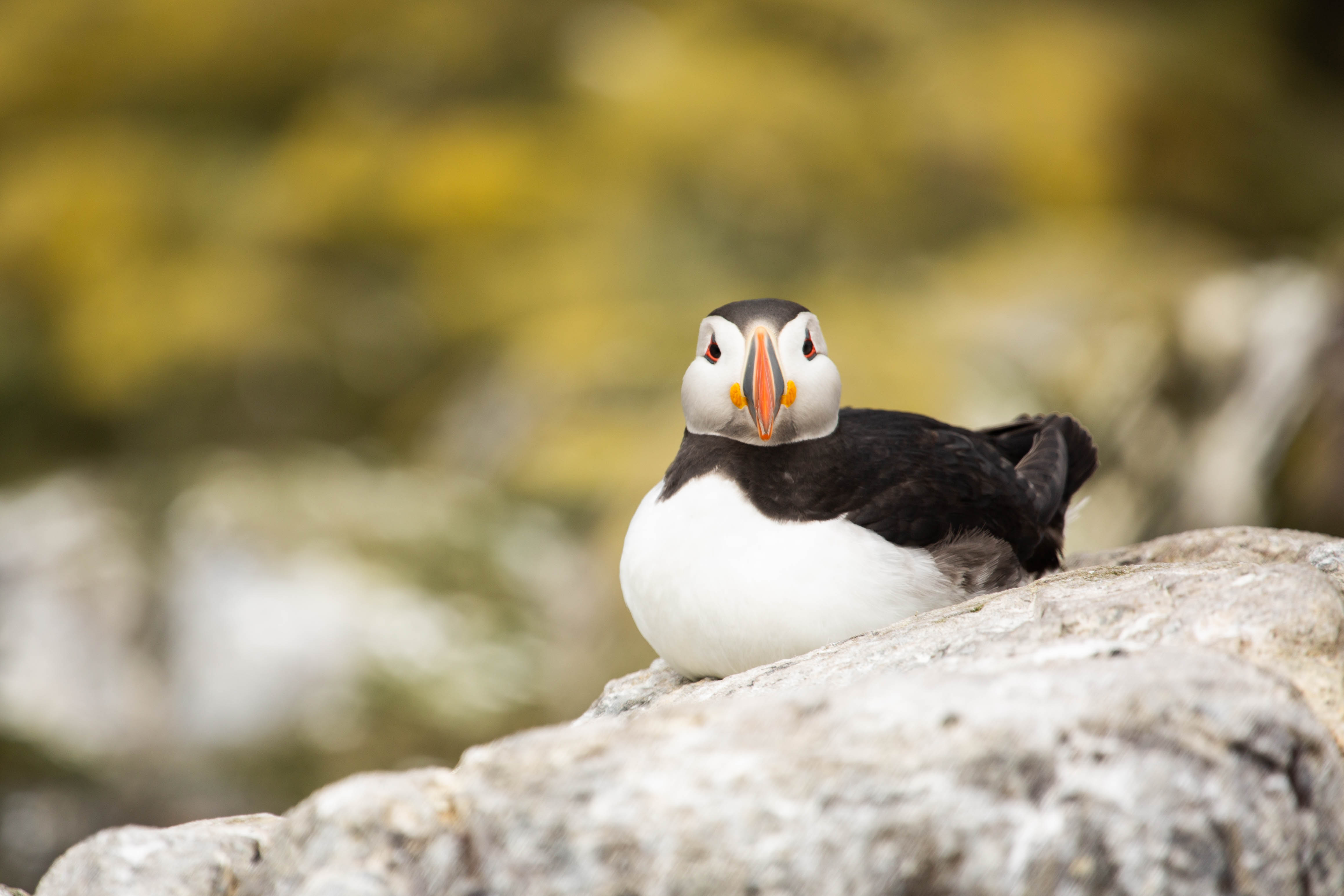
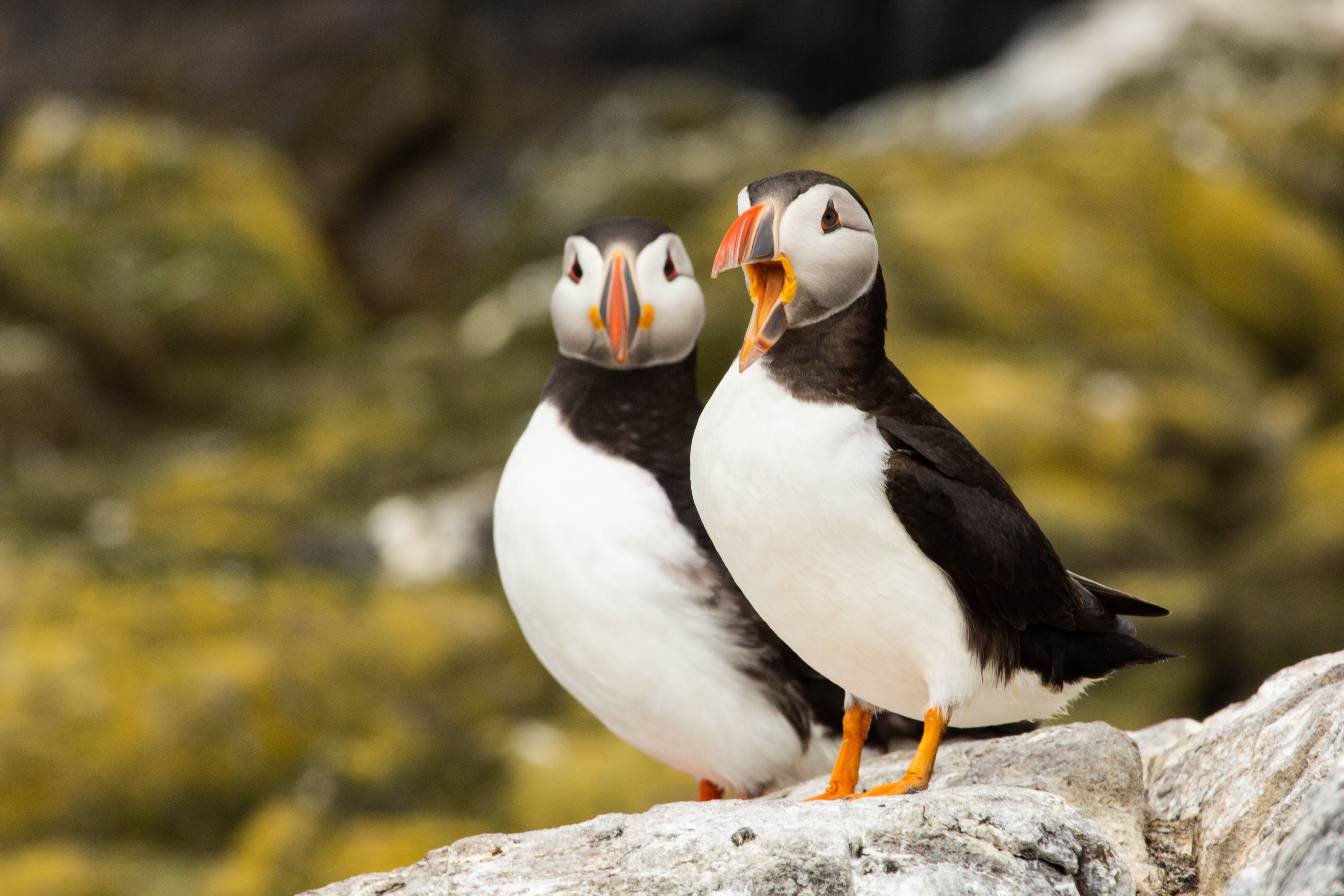
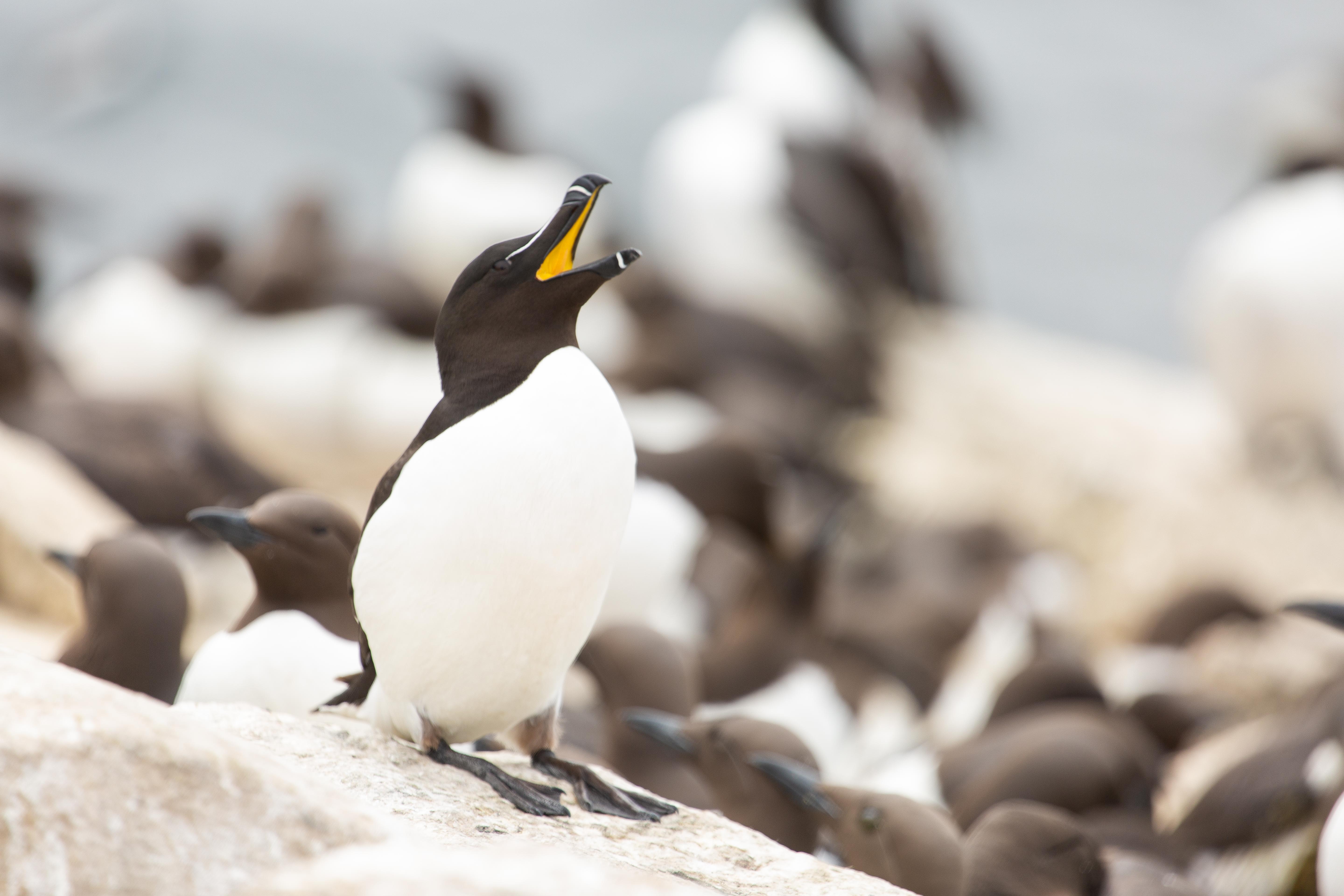
But despite the excellent views of seals, I’ve chosen the Farnes for their astonishing bird life. Moments after disembarking from the boat we were carefully weaving around nests positioned just off the path, our ears slammed with the onslaught of squawking from razorbills, guillemots, cormorants and everyone’s favourite, the puffin. I’d seen glimpses of puffins between waves before, but on the Farnes you can watch from a front row seat as they go about their business of hunting sandeels and dashing into burrows. For anyone wanting to see their first puffin, the Farnes are the place to go.
Puffins
Razorbill
Burghead Backshore
It is only recently that I’ve discovered just how special the Burghead Backshore is for wildlife. In just two weeks of living on this small peninsula jutting into the Moray Firth, I’ve seen plenty of cars parked along the bank with binocular-clad birders clambering out to scan the shore. People come from all over, including paying customers on Highland Safaris from Aviemore.
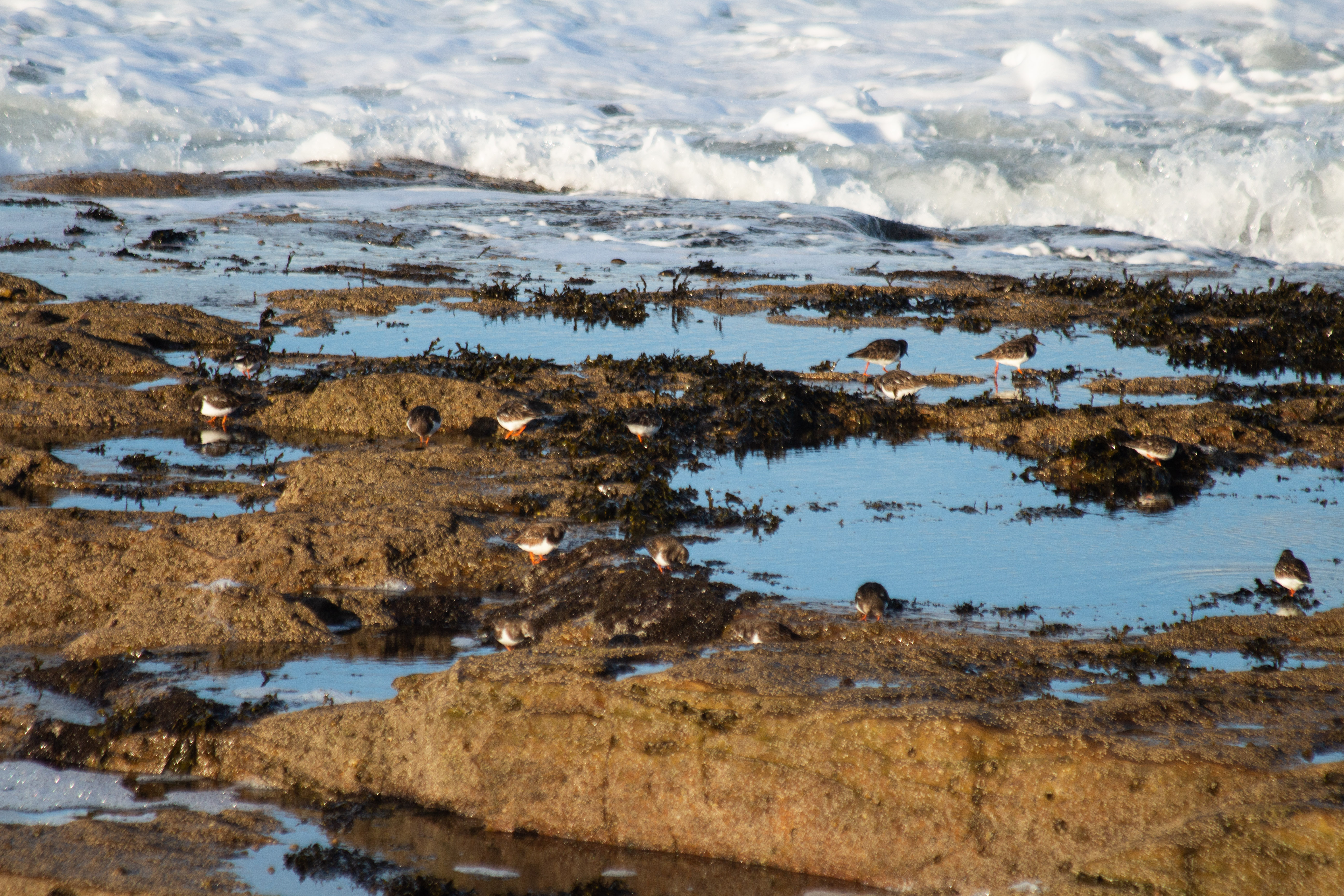
I can’t speak for every season, but so far during late winter I’ve had almost daily sightings of goldeneye, long-tailed duck, eider, red-breasted merganser, turnstone and redshank. For such a small area, the Backshore is bursting even during the lean winter months.
And of course, there are more than birds to be found around Burghead. The Moray Firth is one of the best places in the UK for bottlenose dolphins, and basking sharks and minke whales have also been seen, as well as grey seals. I can’t wait for the proper dolphin season to kick off in May, as I haven’t managed to spot any yet. This weekend I’m going to Inverness to become trained as a Shorewatch volunteer for Whale and Dolphin Conservation, so I can carry out official cetacean surveys in Burghead. I can’t wait to learn more about my local marine wildlife and contribute to conservation.
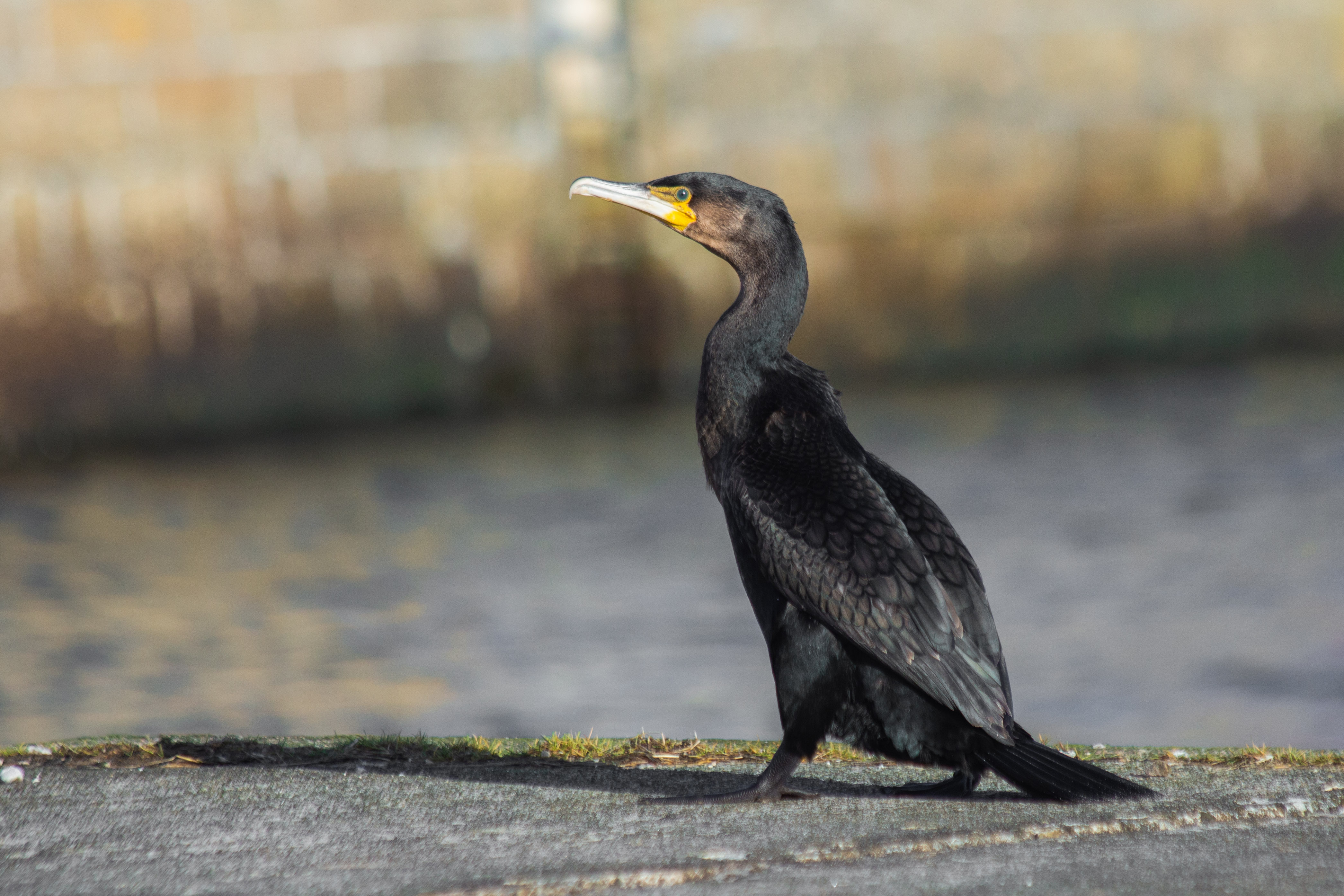
Cormorant
Redshank
Isle of Cumbrae
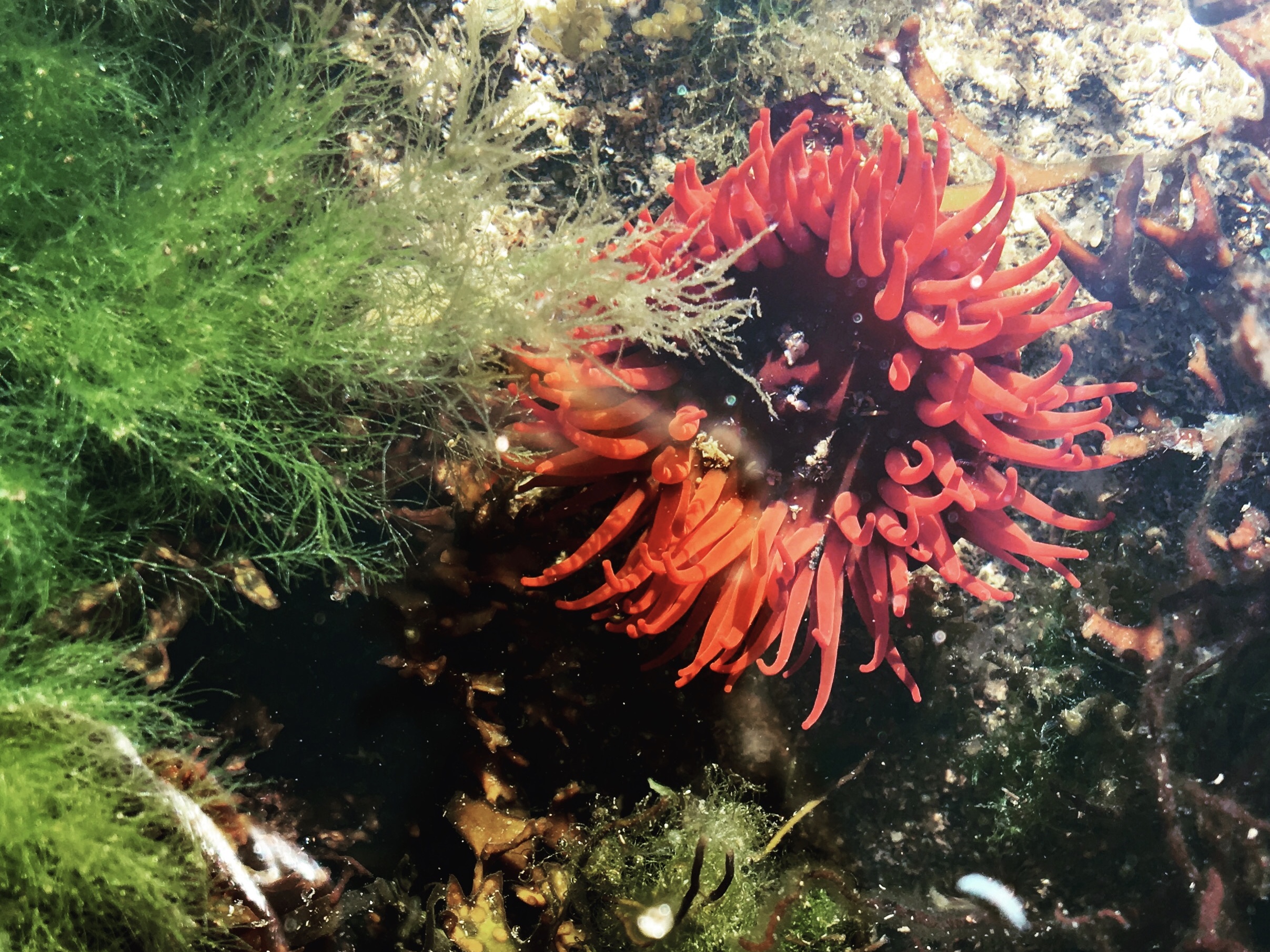
In May 2018 I attended a Field Studies Council weekend course on the Isle of Cumbrae in Ayrshire. It was a jump into the unknown that I didn’t fully appreciate until I was standing spread-legged in the shallows peering down into rockpools and glancing at a sheet of paper I didn’t really understand. The course taught us how to identify biotopes – the combination of a physical habitat and the biological community that lives in it – and although I certainly enjoyed staring down microscopes and poring over textbooks that weekend, the highlight for me was spending two full days on the beach looking for creatures in rock pools. We saw beadlet anemones, a stunning dahlia anemone, acorn barnacles, hermit crabs and common prawns. Every rock revealed a different discovery. Despite spending plenty of summer days at the beach in the past, I’ve never done so much rock pooling before and the FSC course started a new fascination for marine wildlife that I’m hoping to return to now I’m living on the coast.
I’ve finally done it. After feeling for the past year that I’ve been in the wrong place, and experiencing a far greater satisfaction every time I visit Scotland, I’ve finally moved there. Last weekend I drove 568 miles and upon arrival collapsed exhausted, filling the house with bags and suitcases. But over the past few days it’s finally started to sink in that I live here now.
The reason I can tell I’m in a much better place is I already feel a connection to the landscape, so much so that I’ve assigned myself a local patch for the first time. Back in Hertfordshire I never felt closely attached to any wild place, and even if I had there was nothing within walking distance of where I lived. Now I can walk for less than two minutes and reach the sprawling north side of the Burghead peninsula, known by the Brochers (Burghead residents) as the backshore. This is my new patch. Not only is it teeming with birds – attracting twitchers from across the Highlands as a result – but it is home to many species I don’t know, which will make the process of monitoring my patch even more rewarding. Having never been in regular contact with marine and coastal habitats before, my knowledge of gulls, ducks and waders is almost non-existent. I’ve been visiting my patch for three consecutive days now and have already learned to recognise six new birds: turnstone, redshank, rock pipit, goldeneye, curlew and long-tailed duck. When I stand on the bank scanning the waves, I think I see around a thousand dolphins breaking the surface, but the ocean is known for playing tricks. As the old saying goes, the harder you work the luckier you get. There are around 130 resident bottlenoses in the Moray Firth, and I’m determined to see some on my patch soon.
A well camouflaged curlew
Having a local patch is a great way to get to know an area intimately. By regularly recording not only the species but also the weather conditions, time and date of visits, you begin to detect changes and ultimately learn wild animal behaviours. On Sunday I went at 4pm and watched waders and gulls foraging amongst the rocks. Yesterday I went at 11am and the tide was completely in, so the waders were absent but there were still ducks and cormorants diving in the shallows. A marine patch is particularly intriguing because it changes drastically in a short space of time. In just a few hours the habitat is transformed, and new birds appear to take advantage of the conditions.
The backshore is full of redshanks
I’ve already met other birders at the backshore, including Steve Reddick from Highland Wildlife and Birdwatch Safaris, who had the added benefit of a scope. He was keen to see purple sandpipers, which are often here during the winter. I learnt most of my six new birds from Steve, and now wish he could help me with a mystery diver I keep spotting. It’s too far away to make out clearly through binoculars, and to my untrained eye the three species of diver seen here – red throated, black throated and great northern diver – all look very similar in winter plumage. Hopefully with a few more sightings I’ll learn the differences and be able to identify them with confidence. I’m particularly looking forward to seeing their summer plumage, which is not only easier to recognise but also stunningly beautiful!
Turnstones are notorious for fidgeting, but it would be nice if they all looked up every now and then!
It’s fantastic to have my passion for birdwatching renewed. I’ve been in a slump for months, so to finally be in a place that inspires and challenges me is both a relief and a privilege. I can’t wait to discover new species this year, not only on the backshore but all over the Moray coast.
I’ve never been able to meditate. I’ve tried it before, frustrated and envious of those people who can sit still and completely disengage from the distractions around them. For a start, I can’t even sit up straight without getting uncomfortable. I know you can meditate lying down, but then I just fall asleep. If I finally do find a comfortable position, I inevitably can’t stop thinking. “Focus on breathing”, all the books and videos say, and I focus on the first three inhalations wonderfully, but soon my mind wanders to my shopping list, deadlines, or reminding myself to put the bins out. I’ve discovered that meditation is just something that not everyone can do, in the conventional way at least.
The other day I went to Rye Meads Nature Reserve in Ware, Hertfordshire. I have quite a lot of things to do at the moment with my MA and the move to Scotland later this month, but I needed some time outside. I find it a real challenge to make time for walks, so I fought my better judgement and put work on hold to sit in a hide and watch birds. I don’t do this much – when I’m out and about I’m either on my way somewhere or keeping an eye on the dog to make sure she’s not getting into mischief, so it was a real indulgence to spend an entire morning ambling around a nature reserve.
I sampled each hide in turn, following muntjac prints in the mud as I walked, and eventually settled in one that overlooked a lake speckled with birds. A group of thirty lapwings were soaring over the water, swinging in a single mass from left to right. Each time they twisted the sunlight caught their backs, illuminating that iridescent green also concealed in magpies and starlings. I watched their display through the binoculars, captivated by the pendulum-like movement. Unlike a lot of wings that end in sharp points, these birds have wings that are loosely shaped like tennis rackets.
Eventually one bold individual decided that was quite enough flying, and as it swooped down to the water its companions followed until the air was empty again. They settled on the rocks alongside a pair of shelducks, shovelers, gadwall and a lone cormorant. The strips of pebbles cut the lake into wedges, separating midnight blue from slate grey. Ripples from bobbing coots sent tiny waves onto the shingle.
“Have you seen the green sandpiper?”
The voice made me jump after such a long silence. It was a member of RSPB staff, brandishing both binoculars and an impressive scope. Shimmying along the bench, I peered down the scope and watched the wader as it scoured the shingle for food on its skinny green legs. I’d have never spotted such a well-camouflaged bird without help. In fact, the green sandpiper was a species that I may have looked at but not noticed many times before.
The man with the scope carefully lowered the window cover and hitched the scope onto his back, heading back out into the sunshine. I carried on watching the lapwings, now foraging with their spiky hairdos fluttering. It occurred to me then that birdwatching was a form of meditation. You have to sit still, as quietly as possible, and often go for hours without speaking. My phone was on silent, buried at the bottom of my bag underneath gloves, sketchbooks and biros. The only connection I had was with the birds. Sure, I was hoping for bitterns, kingfishers and otters (none of which showed), but I found satisfaction in the more common residents. There is undeniable beauty in a young blue tit’s downy feathers, the tight curl of a cormorant’s dive and the vibrancy of a mallard drake’s head, which almost shines yellow in the right light. Maybe I’d denied myself the pleasure of birdwatching too long, but sitting in the hide looking out onto calm water felt like meditating. My work was back at the house and I was in the reserve sharing space with birds.
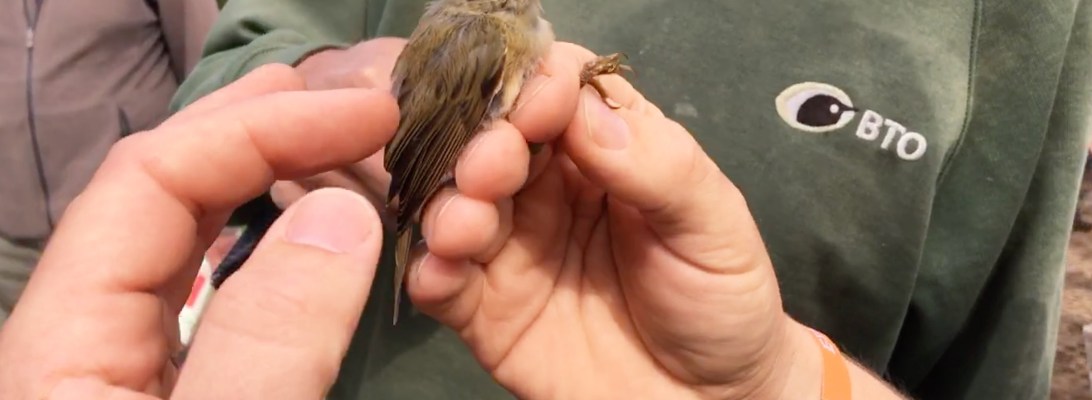
On the last day of Birdfair, I was keen to escape the bustle and crowds of the marquees and explore the surrounding reserve. On my way out to one of Rutland Water’s many hides, I was drawn to a small crowd gathered around the BTO bird ringing tent, where a demonstration was in full swing. As I got closer, I saw two chiffchaffs poking their tiny heads out of the ringers’ gentle hands. One was a mature adult with smart plumage; the other was a scruffy juvenile, two thirds of the size of its companion. The ringers held out the birds’ wings, displaying a delicate and powerful fan of primary feathers. Both chiffchaffs sat still and quiet in the hand – if it hadn’t been for their blinking beady eyes they could have easily been mistaken for taxidermy specimens.
After all the measurements had been taken, the ringers asked for two volunteers to release the birds. To my surprise only two hands went up, one of which was mine, so I followed the ringer to an open spot away from the marquee. He told me to hold my hand in a loose claw then he gently placed the juvenile chiffchaff into my palm, its tiny head nestled between my index and middle finger. I closed my hand slowly and the bird wriggled. I couldn’t believe I was holding something alive and yet so small. Its body was warm and unbelievably soft. Carefully, I put the hand holding the chiffchaff down onto my other open palm and slowly released. For a moment the bird rested there and then launched itself into the air, disappearing almost immediately over the trees.
I felt what could only be described as a surge of pure joy as I released the chiffchaff back into the wild. It was a real Snow White moment and in that fraction of time I felt exceptionally close to nature. Getting to hold such a tiny and wild thing in my hand was such a privilege. As I made my way to the hide I noticed there was a minuscule downy feather stuck to the tip of my finger and I quickly stashed it in my phone case. Wherever that chiffchaff wandered now, I had a small piece of it with me.
Lucy McRobert lost her mother to cancer when she was sixteen. Although it wasn’t as easily recognised at the time, she feels she suffered from some form of anxiety or depression, which she unconsciously suppressed until university when she rediscovered her love of nature. It was this passion for wildlife that helped her overcome the grief she had kept concealed for all those years.
It’s been proven that spending time outside and connecting with nature improves mental state and wellbeing. “Just like eating a balanced diet and exercising helps our minds and bodies”, Lucy writes, “Wildlife and wild places help us to get active, encourage us to be more social, improve our confidence and creativity and help us cope with stressful life events”. It’s true that nature is free therapy, but it’s also true that with hectic schedules and mundane commitments it can be difficult to get outside, or sometimes even find the motivation to do so.
That’s where 30 Days Wild came in. During her time working for the Wildlife Trusts, Lucy set up the 30 Days Wild campaign to encourage people to do “random acts of wildness” for every day in June. Involvement has grown exponentially since the campaign began five years ago and encourages everyone to take part in wildlife-based activities, whether that’s noticing something new, sharing experiences with others or taking a more practical approach and making positive changes to the environment.
The campaign led to Lucy expanding 30 days into 365 and so came her beautiful new book, published earlier this year. The concept isn’t to climb a mountain or build a pond each day, but instead encourages us to take part in ways as simple as making a daisy chain or buying a reusable coffee cup. When broken down into small steps and prompted by useful hints and ideas, Lucy’s book shows that it’s easy to stay wild even in a technological world.
I’m embarrassed to admit that I signed up for 30 Days Wild a few years ago and abandoned ship within the first week. Now I see that I’d had my sights set too high. Sometimes it’s impossible to walk outside every day, so Lucy recommends stashing back-up plans up your sleeve, such as buying a new field guide or queuing up a Netflix documentary when you’re feeling lacklustre or just lacking the time.
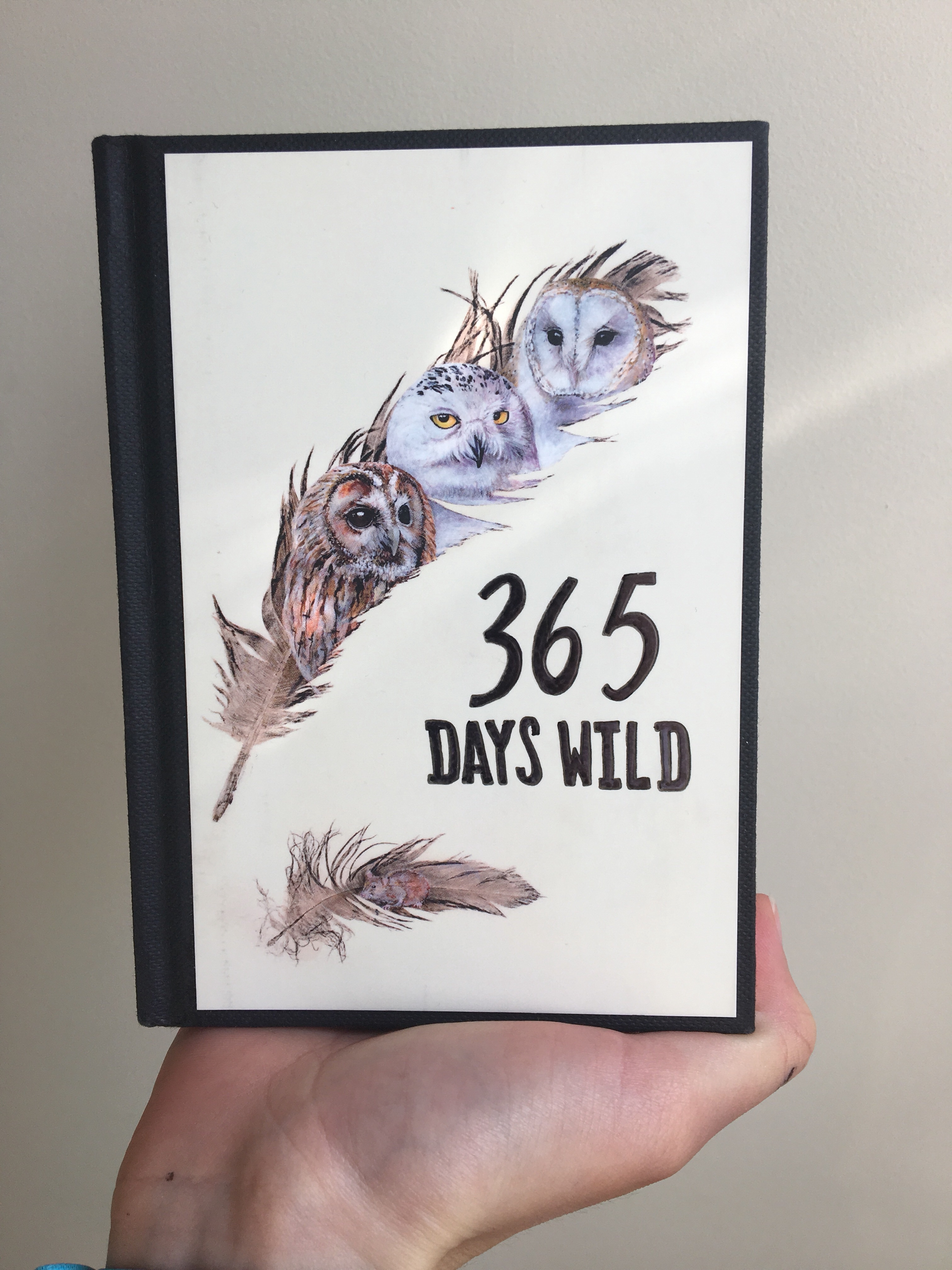
Inspired by Lucy’s passion and eager to give the project another go, I purchased something I’d seen earlier at Birdfair but couldn’t think of anything to use it for. I’d spotted a beautiful hardback sketchbook with stunning artwork from Mandi Baykaa-Murray AKA “The Feather Lady” on the front, who paints extraordinarily detailed bird portraits onto feathers (side note: check out Mandi’s art it’s truly incredible!) Now I had the perfect reason to buy it. Day one: Start a wild diary.

















 rebeccaonthewing.com