To Spy a Hawfinch

After our great grey shrike stood us up last week, I was determined to tick a bird off my wishlist. I did some digging and found there were a few good spots for hawfinches down in Kendal. Zahrah and I picked the best day of the week and headed down, this time with Kacper. As usual, when the alarm sounded I was struck by an overwhelming urge to leave the hawfinches to their business and dive back under the covers, but when I snuck a glimpse out the window and saw the bright promise of a beautiful day, I knew we had to go for it.

Despite the rather vibrant sun, a sharp chill met us as we left the warmth of the car, reminding us it was still February. Clutching my fists together in my Sealskinz gloves, we made our way up the track, away from people and towards wilderness. The path wound through a small wood, dappled by sunlight filtering through overhead. What had been squelchy mud was now frozen hard as concrete, and crunched under our footsteps. We were initially prevented from entering the open field due to a very restrictive swing gate. My bulging rucksack got wedged and I had to hold my tripod flush to my chest and reverse through – far from a sophisticated entrance.

The frozen ground stretched further, blades of grass as solid as real blades, and it was strange not to feel the gentle give of soft earth. The sun was trying to warm the landscape, taking every opportunity the clouds allowed it to reach us. Once back in the woods, it was shadier. Muffled conversations sounded in every direction; the proud song of a robin and the chatterings of crows all mingling together. We tried to ignore all of these and listen solely for a piercing whistle. This was the call of our target: the hawfinch.

Hawfinches are beautiful and unmistakable birds with striking colouring and formidable conical bills. Usually secretive and shy, they spend most of their time in the topmost branches, making the UK’s largest finch difficult to spot. Typically found in mature deciduous and mixed woodland, hawfinches regularly frequent hornbeam trees. The bill of a hawfinch is highly specialised to cope with the hard seeds and cherry stones that form much of its diet. Once a bird reaches maturity, its skull ossifies and two hard knobs form within each mandible, which are essential for holding a seed still while it is cracked. Findings from an experiment showed that hawfinches can exert a pressure of 60-90 pounds of force, which isn’t bad for a bird smaller than a blackbird.
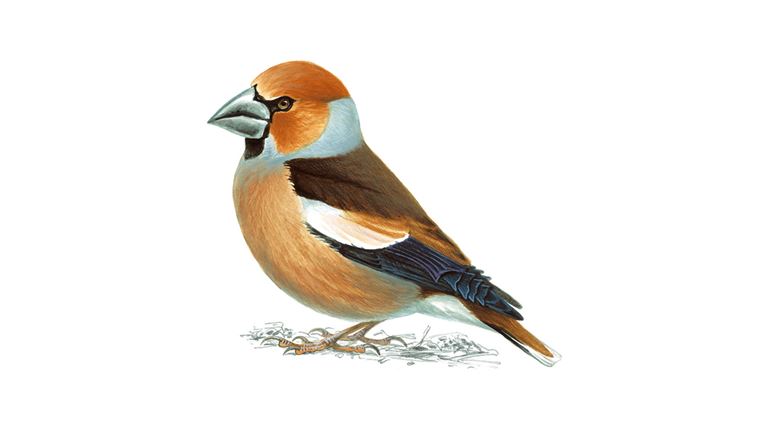
hawfinch_male_breedingplumage_1200x675
Hawfinch (RSPB)

As hawfinches frequent the tops of trees, spotting them can be a challenge, not to mention their timid calls are often lost among those of the more plucky birds. Although I never want to criticise the sun, it was shining at a rather inconvenient angle, so gazing up meant we could barely see the treetops, let alone brown birds. So, we tried to climb as high as possible to get a better vantage point. Soon we found a large clearing that gave us a 360° perspective of the forest. Seeming like a good place to set up shop for a while, we perched on a fallen tree and scanned with our binoculars.

There’s nothing quite like sitting in silence, listening to wildlife. Upon arrival you think the forest is a quiet and secluded place, and it would be to a person used to the thrum of cities and traffic. But to sit still and listen in a wild place is to hear a whole new language. I don’t understand it yet – something I’m hoping to soon rectify – but I could listen to its lyrical beats and rhythms all day. Understanding birdsong brings a whole new dimension to bird watching. Cain Scrimgeour, someone I consider a bird connoisseur, can hear the slightest chirrup up in the trees and tell you who made the sound. Sure enough, moments later that bird emerges. To me it’s magic. I consider my knowledge of British birds to be competent, but to know their sounds as well as their appearances is a truly incredible skill.

I heard a soft crunching of leaves as Kacper made his way towards me.

“What’s this?” He whispered, holding his camera up for me to look at the image on the screen.

My eyes popped and I bit back a loud gasp, “That’s a hawfinch! Where is it?”

He led me back to where he’d been standing and pointed up. Now began the near-impossible task of explaining to a person which tree in a hundred trees you are looking at. After a painfully long-winded ordeal I found where he was pointing, and with binoculars trained I saw my first hawfinch. Females are only slightly less brightly coloured than males, so to my eye I couldn’t tell which this one was. The bird was perched looking straight towards us, feathers hunched up. It was foraging, and I saw it pick a seed from its branch and arrange it in its bill to crunch down with that extraordinary force. The bill almost seemed too big for the bird’s body. It was like a person with a party hat positioned over their nose and mouth, almost comical.

Zahrah was a way off, so I was incredibly patronising (though I believed it was necessary in this occasion) and made several hasty finger clicks to get her attention. Once she’d arrived Kacper explained the bird’s location again and we all watched. I made the mistake of retrieving my camera from its resting place by the log, and when I returned the bird had retreated to a tree further off. It was joined by three more, and although I tried they were too far off to photograph. This, to my shame, was the result.
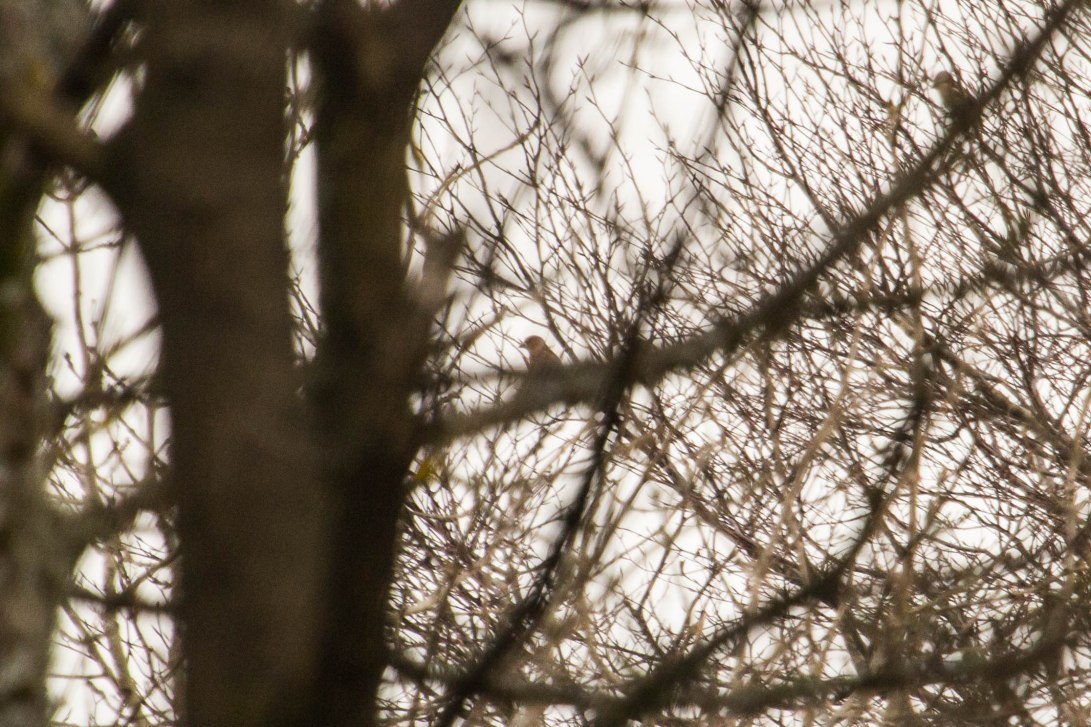
IMG_8794
Not exactly Bird Photographer of the Year

There was another rustling of leaves and we turned to see an elderly man making his way down the bank.

“Seen any?” He asked, knowing exactly why we were gathered there.

“A few!” I replied excitedly, and once again Kacper directed the man’s view to the right tree.

“There were 43 here yesterday, so I’m told,” the man said, “The reserve ranger and volunteers saw them, couldn’t believe their eyes.”

Forty-three hawfinches. For a moment I cursed myself for not thinking to come a day earlier, but as I watched a pair perched way up in the topmost branches I was grateful we’d seen any at all, even if the photos were incredibly dodgy.

After a while the finches flew off. I glanced up in our immediate surroundings, wondering if the elusive birds had gathered directly over our heads – it’s something I would do to birdwatchers if I were a pretty finch – but the branches were bare.

“There’s another good spot back the way you came,” the man told us, “In the clearing. I’m walking back home that way I’ll show you.”

So we headed up the track, which by now had begun to thaw, the mud regaining its sticking power. Back in the open field, we were reminded again of the chilly February breeze, and willed the sun to make a reappearance.

We thanked the man as he went on his way, then we settled down to eat our lunch overlooking the open fields. Every time one of us spotted a dark patch in the treetops, we hastily studied it through the bins. But the hawfinches had headed off, submerged once again in their woodland domain.

On the Hunt

After watching Chris and Michaela hunt for great grey shrikes on Winterwatch, I realised what stunning birds they were and that I’d quite like to find one for myself. I asked Cain if he knew of any recent sightings and of course, he did. There was one of these beautiful shrikes in a patch of rural Newcastle that had remained in the area all winter. So, early on Friday morning, Zahrah and I set off to try and track the bird down.

As we made our way east towards Newcastle, the combination of pouring rain and sleet filled me with dread. As usual, the weather forecast had gone awry, and I hoped the grisly sleet would clear up by the time we arrived. Luckily it did, and once parked and heading down the track with eyes peeled, we stayed dry. We were looking for a patch of stark white at the tops of the bare trees. Every so often we would stop and peer across the field, binoculars meticulously scanning each tree. Unfortunately, great grey shrikes are not vocal birds, so there was no telltale call we could listen out for. This would be a case of sharp eyes.

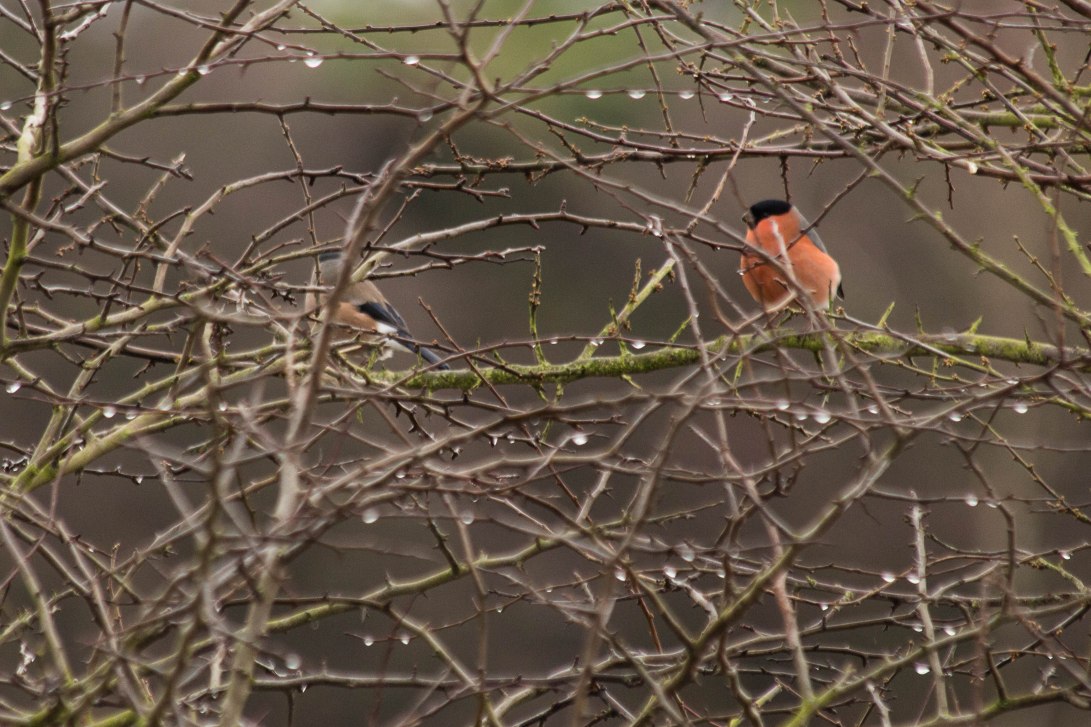
We came across a group of bullfinches – a handsome male and two females – as they foraged in the bushes. I have a soft spot for these vibrantly coloured birds, so stopped to take photos, trying to manoeuvre myself to sneak a clear glimpse of the male through a break in the tangle of twigs. This was only partially successful.

IMG_8729
Bullfinch pair

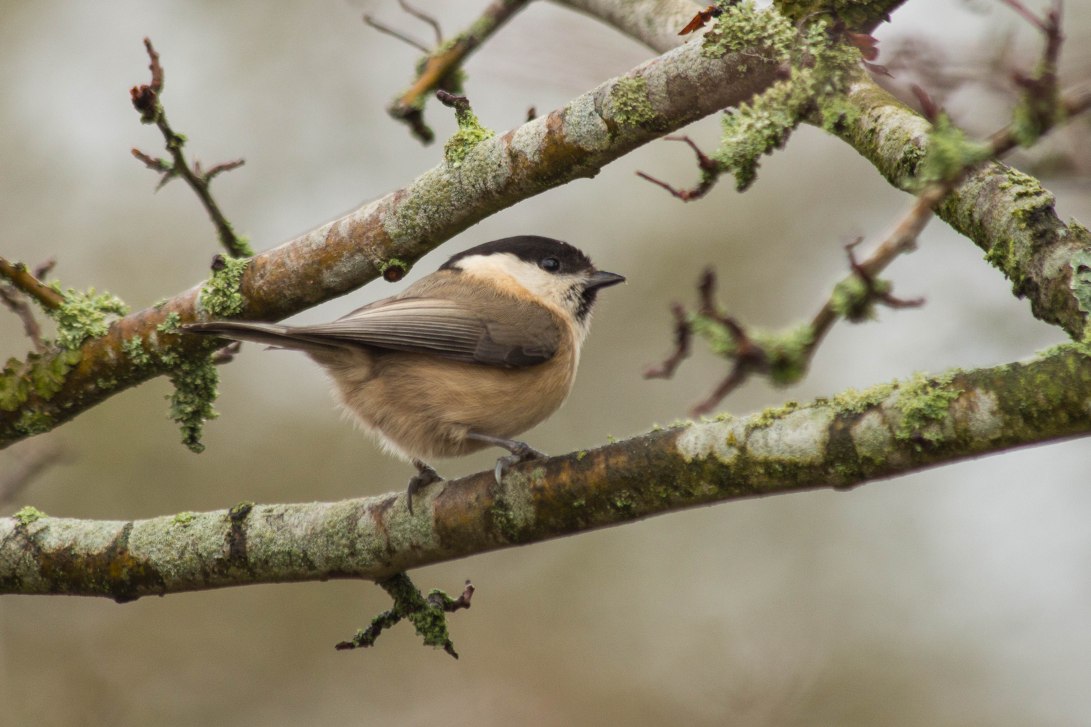
As we trudged up the track, the only sound to be heard was the mud as it sucked on our boots. I found it a challenge to survey the trees for signs of movement while keeping an eye on where my feet were landing. After no sign of the shrike, we decided to try the other stretch of track that hugged the same field. At the crossroads we encountered a vast flooded patch of grass. At first glance it seemed empty, but a look through the binoculars revealed a large gathering of lapwing and golden plover huddled together. Further up the track, a hubbub of activity surrounded the bird feeders hanging from a tree. Great tits, blue tits, robins, a ground-foraging blackbird and a special sighting: a willow tit. I’d never seen one so close – a bird that I find indistinguishable from the marsh tit. According to the BTO, the most reliable way of telling these two species apart is by listening to them, as the birds’ most common calls are quite distinctive from each other. While marsh tits make a sneeze-like “pitchu” call, willow tits have a nasal “chay chay” sound.

IMG_8743
Willow tit
IMG_8753
Great tit

We had come to the joint decision that our shrike would sadly not be making an appearance today. The needle was well hidden in the haystack, and we made our way back to the car. A little way further out was another reserve that we decided to visit. By this time, unexpected sunlight was filtering through the dissolving clouds, and gleamed on the pond, illuminating a flock of wigeon. They chatted to each other but were otherwise motionless. High up in the trees was a buzz of excitement, and yet more beautiful bullfinches! These ones were silhouetted against the sky, so their smart plumage was diluted in the sun. Accompanying them were great tits, siskin and a few goldfinches. A magpie was perched in the topmost branches, feathers ruffling as the wind caught him.

IMG_8760
Magpie

Before long it was golden hour, where the sun began to vanish behind the pond. The trees took on a shimmering glow, every hue heightened. A group of blue tits fluttered around, barely perching for a moment before swooping in another direction. I thought I saw the fluffy brush of a red squirrel’s tail disappearing between two boughs, but after waiting stock-still for it to emerge, I thought perhaps it was just a trick of the golden light.

IMG_8781
Golden hour

Species seen

Blackbird (Turdus merula) Black-headed gull (Larus ridibundus) Blue tit (Cyanistes caeruleus) Bullfinch (Pyrrhula pyrrhula) Buzzard (Buteo buteo) Carrion crow (Corvus corone) Cormorant (Phalacrocorax carbo) Goldcrest (Regulus regulus) Golden plover (Pluvialis apricaria) Goldfinch (Carduelis carduelis) Great tit (Parus major) Grey heron (Ardea cinerea) Lapwing (Vanellus vanellus) Magpie (Pica pica) Mallard (Anas platyrhynchos) Pheasant (Phasianus colchicus) Pied wagtail (Motacilla alba) Reed bunting (Emberiza schoeniclus) Robin (Erithacus rubecula) Siskin (Carduelis spinus) Song thrush (Turdus philomelos) Starling (Sturnus vulgaris) Treecreeper (Certhia familiaris) Wigeon (Anas penelope) Willow tit (Parus montanus) Woodpigeon (Columba palumbus) Wren (Troglodytes troglodytes)

Signs of Spring

Here is a piece I wrote for ‘A Focus on Nature’, the UK’s Youth Nature Network, where I’ve already met some really interesting writers, photographers and artists. I’m also very proud to say I’ve just been shortlisted for the AFON Pictures of the Week 2017. If you’d like to vote for my photography, follow the instructions on this link. Thank you!


“It is a moment of quickening, of rebirth. The old, lovely story: life surging back, despite everything, once again. However spring finds you – birdsong, blossom or spawn – it is a signal: the earth turning its ancient face back to the sun.” Melissa Harrison
One afternoon as I arrived home from a university lecture I stood at the living room window and peered out into the garden as I always do. As usual, the birdseed I had put out the evening before had already gone, polished off by jackdaw and sparrow alike. Today, however, there was a crucial and very welcome difference – the appearance of the first snowdrops of the year. They were very young, still curled up tight in stiff buds, but I knew before long they would be hesitantly opening, their petals tiny white flags signalling the slow beginning of spring.

1 Snowdrop Rebecca Gibson

As January draws to a close, the temperature lifts and although the winter rains usually persist, our gardens are brightened by the tentative emergence of wildflowers. Bold snowdrops have led the way, but soon to follow are yellow and early (purple) crocuses, bringing a splash of colour to the repetitive greens of the lawn. Amongst all this emerging beauty is perhaps the true star of spring: the bluebell. A delicate flower more violet than blue; even one alone is a welcome sight after the biting winds and downpours of winter, but a carpet of bluebells is enough to take your breath away.

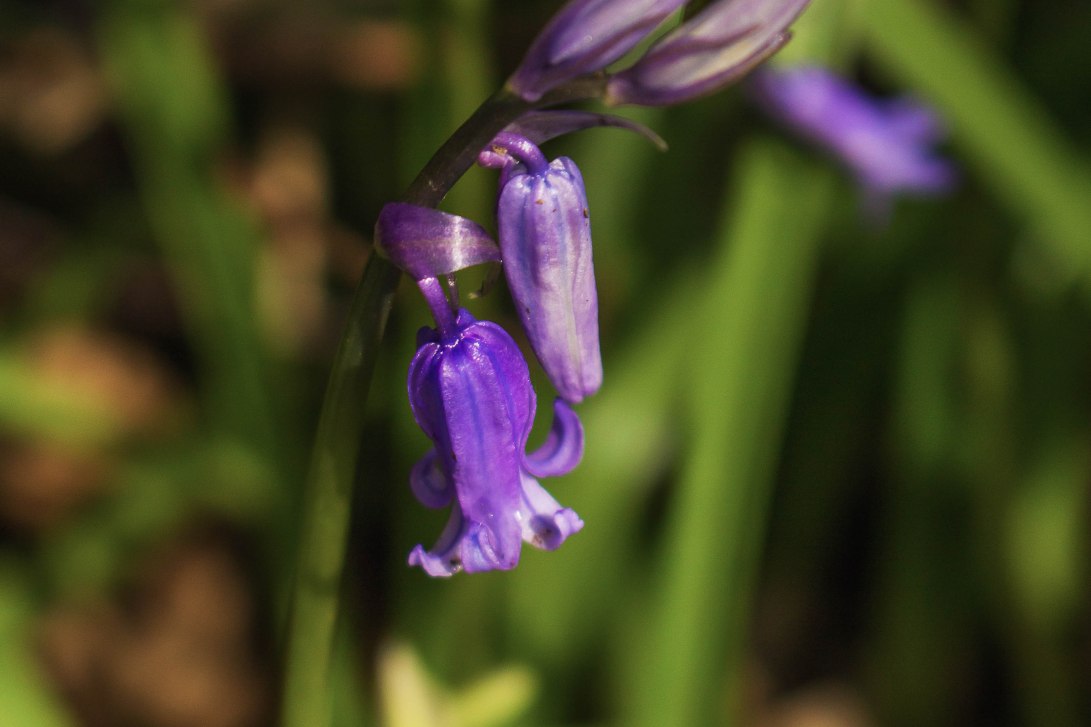
Two years ago, back home in Hertfordshire, I was stood in a patch of woodland that had long been heralded as a haven for bluebells. I surveyed the scene from a respectable distance, knowing I’d cause significant damage if I strayed from the worn path. The ocean was vast, spanning far in each direction. Together, the bluebells looked like a single blue blanket coating the tree roots, but up close each bell waved independently, and my romantic imagination gave them the quiet tinkling chime of their namesake.

2 Bluebell Rebecca Gibson

Aside from wildflowers, there are plenty more indications that spring is almost here, from birds to bees to rather odorous plants.

  • The gathering warmth of February rouses overwintering insects, such as the greenbottle fly, whose unappreciated beauty is something quite wonderful to see up close, even if they’re not always welcome buzzing around indoors.
  • Early breeding birds such as rooks will be seen gathering nesting material in preparation for the arrival of their broods. The first eggs will appear around early March, so be sure to look out for rookeries high up in the trees and listen for the constant chatter of busy parents-to-be.
  • One of my favourite spring sounds is the buzz of a busy bumblebee. As wildflowers expose their nectar, bees are quick to make use of the opportunity to gather it in the early part of the season.
  • The heady scent of wild garlic will soon be filling the air. A walk through my local park often includes a good whiff of this pungent but flavoursome plant. Note: wild garlic is similar in appearance to lily of the valley, which is poisonous, so if in doubt please do not forage to eat.

Spring is undoubtedly a time of rejuvenation – an opportunity to shake off the January blues and be inspired by the emerging life outside. As many of us live in towns and cities, it can be difficult to notice these subtle changes in such busy urban environments. This only emphasises how important it is to stop and look, just for a moment, and you’ll notice that however our world changes, nature will always persevere.

3 Wood Anemone Rebecca Gibson

Winter Migrations

During this time of year, many birds have migrated for the winter. Some, like Partridges, don’t stray more than a kilometre from where they were born, but most birds – at least 4000 species – will migrate to seek new pastures that will see them through the colder months. There are several different types of migration that British birds follow, due to food availability or sometimes their own adaptations.

In an irruption migration, large numbers of birds that do not usually visit the UK arrive in a short space of time. In some years, the population grows too large for the food that is available in the birds’ usual territories, forcing them to relocate. Waxwings (Bombycilla garrulus) migrate in this way; some years we are fortunate enough to see large groups of these striking birds feeding on berries high in the trees, while other years there are none at all.

While many birds travel from north to south or east to west, some make shorter journeys from low to high altitudes and vice versa. Even though this migration may not be as physically demanding, there are still new challenges that come with a change in environment. In the UK, various larks, pipits and buntings are altitudinal migrants, including the Skylark (Alauda arvensis). As well as an altitudinal transition, many Skylarks will change habitat in winter. Having spent most of the year roaming farmland and heathland, coastal marshes become more favourable during the winter months.

Other migrations aren’t as a result of finding new feeding grounds but simply to stay safe. While all birds shed old feathers to grow new ones, species such as the Shelduck (Tadorna tadorna) lose all their flight feathers, making them very vulnerable to predation. In order to increase their chances of surviving while new feathers come through, Shelducks migrate to safer areas in late summer once the breeding season is over. A popular location for Shelducks is the island of Heligoland, situated in the North Sea. This allows the birds to moult with little disturbance.

A Day in Newcastle

I’ve been writing a lot recently. This week, when I went to Newcastle for an adventure, I decided to dedicate the day to photography.

Rebecca Gibson Newcastle Bridge Street
When you’re crossing the road and a good shot catches your eye
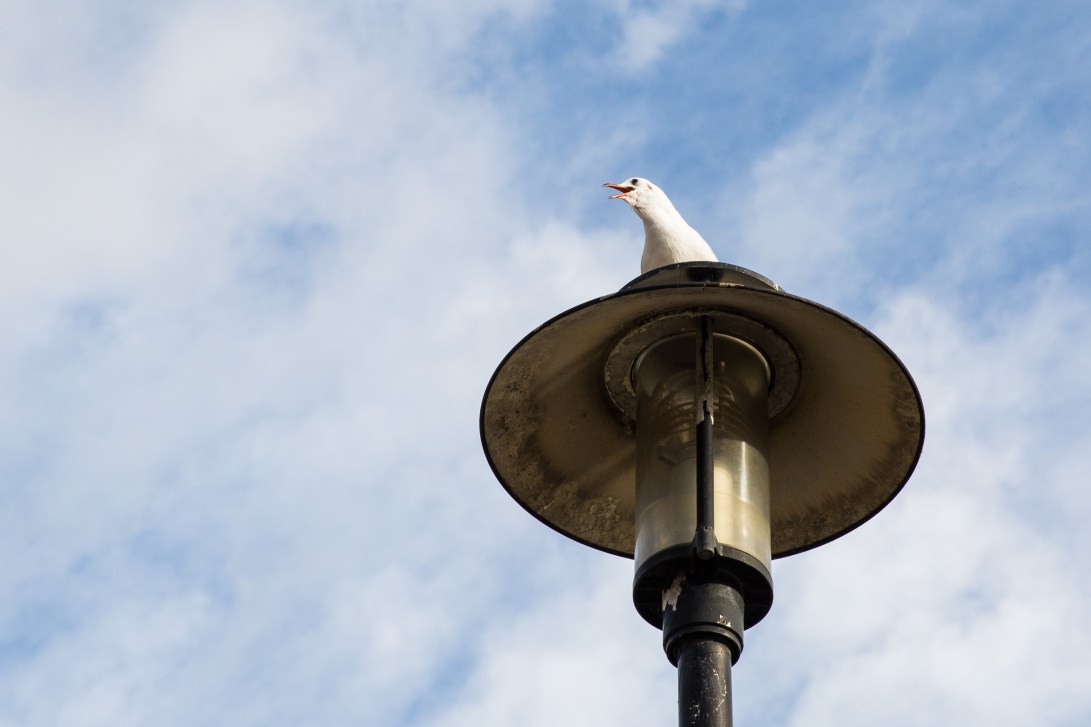
Rebecca Gibson Gull
A very vocal gull at the Quayside
Rebecca Gibson Newcastle Horse
Business open as usual
Rebecca Gibson Newcastle Alley
Quaint cut-throughs
Rebecca Gibson Zapatista
Working up an appetite – this bundle of heaven was butternut squash and halloumi
Rebecca Gibson Laing Art
“Isabella and the Pot of Basil” by William Holman Hunt. Here’s poor Isabella cradling a pot containing the head of her lover Lorenzo, who was murdered by her two evil brothers.
Rebecca Gibson Stain Glass
Late afternoon miracles
Rebecca Gibson Street
Wandering down winding streets
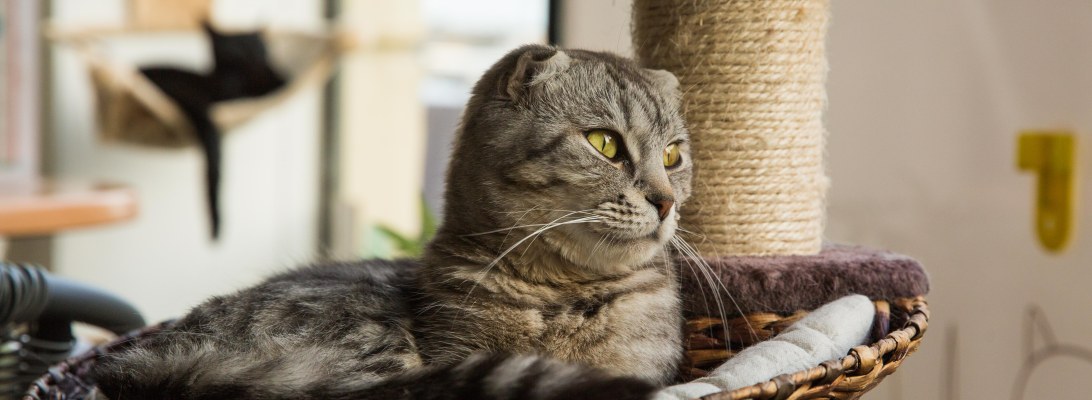
Rebecca Gibson Cat Cafe
Having a drink at the cat cafe
Rebecca Gibson Newcastle Sunet
The sun sets over Newcastle

The Beginnings of Winter

Before I’d even got to the hide there was a chirruping in the bushes and I turned to see a group of juvenile yellowhammers mobbing their parents, hopping between branches for attention. Three birds flew past overhead and I caught the triangular shape of starling wings as they soared over me.

The lake was quiet – a pair of mallards floated in circles on the far side, while mute swans waddled along the bank. Once I was settled inside, they appeared by the feeders, accompanied by the juvenile swans I’d seen last time. The whole family loitered beneath the swinging seed canisters, mopping up anything dropped.

The feeders themselves were a flurry of activity. As usual, the nearby bushes were full of house sparrows, fighting to snatch a mouthful. Blue tits and great tits waited in the queue and I was particularly excited to see a lone greenfinch among the group too; back home in Hertfordshire these birds are becoming scarcer and scarcer.

After watching the birds feed for a while, I wandered on. It was a lot colder than usual – dew covered the grass but it wasn’t quite cold enough to freeze it, though perhaps this may soon be the case on early mornings. There were other signs of winter too; bursts of red berries and a fat robin perched on the fence. Even though these birds are around all year, somehow a day in early winter feels like Christmas is a lot closer when you spot one.

As I made my way to the wood the only sound was the usual “whizz-burr” of the turbines as they swung. There was a break in the clouds and beautiful streaks of sunlight shone through at jaunty angles. The forest was gloomy but still inviting, and as I walked round I scanned both sides of the path to see if any fungi were sprouting up. The ground was boggy in places, and when drops of water fell in the puddles, the reflected trees twitched.

IMG_9019

Suddenly, just as I was looping back round to the gate, a woodpigeon exploded out of the trees and made me jump a mile. Why do pigeons love doing this? It must give them a wicked satisfaction to see me clutch my chest and try to get my breath back to normal.

Once I was back in the open, the chill was even stronger. I wrapped my coat tighter around myself and hurried back to the cafe to warm up.


Bike Ride in the Woods

Another visit to one of my favourite wildlife places: Watchtree Nature Reserve. Zahrah and I hired bikes and set off through the reserve, taking a leisurely ride away from the hubbub of the café and car park to the quieter open fields and woodland.

The lake was fairly busy. A pair of Mute Swans and their two cygnets glided silently to and fro in one corner, shaking heads and rustling feathers. The youngsters were almost fully grown, their juvenile grey foliage blending to pristine adult white. When one stretched his wings, bright white armpits showed. Elsewhere on the lake, three Tufted Ducks were feeding, golden eyes blinking as they came up for air. A lone Little Grebe dived under the water and popped up again several metres away. As agile as a fish, the tiny bird curled its body and slipped silently beneath the surface.

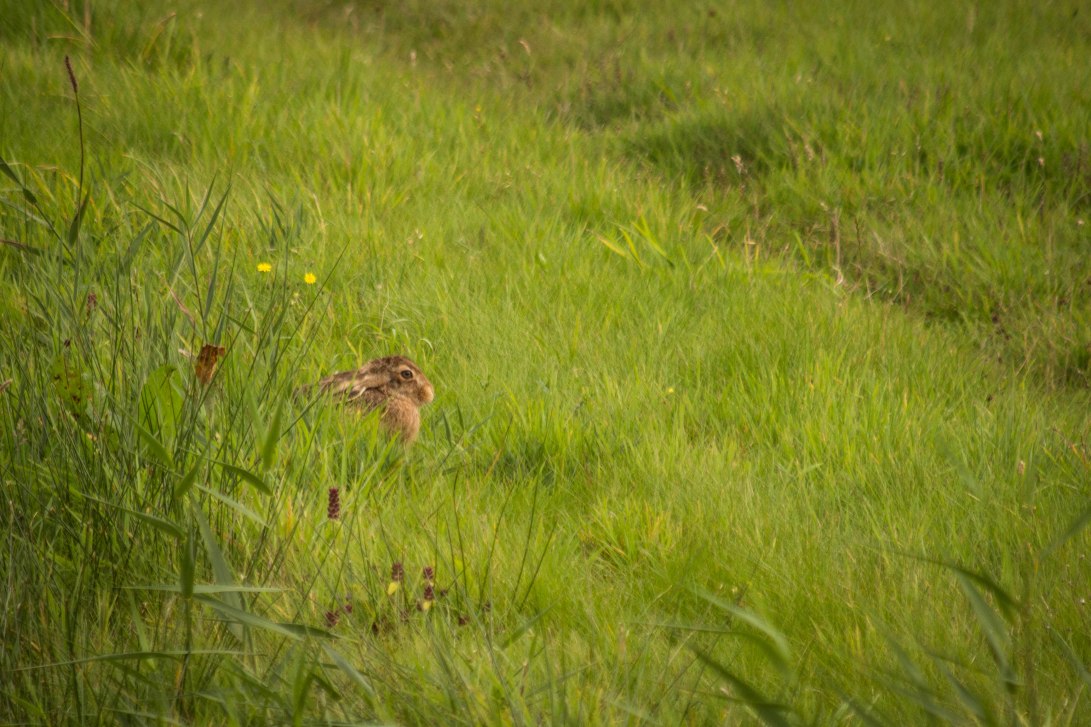
Suddenly, as I was scanning the feeders for any birds joining the Tree Sparrows already tucking into the feast, my eye caught on a brown shape nestled amongst the grass. From my vantage point on the top storey of the hide I could see the Brown Hare perfectly as it chewed, hunkered down. I called in a hushed whisper to Zahrah, who’d been watching the pond from the bottom level, and she darted up to see.

IMG_5952-2

The hare was beautiful, with rich, brown streaked fur and piercing eyes. Its ears were pinned tightly to its nape, in an attempt to remain as inconspicuous as possible, but the creature was still brave enough to forage out of the cover of the long grass. We watched it for a few minutes, before it turned and hopped back into the grass. After waiting a while to see if it would re-emerge any closer, we accepted our hare was long gone.

IMG_5953

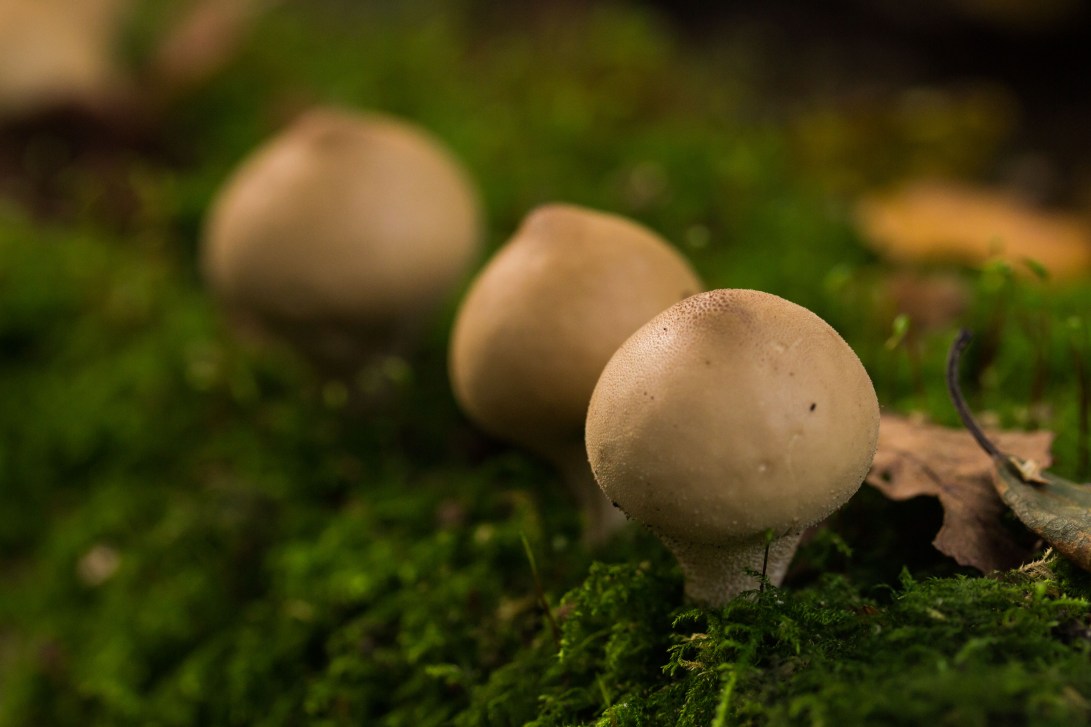
Leaving the lake behind, we looped around the reserve and cycled back through the woods. Once again, I was distracted by fungi, and Zahrah amused herself while I crawled around on the floor with my camera. Today, as always, there was plenty to see. A huge troop of Stump Puffballs (Lycoperdon pyriforme, the only British Lycoperdon to grow exclusively on wood) stood to attention on a fallen log, their portly bodies stood side by side.

IMG_5972
Stump Puffball (Lycoperdon pyriforme) 

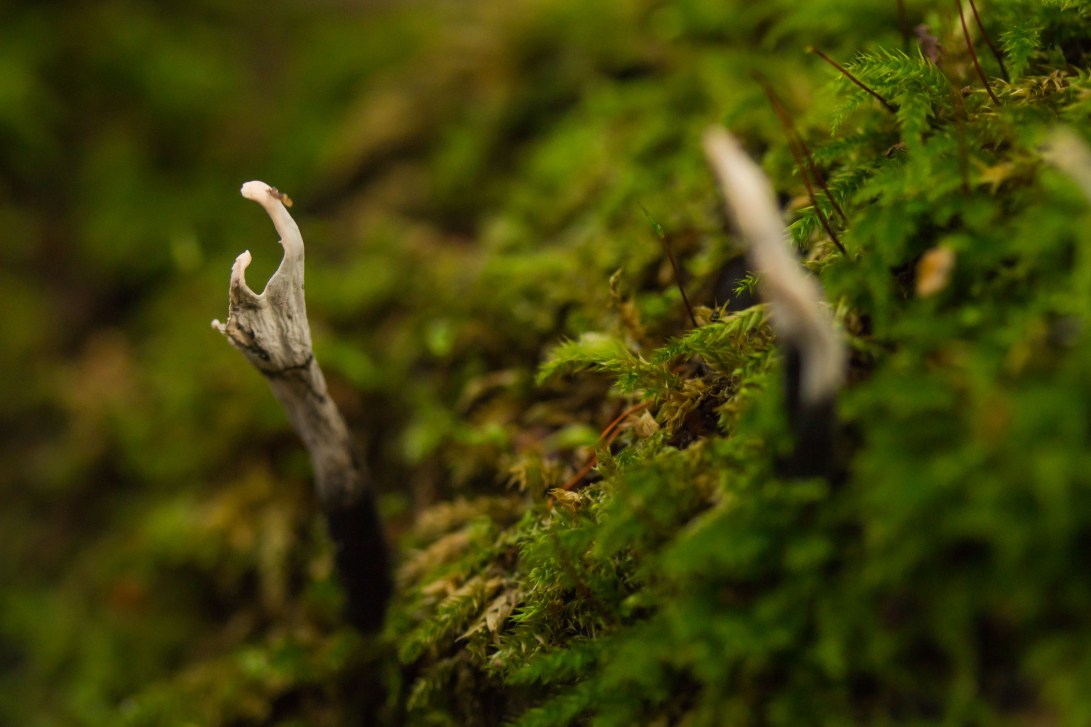
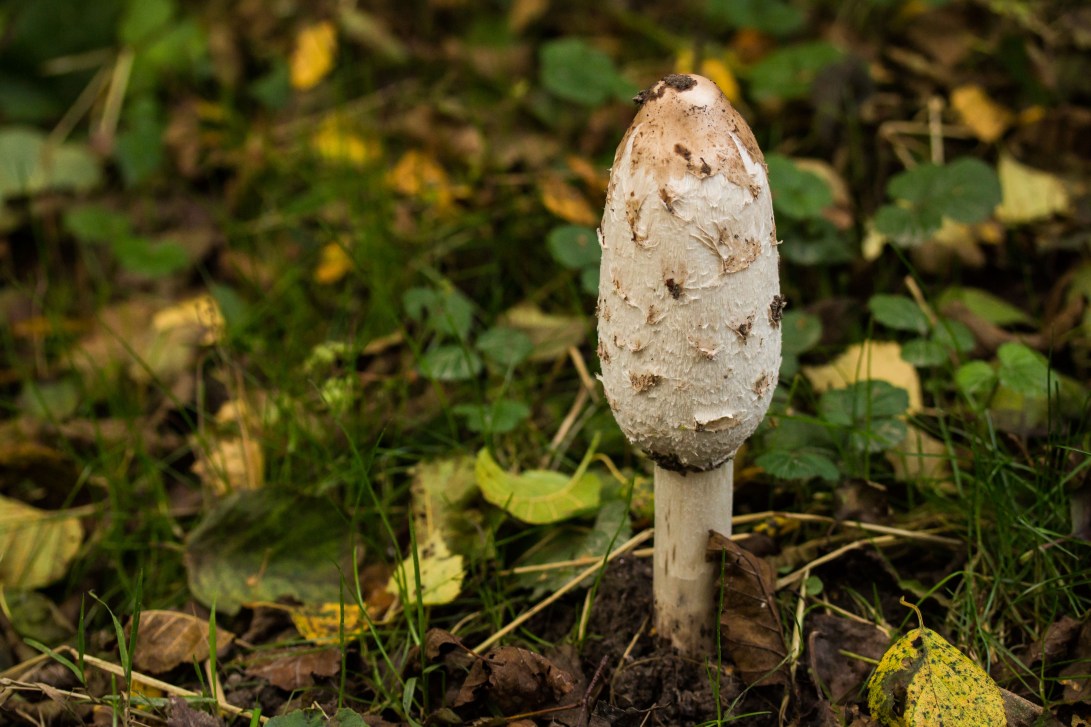
The delicate Candlesnuff fungus (Xylaria hypoxylon) stretched out of the wood, tiny black spindles dipped in white. Just as I had finally put away my camera and climbed back on the bike, I was greeted by three Shaggy Inkcaps (Coprinus comatus) stood on either side of the path like security guards. I hadn’t seen this fungus since autumn last year so it was a treat to photograph them again, and provided a satisfying end to our cycle in the woods.

IMG_5978
Candlesnuff (Xylaria hypoxylon) 
IMG_6002
Shaggy Inkcap (Coprinus comatus)

Sun in the Woods

After discovering Eskrigg and how fantastic a reserve it is, I really wanted to take Zahrah as she’d never seen a red squirrel before. After my success last time, I was sure we’d have some luck. I also wanted to give the Manager, Jim Rae, a copy of the film I made on the reserve for my assignment.

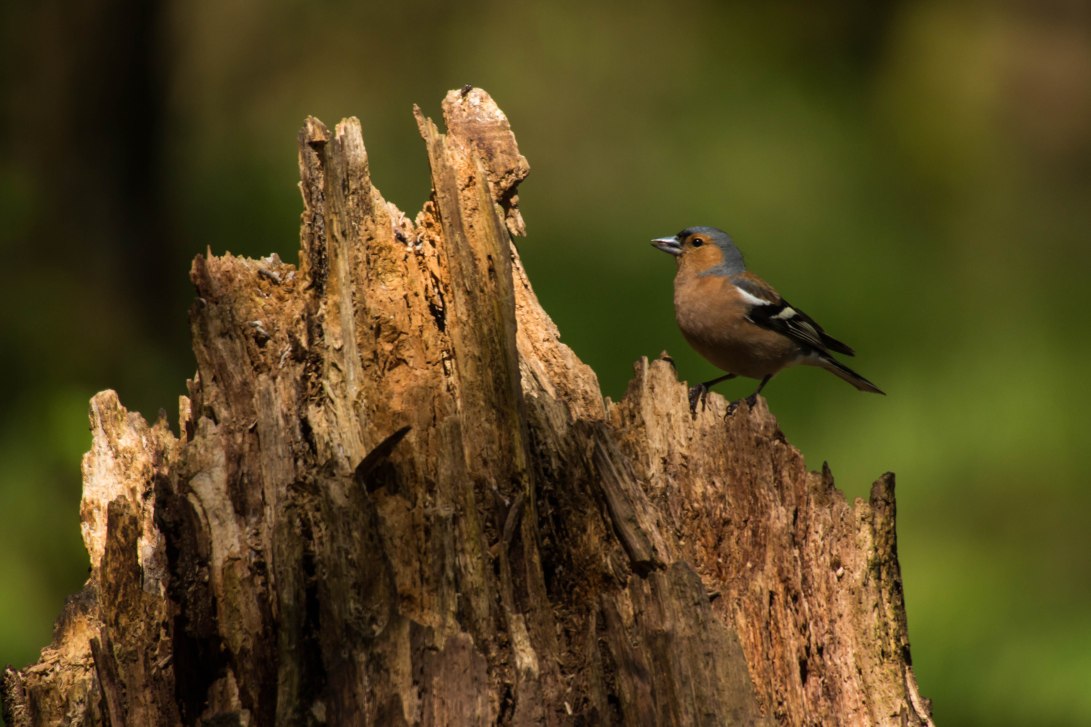
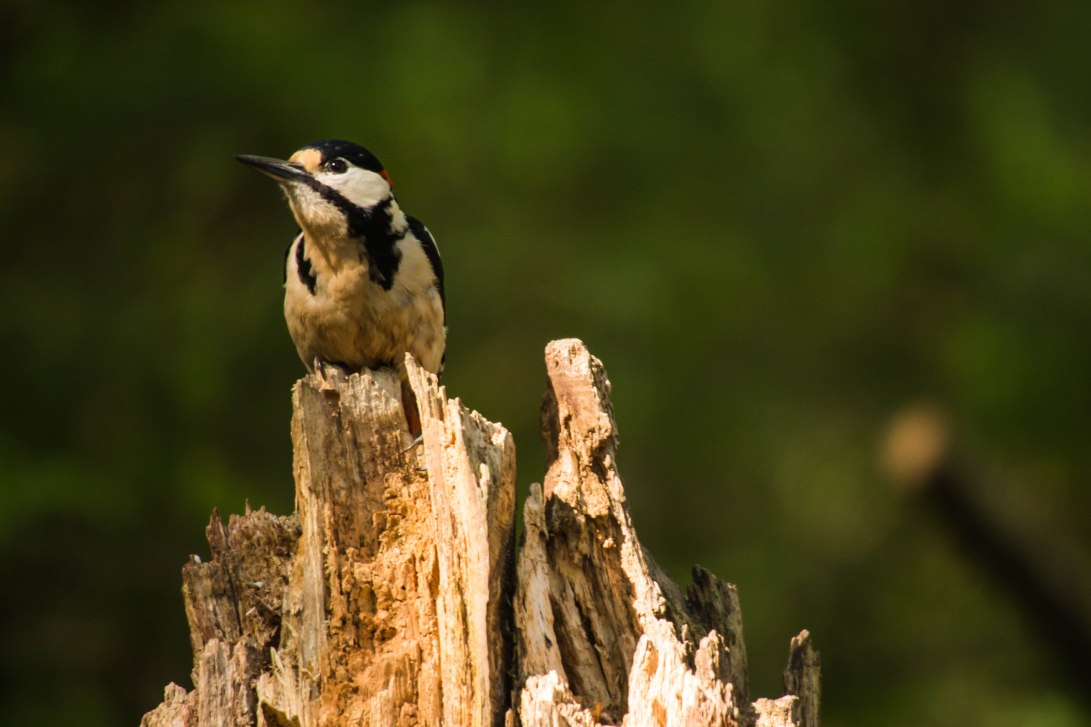
We arrived at lunchtime, so headed straight for the Eskrigg Centre to set up tripods and tuck into our Sainsbury’s meal deals. The feeders were busy as usual. I kept an eye out for reds, but in the meantime we watched siskins, a nuthatch, a woodpecker and plenty of chaffinches snatching a quick snack before zooming back into the trees. It looked like the visiting female mandarin had moved on – it was a shame not to see a male, but still exciting to be able to tick off a new species.

IMG_3721IMG_3742

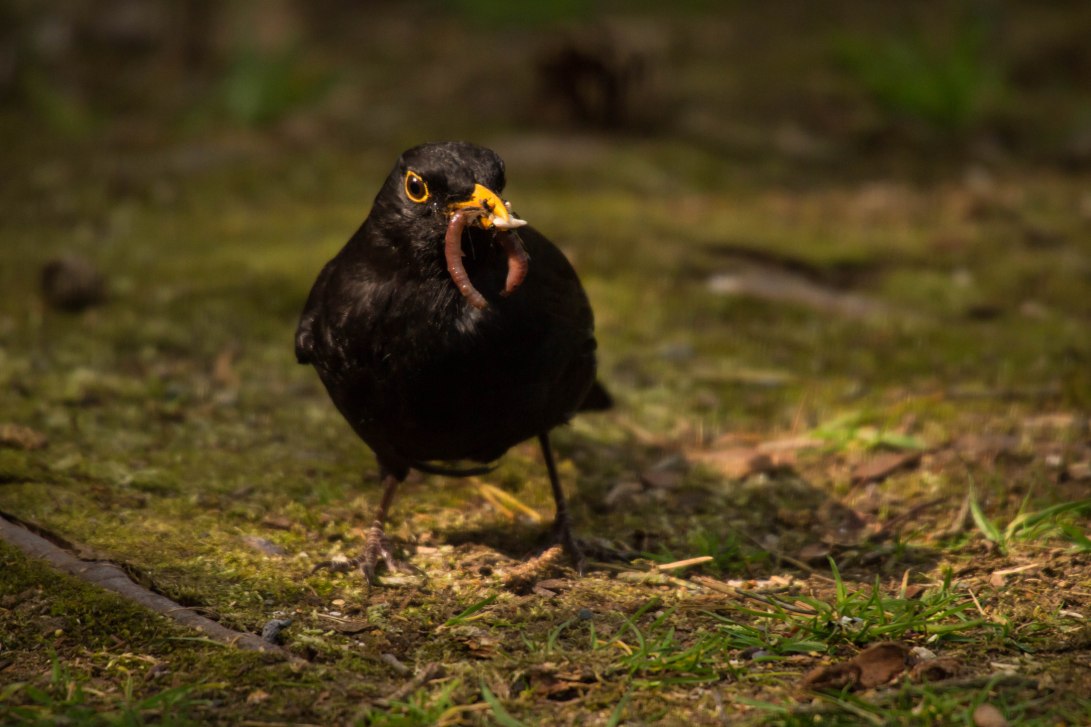
On my last visit, prime squirrel time was about 3pm, so after finishing up lunch and having our fill of the birds on the pond, we headed to the squirrel hide, joining a group of fellow photographers and twitchers. Coal tits swept across the clearing while robins hopped about on the ground. A lone male blackbird darted about with the species’ usual uncoordinated urgency, clutching a feast of flies and worms in his beak for a lucky brood.

IMG_3761

An hour and a half passed with no fluffy red visitors. I was a little embarrassed, having shown Zahrah my photos from last time and taken her with me today with perhaps blasé confidence that we’d be overrun with squirrels again today.

The heat of the day was fading and under the cover of the trees it was getting cool quickly. The group of photographers shouldered their cameras and left, and soon we began to consider abandoning ship and coming back next week. Zahrah suggested we stay half an hour longer, and in the next ten minutes my eye caught on a bright orange tuft twitching behind a nearby tree. As I hurried to focus I breathed an enormous but hushed sigh of relief.

IMG_3819

The squirrel approached slowly, sniffing the ground but pausing every so often to stand on its hind legs to look at us. I tried with all my might to catch these meerkat moments, but these animals are unbelievably nippy.

Soon, the squirrel was out in the open, collecting the hazelnuts that Jim had cracked and I’d sprinkled about. Pauses to eat were the best times to snatch some photos, when the animal’s only movement was a twitch of the tail. The way it clutched the nut in almost human hands and strategically nibbled was enough to make the coldest heart melt. As our cameras clicked I couldn’t help but gasp and squeal with excitement. Despite my interruptions the squirrel carried on feasting, scooping up all the nuts I’d left one by one.

IMG_4068-2IMG_4143

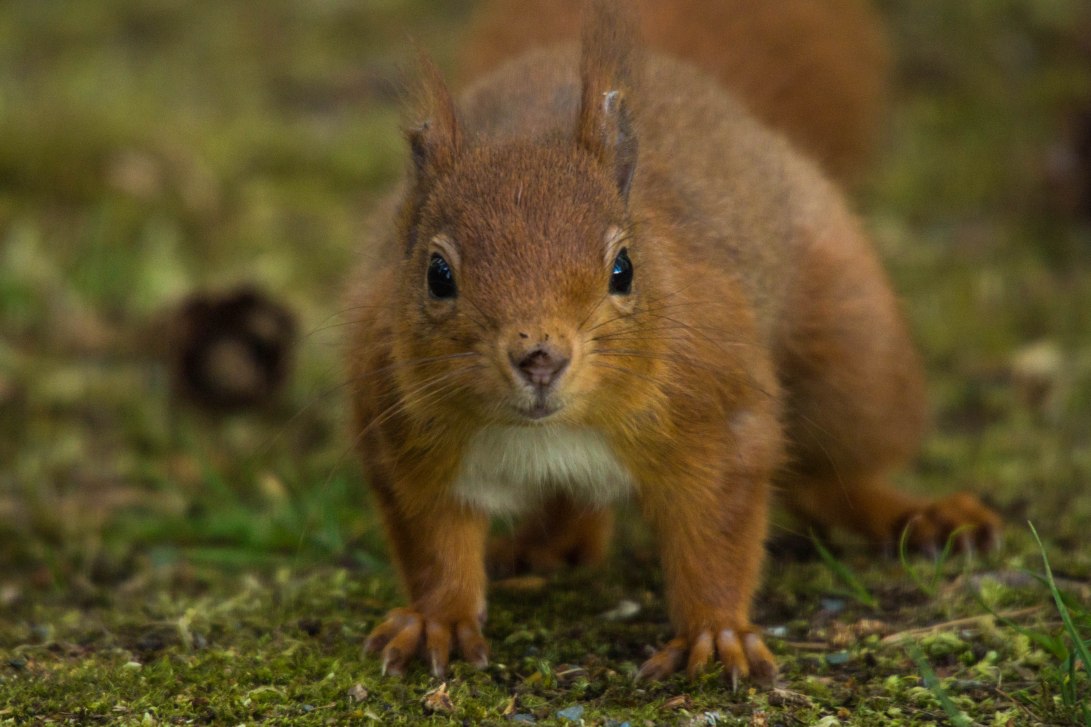
Before long, a second squirrel joined the first, skirting down a tree to find any nuts that the first had left, a third soon joining them. One of these individuals had somehow lost an ear tuft, looking adorably wonky as it paused to nibble, tail curled over its back in the iconic position.

My memory card was filling up fast – I couldn’t help but keep snapping as the squirrels explored and foraged. For me it was a combination of their distinct personalities, lovable curiosity and cute outfits that had me obsessed. They ventured close, peering up at us with beady eyes and tiny parted lips.

IMG_4147

I forgot to notice the growing chill but the slowly setting sun was beginning to make photography a challenge, especially when the squirrels’ rapid movement made a slow shutter speed impossible. We were about to finally pack up and leave when three more arrived, this time of the darker variety. So we stayed a little longer and kept taking photos. I had a sudden thought – if photography was still dominated by medium format film, I would have spent my entire student loan. The habit of only pressing the shutter for the perfect moment was admirable, but I don’t think everyone’s had the opportunity to photograph red squirrels.

When we eventually did get home, I uploaded the shots and assessed the damage. Six hundred and sixty photos, not bad at all.

IMG_4271IMG_4181

Waxwing Hunt

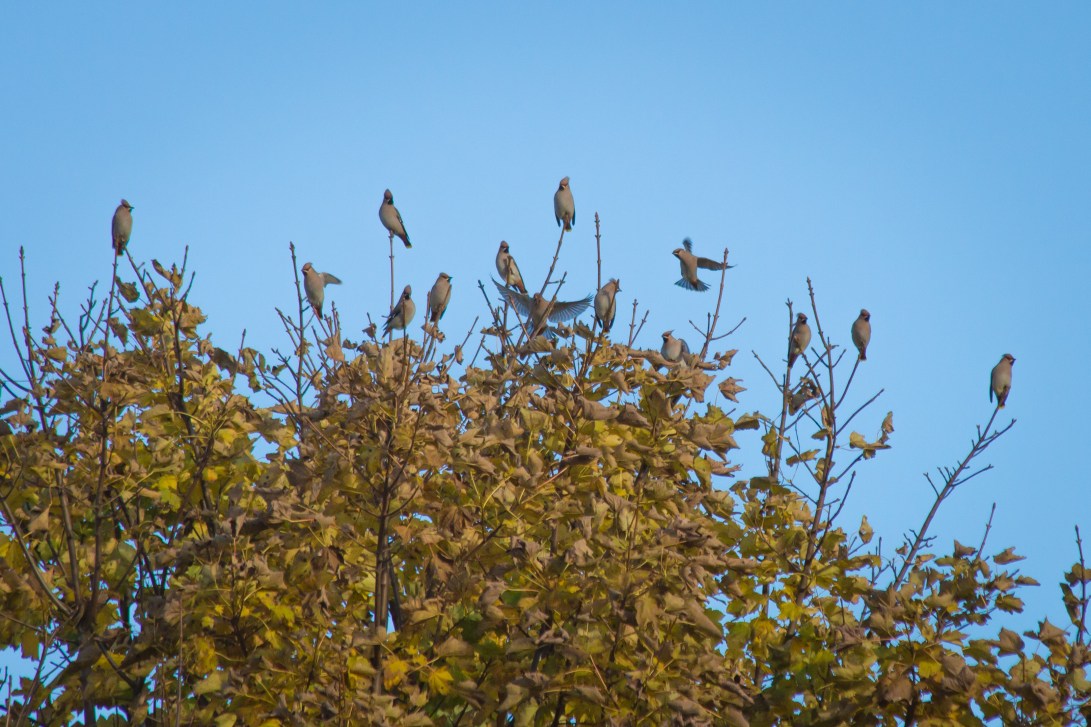
On Friday Zahrah and I seized the day and drove out to Brampton, a town a short drive from Carlisle. We’d heard that the waxwings (Bombycilla garrulus) had been sighted there and we both wanted to tick this incredible bird off our wish lists, do decided to try our luck finding them. Waxwings arrive in Britain in winter and spend their time feeding on fat red berries.

After getting briefly lost and befriending several old people who told us what they knew about the birds’ whereabouts, we spent two hours wandering around residential streets carrying tripods and a felled tree, more appropriately named the Canon 50-500mm lens. We saw chaffinches, goldfinches and several tiny wrens hopping between the fruit-laden branches, but not the jackpot we were after. The trees looked beautiful with their autumn coats, so we had plenty of other photo opportunities.

img_8090

img_8082

The car permit was soon to run out, so we started to head back. I’d just put the monster lens to bed in my bag when Zahrah noticed some dark dots at the very top of a nearby tree. On closer inspection, we were thrilled to discover we’d found our waxwings. A manic struggle to retrieve the telephoto lens ensued and I managed to take a few, slightly hazy shots. They didn’t come any closer, but I was mostly chuffed that we’d seen them. Decent photos can always come later.

After our success, we got lunch at Cranstons’ Food Hall and headed back to uni, just in time for our afternoon lecture.

img_8127

img_8105