November Wildlife


In November, many mammals are preparing for hibernation while some new faces are arriving on the scene. In the latest instalment of my monthly series for Bloom in Doom magazine, I’ve shared some of the British wildlife highlights that can be seen during November.

Birds

Winter is an excellent time for birders because of all the overwintering geese, ducks and waders that have arrived. It is thought that around 50,000 barnacle geese travel from as far away as Russia to reach our shores, which may seem chilly but are far warmer in comparison!

All those birds attract the attention of raptors, so also keep an eye out for peregrine falcons and harriers which are looking for a possible meal. Short-eared owls also travel south for winter and are often seen near the coast. 
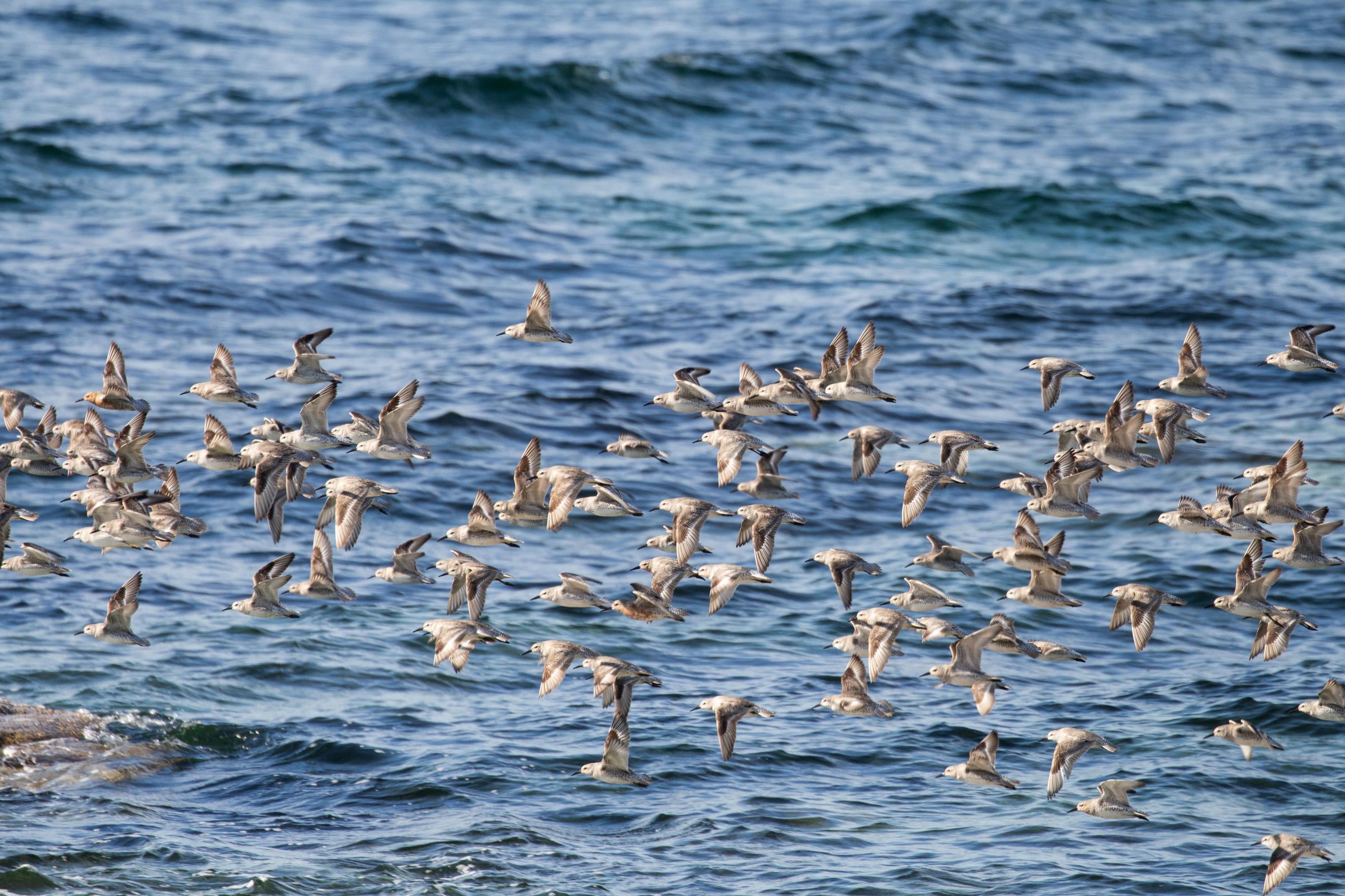
A flock of knot flying along the shore
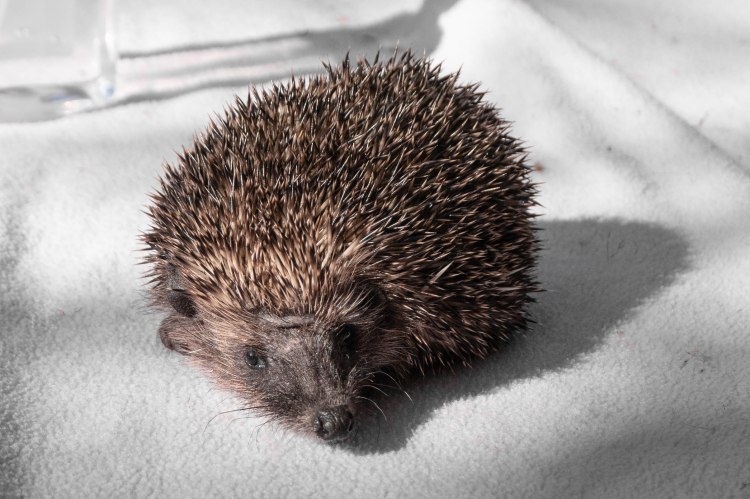
A recuperating hedgehog at Hornbeam Wood Hedgehog Sanctuary

Mammals

Many mammals are now looking to start their hibernation in November, including our special but now scarce hedgehogs. They search for large piles of branches and leaves, which sadly often include bonfires. Please always check bonfires for hibernating hedgehogs – the best thing to do is build it just before you light it. Also, it’s a good idea to leave fallen leaves on the ground instead of raking them up because they provide important hedgehog nesting material.

In November there are usually lots of baby hedgehogs handed in to wildlife rescue centres because they are born late and therefore too small to survive hibernation. For more information on what to do if you find an injured hedgehog, check out this link.

Fish

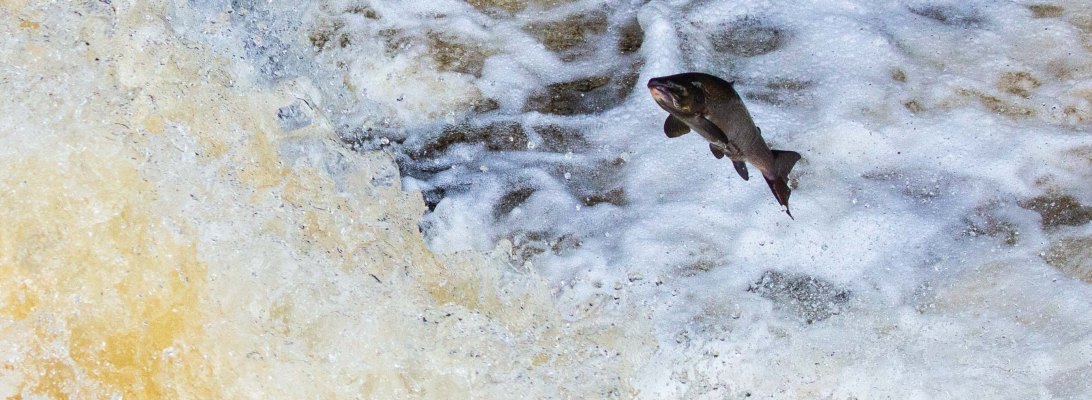
November is usually the peak of the salmon run – a dramatic and impressive feat. Mature fish are swimming upriver from the Atlantic to their spawning grounds, having waited in estuaries for the rains that raised the water levels enough to allow them to travel back to where they were born.

As if leaping several metres into the air to pass thundering water wasn’t impressive enough, during this time the salmon don’t feed at all and concentrate solely on their mission to breed.

October Wildlife


Birds

From this month until November, look out for flocks of winter thrushes as they move south. Fieldfares are similar to the more common song thrush but have slate grey and chestnut colouring rather than warm brown. Redwings are easy to identify because they have a patch of red beneath each of their wings. These birds have bred in Iceland and Scandinavia and are now feasting on berries in large groups.  

Mammals

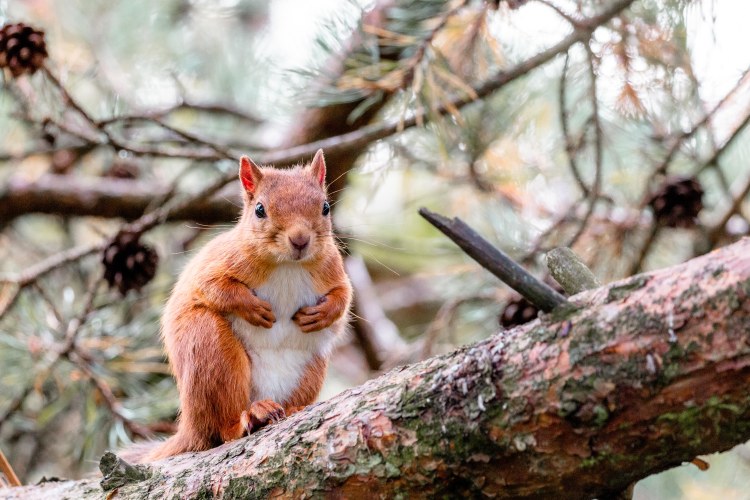
With winter looming, many mammals are busy caching food and building up fat reserves to see them through the cold season. Hazelnuts are now ripening so look out for squirrels as they forage and horde away their finds for when food is less abundant. As well as hazelnuts, red squirrels feed on seeds from many different trees including pine, larch and spruce. Their diet also consists of fungi, fruits and even birds’ eggs if they get the opportunity.

As wildlife spectacles go, the red deer rut has got to be one of the most dramatic. Every October, stags battle it out with each other for the right to breed with a harem of females, or hinds. During August and September, stags have been developing thicker necks and shaggy manes in preparation for the rut. While clashing antlers is common, on many occasions rival males will walk alongside each other to gauge their opponent’s strength. It is best to watch the red deer rut during early morning or evening, but be careful not to get too close. Watch safely from a respectful distance and enjoy the sights and sounds of Britain’s largest land mammals as they breed.

If you’d like to see the red deer rut this autumn, check out this Countryfile article for some ideas of places to visit.

Red Deer

Fungi and Flora

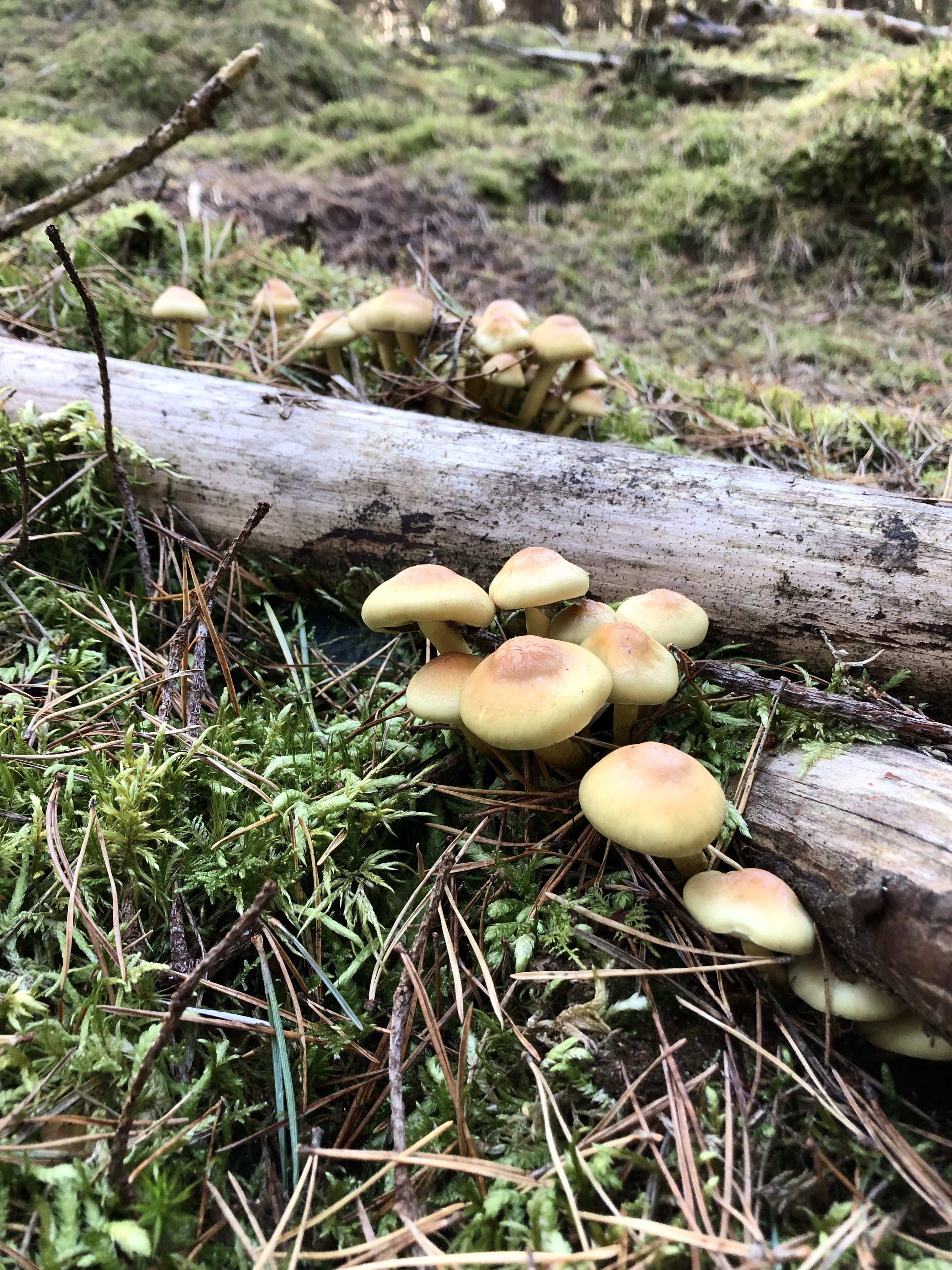
Head to the woods this month to see lots more fungi. With more wet weather, fungal fruiting bodies of all shapes and sizes will be emerging. Interestingly, the visible body above ground is only a tiny fraction of the whole fungus – many metres of filaments known as hyphae spread out below the soil and are extremely beneficial for breaking down leaf litter and dead animals. Look for fungi on rotting wood, in particular fallen trees and sodden stumps. You may need to get lower down to see some of the daintier varieties, but in many areas they’re very obvious. Some fungus families grow in circles, which are known as ‘fairy rings’ and increase in diameter as the fungus ages.

This piece was originally published on Bloom in Doom as part of my role as Nature Editor.

Red Squirrels and Cresties


It has become a running joke that I’m pretty unlucky when it comes to seeing certain species. Examples include otters, badgers and deer, despite the fact that I now live in Scotland, which is essentially the deer capital of the UK! But, if there’s one animal that I have an affinity for, it’s the red squirrel. There’s something irresistible about their fluffy tails, tiny hands and beady eyes. And of course they all have completely different personalities. I will never not be excited by red squirrels, no matter how many times I see one. I must have thousands of photos of them by now but I always take more, and this weekend was no exception.

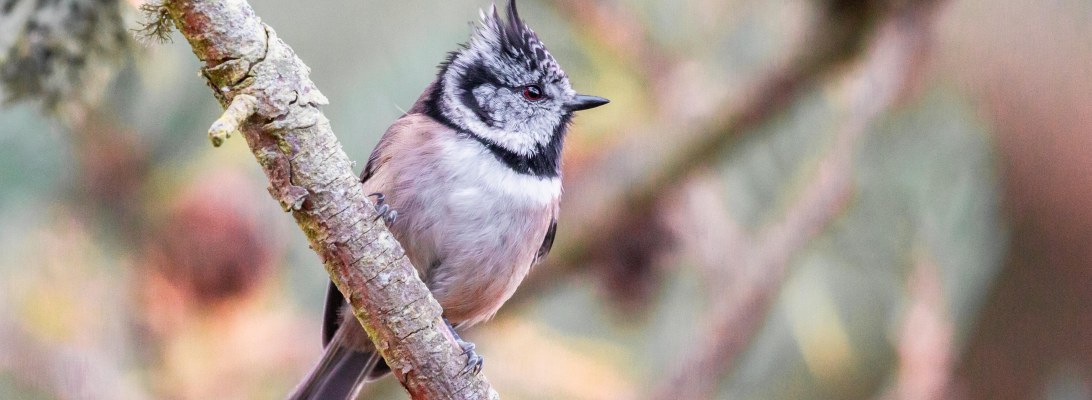
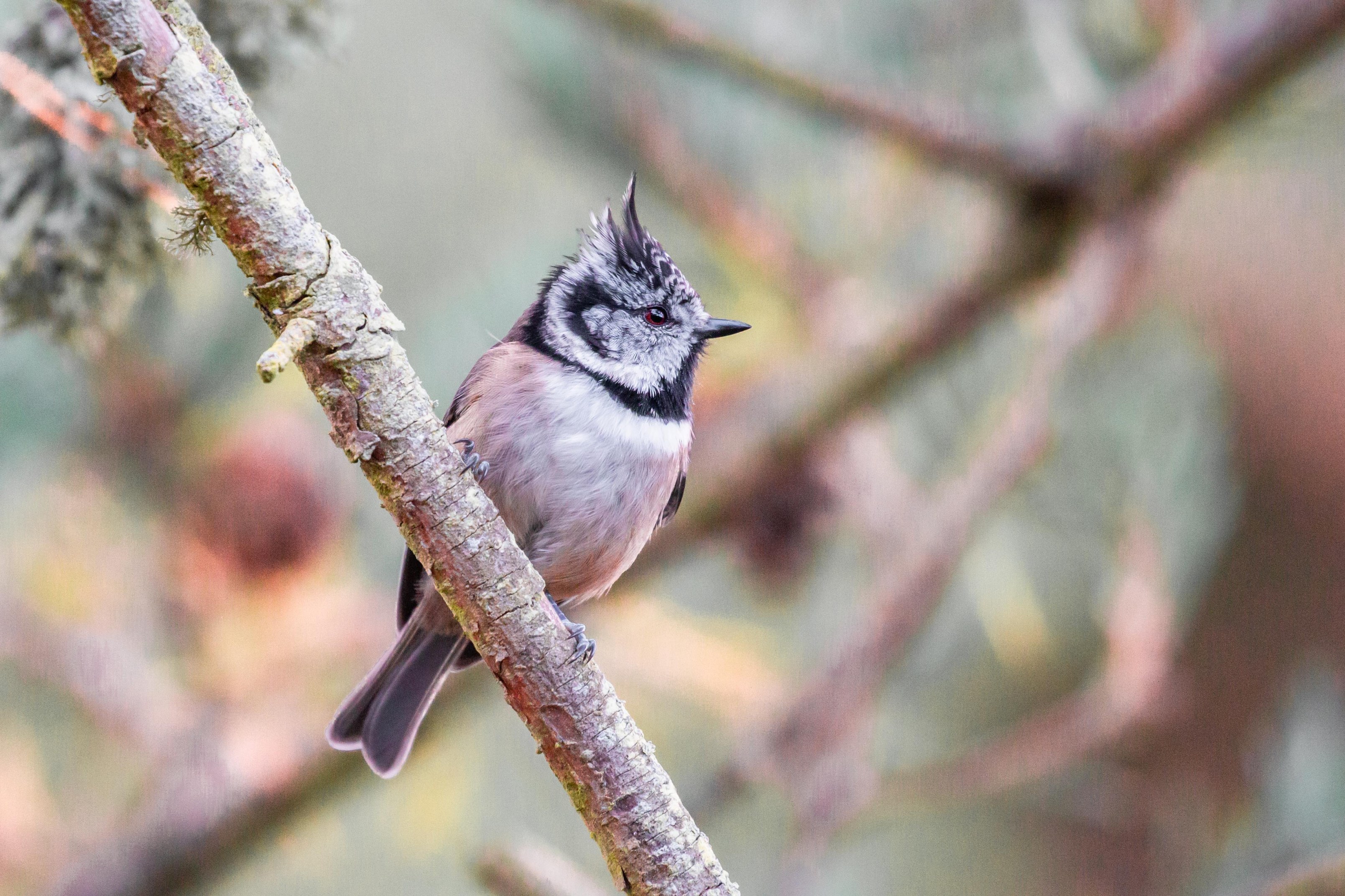
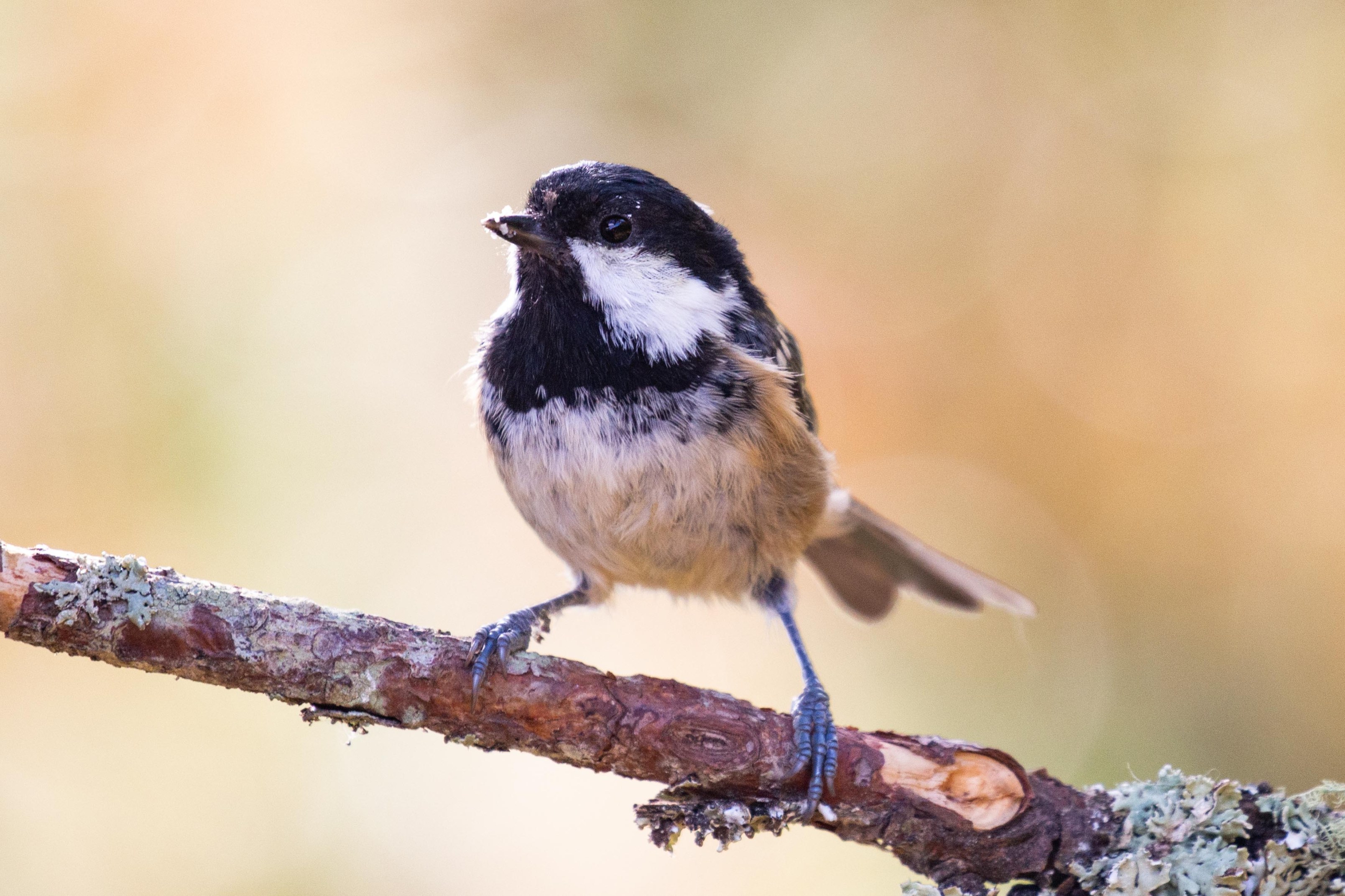
My friend Steve and I visited Lossiemouth for some wildlife watching in a beautiful patch of coniferous woodland by the estuary. Within ten minutes of arriving I was gazing down my telephoto lens at a red squirrel as it clutched a monkey nut in its paws. Despite the flurry of coal, great and blue tits, I would happily have just watched the squirrels until a particularly special bird caught my eye: the crested tit. In Britain, these birds are mostly confined to the Caledonian forests and Scots pine plantations of Scotland. The punky hairdo is perhaps the most striking feature of the crested tit but their bright red eyes are pretty amazing too! I couldn’t believe I was so close to such an uncommon and beautiful British bird.

Coal tit

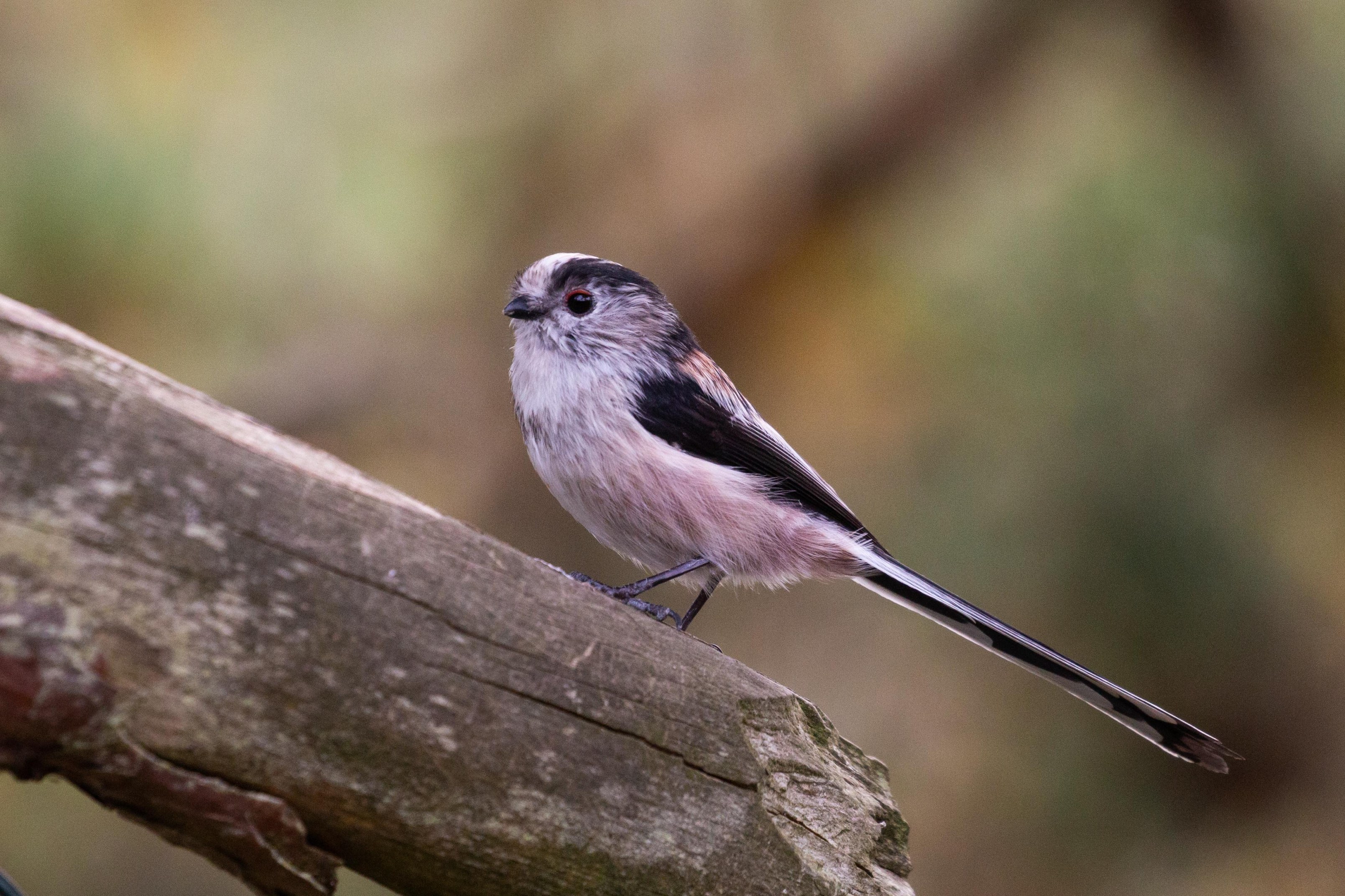
As well as squirrels and cresties, we were surrounded by dozens of other birds including another favourite of mine: the long tailed tit. The proportions of this bird are what I love most about them. They have a body like a golf ball with a spoon handle sticking out one end and the sharp nib of a bill out the other. What a bird! And where there’s one, there are nearly always more and I often hear them before I see them. Their alarm call sounds frog-like and the trees erupt with soft ribbits whenever I pass by.  

I am in my element in the forest. It’s my favourite wild place to visit and I absolutely loved getting such close-up views of some fantastic species. After a couple of hours the afternoon sun began to fade and a chilly breeze had us packing up and heading home, though I’d definitely be back soon.

Troup Head


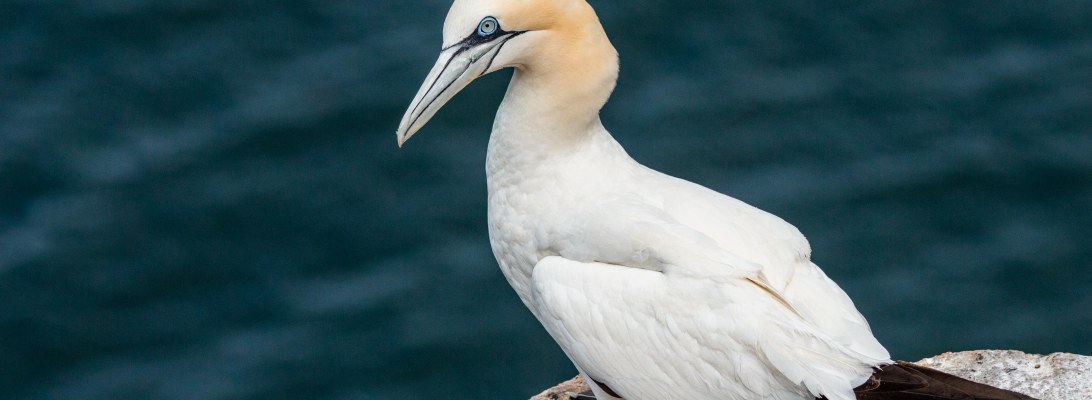
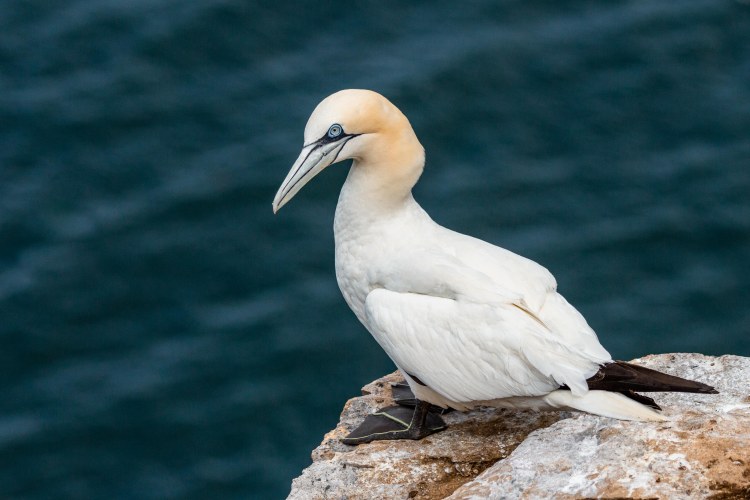
I had seen gannets a few times before; on a trip to the Isles of Scilly they had flown over the boat, and more recently I’d enjoyed watching them dive for fish near where I live in Moray. However, nothing could have prepared me for Troup Head. This RSPB site in Banff, about an hour’s drive from Aberdeen, provides nesting grounds for two thousand pairs of gannets, as well as thousands of other seabirds. During the short walk from the car park to the cliffs, both sounds and smells intensified until they reached a crescendo of squawks and guano pongs.

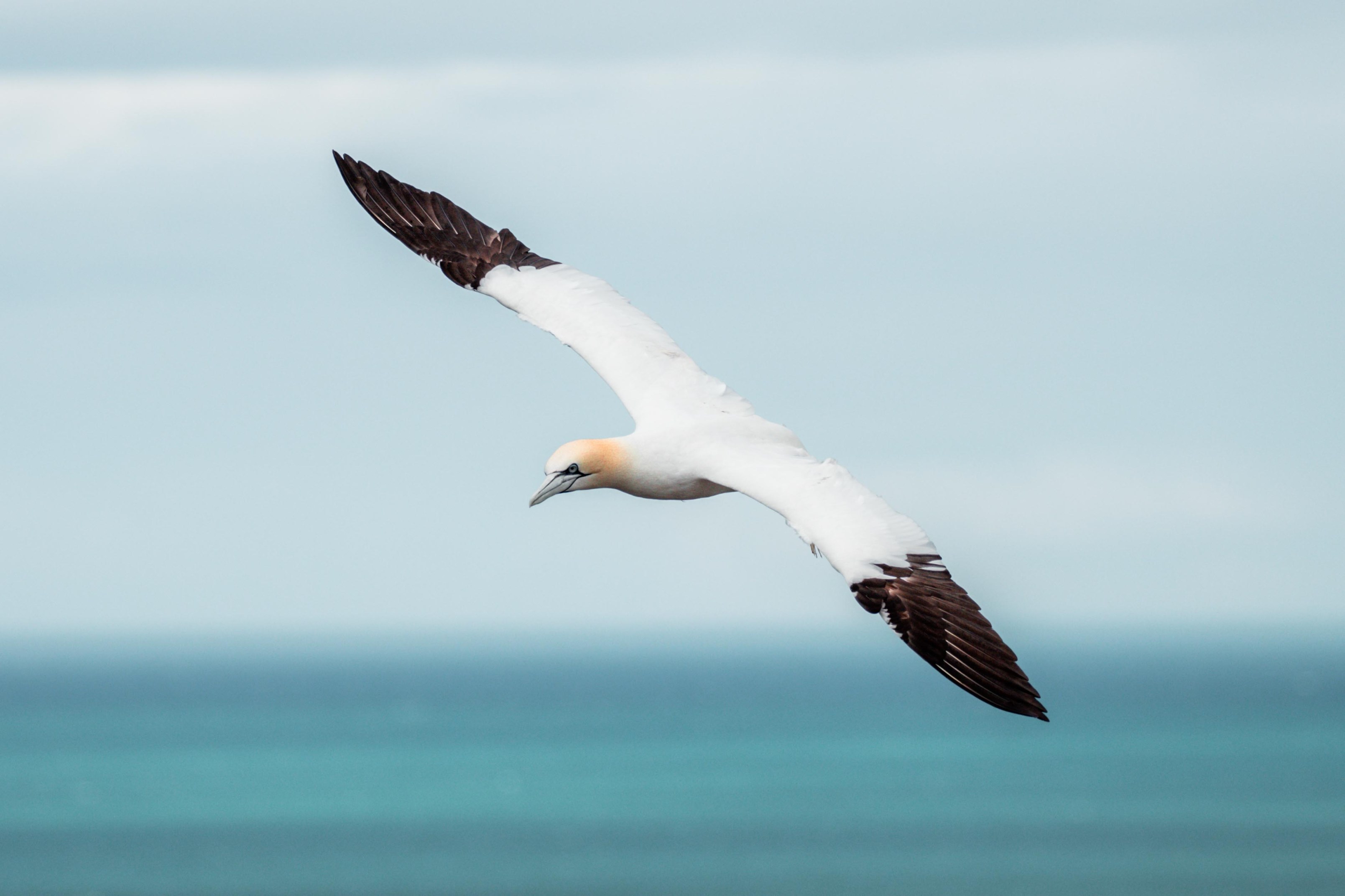
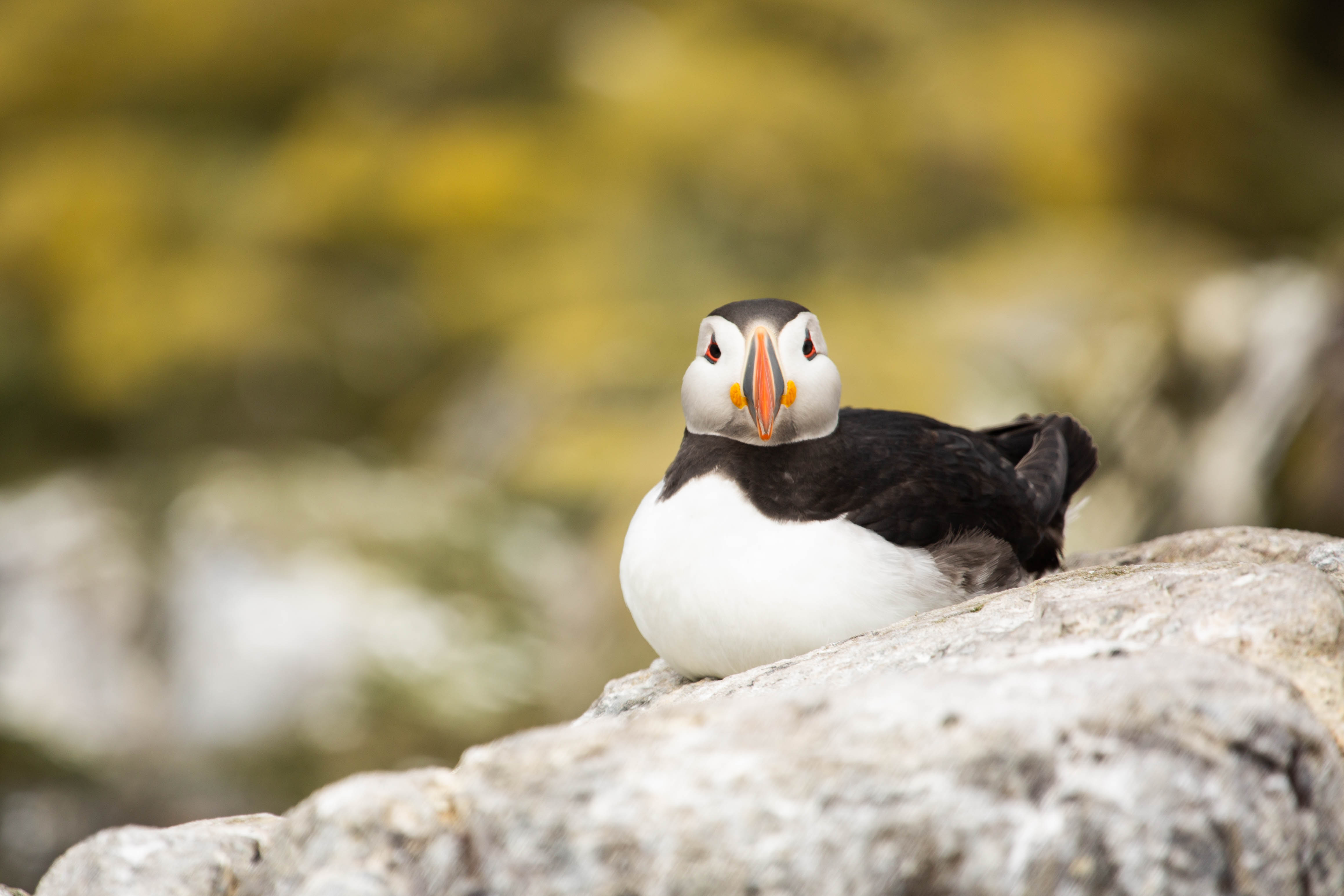
There were gannets everywhere. Without wanting to make them sound like flies, they swarmed around the cliff, gliding in deep circles as they came into land on the rocks. Many of them had chicks – currently clouds of white down with black reptilian heads. Dotted among them were the auks: guillemots, razorbills and the occasional puffin all grappling for a bit of wing room in the tight squeeze. Peering carefully down, I noticed just how high up we were. The swan-sized gannets – Britain’s largest seabird – looked like sparrows at sea level. Even the coastguard helicopter that passed by was below us. Troup Head really was a bird’s eye view.

The site became a significant birdwatching spot when gannets began to colonise it in 1988. Troup Head is now Scotland’s largest mainland gannet colony. We spent seven hours wandering along the track, shuffling across the tussocks to get the right vantage point for photos. Gannets came sweeping in to land in an endless queue, many suspended in mid-air and bobbing in the wind. There was something very duck-like about the way their webbed feet stuck out to the sides, and more than once a bird would crash-land quite unceremoniously with a ruffle of the feathers.

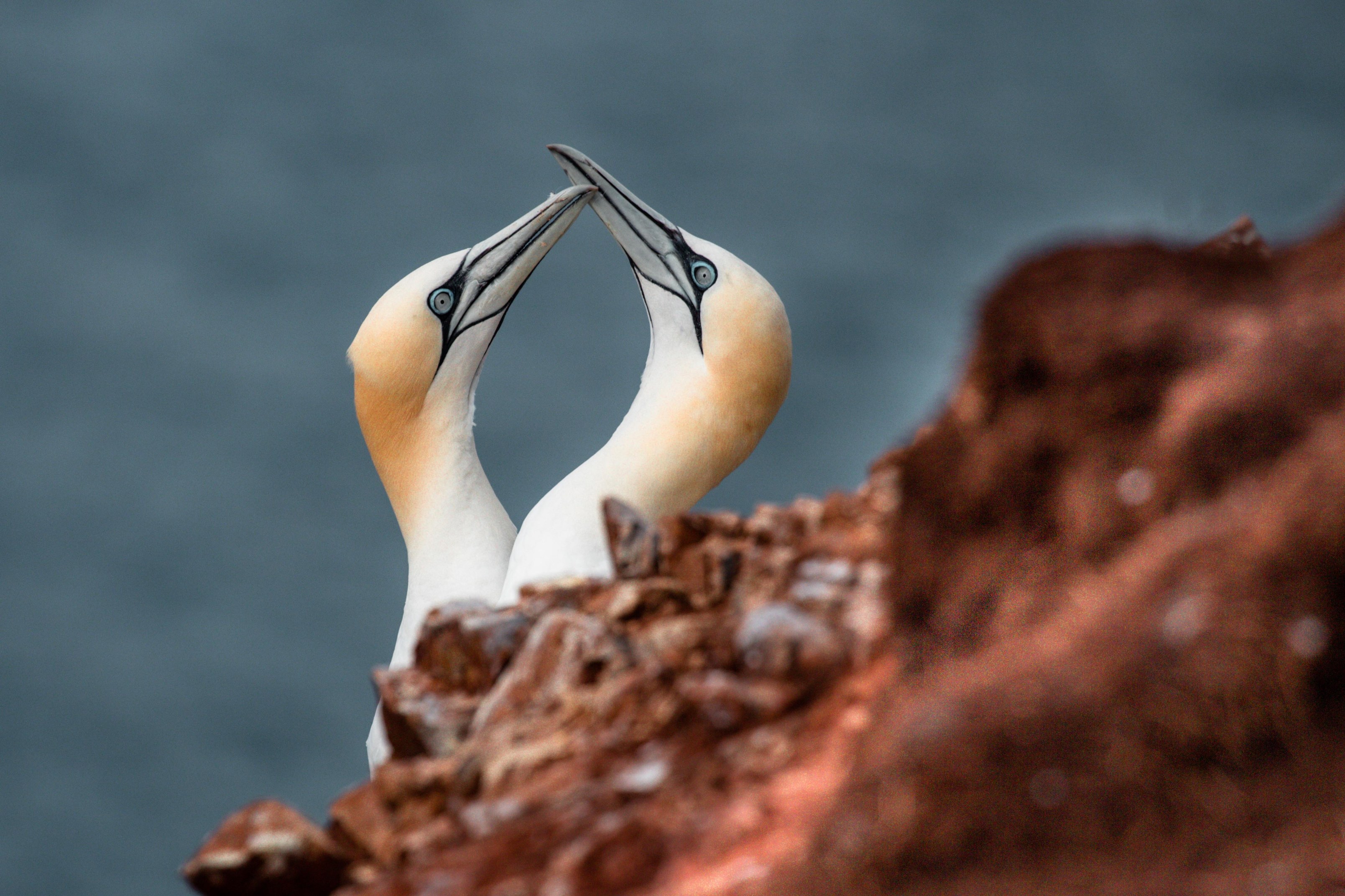
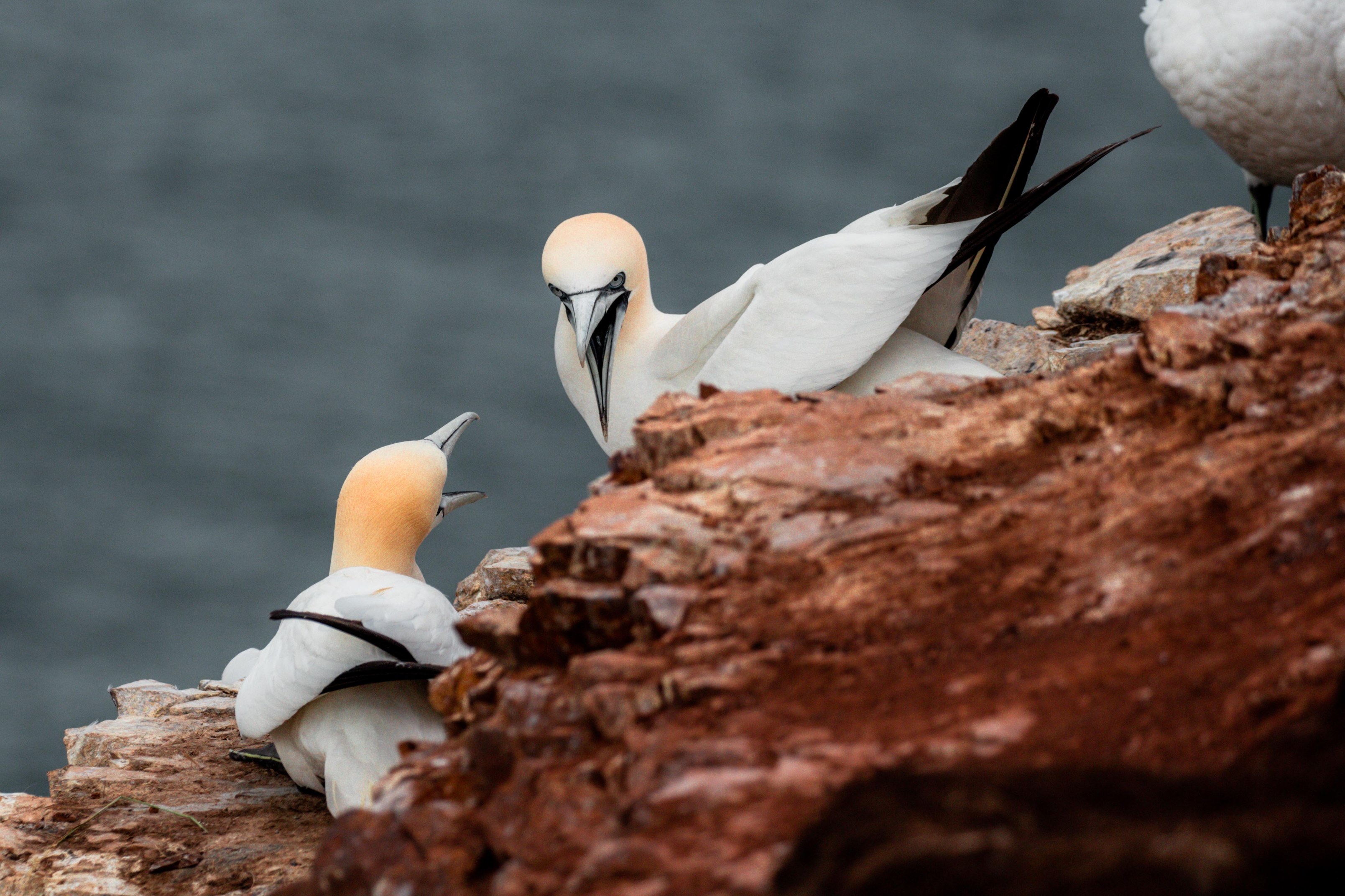
It was interesting to see lots of gannet behaviours up close. The birds pair for life and return to the same nest site each year with the same partner. To cement their pair bond, males and females will ‘fence’ together, clicking their bills from side to side and mutually grooming one another.

‘Fencing’

To ensure that one parent remains on the nest at all times, a gannet will stretch its neck and stare straight upwards in a pose called ‘sky pointing’, which signals to its mate that it is about to take off.

‘Sky Pointing’

With so many birds on one cliff, it’s inevitable that there will be disputes over space. If a gannet gets too close to a neighbour’s nest, there is a display called ‘menacing’, where the birds will open their bills and lock them together in an attempt to jostle each other off the cliff.

‘Menacing’

While some quarrels are short-lived, others develop into full-blown fights, and with such formidable bills these can be aggressive.  

Gannets have been a favourite of mine for many years, so to see such a vast colony so full of activity was a real treat. I was even more impressed that I didn’t get pooed on once!

Wren Family


Earlier this week I went looking for badgers. Unfortunately I didn’t see any but I wasn’t discouraged. Any foray into the natural world is dependent on good timing and a healthy dose of luck. Besides, even if you don’t manage to see what you set out to find, there’s nearly always a surprise and this evening was no exception. As well as a brown hare, a very well camouflaged roe deer and pairs of siskins and greenfinches, I met a bubbly family of wrens living beneath the eaves of a tiny shed.
There were two slender adults and five golfball chicks all hopping from the shed to nearby trees and back, the latter being particularly vocal and standing with their beaks wide open demanding a snack. Wrens are notoriously bold and easily one of the noisiest British birds in relation to their size so they weren’t at all afraid of me; in fact they continued their foraging quite happily while I sat below with my camera. Of course it would have been lovely to see some badgers, but it’s just an excuse to go back and see what surprises I find next time.

IMG_5191

Splash of Sunset


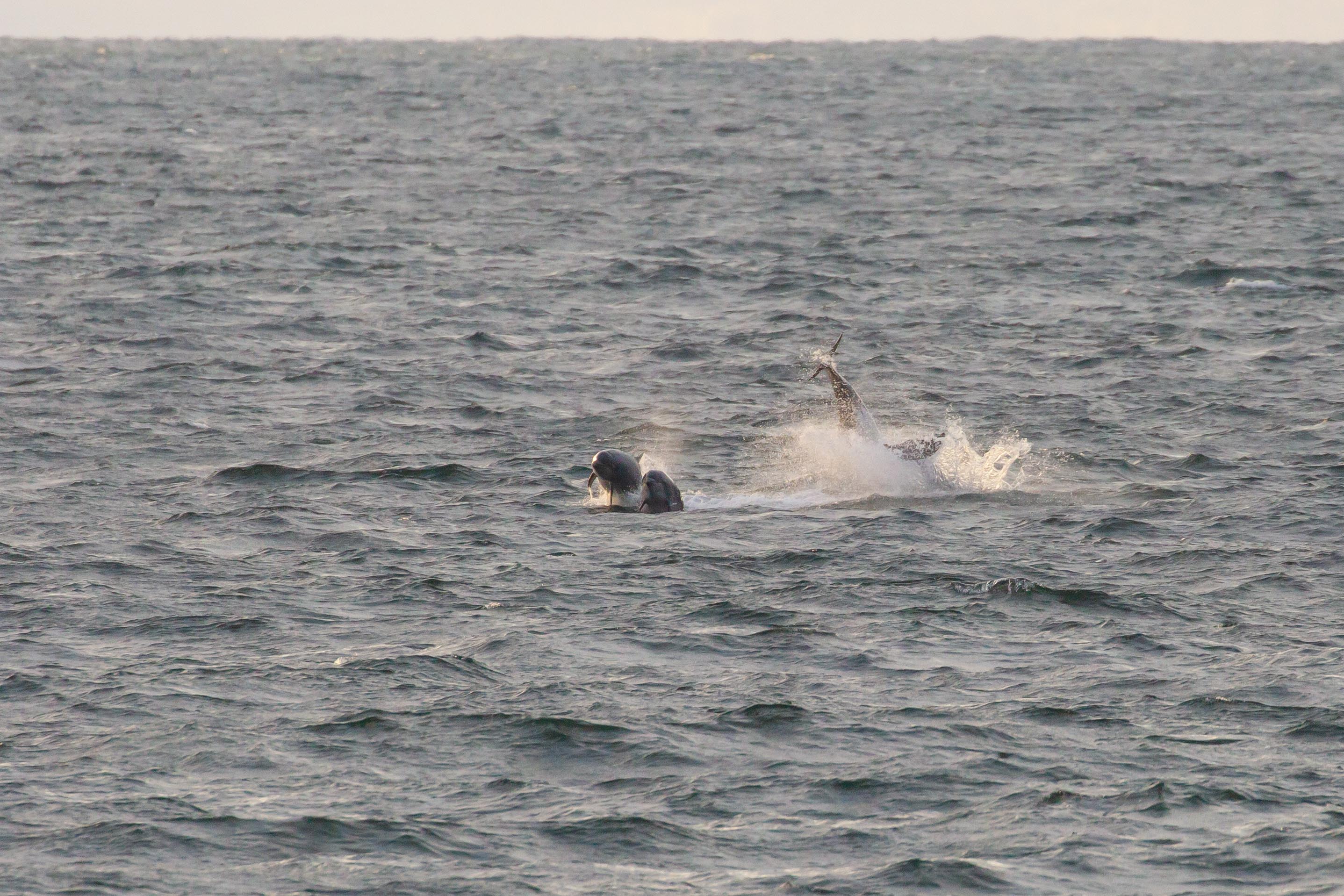
I had just finished dinner after a fairly uneventful day when I received a tip off from Steve – wildlife photographer, skipper and all-round marine mammal wizard – who told me there were bottlenoses on the way. I jumped into a down jacket and grabbed my camera. Luckily my daily walk can include a long stretch of rocky shoreline, which is infamous for its wildlife including the Moray Firth dolphins. Half a minute later I was slammed by an unexpected wind and I regretted not grabbing a hat on my way out. Although, I wasn’t sure how fast the dolphins were going and another half minute could be the make or break.

IMG_3627

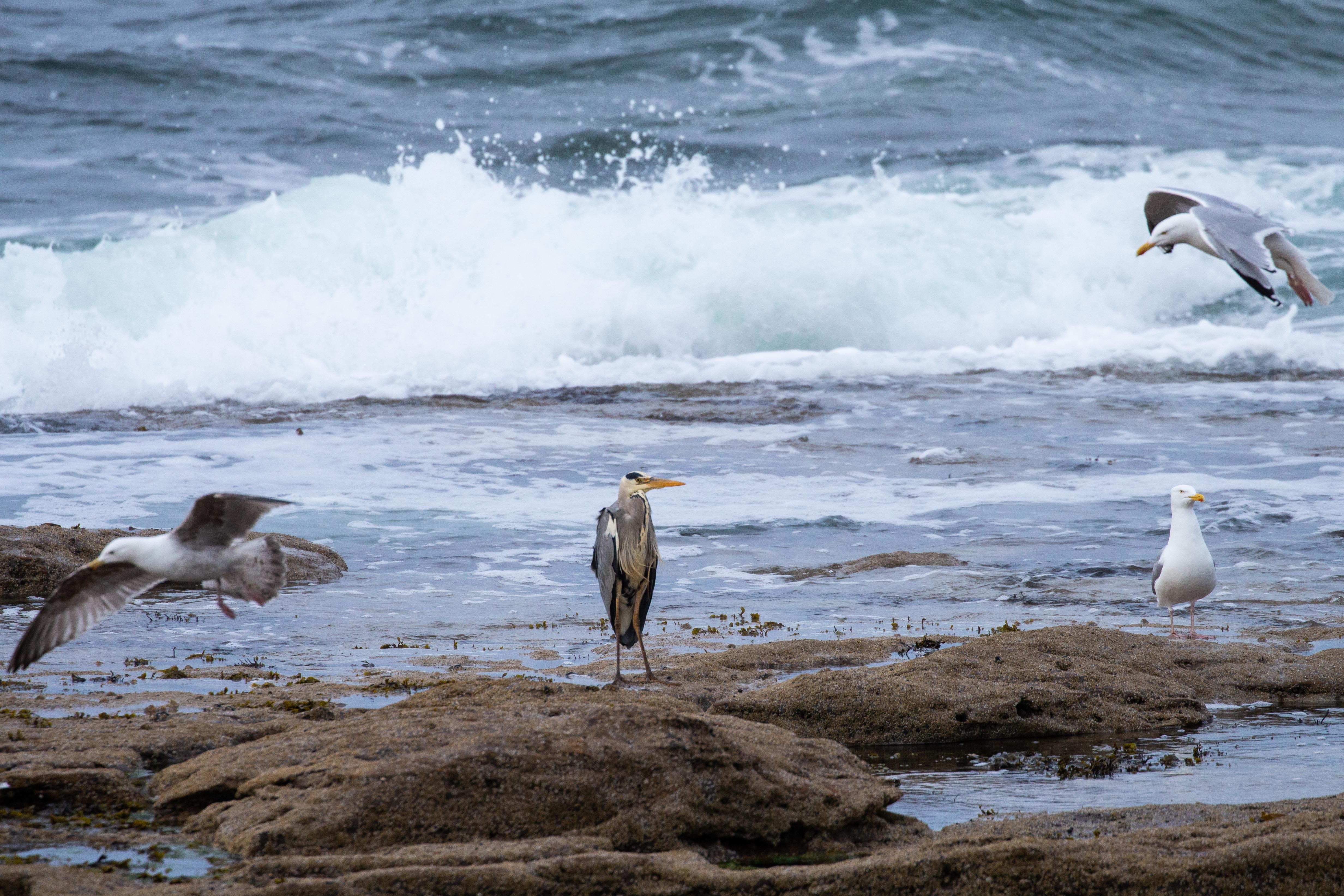
Keeping my two metre distance from Steve, we started scanning the water. He spied them far out, almost level with the next town, but we stayed put. If they didn’t turn north and swim further away, they would follow the coast and come straight past us. There was still lots to photograph while we waited. Groups of gannets – easily one of my favourite birds – were diving just offshore and a grey heron was settled hunch-shouldered on the rocks, surrounded by the usual mob of herring gulls and oystercatchers.

IMG_3632

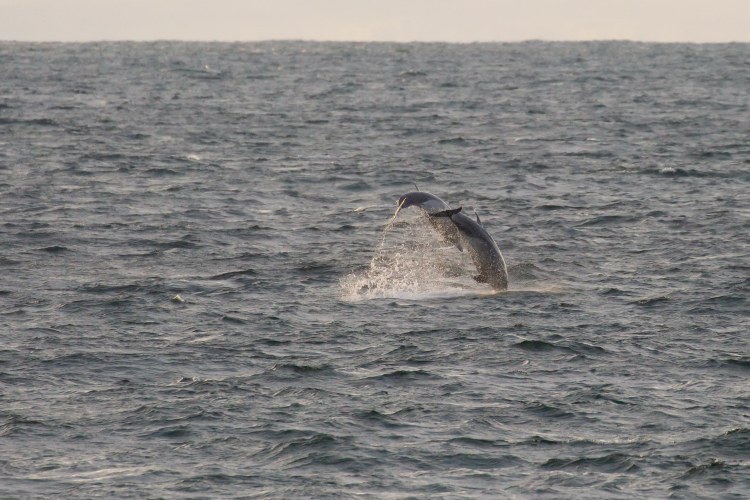
Suddenly the dolphins appeared again, much closer this time. They began to breach, leaping one, two or even three at a time. Photographing them felt a bit like playing Whack-a-mole – just when I thought I’d caught one, it had already landed with a splash and another had sprung up somewhere else. Once, two jumped together in perfect synchronicity, and no sooner had they landed than another pair took their place in the air. As so often happens, I was trying so hard to get the shot that I occasionally missed some of the action. But, when animals bigger than most grown humans are flinging themselves out of the water and performing acrobatic stunts, it’s almost impossible not to lift the camera and watch through the viewfinder. I find there’s nothing more enjoyable about wildlife photography than the unpredictability.

IMG_3685-2

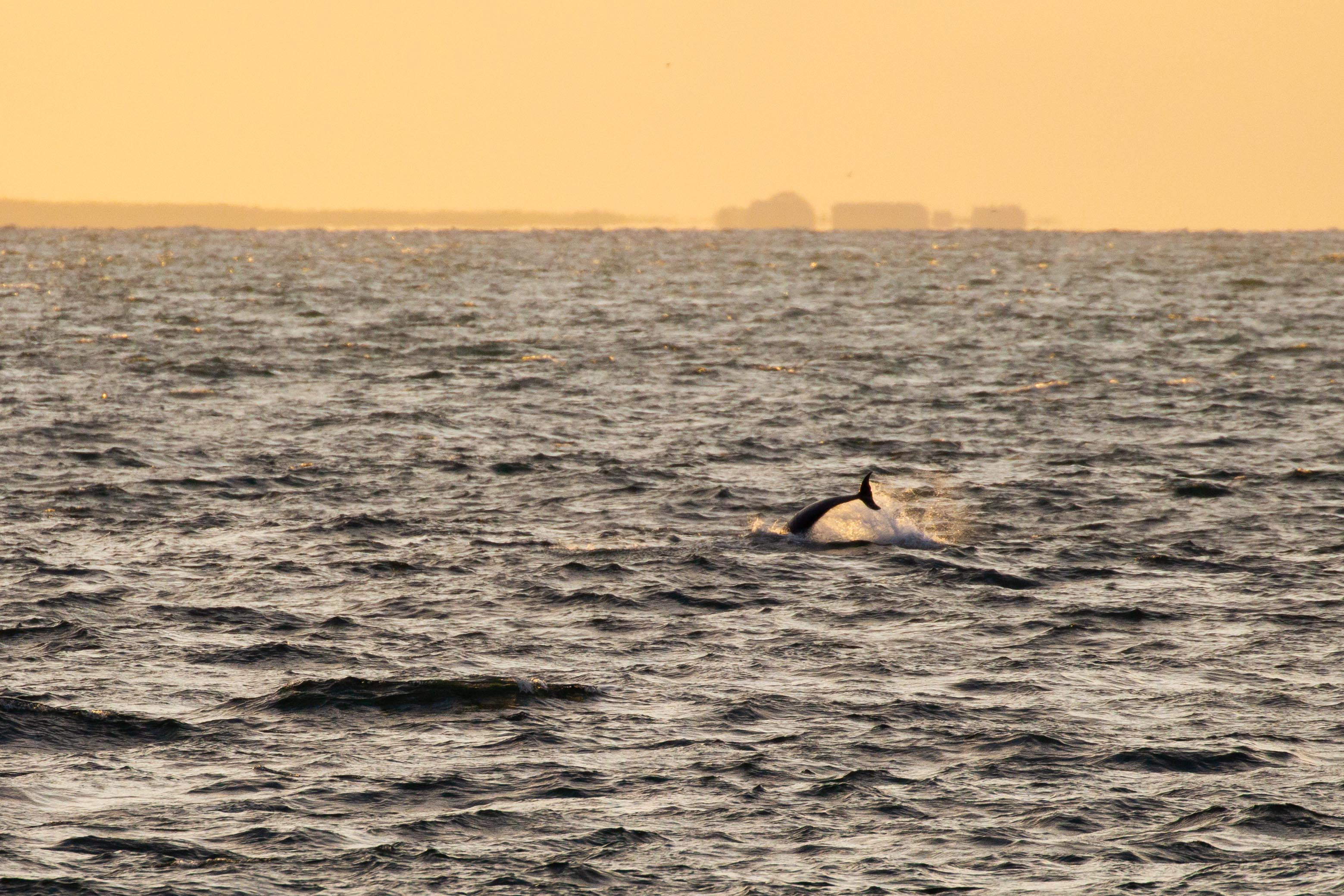
The cold was nibbling my face but there was no way I’d go home for my hat now. Dolphins were jumping in multiple directions, and all of them heading towards the sunset. We hiked up to the headland for a higher vantage point. As the dolphins got closer to the sun, the water streaming from their bellies mid-leap turned golden. Even with the naked eye you could spot them between waves from the clouds of shimmery spray erupting from their blow holes. Every so often there’d be a breach, but they were gradually heading further out. Still, Steve had never known them to linger for so long in one place. I was pleased not just to watch them but to know there was plenty of food to keep them there.

IMG_3700

The sun finally set, casting a bright orange glow over the water. It was moments like that when I knew I’d made the right decision to move to Scotland. Sitting on the grass, shivering in the cold and watching dolphins breaching out at sea.

New Visitors

IMG_2983

Although I’m naturally quite an introverted person and love having time to myself, I’ve still struggled to adapt to the lockdown routine. I like to potter around outside for hours while I write or just watch the world go by, so it goes without saying that I’ve missed wildlife far more than the pub. Alerts have hit my local Facebook groups about ospreys just a few miles away from me and orcas (orcas!) further along the coast, but lockdown measures have kept me stuck in one spot.

Still, it’s a beautiful spot to be stuck in, and there have been some new visitors to my local patch over the past few weeks. Before the clocks went forward, the daily sightings always included goldeneyes, long-tailed ducks and red-breasted mergansers. Now, as the spring wildflowers emerge and the days grow longer, I’m seeing some new faces on the backshore.

IMG_3201
Willow Warbler

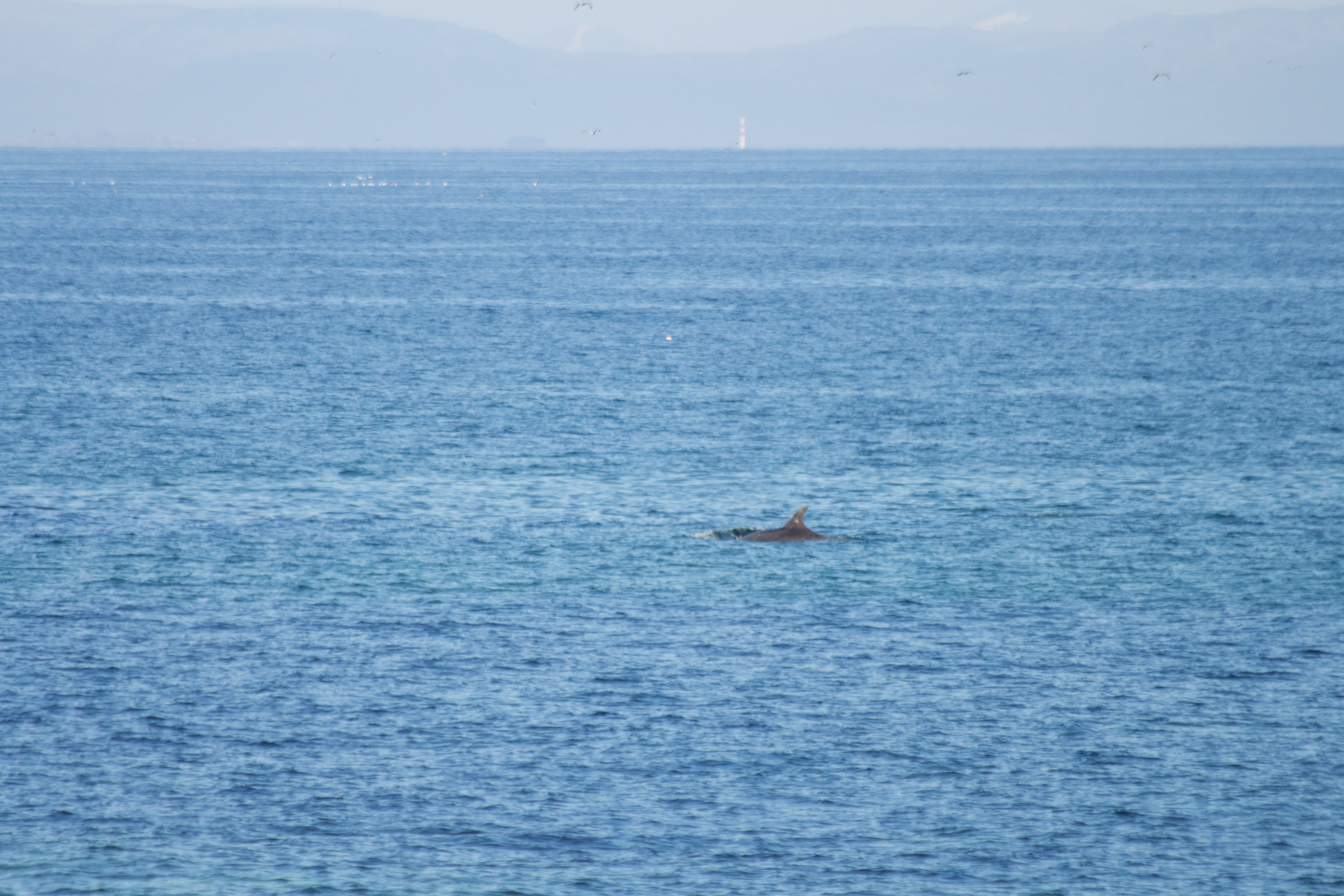
When I arrived in Scotland I was told that May was the true start of the bottlenose dolphin season, but I’ve already been spotting dorsal fins on the water. I’ve had three different sightings so far, and on the second I managed to photograph some for the first time. Even from a distance and with most of their bodies submerged, it’s easy to see just how large these marine mammals are. In fact, the bottlenose dolphins in the Moray Firth are the largest and most northerly in the world.

IMG_3004
Bottlenose Dolphin

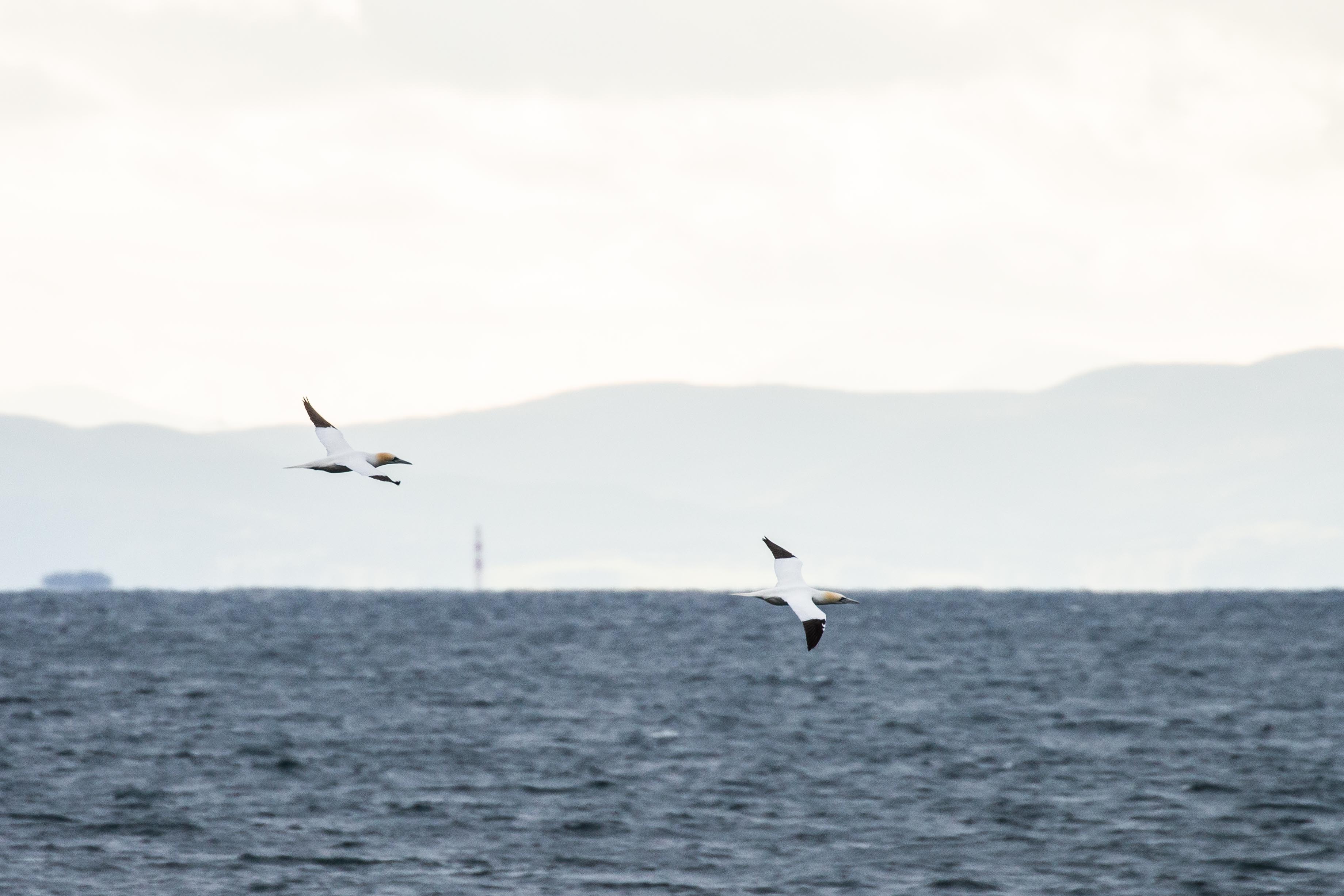
As well as cetaceans, there’s been some avian excitement too. My absolute favourite birds have arrived in my patch: gannets! I glimpsed a white wingspan last week but wasn’t sure if it was just another herring gull, but since then I’ve had indisputable views of these vast and beautiful seabirds. As well as flyovers, I had the privilege of watching a dozen gannets diving for fish just offshore – twisting their bodies and tucking in their wings at the last moment before hitting the water like feathered torpedoes. I’ve always been drawn to gannets’ subtle plumage and dramatic facial markings and it’s been such a treat to watch them in my patch.

IMG_3266
Gannet

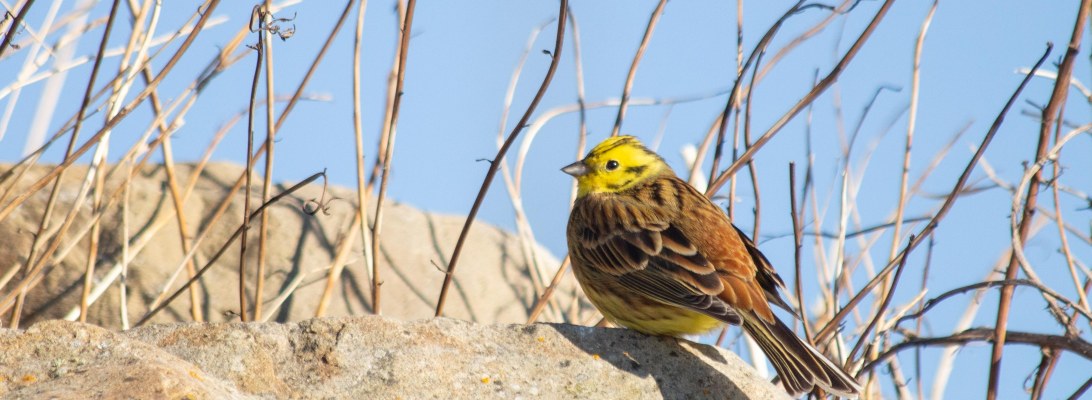
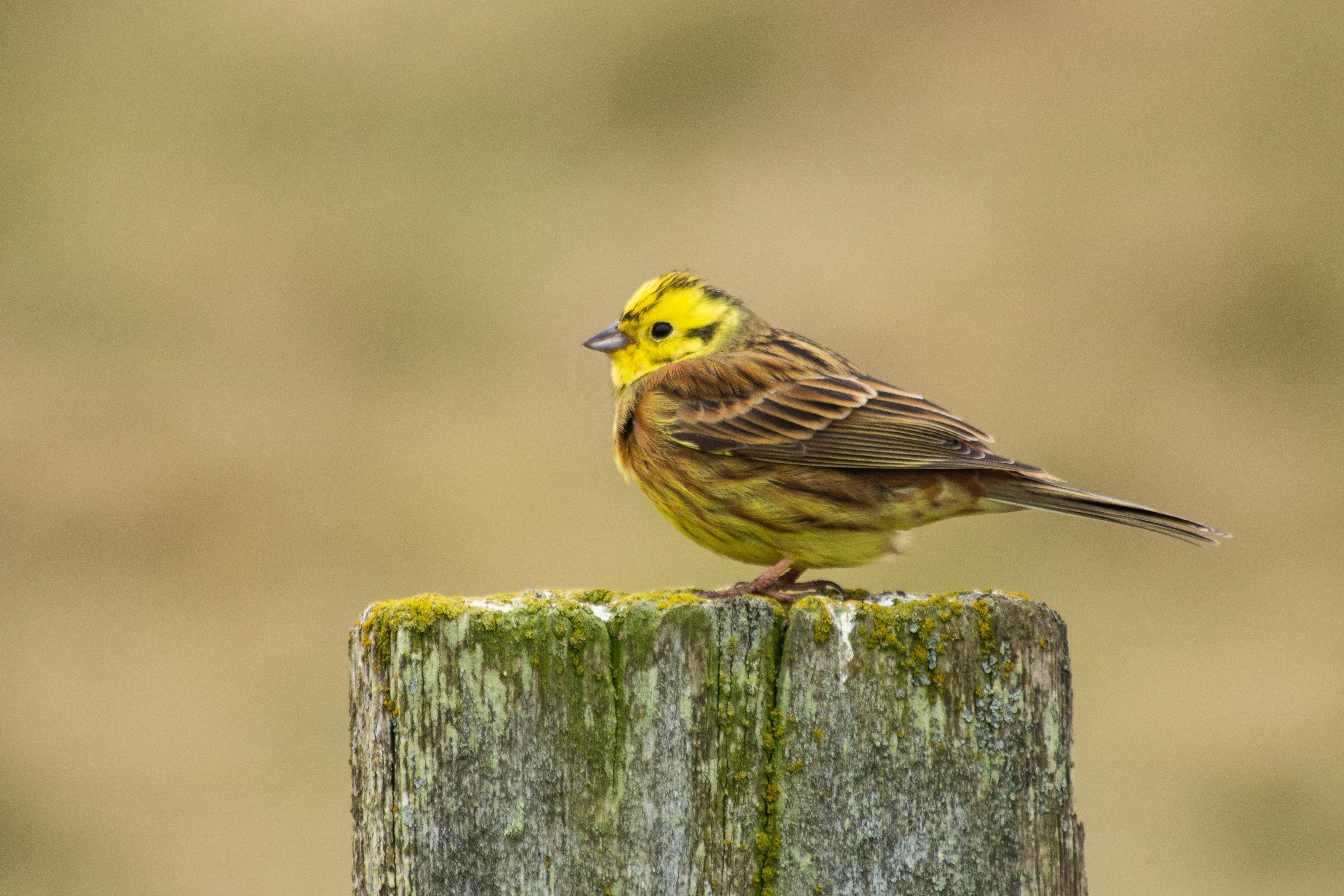
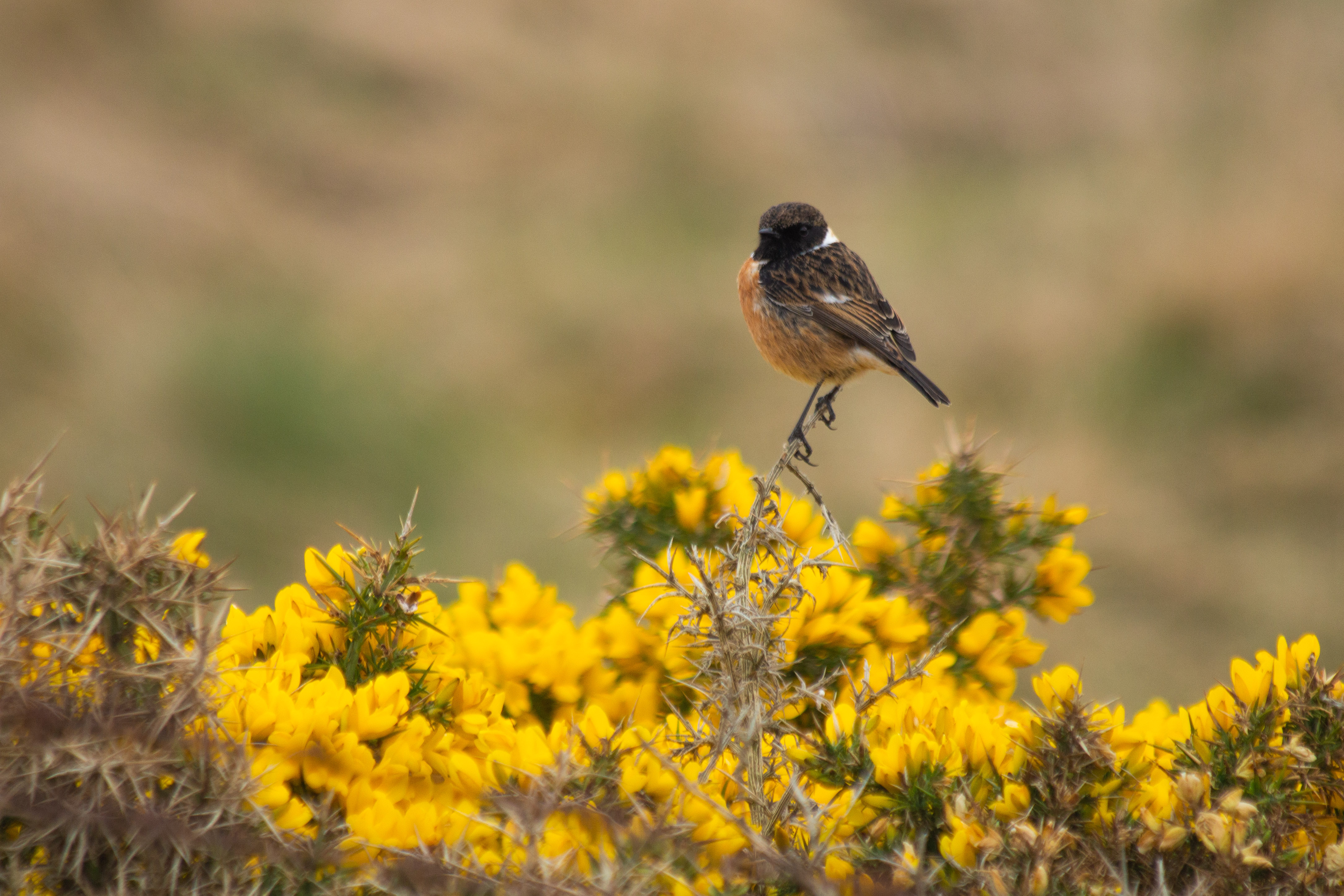
As I walk along the shore, I have the option of looking left to the ocean or right to dense clouds of gorse. As well as infusing the air with a beautiful coconut smell, the gorse provides excellent shelter for lots of different birds. Over the last week I’ve seen willow warblers, stonechats, linnets, skylarks, hooded crows, swallows, swifts and yellowhammers in just a small area. The charm of the gorse forest is that you never know what you’re going to spot and I’m almost always surprised by something.

IMG_3333
Yellowhammer (male)
IMG_3161
Stonechat (male)

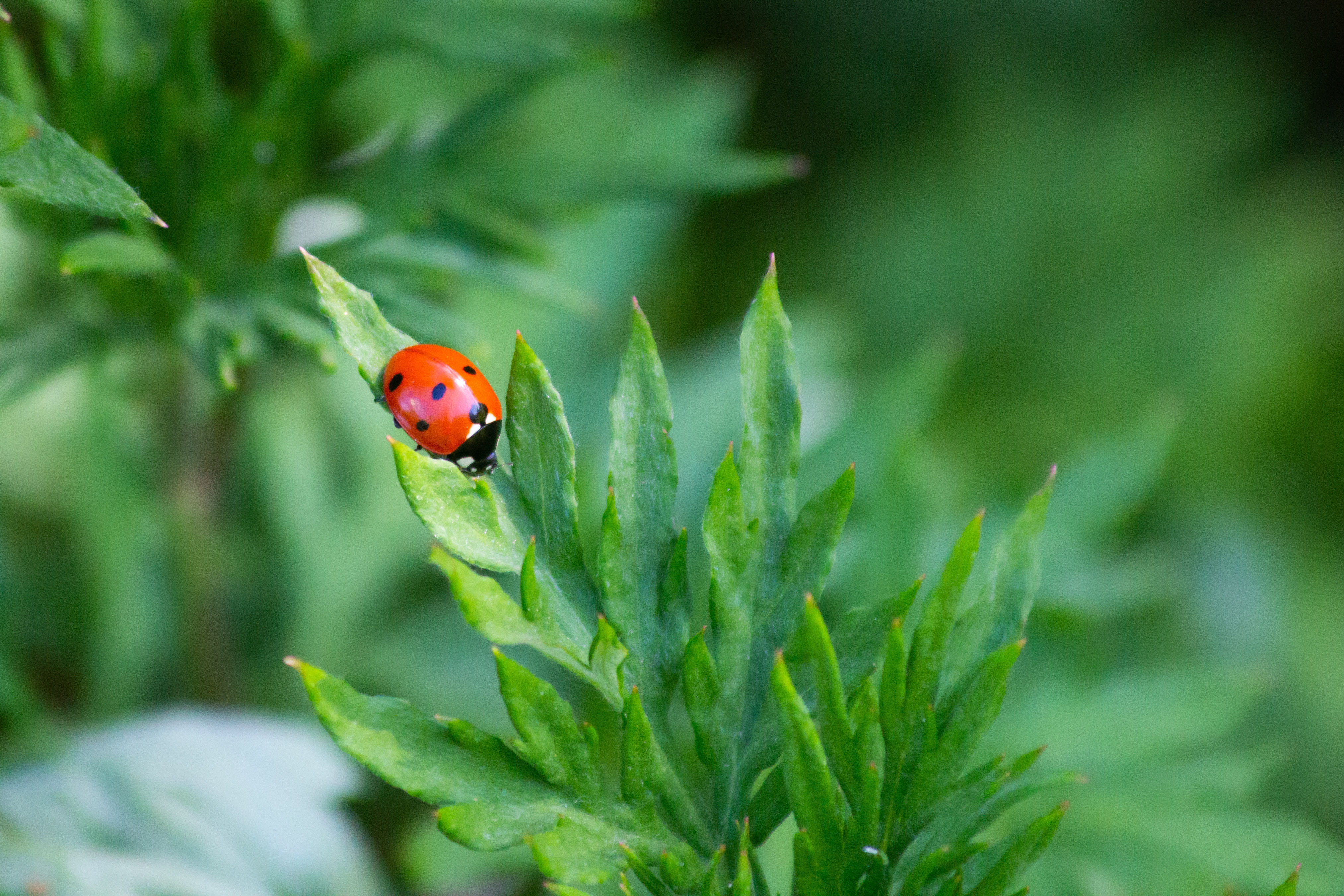
Although I’m usually drawn towards birds and mammals, I can’t help but notice emerging insects as the temperature climbs. Just along from the town allotments I’ve seen bees, peacock and red admiral butterflies and green foliage that’s speckled with ladybirds.

IMG_3036

It’s been difficult for us all to stay connected to the natural world during the lockdown, but seeing snippets of spring visitors on my daily walks has really lifted my mood. Nature never fails to make me feel better, and it’s during these challenging times that our time spent outdoors is the most important. Stay safe and stay wild everyone.

Nature Editor

While carrying out my (perhaps too) regular scroll of Instagram I passed an intriguing post by Bloom in Doom magazine advertising media positions, one of which was an Online Nature Editor.

Bloom in Doom is one of those beautiful journal magazines where the pages look like works of art. A bi-annual publication, it’s all about positive and solution-based ecological journalism. As someone who always has an optimistic slant on their wildlife writing, I was interested in getting involved.

Less than a week later I have started as a new Nature Editor and posted my first web article, which is about how you can help puffins. The second volume of the printed and digital magazine is titled “Sustainability” and will be out in June. I am hoping to be able to contribute to the third volume, but until then I will be sharing lots of positive wildlife stories on the Bloom in Doom website.

To read my debut piece, follow this link.

BinD 2 O12C4148