My Top Wildlife Sites 2

After sharing four of my top wildlife sites in the UK I began to think of more and more, so here are another set of places that everyone should visit. Read on for dwarf pansies, red squirrels, white-tailed eagles and a particularly spectacular murmuration.


  1. Isles of Scilly

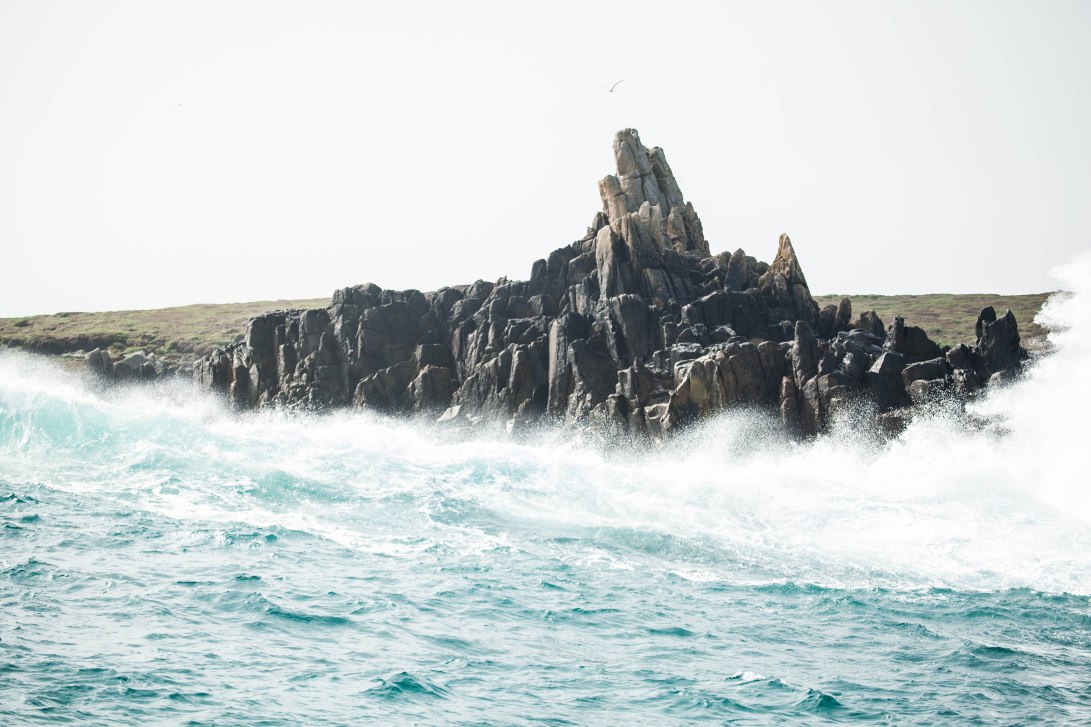
It sounds like an exaggeration but the Isles of Scilly really are incredible. I chose Scilly as the location for my final major project during my undergraduate degree and spent six days wandering through remote and near-tropical landscapes. Despite only being 28 miles from Cornwall, Scilly is so separate from mainland life that many of its species have evolved differently. The blackbirds have blood orange bills instead of their usual tangerine, wrens sing different songs and some plants are found nowhere else in the UK but on those few scattered islands.

I was there to try and find the dwarf pansy, a flower so tiny that the petals barely cover a little fingernail. By some miracle I found it, but Scilly also surprised me with its dramatic geology, impressive bird life and scorching temperatures. I didn’t have time to visit all the islands, but Bryher was by far my favourite. As well as the dwarf pansy, I found the furious waves of Hell Bay (the name is no coincidence), swarms of dog violet blooms and beaches impossible to describe without using clichés. I’ve promised myself I’ll go back to Scilly, not only to tick off the other islands but to just spend time in a place with barely any roads, air so clean that lichens bloom on almost every tree, and plants so special that crazy students travel hundreds of miles to find them.

3
Dwarf pansy


  1. Eskrigg Nature Reserve

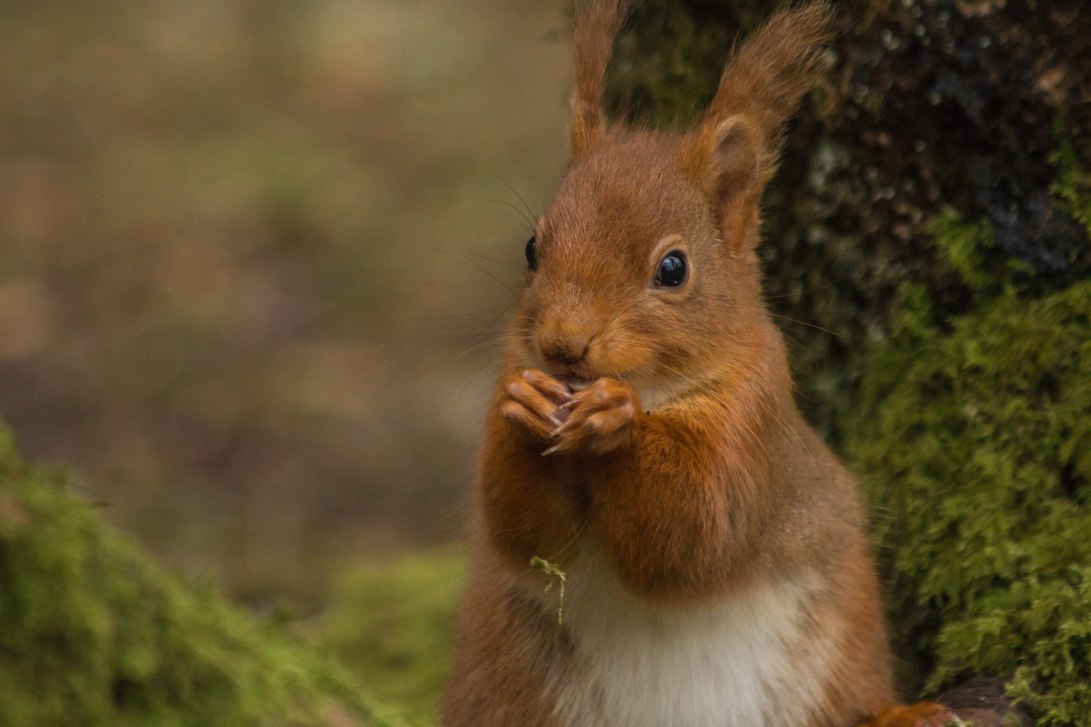
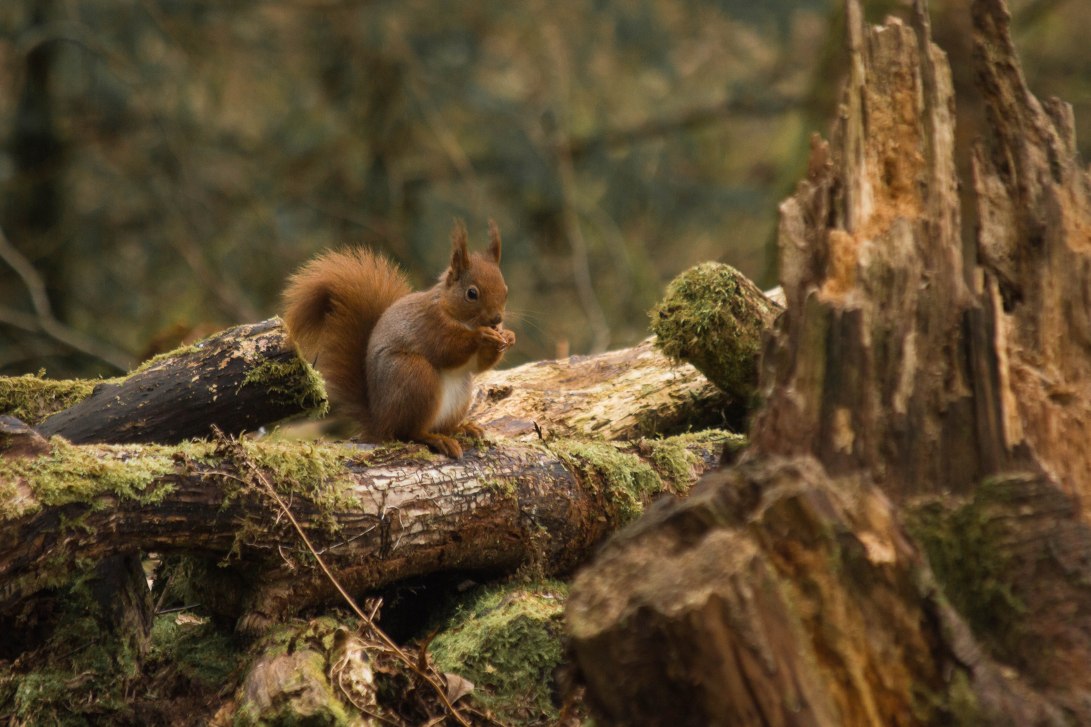
My mum had never seen a red squirrel before I took her to Eskrigg Nature Reserve. I’d been spoilt rotten there; after only two visits I’d seen about ten squirrels foraging six feet in front of me. Eskrigg is an exceptionally special place, managed by an exceptionally special person. I made a short documentary about Jim Rae for a university assignment and learnt just how much he has done not only for the reserve but also the community in Lockerbie.

As well as red squirrels, I have spent hours watching bramblings, great-spotted woodpeckers, siskins and even a female mandarin duck on a rare visit. When my parents came to see me I took them straight to Eskrigg. While Dad occupied the dog, I sat with Mum outside the hide (no need to sit inside with such laid-back wildlife) and waited less than twenty minutes before squirrels were bounding and chasing right under our boots. My mum had the same look of complete adoration on her face that I did the first time I saw them. There are certain animals that make a person’s mouth fall open and demands all their attention. Red squirrels do this effortlessly.
IMG_9304IMG_9213


  1. Isle of Carna

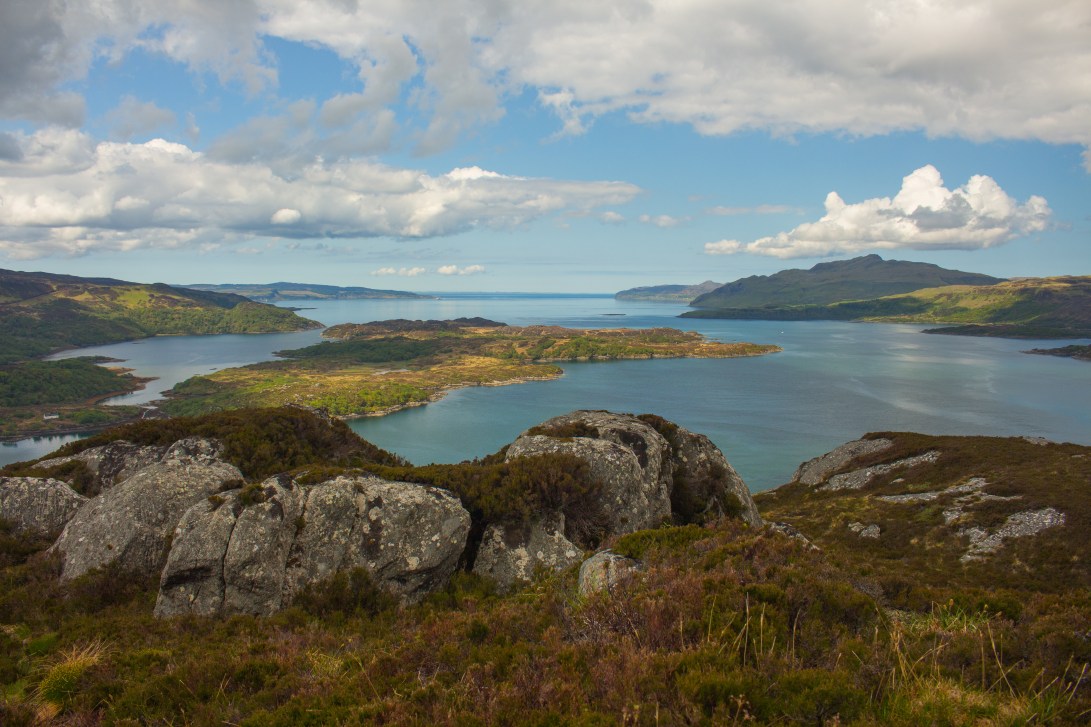
I could write pages about Carna. I went there in 2016 on an expedition with Wild Intrigue to leave technology behind and rewild myself. Carna is situated in Loch Sunart on the west coast of Scotland. We spent five days staying in one of two cottages on the entire island, which is let out to people looking for a break in complete seclusion. Even the deer have to swim to get there, which is certainly an unusual sight.

This was my first real foray into Scottish wilderness, and I couldn’t have asked for better guides. I didn’t know Heather and Cain well then, but they have since become good friends who have not only taught me most of what I know about wildlife, but have given me amazing opportunities, not least a year long internship as their Creative Content Developer.

During my stay on Carna I saw my first otter, cuckoo, golden eagle and white-tailed eagles. You know you’re in a truly wild place when white-tailed eagles become a regular occurrence after the first couple of days. We found common blennies, butterfish and dog whelks in rock pools, caught a female wood mouse in a live-capture Longworth trap and recorded foxes, roe deer and voles on trail cameras. It was a crash course in wildlife fieldcraft that showed me just how diverse Scotland is, and will always be remembered fondly as my first true wildlife trip.
IMG_6170

IMG_6216
Butterfish


  1. Avalon Marshes

Before our trip to Avalon Marshes, my time in Somerset had been windy, soggy and cold, so I wasn’t feeling particularly inspired when we arrived just as more rain was spotting my face. We headed along the river and took our position looking out over a reed bed. Forty minutes later, I was trying not to fall backwards as I watched 250,000 starlings swirling over my head. I’d never seen a starling murmuration before, and I was being thoroughly spoilt with my first experience. Not only starlings but a merlin, marsh harrier and peregrine falcon trying to snatch a meal, as well as a grey heron that chose the wrong time to take flight and found itself in a starling storm.

As majestic as murmurations look on TV, they are nothing compared to the real thing. The sound of that many starlings flying over your head is like soft rain, which is amplified by cupping a hand around your ear. I had my mouth hanging open like a cartoon character the entire time, scarcely believing the swarming shapes I was seeing. It was like a static screen come alive. Eventually, the starlings swooped down to roost, almost at the same time. The reed bed became a seething frenzy of voices and the sky was empty again.

IMG_0626

Shorewatch

I am now officially trained as a Shorewatcher for Whale and Dolphin Conservation (WDC). I’ve been wanting to learn more about my local wildlife and contribute to marine conservation now I’m living in Scotland, so when I found out about the Shorewatch programme I was keen to get involved. Luckily I managed to complete my training in Inverness earlier this month, only a couple of weeks before the new regulations that now prevent us from going out for anything other than food shopping and exercise. Although I now won’t be able to start Shorewatching for a while, I’m going to use my time to get better at identifying British cetaceans using books in preparation for when I can get started properly.

Shorewatch is a citizen science project that’s all about scanning an area of ocean for ten minutes and recording the presence or absence of cetaceans (whales, dolphins and porpoises). The areas are especially assigned Shorewatch sites, which are found all over northern Scotland. The data collected is sent to WDC and used to monitor populations of cetaceans and flag up potential problems that may be occurring, such as deep-diving species that are straying into the shallows or a noticeable lack of sightings in an area where we might usually expect them.

IMG_4136

Shorewatch is particularly beneficial because it is a completely non-invasive way of surveying. As the volunteers are positioned on the shore instead of in boats, the cetaceans show natural behaviour. WDC also don’t believe in tagging animals, so prominent scars and nicks in dorsal fins are used to identify individuals. For example, the team can recognise Spurtle, a female bottlenose dolphin, from the large area of sunburn on her side.

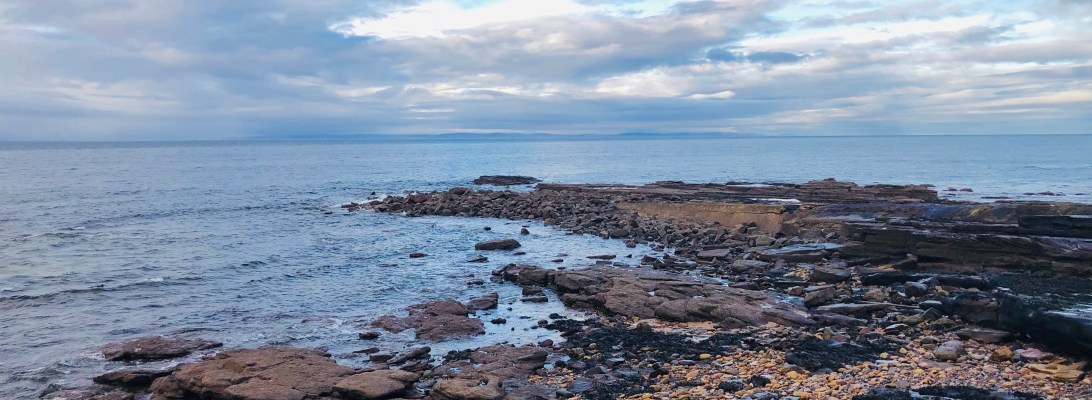
I haven’t seen any cetaceans in Moray yet, but I’m sure that will change over the coming months. The season will hopefully kick off properly in May, and going by the incredible photography I’ve seen, the bottlenoses really go to town with their acrobatics! However, when all you see is the flick of a tail or the subsequent splash, it can be tricky to figure out what species you’ve seen, so I’m learning how to identify different species in the water. The Moray Firth is famous for its bottlenoses, which are both the largest and most northerly in the world, but many other species have been spotted from Burghead shores including harbour porpoises and even orcas and humpback whales! I would definitely cry if I saw an orca in my local patch, but I shouldn’t get ahead of myself. Hopefully I’ll get to see the resident dolphins soon. We all went to Chanonry Point after our theory training to do a practice Shorewatch, and although there were no dolphins, we saw a common seal and a white-tailed eagle! I haven’t seen one since my trip to Carna in 2016, so to be able to watch the “flying barn door” on the east coast was a real treat and a fabulous introduction to Shorewatching.

IMG_2671

My Top Wildlife Sites

Last night I had a lovely meal at the Grant Arms Hotel in Grantown-on-Spey before seeing a talk by Iolo Williams. Despite current news and hysteria, the lecture room was full to the rafters and extra chairs had to be squeezed into gaps.

Iolo’s new book is called “The UK’s Top 40 Nature Sites” and highlights natural gems up and down the country from the Lizard Peninsula in Cornwall all the way up to the Shetland Islands. Naturally, Iolo said that every site in England, Scotland and Ireland paled in comparison to those in Wales, “God’s own country”.

Iolo is such an inspiring speaker, sharing his stories with the confidence and laid back attitude of someone chatting in a pub. His passion is palpable and easily transfers to his audience. As well as golden eagles and puffins, Iolo was keen to highlight smaller and lesser known species. I learnt what the lion’s mane fungus looks like, and discovered just how beautiful the marsh fritillary butterfly is.

As I sat listening to Iolo’s favourite wild places, I realised that I’d actually been to quite a few of them myself. It gave me the idea of gathering my own list. Some of them are in Iolo’s book but some are my own additions. I’ve chosen places that offer almost guaranteed sightings of a particular species or the opportunity to get lost in secluded wildness. Either way, I hope people discover and fall in love with them as I have.

Anagach Woods

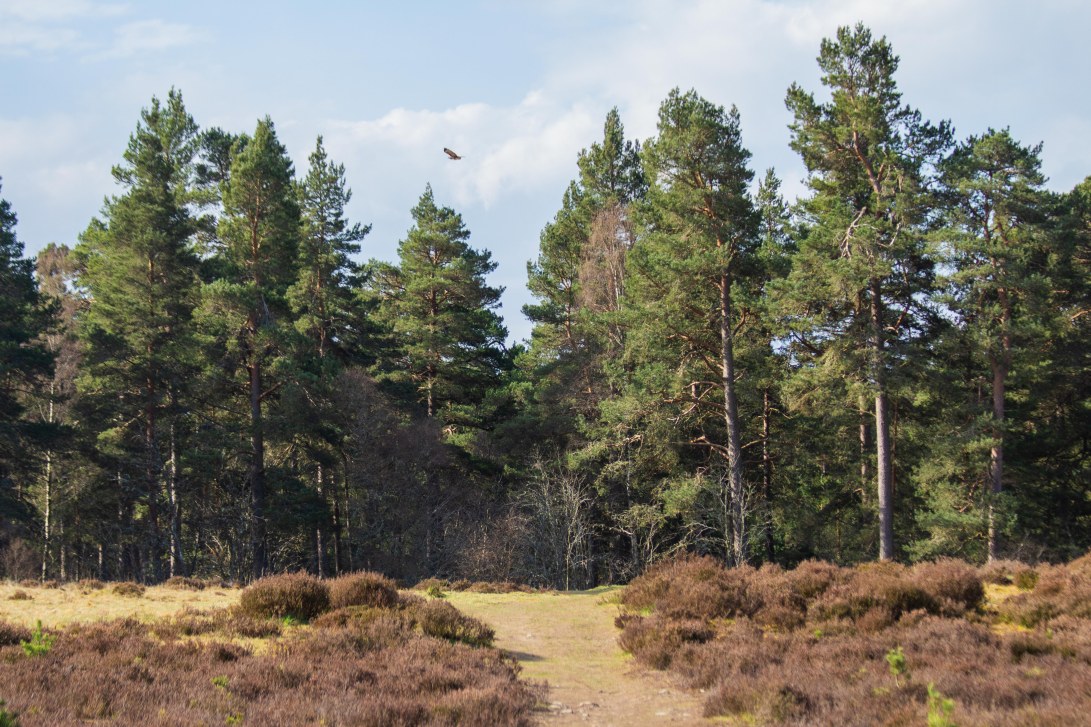
Iolo included Anagach in his book but I had to as well. I visited a few times when I was staying at the Grant Arms for the Wildlife Book Festival last spring and was absolutely captivated. I’ve never been in such a vast area of woodland. Although you will often see dog walkers at the edge of Anagach, as soon as you press further in and choose one of many winding trails, you quickly forget about cars, roads and people. Anagach is full of wildlife, from common coal tits and relatively easy to spot red squirrels to far rarer Scottish icons such as pine martens. Listen for crossbills flying over and look for the elusive but gorgeous crested tit, which is only found in the Caledonian pine forests of Scotland. One of my favourite sounds is a trickling stream running through a forest and I indulged my love for it in Anagach – perching on a rock watching water bubble past me between the trees. Unsurprisingly, it is easy to get lost in this sprawling forest, but that’s half the fun.

IMG_1509
Goldcrest
IMG_1473
Treecreeper


Farne Islands

The Farne Islands off the Northumberland coast are notorious for grey seals and I had the privilege of snorkelling with them in June 2018. It was during this visit that I had a seal swim up to me and wrap its front flippers around my leg, which is something I wish I’d photographed but will still never be able to forget.

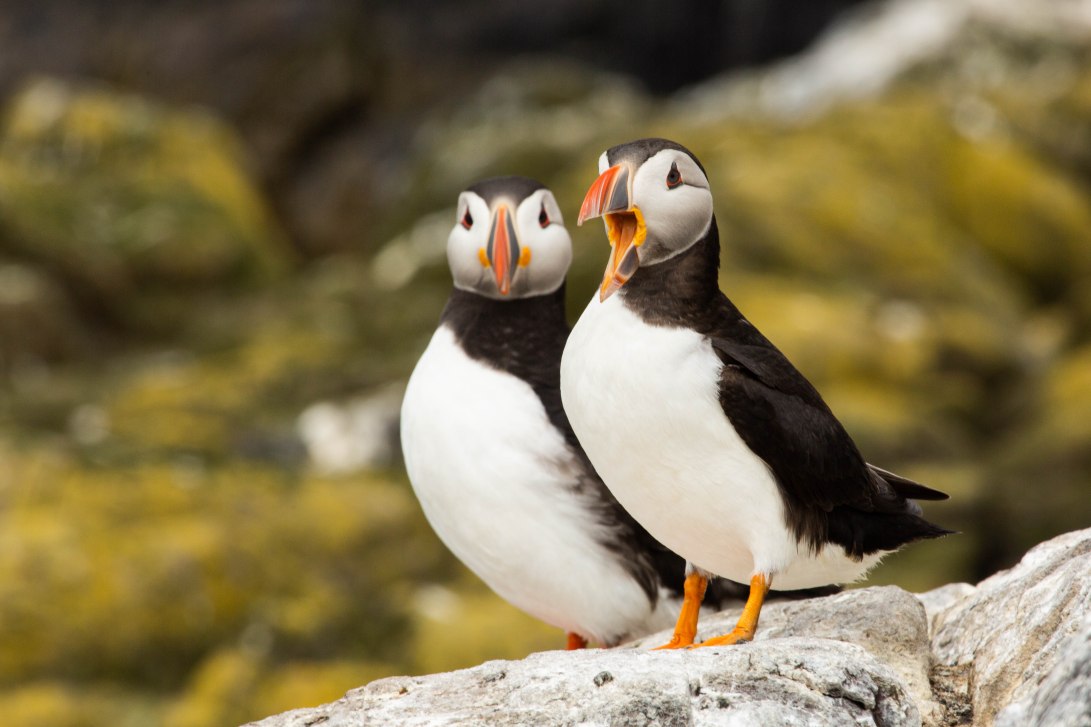
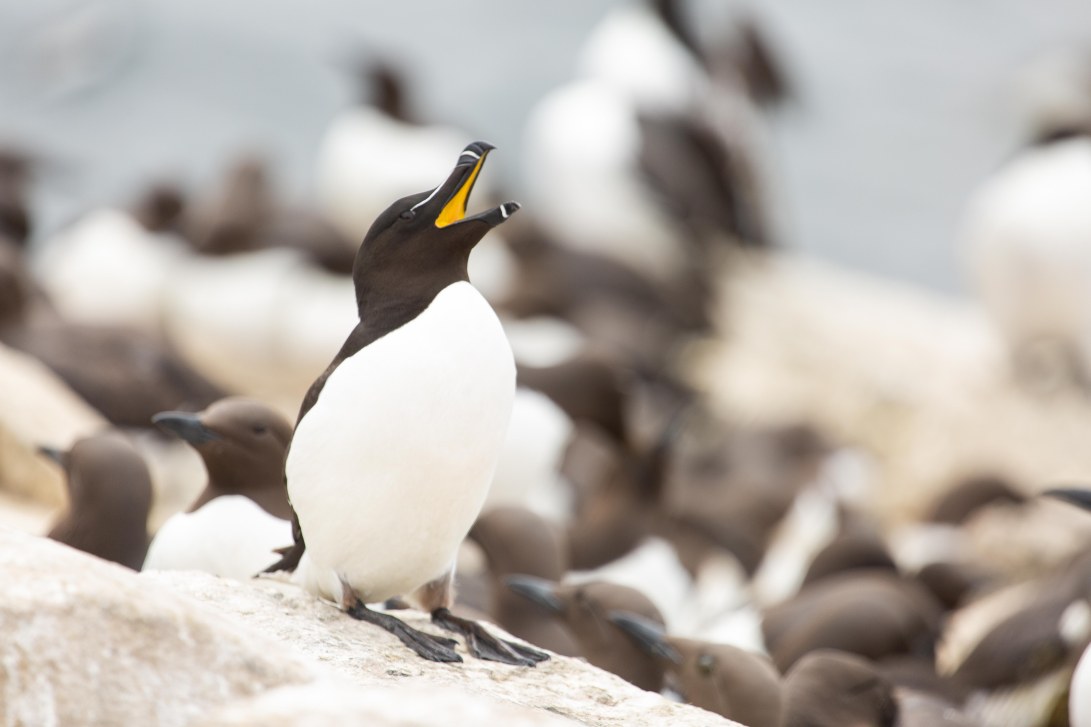
But despite the excellent views of seals, I’ve chosen the Farnes for their astonishing bird life. Moments after disembarking from the boat we were carefully weaving around nests positioned just off the path, our ears slammed with the onslaught of squawking from razorbills, guillemots, cormorants and everyone’s favourite, the puffin. I’d seen glimpses of puffins between waves before, but on the Farnes you can watch from a front row seat as they go about their business of hunting sandeels and dashing into burrows. For anyone wanting to see their first puffin, the Farnes are the place to go.

29
Puffins
O12C4258-2
Razorbill


Burghead Backshore

It is only recently that I’ve discovered just how special the Burghead Backshore is for wildlife. In just two weeks of living on this small peninsula jutting into the Moray Firth, I’ve seen plenty of cars parked along the bank with binocular-clad birders clambering out to scan the shore. People come from all over, including paying customers on Highland Safaris from Aviemore.

I can’t speak for every season, but so far during late winter I’ve had almost daily sightings of goldeneye, long-tailed duck, eider, red-breasted merganser, turnstone and redshank. For such a small area, the Backshore is bursting even during the lean winter months.

And of course, there are more than birds to be found around Burghead. The Moray Firth is one of the best places in the UK for bottlenose dolphins, and basking sharks and minke whales have also been seen, as well as grey seals. I can’t wait for the proper dolphin season to kick off in May, as I haven’t managed to spot any yet. This weekend I’m going to Inverness to become trained as a Shorewatch volunteer for Whale and Dolphin Conservation, so I can carry out official cetacean surveys in Burghead. I can’t wait to learn more about my local marine wildlife and contribute to conservation.

IMG_2404
Cormorant
IMG_2492
Redshank


Isle of Cumbrae

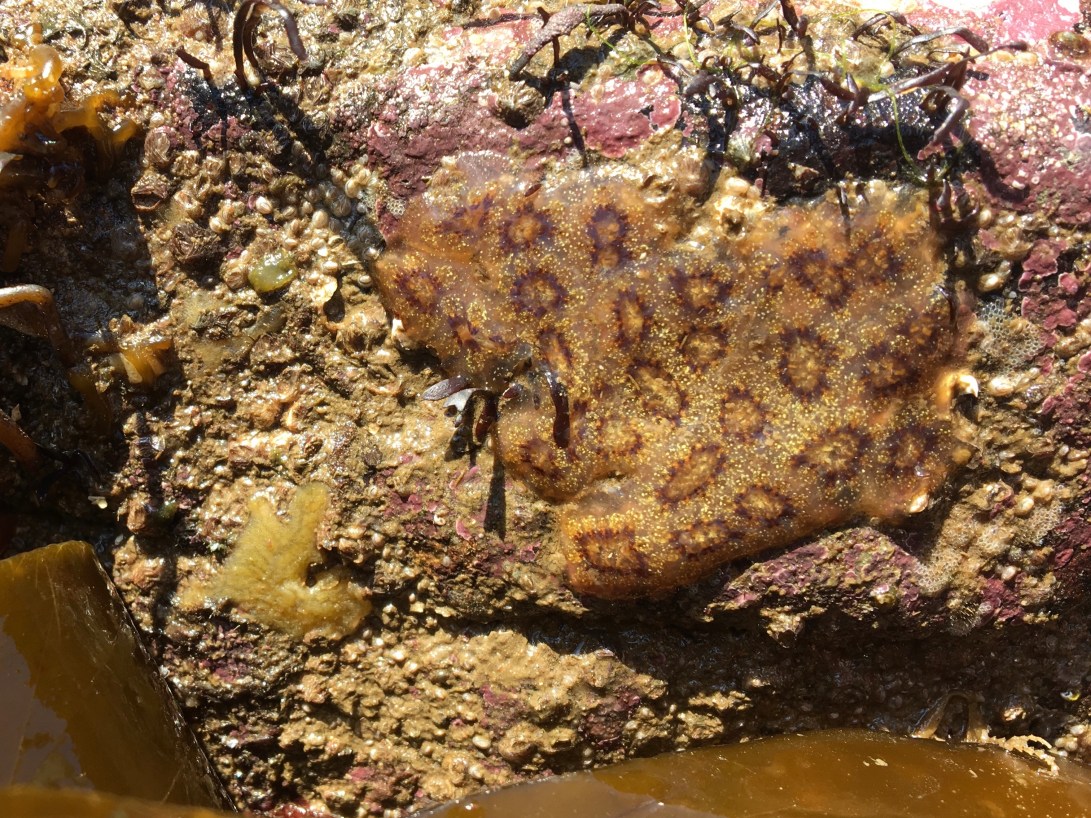
In May 2018 I attended a Field Studies Council weekend course on the Isle of Cumbrae in Ayrshire. It was a jump into the unknown that I didn’t fully appreciate until I was standing spread-legged in the shallows peering down into rockpools and glancing at a sheet of paper I didn’t really understand. The course taught us how to identify biotopes – the combination of a physical habitat and the biological community that lives in it – and although I certainly enjoyed staring down microscopes and poring over textbooks that weekend, the highlight for me was spending two full days on the beach looking for creatures in rock pools. We saw beadlet anemones, a stunning dahlia anemone, acorn barnacles, hermit crabs and common prawns. Every rock revealed a different discovery. Despite spending plenty of summer days at the beach in the past, I’ve never done so much rock pooling before and the FSC course started a new fascination for marine wildlife that I’m hoping to return to now I’m living on the coast.

IMG_0607
Beadlet Anemone
IMG_0570
Star Ascidian (a type of sea squirt)

Avian Meditation

I’ve never been able to meditate. I’ve tried it before, frustrated and envious of those people who can sit still and completely disengage from the distractions around them. For a start, I can’t even sit up straight without getting uncomfortable. I know you can meditate lying down, but then I just fall asleep. If I finally do find a comfortable position, I inevitably can’t stop thinking. “Focus on breathing”, all the books and videos say, and I focus on the first three inhalations wonderfully, but soon my mind wanders to my shopping list, deadlines, or reminding myself to put the bins out. I’ve discovered that meditation is just something that not everyone can do, in the conventional way at least.

The other day I went to Rye Meads Nature Reserve in Ware, Hertfordshire. I have quite a lot of things to do at the moment with my MA and the move to Scotland later this month, but I needed some time outside. I find it a real challenge to make time for walks, so I fought my better judgement and put work on hold to sit in a hide and watch birds. I don’t do this much – when I’m out and about I’m either on my way somewhere or keeping an eye on the dog to make sure she’s not getting into mischief, so it was a real indulgence to spend an entire morning ambling around a nature reserve.

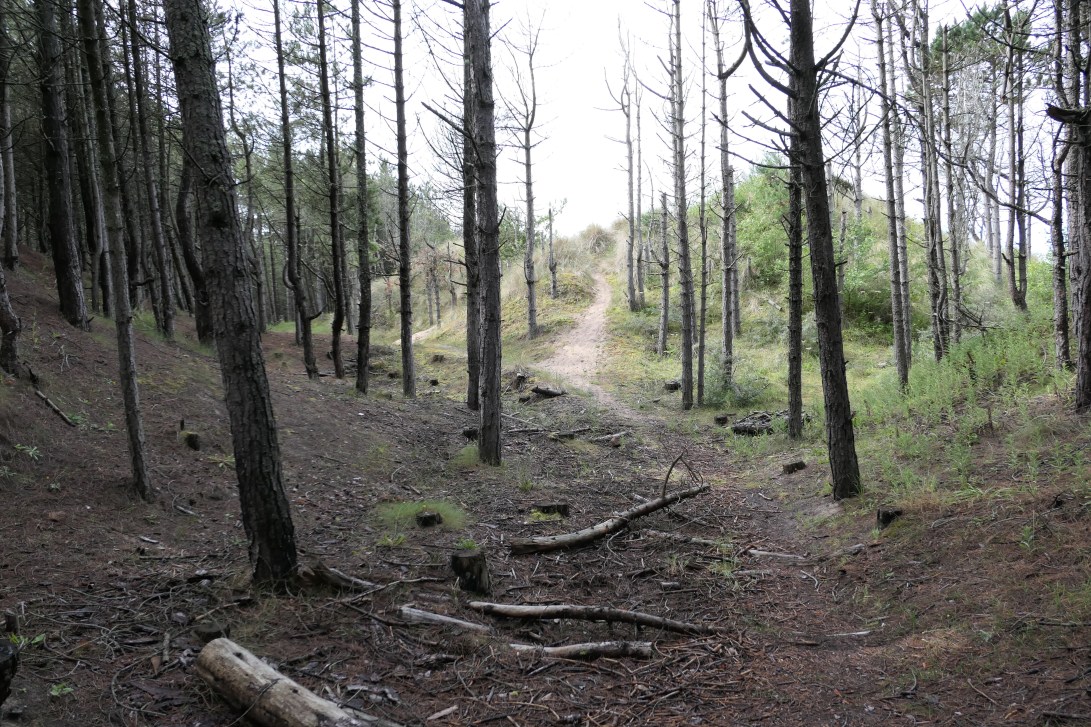
I sampled each hide in turn, following muntjac prints in the mud as I walked, and eventually settled in one that overlooked a lake speckled with birds. A group of thirty lapwings were soaring over the water, swinging in a single mass from left to right. Each time they twisted the sunlight caught their backs, illuminating that iridescent green also concealed in magpies and starlings. I watched their display through the binoculars, captivated by the pendulum-like movement. Unlike a lot of wings that end in sharp points, these birds have wings that are loosely shaped like tennis rackets.

Eventually one bold individual decided that was quite enough flying, and as it swooped down to the water its companions followed until the air was empty again. They settled on the rocks alongside a pair of shelducks, shovelers, gadwall and a lone cormorant. The strips of pebbles cut the lake into wedges, separating midnight blue from slate grey. Ripples from bobbing coots sent tiny waves onto the shingle.
“Have you seen the green sandpiper?”

The voice made me jump after such a long silence. It was a member of RSPB staff, brandishing both binoculars and an impressive scope. Shimmying along the bench, I peered down the scope and watched the wader as it scoured the shingle for food on its skinny green legs. I’d have never spotted such a well-camouflaged bird without help. In fact, the green sandpiper was a species that I may have looked at but not noticed many times before.

The man with the scope carefully lowered the window cover and hitched the scope onto his back, heading back out into the sunshine. I carried on watching the lapwings, now foraging with their spiky hairdos fluttering. It occurred to me then that birdwatching was a form of meditation. You have to sit still, as quietly as possible, and often go for hours without speaking. My phone was on silent, buried at the bottom of my bag underneath gloves, sketchbooks and biros. The only connection I had was with the birds. Sure, I was hoping for bitterns, kingfishers and otters (none of which showed), but I found satisfaction in the more common residents. There is undeniable beauty in a young blue tit’s downy feathers, the tight curl of a cormorant’s dive and the vibrancy of a mallard drake’s head, which almost shines yellow in the right light. Maybe I’d denied myself the pleasure of birdwatching too long, but sitting in the hide looking out onto calm water felt like meditating. My work was back at the house and I was in the reserve sharing space with birds.

New Nature magazine

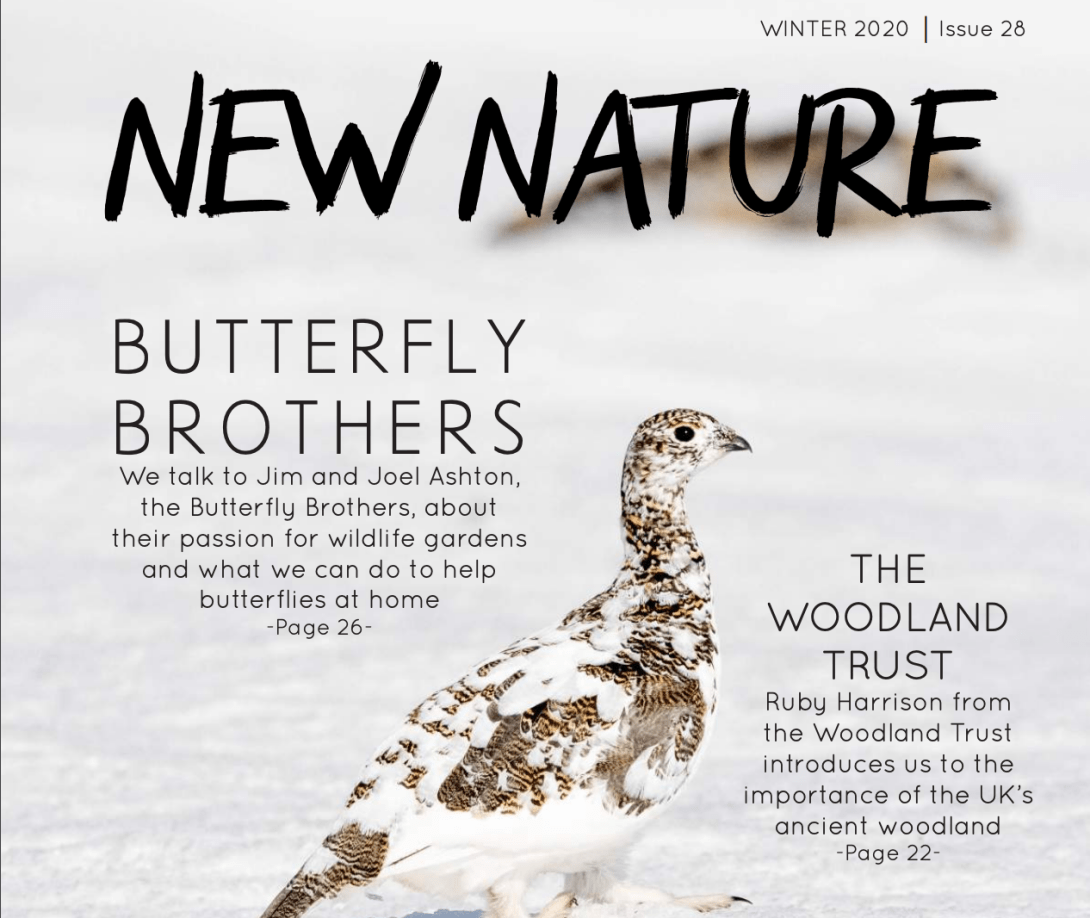
A few years ago I had an article published in New Nature magazine about my time in the Cheviot Hills in Northumberland. In autumn last year I pitched another article, this time about my visit to Anagach Woods in Grantown-on-Spey, my all time favourite area of woodland. There was no room in the autumn issue but it has just been published in the first issue of 2020.

New Nature is written, designed and produced entirely by young people. It features the work of ecologists, photographers, ecologists and writers. Its purpose is primarily to entertain, but with an underlying mission to celebrate wildlife and encourage its protection. I feel proud to be part of a project run by the younger generation and know that I have contributed alongside a team of talented and passionate individuals.

To read the latest issue of the magazine, click here.


Screenshot 2020-01-28 at 10.31.26

Onwards and Upwards

My last post was all about reflecting on 2019. This one is about looking forward to 2020. It’s easy to write a long list of New Year’s resolutions but a little trickier to stick to them. So, this year I want to develop habits that I already have, starting with my art.

Last year saw a surge in my artistic activity. I can’t remember quite how it happened, but I know that starting a nature journal certainly helped. As well as nature I use my journal for tickets, feathers, pretty page borders and scribblings. One of my new evening past times is sketching whilst curled up on the sofa in my favourite spot. It’s a one-stop shop for all my creative energy and seeing the book get fatter only encourages me more. The journal is particularly useful for making notes on walks, although I still need to kick the bad habit of wanting every page to look Pinterest-worthy. I make title pages each month and have bought a dinky old-fashioned library stamp to date each entry. It’s by no means perfect, but so far it has proven to be a useful tool for getting me drawing and painting again.
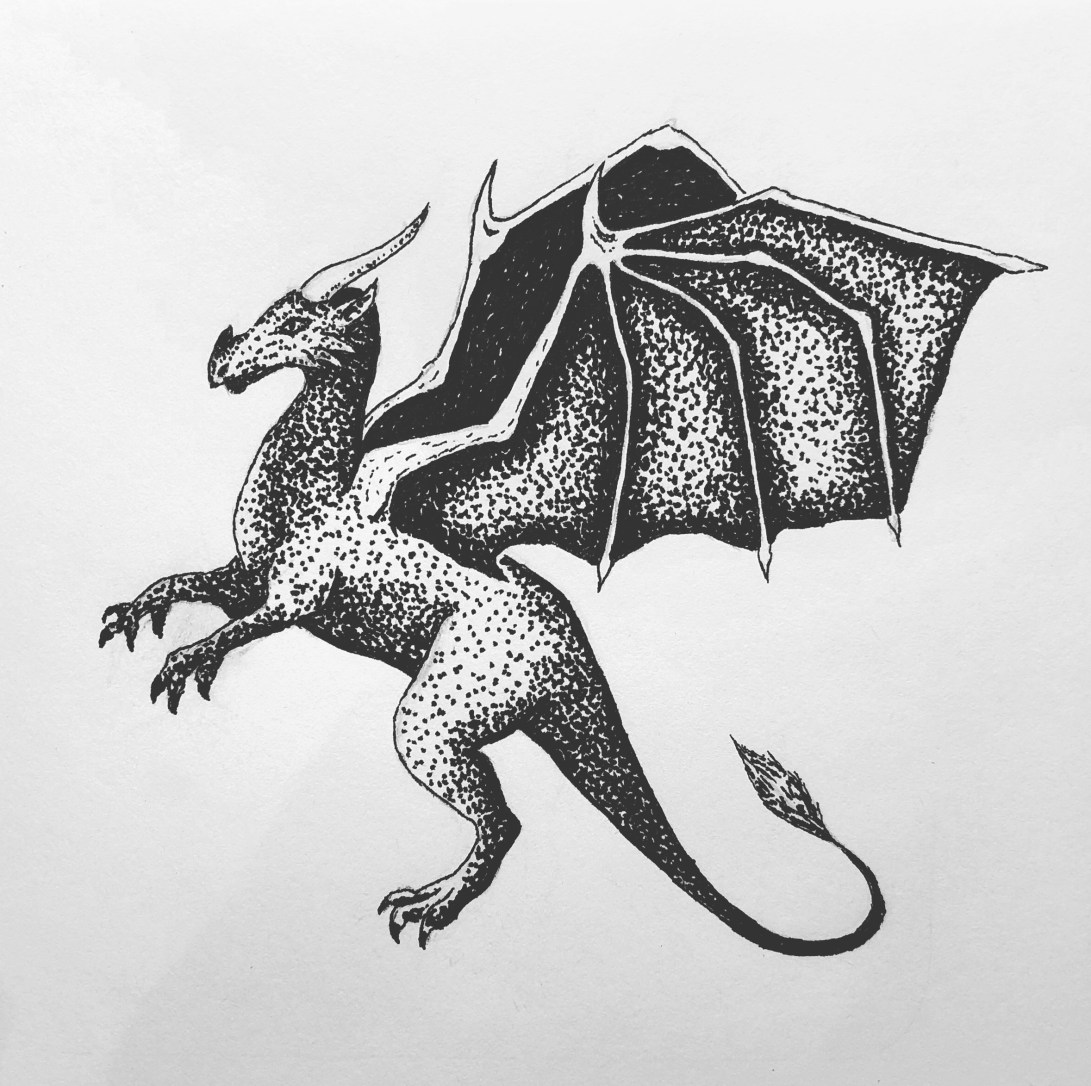
Linked to this is a new art challenge: Inktober 52. The original version was a drawing prompt for every day in October, but that sadly didn’t quite happen. Luckily for me there’s a weekly version starting in 2020 – 52 new drawings that I can add to my portfolio. The first prompt was FLIGHT so I drew a dragon with my new Faber-Castell pens I got for Christmas. I really want to stick to Inktober 52 and I can’t wait to get next week’s prompt!

C34767BE-2C12-4BF8-A468-B925793D3D36

Alas, where there’s play there has to be work. I’m feeling really optimistic about my writing moving forwards. The MA has already provided a structure for developing my work and, perhaps most importantly, trying to get paid for it. The self-led trip in April will be an important test of my ability to pitch to publications. Today I spent many hours poring over Scottish magazines and I was pleased to see that a lot of my ideas hadn’t been featured. There’s still a lot to organise, but I’m so excited to see what happens over the next few months.

Another thing I would like to do this year is establish a better work structure. I have quite a few different types of work including MA assignments, freelance pieces and personal writing, and my long to-do list was getting a little daunting. This year I’d like to try assigning a certain type of work to a specific day, so on that day I only have a few tasks to concern myself with. Blocking out time will hopefully mean I get jobs done more efficiently and make time for the things that get neglected, such as my fiction projects.

Something I certainly need to make more time for in 2020 is exercise. After a fairly consistent feast of mince pies, Yorkshire puddings and apple sauce over Christmas and the uninspiring rainy weather, my fitness has undoubtedly suffered. What’s more insulting is that my monthly gym membership still zips out of my account even when I don’t actually go… Although the idea of jogging makes me want to crawl into a ball and play possum, I want to embrace power walking and forest walking more this year.

IMG_1489
Buzzard gliding over Anagach Woods, Grantown-on-Spey

Lots to be getting on with! I’ve seen a few people choosing one word to summarise the coming year so I’ve decided that mine will be “improve”. It may sound simple but it’s what I want to do every year, whether that’s learn something new, develop a skill I’ve already been working on or change something for the better. Basically any small victory that brings me closer to my goals. I hope 2020 will bring lots of improvements!


2019 Wrapped Up

Christmas is here again, which means it’s time to reflect on what I’ve achieved in 2019. I still have a long way to go before I can really call myself a freelance writer, but I’m so proud of the progress I’ve made this year.

img_3859

A particularly significant event was the Grant Arms Wildlife Book Festival in April, where I travelled to the beautiful Cairngorms National Park to stay in what is undoubtedly the coolest hotel in the UK for wildlife lovers like me. I attended some fascinating talks, met many established writers and was thrilled to see my first pine marten. However, perhaps the most influential moment was meeting author Stephen Moss, who runs the MA in Travel and Nature Writing at Bath Spa University. We sat down for a chat and spoke about my work so far, and after our talk I began to think seriously about doing a masters. I was sad to leave the beautiful wilderness of Grantown-on-Spey behind, but I was also intrigued by the possibility of further study and what it could do for me.

img_3262_lively

In the summer I visited Madrid – my first solo trip to a non-English speaking country. I don’t think it occurred to me how daunting that prospect could be until I arrived and realised that my A Level Spanish was a lot rustier than I had anticipated. Nonetheless, despite the language barrier and the most intense heat I have ever experienced, I really enjoyed my stay and learnt a lot about my resilience when travelling alone. Madrid is a beautiful city that I would love to return to some day, just in a slightly cooler season! The highlight was undoubtedly the flamenco show on my last night – that experience will stay with me for a very long time.

P1000122

Not long after Madrid it was time to drive up to Rutland Water nature reserve for Birdfair, which has now become a yearly tradition. I caught up with good friends from uni, met the lovely Lucy McRobert and finally christened my new tent in the campsite. As always, Birdfair was a fantastic networking opportunity and I met some lovely authors and conservationists who were keen to share their advice. I also saw Stephen Moss again and bought rather too much wildlife art…

IMG_4060

September saw some more networking at the AFON conference – I’d never seen so many young naturalists in one place and I felt proud to be part of that community. During the weekend I introduced myself to author and illustrator Tiffany Francis, who is one of the loveliest people I’ve ever met. I swapped Instagrams with lots of inspiring writers and conservationists, many of whom I’ve stayed in contact with since. Events like the AFON conference are such a great way of reaching out to like-minded people and I was so happy to build my network further.

IMG_4207

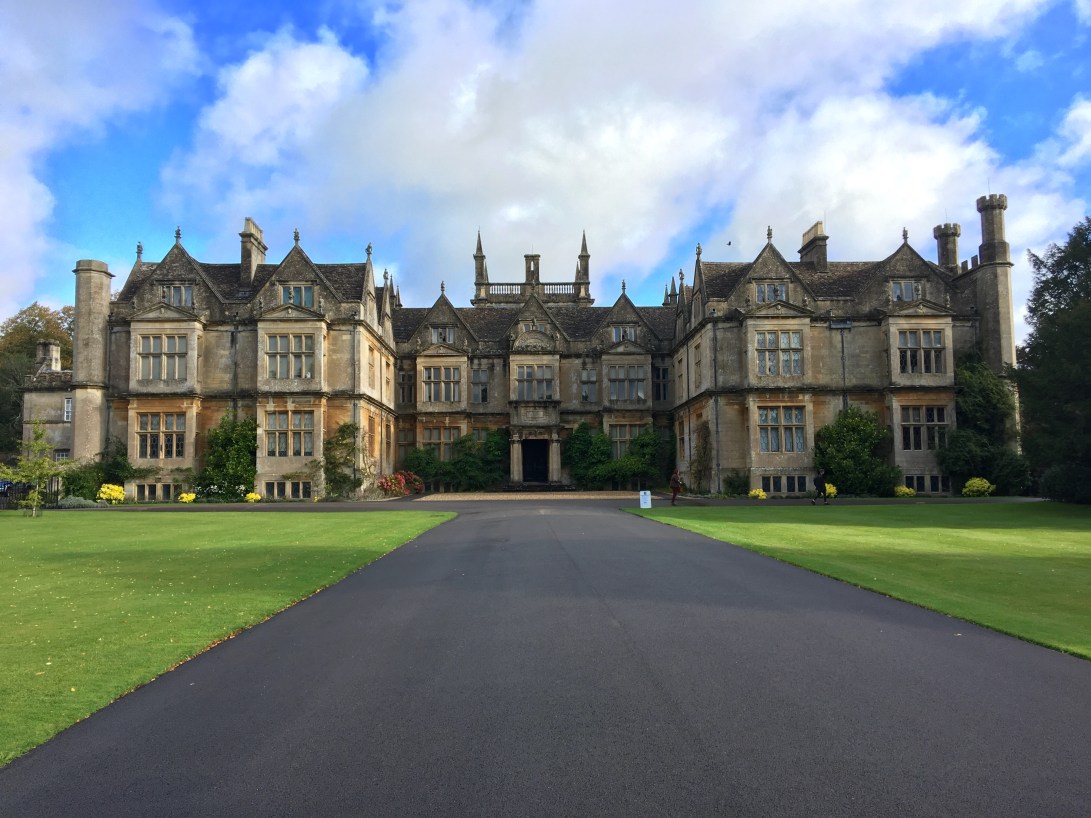
In October there was a very big change: beginning the MA. The week-long residential in Corsham was a chance to meet my fellow students and be introduced to the way the degree was run. I’m sharing the year with a diverse and enthusiastic group of people and I already feel close to them after so little time. An unexpected achievement has been my rekindled love for drawing and painting, which has proven to be a great tool for inspiration. So far I have submitted two assignments for the course and have been really pleased with my results. The second term will begin in the new year and I can’t wait to tackle the next module – a trip completely organised and funded by me where I need to try and get writing commissions from professional publications. Naturally I’m apprehensive about it, but I’ve done this before with the Isles of Scilly so I know once I begin my research I’ll be away.

IMG_4272

Finally, the end of 2019 saw my first official commissions – two for Blue Sky Wildlife, two in Hertfordshire Life magazine and the completed annual report for SEZARC. The team in Florida loved what I’d done and have now asked me to make the next report for 2019, which I can’t wait to get started on. In fact, I’m excited to announce that I shall be visiting Florida again in 2020. Not only will it be a chance to see my friends and work colleagues, but also a fantastic opportunity to gather new images to use in the next report. I don’t know when it will be yet, but I’m so excited to get the details in place.

I began this year feeling a little shaky and unsure of exactly where I planned to go. I still don’t have everything figured out, but the commissions have given me a real boost of confidence. It has been great meeting other naturalists including young women like Tiffany Francis and Lucy McRobert, as well as everyone on my course who are all making amazing contributions to wildlife writing. I have a great feeling about 2020, and I can’t wait to see where I am this time next year.

Nature Journal

I can’t believe I’m already two assignments into my master’s degree. Both have been based around the theme of “Writing in the Field” – writing outside as opposed to a typical office environment. This was really useful for me, as up until now I’ve mostly written brief notes outside and then typed them up later at my desk. While this worked for jogging memories, it occurred to me that I was losing out on a lot of detail this way. Photos reminded me of things I saw, but I was glossing over other sensations such as smells, sounds and textures. By paying attention to these senses I found I could create a fuller, more immersive piece of writing that really put the reader in the field with me.

Art 10
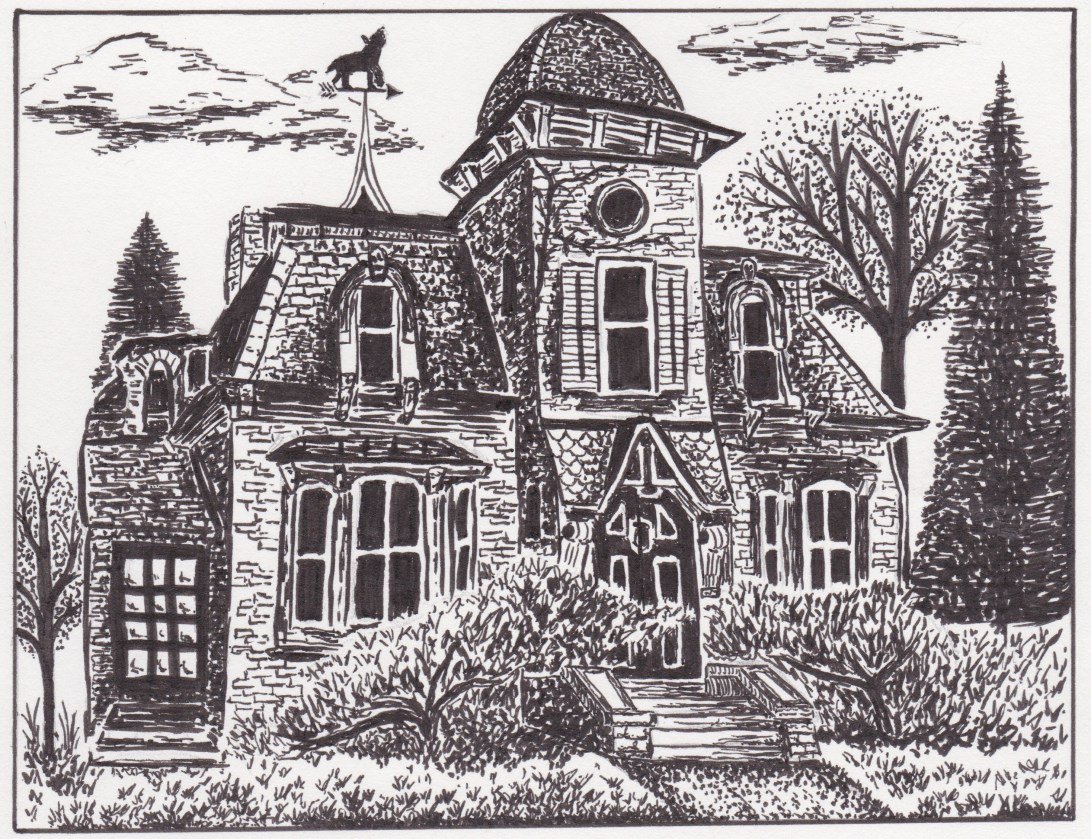
Inspiration for a fantasy fiction piece

For my first assignment I decided to start a nature journal that I planned to take with me whenever I was out in nature. This would be the basis for my essay in the first assignment. During my research I discovered that many writers use journals to enhance their writing experience. Charles Darwin kept perhaps the most well known example during his voyages on H.M.S Beagle but there are numerous others. Author and artist John Muir Laws said that “journaling will slow you down and make you stop and look.” American author and scientist Aldo Leopold’s nature journals were so significant that the resulting essays became valuable contributions to the field of phenology – the study of seasonal natural phenomena. I also found several studies indicating that being outside is beneficial to creativity, so it made sense to do more writing outdoors!

Art 8
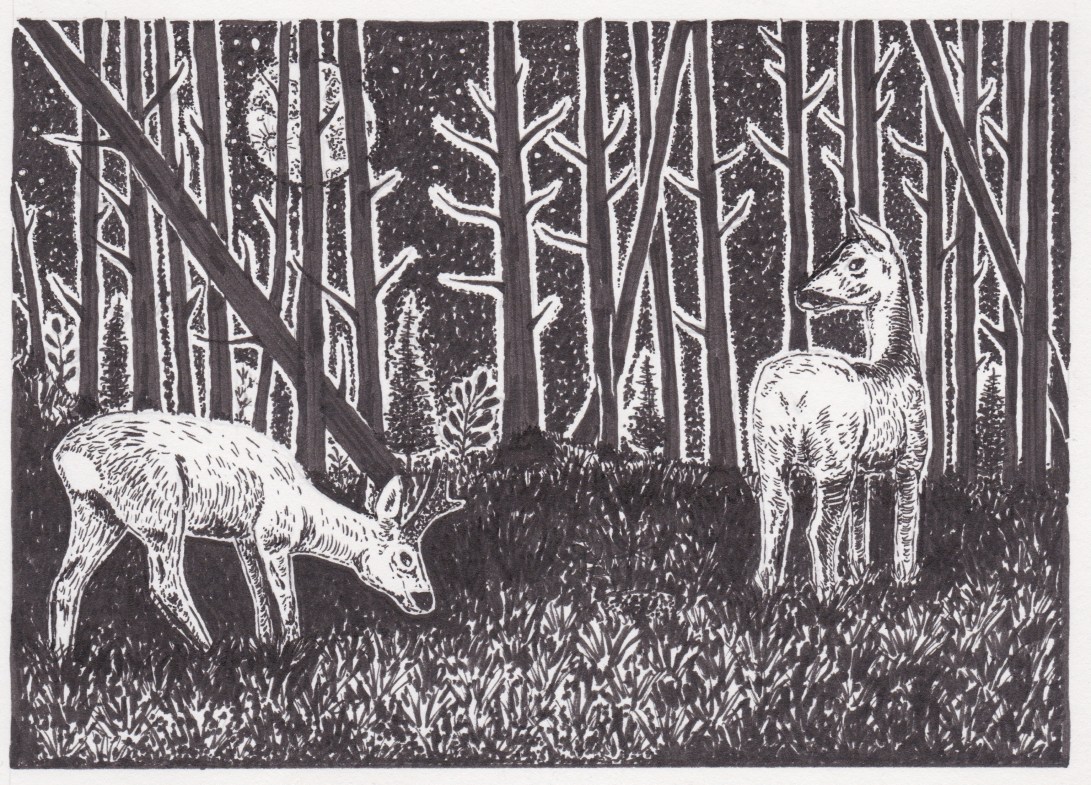
An illustration for a piece of scientific writing about roe deer

I found that my nature journal not only benefitted my writing but also enabled me to concentrate more on my art. I was keen to make the pages pretty and yearned to have a journal that would be cool enough for Pinterest. I’ve always loved drawing and painting but it’s often taken a back seat. My usual excuse is that I have no time, but over the past few weeks I’ve started to create quite a large body of work just by snatching a few minutes here and there to make a sketch. I bought a travel watercolour palette with a brush containing its own water which has been a lifesaver. Now I can pop my paints in my bag and take them anywhere, and I’ve really got on well with it so far. I deliberately bought a journal with a ring binder, so I can remove and insert the hole punched pages wherever I want them. A lot of my conventional notebooks have failed so I think having the freedom to go back and add pages in later has helped to keep the creative flow going.

Art 7
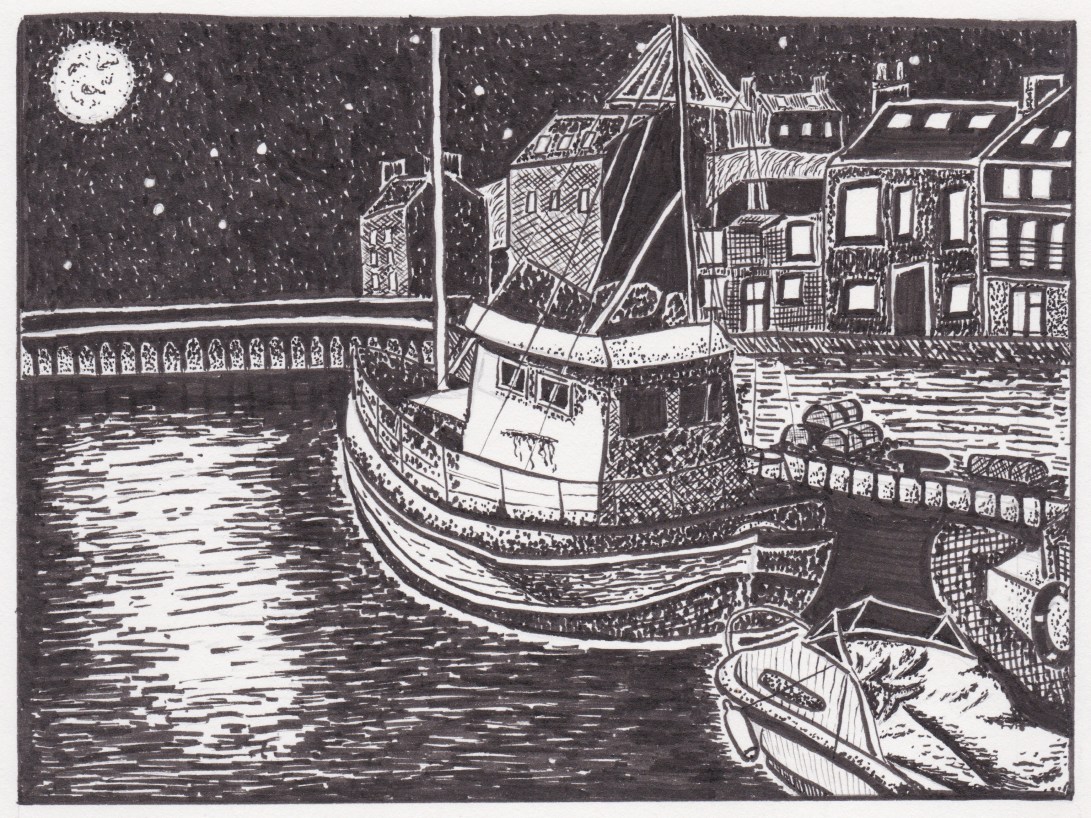
Burghead Harbour, the scene of a reflective piece about night walks

Writing and illustration go well together, so I decided to create a small drawing or painting for each piece in my second assignment – a portfolio of nature and travel writing from the field. I’ve loved setting art projects for myself again, which I haven’t done since school. Not only does it bring some variety to my writing, but it’s enhanced my observational skills by forcing me to note the fine details of my environment. I’m really looking forward to seeing how my nature journal progresses and I hope I can maintain it until the end of my course and beyond!

Art 9
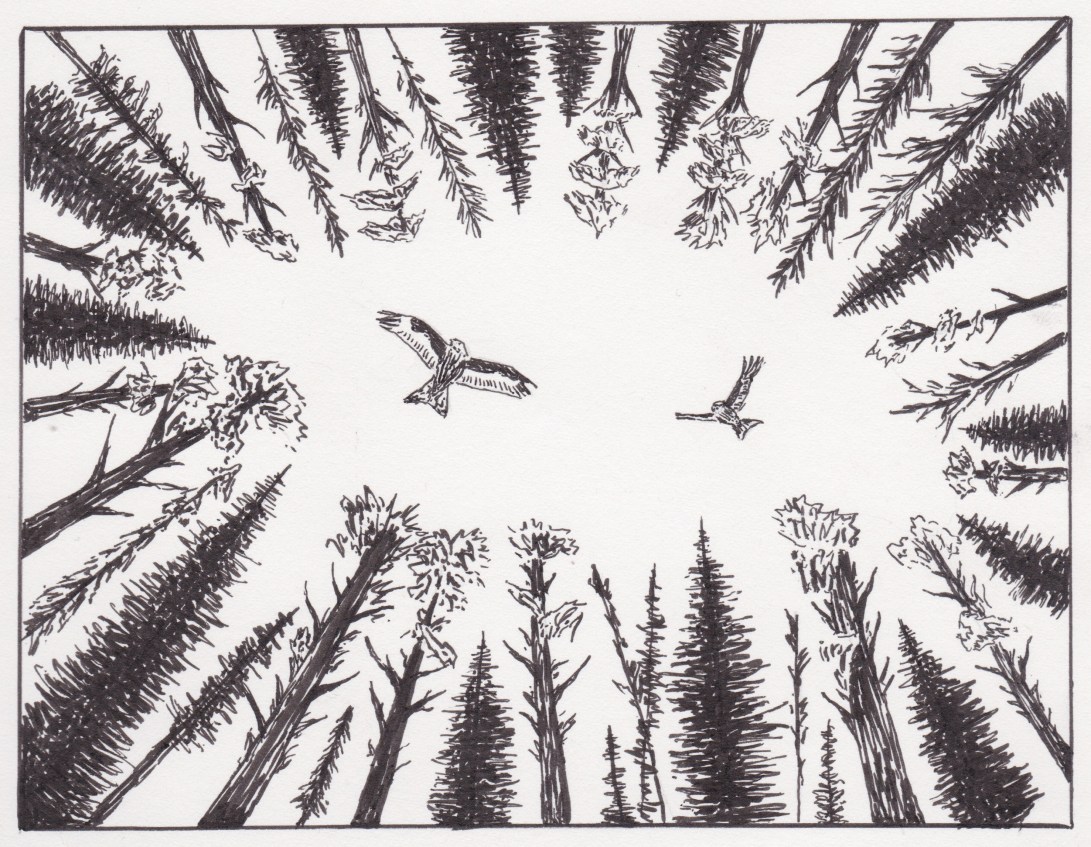
A worm’s eye view to illustrate a sci-fi fiction piece

Published!

This month I was thrilled to have an article and two photographs published in the Christmas issue of Hertfordshire Life magazine. I have started volunteering as a Communications Assistant for the Herts and Middlesex Wildlife Trust, and as part of my work I was able to write a festive article about twelve wild things to see and do at Christmas.

4) Herts Life Dec 14) Herts Life Dec 2

In the past I’ve had a few articles published on websites and a column in a local Cumbrian newspaper, but this was my first full-length article in print and I was overwhelmingly proud. Hertfordshire Life is a beautiful and professional publication, and I was so grateful to be given the chance to contribute to one of its issues.

Even more excitingly, I have submitted another article which shall be published in the next issue in a few weeks. This one will be about winter walks to banish the January Blues and I can’t wait to see it!