Looking Forward

I am very enthusiastic about 2019, mostly because I’m not quite sure what it will bring. All I know for sure is that it will feature lots of writing. For quite a few years now, writing has been predominantly a side-project for me. I’ve always loved it, but unfortunately it hasn’t been my sole focus because of school, work and other commitments.

I began writing stories at a very young age. My mum would give me a title and leave the rest to me. She was always keen for me to be creative – providing inspiration and encouragement in the form of spelling rhymes, handwriting exercises and story prompts. Writing stories always featured heavily in my childhood and adolescence, but when I became an adult it didn’t occur to me to pursue it professionally. I have no idea why I thought this – perhaps I was distracted by other things or was always keen to keep learning new skills, but the idea of writing stories stayed at the back of my mind until the end of last year when it finally clicked. After weeks of refreshing job site pages and filling out application forms, I realised what I’d probably known subconsciously for years: that I want to be an author.

Probably the thing holding me back from pursuing a career as an author was my lack of technical knowledge. I had the drive to write – a constantly growing stack of full notebooks was proof of that – but I hadn’t learnt the techniques of story structure or character development yet. At the time of picking my A Levels, I wanted to study Biology because of its connection to wildlife and the natural world, and Photography and Spanish were my definitive other choices. As a result, I didn’t have space for English, so a lot of my writing is self-taught, from books I read and prompts I found for myself.

To learn more about the mechanics of writing – in particular writing novels – I recently enrolled in Masterclass: a series of online courses taught by experts in their fields. Gordon Ramsay teaches cooking, Serena Williams teaches tennis, and groundbreaking authors such as Margaret Attwood and James Patterson teach creative writing. It seemed like the perfect solution for me – learning and making notes at my own pace. I already had the passion to be an author, and now I’m using Masterclass to learn the tools that will help me develop my abilities further.
img_1095img_1099

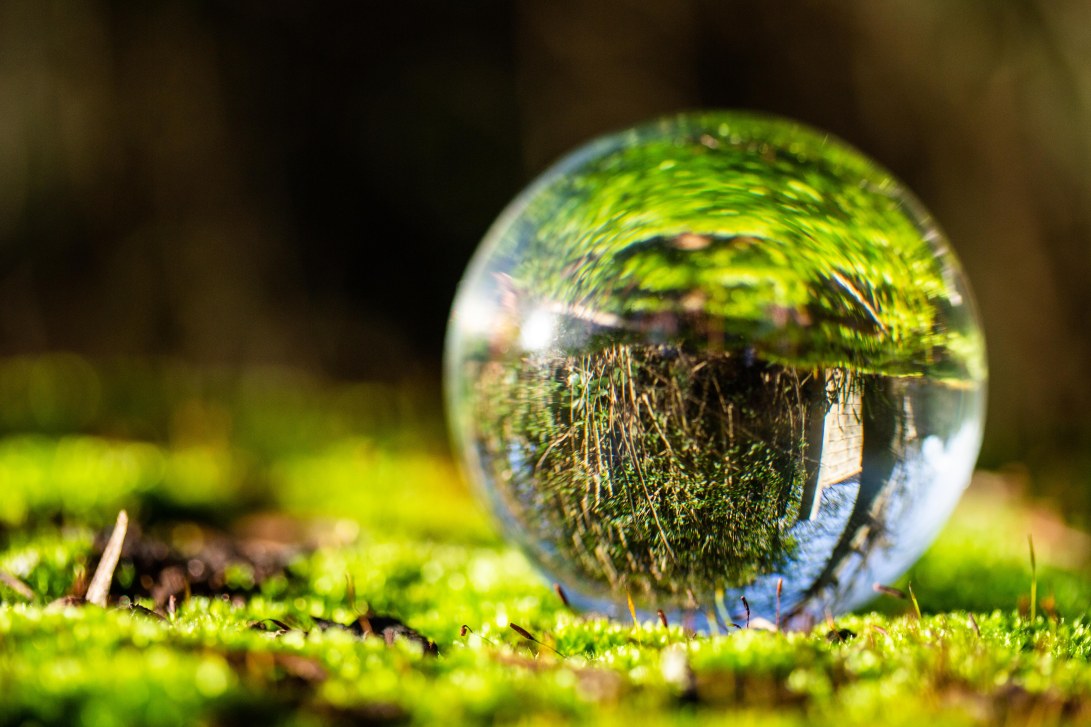
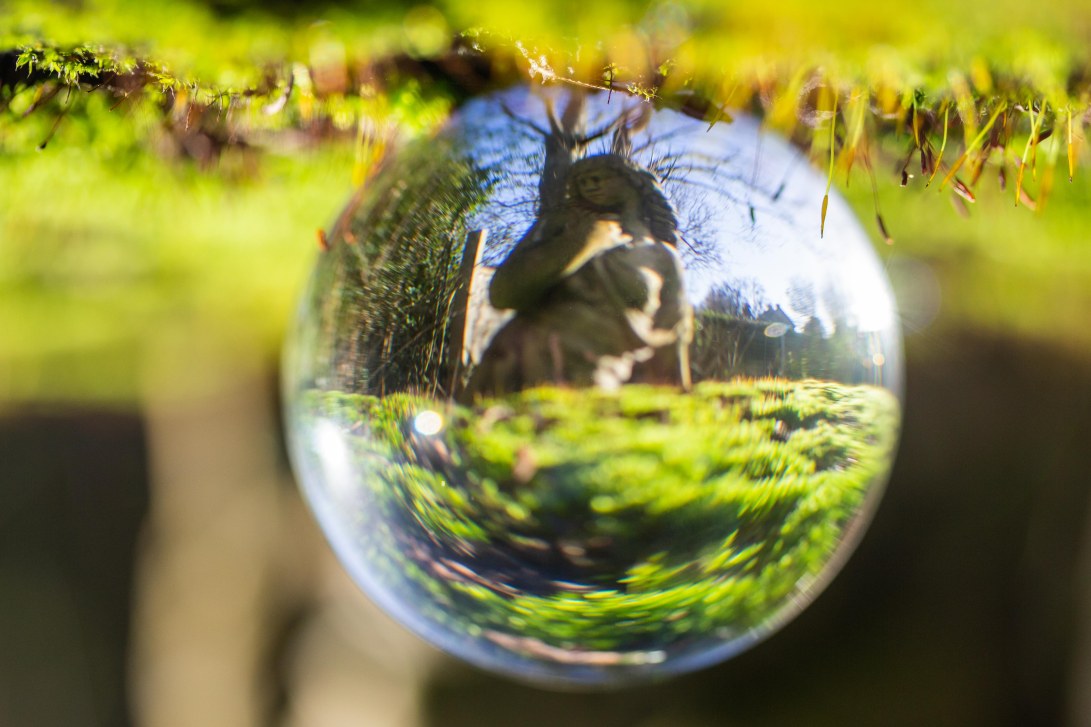
Alongside Masterclass, I’m making sure to continue my photography. For Christmas, I was given a “lensball”. For anyone who hasn’t seen these before, they are clear glass balls that can be used in photography to add a little refraction to the scene. I’m no expert yet, but if you align your camera so it’s level with the lensball, you can photograph the background within the ball, which brings some nifty new perspectives.

I tried out some shots in the garden earlier this week and discovered that it’s not as easy as it looks. You need to get the angle just right and – as always with macro photography – the focal point is key. These initial shots need a lot of improvement, but I already love what effects I can achieve with the lensball. Gardens don’t usually have the most groundbreaking scenery, so I’m looking forward to getting out in the wild to see what I can capture.

img_1103

So, the aftermath of university didn’t quite go as I may have planned, but I feel so optimistic about where this year will take me. I want to give myself the time I need to throw myself into writing and stretch my skills further. I can’t wait to see where I will be this time next year.
Inspired by a Blowfish

Last weekend I stayed with my grandmother at her lovely house in Frome, Somerset. I love my mini holidays there; my bedroom window overlooks a meandering river, and on the other side is a bustling market and a glimpse of the library through the overhanging trees. I was particularly excited on Saturday morning to discover there was a Christmas fair in full swing. There’s nothing like a fair in late November to get you in the mood for Christmas. Although I still refuse to play festive music before December, a sprinkling of Christmas spirit is more than welcome, especially in such bitterly cold weather.

Once inside, we joined the throng. Shoppers shuffled along tables laden with all sorts of gifts and bric-a-brac. The Cats’ Protection were selling cat-themed stationary, while a young man at the Somerset Wildlife Trust stand was doing his best to sell membership to a middle-aged woman whose attention was slowly waning. I am a firm supporter of the Wildlife Trusts, but membership recruiters have a way of pulling you in for a short (thirty minute) chat and not letting go. Past experience taught me to avoid his gaze, and I spotted the table I’m always searching for: the one covered in books.

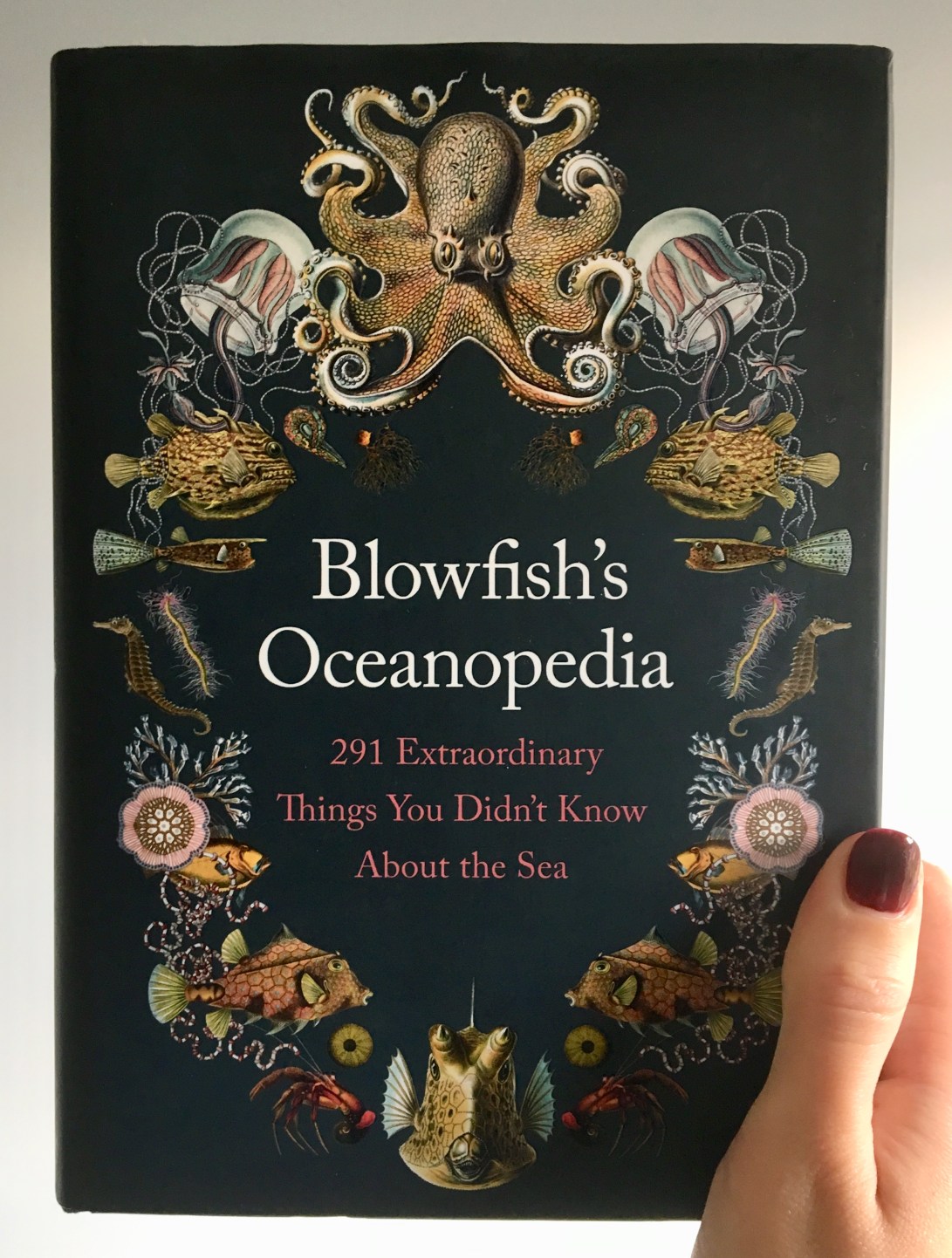
As always, there was a decent selection of dog-eared Maeve Binchy and Danielle Steel paperbacks, but amongst covers showing watercolour landscapes and female silhouettes staring wistfully into the distance was the tail of a fish. I tugged at the fish and my eyes fell on beautiful line drawings of an octopus, jellyfish, seahorses and more. It was such a satisfying cover, and the book was called “Blowfish’s Oceanopedia”. It was one of those dip-in books with titbit information: “extraordinary things you didn’t know about the sea”, it said. As a person who is fascinated by the sea but doesn’t really know anything worthwhile about it, it seemed the perfect read for me.

The price was even better. A brand new book, published last year at £17.99, and I was charged a pound for it. Books were amazing, but books for a pound were magical.

IMG_2408

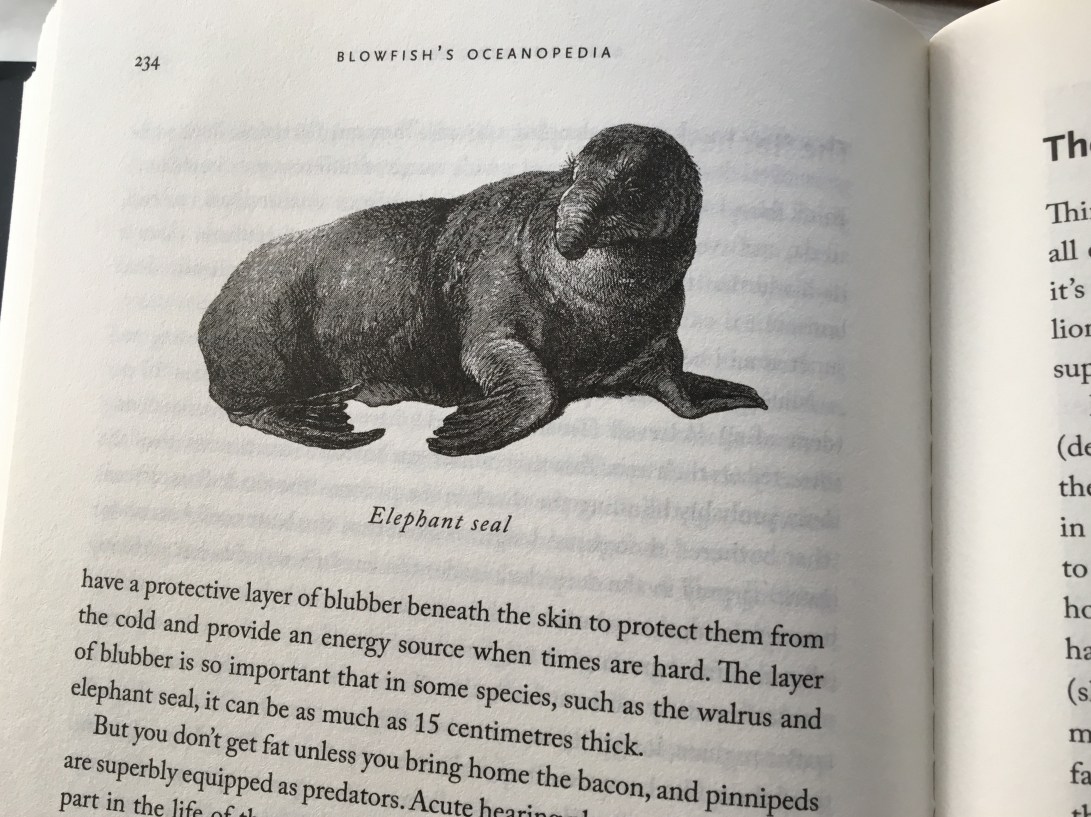
After finishing my loop of the fair – and winning a raffle Christmas present in the process – I returned to my grandmother’s house and instantly curled up in my favourite chair to begin reading. Within minutes I’d learned a decent thing or two about elephant seals. I am quite terrified of elephant seals, but as with my similar unease towards snakes and sharks, I’m also fascinated by them. The Blowfish revealed just how important the southern elephant seal’s “trunk” was to its survival. During the breeding season, males weighing up to 4 tonnes battle it out to win ownership of the harem of females. Understandably, this is a full time job, and prevents males from returning to the water to feed and drink. So, to avoid dangerous dehydration, males use the complex nasal passages and specialised blood vessels in their fleshy trunks to recover around 70% of the water vapour in their exhaled air. It’s a genius example of life-saving recycling.

IMG_2405

This is the sort of book I dream of someday replicating; an instrument to share my knowledge and passion with like-minded people. At the moment I’m not an expert in any one field, but the idea of spending decades of your life learning about something and then teaching others in the form of writing is, to me, the perfect way to preserve your work.

The Blowfish, also known as Tom Hird, is a marine biologist who has a deep love for the ocean and life within it. He’s the perfect voice for a potentially complex subject matter, using humour and everyday situations to diffuse a tricky concept. Speaking in the same language as the layman is something some scientists find extremely challenging. I’m certainly not a marine biologist, but nor am I completely naïve to the science of the natural world, so I often feel my combination of knowledge gives me an advantage. I can understand a lot (not all) of what scientists do, but I also appreciate how that needs to be adapted to inform the public without dumbing down and insulting them. I’m sure there are hundreds of published papers on the adaptations of southern elephant seals which required many hours of hard work, but to the average Joe wanting to find out something interesting about wildlife, a book like the Blowfish’s will be a much bigger success. I believe the key to nature writing, or any writing for that matter, is finding the balance between informing and entertaining. The Blowfish’s Oceanopedia has been a source of great inspiration to me – a writer hoping to one day publish books of my own. The passion and enthusiasm in the author’s prose is infectious, and makes me want to jump in the sea right now and see for myself everything he has had the opportunity to witness.

Learning to Dive – Part Two

On the second day of Open Water weekend (read about Day One here), I awoke to the alarm feeling a lot more confident. We were halfway through, with two dives down and two to go. The weather had deteriorated slightly and as I waited for the morning briefing it began to drizzle, but hopefully that meant the day would be slightly warmer (I was clinging to any silver lining).

My wetsuit was still damp from yesterday, so dragging it up my legs was even more impossible than usual. It was the reverse of a snake shedding its skin, and as I hopped about and contorted my limbs I couldn’t help feeling extremely silly. Finally it was on, and I doused myself in hot shower water in a vain attempt to warm up before facing the quarry.

Dive three was the most daunting, as it required a longer list of skills, including the dreaded mask removal. Perhaps I was jittery from nerves, because as I began my descent pain shot through my right ear and I hovered, trying and failing to equalise my ears. As you descend, the increased pressure compresses air spaces in your ears, sinuses and mask. Failing to add air to these spaces can cause serious injuries. I eventually had to resurface until I could equalise, then made my way back down. It was a setback that I tried not to concentrate on, especially with my least favourite skill coming up.

We gathered on the platform and took it in turns to fully flood our mask and take it off. I disliked this skill so much because the air bubbles that gather underneath the nostrils feel like water shooting up your nose. When I attempted this in the pool I had the sensation of not being able to breathe; quite a daunting prospect when you’re seven metres underwater and definitely cannot shoot up like a cork to the surface. In preparation, I’d been putting my face underwater in the bath and breathing through a snorkel, and although it triggered several involuntary swallows I could just about manage it.

Taking a deep breath, I pulled the strap over my head and held my mask away from my face, placing it back over as soon as I was allowed. Feeling very pleased with myself, I ran a finger around my hood to check the seal and cleared the water out ready for the next skill. But as we made to swim off the platform, the mask flooded again. I cleared it, and water immediately trickled back in. I signalled to the instructor who checked the seal and couldn’t find the cause of the problem, so once again we surfaced and I made absolute sure I’d sorted it out.

As I descended for the third time on the same dive, I reflected that I’d encountered an unforeseen problem and dealt with it without panicking; I had made serious progress since my first session in the pool. The rest of the dive passed with no further mishaps, and as I had my fifth hot shower of the day I finally began to relax. Our fourth and final dive wouldn’t be full of tests and I could enjoy the experience of feeling weightless in water and exploring Stoney Cove.

After a brief time on the surface and a delicious cheeseburger at Nemo’s, we took a giant stride back into the quarry. We’d planned dive four ourselves, and led the instructors down to the aircraft cockpit and along the shelf that tumbled down to 22m on the other side. Staying firmly away from the edge, we swam across to the Nautilus again and back to the platform, where we gathered for the last time. Alan, the instructor, had an underwater notebook with him, and one by one turned it to face us. I don’t think I’d ever been so happy to read the words:

“You’ve passed. Congratulations!”


Learning to Dive – Part One

The alarm went off at 6am and my stomach began to churn. Today was the start of Open Water weekend, and if all went well, I would earn my first diving certification. Having struggled with some of the skills in the swimming pool, not to mention the fact I was still getting used to all the kit, I couldn’t help feeling apprehensive as I pulled on my warmest clothes. I hastily gobbled a petrol station flapjack, which tasted like cardboard in my dry mouth. Knowing I shouldn’t be feeling so anxious, I tried to shake the nerves and triple-checked I had everything I needed.

Luckily, the site was only a five-minute drive from the hotel, and I arrived in plenty of time. Stoney Cove used to be a stone quarry that was used in the 1960s and 70s to train commercial divers and test underwater equipment used in oil fields. Now, Stoney Cove has conference rooms, shower facilities, a shop and – most importantly after a tiring dive – a pub called Nemo’s. The actual quarry is a multi-level city of shipwrecks and aquatic life, split up into areas of different depths for divers of all abilities. As this was our first open water dive, we stayed safely in the 7m limit, which still contained a submarine and an aircraft cockpit. Although, I was more interested in the crayfish, perch, roach and pike that called Stoney Cove home.

It was a cold but clear day, with sunlight pouring weakly onto the water. No rain at least, though I suppose rain shouldn’t really be a concern for divers. As I stood at the quarry’s edge watching seagulls floating on the surface, I couldn’t quite believe I would soon be diving several metres beneath it.

Soon it was time to start kitting up. We assembled in buddy pairs and helped each other don scuba kits just like every week at the pool. This time, however, we also had hoods, gloves, compasses and a dive computer. We made our way down to the ramp, where several divers were already in the water. For dive one all we had to do to enter the water was stand on the edge and sit gently back, floating out into the quarry.

Ungainly as always with my cylinder and weights, I felt like a tortoise on its back as I tried to strap on my fins. Eventually I was ready, and made my way hesitantly to the edge of the ramp. I turned, squatted and leaned back. The shock of freezing cold water rushing into my wetsuit wasn’t exactly comfortable, but in a strange way it was exhilarating. This was it, time to dive.

Once everyone was in the water, we began our first descent. As more of my body became submerged, I soon grew numb to the cold and instead focussed on the underwater world we were entering into. I descended to the bottom, making sure to equalise my ears to the increasing pressure, and looked around. The visibility wasn’t superb and the only features I could make out were other divers, but the murkiness only added to the suspense. It still felt strange not to have to work to stay down in the water, instead floating effortlessly.

The instructors led us on a swim, past the Nautilus submarine to a wooden platform where we would perform our skills. An underwater classroom surrounded by shipwrecks and fish; it was quite extraordinary.

After each taking turns to carry out the skills, we started our ascent. For the first time on the dive I looked up, and the sight was breathtaking. Sunlight streamed through the water in slanted shards that lit up our bubbles as they cascaded upwards. I still hadn’t got my head around being able to breathe underwater. It had been a dream of mine as a child, pretending to be a dolphin in the local pool. I wasn’t quite a dolphin yet, but I was closer to the underwater world than ever before.

Coming soon: day two of Open Water weekend!

A Silent Extinction

Giraffe have always been special to me. Even with long, gangly limbs, they move with unhurried poise and confidence, but still look endearing with their huge eyes and long eyelashes.

On TV this week there was a repeat of an episode in Attenborough’s Natural World series: Africa’s Gentle Giants. The story centred on Dr Julian Fennessy, Co-Founder and Co-Director of Giraffe Conservation Foundation. Fennessy has been working to conserve giraffe for more than 20 years, and is a true pioneer in research on this secretive and surprisingly little-known animal.

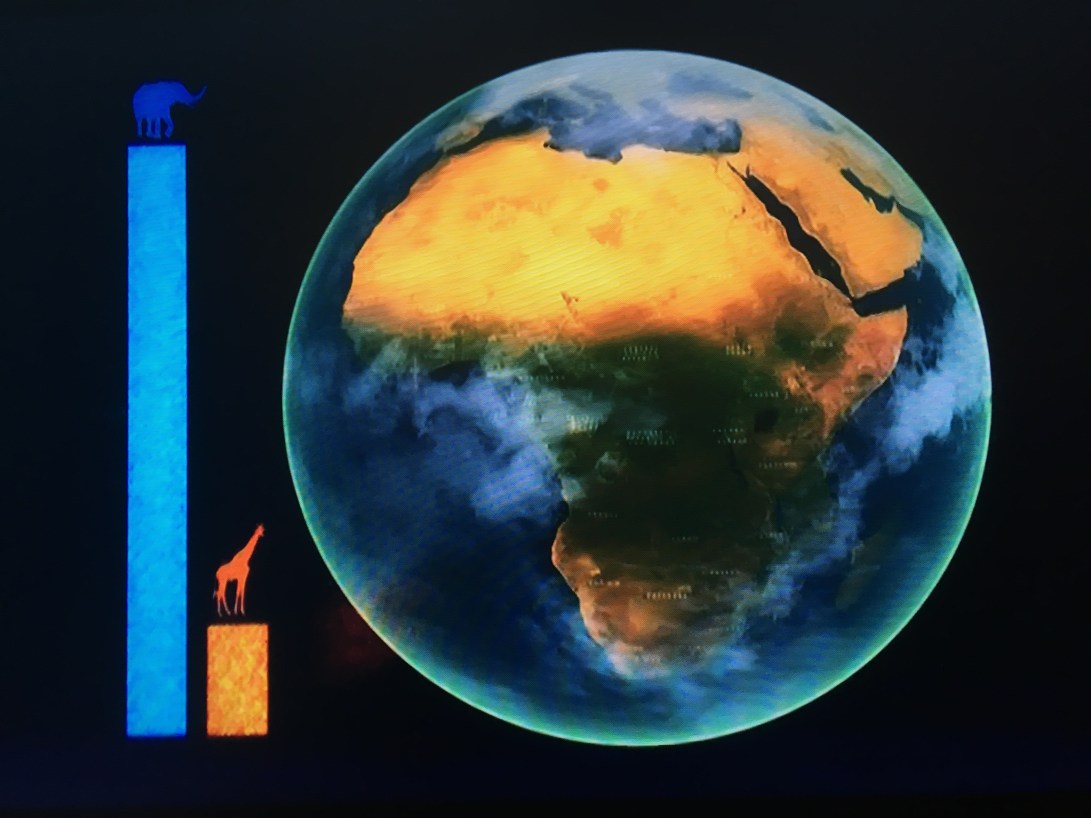
Many people, including myself until very recently, are naïve to the true situation that wild giraffe currently face. Among other African species such as elephants, gorillas and leopards, for some reason giraffe have taken a backseat in the public eye. While words like “beautiful” and “majestic” always spring to mind when we talk about giraffe, how many of us could confidently say how many there were? I was shocked to discover how wrong I was when giraffe statistics were presented alongside those of another African giant. Currently, there are around 500,000 African elephants left, but only 90,000 giraffe. For the first time ever, I doubted what David Attenborough was telling me. How could that be possible? I began to look online, but of course it was true. There are nearly five times as many African elephants than giraffe left on the planet. It’s a statistic that astounded me.

IMG_2107
Source: BBC*

Giraffe are not only unmistakable symbols of Africa and the tallest animal on Earth, but they are important to the ecosystem. Like bees, giraffe are excellent pollinators, and pass pollen from tree to tree as they graze. They also spread seeds in their dung, another vital part of maintaining a diverse and sustainable landscape. Conserving giraffe protects not only the animal but its environment, ultimately affecting so many other species that call Africa home.

In two decades, giraffe numbers have fallen by 40% and they have become extinct in seven countries. They are hunted for meat and their habitats are slowly disappearing. One of the most vulnerable populations – a group of less than a thousand Rothschild’s giraffe – lives in Murchison Falls National Park in Uganda. These animals are walking on a literal time bomb; beneath their feet lies 75% of Uganda’s discovered oil, and Fennessy knew that plans to drill would spell disaster for these endangered animals. His ambitious and dangerous mission was to relocate twenty giraffe from one side of the River Nile to the other, where it was hoped that these pioneering individuals would start a new population in a safer location.

As I watched the team of dedicated vets, rangers and scientists attempt to move one-ton animals whose kick could decapitate a man, I was filled with such admiration and respect. It is all very commendable to donate money to charity, but these people were out in conflict areas risking their lives for giraffe. As the mission progressed, I got quite emotional, not just because the threats these beautiful animals face are so unnecessary and unjust, but because I was completely unaware. What little chance these animals have if even wildlife enthusiasts like me don’t know their situation.

It wasn’t just the numbers of giraffe that I was unaware of; so much of their behaviour remains unseen to even experts like Fennessy who have studied them for a vast proportion of their lives. By the Hoanib River in northwest Namibia, he took a sensitive camera out to film giraffe at night. As he watched, a giraffe curled up on the exposed ground and fell asleep. It was something Fennessy had never witnessed before.

“In zoos they study it,” he explained, “Basically when their neck is down it’s REM sleep, so maybe these giraffe are dreaming. I’ve never seen that in the wild.”

IMG_9649

The fact that we don’t know how wild giraffe sleep says a lot about how overlooked they are. It seems there is the assumption that because we don’t hear about a particular animal as much, it must be doing fine. However, in the case of the giraffe this couldn’t be further from the truth. So why do we know so little about these animals? Perhaps it is because they are only listed as “Vulnerable” on the IUCN Red List of Endangered Species. An article published two years ago, at the time that this episode was first released, hopes that the work Fennessy is doing will help change the status of giraffe to “Endangered” or “Critically Endangered” and therefore encourage greater conservation efforts. Unfortunately, as 2018 draws to a close, the giraffe is still listed as “Vulnerable”. I can only hope that this change in status does come into effect to raise awareness of this silent and rapid extinction that is passing so many of us by, or soon it may be too late.


*Natural World “Giraffe: Africa’s Gentle Giants.” (2016) BBC. 23rd June.


More to See, More to Zoo

Last week I visited Jacksonville Zoo, which boasts “more to see, more to zoo”. And it certainly delivered, with a broad range of exhibits including some very special ones that I’d never seen before. A particularly unique exhibit was Wild Florida, a collection of species native to the state. I discovered just how big alligators are (which only confirmed my decision not to go anywhere near a river during my time here) and caught a glimpse of a manatee as it glided underwater. Manatees are the state marine mammal of Florida but threats such as collisions with boats, habitat loss and the devastating red tide have now made them endangered.

In response to these threats, Jacksonville Zoo is in the process of making the first manatee critical care centre in northeast Florida. This will allow more injured animals to be rescued and cared for, and minimise travel distance to other centres such as the ones in Miami, Tampa and Orlando. To make the experience as natural as possible for the manatees, they have a very large tank, which can only be viewed from one side. They are only seen occasionally when they swim close to the tank’s edge, giving them much needed privacy.

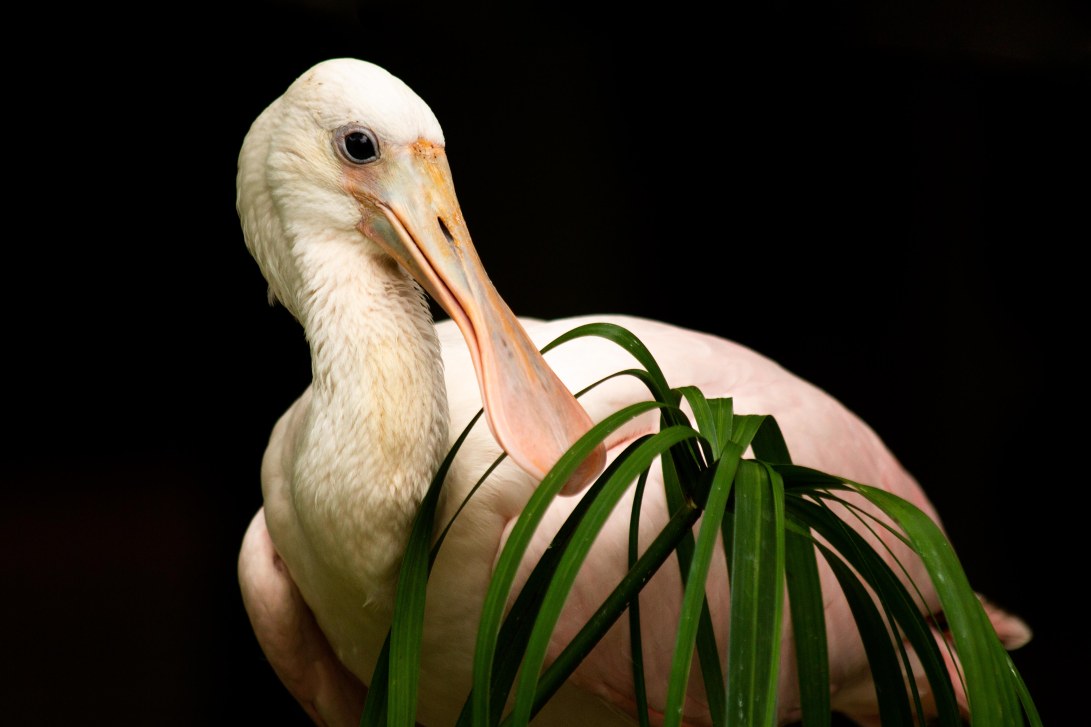
Elsewhere on the site was the Emerald Forest Aviary, where I met my new favourite bird: the roseate spoonbill. Native to Florida, this extraordinary wading bird is candy floss pink in colour and sports a magnificent bill that it waves from side to side underwater to sift through the mud. There was a group of them in the aviary, perched on branches overhanging a deep, dark pond. I positioned myself to put this dark pond behind a particular bird who had stood beside some very photogenic foliage. After just a little editorial tweaking, I was pleased with the dramatic result.

IMG_9799IMG_9800

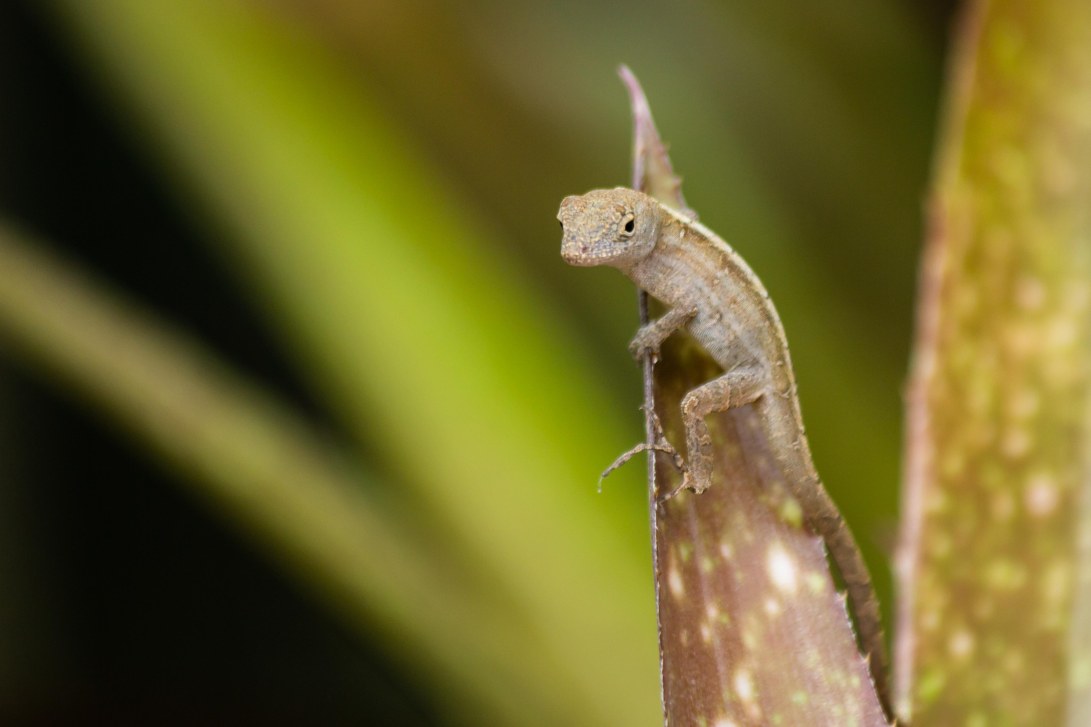
Although I always love seeing the star animals of the zoo, some of my best moments from the day were the wild individuals that had snuck in uninvited. As usual, I fell in love with some new lizards, including one that posed for me with an over-the-shoulder glance.

IMG_9712

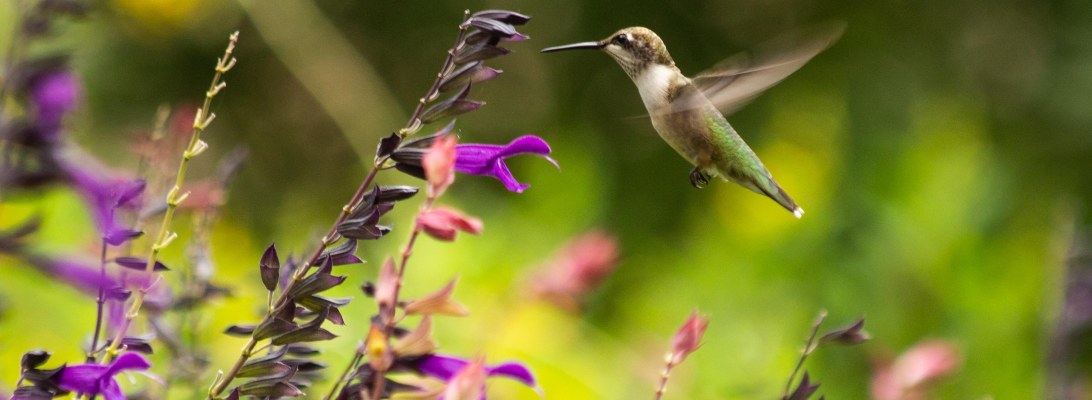
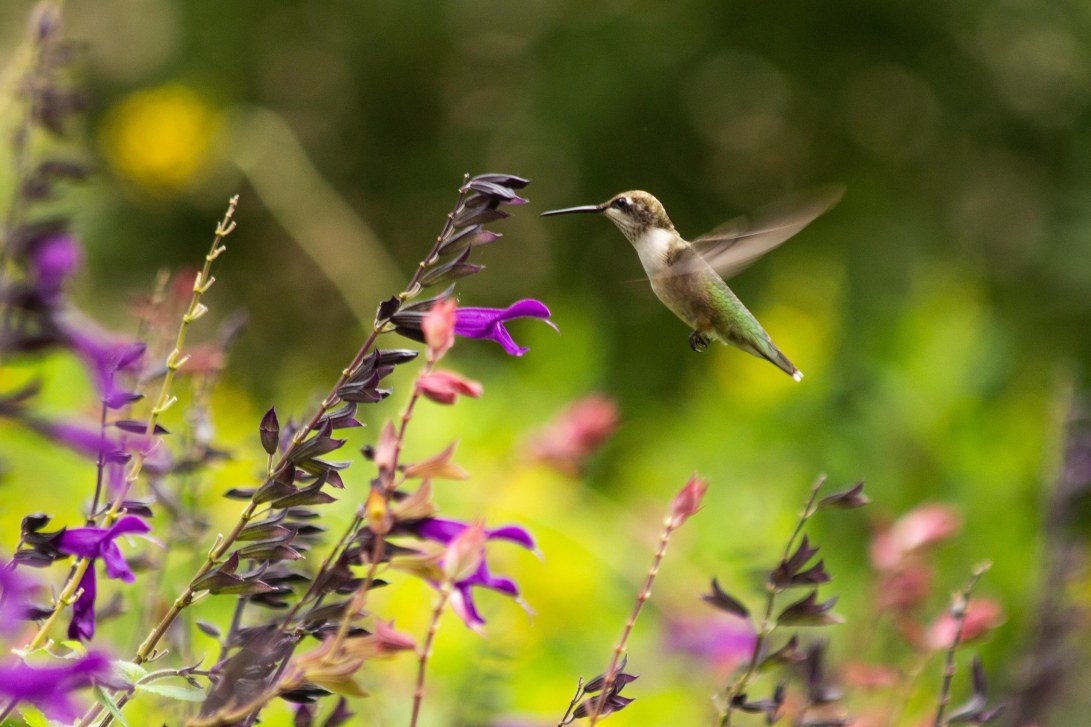
However, the most incredible moment came just before I left. I was wandering past the lions and admiring the wildflowers that were attracting all sorts of butterflies and dragonflies. Then, I saw something larger than an invertebrate zooming around and was thrilled to discover it was a hummingbird!

IMG_9832

I fumbled to get my camera ready, and for a while took lots of blurry pictures of flowers. Eventually, I got used to the hummingbird’s pattern of flying and managed to capture the animal in frame. I stood watching it for ages, as usual receiving looks from passers-by wondering what I was so interested in. For me though, it was an amazing sight and one of those perfect surprises.

IMG_9823


Fresh Inspiration

Recently I’ve become a writer who doesn’t write much. I have ideas, many a day, of what to write, but somehow I never get round to making them a reality. I’m blaming this latest case of writer’s block on my new occupation, so I’ve decided to write about that. I have been accepted as a volunteer at Paradise Wildlife Park in Broxbourne, Hertfordshire. It was the longest application process for a voluntary position I’d ever experienced, but after interview, induction and trail day I was successful.

Volunteering in a small aquarium in Cumbria could not have prepared me for work in a zoo. Although far from large with only around 400 animals (in comparison with Chester Zoo’s 20,000), Paradise Park still requires plenty of hard work and for me it’s a physically demanding and challenging role. I anticipated this beforehand and should have been ready, and yet I still came home from my first day with aches in every limb, rashes on my arms from the hay and mysterious scratches from the day’s manual labour. As is expected of all volunteers, I spent most of my time with what the animals left behind (you cannot believe how heavy camel poo is) and in the July heat I worked up a significant sweat.

And the funny thing? I loved it. Three years of university has been a mental workout but not so much a physical one. My arms are little more than jointed matchsticks, and just as strong. Volunteering at a zoo will be such a great opportunity to build up some strength. There is also something immensely satisfying about scrubbing a paddock clean, even though the moment the animals are let back in they completely rearrange the fresh bedding and christen it with droppings.

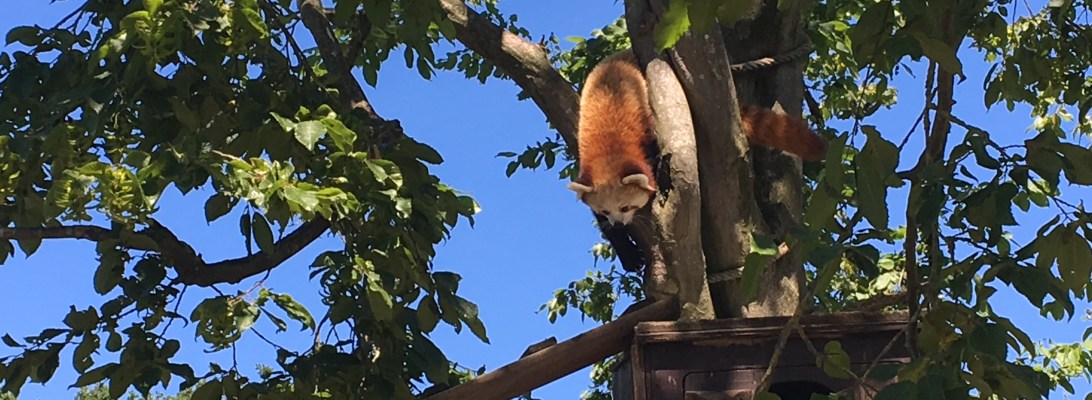
If I had a pound for every time I’ve been asked “So what’s next?” since I came back from university, I could retire without having started a career. I still don’t know what I want to do or where I want to be. While I still love writing and photography, I feel a pull in a new direction – the daily grind of contributing towards a successful and high quality zoo. There is something very appealing to me about caring for wild animals in a place that values them (that’s the important bit) and sharing my passion with other people. I watched the Small Mammals keeper giving a talk as she fed the red pandas and I had an urge to join her, but my knowledge of red pandas is really quite limited. I want to study them, I want to know everything there is to know about these animals, and share that with people. And I believe I can do that by writing but also by being there among them.

I’m fully aware that becoming a zookeeper is an incredibly gruelling and challenging process. I’m also aware that my current academic background will not help me in that mission. Every keeper I’ve spoken to so far has begun by volunteering, and worked their way up the ladder. So I have joined Paradise at the very bottom, and the only way to go is up. I’m inspired by this, and know that I have to pursue it.

A Biotope Weekend

Friday

The trains to Glasgow and Largs and the ferry to the Isle of Cumbrae were all fine. It was when I boarded the bus to the Millport Field Centre that it dawned on me: what on earth had I let myself in for?! I’d booked onto a weekend course run by the Field Studies Council called ‘Marine Species and Habitats: The Biotope Approach’. After volunteering at an aquarium had sparked a new fascination for marine wildlife, I wanted to learn more about what could be found on British shores. I’d done a bit of research using the course’s suggested reading list, and had half an idea what a biotope was, but as I dragged my bags off the bus I wondered if I’d booked myself onto something that would sail completely over my head. I imagined working alongside a team of marine biologists with decades of experience in the field, and here I was with a newborn interest in fish. I was suddenly terrified, and literally marooned on an island for the weekend.

IMG_0596
Blue Mussels (Mytilus edulis)

As I was mulling this over in my head, a girl my age carrying a black hold-all asked me if I was attending the Biotopes course. I was thrilled; fate had brought us together on the same ferry and meant I didn’t have to amble around alone wondering where I needed to be. Our rooms weren’t ready yet so we went for a wander towards the town of Millport. Her name was Abbie, and she was currently part-way through a PhD in non-native seaweeds. This was something I knew literally nothing about, but we chatted about uni and wildlife and all things in between. Meanwhile, it was a chance to see where we’d be spending the weekend, and it was beautiful. Of course, almost everywhere is beautiful in bright sunlight, but even so the Isle of Cumbrae promised a fascinating chance to survey marine wildlife.

IMG_0630
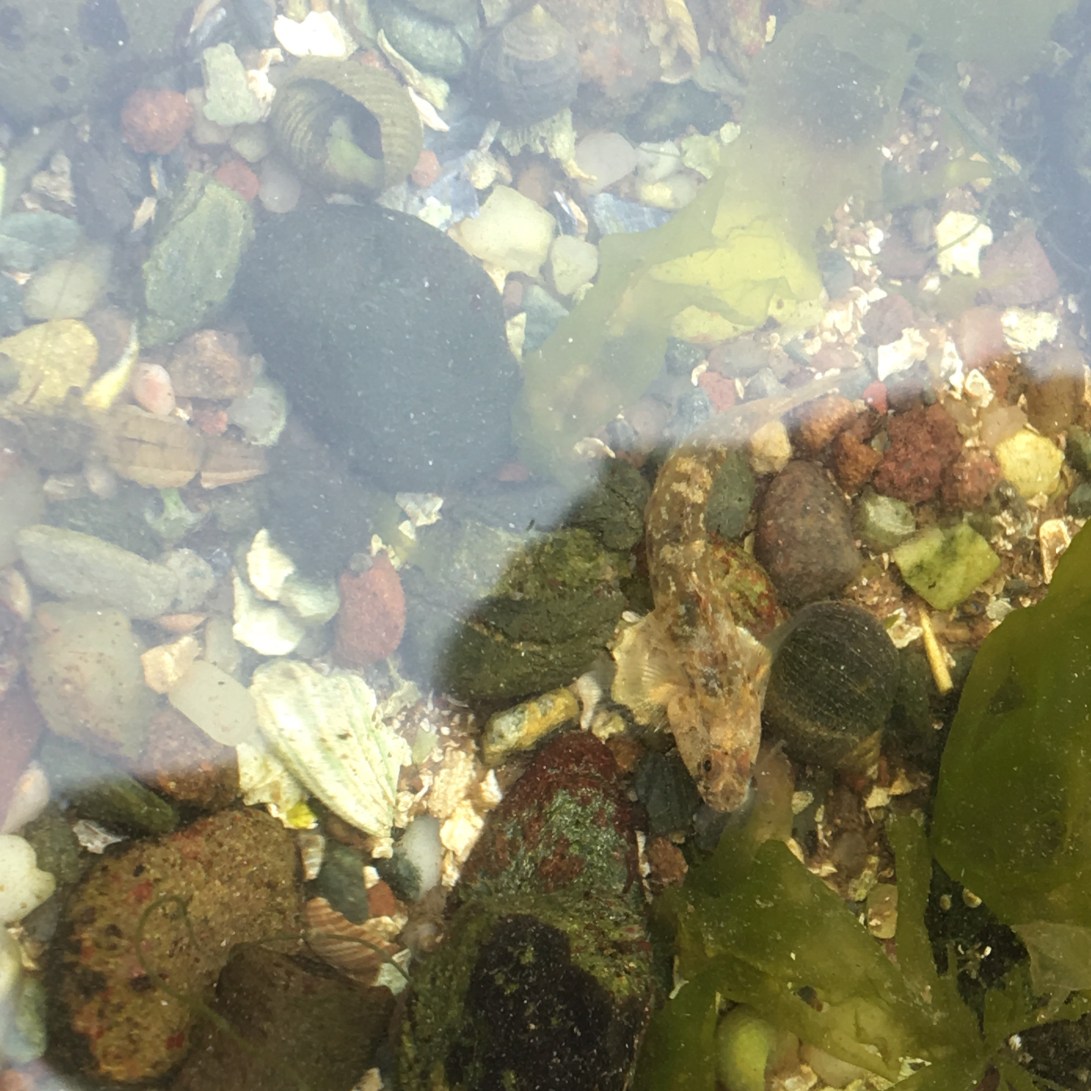
A well camouflaged Sand Goby (Pomatoschistus minutus)

After a loop around the bay we headed back to the Field Centre and took our bags to our rooms. I had feared with some trepidation what the washing facilities would be like, but was very pleasantly surprised to discover a large ensuite shower, not to mention a bed like a cloud. I hastily unpacked then met the rest of the group for our first briefing. Here I met Emily who worked at the Lancashire Wildlife Trust, and before dinner Abbie and I went for a walk with her to the shore to soak up the last sun of the day.

Dinner was macaroni cheese and apple crumble, perhaps one of the most perfect combinations of courses there can be. Then it was time for our first lecture: an introduction to biotopes. My research had prepared me well – a biotope is the combination of a physical habitat and the biological community found living there. Although some of the lecture’s content was lost on me, I left feeling inspired and ready to face new challenges over the weekend. I’d already met lovely people, and all my earlier worries began to feel very insignificant.

IMG_0602
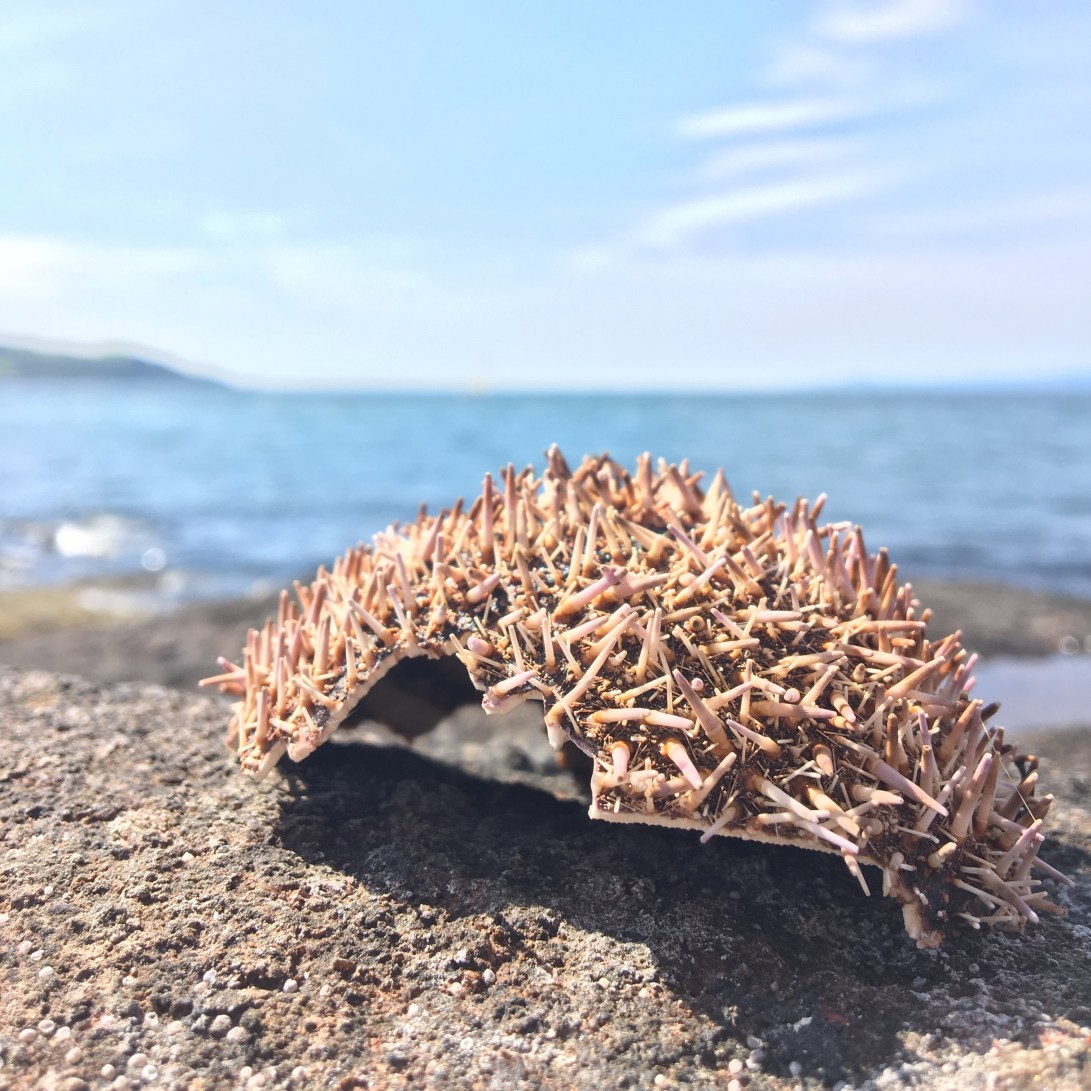
A fragment of broken sea urchin shell

Saturday

Today began early, and by 9am we were down on the beach beginning our first biotope survey. It was a beautiful day for it, and we wasted no time getting stuck in, in my case literally getting my wellies wedged in rock crevices and clinging desperately to my balance. Common species included beadlet anemones, dog whelks and acorn barnacles, but we also found common starfish, hermit crabs, a star ascidian (type of sea squirt) and plenty of seaweed. My knowledge of seaweed species was even smaller than my knowledge of seashore vertebrates, but as Abbie was doing her PhD on them I had a source of very valuable information.

IMG_0570
Star Ascidian (Botryllus schlosseri)
IMG_0621
Common Brittlestar upside down (Ophiothrix fragilis)

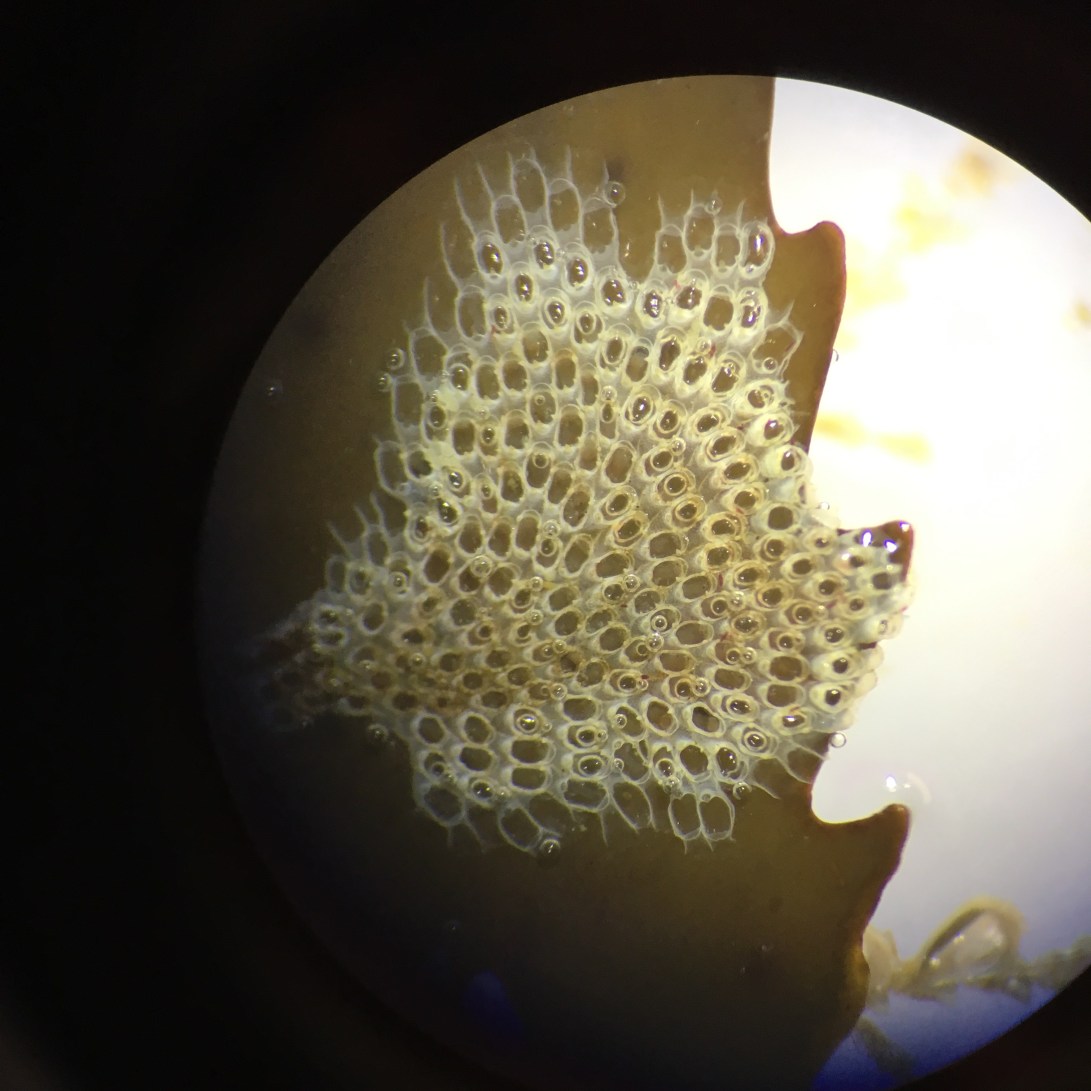
Once we’d covered as much of the bay as we could we ate lunch out in the sun (an excuse for some of the group to catch up with the goings on at the royal wedding) and then headed back to analyse our results and try to determine which biotopes we’d found. This was also an opportunity to play with lab equipment, which I haven’t been able to do since A Level Biology. I had good look at the bryozoa I’d found on a strand of seaweed (below). Bryozoa means “moss animal” and viewed up close reveals an intricate lattice of animals situated closely together. I studied these individuals for a while but couldn’t decide between Sea Mat or Hairy Sea Mat.

IMG_0606
A cluster of bryozoa: either Sea Mat (Membranipora membranacea) or Hairy Sea Mat (Electra pilosa)

After beating the queue and getting served dinner almost first, I went back to my room for much-needed downtime before bed.

Sunday 20th

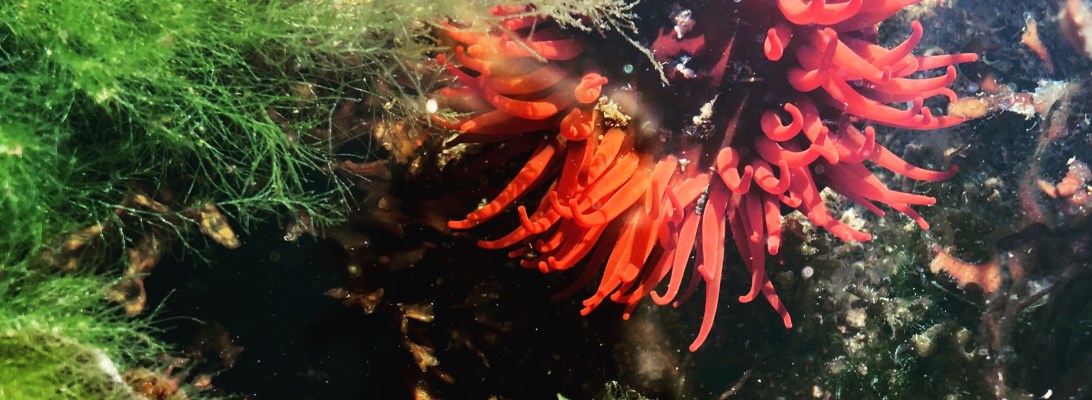
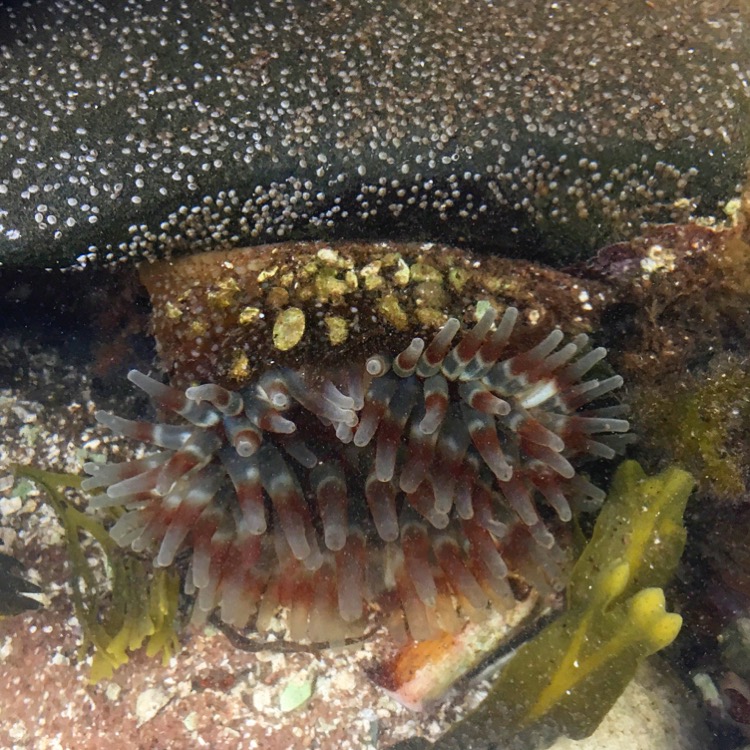
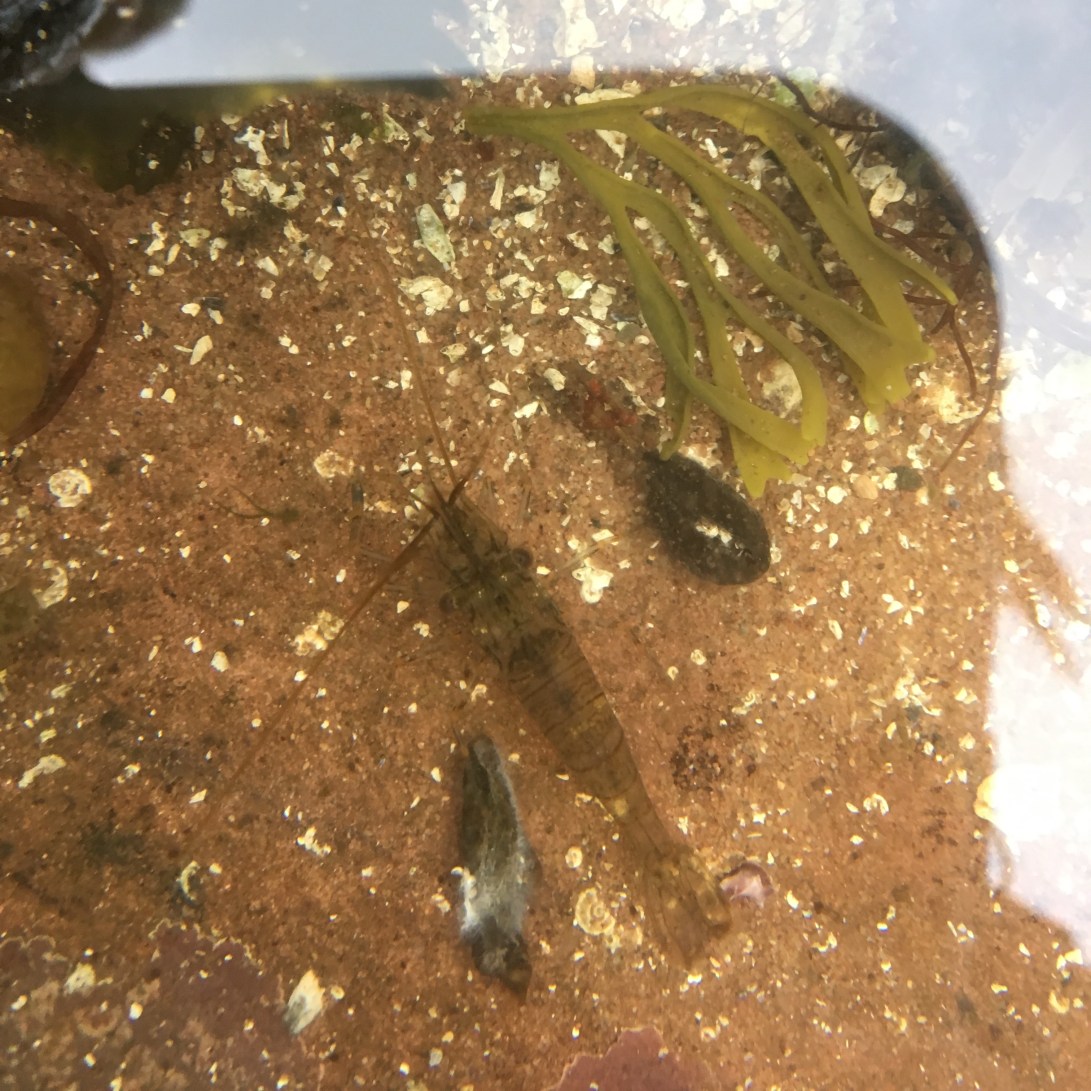
Today was another early start, and this time we drove the short distance to the northern end of Great Cumbrae to a much larger site. The weather was a little dreary but armed with quadrats, transects and clipboards we began to survey the biotopes. Findings started off slowly but once we reached the rock pools things really got exciting. Our course leader Paula found a slug species called a sea lemon – a very pretty blob – and a butterfish. Abbie, Alex and I found a sand goby, sand mason worm, lots of brittlestars, more hermits and beadlets, and my favourite from today: a dahlia anemone. It was the largest anemone I’d seen before, and had beautiful striated and brightly coloured tentacles that slowly emerged again once we’d calmed down to watch it properly. Just as I was squatting to try and get a decent picture, two common prawns appeared underneath a nearby rock. I didn’t know if maybe these were boring sightings but I recognised them from my volunteering at the aquarium so was thrilled to be able to confidently identify something in the field.

IMG_0684
Dahlia Anemone (Urticina felina)
IMG_0648
Common Prawn (Palaemon serratus)

Back at the lab, Abbie got to work identifying her seaweeds and Alex had an ID test to do for his assignment, so I had a bash at identifying today’s biotopes by myself. Once I’d done that, I realised I’d accidentally brought a tiny brittlestar home with my sea urchin shells. With Paula’s help, I identified it as Amphipholis squamata. Later, Paula asked us what we’d found, and Alex and I had got the exact same biotopes! I was so pleased with myself.

Dinner was Sunday roast and sticky toffee pudding. I must have put on about eight stone this weekend – I’ve been fed like a queen and although my brain has been working overtime, my body hasn’t done so much. After dinner we had our last round-up lecture and went to the bar for drinks. I ended up talking to the two guys from Belfast about Father Ted – it was pretty funny talking to Irishmen about it. I would have stayed longer but I was absolutely shattered. So I headed to bed, falling asleep almost instantly.

IMG_0607
Beadlet Anemone (Actinia equina)

Eleanor Oliphant Is What We Need

In 2017, 40-year-old author Gail Honeyman entered a story about a lonely and damaged young girl into a writing competition. Now winner of the Costa First Novel Award and scheduled to become Reese Witherspoon’s next film project, Eleanor Oliphant is Completely Fine has become a triumph for modern literature.

Our heroine, Eleanor, is evidently not at all fine. She often goes home from work on Friday and doesn’t speak to another person until she arrives at work on Monday morning. She is a source of amusement amongst her colleagues, and many modern advances are completely lost on her. “D’you like a smoky eye?” The makeup assistant at Bobbi Brown asks, to which Eleanor replies, “I don’t like anything to do with smoking.”

At the background of it all, her manipulative mother is an ominous presence looming at the end of the phone, hinting at a darkness in Eleanor’s past that may be the explanation for her isolation and uniqueness.

When Eleanor and Raymond, an IT consultant in her office, witness an elderly man falling unconscious in the street, an unlikely friendship begins to form between them. Somewhat hesitantly, Eleanor opens up to the possibility that people genuinely want to spend time with her, and with Raymond’s friendship comes a growing sense of self-assurance.

As we are introduced to Eleanor’s quirky persona, she initially appears very hostile to strangers and speaks her mind with seemingly no understanding of the consequences: “You’ll die years earlier than you would have otherwise, probably from cancer…you’ve already got the smoker’s characteristically dull, prematurely lined skin.” However, as we spend more time with Eleanor it becomes very clear that she has had nobody to help her align with societal norms – she was a confused child passed from carer to carer until university at seventeen. How can anybody blame her for reacting how many of us would were it not for our awareness of social politeness? Not only that, but being surrounded by unkindness and ridicule, it must be a natural reaction to close up and use that barrier of separation as a form of protection.

While Eleanor’s confidently naïve observations of the world can be enormously funny, the humour is threaded with heartbreak. At seeing her reflection after a new haircut she thanks the stylist for “making her shiny”. Having been surrounded by damaging and neglectful people all her life, becoming introduced to kind individuals is a foreign but welcomed concept for her.

Honeyman has created a character that is somehow completely fresh and new among literary heroines, and yet can be related to in countless ways. It has been commented that chronic loneliness is a very real problem for elderly people, but it never seems to be addressed among younger generations. Why must age be a contributing factor to a feeling of isolation? Eleanor has had a very troubled childhood and adolescence, but even those of us with caring families are capable of feeling lonely. In fact, according to a 2018 report by the Office for National Statistics, almost 10% of people aged 16-24 said they “always or often” felt lonely. This statistic was over three times higher than for those aged 65 or more.

This novel undoubtedly speaks to many young people, including myself. I have struggled with loneliness in the past – a desire for new friends coupled with fierce insecurity in social situations has made meeting new people a real challenge, and it is something I continue to struggle with. Loneliness can be incredibly upsetting, and is often hard to recognise in someone experiencing it. Honeyman has succeeded in raising awareness of the issue with her original and deeply moving novel, outlining the importance of kindness and compassion.