More to See, More to Zoo

Last week I visited Jacksonville Zoo, which boasts “more to see, more to zoo”. And it certainly delivered, with a broad range of exhibits including some very special ones that I’d never seen before. A particularly unique exhibit was Wild Florida, a collection of species native to the state. I discovered just how big alligators are (which only confirmed my decision not to go anywhere near a river during my time here) and caught a glimpse of a manatee as it glided underwater. Manatees are the state marine mammal of Florida but threats such as collisions with boats, habitat loss and the devastating red tide have now made them endangered.

In response to these threats, Jacksonville Zoo is in the process of making the first manatee critical care centre in northeast Florida. This will allow more injured animals to be rescued and cared for, and minimise travel distance to other centres such as the ones in Miami, Tampa and Orlando. To make the experience as natural as possible for the manatees, they have a very large tank, which can only be viewed from one side. They are only seen occasionally when they swim close to the tank’s edge, giving them much needed privacy.

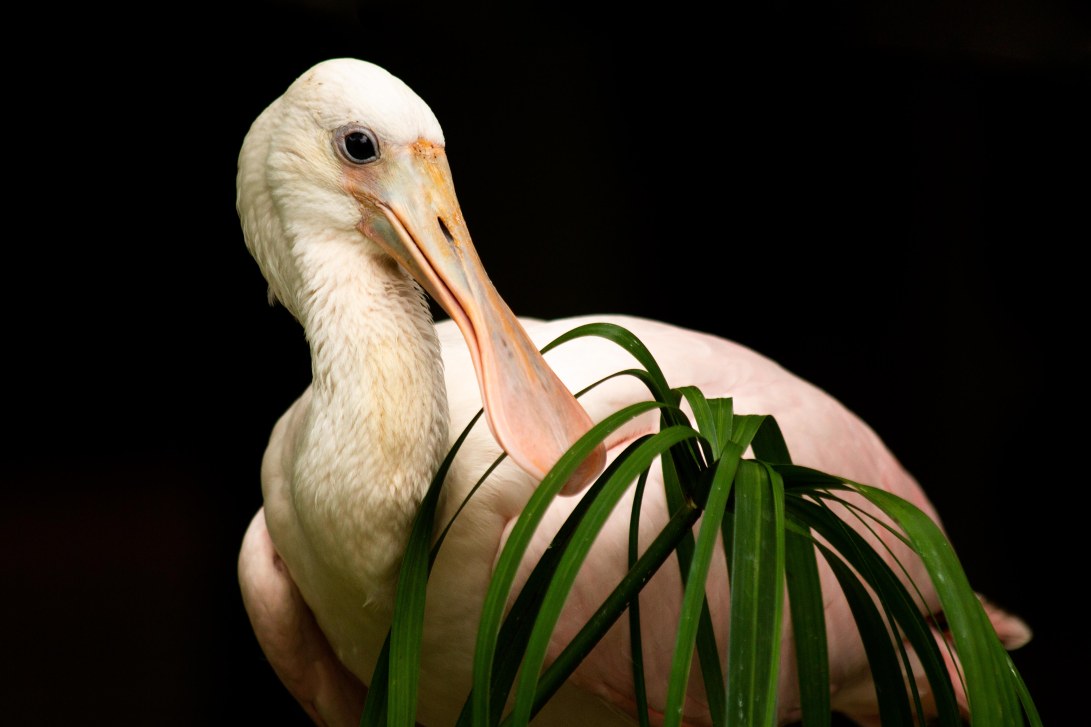
Elsewhere on the site was the Emerald Forest Aviary, where I met my new favourite bird: the roseate spoonbill. Native to Florida, this extraordinary wading bird is candy floss pink in colour and sports a magnificent bill that it waves from side to side underwater to sift through the mud. There was a group of them in the aviary, perched on branches overhanging a deep, dark pond. I positioned myself to put this dark pond behind a particular bird who had stood beside some very photogenic foliage. After just a little editorial tweaking, I was pleased with the dramatic result.

IMG_9799IMG_9800

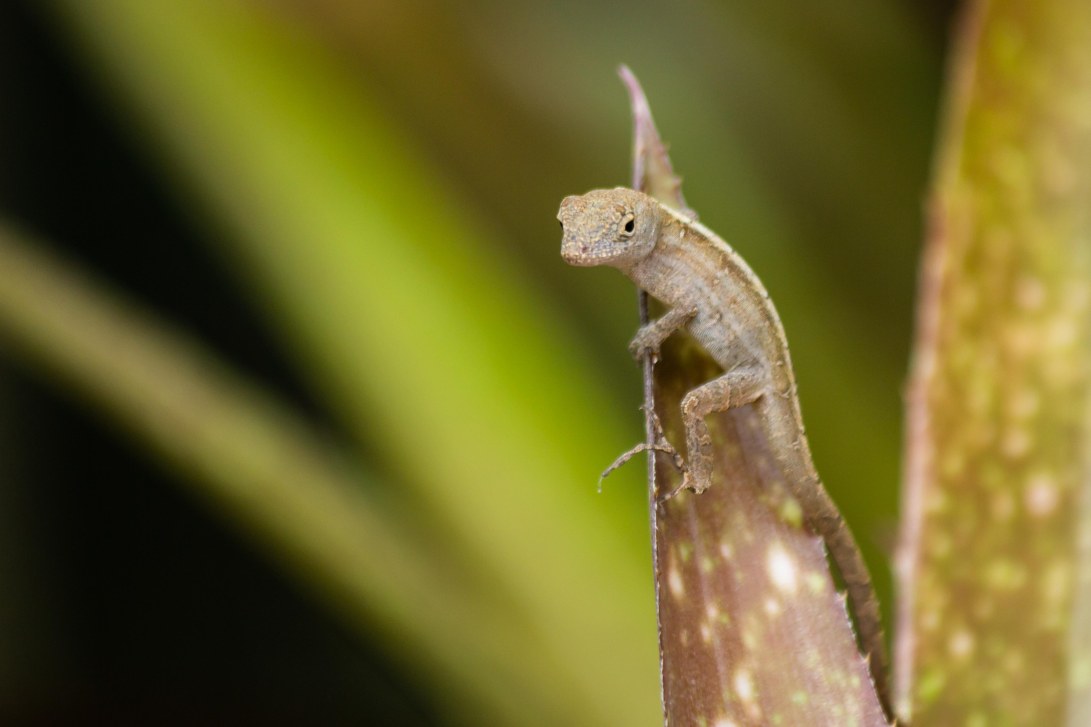
Although I always love seeing the star animals of the zoo, some of my best moments from the day were the wild individuals that had snuck in uninvited. As usual, I fell in love with some new lizards, including one that posed for me with an over-the-shoulder glance.

IMG_9712

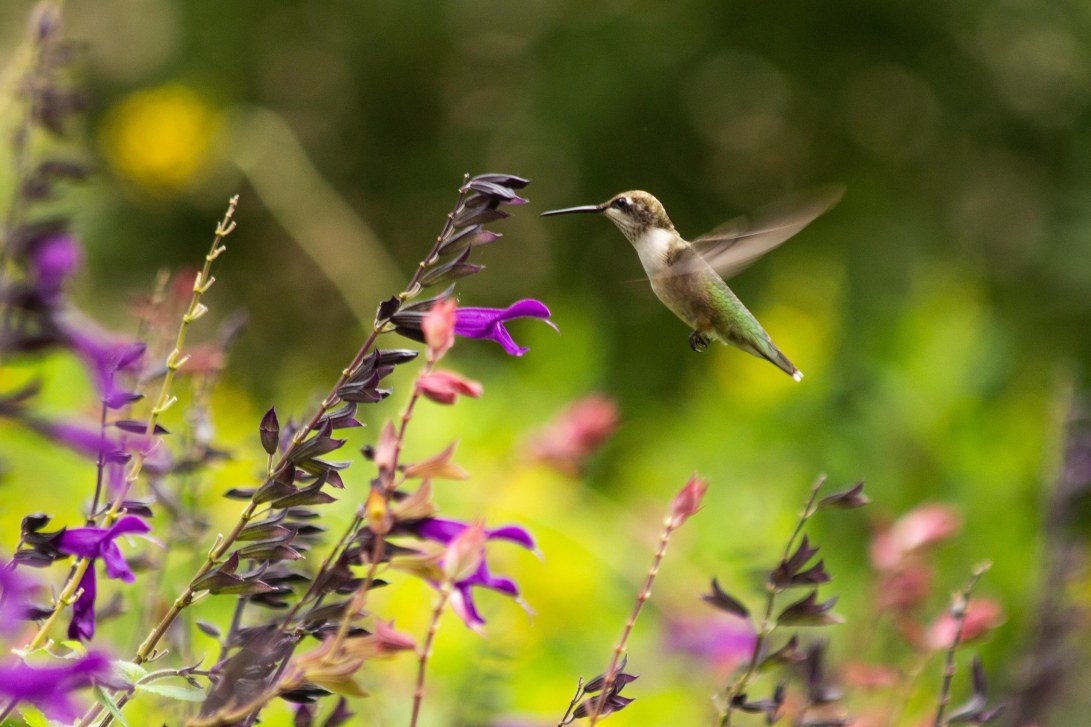
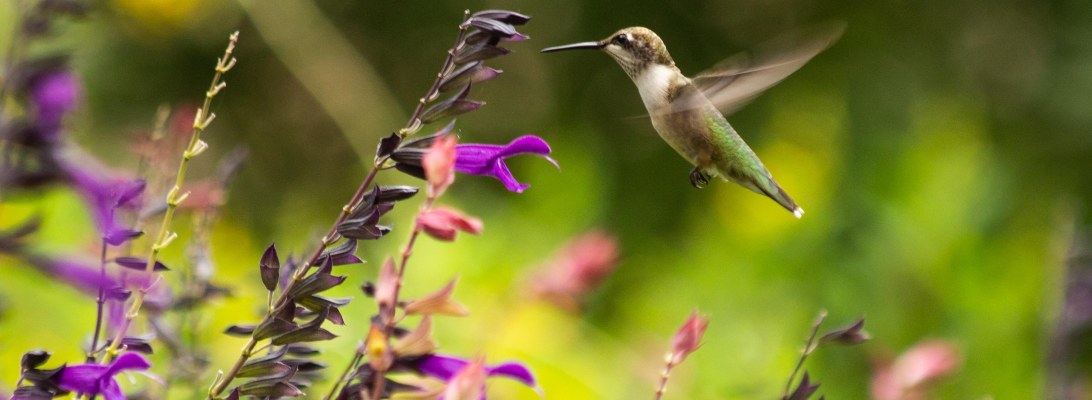
However, the most incredible moment came just before I left. I was wandering past the lions and admiring the wildflowers that were attracting all sorts of butterflies and dragonflies. Then, I saw something larger than an invertebrate zooming around and was thrilled to discover it was a hummingbird!

IMG_9832

I fumbled to get my camera ready, and for a while took lots of blurry pictures of flowers. Eventually, I got used to the hummingbird’s pattern of flying and managed to capture the animal in frame. I stood watching it for ages, as usual receiving looks from passers-by wondering what I was so interested in. For me though, it was an amazing sight and one of those perfect surprises.

IMG_9823


Volunteer Interview

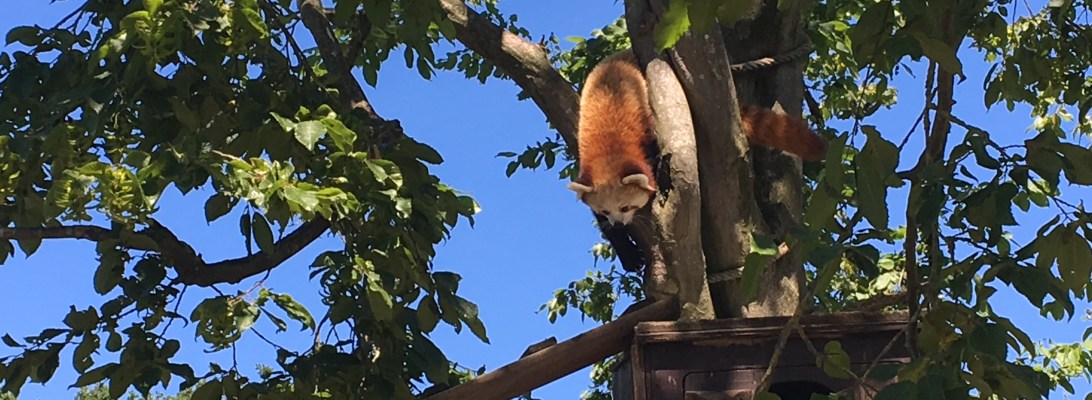
I have now completed six volunteer shifts at Paradise Wildlife Park and although at times it’s been challenging, especially in the recent 30 degree scorchers, the experience so far has been extremely rewarding. I’ve worked on three of the six sections – paddocks/farmyard, small mammals and primates – and each has offered me new experiences. In just a few days’ work I have fed tapirs by hand, helped weigh a group of meerkats and been pooed on by Nam Pang the red panda as I cleaned his enclosure. This wasn’t the sort of gratitude I was used to but it’s something not everyone can say has happened to them.

Now a member of the Paradise Park volunteer Facebook group, I saw a post asking for volunteer interviews for the website’s blog. Eager to get involved, I submitted an interview and in a few days the final post was published. I’d been told that due to the high number of responses, the post would feature quotes from several volunteers not just from the Animal Park but across all areas of Paradise. The following are my answers in full, but the final post can be found here.


Why I started volunteering at Paradise:

Having just graduated from university studying Wildlife Media, I’ve spent the past three years photographing and blogging about wildlife. Now I want hands-on, practical experience working with animals. Volunteering at Paradise gives me the opportunity to be part of a fantastic organisation that is passionate about celebrating and conserving some of the world’s most beautiful species.

I’ve been visiting Paradise since I was a child, and have fond memories of watching the talks, reading all about the zoo’s occupants and taking ride after ride on the dinosaur train. Returning as a volunteer, I can see it is still just as exciting, if not more so.

Best parts of the day:

While I enjoy many aspects of work as a volunteer, one of my favourite parts of the day is walking across the park, to and from the enclosures. During this time I get to see so many different people of all ages getting excited about and inspired by the animals. I’m frequently stopped and asked questions, and while I’m still no expert, I’m so happy when I can answer them and enhance the visitors’ experiences. My walks across the park also allow me to glimpse the large carnivores that I’m not allowed to work with just yet!

Most challenging parts of the day:

I began volunteering almost at the start of the heat wave, so have found it really challenging to lift heavy muck buckets and scrub floors clean while the sun beats down on my back! While volunteering at Paradise is physically demanding it’s also incredibly rewarding, and I savour the chance to work hard. I come home with aching arms and legs but know I’ve had a successful day!

Would you recommend other people volunteer (either at Paradise or in general)?

During my time at university I did a lot of volunteering at various places including Oxfam bookshop and the Lake District Coast Aquarium. As more and more people my age have degrees, it’s essential to also carry out plenty of work experience, and for me volunteering is invaluable. Not only can you pursue your interests, but you can gain so many different skills that can be brought into almost any working environment. Even in a few days volunteering at Paradise I have developed skills in communication, self-confidence and learnt so much about how much work and commitment it takes to run a successful zoo. I couldn’t recommend volunteering enough. I believe it brings an essential edge when applying for any job.

What are your ambitions and/or long term hopes for volunteering?

I am hoping to pursue a career in animal conservation and believe that volunteering at Paradise will help me develop my skills and learn what it takes to be successful in such a competitive field. I hope that some day I can be a permanent member of the team and have the opportunity to share my passion with the public. I welcome the responsibility of caring for wild animals and want to encourage a greater interest in conservation, particularly among young people.

Funniest volunteering story:

It was a scorching hot day and I was out in the reindeer enclosure removing old bedding and scrubbing the floors. As I was concentrating on a particularly stubborn piece of dirt I nearly jumped out my skin at the sound of an almighty roar from behind me. I spun round, expecting to come face-to-face with an escaped white lion, but instead saw a family gazing up at the Triceratops, whose audio had just been triggered by the motion sensor. I felt incredibly sheepish and hastily got back to scrubbing. Surrounded by reindeer, red deer and red foxes, I had not expected to also be spending the afternoon in the Cretaceous period!

Favourite animal at Paradise and why:

It sounds so predictable but like many visitors, I love the unique white tiger, adorable red pandas and equally sweet Asian short-clawed otters. However, for me the most charismatic animals so far have been the ferrets in the Farmyard. Each morning, once I’ve cleaned and fed the rabbits and guinea pigs, I wait for the keeper to remove the group of six male ferrets from their enclosure so I can clean it. This sounds simple, but opening the gate wide enough to grab one ferret is enough for all six to jump out, so catching them is no easy task. Ferrets are notoriously feisty, and once they’re shut safely in their boxes I can see their tiny faces watching me. They are a treat to watch, and easily as entertaining as any tiger.

Unforgettable moment at Paradise:

Although I’m still very new at Paradise and will undoubtedly have many more great memories, my most treasured moment so far happened on my very first morning. It was my trial day and I was sat in the Discovery Centre feeling very nervous about the day to come. Suddenly, I heard the sound of a white lion stirring from sleep – its deep, guttural roars echoed across the park. The sound made the hairs on my neck stand up. It was at that moment I knew why I was here, and I put my absolute all into my trial day and was thrilled when I was invited to return as a volunteer.
Fresh Inspiration

Recently I’ve become a writer who doesn’t write much. I have ideas, many a day, of what to write, but somehow I never get round to making them a reality. I’m blaming this latest case of writer’s block on my new occupation, so I’ve decided to write about that. I have been accepted as a volunteer at Paradise Wildlife Park in Broxbourne, Hertfordshire. It was the longest application process for a voluntary position I’d ever experienced, but after interview, induction and trail day I was successful.

Volunteering in a small aquarium in Cumbria could not have prepared me for work in a zoo. Although far from large with only around 400 animals (in comparison with Chester Zoo’s 20,000), Paradise Park still requires plenty of hard work and for me it’s a physically demanding and challenging role. I anticipated this beforehand and should have been ready, and yet I still came home from my first day with aches in every limb, rashes on my arms from the hay and mysterious scratches from the day’s manual labour. As is expected of all volunteers, I spent most of my time with what the animals left behind (you cannot believe how heavy camel poo is) and in the July heat I worked up a significant sweat.

And the funny thing? I loved it. Three years of university has been a mental workout but not so much a physical one. My arms are little more than jointed matchsticks, and just as strong. Volunteering at a zoo will be such a great opportunity to build up some strength. There is also something immensely satisfying about scrubbing a paddock clean, even though the moment the animals are let back in they completely rearrange the fresh bedding and christen it with droppings.

If I had a pound for every time I’ve been asked “So what’s next?” since I came back from university, I could retire without having started a career. I still don’t know what I want to do or where I want to be. While I still love writing and photography, I feel a pull in a new direction – the daily grind of contributing towards a successful and high quality zoo. There is something very appealing to me about caring for wild animals in a place that values them (that’s the important bit) and sharing my passion with other people. I watched the Small Mammals keeper giving a talk as she fed the red pandas and I had an urge to join her, but my knowledge of red pandas is really quite limited. I want to study them, I want to know everything there is to know about these animals, and share that with people. And I believe I can do that by writing but also by being there among them.

I’m fully aware that becoming a zookeeper is an incredibly gruelling and challenging process. I’m also aware that my current academic background will not help me in that mission. Every keeper I’ve spoken to so far has begun by volunteering, and worked their way up the ladder. So I have joined Paradise at the very bottom, and the only way to go is up. I’m inspired by this, and know that I have to pursue it.

A Grand Day Out

On my first day off, I decided to cram in as much natural history as I could. First I went to Bristol Zoo for a spot of nostalgia. Going to the zoo was a thing of great excitement when I was younger – though half the time I was equally excited by the gift shop as by the animals – so considering I’d heard some good things about the Bristol Zoological Society and their conservation programmes, I made the chilly walk over to Clifton.

Unusually for me, I was drawn to the reptile house. Perhaps that was partly so I could warm up, but I also fell in love with the blue poison dart frogs. I’d seen them on TV before, but as is often the case, the screen dilutes the real wonder. Shocking azure and midnight blues and black speckles, with a perfect sheen across their skin. Lacking webbed toes, these beautiful frogs aren’t strong swimmers and instead frequent leaf litter or nooks and crannies in boulders. As their name implies, poison dart frogs release toxins from their skin, so don’t taste half as good as they look.

Other reptiles also caught my eye. There was the mountain chicken frog, so named because of its likeness to poultry when eaten, and the Chinese crocodile lizard that was locally known as the “lizard of great sleepiness”. I was also privileged enough to watch a face-off between a male turquoise dwarf gecko and an olive-coloured female. The pair were rather nonchalantly standing on a vertical wall of the tank, gazing intently at one another. The male twitched his tail and turned his head sharply to the side, perhaps displaying his beautifully chiselled cheekbones in an attempt to woo the female. I watched them with my neck at a unique angle for ages while they continued to stare at one another, until eventually the female headed back down the wall, obviously unimpressed.

I ate lunch on a bench overlooking Bug World. Almost immediately I was joined by a menagerie of birds trying to catch my eye; woodpigeons, blackbirds, and a particularly plucky starling. Just as I was admiring his beautiful plumage, he tried his luck and flew up, snatching a loose prawn from my sandwich. Before I’d even blinked it was down the hatch, leaving a smattering of mayonnaise on his bill. I doubted he’d been introduced to seafood before, and began to worry how he’d digest it. Then I remembered that the starling had in fact stolen from me, and I knew the resilience of urban birds was quite astonishing. The starling perched on the wall behind me, burbling for a while with head twitches this way and that. I finished the rest of my lunch in peace and he heartlessly left.

IMG_9269

After a loop of the zoo, I headed back into town. A man sat playing the accordion with a huge and very contagious smile plastered across his face. Opposite him was another man selling the Big Issue, rather begrudgingly wearing a Santa hat. Lights led the way up Queen’s Road, with shoppers dashing around laden down with bags.

It was undoubtedly winter. There was a chill that tightened my lungs when I gulped the air and my ears were moaning, wondering where my hat was. It had been consistently cold all week and there was a definite hint of trepidation in the air. Snow was waiting in the wings, I was sure of it.

When I reached the museum there was a Pliosaurus waiting for me; a large, blue poster flapping seductively. I couldn’t resist and hurried in. Meandering through an army of taxidermy, I gazed at okapi, kakapo and kingfishers, as well as a sea of dinosaur bones that included miniscule prehistoric teeth laid out in perfect rows. There was also Bristol’s very own dinosaur, Thecodontosaurus, which stood no taller than a Labrador but roamed a tropical habitat during the late Triassic period, 210 million years ago.

After a slice of bakewell cake in the café and customary browse through the shop, I headed back out into the quickly darkening afternoon. As I was trying to make my neck as short as possible in the biting air, my eye caught on £3 bookshop and I veered sharply to the left without a moment’s hesitation. Bristol was amazing! Every wall was lined with books, every one brand new and three pounds or cheaper. I purchased a copy of Moby Dick, but had a sneaking suspicion I’d be back before next week was up.

Here For Your Entertainment

On Friday we went on a field trip to The Lake District Wildlife Park. In Alex’s lectures we’ve been studying the behaviour of animals in captivity, so visited the park to see if we could see any of the same signs in the animals they kept there.

img_9729

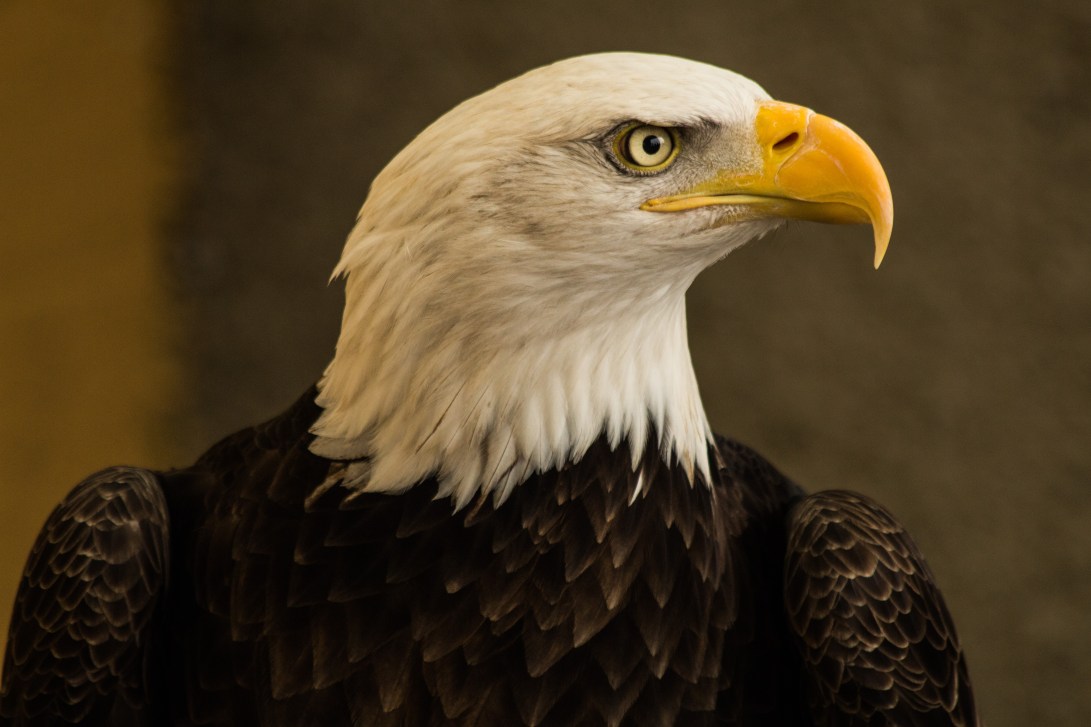
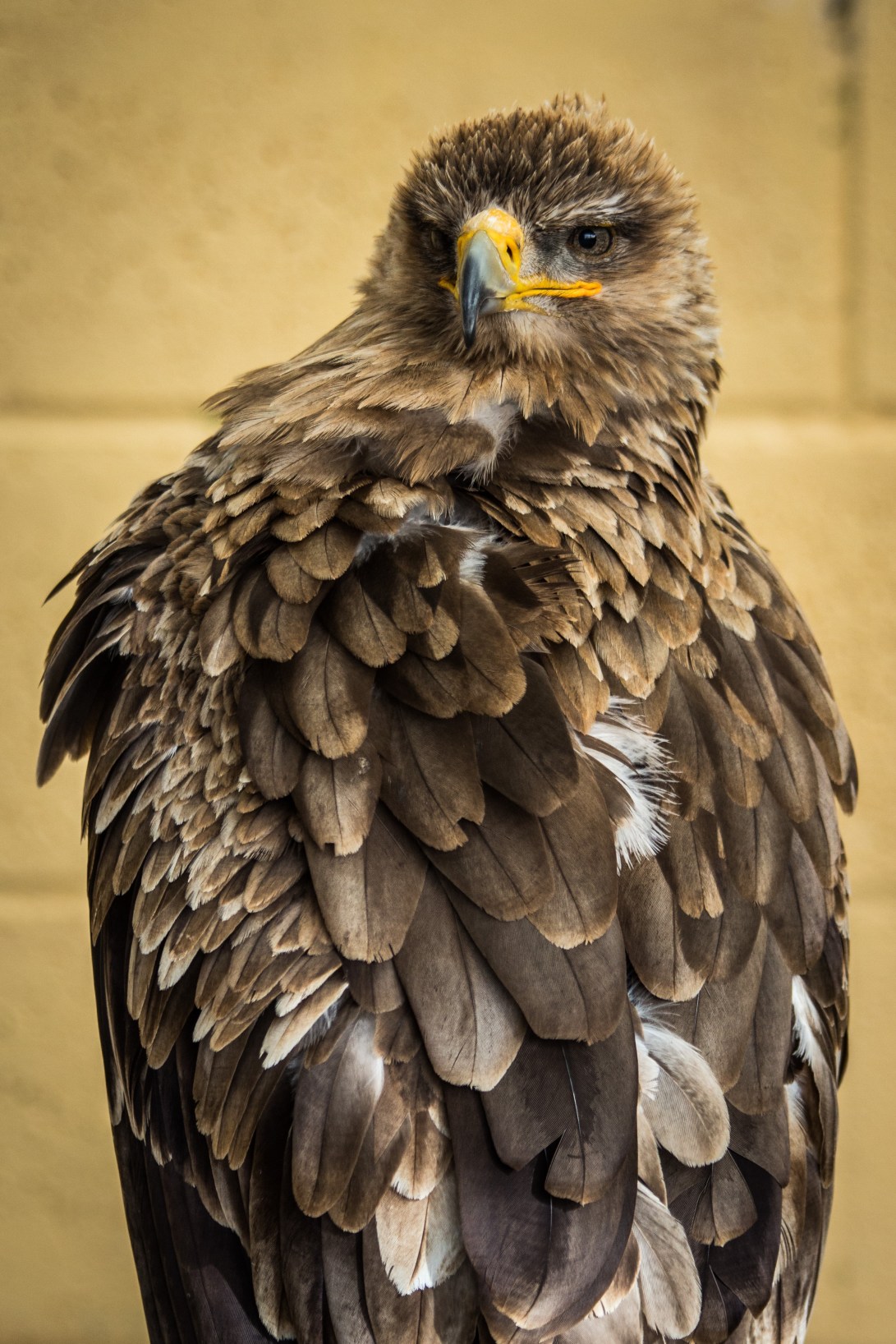
It hadn’t been too long since my last visit to a zoo, but maybe it was the presence of four other wildlife students that instilled different feelings in me this time. The small size of the enclosures seemed more obvious and I couldn’t help feeling uneasy as I watched the lynx pace up and down and the raptors attempt to fly off the metal perches they were tied down to. I could photograph the bald, golden and tawny eagles in vivid detail, but I knew deep down it was cheating and the photos I was taking were no different to those of hundreds of other visitors.

img_9778

The reason I love photography is it captures a moment in time that cannot be exactly replicated ever again. It freezes a memory and provides a very intimate insight into the photographer’s mind. So as I stood in front of a tethered bird that couldn’t escape my camera or my gaze, I soon realised this was not how children should experience wildlife.

Ticking off birds from my wish list was part of the charm that got me interested in wildlife. It was going out, tracking a bird and watching it live its life that gave me a sense of pride. Not only had I had an adventure in the great outdoors, but I’d discovered a species I’d never seen and sometimes got photos to show for it. During my time on the Isle of Carna we attempted to track down golden eagles on a boat trip on Loch Sunart. We were extremely lucky to get a glimpse of the magnificent bird as it perched high up in the tree canopy.

Anyone with £8.95 in their pocket can go to the Lakes Wildlife Park and see a golden eagle, but where’s the fun in that? If the same children who see a captive golden eagle were to see one in the wild, I’m certain that experience would last a lot longer in their memory.

img_9780

Of course, I’m just talking about British wildlife. None of us in the UK are going to see a wild red panda or lar gibbon no matter how impressive our tracking skills, so in that respect zoos offer children the chance to see what wonderful animals roam our planet. While this is all well and good – and with the rate of extinction as rapid as it is, this may soon be the only way that the next generation can see certain species in the flesh – it’s just not “wild” life. And isn’t that the point? What next, we round up indigenous tribes and keep them in pens for people to stare at? Although some zoos have done wonderful work for conservation and provide a safe place for endangered animals to live unharmed, should it be up to us to decide whether a long, captive life is better than a short, free one?

img_9876