
Traditional Flora of Yule

I’ve always loved winter the most. It might be because I’m a December baby, or because I love snow, ice and winter wildlife – there’s just something special about the dark half of the year. After a summer slump, my motivation begins to grind again in autumn and by winter I’m raring to go.

Today is the winter solstice, which marks the longest night of the year. From now on the days will start to lengthen. I know a lot of people struggle with these short, darker days, but with the winter solstice come exciting prospects for the new year and a clean slate to begin again. For me this is a time of possibility. There may be darkness now but the light is slowly returning.

I’m interested in the pre-Christian traditions surrounding the winter solstice, or Yule. Many of these old traditions are still familiar to us today, in particular those associated with wild plants.


HOLLY

One of several protective evergreens, holly has been a significant part of Yule tradition for thousands of years. The Druids regarded it as the sacred king of winter – while other plants withered during the cold months, holly continued to flourish.

As a result, the prickly plant became a symbol of renewal and rejuvenation, maintaining high spirits through winter. Many ancient Europeans brought holly into the home as protection – its spikes were said to repel unwanted spirits and bring good luck.
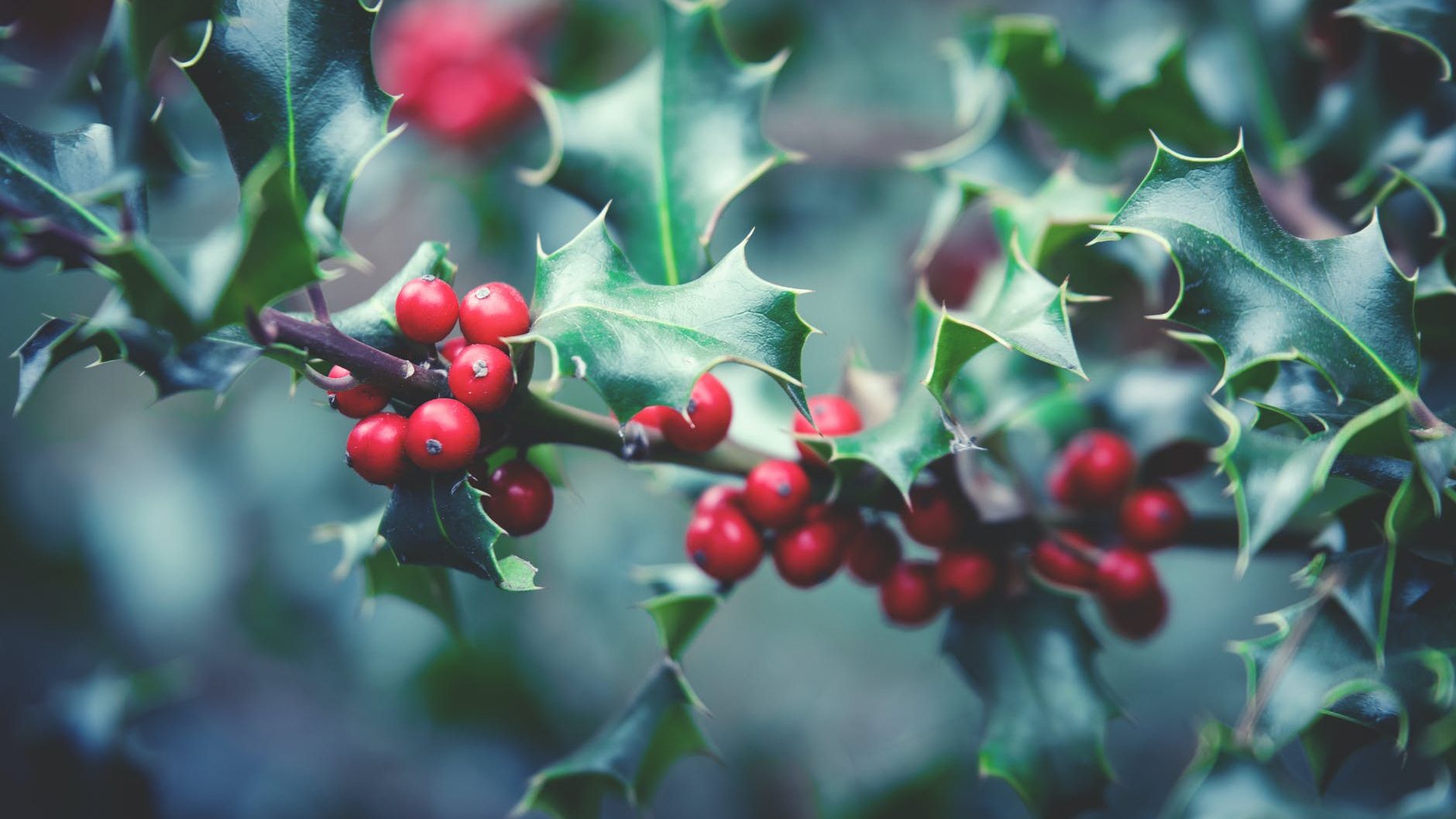
red berry plant
Photo by Lum3n on Pexels.com

IVY

The Druids considered ivy to be the queen to holly’s king. Also an evergreen that endures challenging environments and keeps its colour all year, ivy is symbolic of endurance and promise.

Thought to possess magical qualities, it was hung in the home to bring luck in the spring. Ivy is especially significant because it grows in a spiral, reflecting the Wheel of the Year.

green leafed plant
Photo by Lum3n on Pexels.com

MISTLETOE

This plant is typically hung from the ceiling and its magical properties come from the belief that it exists between two worlds: sky and earth. It is cut carefully to ensure that it doesn’t touch the ground.

Mistletoe has long been regarded as a symbol of freedom. Ancient Europeans believed it was a sign of peace, and any time warring Celtics found it in the forests, they would honour the plant and drop their weapons. Today, mistletoe is less of a white flag of surrender, but we still honour it with compassion by sharing a kiss!

four pine cones on top of brown wooden surface
Photo by Jessica Lynn Lewis on Pexels.com

YULE TREES

Evergreens such as fir and spruce were seen as signs of eternal prosperity. They were symbols of optimism and freshness even in unforgiving environments. By bringing their branches – and more recently, the whole trees – inside during Yule, it was believed that evergreens could enliven and invigorate the home in preparation for the coming year.

Yule is a time to rest and reflect, which is especially important after a year like this one. I hope you have a warm and restful time with family and friends!

Dreaming of a Green Christmas


Christmas always ends up being a hectic whirlwind, but this year I think we’re all looking forward to a bit of festive cheer. However, the festive season can get wasteful and very expensive, so I’ve put together a list of tips for making this Christmas a green one.

red fruits on table
Photo by Jessica Lynn Lewis on Pexels.com

Cards

While I try to limit my online shopping, it’s inevitable that I’ll order something now and then. Luckily, the cardboard packaging is perfect for trimming down and transforming into homemade cards – ready to be decorated with photos and messages.

If you keep your cards dinky, you can make several from one piece of packaging. For even more crafty points, save the Christmas cards you receive this year and cut them out to decorate your homemade cards next year. You can make your own gift tags this way too!

A selection of last year’s cards ready to be recycled this year

Tree

There’s an ongoing debate about whether it’s better to have a real or artificial tree. While there are pros and cons of each, for fresh trees it’s best to find a locally grown one that supports local businesses and reduces the pollution associated with delivery. To find out where the local retailers are near you, check out the British Tree Growers Association.

To prevent your tree from going to landfill after Christmas, look out for tree recycling schemes which are offered by a lot of local councils. It’s also possible to rent a tree! After enjoying your tree over the Christmas period, you return it to the grower who replants it ready for next year. 

There’s nothing better than that Christmas tree smell, but whether you have a real or artificial tree make sure you buy local

Decorations

Once you have your tree, you’re going to want to decorate it. We’ve all seen the countless decorations on display at garden centres but beware: lots of these ornaments are covered in glitter – a harmful microplastic which should be avoided.

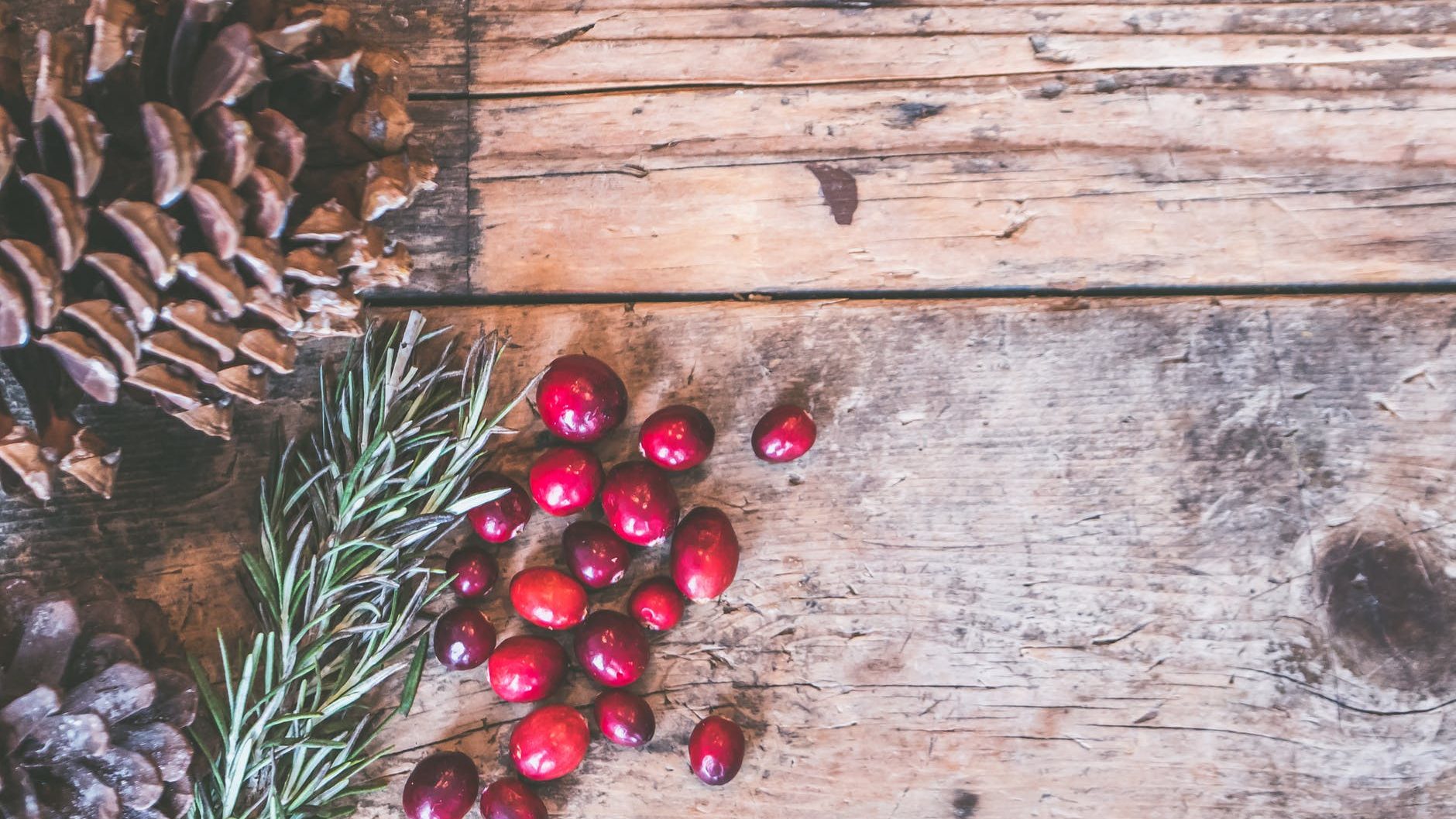
For more sustainable decorations, why not make paper chains using brightly coloured cardboard from cereal boxes and other packaging? You could also gather some natural materials such as holly, ivy, pinecones or small pine branches to make your home both festive and wild.

red and brown fruits wreath
Photo by Luna Lovegood on Pexels.com

Gifts

While swapping gifts can be loads of fun, I’m sure we’ve all received some we’d sooner exchange for something else… To avoid any awkwardness on Christmas morning, get your loved ones gifts that are fun and practical – reusable metal straws or plastic-free shampoo bars perhaps.

Check out Not On The High Street for original and often personalised gifts that support small businesses.

Food

We’re all guilty of a little overindulgence at Christmas but that’s perfectly acceptable – it’s Christmas after all! Although, we should be aware of how much food we end up throwing away.

To minimise waste, it’s a good idea to eat all your freezer food during December to make room for leftovers. Everyone knows about turkey sandwiches, but there are lots of other good leftover recipes around including vegetable tray bakes, turkey curry and countless soup flavours. 

two clear glass footed mugs
Photo by George Dolgikh @ Giftpundits.com on Pexels.com

Crackers

Has anyone ever been pleased by what they’ve won in a cracker? Let’s be honest – it’s all tacky plastic tat! A very refreshing trend that’s growing more popular is homemade crackers – this handy guide is easy to follow and doesn’t require many materials, but you can experiment any way you like. Making your own crackers not only cuts down on single-use plastic but also gives you the freedom to choose the gifts. And maybe find some better jokes too.


Do you have nifty ideas for an eco-conscious Christmas? I’d love to hear them!