Mindful Creative Retreat – Day 3

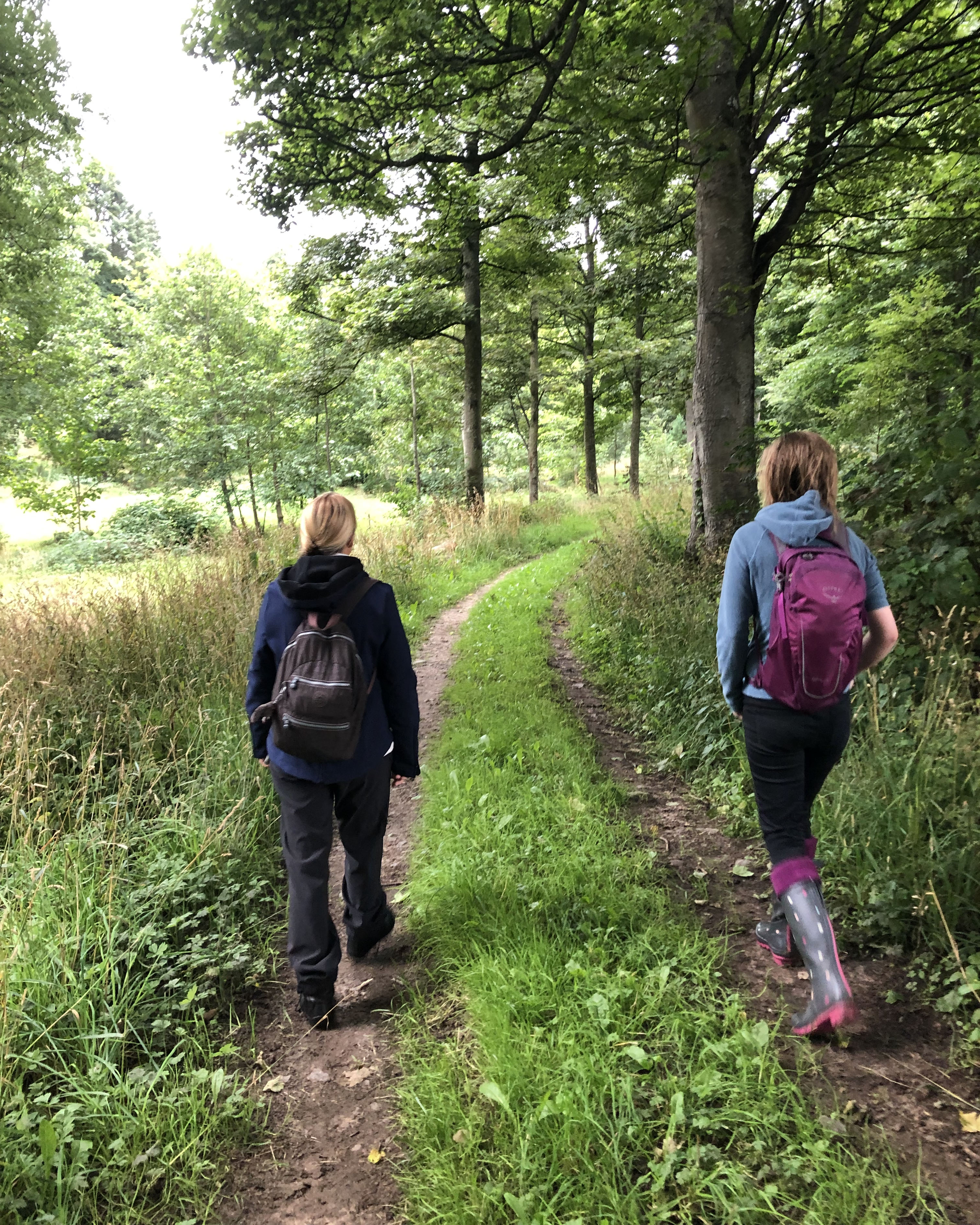
For the last day of the mindful creative retreat, we began in Burgie Arboretum. The grass was soaked with dew and I soon regretted not bringing my wellies!

Still, fungi loves damp ground and we soon spotted one of my favourites: amethyst deceivers. These lovely mushrooms are bright purple, and in contrast to the usual rule of colourful mushrooms being inedible or even poisonous, amethyst deceivers are often foraged. Apparently they have a mildly nutty flavour and keep their bright colour when cooked.

Later in the day we explored a small loch just outside Forres. This session was my favourite of the whole retreat. I sat for hours among the Scots pines, admiring the carpet of heather and bracken.

I was treated to several wildlife encounters. A brave wren appeared only a few feet away, flashing its stubby tail. It did what wrens do best: scream and shout and stick its bum in the air! This one was great fun to photograph.

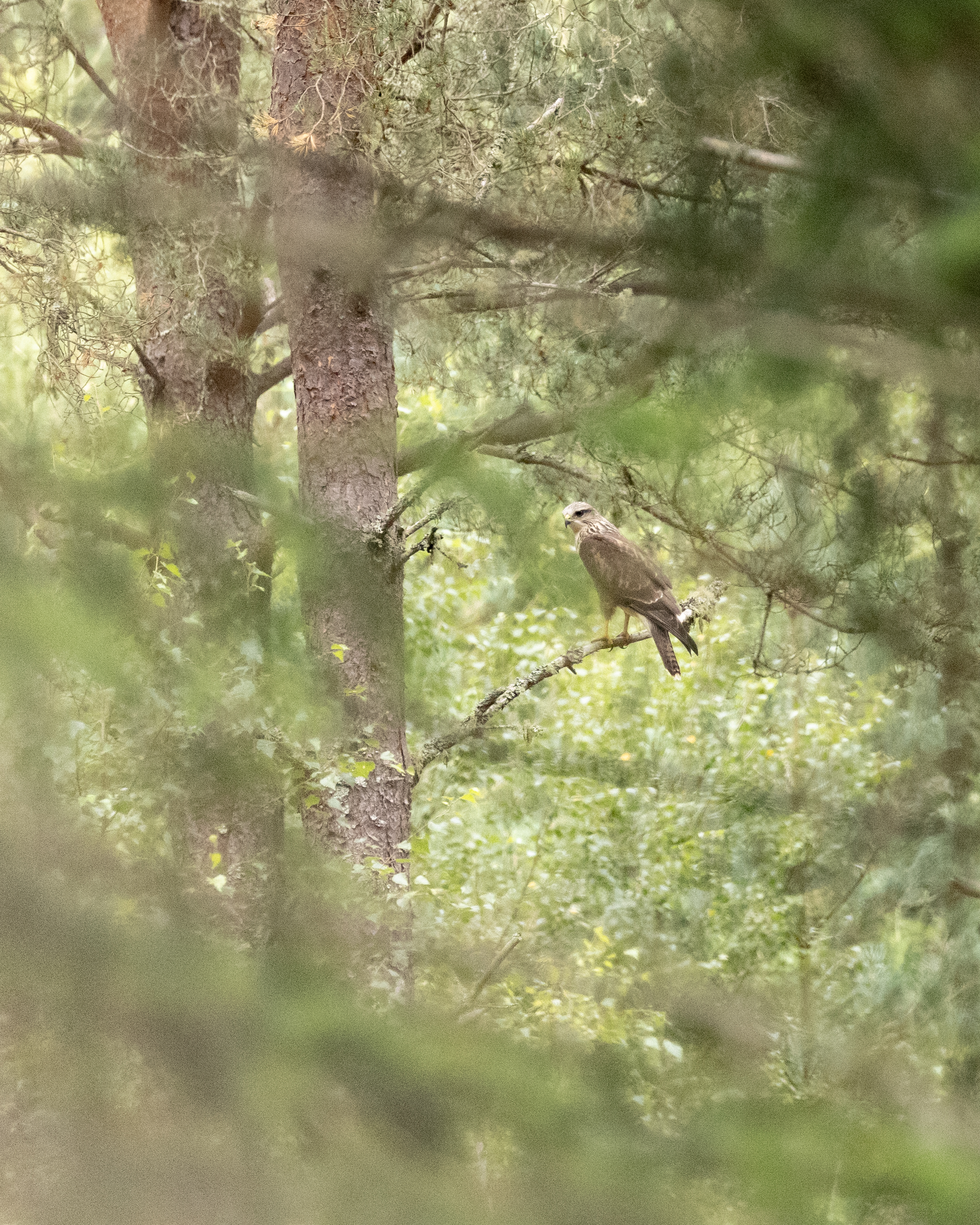
Shortly after, a brown shape caught my eye and I glanced up to see a buzzard sweeping through the trees. It perched in a very convenient gap for photos. Knowing how skittish these birds can be around people, I felt privileged to see it resting.

Finally a flash of movement on the ground caught my eye and when I eventually found it I realised it was a teeny tiny frog. The afternoon was full of surprises – while walking is a great way to encounter wildlife over distance, certain wonders just won’t happen unless you slow down to a complete stop.

Just before dinner, we gathered by the loch and did some more breath work, led by Jen. I wasn’t sure if I’d notice any changes from Monday but I could actually breathe a lot deeper than I did in the first session. I liked to think it was the calming effects of the retreat, which had turned out to be a huge success.

Have a read of what happened on day one and day two here.   

Wren Family


Earlier this week I went looking for badgers. Unfortunately I didn’t see any but I wasn’t discouraged. Any foray into the natural world is dependent on good timing and a healthy dose of luck. Besides, even if you don’t manage to see what you set out to find, there’s nearly always a surprise and this evening was no exception. As well as a brown hare, a very well camouflaged roe deer and pairs of siskins and greenfinches, I met a bubbly family of wrens living beneath the eaves of a tiny shed.

There were two slender adults and five golfball chicks all hopping from the shed to nearby trees and back, the latter being particularly vocal and standing with their beaks wide open demanding a snack. Wrens are notoriously bold and easily one of the noisiest British birds in relation to their size so they weren’t at all afraid of me; in fact they continued their foraging quite happily while I sat below with my camera. Of course it would have been lovely to see some badgers, but it’s just an excuse to go back and see what surprises I find next time.

IMG_5191

Exploring Bryher

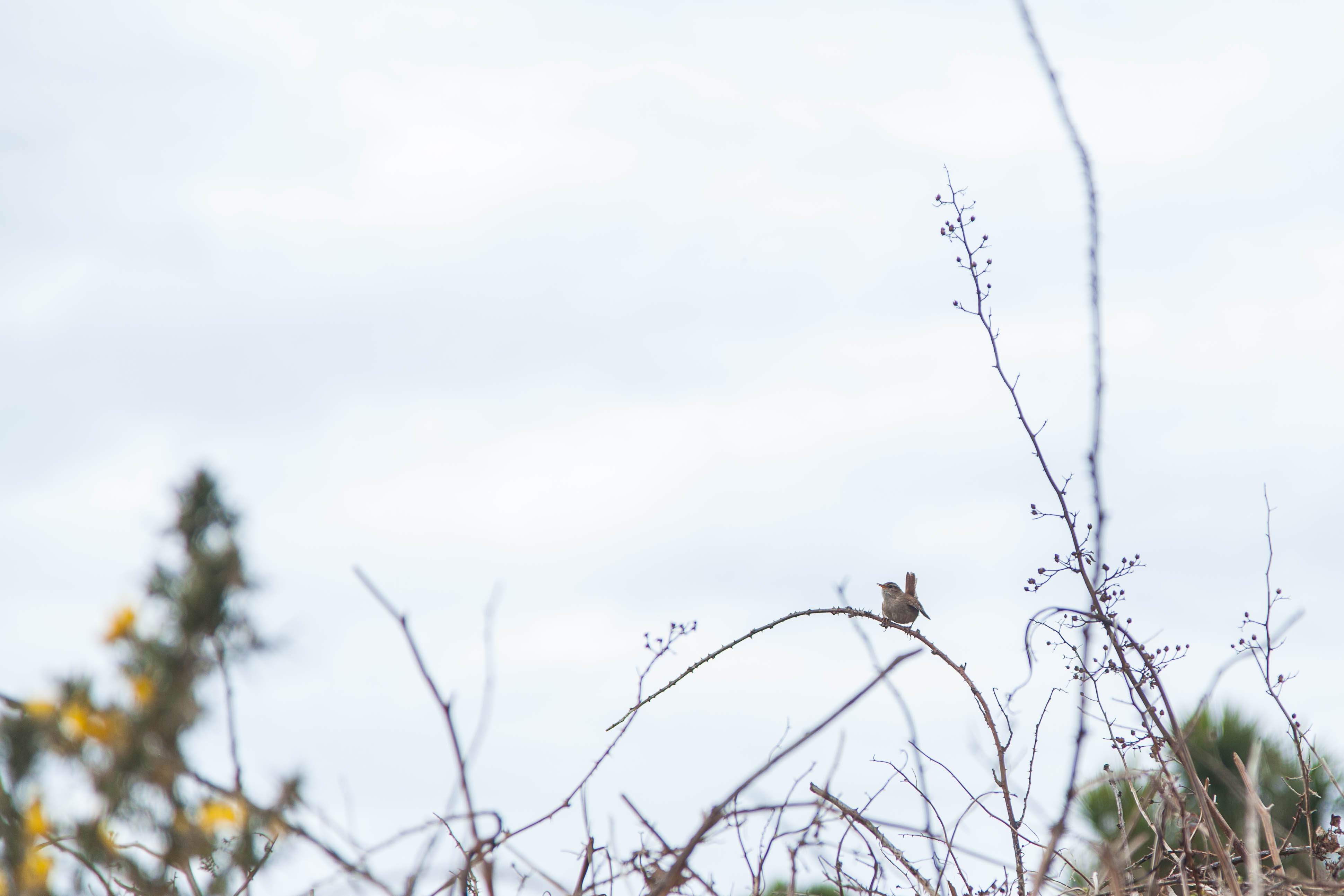
When I arrived on Bryher I was reminded of how scarcely populated the 1½-mile long island was. After an initial buzz of human activity at the quay, tourists and locals dispersed and I suddenly found myself completely alone, except for the ever-present wrens of course. One was perched high against the skyline only a few feet away, trilling with all its might. According to some Scillonians, wrens here are slightly different to those on the mainland. Their songs are different, and their mottled body markings are brighter. Perhaps this is a little Scillonian pride, but the shrews, bee and blackbirds are all unique here so I liked to entertain the possibility that Scilly wrens were just as special.
IMG_0244

Bolstered by the wren’s enthusiasm, I made my way towards the northern side of the island, where the infamous Hell Bay laid waiting. So called because of its treacherous and unforgiving nature that had caused many a shipwreck in years past, it was hellish and beautiful in equal parts. I perched on a plump cushion of downy grass and watched the show – a dramatic display of rumbling waves, churning currents and seething white froth that surged up as each wave receded. Although each collision was intense, every so often a particularly furious wave thumped the rocks, sending vast plumes of water skywards. Backed as always by the wailing gulls and squealing oystercatchers, it was a feast for all the senses.

IMG_0293

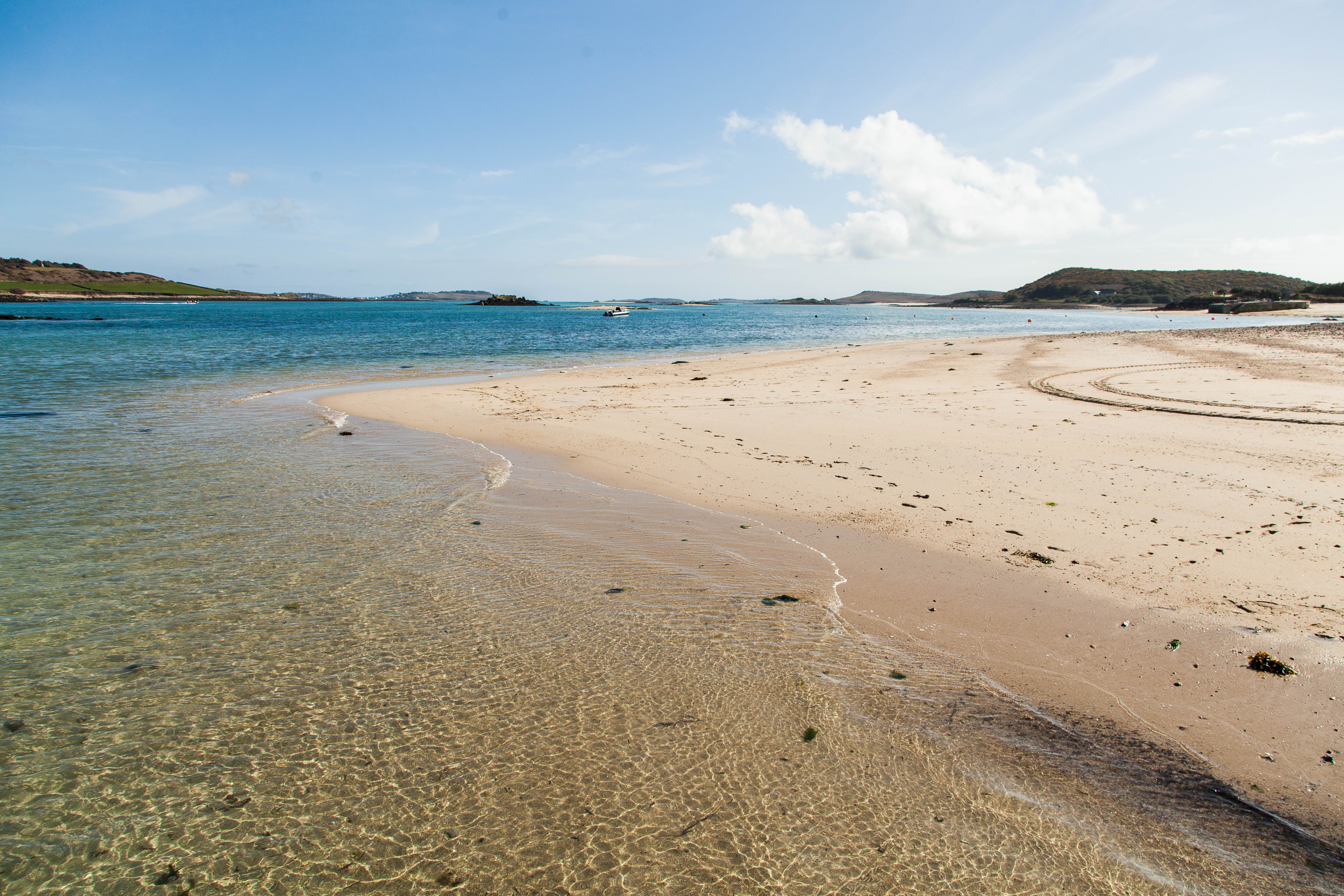
Time was pressing on. Conscious that I didn’t want to miss the only boat back to St Mary’s, I hugged the coast and followed the beaten track down the western stretch of Bryher. Red Ruby Devon cattle watched me cautiously, blinking with big bottomless eyes. Before long I reached Rushy Bay, and the sun was shining beautifully. I ate my lunch on the sand, which as always on Scilly was golden and impeccably clean.
IMG_0587

Replenished, I began the search for what I’d come here to find: the dwarf pansy. With flowers 4-8mm long, I braced myself for a challenge. During my research I’d learned that a good spot on Bryher was “the sandy turf behind Rushy Bay”, which at the time had seemed a doddle. How much sandy turf could there be? I thought, quite deluded. True, the area wasn’t vast, but when you were looking for a flower that could fit several times on your fingernail, the sandy turf seemed to expand tenfold. I’d found the true meaning of “needle in a haystack”.

IMG_0557

Wondering why I’d chosen to torture myself, I began to scour the ground, peering between thick grasses for a glimpse of violet. I found plenty of insects; sandy brown spiders that skittered in and out of sight (small enough not to trigger my panic response luckily), black beetles I couldn’t hope to identify and plenty of ladybirds sitting prettily. No such luck with pansies, though. Soon my knees and back began to ache so I tried my luck on Heathy Hill, another good spot for dwarf pansies and orange birdsfoot, a rare member of the pea family I was also hoping to find.

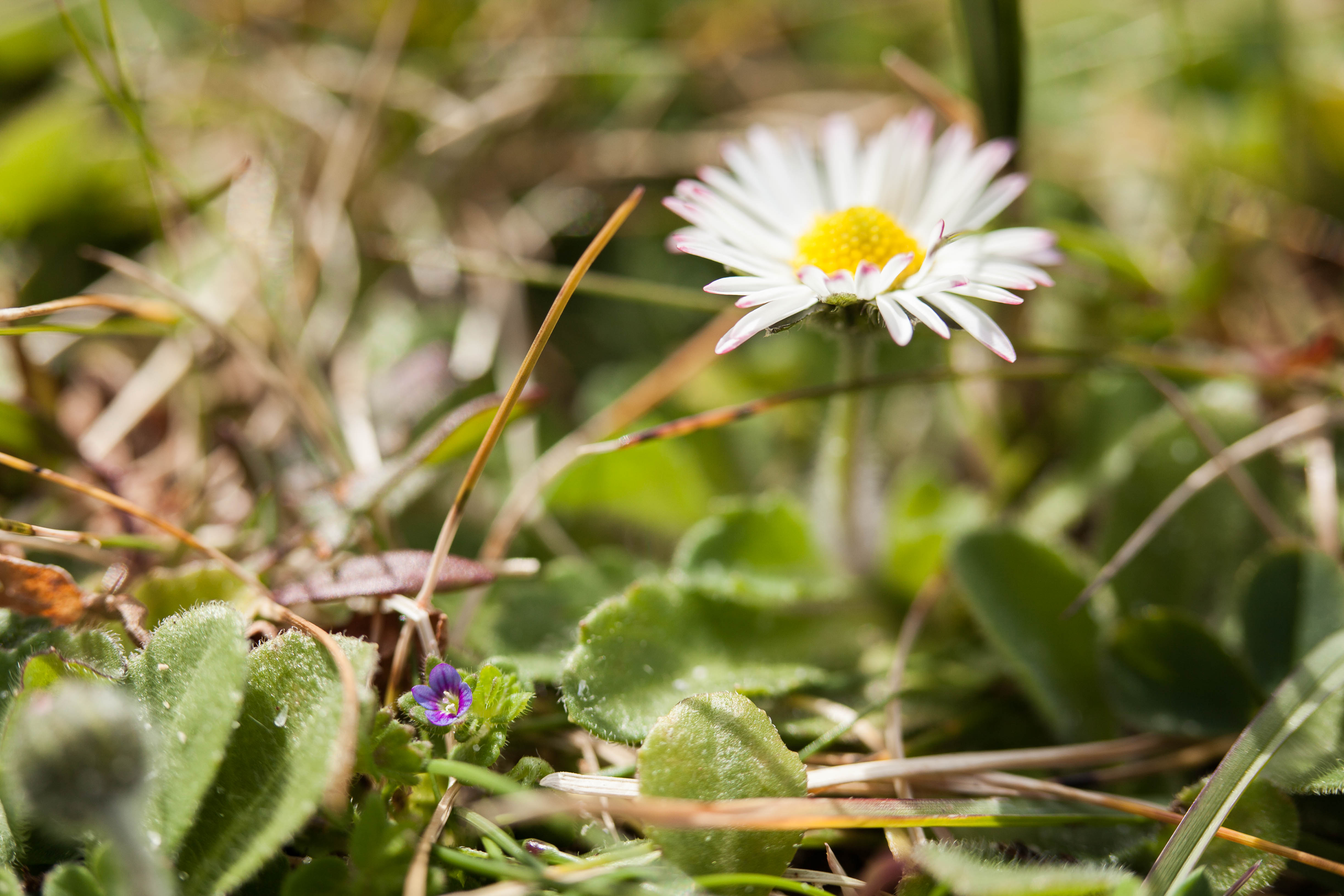
On the way, I stopped to admire the daisies. Interestingly, these common white flowers used to be known as “day’s eye” because they opened during the sunlight hours and closed at night like blinking eyes, but this soon morphed into daisies. By chance, my gaze wandered to a minuscule flower with purple petals that I could barely make out with the naked eye. In a slightly embarrassing lapse of composure I felt tears of joy prick the backs of my eyes, but I remembered that there were a lot of tiny flowers on Scilly. Due to the poor, acidic soil, often only small species could survive here. I knew I shouldn’t get my hopes up. It may not be my prized pansy, but I still lay sprawled on the floor photographing it for a good long while. Just in case.
IMG_0408

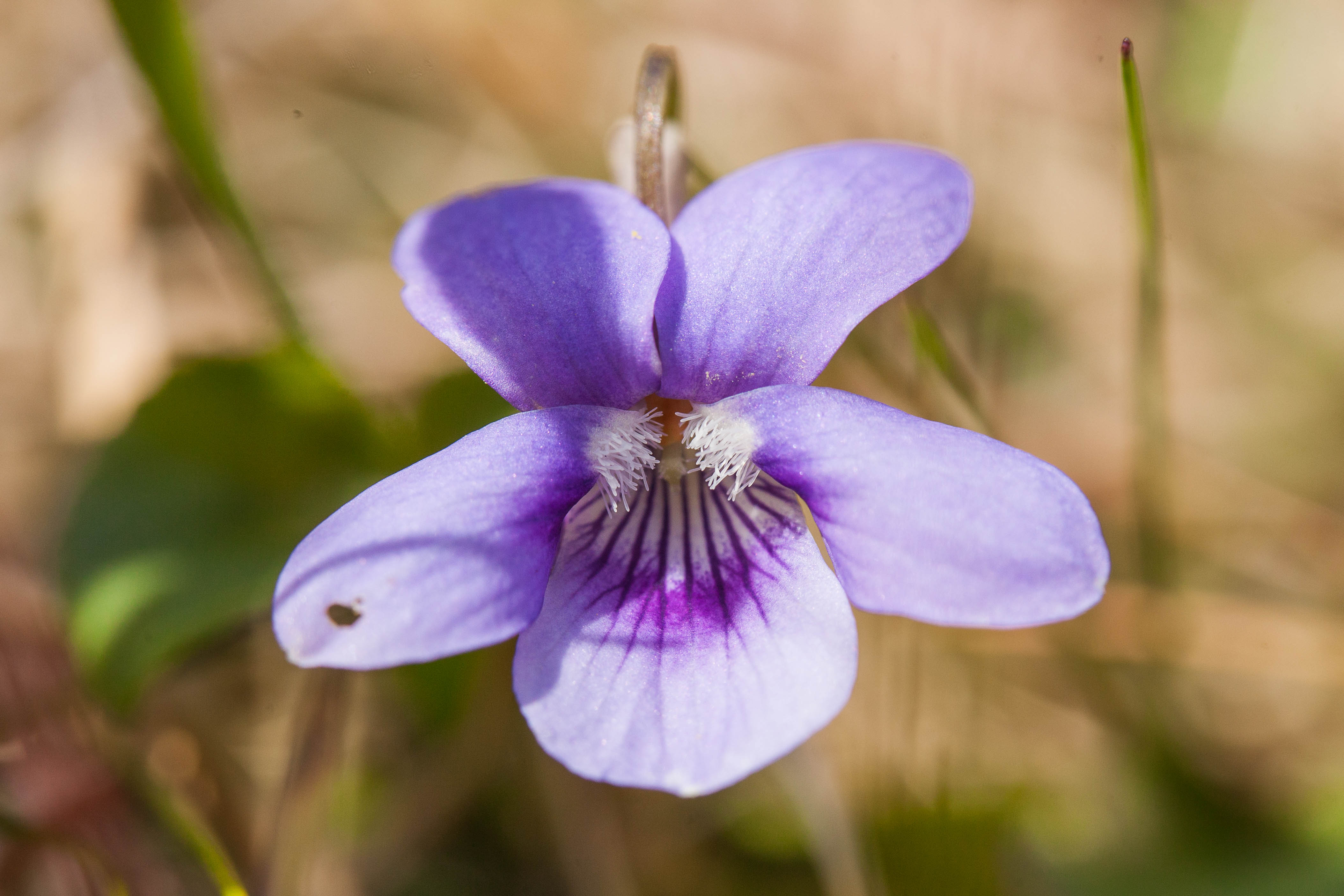
I headed further west towards Heathy Hill. Here I found a rather large cluster of blue-violet blooms and once again I was stumped. What if these were dwarf pansies and I hadn’t made full use of the opportunity? So, even though the petals looked a little large, I spent another twenty minutes rolling around in the grass getting very atmospheric photos of what could have been Scilly’s most common wildflower.

Back on St Mary’s that evening, at a wildlife talk at the village hall, I consulted Scilly naturalist Will Wagstaff about my finds. The second species I had found was dog violet, so not even a pansy sadly, but he couldn’t identify the first flower I found, which was quite intriguing.
IMG_0478

Learning to Birdlisten

Today marks the beginning of a new project: learning to birdlisten. It’s a much-used cliché but I have been an avid birdwatcher since I was a child. I’d sit out in the garden, hold as still as I possibly could, and after a while birds would begin to show, hopping out from under bushes and descending slowly from the treetops. This gradual emergence, the steady drip-drop of birds, was so exciting to me. The species would usually be very common – robin, dunnock, blackbird – but occasionally a blue tit or great tit would appear, and to my amateur eye these were very special indeed.

As my knowledge gradually improved, I began to notice more species and although the trusty robin and dunnock never grew boring, they lost their shine among more colourful or charismatic varieties. One by one I added birds to my repertoire, and although I didn’t notice my mental list growing, soon I could identify a wide range of species. Although waterfowl and waders had their charm, my favourites were always the passerines, or “perching birds”.

Passerines include a subgroup of species we call songbirds but are more accurately named oscines – birds that establish their territories by means of musical vocalisations. It never occurred to me why the singing birds attracted me most, until I turned my attention to listening for birds instead of looking for them, and then it became abundantly clear.

Birdsong is the soundtrack of nature. Even for me, a keen bird enthusiast, birdsong had blurred into the background of my time spent outdoors, nothing more than a pleasant backing track that accompanied my attempts to birdwatch. Why on earth did I let birdsong become such an unimportant feature of the landscape, no more significant than hold music? It was high time that I paid more attention to it, instead of letting it wash over my ears without acknowledgment. It is so true that we see but don’t observe, but it is also the case that many of us hear but don’t listen.

IMG_8860

Author of “Birdwatching With Your Eyes Closed” Simon Barnes points out that understanding birdsong allows us to see around corners. There’s a bird hidden up in the canopy somewhere, but unless you know its song you’ll never know what it is. I’ve had this frustration many times, when I see the distorted outline of a bird but no characteristic features that give it away. If I hadn’t neglected my auditory senses, I wouldn’t have been disappointed when the bird hopped further out of view.

And so begins my journey to learn the language of birdsong. It seemed a daunting prospect at first; to my untrained ear all chirrups and whistles sounded identical. However, like any problem, it is imperative to break it down, and that makes it far less intimidating.

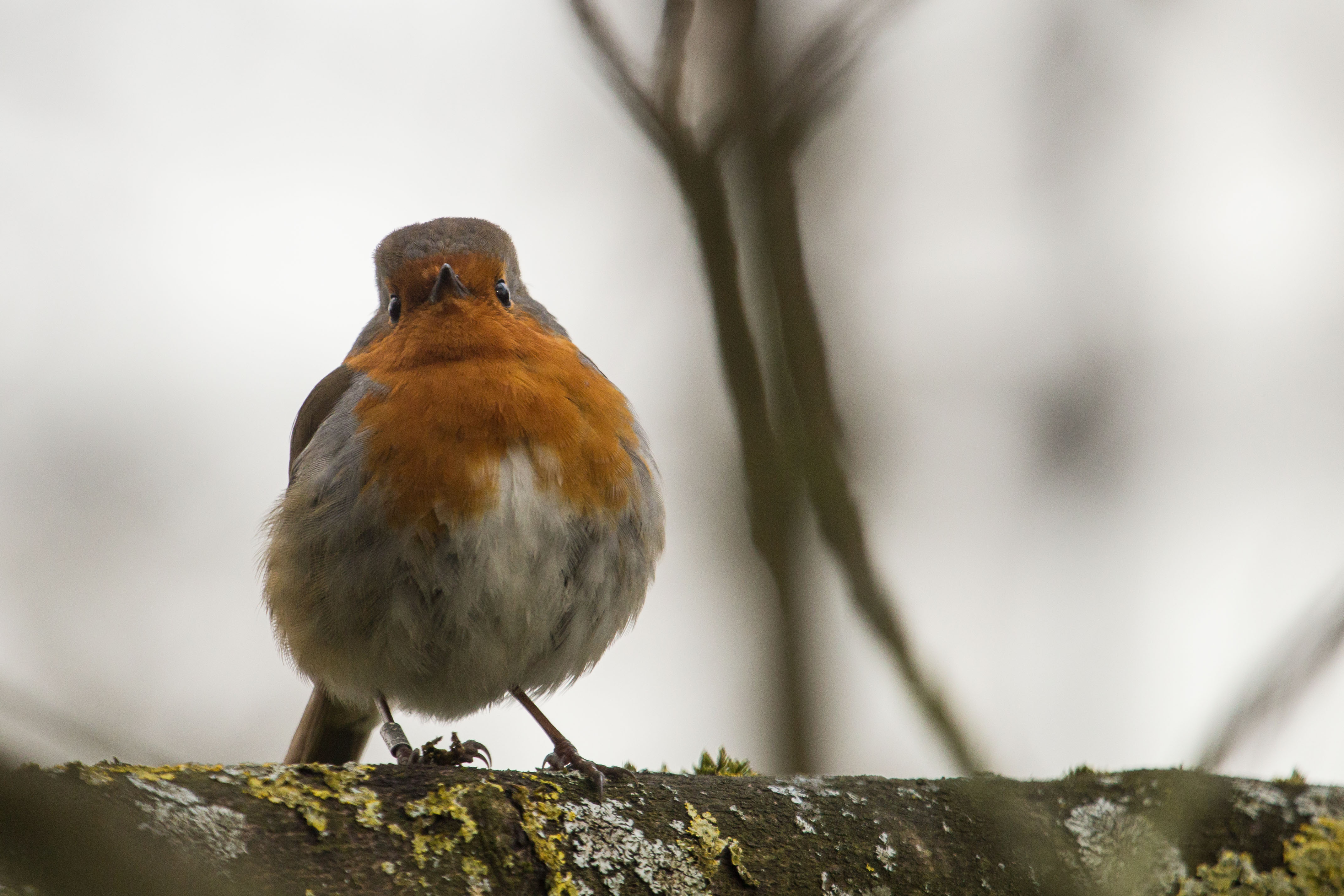
I have already made progress. First was the robin: an unmistakable bird in appearance, and a good place to start when learning birdsong because of its presence all year round. During the usually hushed winter months, the robin still sings, an isolated soloist filling cold air with thin, gentle melodies. Spring is by far the most frustrating time to begin birdlistening, so to hear the robin on a chilly February morning with no other avian distractions allows us to begin to tune into this new world I for one took for granted.

IMG_8893

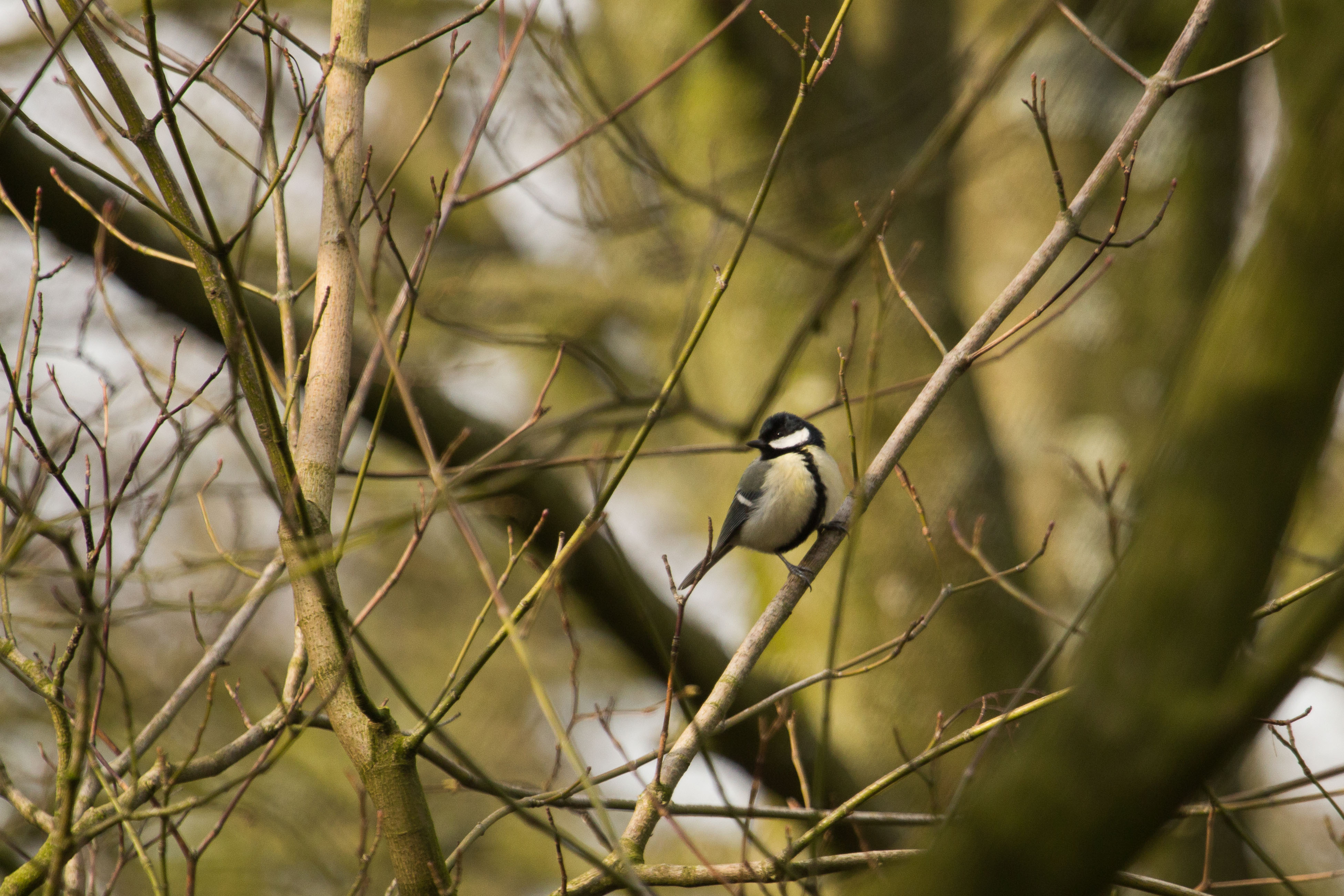
The wren also sings in winter, but has a far louder song bordering on rowdy. For such a small bird, the song bursts out of hedgerows, with a telltale trill at the end of some phrases, like a twirl of icing atop a cake. Then there is the two-note song of the great tit, like the squeak of a saw being pulled back and forth.

And so on. Already my ears are filling with birdsong and I’m really listening this time. Acquiring the skill of understanding this rich and varied language will not only help me become a better birdwatcher, but it will pave the way to a clearer understanding of nature as a whole – appreciating nature’s vibrant soundtrack.

IMG_8853


The Freeze

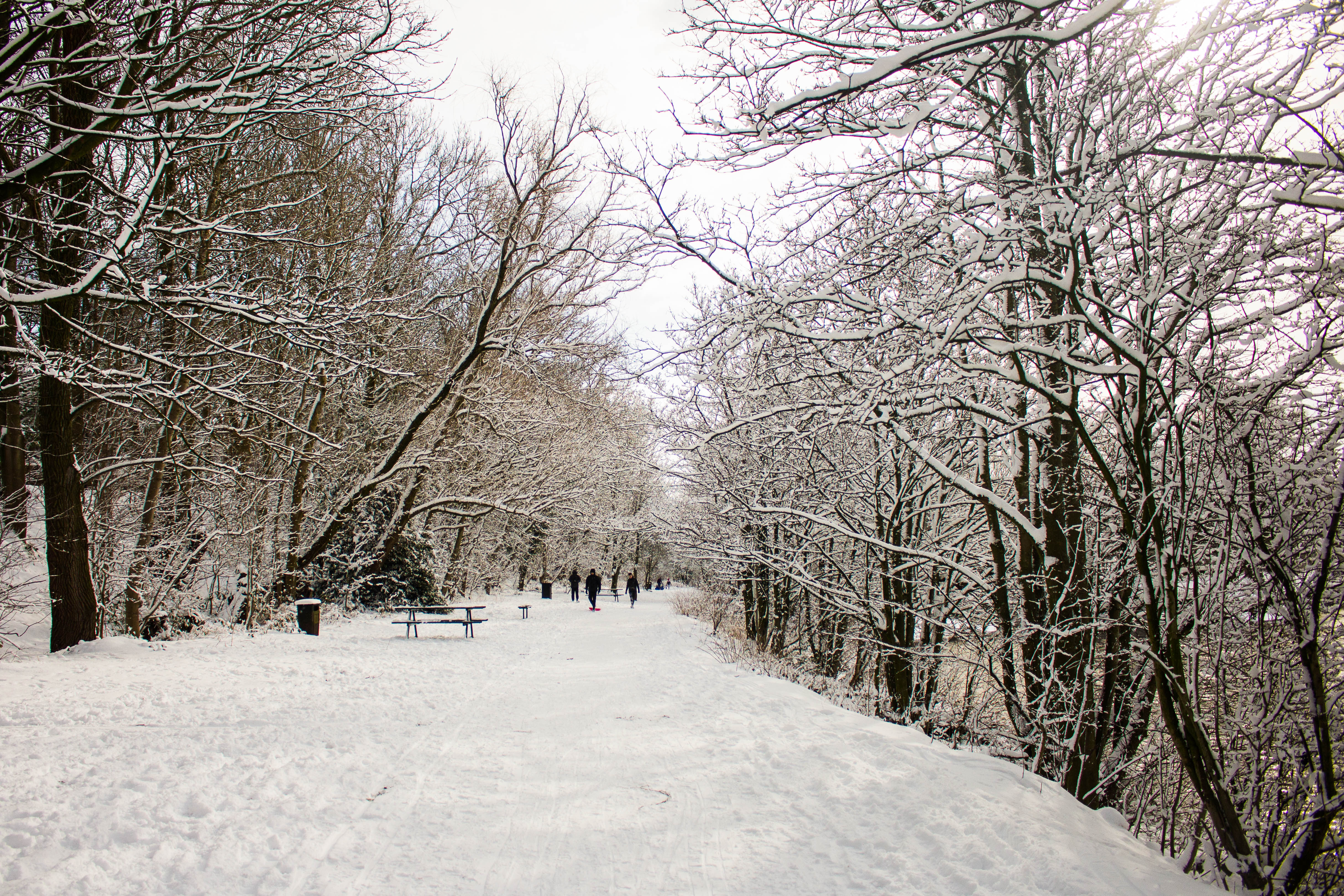
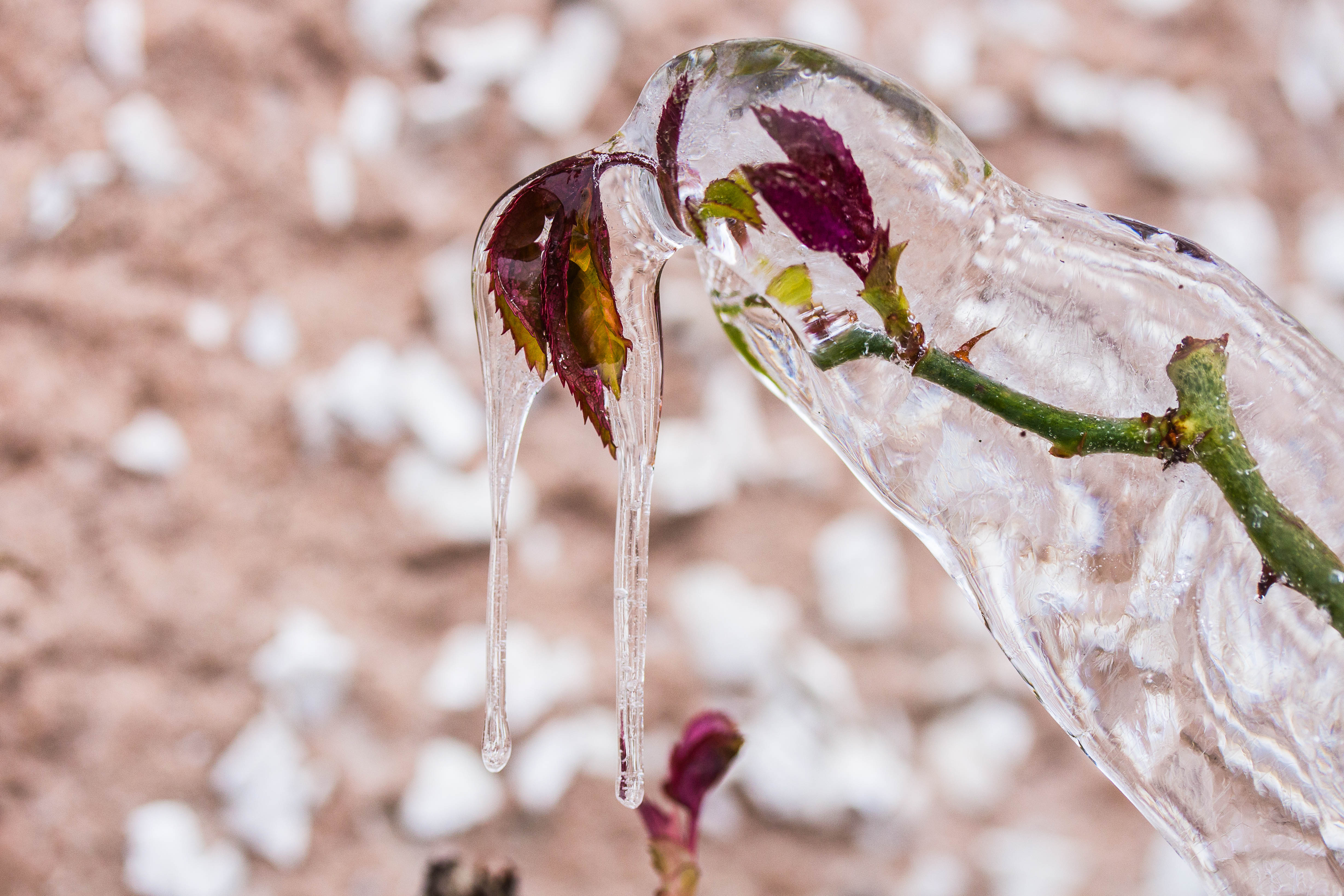
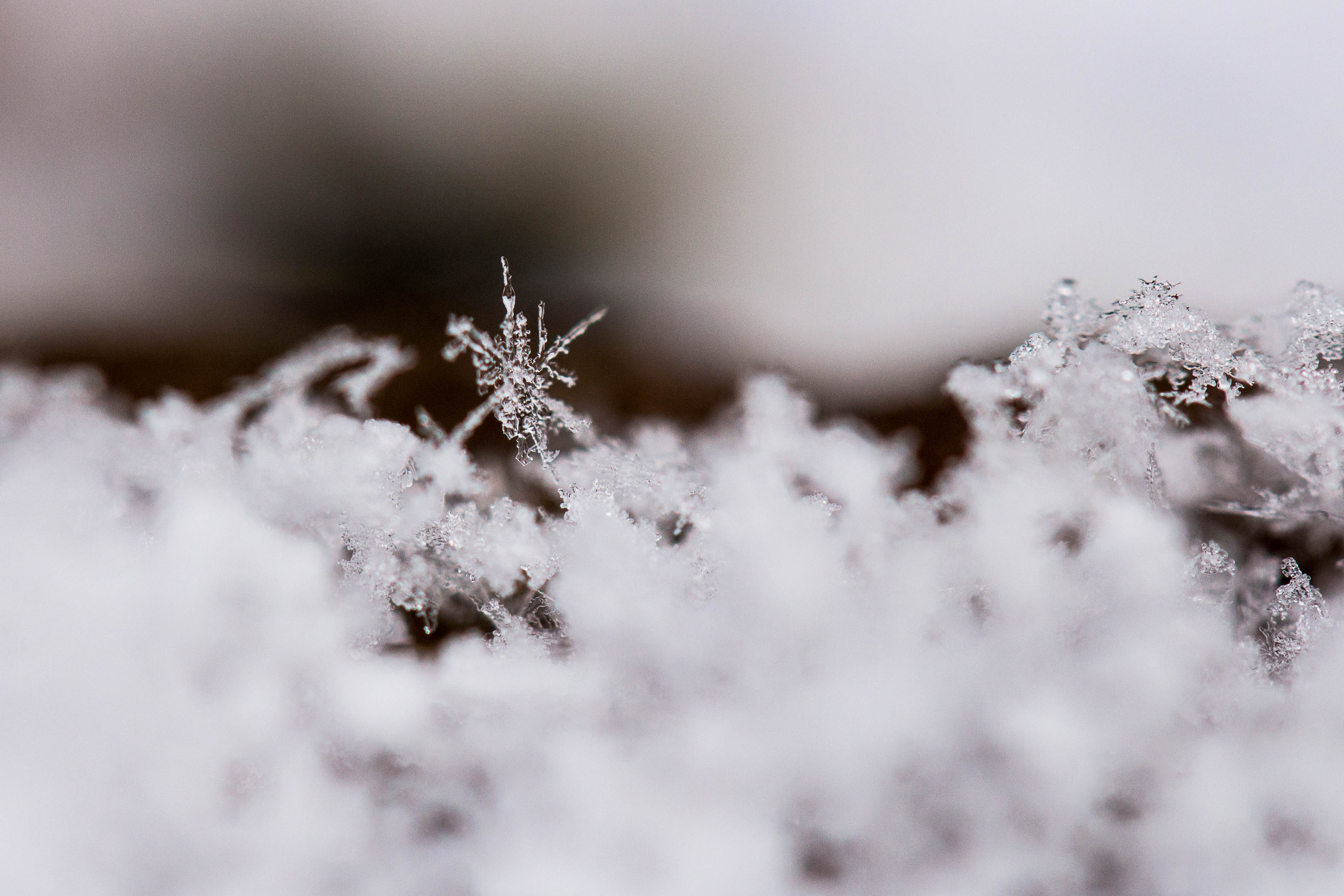
The snow was here again. It descended from the skies in heavy drifts, flakes swirling as they came to rest. All through the night the snow fell, dramatically silent, and when morning came everything was smothered in pristine white icing: irresistible.

IMG_9050

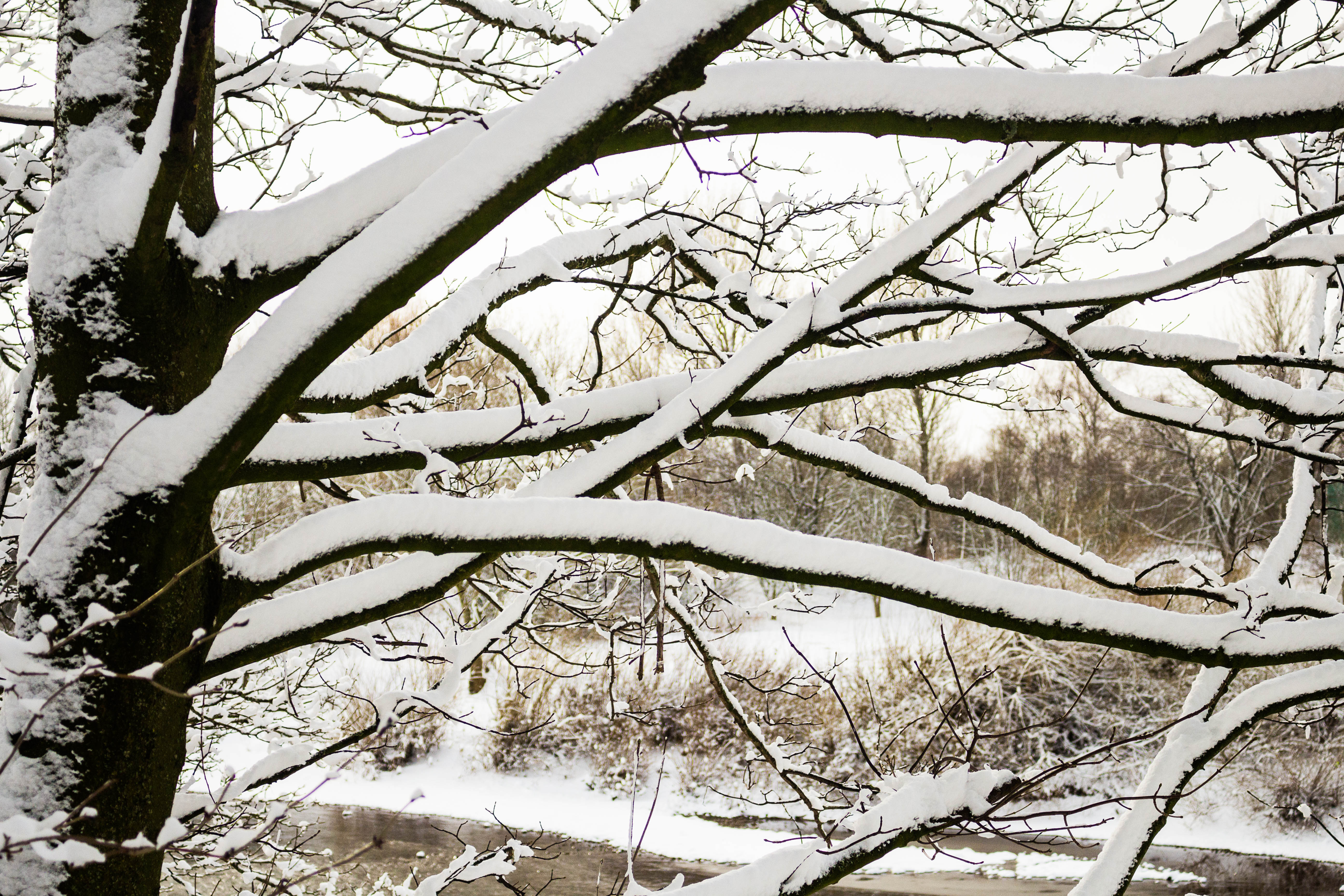
Outside there was a chill that tightened the lungs, so cold was the air that even breathing in felt like getting smothered in snow. Each branch was cloaked, giving the impression of an overly enthusiastic artist splashing every bough with thick white highlights. Undisturbed snow on the sides of the track glistened, catching the light and sparkling with wintery luminescence. On the cusp of March, it was more of a spring wonderland than a winter one, and yet it could have easily been Christmas morning.

IMG_9046

Up in the trees, a whisper of falling snow betrayed the presence of a blackbird, sending tremors up the branch that dislodged loose flakes. A male, black feathers stark against his festive background, spotted with rich red berries and the undersides of dark leaves. He chirruped softly, his song more melancholy than it should be.

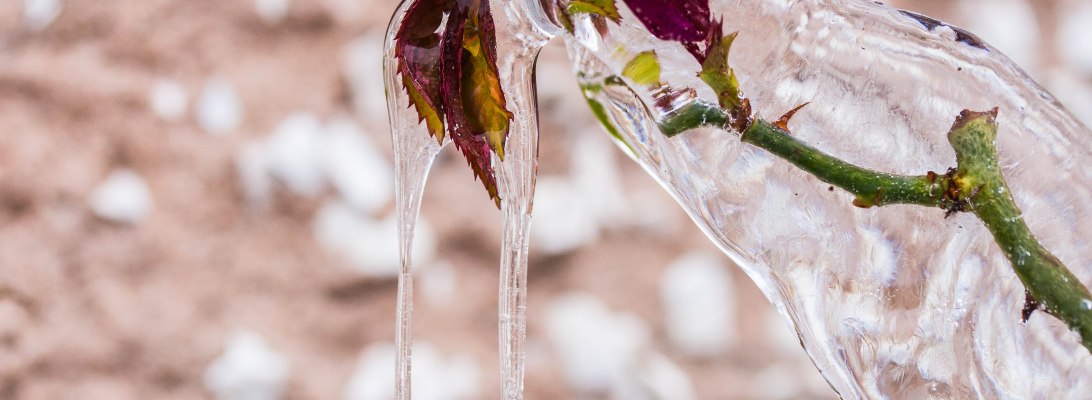
A man passed me on his bicycle, his tyres crackling like static feedback that faded as he disappeared. The landscape quietened again, a deafening silence only found with snow, when the world stops and waits with baited breath for this unexpected phenomenon to pass. It is a time when even nature stands still. Water is stopped in its tracks, defiant of gravity’s pull.

IMG_9063-2

Sloping down the bank to the river was a series of deep tracks, dogs mingled with hopping birds. The ever-falling snow began to repair the damage, forming undulations of half-hidden footsteps with softened edges. A wren sped past, trilling its bold song that seemed too big for its tiny lungs. What must the birds think? Have they anticipated this, read some sign in the climate to help soften the blow? The already challenging task of finding food in winter just became more trying, a test of strength and endurance in such temperatures.

IMG_9012

After a while my feet began to grow numb and my stomach rumbled. As I trudged back up the track, curving away from the coursing, white-framed river, I thought how I would snuggle up in my warm house with something to eat. I glanced back over my shoulder and saw a song thrush foraging. It had a snail pinned in its beak, and was cracking the shell hard on a rock. Such work the birds put in, when all I needed to do was open a can of soup and I’d be warm.

Back at the house, I peered outside and saw the feeder swinging empty again. Thinking of the blackbird, wren and diligent thrush, I hurried into the garden and replenished the feeder with rich fatty seeds, sprinkling some on the ground for those too heavy or timid to feed from the plastic perches. The birds needed all the help they could get.