Nature’s Fisherman

It was time once again for a wander in the wild. Kacper had told us about a kingfisher he’d seen on the River Caldew, so Zahrah and I met him in town and we set off. I’ve had two kingfisher sightings both in Cumbria, one with my camera one without. I managed to get the speedy bird in frame for one of my shots, but I wanted to slightly improve on an indistinct electric blue blur this time.

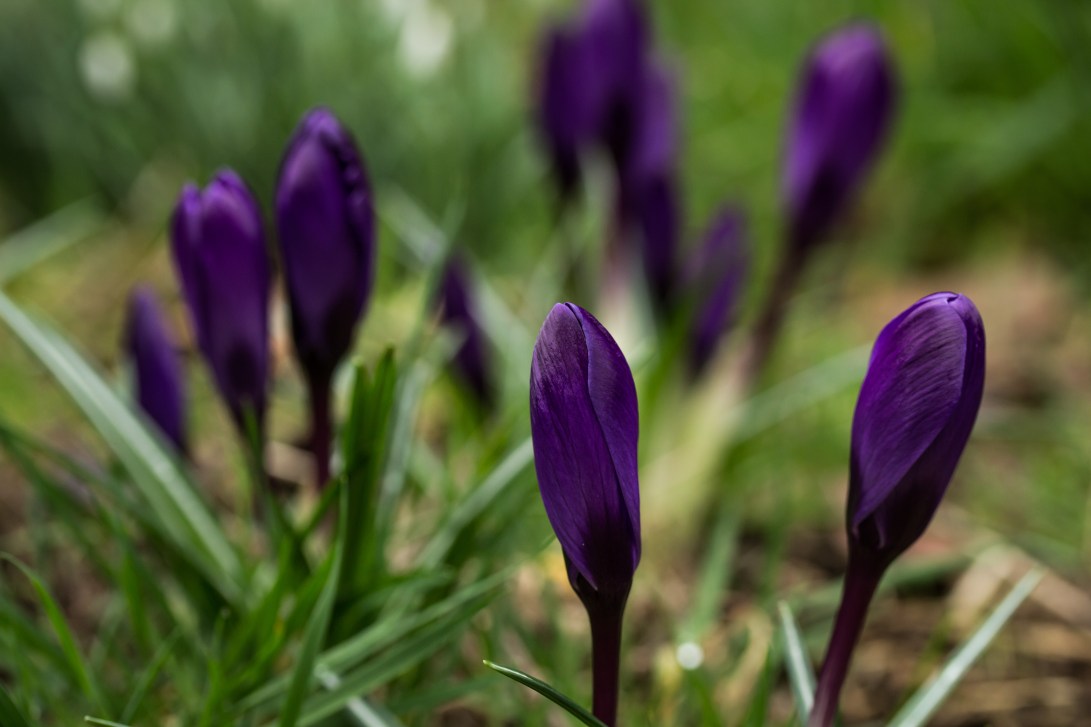
It was so refreshing seeing the first signs of spring. Little pops of colour speckled the green grass as snowdrops and crocuses stretched out of the cold, hard ground – dainty little warriors taking on the end of winter.

img_9572img_9580

We were met at the river by a smoky grey guardian – a feathered old man that stood hunkered up at the top of a tree. The heron surveyed his river with grumpy indifference. Zahrah is under the impression that these birds are beautiful. While I can’t quite agree on that, they are a spectacular looking species that always draw my attention, whether they’re sat slouched on a branch or flapping through the air with spindly dangling legs.

img_9644

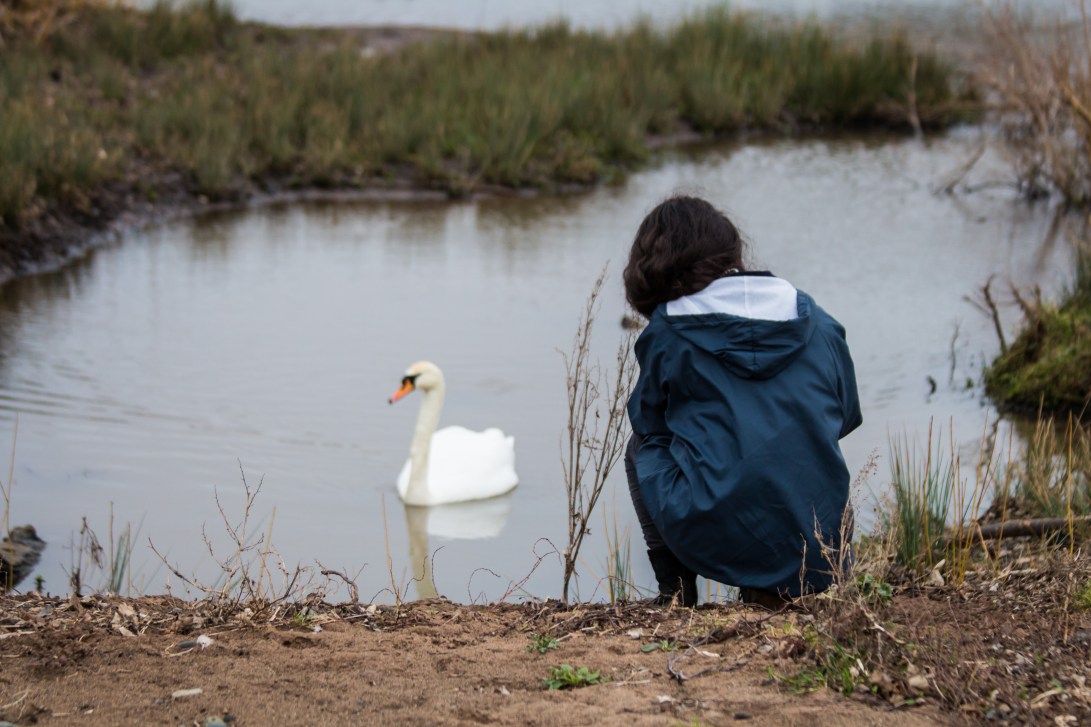
After leaving the heron behind I spotted the elusive kingfisher, so we followed it along the river bank as best we could. In the meantime, Zahrah had a play with medium format film, and attracted a couple of inquisitive mute swans.
img_9684

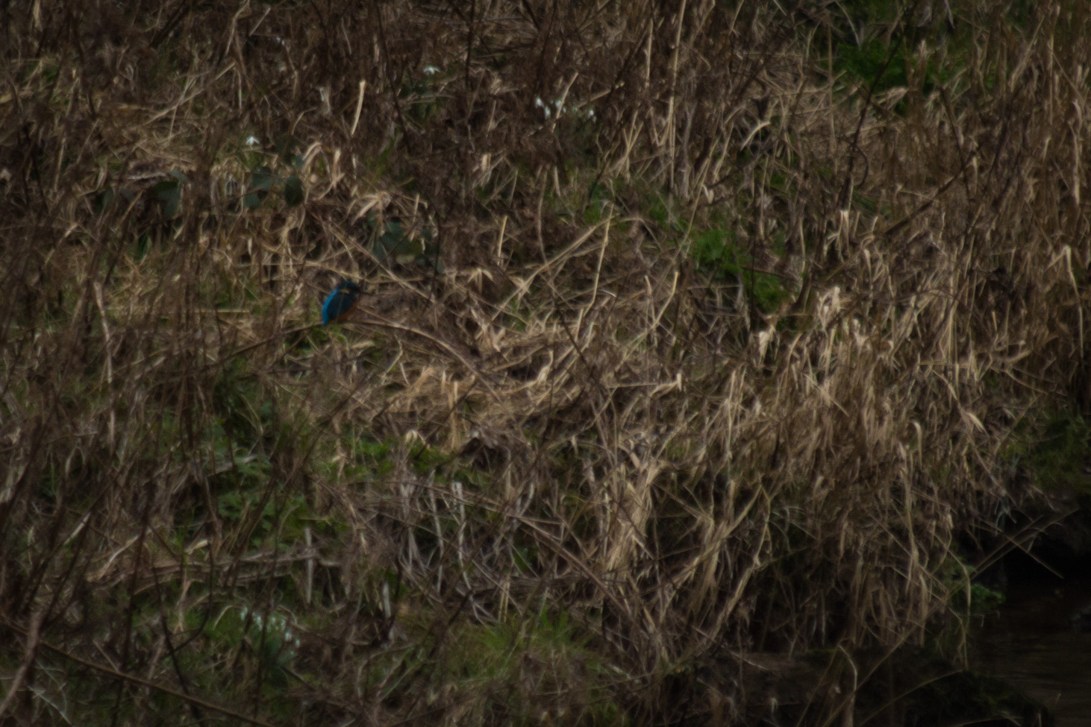
Despite the slow emergence of spring, it still got bitterly cold and before long the light began to fade. We were just about to head for home when another flash of blue shot across the water. Hurrying across the bridge, we staked out the riverbank and managed to spot the kingfisher resting amongst the scrub. It’s still not the best kingfisher photo ever taken, but it’s a vast improvement on my last – you can even see it’s an animal this time!
img_9668

Camera Trap: A week in January

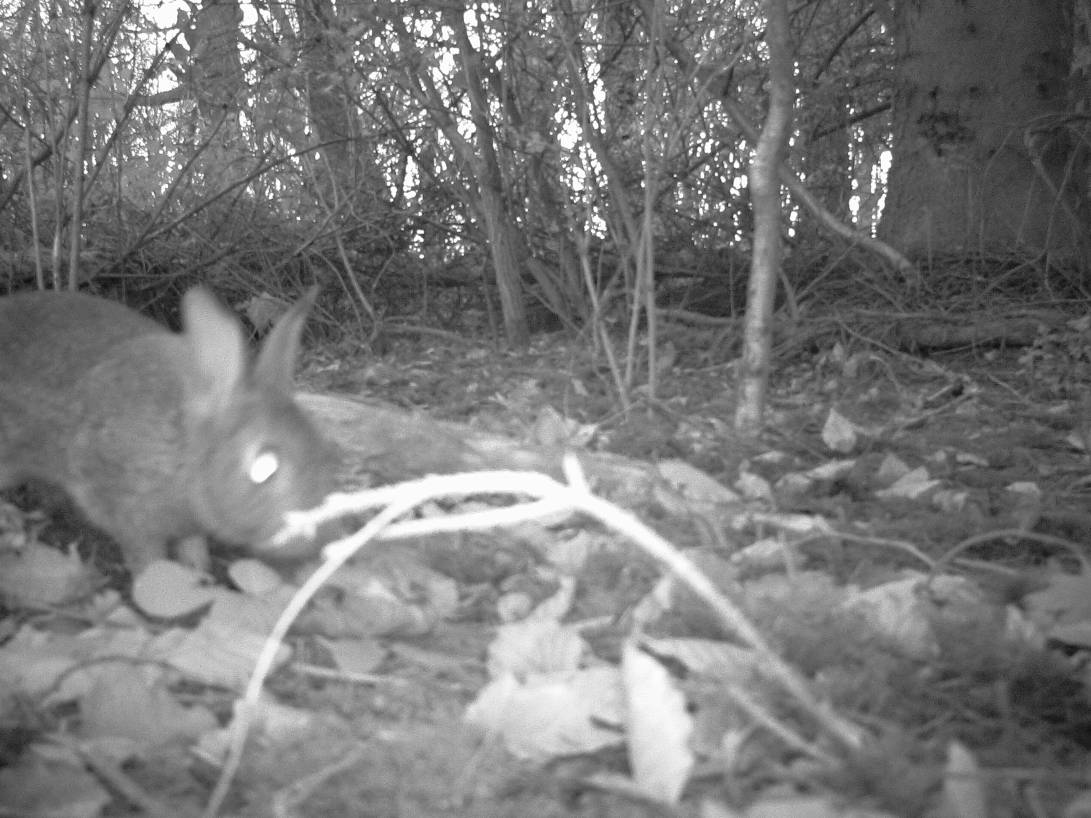
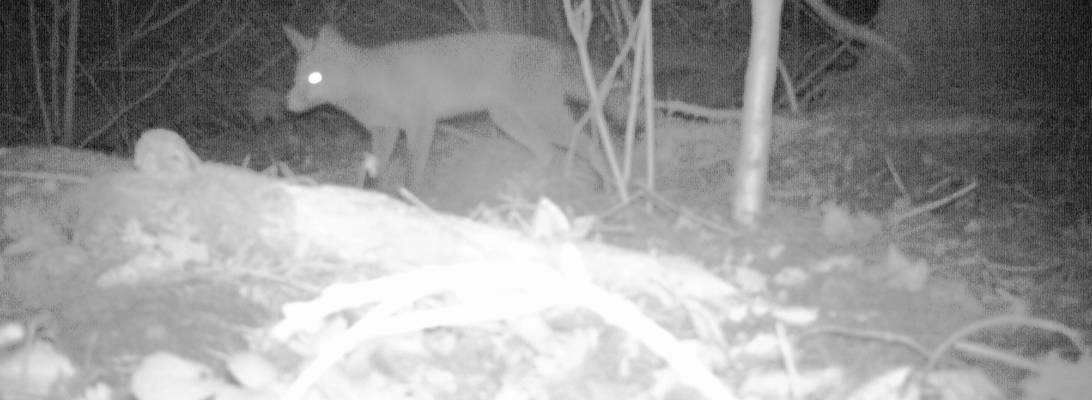
In many cases, wildlife can only be truly photographed without the photographer. After falling in love with Kingmoor South, Zahrah and I decided to set up camera traps to see what we could find. We had just attached all three traps when we realised we’d forgotten to bring bait, but decided to leave them a week and hope for the best. When we returned, we were thrilled to discover we’d had some visitors.

imag0038
European rabbit (Oryctolagus cuniculus)
imag0176
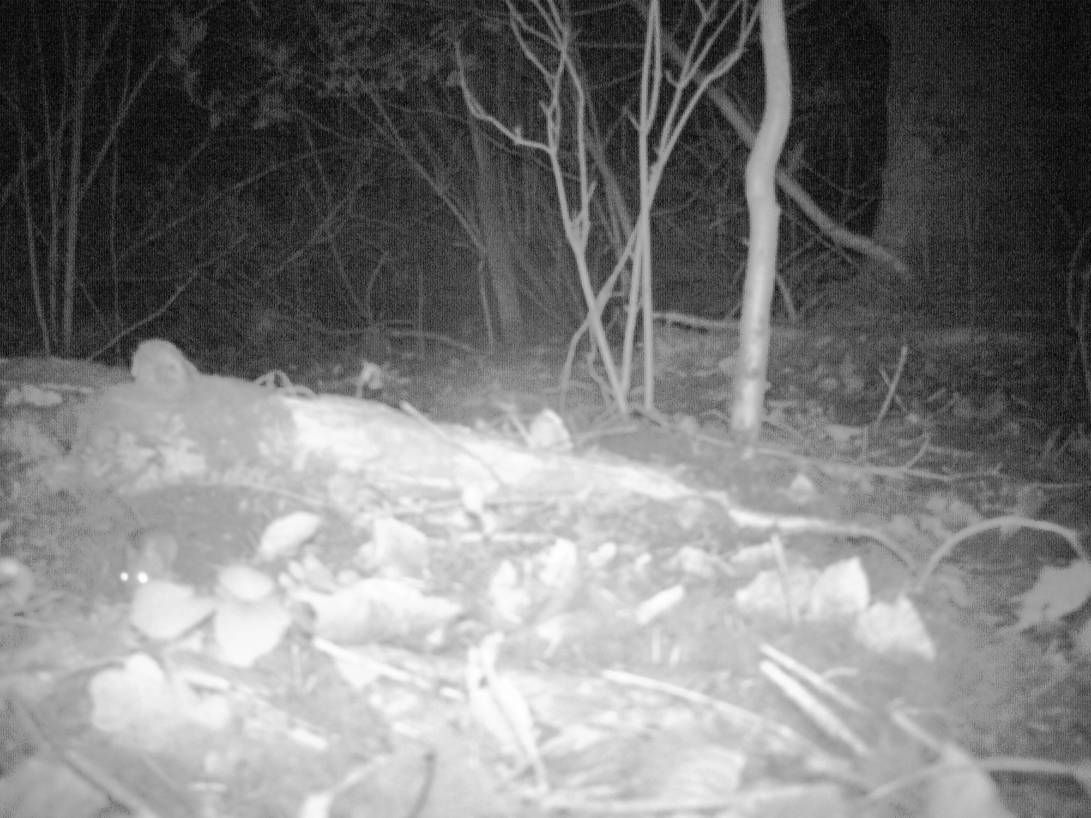
Wood mouse (Apodemus sylvaticus)
imag0058
Red fox (Vulpes vulpes)
imag0073
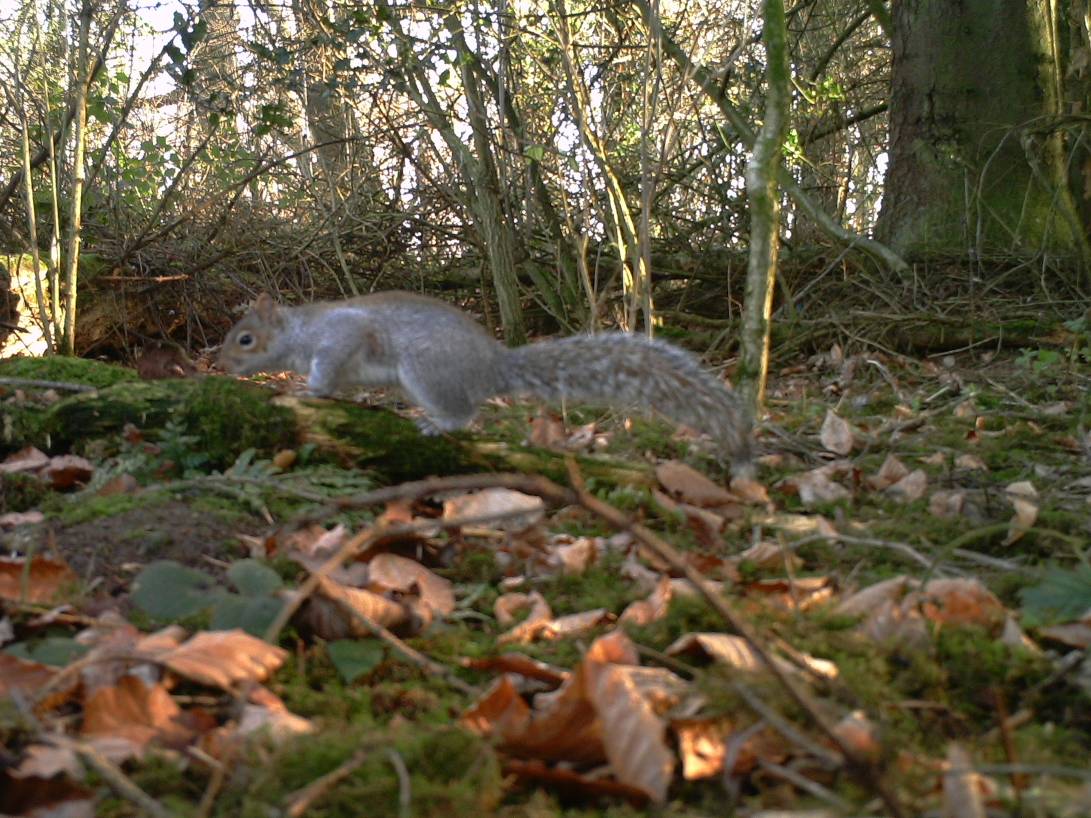
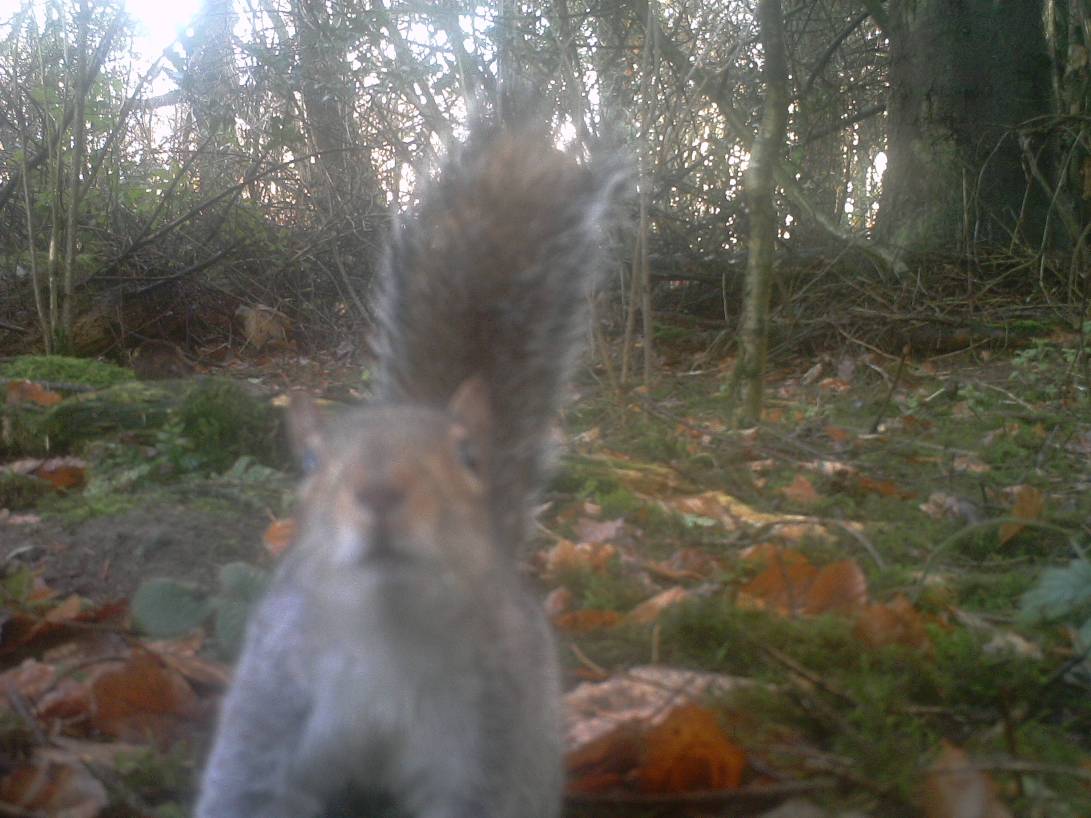
Grey squirrel (Sciurus carolinensis)

imag0139

I reckon we’ve found a good patch for traps, so I’d love to plan a second trip and set them up again. I’ve got my sights set on catching a badger…

Hiding Under Toadstools

It had been way too long since Zahrah and I last went on an adventure, so on a grey, cloudy Friday morning we headed out to Kingmoor South and North nature reserves for a wander. The aim was to train our senses and become expert animal trackers. We had our hopes on finding owl pellets and maybe even the fabled “Beast of Cumbria” – I share George Monbiot’s rather pessimistic opinion on a black panther stalking sheep in the Lakes but that’s a whole other blog post.

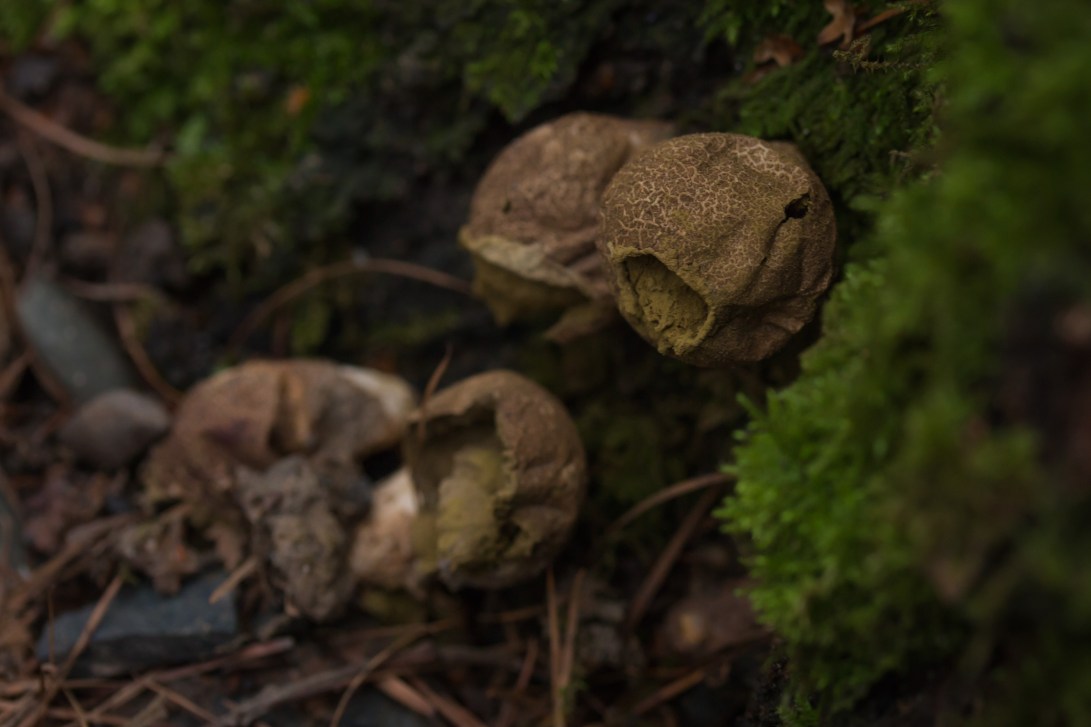
img_9258
Common Puffball (Lycoperdon perlatum)
img_9304
Frothy Porecrust (Oxyporus latemarginatus)
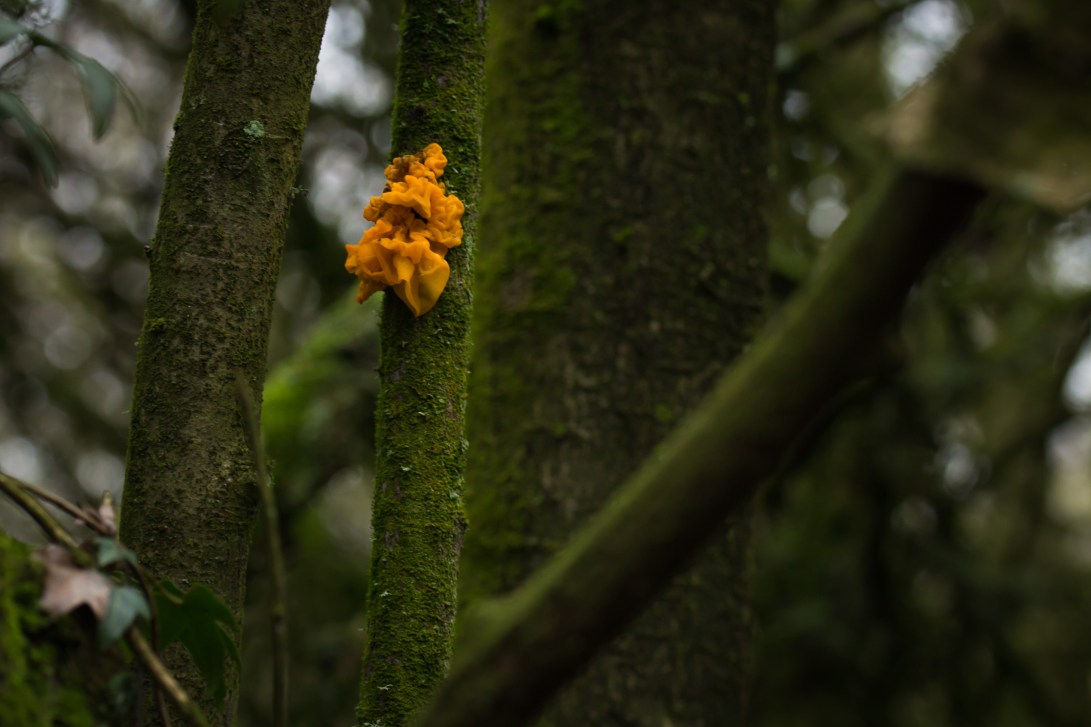
img_9266
Yellow Brain (Tremella mesenterica)

Sadly our adventure was pellet-less, but what we did find was a lot of fungi. I’ve been really interested in macro photography recently, and have subsequently been spending a lot more time crawling on the floor finding tiny things to photograph. I never realised quite how extraordinary fungi could be – so many shapes, sizes and colours. Like every naturalist I’d love to be a wild forager and have a nibble on the safe varieties, but after trying to name the ones I’d found I discovered it was dangerous territory. Take Morel (Morchella esculenta) for example, an egg-shaped cup fungus that apparently tastes wonderful. Then take its almost-twin, False Morel (Gyromitra esculenta), which can be fatal and even after careful preparation is believed to cause cancer. Nature is a cruel mistress indeed!

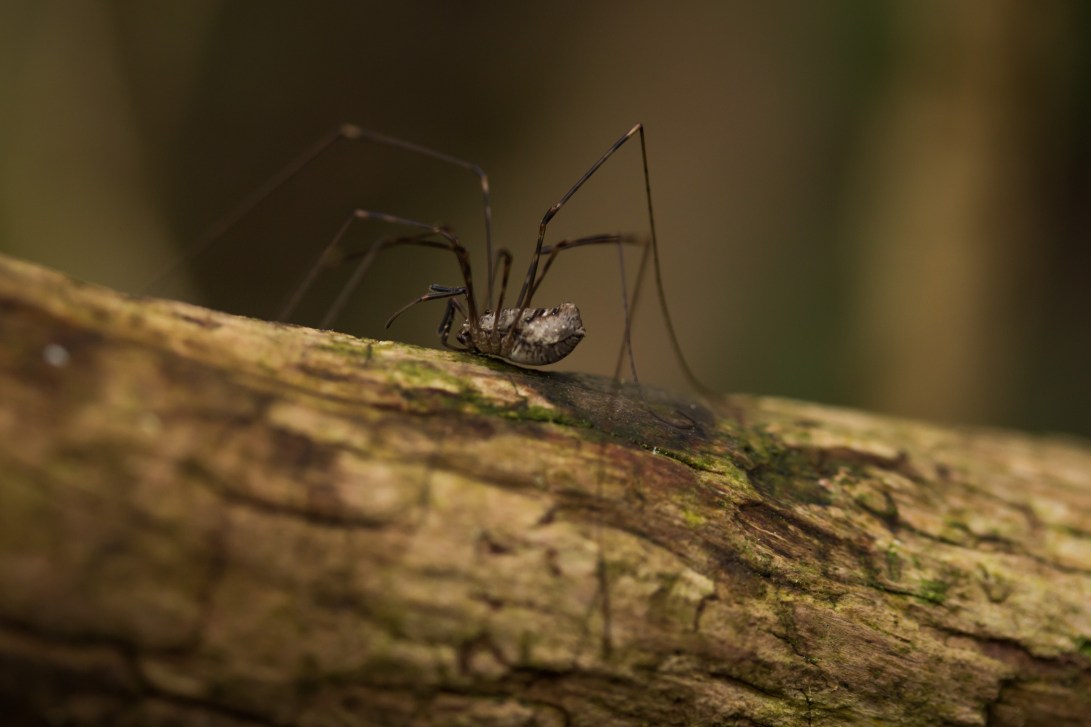
So we decided against finding a snack and stuck to taking photos of the fungi we found. Zahrah graciously held a branch up while I crawled underneath to photograph a group of Jelly Ears. I was mid shot when I heard “aw look at this little spider” over my head and regretted every decision I’d made getting to the Jelly Ears. The little critter was a harvestman (Opilione), and luckily he was only small so I was even brave enough to take a shot of him before he scuttled away.

img_9293
Harvestman (Opilione)
img_9285
Jelly Ear (Auricularia auricula-judae)

We ate our lunch on a bench nestled amongst the vast oak trees, the forest floor covered in a crunchy bed of orange and brown. It was eerily quiet, even for a forest landscape. I can’t wait for the spring when the air will be alive with birdsong again. Winter has its own magic, but it can’t be denied that spring is when nature truly shines.

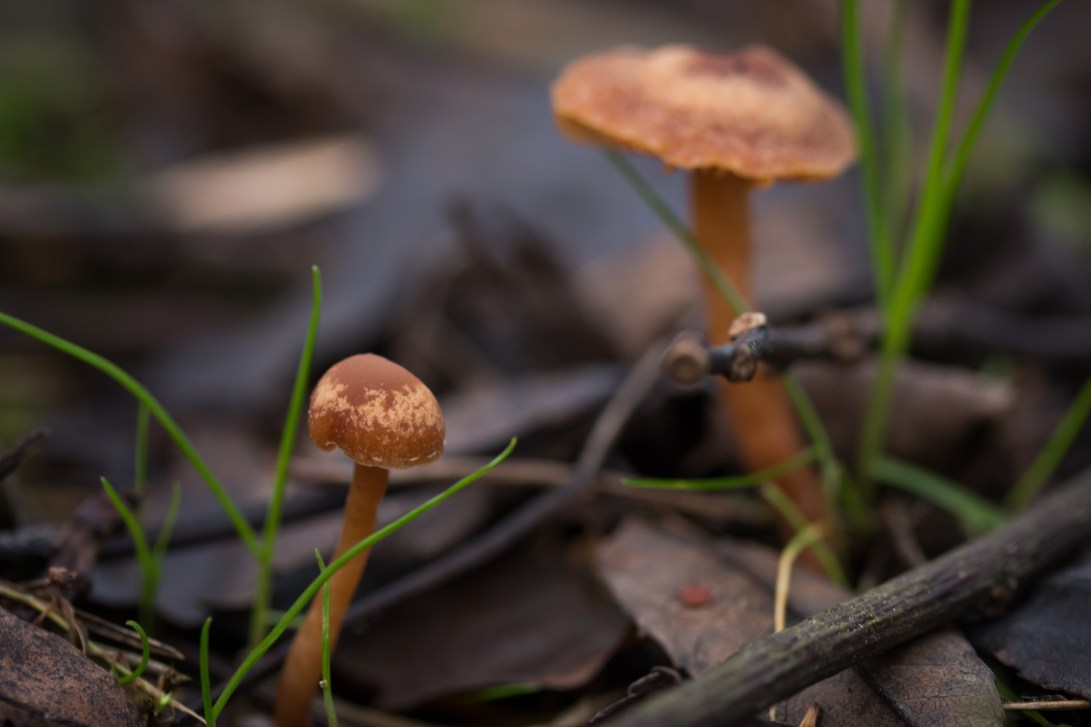
img_9115
Brown Mottlegill (Panaeolina foenisecii)
img_9100
Candlesnuff Fungus (Xylaria hypoxylon)

Waxwing Hunt

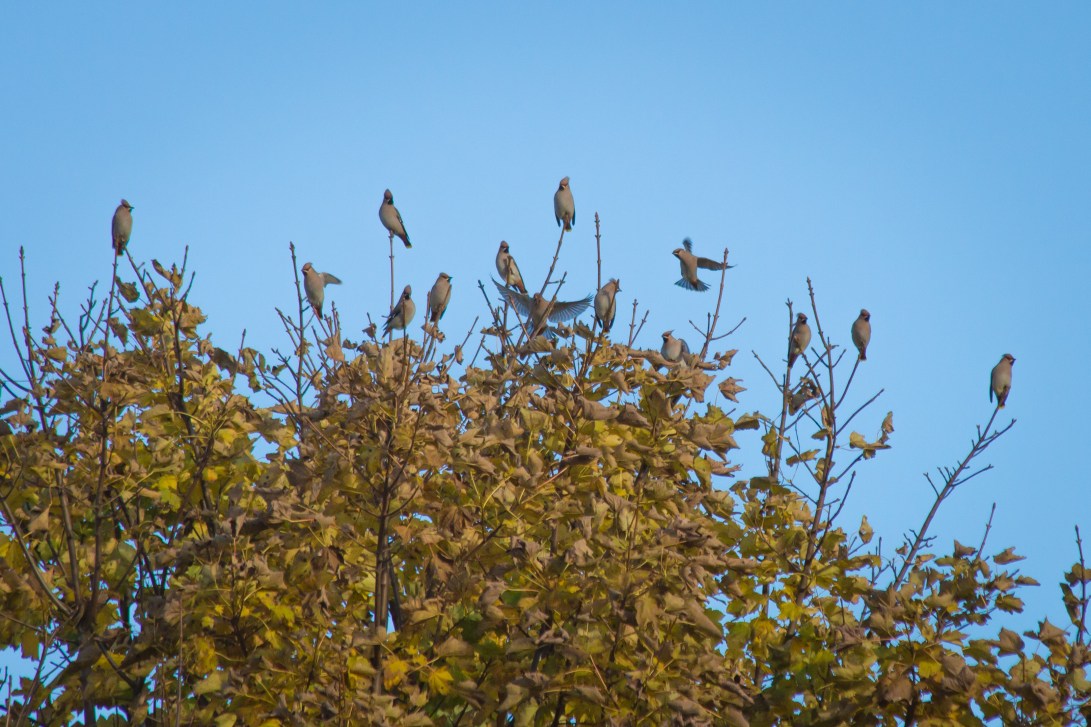
On Friday Zahrah and I seized the day and drove out to Brampton, a town a short drive from Carlisle. We’d heard that the waxwings (Bombycilla garrulus) had been sighted there and we both wanted to tick this incredible bird off our wish lists, do decided to try our luck finding them. Waxwings arrive in Britain in winter and spend their time feeding on fat red berries.

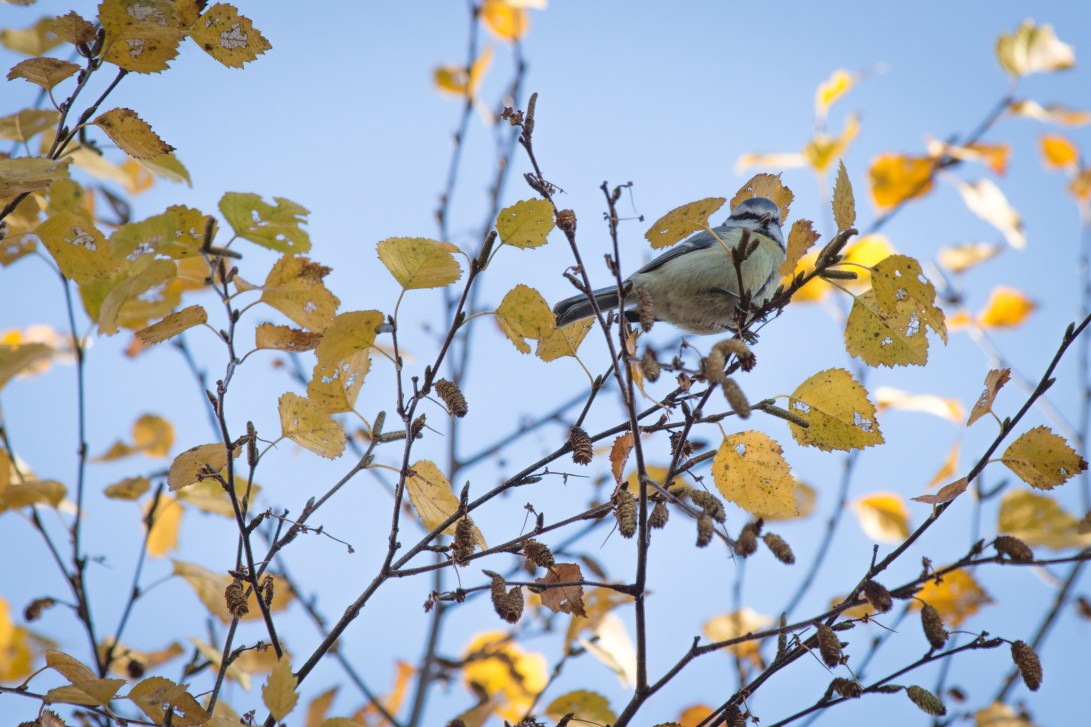
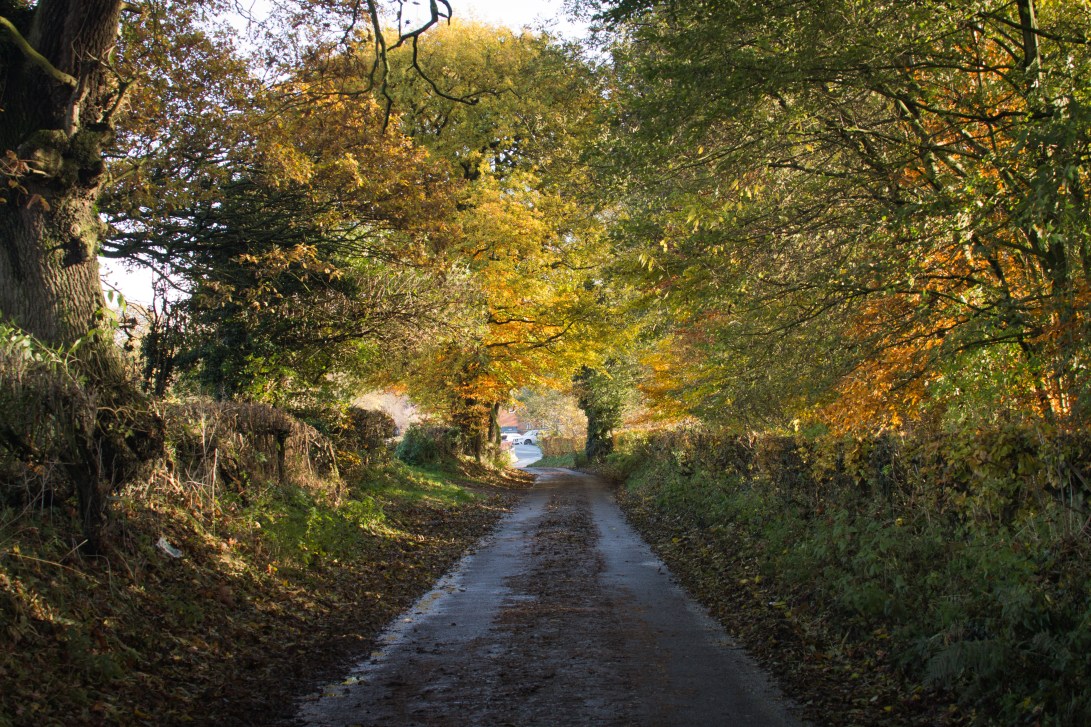
After getting briefly lost and befriending several old people who told us what they knew about the birds’ whereabouts, we spent two hours wandering around residential streets carrying tripods and a felled tree, more appropriately named the Canon 50-500mm lens. We saw chaffinches, goldfinches and several tiny wrens hopping between the fruit-laden branches, but not the jackpot we were after. The trees looked beautiful with their autumn coats, so we had plenty of other photo opportunities.

img_8090

img_8082

The car permit was soon to run out, so we started to head back. I’d just put the monster lens to bed in my bag when Zahrah noticed some dark dots at the very top of a nearby tree. On closer inspection, we were thrilled to discover we’d found our waxwings. A manic struggle to retrieve the telephoto lens ensued and I managed to take a few, slightly hazy shots. They didn’t come any closer, but I was mostly chuffed that we’d seen them. Decent photos can always come later.

After our success, we got lunch at Cranstons’ Food Hall and headed back to uni, just in time for our afternoon lecture.

img_8127

img_8105