My Top 5 North East Beaches

Extending from Moray’s western border near Nairn, along the Moray Firth and all the way around the right-angled wedge of Aberdeenshire, the North East coast of Scotland covers over 200 miles of coastline. Read on for my top five beaches along this stretch, from west to east, where you can spend the day foraging for shells, watching wildlife or just soaking it all in.

FINDHORN

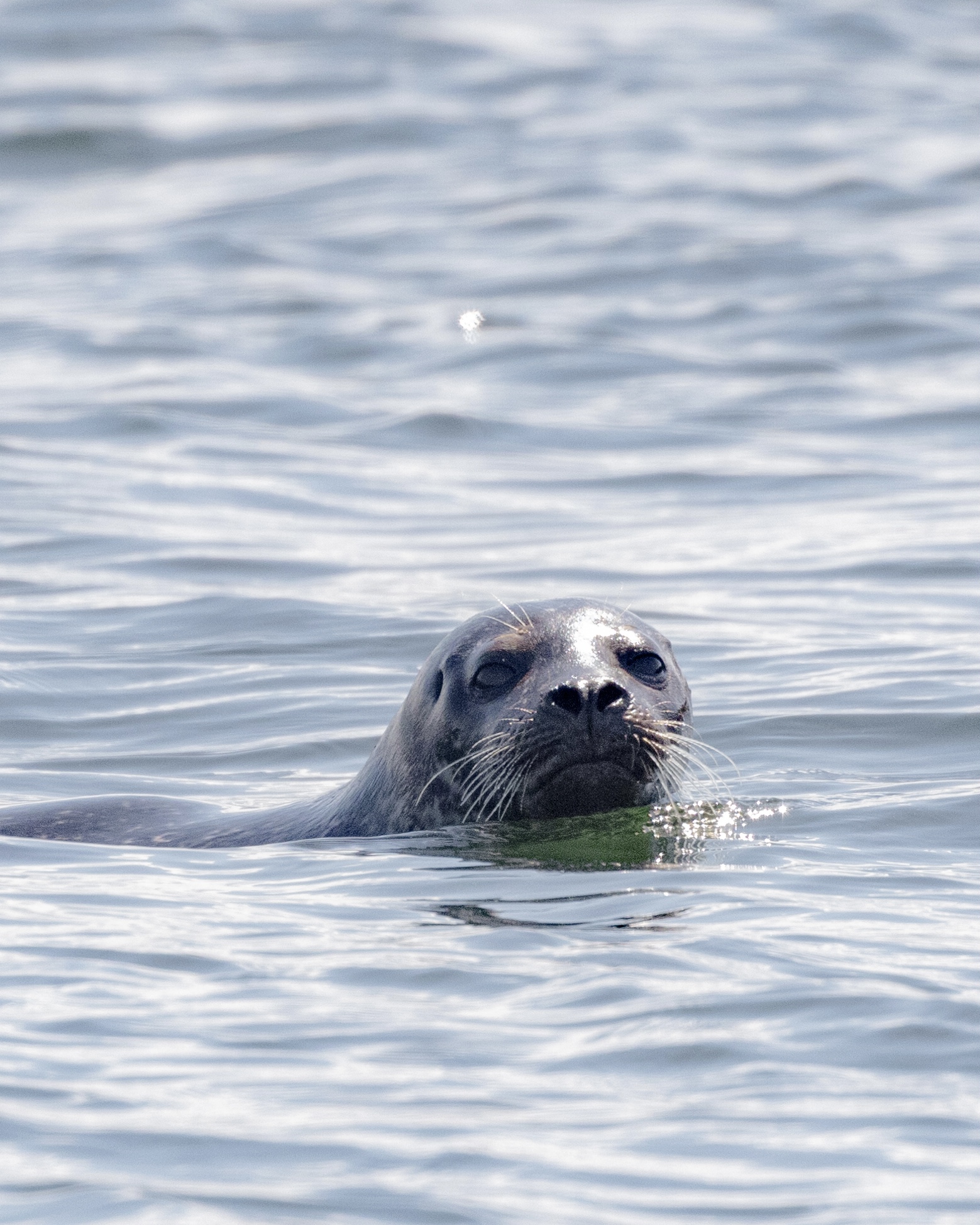
Findhorn has a beach of two halves. Surf down a steep shingle bank onto an expanse of fine sand, revealed at low tide. The bay here is known for its seals – depending on the tide they might be hauled out on the beach (if so then keep your distance) or bobbing in the shallows.
Covesea

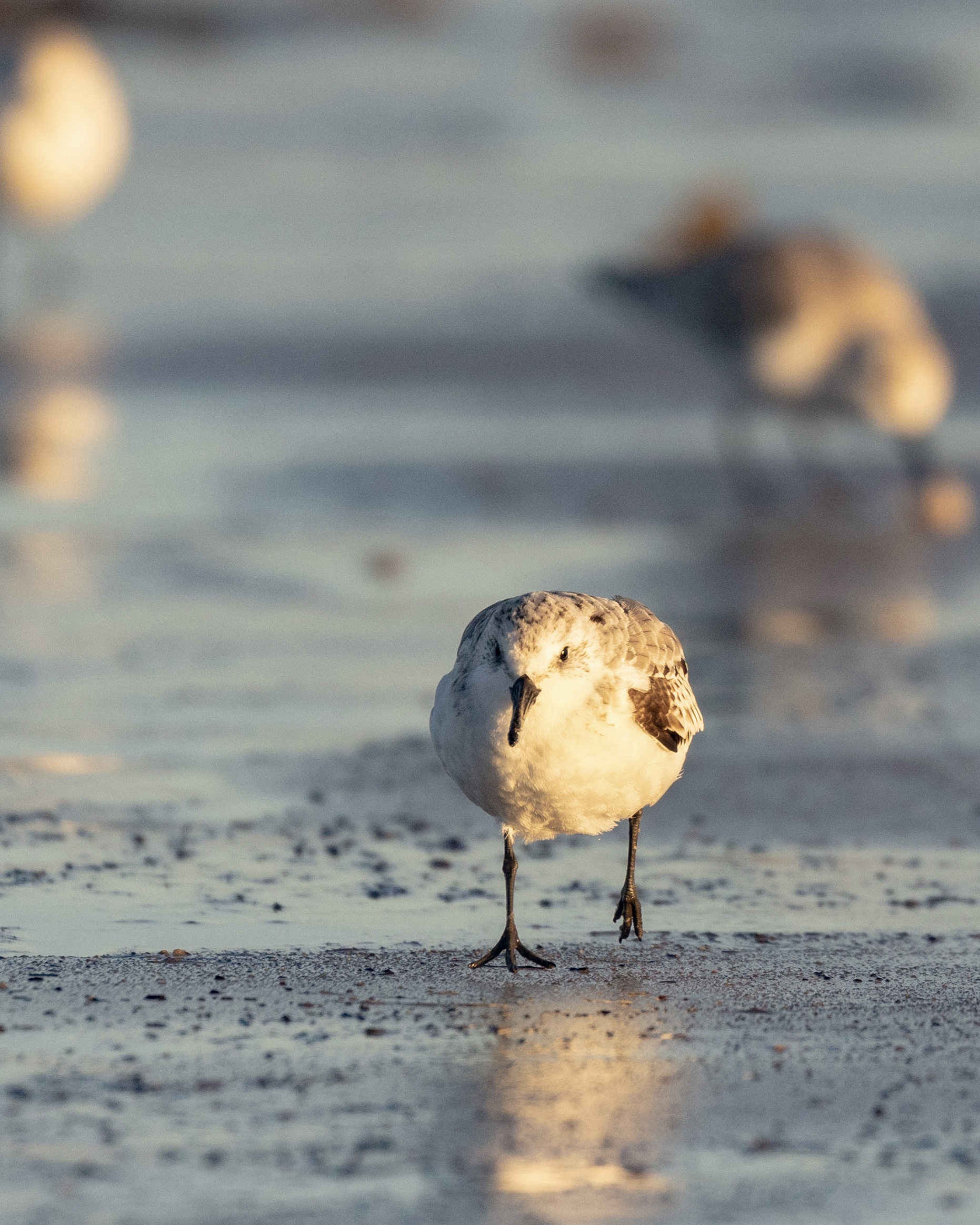
At the foot of Covesea Lighthouse is another sandy beach, running to nearby Lossiemouth. As the tide recedes on quiet winter days, you might see sanderlings feeding here. They move in sudden bursts like a breeze has swept them up.
Sunnyside

A lesser-known spot, Sunnyside is close to the ruin of Findlater Castle. Perch on the hip-high bank or roll your trousers up and explore the rockpools that collect among the geometric rock formations.

St Combs

The fishing village of St Combs, five miles southeast of Fraserburgh, has a curved beach facing east, making it a good sunrise location. The sand is the colour of Biscoff even on an overcast day, threaded with narrow water channels trickling into the bay.

Forvie

Forvie National Nature Reserve is 13 miles north of Aberdeen and famous for its magnificent shifting sand dunes. Watch seals and a variety of birds on the River Ythan or venture north along the beach and join walking trails through mixed heather and marram grass.


You May Also Like

Nature Spots in Aberdeen
Living off the Scilly Land

For my final major project at university, I am journeying to the Isles of Scilly for a photography project on this wildly diverse archipelago. My focus is currently the unique wildflowers of the islands, some of which are not found anywhere else in the UK such as the dwarf pansy. However, to broaden my understanding of Scilly (and also because it recently snowed there which has made me question my chances of seeing wildflowers next month), I have been researching how the first human residents used the land and its resources, which in some cases are vastly different ways to today.

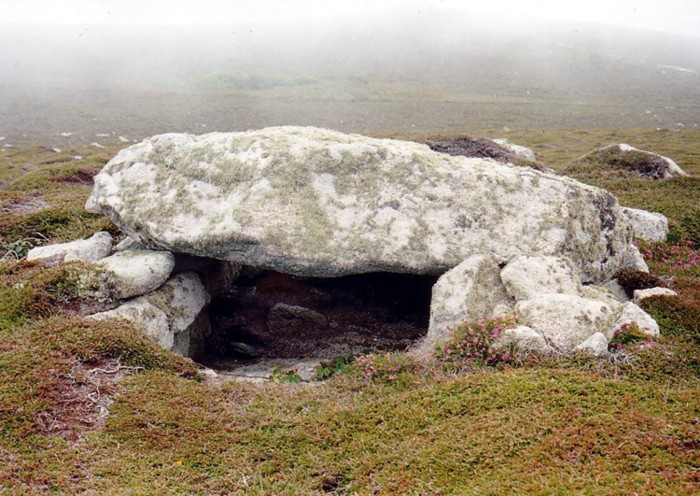
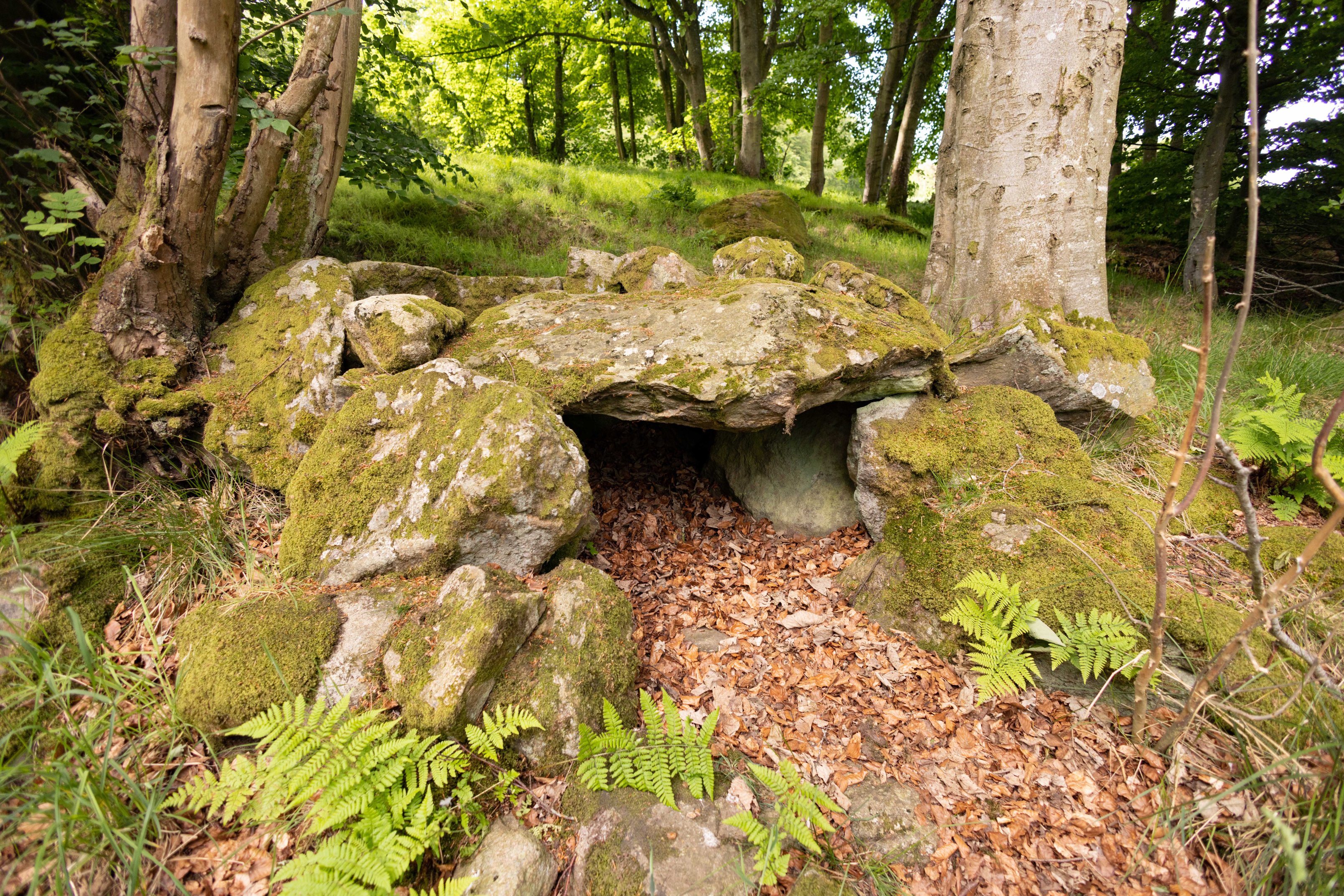
  • During the Neolithic period, tribes were known to mark their presence on the islands using large stone monuments known as megaliths. These were for ritual or territorial purposes.

megalith
A megalith at Castle Down, Tresco (Source: The Megalithic Portal)

  • Wars and disputes subjected the inhabitants of Scilly to poverty and famine. One method of surviving such lean times was to forage seaweed. In 1684, production of soda ash from seaweed began, a material used to make soap, bleach and glass for the mainland. This practice lasted well over a century, and must have had disastrous impacts on wildlife.
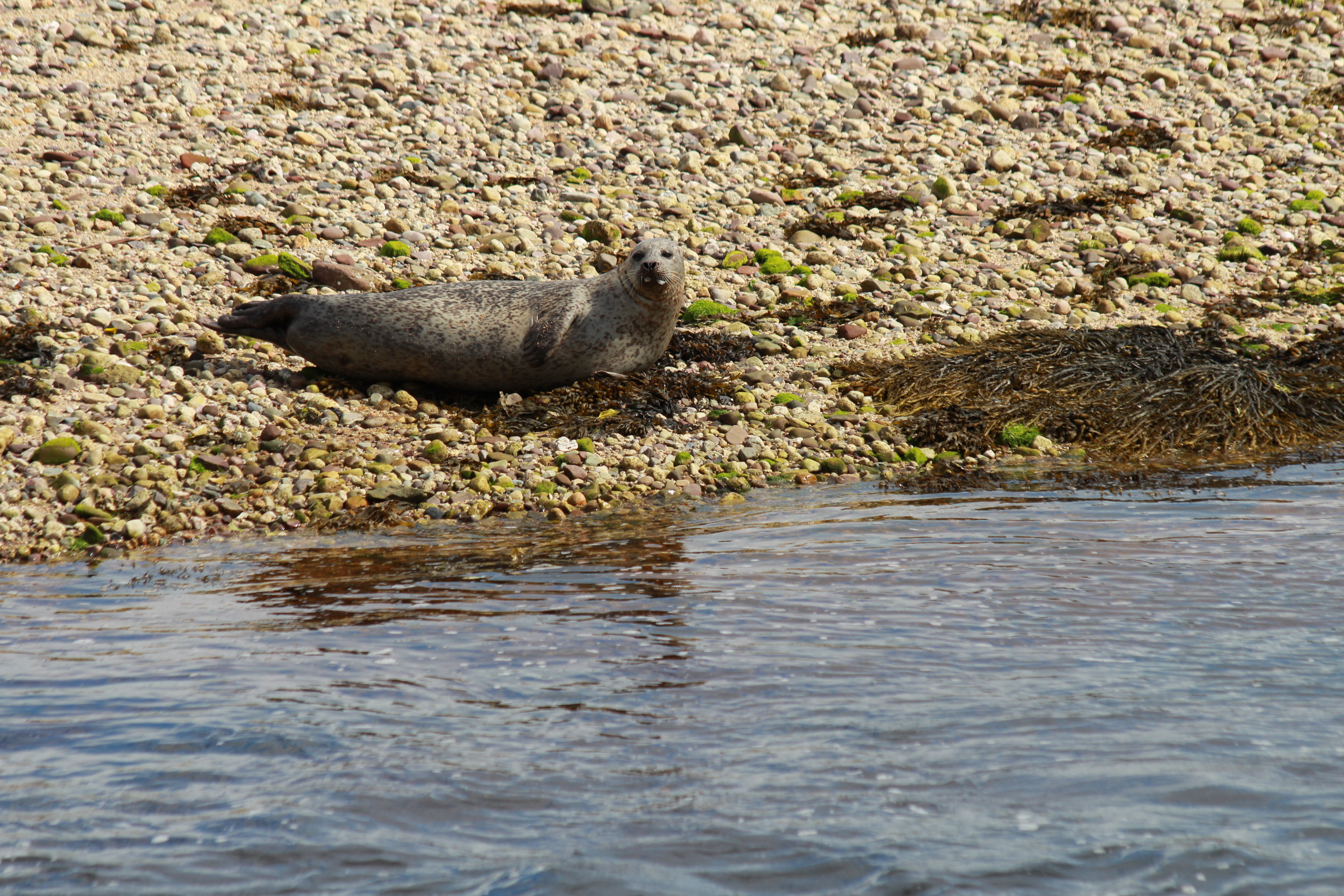
  • The Bronze Age saw the first permanent populations arrive from west Cornwall. They fished, farmed, hunted and scavenged all sorts of foods to make their living. Birds such as razorbill, guillemot and even ravens and swans were hunted for their meat. Seals and the occasional whale were hunted to supply oil used for lighting.

IMG_9258

  • Fishing was a vital source of food all year round, and once caught the animals were dried by the wind or salted for preservation. A vast amount of limpet shells suggests they may have been used as bait, and scallop shells to hold lighting lamp oil.

IMG_0979

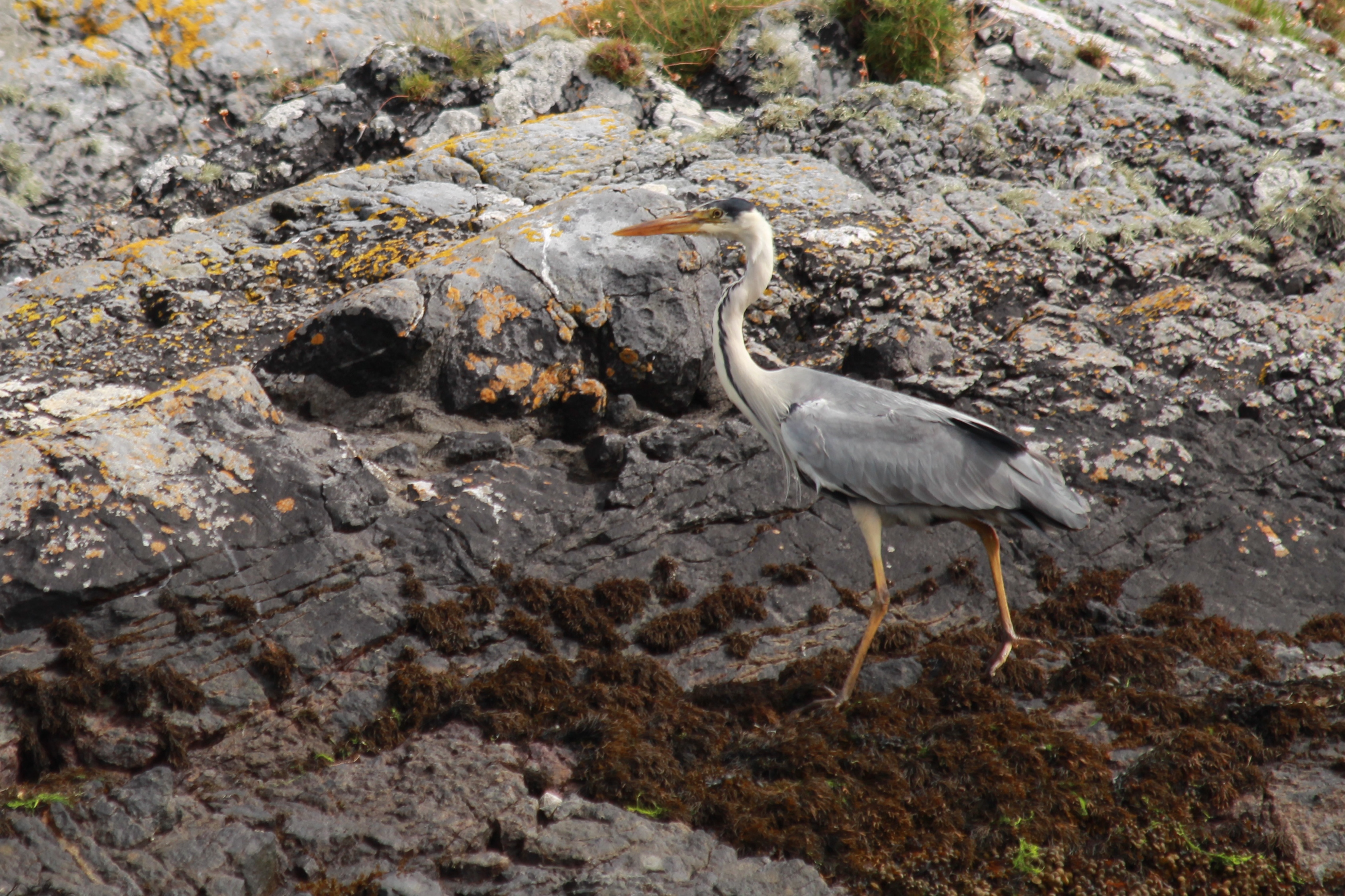
  • By the time of the Roman invasion of Britain in AD 43, red deer had disappeared and dogs and rabbits were introduced. The birdlife grew in variety, suggesting the environment was changing. New bodies of water attracted fowl such as bittern, heron, snipe and more excitingly, evidence of chough. Remains of what are believed to be these birds and dating back to the 2nd century AD were discovered on St Martin’s.

IMG_9145

  • The Duchy of Cornwall was established in 1337, when the title of Duke was granted to the Black Prince. Payment for a ledger dating from that year was 300 puffin, giving the impression that these coastal birds were a lot more abundant than in modern day. The puffin was highly valued, considered a fish instead of fowl, which allowed it to be eaten during Lent. Five hundred years later, although the monetary value of Scilly hadn’t been altered, the exchange rate for puffin had surged by 600% to fifty birds.

Incidentally, all of my photos in this post were taken in Scotland, but here’s hoping next month I’ll be capturing some Scillonian versions!