My Scotland

The Scots Magazine has a photo feature each issue written by a famous Scot about their favourite places in the country. They can be locations with personal memories attached to them or just spots they enjoy visiting. It got me thinking about which places I would choose, so this week’s blog is my ‘My Scotland’.


Burghead

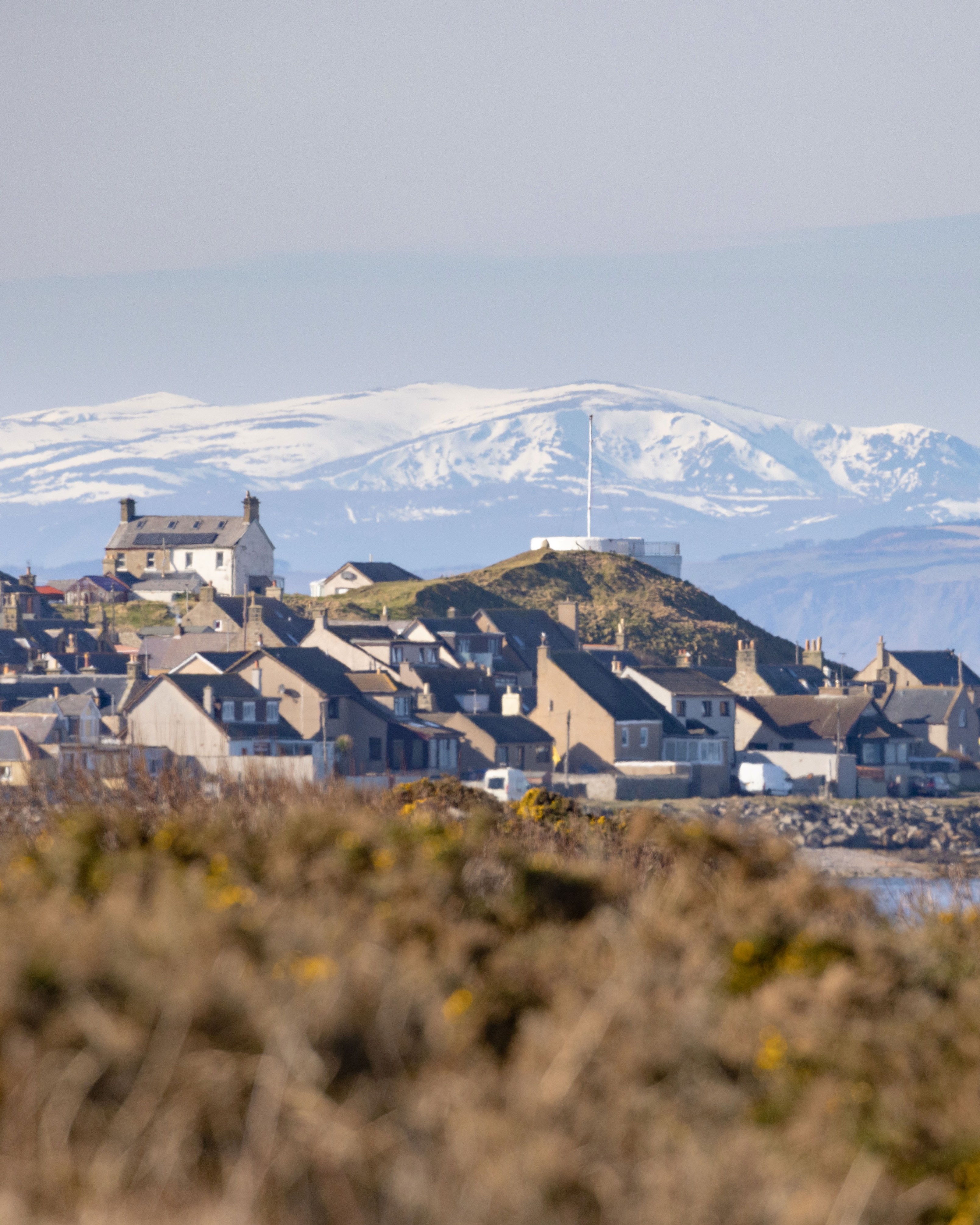
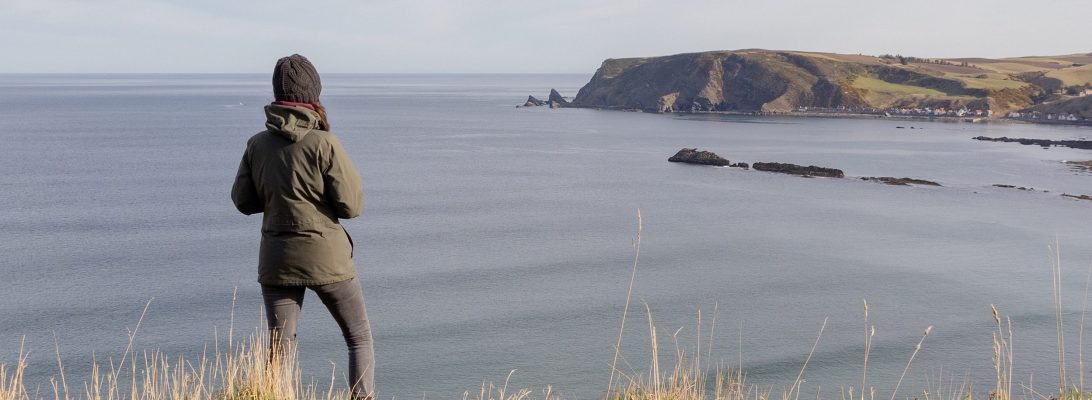
This narrow village on the Moray Coast, surrounded on almost all sides by ocean, brought about a huge shift in my life. Those who have followed me for a while will know that I grew up in south east England, and once I began exploring Scotland I realised I didn’t belong in my home country anymore.

It was Burghead that introduced me to north east Scotland and this in turn led to my first book, so it will always be a meaningful place for me. I’ve also seen a humpback whale, orcas, basking sharks and the northern lights from its rocky shore, so that scores it plenty of points!


Edinburgh

Edinburgh was the first city I visited in Scotland, and every time I go there I’m on holiday so it reminds me of Fringe shows and the Christmas market no matter what time of year it is.

Its centre is old and graceful, with everything you expect to see in a city but with cobbles, narrow closes and plenty of steep staircases. It’s also the home of Hendersons, an amazing vegetarian restaurant where I’ve had my favourite ever meals.

Image: Aleks Michajlowicz


Assynt

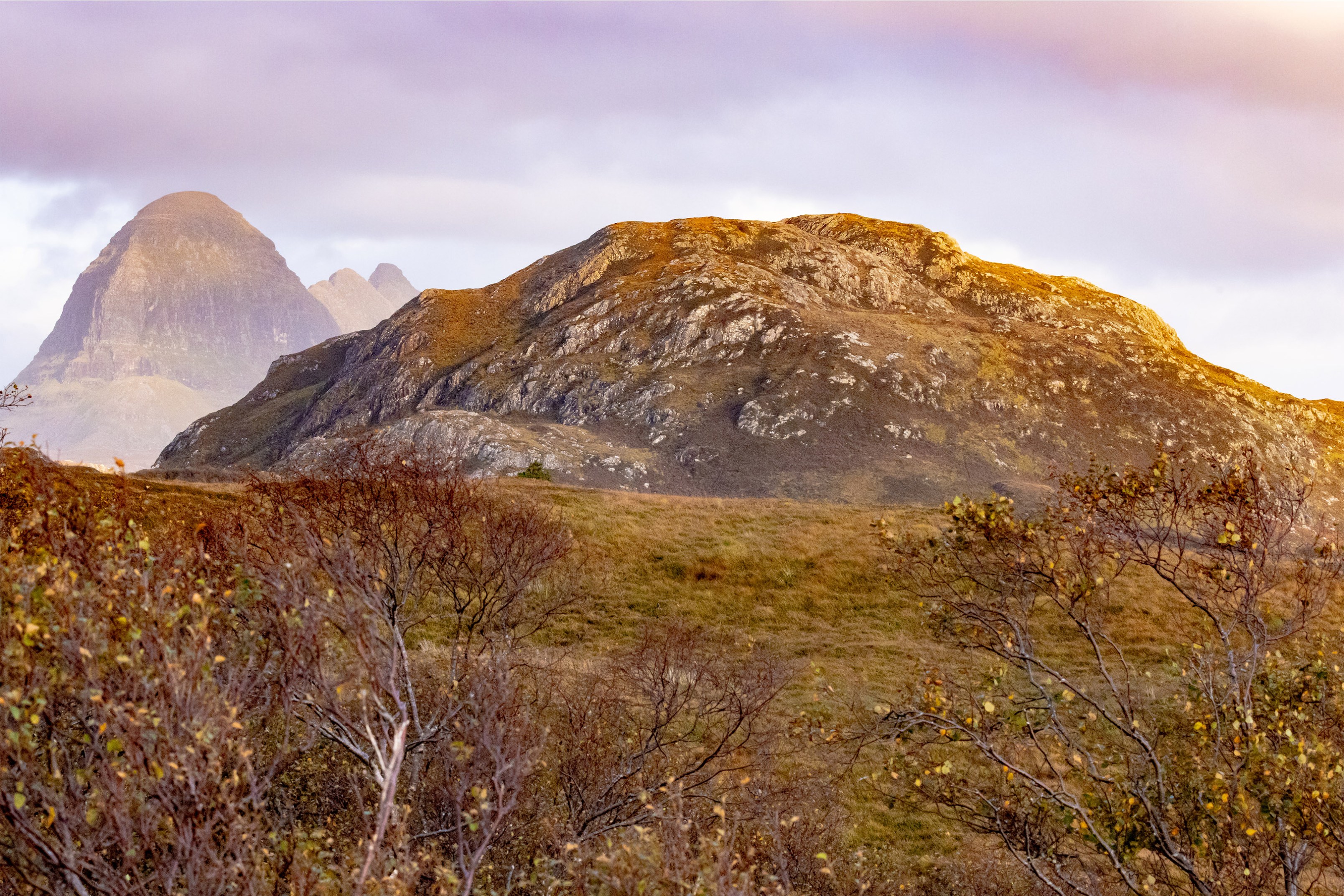
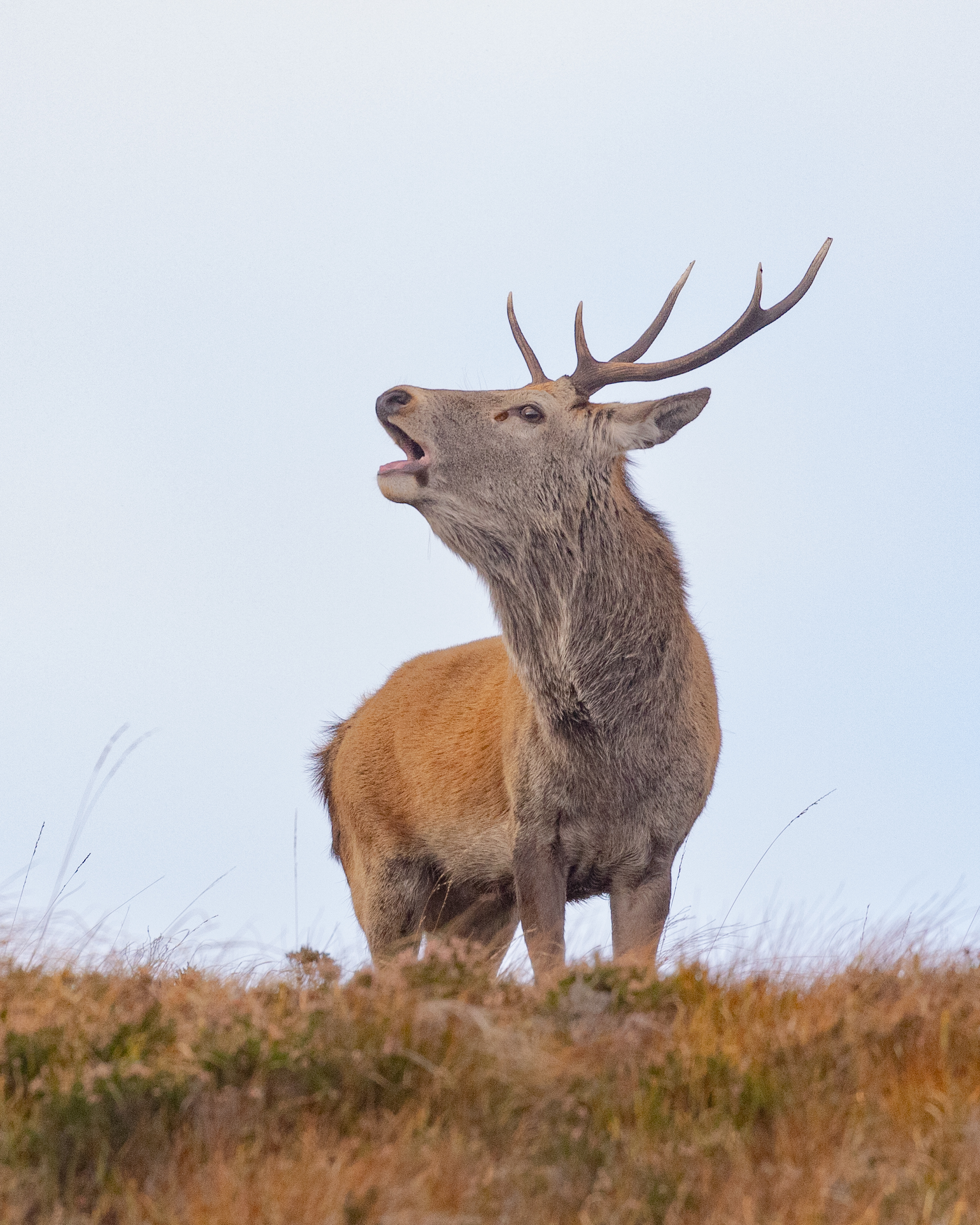
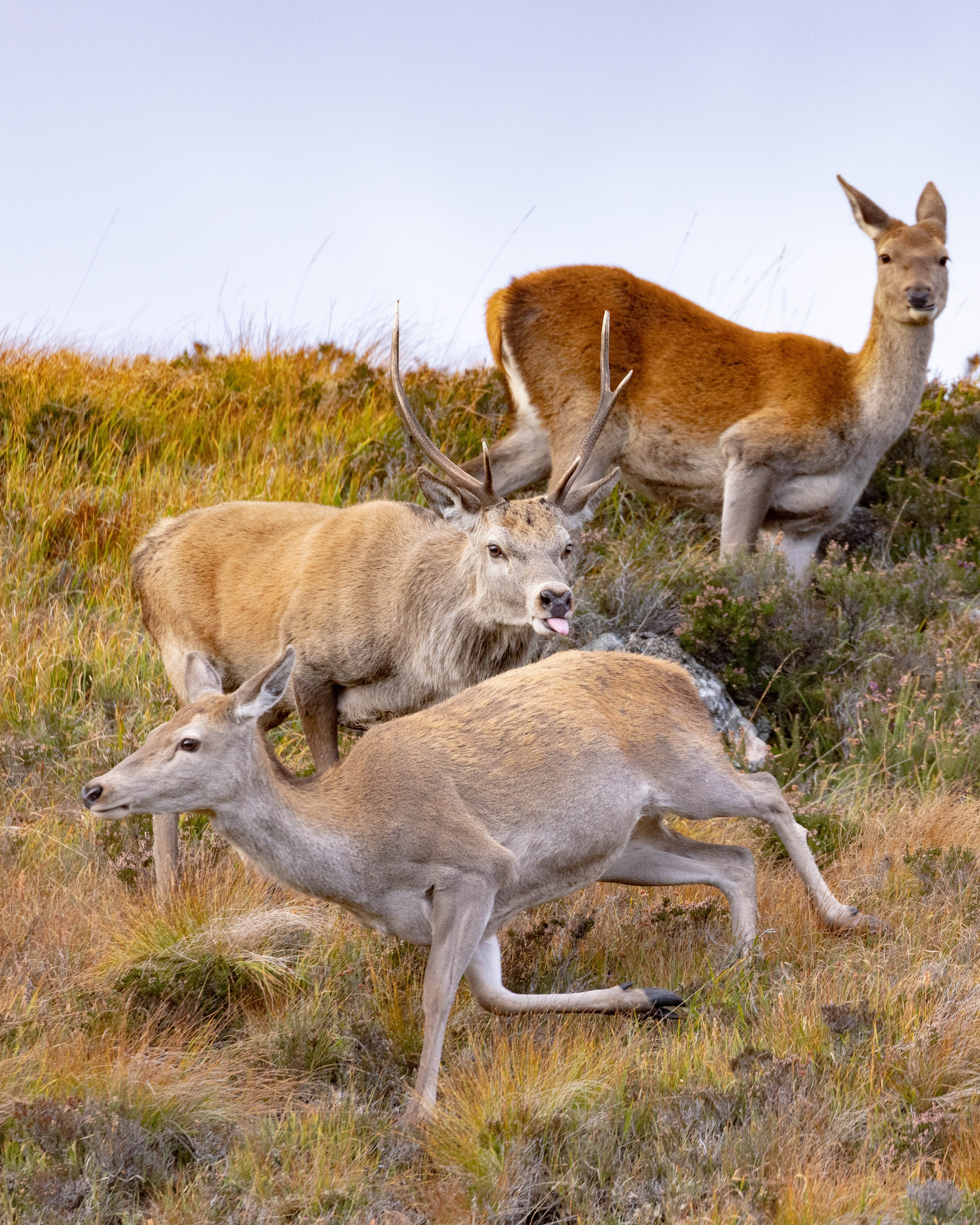
Since moving to Scotland I’ve made a pilgrimage to the west coast every year. Usually this is in autumn to coincide with rutting red deer and leaping salmon, but I’ve also been in summer and seen great northern divers, white tailed eagles and even pine martens in daylight, when it’s not truly dark until nearly midnight.

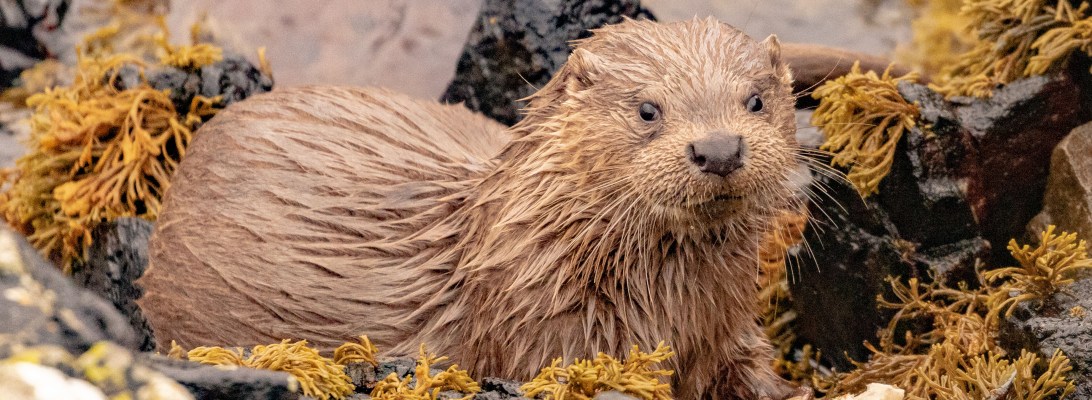
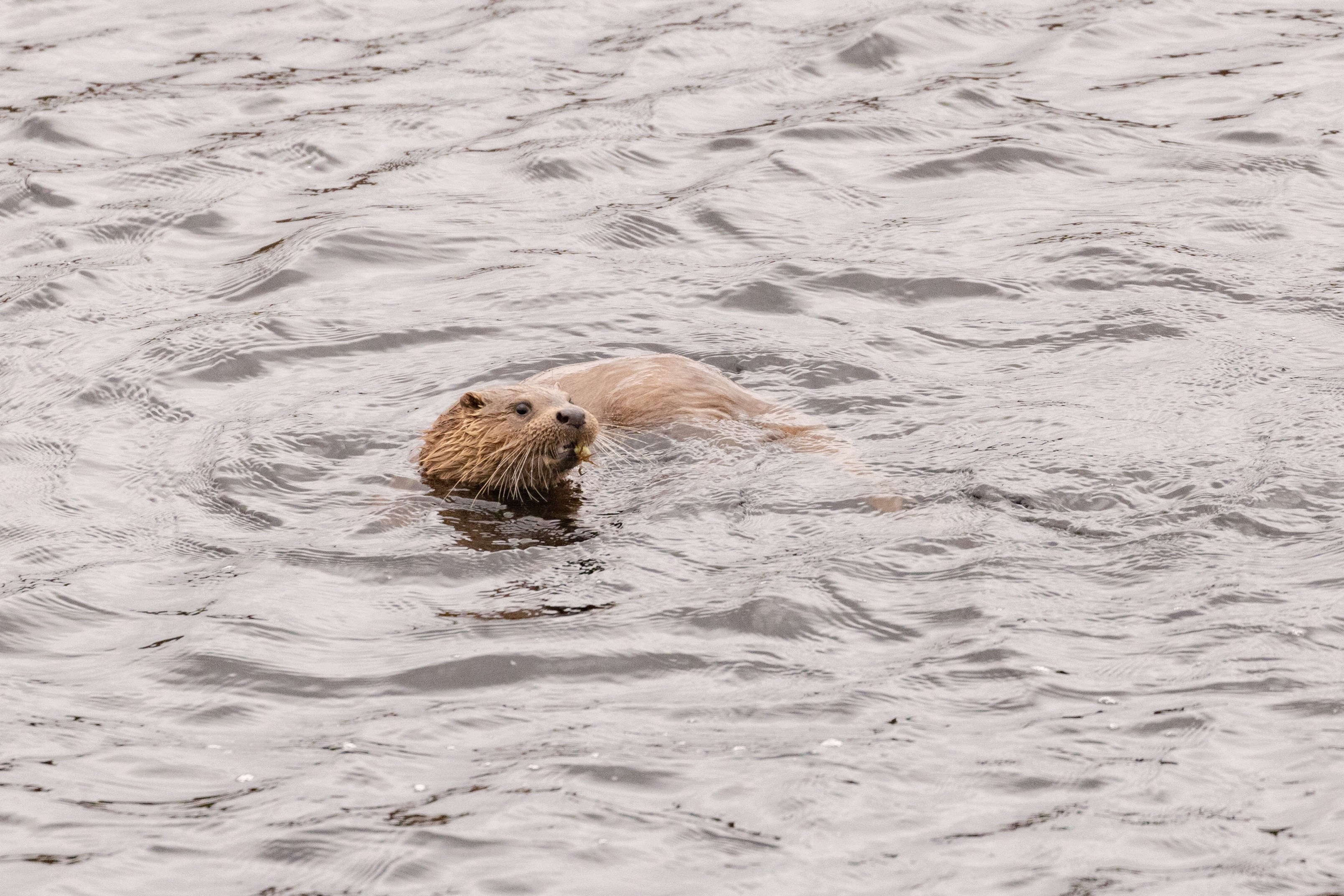
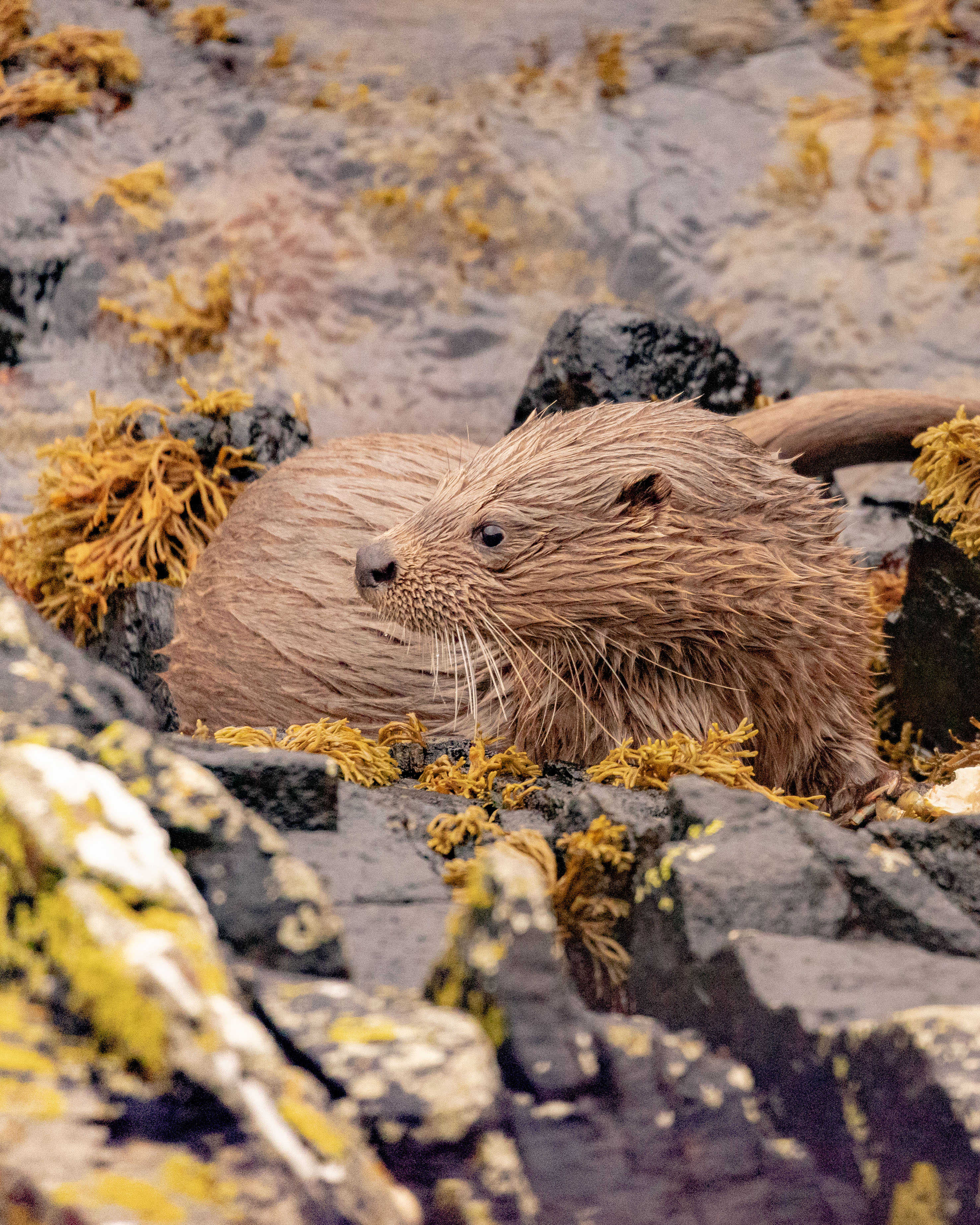
It’s also where I broke my lifelong curse and got my first otter photos. The wilderness of Assynt has given me countless wildlife memories and as soon as I leave I’m thinking about when to go back.

Aberdeen

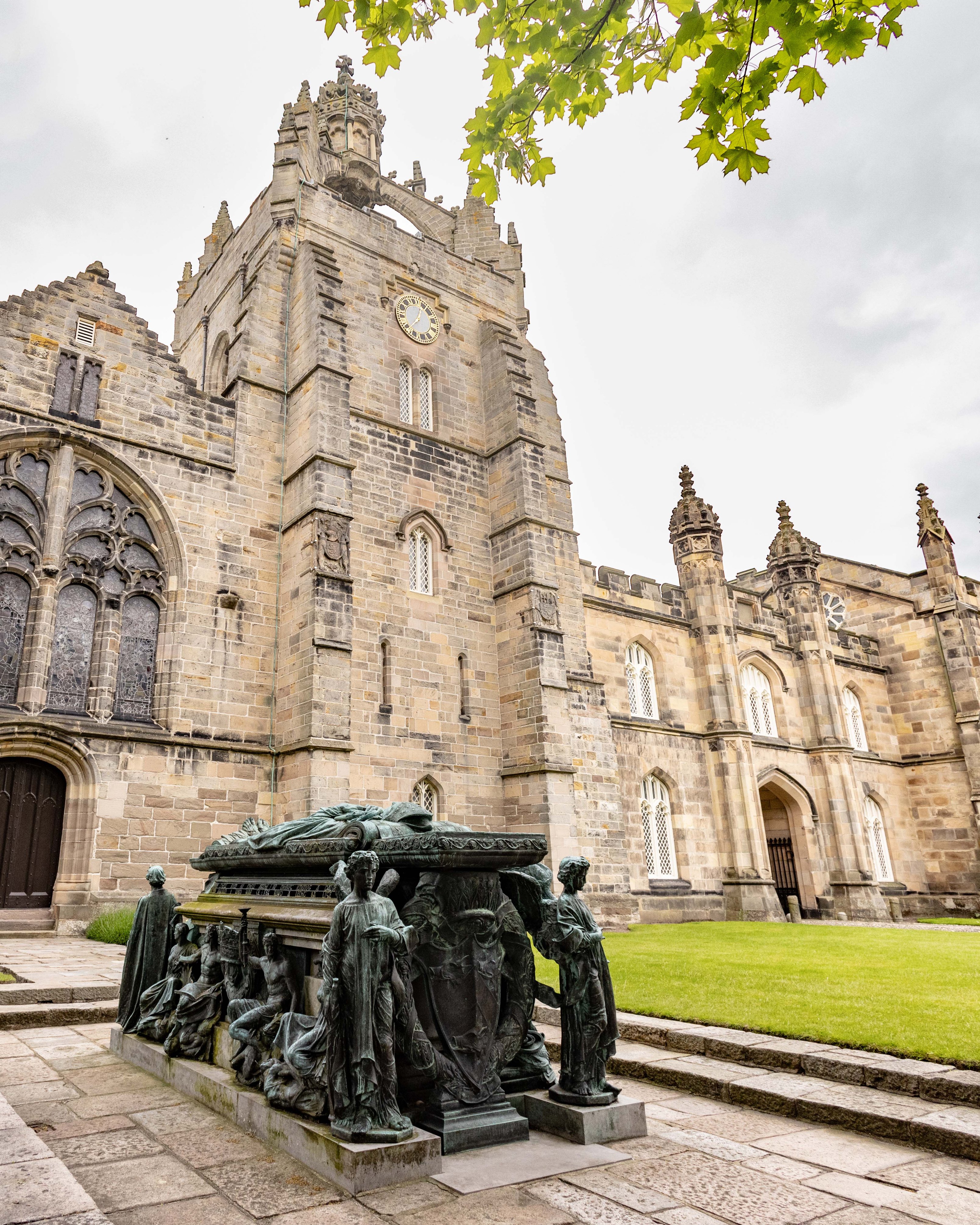
I’m not much of an urban dweller and much prefer the stillness and seclusion of rural habitats, but I connected to Aberdeen straight away. Scotland’s third largest city is hugely varied and this is perhaps most evident in its architecture, where a single street has large stone block buildings, ornate granite colleges and transparent office blocks.

Despite its size Aberdeen is easily walkable, with museums, gardens, restaurants and artworks in just a couple of miles. It has loads of character.     

Uath Lochans

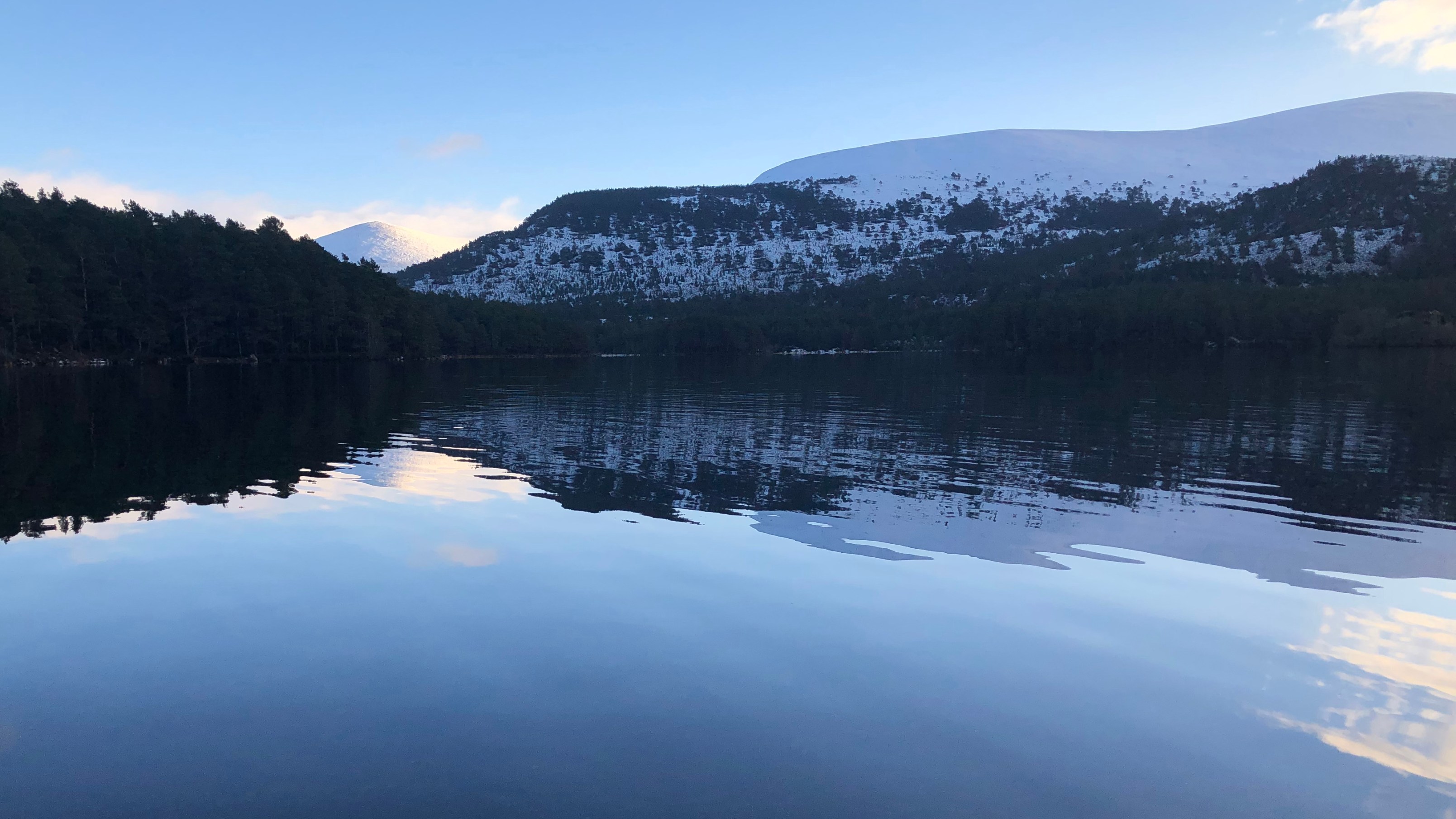
I love the Cairngorms National Park in general, but this spot in particular had me obsessed from my first visit. I rarely use the word ‘magic’ because there isn’t much that justifies it, but the Uath Lochans do.

Submerged in pine forest not far from Aviemore, these four small lochs sparkle like they emit their own light. On a still day in summer, their surfaces create perfect reflections of the heathery hills beyond, disturbed only by the feet of dragonflies.


YOU MAY ALSO LIKE

Read All About It!

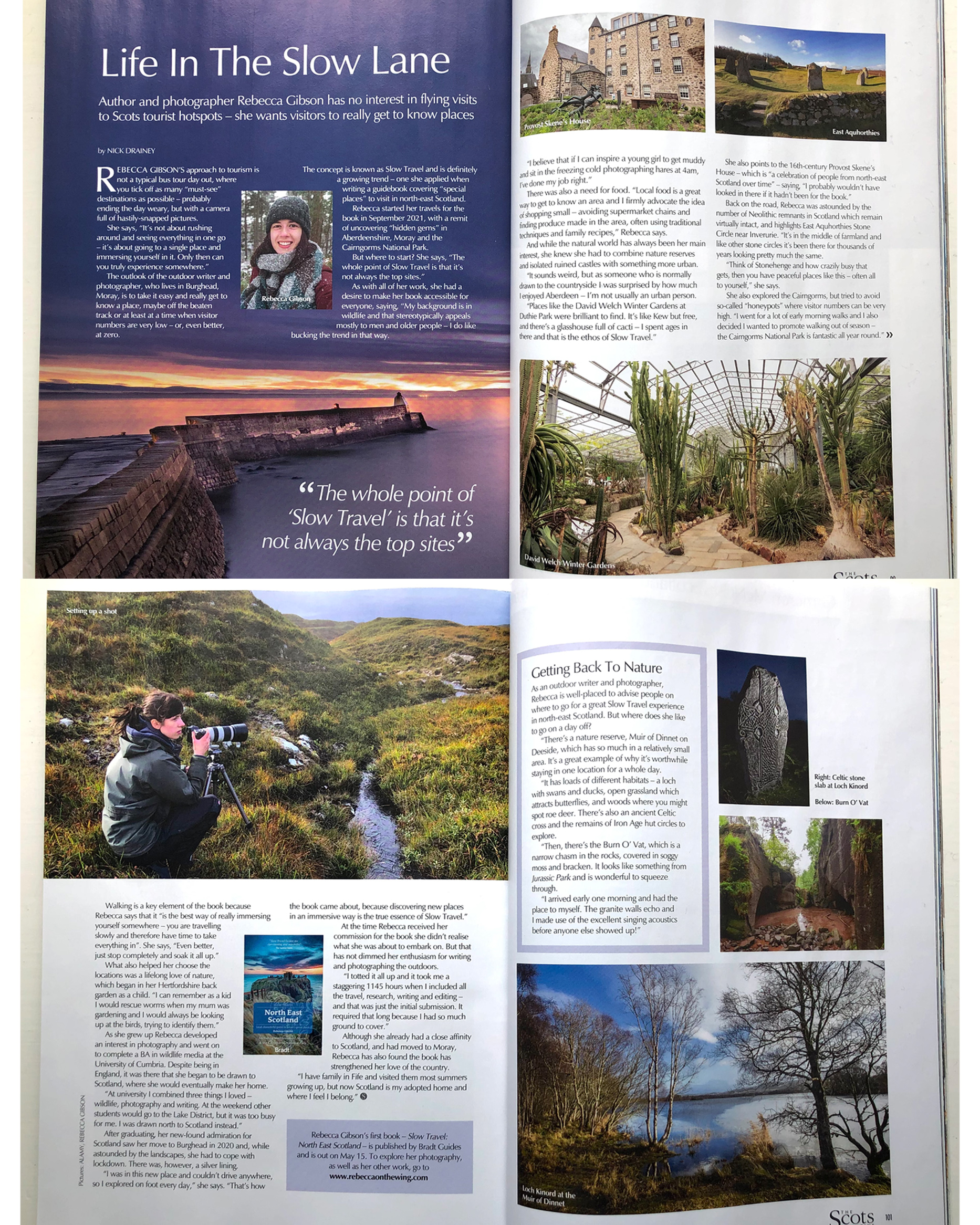
My book will be published one month today, and I can’t believe I’m writing this but there are two double page spreads about it in the latest issue of The Scots Magazine!

At the end of last year I was interviewed by journalist and outdoor enthusiast Nick Drainey. Although our main topic was my book, we had a great chat about Scottish walking, nature and travel in general.

I loved having the opportunity to talk about Slow travel and my experience writing the guide, but it was also really special to reflect on where my love of Scotland began. I think Nick’s done a wonderful job and I’m proud to be a small part of such a great Scottish publication.


‘Slow Travel: North East Scotland’ is out 15th May

Celebrating Scotland

Yesterday I attended a conference in Kingussie, down in the Cairngorms National Park, about Scottish community tourism. It was hosted by SCOTO, a collaborative group of community tourism enterprises from all over Scotland.

One of my favourite speakers was Calum Maclean – a presenter, writer and Gaelic language activist who’s probably best known for his wild swimming. He’s just been voted the most influential Scot on TikTok, surpassing the likes of Lewis Capaldi.

What resonated with me about Calum was his enthusiasm. He spoke about ‘the power of localness’ and exploring past the obvious to get a deeper understanding of the places we visit. He also said to go ‘beyond the guidebooks’ that tend to gloss over the juicy, undiscovered places you’d only know about if you were a local, in favour of overpopulated tourist hotspots.

After his talk, I chatted with Calum about my Slow guide and how it was important to me to write a guidebook that included some of those undiscovered locations. I had the privilege of meeting lots of local people during my research and travels, and their contributions have made my book far richer. To reinforce the importance of this kind of immersive travel even more, Slow Travel is the theme for May in VisitScotland’s 2023 marketing calendar – impeccable timing for the release of my book that same month!

Recently, there’s been a surge in awareness of ‘sustainable tourism’. Initially that might make you think of the environment, and how visitors should respect wildlife and wild places while travelling. This is essential of course, but the sustainable mindset also relates to people. Supporting independent businesses instead of big chains, and making an effort to learn the heritage of new places as well as appreciate their beauty, are just as important as being mindful of campfires and taking your litter home.

Again, these are things that a good Slow guide should cover, and I consciously shopped small while I was travelling for my book, discovering fantastic small businesses that gave the places I visited even more colour.  

Another excellent speaker at the conference was Scotland blogger, itinerary consultant and podcast host Kathi Kamleitner. Like Calum, Kathi’s passion was infectious and she spoke about connection as an emotional benefit of tourism. This connection can be with those you travel with, those you meet while travelling, and also with yourself.

Currently, one of the biggest travel trends is an interest in ‘localism and authentic experiences’. This links to the ‘staycation’ idea, which became even more prevalent during the pandemic. It was reassuring to see that my book links to this trend – I’ve highlighted many local people and hopefully conveyed enough immersive detail in my descriptions of lochs, forests, castles and distilleries to inspire these memorable and authentic experiences that visitors are looking for.

I’m a huge advocate of Scotland as a travel destination and clearly so is Kathi, who launched her business Watch Me See to help other people discover and fall in love with Scotland just like we both did. I’m always looking to connect with other solo female travellers and it was so lovely to hear Kathi’s perspective.     

March is Scottish Tourism Month, so the conference was well-timed. It was a whirlwind of conversations and ideas, not to mention a shock to my system after several years of professional interaction exclusively via Zoom! I left feeling inspired and even more excited about the release of my book, having reaffirmed my belief that Slow is the way to go. 

On The Wing Magazine III

Winter is the time to reflect. I love looking back on what I’ve done over the year, and once again I’ve put a summary of my work projects into my own mini magazine. I did this for the first time during lockdown when I was painfully idle and needed a project to distract me. It turned into something I was proud to share and this is now my third issue.

Between research trips for my book, I’ve been busy working on other projects including another mindful creative retreat at home on the Moray Coast, a design commission inspired by Thumbnail Nature, and my second wildlife calendar.

Click here to read my magazine

Calm Before The Storm

After 1145 hours of travelling, researching, writing and proofreading (yes I counted), I’m thrilled to announce that I’ve submitted my book!

I could have tinkered and tweaked until the end of time so I’m relieved it’s finally out of my hands. It’ll now be edited by the fab team at Bradt and after I’ve answered all the queries and questions it’ll be published in April. There’s still a way to go but I’m so proud of myself for reaching this milestone. I started working on this book almost three years ago and I’m so excited for everyone to see it.

Last month I managed to squeeze in a trip to the west coast to see the red deer rut. Stags wait for no deadline! For four days I fell asleep to the sound of bellowing and it was the perfect calm before the book submission storm.

The deer were mostly up in the hills this year, but I did find a small herd beside the road. It was perfect, as I could stay in my car and take photos through the open window. The stag and his hinds foraged and rested just a few metres away, and it was a privilege to watch their natural behaviour.

However, the highlight of this particular trip was an otter that dropped by several times each day. Otters have been my nemesis animal for years, so it was fantastic to finally get some decent views. One morning I spent hours looking through my scope, hoping to spot it taking one of the loch’s huge crabs onto a kelp island to munch, but everything was still. The moment I sat down to a bowl of soup, a dark flick caught my eye and I saw the otter swimming straight towards the cabin.

Soup forgotten, I lunged into coat and shoes and crept outside. The otter was eating on the rocks right beneath the decking. It glanced up at me but continued its meal, chewing noisily. It was one of those encounters that’s so special I start shaking, but luckily I managed to keep my camera still.

And for the feathery cherry on the heathery cake, a white tailed eagle soared overhead on the last day. I can never be sure what I’m going to see on the west coast and this trip was a triumph.

Summer Blends to Autumn

Today was the first day I’ve missed my woolly hat while out walking. I should have anticipated this from the sound of the moaning wind down the chimney, but I saw diluted sunshine and overestimated its efforts. We’ve hit that indecisive time between summer and autumn, when dressing for a walk becomes a series of deliberations.

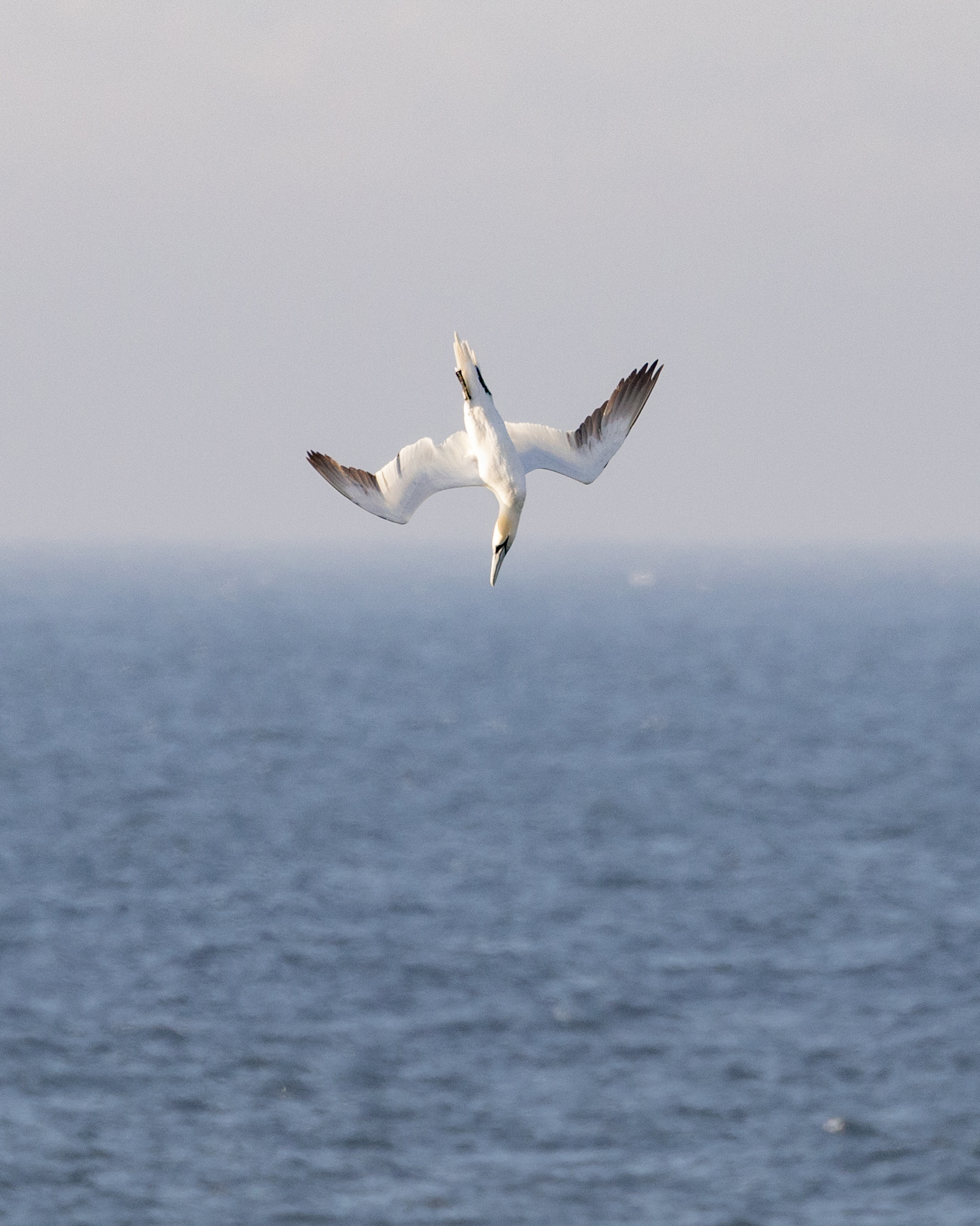
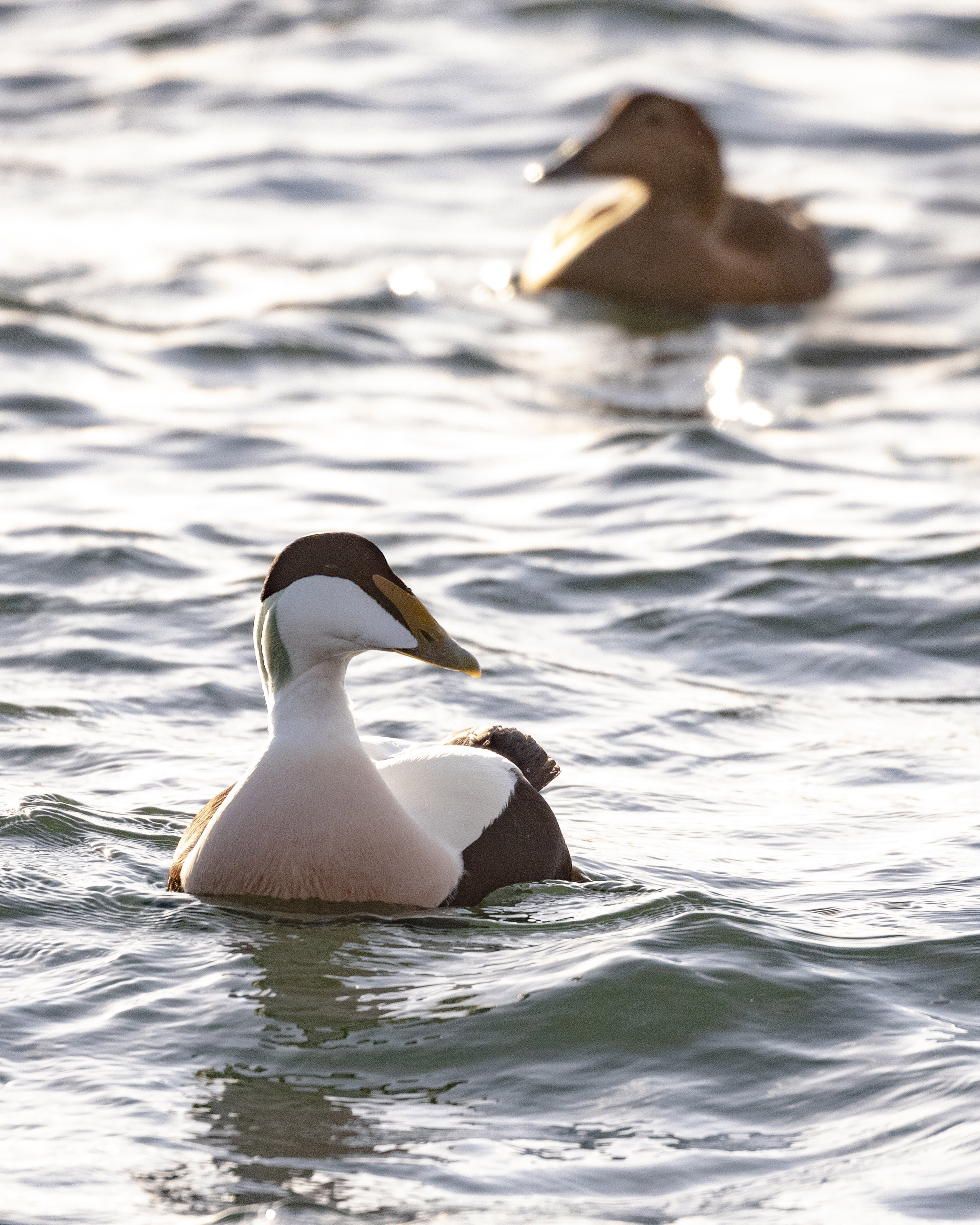
This morning I saw a couple of swallows swirling over the shore, still lingering after their long summer holiday. Further out, a couple of white flicks were diving in the choppy swell. Even from an anonymising distance I could tell they were gannets straight away, recognising the stiff beats of their black-tipped wings. As I withdrew further into my coat with hunching shoulders, another flash of white caught my eye. This was the clincher, a sign I’d been waiting for. A flock of eider ducks meant autumn was coming.

Hazy Burghead
Gannet mid-dive
Eider ducks

Summer isn’t my favourite season by a long way, and this year it was made particularly insufferable by a 40°C heat surge that coincided with my first case of Covid. Still, I can look back and say this summer has been both productive and great fun. Most of it was taken up by research for my book, which is now due in six weeks. I’ve explored Aberdeen, Portsoy, Glenlivet, Ballater, Braemar, Banchory, Dufftown and Carrbridge in the last two months alone, filling the last gaps in my Slow Travel Guide to North East Scotland.

Sitting at the top of Clachnaben, south of Banchory

After spending so much time walking outside, I was pleasantly surprised to find tan lines beneath my rings and watch strap. I mostly write at my desk, so I loved having the opportunity to stretch my legs and assure myself that spending days on end walking through forests and wandering around coastal villages was in fact work. Putting this book together has tested my organisation, self-discipline and resolve, but I’ve now emerged with a complete manuscript. All that remains is the entire editing process.

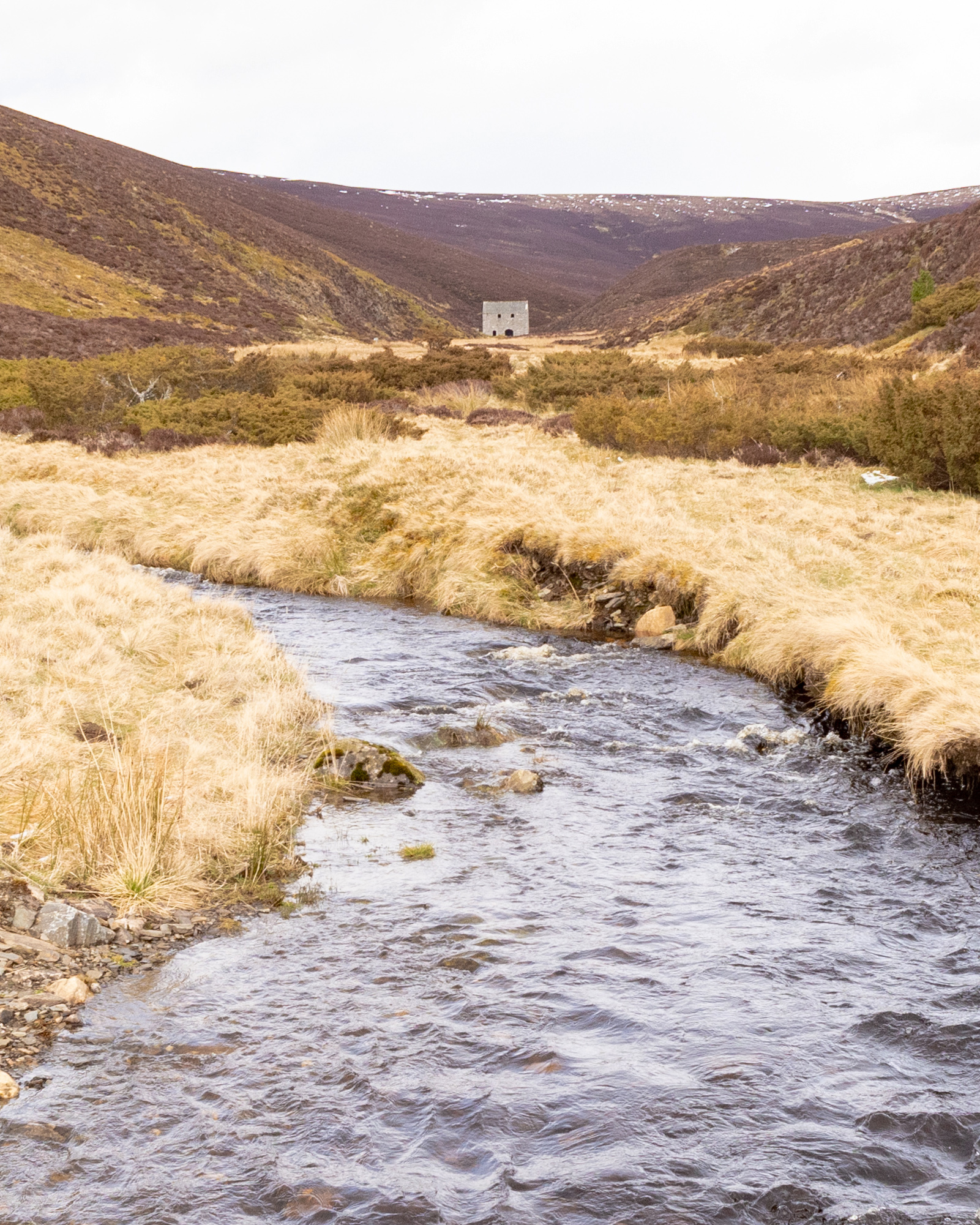
The Lecht Mine, near Tomintoul

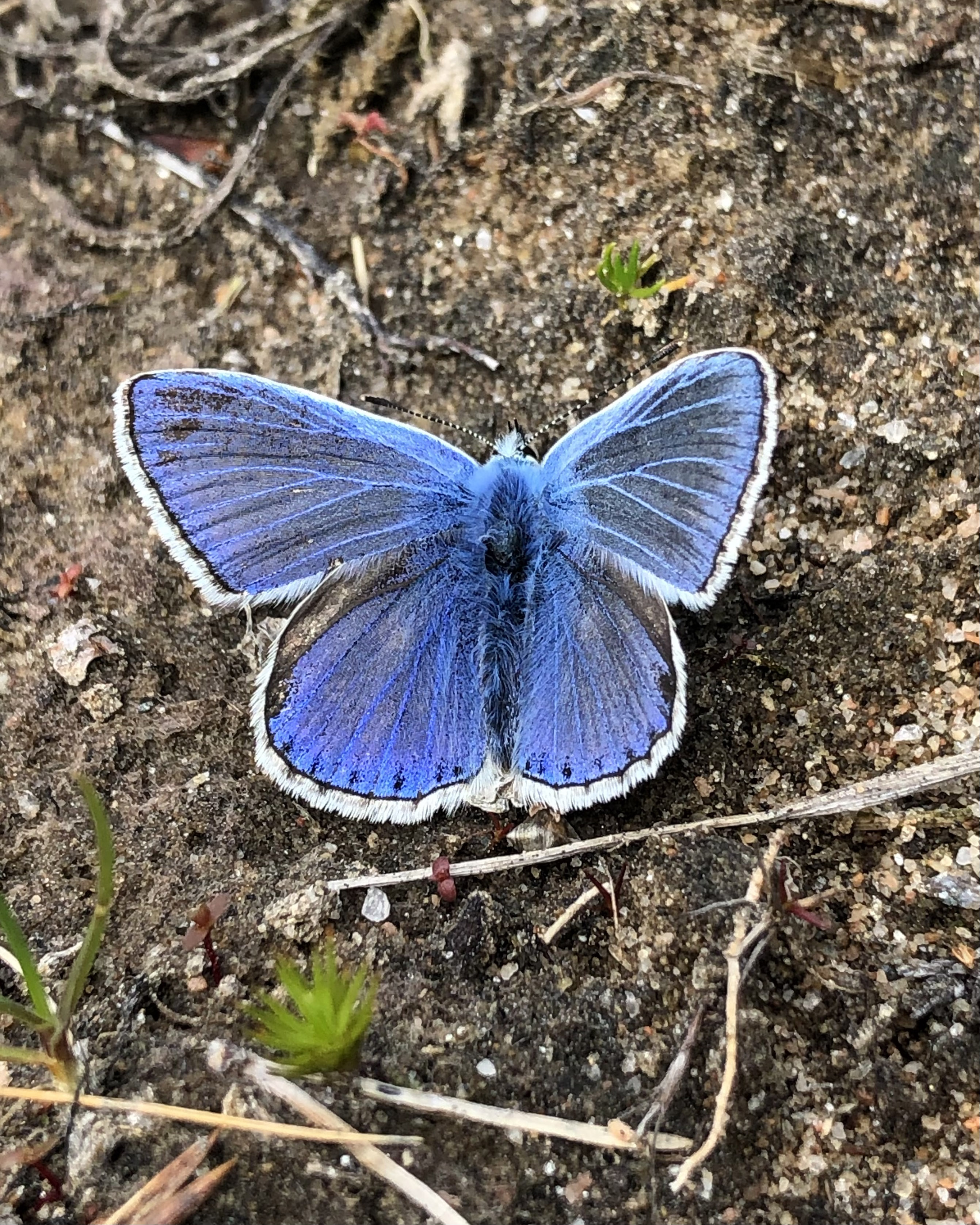
During my research trips I’ve been learning more about butterflies. Birds and mammals have been favourites of mine for years, but insects in general have never been my strong suit. This summer I thought I’d make use of not being able to birdwatch as much, and expand my nature knowledge in another area. I found it fascinating, stopping frequently to crawl on the ground for a closer look at a red admiral, peacock or, on two wonderful occasions, a common blue.
Common blue
Small pearl-bordered fritillary
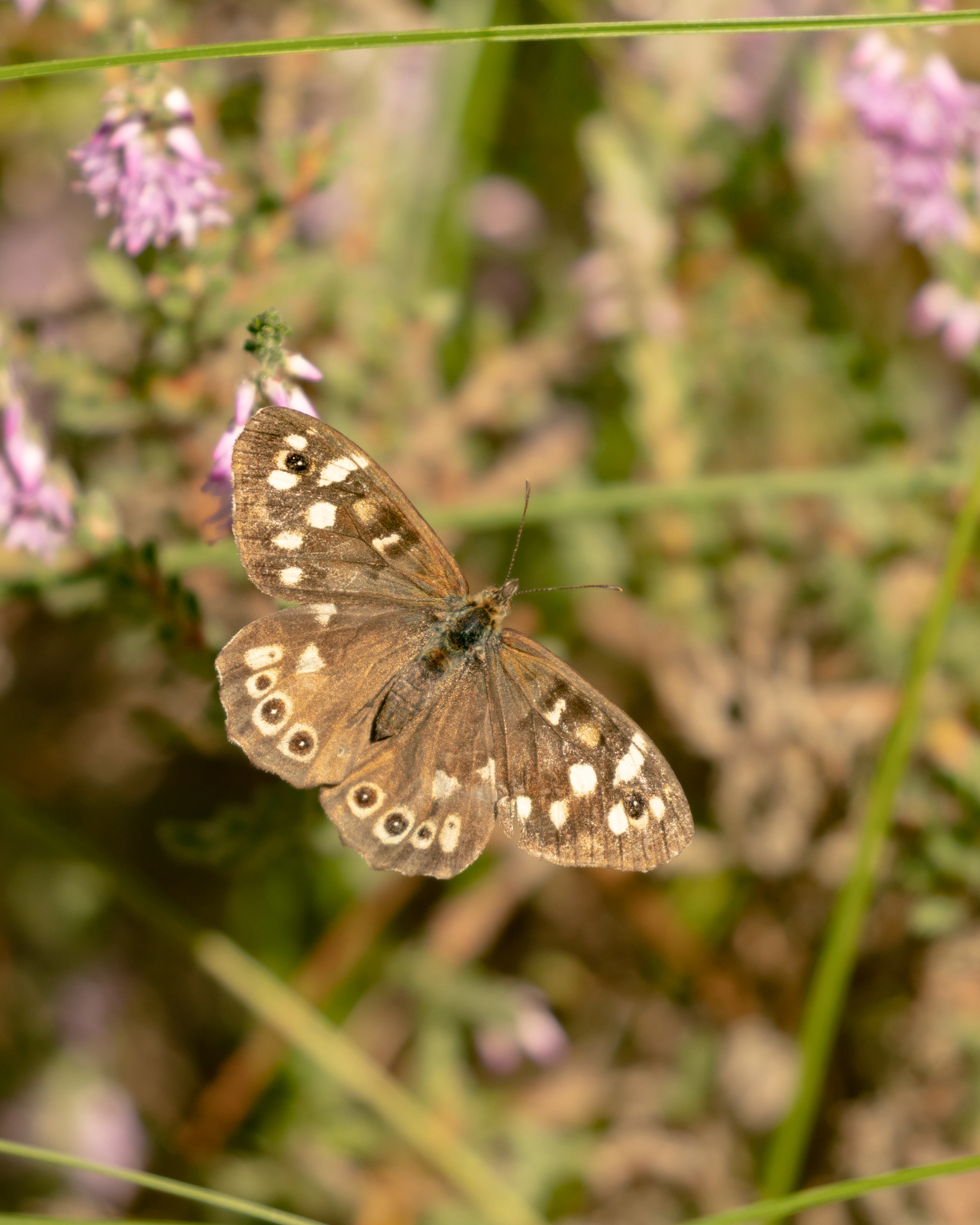
Speckled wood

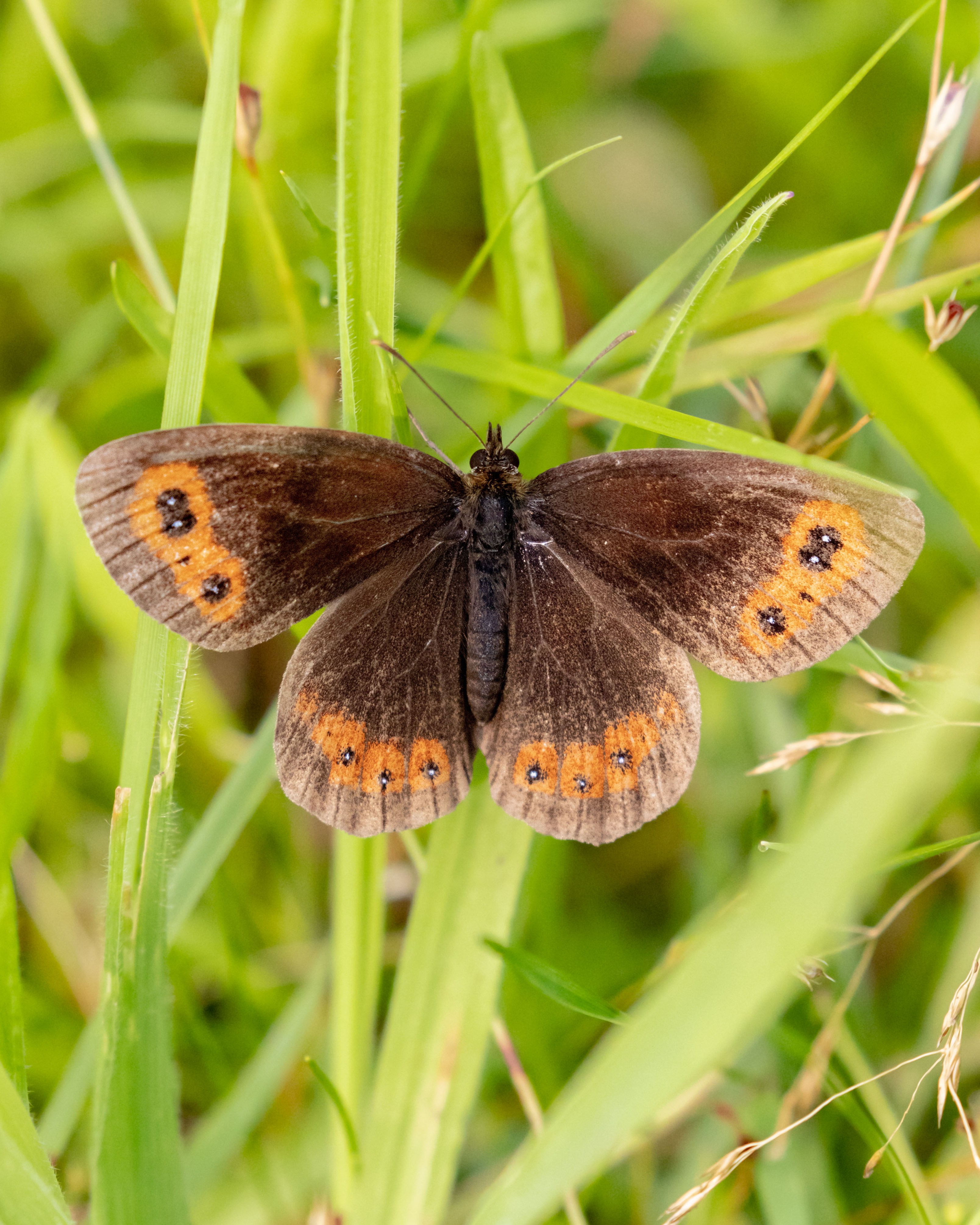
The butterfly I saw most was Scotch argus, which has made my English friends jealous. Many of them have never seen one, let alone several on just a short walk. It’s been a fantastic learning experience and one that I’ll continue next year.

Scotch argus

Now, however, as both summer and my time working on my first book draws to an end, I’m looking forward. Fly agarics are popping up in the forest and eiders are rushing past over slate grey waves. I know it won’t be long before some of my favourite birds – fieldfares, redwings and long tailed ducks – make their reappearance. That chill in the air is the sign that autumn is waiting in the wings, and I can’t wait.

Beavering Away

This summer is zooming by! I’ve been spending the past few months travelling and writing my book, which is now due in three months. That’s quite a terrifying thought actually…
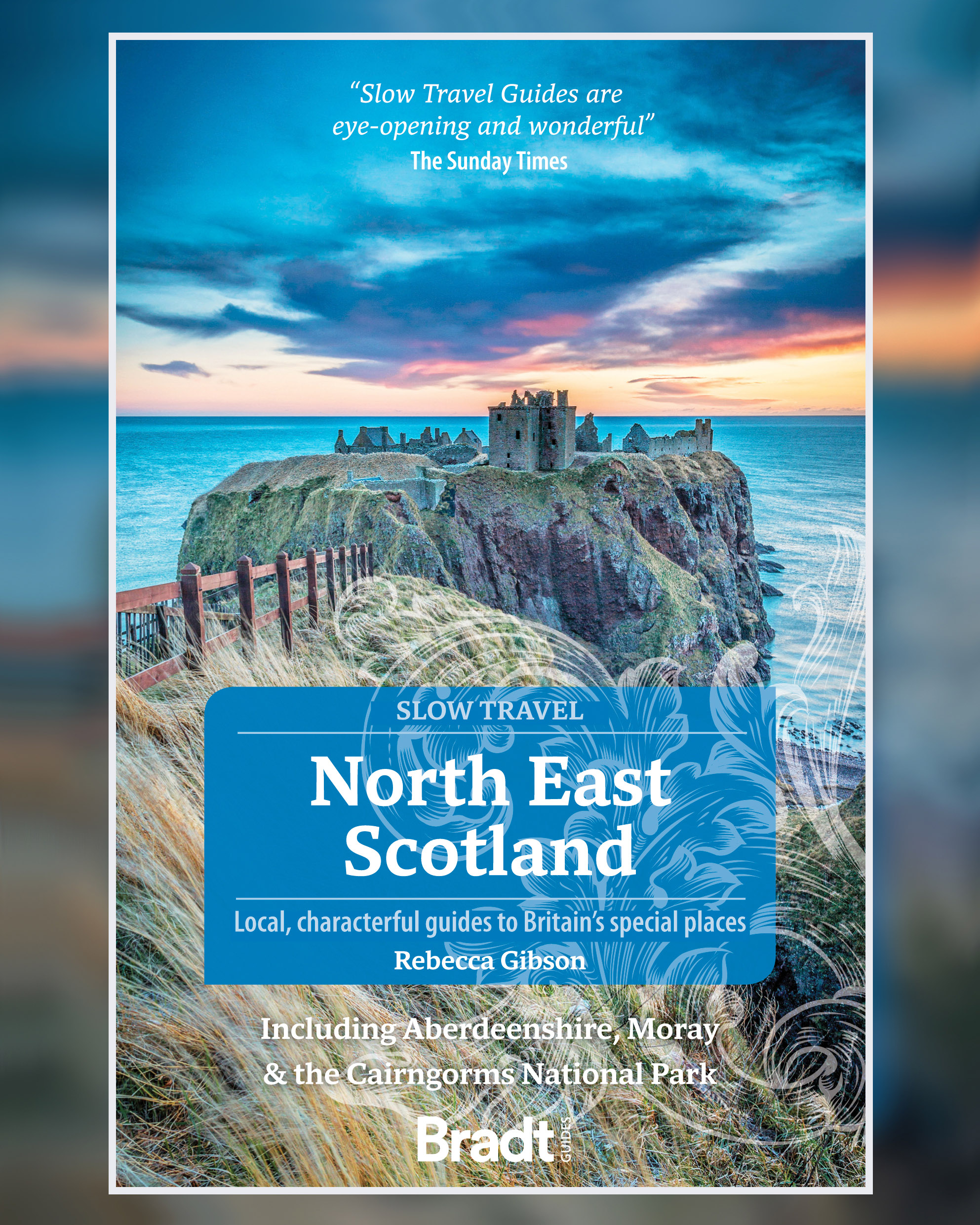
My research trips have involved stomping through Caledonian pinewood, sampling local whiskies and searching for hidden stone circles. I’m absolutely loving this challenging yet rewarding project and can’t wait to see the finished product on the shelves. Here’s a sneak preview of the front cover.
As well as book writing, I’ve been putting together my 2023 calendar. Like last time, it features a range of Scottish birds and mammals that I’ve photographed this year including snow buntings, badgers and even a goshawk!

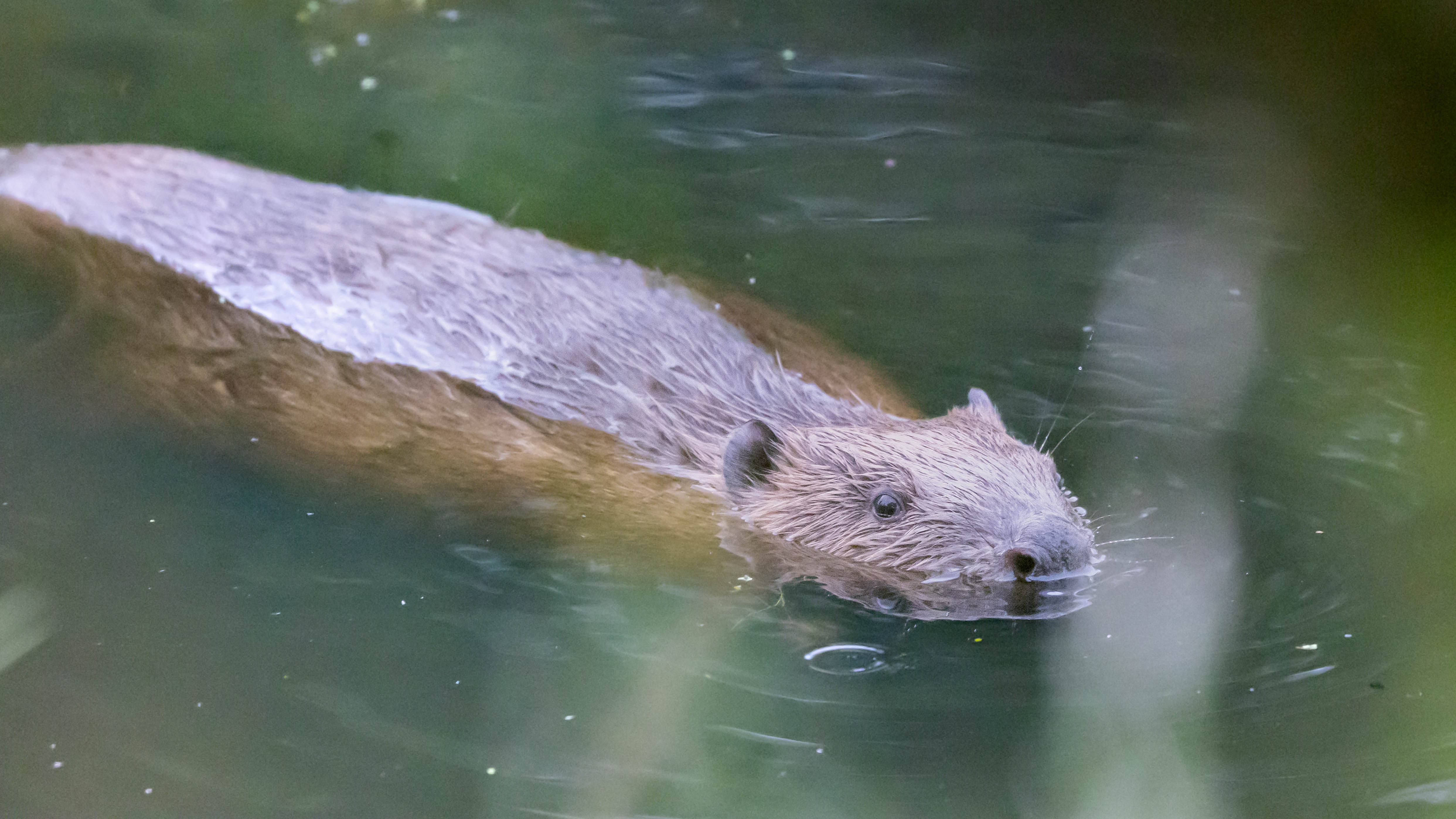
And finally, I took some time away from the north east recently and headed down to Perthshire to photograph beavers. These incredible animals completely transform their surroundings and it was a privilege to spend so much time with them.

A Breath of Icy Air


I’m currently writing my first book. It’s a Slow Travel Guide to northeast Scotland, which will be published in spring 2023. The book covers Aberdeenshire, Moray and the Cairngorms National Park, so basically a huge chunk of the country! My daily routine has become a contrasting blend of emailing accommodation providers, walking, writing copious notes and staring at maps until my head swims.

This is the biggest project I’ve undertaken so far and it’s very easy to get lost in the Big Picture. I’m learning the key is to break it down into chunks. Each field research trip is a week long and during those weeks I have a list of castles, stone circles, museums and reserves to visit.

I need to be as thorough and detailed as possible, so when the book is written it will read as though I’m giving a guided tour to someone wearing a blindfold. I’ve never written in this much meticulous depth before and it’s a rewarding challenge. During my master’s degree I was told to ‘show don’t tell’. With a Slow guide, it’s a case of including heaps of both.

Looking towards Crovie, Aberdeenshire

Because the project is all-encompassing, other things have slipped into the background, including this blog. When I was studying for my undergraduate degree I had a delicious amount of time on my hands. My blog was abuzz with updates because it’s all I had going on outside of my assignments. What simpler days they were! Now everything I write has a destination – nothing is free just to keep the blog ticking over.

I’ve struggled with work/life balance for years. For me work has a nasty habit of becoming life. If I go for a walk I’m thinking about new places I could include in the book or looking for new photos to share to Instagram. Last year this took me close to burnout. Wildlife was everywhere I looked and for a while it lost its charm. Something I had grown so attached to had become almost a chore and I hated that I’d let that happen.

I think this is something all freelancers have to deal with. Working from home has lots of benefits but it also means your office is your home, and switching off takes real effort.

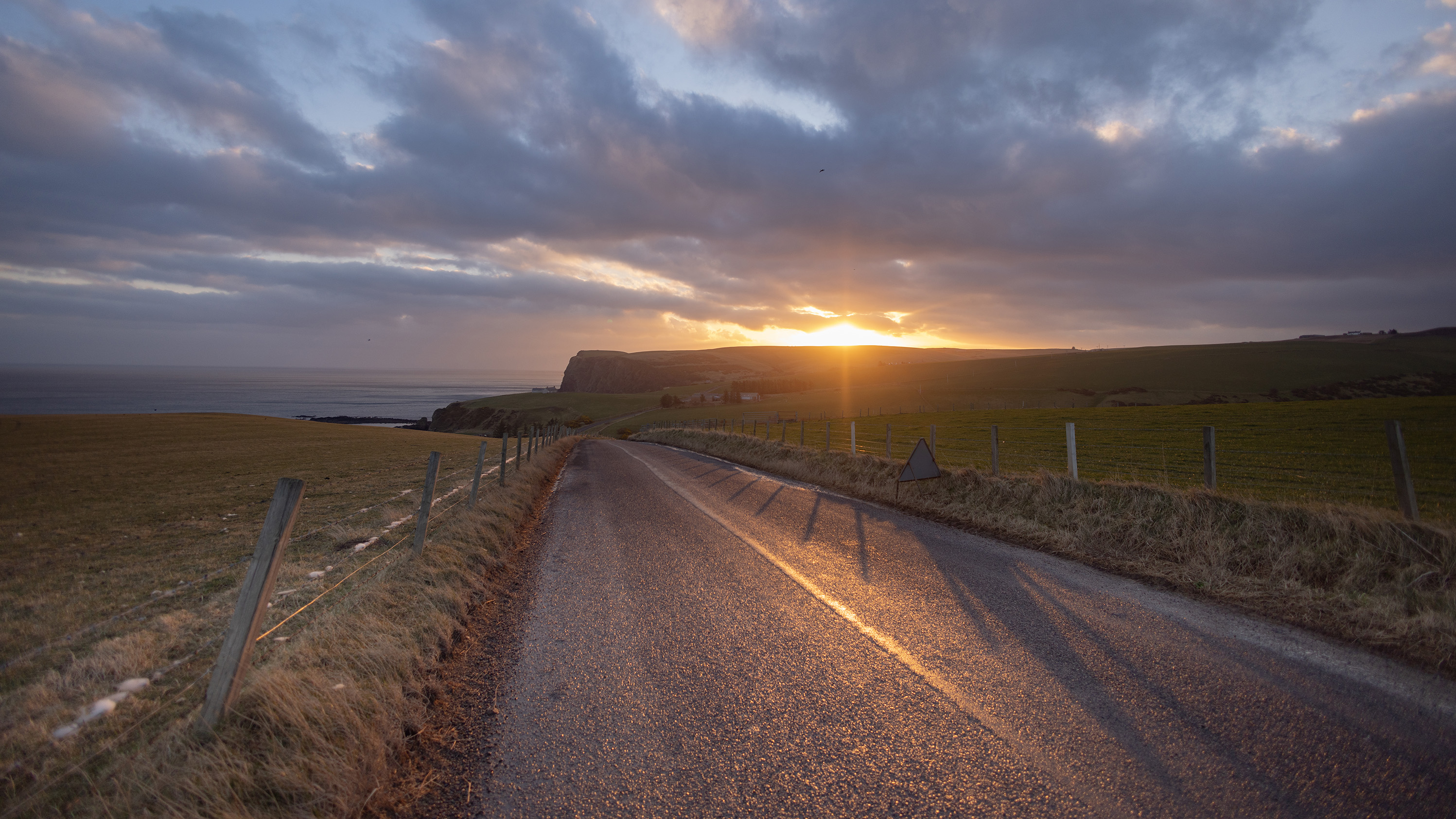
Sunrise on the road to Pennan, Aberdeenshire

Recently I’ve taken up ice skating again. I used to love skating when I was younger but because I didn’t know anyone else who could do it, I eventually stopped going. Luckily I had yeti feet as a child and they haven’t changed in the last ten years so my old ice skates still fit me.

There’s a rink in my local town that I didn’t even know about so I had a go. Obviously I was rusty at first, and the fear of falling on my tailbone (here I speak from painful experience) held me back. But with each visit I got comfortable quicker and now it’s become a passion again.

I’m by no means an expert – I skate for the sensation, which is the closest to flying I’ll get with my feet still on the ground. I find it so therapeutic, almost meditative, and better yet it doesn’t require any screens. My dry eyes get a break and I get lost in my thoughts, gliding weightlessly in repetitive circles.

I realised it’s the first true hobby I’ve had in years – something completely unrelated to work that lets me switch off and be in the current moment for a change.

When the weather warms up I’ll return to sea swimming too. I started this last year and experienced similar benefits to skating – no screens, no social media, just my own thoughts and a sensation of floating. Maybe it’s significant that my two forms of escape are different states of water.

I’m hugely proud of this book commission and I know that the moment I hold the finished product in my hands, every minute of stress and fatigue will be worth it. However, to reach that point I need to care for myself. I haven’t been very good at that in the past, but I’m learning.     

Stig, Rex and Misty

It was time to go back to Assynt on the west coast this week. Friends of mine own a wood cabin on the edge of a loch –  with no phone service and barely anyone else around, it’s one of my favourite places to stay.

The weather has been unpredictable for weeks where I am. One minute we have torrential downpours and the next radiant sunshine. I was a little dubious what I’d be faced with at the chalet, and as my friend Steve and I headed west towards Inverness it soon became apparent that we’d be battling the elements again. The hills were hidden behind mist and the rain was falling sideways.

It turned out that I would only photograph two species during the trip but they were two crackers: red deer and pine martens.

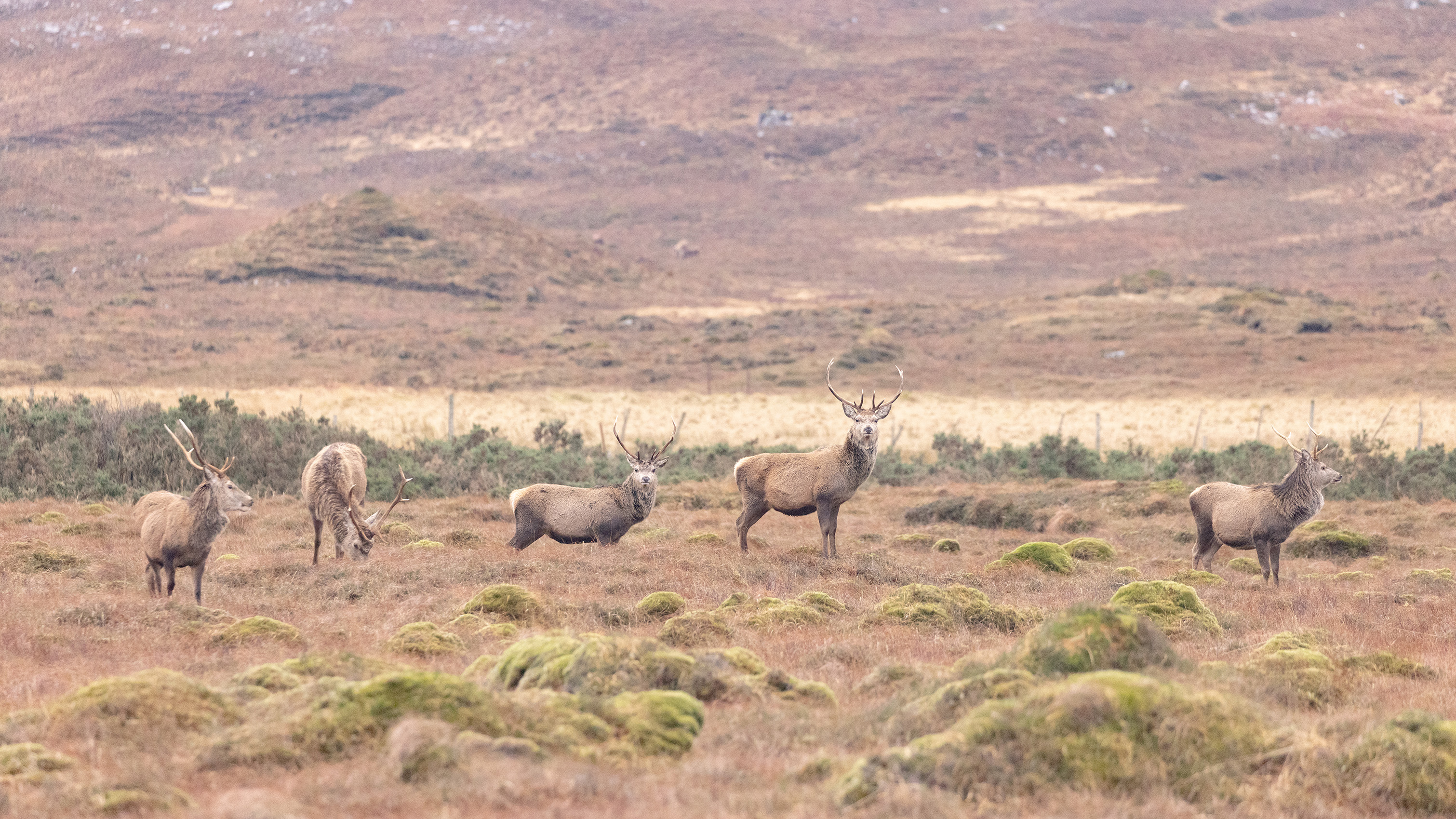
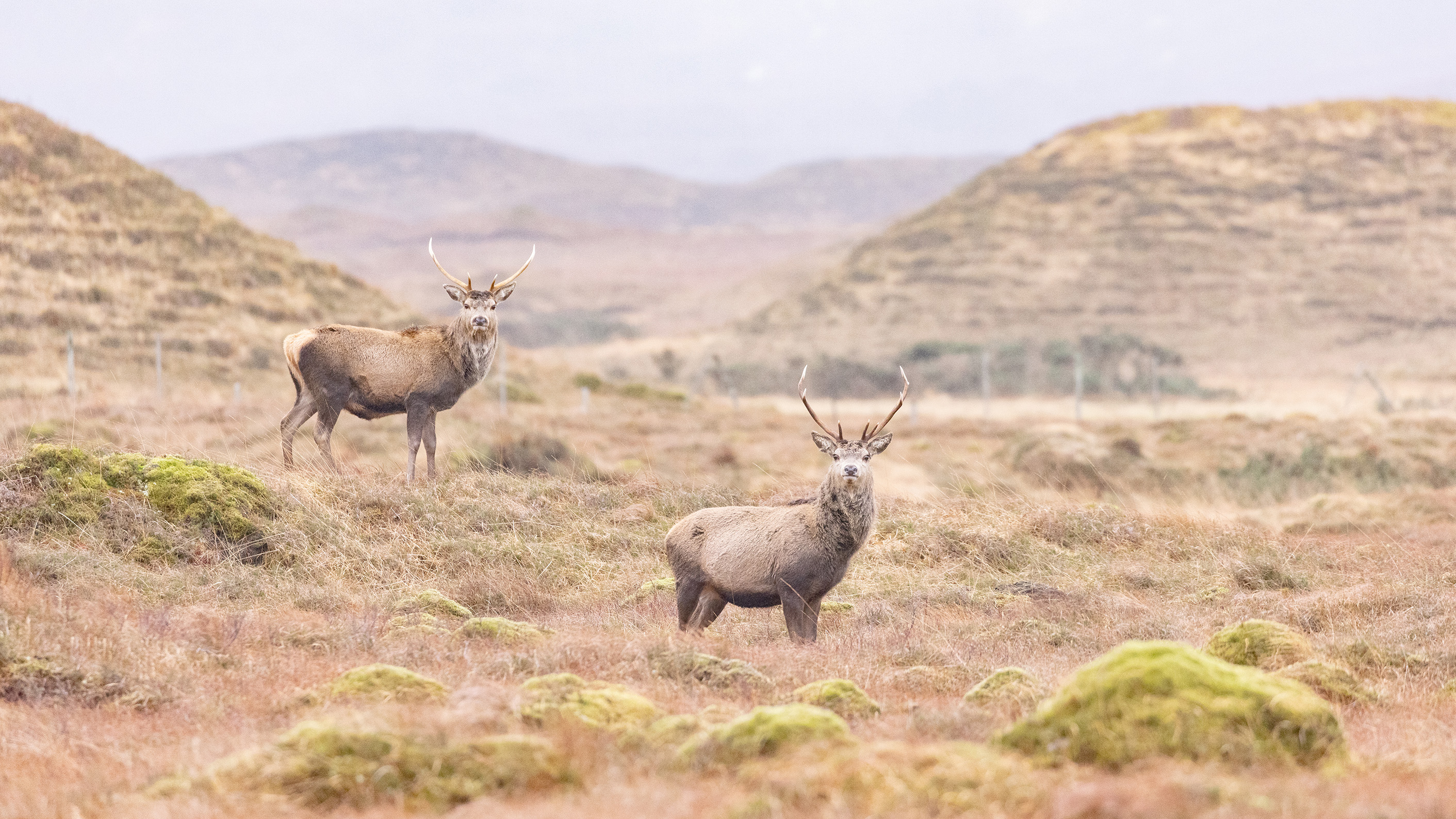
In Inchnadamph, a small hamlet about fifteen miles from the cabin, there were red deer everywhere. The name of the hamlet comes from the Gaelic Innis nan Damh, which means ‘meadow of the stags’. Deer are drawn to this particular area because of the limestone, which makes the grass sweeter.

I was grateful for that sweet grass because I got to see dozens of deer, both stags and hinds, as they foraged with the mountainous Assynt landscape all around them. I also found a fragmented antler in the heather. It’s less than a hand’s length but it’s got the sunflower-shaped face that once attached it to the stag’s skull. I took it as a good luck omen for the week.

When we arrived at the cabin we began setting up for our first night watch. On previous visits we’ve sat in the dark watching pine martens and badgers right outside the window, but the light’s always been too poor for photos. This time we upped our game and brought along two small freestanding lights to point onto a mossy log perch. Once the peanuts had been sprinkled it was time for the long wait to begin.

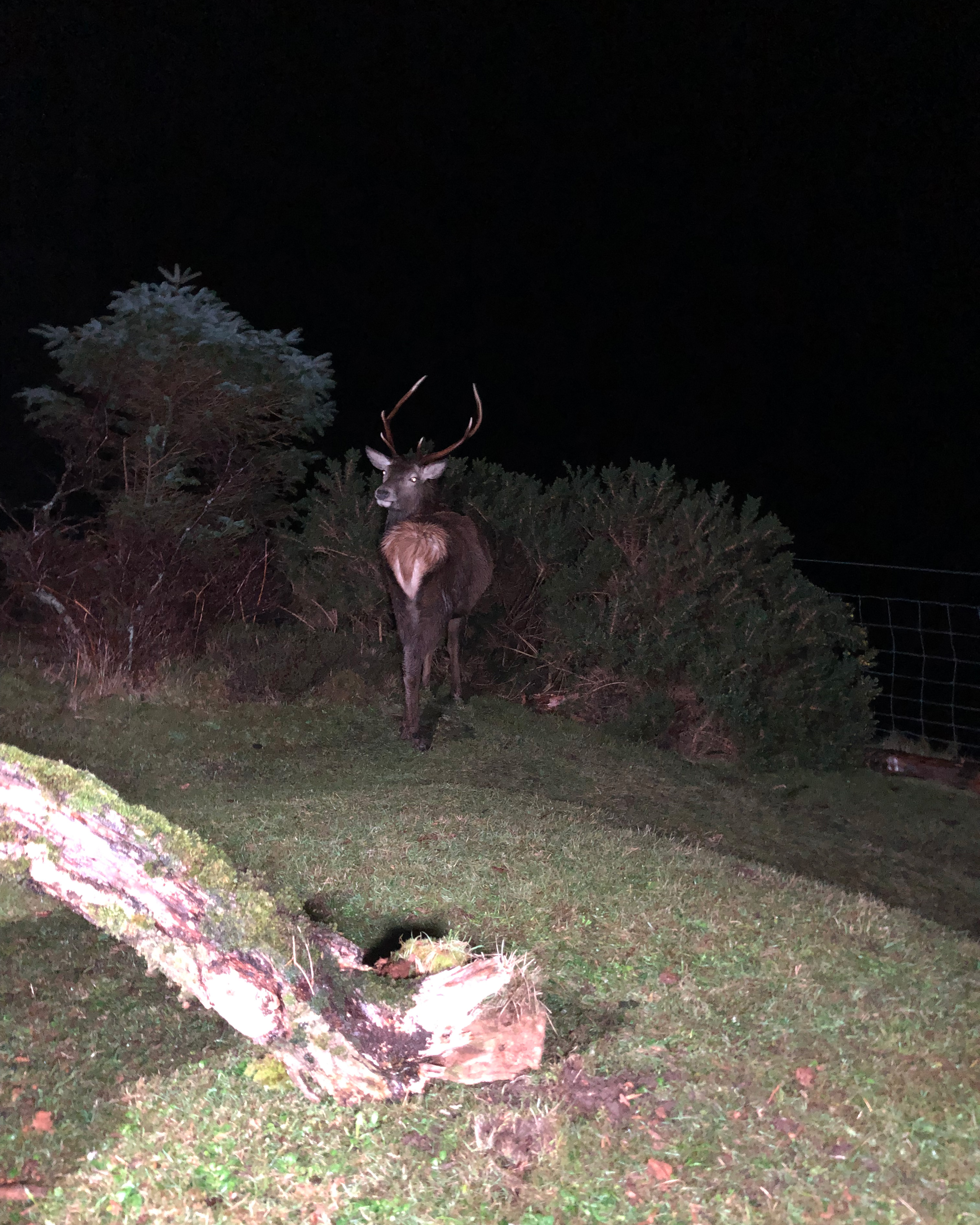
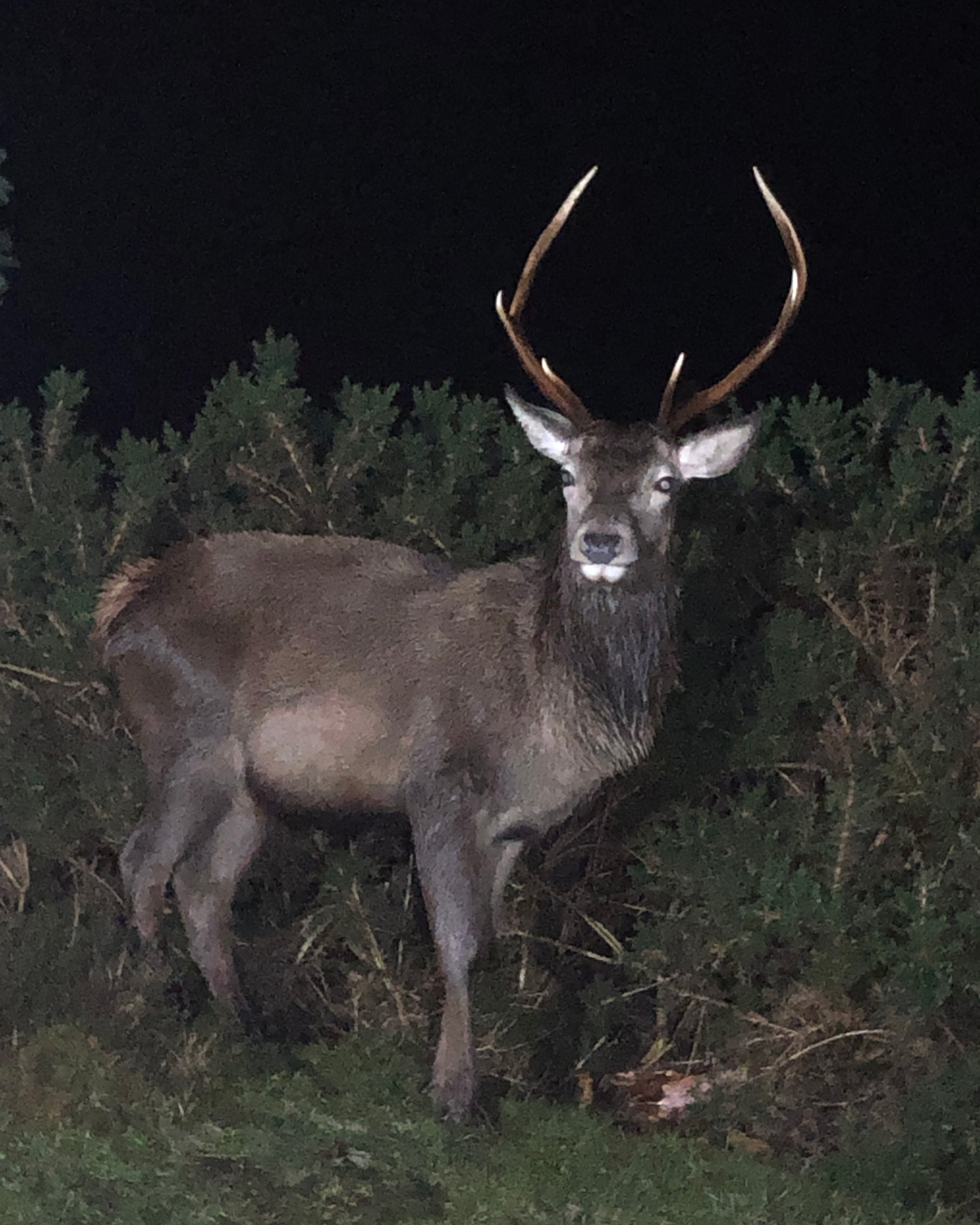
That first night was probably the most successful wildlife session I’ve ever had. From 9pm until we gave into exhaustion at 4:30am, we were visited seven times by a pine marten and twice from a huge stag, who scared the life out of me when his shining white eyes appeared in the dark. I hoped this was Stig, who often browses in the chalet garden and has been watched by lots of visitors to the chalet.

Stig stayed for half an hour on two separate occasions. Both times he made a beeline for the gorse bush closest to the chalet steps. I couldn’t imagine putting gorse anywhere near my face let alone in my mouth, but the stag couldn’t munch it quick enough.

Phone photos from our “hide” in the chalet

Although it was great to see a stag so closely, the pine marten was spectacular. Every time it appeared it would pop its head up from behind the square wire fence, then most times after that we would spot its shining eyes and pale bib from the bottom of the gorse bush that the stag had been munching on.

After a brief sniff and glance both ways, it lolloped into the open and leapt straight onto the perch, claiming its prize and gifting us with fantastic views.

For the next three nights we stayed up waiting for the pine martens. We knew there were two because one of them only had one flashing eye on the trail camera footage. We’d already named that individual Misty on our previous visit. Misty was far more elusive than Rex, our other visitor. We’d chosen this name because of the mark on its bib that looked like a T-Rex claw.

Rex came multiple times a night – on the second night we were slightly peeved that we had a tactical nap right when she/he dropped by, so we were fast asleep while a pine marten was munching a metre from our heads… Misty really challenged our nocturnal abilities but Steve managed to see her/him once on the last night.

Pine martens are one of my favourite animals, so to be able to watch them from the comfort of the cabin and at such close range was a real treat.

Once our time on the west coast was over, we passed through Inchnadamph again on our way back east. This time there was some lying snow, which made photographing the deer even more special.

Each time I return from the chalet I’m wondering when I’ll be back. I love living in the northeast and there’s some incredible wildlife here too, but there’s something so addictive about that cabin in Assynt.