Why are Island Tortoises so Large?

New research has shown that giant tortoises may not be large because of their island lifestyle, as previously thought. A team of researchers has gathered extensive genetic data from both living species and fossils of extinct species to discover the truth of how tortoises have evolved, in an attempt to answer the question of how they have become such giants.

Tortoises are an extremely diverse group of animals, ranging in size from 8cm long to one metre long. The largest species is the Galápagos tortoise, which can weigh nearly 500kg. So why has gigantism evolved in tortoises? Despite studies on these fascinating animals since Darwinian times, the answer is still unclear. It was thought that, like many species, tortoises followed the “island rule”: a tendency of dwarfism among large animals and gigantism of small animals living on islands. For example, in mainland Florida the white-tailed deer is abundant, but in the Florida Keys – a tropical archipelago of islands off the south coast of the state – a dwarf version of the mainland deer is found, known as the Florida key deer.

It is thought that island dwarfism is caused by limited resources, while a reduced pressure from predators triggers island gigantism. However, in the case of tortoises, it was suggested that these animals were already large in size before colonising remote island habitats. With so many giant tortoise species now extinct, it is impossible to uncover the reason behind gigantism in these animals without using the fossil record.

Galapagos_giant_tortoise Matthew Field
A dome-shelled Galápagos giant tortoise (Credit: Matthew Field) http://www.photography.mattfield.com

Now, Dr Evangelos Vlachos from the Paleontological Museum of Trelew in Argentina and Dr Márton Rabi from the Martin Luther University Halle-Wittenberg put together the most complete family tree of both extinct and surviving tortoise species so far, in an attempt to piece together the reasons for their variation in size. Interestingly, it was discovered that gigantism occurred on the mainland too, in Africa, Europe, Asia, North and South America. Interestingly, all of these mainland species became extinct.

“The fossils highlight a great number of extinct mainland giant species and suggest that the evolution of giant size was not linked to islands,” says Dr Evangelos Vlachos, “We expect that warmer climate and predator pressure plays a role in the evolution of giant size but the picture is complex and our sampling of the fossil record is still limited.”

So what led to the extinction of these giant mainland tortoises, and why have their island variants survived? It is thought that predation and climate change contributed to these extinctions, but it is intriguing to think that the island rule may not be the overriding factor for giant evolution, calling for more research into what causes such variation in size among these animals.

Tortoises have roamed the planet for over 55 million years – they survived the mass extinction that wiped out the dinosaurs, but now face an even graver threat: people. Human-induced habitat loss is the most significant threat for tortoises today, and they face an uncertain future. Thanks to research such as Vlachos’ and Rabi’s, we are able to better understand how these successful animals have evolved, and will hopefully continue to evolve for many more years to come.

To read more on this research, visit Science Daily.

The Legend of Jokul Frosti

The frost coated everything in sight. Like a shimmering white blanket it lay draped over leaf, twig and soil. The spectacle brought a hush to the usual bustle of early morning; for the brief time that the frost was here, a silence that only winter could bring hovered in the air.

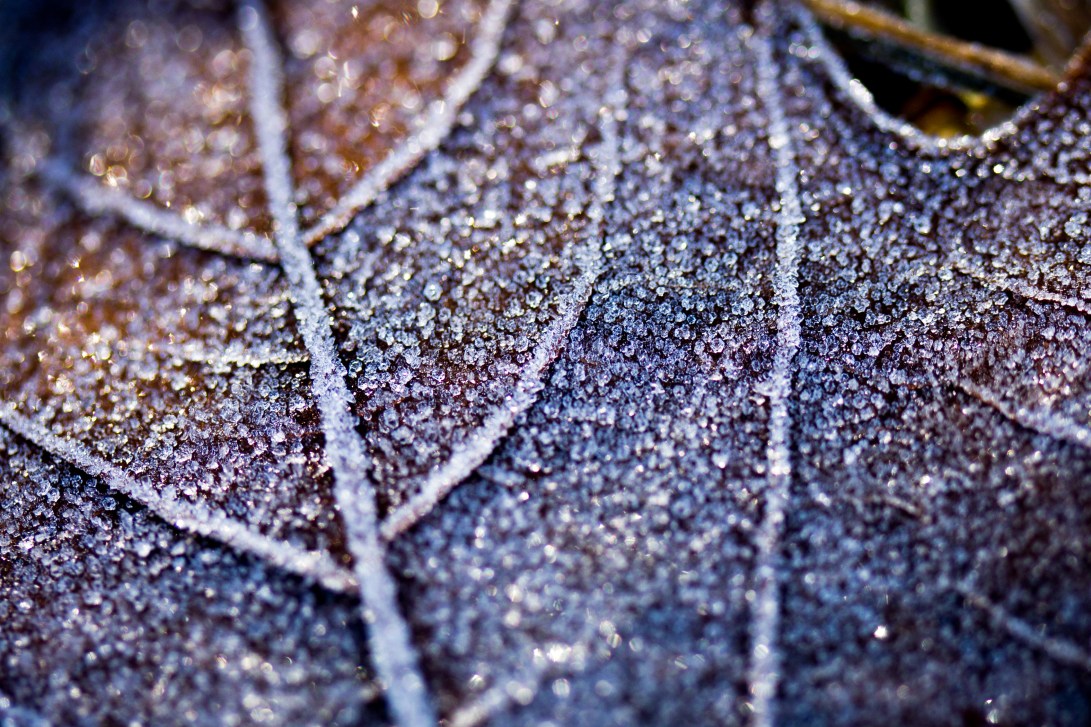
There were leaves scattered over the roots of the trees from which they were shed, curled and dry and chattering every time a breeze stirred them. Jack Frost had traced every vein with white crystal, setting down each cold stone beside the next like lines of silver beads. A knot in the wood of a fallen log had been sprinkled with frost too. The perfect cubes of ice were arranged in clusters like the hidden crystals that form inside a geode, except this display was here for everyone to see.

7W1A8300

Frost has been a source of delight for thousands of years. Over the course of a few hours, the sleeping streets are transformed into a stunning white sculpture. Perhaps the most magical of all is how fleeting it is; when the sun rises, the silver art melts, disappearing until the next freeze.

Formed from water vapour clinging to freezing surfaces, the white colour of frost is brought by air bubbles that have become trapped in the ice crystals. Hoar frost is the frozen version of dew, formed when water vapour transforms directly to solid ice. Its magical swirling patterns and shapes are perhaps what sparked the deep-set Norse mythology that gave frost a far greater meaning. According to legend, it was in fact the artwork of a mysterious character we all recognise: Jack Frost.

“Then he went to the mountain, and powdered its crest,

He climbed up the trees, and their boughs he dressed

With diamonds and pearls…”

Extract from “The Frost” by Hannah Flagg Gould (1789-1865)

Hannah Flagg Gould’s poem about Jack Frost is a playful representation. After painting the mountains and trees with an artistic flair, he causes mischief in a house by “biting a basket of fruit”, spoiling the food for the occupiers of the house to find the next morning.

It is thought that the legend of Jack Frost originated from Viking folklore. His modern name is an Anglicised rendition of Jokul Frosti, meaning “Icicle Frost”. The son of the Nordic wind god Kari, Jokul was a nymph-like creature who painted beautiful frosty patterns on windows during the night. He was the personification of the chill that arrived with winter and nipped the noses of children with his icy bite.

img_9065
Ice Crystals

While Jack Frost is often depicted as a playful sprite with innocent intentions, other cultures recognised Jokul as a more sombre figure – one that was feared and respected. Scandinavian mythology paints a picture of a frost giant that brought not only bitter cold but the black doom of winter that symbolised the end of the world. In northern Russia and Finland, an almighty deity known as Frostman commanded the weather, and was given sacrifices by reindeer herders to persuade him to lessen the severity of blizzards. The villagers would leave bowls of porridge for the Frostman to ensure their crops weren’t touched by the damaging frost. Elsewhere in Japanese folklore, Frostman was a malicious character, the brother of Mistman, who were both keepers of the frost and dew.

Jack Frost is well known but barely understood in modern culture. Most people envisage the elfish creature that decorates the night with beautiful silver patterns that melt with the sunrise. Over time, he has shed the fearsome demeanour that came with the frost giants of Norse mythology. Something as beautiful as sweeping hoarfrost or delicate ice crystals surely couldn’t have been summoned by a menacing omen of everlasting winter. Frost, like the Aurora borealis, is a natural wonder. Although it may not be as sought after as dancing green skylights, it is a microscopic miracle. Whether it is the handiwork of Jokul Frosti will forever be a mystery.

Winter Migrations

During this time of year, many birds have migrated for the winter. Some, like Partridges, don’t stray more than a kilometre from where they were born, but most birds – at least 4000 species – will migrate to seek new pastures that will see them through the colder months. There are several different types of migration that British birds follow, due to food availability or sometimes their own adaptations.

In an irruption migration, large numbers of birds that do not usually visit the UK arrive in a short space of time. In some years, the population grows too large for the food that is available in the birds’ usual territories, forcing them to relocate. Waxwings (Bombycilla garrulus) migrate in this way; some years we are fortunate enough to see large groups of these striking birds feeding on berries high in the trees, while other years there are none at all.

While many birds travel from north to south or east to west, some make shorter journeys from low to high altitudes and vice versa. Even though this migration may not be as physically demanding, there are still new challenges that come with a change in environment. In the UK, various larks, pipits and buntings are altitudinal migrants, including the Skylark (Alauda arvensis). As well as an altitudinal transition, many Skylarks will change habitat in winter. Having spent most of the year roaming farmland and heathland, coastal marshes become more favourable during the winter months.

Other migrations aren’t as a result of finding new feeding grounds but simply to stay safe. While all birds shed old feathers to grow new ones, species such as the Shelduck (Tadorna tadorna) lose all their flight feathers, making them very vulnerable to predation. In order to increase their chances of surviving while new feathers come through, Shelducks migrate to safer areas in late summer once the breeding season is over. A popular location for Shelducks is the island of Heligoland, situated in the North Sea. This allows the birds to moult with little disturbance.

Red Morning Ophelia’s Warning

Every morning when I wake up, I trudge to the window and peek outside at the weather. When I did this on Monday, the world was in sepia. A bizarre, yellow hue covered buildings, cars and streets. My sleep-fuddled mind thought perhaps the world was finally coming to an end; Earth had reached the end of her tether with the deadly human virus and was expelling us once and for all.

On my way to uni, I half-expected to see zombies staggering around. It was 9:30am, but the sun was nowhere to be seen. In the canteen all I could hear was talk of the sky and how long we all had left to live. This carried on for some time, until eventually the sky turned blue again. Strangely, the day turned into a beautiful one, and by the time I was walking home it was the warmest October afternoon in a while.

As many people soon realised, the cause of the red sun and yellow sky was Hurricane Ophelia, making her presence known everywhere possible by pulling with her a torrent of dust and tropical air from the Sahara. According to BBC weatherman Simon King, these clouds of dust meant shorter wavelengths of blue light were scattered, giving the sun its red hue.

That wasn’t all in Monday’s sky cocktail. According to the Met Office, the “vast majority” of the dust was an accumulation of debris from forest fires in Spain and Portugal, hitching a ride with Ophelia and spreading north.

So not quite the apocalypse that most of Twitter was anticipating, but the truth is terrifying enough. Hundreds of people have been sharing photos of the red sun and commenting on the weird and whacky events, but the cause of this phenomenon was a hurricane that has claimed three lives and left nearly 400,000 homes without power or running water… and that’s just in Ireland.

It’s easy to forget how devastating natural events like hurricanes are when they’re hitting thousands of miles away. But the aftermath of this storm is still very much a threat in the UK too. The damage that this hurricane, and that of Irma, Jose, and all the countless others should not be shrugged off as a pretty and peculiar occurrence.

Camera Trap: A week in January

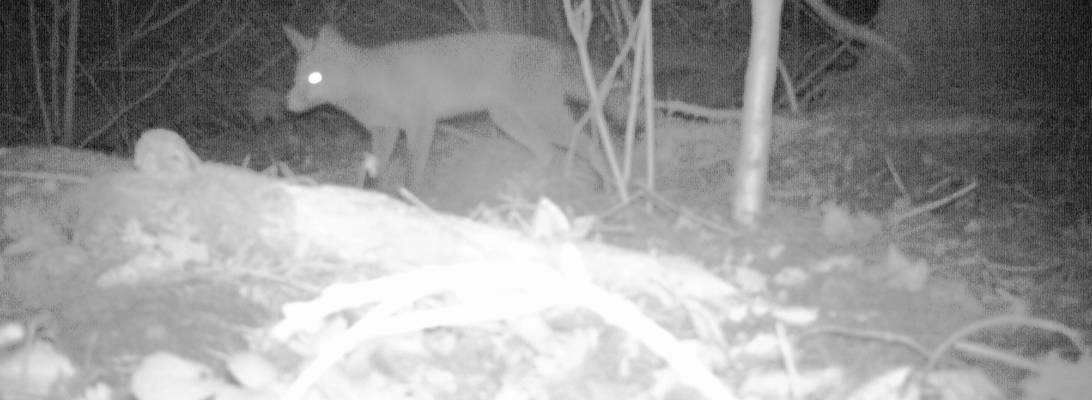
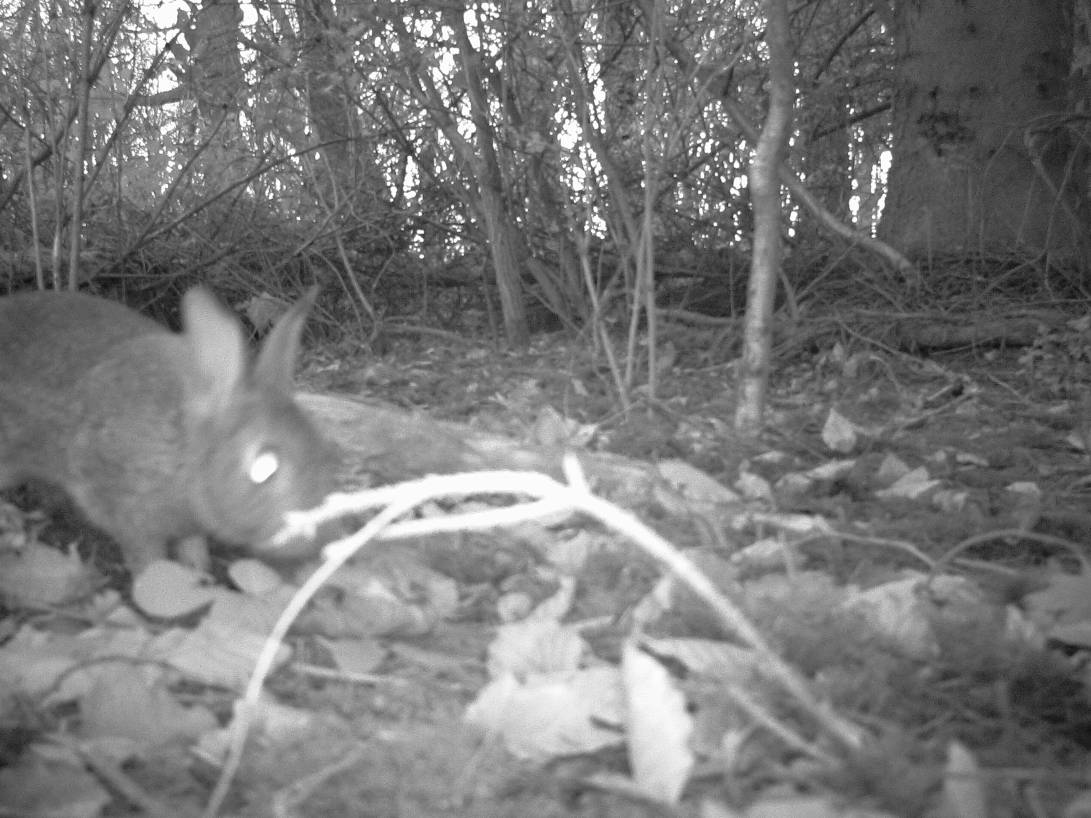
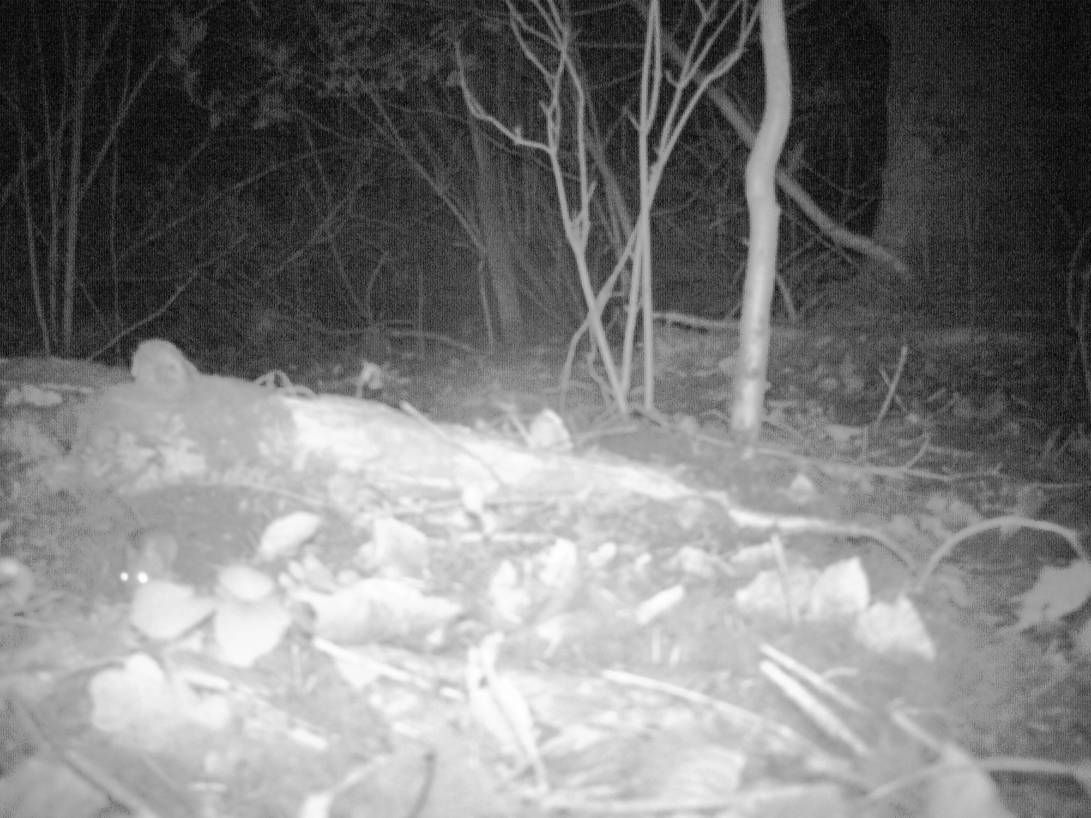
In many cases, wildlife can only be truly photographed without the photographer. After falling in love with Kingmoor South, Zahrah and I decided to set up camera traps to see what we could find. We had just attached all three traps when we realised we’d forgotten to bring bait, but decided to leave them a week and hope for the best. When we returned, we were thrilled to discover we’d had some visitors.

imag0038
European rabbit (Oryctolagus cuniculus)
imag0176
Wood mouse (Apodemus sylvaticus)
imag0058
Red fox (Vulpes vulpes)
imag0073
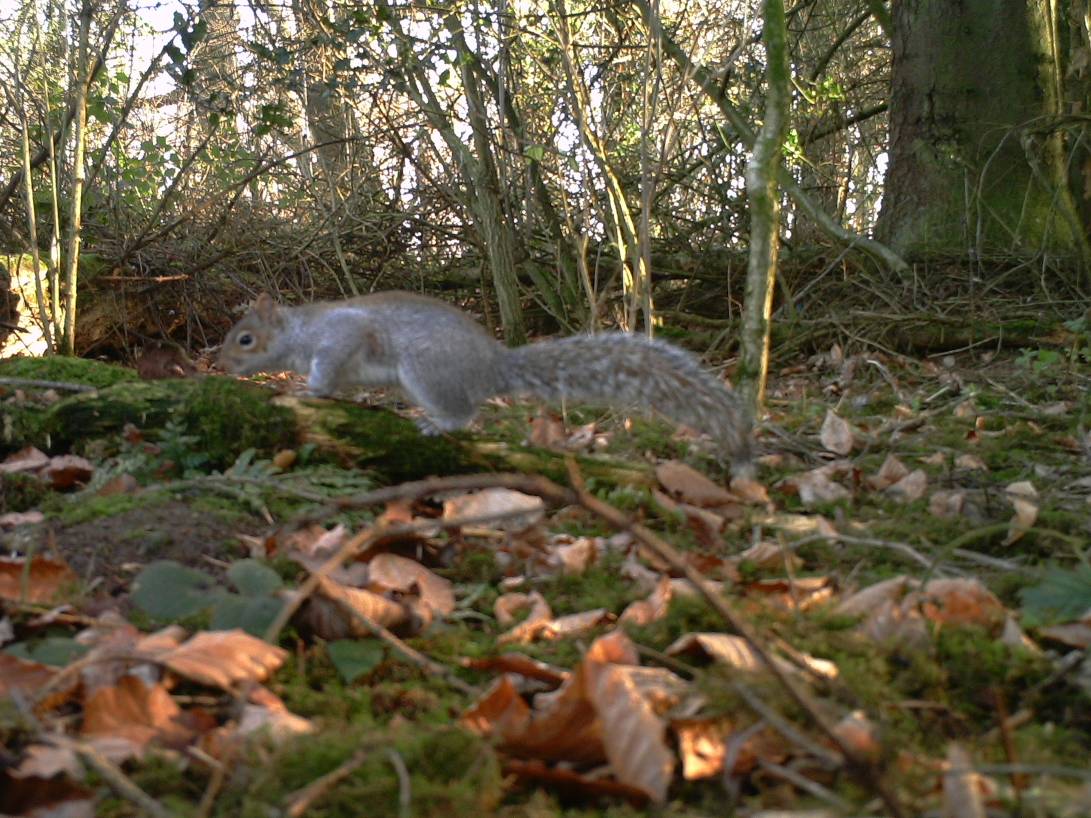
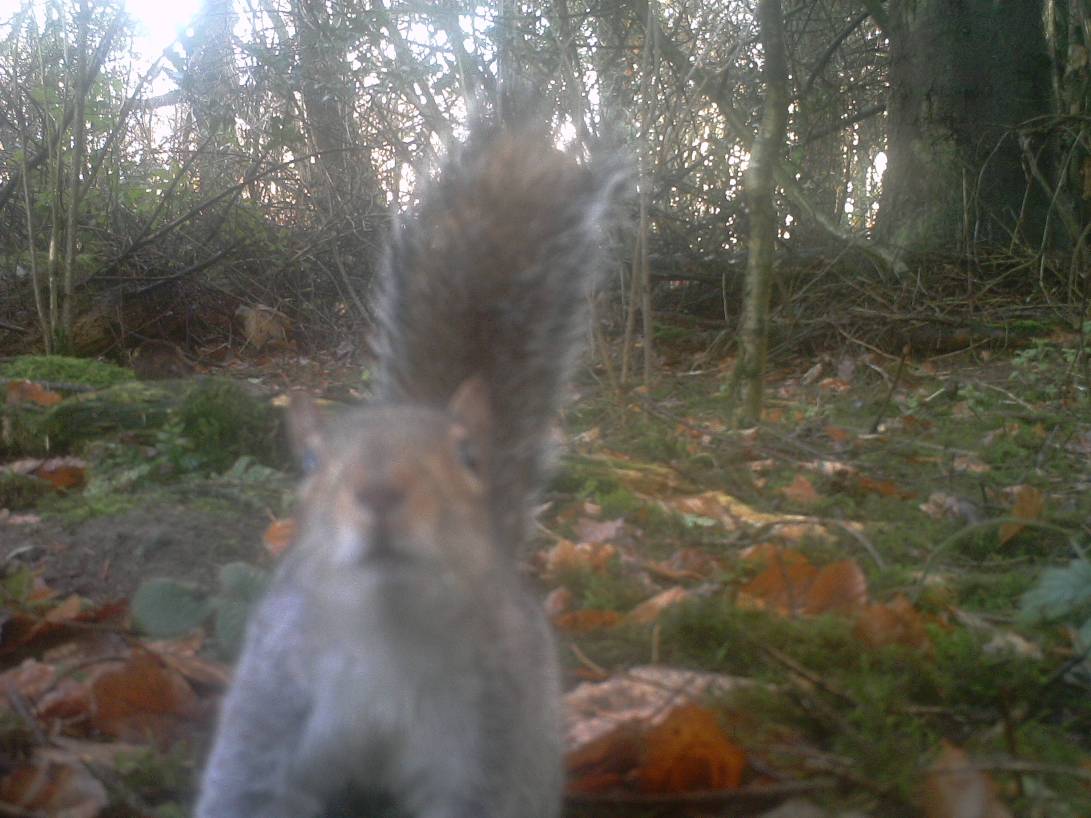
Grey squirrel (Sciurus carolinensis)

imag0139

I reckon we’ve found a good patch for traps, so I’d love to plan a second trip and set them up again. I’ve got my sights set on catching a badger…

Hiding Under Toadstools

It had been way too long since Zahrah and I last went on an adventure, so on a grey, cloudy Friday morning we headed out to Kingmoor South and North nature reserves for a wander. The aim was to train our senses and become expert animal trackers. We had our hopes on finding owl pellets and maybe even the fabled “Beast of Cumbria” – I share George Monbiot’s rather pessimistic opinion on a black panther stalking sheep in the Lakes but that’s a whole other blog post.

img_9258
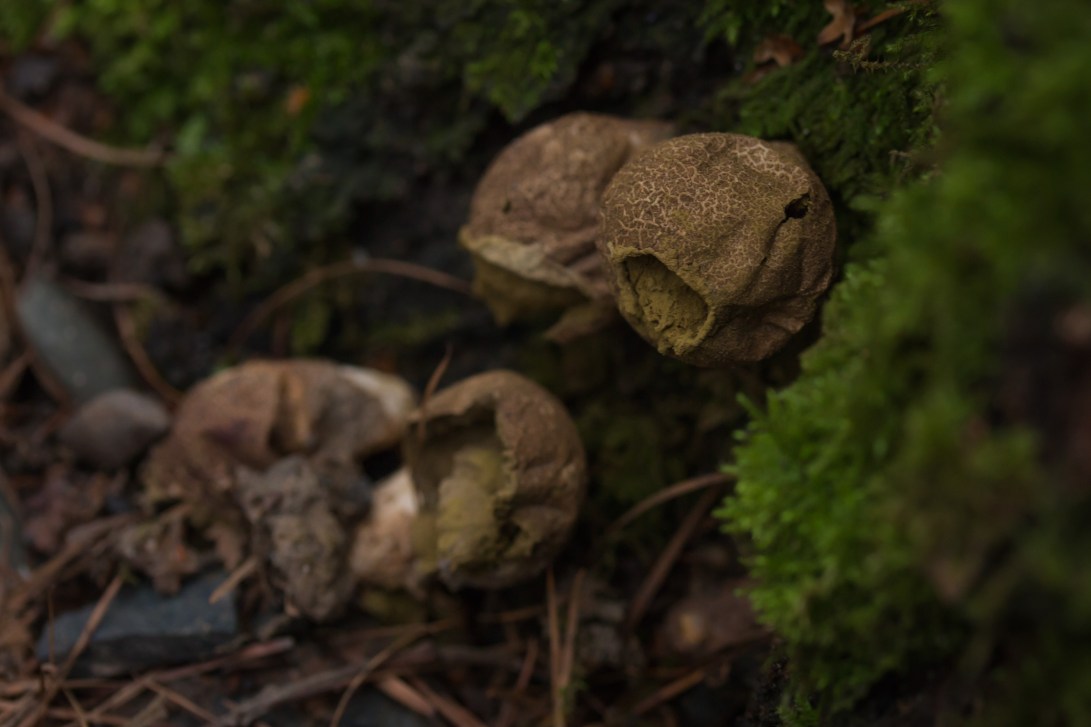
Common Puffball (Lycoperdon perlatum)
img_9304
Frothy Porecrust (Oxyporus latemarginatus)
img_9266
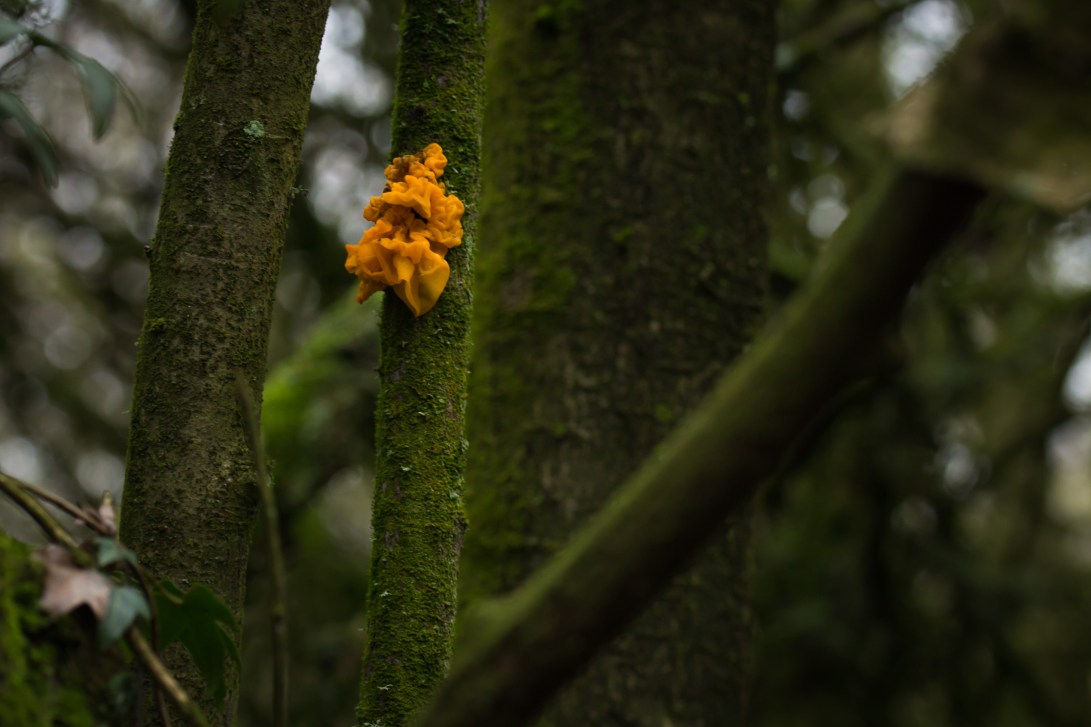
Yellow Brain (Tremella mesenterica)

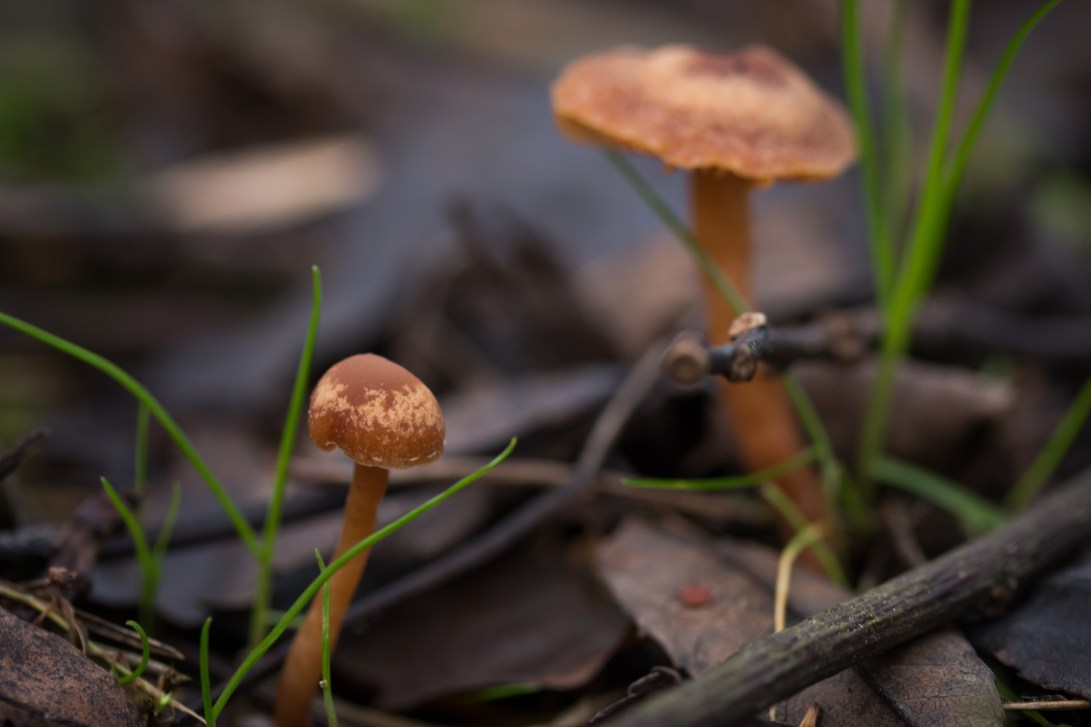
Sadly our adventure was pellet-less, but what we did find was a lot of fungi. I’ve been really interested in macro photography recently, and have subsequently been spending a lot more time crawling on the floor finding tiny things to photograph. I never realised quite how extraordinary fungi could be – so many shapes, sizes and colours. Like every naturalist I’d love to be a wild forager and have a nibble on the safe varieties, but after trying to name the ones I’d found I discovered it was dangerous territory. Take Morel (Morchella esculenta) for example, an egg-shaped cup fungus that apparently tastes wonderful. Then take its almost-twin, False Morel (Gyromitra esculenta), which can be fatal and even after careful preparation is believed to cause cancer. Nature is a cruel mistress indeed!

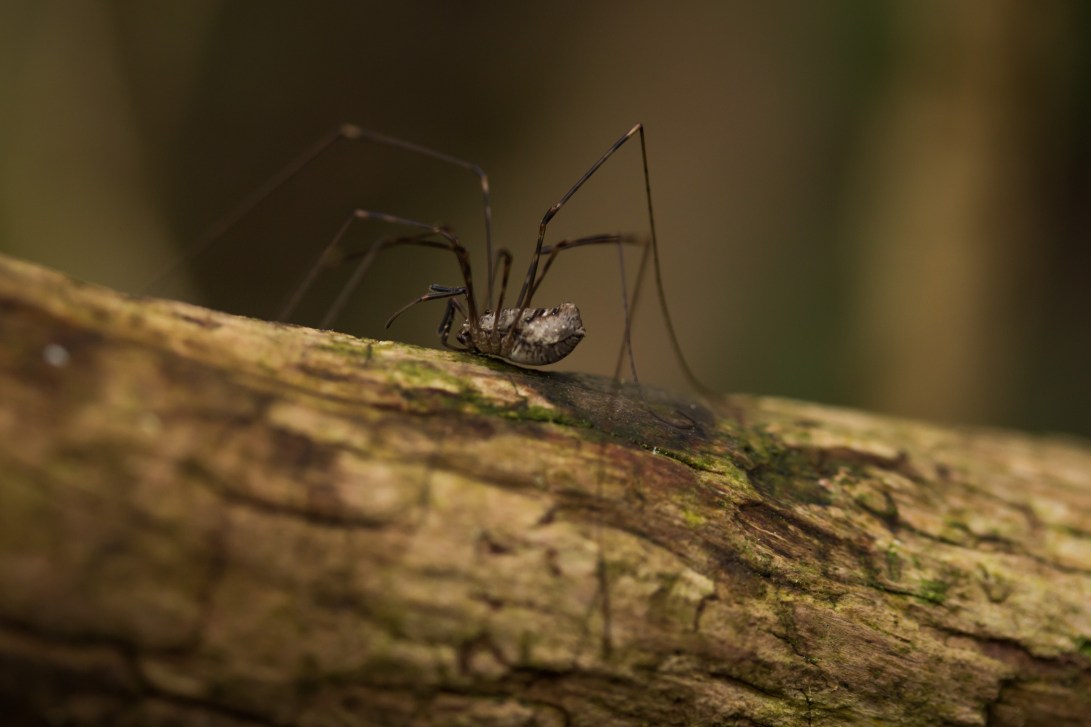
So we decided against finding a snack and stuck to taking photos of the fungi we found. Zahrah graciously held a branch up while I crawled underneath to photograph a group of Jelly Ears. I was mid shot when I heard “aw look at this little spider” over my head and regretted every decision I’d made getting to the Jelly Ears. The little critter was a harvestman (Opilione), and luckily he was only small so I was even brave enough to take a shot of him before he scuttled away.

img_9293
Harvestman (Opilione)
img_9285
Jelly Ear (Auricularia auricula-judae)

We ate our lunch on a bench nestled amongst the vast oak trees, the forest floor covered in a crunchy bed of orange and brown. It was eerily quiet, even for a forest landscape. I can’t wait for the spring when the air will be alive with birdsong again. Winter has its own magic, but it can’t be denied that spring is when nature truly shines.

img_9115
Brown Mottlegill (Panaeolina foenisecii)
img_9100
Candlesnuff Fungus (Xylaria hypoxylon)

Whale Bones and Walking Stones

As usual, I trundled to Tullie House Museum for my weekly volunteer shift. Right now everything is focussed on the whale project. Following the discovery of a 16m fin whale skeleton on a beach in Cumbria, Tullie House now has the makings of a smart new welcome feature in their entrance hall. The bones are being taken away for professional cleaning in less than a month now. There’s still a lot to be done before that happens, so it’s all systems go!

Today I was joined by a new volunteer called Will, who turned out to be a fascinating character. As we set to work on scrubbing dried whale flesh off vertebrae the size of my hips, we got chatting about wildlife. Turns out, he’d travelled to some stunning places for expeditions, something I was incredibly jealous of. One one expedition in Abu Dhabi, he had the chance to excavate fossilised camel skeletons as part of his master’s degree in zoo archeology. Once they reached the ribs, the guide assured them there would be nothing of interest to investigate. Will decided to convince him otherwise and together they found an ancient spearhead embedded in the bone. The small discovery prompted a thousand questions: who killed this camel? For what reason? It was fascinating.

Soon, Will is heading off the to the Far East, but he’s done a lot of work in East Greenland. Highlights from his trips here included a sighting of a polar bear jumping through an enlarged seal breathing hole and into the ocean below, and a herd of very intimidating musk oxen, as well as polar wolves, snow white relatives of the grey wolf. On one encounter, Will’s team heard a distressed ringed plover and glanced out the window of their lodgings to see an arctic wolf mere feet away.

As amazing as these stories were to hear (as I sat on the floor scraping white fat off whale bones), my favourite was the tale of the walking stones. Will described how, when rocks fall onto a glacier, they create a natural phenomenon. While the ice around the rock melts under the sun, the patch directly beneath it is kept sheltered. After many hours, the rock is “lifted” by its ice pedestal as the rest of the glacier melts away. Soon though, even the elevated platform succumbs to the sun’s heat and the rock falls onto a patch below, beginning the whole process again. The result is a very slow game of slinky, but one that fills me with such joy that nature is so beautifully playful.