
I was in Assynt on the west coast again last week to get footage of the red deer rut for my latest Opticron video. If I wasn’t already in the mood for autumn, there’s nothing like roaring stags, soggy fungi and fiery bracken to get me even more excited for the dark half of the year.
I had to battle the weather at times, but I still managed to see some stunning scenery and wildlife in October sunshine. I brought my mum along and it was the furthest north she’d ever been. I couldn’t wait to introduce her to another part of Scotland that I’m growing more and more attached to.

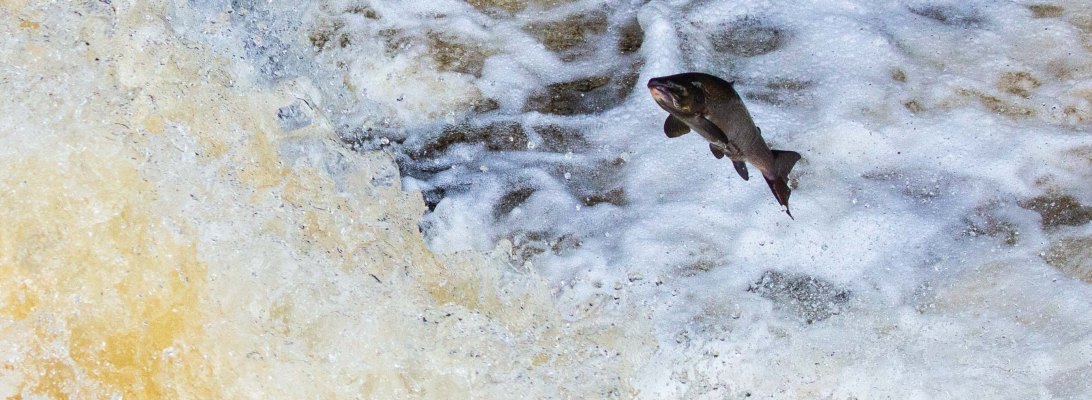
Before we reached Assynt we stopped off at the Falls of Shin in Lairg to watch the salmon leap. I’d seen it once before almost exactly a year ago, but everything was new to Mum and it was so rewarding seeing her amazement at these massive fish launching themselves into the air.

A couple of miles away from our accommodation we saw a couple taking photos of something in a field beside the road. Lucky they were there, as they were pointing their cameras at a stag resting in the grass! I pulled over and recorded my first footage of the week, which included a bonus bellow from the gorgeous stag. I wondered if this was the same male that had visited the chalet garden back in June when his antlers were still in velvet.

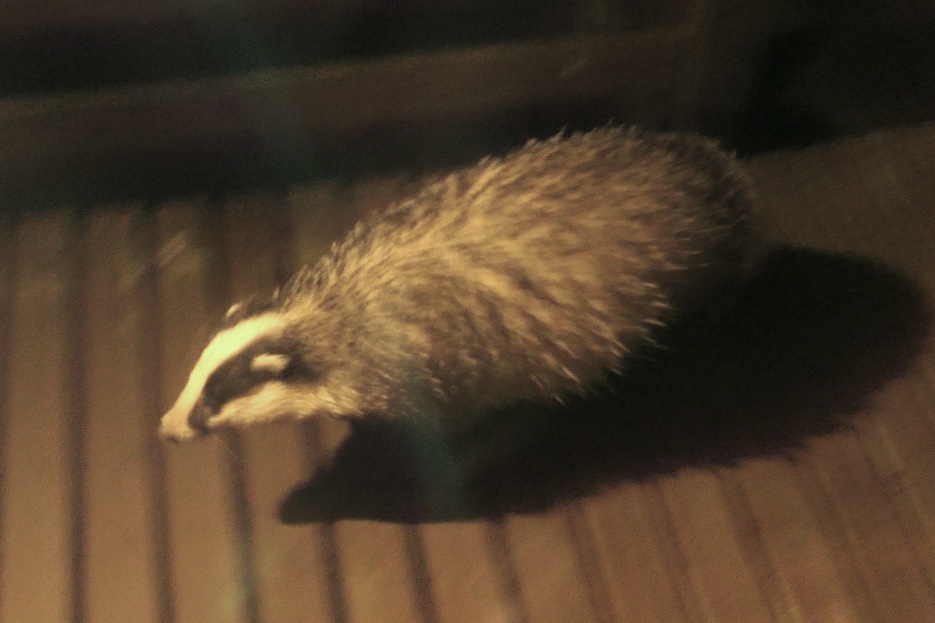
The rest of the week was spent dodging the spells of rain and searching the hills for red deer. Once I’d got all the footage I needed we explored elsewhere, climbing up to the Falls of Kirkaig and walking through Celtic rainforest lush from autumn rains. We beach combed along the bay beside the chalet and found handfuls of frosty sea glass and a mermaid’s purse. I popped into the loch for a chilly and very brief swim. We were also visited almost every night by a hungry badger, who ambled right past the door on his way out!


Towards the end of the week we visited Ardvreck Castle, a crumbly ruin on the edge of Loch Assynt. While strolling along the beach Mum spotted a dipper foraging in the seaweed. I was surprised to see a dipper on the beach and it was the closest encounter I’d had with one – usually my only views are brown blurs as they shoot along the river.

I love visiting a place in different seasons. On my summer visit to Assynt there were black-throated divers on the loch and huge golden-ringed dragonflies clinging to the heather. This time we saw badgers at dinner time and heard stags roaring throughout the night. I’m so pleased I could share this special place with Mum – she was a little sad to leave at the end of the week. I’ve stayed in Assynt during summer and autumn so far – the next visit for me would be in winter, when I would search for shed antlers and hopefully photograph deer in the snow. Until then, it was lovely seeing and hearing those huge animals at the peak of their yearly drama.


 rebeccaonthewing.com