Back to Assynt

I was in Assynt on the west coast again last week to get footage of the red deer rut for my latest Opticron video. If I wasn’t already in the mood for autumn, there’s nothing like roaring stags, soggy fungi and fiery bracken to get me even more excited for the dark half of the year.

I had to battle the weather at times, but I still managed to see some stunning scenery and wildlife in October sunshine. I brought my mum along and it was the furthest north she’d ever been. I couldn’t wait to introduce her to another part of Scotland that I’m growing more and more attached to.  

Before we reached Assynt we stopped off at the Falls of Shin in Lairg to watch the salmon leap. I’d seen it once before almost exactly a year ago, but everything was new to Mum and it was so rewarding seeing her amazement at these massive fish launching themselves into the air.

A couple of miles away from our accommodation we saw a couple taking photos of something in a field beside the road. Lucky they were there, as they were pointing their cameras at a stag resting in the grass! I pulled over and recorded my first footage of the week, which included a bonus bellow from the gorgeous stag. I wondered if this was the same male that had visited the chalet garden back in June when his antlers were still in velvet.

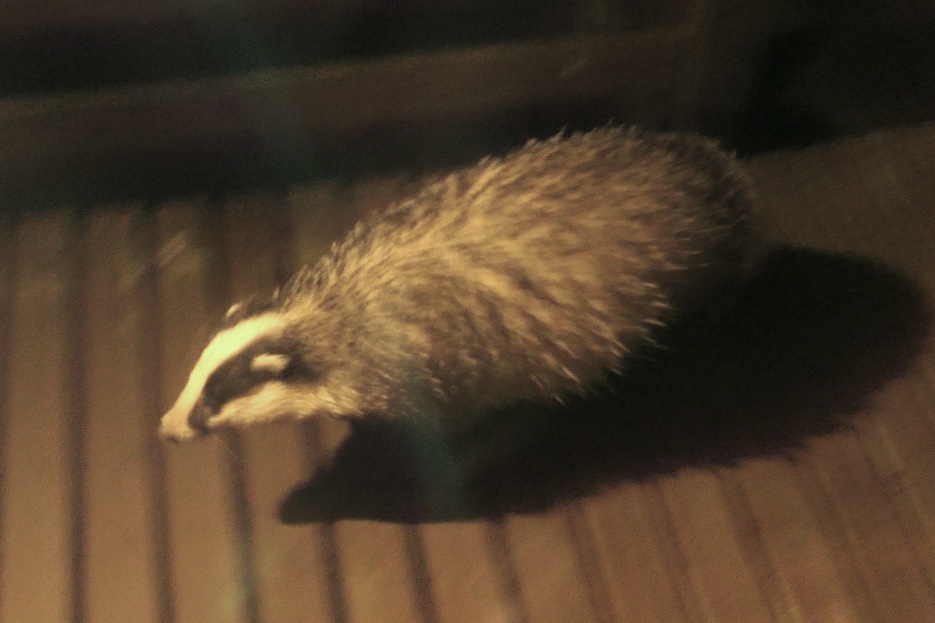
The rest of the week was spent dodging the spells of rain and searching the hills for red deer. Once I’d got all the footage I needed we explored elsewhere, climbing up to the Falls of Kirkaig and walking through Celtic rainforest lush from autumn rains. We beach combed along the bay beside the chalet and found handfuls of frosty sea glass and a mermaid’s purse. I popped into the loch for a chilly and very brief swim. We were also visited almost every night by a hungry badger, who ambled right past the door on his way out!

Towards the end of the week we visited Ardvreck Castle, a crumbly ruin on the edge of Loch Assynt. While strolling along the beach Mum spotted a dipper foraging in the seaweed. I was surprised to see a dipper on the beach and it was the closest encounter I’d had with one – usually my only views are brown blurs as they shoot along the river.

I love visiting a place in different seasons. On my summer visit to Assynt there were black-throated divers on the loch and huge golden-ringed dragonflies clinging to the heather. This time we saw badgers at dinner time and heard stags roaring throughout the night. I’m so pleased I could share this special place with Mum – she was a little sad to leave at the end of the week. I’ve stayed in Assynt during summer and autumn so far – the next visit for me would be in winter, when I would search for shed antlers and hopefully photograph deer in the snow. Until then, it was lovely seeing and hearing those huge animals at the peak of their yearly drama.

The Rut


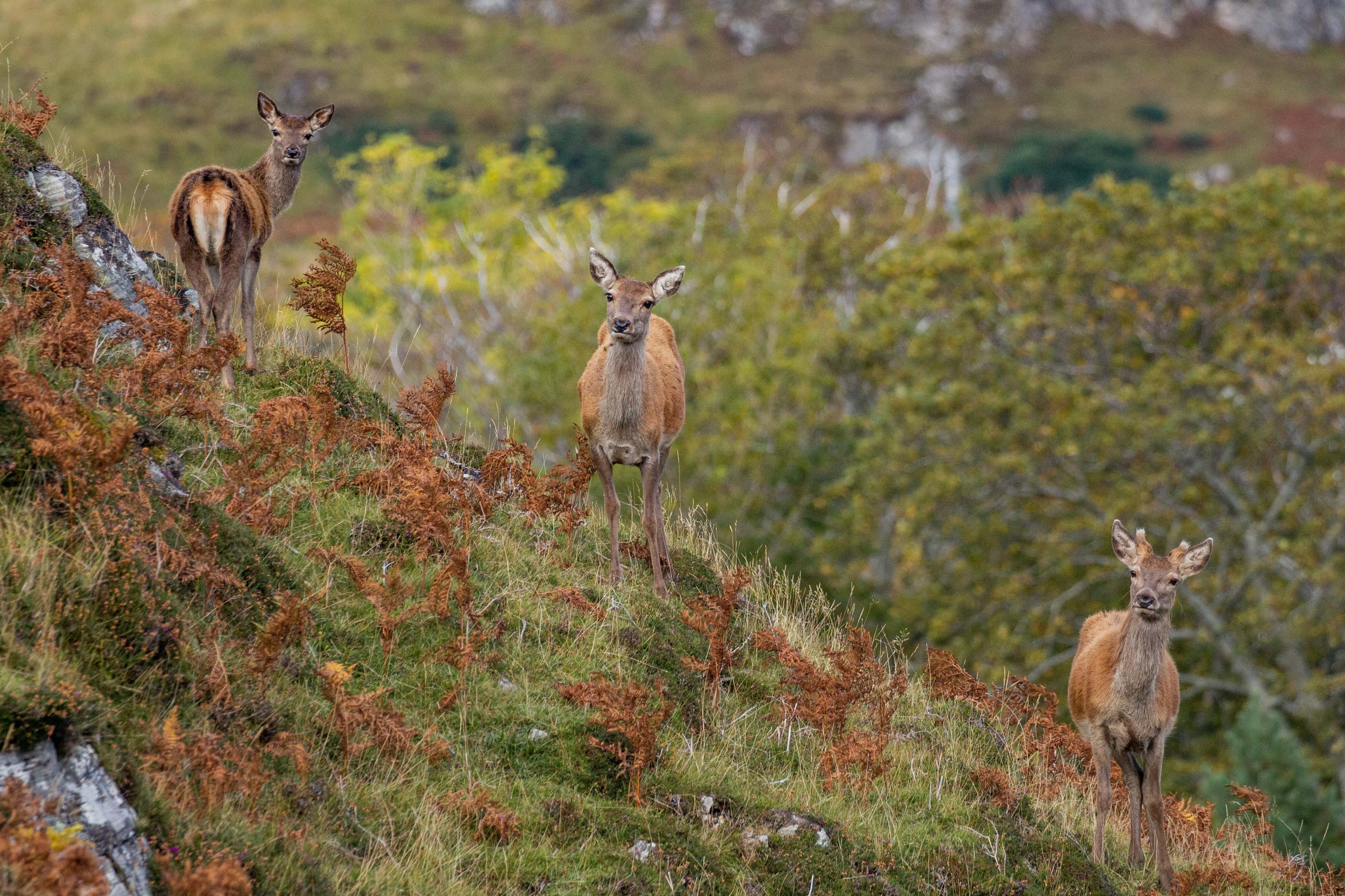
For years it’s been a dream of mine to watch Scottish red deer in the autumn so last week my boyfriend Steve and I journeyed to the west coast to find some. We saw deer every day but they were often on the peaks of the hills and too far away for photos. Even if the sights weren’t great, the sounds were fantastic. At night in the chalet I’d pause during dinner after hearing a faint mooing sound from outside. It wasn’t cows but the bellowing of breeding stags on the hill across the loch, working hard to protect their own harems of hinds or attempting to steal someone else’s. They bellowed long into the early hours and several times I woke up disorientated, wondering if I had dreamt it.

A distant hind on the crest of the hill.

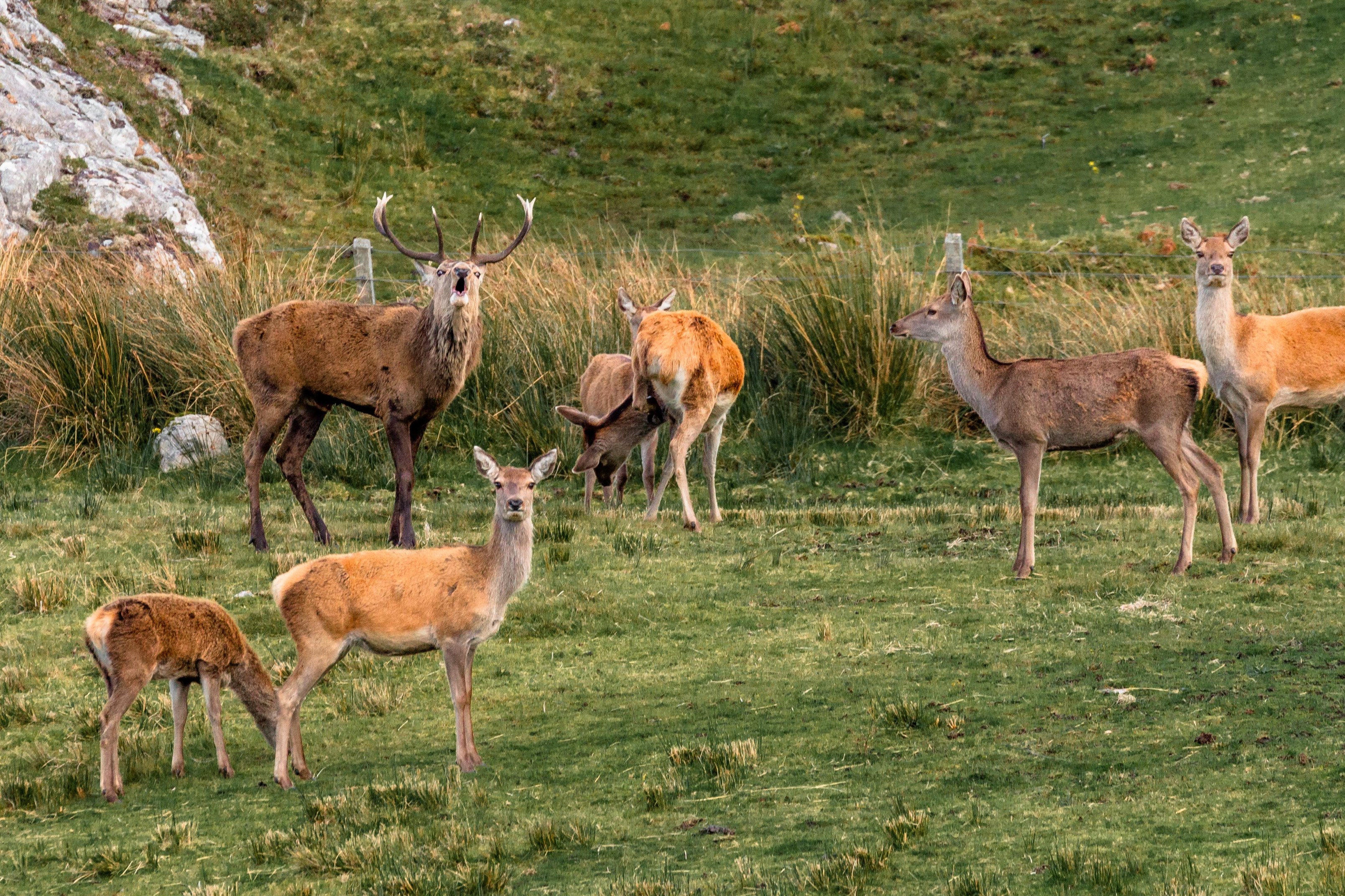
On the last full day of the trip after yet more distant silhouettes on the horizon we turned around and started driving back to the house, just about ready to accept defeat. In an almost cliched “nick of time” moment Steve suddenly spotted a stag with his harem in a field not far from the road. Naturally there was nowhere to pull over so we ditched the car in a layby, walked back up the road and crawled the last few metres on our bellies to avoid scaring the deer.

A stag bellows in front of his harem of hinds

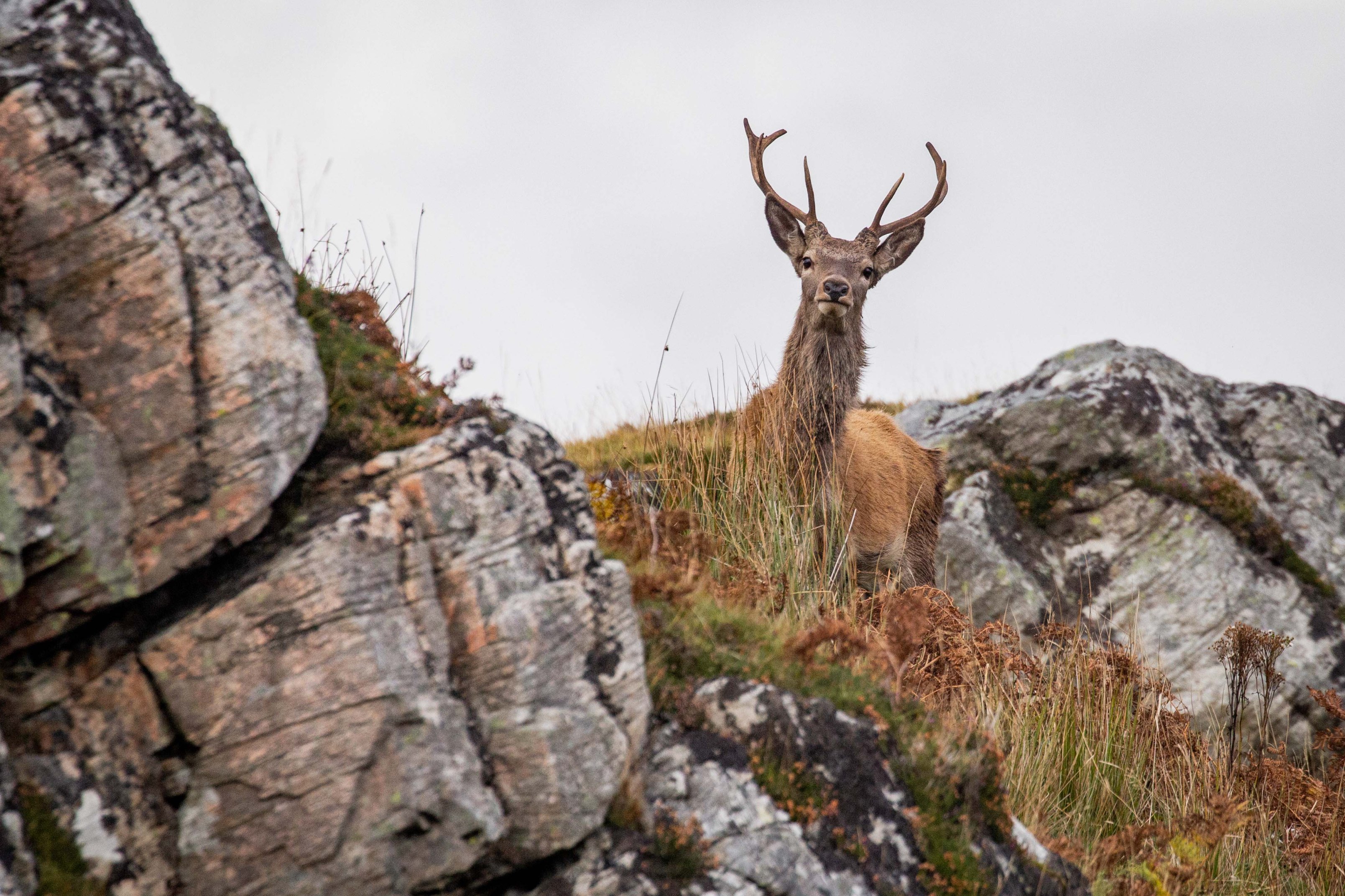
After several minutes of crawling I discovered that my hands were covered in roughly a dozen ticks, all tiny and luckily unattached. However, the ticks, mud and poo were all worth it for the views. The stag in the field below was in full rut mode, bellowing every minute or so and chasing the hinds around. None succumbed to his advances but he persevered, even jumping the hilariously named “deer proof fence” with ease. As well as the larger stag, there were also several younger stags feeding on the hill at eye level with us. They stared us down every time we shifted position but seemed content to carry on as normal and let us watch.

After several days of hearing deer without seeing many, getting to spend a couple of hours being completely surrounded by them was the perfect way to end our trip. Deer are one of those Marmite animals for some people, but I think they’re exceptionally special and I relish every encounter I have with them.

August WILDLIFE


August is an intriguing time for wildlife. Although birds are relatively quiet at this time of year, insects are out in force. This month sees summer and autumn blending together and there is plenty to discover out in the countryside. So, here are some of my favourite British wildlife highlights during August.


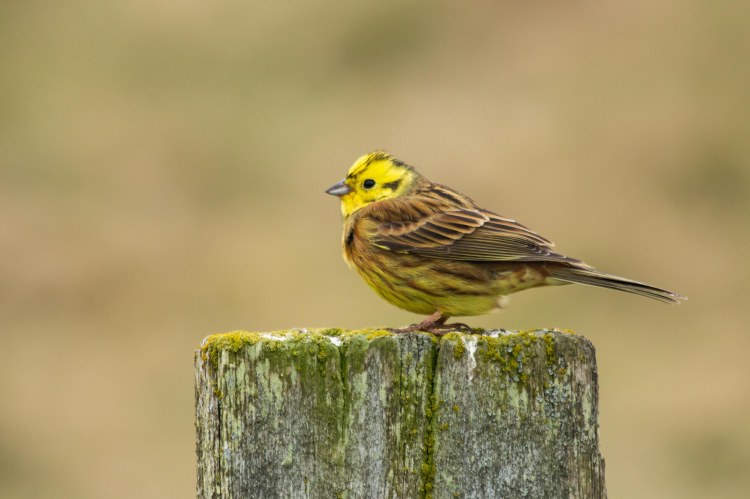
This month, yellowhammers are one of the few birds still singing. They can be seen perching high up on gorse bushes as they fill the air with a charismatic phrase that many birders say sounds like “a little bit of bread and no cheese”.

Migratory British birds such as swifts and blackcaps start to make their way back south this month – swifts are particularly noisy flyers and soon the skies will be much quieter in their absence. Other migrants including swallows and house martins will stay around a little longer and usually depart around September.  

Tawny owls may start calling in August, but this usually picks up in autumn and then throughout winter. It is during this time that young birds leave their parents and attempt to establish their own territories, using their calls to announce their presence. The well-known “twit twoo” call of a tawny owl is a combination of voices – the female calls “ke-wick” and the male answers “hoo-hoo-ooo”.

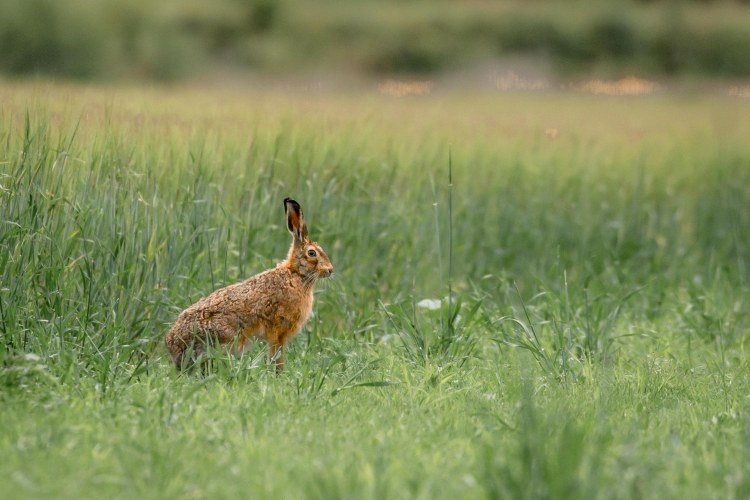
August is a good time to spot hares because farmland is starting to be harvested and crops are cut low to the ground. Keep an eye out for them darting along hedgerows or crouching low to the ground, looking remarkably like rusty stones.

Bats are actively feeding on the explosion of flying insects and badgers are starting to collect their bedding. Dry, warm weather can often mean there are fewer worms available and badgers may be drawn to gardens to drink from ponds.

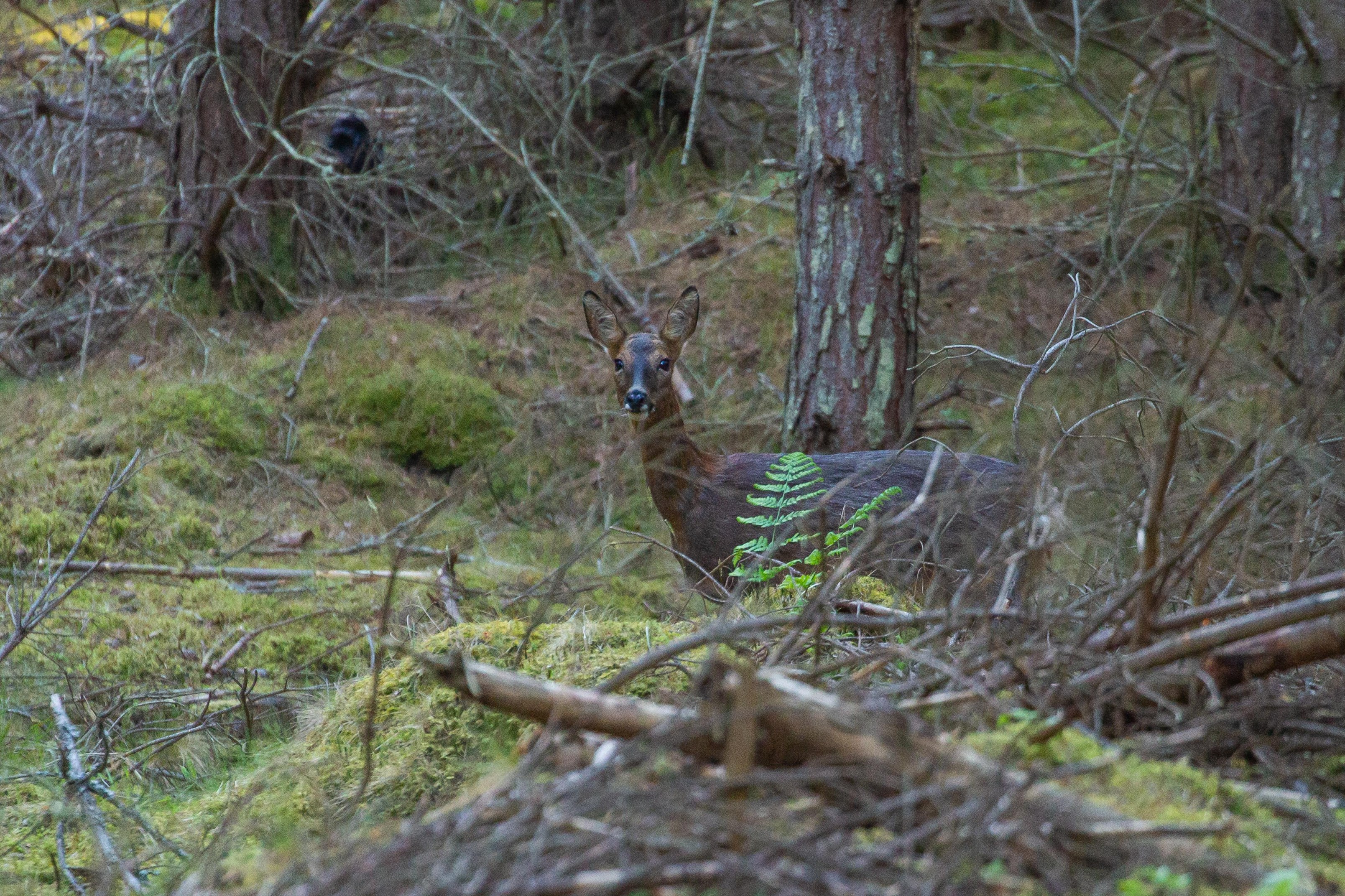
Unlike red deer which rut in the autumn, roe deer have their breeding season from mid-July to mid-August. During this time a male – which is called a buck, not a stag –  follows a female (doe) around and chases her in tight and continuous circles. This behaviour is known as ring-running, and when a ring is stamped into a permanent trail it may be used for future ruts.

August is also good for spotting insects. Dragonflies such as the common darter can be seen flying around ponds and other still bodies of water. They are also found far away from water as they rest on plants in patches of woodland.

This month, the second generation of many butterfly species are on the wing including comma, red admiral and painted lady. For those interested in butterflies, now is the time to contribute to The Big Butterfly Count. Launched in 2010, this UK-wide citizen science survey is running from the 17th July to the 9th August. It’s easy to take part – just choose a place to sit and record the butterfly species you see for fifteen minutes. As pollinators, butterflies are extremely beneficial for the health of the ecosystem but are currently facing severe declines, so the records collected during the count will provide valuable data for conservation projects and research.   

This article was originally published on Bloom in Doom as part of my role as Nature Editor. It is the first of a monthly column of the best British wildlife highlights throughout the year.

The Red Rut

As the mornings grow gradually colder, signs of autumn such as emerging fungi, clusters of conkers and grass crunchy with frost can now be seen. A seasonal highlight among wildlife during this colourful season is the deer rut, where red stags and roe bucks compete with each other for the right to breed with hinds and does respectively.

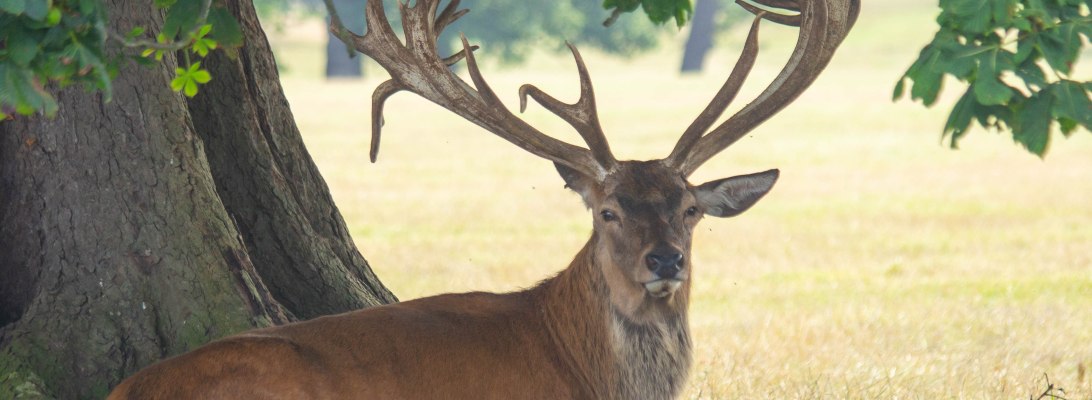
The deer rut is regarded as one of British wildlife’s most impressive spectacles, especially that of the red deer – the UK’s largest land mammal, reaching over one metre at the shoulder. From late September to early November, testosterone-charged stags spend many weeks bellowing at dawn and dusk in an attempt to ward off rivals and also to bring hinds into heat (oestrus). They will often thrash in vegetation, gathering foliage into their antlers to increase their size. A slightly less glamorous habit is wallowing in their own urine. This olfactory stimulus also triggers oestrus among the females.

If two stags are equally matched, they will parallel walk alongside each other to assess size and strength. Stags will also clash antlers and shove each other – the victor of these battles will claim his harem of females and win mating rights. Due to its high risk of injury, physical contact is often only a last resort, carried out towards the end of the rut when the dominant male is near exhaustion. The rut is a huge physical drain for stags and they can lose up to 20% of their body weight as a result of being on constant guard of their harem and therefore not eating or resting.

IMG_1827
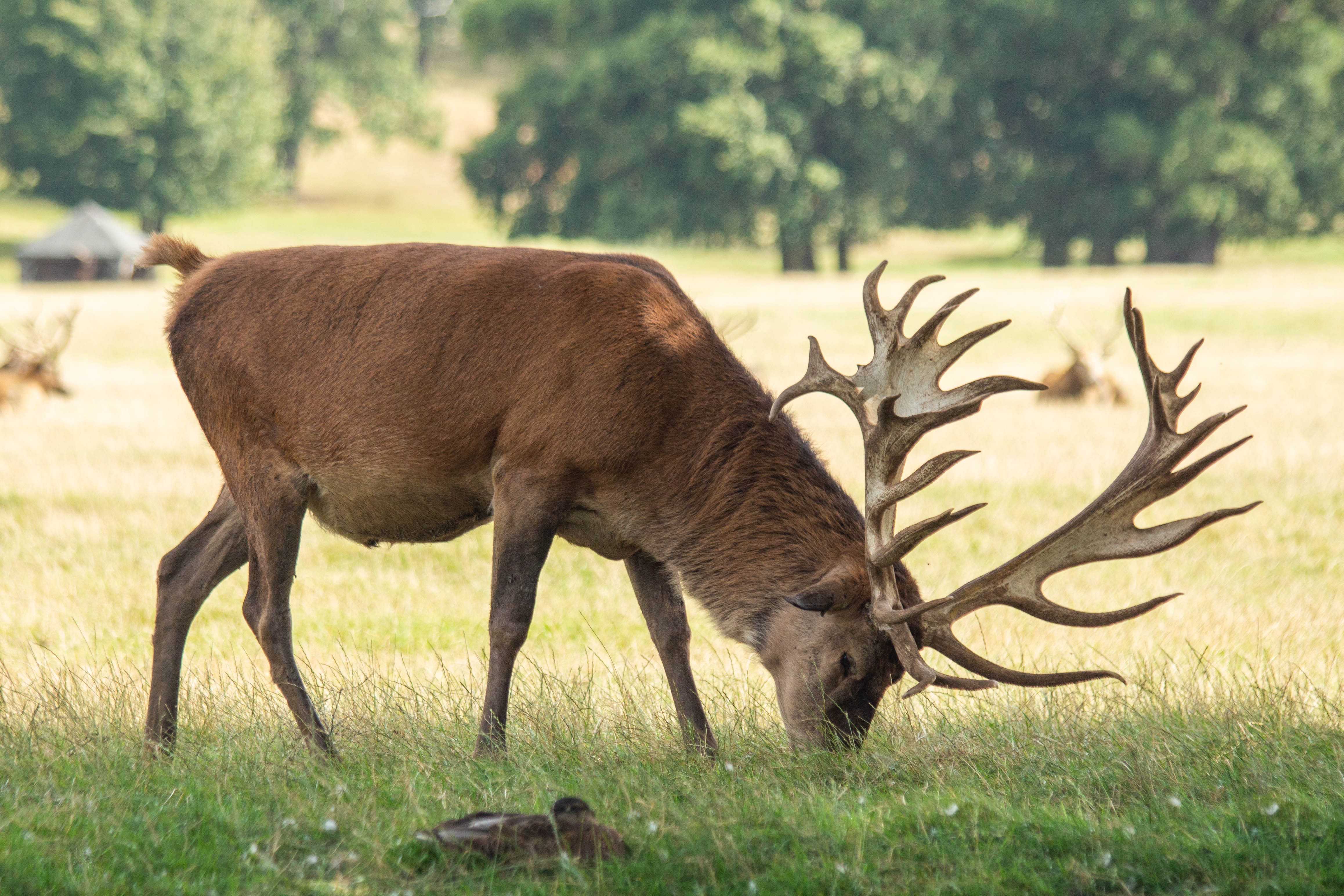
A red stag grazing in Woburn Abbey Deer Park earlier this month – in a few weeks’ time his strength and endurance will be put to the test to win a harem of females

If watching red deer during the rutting season, it’s important to take care and keep a respectable distance. Stags can be aggressive and unpredictable, so it is essential not to get too close when watching the event. This autumn I would love to witness my first red deer rut. After my incredible encounter with a roe deer at Tring Park recently, I’m keen to continue learning about these often under-appreciated animals and witness more of their natural behaviour out in the field. While many good spots for deer rutting are in the wilds of Scotland, more accessible locations include Richmond Park, where over six hundred deer can be found.

The usual suspect, work, has meant that I’ve only managed to snatch the occasional walk outside in nature over the past few weeks.  It’s been a while since I’ve been up with the dawn for a wildlife watch and it’s high time I got back into it. For the deer rut especially, it’s the early bird that gets the reward.