Before I’d even got to the hide there was a chirruping in the bushes and I turned to see a group of juvenile yellowhammers mobbing their parents, hopping between branches for attention. Three birds flew past overhead and I caught the triangular shape of starling wings as they soared over me.
The lake was quiet – a pair of mallards floated in circles on the far side, while mute swans waddled along the bank. Once I was settled inside, they appeared by the feeders, accompanied by the juvenile swans I’d seen last time. The whole family loitered beneath the swinging seed canisters, mopping up anything dropped.
The feeders themselves were a flurry of activity. As usual, the nearby bushes were full of house sparrows, fighting to snatch a mouthful. Blue tits and great tits waited in the queue and I was particularly excited to see a lone greenfinch among the group too; back home in Hertfordshire these birds are becoming scarcer and scarcer.
After watching the birds feed for a while, I wandered on. It was a lot colder than usual – dew covered the grass but it wasn’t quite cold enough to freeze it, though perhaps this may soon be the case on early mornings. There were other signs of winter too; bursts of red berries and a fat robin perched on the fence. Even though these birds are around all year, somehow a day in early winter feels like Christmas is a lot closer when you spot one.
As I made my way to the wood the only sound was the usual “whizz-burr” of the turbines as they swung. There was a break in the clouds and beautiful streaks of sunlight shone through at jaunty angles. The forest was gloomy but still inviting, and as I walked round I scanned both sides of the path to see if any fungi were sprouting up. The ground was boggy in places, and when drops of water fell in the puddles, the reflected trees twitched.
Suddenly, just as I was looping back round to the gate, a woodpigeon exploded out of the trees and made me jump a mile. Why do pigeons love doing this? It must give them a wicked satisfaction to see me clutch my chest and try to get my breath back to normal.
Once I was back in the open, the chill was even stronger. I wrapped my coat tighter around myself and hurried back to the cafe to warm up.
Another visit to one of my favourite wildlife places: Watchtree Nature Reserve. Zahrah and I hired bikes and set off through the reserve, taking a leisurely ride away from the hubbub of the café and car park to the quieter open fields and woodland.
The lake was fairly busy. A pair of Mute Swans and their two cygnets glided silently to and fro in one corner, shaking heads and rustling feathers. The youngsters were almost fully grown, their juvenile grey foliage blending to pristine adult white. When one stretched his wings, bright white armpits showed. Elsewhere on the lake, three Tufted Ducks were feeding, golden eyes blinking as they came up for air. A lone Little Grebe dived under the water and popped up again several metres away. As agile as a fish, the tiny bird curled its body and slipped silently beneath the surface.
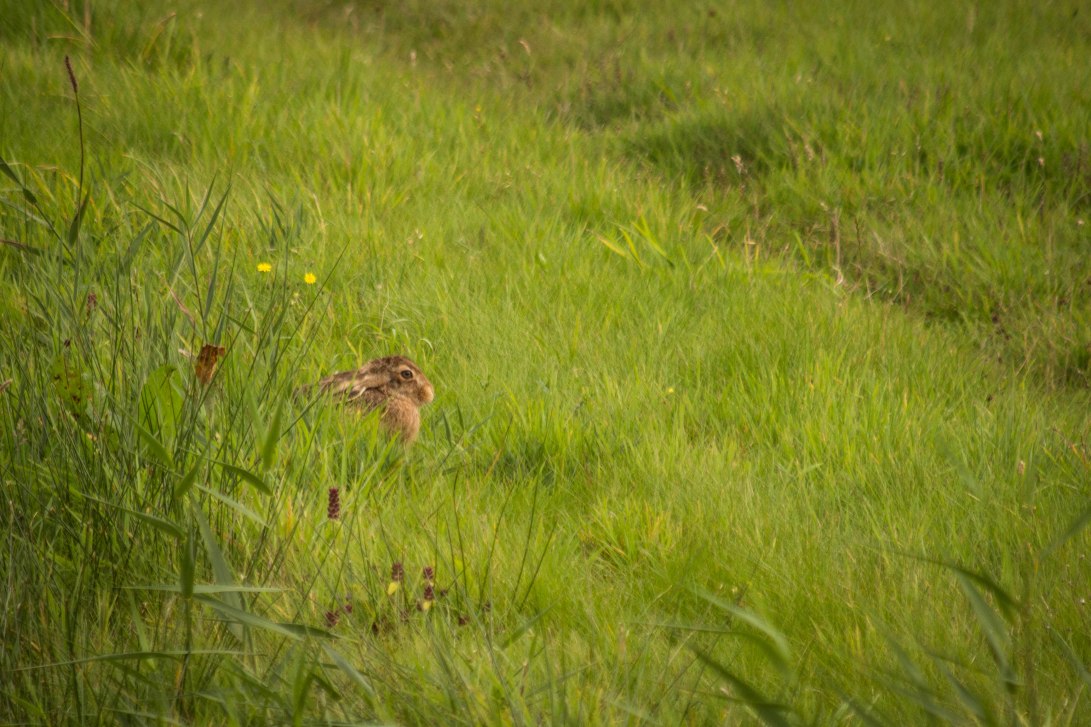
Suddenly, as I was scanning the feeders for any birds joining the Tree Sparrows already tucking into the feast, my eye caught on a brown shape nestled amongst the grass. From my vantage point on the top storey of the hide I could see the Brown Hare perfectly as it chewed, hunkered down. I called in a hushed whisper to Zahrah, who’d been watching the pond from the bottom level, and she darted up to see.
The hare was beautiful, with rich, brown streaked fur and piercing eyes. Its ears were pinned tightly to its nape, in an attempt to remain as inconspicuous as possible, but the creature was still brave enough to forage out of the cover of the long grass. We watched it for a few minutes, before it turned and hopped back into the grass. After waiting a while to see if it would re-emerge any closer, we accepted our hare was long gone.
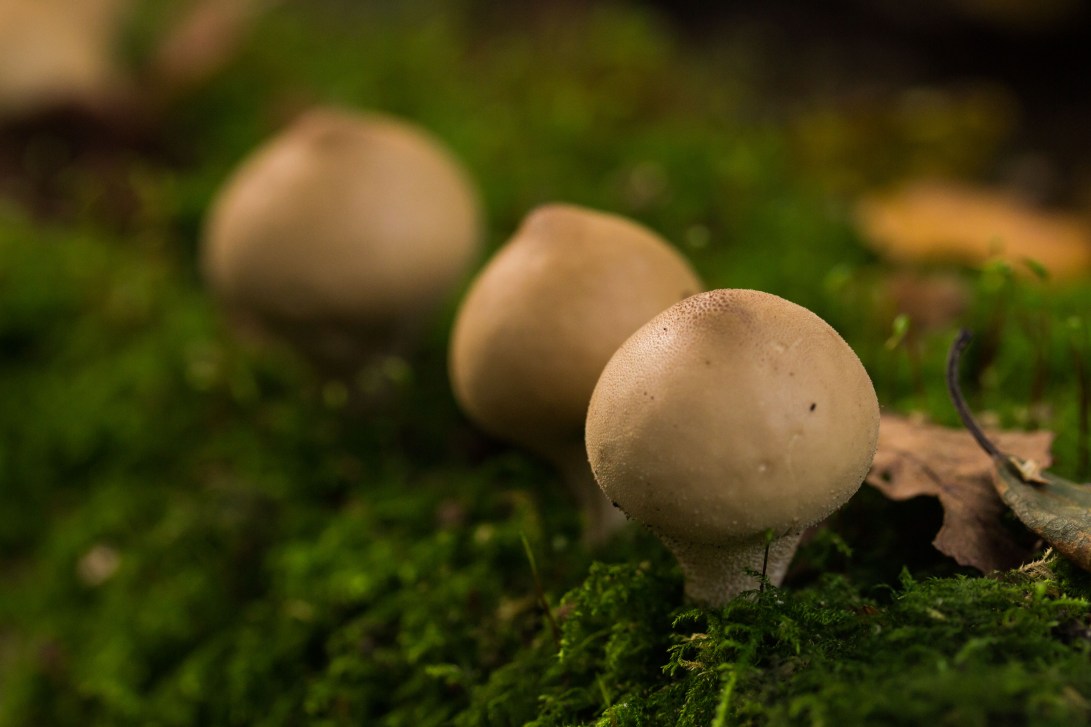
Leaving the lake behind, we looped around the reserve and cycled back through the woods. Once again, I was distracted by fungi, and Zahrah amused herself while I crawled around on the floor with my camera. Today, as always, there was plenty to see. A huge troop of Stump Puffballs (Lycoperdon pyriforme, the only British Lycoperdon to grow exclusively on wood) stood to attention on a fallen log, their portly bodies stood side by side.
Stump Puffball(Lycoperdon pyriforme)
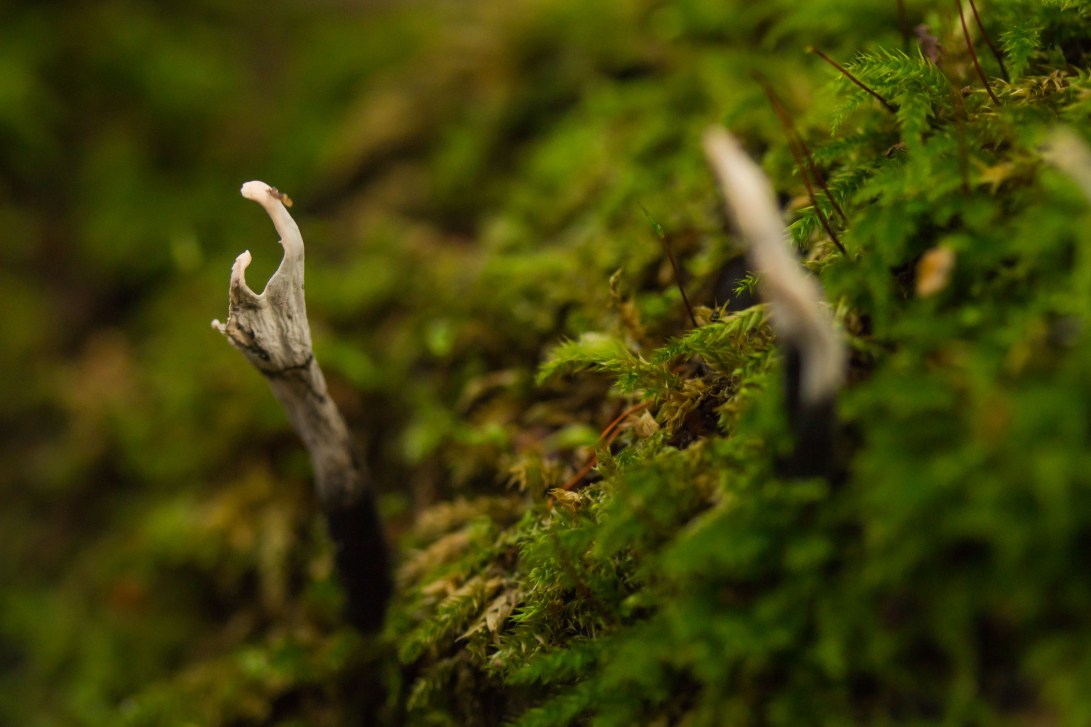
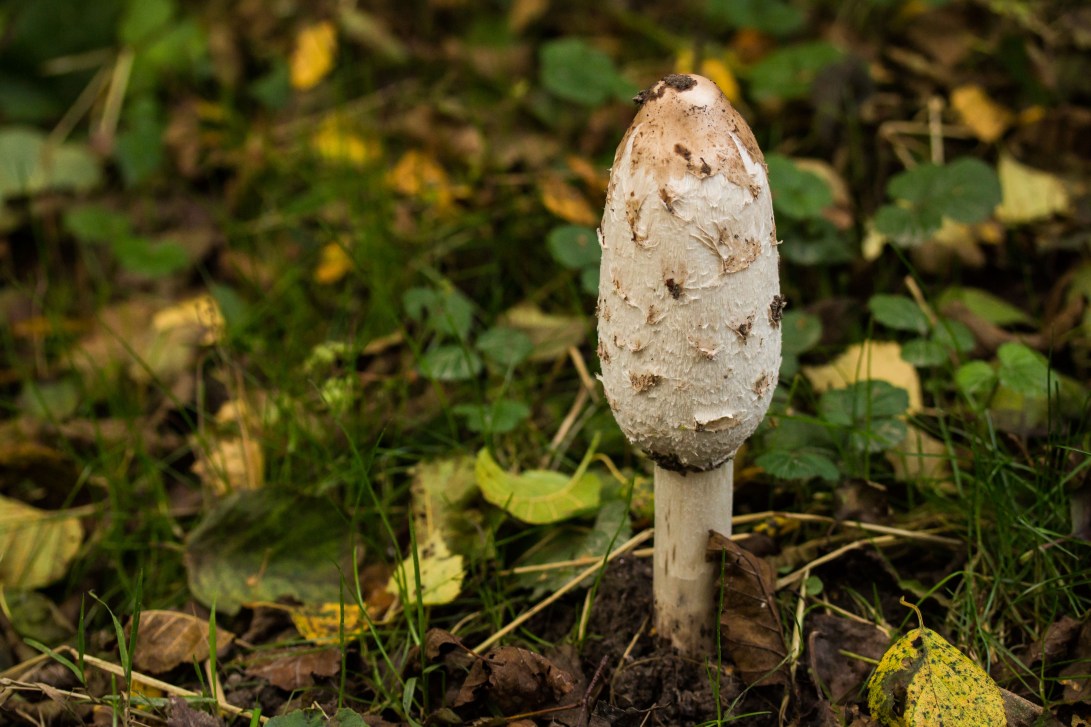
The delicate Candlesnuff fungus (Xylaria hypoxylon) stretched out of the wood, tiny black spindles dipped in white. Just as I had finally put away my camera and climbed back on the bike, I was greeted by three Shaggy Inkcaps (Coprinus comatus) stood on either side of the path like security guards. I hadn’t seen this fungus since autumn last year so it was a treat to photograph them again, and provided a satisfying end to our cycle in the woods.
It’s been a mad couple of weeks, with my second year at uni finishing this week: three deadlines in four days. The last – and for me the most challenging – is a five minute documentary on anything we can think of. The vagueness could seem like a blessing, but when you have the whole world as your subject matter, it seems impossible to think of anything to fill five short minutes.
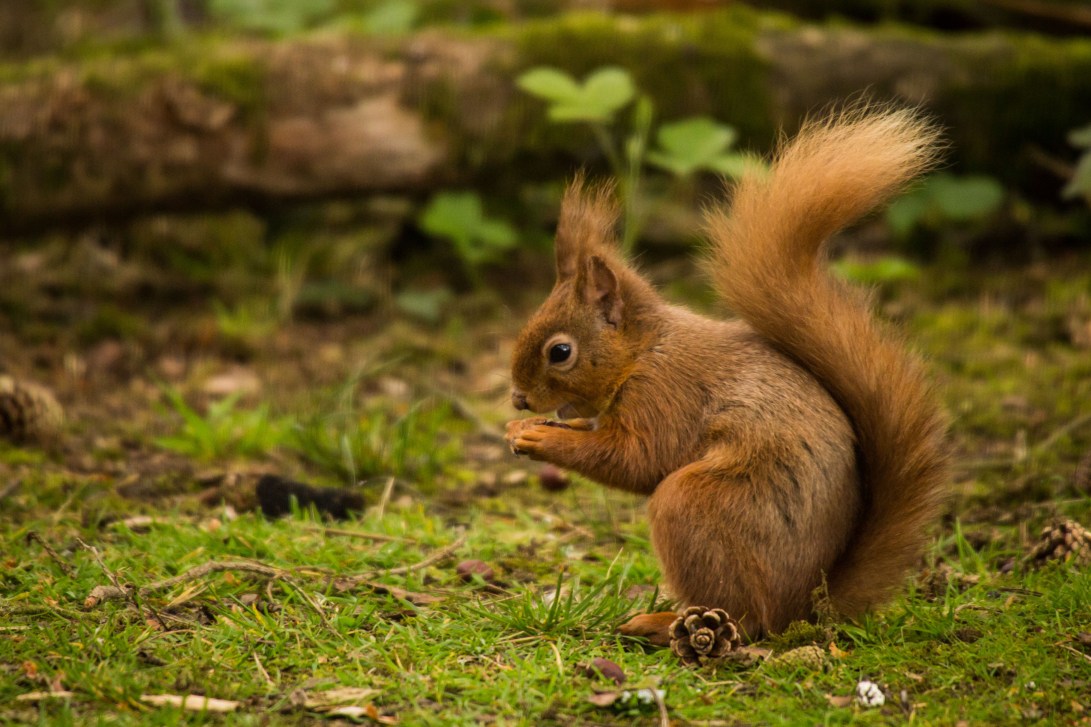
After the racking of brains and chewing of fingernails, I decided to combine my project with my first visit to Eskrigg Reserve in Lockerbie. It was infamously known among Wildlife Media students for its resident red squirrels; I’d been meaning to go for the whole two years I’ve been living in Cumbria, and only now with a deadline looming did I decide to visit. I headed up the road mid morning and by late afternoon I was perched in front of the hide, sharing a small open clearing with four foraging red squirrels!
Jim Rae, the Reserve Manager, is one of the nicest people I’ve met, and incredibly passionate about wildlife. Upon arrival he welcomed me like an old friend, giving me the tour of the reserve before settling down in the hide for the interview. He had prepared four typed pages of notes, and when I sat outside later to film the squirrels he brought me a nutcracker and a box of hazelnuts for me to feed them. I couldn’t believe, after only just seeing a wild red squirrel for the first time in Chesters two months ago, I was now spoilt for choice of animals to film.
It is not difficult to see why people get so attached to these creatures. A lot smaller than the greys and with delightful little ear tufts, they bound across the grass like furry chestnut bullets – trying to keep them in frame was a nightmare. I’d get one in perfect focus as it paused to claim a nut, then it was off and I was filming empty grass again. I’d never been so challenged as a photographer, but their nippiness provided an excellent opportunity to test my reflexes.
I could have stayed for hours, but I had a film to edit and countless clips to go through, 90% of which were squirrels. As of today I’m just making the finishing touches ready for the deadline on Friday. Eskrigg is a gem of a reserve, and somewhere I will definitely be revisiting over summer!
Last Wednesday, I caught the train to Hammersmith to meet up with Zahrah and embark on another of our wildlife excursions. Today we visited the London Wetland Centre, something I’d heard lots of good things about but never been.
Canada geese(Branta canadensis)
Upon arrival we were greeted by a lovely volunteer who explained the site map to us. Taking her advice, we began on the south route which would take us to various hides that we could spend time in. Halfway down the foliage-lined path Zahrah spotted a warbler, but neither of us could be certain which species the bird was. As we stood stock still squinting into the dense undergrowth another volunteer passed. We told him what we were studying at university and explained how much we loved birds. It must have been refreshing for a wildlife veteran to stumble across two young people with the same interest. He began telling us all about the wildlife at the site, and the best places to view it. He showed us the WWF hide, where sand martins (Riparia riparia) performed an avian display for us, swooping down to the water’s edge and snatching midges from the surface. At this time of year, with no courtship taking place, the water was relatively calm with little activity. A lone mute swan (Cygnus olor) foraged in the shallows while a female mallard (Anas platyrhynchos) shepherded her young back to the nest. A lone moorhen (Gallinula chloropus) waded through the lily pads, pausing beside the pearly white buds.
Moorhen(Gallinula chloropus)Coot(Fulica atra)
As the scene here was subdued, Bryn showed us the Peacock Tower, where we met up with another volunteer with a profound knowledge and passion for birds. Apparently a pair of peregrine falcons (Falco peregrinus) were nesting in a building nearby, and had been seen flying over the site. While we sat overlooking the lake with our lunch, the volunteer let us borrow his telescope to watch a family of tufted ducks (Aythya fuligula) and a lone gadwall (Anas strepera). Unsurprisingly, Zahrah had the lens trained on a pair of herons (Ardea cinerea), shoulders hunched like sulking old men. Grey herons hold a particularly special place in Zahrah’s heart; it never ceases to amaze me how touched she is by these gangly lake dwellers.
The fountain of knowledge that was our telescope-bearer told us one of his favourite birds was the long-tailed tit (Aegithalos caudatus). What I didn’t know was that in each group of these beautiful little birds, only the dominant female breeds. All other females act as child minders, sacrificing their own reproductive ability to care for another’s young.
Before long it was nearly two o’clock and the otters were about to be fed on the south route. We left the Peacock Tower with plenty of time, but ended up speed walking after a sharp-eyed photographer pointed out a common lizard (Zootoca vivipara) basking in the hot city sunshine. This naturally required us to stop and snap away for a few minutes, as our model was posing so beautifully.
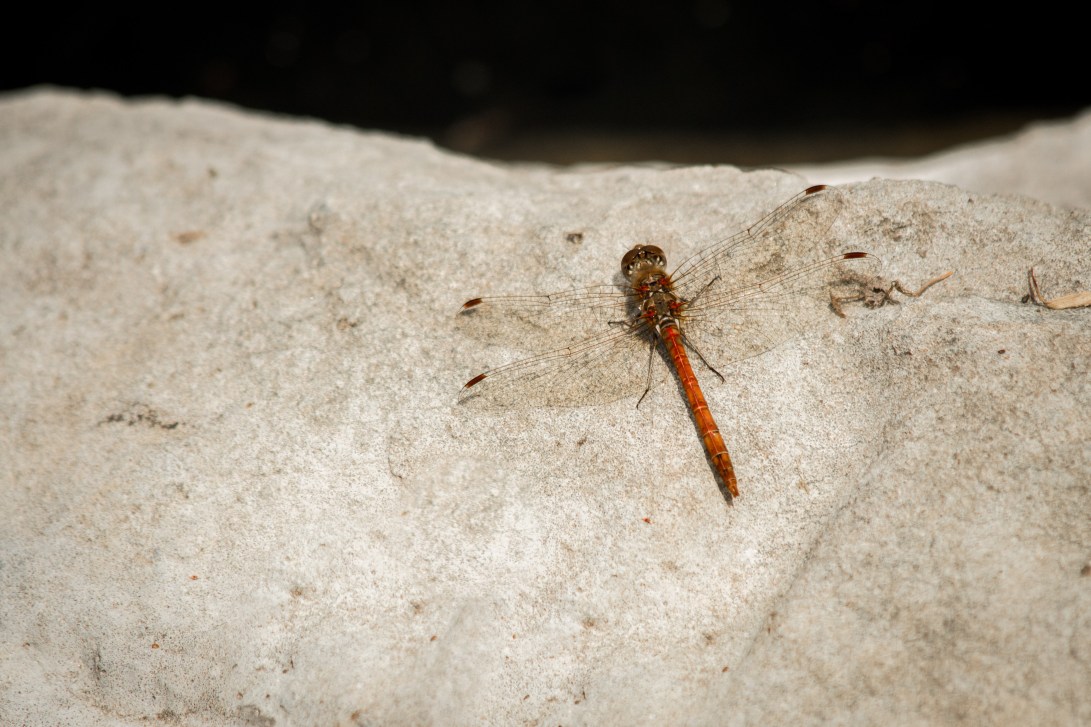
Common Lizard(Zootoca vivipara)Common Darter(Sympetrum striolatum)
The above invertebrate is a dragonfly, as its wings are positioned perpendicular to its body. A damselfly’s wings are parallel along its body. The individual I photographed is a male; the female is yellow with black markings.
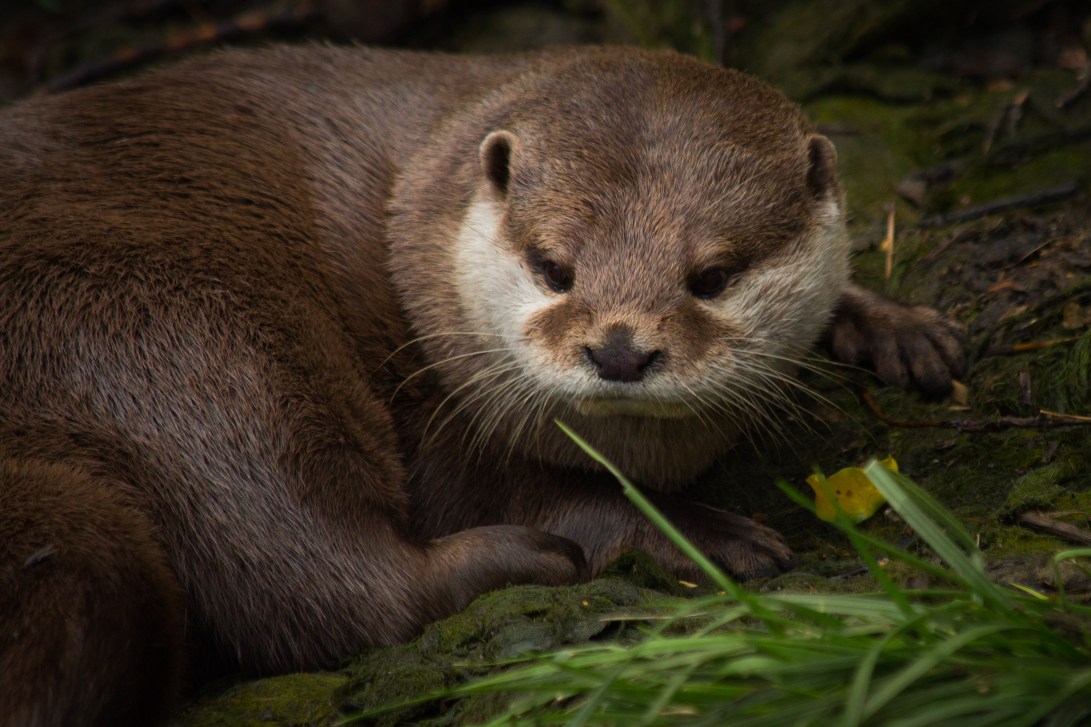
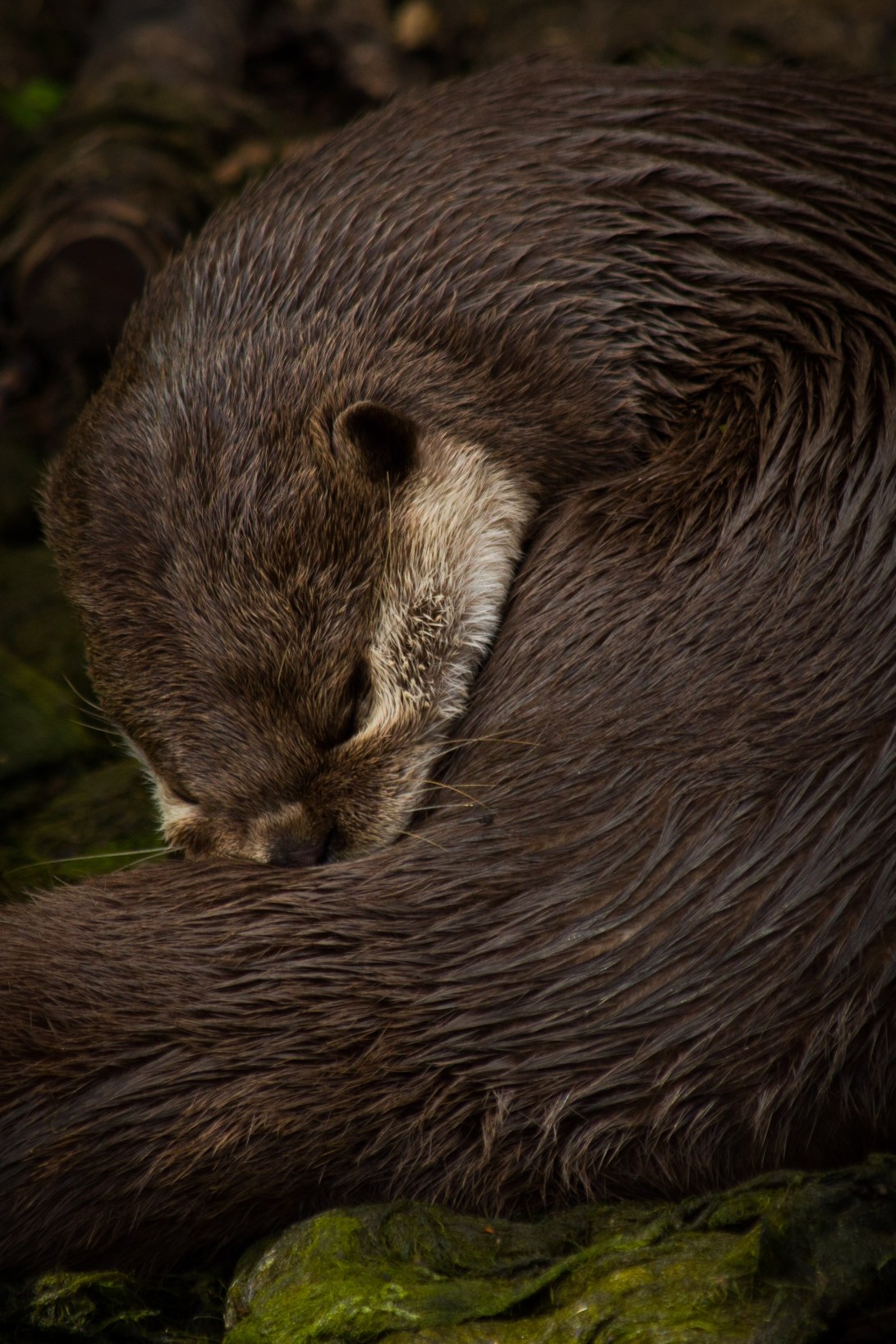
The otters were Asian short-clawed (Amblonyx cinereus), the smallest species of otter in the world weighing less than 5kg. In addition to its size, this species differs from the Eurasian otter (Lutra lutra) in that it has blunt claws on some toes, if any. We watched them feed for a while, diving into the water of their enclosure for scraps of fish. After feasting, they rolled in the soil to dry their fur and proceeded to grip fragments of shell in their paws, looking painfully adorable.
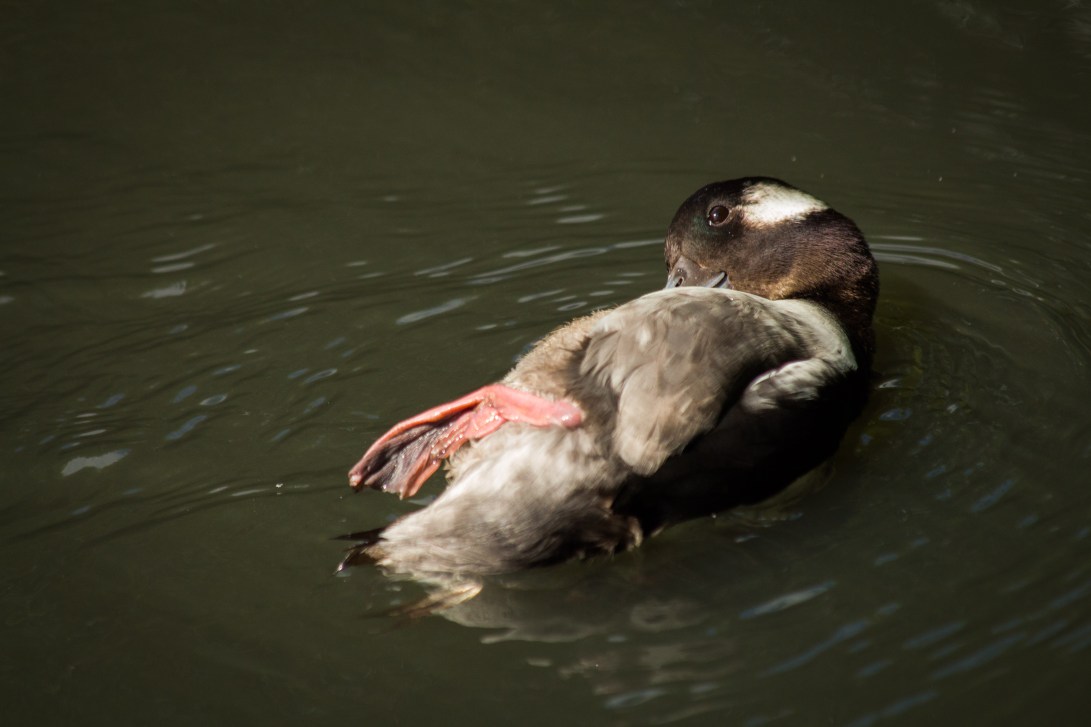
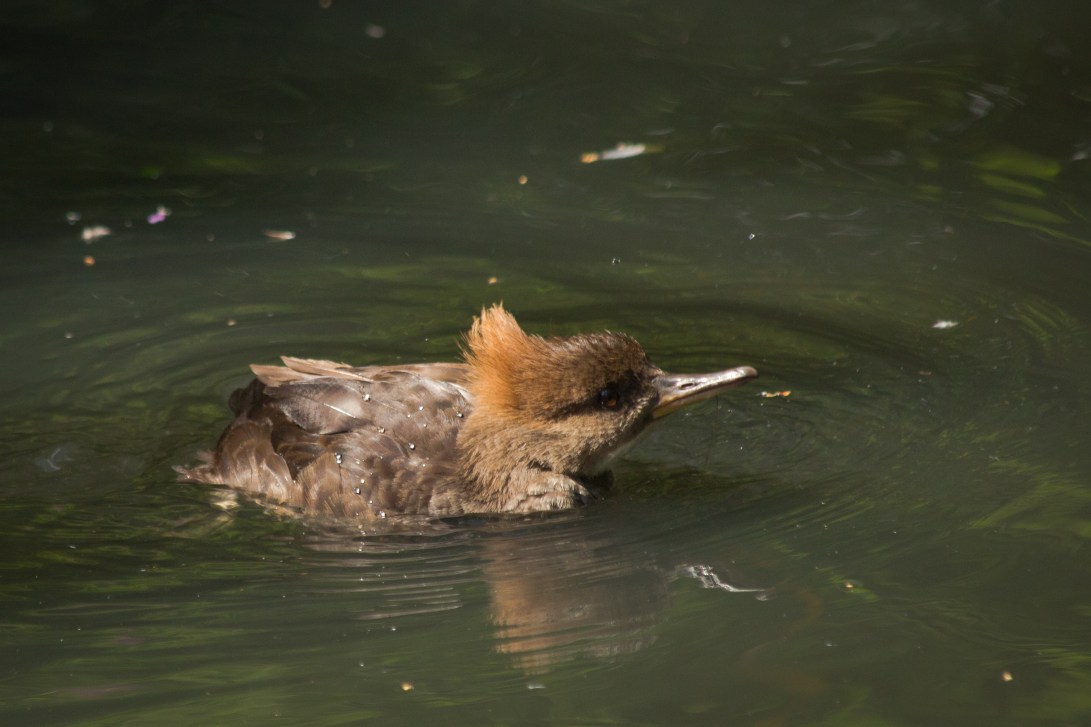
By now the sun was high in the sky and the day was sweltering. After watching the otters slip into their holt and out of sight, we wandered around the rest of the wetland centre and visited the more exotic species that inhabited the site. We sat for a while and watched buffleheads, hooded mergansers and more. While they all looked extravagant, the humble moorhen stole the show with its characteristic screech that made me jump on several occasions. I must say, British species will always fascinate me just as much as their foreign relatives. The weather was perfect for our visit to the London Wetland Centre, and I was thrilled to find a new wildlife hotspot.







 rebeccaonthewing.com