
Vitamin Sea

Last week there was a film screening event at the Scottish Dolphin Centre in Spey Bay. I didn’t know anyone there but soon found myself chatting to an elderly couple whose fierce pride of Scotland was immediately clear. We chatted about the Moray dolphins and the house that they planned to build with a view out to sea. It was the sort of life I was looking for myself.

The film was “Vitamin Sea”: an hour long documentary that followed ocean advocate and veterinary surgeon Cal Major as she attempted to be the first person to journey from Land’s End to John O’Groats by Stand Up Paddleboard. Cal was raising money for Samaritans and Vet Life in memory of her best friend who lost her battle with depression. I didn’t realise there is a high suicide rate among vets and not enough is currently being done to support them. Cal was also raising awareness of plastic pollution – scooping up hundreds of plastic bottles along the way – and showing how beneficial nature, and the ocean in particular, can be for our emotional wellbeing. If we spend time in an environment and form a relationship with it, Cal says, then people will want to protect it.

What I love about Cal is her positivity. While topics such as plastic and climate change can often bring doom and gloom, she discusses positive solutions and encourages us all to do little things that bring great benefits. Throughout her 900 mile journey Cal meets countless people who donate to her cause, help out with litter picks and show their support in so many other ways. Even in places like Manchester, where plastic pollution was at its worst along Cal’s route, spirits were high and people clearly showed their passion for protecting their natural environment.

IMG_9506

At times the film was very moving. Cal revisited a place where she spent a holiday with her lost friend, and at times broke down from the combination of finding so much litter and experiencing sheer exhaustion. The constant struggles and exertions only made reaching the finishing line more emotional. After two months on the water with a sole purpose, it seemed almost anti-climactic when Cal touched land at the end of her journey. Overwhelmed with emotion, she debated staying with nature at sea and letting it continue to “heal” and “wow” her.

What resonated with me was the “profound sense of joy” that comes with being on the ocean surrounded by natural beauty. Many of us feel an undeniable pull to the ocean – that beautiful, unpredictable element of nature that compels our love and respect. Seeing so much litter clogging beaches where seals and birds roamed was difficult, but knowing that people like Cal are raising awareness with a positive message is so refreshing.

As we watched a drone’s eye view over mountains and stretching ocean at the end of the film, the man beside me leant over and asked, “Do you think you’ll go back again?”

I really don’t think so.
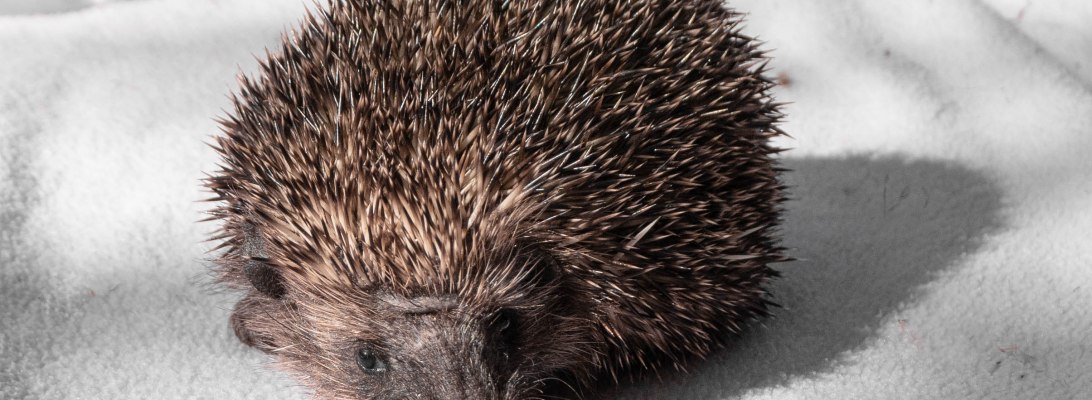
A Prickly Afternoon

I arrived at the Hornbeam Wood Hedgehog Sanctuary half an hour early just in case I got lost. They purposely don’t advertise their exact location online, as is often the way with small wildlife charities. Luckily, just as I was cruising along a rather featureless country lane and beginning to think I was in completely the wrong place, I saw a man in a van with “Hornbeam Wood Hedgehog Sanctuary” plastered on the side.

Hedgehogs are one of those creatures that have slipped through my radar for some reason. I’ve only seen a handful of live ones my whole life, and as they’re nocturnal and not particularly attention seeking, I didn’t know a great deal about them. So, when I saw an advert on the Hertfordshire Wildlife Trust website about learning more about hedgehogs at a sanctuary only a few miles from where I lived, I was keen for the opportunity.

Martin, the man in the van, is the only permanent person working at the sanctuary, and all as a volunteer. At peak times during the year, there can be as many as 80 hedgehogs at the site with six new patients a day, but usually there are around 40 animals, which is still a huge commitment. In the intensive care barn, where the hoglets and “pinkies” (hogs only a few days old) are kept, there are feedings every two hours. The majority of hedgehogs that arrive are dehydrated or injured by foxes, dogs or traps. If a back leg is injured, or even amputated, the animal can still be released. Equally, a hog that is blind in one eye can also return to the wild, but a completely blind animal requires an enclosed garden to keep them safe from predation.

Temperature is vitally important for hedgehogs. Hoglets cannot generate their own heat so will die if abandoned by or separated from their mother. Hibernation among adults is dependent on temperature and so the timing can vary year on year. Usually if the temperature falls to around 5°C they will find a secluded space, slow their breathing right down and curl up into their signature ball. A hedgehog’s quills, sometimes reaching as many as 7000 in number, are primarily used as defence, but they also provide a helping hand in ensnaring tangled leaves and wild materials around the hog as added insulation.

P1000552
Martin showing us around “Hog Hotel”

Sadly, hedgehog numbers have declined rapidly in recent years, down 50% in rural areas and a third in towns and cities. There are now thought to be fewer than one million hedgehogs left in the UK. That may sound like a lot, but in the 1950s there were rough estimates of around 30 million individuals. The reasons for such a drastic drop are numerous, ranging from intensive farming methods that rotate fields more often, reduced hedgerows, pesticides and fewer water sources. That’s just in the countryside. In urban environments, hedgehogs are threatened by the use of slug pellets, abandoned plastic and an increase in impregnable fences and walls that prevent wandering hogs from passing through.

Of course, there are ways we can help. Providing jelly-based cat and dog food or dried food specifically for hedgehogs provides much-needed nutrition. Contrary to the once popular belief, hedgehogs should never be fed bread or milk as they are lactose intolerant and this would seriously harm them. Another important garden addition is access to water, especially as most of the rescue hogs Martin receives are dehydrated.

For more indirect help, make your garden a haven for insects by planting wildflowers and fruit trees, and the insectivorous hogs will have a more plentiful food supply. To prevent any casualties, install ramps in ponds to help a soggy hog clamber out – although they can float and swim well, they sometimes drown from exhaustion after getting stuck in the water. And finally, make sure to always check for hedgehogs in compost heaps and bonfires before using them. A simple nudge with a broomstick will stir a hedgehog and give them sufficient warning to leave, although with bonfires it is always best to rebuild them elsewhere before lighting.

As a wonderful end to a thoroughly informative talk, Martin showed us Hog Hotel where a lot of his patients were kept. We were allowed to meet one, Rock, up close and personal. Not quite adult size, Rock fit snugly in the cup of Martin’s gloved hand and pointed his twitching nose up at us.

P1000547

As hedgehogs are naturally wary of exposing their vulnerable undersides, it’s difficult to sex them. Martin explained that the best way was to find a small dimple amongst their fur. If it is around halfway up the stomach, it is a male. If it is further back towards the rear, it is a female.

Rock explored his surroundings for a while, while Martin stood poised ready in case the hog made a mad dash across the table. Getting to see a live hedgehog so closely was such a privilege. As I watched Rock, I realised I couldn’t remember the last time I had seen one in the wild. Like many of our native British species, hedgehogs are in trouble and it’s so important that we help them in any way we can. People like Martin give up full days of their time. I know I can definitely give up five minutes to put trays of water and cat food in the garden.

If you find a sick or injured hedgehog, the first thing to do before intervening is to contact the British Hedgehog Preservation Society to get expert advice. 

This fantastic event was hosted by the Herts and Middlesex Wildlife Trust. To find out about future events, visit their website.

P1000551