Monday was the perfect combination of winter chill and dazzling sunshine, so I decided to take my mum and the dog to two of my favourite wild spots down in the Cairngorms.
Looking like a blue pawprint when seen on a map, the Uath (pronounced ‘wah’) Lochans are four small pools bordered by pines. Their surfaces are sometimes wobbled by goldeneye ducks but they mostly stay mirror-steady, reflecting the trunks standing around them.
There are two short waymarked trails that can easily be combined into a meandering loop. One threads between the lochans, following compacted earth paths and sections of boardwalk over boggy pools. The other climbs a brief incline, offering an eagle’s eye view over carpets of pine and further into the mountains.
Less than three miles north, the Frank Bruce Sculpture Collection is a series of artworks that have been carved into wood and stone, destined to eventually rot and fade back into their woodland surroundings.
Because the carvings are natural, they have excellent camouflage and some are trickier to find than others. It takes a while for your eyes to adjust before you can pick out sculpted faces and hands among all the other trunks. A needle in haystack situation!
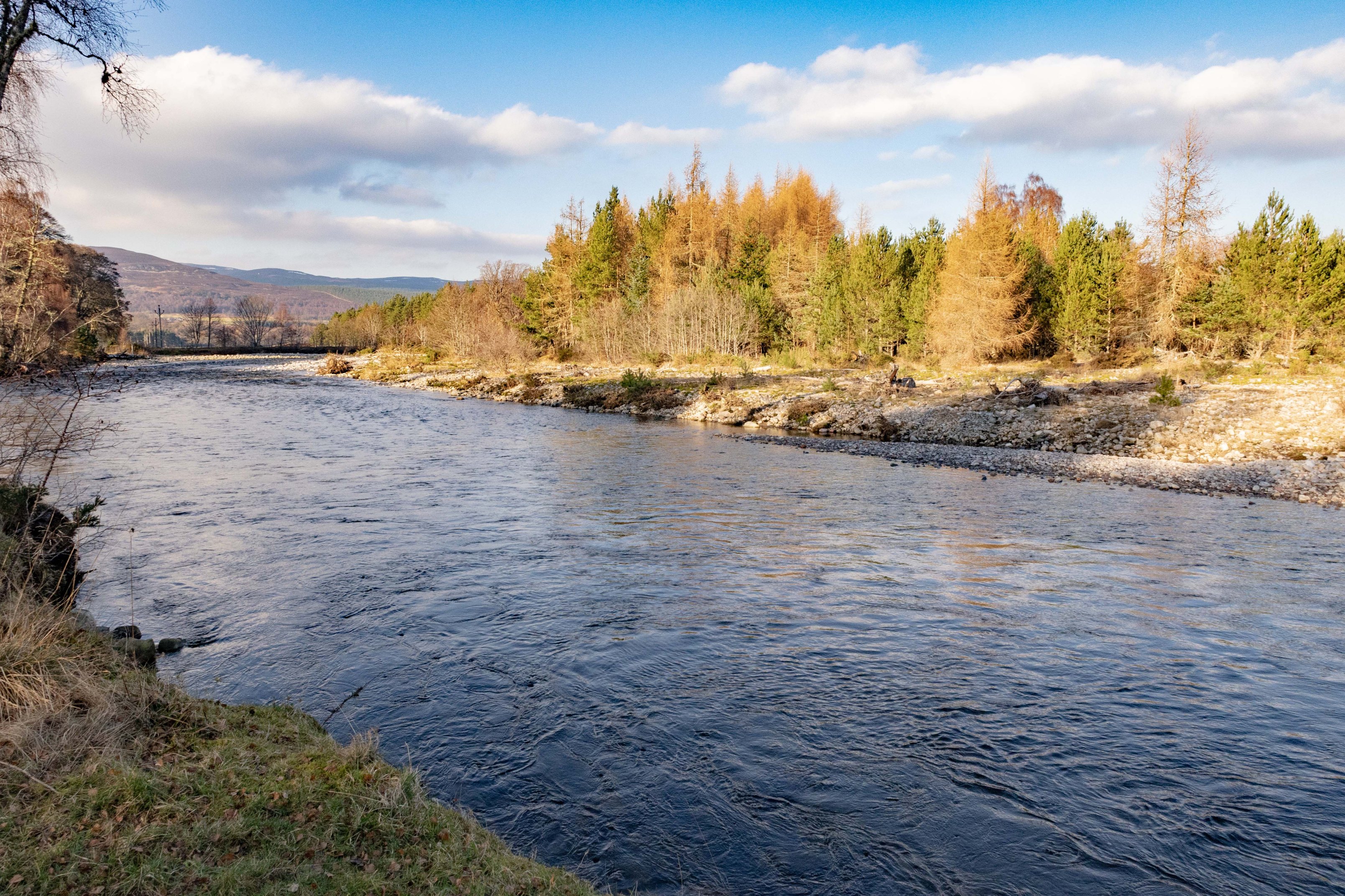
It’s possible to walk a small loop here too, following a stretch of the River Feshie as it tumbles over pale shingle. The river sparkled and the trees beyond shimmered in the winter sunlight.
Although the sun was boiling as it streamed through the car windows, outside was a different matter, so once the chill began to seep through our clothes we returned home. The winter light persisted until the very last moment and I wandered up to the headland to watch the sun set. It’s not often I spend a day without looking at screens, so it was a welcome treat.
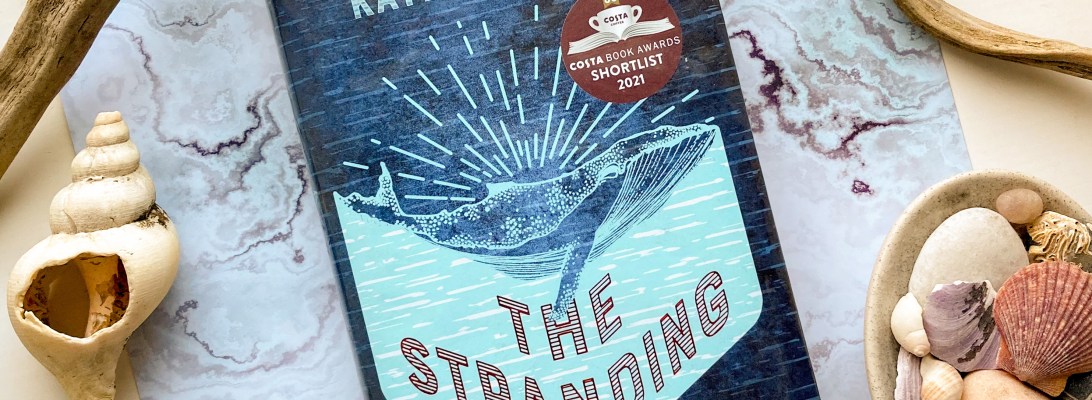
We’re told not to judge a book by its cover but we all do it, at least in the literal sense. Why else is Waterstones full of vibrant, juicy covers begging to be picked up and admired? So, when I saw a whale on the front of this book, it enticed me enough to read the blurb. And what a hook: “Far from home and with no real hope of survival, Ruth finds herself climbing into the mouth of a beached whale alongside a stranger.” Without wanting to sound like a T-Bird, tell me more.
Ruth’s life has become a hamster wheel of alcohol, bed hopping and a sense of something missing. When her latest relationship becomes claustrophobic, she decides to break the monotonous cycle she’s found herself in and travel to New Zealand. Here she hopes to fulfil a childhood dream of working with whales, but apocalypse strikes as soon as she arrives – don’t you hate it when well-laid plans get disrupted? Together with a stranger she meets on the beach, Ruth climbs into the mouth of a beached whale just before the blast hits. This saves her life, but now she has to figure out how to continue living.
This is only half the book, though. Alternating between chapters set in post-apocalyptic New Zealand are fragments of Ruth’s old life and the events that led to her trip. Somehow, there were close parallels between a dystopian world and the everyday routine of a young woman living in London, made sharper by the interwoven timelines. Like all good protagonists, Ruth has many flaws, and this makes her feel real. She makes human mistakes, and despite also building a shelter from whale ribs and making clothes from dried deer hides, her story resonates.
For me, part of this connection came from the book’s setting. I’ve never been to New Zealand, but “the breeze from across the water” and pulling “the salt-stiffened collar of the fleece towards her ears” were familiar sensations. Rather than obvious seaside description, Kate Sawyer uses thoughtful observations of a coastal landscape that essentially apply to any sandy beach in the world. Although my life in England wasn’t nearly so troubled as Ruth’s, I know exactly how being pulled somewhere feels; in her case it was to the whales she’d studied as a child in London’s Natural History Museum. The wonder of that place is something I can definitely relate to.
Dystopian stories have never interested me much, but I loved The Stranding because it was so much more than that. In fact, the apocalypse element was a back-seat theme for me. I felt that the backbone of the story was a woman’s pursuit of happiness and finding the courage to break a cycle and start a better life. And in Ruth’s case, it’s a life she could never have predicted.
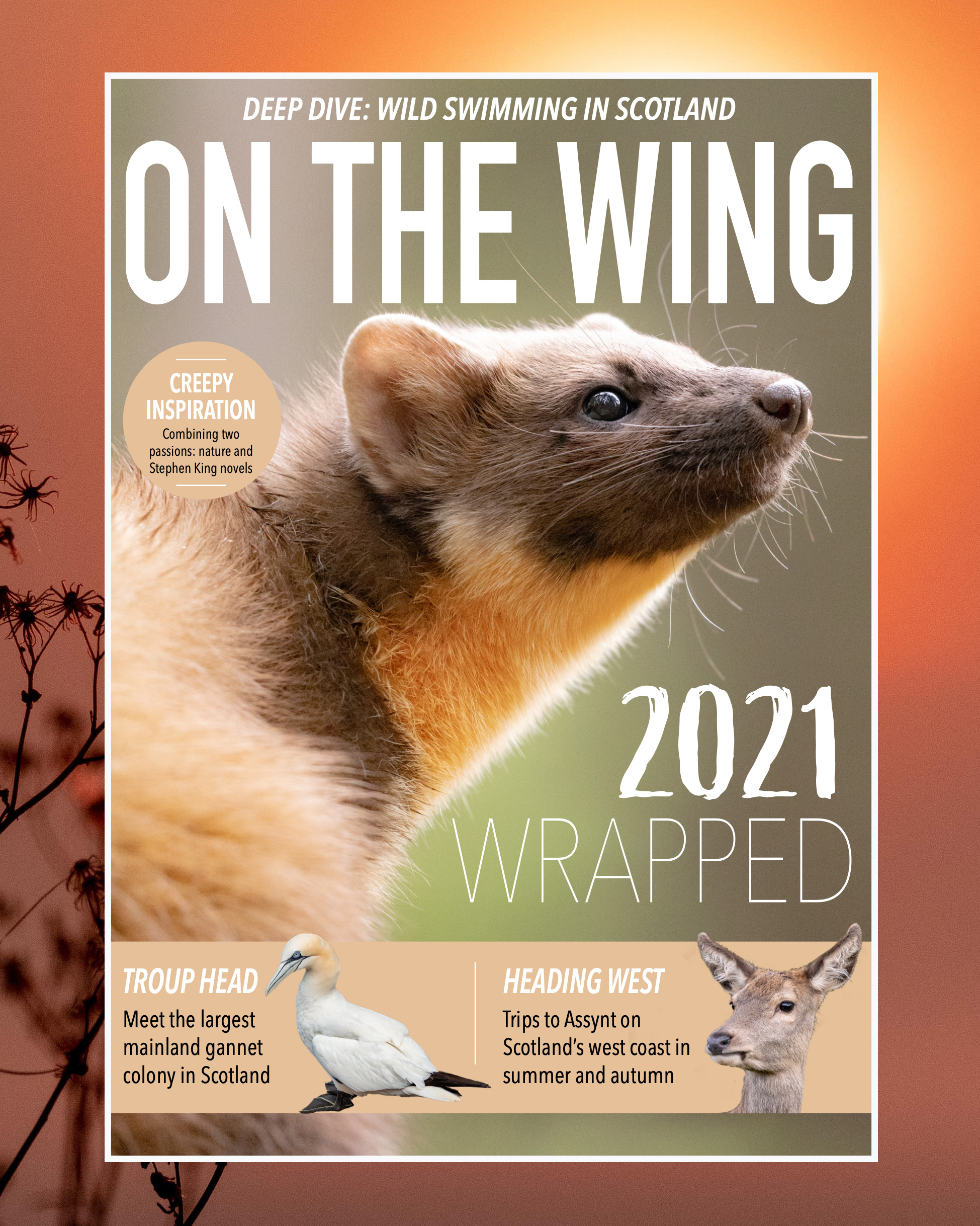
Winter is the time to reflect. I love looking back on what I’ve done over the year, and once again I’ve put a summary of my work projects into my own mini magazine. I did this for the first time during lockdown when I was painfully idle and needed a project to distract me. It turned into something I was proud to share and this is now my third issue.
Between research trips for my book, I’ve been busy working on other projects including another mindful creative retreat at home on the Moray Coast, a design commission inspired by Thumbnail Nature, and my second wildlife calendar.
After 1145 hours of travelling, researching, writing and proofreading (yes I counted), I’m thrilled to announce that I’ve submitted my book!
I could have tinkered and tweaked until the end of time so I’m relieved it’s finally out of my hands. It’ll now be edited by the fab team at Bradt and after I’ve answered all the queries and questions it’ll be published in April. There’s still a way to go but I’m so proud of myself for reaching this milestone. I started working on this book almost three years ago and I’m so excited for everyone to see it.
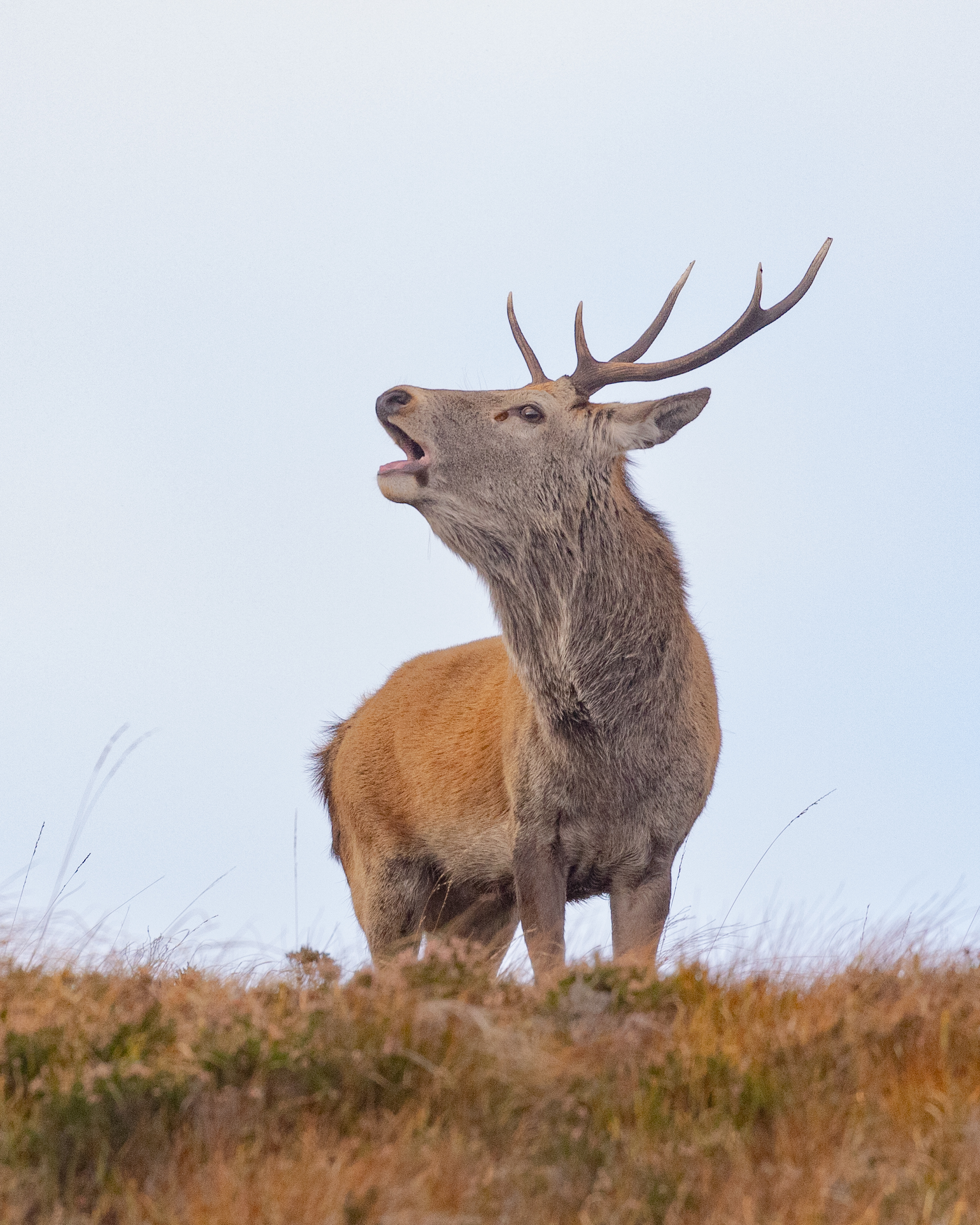
Last month I managed to squeeze in a trip to the west coast to see the red deer rut. Stags wait for no deadline! For four days I fell asleep to the sound of bellowing and it was the perfect calm before the book submission storm.
The deer were mostly up in the hills this year, but I did find a small herd beside the road. It was perfect, as I could stay in my car and take photos through the open window. The stag and his hinds foraged and rested just a few metres away, and it was a privilege to watch their natural behaviour.
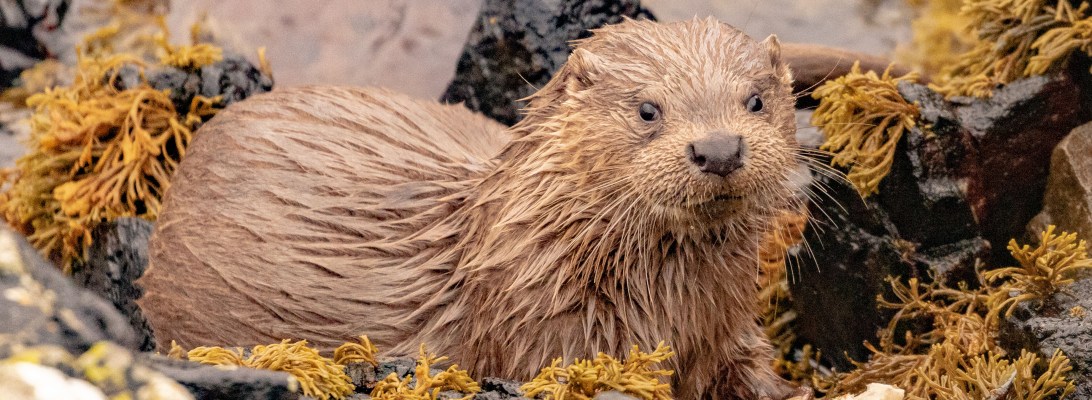
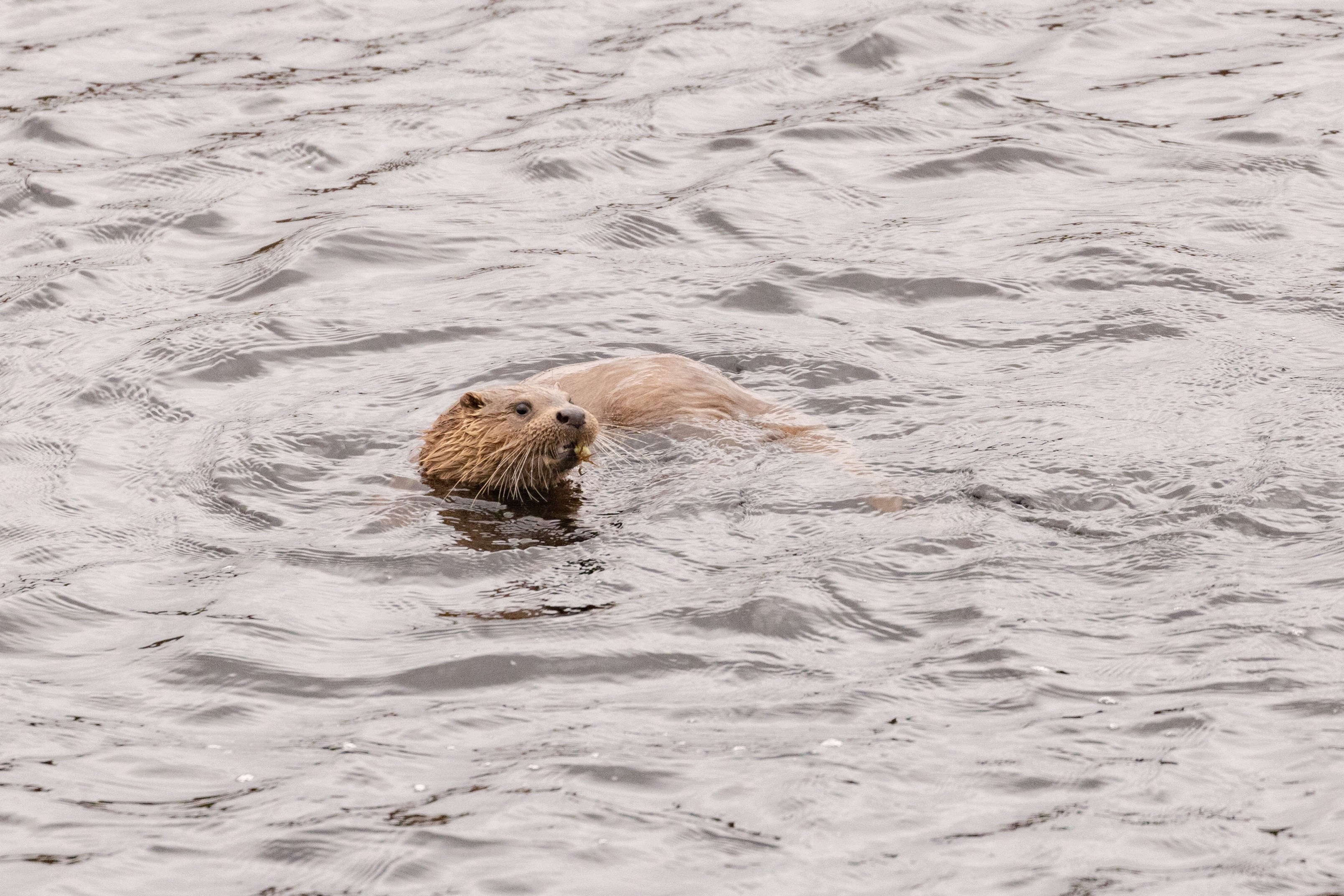
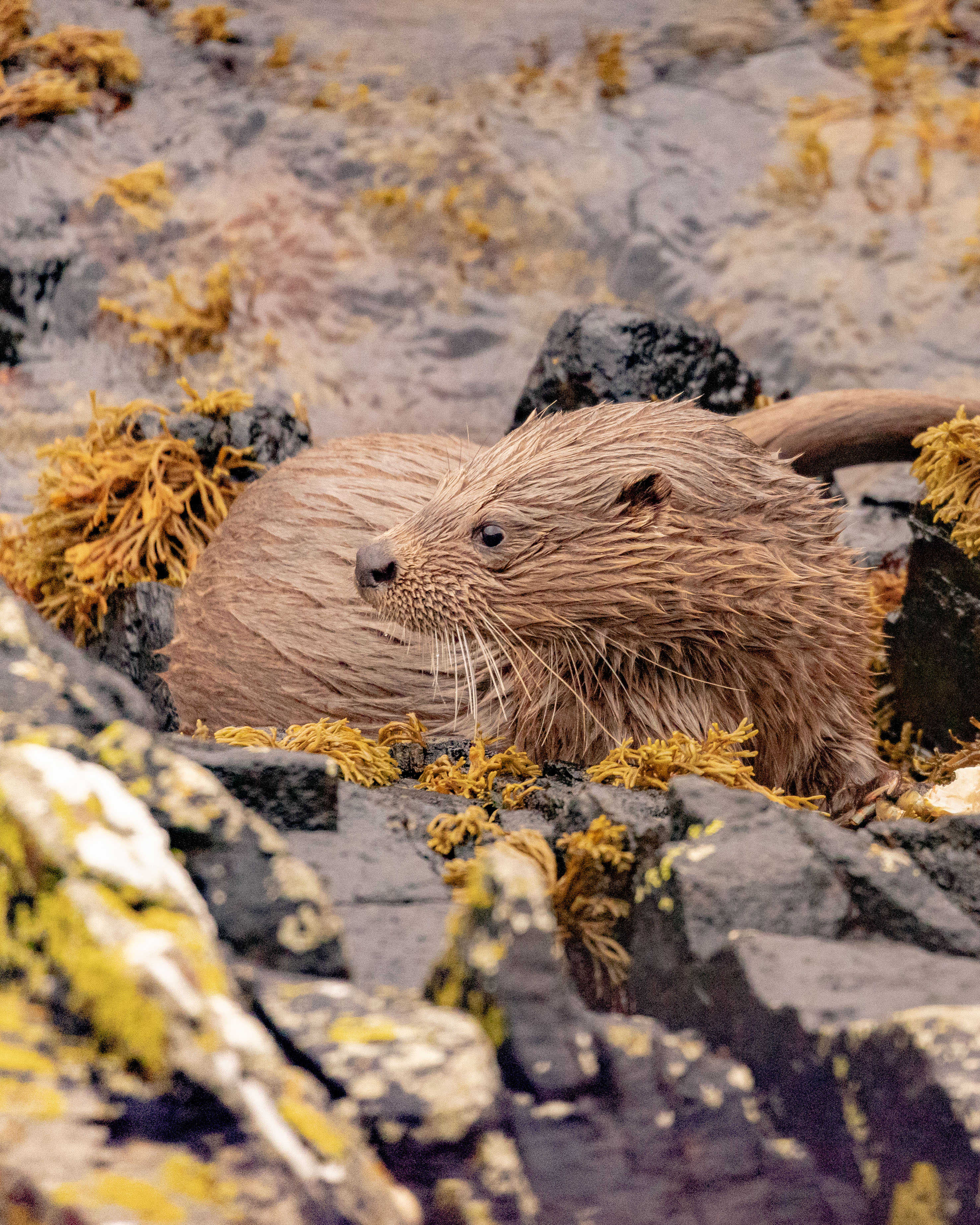
However, the highlight of this particular trip was an otter that dropped by several times each day. Otters have been my nemesis animal for years, so it was fantastic to finally get some decent views. One morning I spent hours looking through my scope, hoping to spot it taking one of the loch’s huge crabs onto a kelp island to munch, but everything was still. The moment I sat down to a bowl of soup, a dark flick caught my eye and I saw the otter swimming straight towards the cabin.
Soup forgotten, I lunged into coat and shoes and crept outside. The otter was eating on the rocks right beneath the decking. It glanced up at me but continued its meal, chewing noisily. It was one of those encounters that’s so special I start shaking, but luckily I managed to keep my camera still.
And for the feathery cherry on the heathery cake, a white tailed eagle soared overhead on the last day. I can never be sure what I’m going to see on the west coast and this trip was a triumph.
This summer is zooming by! I’ve been spending the past few months travelling and writing my book, which is now due in three months. That’s quite a terrifying thought actually…
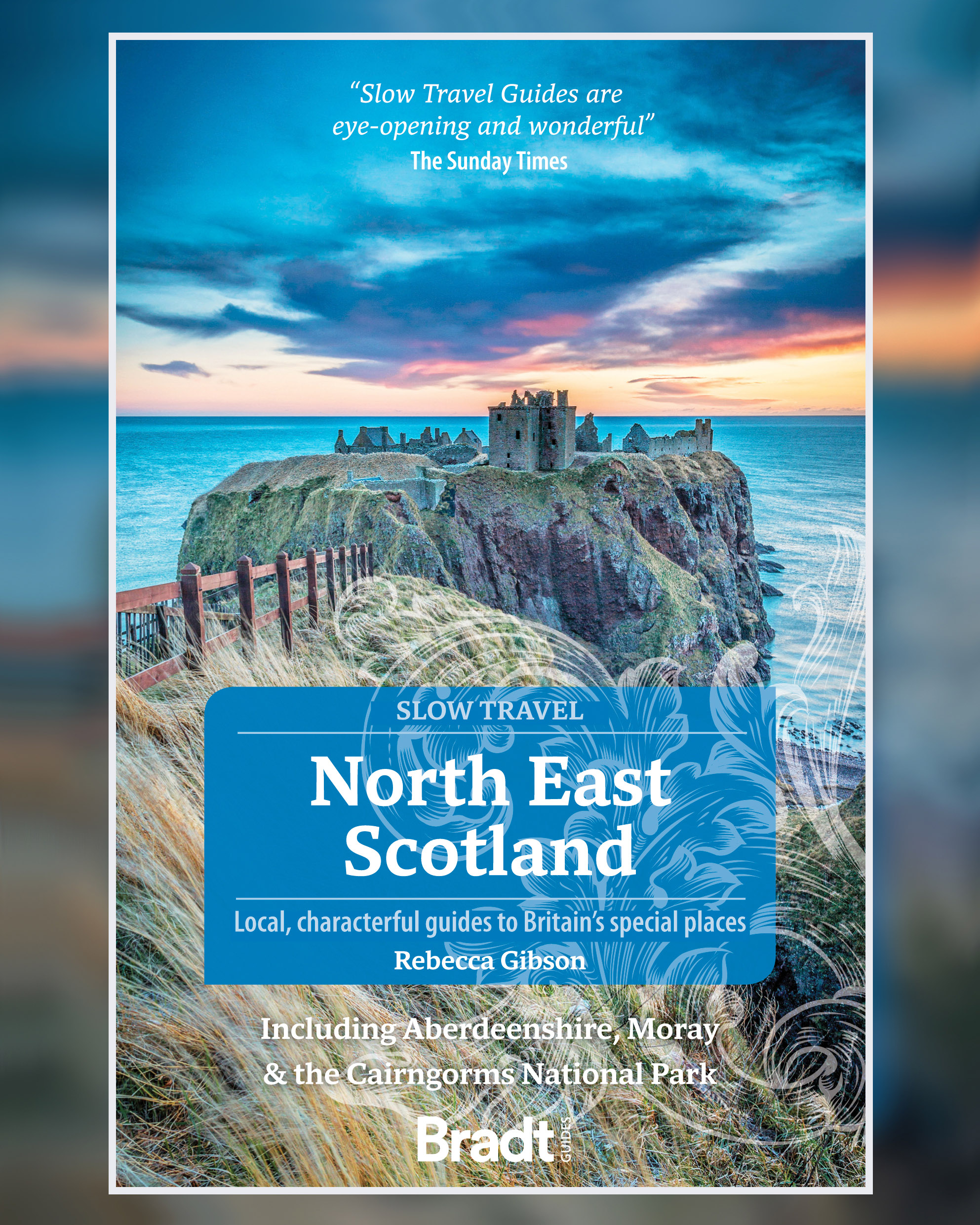
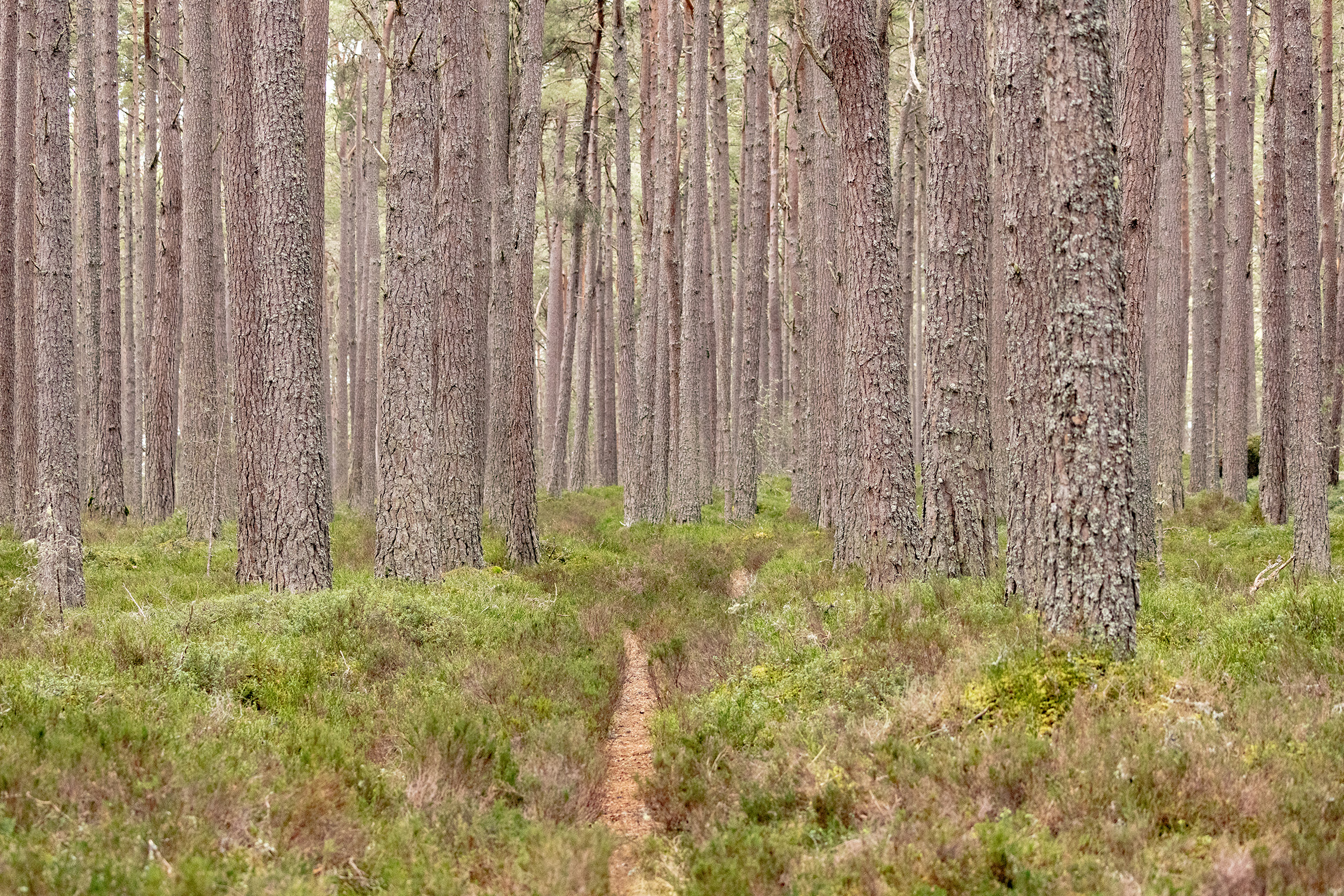
My research trips have involved stomping through Caledonian pinewood, sampling local whiskies and searching for hidden stone circles. I’m absolutely loving this challenging yet rewarding project and can’t wait to see the finished product on the shelves. Here’s a sneak preview of the front cover.
As well as book writing, I’ve been putting together my 2023 calendar. Like last time, it features a range of Scottish birds and mammals that I’ve photographed this year including snow buntings, badgers and even a goshawk!
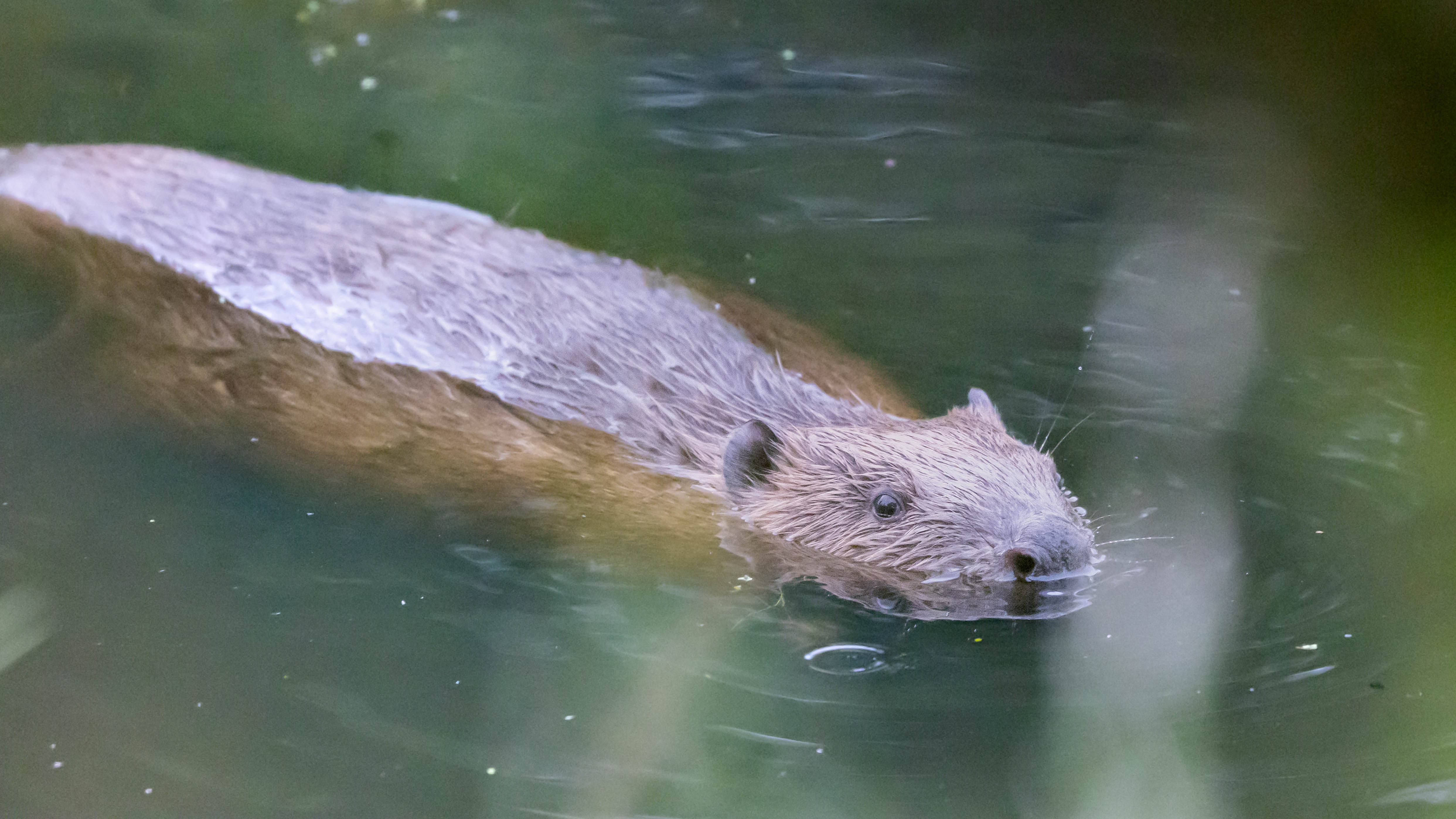
And finally, I took some time away from the north east recently and headed down to Perthshire to photograph beavers. These incredible animals completely transform their surroundings and it was a privilege to spend so much time with them.
I’m currently writing my first book. It’s a Slow Travel Guide to northeast Scotland, which will be published in spring 2023. The book covers Aberdeenshire, Moray and the Cairngorms National Park, so basically a huge chunk of the country! My daily routine has become a contrasting blend of emailing accommodation providers, walking, writing copious notes and staring at maps until my head swims.
This is the biggest project I’ve undertaken so far and it’s very easy to get lost in the Big Picture. I’m learning the key is to break it down into chunks. Each field research trip is a week long and during those weeks I have a list of castles, stone circles, museums and reserves to visit.
I need to be as thorough and detailed as possible, so when the book is written it will read as though I’m giving a guided tour to someone wearing a blindfold. I’ve never written in this much meticulous depth before and it’s a rewarding challenge. During my master’s degree I was told to ‘show don’t tell’. With a Slow guide, it’s a case of including heaps of both.
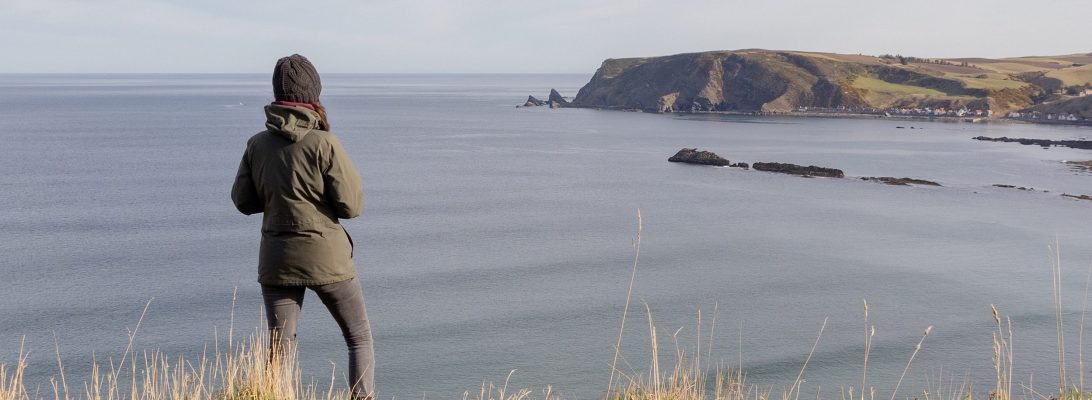
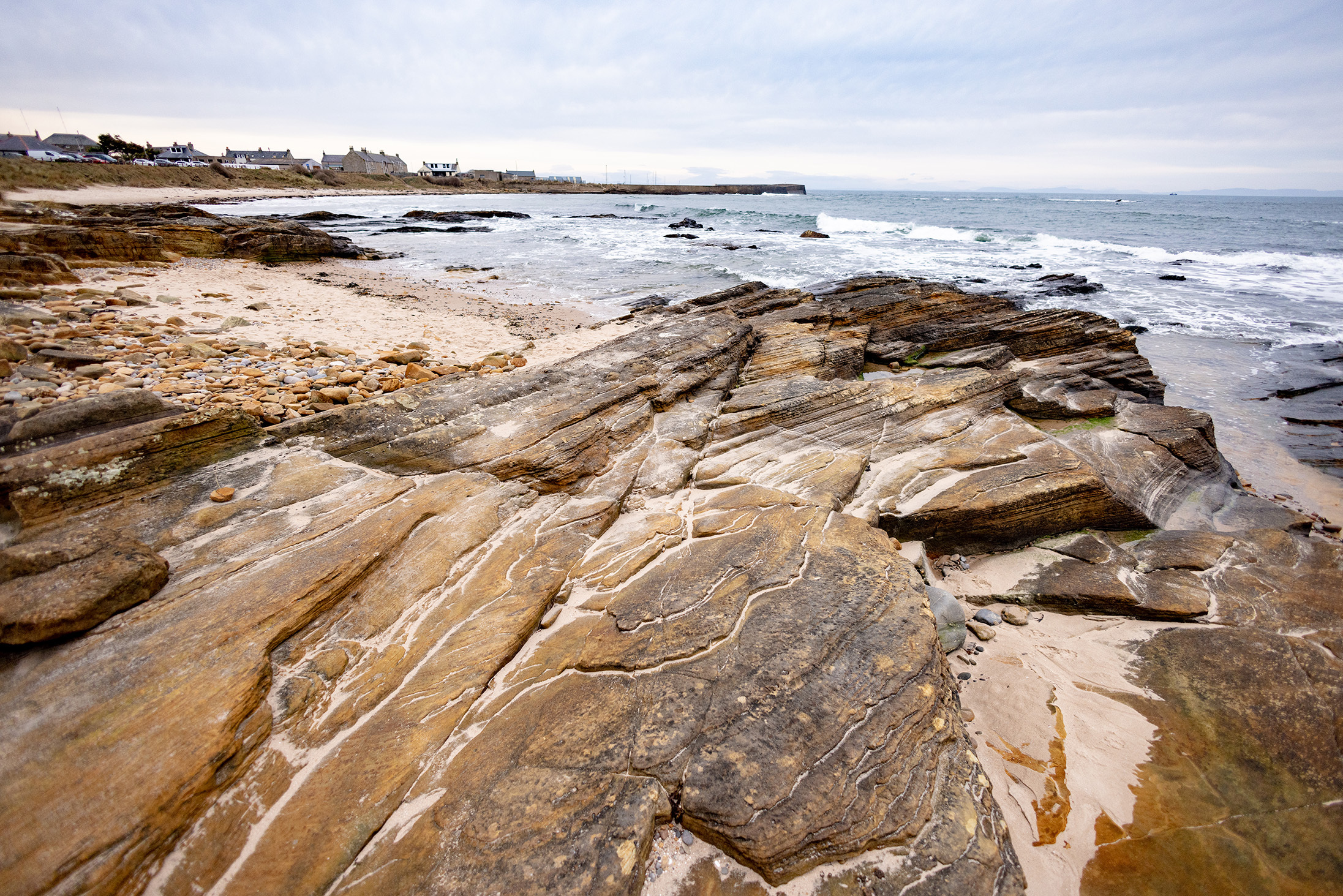
Looking towards Crovie, Aberdeenshire
Because the project is all-encompassing, other things have slipped into the background, including this blog. When I was studying for my undergraduate degree I had a delicious amount of time on my hands. My blog was abuzz with updates because it’s all I had going on outside of my assignments. What simpler days they were! Now everything I write has a destination – nothing is free just to keep the blog ticking over.
I’ve struggled with work/life balance for years. For me work has a nasty habit of becoming life. If I go for a walk I’m thinking about new places I could include in the book or looking for new photos to share to Instagram. Last year this took me close to burnout. Wildlife was everywhere I looked and for a while it lost its charm. Something I had grown so attached to had become almost a chore and I hated that I’d let that happen.
I think this is something all freelancers have to deal with. Working from home has lots of benefits but it also means your office is your home, and switching off takes real effort.
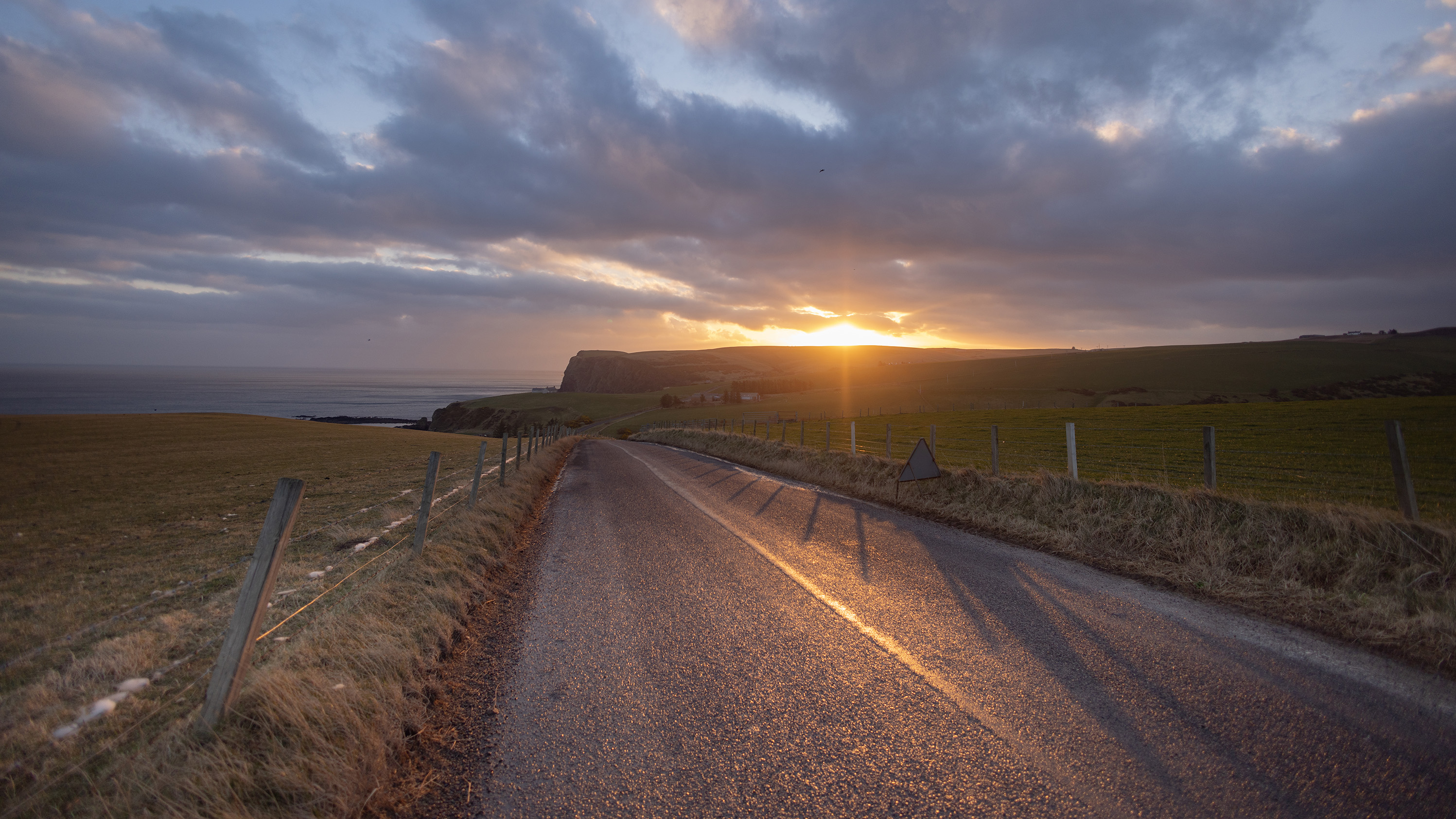
Sunrise on the road to Pennan, Aberdeenshire
Recently I’ve taken up ice skating again. I used to love skating when I was younger but because I didn’t know anyone else who could do it, I eventually stopped going. Luckily I had yeti feet as a child and they haven’t changed in the last ten years so my old ice skates still fit me.
There’s a rink in my local town that I didn’t even know about so I had a go. Obviously I was rusty at first, and the fear of falling on my tailbone (here I speak from painful experience) held me back. But with each visit I got comfortable quicker and now it’s become a passion again.
I’m by no means an expert – I skate for the sensation, which is the closest to flying I’ll get with my feet still on the ground. I find it so therapeutic, almost meditative, and better yet it doesn’t require any screens. My dry eyes get a break and I get lost in my thoughts, gliding weightlessly in repetitive circles.
I realised it’s the first true hobby I’ve had in years – something completely unrelated to work that lets me switch off and be in the current moment for a change.
When the weather warms up I’ll return to sea swimming too. I started this last year and experienced similar benefits to skating – no screens, no social media, just my own thoughts and a sensation of floating. Maybe it’s significant that my two forms of escape are different states of water.
I’m hugely proud of this book commission and I know that the moment I hold the finished product in my hands, every minute of stress and fatigue will be worth it. However, to reach that point I need to care for myself. I haven’t been very good at that in the past, but I’m learning.
It was time to go back to Assynt on the west coast this week. Friends of mine own a wood cabin on the edge of aloch – with no phone service and barely anyone else around, it’s one of my favourite places to stay.
The weather has been unpredictable for weeks where I am. One minute we have torrential downpours and the next radiant sunshine. I was a little dubious what I’d be faced with at the chalet, and as my friend Steve and I headed west towards Inverness it soon became apparent that we’d be battling the elements again. The hills were hidden behind mist and the rain was falling sideways.
It turned out that I would only photograph two species during the trip but they were two crackers: red deer and pine martens.
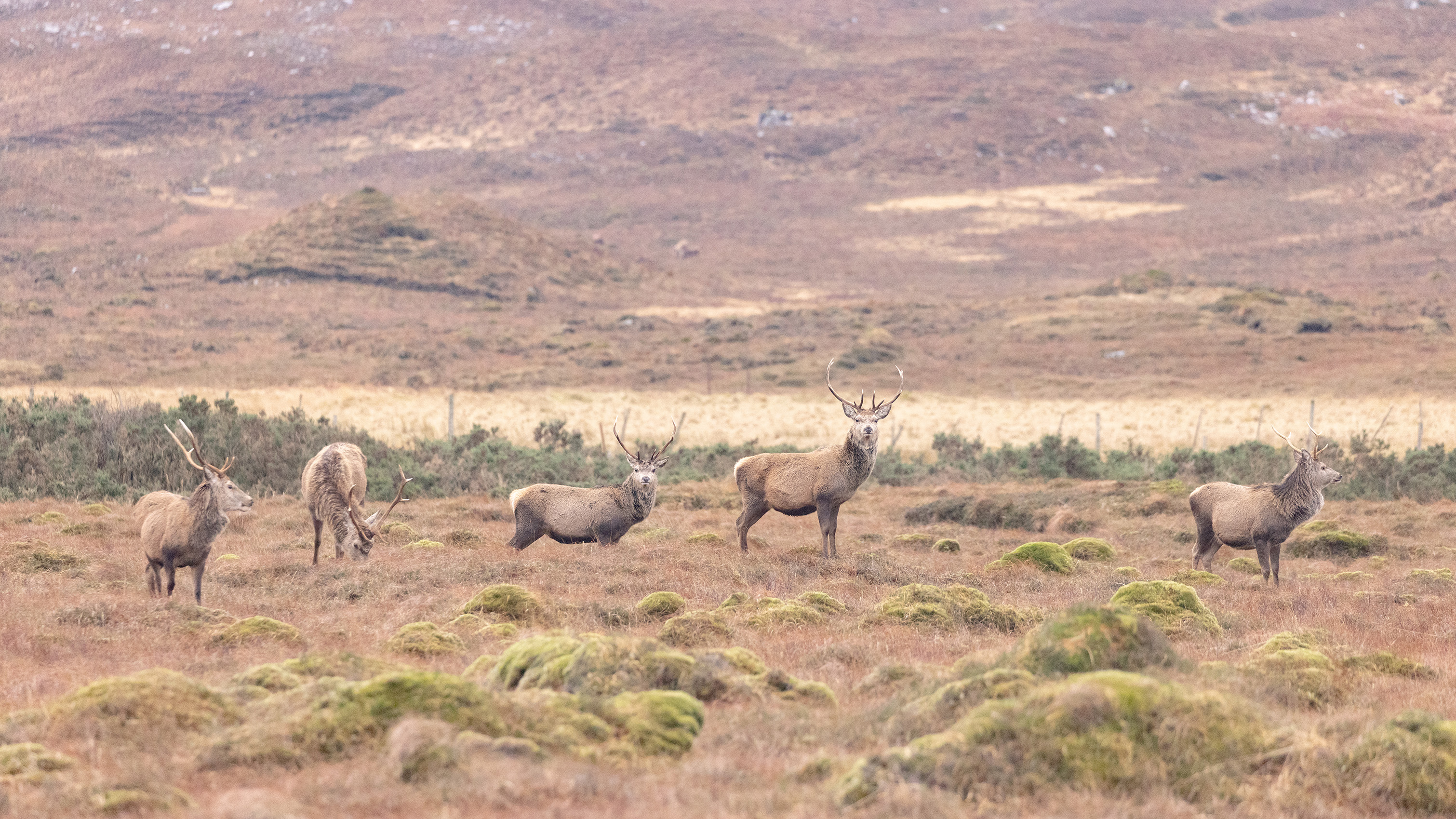
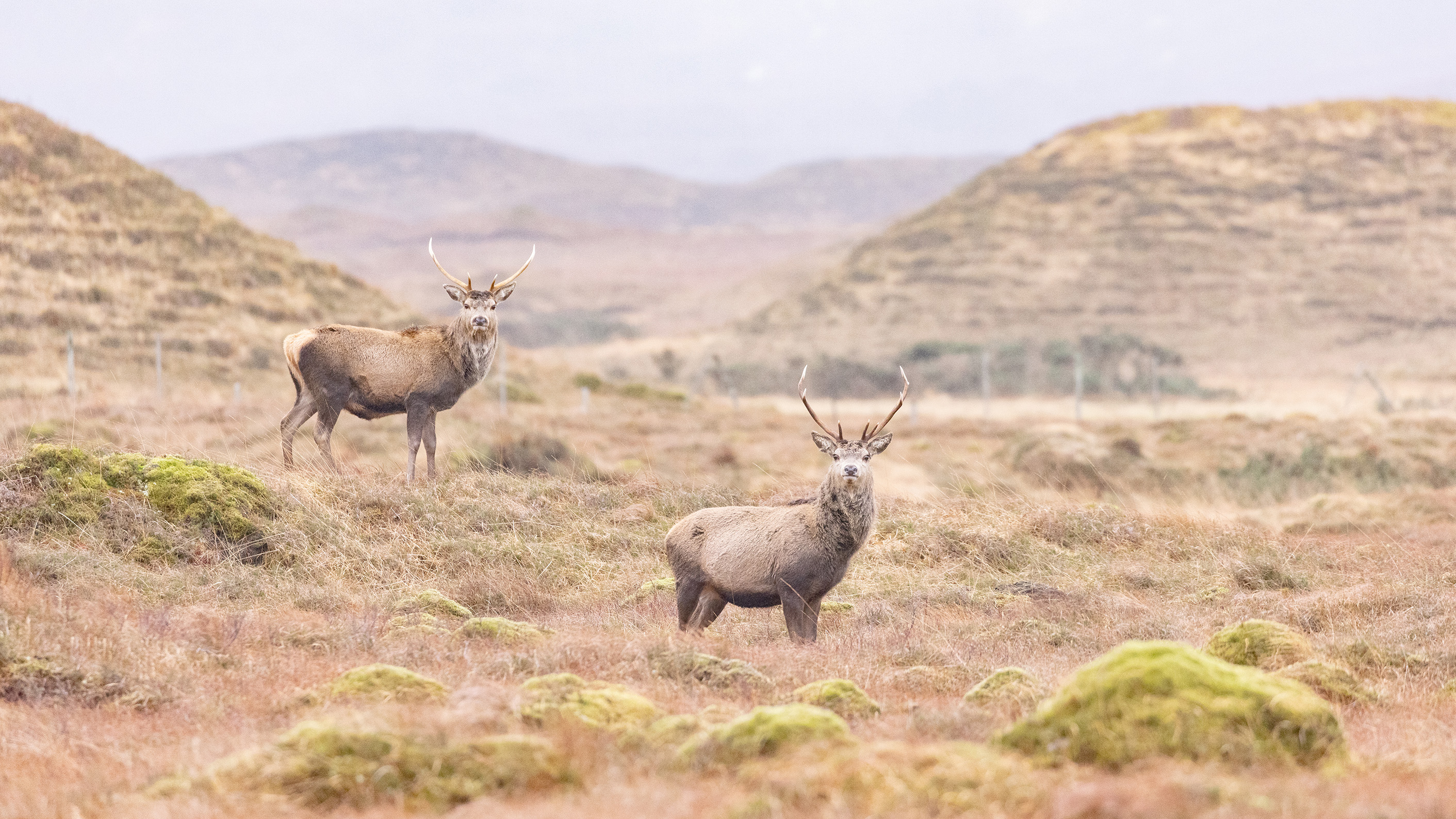
In Inchnadamph, a small hamlet about fifteen miles from the cabin, there were red deer everywhere. The name of the hamlet comes from the Gaelic Innis nan Damh, which means ‘meadow of the stags’. Deer are drawn to this particular area because of the limestone, which makes the grass sweeter.
I was grateful for that sweet grass because I got to see dozens of deer, both stags and hinds, as they foraged with the mountainous Assynt landscape all around them. I also found a fragmented antler in the heather. It’s less than a hand’s length but it’s got the sunflower-shaped face that once attached it to the stag’s skull. I took it as a good luck omen for the week.
When we arrived at the cabin we began setting up for our first night watch. On previous visits we’ve sat in the dark watching pine martens and badgers right outside the window, but the light’s always been too poor for photos. This time we upped our game and brought along two small freestanding lights to point onto a mossy log perch. Once the peanuts had been sprinkled it was time for the long wait to begin.
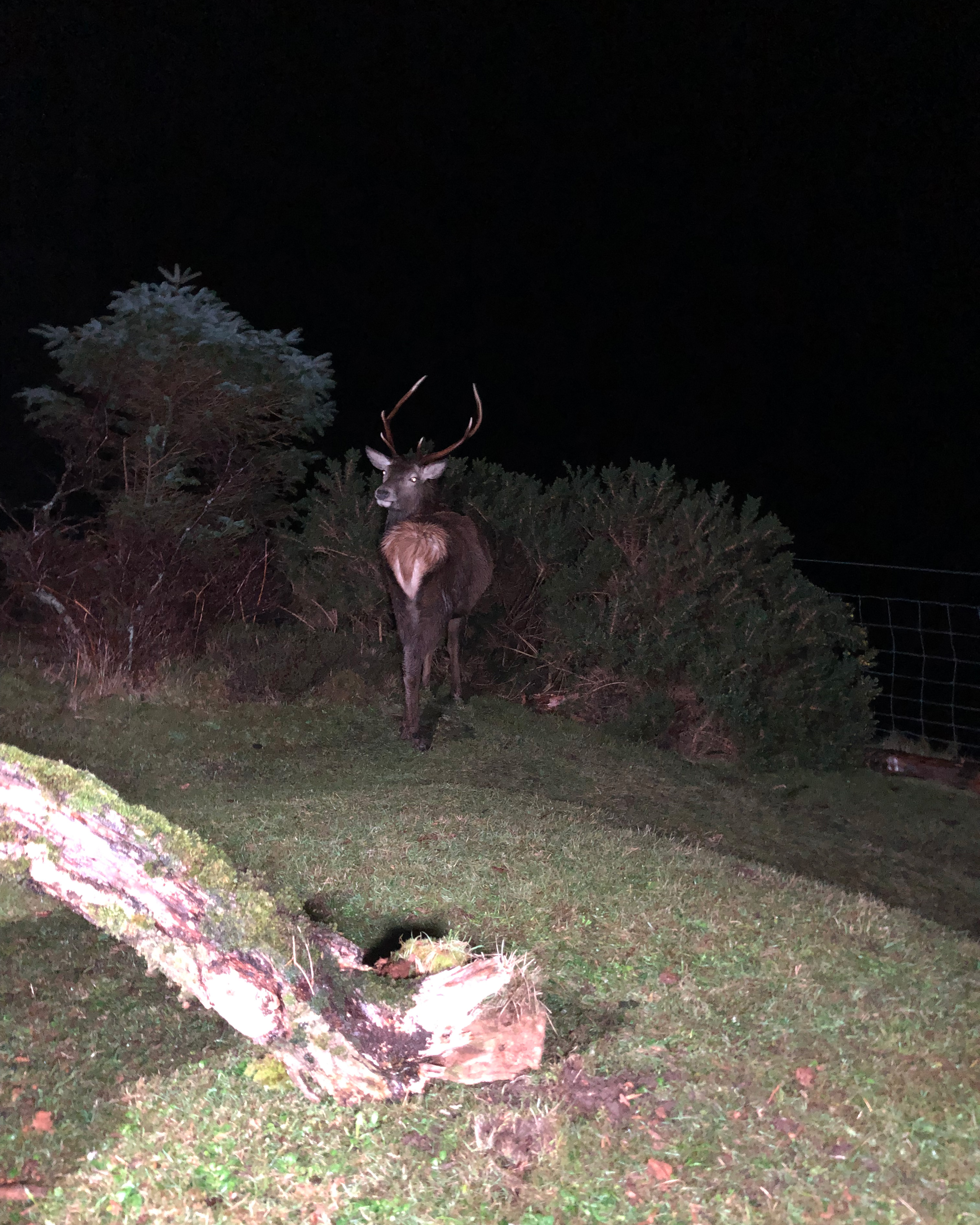
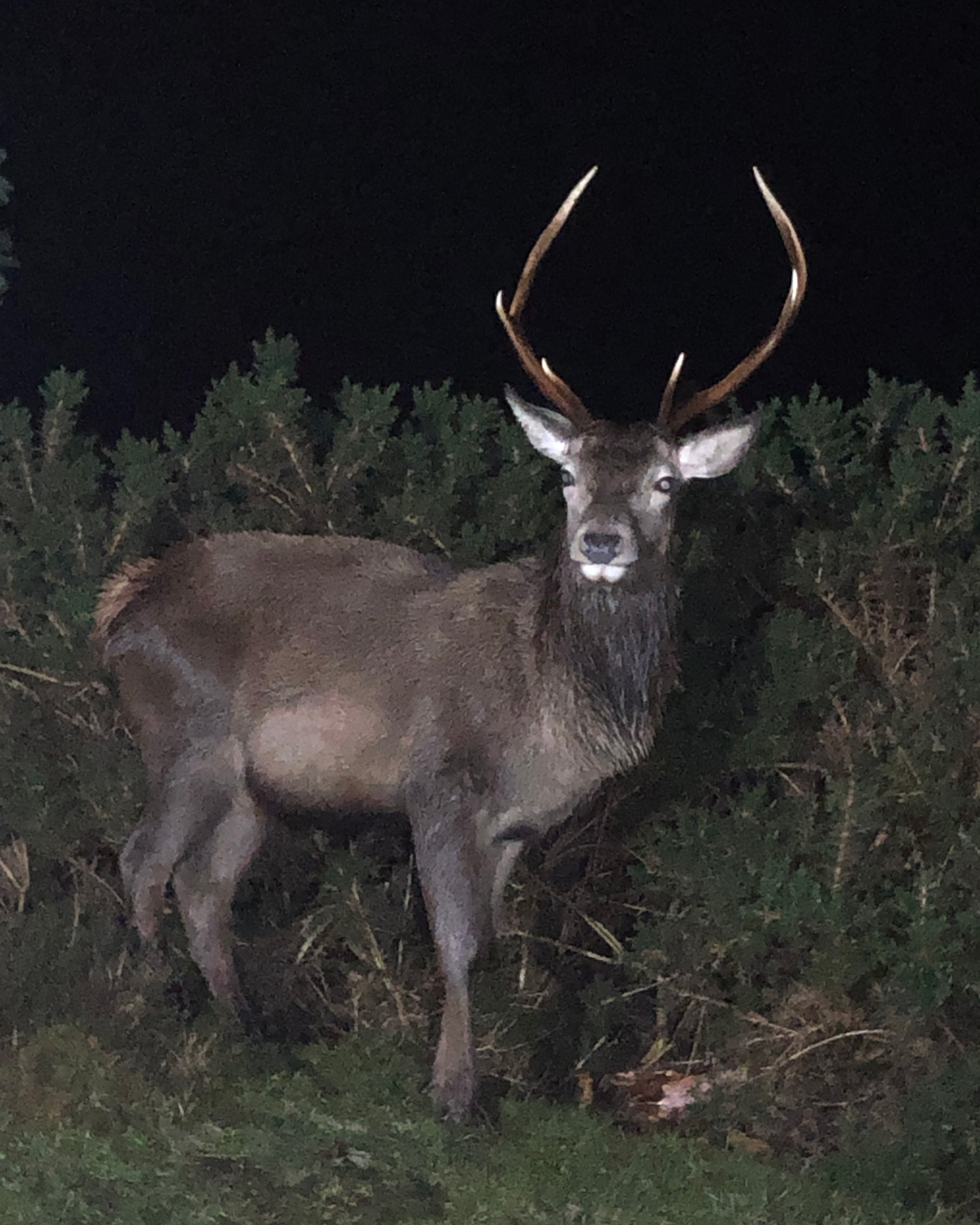
That first night was probably the most successful wildlife session I’ve ever had. From 9pm until we gave into exhaustion at 4:30am, we were visited seven times by a pine marten and twice from a huge stag, who scared the life out of me when his shining white eyes appeared in the dark. I hoped this was Stig, who often browses in the chalet garden and has been watched by lots of visitors to the chalet.
Stig stayed for half an hour on two separate occasions. Both times he made a beeline for the gorse bush closest to the chalet steps. I couldn’t imagine putting gorse anywhere near my face let alone in my mouth, but the stag couldn’t munch it quick enough.
Phone photos from our “hide” in the chalet
Although it was great to see a stag so closely, the pine marten was spectacular. Every time it appeared it would pop its head up from behind the square wire fence, then most times after that we would spot its shining eyes and pale bib from the bottom of the gorse bush that the stag had been munching on.
After a brief sniff and glance both ways, it lolloped into the open and leapt straight onto the perch, claiming its prize and gifting us with fantastic views.
For the next three nights we stayed up waiting for the pine martens. We knew there were two because one of them only had one flashing eye on the trail camera footage. We’d already named that individual Misty on our previous visit. Misty was far more elusive than Rex, our other visitor. We’d chosen this name because of the mark on its bib that looked like a T-Rex claw.
Rex came multiple times a night – on the second night we were slightly peeved that we had a tactical nap right when she/he dropped by, so we were fast asleep while a pine marten was munching a metre from our heads… Misty really challenged our nocturnal abilities but Steve managed to see her/him once on the last night.
Pine martens are one of my favourite animals, so to be able to watch them from the comfort of the cabin and at such close range was a real treat.
Once our time on the west coast was over, we passed through Inchnadamph again on our way back east. This time there was some lying snow, which made photographing the deer even more special.
Each time I return from the chalet I’m wondering when I’ll be back. I love living in the northeast and there’s some incredible wildlife here too, but there’s something so addictive about that cabin in Assynt.
We’re one month into the year already! As usual I’ve been beavering away and forgetting to update my blog, so here’s a summary of what I’ve been up to in January.
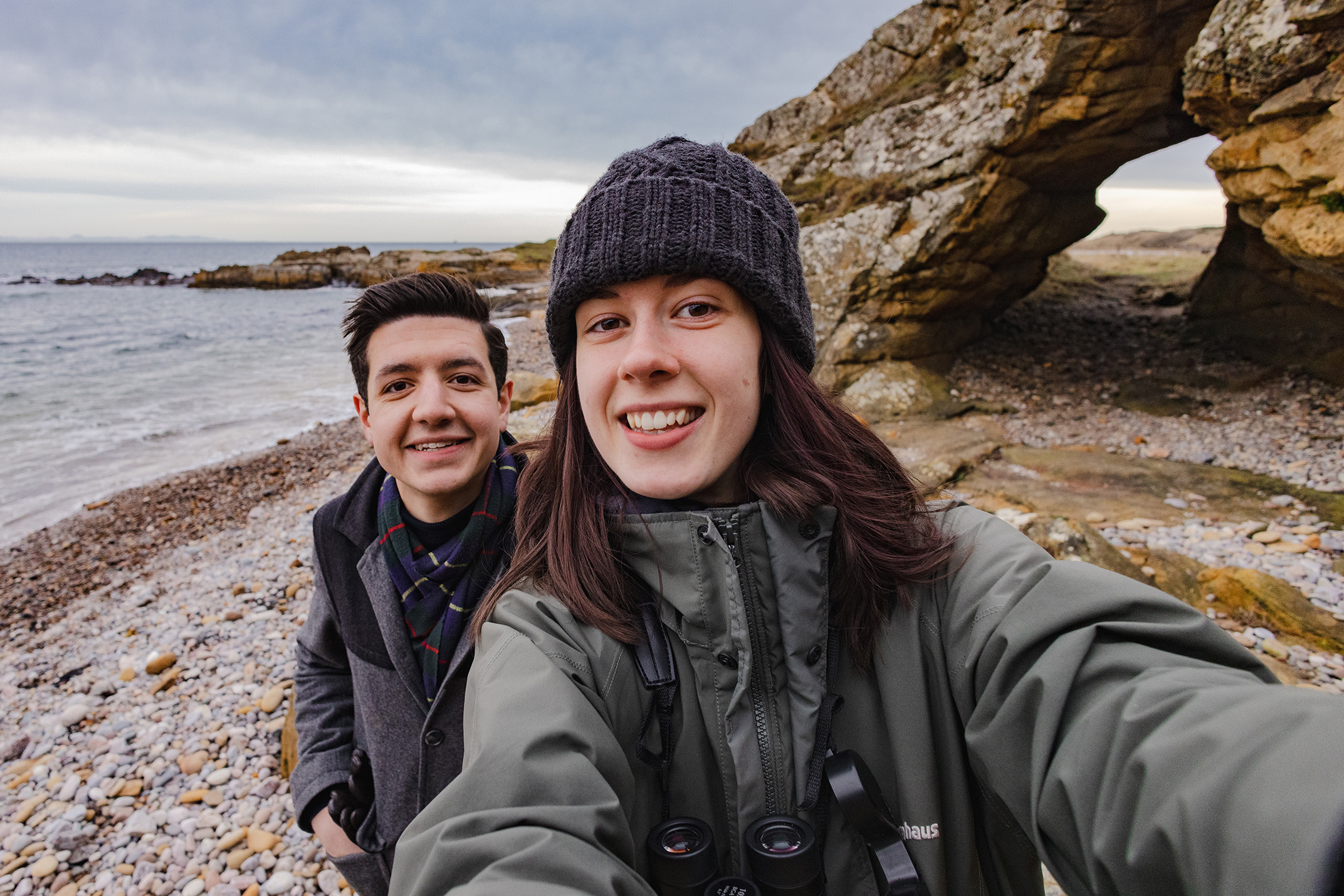
My 2022 started with my best mate Luke coming to visit for the first time since I’ve moved to Scotland. This year we celebrate our 20th anniversary of being friends – we’ve known each so long I can’t remember a time without him!
I took Luke to many of my favourite wildlife haunts. It’s funny how seeing familiar places with someone who’s never visited them before makes them fresh all over again. Although he’s definitely not a birder, I pestered Luke into looking through binoculars at eider ducks in the harbour and a dipper hunting on the river. I actually think some of my enthusiasm rubbed off on him.
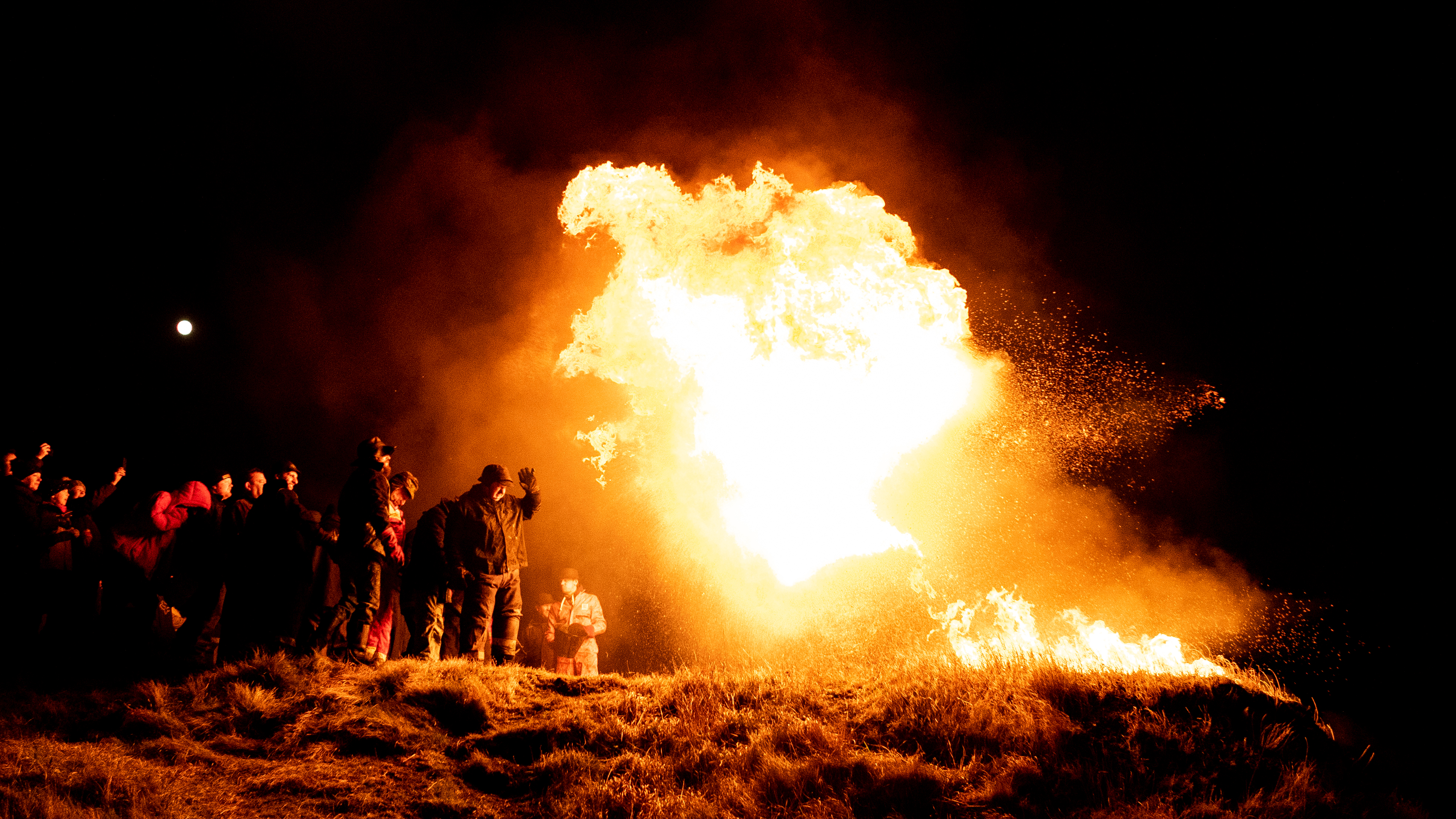
Burning of the Clavie
By happy coincidence, my friend was here when the annual Burning of the Clavie festival took place in Burghead. Although usually held on the 11th January, this year the festival was delayed a week because of changing Covid crowd rules. The festival was cancelled in 2020 and I missed it by a week the year before, so I was relieved to finally be able to experience it for myself. And it was totally worth the wait – the sights, sounds and intense feel of the mighty Clavie fire were extraordinary. It really has to be seen to be believed!
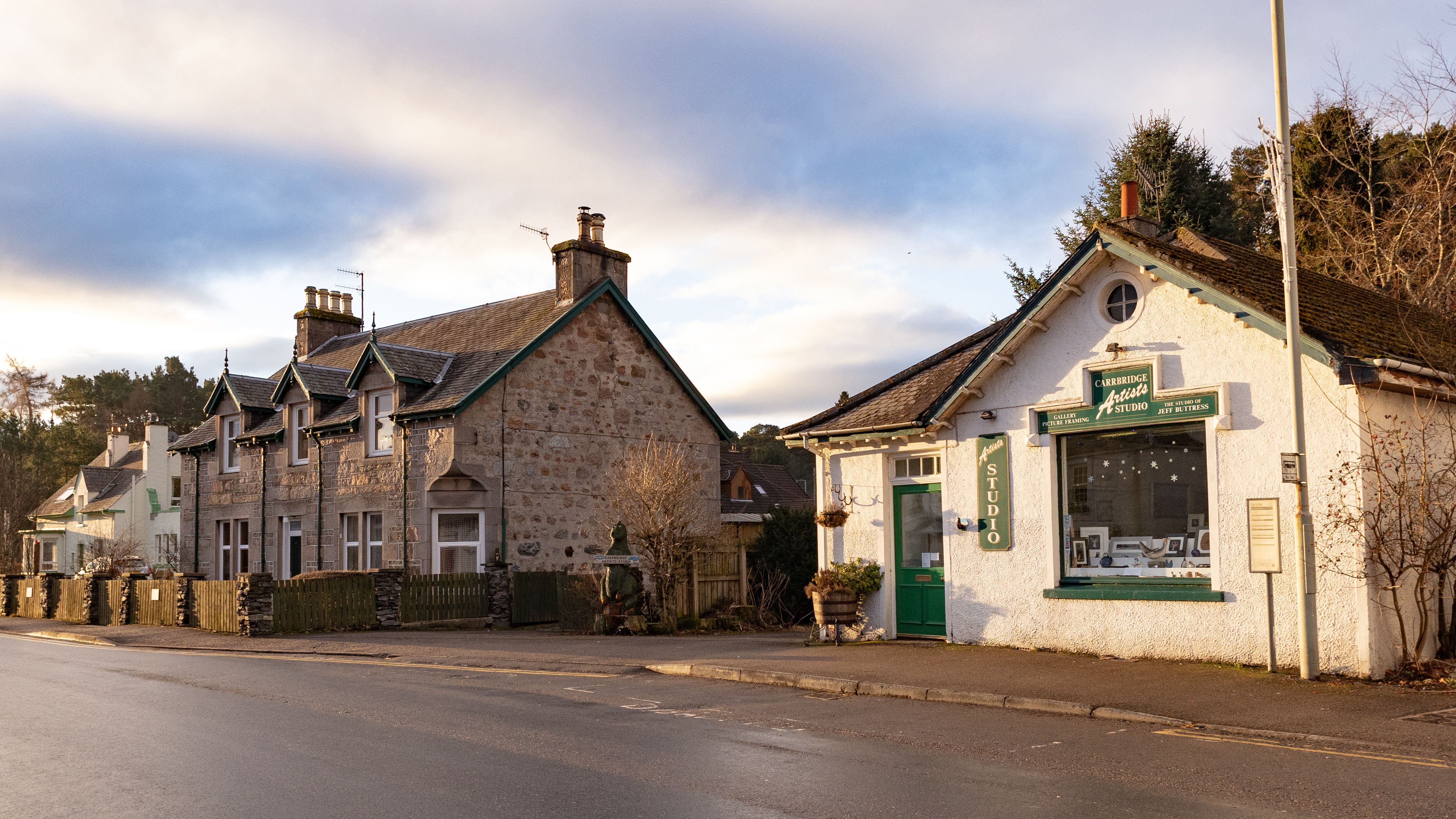
Carrbridge
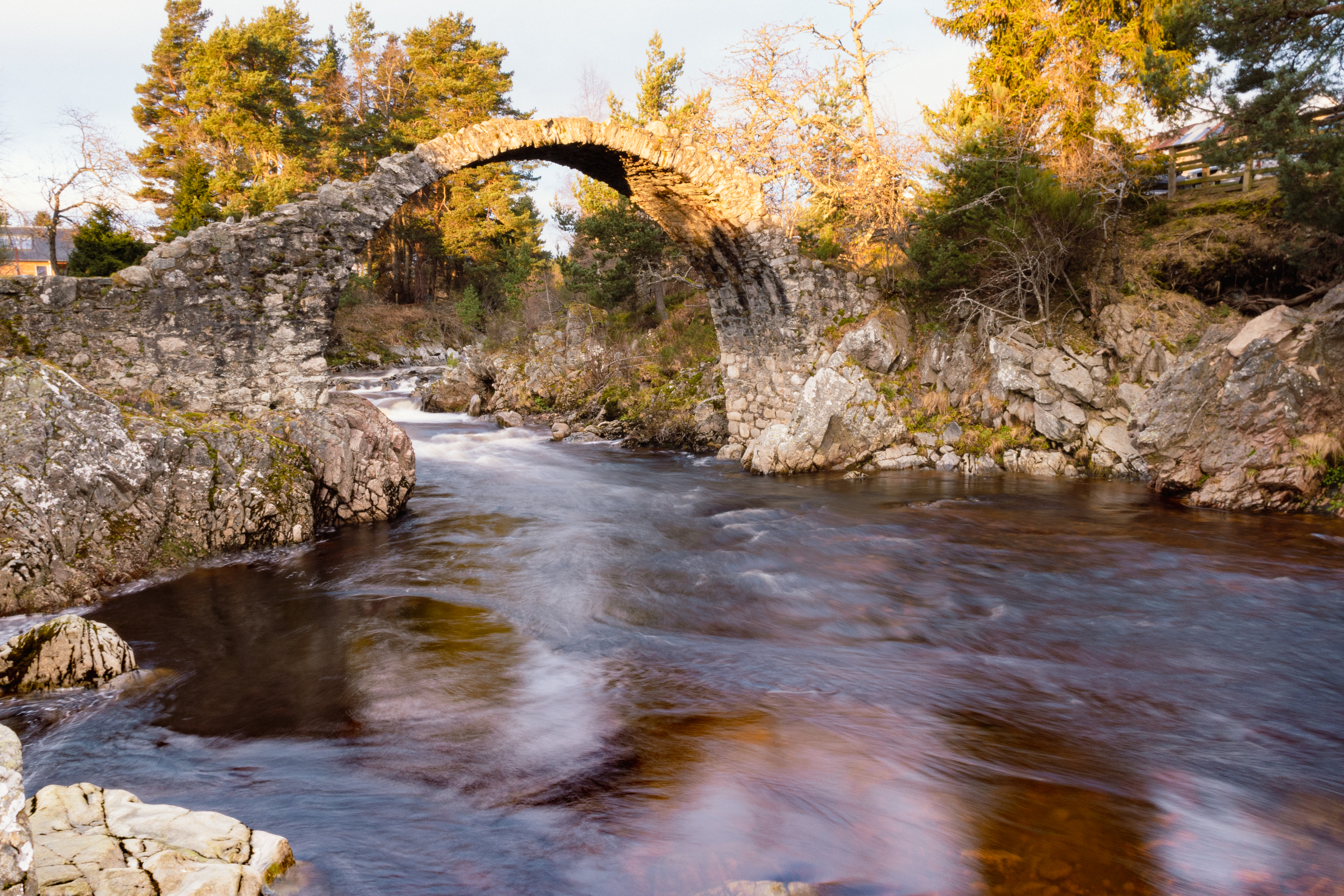
I’m currently hard at work writing my Slow Travel Guide to Northeast Scotland, which will be published by Bradt in 2023. Although some places on my list are closed until spring, there’s lots to enjoy in winter too. This month I spent a long morning in the village of Carrbridge, seven miles north of Aviemore in the Cairngorms National Park.
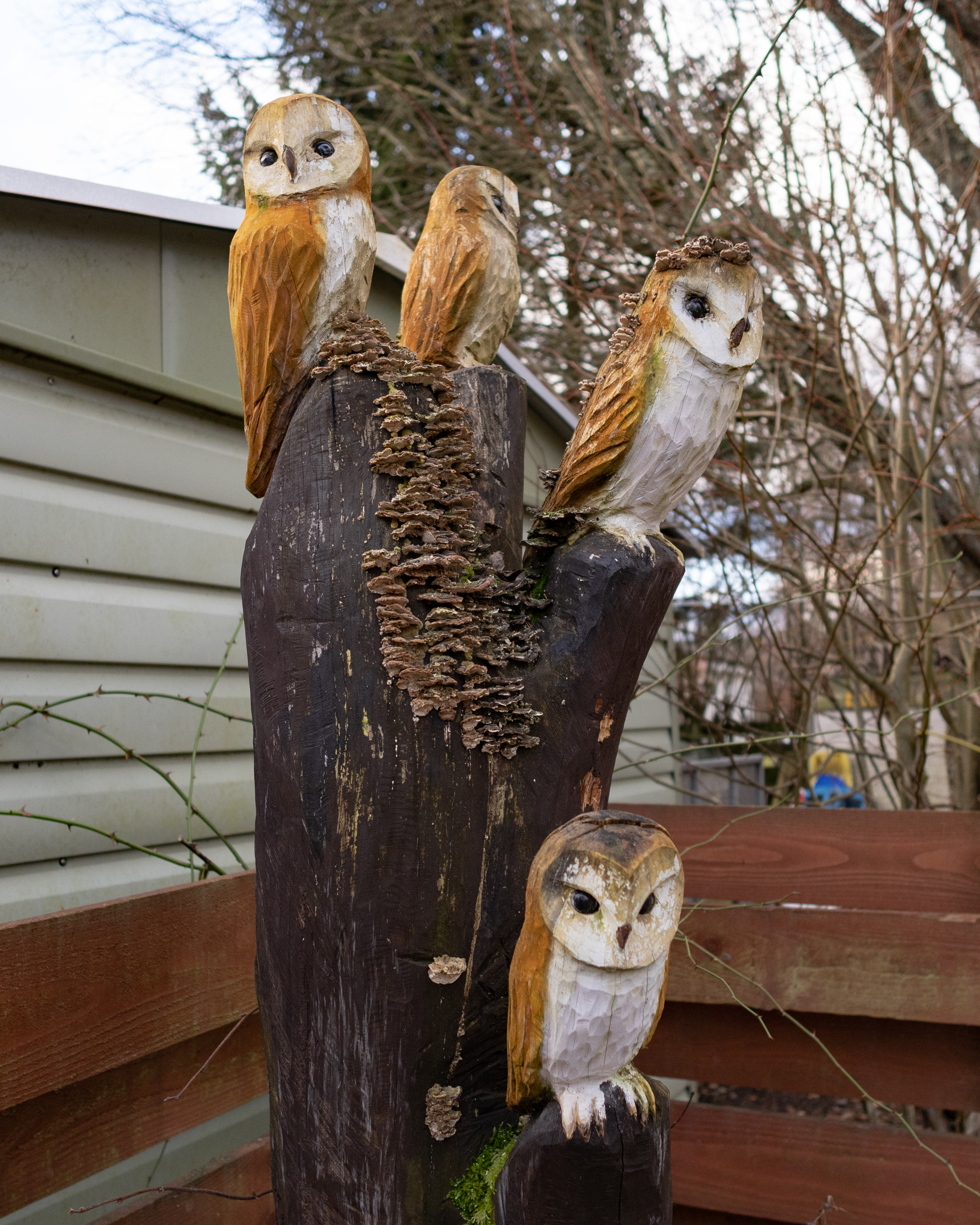
I didn’t know much about Carrbridge except the Old Pack Horse Bridge – the oldest stone bridge in the Highlands – and the annual Porridge Making Championships. After some Slow exploration the other day I discovered that Carrbridge also has a yearly wood carving competition every September. I’ll definitely be returning this autumn to see it for myself, but in the meantime I enjoyed spotting sculptures from previous competitions dotted all over Carrbridge.
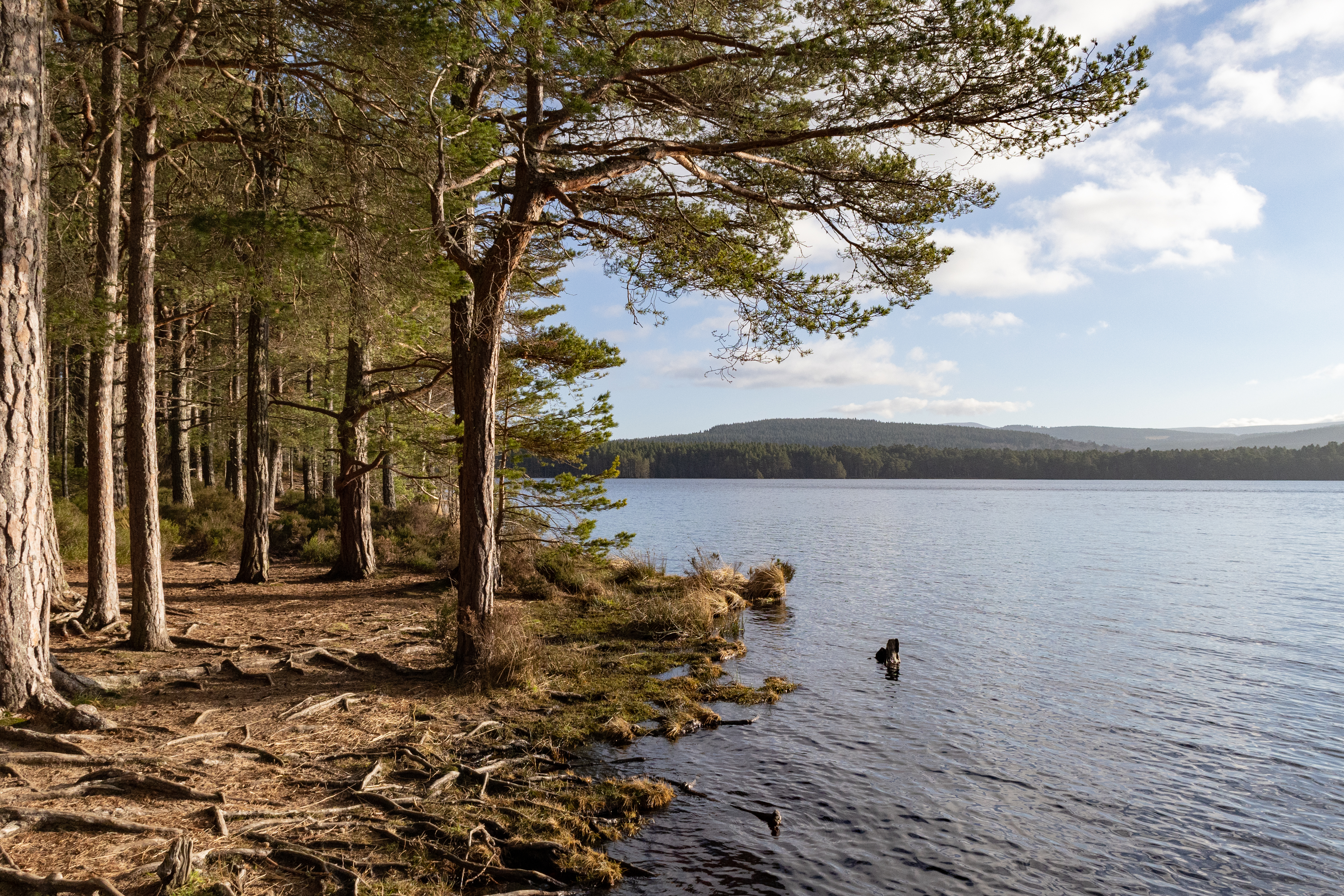
Loch Garten
Another day trip for my book this month was to Loch Garten, also in the Cairngorms. I much prefer visiting this loch in winter. Historically it’s known for ospreys that have nested here, but in winter you can actually hand feed the birds. Coal tits are the bravest, but the other day I also fed a dozen great tits and a blue tit.
There’s nothing quite like the feel of a tiny wild bird gripping your palm, trusting you enough to take a seed right in front of you. I could have stood there with my hand in the air all day, but I tore myself away to walk down the west side of Loch Garten to the tip of the smaller Loch Mallachie, then back through the ancient pinewood of Abernethy Forest.
Woodland locations are lovely and quiet in the Cairngorms at the moment and I relished the subtle sounds of water lapping the bank and pine trunks creaking in the wind. And all those birds’ wings of course.
I always like to reflect at the end of the year, and this time I thought I’d summarise my antics in the second issue of my own magazine, which you can read by clicking the image below.
Thank you all so much for your kind comments and support in 2021. I look forward to seeing what 2022 brings.



















 rebeccaonthewing.com