I can’t believe I’m already two assignments into my master’s degree. Both have been based around the theme of “Writing in the Field” – writing outside as opposed to a typical office environment. This was really useful for me, as up until now I’ve mostly written brief notes outside and then typed them up later at my desk. While this worked for jogging memories, it occurred to me that I was losing out on a lot of detail this way. Photos reminded me of things I saw, but I was glossing over other sensations such as smells, sounds and textures. By paying attention to these senses I found I could create a fuller, more immersive piece of writing that really put the reader in the field with me.
For my first assignment I decided to start a nature journal that I planned to take with me whenever I was out in nature. This would be the basis for my essay in the first assignment. During my research I discovered that many writers use journals to enhance their writing experience. Charles Darwin kept perhaps the most well known example during his voyages on H.M.S Beagle but there are numerous others. Author and artist John Muir Laws said that “journaling will slow you down and make you stop and look.” American author and scientist Aldo Leopold’s nature journals were so significant that the resulting essays became valuable contributions to the field of phenology – the study of seasonal natural phenomena. I also found several studies indicating that being outside is beneficial to creativity, so it made sense to do more writing outdoors!
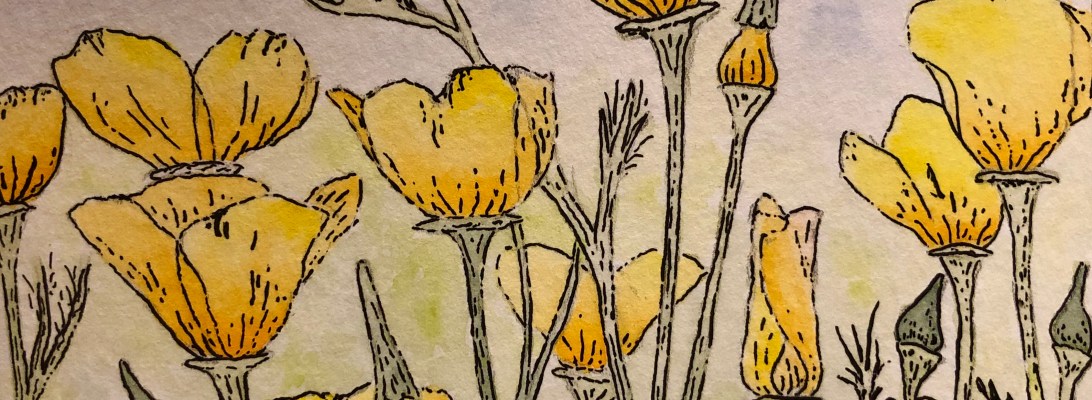
I found that my nature journal not only benefitted my writing but also enabled me to concentrate more on my art. I was keen to make the pages pretty and yearned to have a journal that would be cool enough for Pinterest. I’ve always loved drawing and painting but it’s often taken a back seat. My usual excuse is that I have no time, but over the past few weeks I’ve started to create quite a large body of work just by snatching a few minutes here and there to make a sketch. I bought a travel watercolour palette with a brush containing its own water which has been a lifesaver. Now I can pop my paints in my bag and take them anywhere, and I’ve really got on well with it so far. I deliberately bought a journal with a ring binder, so I can remove and insert the hole punched pages wherever I want them. A lot of my conventional notebooks have failed so I think having the freedom to go back and add pages in later has helped to keep the creative flow going.
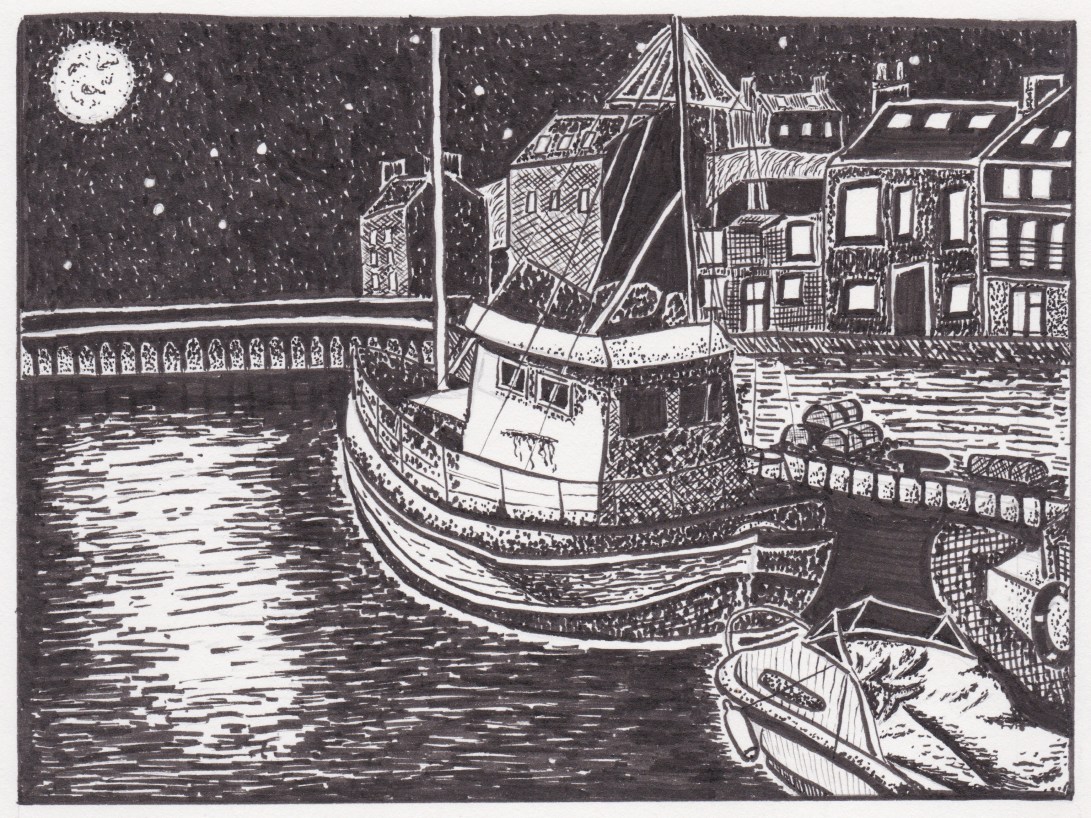
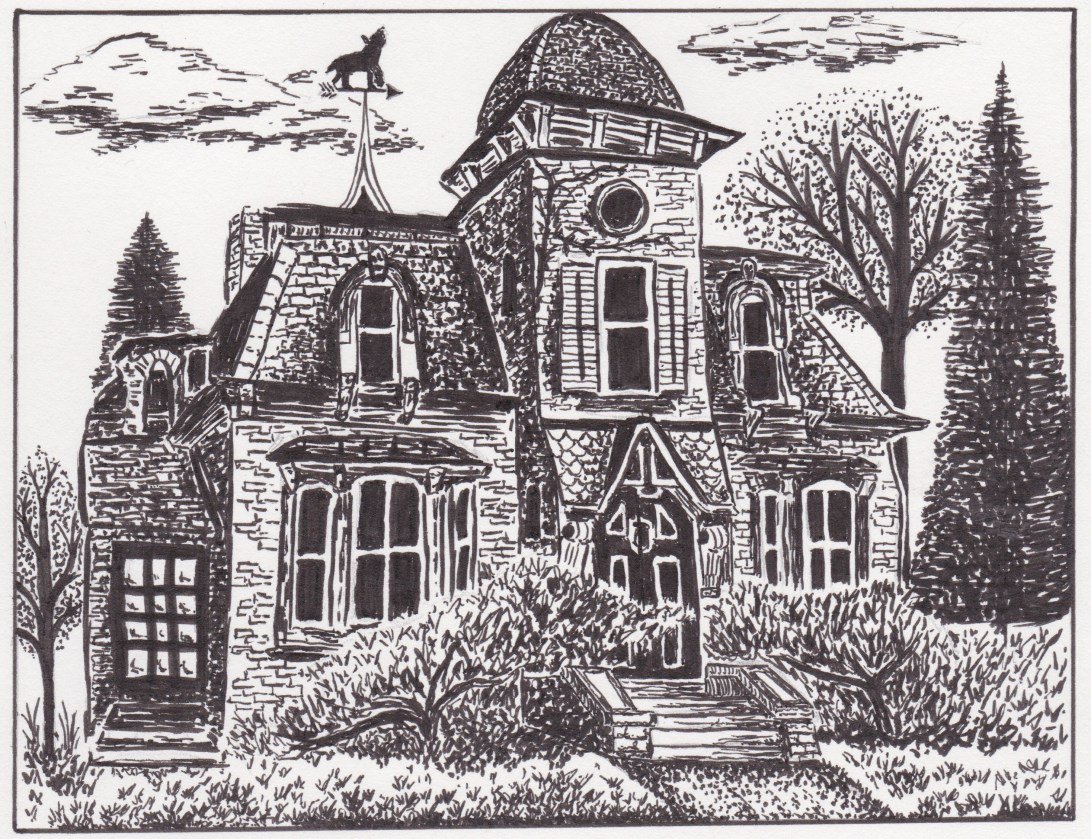
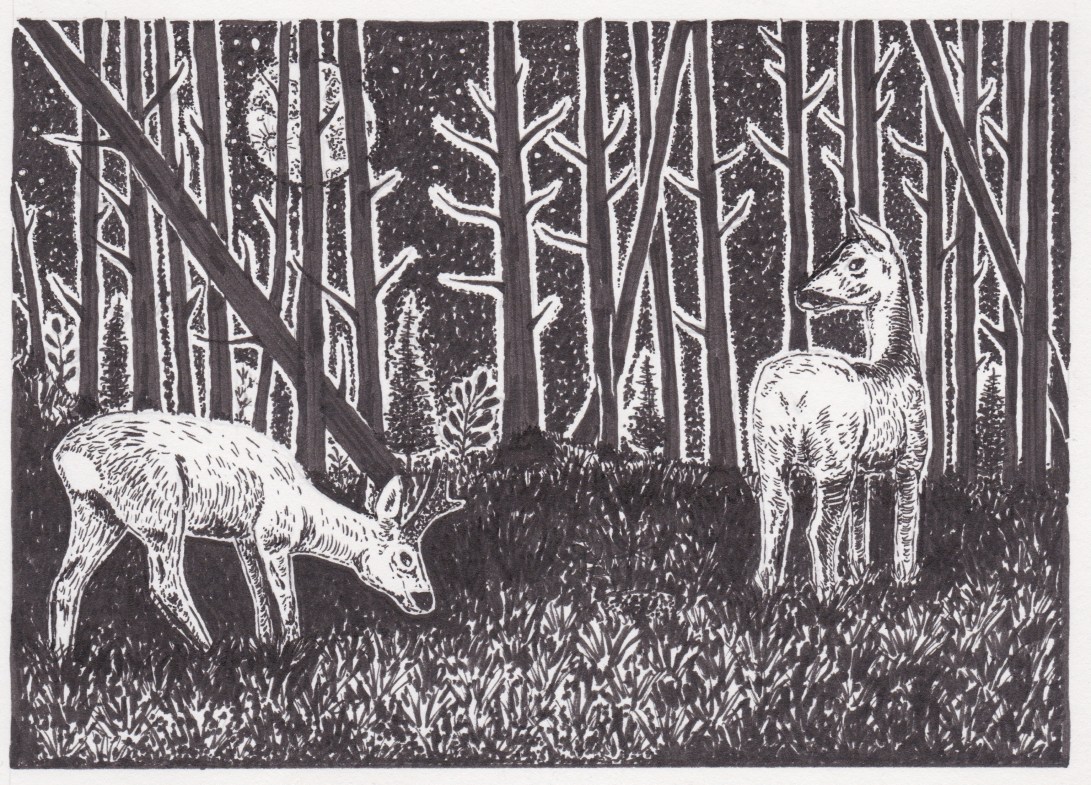
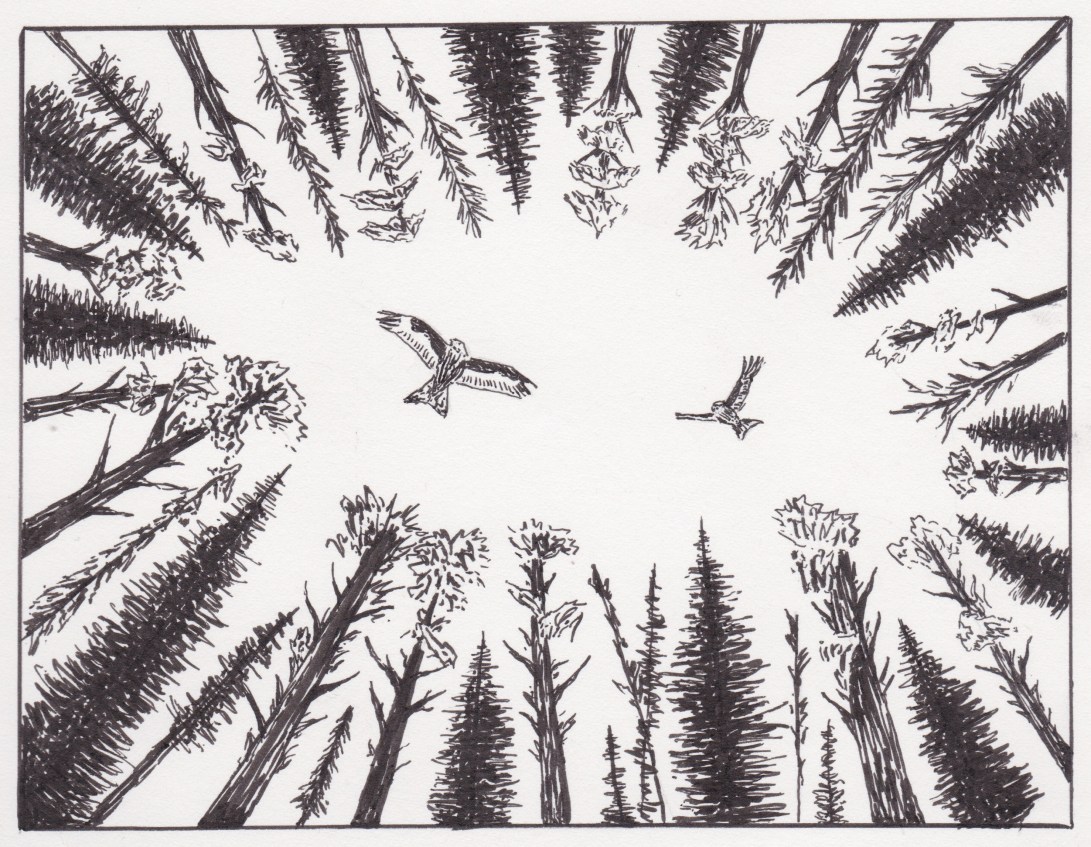
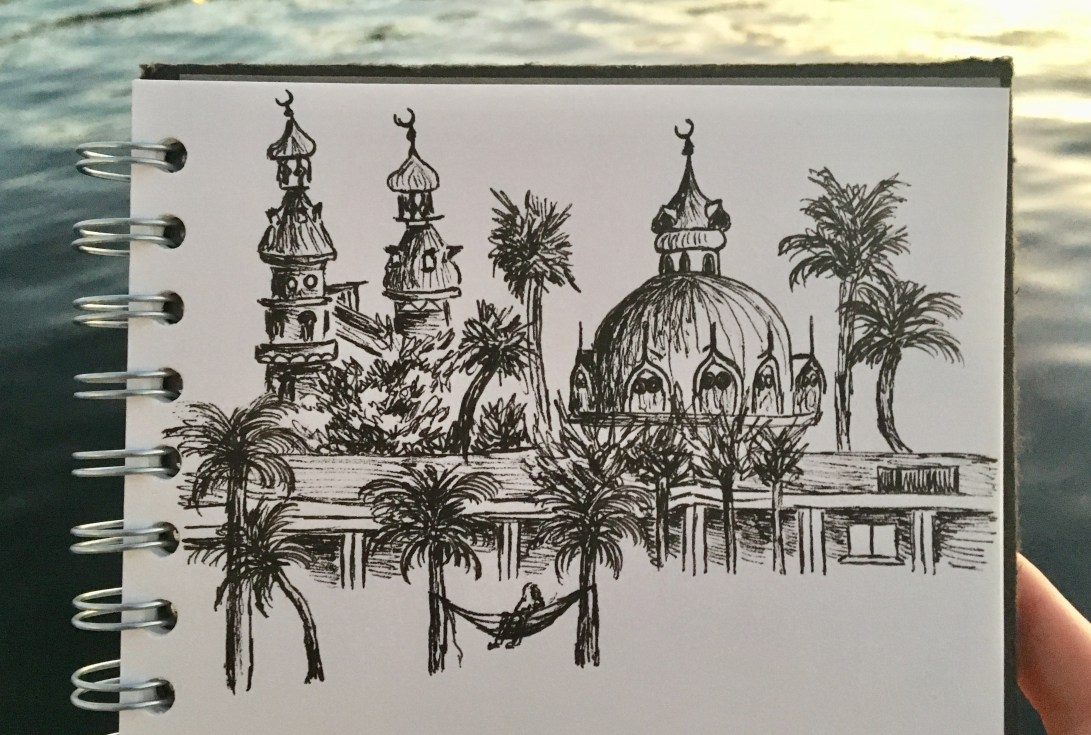
Writing and illustration go well together, so I decided to create a small drawing or painting for each piece in my second assignment – a portfolio of nature and travel writing from the field. I’ve loved setting art projects for myself again, which I haven’t done since school. Not only does it bring some variety to my writing, but it’s enhanced my observational skills by forcing me to note the fine details of my environment. I’m really looking forward to seeing how my nature journal progresses and I hope I can maintain it until the end of my course and beyond!

 rebeccaonthewing.com