Despite the cocktail of sun, rain, hail and snow all in four days I managed to have an excellent Easter weekend of wildlife watching. I heard my first chiffchaff this week, which can only mean spring is on its way despite the occasional blizzard!
Osprey season has begun and I spotted my first of the year on Saturday. That was the hottest day in a long time and sunglasses were essential for squinting up at the sky. As well as seeing this stunning male osprey hovering over the estuary, I saw my first sand martin of the year (too nippy for a photo) and my first ever grey plover, which was a rare visitor to the area.
Grey plover
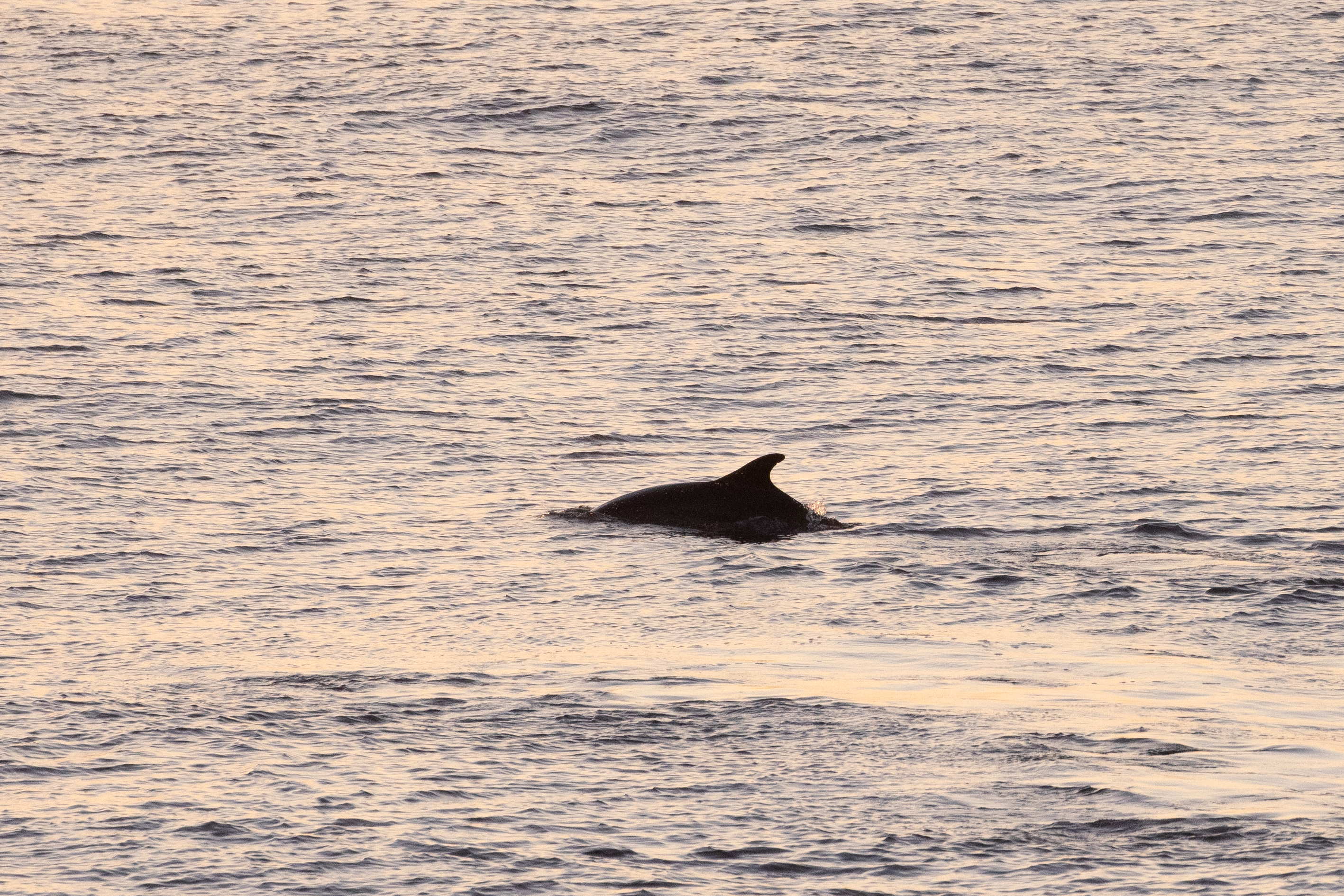
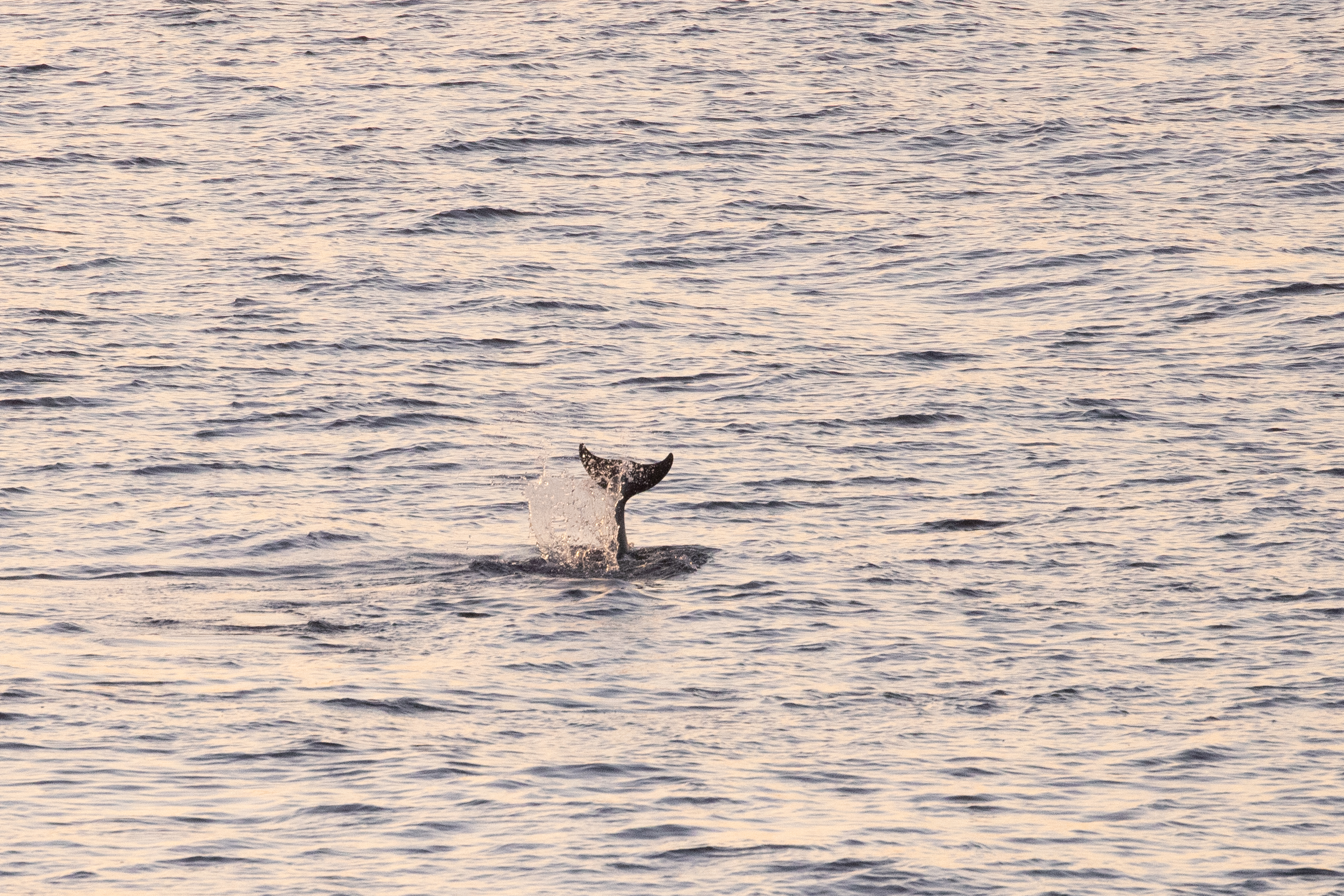
That evening the excitement continued with my first gannets and bottlenose dolphins of the year! It was a gorgeous evening with a cracking sunset, made even prettier by the appearance of three dolphins that cruised all the way around the headland. There were a couple of distant breaches too far away for a photo but it was so lovely to see dolphins again. I can’t wait for the season to kick off properly when there will be sightings on most days!
But the most exciting encounter happened on dry land.
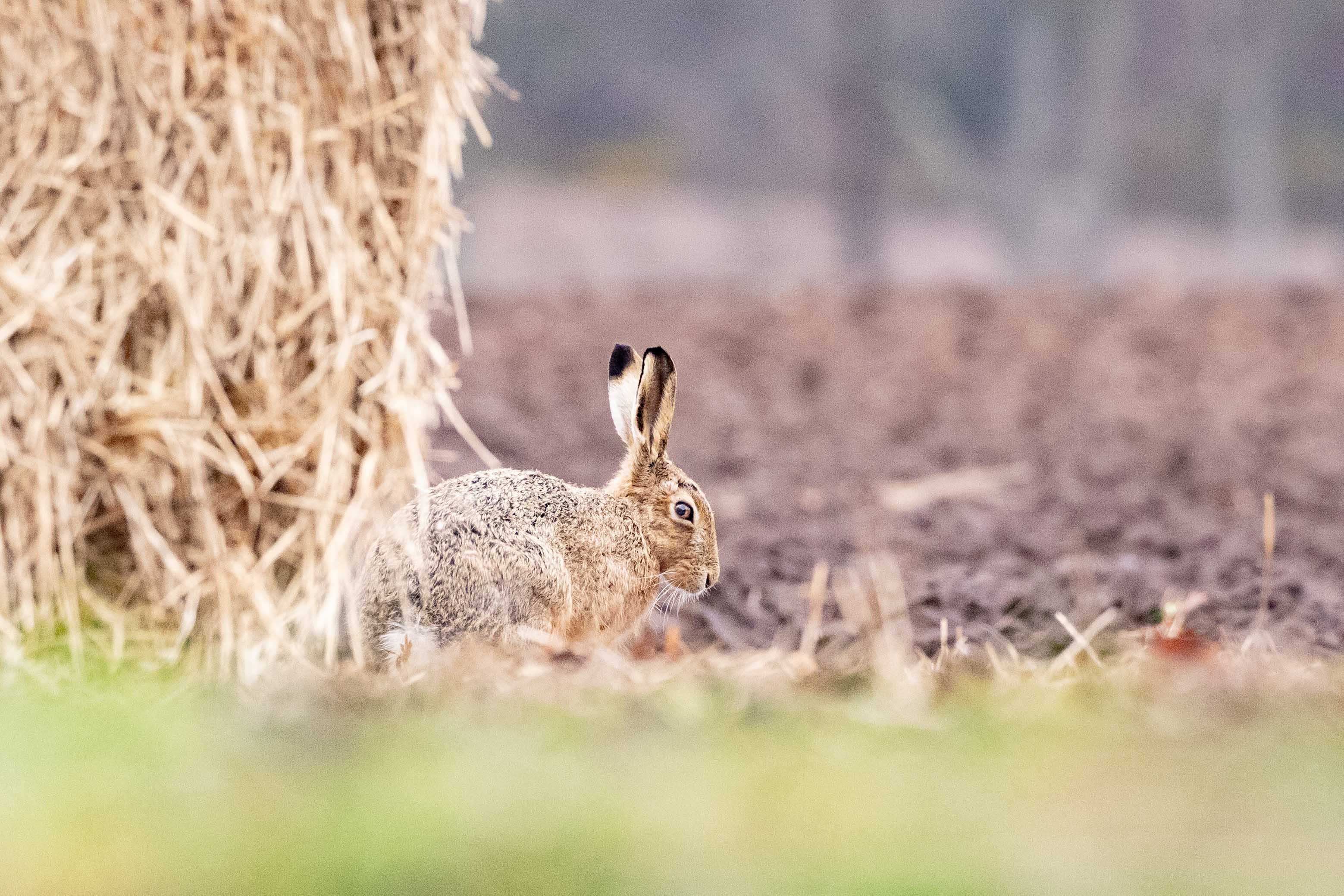
I knew there were hares nearby as I often saw them dashing across the open fields, too fast and far away for a photo. I wondered if I pulled up with the windows down safari style whether they might appear a bit closer. For a photographer, a car can be an excellent wildlife hide.
I passed the time watching pheasants foraging. Every now and then the male would do his screech call and flap his wings, which looked lovely in the early morning light.
I waited for him to do it again but he wasn’t playing ball. My hands were going numb and I was just about to put the camera down when a hare appeared behind him.
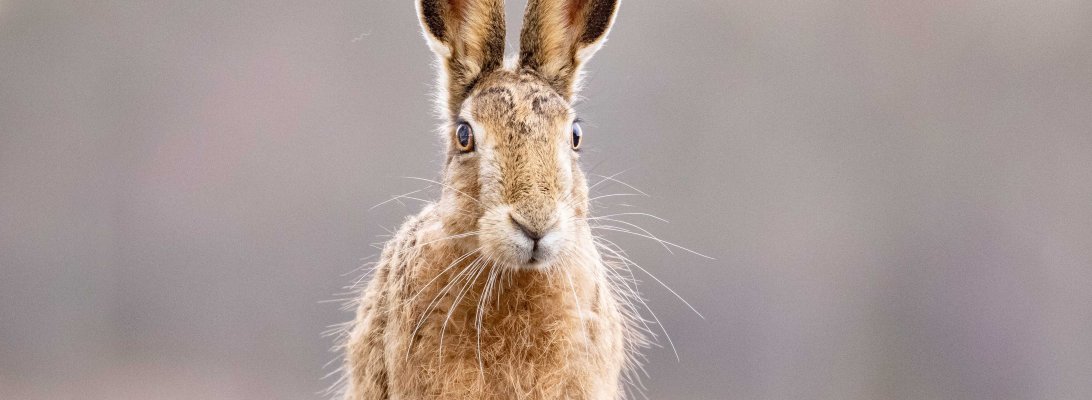
I froze, actually hearing my heart thud as it padded towards me. Once it was ten feet from my lens it sat and stared right at me before lolloping back behind the bales. Even though it could see me, there was something about me being in the car that had relaxed it enough to check me out.
Once I was sure it had gone I checked the photos and actually cried looking at them, which has never happened before. The combination of shock, joy and relief was overwhelming and I almost couldn’t believe what had happened.
It’s been an Easter weekend full of treats, from soaring ospreys to sunlit dolphins to breathtaking views of one of the most iconic Easter animals: the gorgeous hare. Thank you Mother Nature!
Six years ago today I started On The Wing. In some ways it feels even longer than that, especially when I rummaged through the archive and found my first ever blog post – I was still in school! I had my whole BA ahead of me and little did I know I’d then go onto an MA and move to Scotland.
Here’s the first post from 16th March 2015:
Hi there.
My name’s Rebecca Gibson. I’m currently in my last year of school, hoping to get myself a clutch of A levels so I can go off to university. I’ve accepted Cumbria and plan to study Wildlife Media there. The dream is to be a wildlife photojournalist. Up until this point I’ve mainly worked with still image, but I would love to be a part of a nature documentary one day. I’d also love to contribute images for a magazine like BBC Wildlife and accompany them with written text, hence the journalism side.
I wanted to start a blog for several reasons. The internet is such a fantastic way of showcasing work, especially for a photographer. In seconds we can share our best images with millions of people across the globe. I also wanted to create a public domain so I could express my thoughts on wildlife conservation. For me, photography is a key medium in communicating wildlife issues; it enables the viewer to see exactly what is going on in the world. I think this is a much more effective way of encouraging action when we can see real-life events through the camera lens, instead of written words. The saying really is true: a picture speaks a thousand words.
On this blog I will share images that I take and record any wildlife adventures that I embark on. I will also give my opinion on articles published in BBC Wildlife magazine, which I am subscribed to. I’d love to connect with other keen naturalists and wildlife photographers, both amateur and professional. The best way to evolve your craft is to learn from others. I hope one day to inspire other new photographers.
I want to document my experiences in a journal format and look back on what I achieve in years to come. I’d love to see my work evolve and improve as I learn, not only from my degree but also from the world around me.
I’ll sign off for now, but I can’t wait to get this blog up and running!
Rebecca
Some of the first photos on the blog!
It’s a little cringy to read now – I certainly wouldn’t use “hence” or “embark on” in a blog post anymore, or refer to A Levels as “a clutch”. Although, it’s very satisfying to read that I dreamt of having my work featured in BBC Wildlife magazine, seeing as I now contribute to both the magazine and website!
I’d forgotten just how much my interests have shifted in six years. In my last year of school my main focus was photography. That passion for taking pictures hasn’t left me, but now I would predominantly consider myself a writer who also takes photos to support the articles. Also, photojournalism is the last thing I want to do now! It was during the BA that I grew more towards writing, which is strange because I was one of only two writers amongst a large group of photographers and filmmakers.
My undergraduate degree steered me towards writing, and my postgraduate degree (in Travel and Nature Writing) has helped me narrow my skillset into areas I didn’t anticipate. While most students on the MA are interested in the genre of nature writing that includes Robert Macfarlane, Patrick Barkham and Helen MacDonald, I’m finding myself drawn to a strange combination of fantasy fiction and factual, almost textbook, writing.
Being commissioned to write for Blue Sky Wildlife was a real turning point. As someone whose main focus has been British wildlife for about a decade, I realised I knew next to nothing about the wildlife of Canada, Australia, South America… The list was endless. Writing for Blue Sky gives me the opportunity to discover amazing things about species I’ve never seen. For example, did you know that at the base of a koala’s spine is an area of strong cartilage that acts like a cushion for when sitting on tough branches? Or that brown bears prepare for hibernation by eating as many as 20,000 calories – equivalent to about 30 kilos of apples – in a single day? I certainly didn’t, and I also didn’t know just how much I’d enjoy factual writing until Blue Sky.
Then at the complete opposite end of the spectrum, I’m also drawn to fiction. Philip Pullman and Stephen King in particular have provided a huge amount of inspiration. However, I soon discovered that sharing a fiction idea with anyone before you’ve written it is a sure fire way to sabotage the idea and dry up all creative thought. Now I keep all my fiction close to my chest, but I love having those flickerings of ideas that are so different from my writing commissions.
I enjoyed looking back on that somewhat cringy first post because it’s a reminder of how much has happened since I started the blog. I’m sure a whole lot more will happen in the next six years too, and I can’t wait to see how my writing and photography continue to develop.
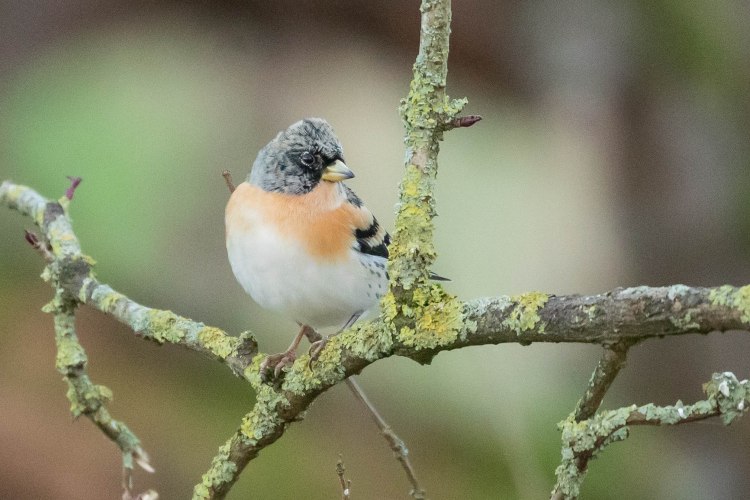
I was sorry to see winter go – for over a week I trudged through ankle deep snow and captured some really magical wildlife. But now the snow has gone and all the lovely fieldfares, redwings and bramblings have gone with it. While everyone was looking forward to spring, I was looking back to the winter I loved most.
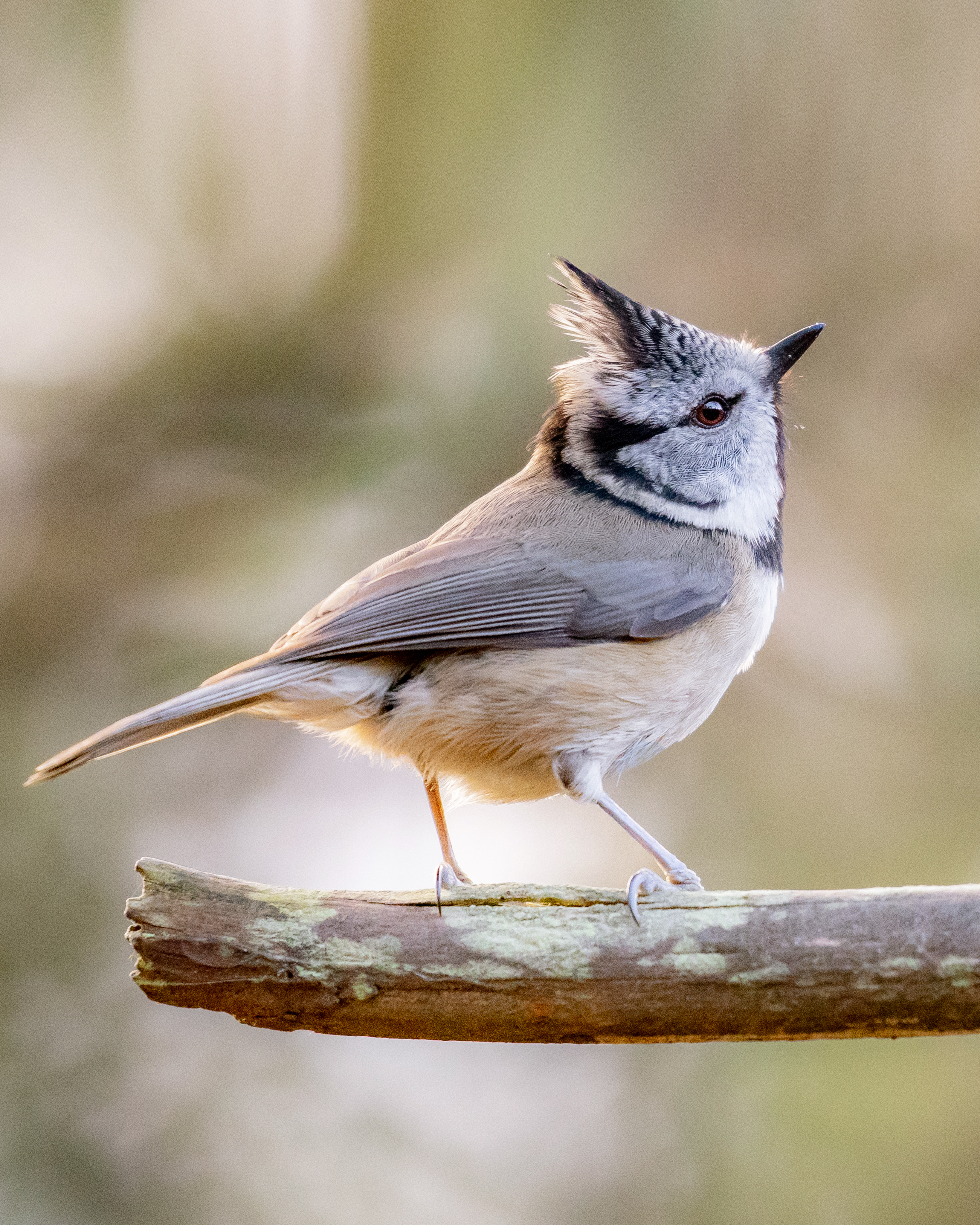
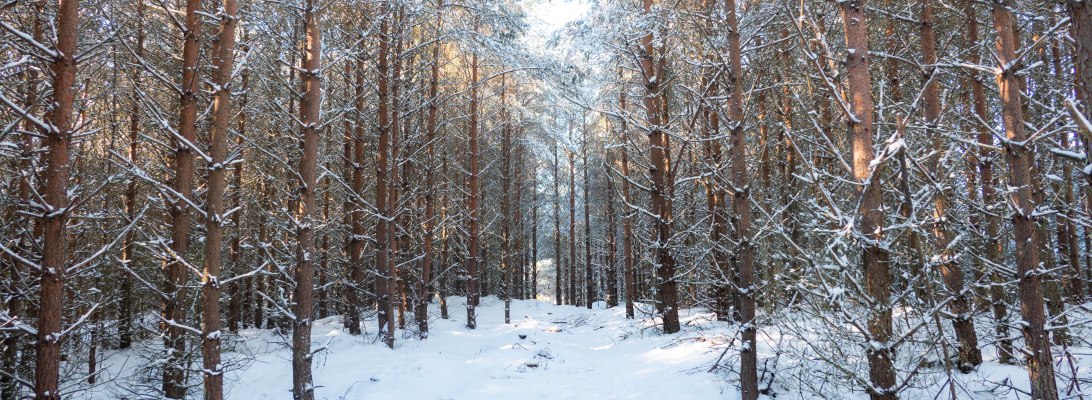
At the weekend I went for my usual walk and instead of the serene silence that I usually hear in coniferous woodland, I heard birdsong. I picked out robins, coal tits, blue tits and a distant yellowhammer in the gorse fringing the forest. Perhaps most special of all though was the trill of one of my absolute favourite birds: the crested tit. I think I’ll always feel that little jolt of joy when I spot a crestie – they’re just so rare and special and I feel privileged to be able to see them quite easily where I live. The sun was shining so brightly I wished I’d dusted off my sunglasses, and although there was still a chill in the air, I began to embrace spring a little more.
Today my phone made an exciting sound – it was the jingle I’d set especially for local bottlenose dolphin sightings. If the dolphins had returned then spring was really kicking off. It was another glorious day so during a work break I walked up to a particularly good sea vantage point near my house and scanned the perfectly still water. No fins this time, but I watched dozens of birds criss-crossing the horizon from zippy turnstones to bulky cormorants. There was a group of twelve long tailed ducks too, which was a familiar winter sight among the spring buzz. I’ve felt a significant shift in my natural surroundings this week and although I still miss the snow, I’m really looking forward to those gorgeous dolphins coming back.
Today is a special day for me because it’s exactly one year since I moved to Scotland. And what a year it’s been! When I arrived last February I obviously had no idea what was about to go down. Still, I feel so fortunate to have had such a fantastic first year in my new home despite the pandemic. Luckily for me I would choose a forest walk over a pint any day, although I must admit I’ve missed having a good browse in the library.
‘I’ve been in a slump for months,’ I wrote this time last year. ‘So to finally be in a place that inspires and challenges me is both a relief and a privilege.’
Time moves strangely sometimes. It feels like I’ve been here a lot longer than a year and yet the 568 mile drive sticks vividly in my mind. Almost as soon as I crossed the border into Scotland it began to snow. I’d just joined the motorway and every car slowed to 20mph while the world turned white. I interpreted that as some sort of baptism of fire. Or snow I suppose.
When I got here I started making all sorts of plans: volunteering at the Scottish Dolphin Centre, training to be a Shorewatch volunteer for Whale and Dolphin Conservation, joining a writer’s group, finding out about local art exhibitions. But a few weeks later the first lockdown began and we all know how it goes from there. Despite all of that, I’ve still tried to make the most of my time here. I’ve seen loads of new birds, my photography’s come on leaps and bounds and I’ve been making steady progress with writing commissions too.
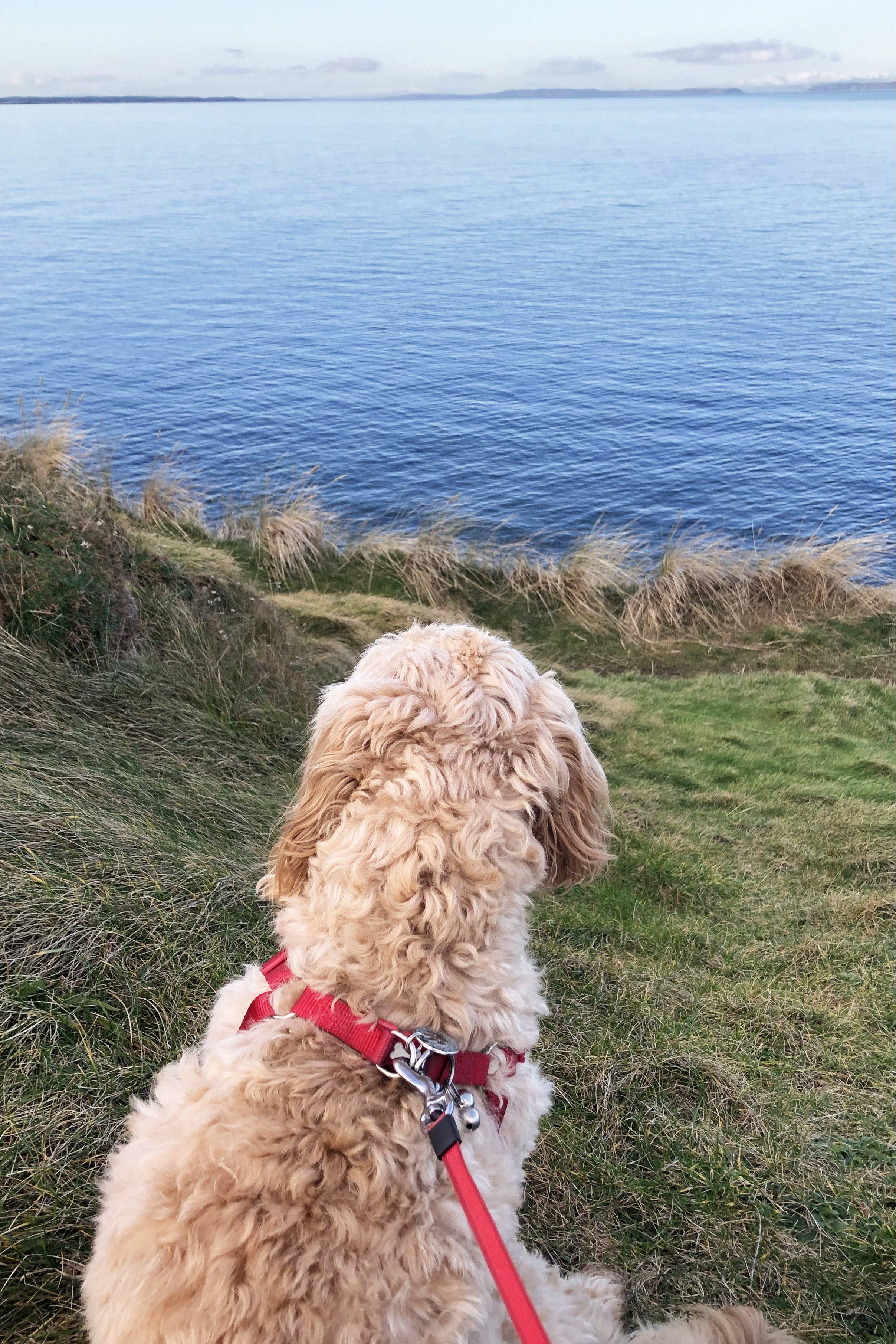
This morning I took my dog out for a walk and found myself wandering up to the headland. When I arrived in Scotland this quickly became one of my favourite spots and before long I was watching dolphins, basking sharks and loads of different birds from up there. Today I sat there again and admired the blue blush of sky reflected in the water. It was completely calm – perfect conditions for spotting dolphins. It’s still a few months before dolphin season kicks off though. I love that I know that. After watching and studying the place this year I’ve started to align myself to its natural rhythm. If I glimpse a distant bird on the backshore I know what it is before lifting the binoculars to check. A year ago I hadn’t even heard of turnstones or redshanks – now they’re familiar and welcome sights.
There’s still a lot of progress to make. I don’t know exactly where I’d like to settle yet, but it won’t be far from where I am. This place has got under my skin in the best way. Although it wasn’t the first year I’d planned, it’s still been one of the best of my life so far and I can’t wait to see what the second year brings.
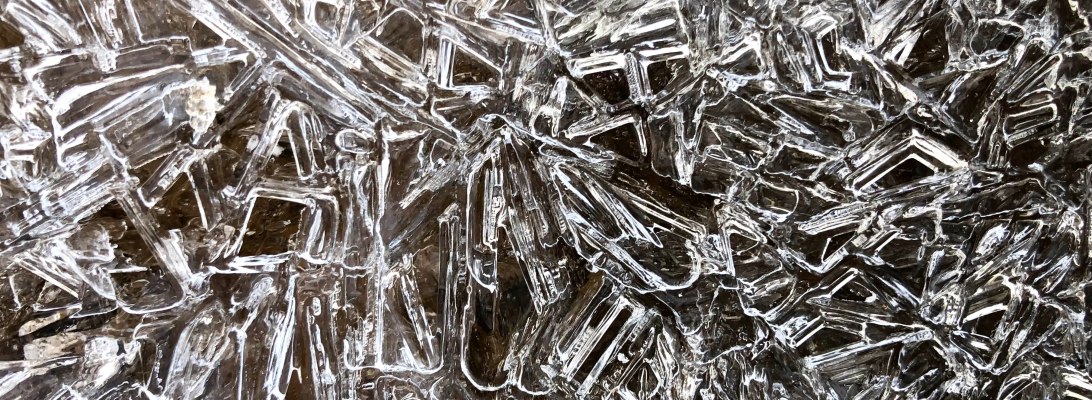
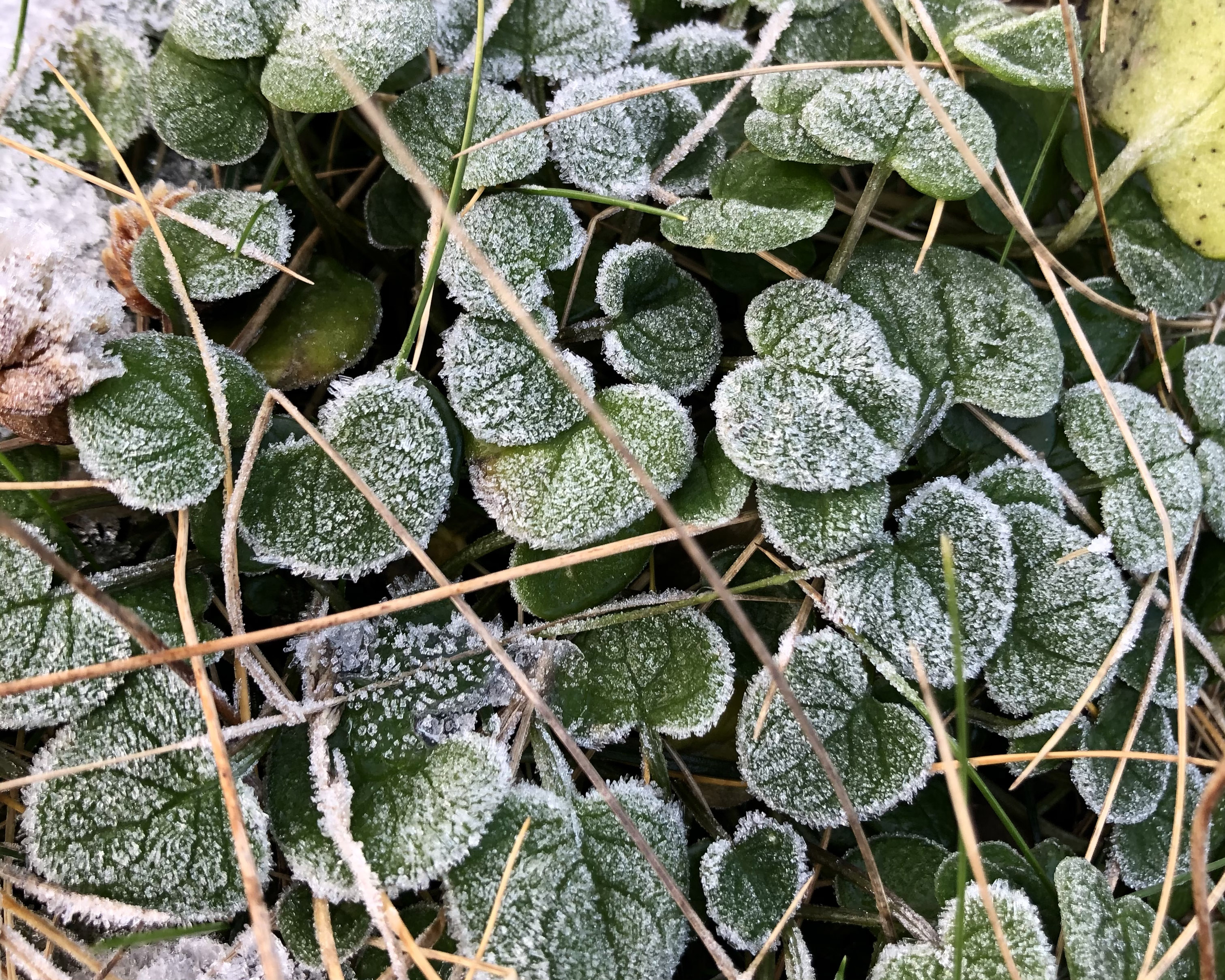
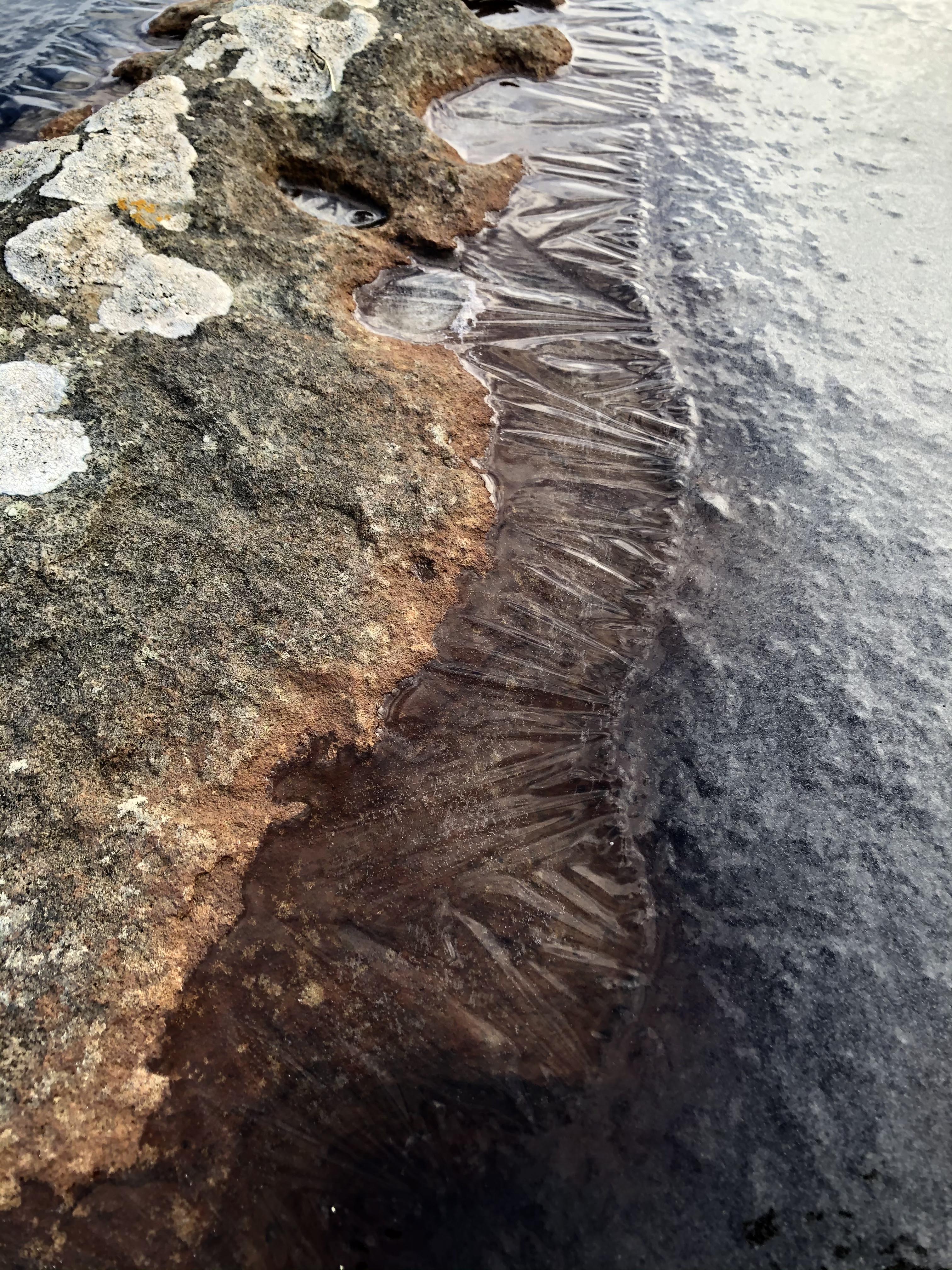
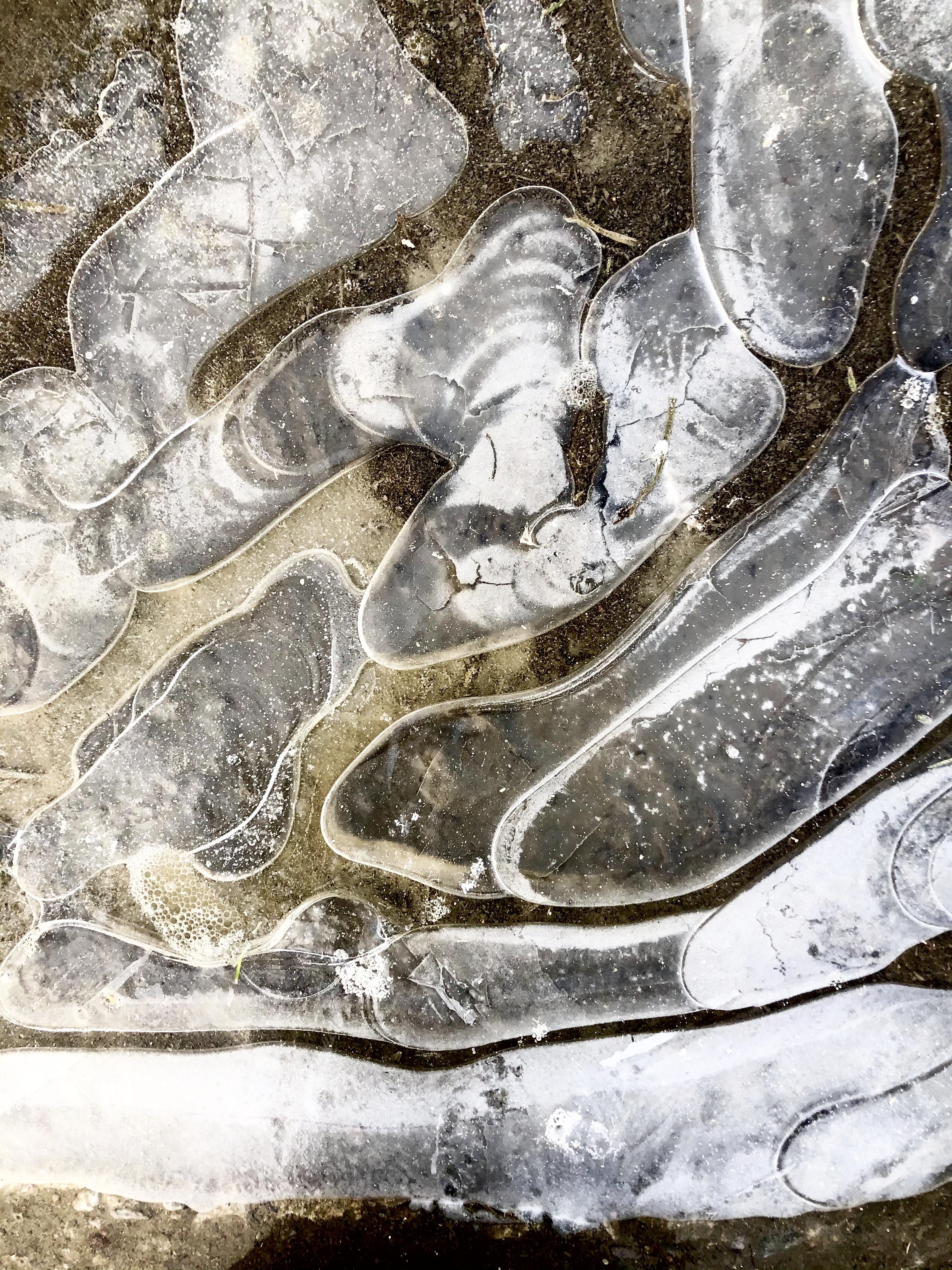
I’ve been loving my wintery walks recently and don’t actually want spring to come just yet. We don’t often get snow by the coast but it was finally cold enough for a spell of it this week. When I’m out and about I’m usually peering up and searching for birds or squirrels in the trees. But when the snow came I found myself watching my feet a little more, mostly to avoid patches of ice that would send me flying but also to admire some of nature’s art. By doing this I also discovered some special secrets.
Frost and ice have always fascinated me. They can transform everyday objects into magical ones by covering them in the most exquisite artwork. Puddles and windshields are given new textures and patterns. Depending on where you find frost, the shapes can vary significantly. The two images below are both of puddles but one is out in the open and exposed to sea breezes while the other is tucked low in a muddy trail, sheltered on both sides by tangles of gorse. The results are two complete contrasts of smooth swirls and sharp shards.
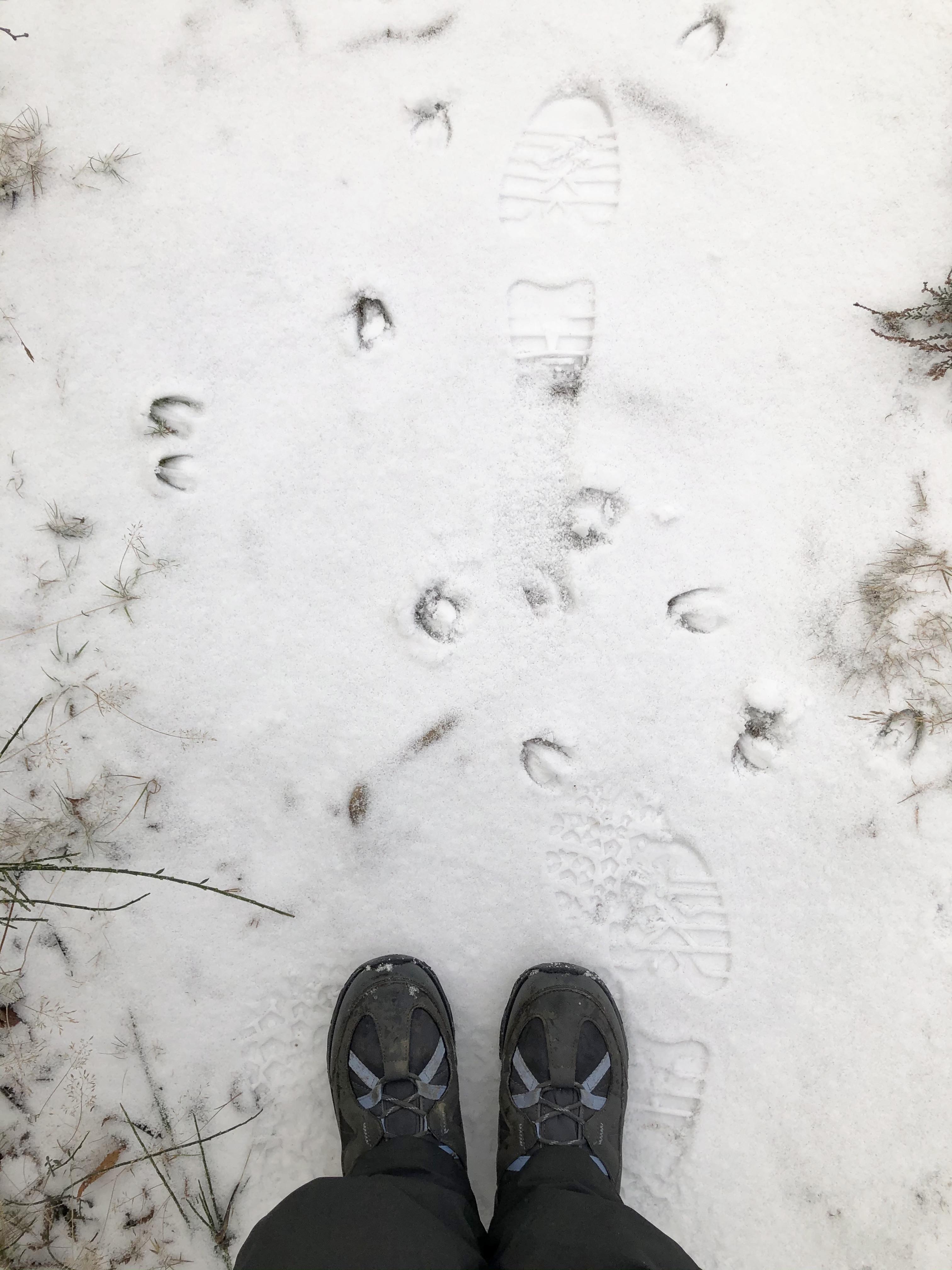
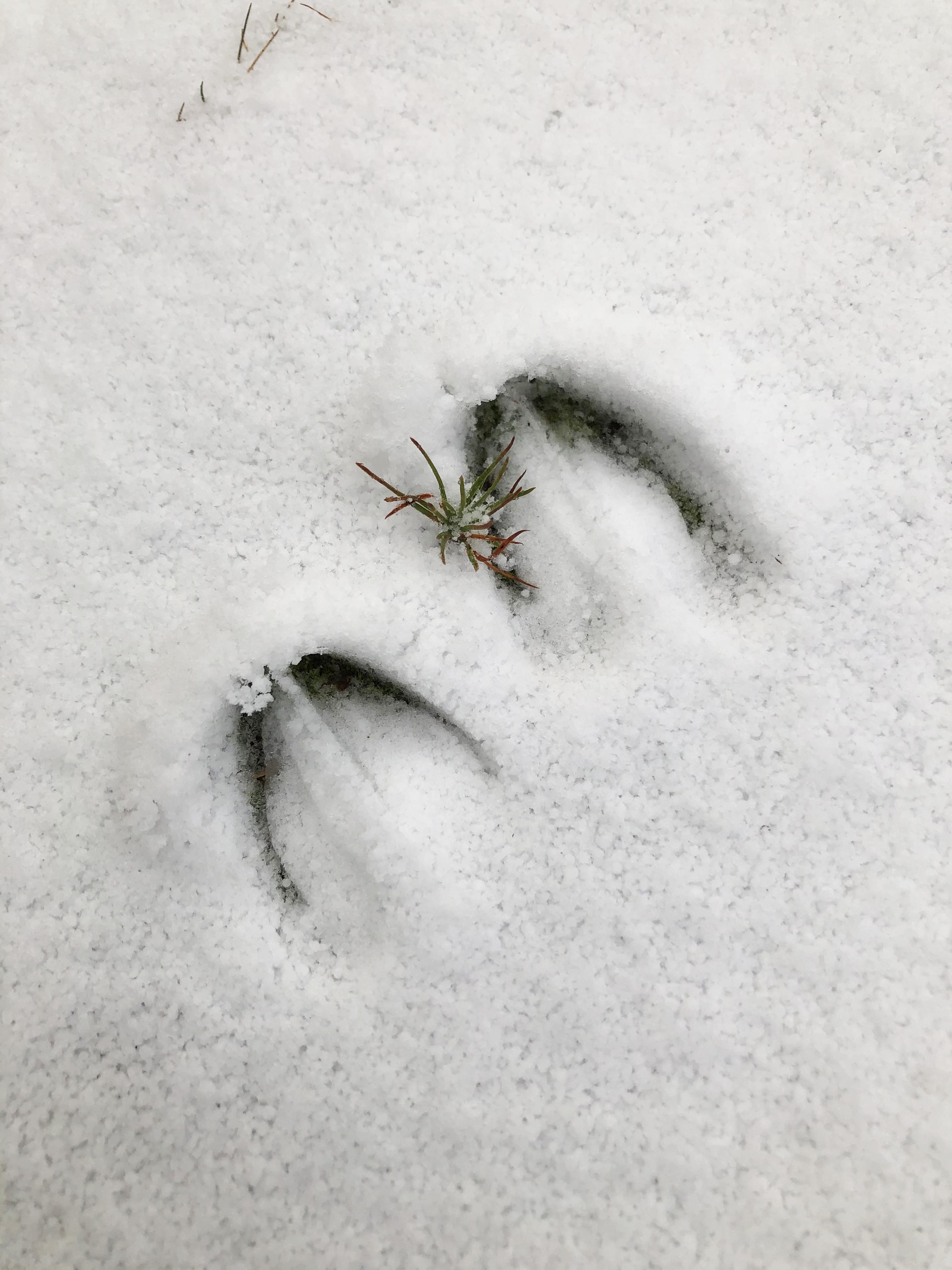
The snow also reveals the goings on of our more secretive neighbours, preserving snapshots of where different feet have trodden. This was excellent news for me as I have outrageously bad luck when it comes to seeing deer. While the majority of Scotland seems to be plagued by deer and has grown so accustomed to them that they’ve become a bore or even a nuisance, I’m absolutely enchanted by deer but see one every few months if I’m lucky. So the other morning I was thrilled to see that I’d crossed paths with a roe deer, even if I was there several hours later. There in the snow were the most perfect roe tracks I’d seen, and the sporadic placement suggested that the deer had been browsing in one place. How lovely it would have been to see it! I shall continue to look for them.
Elsewhere I made more discoveries. Beneath a clump of Sitka spruce was a large muddled patch of pheasant prints with several tracks spreading outwards like starfish arms. Each print was placed exactly in front of the previous one – I can just imagine the pheasant putting each foot down slowly and methodically before shifting its weight. Beside these thick prints were the scratches of much daintier ones that I guessed belonged to a blackbird, which often forage on the ground while smaller birds flutter above.
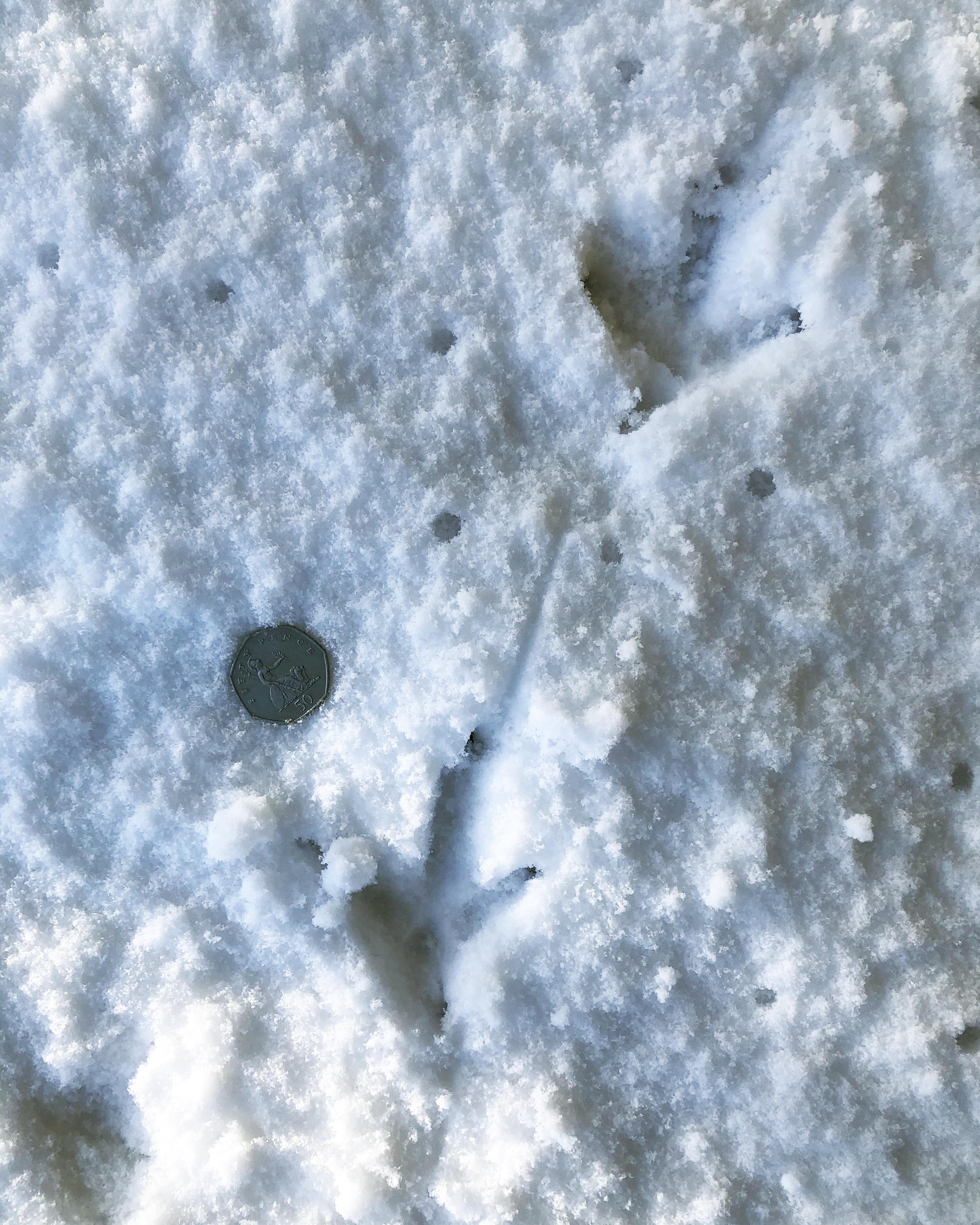
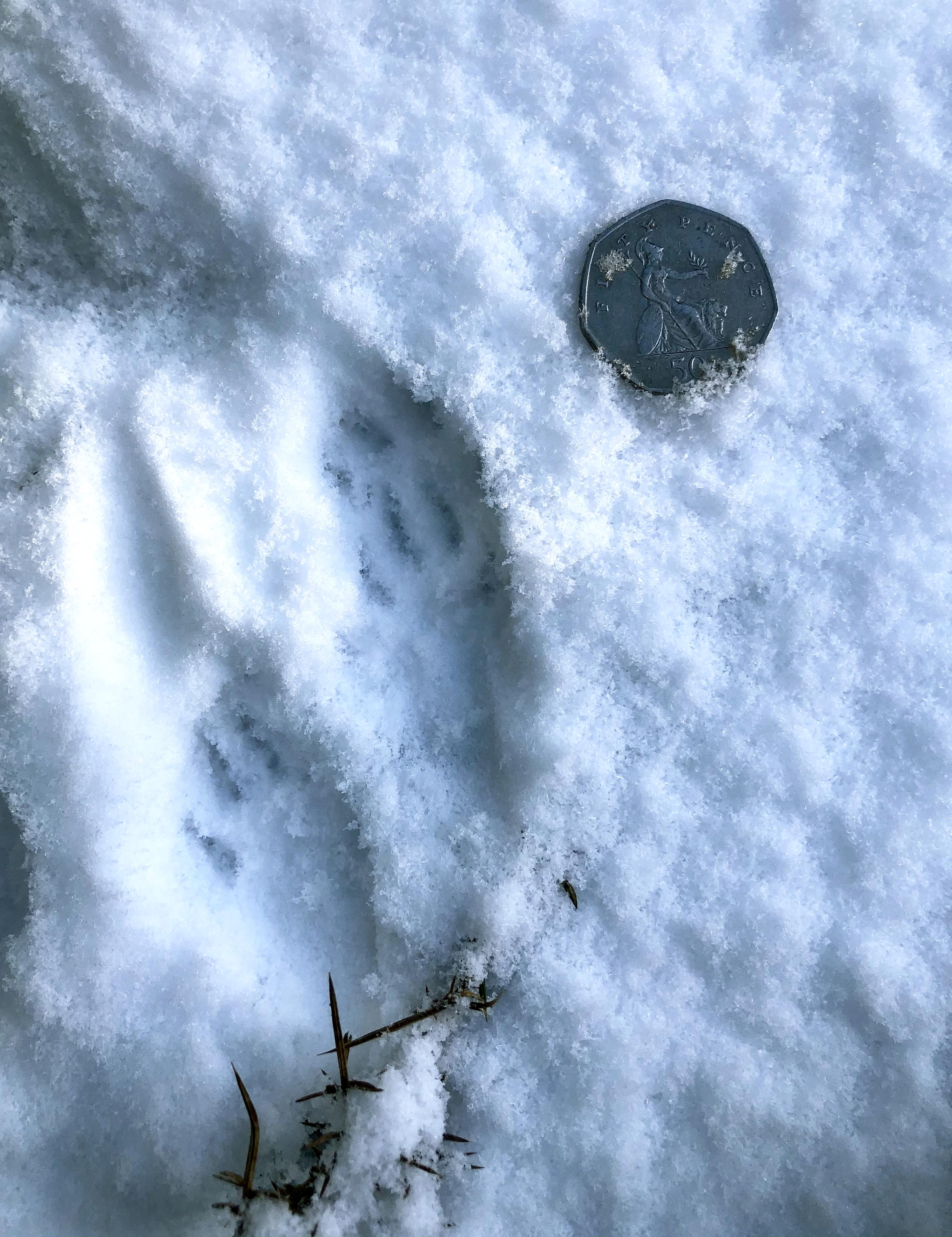
I left the most exciting find until last. Crossing a main path into a small grassy tunnel in the verge were several pairs of paw prints. I knew the square shape of badger prints but these were much smaller. I consulted my new indulgence purchase (Tracks and Signs of the Animals and Birds of Britain and Europe by Lars-Henrik Olsen) and checked first for pine marten. Although these were a similar shape, they were bulkier and didn’t seem right. The pictures of the stoat prints, however, looked much more like it: arranged in pairs like mine were on the trail and a better size match (3.5-4cm hind print). Again I wished I could have been a fly on the leaf when the stoat dashed across the path. Who knows what time it was, but one of the many beauties of snow is it can freeze time and preserve nature’s wonders just a little longer.
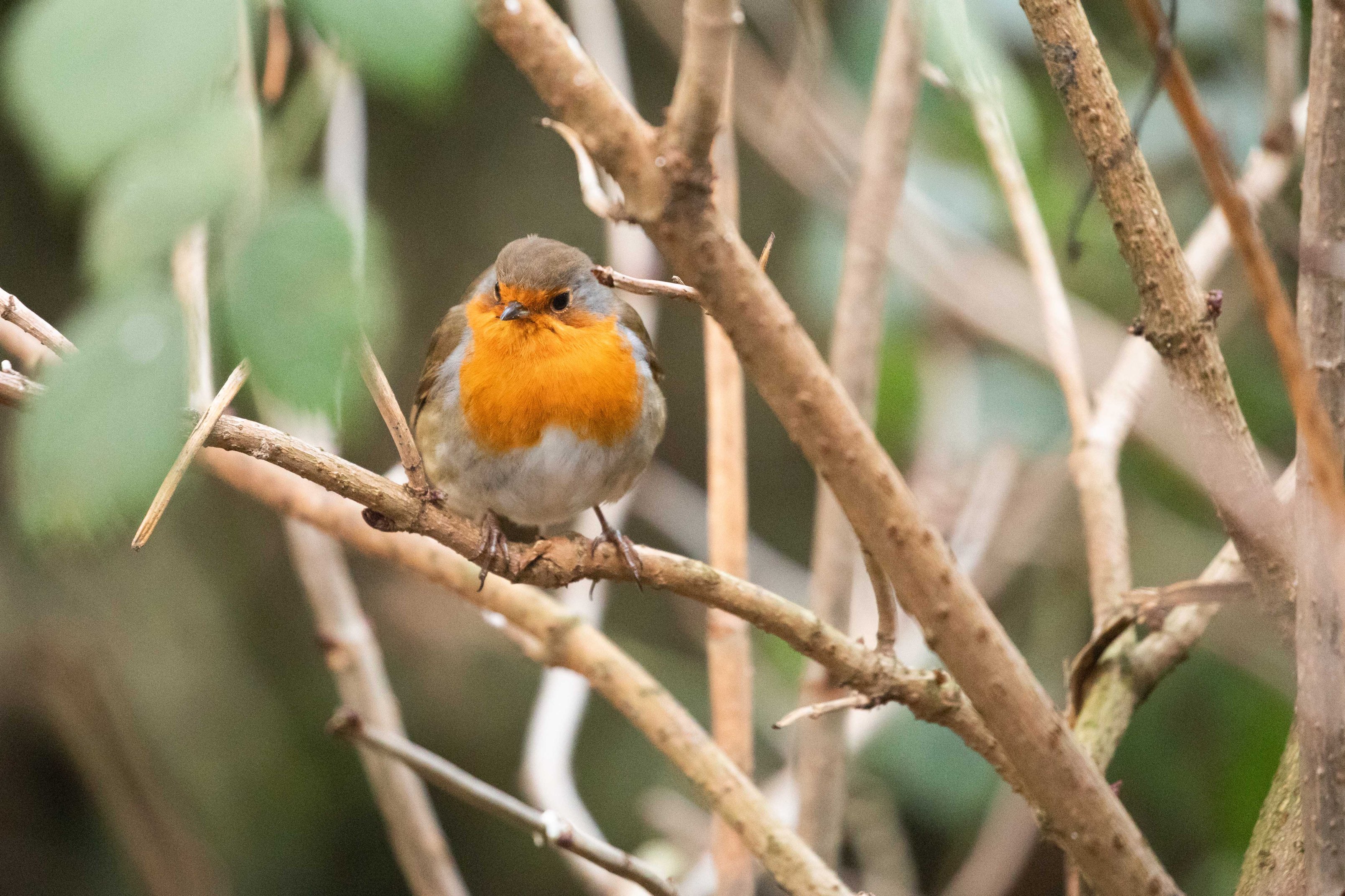
I was determined to make the first day of the year full of wildlife so I headed to my favourite woodland spot to try my luck seeing red squirrels. As usual I was met by a gust of coal tits, brazenly unafraid of me, and once I’d settled down the more timid characters began to emerge. There were blue tits, great tits, siskins, dunnocks and chaffinches. Blackbirds rustled beneath the trees and a plucky robin perched within arm’s reach of me, gazing with that analytical expression typical of its species. I was soon in my element: enjoying the peace and quiet, tucked up warm against the cold and surrounded by birds.
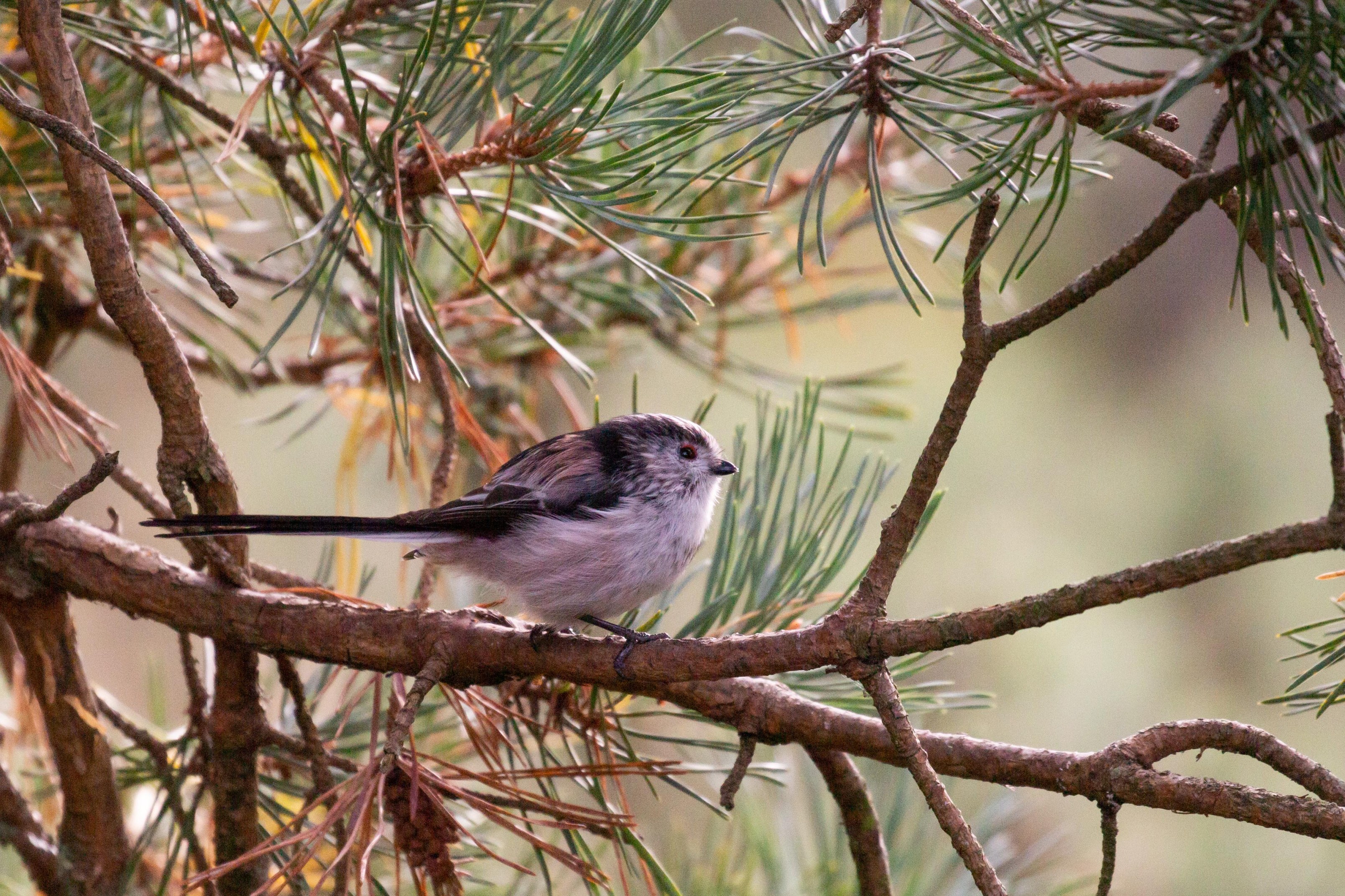
A black and pink troop of long tailed tits caught my eye as they appeared one by one, hanging together off the branches. Mike Tomkies described them as “flying crotchets escaped from nature’s music sheet”, which I think is an impeccable piece of writing. And so true – long tailed tits have crotchety proportions with a golf ball body and a huge staff of a tail. But what enchants me most about them is their tiny little faces. Eyes and beak are all crammed into the exact same place, giving them a ridiculously cute expression. I love how they always travel in packs too. Despite being such dainty looking birds they soon dominate a space with both sights and sounds. One of their calls reminds me of a raspberry being blown. The next time you see long tailed tits listen out for it. A cheeky raspberry from an even cheekier bird.
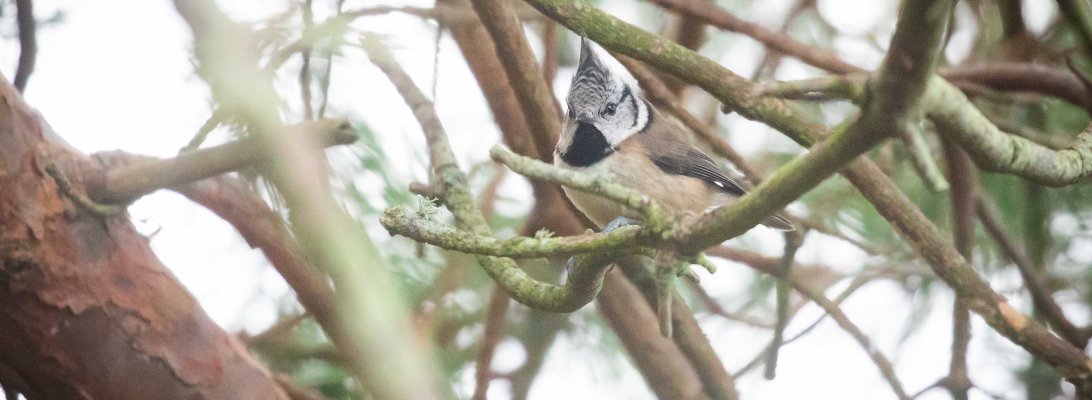
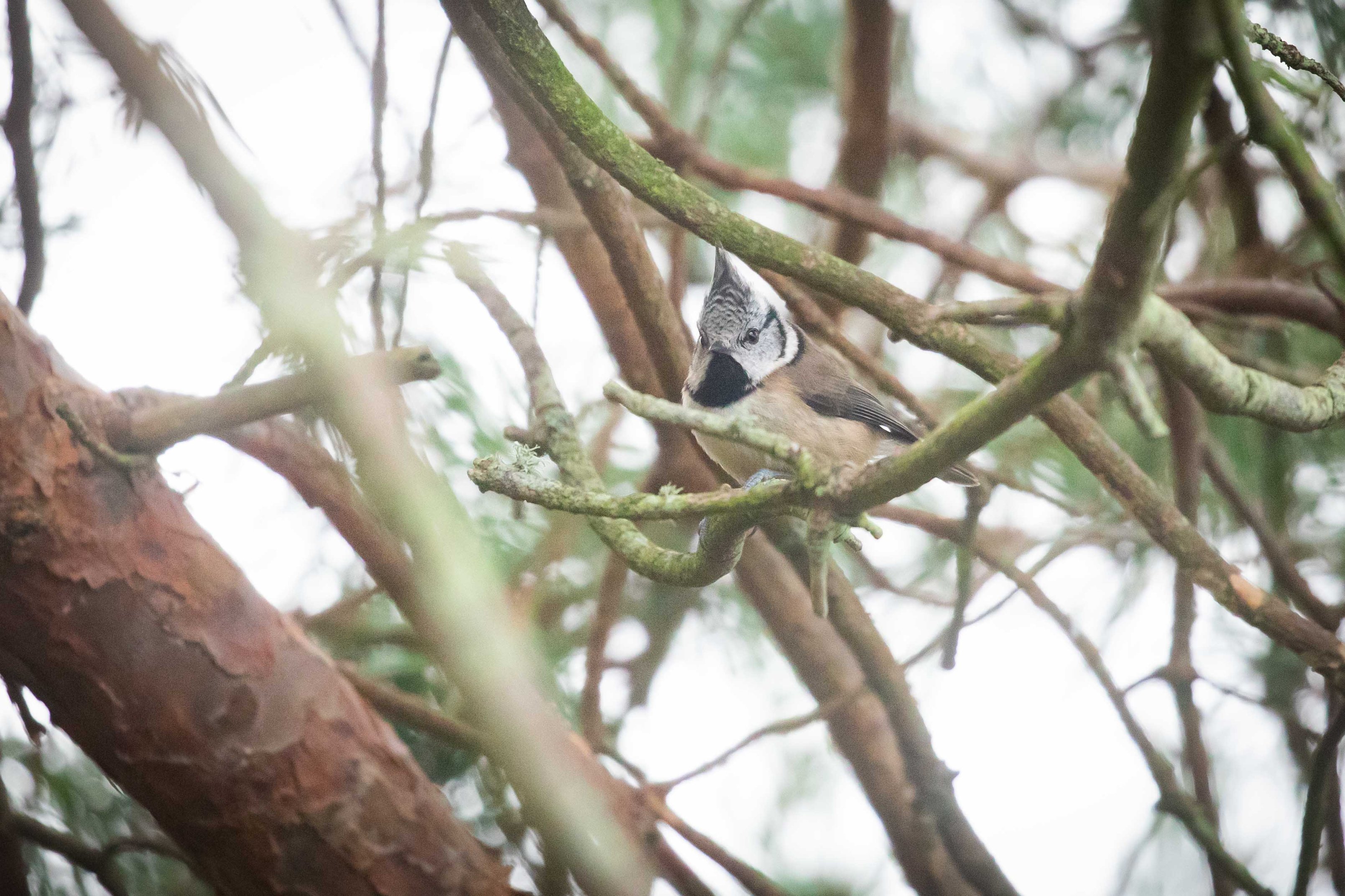
Then I heard a different snap of sound on the breeze: the trill of a crested tit. I’ve only recently learned what a crestie sounds like and now I hear it regularly, often in places where I would never predict them such as over the most heavily pressed forest trails. I don’t always see them, but the beauty of recognising birdsong is it gives you the ability to meet a bird without actually clapping eyes on it.
And suddenly there it was. I’m hesitant to use the word “icon” because it’s become a cliché, but in the case of a crested tit there’s no other word for it. Found nowhere in the whole of the UK apart from the Scots pines forests of the Highlands, it’s a really special bird. I find cresties are also a real challenge to photograph on account of the ants in their pants. I’ve got a few photos of them now, but I’m still waiting for THE crestie shot.
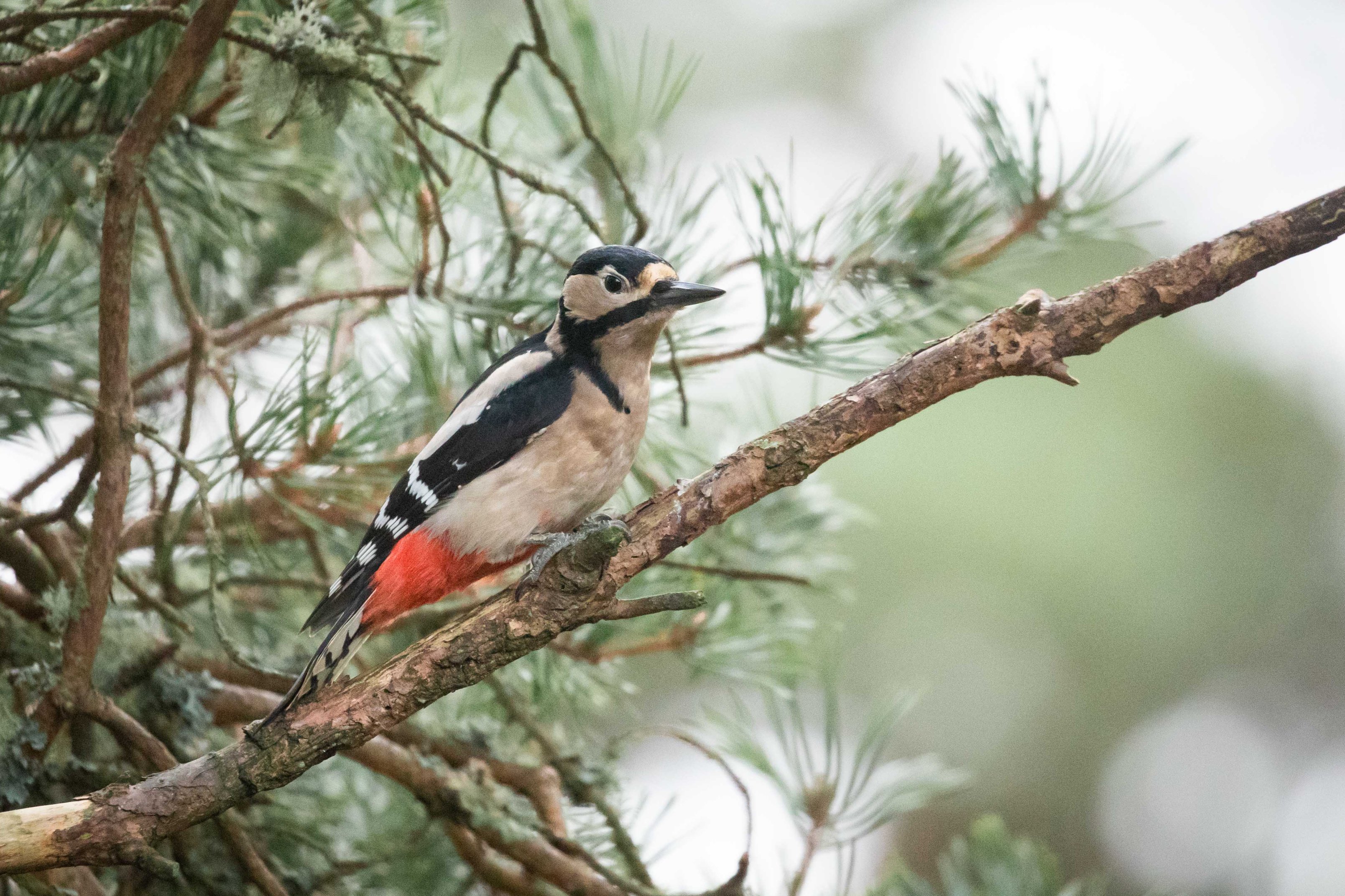
As I sat marvelling, a bigger bird appeared and I almost clapped with happiness. A great spotted woodpecker landed right there in the open, which I’ve never seen before. If they’re not fifty feet up a tree they’re concealed behind so many branches that there’s no hope of a decent photo, but it seemed that today was my lucky day.
Although of course I was pleased to see so many birds, I was secretly hoping for a glimpse of red fur too. I waited patiently, watching countless tits and finches come and go, until eventually I turned to see what I thought was the robin again but was actually a red squirrel, standing two feet from my boots. It hopped leisurely across the pine needles to the tree and shimmied up the trunk, pausing just long enough in the crook of a branch for a photo before heading off. A very fleeting visit, but I was thrilled. When wildlife comes to me (rather than the other way around) I get an overwhelming feeling of acceptance. Both squirrels and birds alike must trust that I won’t hurt them and feel relaxed enough to come close, and that is a really special thing.
Well that was an interesting one. I always like to write a little summary at the end of each year, reflecting on what I’ve achieved since last Christmas. This year is no exception, but like everyone else on the planet I couldn’t have anticipated what was about to happen when I wrote in my last yearly summary: “I have a great feeling about 2020.”
The truth is, despite the obvious uncertainty and difficulty that came with COVID-19, I’ve actually had a really productive year. I count myself very lucky to have been able to continue plugging away at my writing during lockdown, where I had little choice but to open the laptop and type something. I combined my daily exercise with photography and took some of my best images so far.
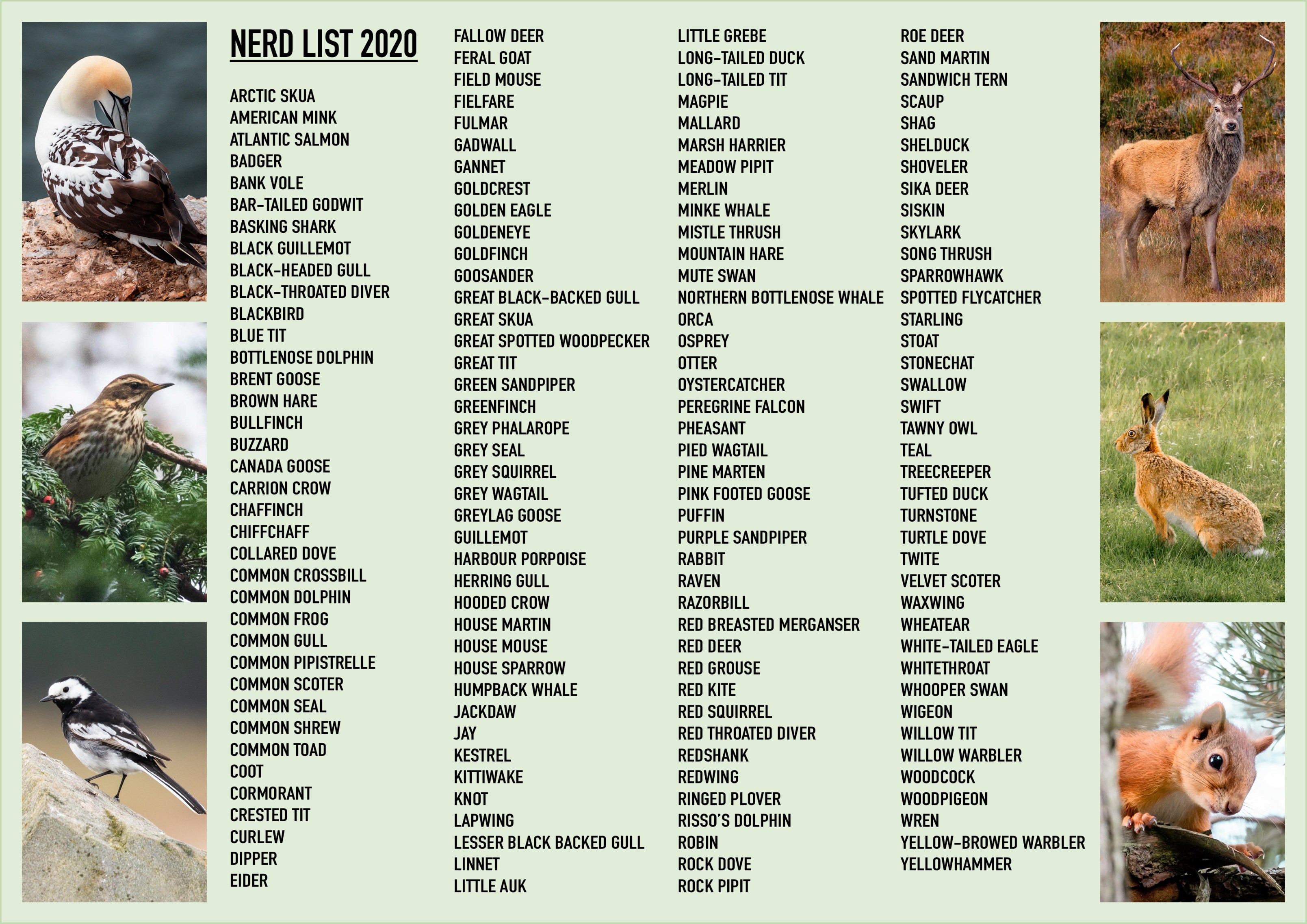
It was so much fun keeping a species list for the first time this year, which has since become my “nerd list”. I planned to just keep a record of the birds I saw on the stretch of shoreline by my house but the nerd list soon became a record of everything I saw wherever I went. Now, at the end of the year, I’ve seen 156 different species of bird, mammal, amphibian and fish, including 55 lifer species! If you’re also a nerd then you can see the full list at the end of this post…
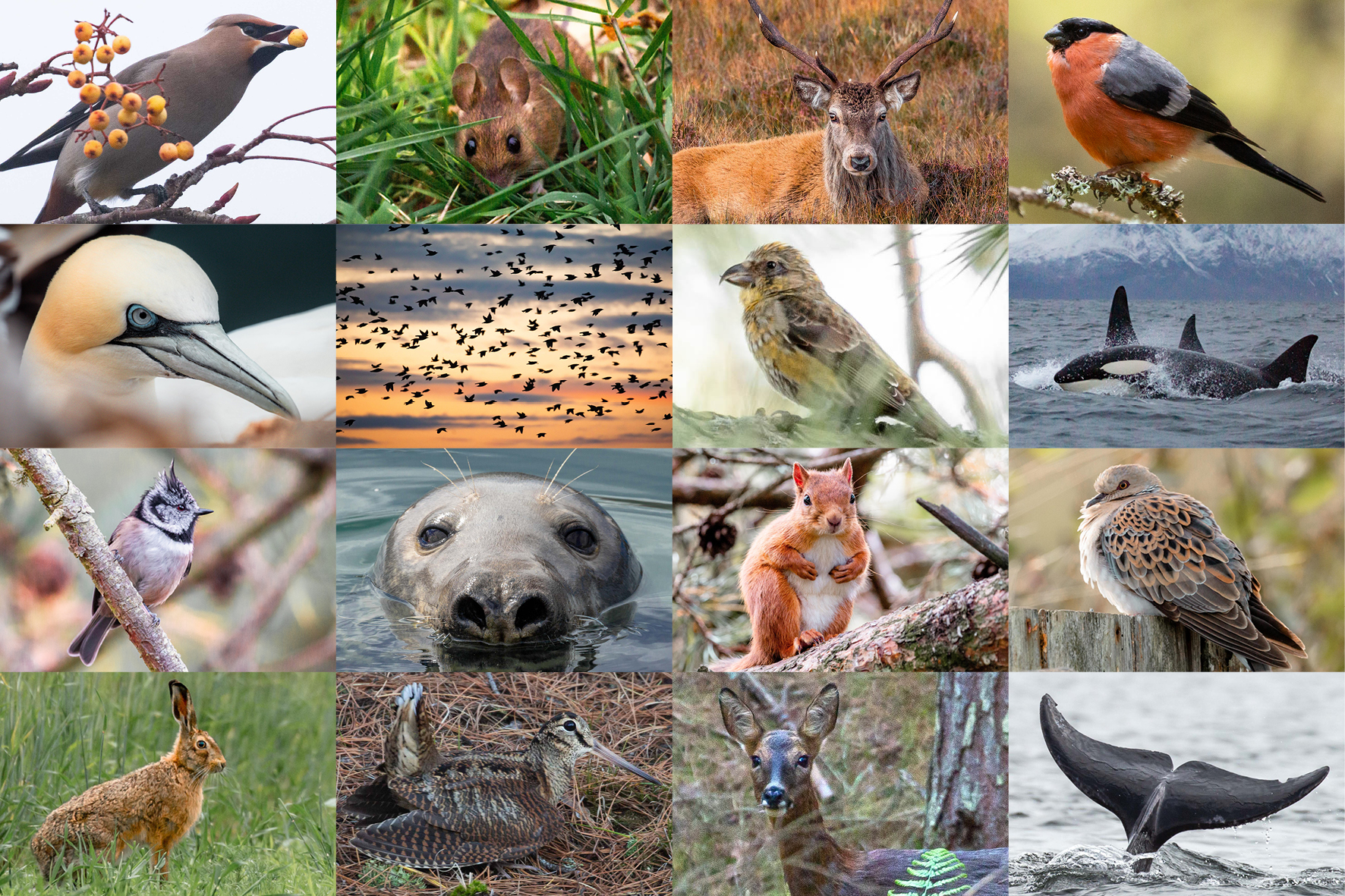
My favourite photos of 2020 – all taken in Scotland apart from the orcas in Norway!
The most significant change this year was the move to Scotland. I’d been considering it last year, but it took the company I worked for going into administration and being made redundant to force me to take the leap. And that was the best decision I could have made. I’ve been in Moray for ten months now and I’m here to stay. I could see myself settling a little further south in the Cairngorms National Park – those ancient pinewoods are way too tempting – but living by the sea for the first time has been so special.
I received my first writing commissions at the end of 2019 and this year my portfolio has continued to grow. I was thrilled to be asked to write two book reviews, a TV review and a website article for BBC Wildlife magazine and several of my photos were featured on their social media and online articles. I have also been invited back to the Wild Intrigue family as Writer in Residence and I can’t wait to get more involved with this in 2021.
One of my paintings that accompanied a Wild Intrigue blog
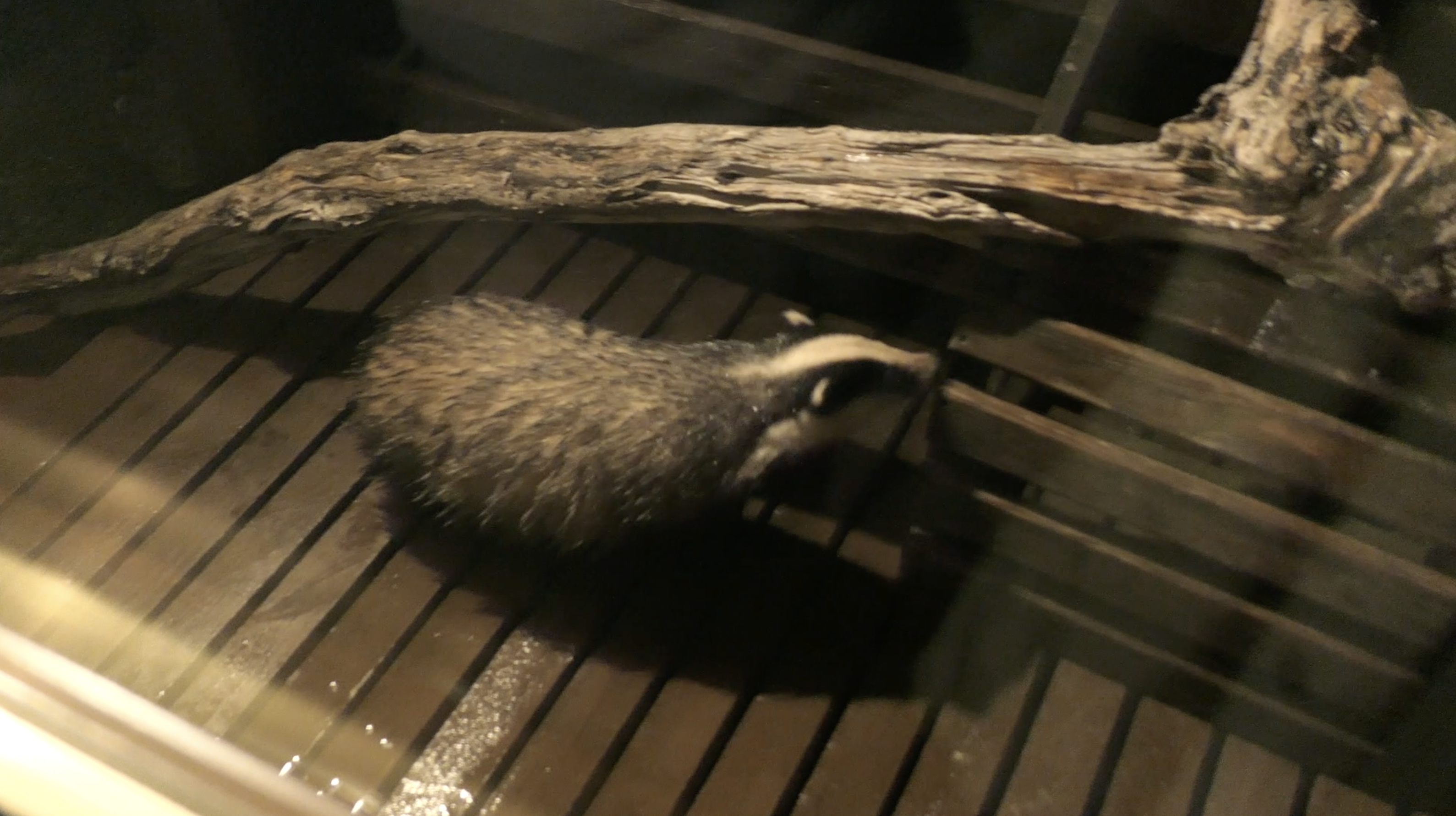
I first met my friend Steve while I was admiring a group of waders on the backshore and he hurtled by in his van shouting “Look up there are dolphins!” Since then we’ve gone on lots of wildlife excursions and I got my first experience of van life. I love the nomadic nature of living in a van – eating breakfast in one place and then being somewhere completely different by dinner. My favourite trip has to be when we journeyed to the west coast in October (between lockdowns) to see the red deer rut. I’ve wanted to hear stags bellowing for ages and this year I succeeded. Friends of ours have a beautiful wood cabin on the edge of a loch, which was the perfect base for a deer photography trip. As well as that, we were visited nightly by badgers and pine martens!
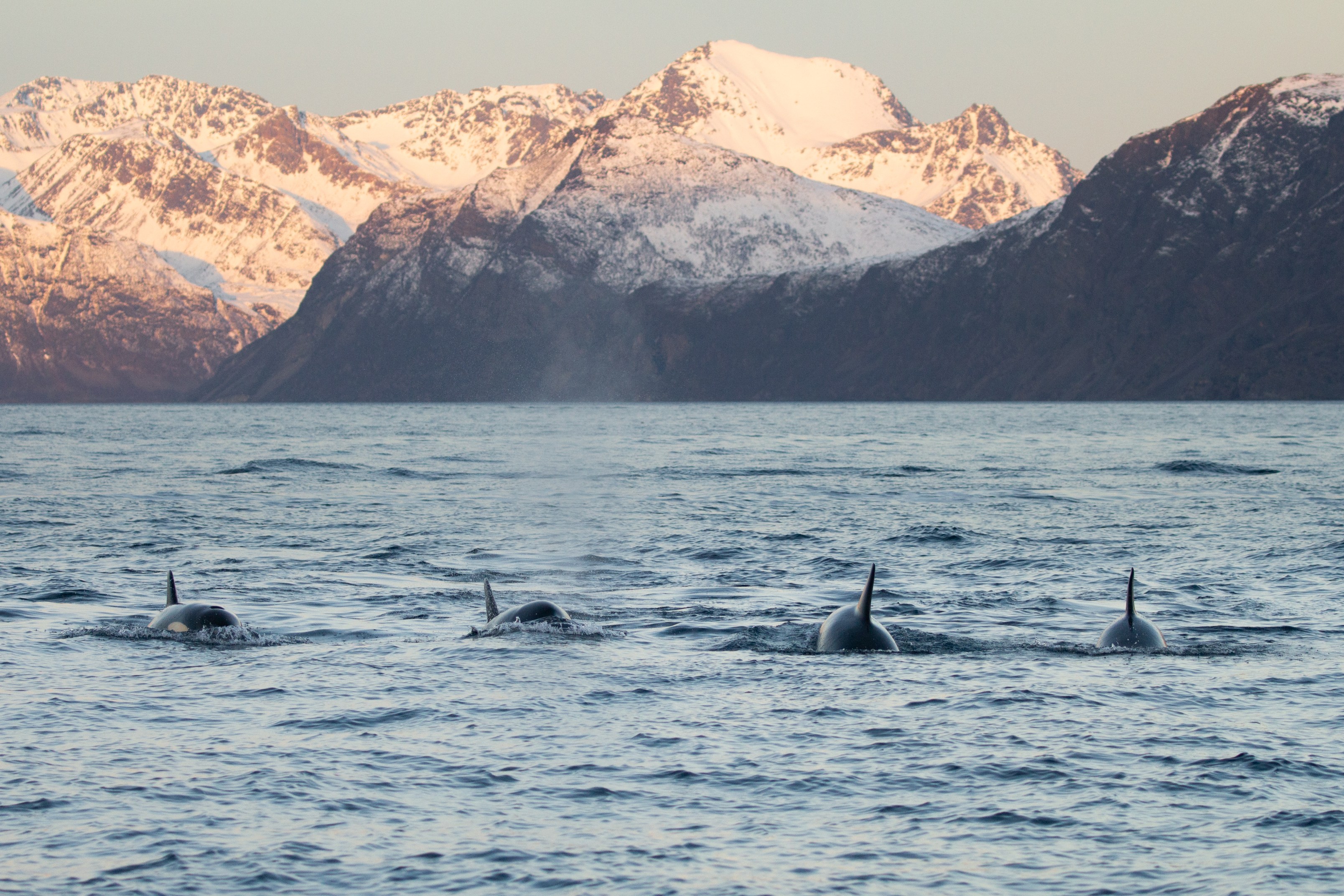
One of my most treasured highlights of the year was Norway, which very nearly didn’t happen but after lots of nail biting I managed to get there. Norway’s restrictions meant we had to quarantine for ten days and get a COVID test that involved a cotton bud going way too far up my nose… It was all worth it though and I’ll never forget the experience. After an incredible first half spent watching northern lights and white tailed eagles soaring over the house, the second half featured my first humpback whales and orcas. I was very happy to have my article and photos from the trip published by Oceanographic magazine too.
Winter is probably my favourite season and I’ve been in a particularly wintery mood this year. As they say, there’s no such thing as bad weather, just bad clothes! I loved wrapping up and seeing both local wildlife and a couple of special visitors. In early December I was very lucky to see some waxwings that had arrived in my local town. I was also fortunate enough to see redwings and fieldfares this winter. My plans to photograph mountain hares in the snow were put on hold when Scotland went into Tier 4 on Boxing Day, but hopefully there will be an opportunity next year.
After the year we’ve had, I’m a little reluctant to make any New Year’s resolutions but there are some things that are luckily still in my control! Last year I had a real buzz for art and started a nature journal and the Instagram Inktober challenge to keep it up. Sadly these fizzled out and although I still love drawing and painting, it’s my photography that’s really soared this year. When I was living in Hertfordshire I went for months without taking any photos, but since moving to Scotland I’ve used my camera almost daily. I’ve vastly improved my portfolio and take great pride in some of the shots I’ve taken.
Sadly, my trusty old Canon DSLR bit the dust on Christmas Day! So it was time to upgrade. I’ve deliberated over what camera to get next for ages and whether to go mirrorless or not. When Steve recently bought Canon’s latest professional mirrorless – the very swanky R5 – I can’t deny I was won over. The quality is incredible but perhaps the clinching factor was the silent shooting. No mirror means no click, and when it comes to capturing the shyer animals such as deer and otters, camera clicks can spell disaster.
So this week I ordered my own R5 and I can’t wait to see just how much it can improve my work. Although writing is still my main focus, photography has developed into an even greater passion this year and is such a great visual accompaniment to my articles. While I have no idea if I’ll be able to achieve this in our current climate, in 2021 I aspire to photograph my first otters, British orcas and pine martens. No pressure!
There are some other (some might say more realistic) things I’d like to achieve in 2021:
Learn to recognise at least ten tree species – my tree knowledge is pretty shameful and considering I spend all my time in forests this needs to change!
Write morning pages every day – lots of writers swear by morning pages and I’d love to try free writing each day and see how it affects my work
Have all my writing notes in one place – I have an awful habit of jotting down notes and observations in a dozen different notebooks, so finding something again is hopeless. I want to get more organised and put all my writing in one place moving forward.
As I write this, snow is falling in quite a dramatic fashion and I’m like a little kid all over again. I’ll probably pass on making snowmen this time, but I can’t wait to see all my furry and feathery neighbours in the new white world. Who knows what will happen in 2021, but all we can do is carry on. The word I chose for myself last year was “improve” and I can say with confidence that I’ve done that. I’ve found where I want to live, earned some money from what I want to do and seen some incredible wildlife.
It was definitely a wellie day. After almost a week of rain, the ground squelched and sloshed with each step. The thickest tussocks of grass were dry, but most of the ground was speckled with puddles. That wasn’t a problem though, and by the looks of the oranges and yellows appearing to the east, the sunrise was going to make some welly wading more than worth it.
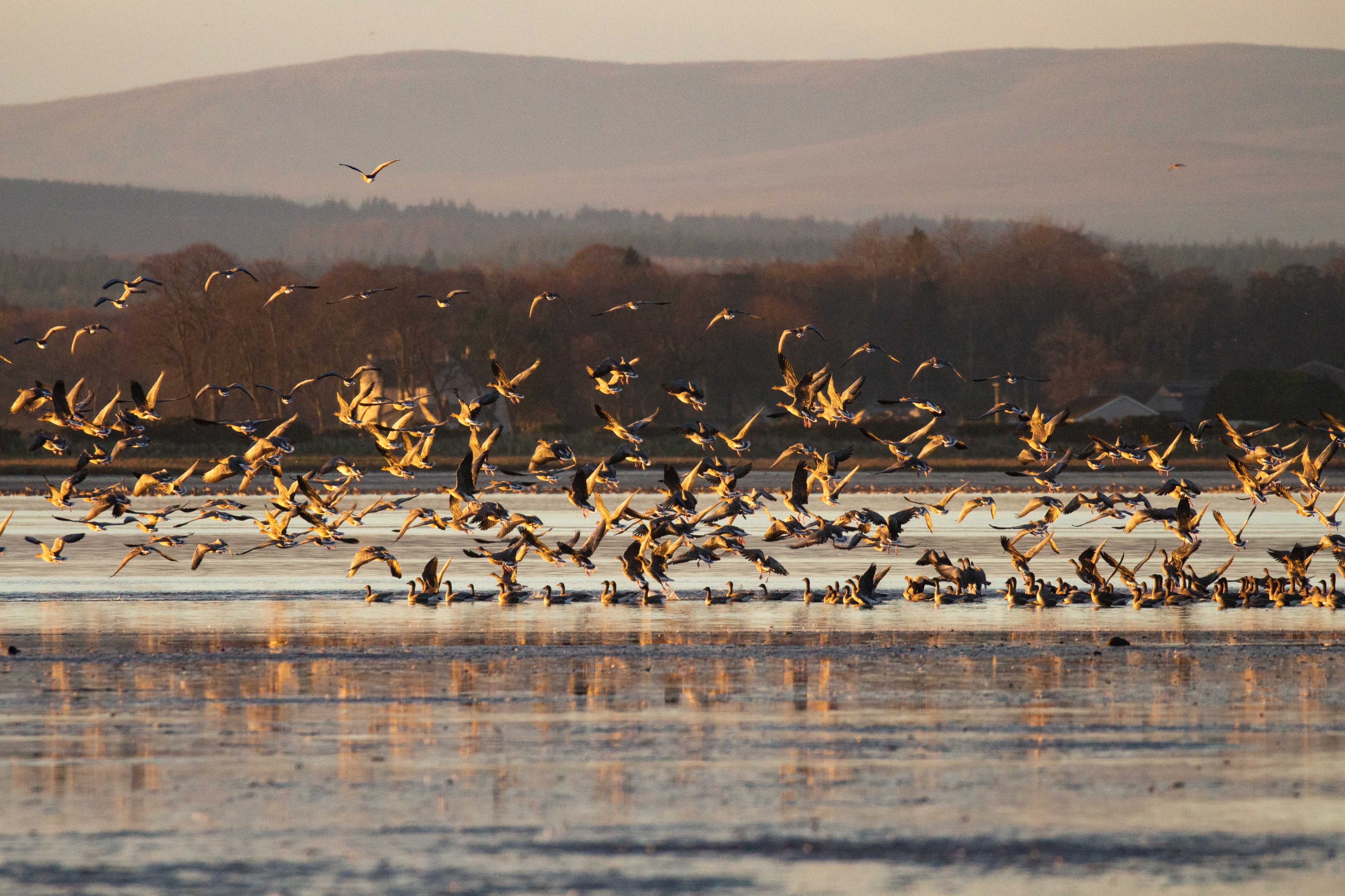
Slinging my camera across my back and clutching tripod and camping chair in each hand, I threaded my way around the deepest puddles, leaving indentations in the grass behind me. The chattering babble of thousands of geese easily crossed the still bay, and in the gloom I could just about see them packed tightly together on a skinny sandbar. The tide was coming in so they didn’t have long. Neither did I, so I hastily set up the tripod and waited.
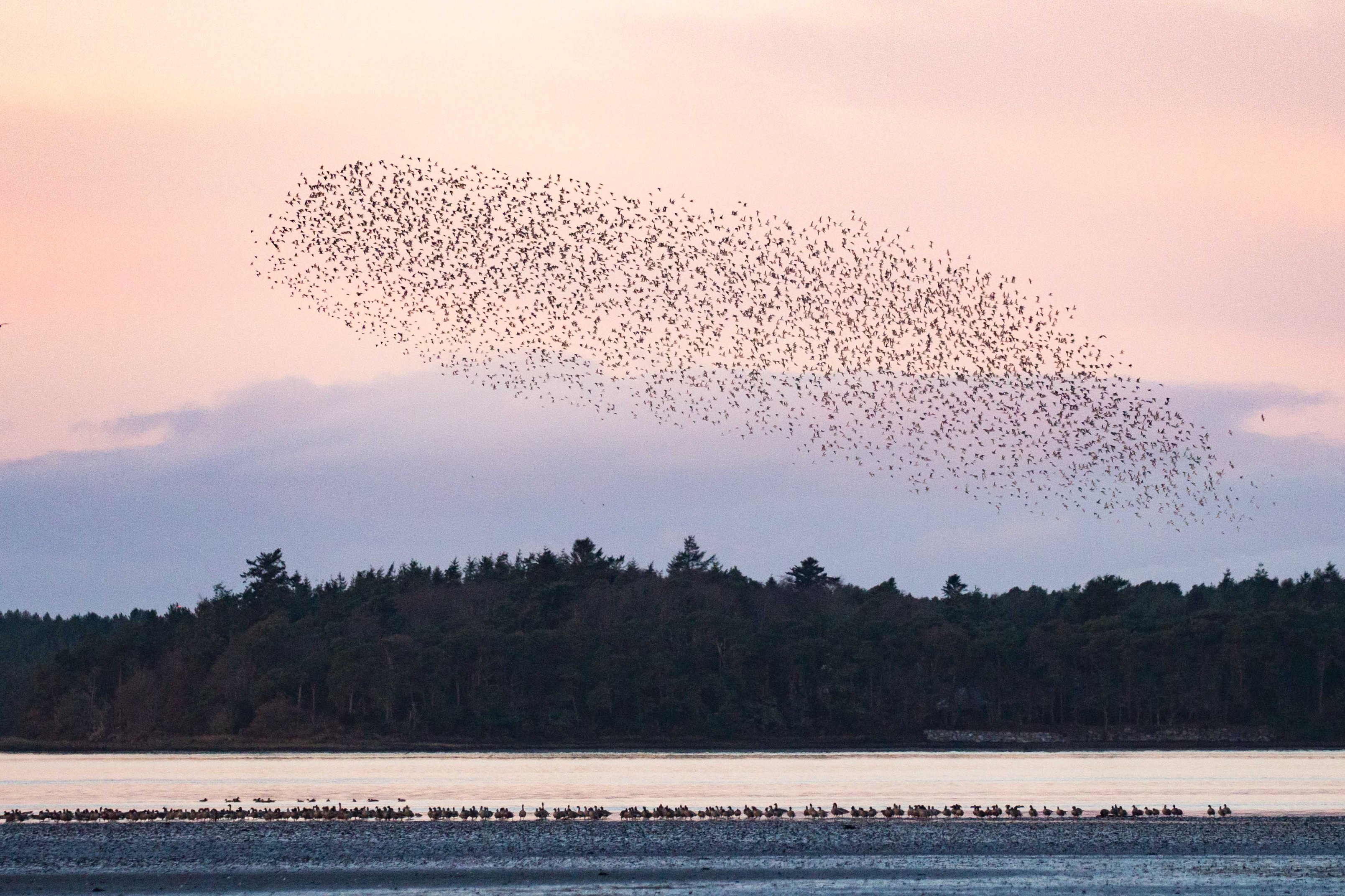
In minutes the sunrise had transformed from a haze of yellow to a blaze of scarlet and bruised purple. That was where the geese would soon be heading – taking off in swathes and moving inland to browse in the nearby fields. As if someone had turned up the volume, the honking increased drastically and a number of them took to the air, triggering others around them to follow. Most stayed behind though, leaving the ambitious few to form a loose skein that blew across the sky like a stray ribbon. They crossed from the pale navy light into the fiery sunrise and shrank to dots. A little while later another group took off, then another, and for the next hour and a half the crowd on the sandbar slowly diminished. It was lucky for me that they left in shifts because I had plenty of opportunities for photos.
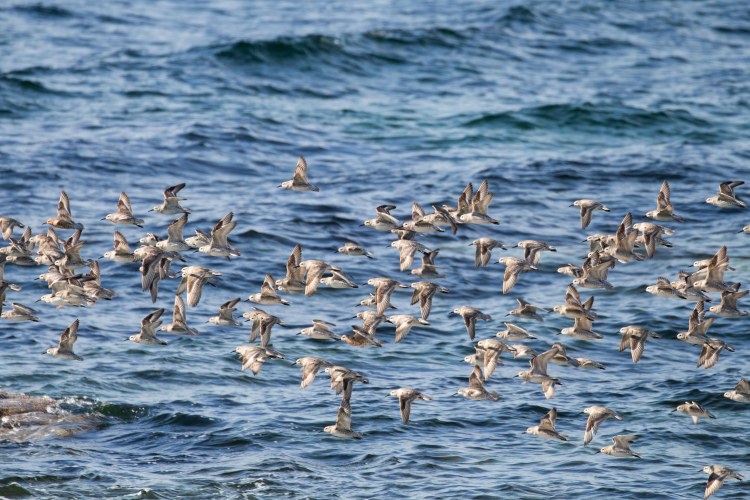
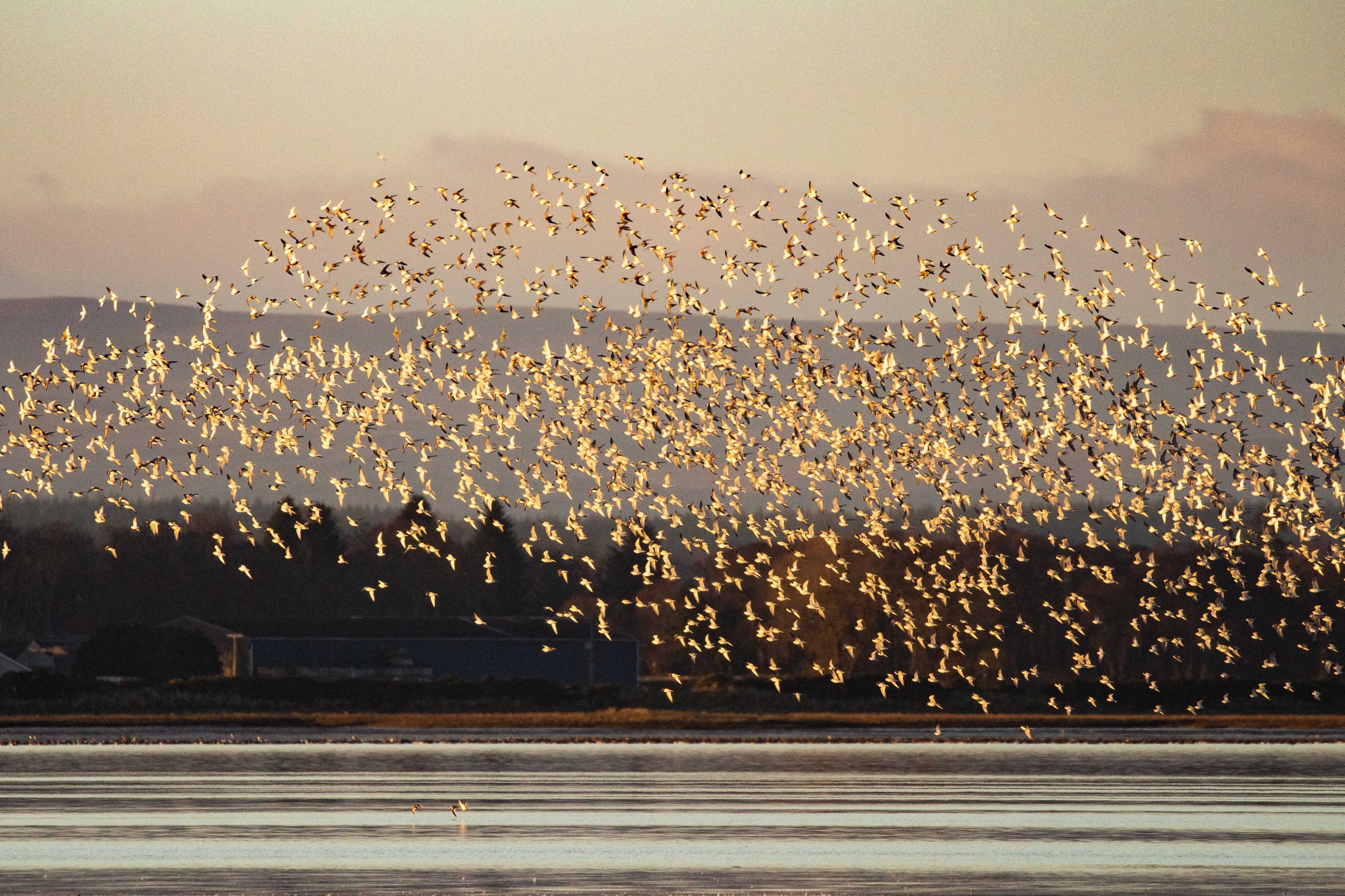
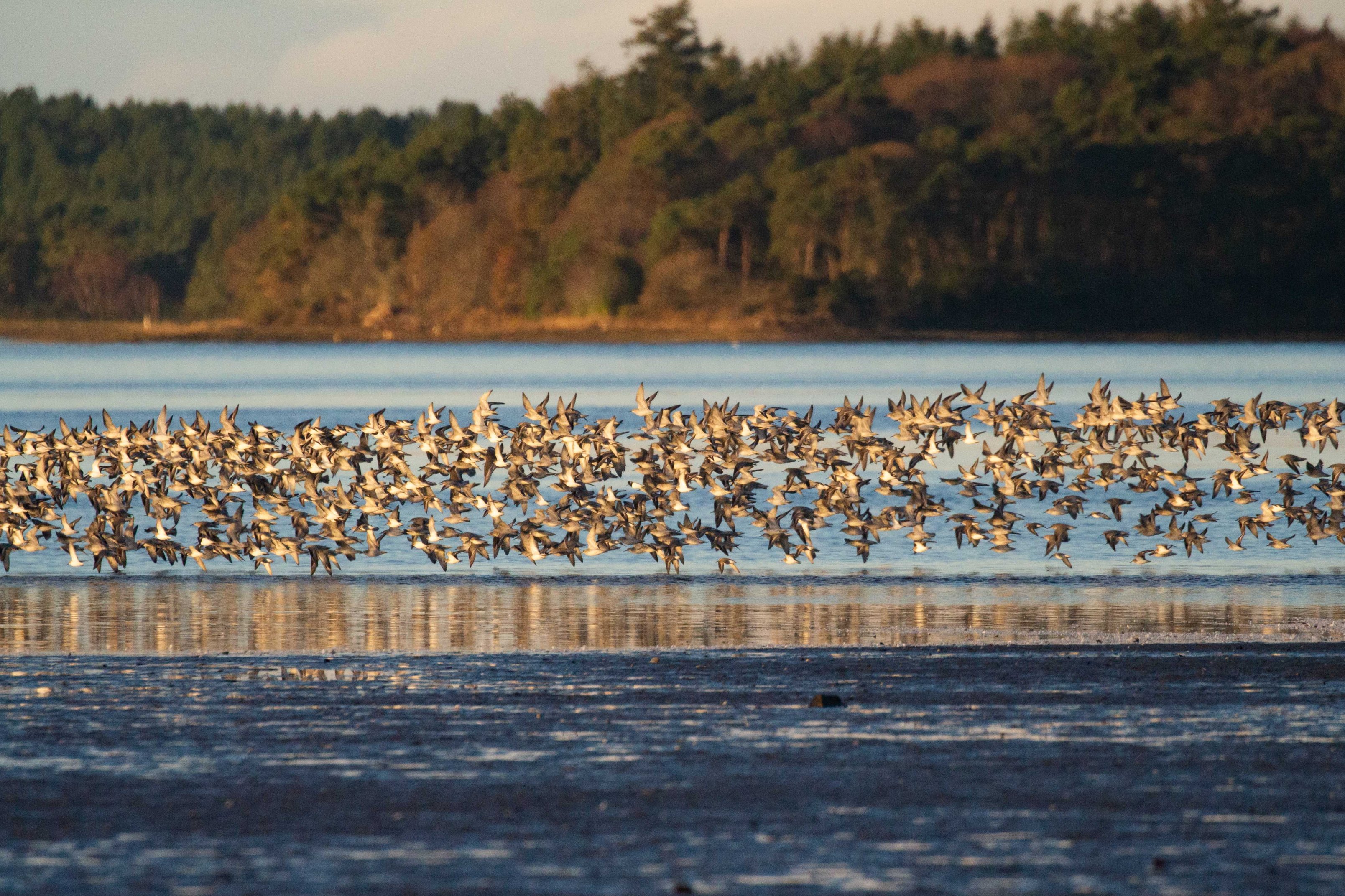
Although I’d come especially for the geese, there was an unexpected bonus display from a large group of knot that was murmuring like starlings over the water. The tiny waders climbed high into the sky, and each time they twisted back on themselves the sunlight caught their white bellies and the whole murmuration flashed like a torch. As the tide continued to sweep in, the knot were pulled further and further towards us until they settled on the receding sand and began to forage among the oystercatchers.
Eventually, all the geese had departed for the day, and an unseen distraction had frightened the knot back into the air, where they circled several times before settling far across the bay and out of sight. In a fairly short time, the thousands of birds and their incessant chatter had gone, leaving the bay smoothed over by silence.
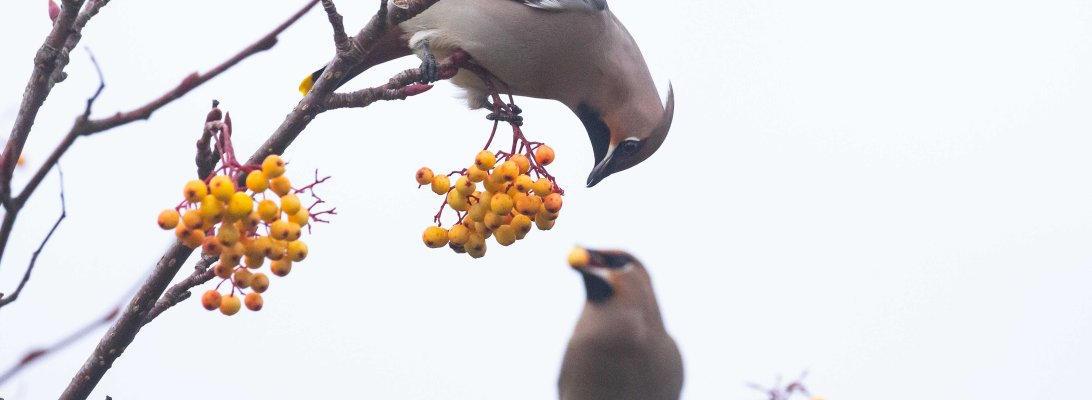
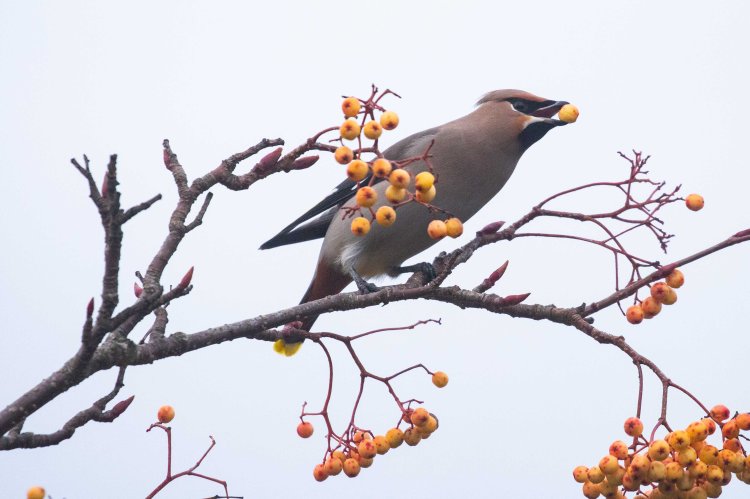
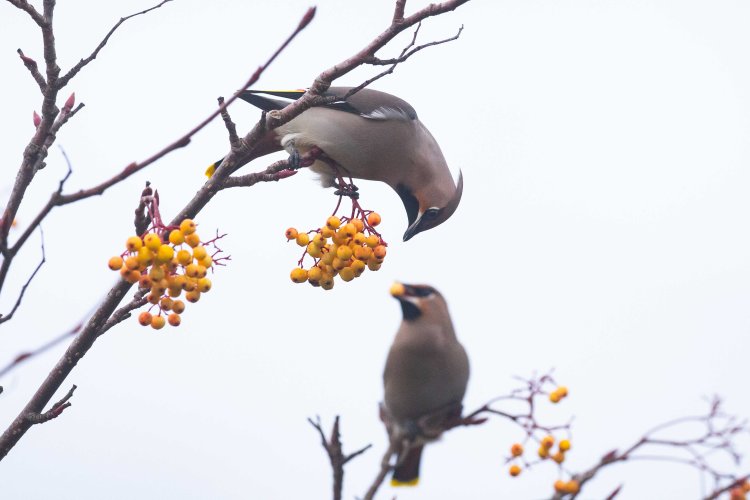
For the past few weeks I’ve been in such a wintery mood. I’m so excited for Christmas and have been itching to get outside into nature and see some new faces. A particularly exciting winter sighting this week has been the arrival of waxwings in my local town. I’ve been lucky enough to see them three times so far. I just love watching them gobble up the berries and seeing their crests blow in the wind.
Around the size of starlings, waxwings are winter visitors to Britain, arriving from as far away as Russia to spend the season feasting on berries in the UK. Although populations fluctuate each year, there are often gatherings of hundreds of waxwings, which are called irruptions. So far I’ve seen two so it’s been a slow start to the season, but even seeing a pair at close range is special. Before this week, I’d only seen waxwings once before and they were far off in the distance. This time, I could approach carefully and watch them right above my head.
This month I’ve also been looking for other winter specialists. I started a species list for the first time this year and so far I’ve recorded 114 birds, 29 mammals, two amphibians and two fish. And with seventeen days of 2020 to go there’s still plenty of time to tick off a few more! I’m particularly hoping to see mountain hares, snow buntings, fieldfares and maybe a ptarmigan if I’m really lucky. This weekend I tried to find my first mountain hares and snow buntings from the base station of Cairngorm Mountain but didn’t manage it. Still, these near misses will make eventually seeing them even more special. Who knows, maybe I’ll get to see mountain hares on my birthday on the 28th. That would be an incredible present!


















 rebeccaonthewing.com