Chesters – Day One


The drive to the Village Tearoom and Emporium was stunning. As the sun was beating down on my right arm I was a little nervous I hadn’t brought the sun cream, but luckily the light was just right to make Northumberland’s hills shine gold, without turning my skin pink.

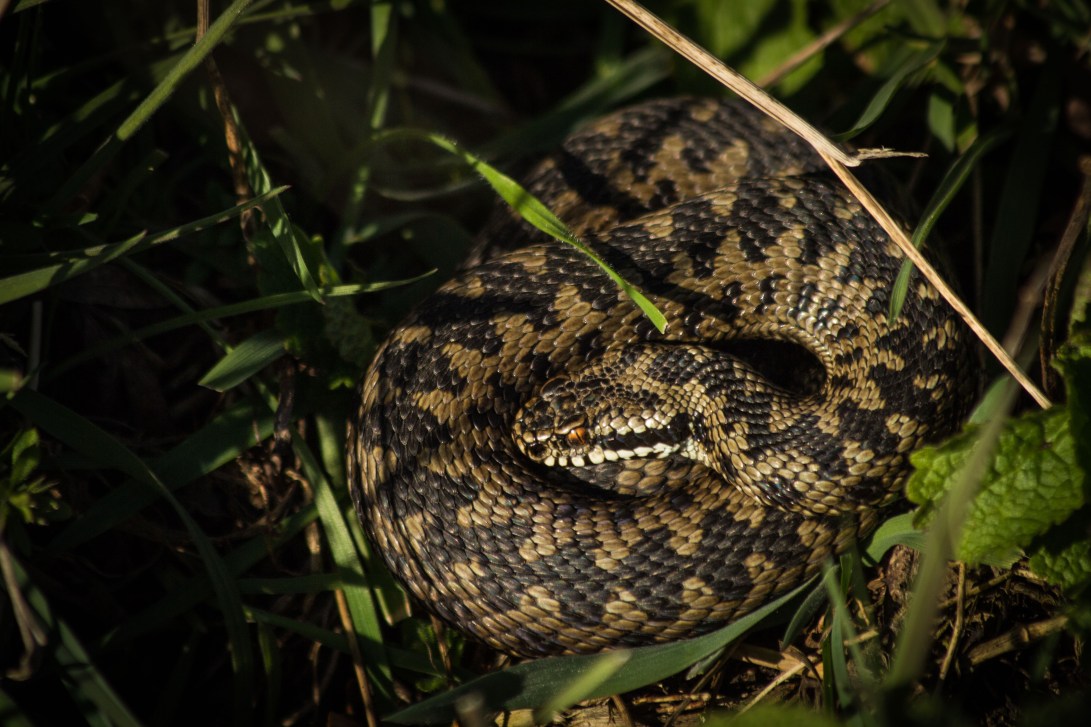
After meeting Heather, we drove to a top-secret spot where adders were frequently sighted. Due to the adder’s rarity in the UK, it is important not to broadcast locations of their possible breeding sites, to avoid a rush of human activity and potentially disturbing the snakes. As the afternoon was still very hot, we found eight adders basking, both males and larger females. In fact, in one spot there were four males writhing together, perhaps in an attempt to attract a watching female. It was my second adder sighting, but getting the chance to see them so clearly was a real treat. While maintaining our distance, we watched them bask for nearly an hour. Though I could have stayed far longer, it was time to head to Chesters bothy before it grew dark.
IMG_0124-2

Leaving the adders behind, we drove to the end of the road, where urbanisation ended and true wilderness began. Shouldering our bags for the weekend, we began the two-mile walk through the beautiful Breamish Valley, accompanied only by the bleating of sheep and the infamous scraping call of pheasants.

IMG_0194-2IMG_0196-2

As the day drew to a close, the hills faded from shimmering orange to dusky pink with a patchwork of dark green conifers and purple heather. Then suddenly a flash of brown as a hare darted up the hill, white tail flashing. He was too far for my camera to get a clean shot, but it was a great sighting on my first day in the Cheviot Hills. Fascinatingly, hares can be pregnant with two young that are not twins simultaneously. The unborn leverets may have been conceived at different times, meaning they have different growth rates.

Before long we reached a patch of conifer forest that looked like something from a fairytale. As we threaded up the pinecone-dotted track I couldn’t help but think how well a pack of wolves could fit in here, miles from interfering humans.

IMG_0552-2

Just as we emerged on the other side of the forest and paused for a breather to gaze upon some truly stunning views of the River Breamish, Heather explained how there were tales of red squirrels in the Cheviot Hills, but due to habitat fragmentation resulting in isolated patches of woodland, she didn’t think the area could support a breeding population. As if we’d been overheard, a high-pitched chattering sounded from above and two red squirrels appeared, hopping from bough to bough and scrabbling up the trunks. Not only were these the first red squirrels I’d seen in the wild, they were the first individuals that Heather had seen at Chesters, so it was a special moment indeed.

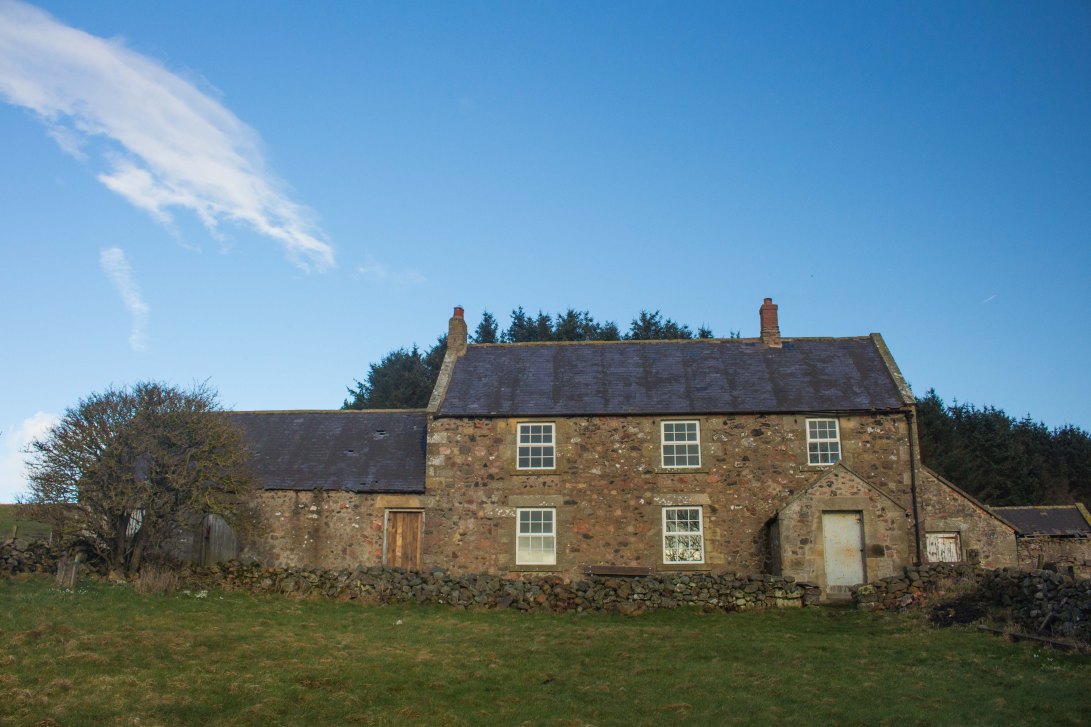
After such good luck, we almost had a skip in our step as we made the rest of the way up the hill to Chesters bothy. Almost immediately we were met by a flock of fieldfare as they swooped overhead, another new species for me.
IMG_0543-2

After dumping our bags, we sat outside on the dry stone wall and listened to the evening’s birds before the generator drowned them out. Amongst the shrieking pheasants, there was the distant hoot of a tawny owl, and later when the sun finally sunk behind the hills, the bizarre wing beats of snipe reverberated across the landscape. If you’ve never heard a snipe drumming, any description I could give would never give it justice. It’s a sound I’ll never grow tired of hearing. It reminded me that I was in the middle of nowhere. I was cut off from technology and we needed a fire to get hot water – it’s the sort of living many people have never truly experienced. Sitting outside in complete silence could seem eerie, but to me there’s a haunting beauty to the only traffic being speeding fieldfare and the occasional skylark hovering overhead. It’s like stepping back in time to when technology was an unheard of impossibility.

Later, when Cain arrived, the three of us headed over the hills in search of long-eared owls, a bird Cain was eager to tick off during our stay at Chesters. The night was as beautiful as the day had been – the sky was clear and a huge ethereal glow encircled the moon. Sadly, the owls didn’t appear, but the night walk was the perfect end to my first day in the Cheviots. When we returned to the bothy I spent some time writing about the day to jog my memory when I returned home. I knew that without a doubt, my notebook would be essential this weekend.

Species seen/heard:

Adder Vipera berus Coal tit Periparus ater European hare Lepus europaeus Fieldfare Turdus pilaris Great tit Parus major Oystercatcher Haematopus ostralegus Pheasant Phasianus colchicus Red squirrel Sciurus vulgaris Robin Erithacus rubecula Snipe Gallinago gallinago Song thrush Turdus philomelos Tawny owl Strix aluco

Coming soon!

Last week, I went on an expedition to the Northumberland National Park, where I spent four days living in a bothy and discovering the ecology of the Cheviot Hills. During that time I had several wildlife firsts, including some real rarities!
Stay tuned for the full posts, which I’m hoping to publish very soon. In the meantime, enjoy this little bank vole who paid us a visit each morning.

IMG_0478

Puffballs, Prints and Pellets

Due to a lecture cancellation, Zahrah and I seized the day and paid Watchtree Nature Reserve a second visit. As the sun was actually shining, we made haste before the English climate returned to its usual cheeriness.

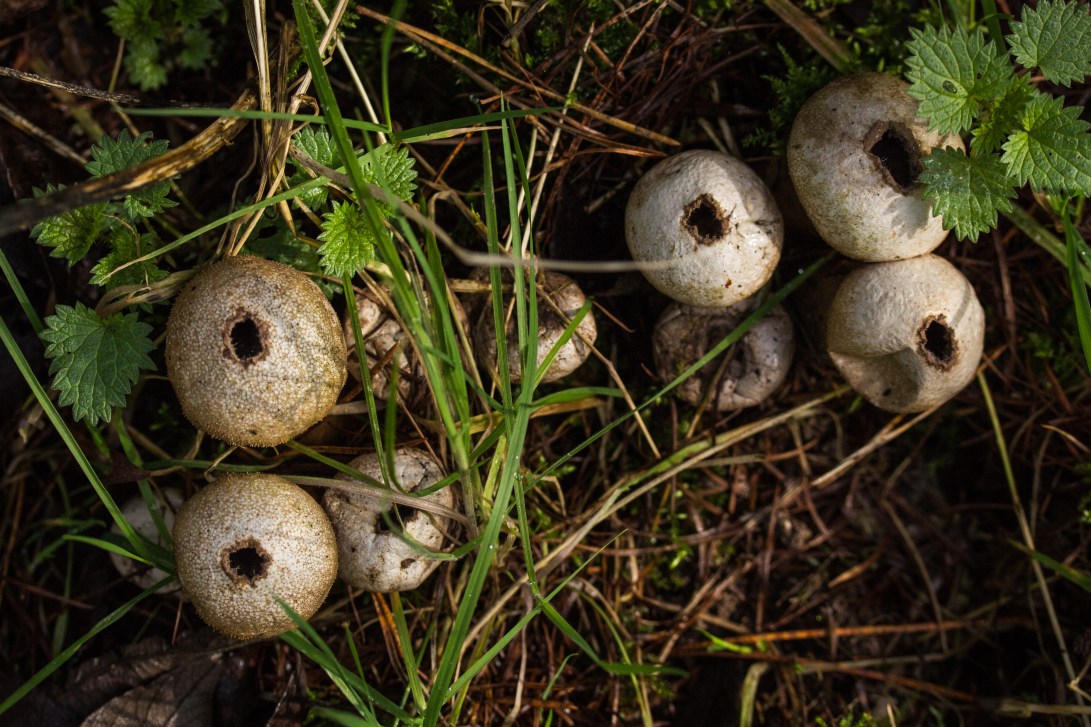
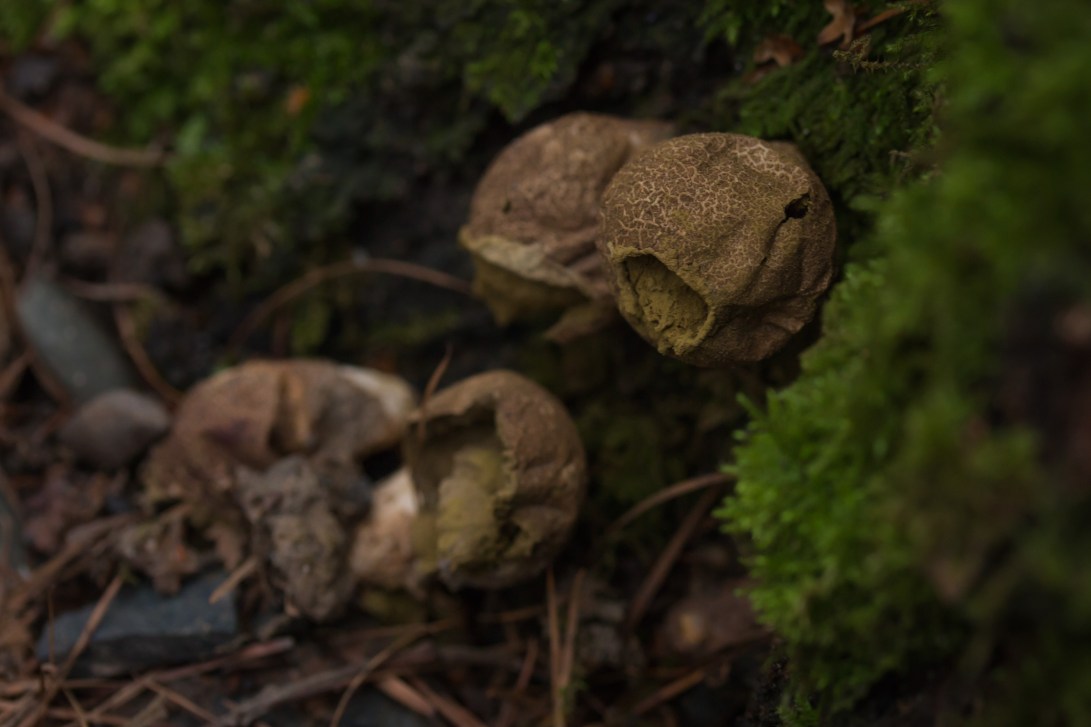
As we’d found several roe deer skulls at the reserve last time, we headed straight to Pow Wood and began to forage. My first find was a cluster of puffballs (Lycoperdon sp.). I find these little guys are extremely difficult to identify, but they’re always fun to see and remind me of terrestrial sea urchin shells.

img_9893

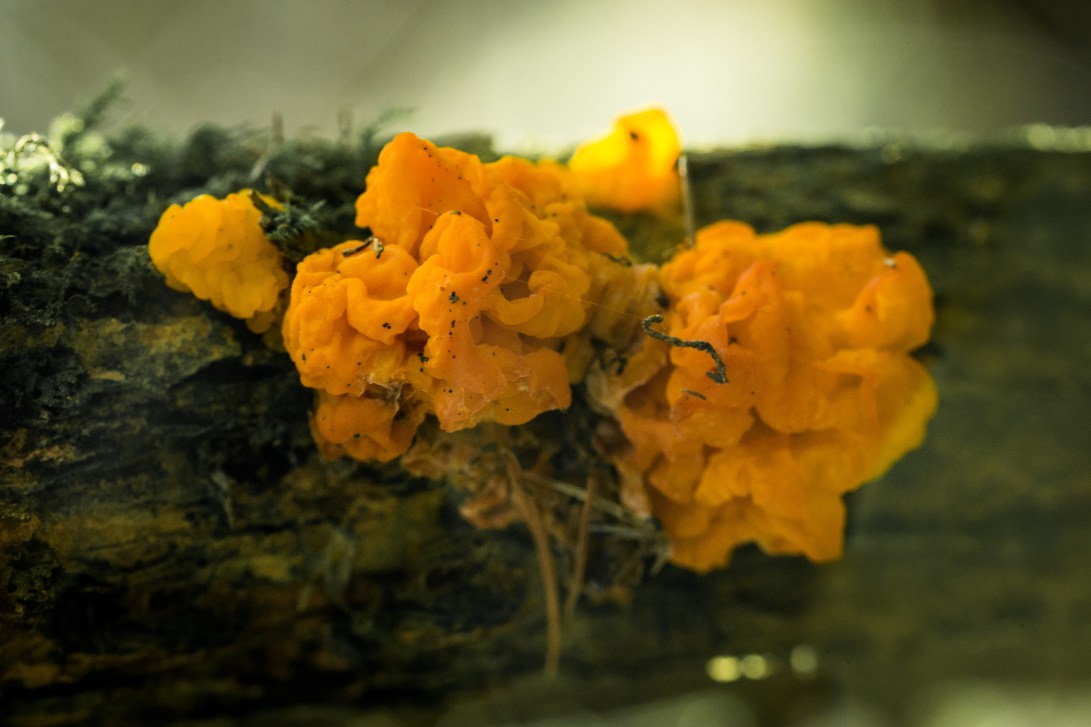
Further into the wood I was extraordinarily excited to identify more fungi. This ID lark is slowly getting easier! I found a patch of jelly ear (Auricularia auricula-judae) on some dead wood, and wrestled for some time with said dead wood to get close enough for my macro lens to work its magic.

img_9935

Shortly afterwards, I found several violent red blooms amongst the green foliage. The only scarlet elf cup (Sarcoscypha austriaca) I’d seen before was the size of my little fingernail, so to see some two inches wide was fabulous.

img_9955

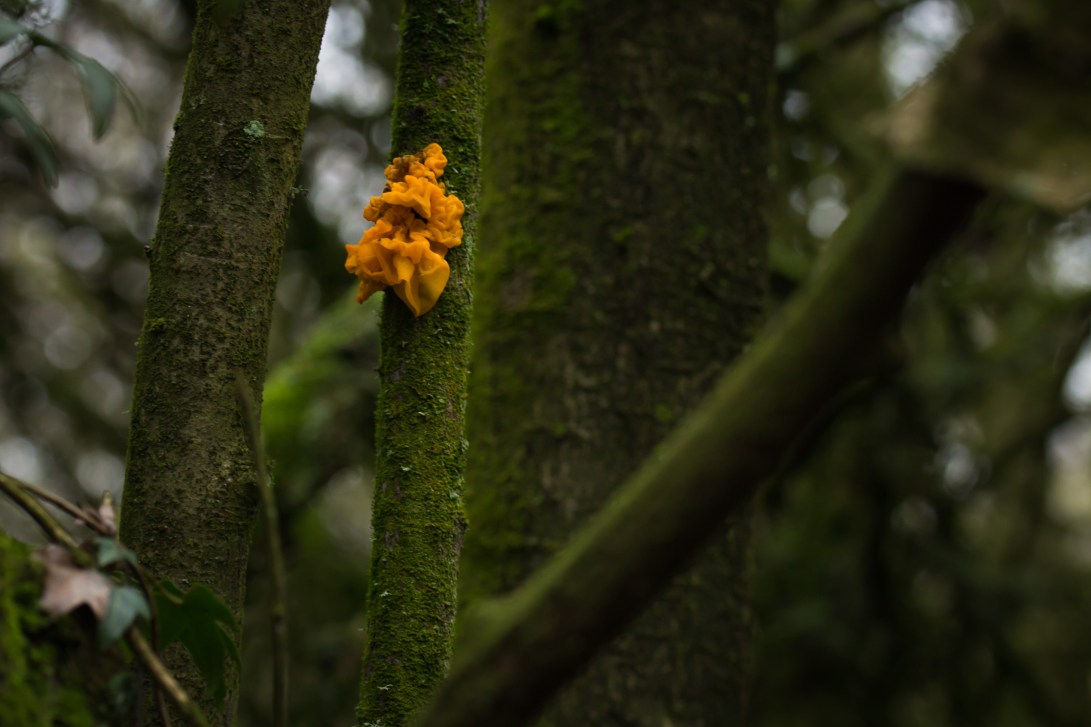
Finally, my eye caught on a bright patch of yellow as we untangled our clothes and hair from the low-hanging branches of the pine trees and, completely forgetting my wildlife voice, I shrieked “witches’ butter!”. In my defence, Tremella mesenterica is a really intriguing fungus and it’s the first I’ve seen up close.

img_9971

In addition to our success with fungi, we also did some pretty good tracking. Putting the tricks we’d learned from Alex to the test, we found some deer tracks in the mud. As we found roe deer (Capreolus capreolus) skulls in Pow Wood on our last visit, we deduced that the same species had left these prints. Our suspicions were confirmed when we saw a flash of white and watched as three female roe deer darted into the forest, white bob tails stark against the brown and green of the trees.

img_9979-2


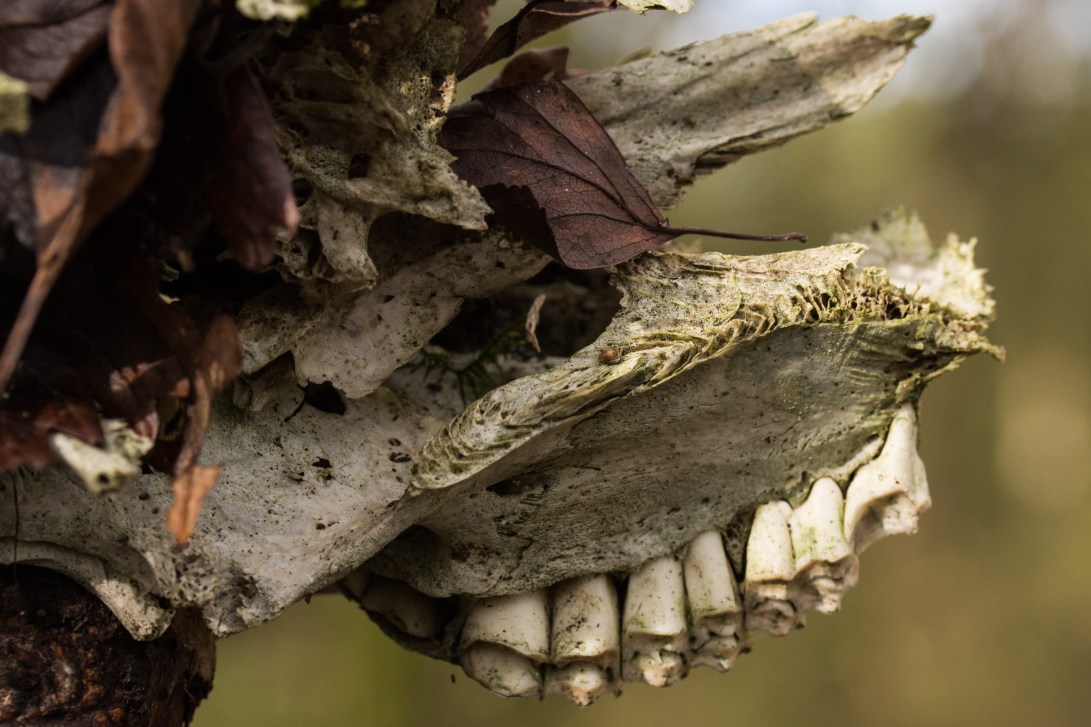
Incidentally, I didn’t realise that I was on a walk with Hawkeye. In just a few hours, Zahrah found two roe deer skulls, what we suspect was a sheep skull, and a headless skeleton with beautifully pristine white vertebrae. I guess I’d been too distracted by the fungi. We scooped up the bones into a plastic bag, ready to douse them in hydrogen peroxide when we got back home.

img_9947

Despite my ineptitude at finding skulls, I did find a collection of pellets at the foot of a tree along with a discarded white egg shell. The combination of these two signs suggested that the tree was home to a nest. After some research, I discovered that barn owls (Tyto alba) are known for their stark white eggs and dark, charcoal grey pellets, so perhaps this was our bird.

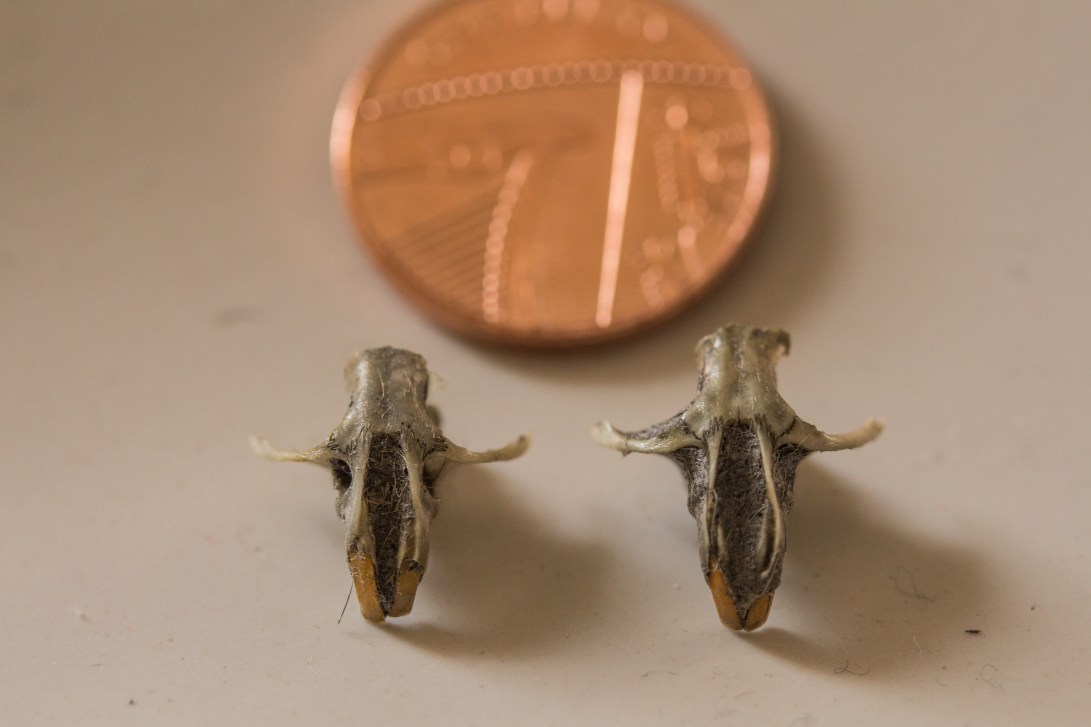
Back at the house, I dissected the pellets and in just three I recovered the remains of six rodent skulls, seven mandibles (lower jaws), several loose rodent incisors and a variety of leg bones. I attempted to identify who the skulls belonged to, but sadly they all looked the same. Still, it was fascinating to see how many kills the owl had made; there were at least two skulls in each pellet. This indicates that the bird was hunting regularly, as a barn owl usually regurgitates 1-2 pellets each night (Barn Owl Trust).

In addition, the egg shell I found had no yolk, suggesting the chick hatched naturally and wasn’t predated. If this were the case, the edges of the shell would have been pushed in and parts of the membrane would still be visible.

img_0005img_0007img_0002

In short, it was a very successful day’s foraging! It’s amazing how much you can see when you know what to look for.

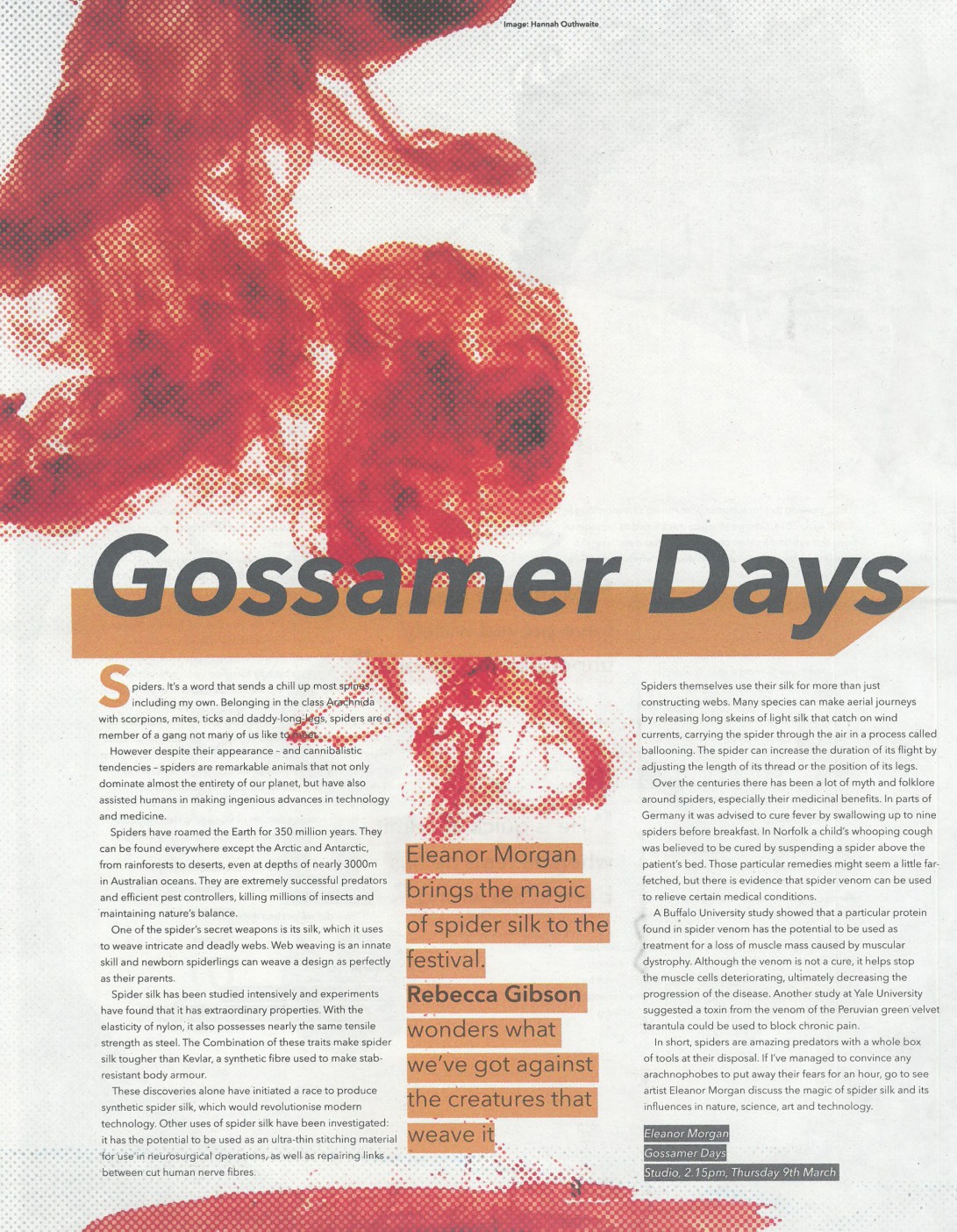
‘Gossamer Days’ Article in Watermark Magazine

Every year, the Theatre by the Lake in Keswick, Cumbria, hosts the literary festival Words by the Water, which is a wonderful celebration of words and ideas from a variety of topics including science, art, politics and history.

In parallel to the festival, students from the University of Cumbria produce a magazine publication with pieces inspired by the speakers and their topics. This year, I was asked to be the student editor of the magazine, which was a fantastic experience. Part of the job involved writing articles, so here is one inspired by Eleanor Morgan’s talk on spiders, a subject that fascinates and horrifies me in equal measures. I decided to shun my shivers and find out more about these unfortunate-looking invertebrates. To my surprise, I discovered some truly astonishing things.

KM_C224e-20170530111227


Here For Your Entertainment

On Friday we went on a field trip to The Lake District Wildlife Park. In Alex’s lectures we’ve been studying the behaviour of animals in captivity, so visited the park to see if we could see any of the same signs in the animals they kept there.

img_9729

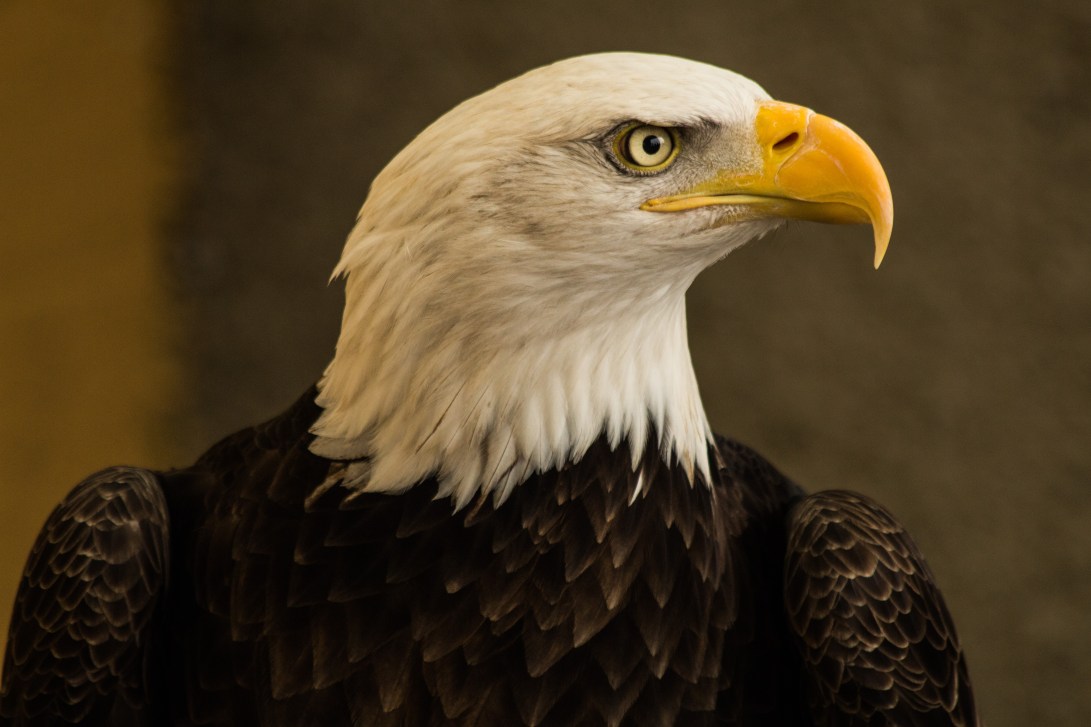
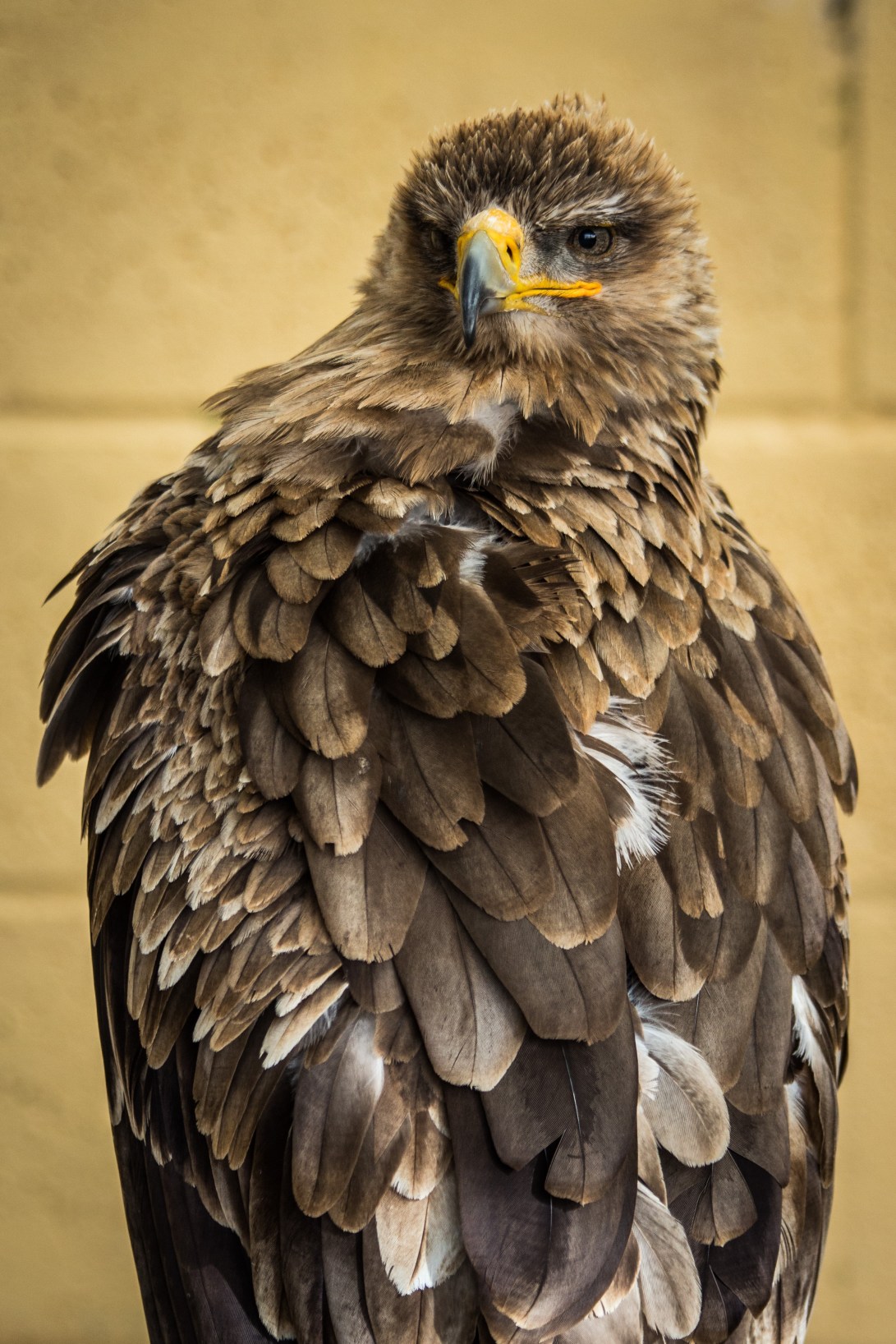
It hadn’t been too long since my last visit to a zoo, but maybe it was the presence of four other wildlife students that instilled different feelings in me this time. The small size of the enclosures seemed more obvious and I couldn’t help feeling uneasy as I watched the lynx pace up and down and the raptors attempt to fly off the metal perches they were tied down to. I could photograph the bald, golden and tawny eagles in vivid detail, but I knew deep down it was cheating and the photos I was taking were no different to those of hundreds of other visitors.

img_9778

The reason I love photography is it captures a moment in time that cannot be exactly replicated ever again. It freezes a memory and provides a very intimate insight into the photographer’s mind. So as I stood in front of a tethered bird that couldn’t escape my camera or my gaze, I soon realised this was not how children should experience wildlife.

Ticking off birds from my wish list was part of the charm that got me interested in wildlife. It was going out, tracking a bird and watching it live its life that gave me a sense of pride. Not only had I had an adventure in the great outdoors, but I’d discovered a species I’d never seen and sometimes got photos to show for it. During my time on the Isle of Carna we attempted to track down golden eagles on a boat trip on Loch Sunart. We were extremely lucky to get a glimpse of the magnificent bird as it perched high up in the tree canopy.

Anyone with £8.95 in their pocket can go to the Lakes Wildlife Park and see a golden eagle, but where’s the fun in that? If the same children who see a captive golden eagle were to see one in the wild, I’m certain that experience would last a lot longer in their memory.

img_9780

Of course, I’m just talking about British wildlife. None of us in the UK are going to see a wild red panda or lar gibbon no matter how impressive our tracking skills, so in that respect zoos offer children the chance to see what wonderful animals roam our planet. While this is all well and good – and with the rate of extinction as rapid as it is, this may soon be the only way that the next generation can see certain species in the flesh – it’s just not “wild” life. And isn’t that the point? What next, we round up indigenous tribes and keep them in pens for people to stare at? Although some zoos have done wonderful work for conservation and provide a safe place for endangered animals to live unharmed, should it be up to us to decide whether a long, captive life is better than a short, free one?

img_9876

Nature’s Fisherman

It was time once again for a wander in the wild. Kacper had told us about a kingfisher he’d seen on the River Caldew, so Zahrah and I met him in town and we set off. I’ve had two kingfisher sightings both in Cumbria, one with my camera one without. I managed to get the speedy bird in frame for one of my shots, but I wanted to slightly improve on an indistinct electric blue blur this time.

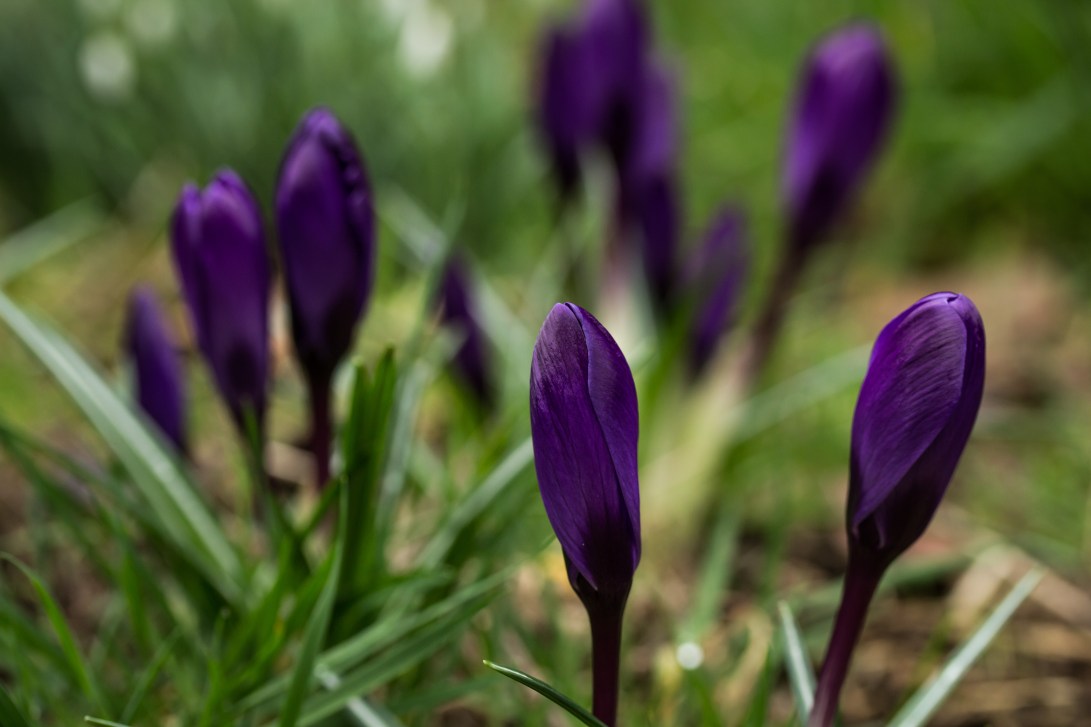
It was so refreshing seeing the first signs of spring. Little pops of colour speckled the green grass as snowdrops and crocuses stretched out of the cold, hard ground – dainty little warriors taking on the end of winter.

img_9572img_9580

We were met at the river by a smoky grey guardian – a feathered old man that stood hunkered up at the top of a tree. The heron surveyed his river with grumpy indifference. Zahrah is under the impression that these birds are beautiful. While I can’t quite agree on that, they are a spectacular looking species that always draw my attention, whether they’re sat slouched on a branch or flapping through the air with spindly dangling legs.

img_9644

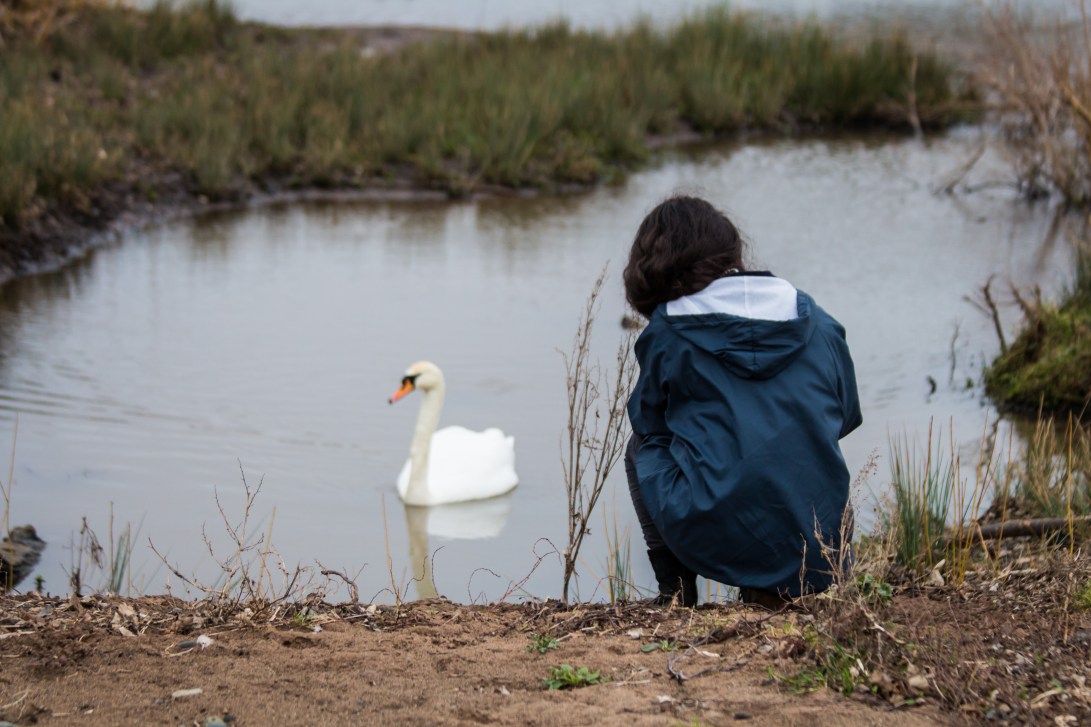
After leaving the heron behind I spotted the elusive kingfisher, so we followed it along the river bank as best we could. In the meantime, Zahrah had a play with medium format film, and attracted a couple of inquisitive mute swans.

img_9684

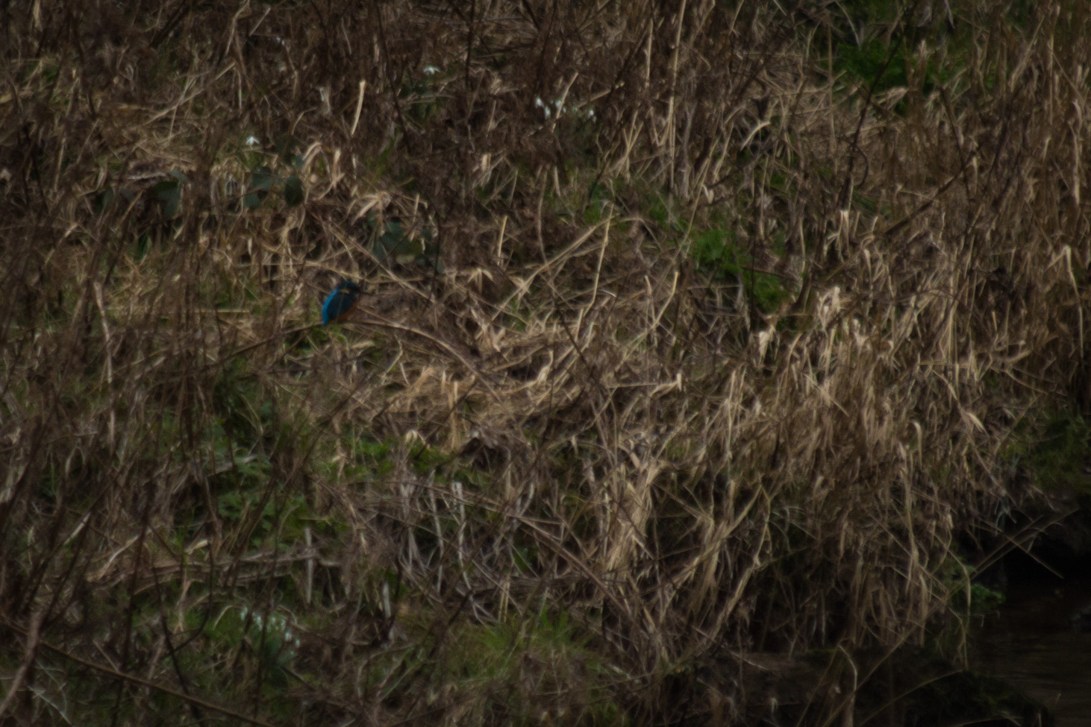
Despite the slow emergence of spring, it still got bitterly cold and before long the light began to fade. We were just about to head for home when another flash of blue shot across the water. Hurrying across the bridge, we staked out the riverbank and managed to spot the kingfisher resting amongst the scrub. It’s still not the best kingfisher photo ever taken, but it’s a vast improvement on my last – you can even see it’s an animal this time!

img_9668

Camera Trap: A week in January

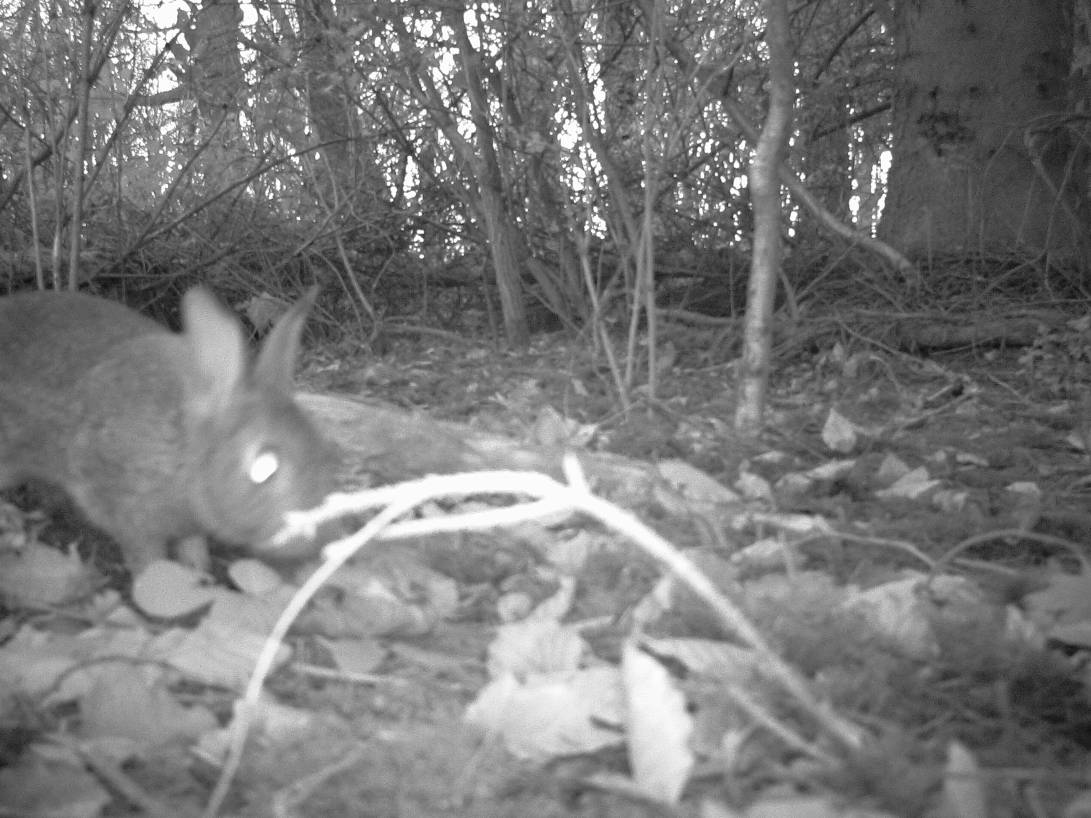
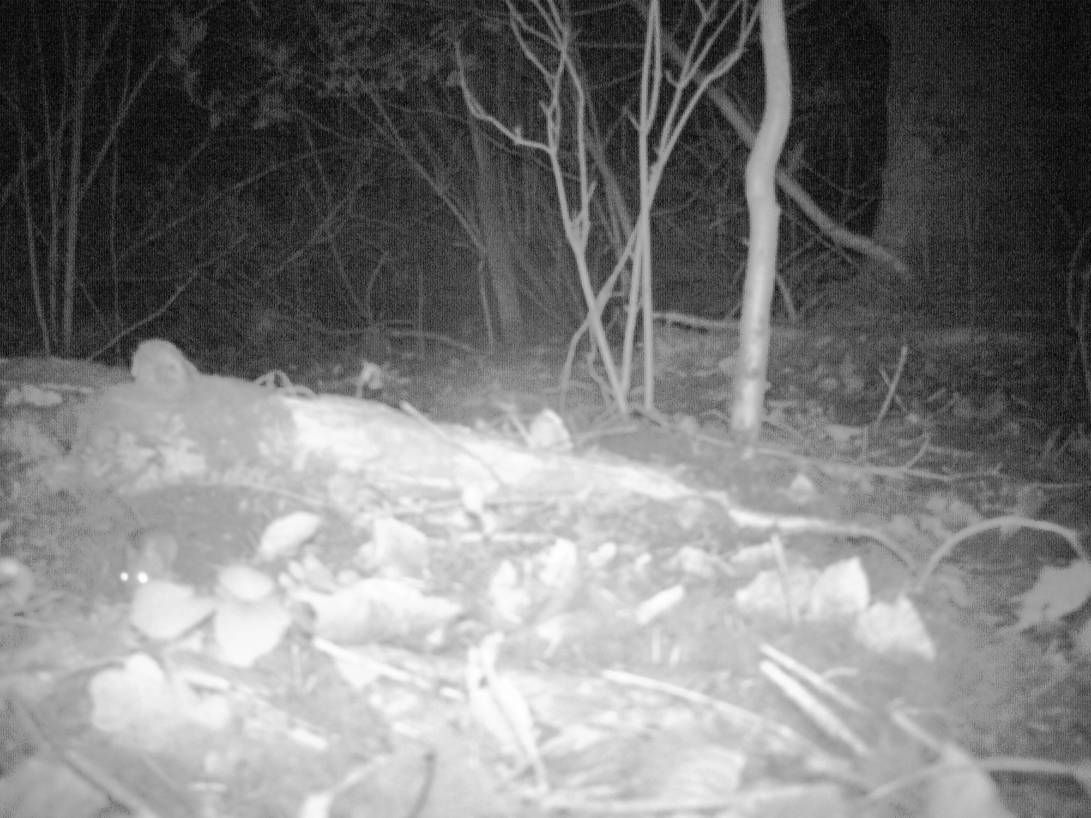
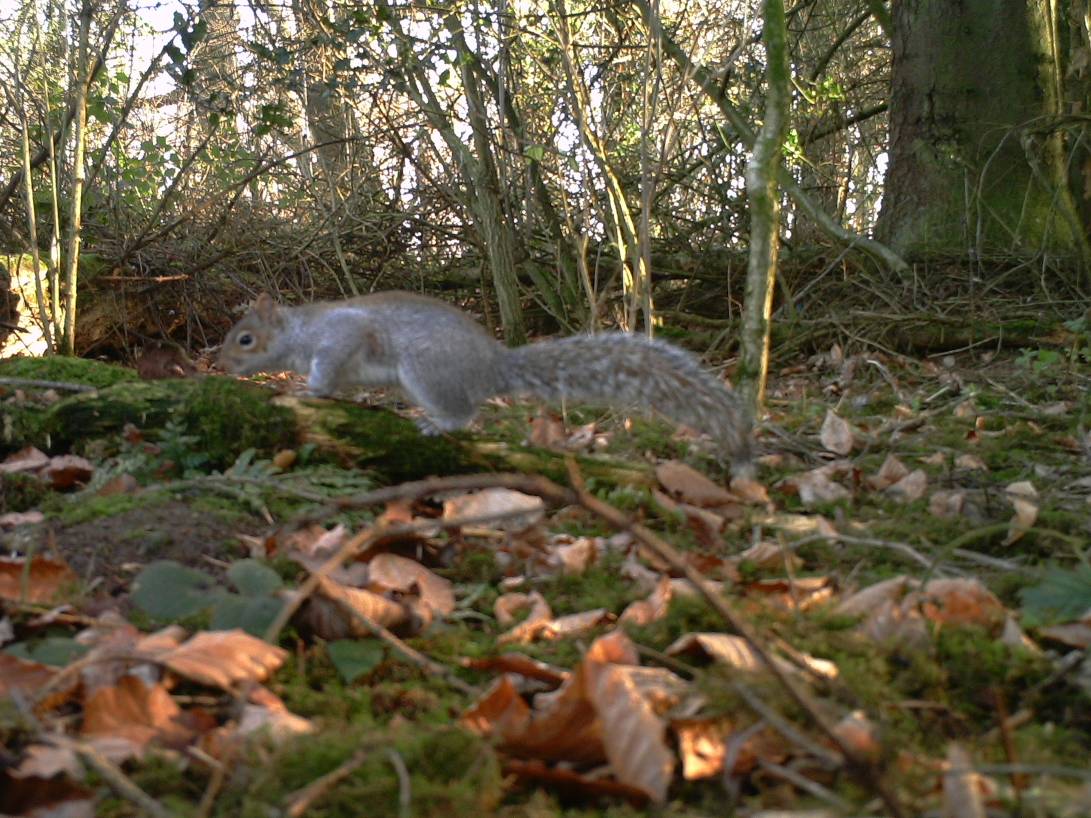
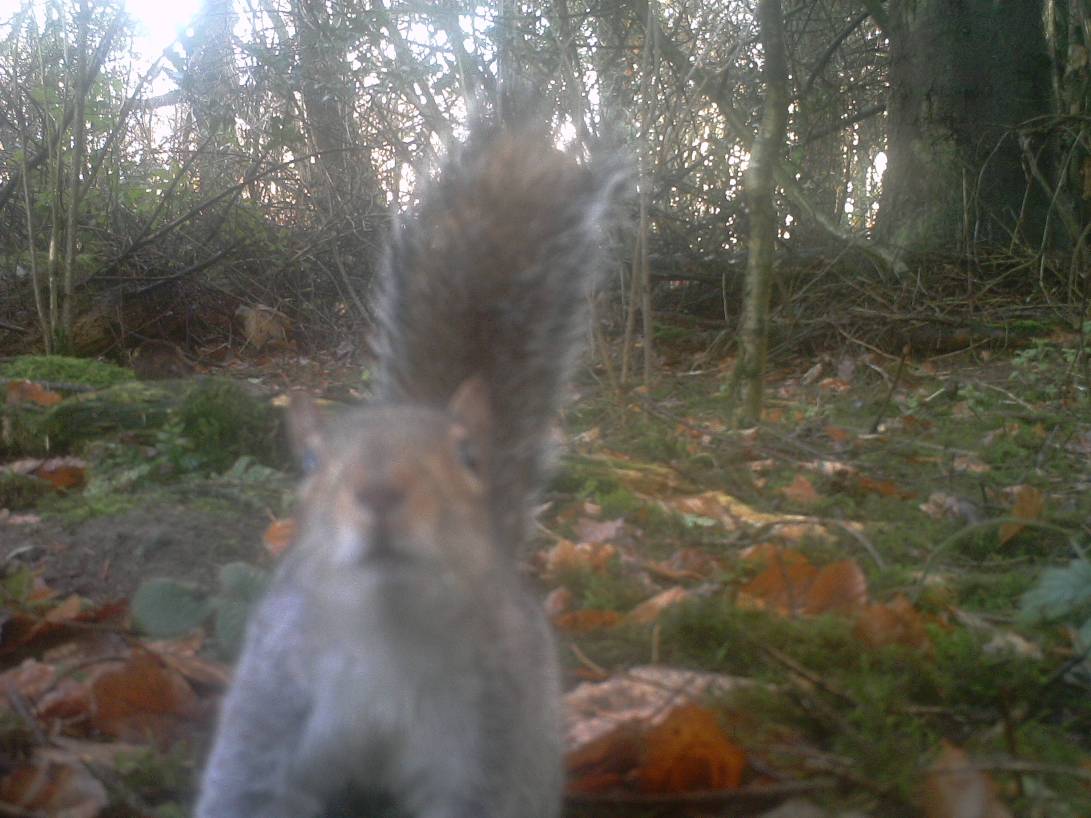
In many cases, wildlife can only be truly photographed without the photographer. After falling in love with Kingmoor South, Zahrah and I decided to set up camera traps to see what we could find. We had just attached all three traps when we realised we’d forgotten to bring bait, but decided to leave them a week and hope for the best. When we returned, we were thrilled to discover we’d had some visitors.

imag0038
European rabbit (Oryctolagus cuniculus)
imag0176
Wood mouse (Apodemus sylvaticus)
imag0058
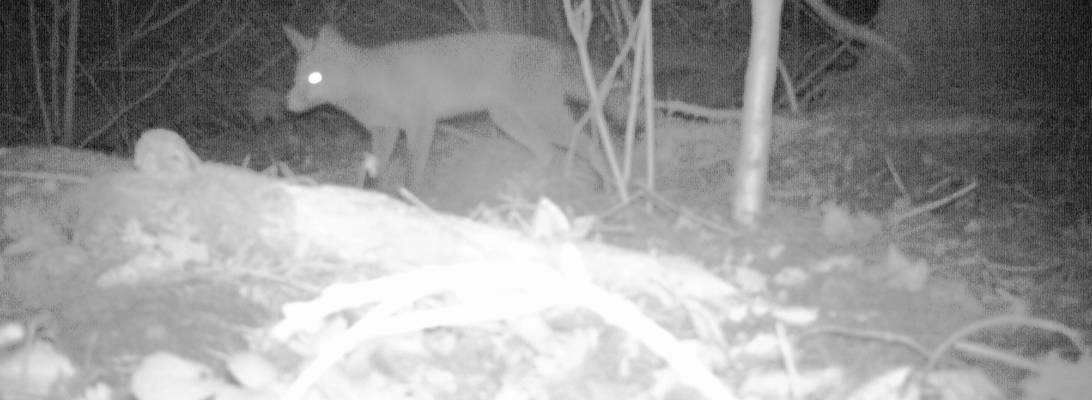
Red fox (Vulpes vulpes)
imag0073
Grey squirrel (Sciurus carolinensis)

imag0139

I reckon we’ve found a good patch for traps, so I’d love to plan a second trip and set them up again. I’ve got my sights set on catching a badger…

Hiding Under Toadstools

It had been way too long since Zahrah and I last went on an adventure, so on a grey, cloudy Friday morning we headed out to Kingmoor South and North nature reserves for a wander. The aim was to train our senses and become expert animal trackers. We had our hopes on finding owl pellets and maybe even the fabled “Beast of Cumbria” – I share George Monbiot’s rather pessimistic opinion on a black panther stalking sheep in the Lakes but that’s a whole other blog post.

img_9258
Common Puffball (Lycoperdon perlatum)
img_9304
Frothy Porecrust (Oxyporus latemarginatus)
img_9266
Yellow Brain (Tremella mesenterica)

Sadly our adventure was pellet-less, but what we did find was a lot of fungi. I’ve been really interested in macro photography recently, and have subsequently been spending a lot more time crawling on the floor finding tiny things to photograph. I never realised quite how extraordinary fungi could be – so many shapes, sizes and colours. Like every naturalist I’d love to be a wild forager and have a nibble on the safe varieties, but after trying to name the ones I’d found I discovered it was dangerous territory. Take Morel (Morchella esculenta) for example, an egg-shaped cup fungus that apparently tastes wonderful. Then take its almost-twin, False Morel (Gyromitra esculenta), which can be fatal and even after careful preparation is believed to cause cancer. Nature is a cruel mistress indeed!

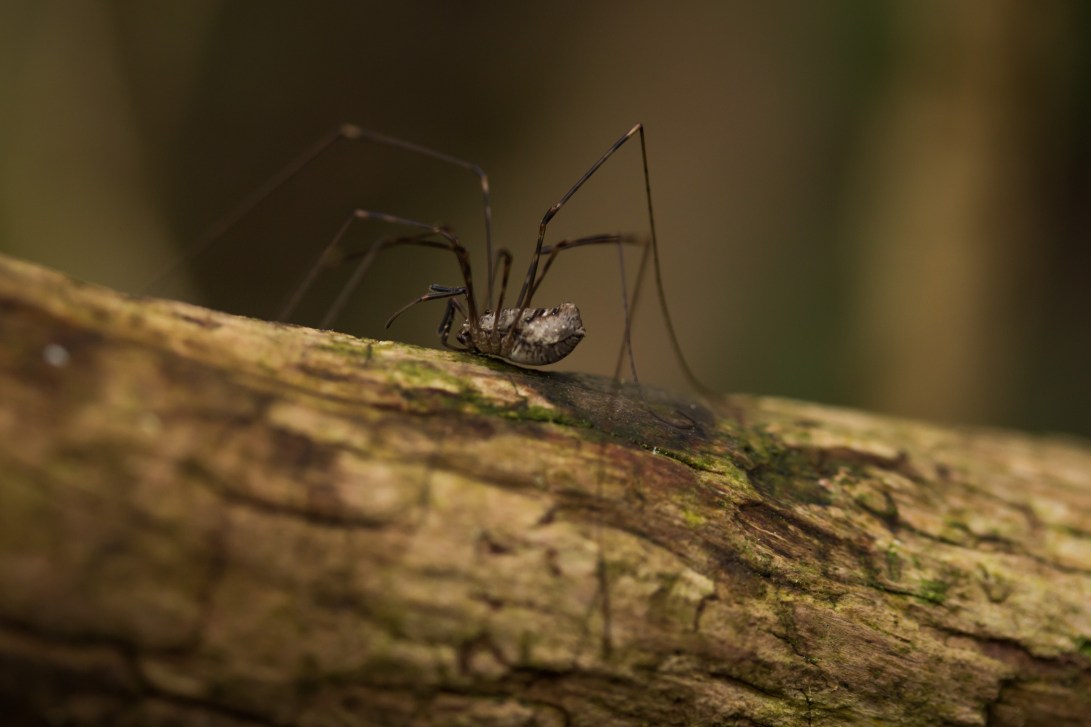
So we decided against finding a snack and stuck to taking photos of the fungi we found. Zahrah graciously held a branch up while I crawled underneath to photograph a group of Jelly Ears. I was mid shot when I heard “aw look at this little spider” over my head and regretted every decision I’d made getting to the Jelly Ears. The little critter was a harvestman (Opilione), and luckily he was only small so I was even brave enough to take a shot of him before he scuttled away.

img_9293
Harvestman (Opilione)
img_9285
Jelly Ear (Auricularia auricula-judae)

We ate our lunch on a bench nestled amongst the vast oak trees, the forest floor covered in a crunchy bed of orange and brown. It was eerily quiet, even for a forest landscape. I can’t wait for the spring when the air will be alive with birdsong again. Winter has its own magic, but it can’t be denied that spring is when nature truly shines.

img_9115
Brown Mottlegill (Panaeolina foenisecii)
img_9100
Candlesnuff Fungus (Xylaria hypoxylon)

Reykjavik – Day 2

When I looked out the balcony window this morning everything was blue. It turns out that Iceland is actually magical. With recharged camera batteries we headed out to explore.

img_8606

The plan was to go straight to the shops, but down a side street I glimpsed a mountain and the sea. It was decided instantly that we’d put shopping on hold and go explore.

The natural light of Reykjavik is beautiful. Even at 11am there were still the diluted pinks and blues of early morning. We walked over the rocks and photographed the mirror-still water. Curse Iceland for making a cliche the only appropriate way to describe it, but the dirty old ocean looked like milk as it rippled against the shore. It was stunning, especially with Sólfarið (The Sun Voyager, below) standing proud against the city backdrop.

img_8665

By this point we were getting peckish so we found a cute little creperie along the main street. Doused in Nutella, bananas and peanut butter, it filled the gap nicely.

Rejuvinated, we hit the shops. I bought gifts for family and friends then realised just how much money I’d spent. Iceland is expensive, as I’d been told many times over, but somehow being in such a beautiful part of the world made it all okay.

img_8722

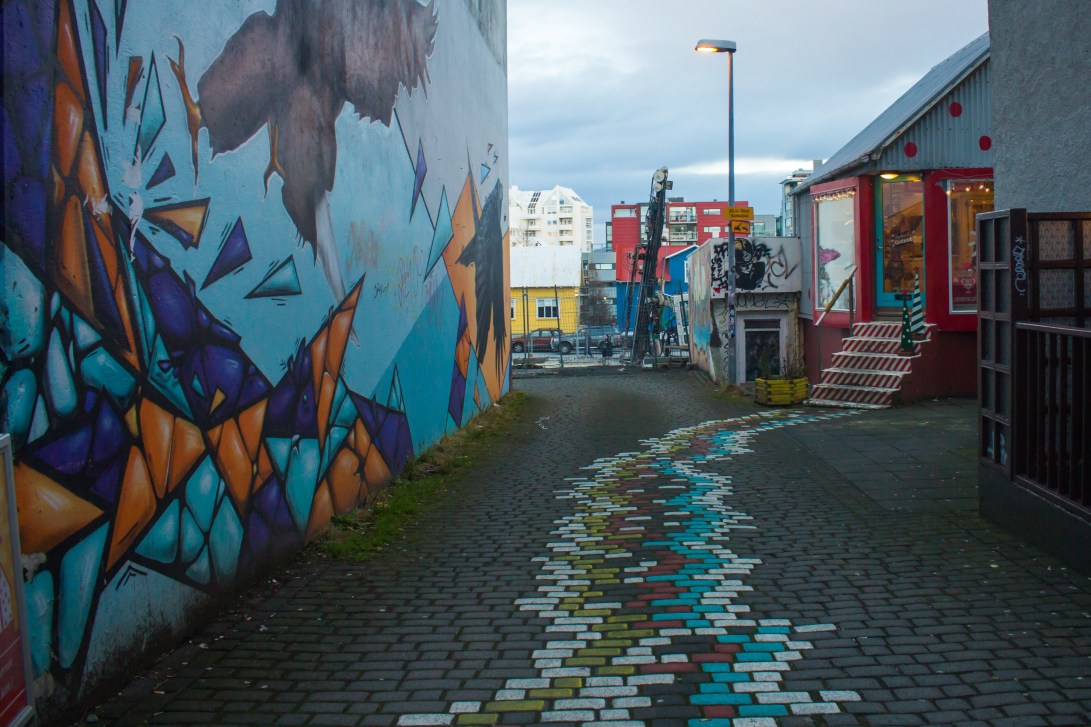
One thing I loved about Reykjavik was the street art. Nothing like the (mostly) ugly, scribbled graffiti that adorn the walls of London, Reykjavik buildings were covered in every colour imaginable. Giant painted eagles swooped overhead, while elsewhere a huge image of Frankenstein’s monster stood tall. It was a street photographer’s dream, and I couldn’t refuse the opportunity to capture my favourites.

img_8729img_8708img_8745

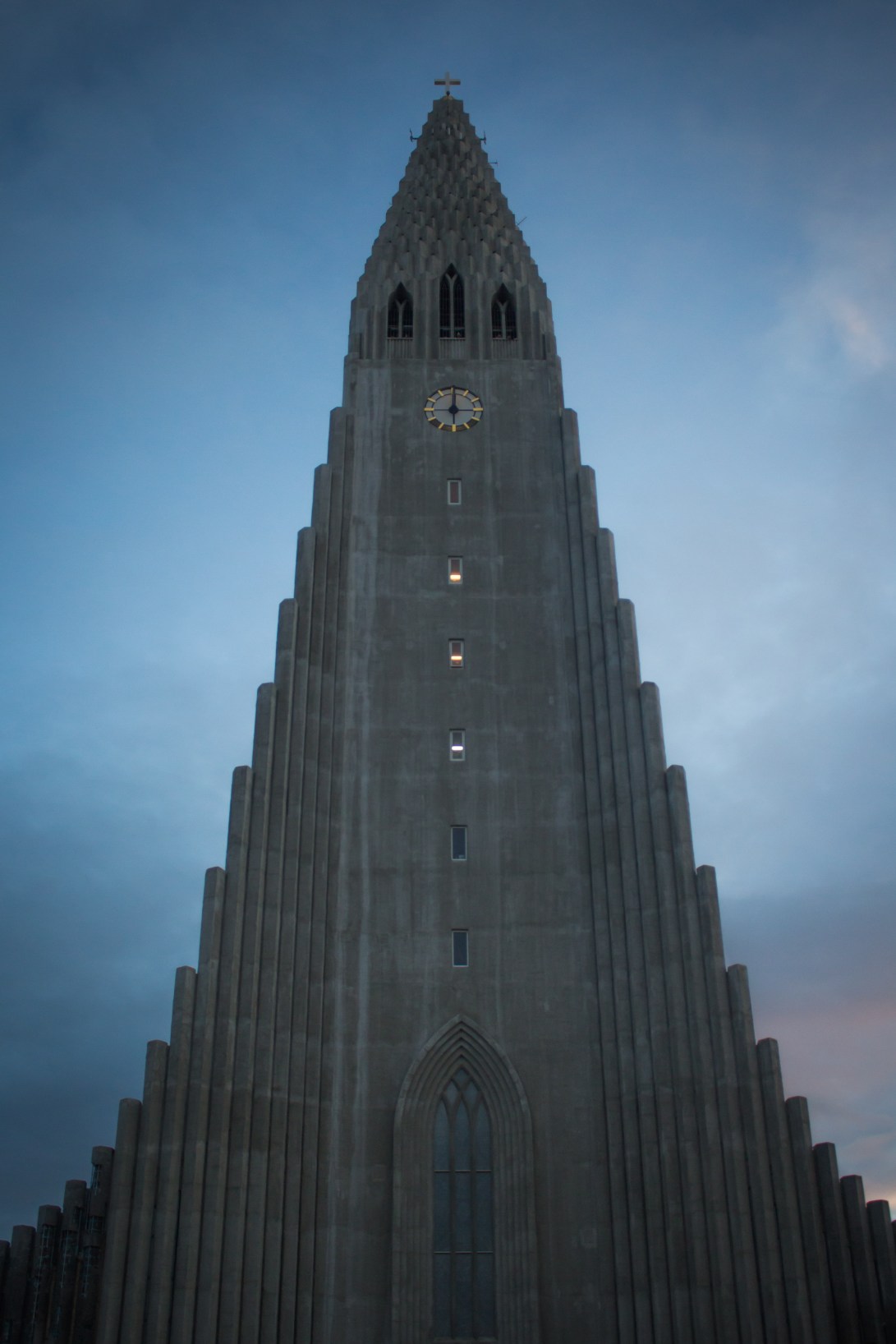
We’d glimpsed Hallgrímskirkja, the tallest church in Reykjavik that dominates its skyline, so decided to get a closer look. The colossal structure looked more like a spaceship than a place of worship, standing 73m tall. The sun was beginning to set so we stayed for some photos. Once the light had faded it began to get chilly so we headed back into town and, after stopping off at the Noodle Station for dinner, chilled out in the hotel room.

img_8795

Later on we went on one of our booked trips, to hopefully go and see the Northern Lights. We got all wrapped up and set off on the bus. For a while it was a struggle to find any breaks in the cloud, but we eventually got off in the middle of nowhere and set up tripods.

While we were waiting we got chatting to this lovely nurse from New York. She was interested in photography too, and we ended up talking about the migrating waxwings.

We waited eagerly for several hours but were eventually forced to abandon ship and get back on the bus. Naturally we were both pretty disappointed, but the Northern Lights are infamously sneaky and we can go again tomorrow night, so hopefully we still have a chance.