To Catch A Fly

Fly agaric, or Amanita muscaria, is perhaps one of the most recognised mushrooms in the UK. It is often used as perching posts for pixies and gnomes in storybooks, and can regularly be seen bringing a spot of colour to the forest landscape. With its blood red cap and white spots, it’s almost unmistakable. Fly agaric can be found from late summer throughout winter, dotted around birch, spruce and pine trees.

As is often the case in the natural world, pretty means dangerous. With a name derived from its ability to kill flies, fly agaric has been widely used as an insecticide. It is a poisonous mushroom known for its hallucinogenic properties but, despite this, it has been a part of religious tradition for thousands of years. In Hindu practice, fly agaric was supposedly used to produce a psychedelic drink called soma, taken as part of religious ceremonies to increase one’s awareness and evoke sensations of bliss, poetic inspiration and even immortality. However, there has been disagreement among modern scholars over the exact ingredients in this psychoactive beverage. Soma has been described as containing a plant with leaves and flowers, contrast to fly agaric.

Elsewhere in ancient history, fly agaric was consumed in potion-form by Vikings in the 8th century, allowing them to fight in battles with increased frenzy. And of course, Alice used the mushroom to change her size in Wonderland, after being instructed to do so by a smoking caterpillar with a ‘languid, sleepy voice’.

Though perhaps this wouldn’t be the recommended theme in modern children’s literature, it shows that the mysterious fly agaric has woven a complex and intriguing story through the ages. Now, as autumn descends, the fungi season is in full swing. Fly agaric sits radiantly among more drab varieties of mushroom, its vibrant colour a dangerous lure. It is a specimen that has fascinated us for centuries, and will continue to intrigue long into the future.

IMG_1026-2

Burghead: Day Two

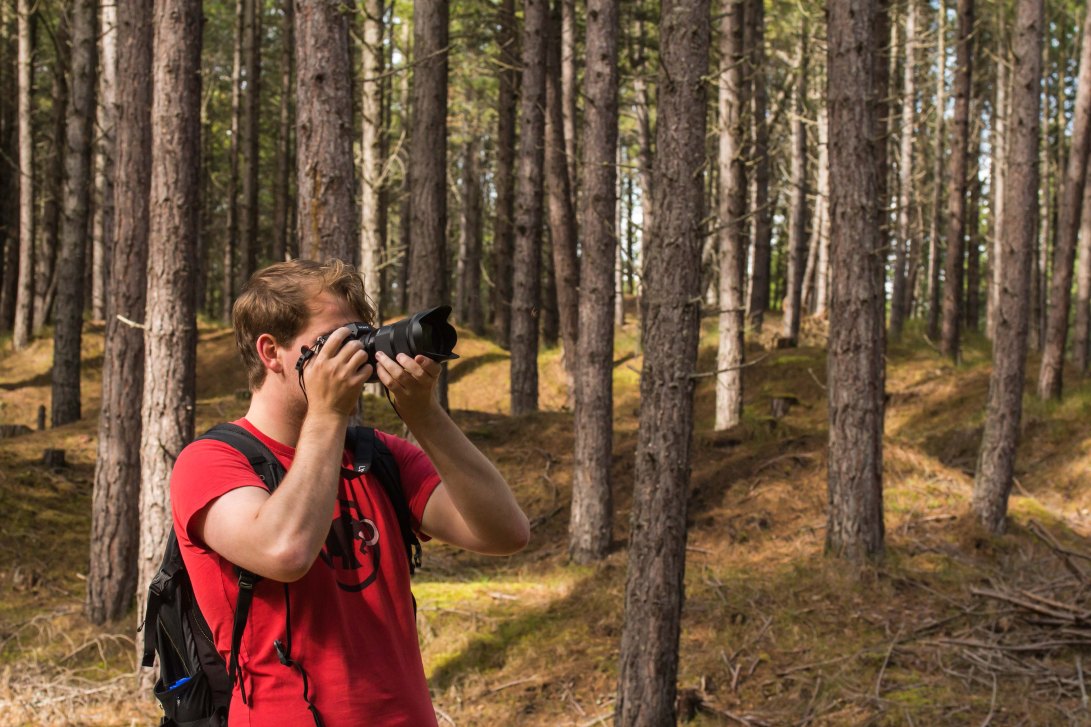
It was looking like another gorgeous day. As we walked along the harbour yesterday, I couldn’t help noticing how inviting the forest running alongside the beach looked. Stretching for over seven hundred hectares, Roseisle Forest was a stunningly beautiful pinewood. As we made our way up the slope between the first row of trees, sand dunes transformed to mounds of fallen pine needles and the sound of the ocean soon faded into silence.

IMG_5588

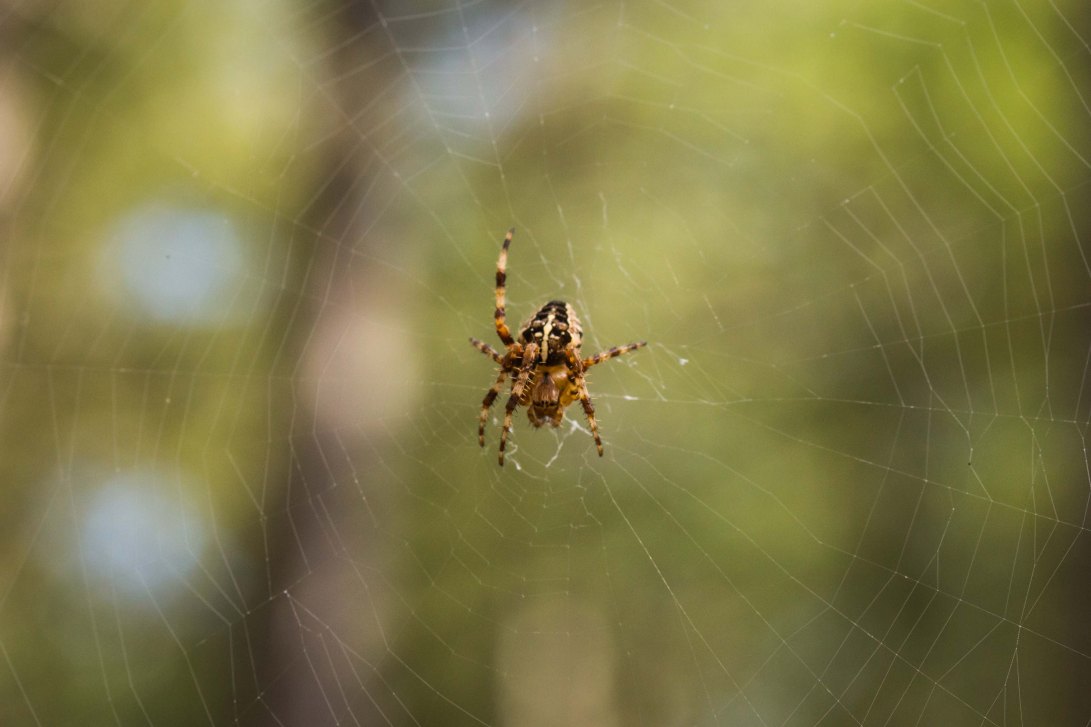
A wide trodden path snaked between the trees. I was on the lookout for fungi, so we headed off-road and ventured up the hills, giving us a great vantage point over the forest below. Before long, a sudden sparkle caught my eye, and I was amazed to discover that a spider had strung its web between two trees several metres apart. Luckily the sunlight had caught the web; otherwise we may have walked straight through it. We spent the next twenty minutes photographing our spider – it was a real challenge trying to get him in focus as the web swayed to and fro in the breeze, which must have felt like a gale to the spider. If you zoom in on the photo of Kerr, you can see a brown dot a few inches in front of his camera, showing just how tiny the little hunter was.

IMG_5614-2IMG_5632


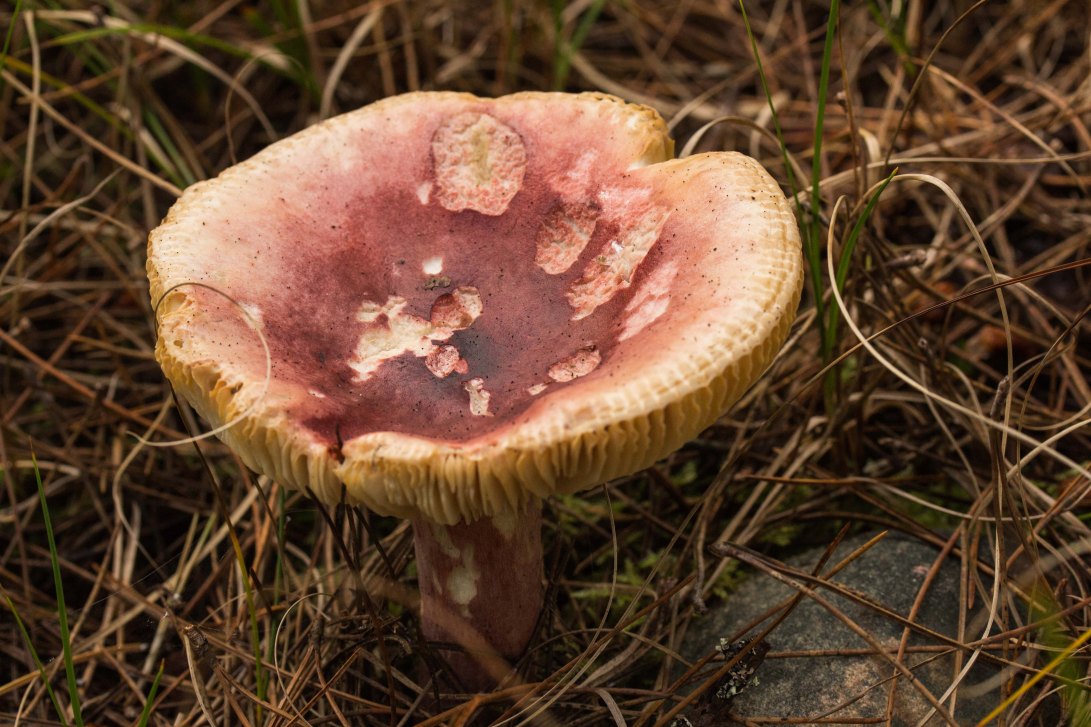
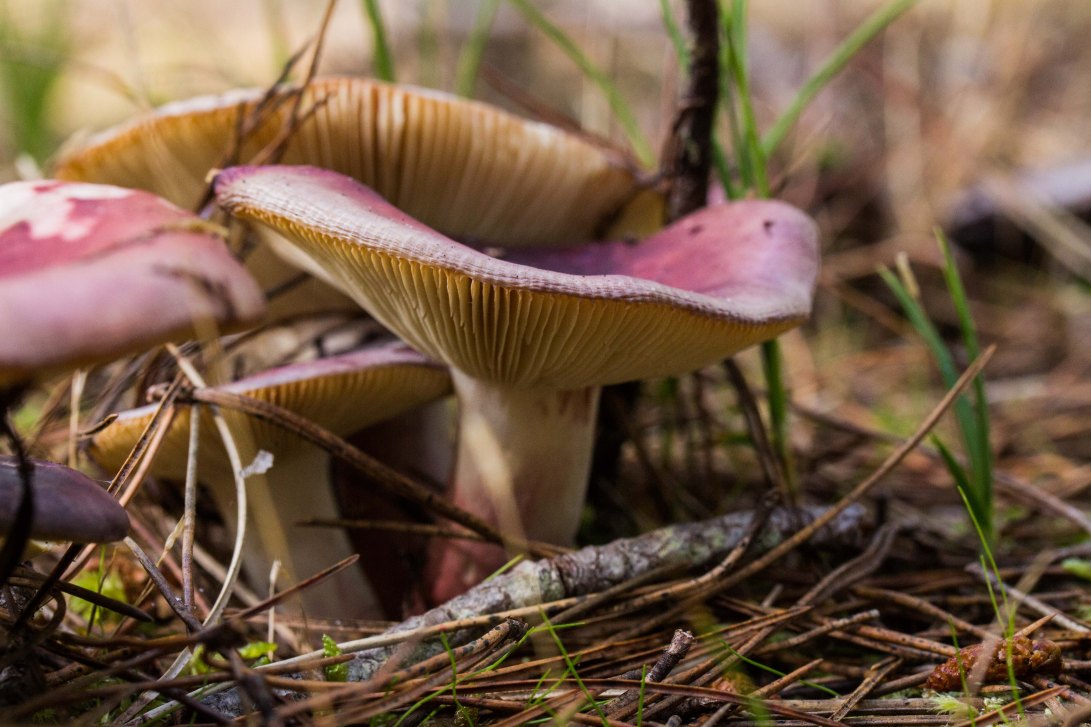
Soon, it became clear that Roseisle Forest was abundant with a medium-sized, red-capped mushroom that had faded to pink with age. After consulting the Burghead guide back at the cottage, I discovered that mushrooms in the Russula group, otherwise known as Brittlegills, were common here. After checking out the various species I identified this fungus as Sickener (Russula emetica), a poisonous species associated with pine woodland. This mushroom is found in groups and is most common in late summer to early autumn, perhaps explaining why the ones we saw weren’t the bright red colour of their prime.

IMG_5654IMG_5620

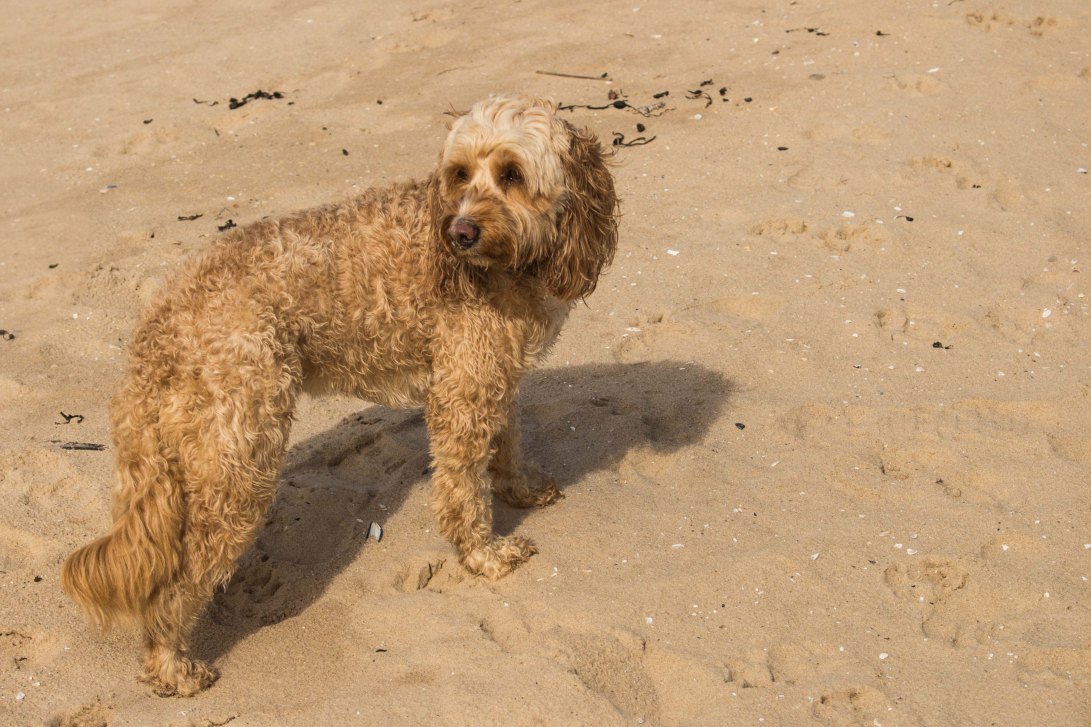
After finding dozens more Sickener mushrooms and spending a long time crawling on the forest floor photographing them, we headed back out onto the beach. We met up with my parents and Jasmine, who was whipping up a small sandstorm in her excitement. By this point my stomach was rumbling after the walk in Roseisle, so we headed to lunch and ate outside in the stunning sunshine.

IMG_5677IMG_5689