Apparently it’s World Ocean Day! I can never keep up with all these international days, but I was keen to get involved with this one. Since moving to Scotland, the ocean has become a huge part of my local landscape and it never fails to both relax and inspire me.
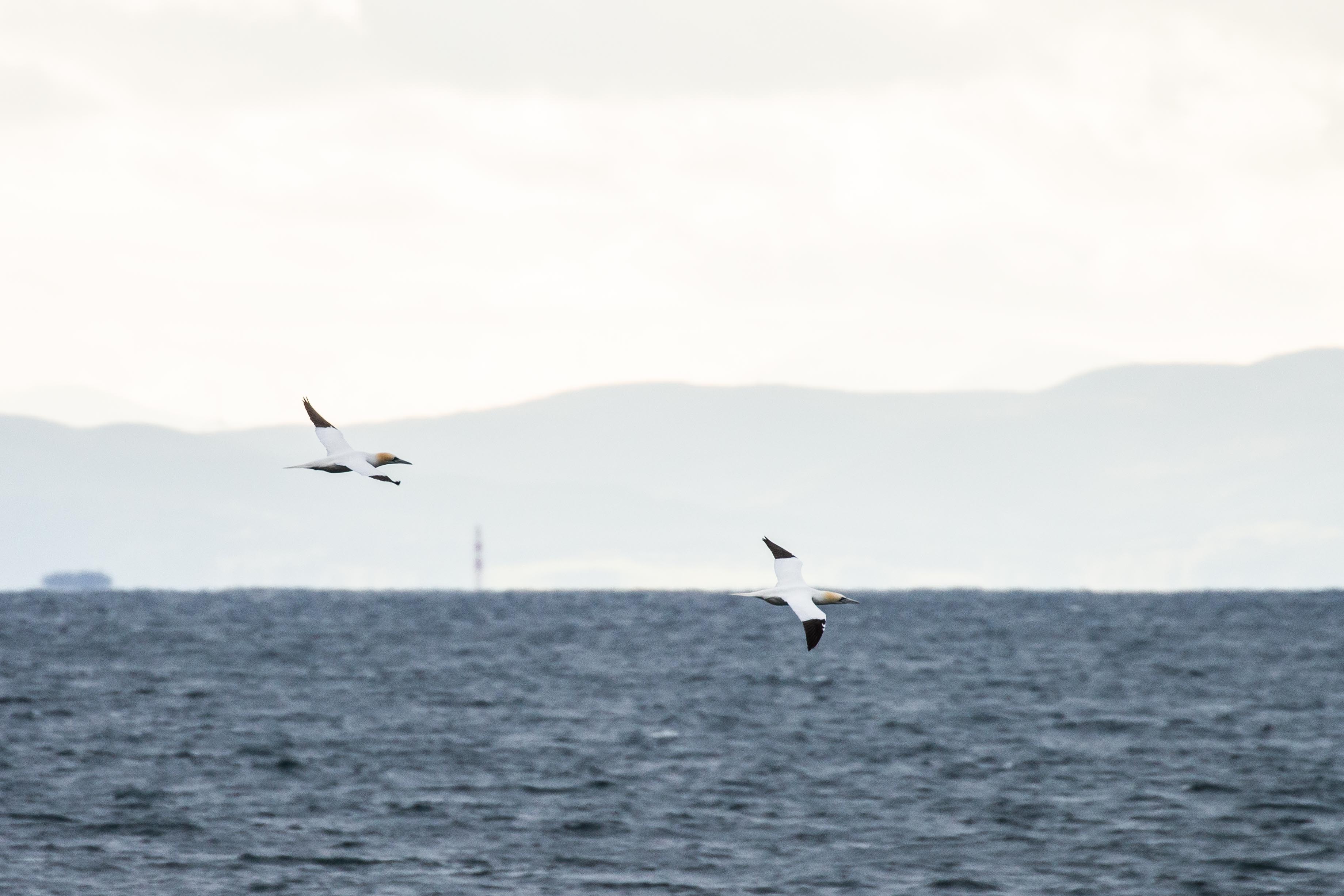
My local patch is a mile-long strip of rocky shore that’s bursting with wildlife – depending on the tide I can see gannets diving for fish, turnstones foraging among the kelp or bottlenose dolphins flinging themselves into the air.
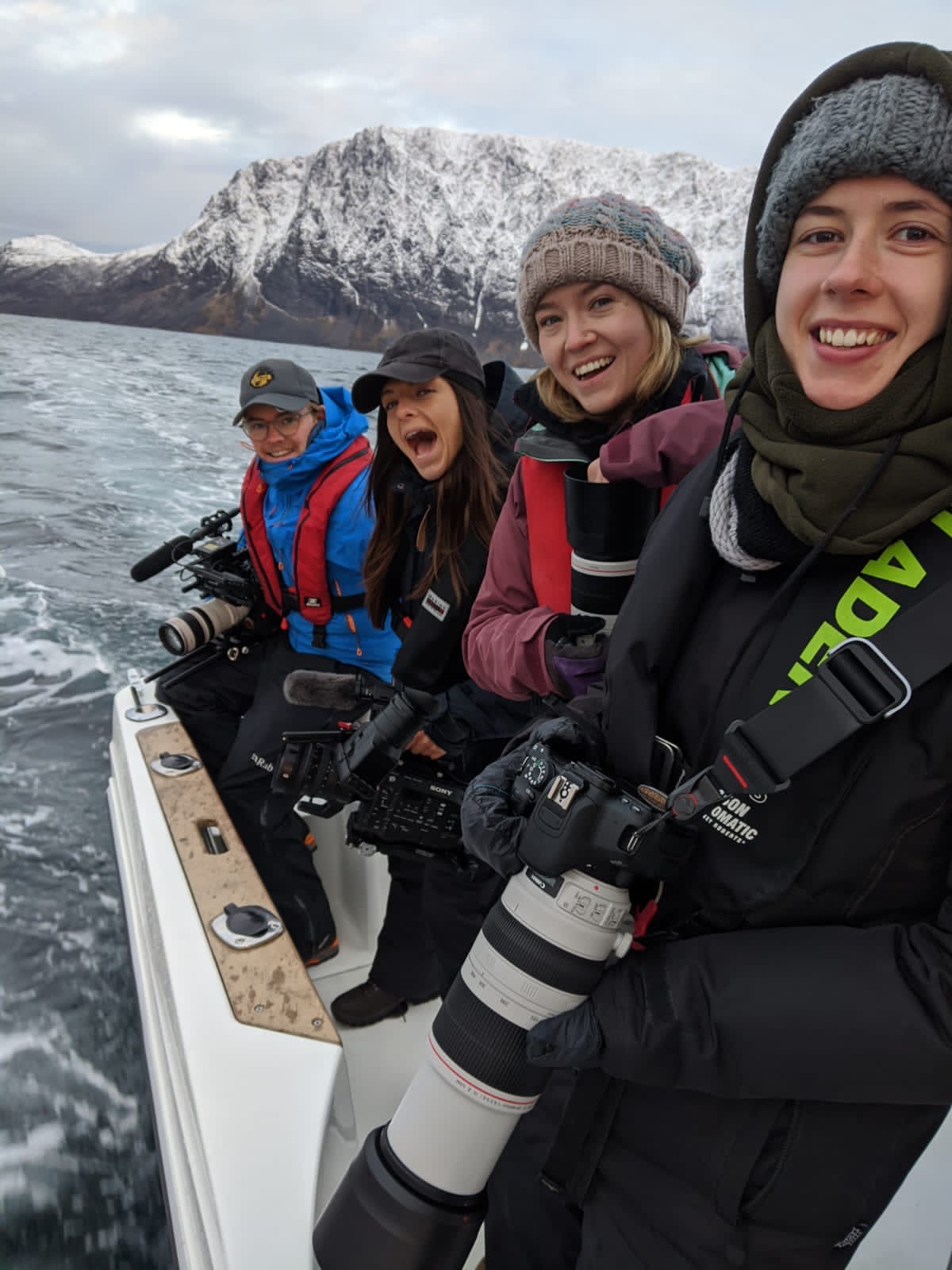
I’ve also been lucky enough to watch marine wildlife in Norway. During an unforgettable trip in 2020, I saw orcas, humpback whales and white tailed eagles – often all at the same time. Despite a dash of seasickness and some very numb toes, it was one of the best experiences of my life. I couldn’t believe I was surrounded by such huge animals, and it was a real privilege to share the icy fjords with them.
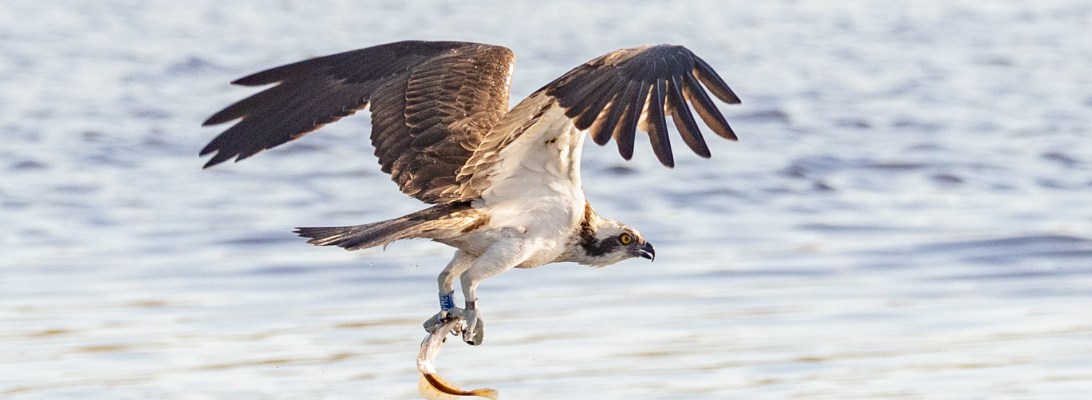
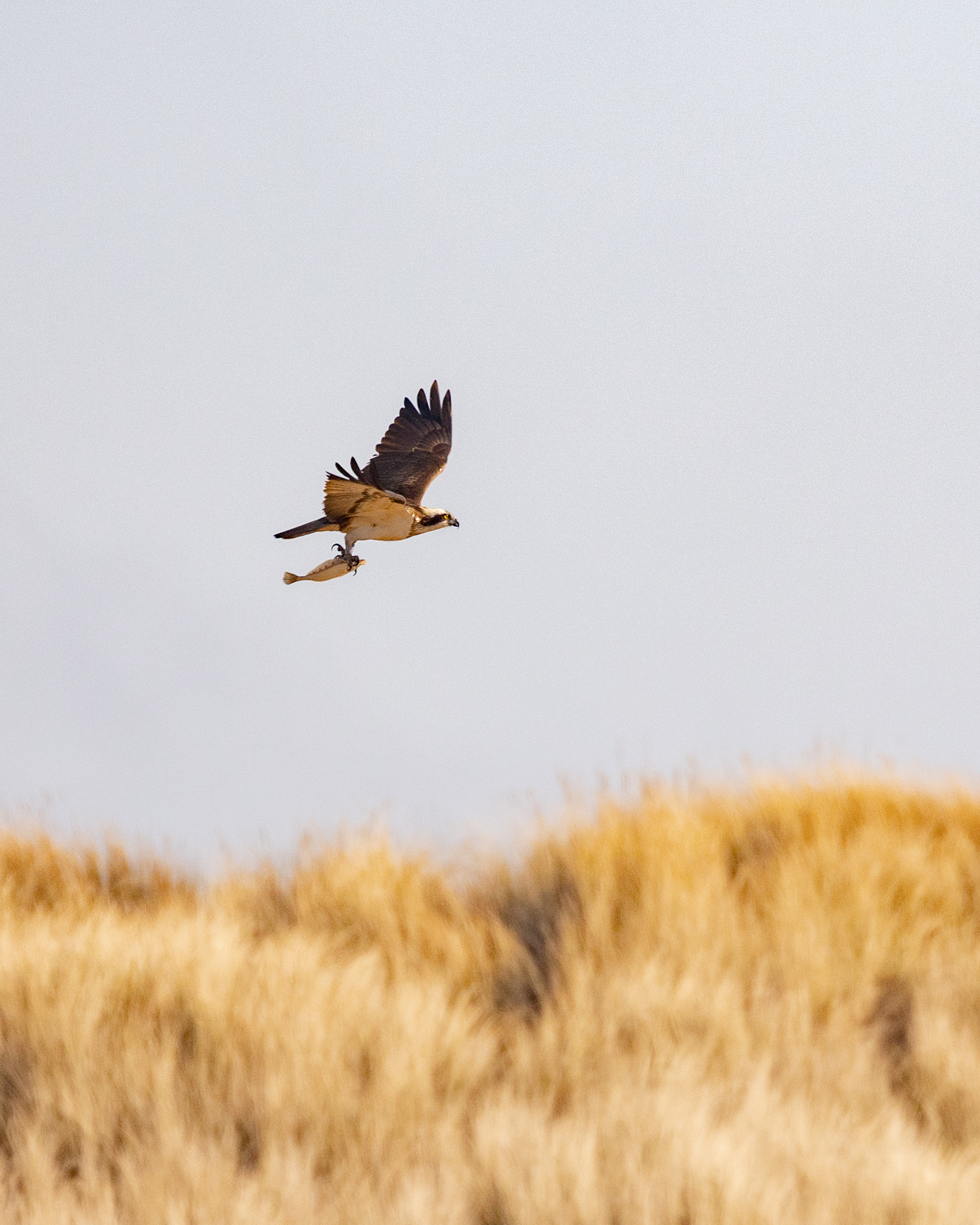
It’s that time of year again! One of my favourite things about spring is watching ospreys plummet into the water and emerge carrying huge flatfish, with the suave flourish of a magician extracting a rabbit.
I’ll be honest – I rarely get excited about larger raptors as they’re usually just a hazy speck in the sky. But ospreys bring all the drama, sometimes appearing out of nowhere and sending nearby herring gulls into a flap.
An osprey will hover high over the water, using its incredible eyesight to track a fish. Then it sidles down through the air, finally slamming into the shallows talons first.
It’s often a game of luck if you’re standing in the right place when they dive (and if you’re nimble enough to catch the actual dive, which I regrettably wasn’t), but you’ll hear the splash even from several hundred yards away.
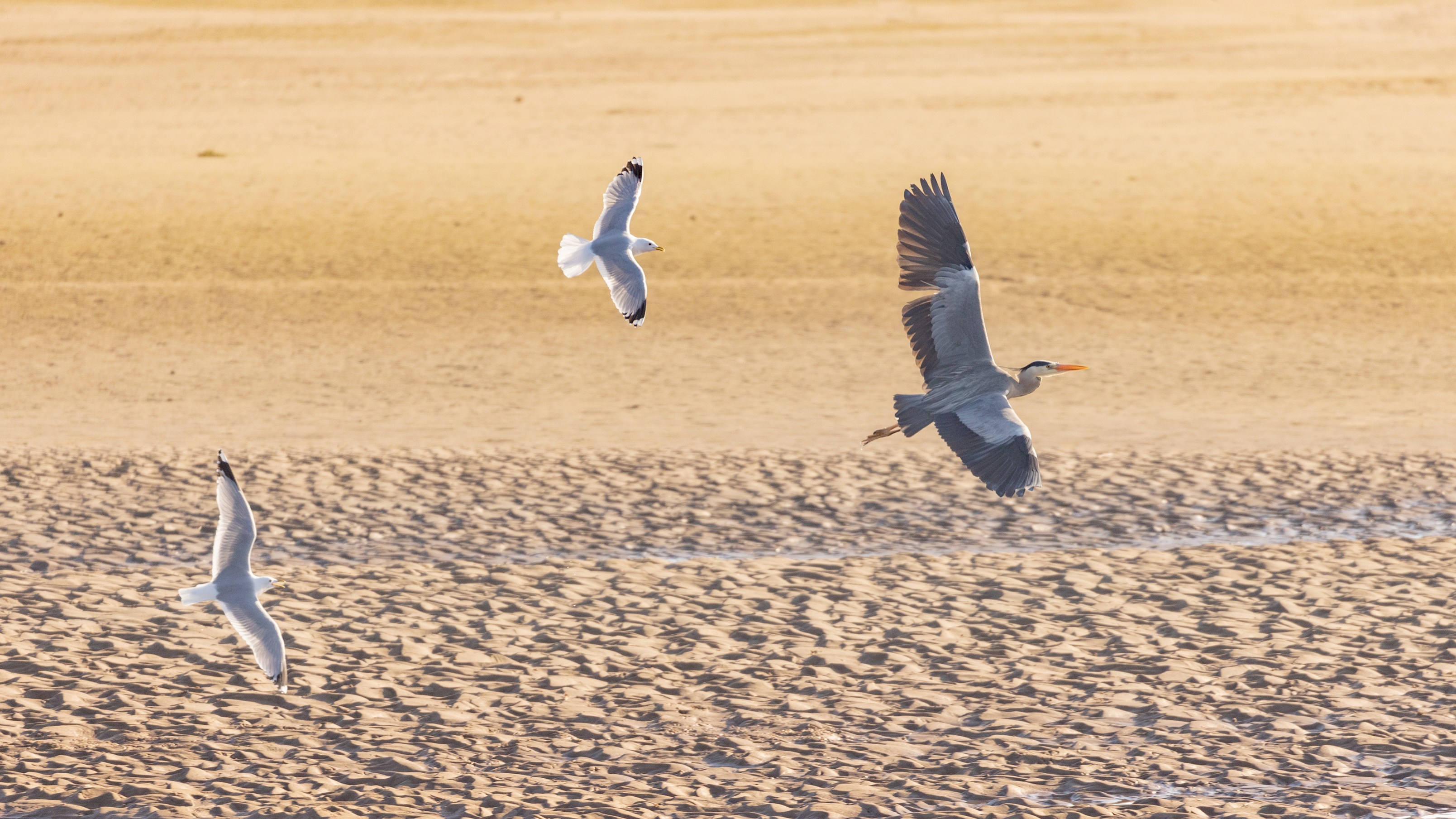
Elsewhere on the water, I was watching a heron minding its own business when it was mobbed by a couple of common gulls. Despite the size difference, the heron was shooed off its patch and raced past me with a reptilian squawk and a sweep of its vast grey wings.
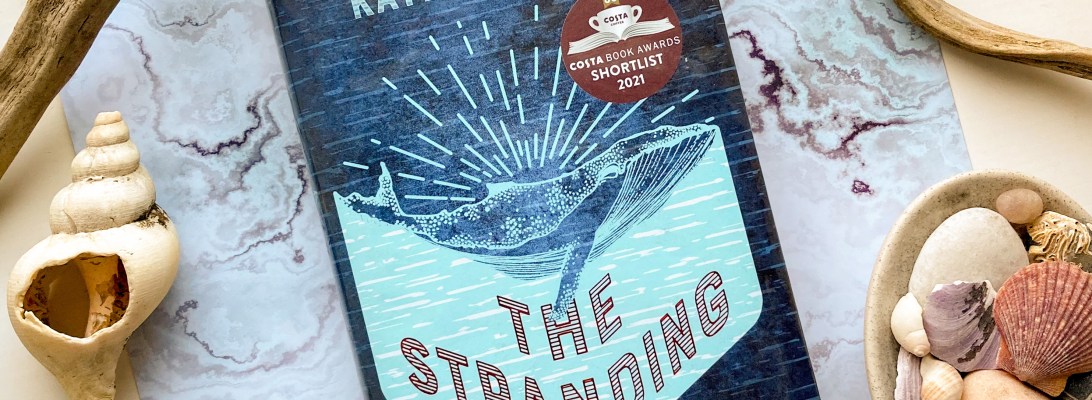
We’re told not to judge a book by its cover but we all do it, at least in the literal sense. Why else is Waterstones full of vibrant, juicy covers begging to be picked up and admired? So, when I saw a whale on the front of this book, it enticed me enough to read the blurb. And what a hook: “Far from home and with no real hope of survival, Ruth finds herself climbing into the mouth of a beached whale alongside a stranger.” Without wanting to sound like a T-Bird, tell me more.
Ruth’s life has become a hamster wheel of alcohol, bed hopping and a sense of something missing. When her latest relationship becomes claustrophobic, she decides to break the monotonous cycle she’s found herself in and travel to New Zealand. Here she hopes to fulfil a childhood dream of working with whales, but apocalypse strikes as soon as she arrives – don’t you hate it when well-laid plans get disrupted? Together with a stranger she meets on the beach, Ruth climbs into the mouth of a beached whale just before the blast hits. This saves her life, but now she has to figure out how to continue living.
This is only half the book, though. Alternating between chapters set in post-apocalyptic New Zealand are fragments of Ruth’s old life and the events that led to her trip. Somehow, there were close parallels between a dystopian world and the everyday routine of a young woman living in London, made sharper by the interwoven timelines. Like all good protagonists, Ruth has many flaws, and this makes her feel real. She makes human mistakes, and despite also building a shelter from whale ribs and making clothes from dried deer hides, her story resonates.
For me, part of this connection came from the book’s setting. I’ve never been to New Zealand, but “the breeze from across the water” and pulling “the salt-stiffened collar of the fleece towards her ears” were familiar sensations. Rather than obvious seaside description, Kate Sawyer uses thoughtful observations of a coastal landscape that essentially apply to any sandy beach in the world. Although my life in England wasn’t nearly so troubled as Ruth’s, I know exactly how being pulled somewhere feels; in her case it was to the whales she’d studied as a child in London’s Natural History Museum. The wonder of that place is something I can definitely relate to.
Dystopian stories have never interested me much, but I loved The Stranding because it was so much more than that. In fact, the apocalypse element was a back-seat theme for me. I felt that the backbone of the story was a woman’s pursuit of happiness and finding the courage to break a cycle and start a better life. And in Ruth’s case, it’s a life she could never have predicted.
For the past few weeks I’ve fallen in love with photography even more than I was before. My new camera has now arrived but the adapter I need to attach it to my lens has been out of stock for weeks, so the camera’s still in the box for now!
Luckily for me I’m still borrowing my friend’s camera and I’ve had it slung across my back on every one of my walks. Winter is my favourite season – wildlife is still abundant in the colder months and there are some particularly special overwintering birds to enjoy.
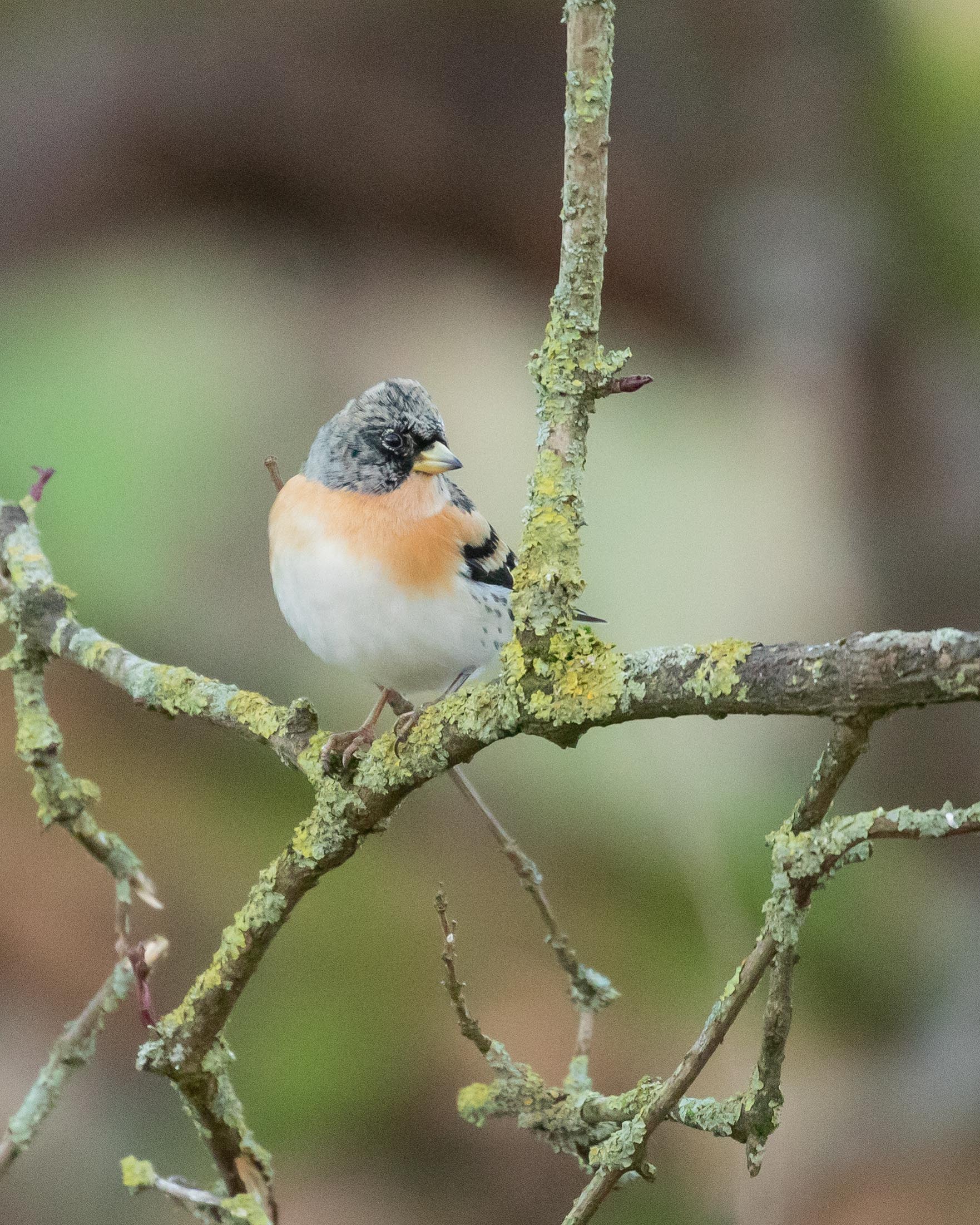
A prime example of a stunning winter bird is the brambling, and I was absolutely thrilled to see one this week! As I scanned a crowd of coal tits, robins and chaffinches my eyes casually brushed past this special winter visitor minding its own business. This resulted in a comedy double take from me. I only had time for a couple of shots before the brambling hopped off the branch. I scanned around but didn’t see it again, although I was more than happy to get even a brief glimpse.
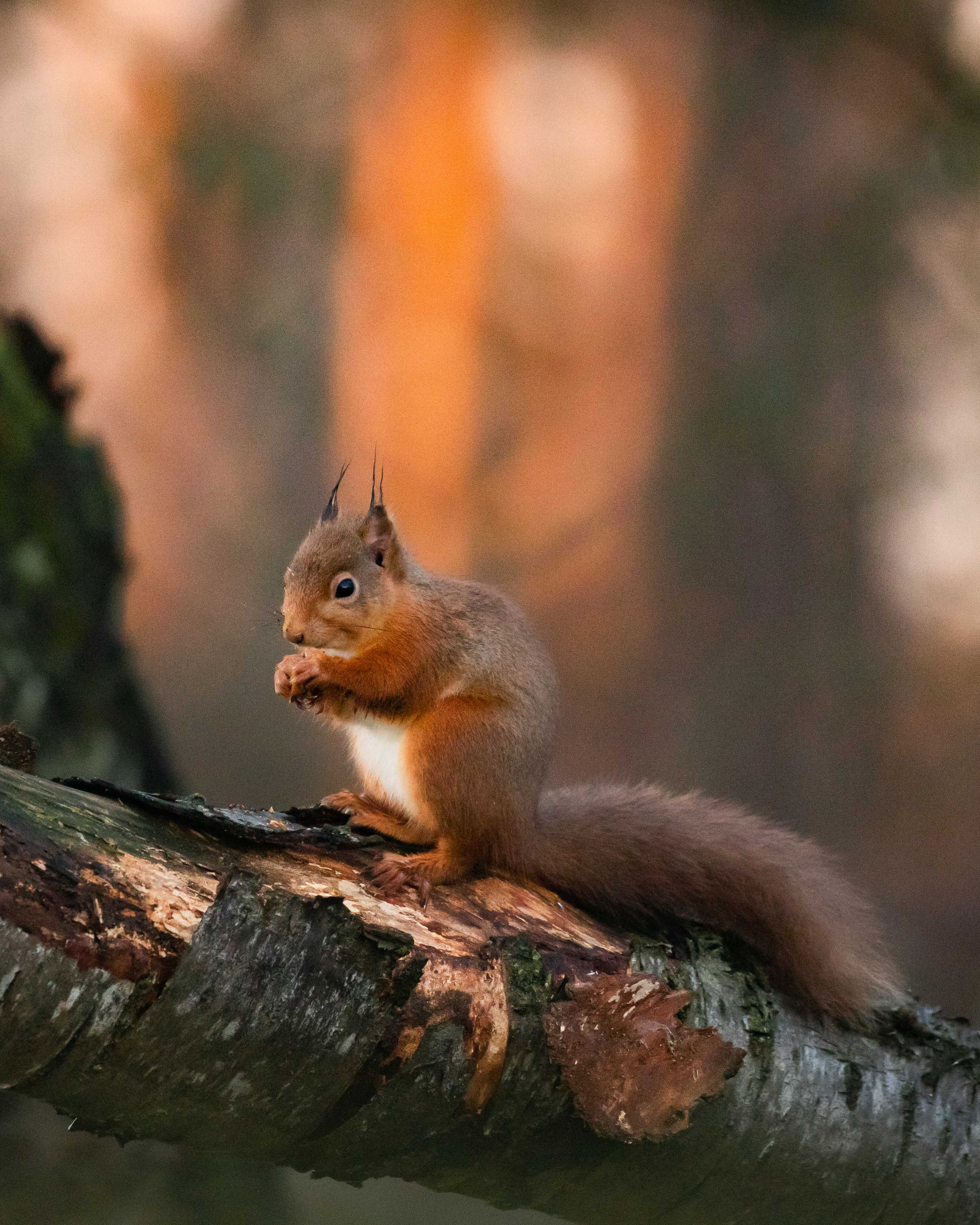
Soon after that the light started to fade and it was nearly time to turn the camera off for the day. I was making my way back to the car when I spotted a last minute red squirrel bounding across the clearing. Luckily despite the gloom of late afternoon there were some lovely sunset colours behind it which complemented its fiery fur.
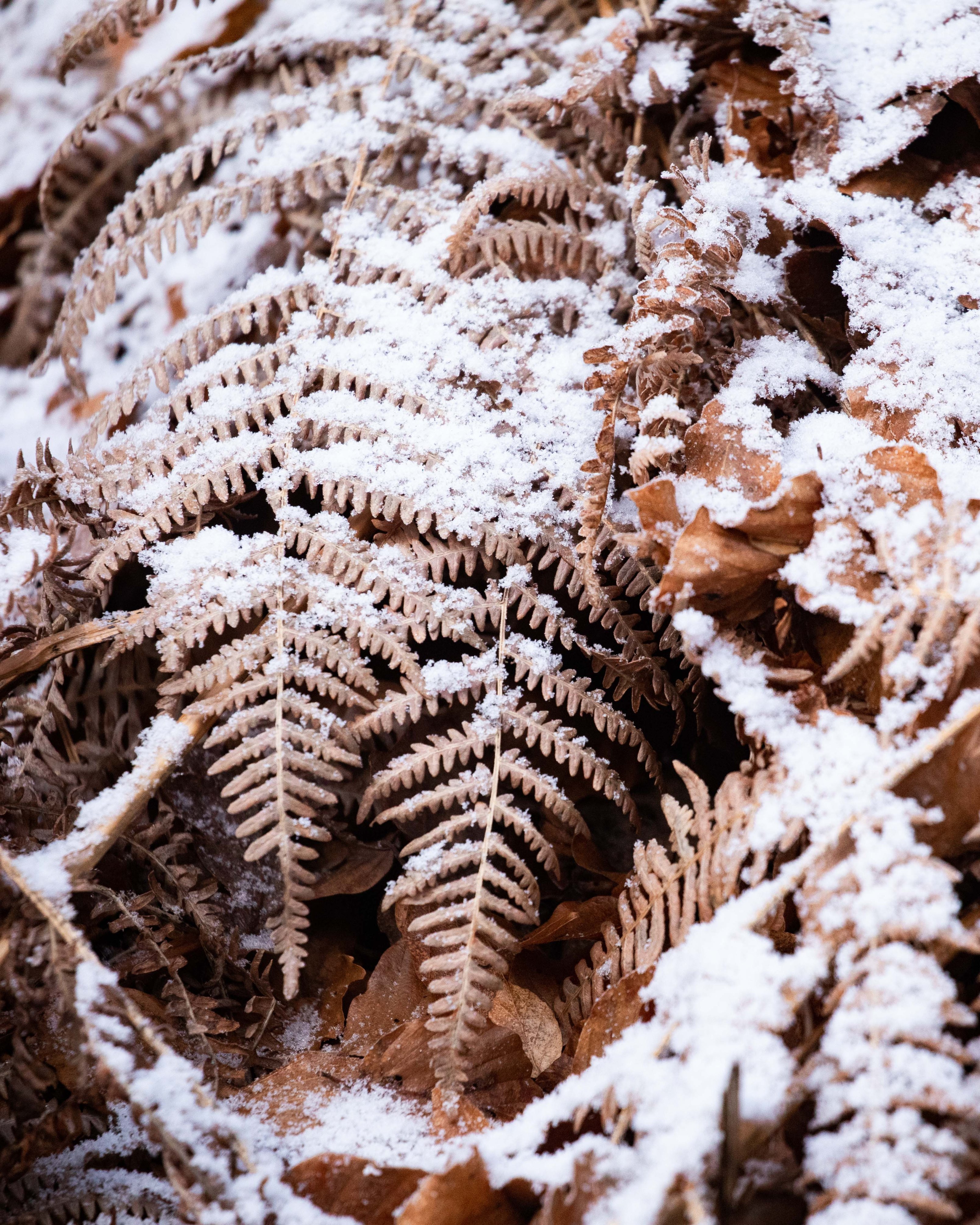
It’s easy to get a bit jealous of all the snowy wildlife photos buzzing about social media at the moment. I’ve had a few dustings but nothing like the drifts that have settled further south.
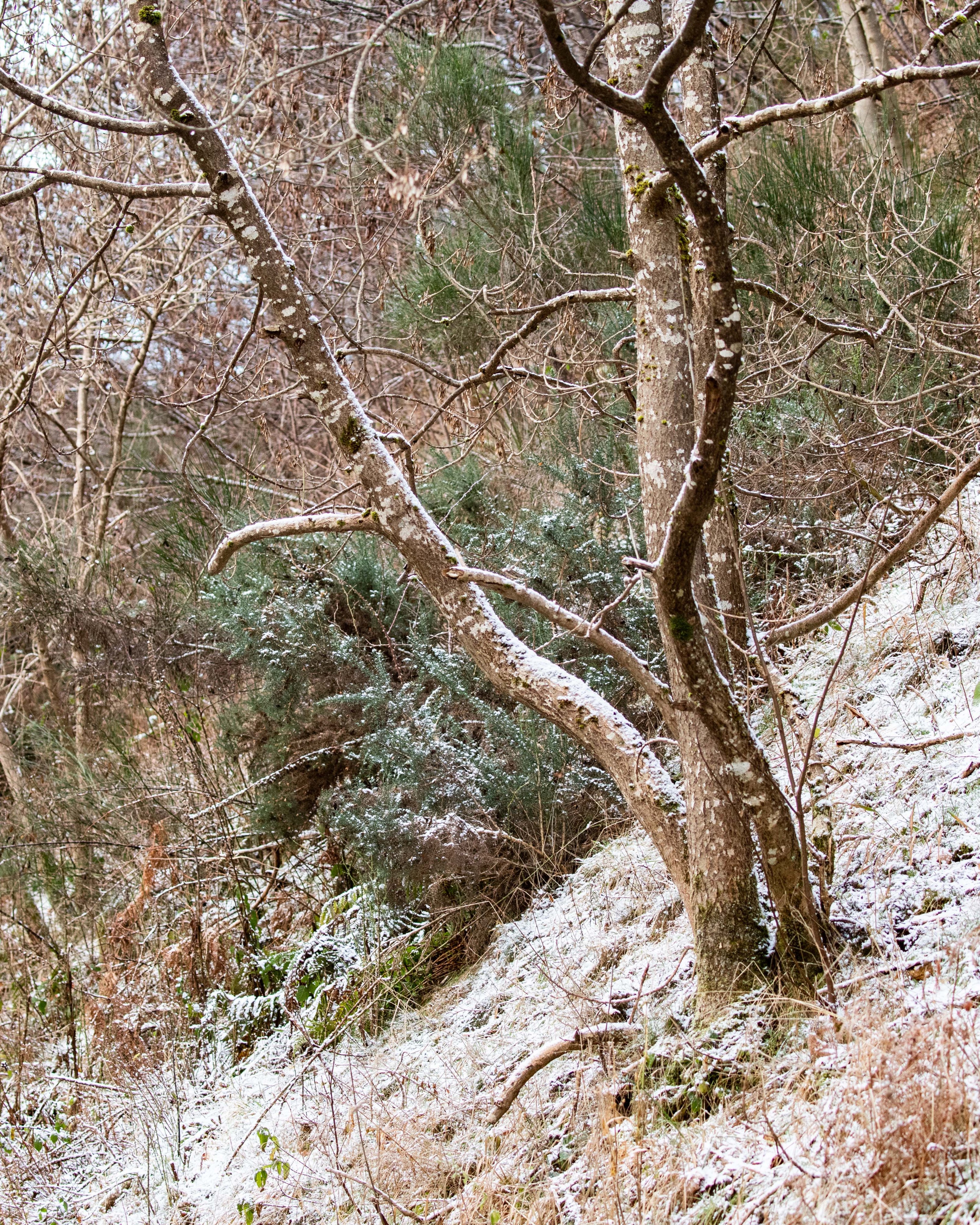
But even these light snowfalls are stunning to see and still manage to transform the landscape with both sight and sound. The pristine white is the most obvious change but there’s also a very specific silence that accompanies snow, as if nature is pausing to admire it too.
Over the past week or so, long tailed tits have suddenly become one of my favourite birds. They’re ridiculously photogenic and for such tiny fluffballs they have so much character! I usually hear long tailed tits before I see them.
After a combination of high pitched squeaks and cheeky raspberries from above they suddenly all appear at once, barrelling around in one group. The other day I saw a group of twenty individuals in the same tree and they made an absolute racket!
And most recently, I had a fantastic sunrise walk down to the harbour to see some overwintering ducks. Sunrise wasn’t until 8:45 (another excellent thing about winter) so I could saunter down to the harbour in time for golden hour.
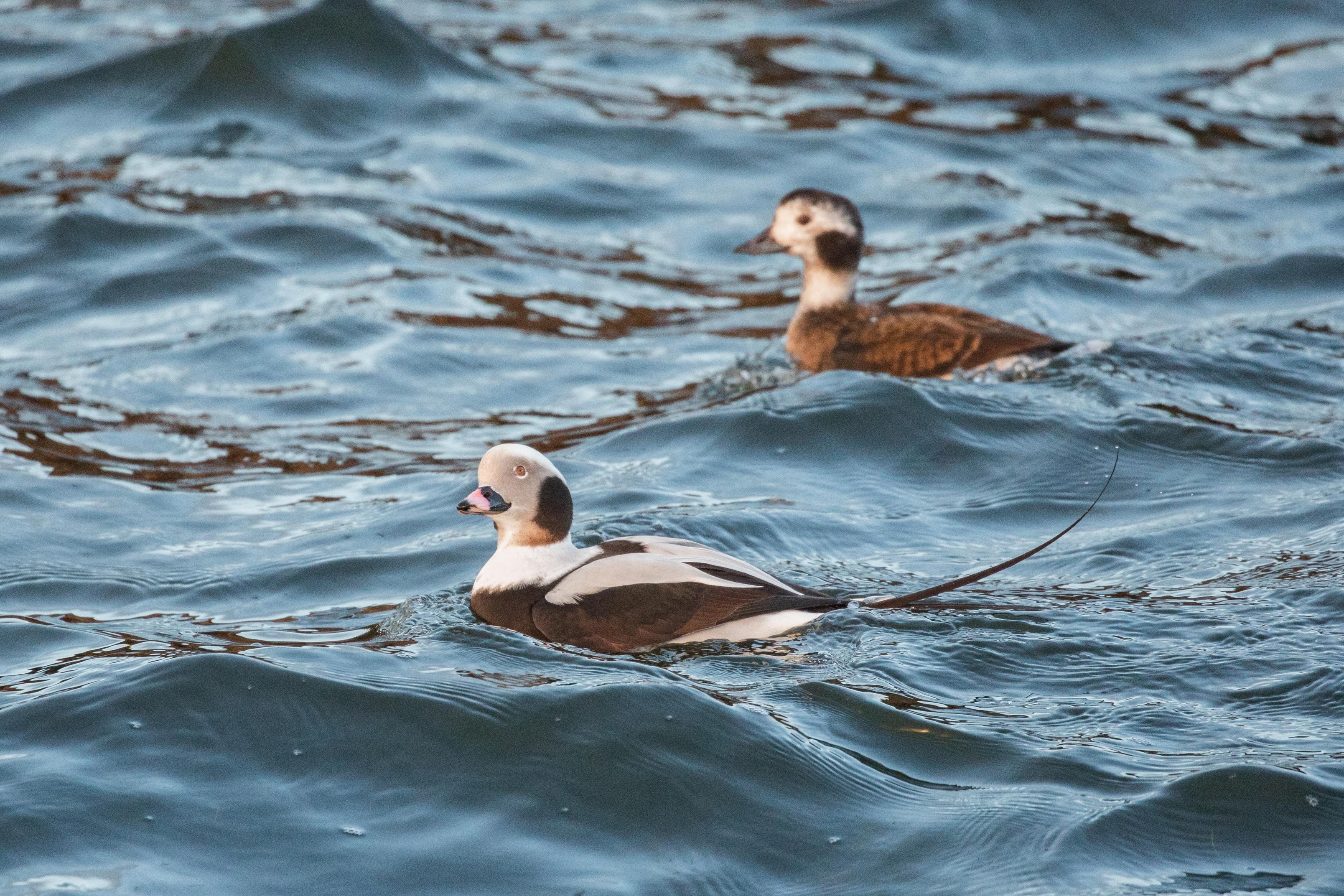
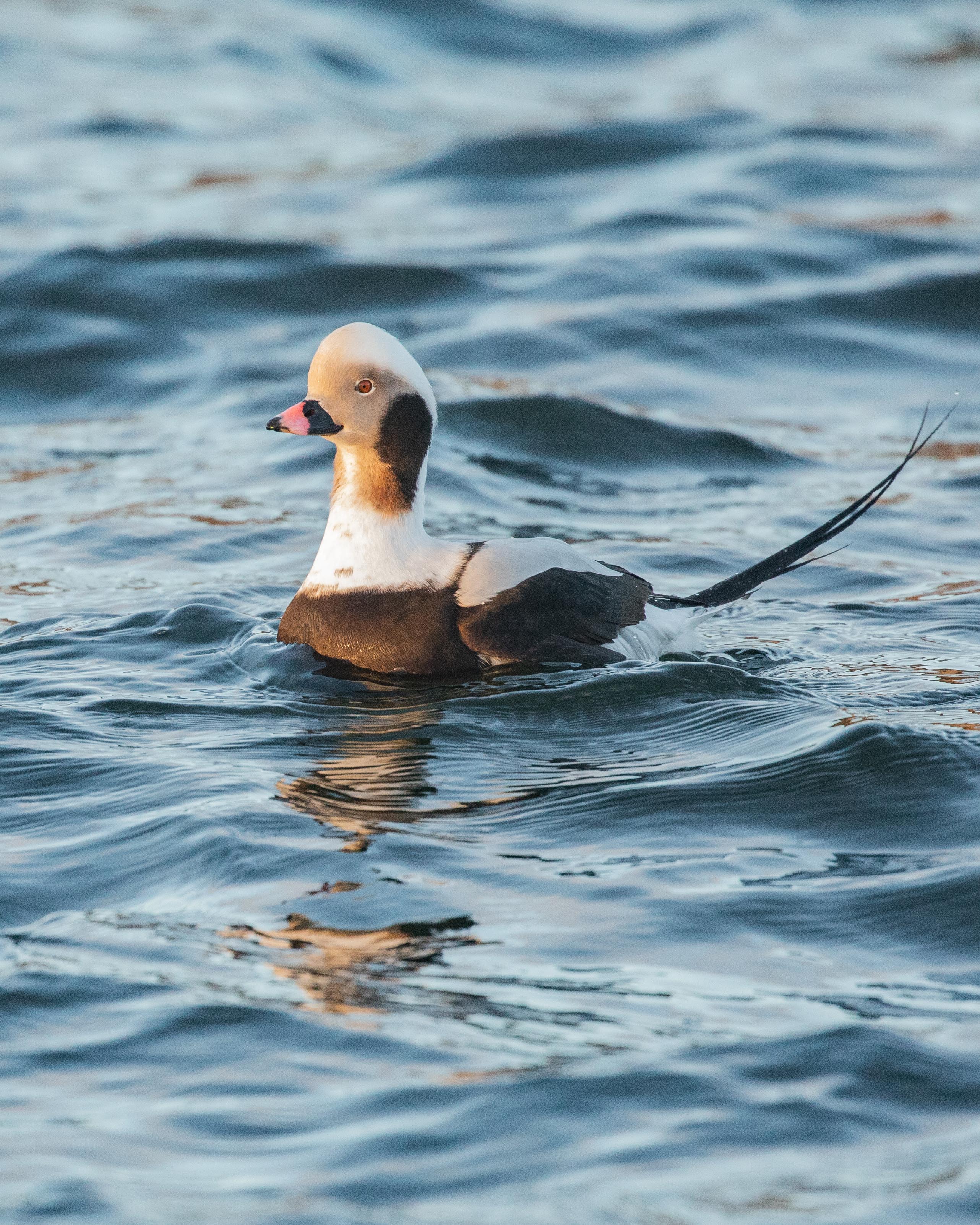
Waves were crashing against the sea wall so all the gulls and ducks had come in to shelter in the calmer water. As well as a very vocal heron and a gang of eiders there was this beautiful pair of long tailed ducks, which only visit Britain during winter.
I lay down on my front – no doubt getting funny looks from the fishermen – so I could get almost eye level with the long tails. I’d seen a couple of distant males before but never a female so it was fantastic to see them both so closely.
Isn’t winter just the most magical season? For me this is the highlight of the wild year, where walks are filled with crunchy frost, golden leaves and with a bit of luck, some snow. Even without snow though, there are some stunning birds to see during winter and I can’t wait to see what the next few weeks bring.
Although I’m so happy to be back in Scotland, I can’t help missing Norway. Obviously the humpback whales and orcas were the highlight, but the northern lights, eagles, sunsets and even the cold were all so special too. There are already whispers about going again in 2021, but for now I’m still reminiscing over the incredible sightings I had during my trip this month.
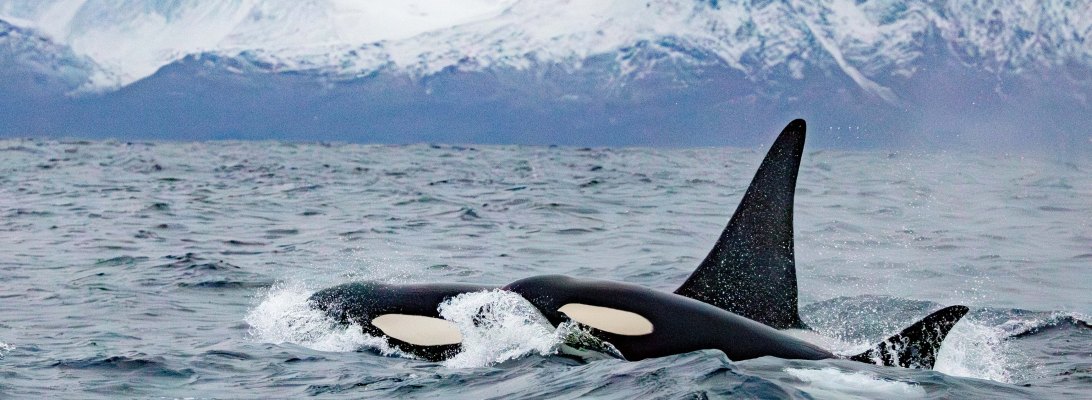
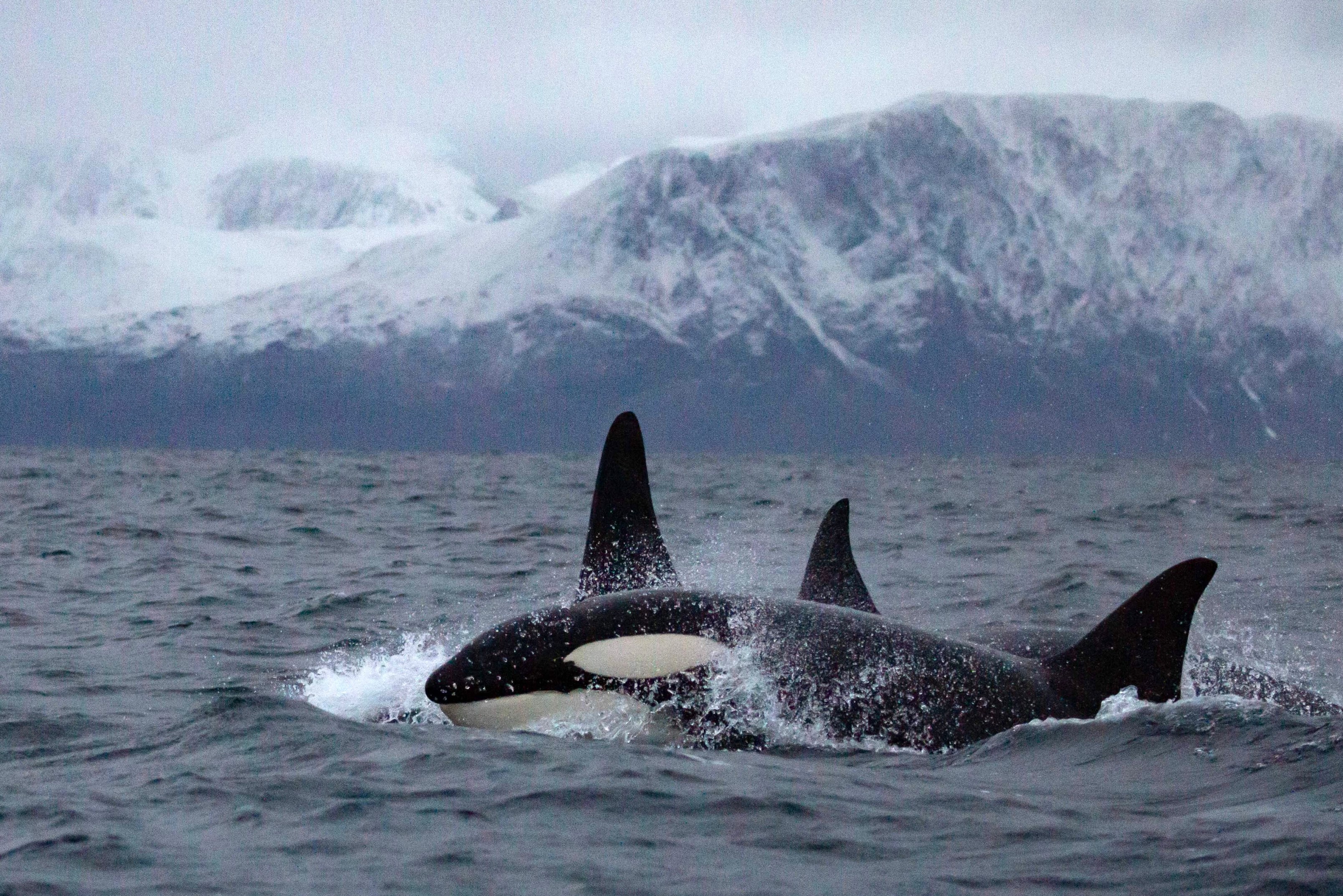
If you’d asked me a month ago if I thought I’d be this close to wild orcas, I’d have replied with a straight no way. But somehow this is what happened. Within ten minutes of leaving the harbour we were surrounded by orcas. We kept our distance of course, but there’s no rule against orcas approaching boats and that’s exactly what they did. A pod of males, females and even calves cruised tightly alongside us. As much as I was itching to take photos of the entire encounter, I forced myself to glance over my camera too because I couldn’t quite believe what I was seeing.
“BREACH!”
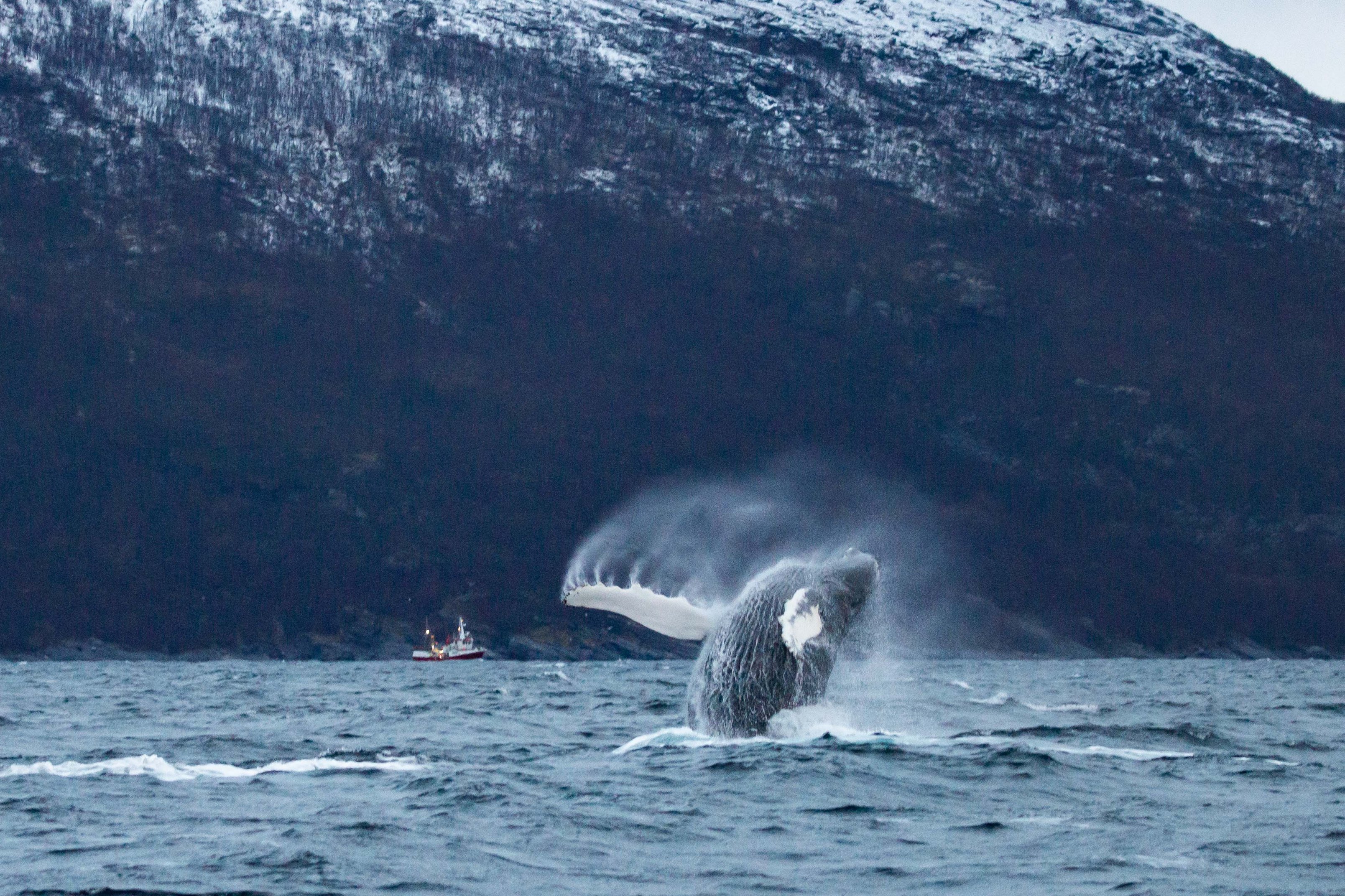
It’s the word every whale watcher wants to hear. On our fourth day on the boat one of our group screamed and pointed. I ducked below the cabin and glanced through the window to see a white splash as large as a circus top. Humpback whales often breach more than once so I darted around to the other side of the boat and lifted my camera, finger poised on the shutter. Seconds later the whale leapt again, flipping in mid-air from its front onto its back. I shrieked into my viewfinder as water streamed off the whale’s huge pectoral fins. The sound of the whale hitting the water was like a thunderclap. Seeing a forty ton animal erupting into the air like that left me with my jaw on the floor!
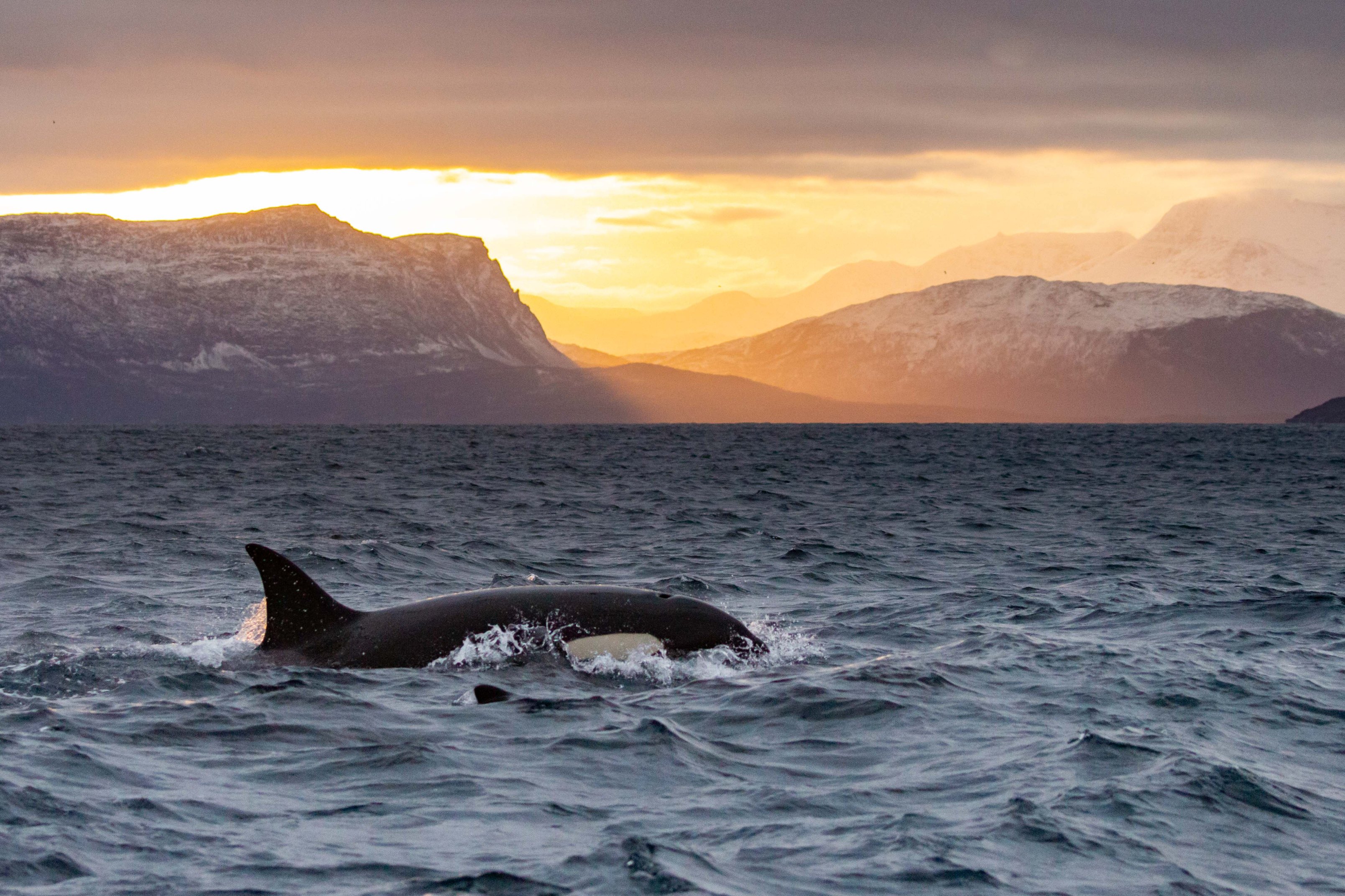
This is a moment that will stay with me for a very long time. On one of the calmer days we found this beautiful pod of orcas. As well as males with large triangular dorsal fins and slightly smaller females there were also some calves breaking the surface for air. Making sure we kept our distance, we drove the boat slowly alongside the orcas, which were framed by stunning snowy mountains. After a while they dived and disappeared, leaving us spellbound in their wake!
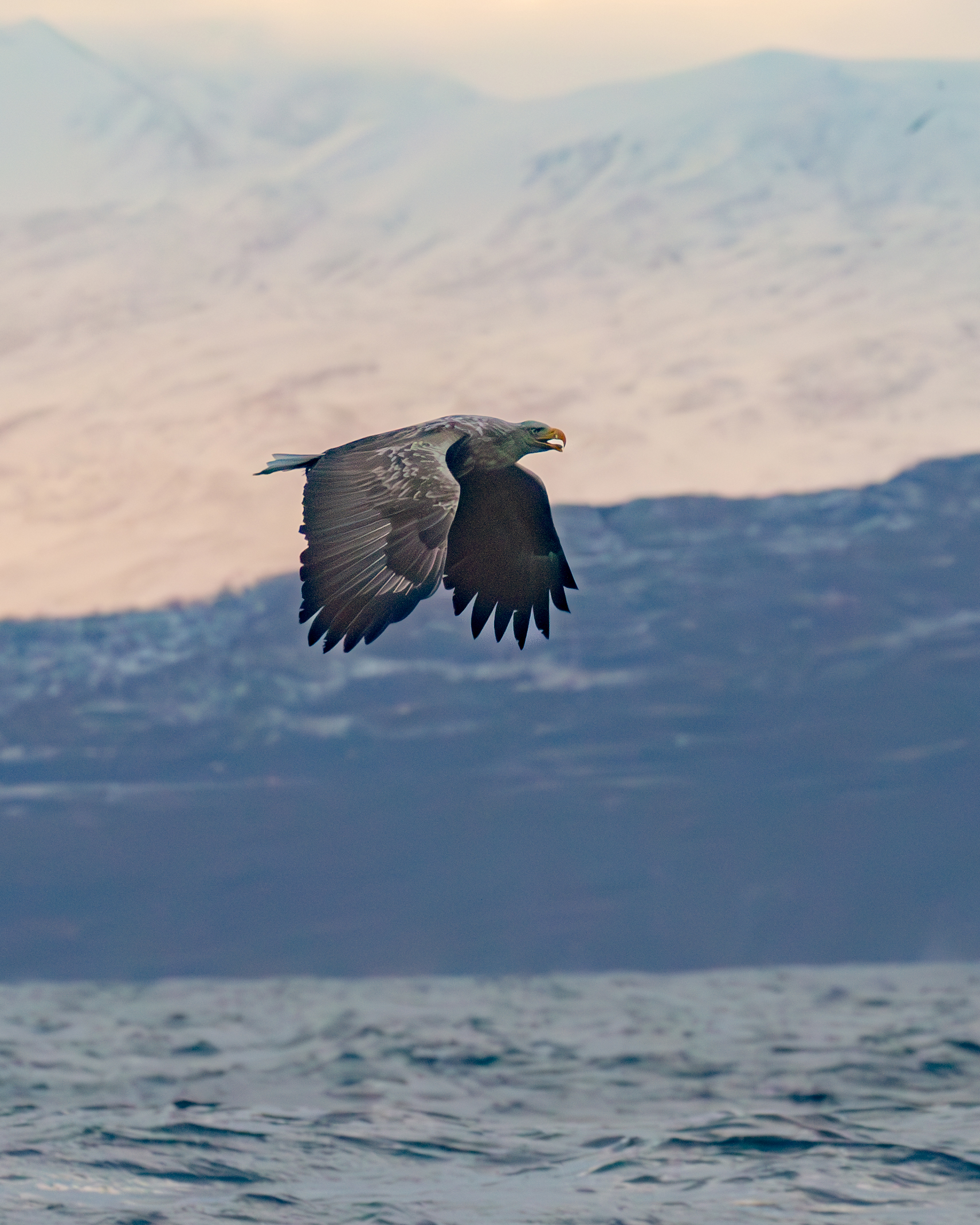
What a bird! Known as the “flying barn door”, white tailed eagles are the largest bird of prey in the UK. In the early 20th century they were hunted to extinction but were reintroduced from Norway in the 1970s. Now these huge birds can be found from the Isle of Mull to the Isle of Wight and are doing well in Britain. I’ve seen them a few times in Scotland but at a distance – in Norway they came so close that they soared right over my head!
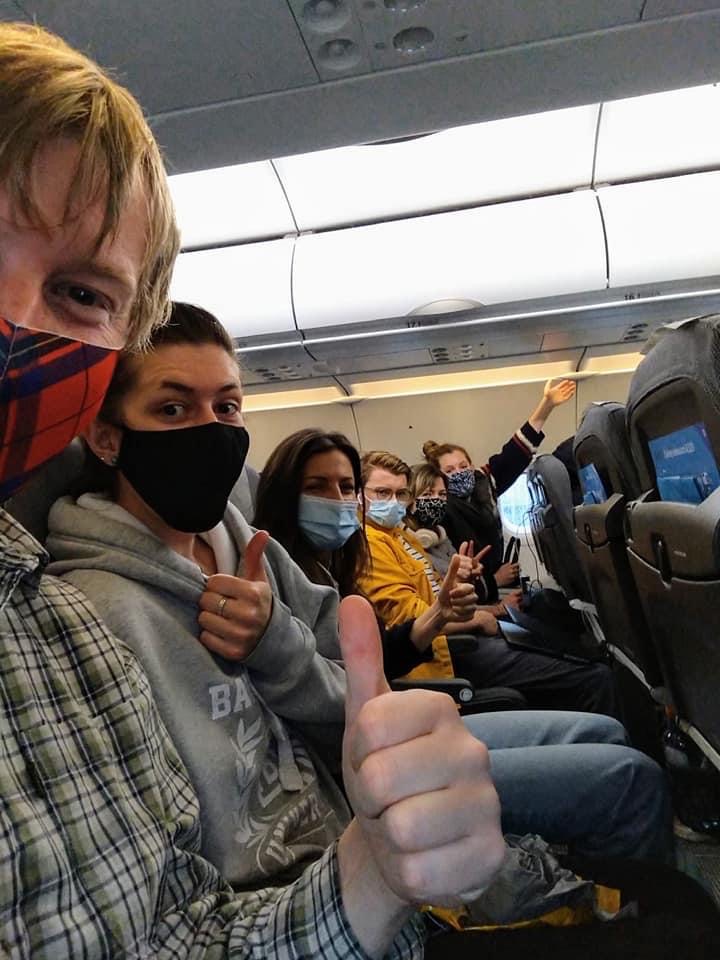
I had an absolute blast in Norway with the best group of people! Nothing like being housebound in quarantine together for ten days and all going for a Covid test to break the ice. It was a trip of a lifetime for me and although I’m pleased to be home and looking forward to my first Christmas by the sea, being back in “the real world” has made Norway seem like a distant dream.
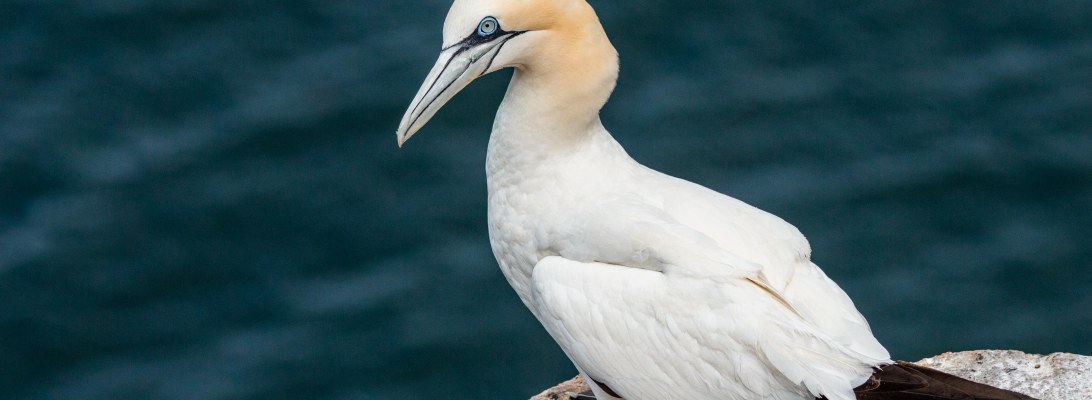
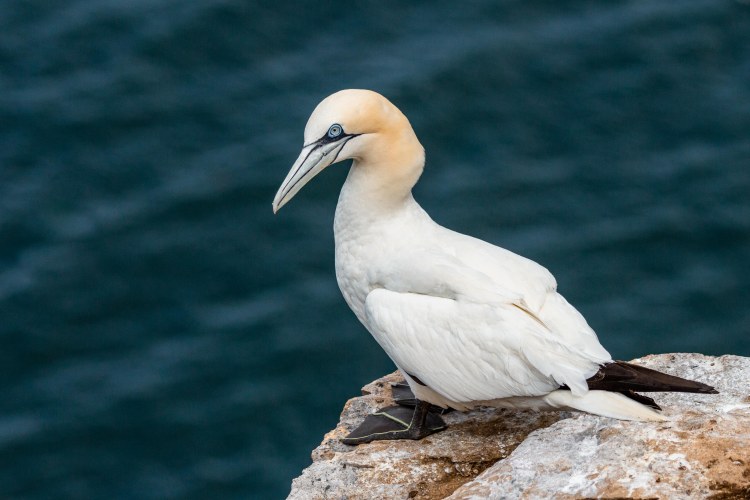
I had seen gannets a few times before; on a trip to the Isles of Scilly they had flown over the boat, and more recently I’d enjoyed watching them dive for fish near where I live in Moray. However, nothing could have prepared me for Troup Head. This RSPB site in Banff, about an hour’s drive from Aberdeen, provides nesting grounds for two thousand pairs of gannets, as well as thousands of other seabirds. During the short walk from the car park to the cliffs, both sounds and smells intensified until they reached a crescendo of squawks and guano pongs.
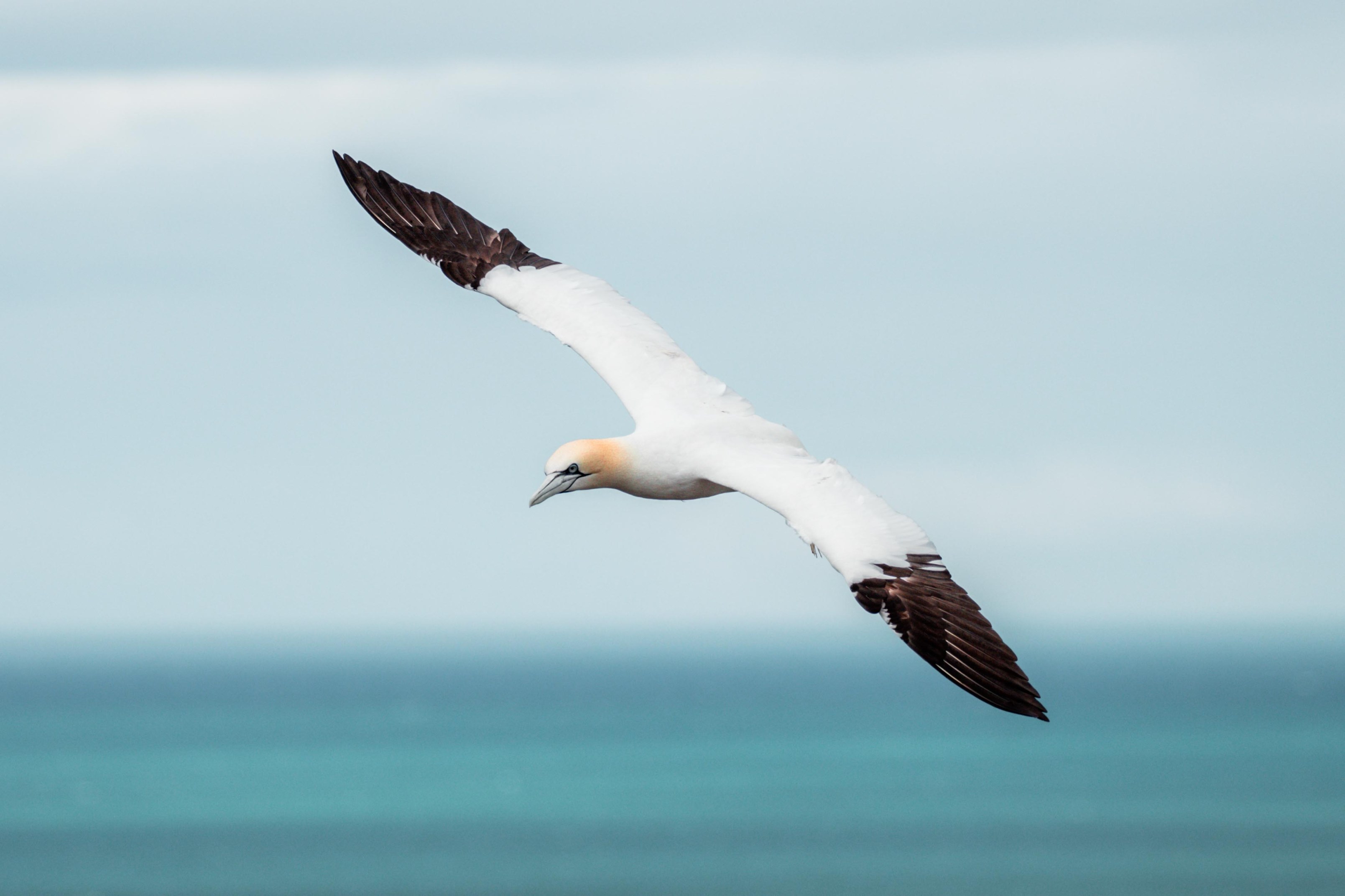
There were gannets everywhere. Without wanting to make them sound like flies, they swarmed around the cliff, gliding in deep circles as they came into land on the rocks. Many of them had chicks – currently clouds of white down with black reptilian heads. Dotted among them were the auks: guillemots, razorbills and the occasional puffin all grappling for a bit of wing room in the tight squeeze. Peering carefully down, I noticed just how high up we were. The swan-sized gannets – Britain’s largest seabird – looked like sparrows at sea level. Even the coastguard helicopter that passed by was below us. Troup Head really was a bird’s eye view.
The site became a significant birdwatching spot when gannets began to colonise it in 1988. Troup Head is now Scotland’s largest mainland gannet colony. We spent seven hours wandering along the track, shuffling across the tussocks to get the right vantage point for photos. Gannets came sweeping in to land in an endless queue, many suspended in mid-air and bobbing in the wind. There was something very duck-like about the way their webbed feet stuck out to the sides, and more than once a bird would crash-land quite unceremoniously with a ruffle of the feathers.
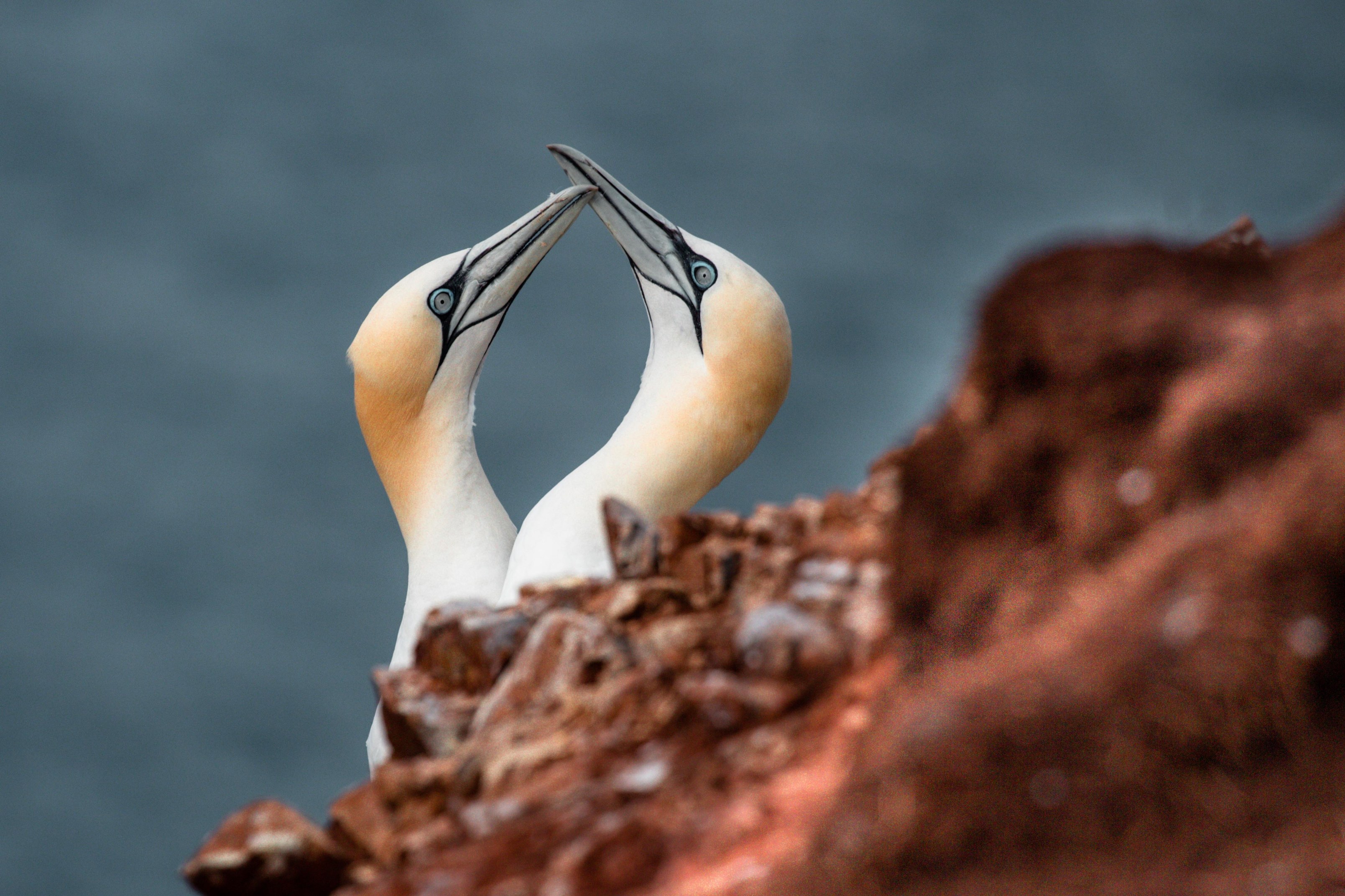
It was interesting to see lots of gannet behaviours up close. The birds pair for life and return to the same nest site each year with the same partner. To cement their pair bond, males and females will ‘fence’ together, clicking their bills from side to side and mutually grooming one another.
‘Fencing’
To ensure that one parent remains on the nest at all times, a gannet will stretch its neck and stare straight upwards in a pose called ‘sky pointing’, which signals to its mate that it is about to take off.
‘Sky Pointing’
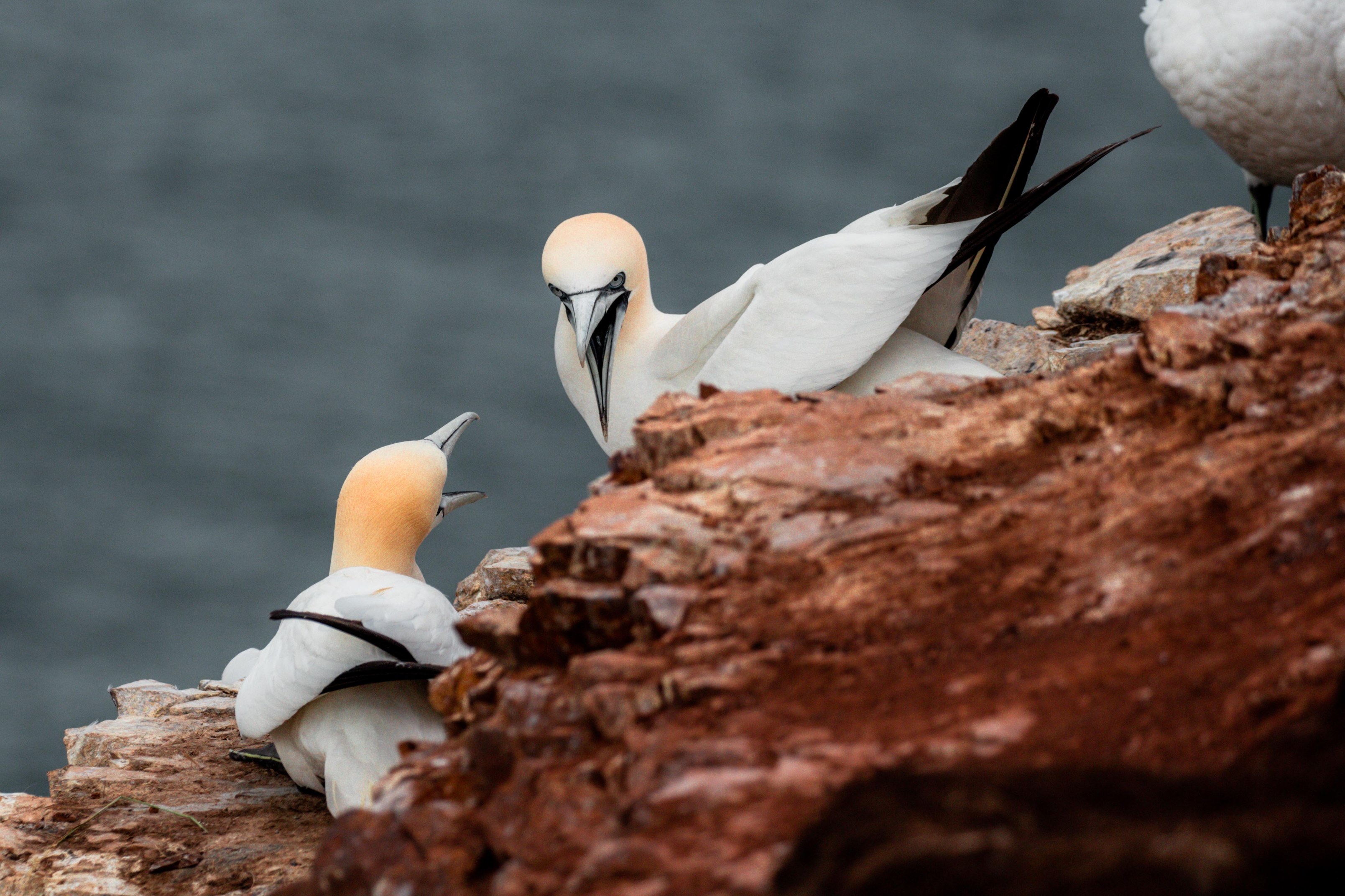
With so many birds on one cliff, it’s inevitable that there will be disputes over space. If a gannet gets too close to a neighbour’s nest, there is a display called ‘menacing’, where the birds will open their bills and lock them together in an attempt to jostle each other off the cliff.
‘Menacing’
While some quarrels are short-lived, others develop into full-blown fights, and with such formidable bills these can be aggressive.
Gannets have been a favourite of mine for many years, so to see such a vast colony so full of activity was a real treat. I was even more impressed that I didn’t get pooed on once!
As someone who likes to potter around outside for hours while I write and watch the world go by, I’ve had to adjust drastically to my new lockdown routine. I describe my writing style as “immersive storytelling” – I go out and write about what I see to inspire other people to connect with their local wildlife. Over the past few weeks, it’s safe to say that I’ve struggled to stay creative. Although the restrictions are starting to ease in various locations, it is still difficult to get the access to nature that we all want and need.
It has been proven that being in green space benefits all aspects of our wellbeing. In 2018, a team from the University of East Anglia studied how the health of people living in urban areas compared to those who had more access to green spaces. They found that spending more time in nature “reduces the risk of type II diabetes, cardiovascular disease, stress and high blood pressure”.
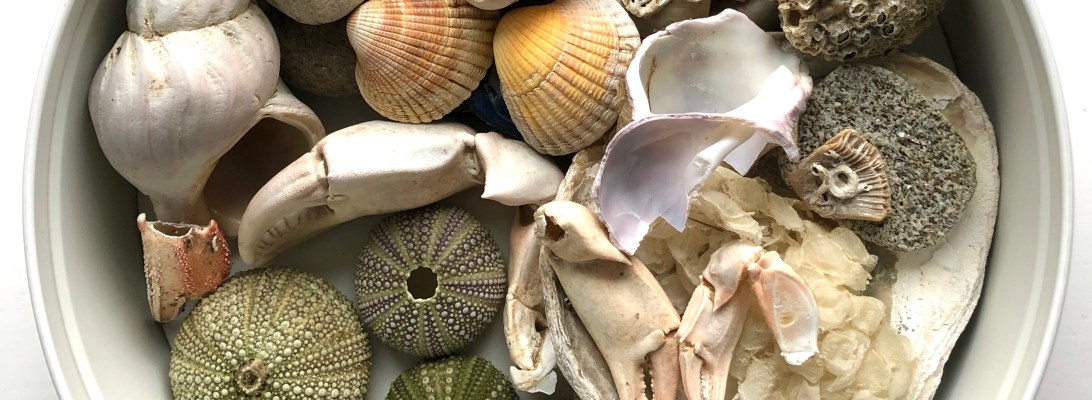
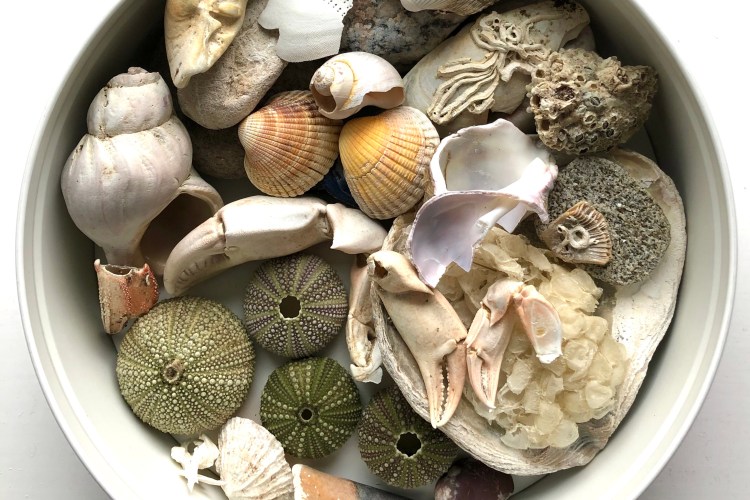
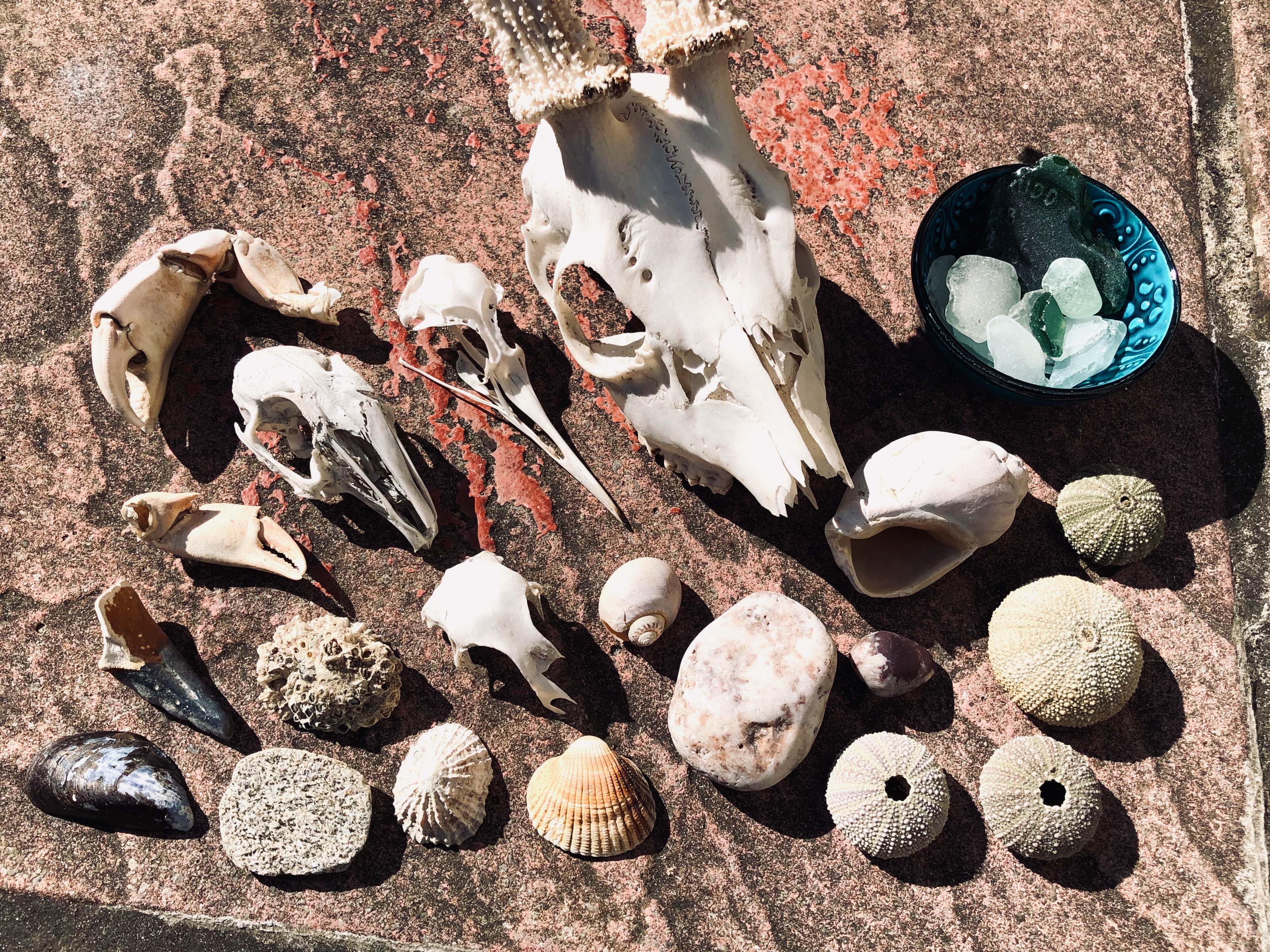
While cooped up indoors, I began to think of ways to stay connected to nature despite having to spend the majority of my time away from it. I’ve found that one of the best ways to do this is by bringing it indoors. I don’t mean catching birds or dragging in trees, but gathering small mementos. I’m lucky enough to live by the coast and I make a habit of collecting natural objects that I find on my daily walks. Together with other bits and pieces that I’ve collected from different habitats over time, I’ve made a nature table in my home that brightens up a room and provides a bit of wildness while I’m indoors.
Whatever habitats you have access to, there will be something that would make a good addition to a nature table. The great thing about wildlife is that everyone has a different relationship with it. My favourite things to collect are animal skulls – a male roe deer skull is pride of place on my nature table. Every item jogs a different memory in my mind. As well as being pretty to look at, a nature table is great for other senses too. I enjoy the tactile textures of frosted sea glass and rough sea urchin shells. Simply picking up these objects lifts my mood.
Author and illustrator of “The Wild Remedy” Emma Mitchell has struggled with anxiety and depression for most of her life, but insists that nature plays a huge part in helping her feel better. In a recent Instagram TV upload she shared the surprising healing power of plants for improving mental health. Plants produce oils called phytoncides which help the plant fight pathogens, but these same oils can benefit us too. When we inhale or touch these oils, our blood pressure, pulse rate and levels of cortisol (a stress hormone) go down. These small reductions can help us feel more relaxed and lift our mood. As well as house plants and garden flora, this also works with pots of supermarket herbs on the windowsill!
While plants appeal to our senses of smell and touch, one of the best senses for exploring nature is sound. A study at King’s College London found that listening to natural sounds such as birdsong improves mental wellbeing for over four hours. Recording snippets of audio on a phone during a daily walk is a great way to bring nature inside. Whether it’s woodland birdsong or crashing waves, natural sounds provide a relaxing background soundscape and, in my case, inspire creative thinking. For writers, it’s also useful to record any thoughts and observations you have while outside, so the details are fresh when you come to write them down later.
For those who can’t leave the house but have access to a garden, setting up some feeders will encourage more birds to visit and fill the air with their songs and calls. Another option is the brilliant Birdsong Radio app from the RSPB. This was launched after the huge success of the single “Let Nature Sing”, which for those who haven’t heard is a musical arrangement of some of Britain’s most loved but also threatened birds. As well as providing peaceful background noise, it’s a great tool for learning different bird calls. To listen to what specific species sound like, the RSPB website has small recordings on each bird’s profile.
The lockdown has forced us to change our usual routines and this has certainly brought its challenges. However, there is great enjoyment to be found in aligning ourselves to nature’s slower pace and exploring our local surroundings more closely. Despite the uncertainty, nature provides an opportunity to look after ourselves.
This article was originally published on Bloom in Doom magazine as part of my role as Nature Editor.
I had just finished dinner after a fairly uneventful day when I received a tip off from Steve – wildlife photographer, skipper and all-round marine mammal wizard – who told me there were bottlenoses on the way. I jumped into a down jacket and grabbed my camera. Luckily my daily walk can include a long stretch of rocky shoreline, which is infamous for its wildlife including the Moray Firth dolphins. Half a minute later I was slammed by an unexpected wind and I regretted not grabbing a hat on my way out. Although, I wasn’t sure how fast the dolphins were going and another half minute could be the make or break.
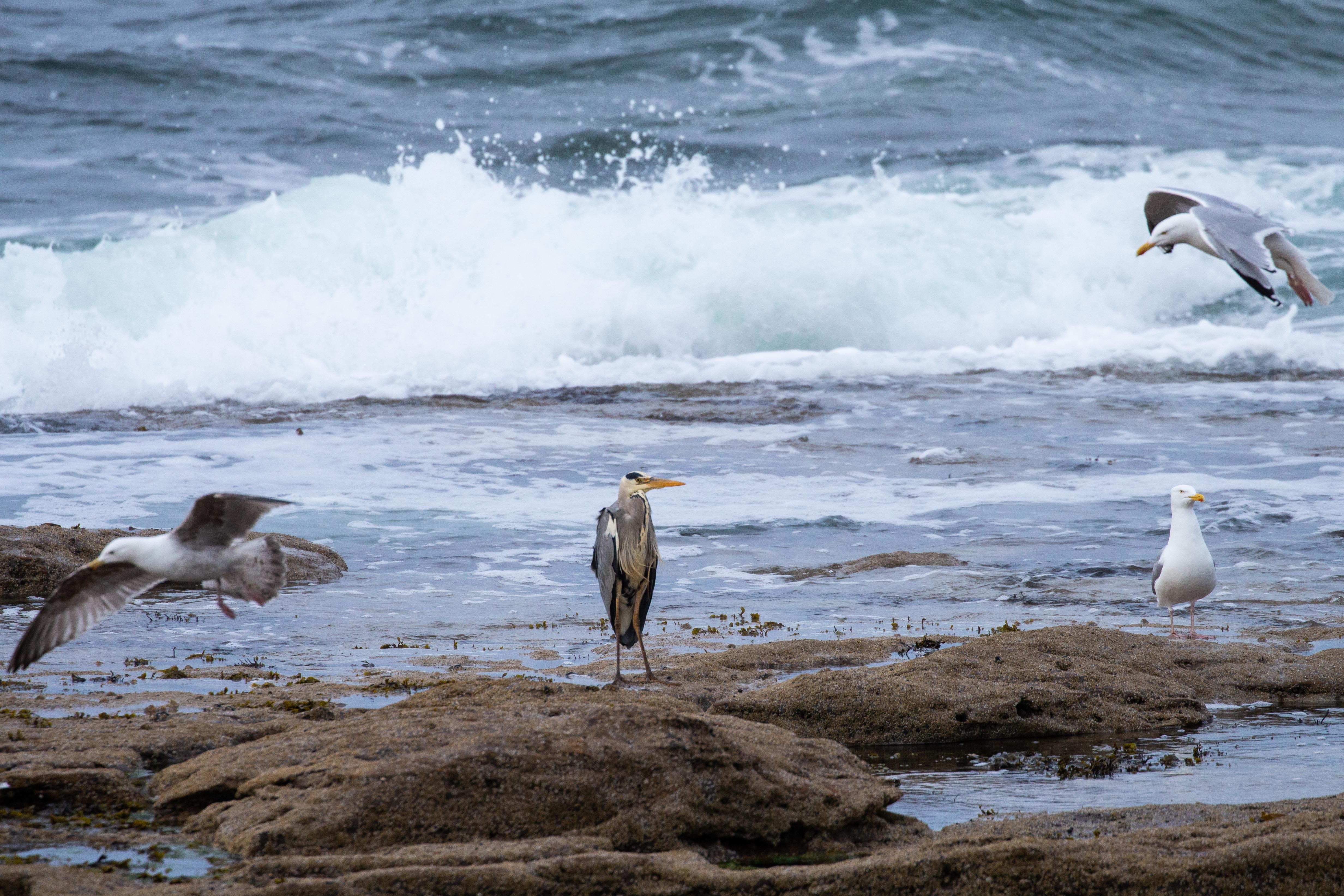
Keeping my two metre distance from Steve, we started scanning the water. He spied them far out, almost level with the next town, but we stayed put. If they didn’t turn north and swim further away, they would follow the coast and come straight past us. There was still lots to photograph while we waited. Groups of gannets – easily one of my favourite birds – were diving just offshore and a grey heron was settled hunch-shouldered on the rocks, surrounded by the usual mob of herring gulls and oystercatchers.
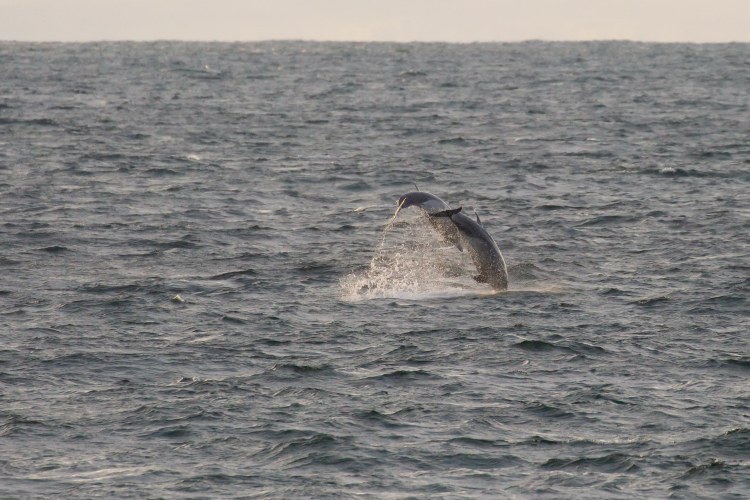
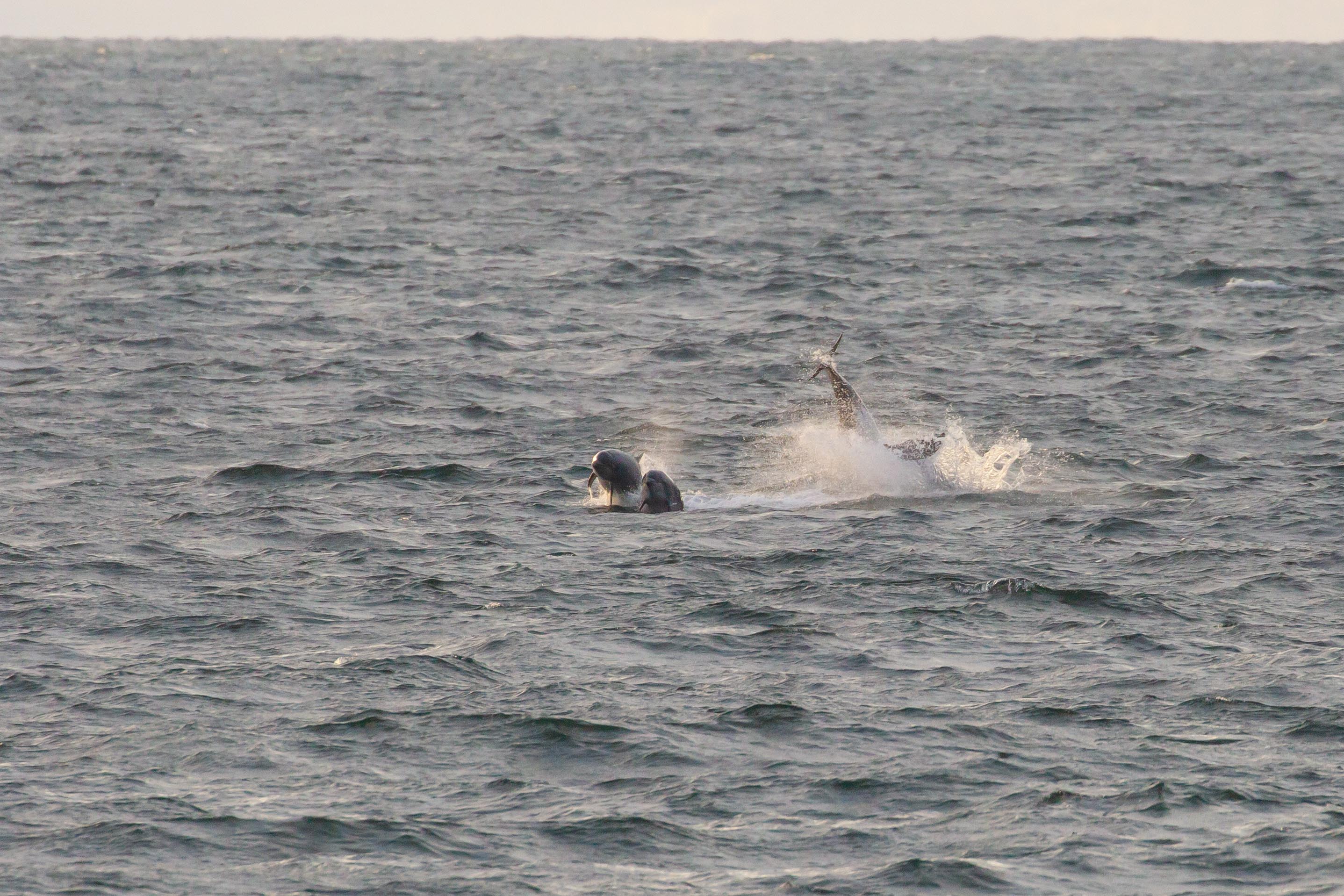
Suddenly the dolphins appeared again, much closer this time. They began to breach, leaping one, two or even three at a time. Photographing them felt a bit like playing Whack-a-mole – just when I thought I’d caught one, it had already landed with a splash and another had sprung up somewhere else. Once, two jumped together in perfect synchronicity, and no sooner had they landed than another pair took their place in the air. As so often happens, I was trying so hard to get the shot that I occasionally missed some of the action. But, when animals bigger than most grown humans are flinging themselves out of the water and performing acrobatic stunts, it’s almost impossible not to lift the camera and watch through the viewfinder. I find there’s nothing more enjoyable about wildlife photography than the unpredictability.
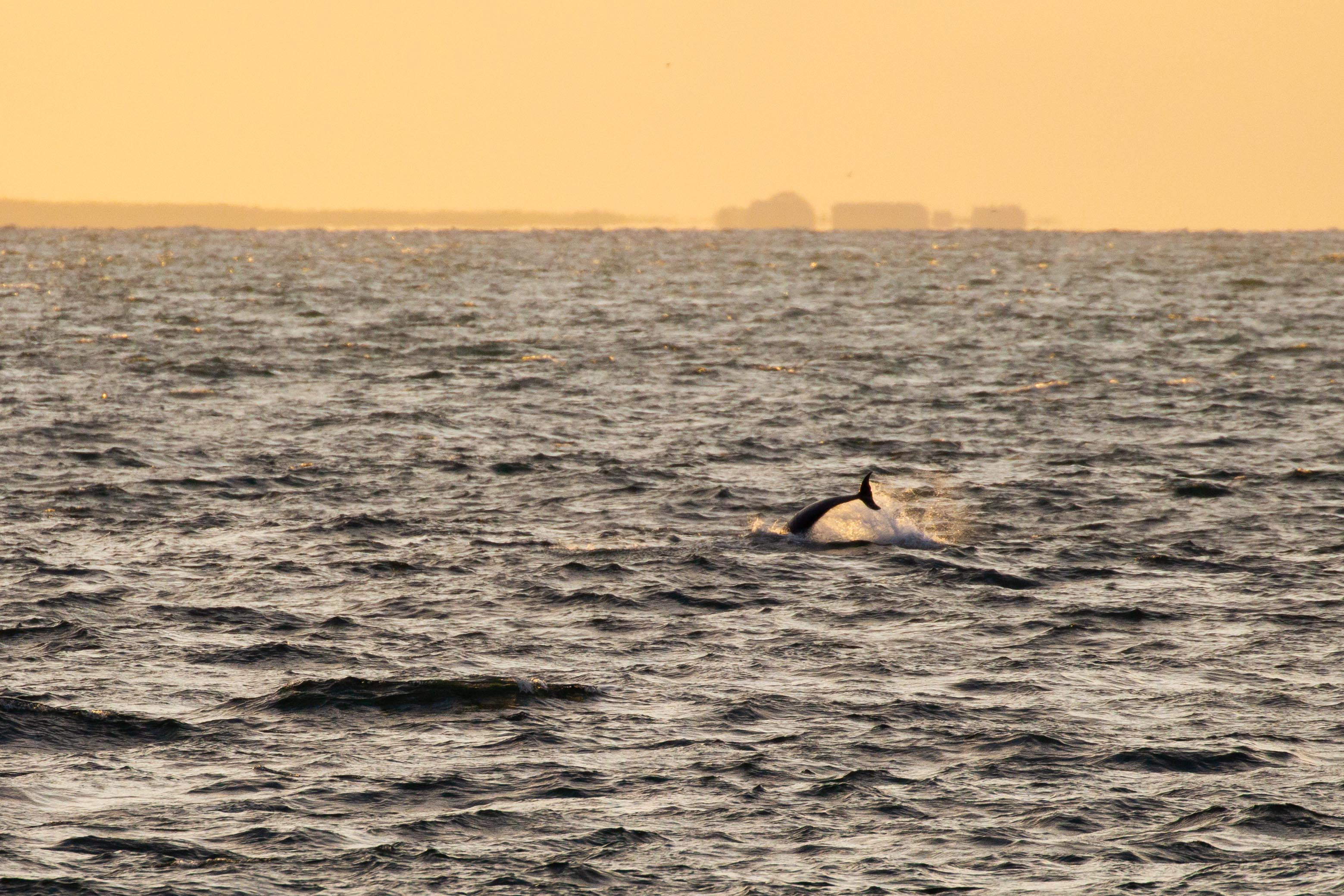
The cold was nibbling my face but there was no way I’d go home for my hat now. Dolphins were jumping in multiple directions, and all of them heading towards the sunset. We hiked up to the headland for a higher vantage point. As the dolphins got closer to the sun, the water streaming from their bellies mid-leap turned golden. Even with the naked eye you could spot them between waves from the clouds of shimmery spray erupting from their blow holes. Every so often there’d be a breach, but they were gradually heading further out. Still, Steve had never known them to linger for so long in one place. I was pleased not just to watch them but to know there was plenty of food to keep them there.
The sun finally set, casting a bright orange glow over the water. It was moments like that when I knew I’d made the right decision to move to Scotland. Sitting on the grass, shivering in the cold and watching dolphins breaching out at sea.
Jasmine brought me the ball again and shook her fur just as I stooped to pick it up, sending a spray of sand up into my face. Since I moved to the coast, sand is now a constant in my life. Every dip in a pocket reveals a new gathering of damp and slightly fishy dust, stuck like glue to every surface. I hurled the ball and Jas pelted after it, her pitter pattering paws the only sound in an otherwise silent evening. I had the beach to myself most days anyway, but recently it had become even more unusual to see another dog walker or jogger. Jas was none the wiser and was soon back at my feet again, tossing the ball up where it splatted against my shin and left a patch of sandy residue.
The evening was gloomy. Clouds were gathering and the little sunlight left was concealed behind the point at the end of the peninsula. My wet dog was getting curlier by the minute so I gave her a treat and put her back on the lead. She picked up her ball and carried it lovingly, ears lolling either side of a sand-clogged beard. I headed up the hill towards the pink splodge that hinted at an impressive sunset and scanned the shore. Herring gulls were gathered together on the rocks while a pair of red breasted mergansers bobbed in the shallows. A cormorant shot over the surface. The usuals.
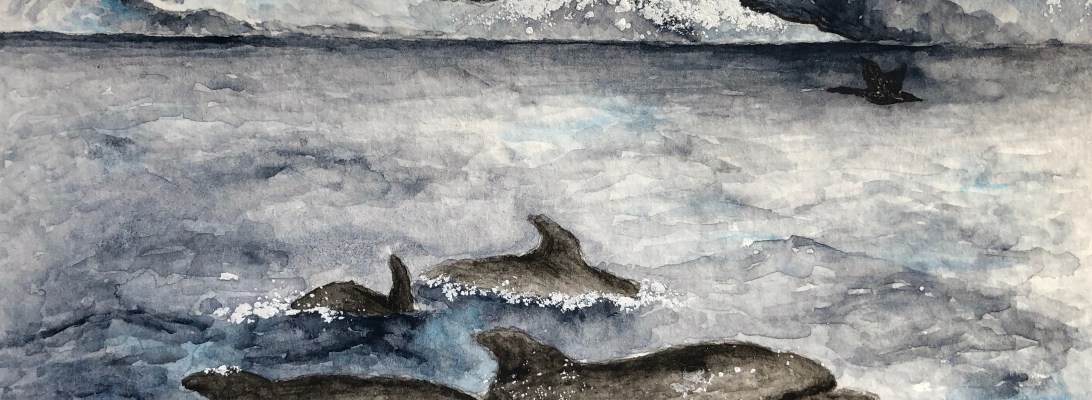
I struggled with the lead, my soggy gloves and a poo bag as I rummaged in my pocket. The vivid sunset paled instantly as my phone decided not to pick up any of the oranges or pinks that I was seeing. Scowling at the phone and the dog as she began to dig a hole at my feet, I contented myself with just watching the sunset, but a black scratch on the water quickly made my stomach flip over. I lifted the binoculars up and yes! A dorsal fin! I could barely believe what I was seeing. For the last month I’d believed that dolphins were mythical creatures and I was more likely to see Nessie. But no, there were multiple bottlenose dolphins out there. As Jas continued to tug at a particularly stubborn tussock, I buzzed with excitement as the dolphins surfaced again. I counted four fins, although it was difficult when they didn’t all appear together. They were heading around the point so I followed them, hurrying along the thin trail that wound around the sheer edge of the hill. If I tripped the wrong way I’d plummet into the sea but I wasn’t too aware of that at the time. Jas followed reluctantly, no doubt wondering what the fuss was about.
Again! Definitely four fins, dark against the pale water. They were out of the sunset now and trickier to spot. Without the bright light, they were swallowed up by the mist already obscuring most of the horizon. They came up again but I could barely make them out. I began to feel rain, the sort of rain you don’t notice until you’re drenched, so I walked back to the house, scanning sideways the whole time, but my dolphins were gone for now.























 rebeccaonthewing.com