Three Years

I moved to Scotland three years ago today. It’s not that long really, but both my world and the actual world have changed a huge amount in that time. Nonetheless, my local patch has stayed exactly the same.  


If you’ve been following my updates for a while, you’ll know that I grew up in southeast England and went to university in Cumbria, where I lived just a few miles from the Scottish border. While my fellow students spent their weekends in the Lake District, I was pulled north instead. During my degree, my interest in nature became a passion and it took on a decidedly Scottish flavour.

After graduation, I had the unpleasant ‘oh god what now’ realisation and returned home, hoping to figure out what to do with the very expensive piece of paper I’d worked so hard for. Less than a year later, it was apparent that I didn’t belong in southeast England anymore. Having experienced what Scotland had to offer a bird nerd like me, I needed to be back there. On 22nd February 2020 I drove 546 miles to my new home on the Moray Coast.
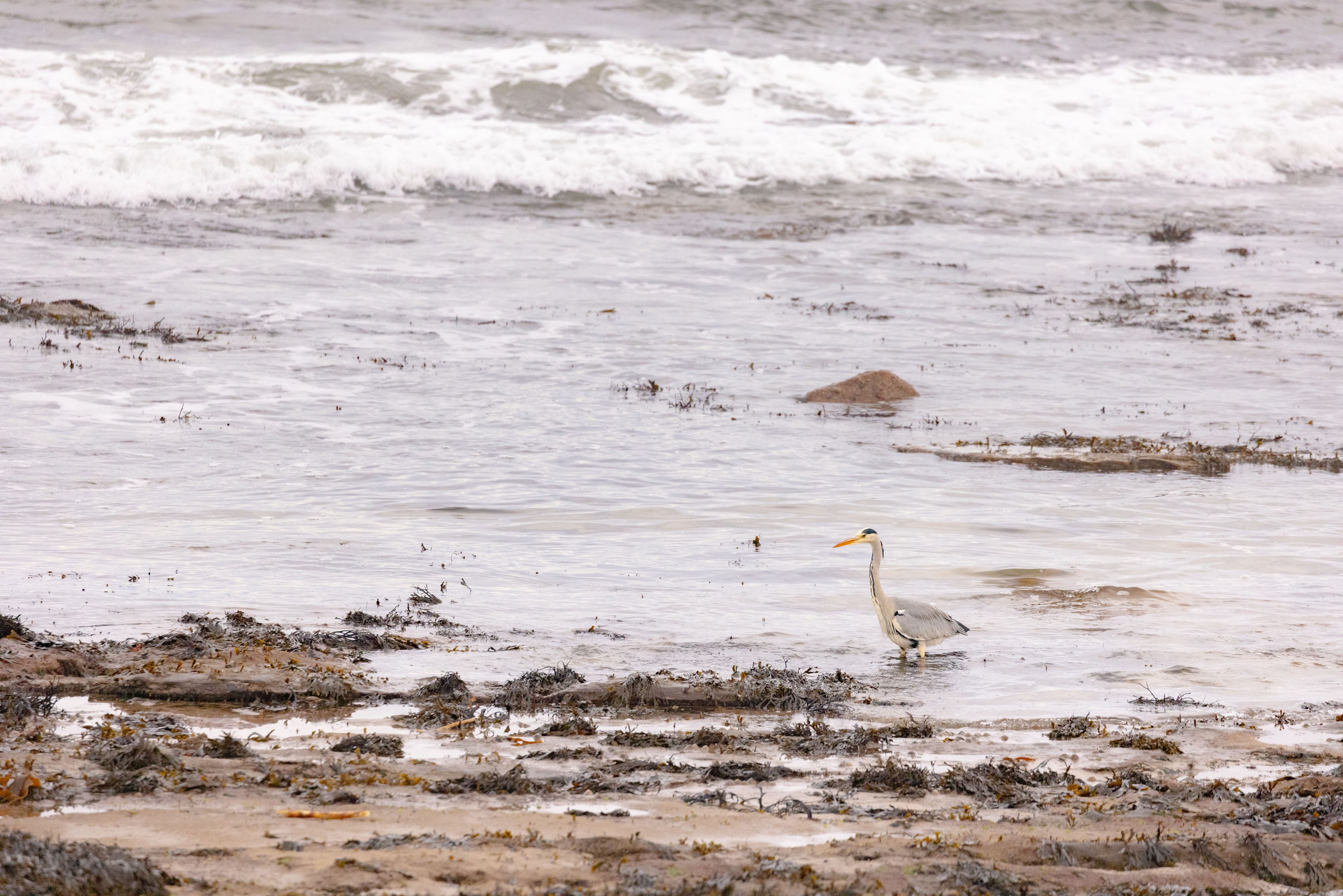
Grey heron

Of course I had no idea what would happen to us all some three weeks later, but even after the first lockdown hit I was fortunate enough to have wildness literally on the doorstep. When restrictions were at their tightest, I walked the same mile of coast path every day.

Because it followed a stretch of rocky shore, no two walks were the same. Sometimes the tide was out, revealing boulders both slick with kelp and crusty with barnacles. They were crowded with oystercatchers, redshanks, turnstones, ringed plovers, rock pipits, herons and bar-tailed godwits – I’d only seen most of these in books before that point. At high tide, deeper waves brought a legion of ducks closer to land including eider, goldeneye and long-tailed ducks, as well as cormorants, red-breasted mergansers and fulmars.

Fulmar

This was all going on in just one direction. If I swivelled to face south instead, my binoculars were full of yellowhammers, linnets, stonechats, dunnocks, wrens, goldfinches, reed buntings and song thrushes, all attracted by the dense shelter of gorse bushes and the stubble field beyond.  

As my first spring in Moray became summer, these resident birds were joined by migrating visitors: whitethroats, willow warblers and chiffchaffs perched on the gorse while gannets, swallows and sandwich terns swooped over the water. I’d never seen so much birdlife in one small area, and the coast path remained my regular local patch even after restrictions eased.
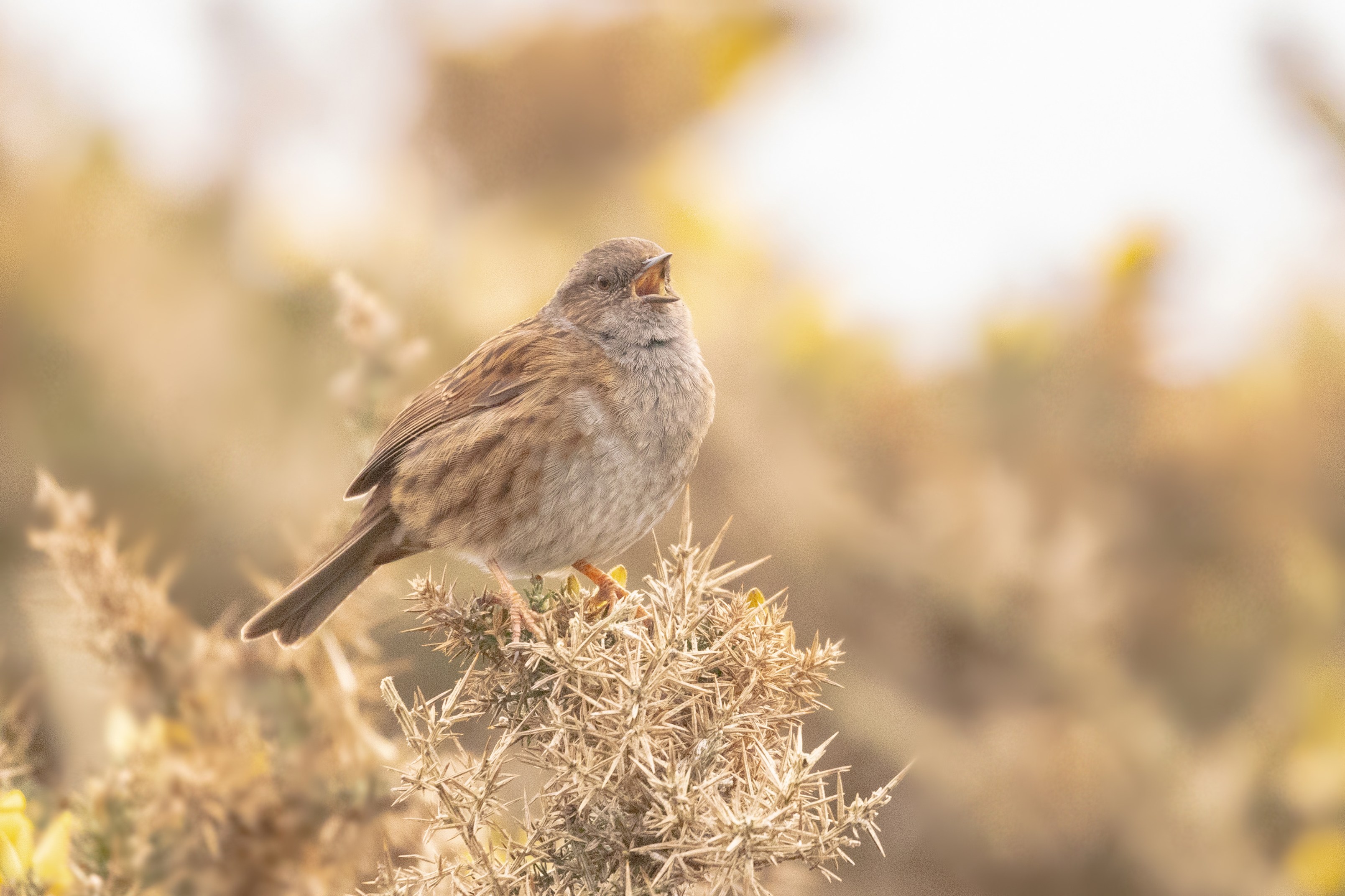
Dunnock

However, my eyes naturally wandered and I ventured east into Aberdeenshire and south into the Cairngorms National Park. One thing led to another and less than eight months after moving to North East Scotland I secured a commission to write a book about it which, as you’ll probably know (because I never shut up about it), is what I’ve been grafting away on ever since.

While I was gallivanting all over the place researching my book, I neglected my little patch of coast path. I still walked the dog that way occasionally, but I couldn’t dedicate the same amount of time to watching the birds there as I could when I first moved. 
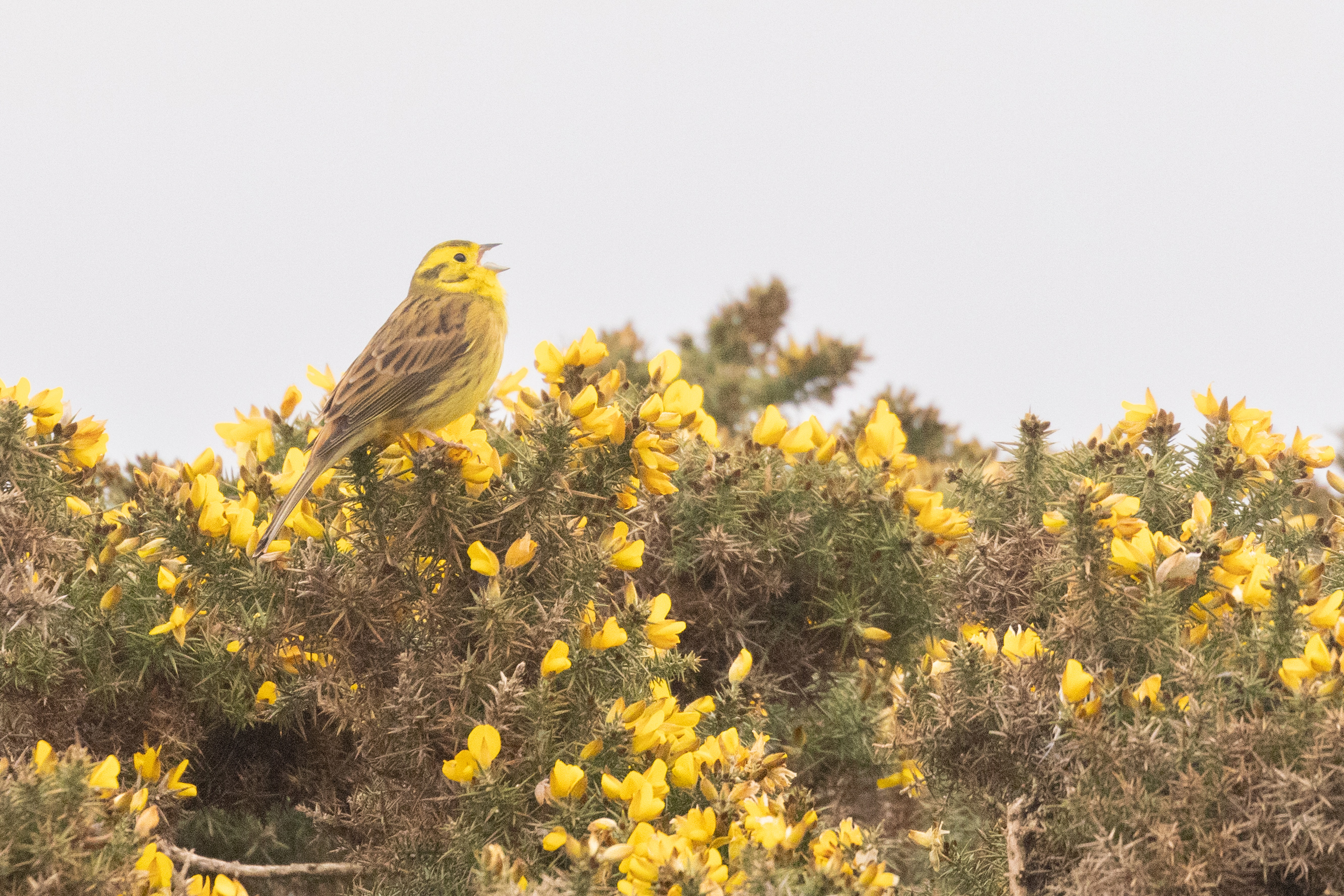
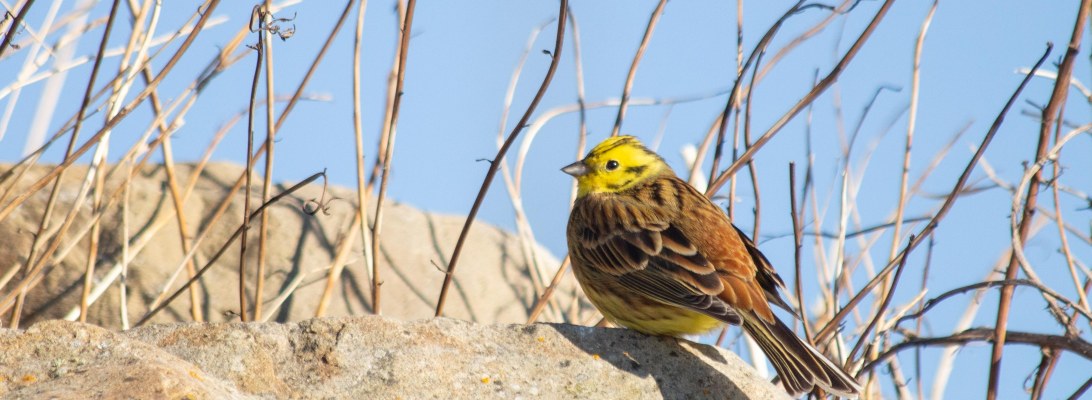
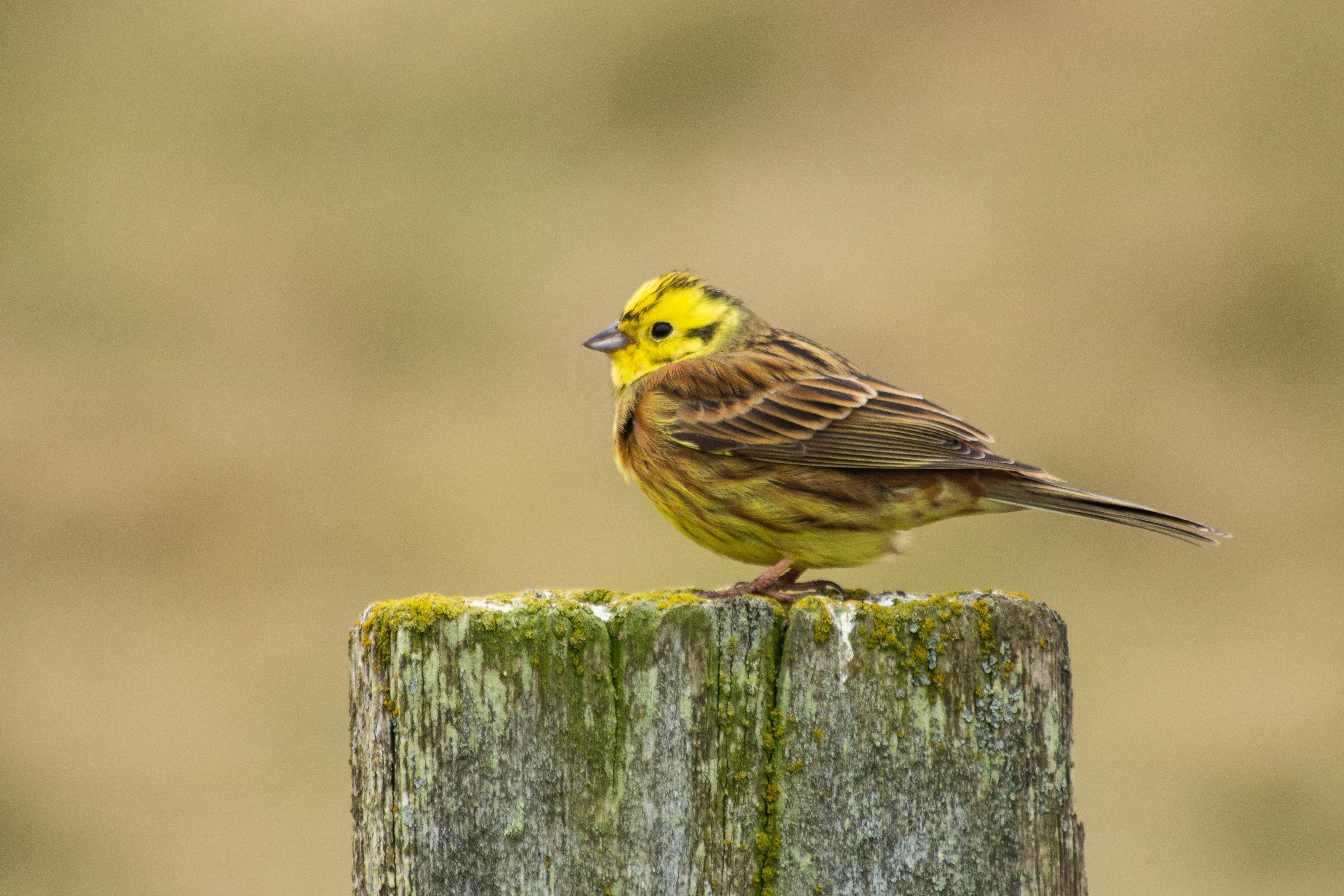
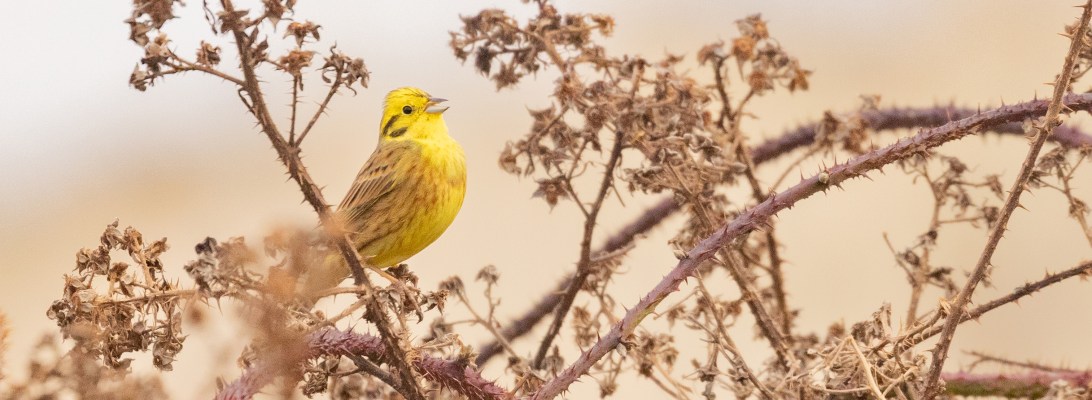
Yellowhammer

My book will be sent off to the typesetter in just over a week’s time, so aside from proofreads and final adjustments, this monumental task I’ve taken on is almost complete. Today, on my third anniversary in my new home, I walked the coast path again, dedicating a whole morning to wandering and watching.

Although I couldn’t spot them all, I knew yellowhammers were everywhere because their distinctive song – ‘a little bit of bread and no cheese!’ – was bouncing around like a bullet in a cave. You wouldn’t think a luminous yellow bird could blend in, but when they’re perched on gorse flowers of a similar shade, they camouflage remarkably well.

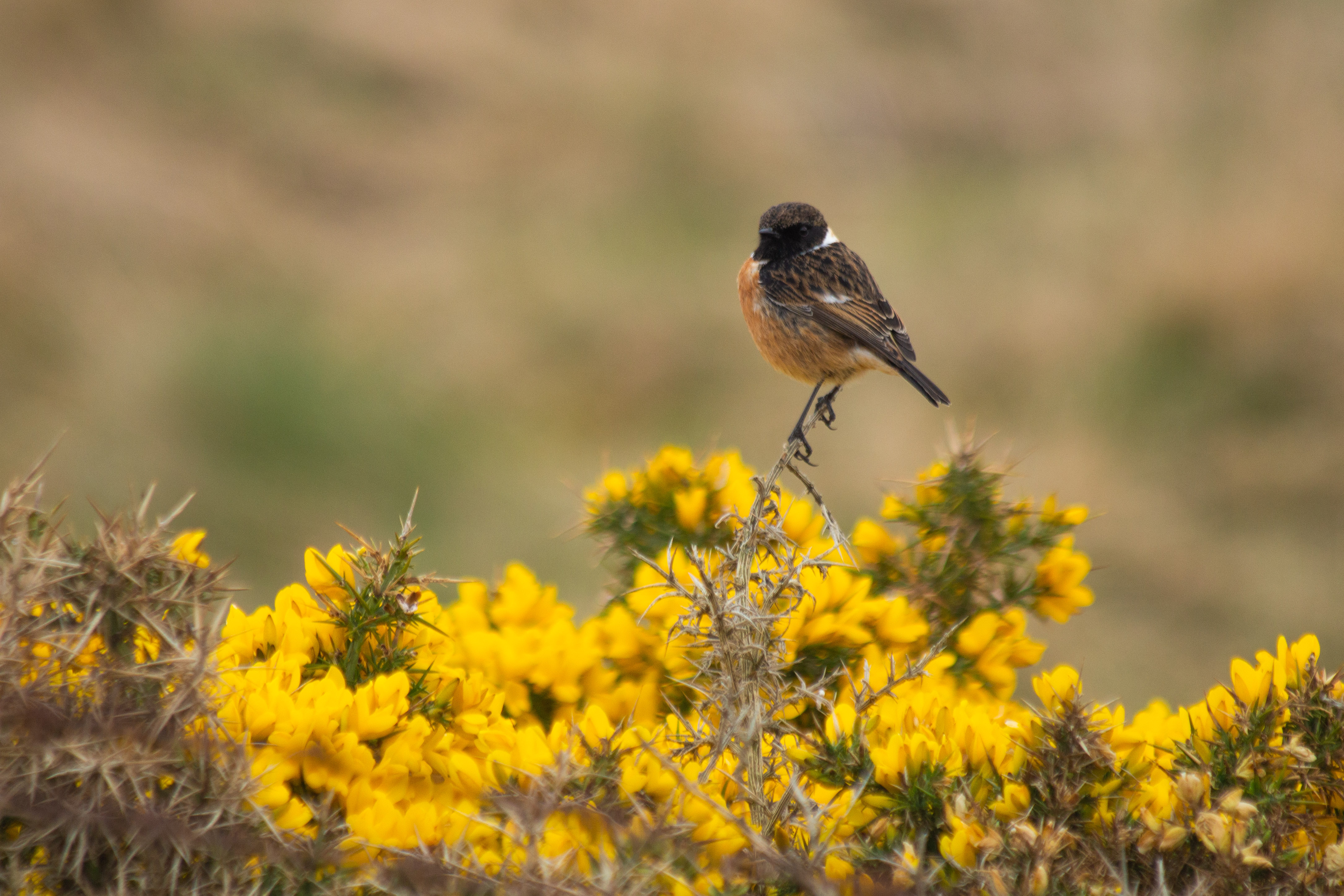
Elsewhere I saw a pair of stonechats on the tallest sprigs of a particular gorse bush, regarding me with a cock of the head and a bob of the tail. It’s fanciful thinking, but seeing as stonechats can live for a handful of years it’s possible that they’re the same ones, occupying the same territory, that I saw on my first forays in 2020.

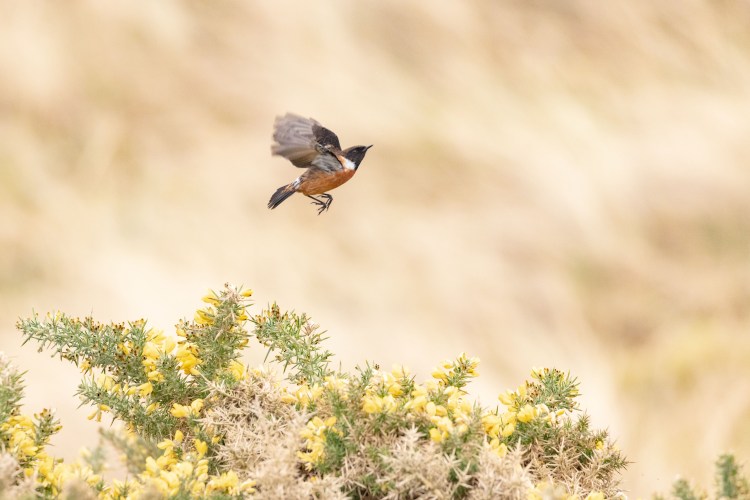
In three hours, I spotted 33 different bird species – not bad for one mile of coastline before spring has even got going. Of that list, it was the yellowhammers and stonechats that I most enjoyed watching. They were two of the first birds I ever saw in my new home, so they’ve become familiar and even nostalgic – especially when I think back to the surreal times of only being allowed an hour’s outdoor time each day. Luckily for me, that one mile is as bursting with life now as it was back then.  


YOU MAY ALSO LIKE

Summer Blends to Autumn

Bringing Nature Indoors


As someone who likes to potter around outside for hours while I write and watch the world go by, I’ve had to adjust drastically to my new lockdown routine. I describe my writing style as “immersive storytelling” – I go out and write about what I see to inspire other people to connect with their local wildlife. Over the past few weeks, it’s safe to say that I’ve struggled to stay creative. Although the restrictions are starting to ease in various locations, it is still difficult to get the access to nature that we all want and need.

It has been proven that being in green space benefits all aspects of our wellbeing. In 2018, a team from the University of East Anglia studied how the health of people living in urban areas compared to those who had more access to green spaces. They found that spending more time in nature “reduces the risk of type II diabetes, cardiovascular disease, stress and high blood pressure”.

BinD 1 IMG_3518-2

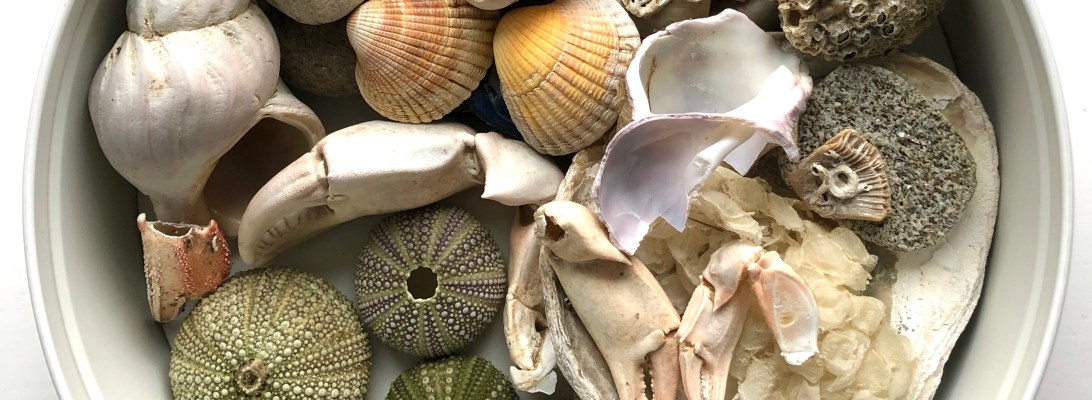
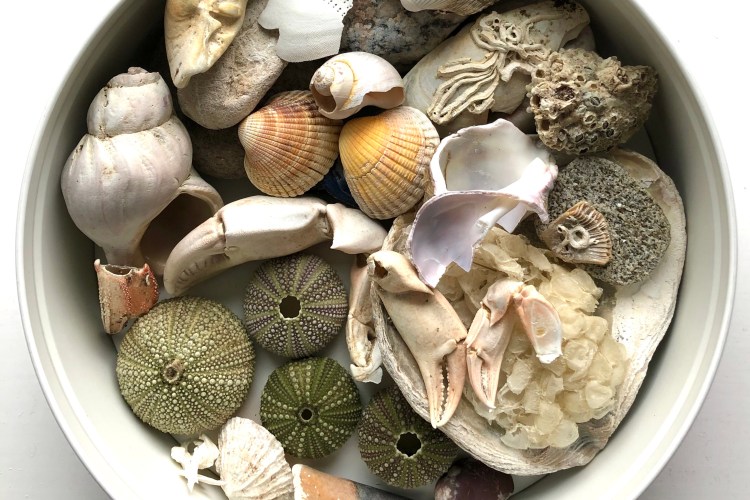
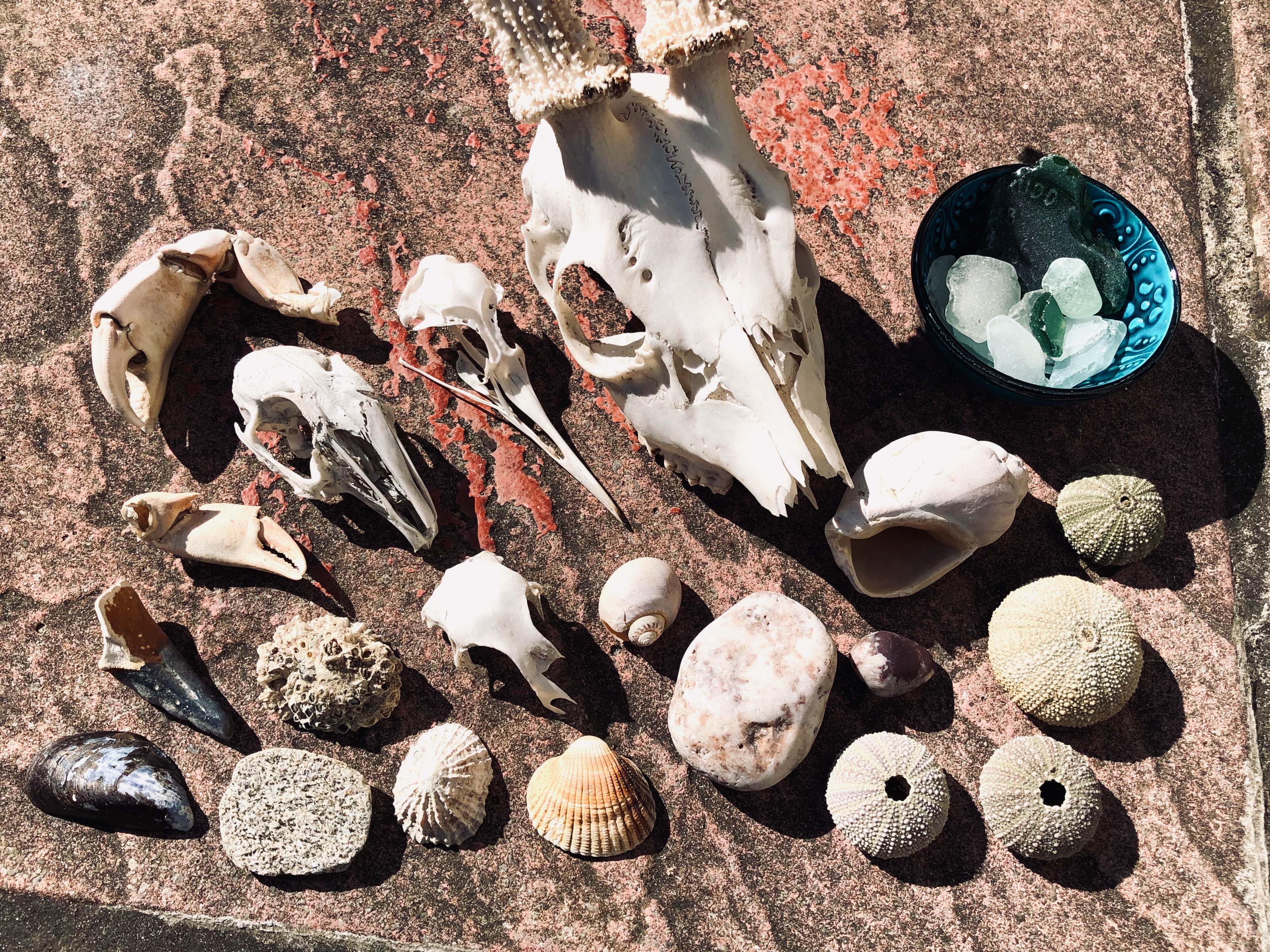
While cooped up indoors, I began to think of ways to stay connected to nature despite having to spend the majority of my time away from it. I’ve found that one of the best ways to do this is by bringing it indoors. I don’t mean catching birds or dragging in trees, but gathering small mementos. I’m lucky enough to live by the coast and I make a habit of collecting natural objects that I find on my daily walks. Together with other bits and pieces that I’ve collected from different habitats over time, I’ve made a nature table in my home that brightens up a room and provides a bit of wildness while I’m indoors.

Whatever habitats you have access to, there will be something that would make a good addition to a nature table. The great thing about wildlife is that everyone has a different relationship with it. My favourite things to collect are animal skulls – a male roe deer skull is pride of place on my nature table. Every item jogs a different memory in my mind. As well as being pretty to look at, a nature table is great for other senses too. I enjoy the tactile textures of frosted sea glass and rough sea urchin shells. Simply picking up these objects lifts my mood.

BinD 1 IMG_9202-2

Author and illustrator of “The Wild Remedy” Emma Mitchell has struggled with anxiety and depression for most of her life, but insists that nature plays a huge part in helping her feel better. In a recent Instagram TV upload she shared the surprising healing power of plants for improving mental health. Plants produce oils called phytoncides which help the plant fight pathogens, but these same oils can benefit us too. When we inhale or touch these oils, our blood pressure, pulse rate and levels of cortisol (a stress hormone) go down. These small reductions can help us feel more relaxed and lift our mood. As well as house plants and garden flora, this also works with pots of supermarket herbs on the windowsill!

While plants appeal to our senses of smell and touch, one of the best senses for exploring nature is sound. A study at King’s College London found that listening to natural sounds such as birdsong improves mental wellbeing for over four hours. Recording snippets of audio on a phone during a daily walk is a great way to bring nature inside. Whether it’s woodland birdsong or crashing waves, natural sounds provide a relaxing background soundscape and, in my case, inspire creative thinking. For writers, it’s also useful to record any thoughts and observations you have while outside, so the details are fresh when you come to write them down later.

BinD 1 Rebecca Blue Tit-2

For those who can’t leave the house but have access to a garden, setting up some feeders will encourage more birds to visit and fill the air with their songs and calls. Another option is the brilliant Birdsong Radio app from the RSPB. This was launched after the huge success of the single “Let Nature Sing”, which for those who haven’t heard is a musical arrangement of some of Britain’s most loved but also threatened birds. As well as providing peaceful background noise, it’s a great tool for learning different bird calls. To listen to what specific species sound like, the RSPB website has small recordings on each bird’s profile.

The lockdown has forced us to change our usual routines and this has certainly brought its challenges. However, there is great enjoyment to be found in aligning ourselves to nature’s slower pace and exploring our local surroundings more closely. Despite the uncertainty, nature provides an opportunity to look after ourselves.

This article was originally published on Bloom in Doom magazine as part of my role as Nature Editor. 

New Visitors

IMG_2983

Although I’m naturally quite an introverted person and love having time to myself, I’ve still struggled to adapt to the lockdown routine. I like to potter around outside for hours while I write or just watch the world go by, so it goes without saying that I’ve missed wildlife far more than the pub. Alerts have hit my local Facebook groups about ospreys just a few miles away from me and orcas (orcas!) further along the coast, but lockdown measures have kept me stuck in one spot.

Still, it’s a beautiful spot to be stuck in, and there have been some new visitors to my local patch over the past few weeks. Before the clocks went forward, the daily sightings always included goldeneyes, long-tailed ducks and red-breasted mergansers. Now, as the spring wildflowers emerge and the days grow longer, I’m seeing some new faces on the backshore.

IMG_3201
Willow Warbler

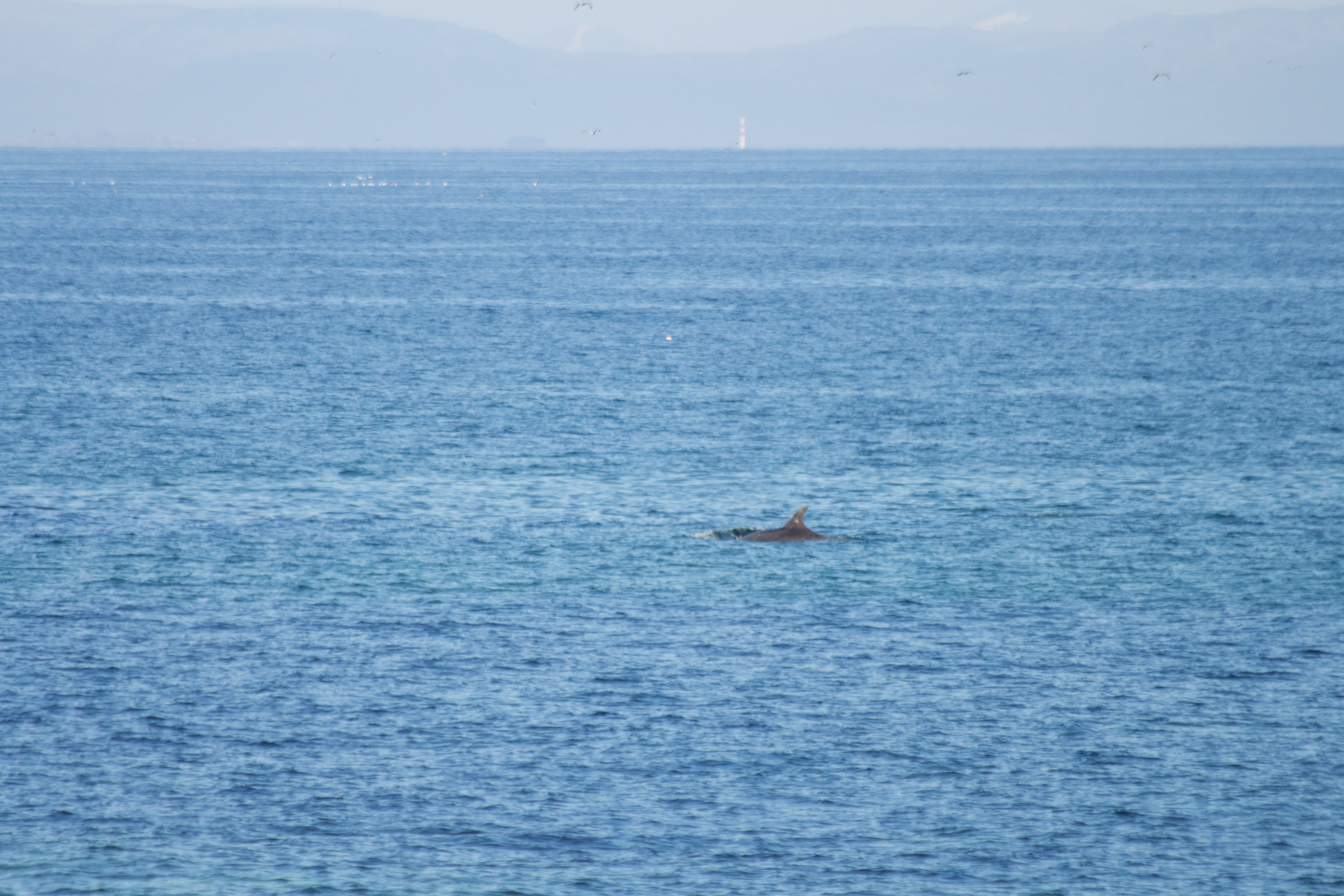
When I arrived in Scotland I was told that May was the true start of the bottlenose dolphin season, but I’ve already been spotting dorsal fins on the water. I’ve had three different sightings so far, and on the second I managed to photograph some for the first time. Even from a distance and with most of their bodies submerged, it’s easy to see just how large these marine mammals are. In fact, the bottlenose dolphins in the Moray Firth are the largest and most northerly in the world.

IMG_3004
Bottlenose Dolphin

As well as cetaceans, there’s been some avian excitement too. My absolute favourite birds have arrived in my patch: gannets! I glimpsed a white wingspan last week but wasn’t sure if it was just another herring gull, but since then I’ve had indisputable views of these vast and beautiful seabirds. As well as flyovers, I had the privilege of watching a dozen gannets diving for fish just offshore – twisting their bodies and tucking in their wings at the last moment before hitting the water like feathered torpedoes. I’ve always been drawn to gannets’ subtle plumage and dramatic facial markings and it’s been such a treat to watch them in my patch.

IMG_3266
Gannet

As I walk along the shore, I have the option of looking left to the ocean or right to dense clouds of gorse. As well as infusing the air with a beautiful coconut smell, the gorse provides excellent shelter for lots of different birds. Over the last week I’ve seen willow warblers, stonechats, linnets, skylarks, hooded crows, swallows, swifts and yellowhammers in just a small area. The charm of the gorse forest is that you never know what you’re going to spot and I’m almost always surprised by something.

IMG_3333
Yellowhammer (male)
IMG_3161
Stonechat (male)

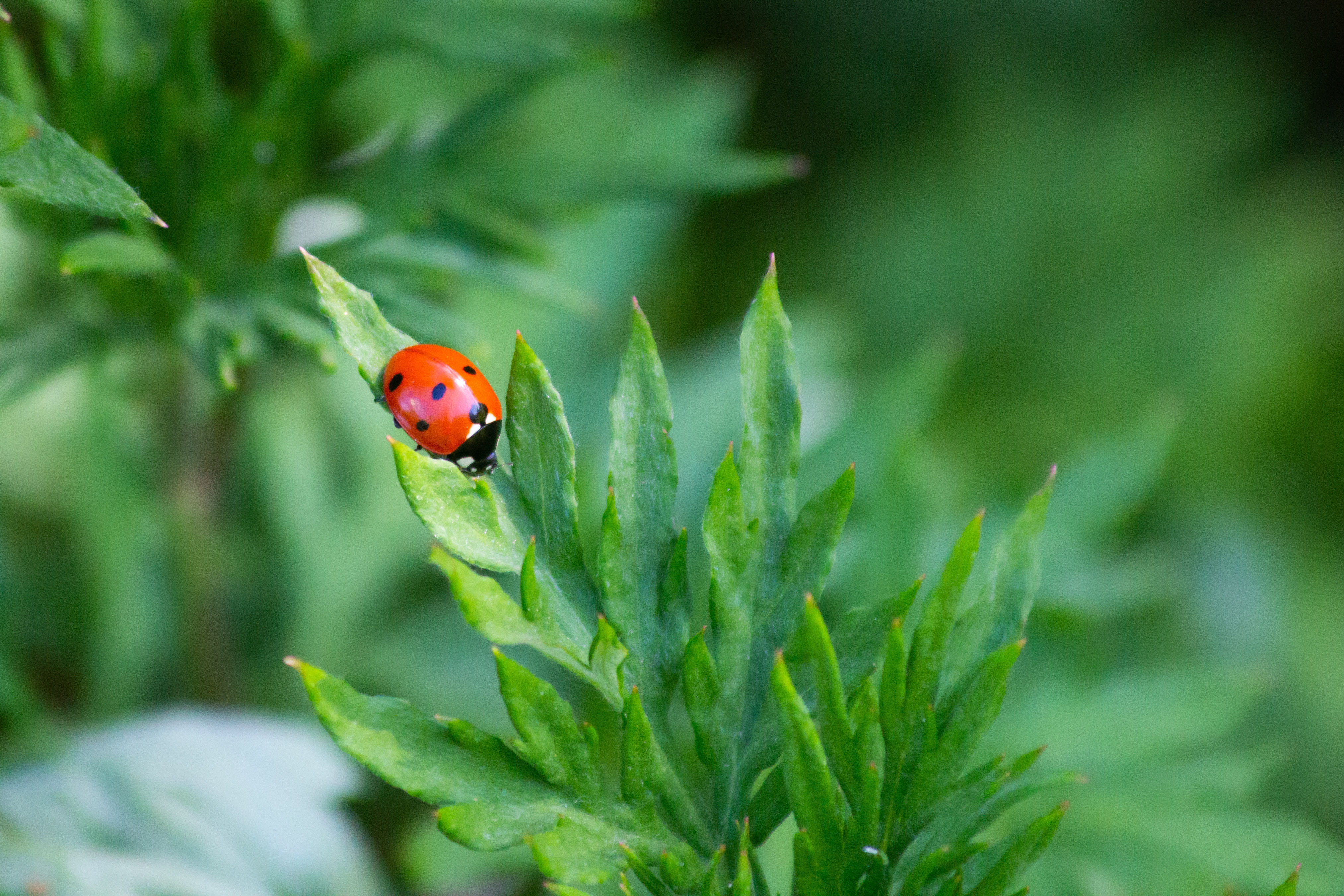
Although I’m usually drawn towards birds and mammals, I can’t help but notice emerging insects as the temperature climbs. Just along from the town allotments I’ve seen bees, peacock and red admiral butterflies and green foliage that’s speckled with ladybirds.

IMG_3036

It’s been difficult for us all to stay connected to the natural world during the lockdown, but seeing snippets of spring visitors on my daily walks has really lifted my mood. Nature never fails to make me feel better, and it’s during these challenging times that our time spent outdoors is the most important. Stay safe and stay wild everyone.