I moved to Scotland three years ago today. It’s not that long really, but both my world and the actual world have changed a huge amount in that time. Nonetheless, my local patch has stayed exactly the same.
If you’ve been following my updates for a while, you’ll know that I grew up in southeast England and went to university in Cumbria, where I lived just a few miles from the Scottish border. While my fellow students spent their weekends in the Lake District, I was pulled north instead. During my degree, my interest in nature became a passion and it took on a decidedly Scottish flavour.
After graduation, I had the unpleasant ‘oh god what now’ realisation and returned home, hoping to figure out what to do with the very expensive piece of paper I’d worked so hard for. Less than a year later, it was apparent that I didn’t belong in southeast England anymore. Having experienced what Scotland had to offer a bird nerd like me, I needed to be back there. On 22nd February 2020 I drove 546 miles to my new home on the Moray Coast.
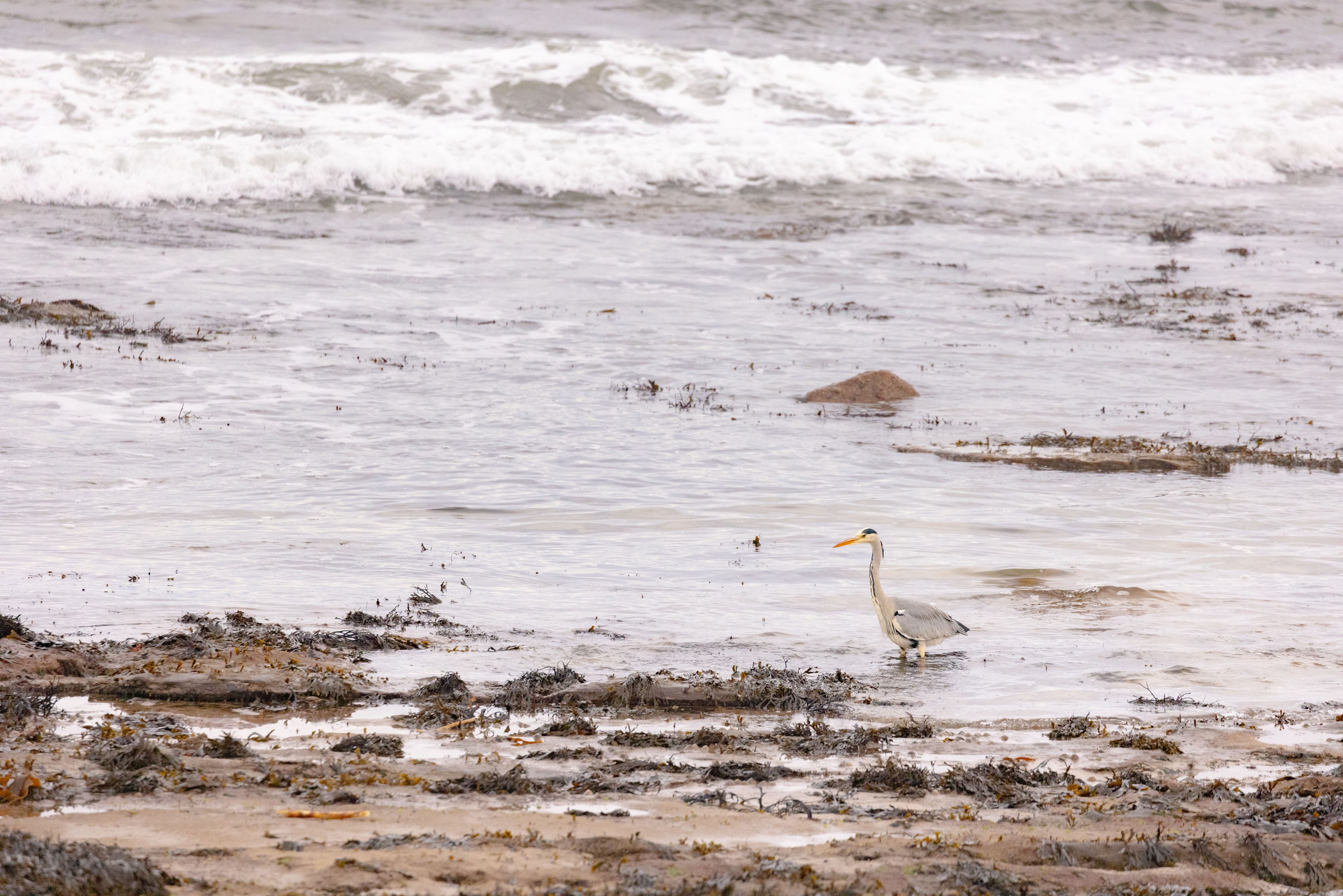
Of course I had no idea what would happen to us all some three weeks later, but even after the first lockdown hit I was fortunate enough to have wildness literally on the doorstep. When restrictions were at their tightest, I walked the same mile of coast path every day.
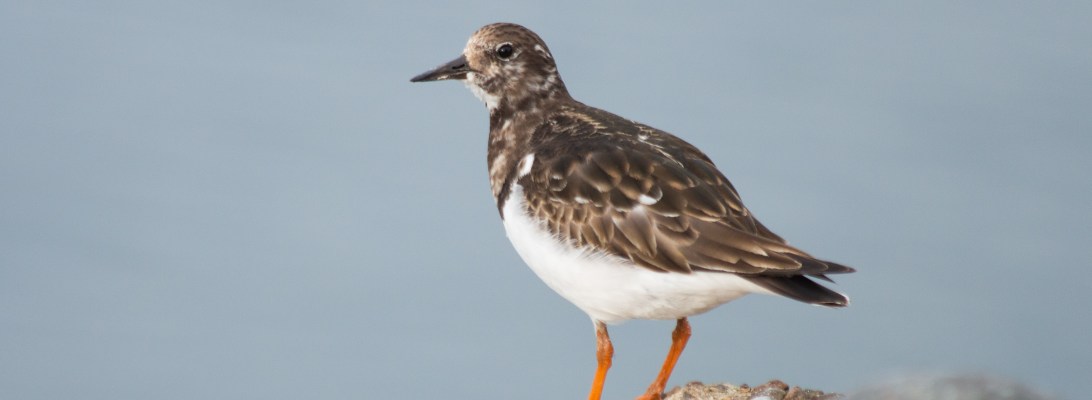
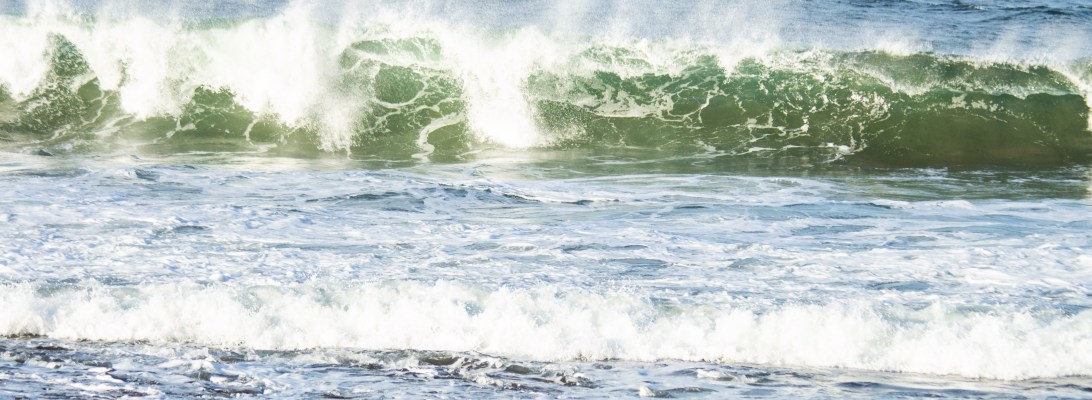
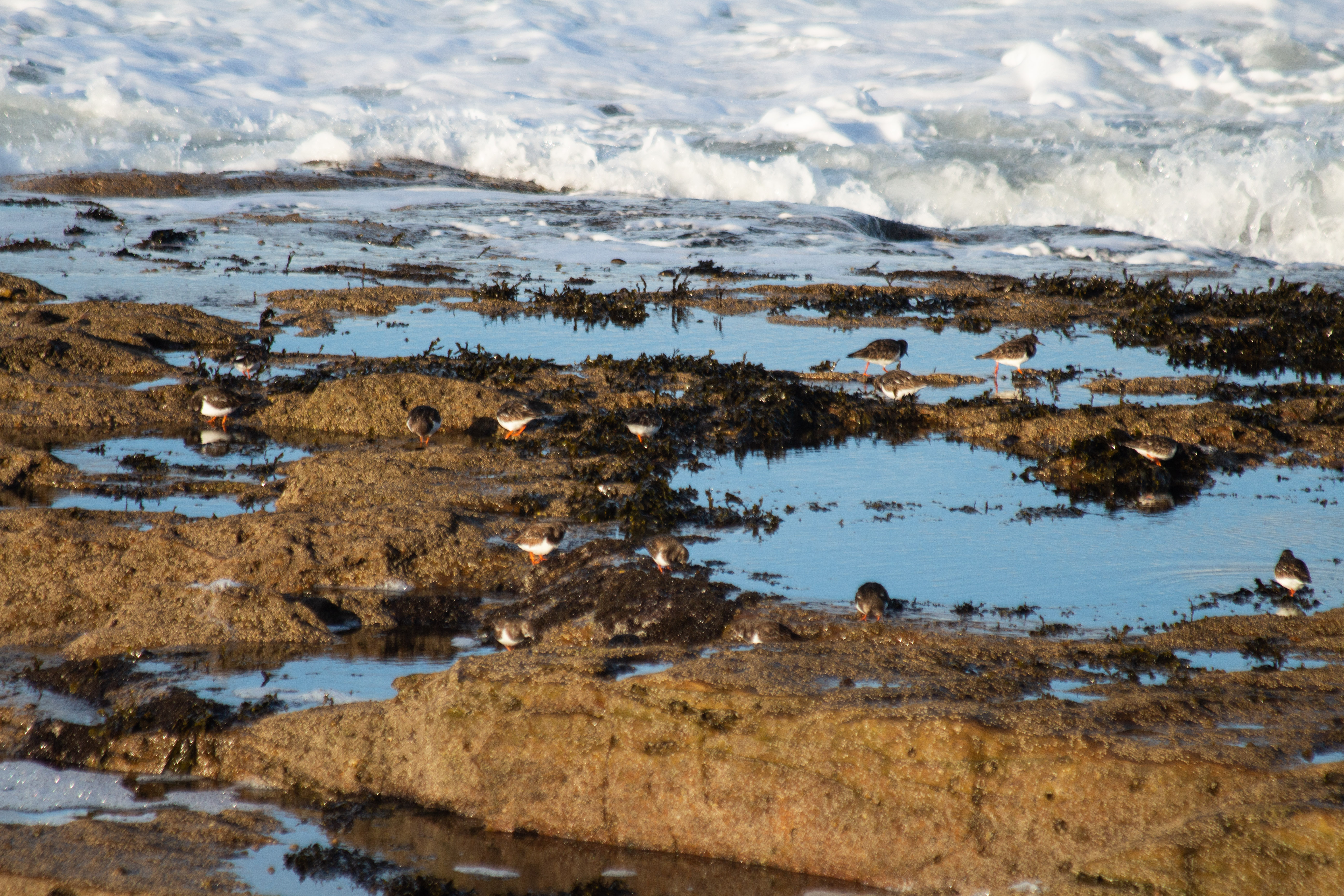
Because it followed a stretch of rocky shore, no two walks were the same. Sometimes the tide was out, revealing boulders both slick with kelp and crusty with barnacles. They were crowded with oystercatchers, redshanks, turnstones, ringed plovers, rock pipits, herons and bar-tailed godwits – I’d only seen most of these in books before that point. At high tide, deeper waves brought a legion of ducks closer to land including eider, goldeneye and long-tailed ducks, as well as cormorants, red-breasted mergansers and fulmars.

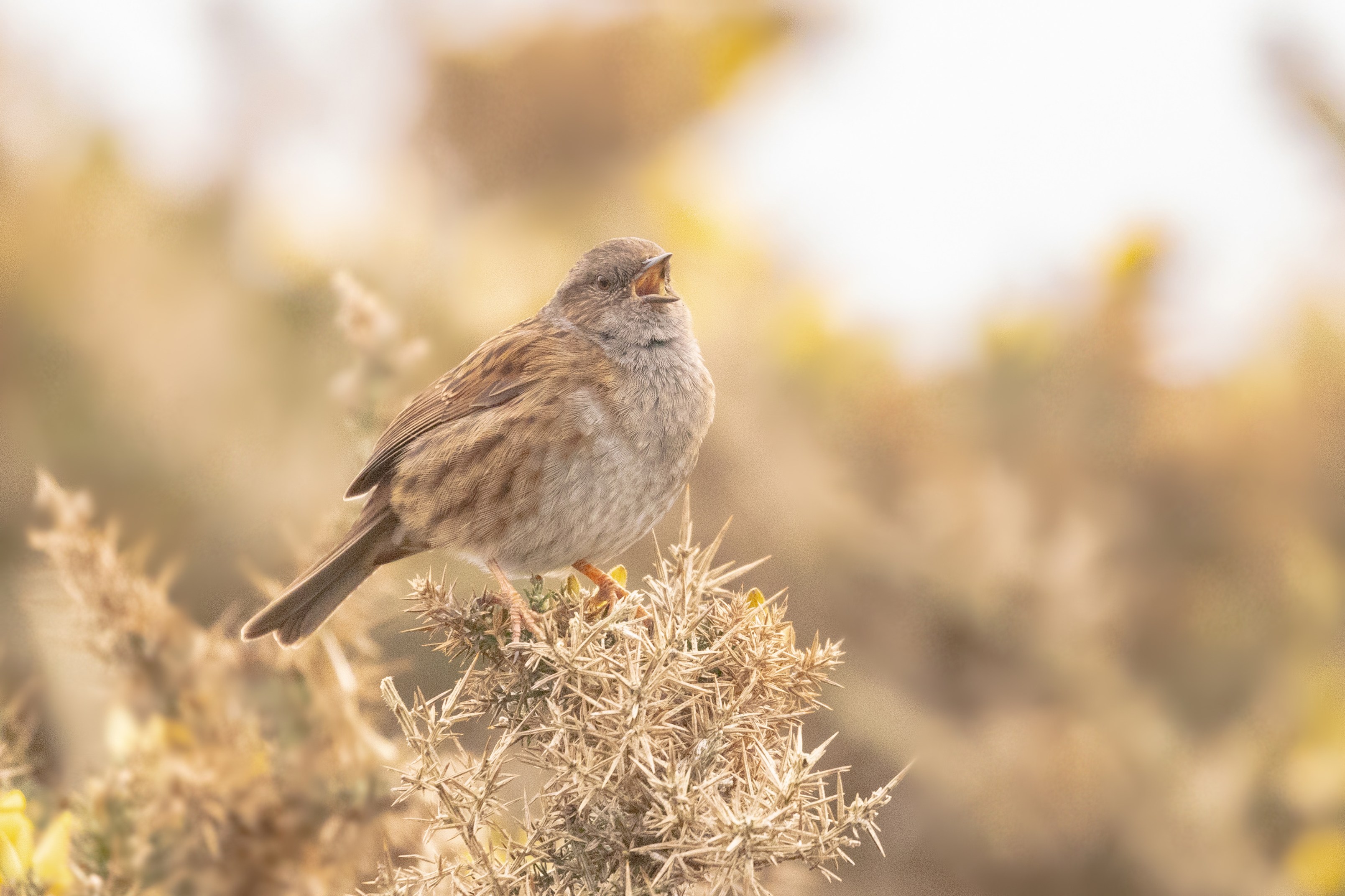
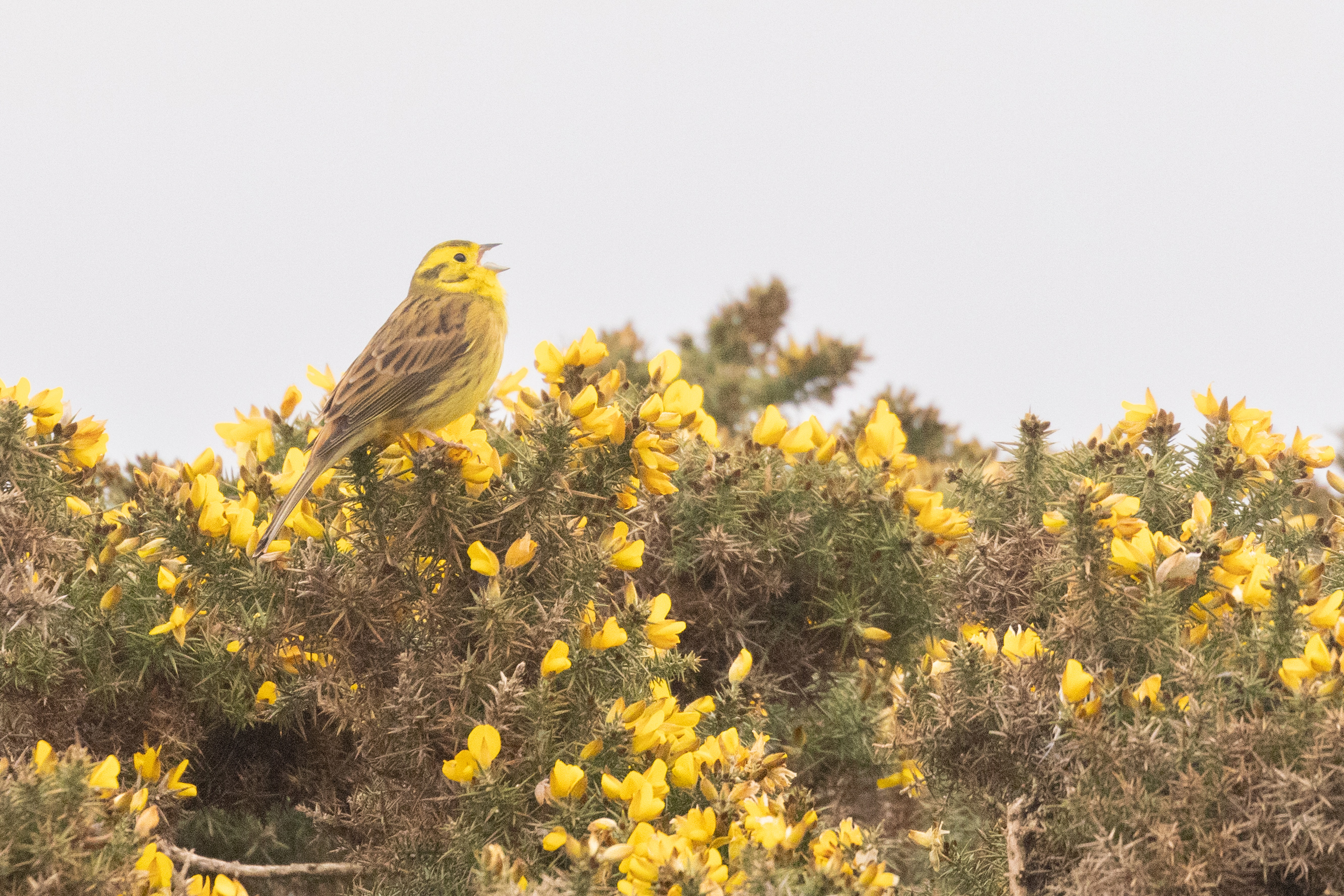
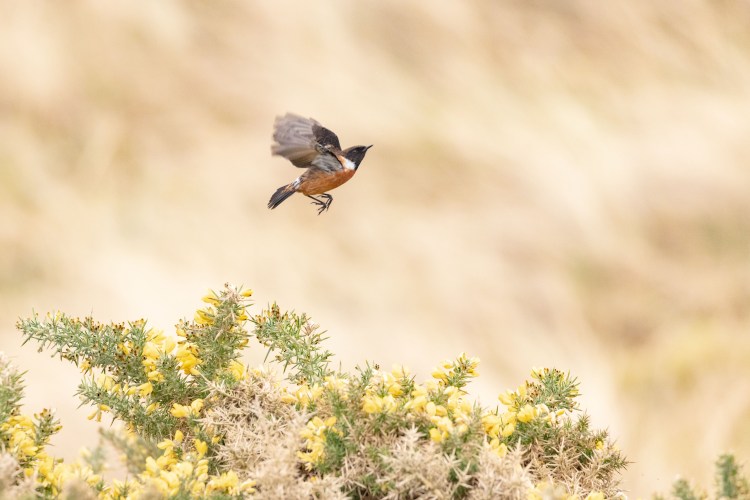
This was all going on in just one direction. If I swivelled to face south instead, my binoculars were full of yellowhammers, linnets, stonechats, dunnocks, wrens, goldfinches, reed buntings and song thrushes, all attracted by the dense shelter of gorse bushes and the stubble field beyond.
As my first spring in Moray became summer, these resident birds were joined by migrating visitors: whitethroats, willow warblers and chiffchaffs perched on the gorse while gannets, swallows and sandwich terns swooped over the water. I’d never seen so much birdlife in one small area, and the coast path remained my regular local patch even after restrictions eased.
However, my eyes naturally wandered and I ventured east into Aberdeenshire and south into the Cairngorms National Park. One thing led to another and less than eight months after moving to North East Scotland I secured a commission to write a book about it which, as you’ll probably know (because I never shut up about it), is what I’ve been grafting away on ever since.
While I was gallivanting all over the place researching my book, I neglected my little patch of coast path. I still walked the dog that way occasionally, but I couldn’t dedicate the same amount of time to watching the birds there as I could when I first moved.
My book will be sent off to the typesetter in just over a week’s time, so aside from proofreads and final adjustments, this monumental task I’ve taken on is almost complete. Today, on my third anniversary in my new home, I walked the coast path again, dedicating a whole morning to wandering and watching.
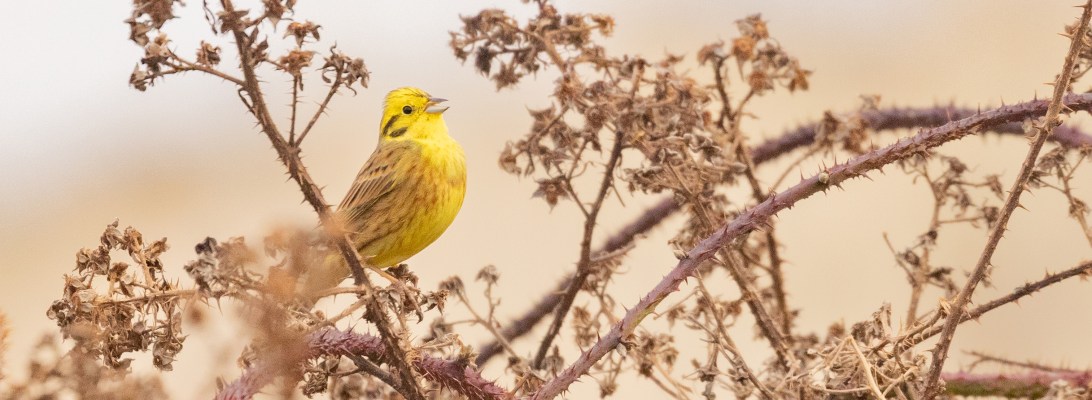
Although I couldn’t spot them all, I knew yellowhammers were everywhere because their distinctive song – ‘a little bit of bread and no cheese!’ – was bouncing around like a bullet in a cave. You wouldn’t think a luminous yellow bird could blend in, but when they’re perched on gorse flowers of a similar shade, they camouflage remarkably well.


Elsewhere I saw a pair of stonechats on the tallest sprigs of a particular gorse bush, regarding me with a cock of the head and a bob of the tail. It’s fanciful thinking, but seeing as stonechats can live for a handful of years it’s possible that they’re the same ones, occupying the same territory, that I saw on my first forays in 2020.


In three hours, I spotted 33 different bird species – not bad for one mile of coastline before spring has even got going. Of that list, it was the yellowhammers and stonechats that I most enjoyed watching. They were two of the first birds I ever saw in my new home, so they’ve become familiar and even nostalgic – especially when I think back to the surreal times of only being allowed an hour’s outdoor time each day. Luckily for me, that one mile is as bursting with life now as it was back then.
YOU MAY ALSO LIKE
Summer Blends to Autumn




 rebeccaonthewing.com