Traditional Flora of Yule

I’ve always loved winter the most. It might be because I’m a December baby, or because I love snow, ice and winter wildlife – there’s just something special about the dark half of the year. After a summer slump, my motivation begins to grind again in autumn and by winter I’m raring to go.

Today is the winter solstice, which marks the longest night of the year. From now on the days will start to lengthen. I know a lot of people struggle with these short, darker days, but with the winter solstice come exciting prospects for the new year and a clean slate to begin again. For me this is a time of possibility. There may be darkness now but the light is slowly returning.

I’m interested in the pre-Christian traditions surrounding the winter solstice, or Yule. Many of these old traditions are still familiar to us today, in particular those associated with wild plants.


HOLLY

One of several protective evergreens, holly has been a significant part of Yule tradition for thousands of years. The Druids regarded it as the sacred king of winter – while other plants withered during the cold months, holly continued to flourish.

As a result, the prickly plant became a symbol of renewal and rejuvenation, maintaining high spirits through winter. Many ancient Europeans brought holly into the home as protection – its spikes were said to repel unwanted spirits and bring good luck.
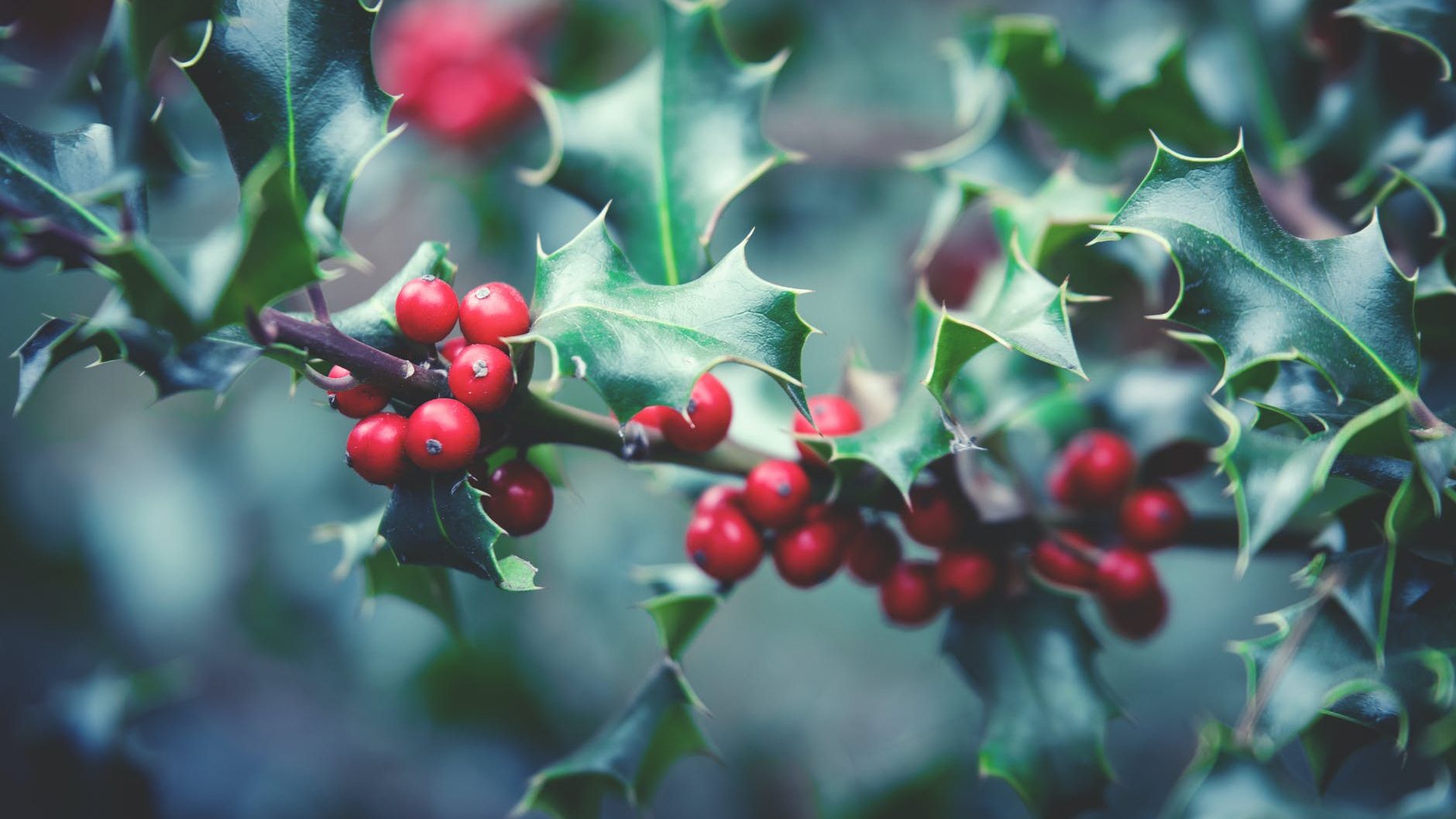
red berry plant
Photo by Lum3n on Pexels.com

IVY

The Druids considered ivy to be the queen to holly’s king. Also an evergreen that endures challenging environments and keeps its colour all year, ivy is symbolic of endurance and promise.

Thought to possess magical qualities, it was hung in the home to bring luck in the spring. Ivy is especially significant because it grows in a spiral, reflecting the Wheel of the Year.
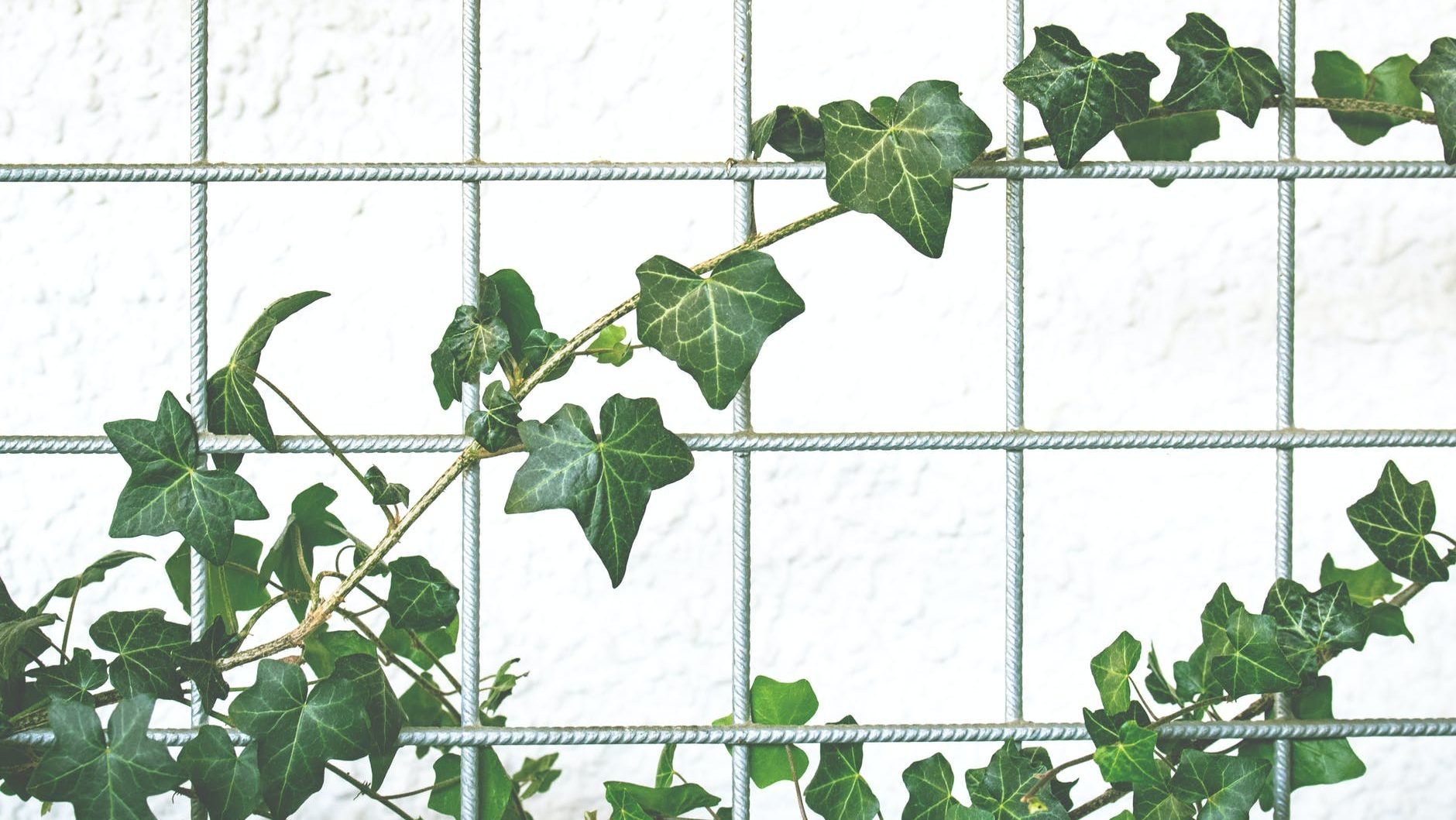
green leafed plant
Photo by Lum3n on Pexels.com

MISTLETOE

This plant is typically hung from the ceiling and its magical properties come from the belief that it exists between two worlds: sky and earth. It is cut carefully to ensure that it doesn’t touch the ground.

Mistletoe has long been regarded as a symbol of freedom. Ancient Europeans believed it was a sign of peace, and any time warring Celtics found it in the forests, they would honour the plant and drop their weapons. Today, mistletoe is less of a white flag of surrender, but we still honour it with compassion by sharing a kiss!

four pine cones on top of brown wooden surface
Photo by Jessica Lynn Lewis on Pexels.com

YULE TREES

Evergreens such as fir and spruce were seen as signs of eternal prosperity. They were symbols of optimism and freshness even in unforgiving environments. By bringing their branches – and more recently, the whole trees – inside during Yule, it was believed that evergreens could enliven and invigorate the home in preparation for the coming year.
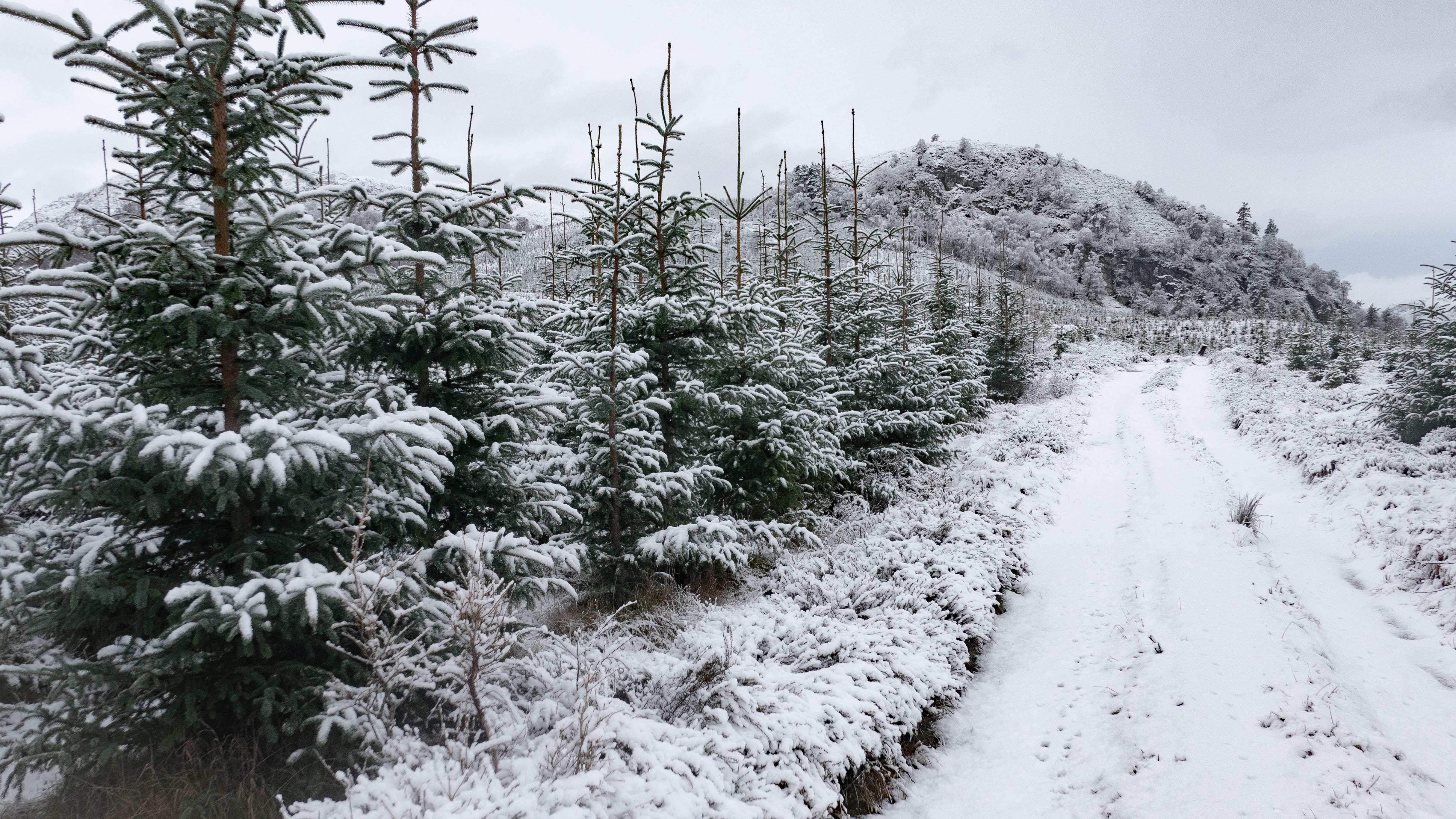
Yule is a time to rest and reflect, which is especially important after a year like this one. I hope you have a warm and restful time with family and friends!

Farewell to Scilly

For my last full day on Scilly I was back on St Agnes again, joining a group led by Will Wagstaff on a full day of exploring. Although the weather was still far from bad, today was the murkiest I’d had so far. The sun was well and truly concealed behind thick cloud, and without its warmth the wind blowing off the sea cut through my jacket and made me very grateful I’d decided to bring a jumper this time.

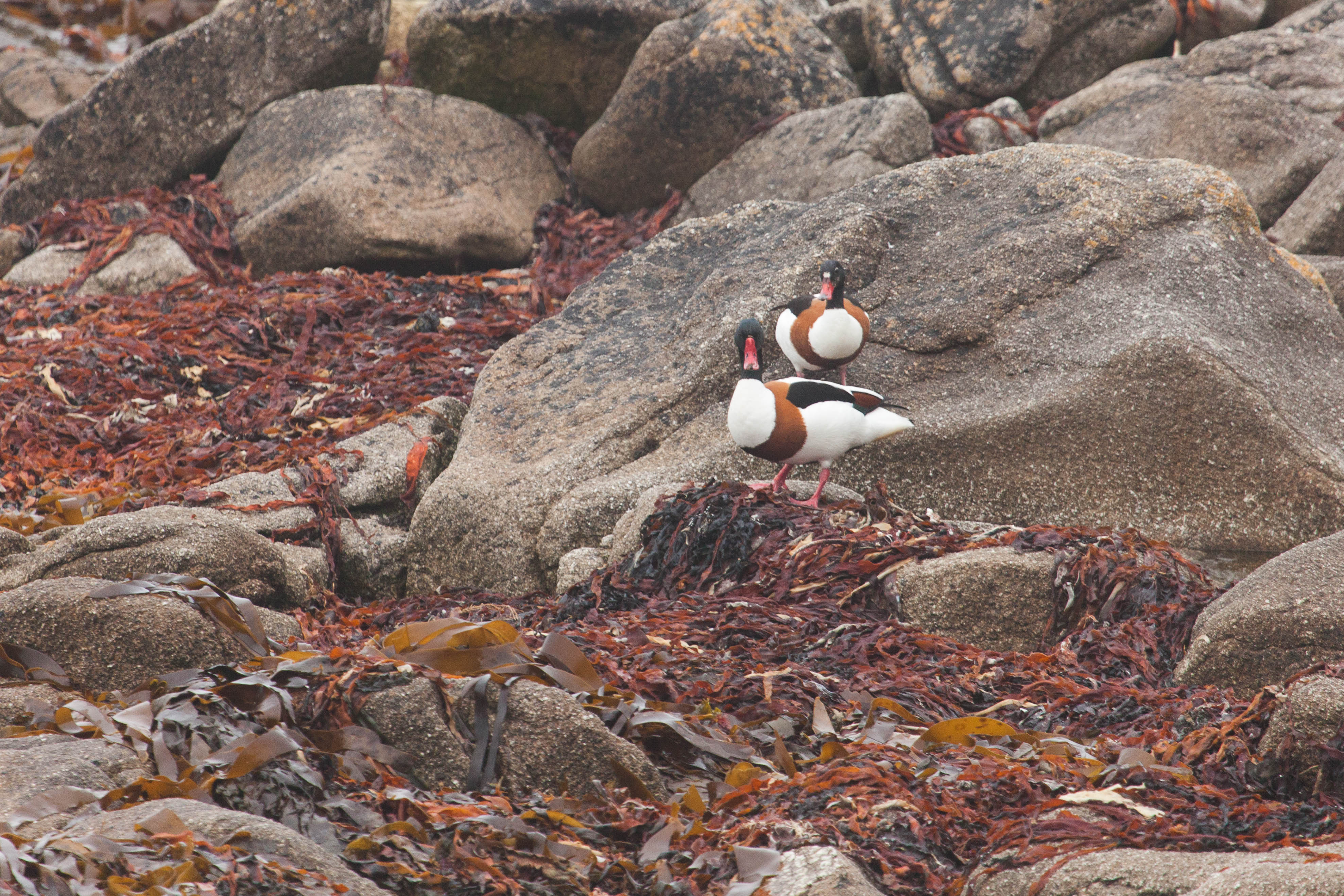
While most of the visitors from the boat headed towards Gugh before the sand bar closed up later in the afternoon, we went the other way, hoping to find more wildlife than people. Before long we heard the sound of a chiffchaff in the bushes, followed by a song thrush and the customary wren. We stopped at Big Pool and watched a pair of shelducks. Both male and female have beautiful and striking plumage, making camouflage on the nest impossible. To counter this, shelducks are often found nesting in burrows out of sight of predators.

IMG_1861

Just as Will was explaining this, one of the visitors interrupted with an exclamation of “redstart!” I’d never seen a redstart, so I was keen to find where the bird was spotted. There, perched proudly on the fence, was a beautiful male; black face, burnt copper breast and a smoky blue back. It was a stunning bird, but as usual didn’t stay still for long.

After a loop of the pool we wandered through Lower Town, a tiny street with a post office and a sprinkling of houses. We passed another grove of elm trees, and I asked Will if the ivy – which was also covering these trees – had a detrimental effect on them. To my surprise he said no, and in fact ivy was an essential part of the ecosystem, providing shelter for birds, insects and small mammals. While ivy should be removed from buildings, its presence on trees was of little concern. I was pleased; having survived Dutch elm disease it would be a shame to then lose Scilly’s elms to the ivy.

IMG_1616

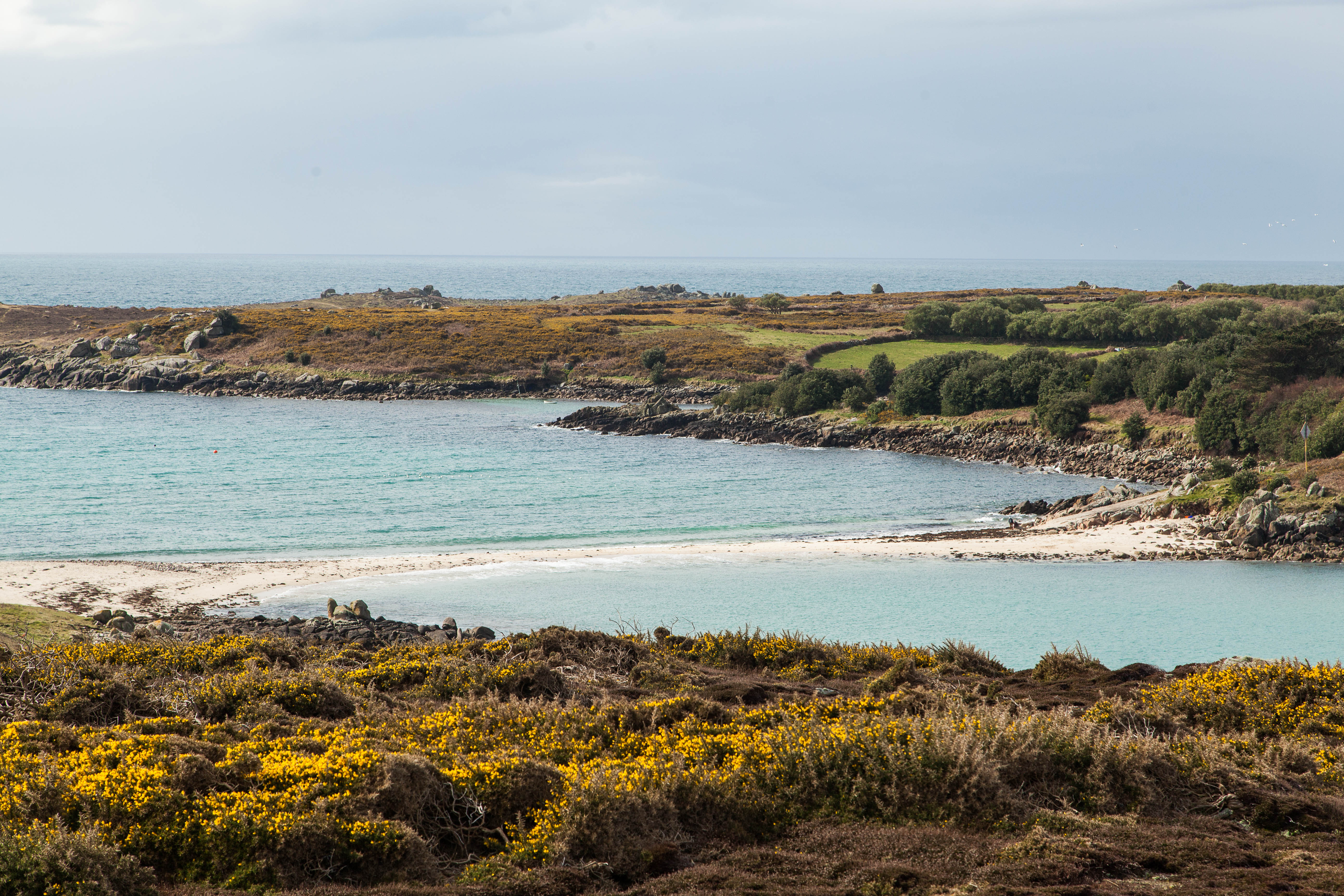
We crossed the beach looking out over Beady Pool and noticed that the sand bar to Gugh was closing fast. At this angle, you could really see how flat the beach was, and Will told us how people had underestimated the tide and had gotten trapped on Gugh in the past. The ocean was a force to be reckoned with, especially out here when the land was so low-lying and water inundation was an ever-present risk.

IMG_0604

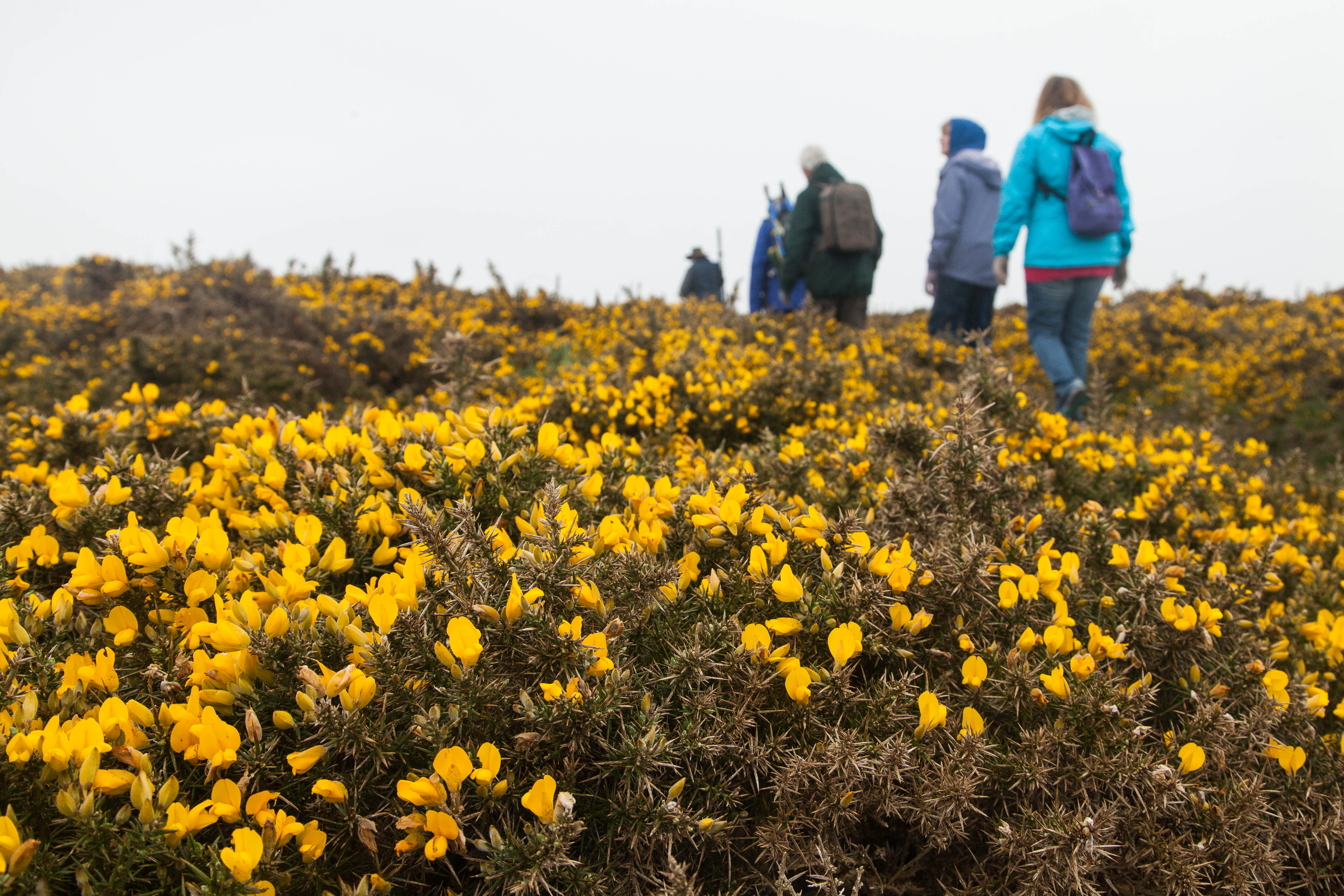
We threaded our way through vast forests of gorse, a bittersweet combination of harsh brambles and delicate yellow blooms. A herd of Ruby Red cattle grazed nearby, mooing into the otherwise silent landscape. The sharp-eyed visitor who’d spotted the redstart alerted our attention to another bird that was perhaps even more special: a woodchat shrike. Admittedly, I’d never heard of the bird before. It was an annual vagrant to Britain from southern Europe, usually seen here from April to October. A bird is considered vagrant if it strays far from its wintering, breeding or migrating grounds. The shrike was perched quite far off, but I could still make out striking black, white and russet plumage. I managed to get some shaky photos of the bird while it remained stationary; although they won’t win any awards, they were proof we saw it.

IMG_1823

The afternoon was racing on. The sun had failed to emerge so up on exposed Wingletang Down we all felt distinctly chilly. Incidentally, there was a café just up the hill, overlooking St Warna’s Cove. While we warmed up with hot chocolate we watched a few fulmars resting on the rocks. Unlike most gulls, fulmars don’t walk well on land, so if not flying the birds are always seen lying on rocks instead of perched on their feet. We all had a look down Will’s telescope, and saw there were distinct pairs set out on the rock. Fulmars, like many other birds, are monogamous and will mate with the same individual throughout their lives.

After we’d warmed up a little it was time to make our way back across St Agnes to the quay. We passed Porth Killier again, which looked vastly different now the tide had swelled. Will spotted a curlew sleeping with its characteristic bill tucked under its wing, and just as we reached the track down to the quay we saw a wheatear posing on the stonewall. We’d amassed quite an extensive bird list during the day, including several I’d never heard of let alone seen. It was always exciting ticking new species off the list, and on my last day in the Isles of Scilly I’d made lots of progress.

IMG_1802

Winter Flora

Chances are, everyone has seen that Christmas is coming. Holly adorns the cards, wreaths hang on the front door and trees are being dragged into the house. Christmas traditions have been part of our culture for many years, but why do we follow them? I wanted to find out, so get yourself another mince pie and discover why exactly certain flora have become such icons of the festive period.

Holly

Holly has been a significant part of Christmas tradition for many thousands of years. The Druids regarded it as the king of winter. It was sacred; while other plants withered during the cold months, holly continued to flourish. As a result, the prickly plant became a symbol of renewal and rejuvenation, maintaining high spirits throughout the difficult winter. Many ancient Europeans brought holly into the home as protection, to ward off ill omens and bring good luck.

Holly also has religious connotations. Early Christians associated the prickly leaves as a crown of thorns and the bright berries as drops of the blood of Christ. According to legends, holly berries were originally white, but were stained red when Christ was crucified.

Ivy

The Druids considered ivy to be the queen to holly’s king. Also an evergreen that endures challenging environments and keeps its healthy green all year, ivy is symbolic of endurance and promise. Thought to possess magical qualities, it was hung in the home to bring luck in the spring.

For a time, ivy was banished by Christians during the festive period because it was able to grow in shade, which was considered a symbol of secrecy and deceit. However, this tradition soon wore off and ivy became a firm part of Christmas culture again.

Mistletoe

Mistletoe has long been regarded as a symbol of freedom – perhaps why it’s suspended rather magically in mid air. Ancient Europeans believed it was a sign of peace, and any time warring Celtics found it in the forests, they would honour the plant and drop their weapons. Today, mistletoe is less of a white flag of surrender, but we still honour it with compassion by sharing a kiss!

Christmas trees

Once again, Christmas trees (typically fir) are evergreens, so were seen as signs of eternal prosperity. They were a symbol of optimism and freshness even in unforgiving environments. By bringing its branches – and more recently, the whole tree – into the home during the Christmas period, it was believed that the evergreen could enliven and invigorate in preparation for the coming year.

So as you are decorating your home with beautifully smelling natural plants this December, remember why exactly they are there and how long these sacred traditions have endured!