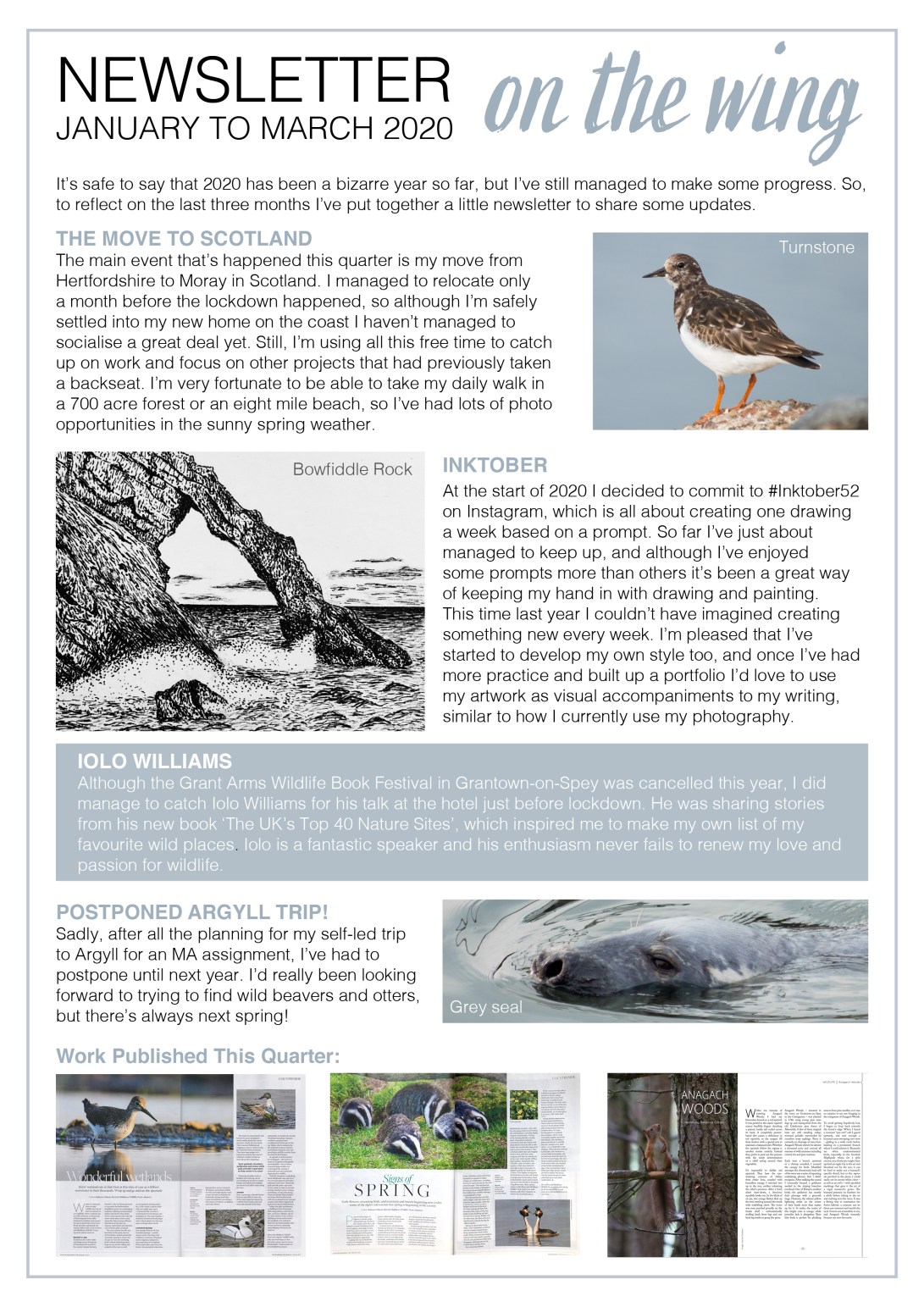
First Quarter Newsletter

Last night I had a lovely meal at the Grant Arms Hotel in Grantown-on-Spey before seeing a talk by Iolo Williams. Despite current news and hysteria, the lecture room was full to the rafters and extra chairs had to be squeezed into gaps.
Iolo’s new book is called “The UK’s Top 40 Nature Sites” and highlights natural gems up and down the country from the Lizard Peninsula in Cornwall all the way up to the Shetland Islands. Naturally, Iolo said that every site in England, Scotland and Ireland paled in comparison to those in Wales, “God’s own country”.
Iolo is such an inspiring speaker, sharing his stories with the confidence and laid back attitude of someone chatting in a pub. His passion is palpable and easily transfers to his audience. As well as golden eagles and puffins, Iolo was keen to highlight smaller and lesser known species. I learnt what the lion’s mane fungus looks like, and discovered just how beautiful the marsh fritillary butterfly is.
As I sat listening to Iolo’s favourite wild places, I realised that I’d actually been to quite a few of them myself. It gave me the idea of gathering my own list. Some of them are in Iolo’s book but some are my own additions. I’ve chosen places that offer almost guaranteed sightings of a particular species or the opportunity to get lost in secluded wildness. Either way, I hope people discover and fall in love with them as I have.
Anagach Woods
Iolo included Anagach in his book but I had to as well. I visited a few times when I was staying at the Grant Arms for the Wildlife Book Festival last spring and was absolutely captivated. I’ve never been in such a vast area of woodland. Although you will often see dog walkers at the edge of Anagach, as soon as you press further in and choose one of many winding trails, you quickly forget about cars, roads and people. Anagach is full of wildlife, from common coal tits and relatively easy to spot red squirrels to far rarer Scottish icons such as pine martens. Listen for crossbills flying over and look for the elusive but gorgeous crested tit, which is only found in the Caledonian pine forests of Scotland. One of my favourite sounds is a trickling stream running through a forest and I indulged my love for it in Anagach – perching on a rock watching water bubble past me between the trees. Unsurprisingly, it is easy to get lost in this sprawling forest, but that’s half the fun.


Farne Islands
The Farne Islands off the Northumberland coast are notorious for grey seals and I had the privilege of snorkelling with them in June 2018. It was during this visit that I had a seal swim up to me and wrap its front flippers around my leg, which is something I wish I’d photographed but will still never be able to forget.
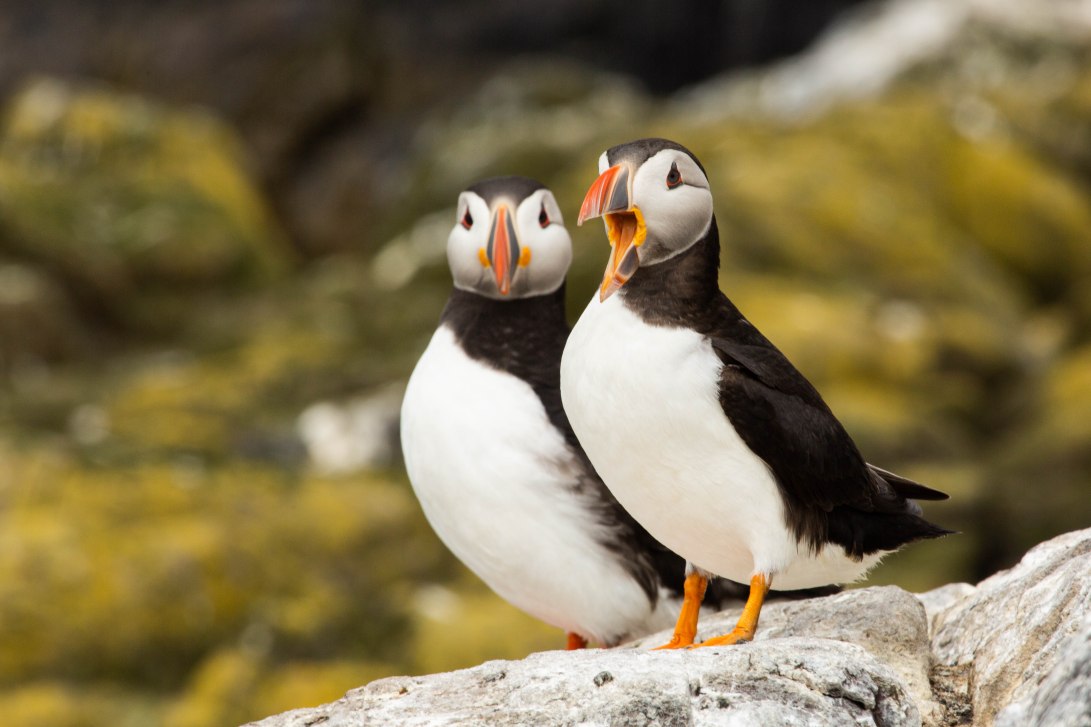
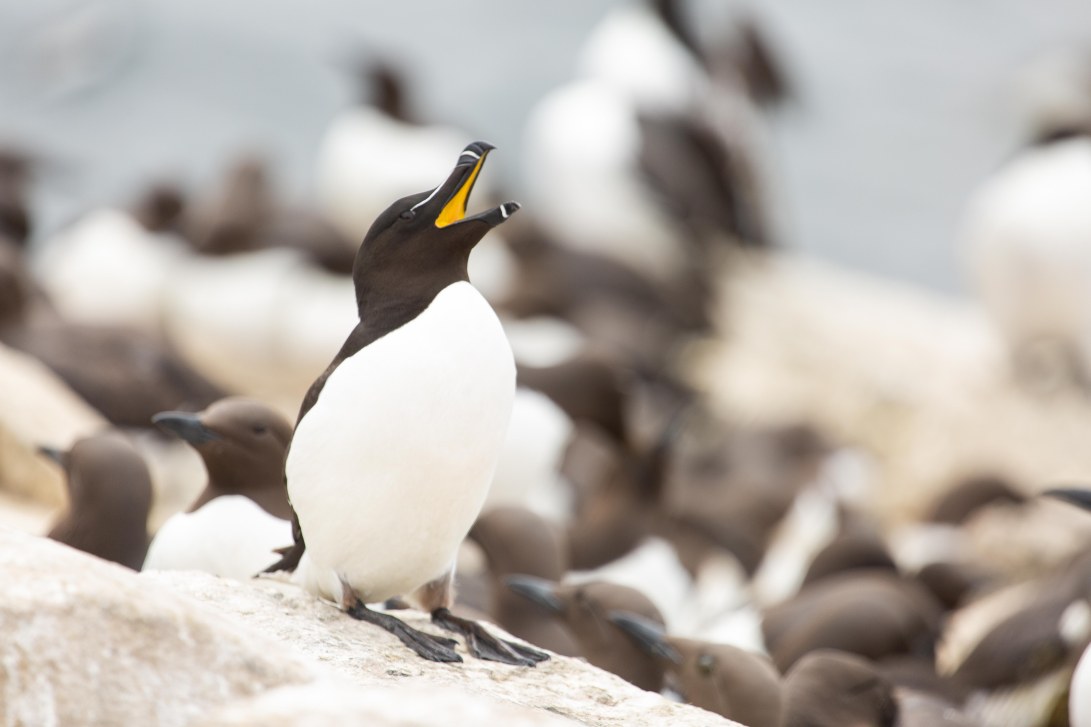
But despite the excellent views of seals, I’ve chosen the Farnes for their astonishing bird life. Moments after disembarking from the boat we were carefully weaving around nests positioned just off the path, our ears slammed with the onslaught of squawking from razorbills, guillemots, cormorants and everyone’s favourite, the puffin. I’d seen glimpses of puffins between waves before, but on the Farnes you can watch from a front row seat as they go about their business of hunting sandeels and dashing into burrows. For anyone wanting to see their first puffin, the Farnes are the place to go.
Burghead Backshore
It is only recently that I’ve discovered just how special the Burghead Backshore is for wildlife. In just two weeks of living on this small peninsula jutting into the Moray Firth, I’ve seen plenty of cars parked along the bank with binocular-clad birders clambering out to scan the shore. People come from all over, including paying customers on Highland Safaris from Aviemore.
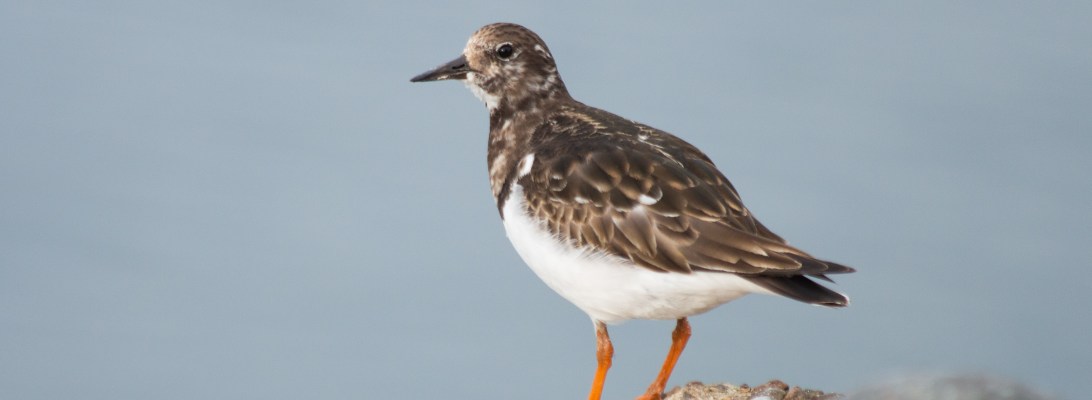
I can’t speak for every season, but so far during late winter I’ve had almost daily sightings of goldeneye, long-tailed duck, eider, red-breasted merganser, turnstone and redshank. For such a small area, the Backshore is bursting even during the lean winter months.
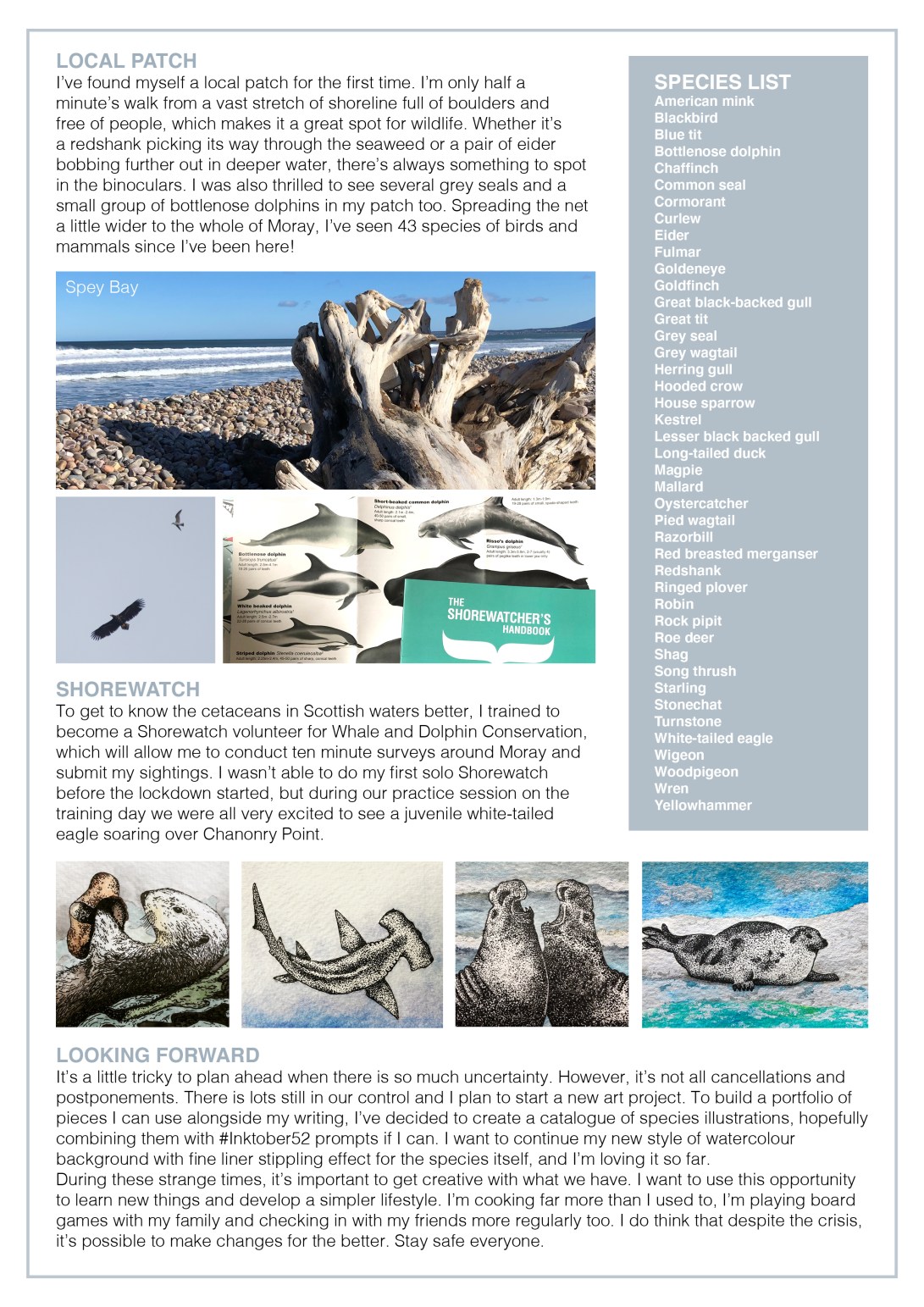
And of course, there are more than birds to be found around Burghead. The Moray Firth is one of the best places in the UK for bottlenose dolphins, and basking sharks and minke whales have also been seen, as well as grey seals. I can’t wait for the proper dolphin season to kick off in May, as I haven’t managed to spot any yet. This weekend I’m going to Inverness to become trained as a Shorewatch volunteer for Whale and Dolphin Conservation, so I can carry out official cetacean surveys in Burghead. I can’t wait to learn more about my local marine wildlife and contribute to conservation.


Isle of Cumbrae
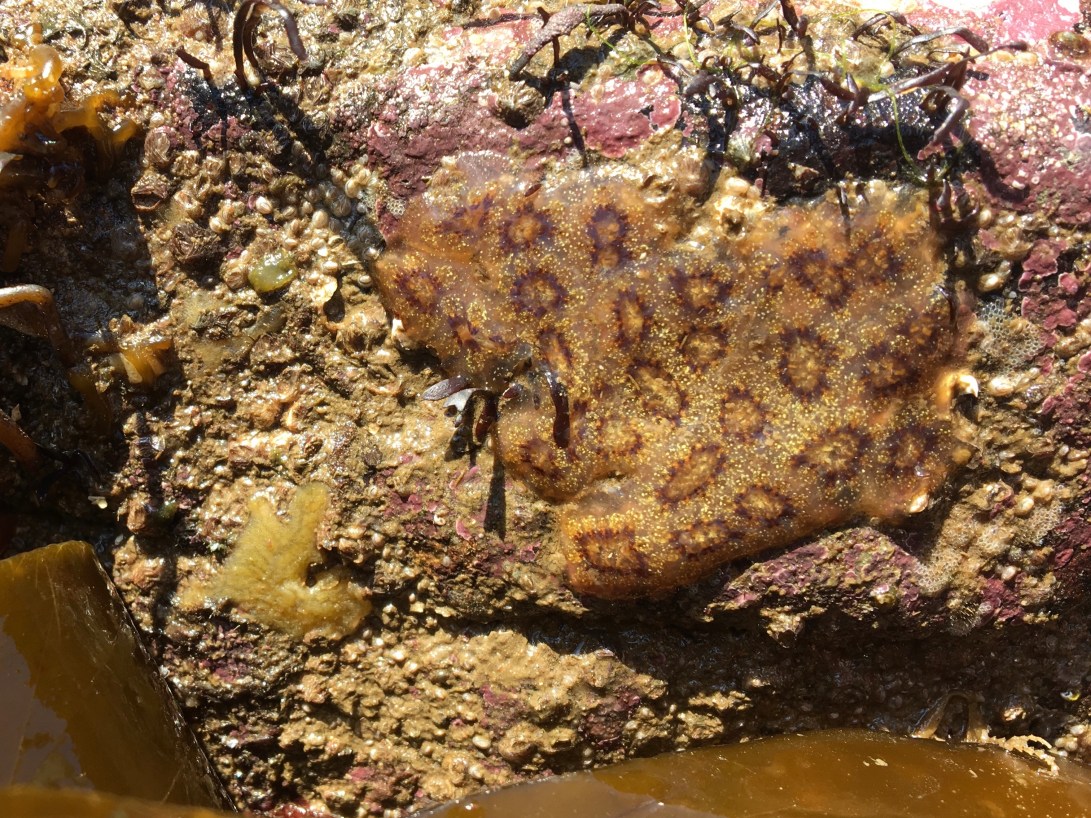
In May 2018 I attended a Field Studies Council weekend course on the Isle of Cumbrae in Ayrshire. It was a jump into the unknown that I didn’t fully appreciate until I was standing spread-legged in the shallows peering down into rockpools and glancing at a sheet of paper I didn’t really understand. The course taught us how to identify biotopes – the combination of a physical habitat and the biological community that lives in it – and although I certainly enjoyed staring down microscopes and poring over textbooks that weekend, the highlight for me was spending two full days on the beach looking for creatures in rock pools. We saw beadlet anemones, a stunning dahlia anemone, acorn barnacles, hermit crabs and common prawns. Every rock revealed a different discovery. Despite spending plenty of summer days at the beach in the past, I’ve never done so much rock pooling before and the FSC course started a new fascination for marine wildlife that I’m hoping to return to now I’m living on the coast.

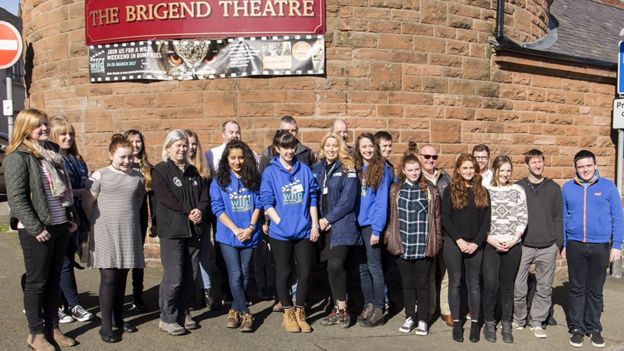
Last weekend was the first Wild Film Festival Scotland, which took place in beautiful Dumfries and Galloway. Myself and a few other Wildlife Media students were lucky enough to volunteer during the event, which involved some amazing talks and a rather fetching cobalt blue volunteer hoodie.
I headed up to Dumfries on the train and arrived mid afternoon. As I stepped onto the platform I realised what the niggling feeling I’d had was about: no pyjamas. To prevent severe embarrassment at the studio flat I was sharing with Zahrah later on, I made a quick dash up the high street then wandered down to the Theatre Royal to catch a talk from photographer Gordon Rae about his work. He told us about a trip to Churchill in the Canadian Arctic, where there were more polar bears than people, something I found incredible.
Later on was one of the festival headliners: Simon King. Excitedly, Zahrah and I joined the other volunteers and spent the next two hours hearing some extraordinary bird noises. Simon King is a real impressionist; I’d heard some of the animals he impersonated in the wild, and his versions were truly uncanny.
The next morning I headed down to the theatre for my induction, donning my hoodie and making my way to the Robert Burns Centre for my first shift. I welcomed visitors and clocked them in with the clicker, something I found more entertaining than perhaps I should. In between shifts I managed to catch a lot of films and talks, learning some amazing things about the natural world. Being at an event like Wild Film Fest with some professional naturalists made me realise just how much I still have to learn. It’s a blessing and a curse; of course I’d love to be a wildlife connoisseur overnight, but at the same time it’s exciting know how much there is still to find out.
The weather this weekend was stunning. During my lunch breaks I sat by the river and watched the goosanders dive and the mallards struggle against the current. I bumped into Cain, who told me there were otters on the river, but not while I was looking for them. The only wild otters I’ve seen were on the Isle of Carna – by the time I graduate I want to at least see them in Carlisle, where apparently the world and his mother have seen them.
Sunday night was Iolo Williams. The theatre was packed – after checking tickets and doing the headcount, I nipped up to the balcony and watched the talk with a bird’s eye view. Iolo is a great naturalist and a real entertainer. I asked him what he thought about the re-introduction of wolves in the UK, and he replied that the best place to release a pack would be the Houses of Parliament. Like all good naturalists, it was clear he had passion.
In seemingly no time the weekend and the festival were over. After a very nice bolognese at Hugo’s restaurant, we headed to the train station and made our way back to Carlisle, leaving behind a beautiful crimson sunset. It was a brief but really great weekend. Volunteering at the first ever Wild Film Fest Scotland is something I’m proud of, and hopefully next year’s will be an even bigger success.
 rebeccaonthewing.com