Northumberland: Day Three

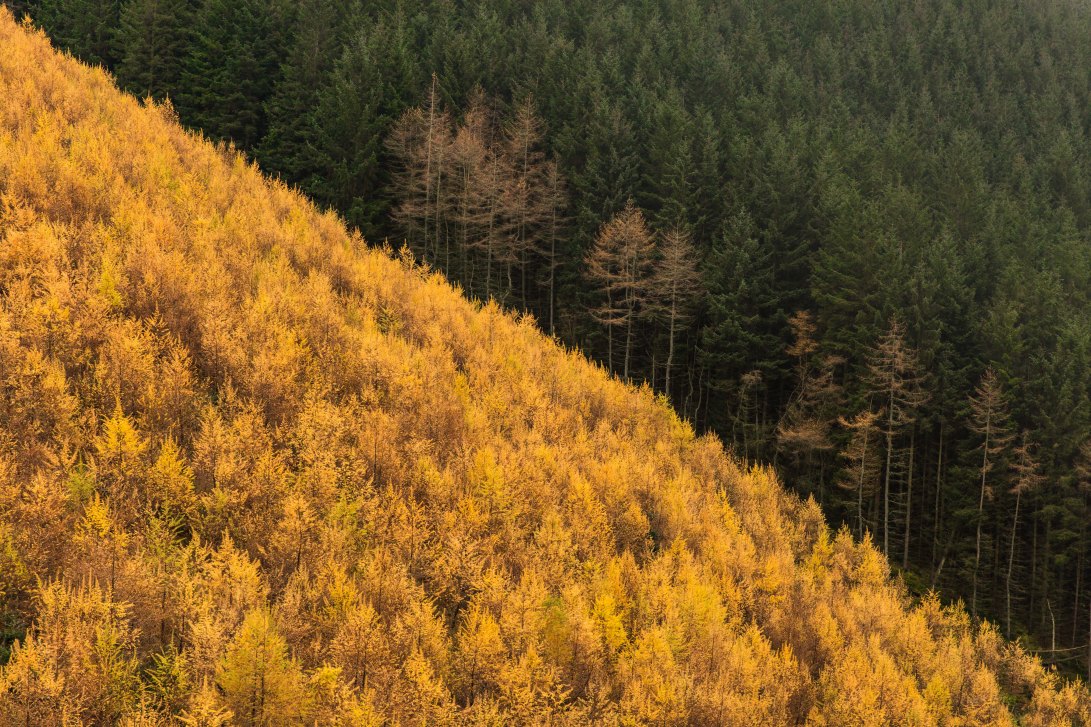
There was no frost today, but the sun was shining brightly and I knew the larches on the hills would be lit up like fiery beacons. We only had the morning, as we were leaving the bothy just after lunch, so first I headed out with Cain to pick up the camera traps. I was wrapped up in my fleece but was soon peeling layers off – the weather was surprisingly warm today with such bright sunshine and little wind.

7W1A8462

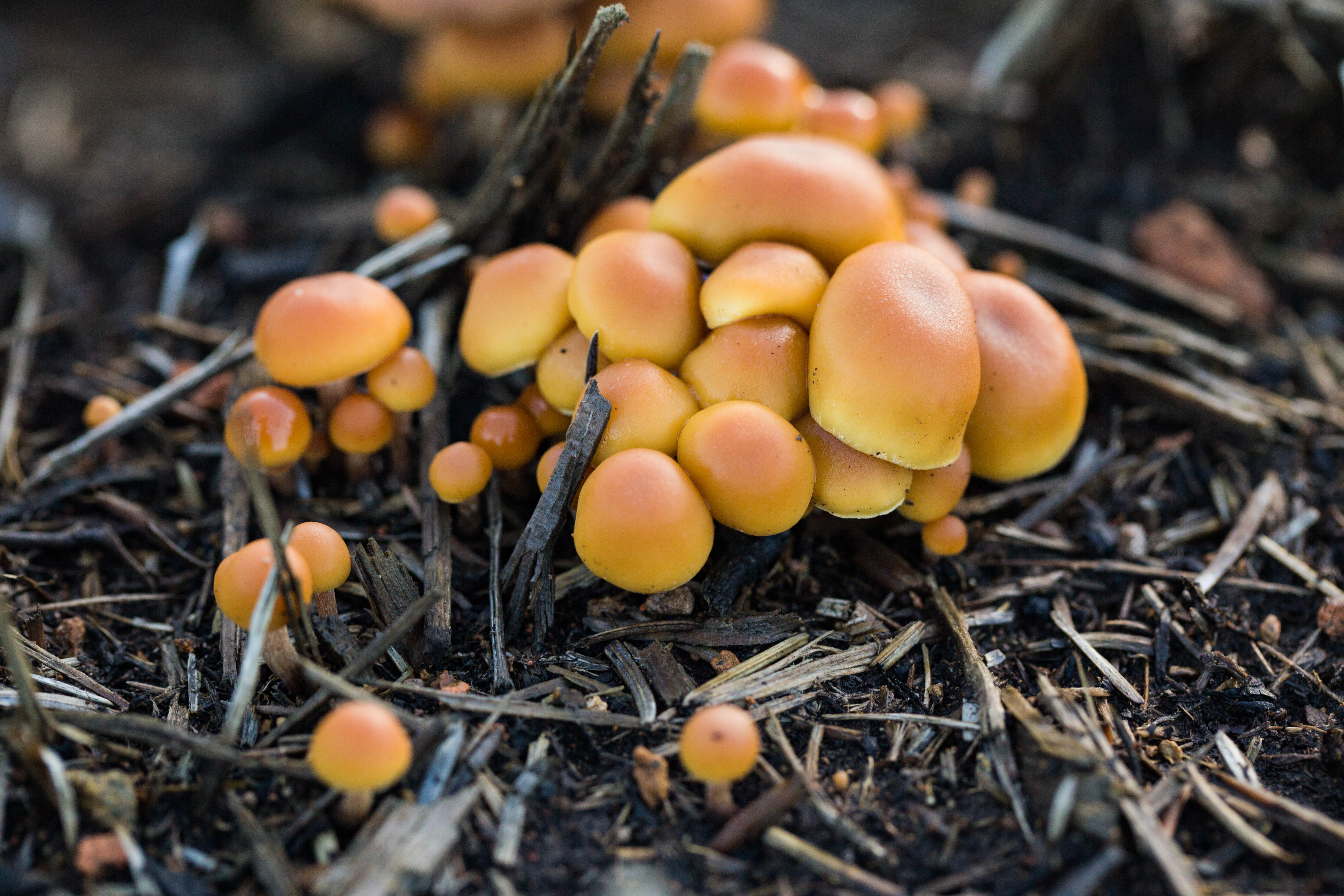
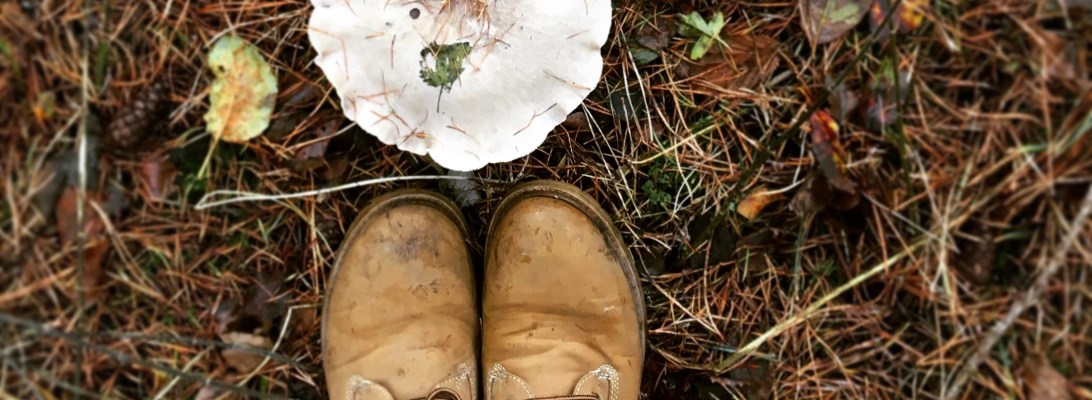
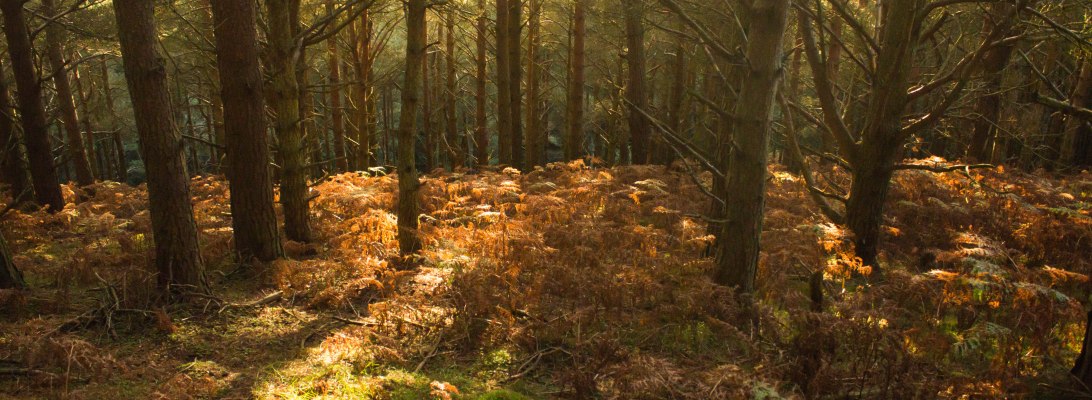
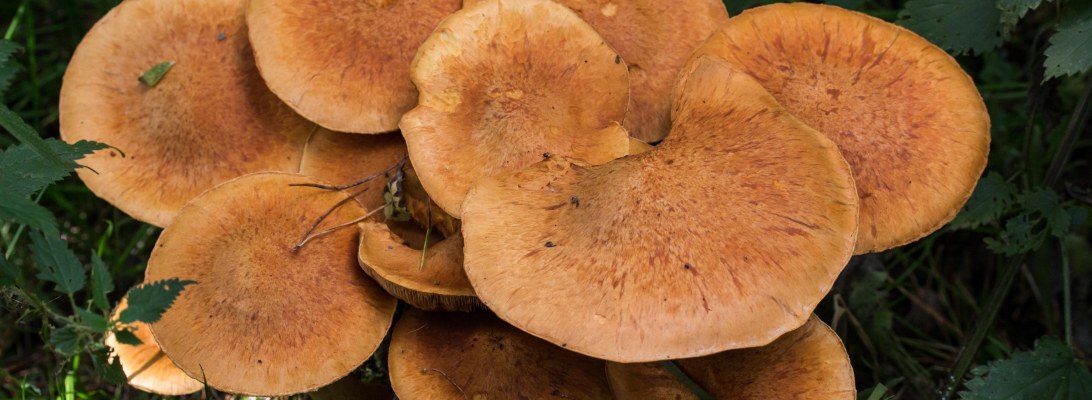
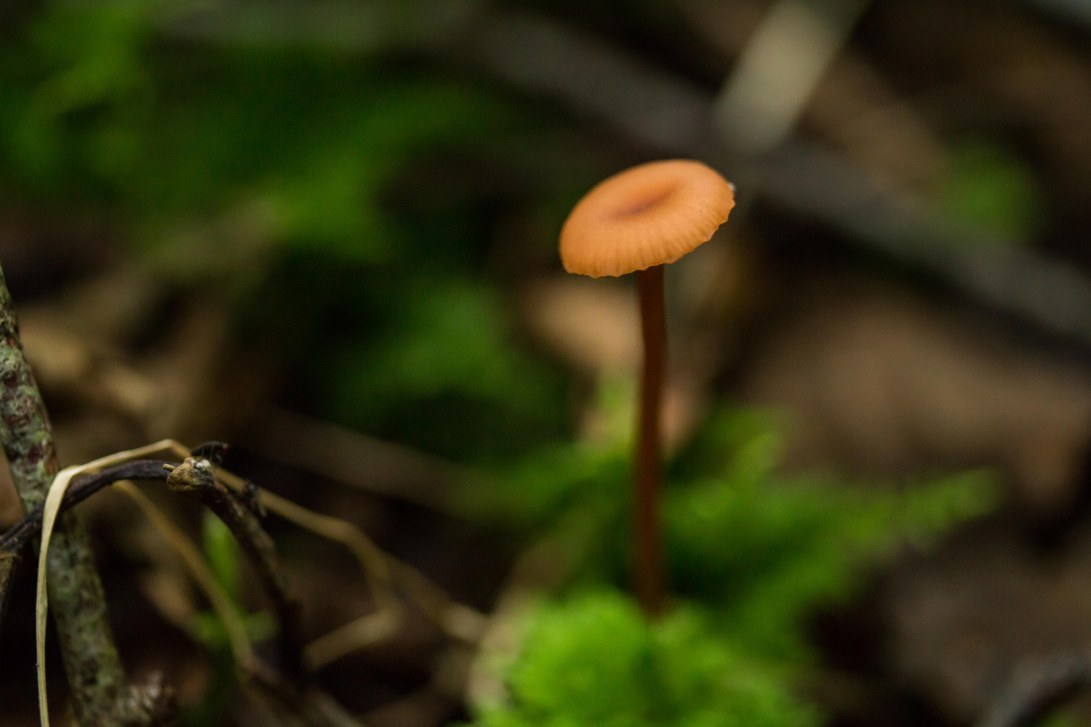
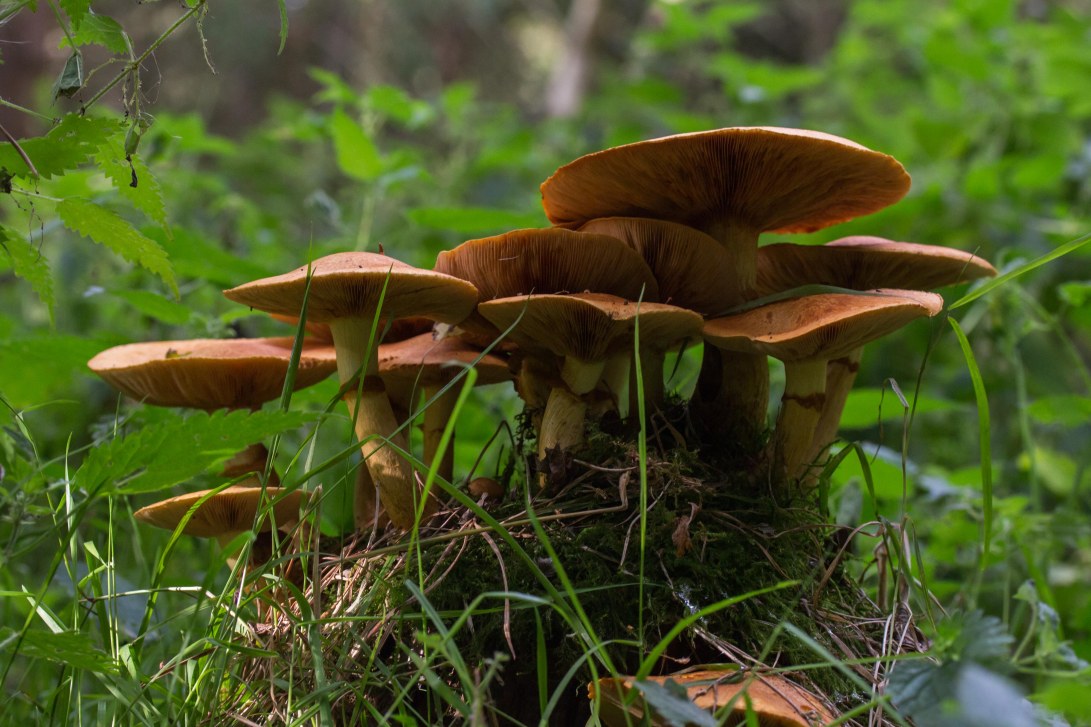
Just before we returned to the bothy to check the footage, Cain took me to see the huge troops of orange fungi up the hill by the clearing. I’d just been saying how little fungi I’d seen, but I was soon proved wrong when I saw how many there were up here. Sprinkled all the way along the track were small orange bulbs of every shape and size. Some were illuminated in patches of sunlight, which made their colours shine even brighter.

7W1A8528

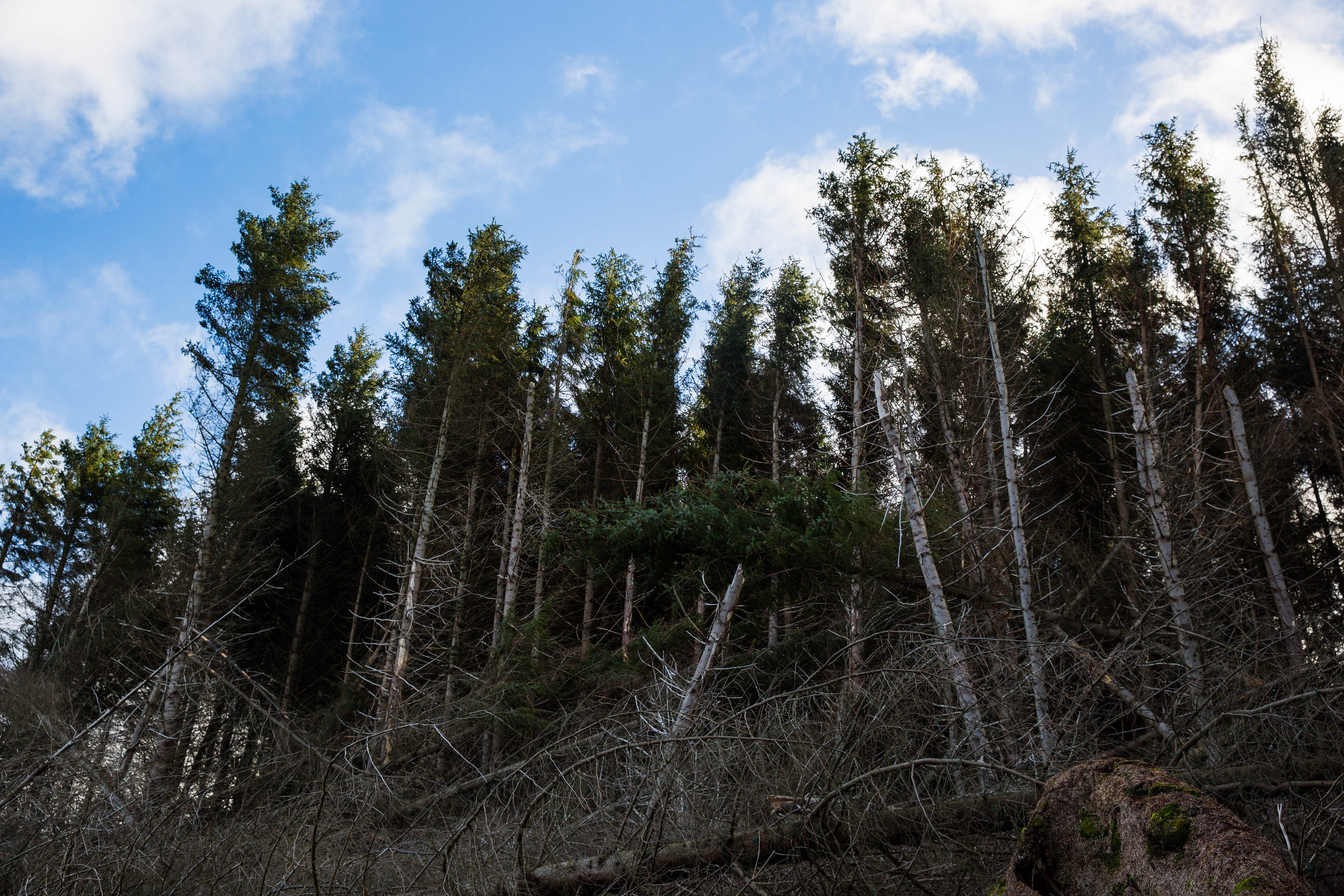
As I was stooped on the ground photographing the fungi, I heard a bizarre sound that reminded me of an angry cat. I turned and saw the outer layer of trees swaying in the growing wind, releasing the most peculiar creaking noises. Cain explained how these trees would usually grow on the inside of the forest, but due to felling they were now on the outer layer and were struggling to cope with the battering elements. Some had already succumbed, and we passed gigantic trees lying flat on the forest floor, their roots larger than tractor wheels.

7W1A8512

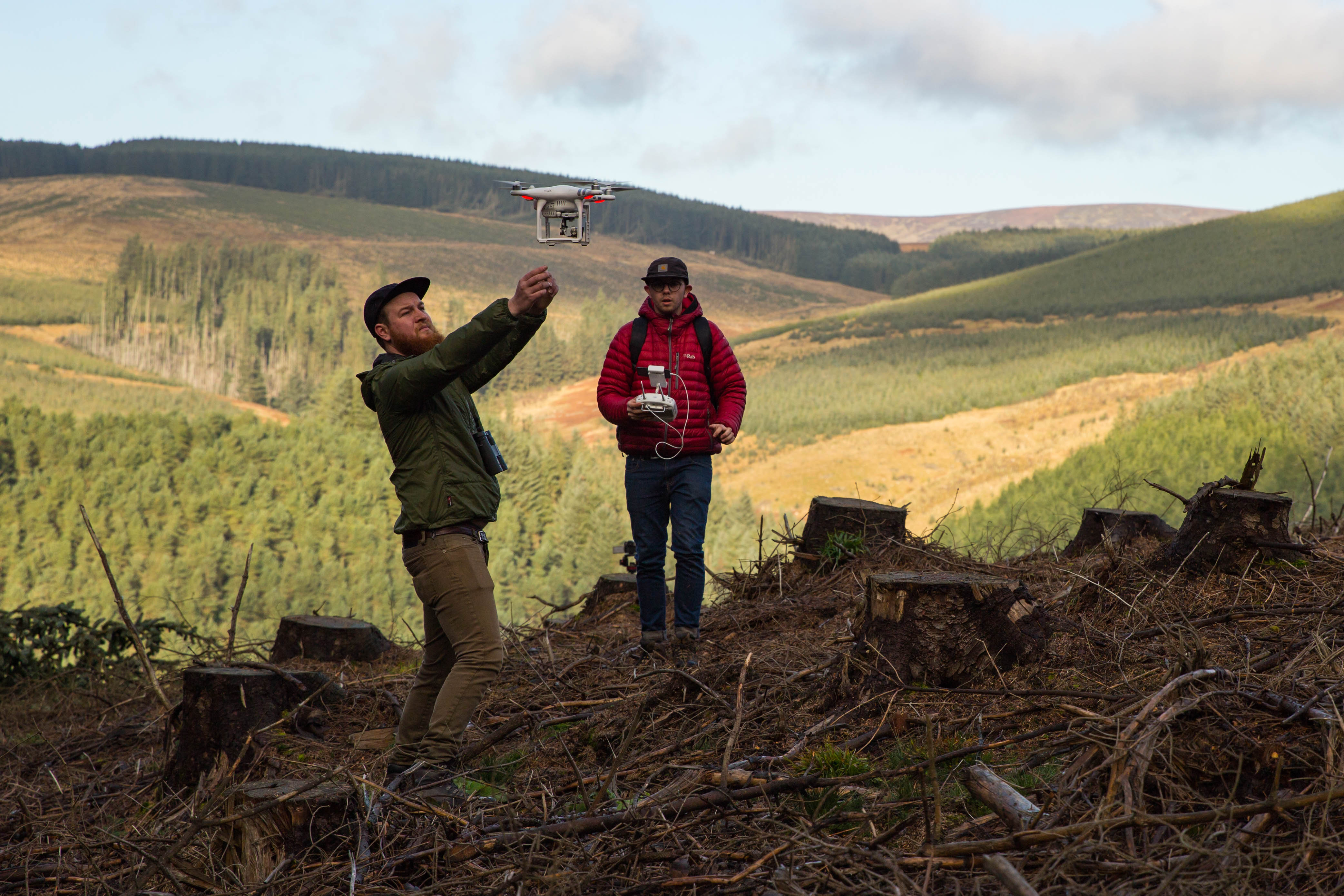
Out in the open, the wind was a lot stronger, so we ducked back down and sought the shelter of the forest. We gathered everyone in the bothy and had a look to see if the traps had been successful. Sadly, the two I had put out only had footage of my bobble hat as I attached and detached the trap from its post. However, Cain had put one in the garden and this had filmed several clips of a bank vole darting in and out of the rock pile. Later in the night, a wood mouse joined the scene, distinguishable by its longer tail and much larger Mickey Mouse ears. So, the traps weren’t a complete disaster, but certainly no pine marten footage.

7W1A8510

Sightings

  • Bank vole – on camera trap (Myodes glareolus)
  • Chaffinch(Fringilla coelebs)
  • Kestrel(Falco tinnunculus)
  • Robin(Erithacus rubecula)
  • Wood mouse – on camera trap (Apodemus sylvaticus)

Northumberland: Day Two


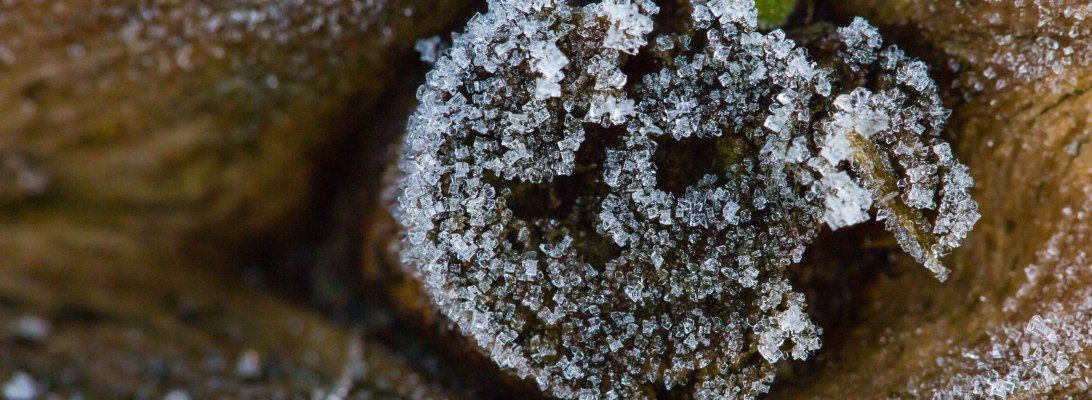
When I woke up the blinds were bright. I had a peek outside and was thrilled to see there was a frost clinging to the grass. I hurried into clothes and headed out into the garden. It had been a full year since my last frost and I was eager to capture some macro photos again. Leaves, twigs and thistles were all coated in a fine layer of silver crystals that, when hit by the sun, twinkled and shone like last night’s stars. Soon I had wet knees from crouching in the grass and the beginnings of a crick in my neck from getting as close as possible. My plan was to crop the photos in to create a repeating abstract texture. As usual, I took far more than I probably needed.

7W1A83007W1A8313-2

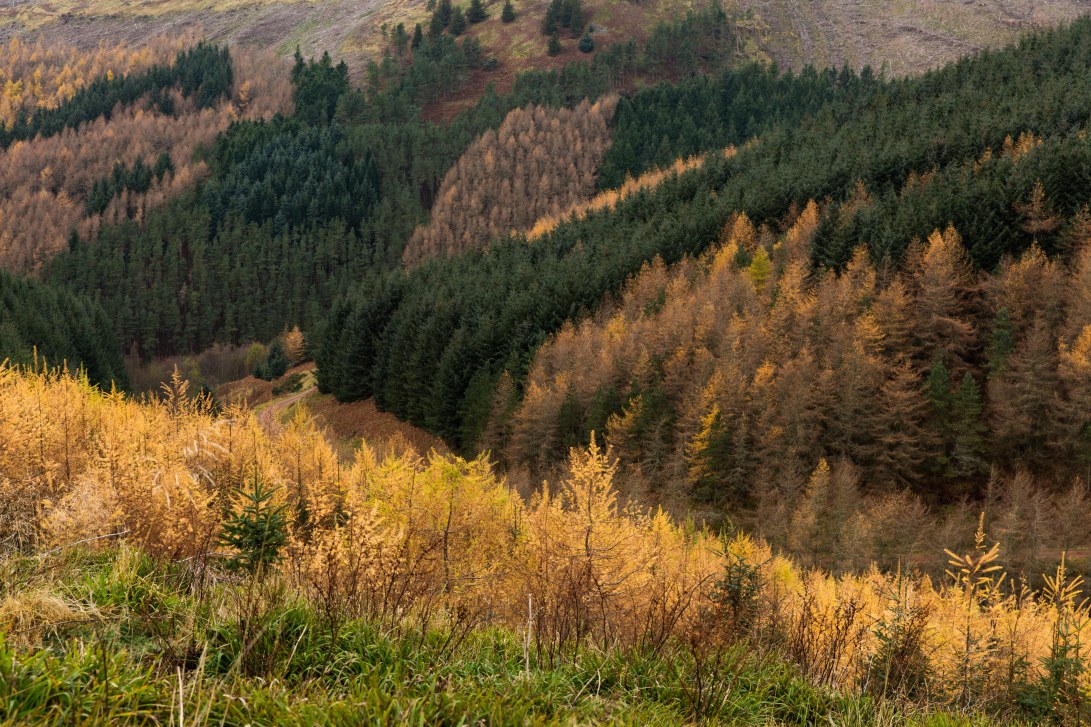
After relaxing for a while in the bothy I headed out again, down one hill and up the next. I passed the tyre swing, but the lack of decent light meant the shots weren’t quite what I imagined. I knew I had to photograph the bright yellow and orange larches that had taken my breath away on the drive in yesterday. Unfortunately the sun that I’d wanted to shine was well and truly concealed behind thick clouds; the light was so diluted I could gaze in its direction without difficulty. However, when I began to shoot, the rusty warm hues still popped. I began to experiment with positioning individual subjects like stray grasses in front of the camera, so the trees bled together and created a vibrant background.

7W1A83817W1A8426-27W1A8397

The rest of the day was spent writing beside the fire and recording what I’d seen during the day. I had a sneaky look at my photos so far and was pleased with some of the outcomes. Hopefully there’d be more opportunities on our last day tomorrow.

7W1A8440

Sightings

  • Chaffinch (Fringilla coelebs)
  • Goldcrest (Regulus regulus)
  • Goldfinch (Carduelis carduelis)
  • Robin (Erithacus rubecula)

The Beginnings of Winter

Before I’d even got to the hide there was a chirruping in the bushes and I turned to see a group of juvenile yellowhammers mobbing their parents, hopping between branches for attention. Three birds flew past overhead and I caught the triangular shape of starling wings as they soared over me.

The lake was quiet – a pair of mallards floated in circles on the far side, while mute swans waddled along the bank. Once I was settled inside, they appeared by the feeders, accompanied by the juvenile swans I’d seen last time. The whole family loitered beneath the swinging seed canisters, mopping up anything dropped.

The feeders themselves were a flurry of activity. As usual, the nearby bushes were full of house sparrows, fighting to snatch a mouthful. Blue tits and great tits waited in the queue and I was particularly excited to see a lone greenfinch among the group too; back home in Hertfordshire these birds are becoming scarcer and scarcer.

After watching the birds feed for a while, I wandered on. It was a lot colder than usual – dew covered the grass but it wasn’t quite cold enough to freeze it, though perhaps this may soon be the case on early mornings. There were other signs of winter too; bursts of red berries and a fat robin perched on the fence. Even though these birds are around all year, somehow a day in early winter feels like Christmas is a lot closer when you spot one.

As I made my way to the wood the only sound was the usual “whizz-burr” of the turbines as they swung. There was a break in the clouds and beautiful streaks of sunlight shone through at jaunty angles. The forest was gloomy but still inviting, and as I walked round I scanned both sides of the path to see if any fungi were sprouting up. The ground was boggy in places, and when drops of water fell in the puddles, the reflected trees twitched.

IMG_9019

Suddenly, just as I was looping back round to the gate, a woodpigeon exploded out of the trees and made me jump a mile. Why do pigeons love doing this? It must give them a wicked satisfaction to see me clutch my chest and try to get my breath back to normal.

Once I was back in the open, the chill was even stronger. I wrapped my coat tighter around myself and hurried back to the cafe to warm up.


I Need Your Help!

If you’re from the UK and have stories to tell about forests, I’d love to hear from you!

I’m writing an article about what forests mean to different people, and would love to include some personal stories about wildlife, family memories or anything in between. If you could take a few minutes to complete my survey, I’d be so grateful.

Click here to see the survey!

Fungi Trail

It’s soon to be prime fungi season and I can’t wait to see what will start to emerge over the next few months. I find identifying fungi a real challenge, and recently I’ve mainly been interested in tracking fungi and photographing it. As with all wildlife though, I think every photographer should know exactly what it is they’re pointing the camera at. So, after consulting the “Fungi Bible” – otherwise known as the Collins Fungi Guide – I made my best guesses at what species I’d seen. Then, I consulted with a local fungi expert in my area, and was pleased to discover I’d got most of them right!

Here is a selection of the species I’ve seen so far, some in Carlisle where I’m studying and others at home in Hertfordshire. Hopefully this list will triple in size during the autumn!

Hertfordshire

IMG_5300
Amethyst Deceiver (Laccaria amethystina)
IMG_5306
Red Cracked Bolete (Xerocomellus chrysenteron)
IMG_5314
Yellow Stagshorn (Calocera viscosa)

Cumbria

IMG_5431
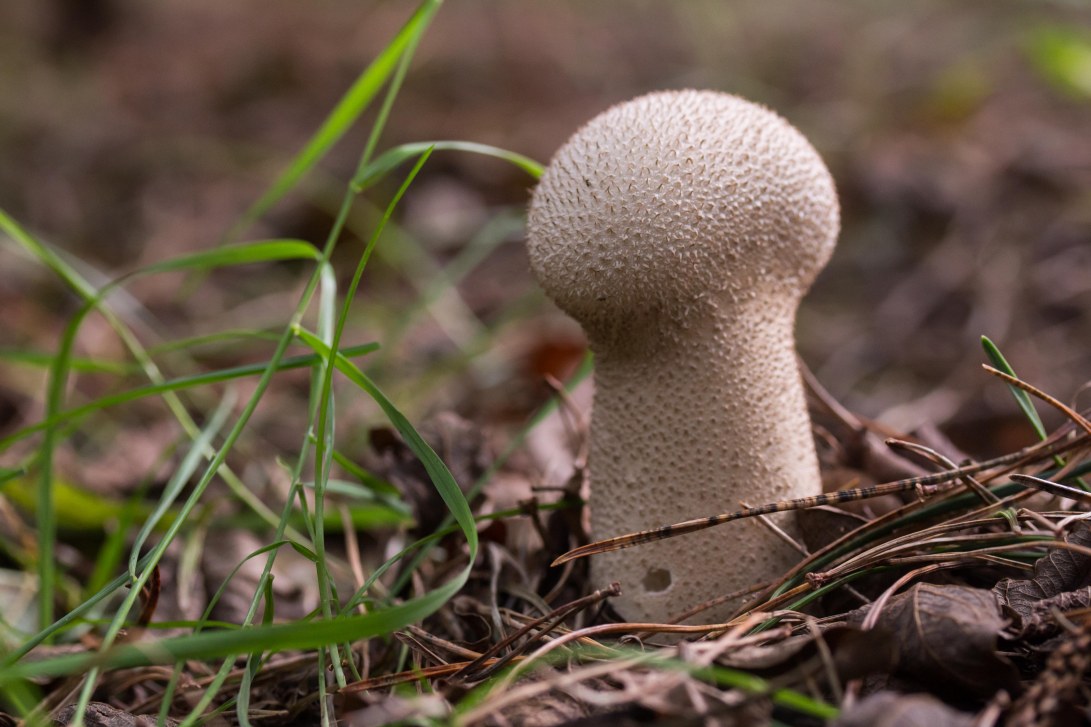
Common Puffball (Lycoperdon perlatum)
IMG_5376
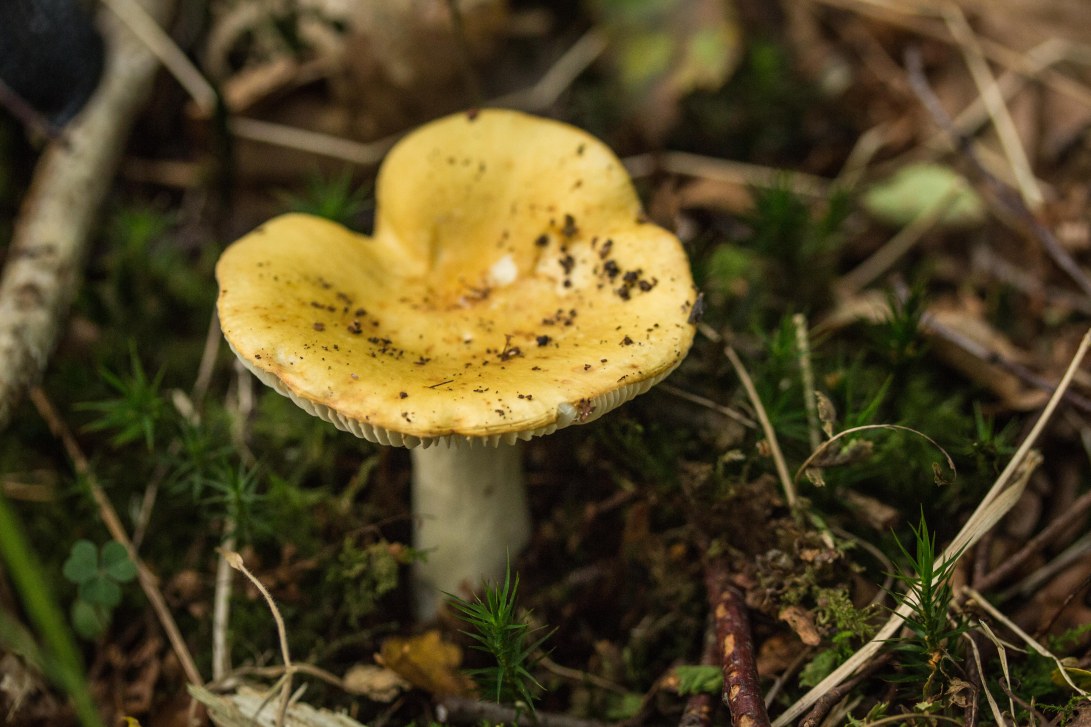
Ochre Brittlegill (Russula ochroleuca)
IMG_5365
Blue Roundhead (Stropharia caerulea)
IMG_5402
The Deceiver (Laccaria laccata)
IMG_5423
Brittlegill (unsure of species – too young)
6) Sheathed Woodtuft
Sheathed Woodtuft (Kuehneromyces mutabilis)
IMG_5443
Sheathed Woodtuft from below

Burghead, Moray

IMG_5654
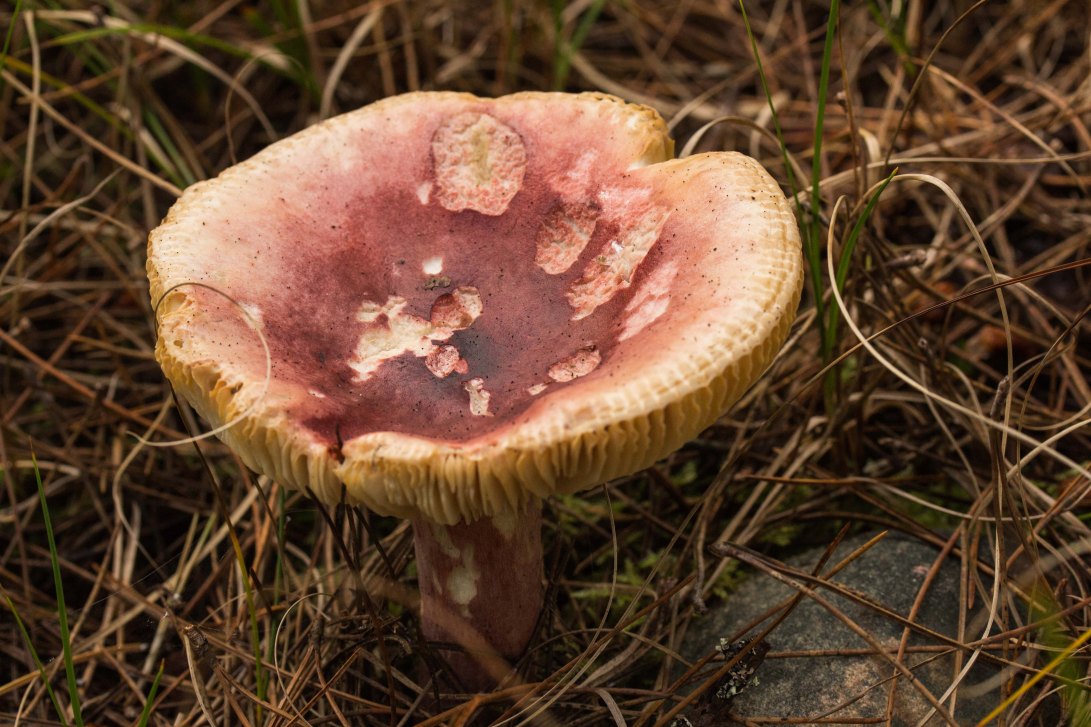
The Sickener (Russula emetica)

Burghead: Day Two

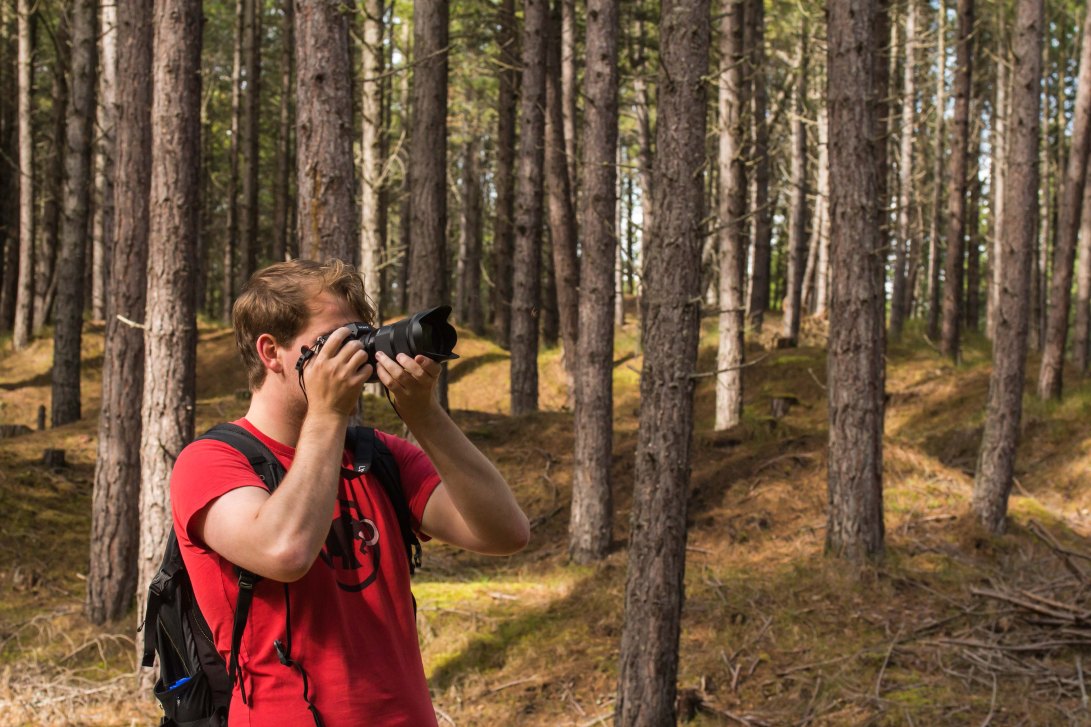
It was looking like another gorgeous day. As we walked along the harbour yesterday, I couldn’t help noticing how inviting the forest running alongside the beach looked. Stretching for over seven hundred hectares, Roseisle Forest was a stunningly beautiful pinewood. As we made our way up the slope between the first row of trees, sand dunes transformed to mounds of fallen pine needles and the sound of the ocean soon faded into silence.

IMG_5588

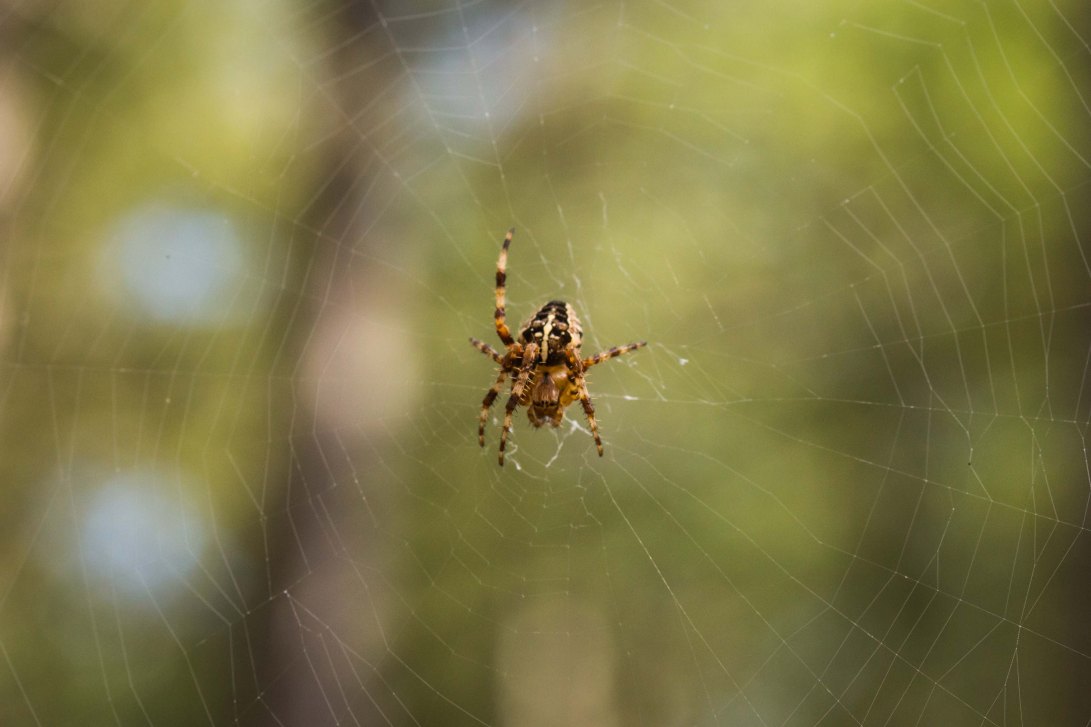
A wide trodden path snaked between the trees. I was on the lookout for fungi, so we headed off-road and ventured up the hills, giving us a great vantage point over the forest below. Before long, a sudden sparkle caught my eye, and I was amazed to discover that a spider had strung its web between two trees several metres apart. Luckily the sunlight had caught the web; otherwise we may have walked straight through it. We spent the next twenty minutes photographing our spider – it was a real challenge trying to get him in focus as the web swayed to and fro in the breeze, which must have felt like a gale to the spider. If you zoom in on the photo of Kerr, you can see a brown dot a few inches in front of his camera, showing just how tiny the little hunter was.

IMG_5614-2IMG_5632


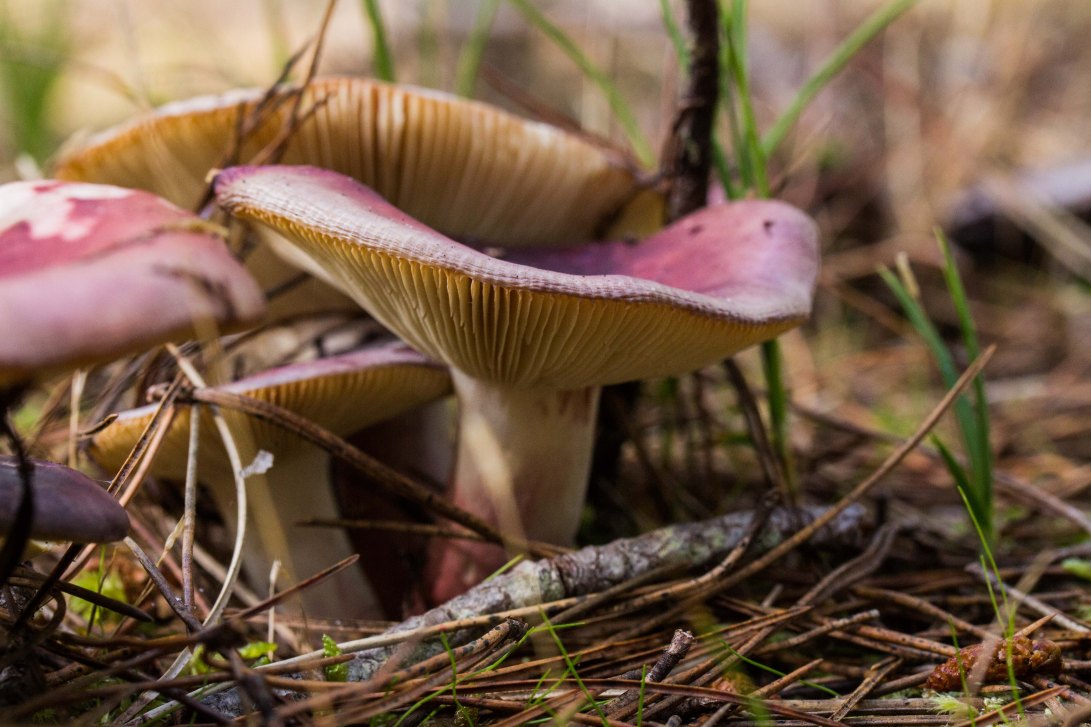
Soon, it became clear that Roseisle Forest was abundant with a medium-sized, red-capped mushroom that had faded to pink with age. After consulting the Burghead guide back at the cottage, I discovered that mushrooms in the Russula group, otherwise known as Brittlegills, were common here. After checking out the various species I identified this fungus as Sickener (Russula emetica), a poisonous species associated with pine woodland. This mushroom is found in groups and is most common in late summer to early autumn, perhaps explaining why the ones we saw weren’t the bright red colour of their prime.

IMG_5654IMG_5620

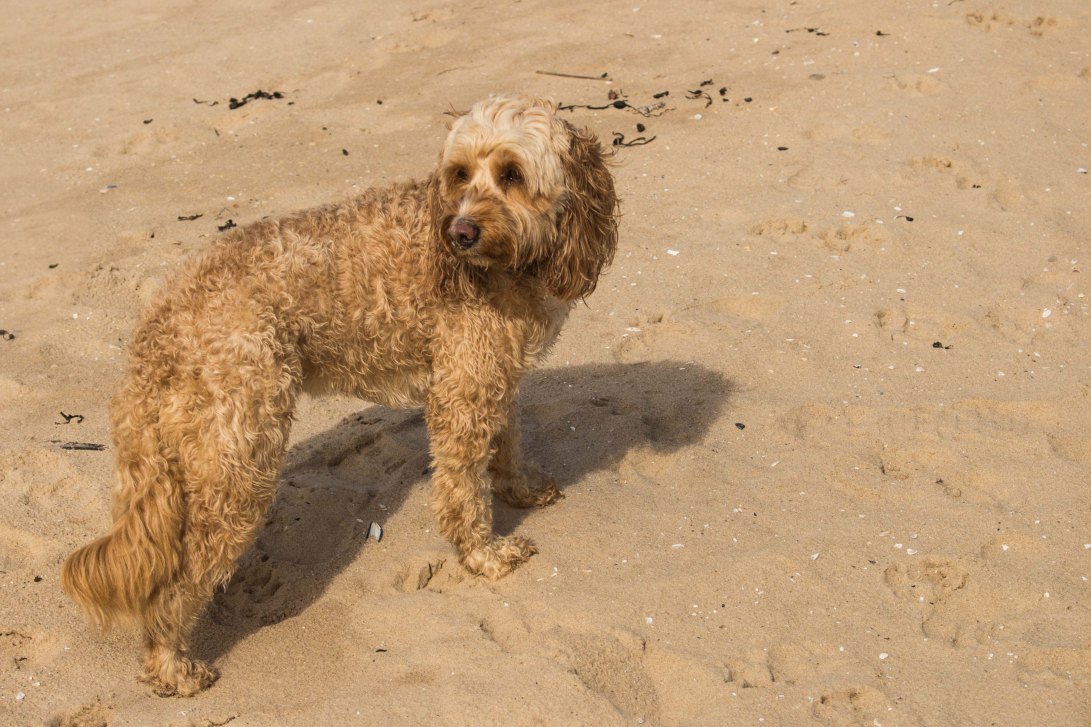
After finding dozens more Sickener mushrooms and spending a long time crawling on the forest floor photographing them, we headed back out onto the beach. We met up with my parents and Jasmine, who was whipping up a small sandstorm in her excitement. By this point my stomach was rumbling after the walk in Roseisle, so we headed to lunch and ate outside in the stunning sunshine.

IMG_5677IMG_5689

Camping in Dumfries

Kerr and I arrived at Caerlaverock Nature Reserve mid afternoon. We’d chosen the perfect day for our camping weekend; the sky was cloudless and the breeze off the water blew the scent of salt across the grass. We began our walk in the forest, following the trail as it weaved through the trees. A trickling stream criss-crossed beneath us, water glistening as it caught the sun. The path was dappled with patches of light that shifted as the breeze stirred the trees.
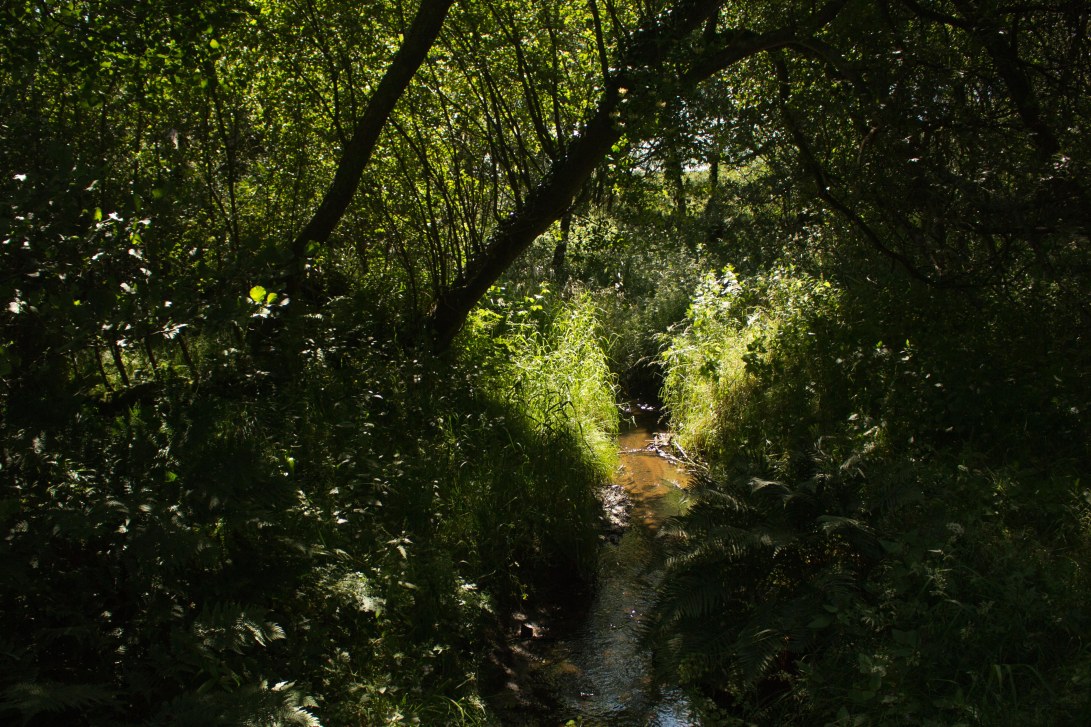
IMG_5170

Soon we emerged into the open. Despite the breeze, the sun was strong and before long we’d both abandoned our jackets. A Red Admiral butterfly fluttered from reed to reed, buffeted by the breeze. As it rested on a patch of undisturbed grass I managed to snatch a few shots before it took to the air again, soon getting lost in the swaying grass.
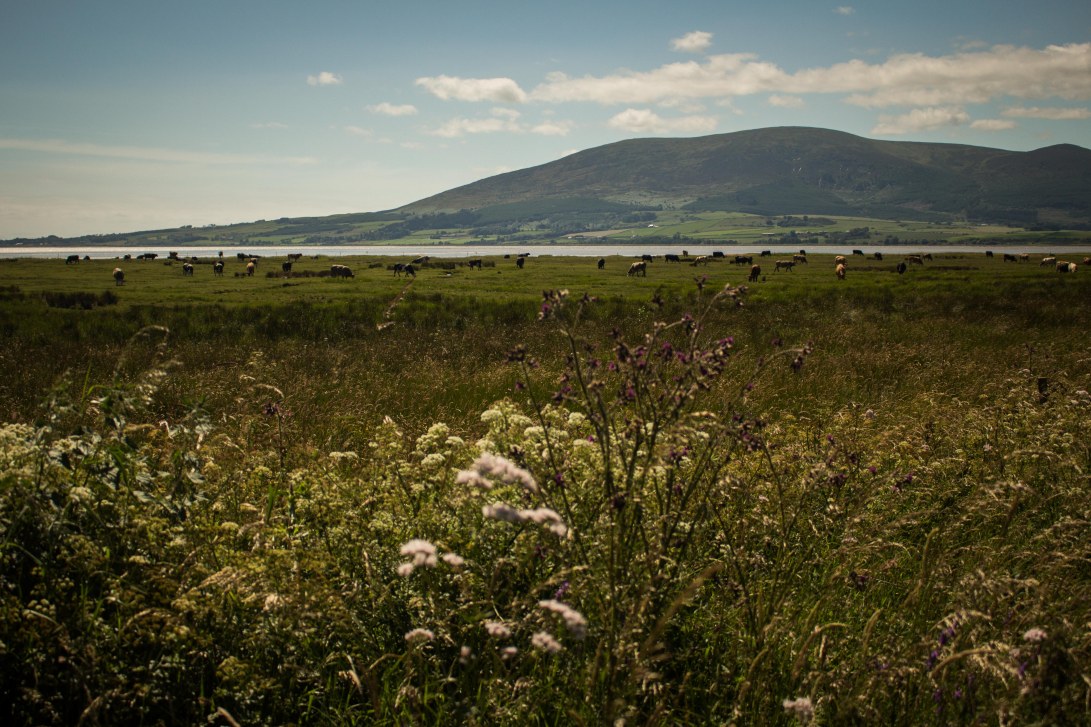
IMG_5161IMG_5176IMG_5179

We followed the track on until grassland dissolved into farmland. Cows gazed at us quizzically as we passed, large eyes blinking. Before long we reached the end of the first field, where the only route to the next was crossing the stream over a felled tree. Balance is not my strength, but with Kerr’s help I reached the other side without getting soggy.

IMG_5177

The obstacles weren’t all behind us though. I wouldn’t say I have a phobia of cows, but I certainly make an effort to avoid sharing a field with them, something I inherited from my mother. So when we emerged from the tree bridge and saw a herd forty-strong, I was a little apprehensive about going any further. Not only were they everywhere, they were also the friskiest cows I’d ever met. When they spied us, they broke into a run and spread out, covering our path to the gate. We were just contemplating the best course of action when they turned tail and retreated quickly back to the far end of the field. I knew my choices were to face these herbivorous, harmless creatures head-on or stumble back across the tree and find a new way round. Seizing the day, I gripped Kerr’s hand and we made our way slowly but surely across the field.

We were two thirds of the way across when I snuck a glimpse to the side and, to my horror, saw the entire herd stampeding right for us. The inevitable terror set in and I dragged Kerr towards the gate. He was telling me not to panic as I launched myself at the gate, wading through sticky mud in my haste. We’d just dropped down on the other side when the first cows reached us. I locked gazes with them, and for a moment they were cute and endearing again. Suddenly they took off again, galloping after each other like horses at the Grand National. I’d never seen such energetic cows in my life.
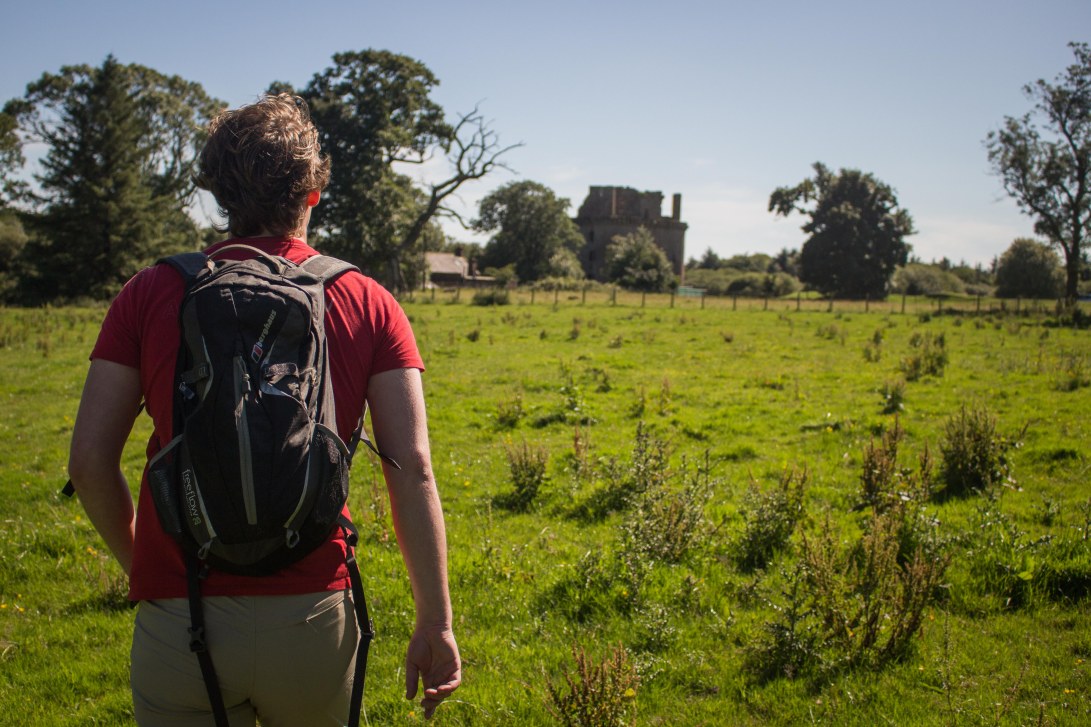
IMG_5188

After all the drama, I was glad to be back on a tranquil, cow-free track up to Caerlaverock Castle. Two rabbits popped up out of the long grass, standing tall. Too tall in fact. I lifted my binoculars and saw that our rabbits were in fact hares, and my suspicions were confirmed when they pelted at the speed of lightning into the next field. They were small though, perhaps leverets exploring their new surroundings. I’d only seen a handful of hares before so it was a great sighting.
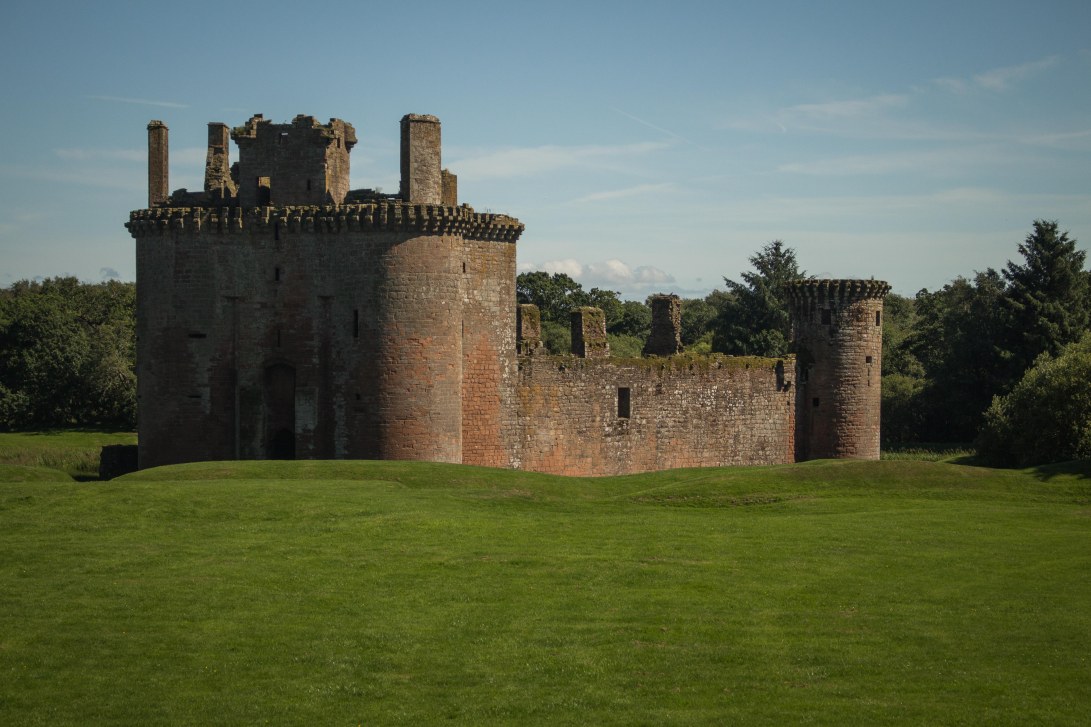
IMG_5194

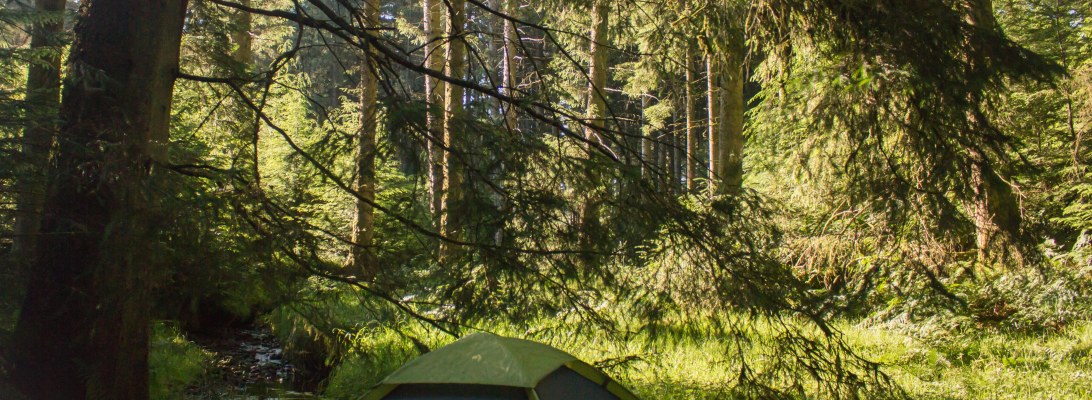
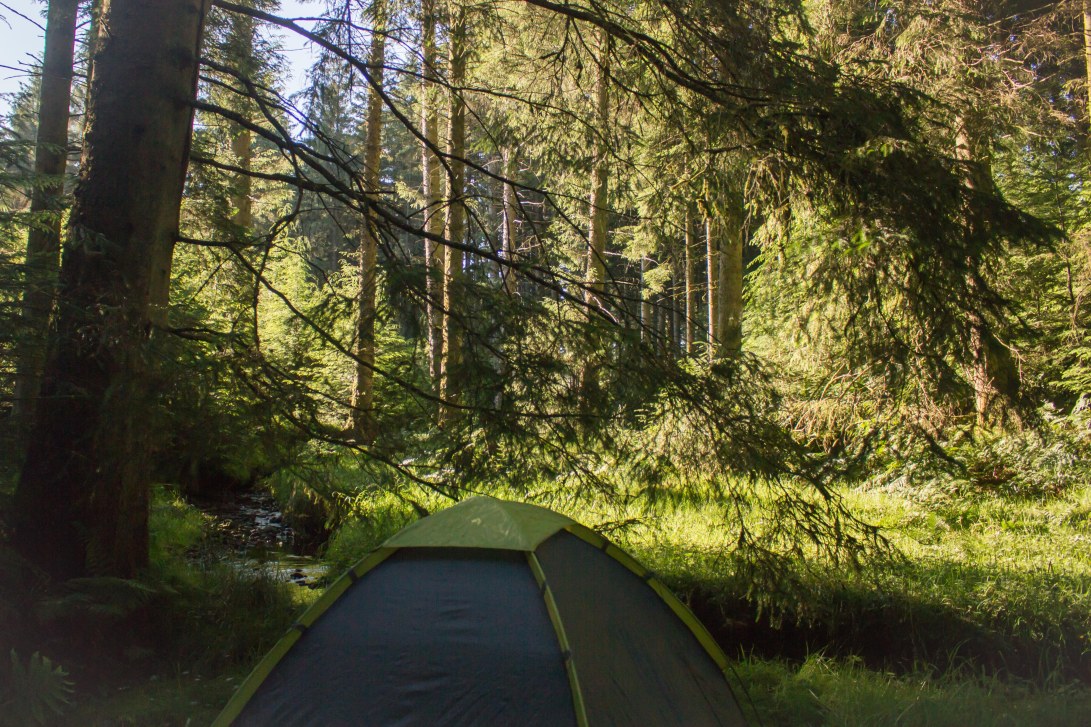
Leaving the hares behind, we headed past the castle and back to the car, where I’d foolishly left my cream soda Barr to boil. We left Caerlaverock behind and made our way to our camping spot. Buildings gave way to trees and before long the only sound was the radio. Once we were parked up, Kerr was determined to carry all our kit down to the site on a single trip, so I made the descent down the marshy hill with some trepidation. With my gaze fixed firmly on my feet, I almost didn’t notice just how incredible the spot was. From my vantage point on the hill, I gazed down at a flat clearing perfectly sized for a tent and campfire. The site was in a fishbowl, trees curled around it on all sides and a gurgling stream providing the perfect moat.
IMG_5202-2IMG_5216

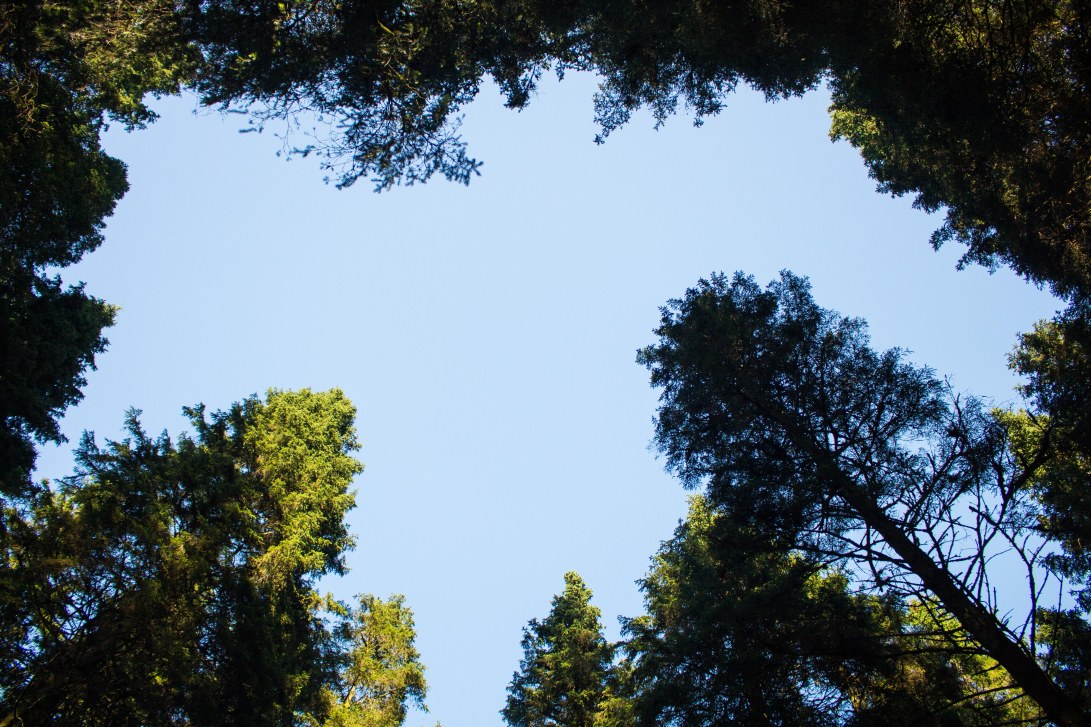
After hopping across the stream and setting down our kit, I congratulated Kerr on finding the perfect hideaway for a weekend’s camp. The flies and midges soon made their introductions, so before anything else we spritzed each other with repellent in the vain hope they’d keep their distance. First up was the tent, and in no time it was pegged in place overlooking the west side of the forest. The sun was beginning to set, transforming the woodland into a pinstripe suit of dark shadows and bleached highlights. A buzzard shrieked overhead, and I peered upwards just in time to see it appear in a suspiciously Batman-shaped break in the trees.
IMG_5215


Soon Kerr had a magnificent fire going, and the sound of cracking wood was added to the hushed forest soundscape. Dinner was gnocci with chorizo – fried by yours truly on our fire – and with full bellies we sat back and relaxed, watching the flames flicker. A tawny owl hooted in the distance, and once the sun had finally sunk below the hills the first pipistrelles appeared. I’d been worried I’d feel the cold, but huddled by the fire I couldn’t have been cosier. Watching the flames for so long soon made me drowsy. We cleared up the dinner things and waited for the fire to fizzle into smoke and crisped kindling, before retreating into the tent for an early night.

IMG_5263

I woke to the soft patter of rain on the tent. After such a beautiful day yesterday, it seemed we wouldn’t be so lucky today. We’d planned on cooking bacon and eggs for breakfast, but the darkening sky didn’t look promising so we decided to hit the road a little earlier. Once everything was packed up we headed back up the hill, which was getting slippy with the rain. We had just made it back to the car when the heavens opened. On the drive back home, the rain lashed on the windscreen and the sun was nowhere to be seen. We couldn’t believe our luck.