Is Giving Up On A Book Ever OK?

Here’s a question. When is it acceptable to give up on a book? Some may say it never is, but surely there are times when we are allowed to ditch a book halfway through.

I’ve been struggling with this for some time now. I’ve meandered through the last four or five books with mild interest without ever having that undeniable connection. I see people with their heads in books on trains and in cafes and I’m filled with jealousy at how much fun they’re having. I can’t help but feel that I’m becoming fussy, because I never struggled with book boredom as a child.

I tried researching how to resolve this. I typed “can’t find your book” and Google regurgitated a whole range of possible solutions: Wikihow’s “3 ways to find lost objects”, how to find a book on a library system, and “7 steps to find lost objects after panic sets in” (that was just as patronising as it sounds).

None of this was what I meant. I wanted to know how to find MY book, the book that would keep me up all night and have me clinging to every page. It’s a cliché but, annoyingly, clichés are often true. I wanted that experience of falling in love with a book, feeling like you knew the protagonist intimately and was a part of their story as it unfolded. I’ve only felt like this a select number of times, two occasions being Harry Potter and Game of Thrones. Both series are seven books strong and although the latter took me a while, I was just as engaged during the last book as I was at the beginning (good job George).

My latest attempt – and I predict soon-to-be failure – is The Lion’s Eye by Joanna Greenfield. The story is one student’s account of her time studying chimpanzees in East Africa on a once-in-a-lifetime research opportunity. When I found this book in the library I was intrigued. I always love a female protagonist with gumption and I thought I would empathise, seeing as the author was only just in her twenties when offered the research assignment.

I’m now eighty pages in, which is shamefully only a quarter of the book. She’s in the Impenetrable Forest and struggling to adapt to the unforgiving environment, but I find myself still very disconnected. I don’t feel any anticipation or excitement – to care one jot about a real-life story I need to know the author’s history, understand their passions and what drives them. Aside from a genetic condition in one of her eyes, I barely know anything about this woman. As I write about it now I’m not surprised I don’t care what happens to her.

This has turned into a rant, and I didn’t really want to start slating books, but I’ve convinced myself that I shouldn’t need to hang on to an underwhelming book just because it seemed like I would enjoy it or because other people have. While I would advise against giving up most things, there really are too many fish in the sea and too many books in the library. Although there are millions to try, one day I will find MY book.

To Spy a Hawfinch

After our great grey shrike stood us up last week, I was determined to tick a bird off my wishlist. I did some digging and found there were a few good spots for hawfinches down in Kendal. Zahrah and I picked the best day of the week and headed down, this time with Kacper. As usual, when the alarm sounded I was struck by an overwhelming urge to leave the hawfinches to their business and dive back under the covers, but when I snuck a glimpse out the window and saw the bright promise of a beautiful day, I knew we had to go for it.

Despite the rather vibrant sun, a sharp chill met us as we left the warmth of the car, reminding us it was still February. Clutching my fists together in my Sealskinz gloves, we made our way up the track, away from people and towards wilderness. The path wound through a small wood, dappled by sunlight filtering through overhead. What had been squelchy mud was now frozen hard as concrete, and crunched under our footsteps. We were initially prevented from entering the open field due to a very restrictive swing gate. My bulging rucksack got wedged and I had to hold my tripod flush to my chest and reverse through – far from a sophisticated entrance.

The frozen ground stretched further, blades of grass as solid as real blades, and it was strange not to feel the gentle give of soft earth. The sun was trying to warm the landscape, taking every opportunity the clouds allowed it to reach us. Once back in the woods, it was shadier. Muffled conversations sounded in every direction; the proud song of a robin and the chatterings of crows all mingling together. We tried to ignore all of these and listen solely for a piercing whistle. This was the call of our target: the hawfinch.

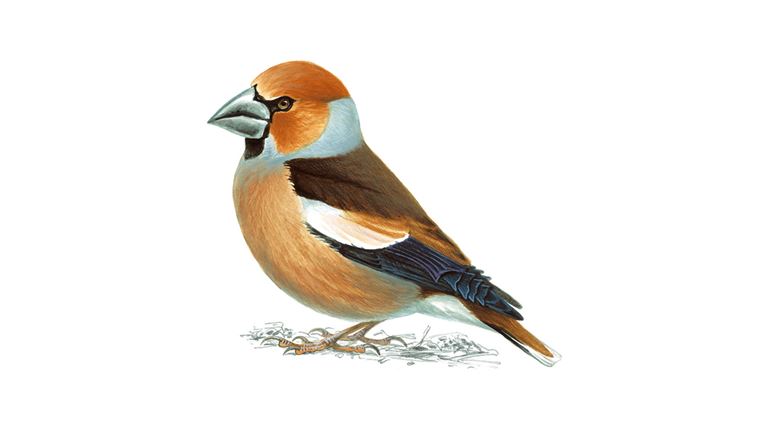
Hawfinches are beautiful and unmistakable birds with striking colouring and formidable conical bills. Usually secretive and shy, they spend most of their time in the topmost branches, making the UK’s largest finch difficult to spot. Typically found in mature deciduous and mixed woodland, hawfinches regularly frequent hornbeam trees. The bill of a hawfinch is highly specialised to cope with the hard seeds and cherry stones that form much of its diet. Once a bird reaches maturity, its skull ossifies and two hard knobs form within each mandible, which are essential for holding a seed still while it is cracked. Findings from an experiment showed that hawfinches can exert a pressure of 60-90 pounds of force, which isn’t bad for a bird smaller than a blackbird.

hawfinch_male_breedingplumage_1200x675
Hawfinch (RSPB)

As hawfinches frequent the tops of trees, spotting them can be a challenge, not to mention their timid calls are often lost among those of the more plucky birds. Although I never want to criticise the sun, it was shining at a rather inconvenient angle, so gazing up meant we could barely see the treetops, let alone brown birds. So, we tried to climb as high as possible to get a better vantage point. Soon we found a large clearing that gave us a 360° perspective of the forest. Seeming like a good place to set up shop for a while, we perched on a fallen tree and scanned with our binoculars.

There’s nothing quite like sitting in silence, listening to wildlife. Upon arrival you think the forest is a quiet and secluded place, and it would be to a person used to the thrum of cities and traffic. But to sit still and listen in a wild place is to hear a whole new language. I don’t understand it yet – something I’m hoping to soon rectify – but I could listen to its lyrical beats and rhythms all day. Understanding birdsong brings a whole new dimension to bird watching. Cain Scrimgeour, someone I consider a bird connoisseur, can hear the slightest chirrup up in the trees and tell you who made the sound. Sure enough, moments later that bird emerges. To me it’s magic. I consider my knowledge of British birds to be competent, but to know their sounds as well as their appearances is a truly incredible skill.

I heard a soft crunching of leaves as Kacper made his way towards me.

“What’s this?” He whispered, holding his camera up for me to look at the image on the screen.

My eyes popped and I bit back a loud gasp, “That’s a hawfinch! Where is it?”

He led me back to where he’d been standing and pointed up. Now began the near-impossible task of explaining to a person which tree in a hundred trees you are looking at. After a painfully long-winded ordeal I found where he was pointing, and with binoculars trained I saw my first hawfinch. Females are only slightly less brightly coloured than males, so to my eye I couldn’t tell which this one was. The bird was perched looking straight towards us, feathers hunched up. It was foraging, and I saw it pick a seed from its branch and arrange it in its bill to crunch down with that extraordinary force. The bill almost seemed too big for the bird’s body. It was like a person with a party hat positioned over their nose and mouth, almost comical.

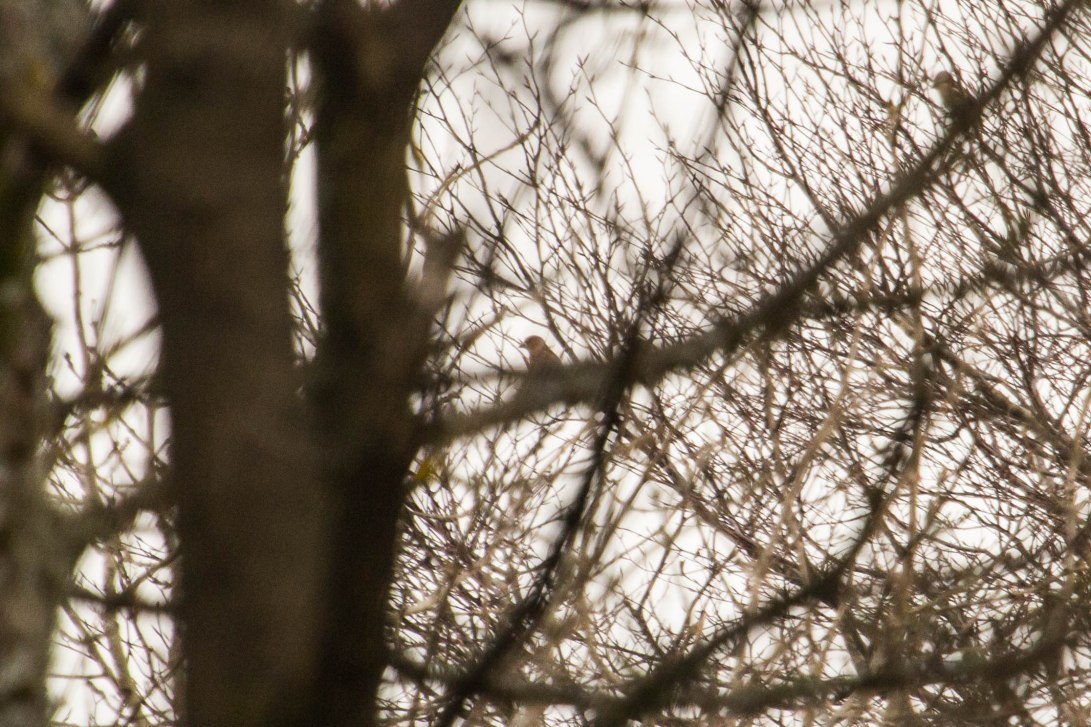
Zahrah was a way off, so I was incredibly patronising (though I believed it was necessary in this occasion) and made several hasty finger clicks to get her attention. Once she’d arrived Kacper explained the bird’s location again and we all watched. I made the mistake of retrieving my camera from its resting place by the log, and when I returned the bird had retreated to a tree further off. It was joined by three more, and although I tried they were too far off to photograph. This, to my shame, was the result.

IMG_8794
Not exactly Bird Photographer of the Year

There was another rustling of leaves and we turned to see an elderly man making his way down the bank.

“Seen any?” He asked, knowing exactly why we were gathered there.

“A few!” I replied excitedly, and once again Kacper directed the man’s view to the right tree.

“There were 43 here yesterday, so I’m told,” the man said, “The reserve ranger and volunteers saw them, couldn’t believe their eyes.”

Forty-three hawfinches. For a moment I cursed myself for not thinking to come a day earlier, but as I watched a pair perched way up in the topmost branches I was grateful we’d seen any at all, even if the photos were incredibly dodgy.

After a while the finches flew off. I glanced up in our immediate surroundings, wondering if the elusive birds had gathered directly over our heads – it’s something I would do to birdwatchers if I were a pretty finch – but the branches were bare.

“There’s another good spot back the way you came,” the man told us, “In the clearing. I’m walking back home that way I’ll show you.”

So we headed up the track, which by now had begun to thaw, the mud regaining its sticking power. Back in the open field, we were reminded again of the chilly February breeze, and willed the sun to make a reappearance.

We thanked the man as he went on his way, then we settled down to eat our lunch overlooking the open fields. Every time one of us spotted a dark patch in the treetops, we hastily studied it through the bins. But the hawfinches had headed off, submerged once again in their woodland domain.

Life in the Forest

For my latest university project, I explored the concept of forests and what people have to say about them. By creating a survey, I gathered a range of intimate stories that reveal just how important the forest habitat is to us all, for many different reasons.


Peaceful. Majestic. Timeless. Forests are a vast and highly diverse habitat with a different meaning for everyone, and provide the perfect opportunity to get time and space away from regular life. To find out just how significant forests can be, a recent survey was conducted, uncovering some varied and intimate stories.

“Forests remind me of home. While standing in any other habitat you surround yourself with nature, but the forest is the only one that swallows you.”

Despite our love for woodland, Britain and Ireland are some of the least wooded countries in Europe, even with the presence of approximately 13,000 ancient trees. Some of these have been standing for over a millennium. This, when compared to the human lifespan, seems an eternity.

“Woodland is a much-loved feature of the landscape,” writes Sophie Lake, author of ‘A Guide to the Wildlife Habitats of Britain and Ireland’, “Stepping inside an ancient wood can be a welcome escape from the monotony of the abrasive, urban environment.” For lots of us, forests are holders of secrets and memories, paving the way for personal reflection and relaxation that cannot always be achieved in the bustle and noise of our everyday existence. Forests enable us to lose ourselves, literally and figuratively.

We admire forests for their natural beauty. Most noticeable of all the seasons is undoubtedly autumn, when frost, crunching leaves and a flurry of excitement in preparation for winter really brings them alive. The forest is not just important for the survival of hundreds of forest-dwelling species but also for ourselves. We are nemophilists – that is, we have a deep fondness for forests and woodland – and have childhood stories to tell of long days spent climbing trees, collecting conkers or watching birds.
7W1A8426-2

“I went on aimless walks as a child – my mum and I used to collect pretty sticks and stones. I’ve always been surrounded by forests and even if I wasn’t in them physically, their presence was always there.”

Forests are a place of play, where children dream up kingdoms and magical lands. There is an undeniable magic to forests that we first discover during childhood, but this stays long into adulthood whether or not we care to admit it. We ask ourselves what exactly it is about a forest that makes us shed our deep-set cynicism and embrace childlike wonder again. Perhaps it is the seclusion that the trees provide that prompts a split from the real world and allows our minds to wander, creating a barricade that shields us from reality. There is also the enchanting way that many wild, forested places muffle our connection to technology, rendering our phones useless. We are cut off from the outside world so we must embrace wilderness, and that is when we realise what we’ve been missing.

“I was convinced I was Mowgli and went running off – ducking to make sure I wasn’t seen by any creatures that might be lurking in the woods. I wanted to stay there forever.”

As children we see and savour so much more, with no limits to our imagination. The rumble in the bushes is a prowling tiger, so we pick up a stick and have a sword. By spending time in the forest as adults, we see nature with fresh eyes. Senses that have been dulled by noise and brightness are now reinvigorated to appreciate new marvels – the sound of birdsong, the smell of conifers, the sight of leaves coated in frozen, silver crystals. It is not until we return to a forest that we remember what a surreal place it is, full to bursting with secrets.

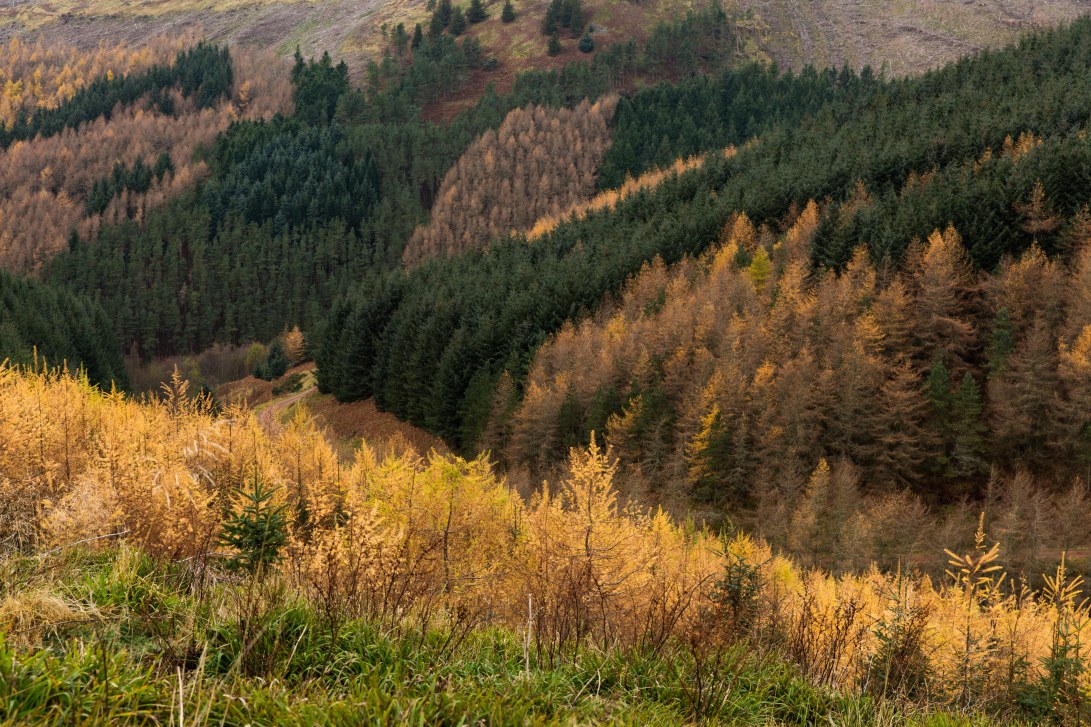
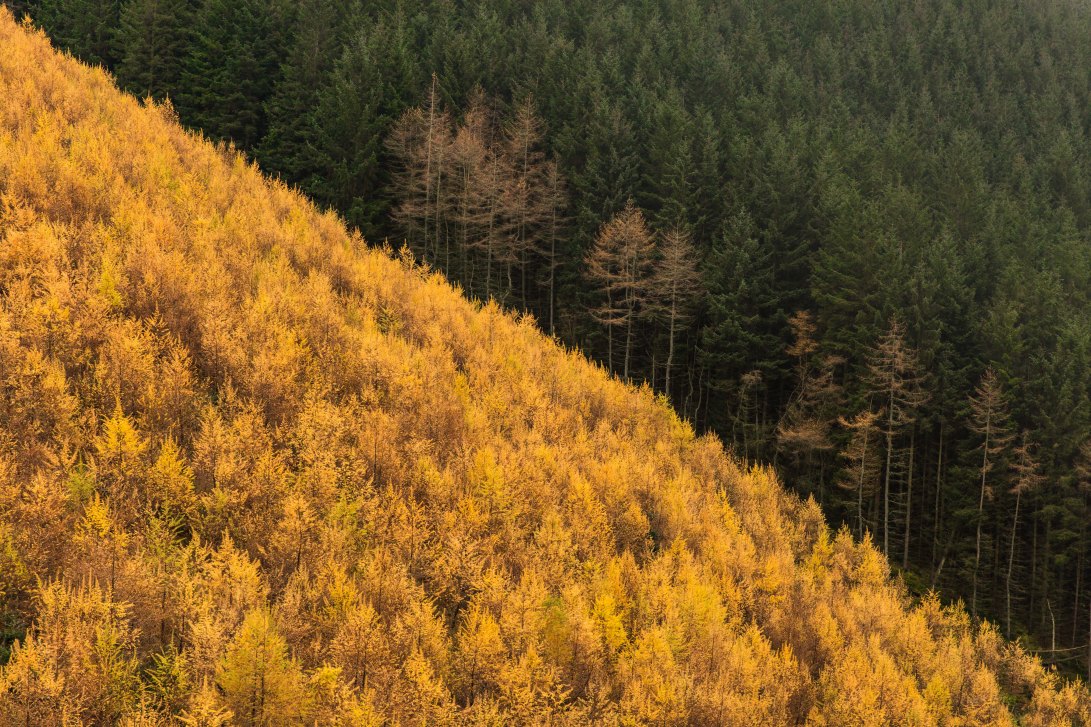
After a recent trip to Kidland Forest in the Northumberland National Park, with over five thousand acres to explore, all these feelings came flooding back to me. The forest was silent; listening while others threw sounds into the air. An abandoned tyre swing creaked, a tawny owl called, but the trees stayed hushed. Each one has survived bleak winters, dry summers and overseen a thousand births and deaths. Seeing such colossal larch trees stretching into the sky put into perspective how powerful and significant the forest landscape is.

“A favourite memory of mine is an enormous old oak that I used to play on. Its limbs went on forever – the sheer size was incredible and it’s amazing to think of the memories it might have held.”

Our love for forests must surely be from the respect we hold for these vast, natural structures that have been standing for centuries while generations have come and gone. These unmoving, unspeaking elephants with trunks of bark and thick, deep-set roots have a majesty that is easy to overlook. They begin life as a seed we can hide in our hands, but will eventually, and inevitably, dwarf adults and children alike.

“Spring is fresh and green, summer is full of birdsong, autumn brings the golden colours and in winter it is a stark place, with all the tree branches exposed scratching lines across the sky.”

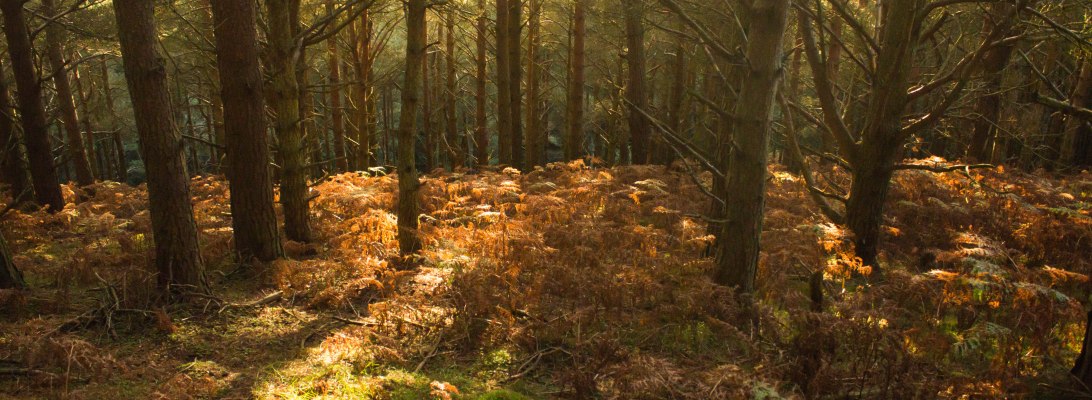
Forests in November are patchwork blankets of green, orange and brown, where the trees shine like fiery beacons. It is autumn at its finest: an explosion of colour with just the right amount of chill in the air. Arranged in rows like ornately dressed soldiers, trees stand in silence, the sort of hush that comes just before something long-anticipated. The sun shines in slanted shards, illuminating certain branches and leaving others in chilled shadows. The forest is a drug – beautifully addictive. Its costumes are always changing throughout the year. This season: orange is well and truly in.

The forest is particularly wonderful because it never dies. Whatever the season, there is something happening. Come September, the temperatures drop and the rain persists, but new life is always arriving. Leaves fall and curl up into dry husks, but from amongst them sprout fungi, mushrooms of every colour that decorate and cloak the tree roots like nature’s Persian rug. Soon the nights will be cold enough to freeze, and come morning when the weak sunlight breaks through, millions of miniscule ice sculptures cling to every surface, each one unique. The forest is a menagerie of sights, smells and sounds; even with the wind and rain, the last few months of the year bring breathtaking beauty.

“Every Christmas morning my mum and I have breakfast in the forest. The whole place is frozen and beautiful. I remember how big it was and that I’d never see all of it. That just made what I did see more special.”

Christmas is undoubtedly a time of magic, and forests can be the perfect place for festive celebrations. Businesses are using this to their advantage and hosting holidays in wood cabins and yurts deep in picturesque forest locations; with ever advancing technology it is becoming even easier to find the perfect wild spot. If done sustainably, encouraging a greater participation in the forest can only be beneficial. Being surrounded by the winter chill with perhaps a sprinkling of snow is idyllic – the presence of such an enchanted habitat accentuates the beauty of winter.

7W1A8328

“It is the ability to put to one side the complexities of modern life and modern living and to escape into a world seemingly untouched by the industrial intervention of man.”

Forests are vast, varied and can accommodate everyone. They offer the freedom to forget the modern world for a while and spend time in true wilderness. Walking through a forest feels like stepping back in time, where nothing is artificial. The forest is vast, yet its size and range never seem ominous. Barren and haunting depictions of woodland always resurface around Halloween, painting a rather commercial picture of a scary place, but a forest in autumn and winter is as enchanting as one in midsummer, perhaps with even more wonder.

“I think forests are irreplaceable and I need to go there regularly to remind myself of what’s important.” 

Many people surveyed for this feature revealed that they spend time in forests for meditation, thinking and to enhance creativity. The fact that being surrounded by trees encourages this self-care is truly humbling. In our otherwise hectic existence, minds preoccupied with material wealth, a brief moment spent surrounded by peaceful, green silence allows us to step back and put all of these worries into perspective. And that is worth more than anything money can buy.

The Legend of Jokul Frosti

The frost coated everything in sight. Like a shimmering white blanket it lay draped over leaf, twig and soil. The spectacle brought a hush to the usual bustle of early morning; for the brief time that the frost was here, a silence that only winter could bring hovered in the air.

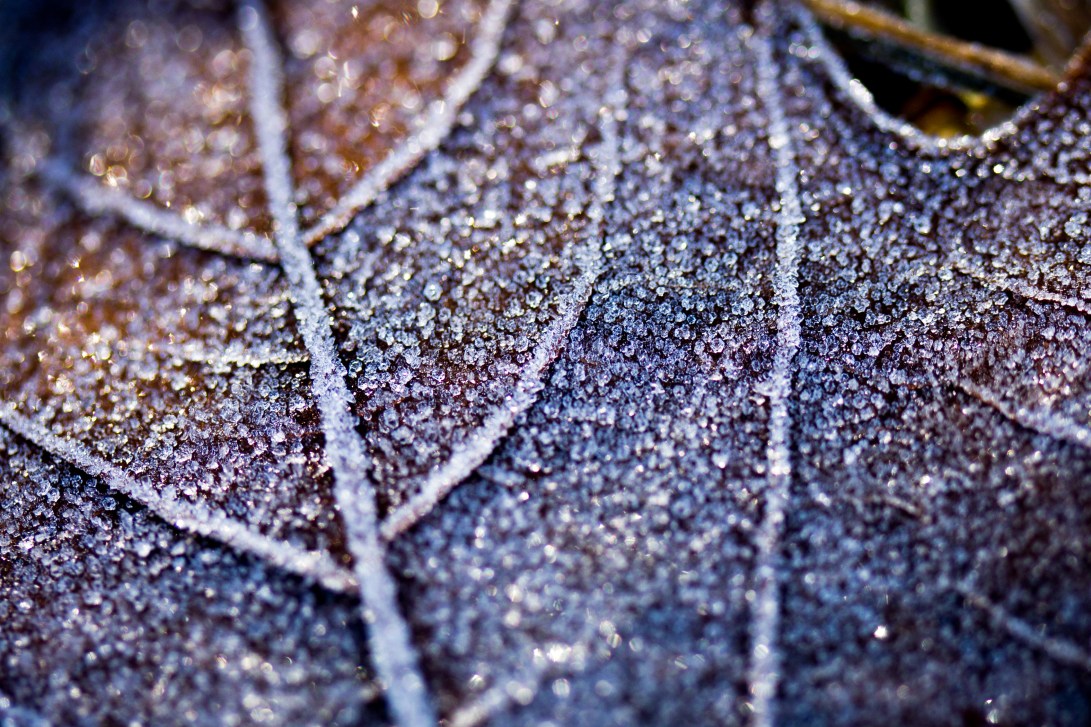
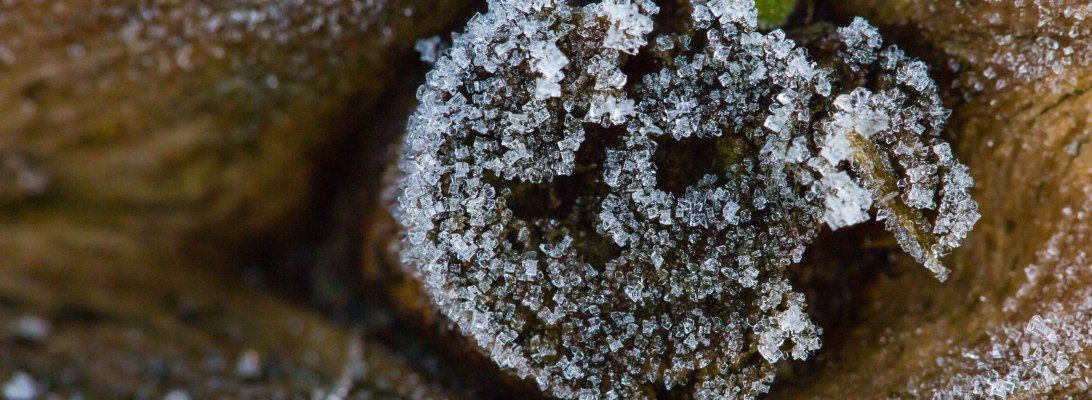
There were leaves scattered over the roots of the trees from which they were shed, curled and dry and chattering every time a breeze stirred them. Jack Frost had traced every vein with white crystal, setting down each cold stone beside the next like lines of silver beads. A knot in the wood of a fallen log had been sprinkled with frost too. The perfect cubes of ice were arranged in clusters like the hidden crystals that form inside a geode, except this display was here for everyone to see.

7W1A8300

Frost has been a source of delight for thousands of years. Over the course of a few hours, the sleeping streets are transformed into a stunning white sculpture. Perhaps the most magical of all is how fleeting it is; when the sun rises, the silver art melts, disappearing until the next freeze.

Formed from water vapour clinging to freezing surfaces, the white colour of frost is brought by air bubbles that have become trapped in the ice crystals. Hoar frost is the frozen version of dew, formed when water vapour transforms directly to solid ice. Its magical swirling patterns and shapes are perhaps what sparked the deep-set Norse mythology that gave frost a far greater meaning. According to legend, it was in fact the artwork of a mysterious character we all recognise: Jack Frost.

“Then he went to the mountain, and powdered its crest,

He climbed up the trees, and their boughs he dressed

With diamonds and pearls…”

Extract from “The Frost” by Hannah Flagg Gould (1789-1865)

Hannah Flagg Gould’s poem about Jack Frost is a playful representation. After painting the mountains and trees with an artistic flair, he causes mischief in a house by “biting a basket of fruit”, spoiling the food for the occupiers of the house to find the next morning.

It is thought that the legend of Jack Frost originated from Viking folklore. His modern name is an Anglicised rendition of Jokul Frosti, meaning “Icicle Frost”. The son of the Nordic wind god Kari, Jokul was a nymph-like creature who painted beautiful frosty patterns on windows during the night. He was the personification of the chill that arrived with winter and nipped the noses of children with his icy bite.

img_9065
Ice Crystals

While Jack Frost is often depicted as a playful sprite with innocent intentions, other cultures recognised Jokul as a more sombre figure – one that was feared and respected. Scandinavian mythology paints a picture of a frost giant that brought not only bitter cold but the black doom of winter that symbolised the end of the world. In northern Russia and Finland, an almighty deity known as Frostman commanded the weather, and was given sacrifices by reindeer herders to persuade him to lessen the severity of blizzards. The villagers would leave bowls of porridge for the Frostman to ensure their crops weren’t touched by the damaging frost. Elsewhere in Japanese folklore, Frostman was a malicious character, the brother of Mistman, who were both keepers of the frost and dew.

Jack Frost is well known but barely understood in modern culture. Most people envisage the elfish creature that decorates the night with beautiful silver patterns that melt with the sunrise. Over time, he has shed the fearsome demeanour that came with the frost giants of Norse mythology. Something as beautiful as sweeping hoarfrost or delicate ice crystals surely couldn’t have been summoned by a menacing omen of everlasting winter. Frost, like the Aurora borealis, is a natural wonder. Although it may not be as sought after as dancing green skylights, it is a microscopic miracle. Whether it is the handiwork of Jokul Frosti will forever be a mystery.

Northumberland: Day Two


When I woke up the blinds were bright. I had a peek outside and was thrilled to see there was a frost clinging to the grass. I hurried into clothes and headed out into the garden. It had been a full year since my last frost and I was eager to capture some macro photos again. Leaves, twigs and thistles were all coated in a fine layer of silver crystals that, when hit by the sun, twinkled and shone like last night’s stars. Soon I had wet knees from crouching in the grass and the beginnings of a crick in my neck from getting as close as possible. My plan was to crop the photos in to create a repeating abstract texture. As usual, I took far more than I probably needed.

7W1A83007W1A8313-2

After relaxing for a while in the bothy I headed out again, down one hill and up the next. I passed the tyre swing, but the lack of decent light meant the shots weren’t quite what I imagined. I knew I had to photograph the bright yellow and orange larches that had taken my breath away on the drive in yesterday. Unfortunately the sun that I’d wanted to shine was well and truly concealed behind thick clouds; the light was so diluted I could gaze in its direction without difficulty. However, when I began to shoot, the rusty warm hues still popped. I began to experiment with positioning individual subjects like stray grasses in front of the camera, so the trees bled together and created a vibrant background.

7W1A83817W1A8426-27W1A8397

The rest of the day was spent writing beside the fire and recording what I’d seen during the day. I had a sneaky look at my photos so far and was pleased with some of the outcomes. Hopefully there’d be more opportunities on our last day tomorrow.

7W1A8440

Sightings

  • Chaffinch (Fringilla coelebs)
  • Goldcrest (Regulus regulus)
  • Goldfinch (Carduelis carduelis)
  • Robin (Erithacus rubecula)

I Need Your Help!

If you’re from the UK and have stories to tell about forests, I’d love to hear from you!

I’m writing an article about what forests mean to different people, and would love to include some personal stories about wildlife, family memories or anything in between. If you could take a few minutes to complete my survey, I’d be so grateful.

Click here to see the survey!

Photography in Cumbria

During my internship at Student and Graduate Publishing, I was asked to write a piece for Study International magazine. I thought it would make a nice story to reflect on my favourite photography spots in Cumbria, to show international students studying in the North West just how beautiful it is. 

Studying at the University of Cumbria, I get the best of everything. Carlisle is a bustling city with all the facilities and resources a student needs, but nestled amongst the city are pockets of forest, river and grassland. Drive just a few miles out and you have access to the coast, vast expanses of woodland and beautiful nature reserves.

So for a student like me who is passionate about wildlife photography and writing, Cumbria in the North West of England is the perfect place. If you’re an avid photographer or just enjoy a walk outdoors, have a read of my favourite spots to enjoy in this beautiful area. For more inspiration see VisitCumbria.

The Ennerdale Valley boasts some of the most vibrant natural environments in England, and has been part of one of the longest ecological restoration projects in the UK. The Wild Ennerdale Partnership is determined to minimise human impact on the landscape and ensure the valley stays as wild as possible, while still being enjoyed by responsible visitors. The restorative work in the valley makes it one of those few naturally wild places, and is breathtaking to see.

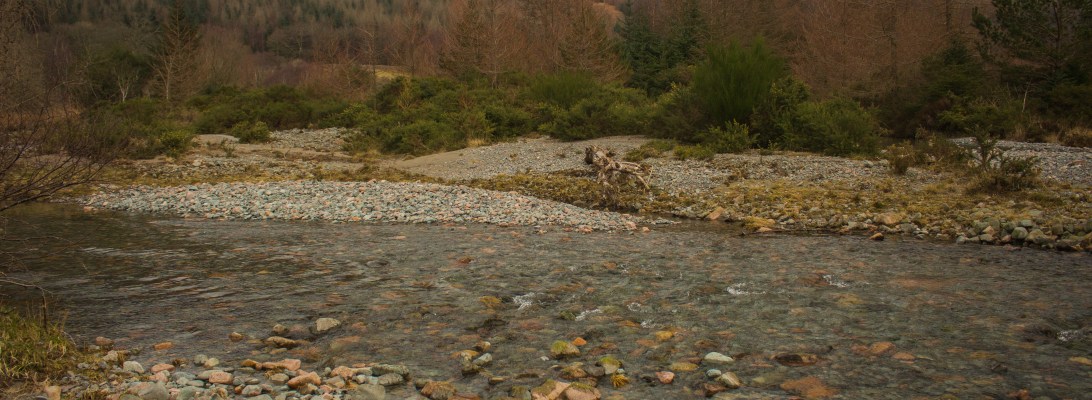
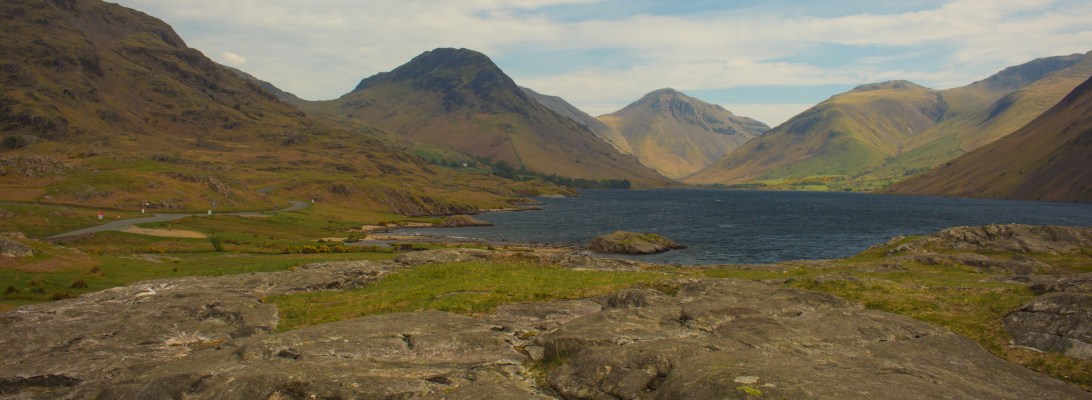
One of our first year trips was to Ennerdale Valley, and I couldn’t believe how untouched the landscape looked. The hills were a patchwork of different shades of green dusted with snow at the very top, and luckily we’d visited on a beautiful day so the sky was a vivid blue. Down at the water’s edge, we could see straight through to the rocks below, indicating just how clean and pure the water was. There were so many photo opportunities that day, and definitely a location I’d recommend for landscape shots! For more information on the work Wild Ennerdale is doing in the valley, check out their website.

With the Lake District attracting 15.8 million tourists every year, it’s easy to forget that, although the Lakes are beautiful and well worth a visit, there are other parts of Cumbria with just as much wildlife, stunning scenery and photographic opportunities.

Carlisle is the county town of Cumbria and amongst its high streets and residential areas, a lot of wild places can be found. The rivers Eden, Caldew and Petteril wind through the city, breaking up the drab grey and giving wildlife space to thrive. Otters frequent the River Eden, and although I’ve yet to see one out and about I’ve been lucky enough to capture photos using remote camera traps and see their footprints in the sand just metres from a busy pedestrian bridge.

Just outside the heart of the city is Watchtree Nature Reserve, where a diverse variety of mammals, birds and invertebrates can be seen. Roe deer stalk the forests, while brown hares bound at astonishing speeds across the fields. If you’re lucky you’ll see a glimpse of red foxes between the trees when the sun sets, perhaps accompanied by scruffy cubs during spring time. For a list of things to do at the reserve – from attending guided walks to hiring bicycles and enjoying the reserve at a faster pace – see Watchtree’s website.

The Whale and the Freezer

Here’s another article I wrote during my time interning at Student and Graduate Publishing. My colleagues were so interested in the whale project at Tullie House that they asked me to write a piece on my volunteering experience. 

I’ve just finished my second year studying Wildlife Media. It’s really quite a niche course and when I tell people about it I get a mix of surprise, curiosity and almost every time I’m asked if I’ll be the next Attenborough.

A career in wildlife media is seriously competitive, making work experience essential. If you’re interested in nature and conservation take a look at Conservation Careers for inspiration. A lot of wildlife-related opportunities aren’t paid, due to the charitable organisations offering them, so my first two years have been full of volunteering. The thing with volunteering is you never know what to expect, and my experiences have proven that anything can happen.

I’d probably say one of my volunteering highlights this year was cleaning whale bones, something I never thought I’d say. Back in 2014, a massive whale skeleton was found on a beach in Cumbria and taken in by the local museum. I joined forces with two of my course mates to take on the behemoth. There was flesh hanging off the bones and they smelt nothing short of pungent. Donning our glamorous all-in-one suits, wellies and goggles, we got to work scrubbing the bones clean.

Nearly half a year later, after three hours a week of funky odours and a ridiculous amount of disposable gloves, we said our farewells to the whale, who we’d both grown very attached to. The bones have been sent off for industrial cleaning, and will then be hung up in all their glory in the museum atrium. Have a read of the full story.

That wasn’t the end of my antics at the museum, however. A week after the whale left us, we began a new project: the freezer. Deep in the basement of the museum – think restricted section of the Hogwarts library – are all kinds of treasures, some beautiful and others less so. There’s a freezer containing several hundred frozen specimens, from bats that could hide in your palm to far larger animals like otters and barn owls. It was our job to work through the freezer and document the name, date, locality and donor of every specimen to put them all on a database.

A lot of people would feel quite queasy at the thought of handling frozen dead animals, the majority of which were roadkill and had seen far better days. Luckily, or perhaps tragically, my friend and I couldn’t get enough of it. I have a particular obsession with British birds, so getting to see hawfinches, bullfinches and waxwings up close was a real privilege. And not just birds: one week we found a large bin bag containing the very rare and elusive blue mink, a member of the mustelid family with otters, stoats and weasels.

In fact, my friend and I were both quite sad when we reached the bottom of the freezer. Although it was a real shame that the animals had arrived at the museum in freezer bags, it was incredible to see all those birds, mammals and a few reptiles far closer than we ever could in the wild. It gave me an even greater appreciation of wildlife and provided an unforgettable experience that’s a great story to tell.

Things to Do in the Lakes

For the past two weeks I’ve been on an internship at Student and Graduate Publishing. I’ve been writing non-stop for their three online magazines. This article on the Lake District was written for Study International. 

In July 2017, the Lake District officially became a UNESCO World Heritage Site, making it part of a group of iconic locations across the world alongside the Taj Mahal, Machu Picchu and the Grand Canyon. There are sixteen official lakes in the Lake District, each surrounded by stunning scenery and with plenty of things to see and do. Whatever your interest, the Lake District has so much to offer. So if you’re studying in the North West of England, take a look at what you could be planning for your next weekend trip.

Coniston Boating

For the adventurous, there is lots of sporting fun to be had on Coniston Water. Stretching five miles long and watched over by a mountain called the Old Man of Coniston, the lake boasts a wide range of possibilities for boating. Enjoy the sights on a motor boat, or perhaps try a more hands-on approach with rowing boats, paddle boards or canoes. Take a look at the Coniston Boating Service to book online and find out more. There are also bikes available for hire, for those who’d rather stay on dry land.

All that time on the water is bound to build up an appetite. Situated right on the shore is the Bluebird Cafe, where you can enjoy freshly-made cakes, ice cream or hot drinks, depending on the weather.

Derwentwater and the Theatre by the Lake

Another of the beautiful Lakes is Derwentwater, a site that has been named a SSSI (Site of Special Scientific Interest) due to the wide range of flora and fauna that inhabit the water and surrounding shores. One species that resides in the lake is the Vendace fish, Britain’s rarest freshwater fish.

In addition to being able to walk the entire circumference of Derwentwater, there is also the Theatre by the Lake, situated right on the shore. A wide range of events are shown here, whether your interest is theatre, film or music. The annual Words by the Water literary festival takes place here too, where famous authors gather to discuss and sell their works. A brochure of upcoming events can be found on the Theatre by the Lake website.

Visit Beatrix Potter

Relive a classic from your childhood and visit the quaint 17th century farmhouse of Beatrix Potter, nestled in idyllic Ambleside. Beatrix Potter bought Hill Top after the success of her first few books, and her visits to the Lake District were spent sketching the house and garden for new stories. Infamous characters such as Jemima Puddleduck and Tom Kitten were created in this picturesque cottage, along with many landscapes that featured in her books.

Anyone who enjoys a bit of British history will love exploring the cottage, with its quaint interior and surrounding garden exploding with flowers, as well as fruit and vegetable patches where Peter Rabbit could be hiding.

Upon her death in 1943, Beatrix Potter left Hill Top to the National Trust, insisting that the site remained completely untouched. So as you wander through the entrance hall with a pot of tea waiting on the table, it almost seems as if Miss Potter is still living there. Read more information from the National Trust about this beautiful cottage and what there is to discover there.