For someone whose natural attire is thick jumpers and lace-up boots, the arrival of September is a breath of fresh air. I always grapple for inspiration during summer, but the one thing that keeps my camera from gathering dust is the emergence of butterflies.
Small Pearl-bordered Fritillary
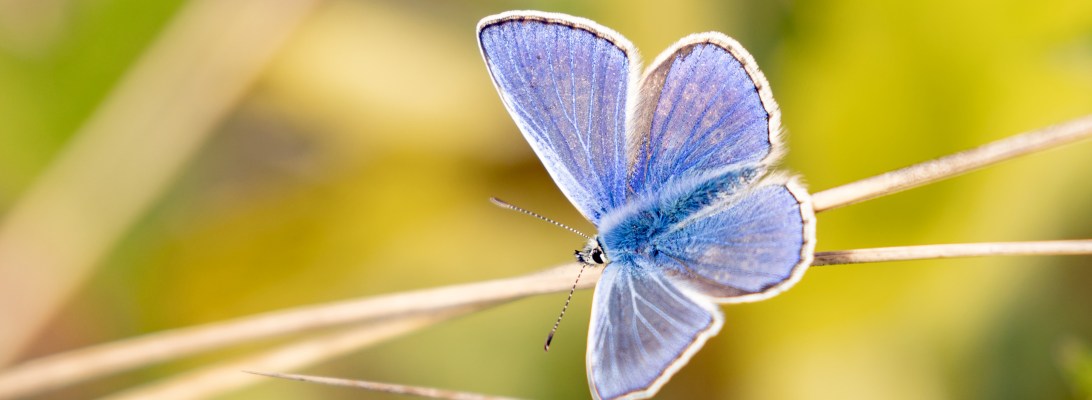
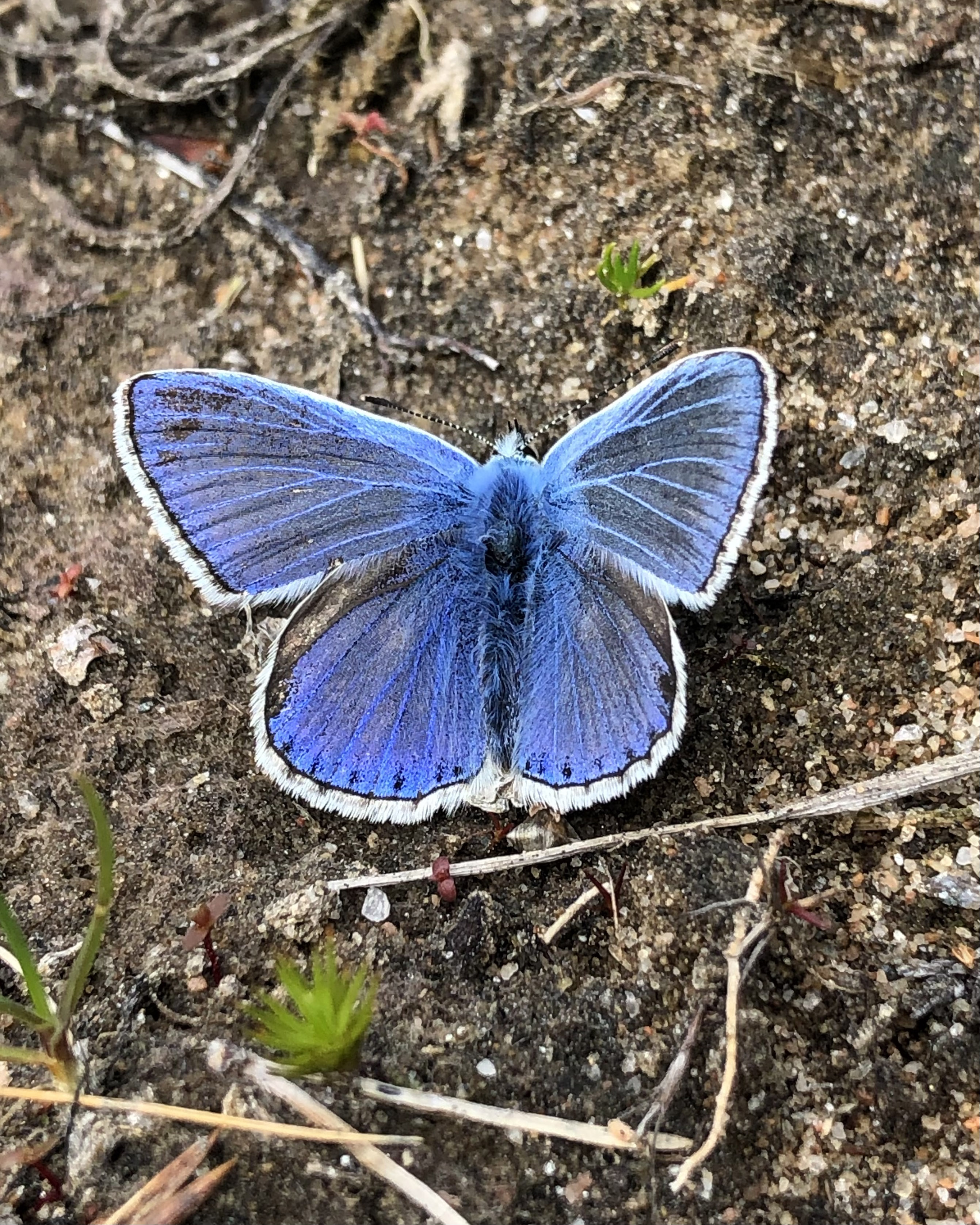
Common Blue
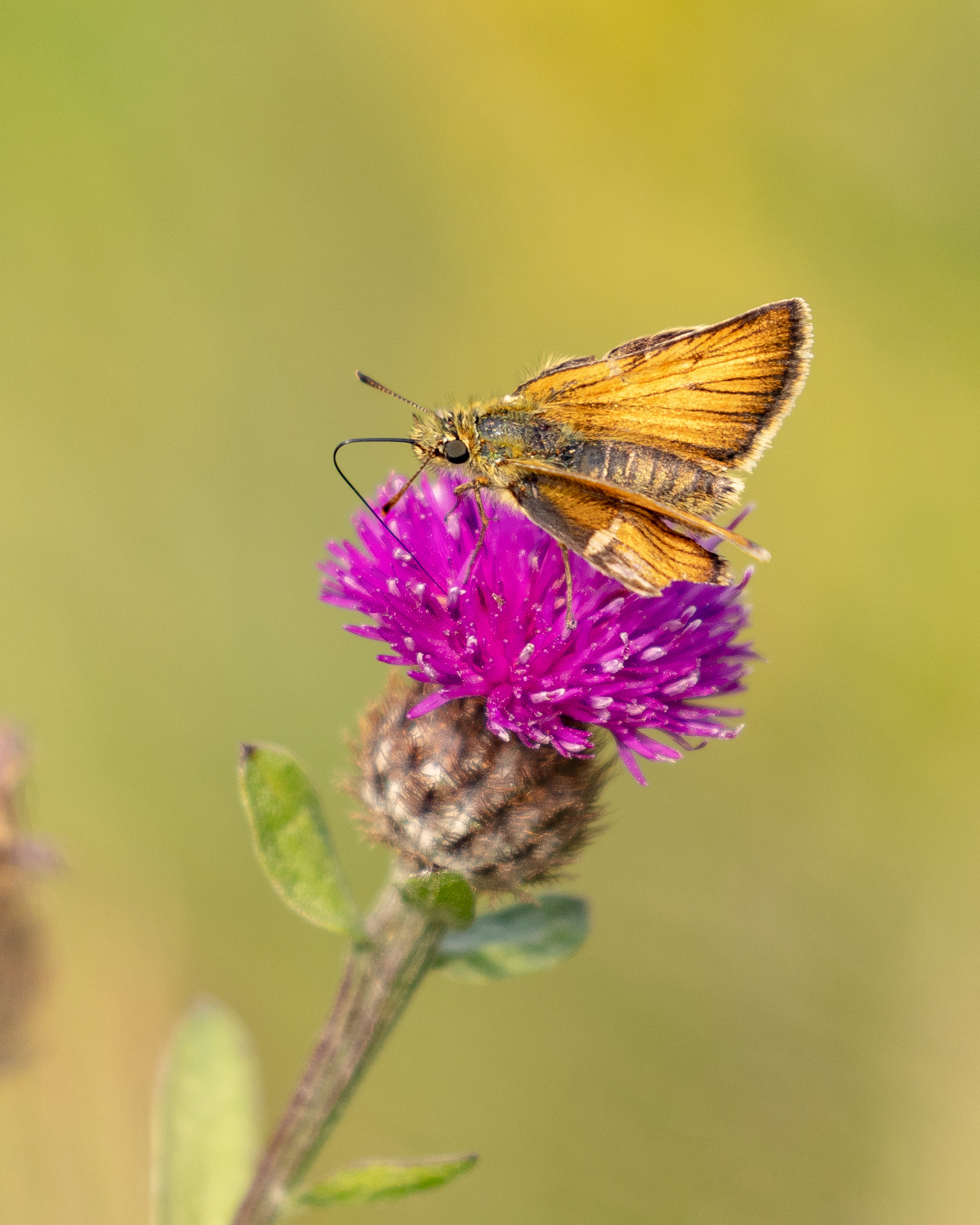
Small Skipper
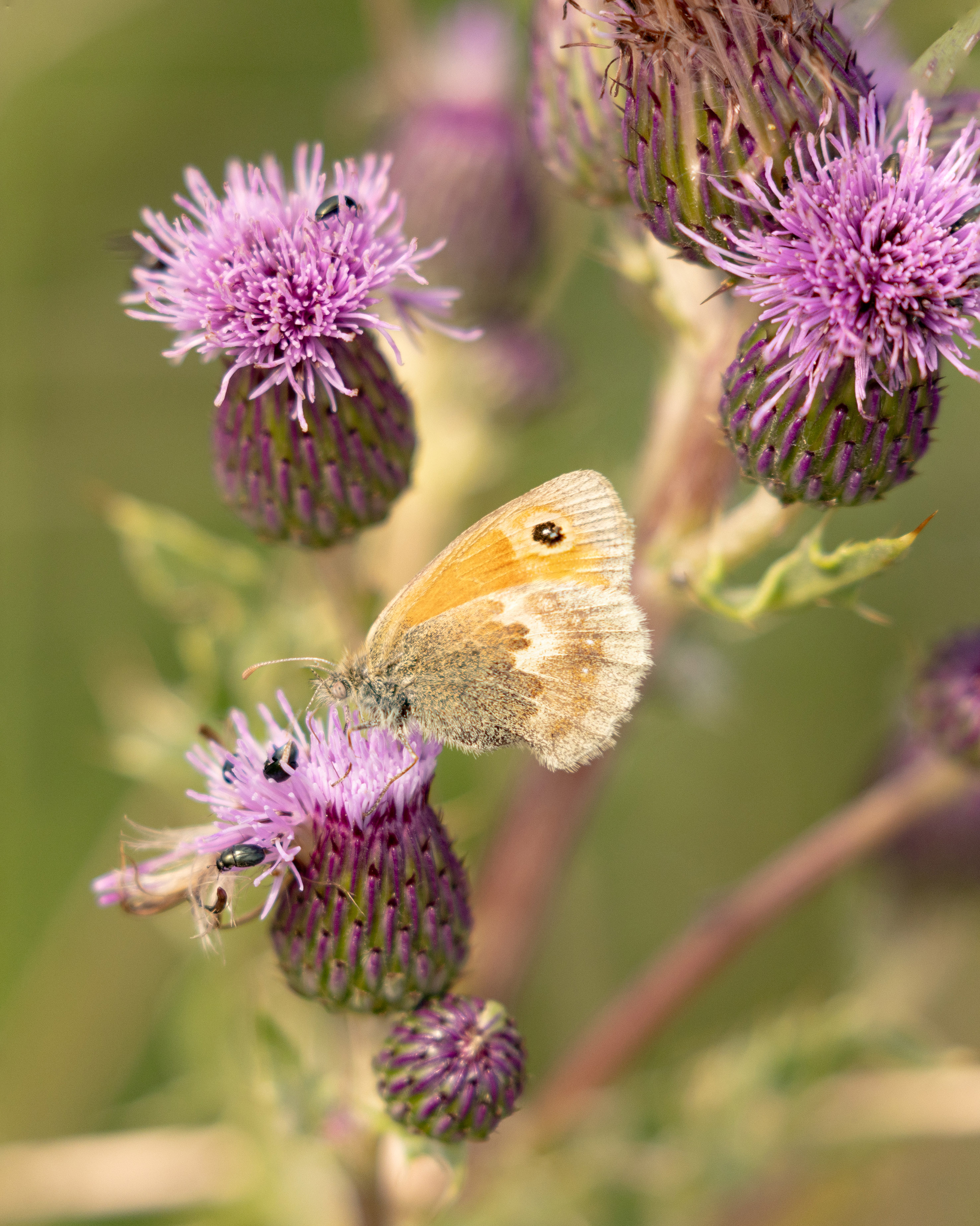
Small Heath
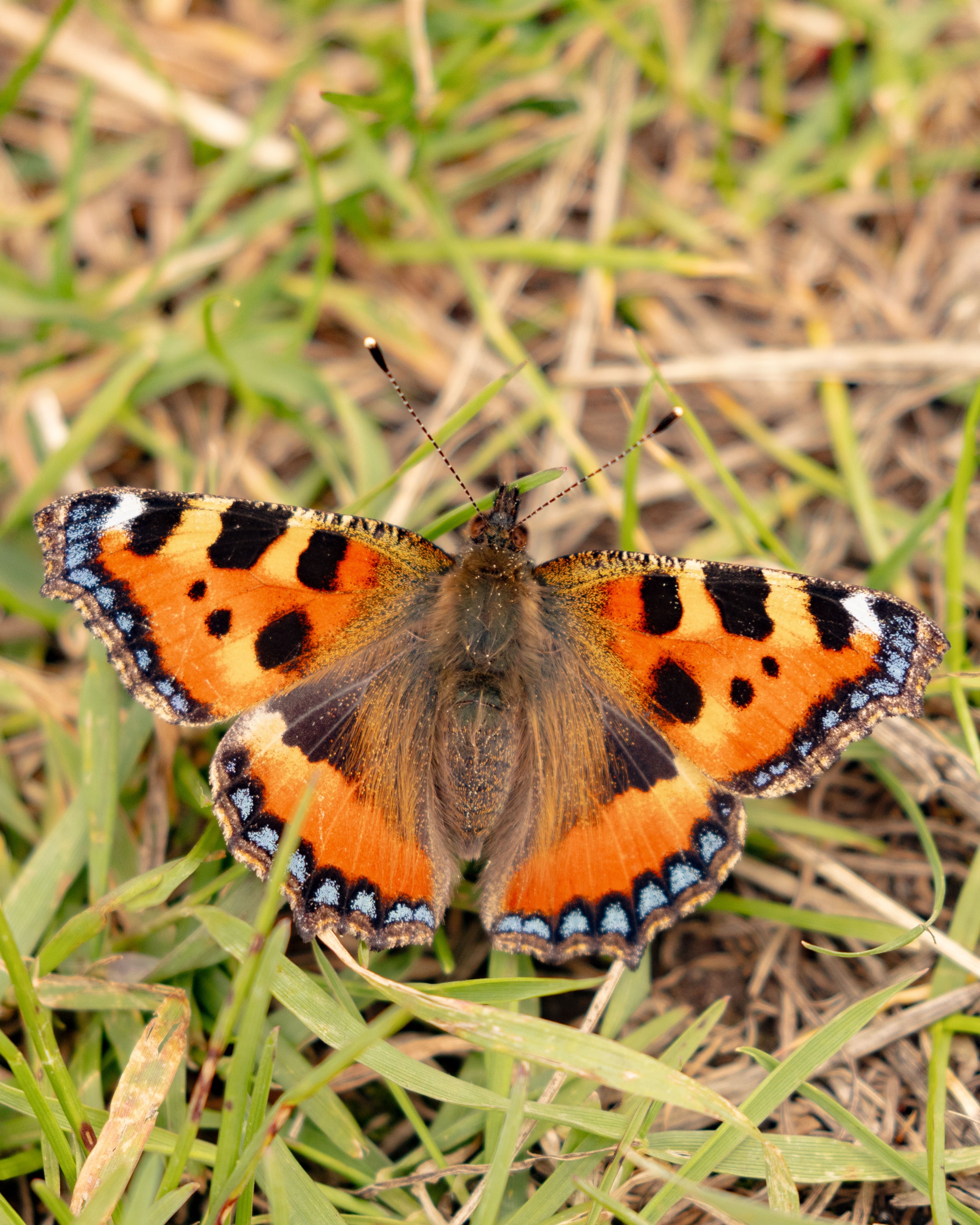
Small Tortoiseshell
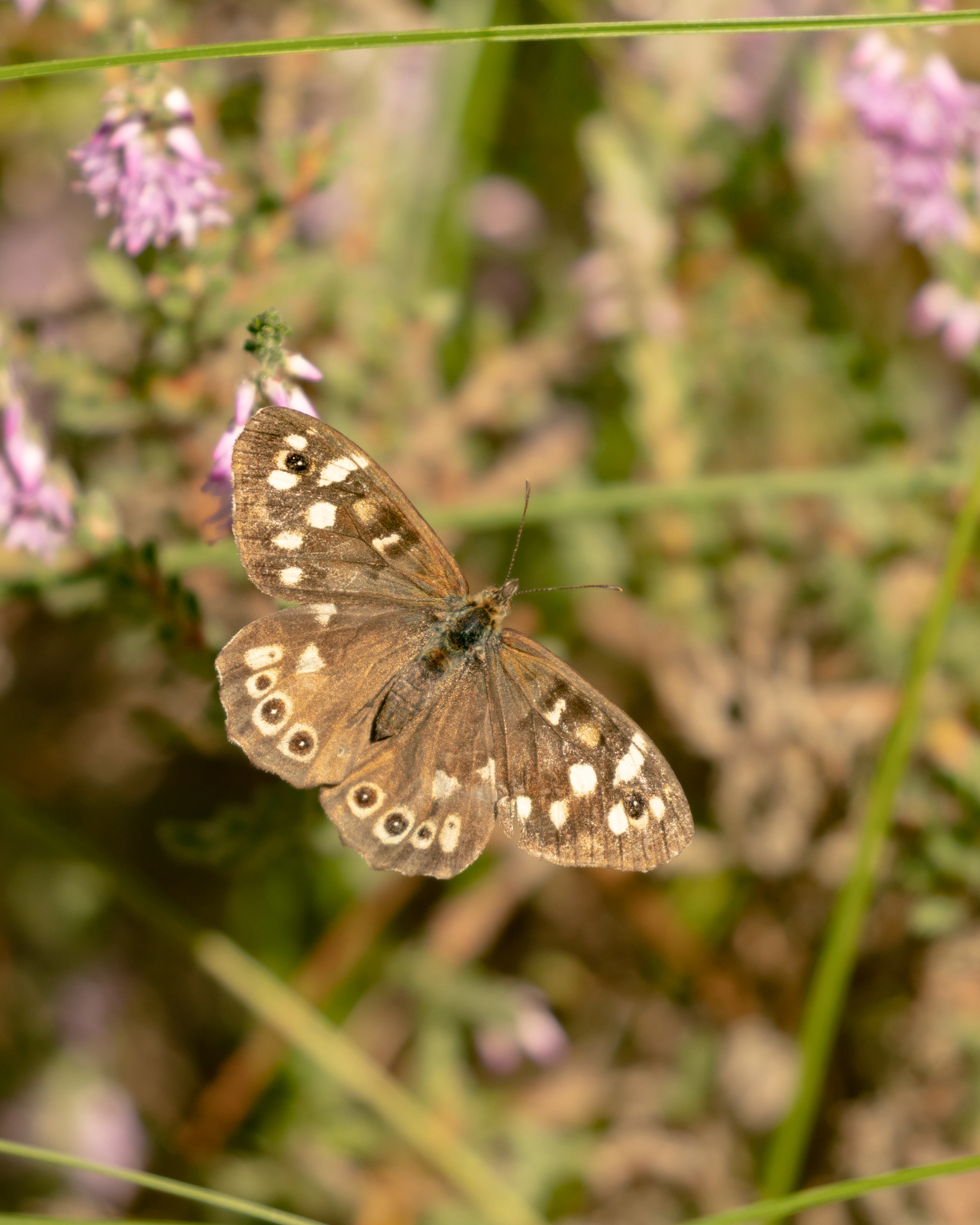
Speckled Wood
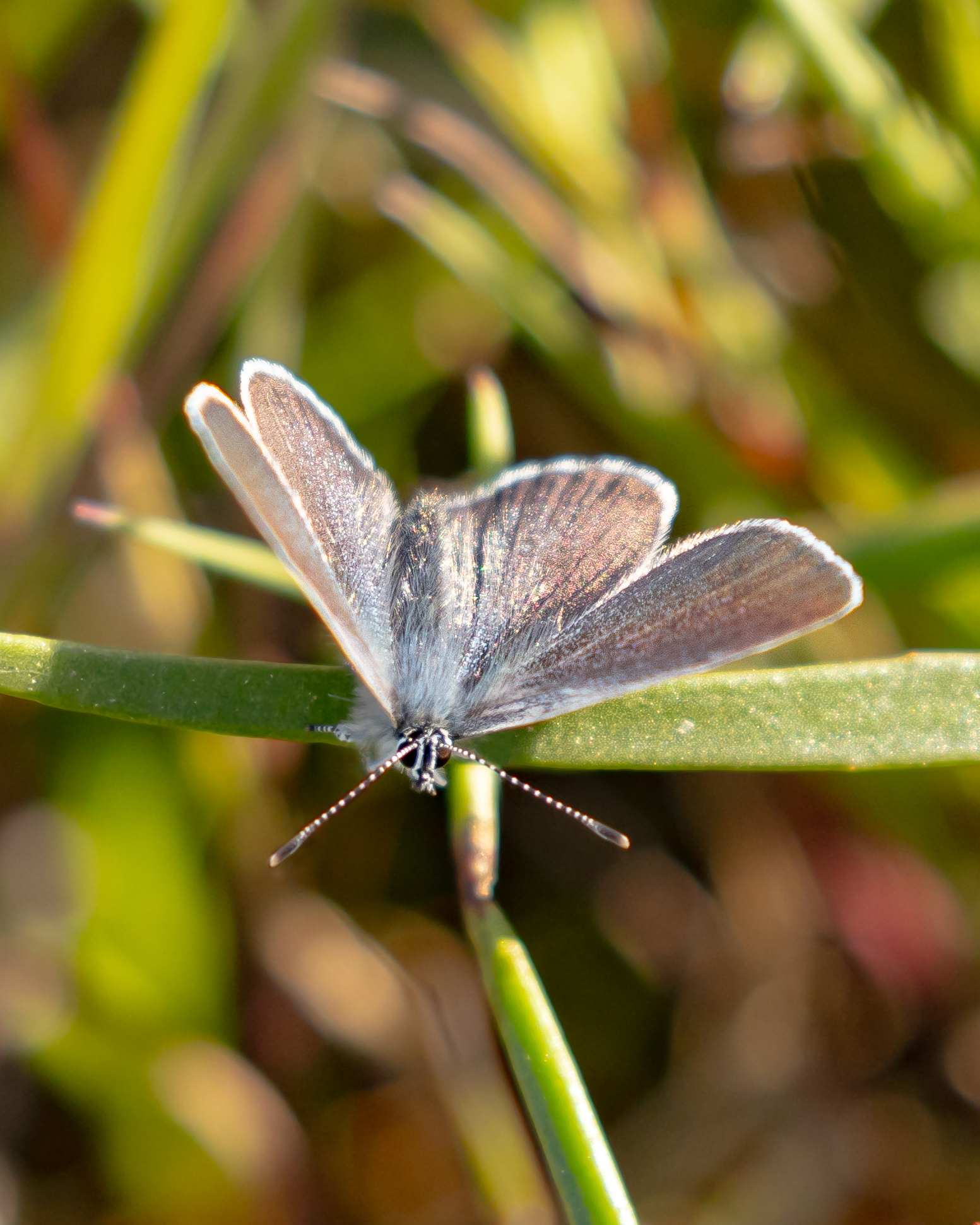
This season I saw my first Grayling during a trip to Tentsmuir in Fife, and my first Small Blue just down the road from where I live. One is an expert camouflager and the other is absolutely tiny, so I was thrilled to find both!
Grayling
Small Blue
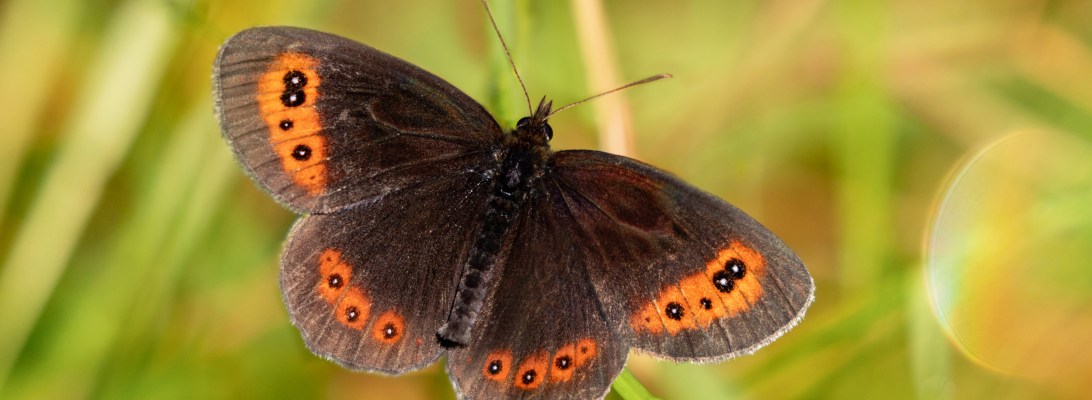
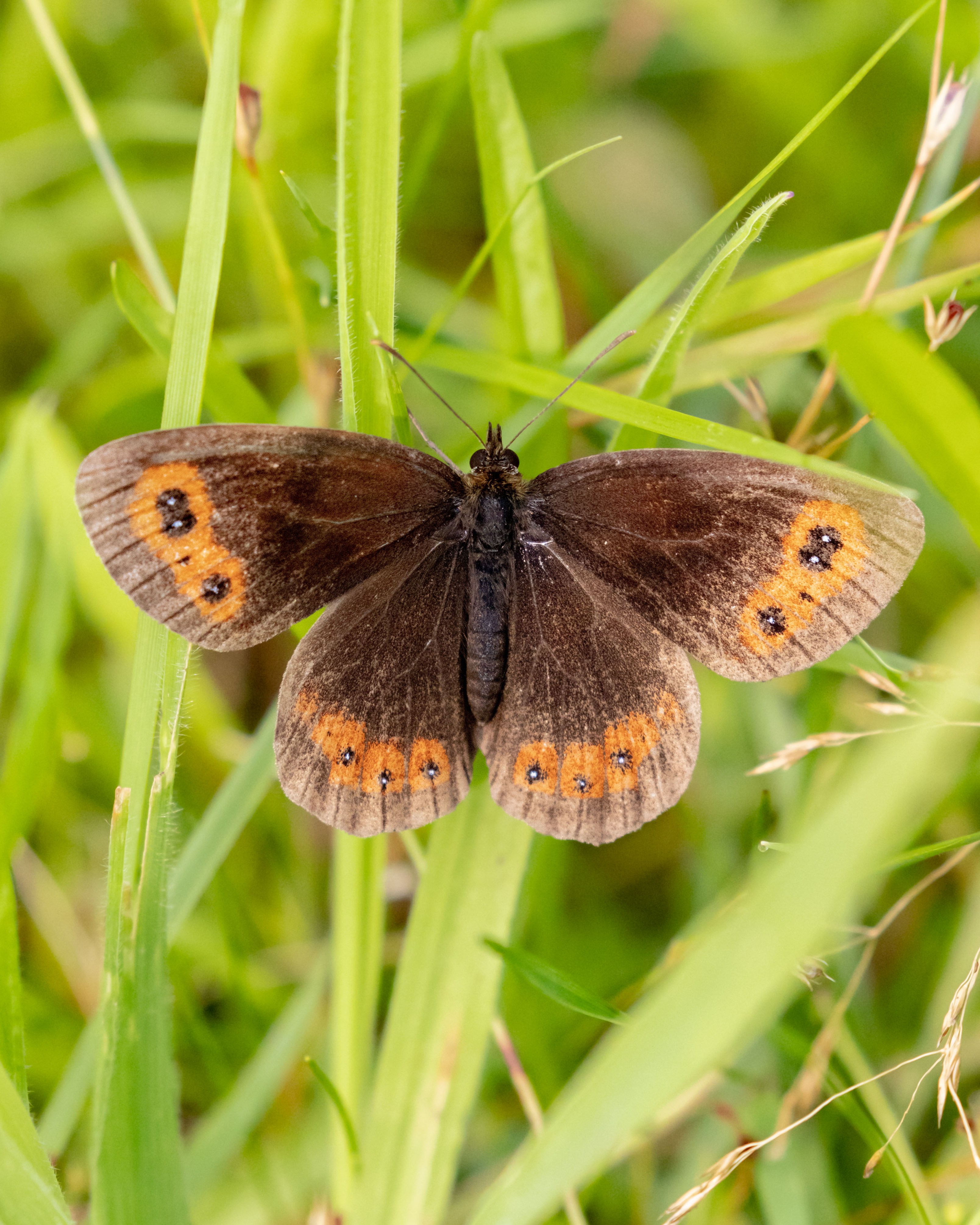
It was also a pleasure to see a decent number of Scotch Argus in my local patch again. Although not the most colourful of butterflies, there’s something so striking about the Scotch Argus and I always love seeing that flash of black among the bracken.
Scotch Argus
It’s been fun focussing on these tiny beauties, but now I’m keen to put the summer slump behind me. Here’s to fiery leaves, crunchy grass and soggy fungi.
I’ve recently returned from an amazing holiday in Fife with my family. I say holiday… I ended up working throughout, but in my defence it was the perfect opportunity to do some research for an upcoming project that I have to keep under my hat for now!
We’ve been holidaying in this particular cottage for the past 18 years, and I was both a lot shorter and nowhere near as bird savvy the first time we visited. Everything always stays exactly the same, prompting endless nostalgia and happy memories. The big difference this time was my 92-year-old nan came too, and being able to show her the place that’s become so special to us was such a treat.
Monster Truck on St Andrews Beach!
Naturally, I was out and about watching wildlife. Butterfly Conservation hosted an open day at Tentsmuir during our stay and I leapt at the chance to explore the site with a knowledgeable guide. During the walk I saw my first grayling, and was stunned by how effective their camouflage is.
A visit to Edinburgh, one of my favourite cities, was a must. Again, I was there in search of butterflies, and I met up with a wonderful volunteer who showed me around Holyrood Park. We found two graylings and plenty of small skippers, and after parting ways I couldn’t help being a tourist and hiking up Arthur’s Seat for the first time.
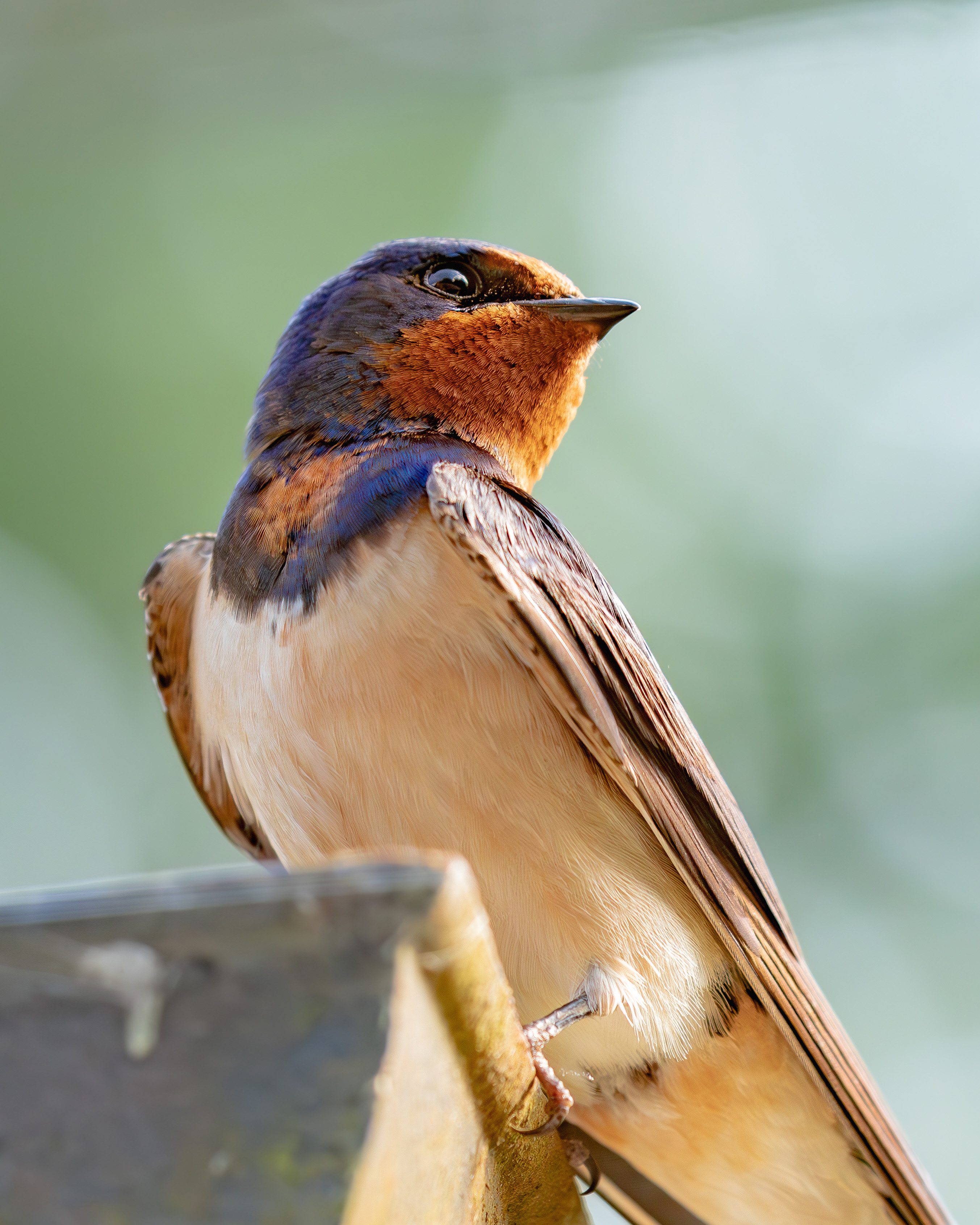
I also indulged in lazy birdwatching from the house. Each morning a group of swallows swept around the cottage and perched on the drainpipe, just inches from the kitchen window. I usually only see swallows as distant specks in the sky, so it was fantastic to get such close-up views from the comfort of a plush armchair.
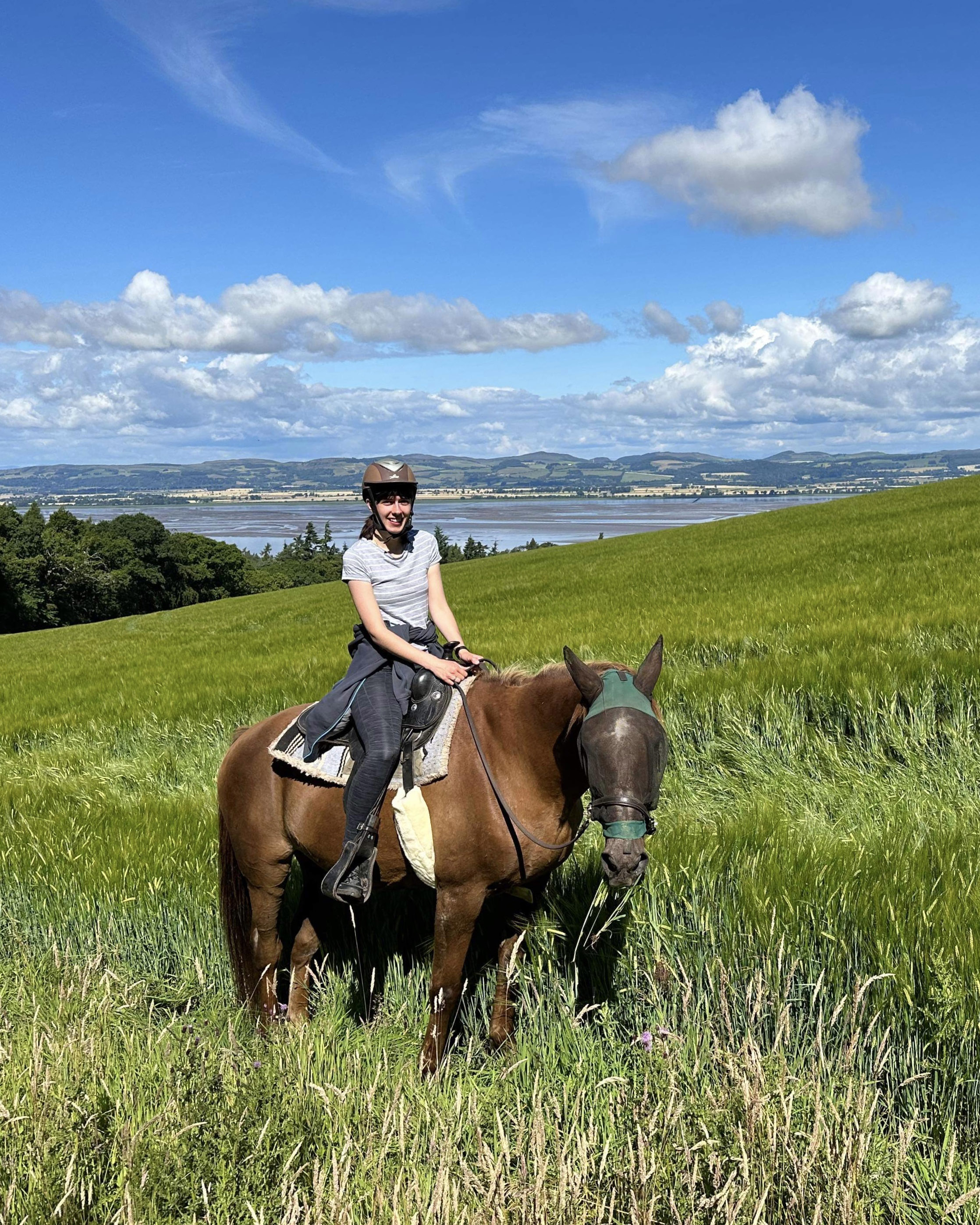
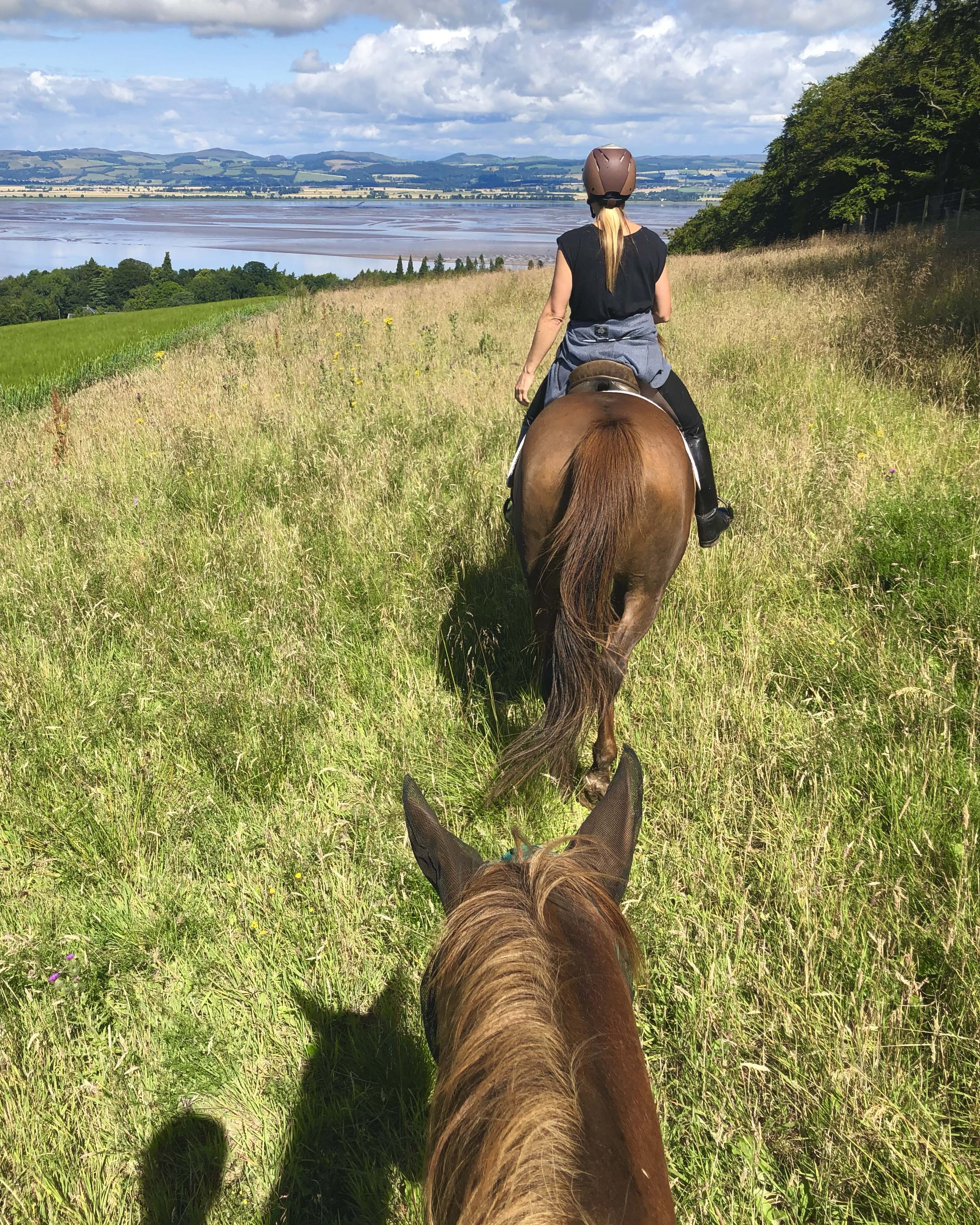
Finally I met up with my friend Kirstin, who happens to live down the road from the cottage. We took her gorgeous ponies on a hack and wandered through woodland and open fields, finishing with a splash in the River Tay. I hadn’t ridden since I was a child and it was so special to explore nature on horseback.
Nothing like a change of scenery and new wildlife sites to kickstart my inspiration again!
One of my favourite places to write about for my book was Muir of Dinnet, a nature reserve near Ballater in the Cairngorms National Park. Within a pretty small area, there are lochs, streams and patches of woodland, grassland and bog with a handy boardwalk for wildlife watching with dry feet.
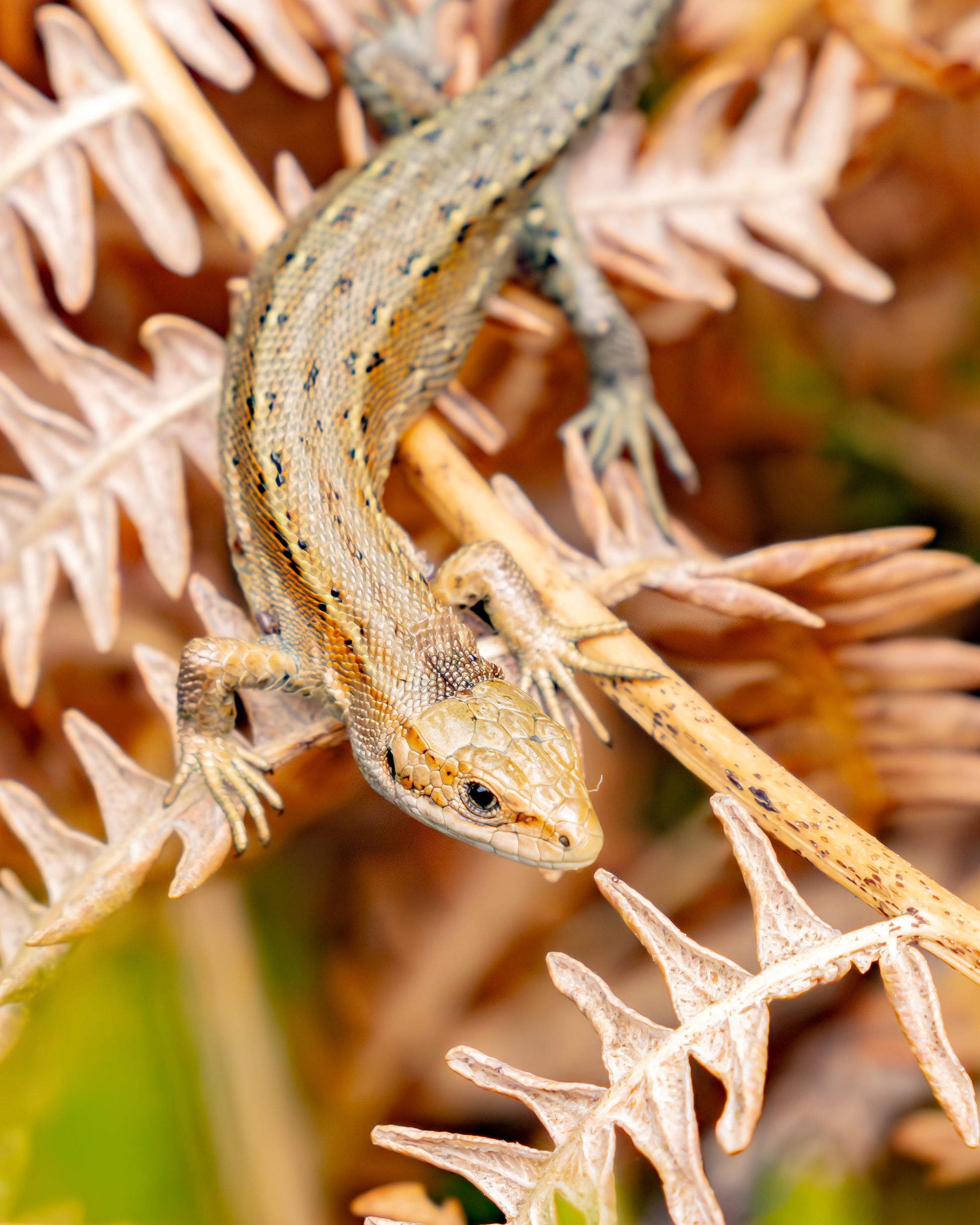
I always spend the whole day here when I visit, strolling along its various waymarked trails. On this occasion I saw a diverse mix of birds, mammals, insects and even a surprise common lizard rustling in bracken beside the path.
Muir of Dinnet is a really special place and I’m often singing its praises! Here’s a medley of photos from my most recent visit, showing just how much this reserve has to offer.
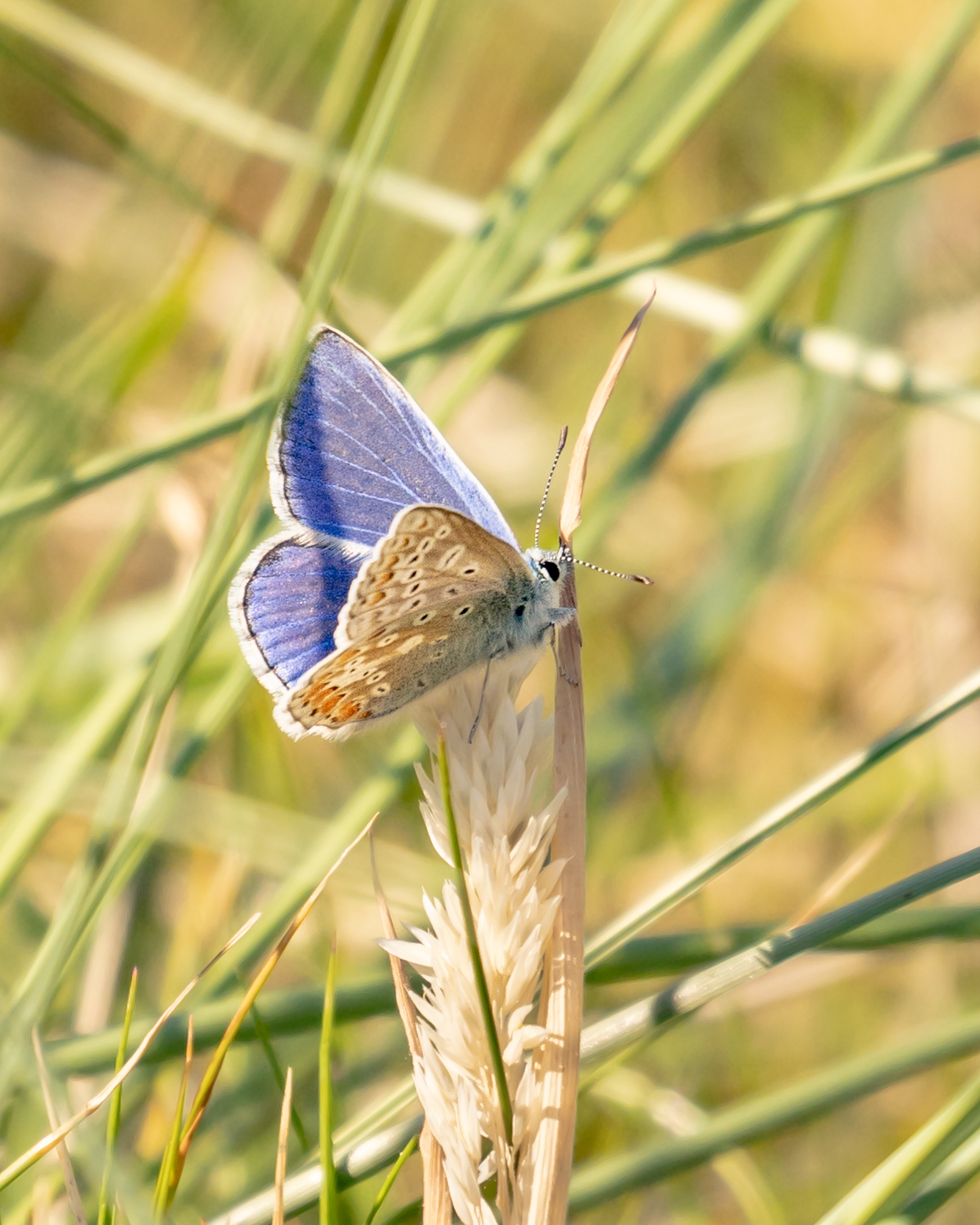
During the recent heatwave I went off in search of one of my favourite butterflies: the Common Blue. I found one but it only settled for a moment before flickering off, and I was too drained by the heat to hunt for it. I returned to the same spot this week in much cooler temperatures, hoping this meant the butterflies would be more lethargic.
Meadow Brown
Small Heath
Almost straight away I crossed paths with half a dozen Meadow Browns and Small Heaths, which was a reassuring start. I spent an hour photographing them on various perches, but as the morning wore on I began to wonder when (or if) the Blues would make an appearance.
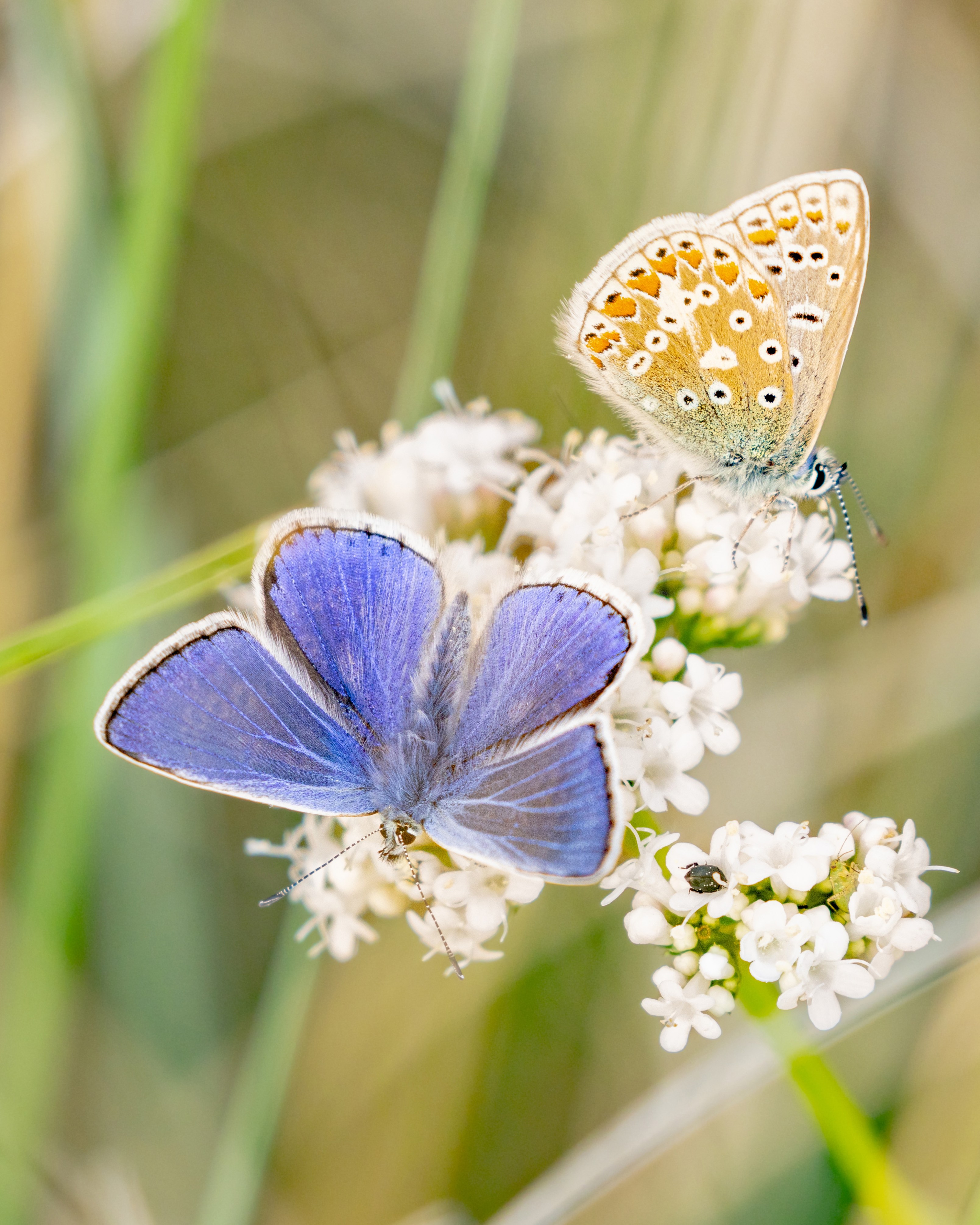
As so often happens, I was just nibbling my elevenses when I passed a clump of valerian growing out of the long grass, and perched on its white flowers were two male Common Blues.
I had my usual response: excitement at finding what I’d come to see and panic that they’d fly before I could get photo evidence. Luckily the morning was still cool, so they stayed put as I crawled around the valerian stalk and photographed them from every angle.
They’d initially had their wings closed, showing a row of orange flecks above a shimmery blue base. As they moved around the petals, their wings slowly opened, revealing upper wings so shockingly blue I couldn’t help a little dramatic gasp escaping. How can something be so tiny yet so magnificent?!
Of course, we have plenty of brightly coloured wildlife in Britain, but I can’t help thinking these azure beauties look like they’ve wandered across the Atlantic from sticky South American jungles.
I didn’t know where these two had suddenly emerged from, but after they lifted from the valerian I easily kept track of their sapphire wings as they fluttered along the dune path.
As the sun climbed higher and broke through the clouds, the Blues Brothers gained more energy and were soon zipping around quicker than I could follow. I decided to bow out and head home, delighted with the morning’s catch.
I spend most of my time outside peering up. My love of nature began with birds so I’m constantly checking tree canopies and rooftops for anyone perching or preening.
However, each summer my attention is snagged by a different kind of winged wildlife: butterflies. I consider myself pretty competent when it comes to bird ID but I’m very much at the floundering beginner stage with butterflies.
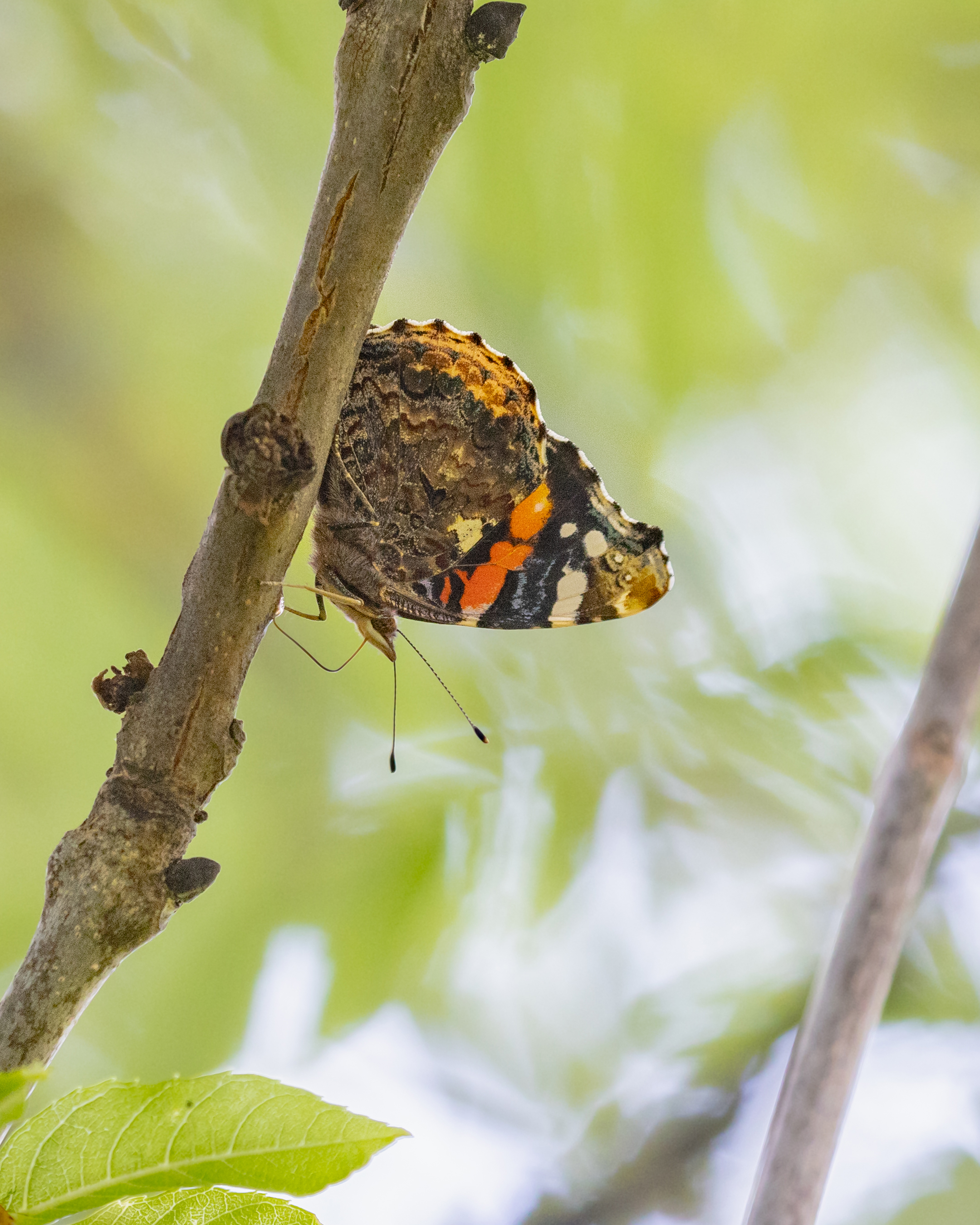
Red Admiral
Still, I’ve found that by learning just a couple of new ones each summer, I can slowly build my knowledge. Luckily for me there are only about 30 regularly occurring butterfly species in Scotland, so at least I can’t get too confused.
During this week’s (very) hot spell, I headed out for a bit of butterfly spotting. I was lucky enough to see a few different species around my local area, including some teeny tiny beauties.
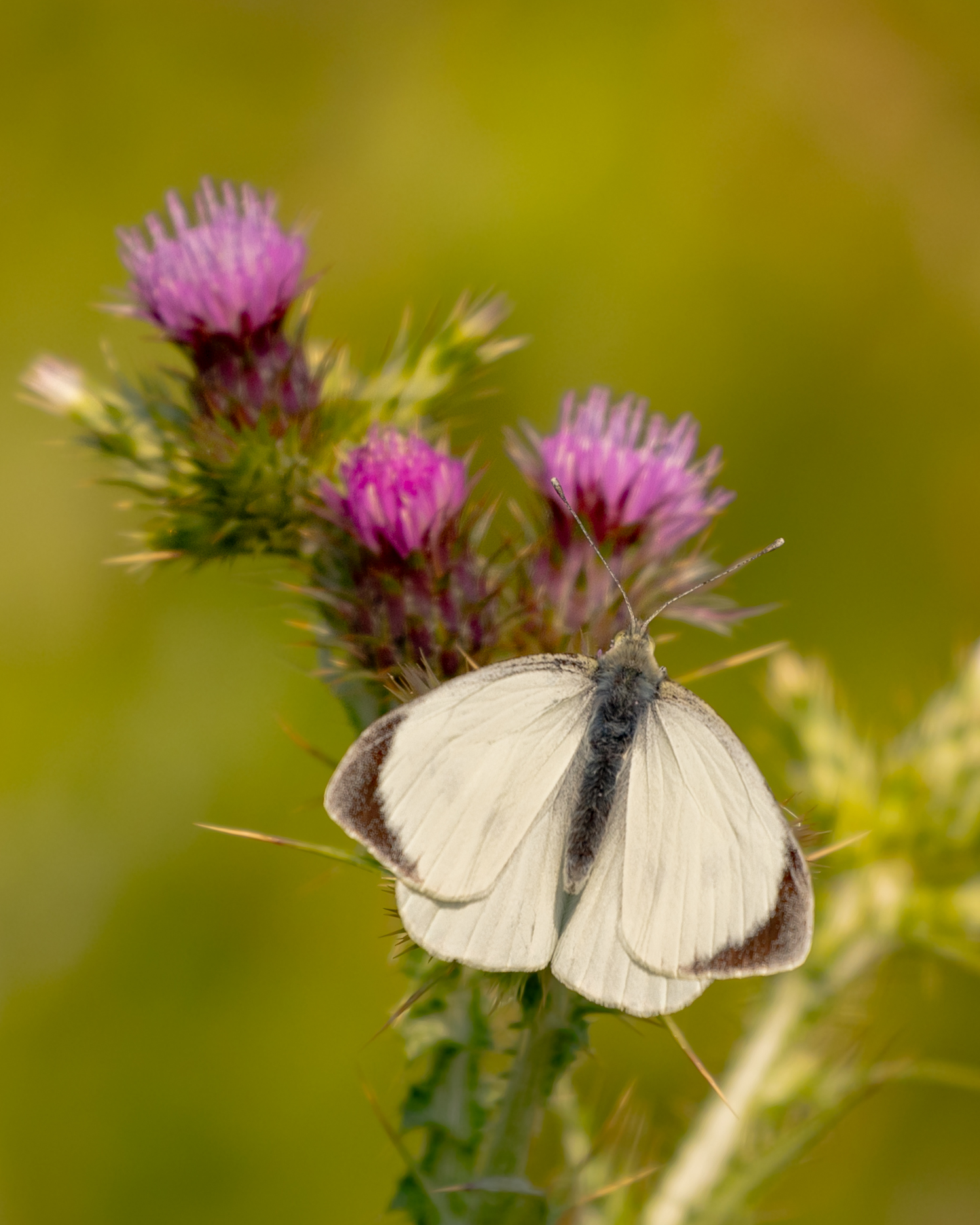
Small HeathCommon BlueLarge White
RingletPeacockSmall BlueSpeckled Wood
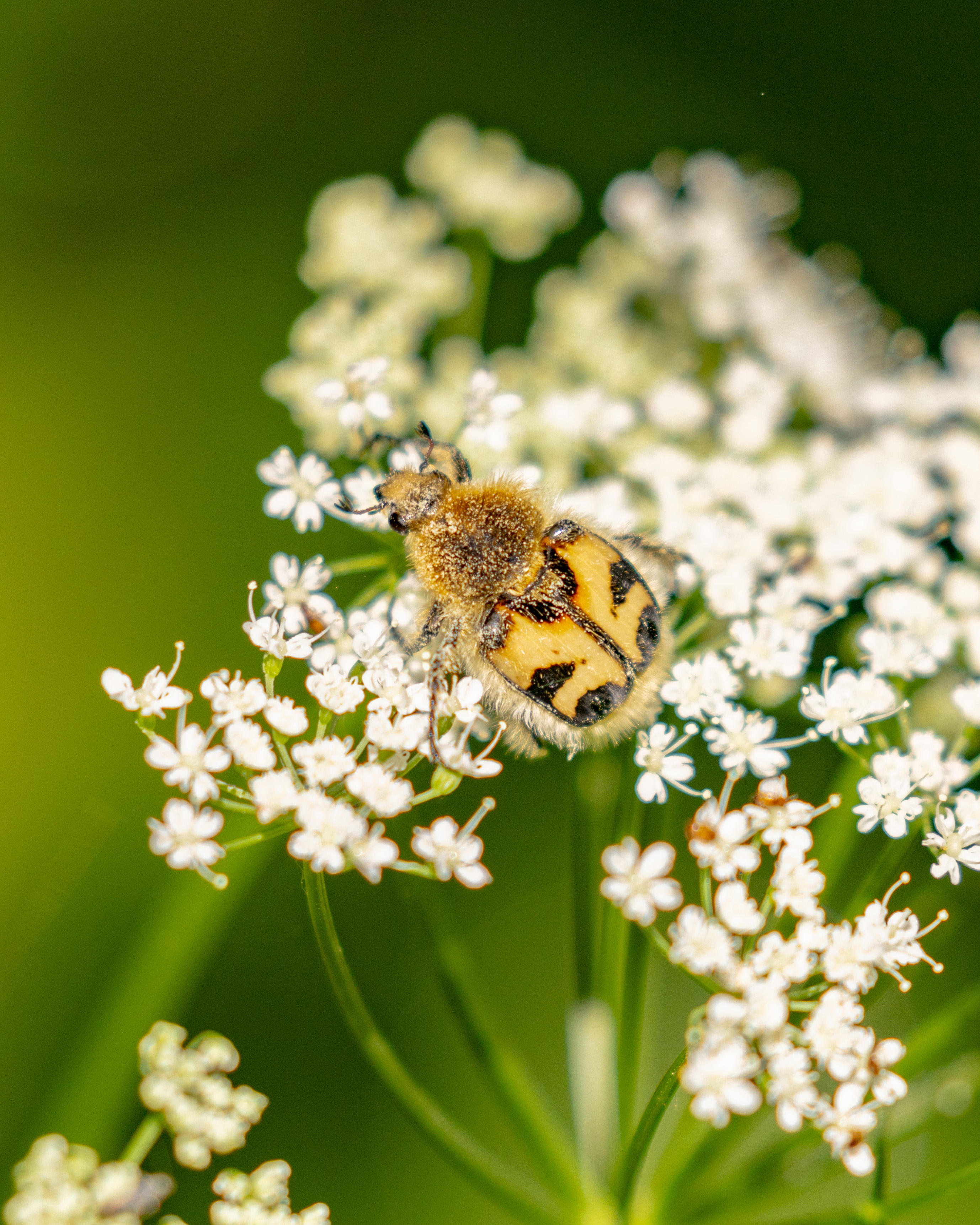
As well as butterflies, I also had close encounters with other insects this week. After consulting books and reaching out to more knowledgeable folk on Instagram and iNaturalist, I managed to identify some quirky finds!
Bee beetle
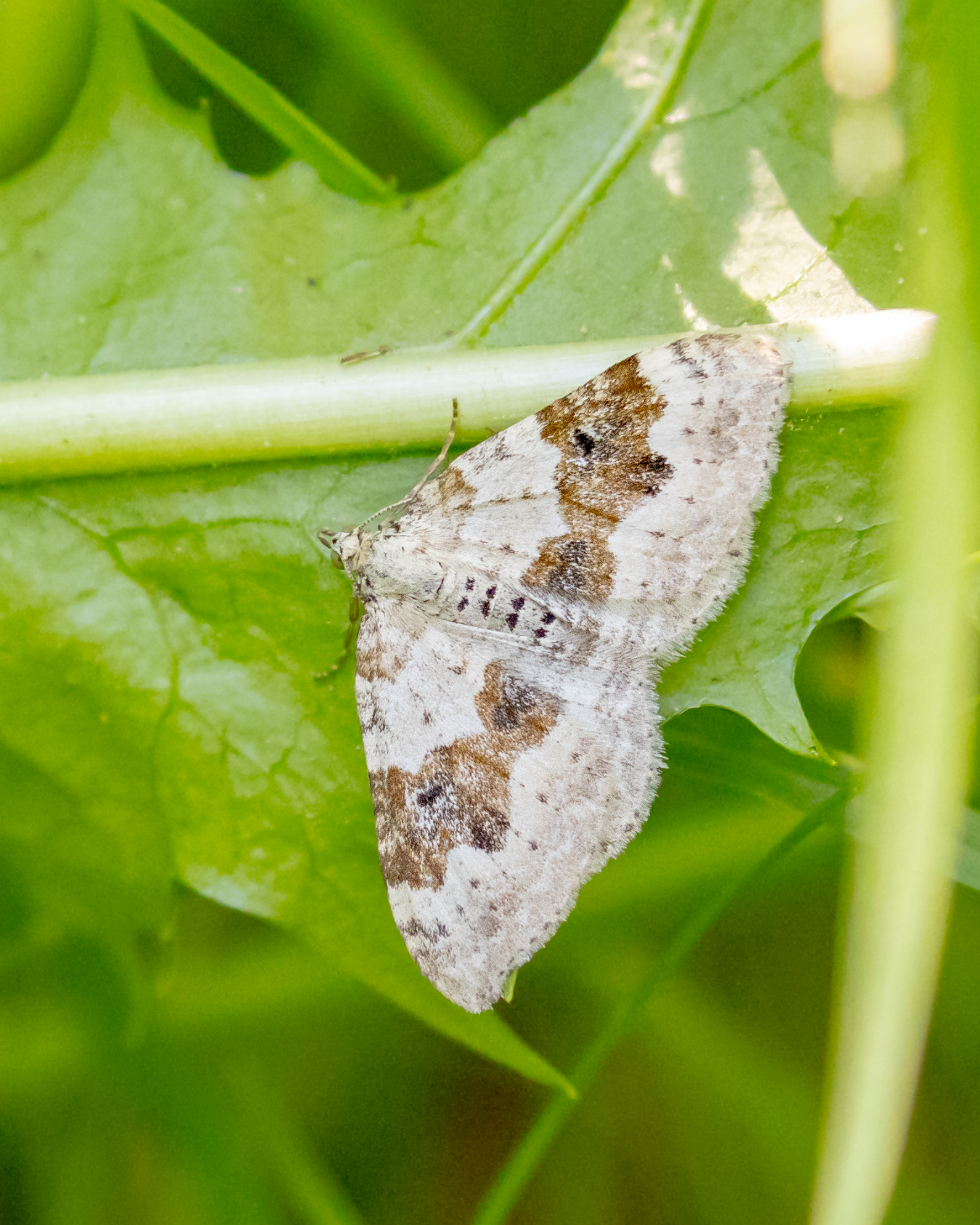
Silver-ground Carpet moth
Scorpion fly (female)
Each summer I’m reminded that insect photography requires a very different skillset to capturing birds. There have been some exasperating moments, such as when a Common Blue just wouldn’t land and a Small Heath zipped away the second I got the focus right. Still, I’m chuffed with my results and looking forward to seeing some new players appear in the coming weeks.
Today was the first day I’ve missed my woolly hat while out walking. I should have anticipated this from the sound of the moaning wind down the chimney, but I saw diluted sunshine and overestimated its efforts. We’ve hit that indecisive time between summer and autumn, when dressing for a walk becomes a series of deliberations.
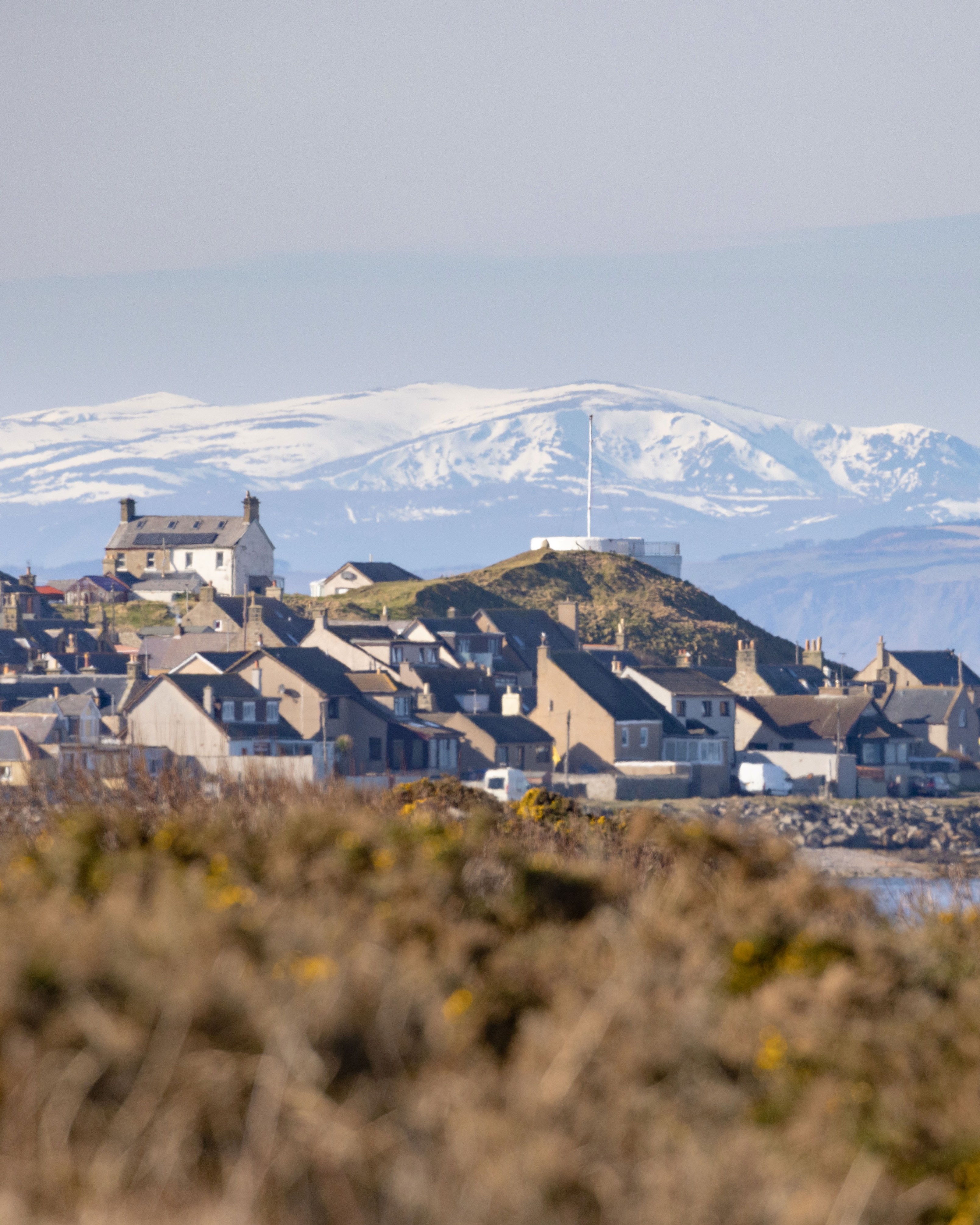
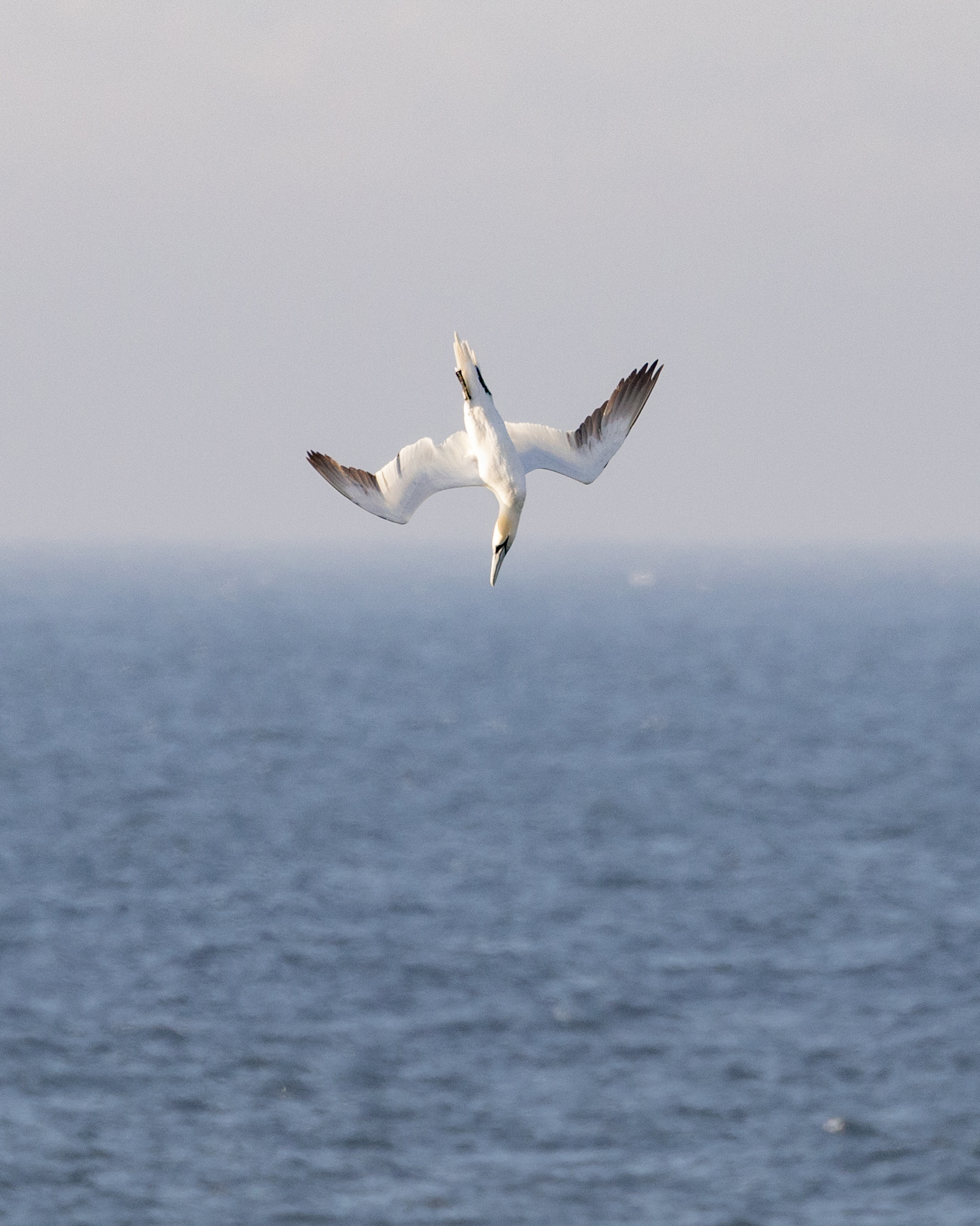
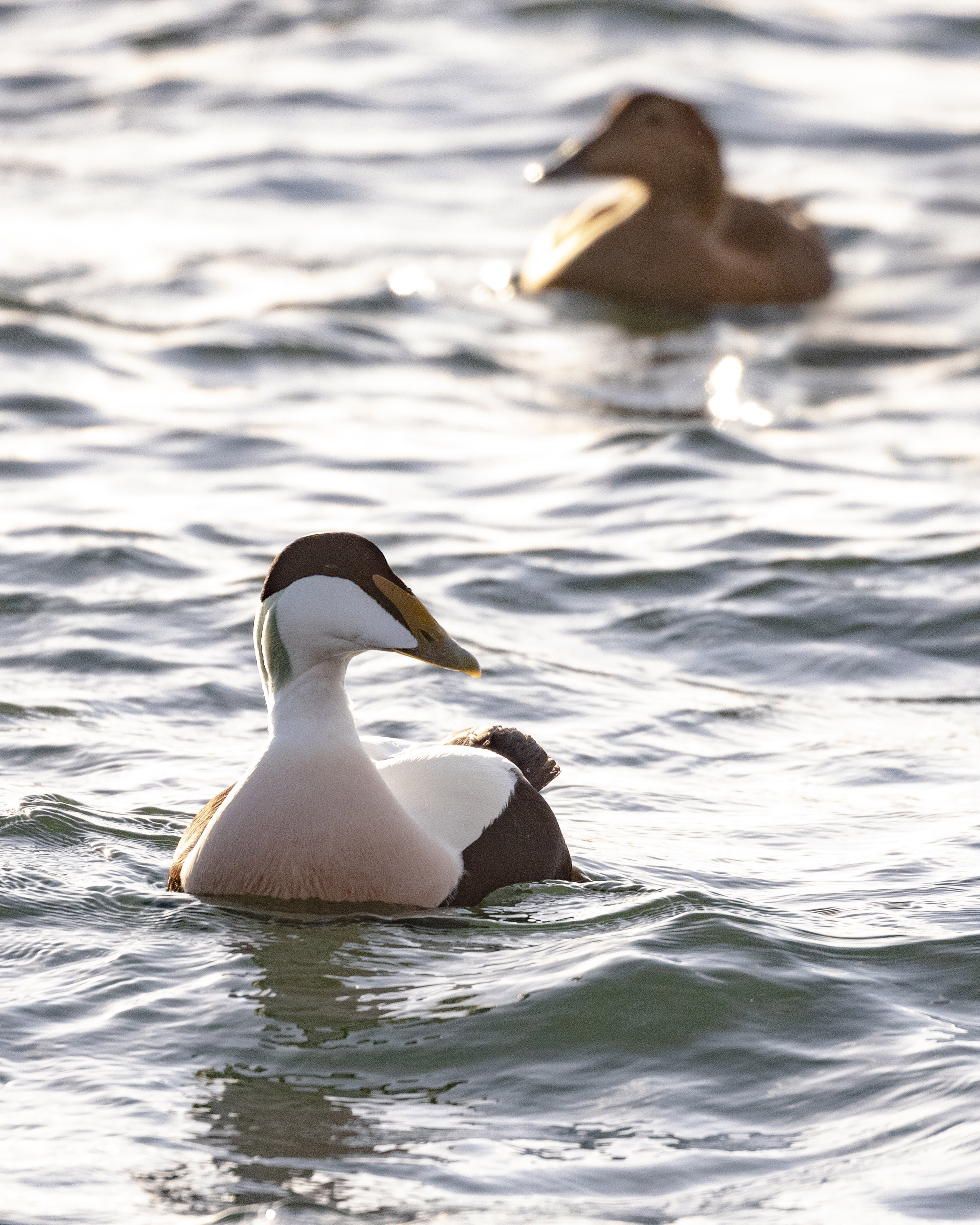
This morning I saw a couple of swallows swirling over the shore, still lingering after their long summer holiday. Further out, a couple of white flicks were diving in the choppy swell. Even from an anonymising distance I could tell they were gannets straight away, recognising the stiff beats of their black-tipped wings. As I withdrew further into my coat with hunching shoulders, another flash of white caught my eye. This was the clincher, a sign I’d been waiting for. A flock of eider ducks meant autumn was coming.
Hazy Burghead
Gannet mid-dive
Eider ducks
Summer isn’t my favourite season by a long way, and this year it was made particularly insufferable by a 40°C heat surge that coincided with my first case of Covid. Still, I can look back and say this summer has been both productive and great fun. Most of it was taken up by research for my book, which is now due in six weeks. I’ve explored Aberdeen, Portsoy, Glenlivet, Ballater, Braemar, Banchory, Dufftown and Carrbridge in the last two months alone, filling the last gaps in my Slow Travel Guide to North East Scotland.
Sitting at the top of Clachnaben, south of Banchory
After spending so much time walking outside, I was pleasantly surprised to find tan lines beneath my rings and watch strap. I mostly write at my desk, so I loved having the opportunity to stretch my legs and assure myself that spending days on end walking through forests and wandering around coastal villages was in fact work. Putting this book together has tested my organisation, self-discipline and resolve, but I’ve now emerged with a complete manuscript. All that remains is the entire editing process.
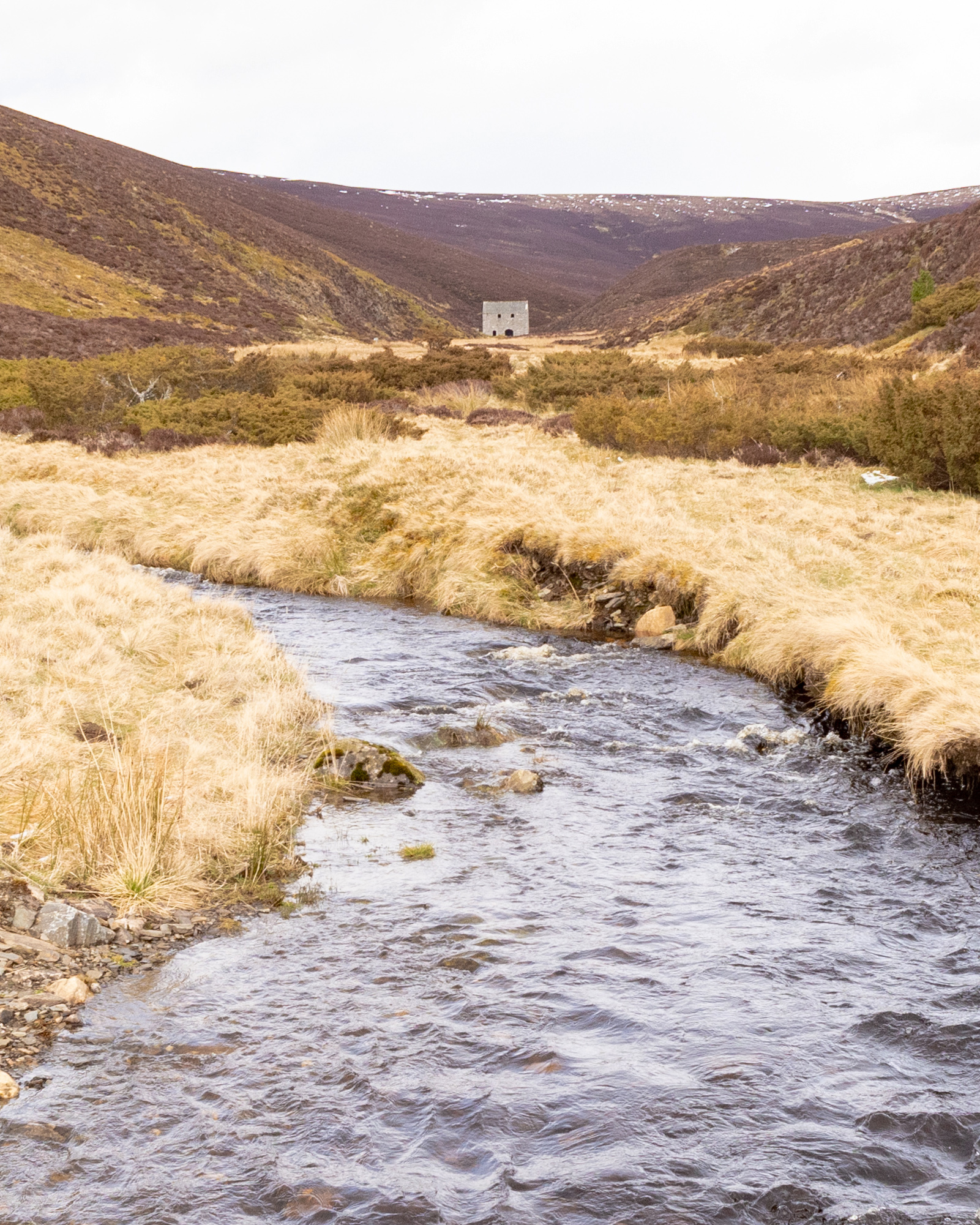
The Lecht Mine, near Tomintoul
During my research trips I’ve been learning more about butterflies. Birds and mammals have been favourites of mine for years, but insects in general have never been my strong suit. This summer I thought I’d make use of not being able to birdwatch as much, and expand my nature knowledge in another area. I found it fascinating, stopping frequently to crawl on the ground for a closer look at a red admiral, peacock or, on two wonderful occasions, a common blue.
Common blue
Small pearl-bordered fritillary
Speckled wood
The butterfly I saw most was Scotch argus, which has made my English friends jealous. Many of them have never seen one, let alone several on just a short walk. It’s been a fantastic learning experience and one that I’ll continue next year.
Scotch argus
Now, however, as both summer and my time working on my first book draws to an end, I’m looking forward. Fly agarics are popping up in the forest and eiders are rushing past over slate grey waves. I know it won’t be long before some of my favourite birds – fieldfares, redwings and long tailed ducks – make their reappearance. That chill in the air is the sign that autumn is waiting in the wings, and I can’t wait.
As of today, I’ve been living in my new house a week! It’s not the biggest or the most glamorous, but it’s certainly enough to feel like home. There is also a generously sized garden that oozes potential. Currently, the grass is several feet high and tickles the midriffs of the two apple trees, but I’m determined to make it a spot both we and our neighbouring wildlife can enjoy.
Zahrah and I have already had debates over whether the grass should be cut at all. While she favours the truly wild, I prefer neat and tidy with areas that the wildlife can still feel at home in. My plan is to cut the majority of the lawn but leave a wild patch at the bottom, so all kinds of creatures can still seek sanctuary in its grassy depths.
I’ve noticed several species of garden bird already, namely robins (Erithacus rubecula), blue tits (Cyanistes caeruleus) and great tits (Parus major), but I’m sure we can attract more with a range of bird feeders – millet for dunnocks (Prunella modularis) and finches and sunflower seeds for the tits and hopefully greenfinch (Chloris chloris). As well as this, we could fit some nest boxes to the apple trees to encourage nesting birds to stay.
Now we have such a secure garden, Zahrah suggested setting up a camera trap to see what nocturnal wildlife we play host to. In an urban area, it’s possible we have hedgehogs (Erinaceus europaeus) and maybe red foxes (Vulpes vulpes), something I’d be thrilled to see. After managing to photograph a wood mouse (Apodemus sylvaticus) at Kingmoor Sidings nature reserve not far from here, I’m optimistic we’ll get to see a lot more once we’ve set some tasty bait.
As for the lawn itself, I’d love to create a winding path out of the stray slabs we’ve found lying around. The garden is large enough for a compost heap too, something else that would attract a range of species. I’d love to cultivate a pond, but feel like this may be beyond my skill set! However, it would be lovely to plant some flowers and inject some colour into the otherwise very green garden. Although not the prettiest, stinging nettles are well known for being excellent attractors of the red admiral (Vanessa atalanta), comma (Polygonia c-album) and small tortoiseshell (Aglais urticae). Other good plants for butterflies include garlic mustard (Alliaria petiolata) and marjoram (Origanum vulgare).
All in all, I see some exciting things on the horizon for our little garden! After living in halls for a year and the only green space being the faded carpet of my room, I can’t wait to unleash my inner gardener and make our patch the perfect wildlife haven.




















 rebeccaonthewing.com